Houses Whose Ages Are Not Obvious
The author, an architectural enthusiast with a master's degree in architecture, expresses a particular appreciation for contextual houses that blend seamlessly with their surroundings, especially those whose age is not readily apparent. While typically a house's age can be estimated based on its style, size, height, or specific details, the author finds it particularly intriguing when this assessment proves challenging. This personal interest stems from a fascination with the nuances that define and sometimes overlap various architectural styles and eras.
The article presents five houses located in the Hamptons area, each possessing characteristics that make their age difficult to determine. The first house, situated in North Sea, is described as a two-story farmhouse featuring two-over-two windows, a gable-end pointed window, and traditional shutters and hardware. Its main north-south gabled volume and east-west gabled wing are reminiscent of many surviving 1800s farmhouses on the East End, prompting a question about its actual age.
The second house, located just outside Southampton village boundaries, is a two-story Colonial. It showcases traditional elements such as shutters with traditional hardware and pilasters at the corners. The second-story windows on the front elevation appear to be at floor level, a design often seen in older homes, leading to a query about its antiquity.
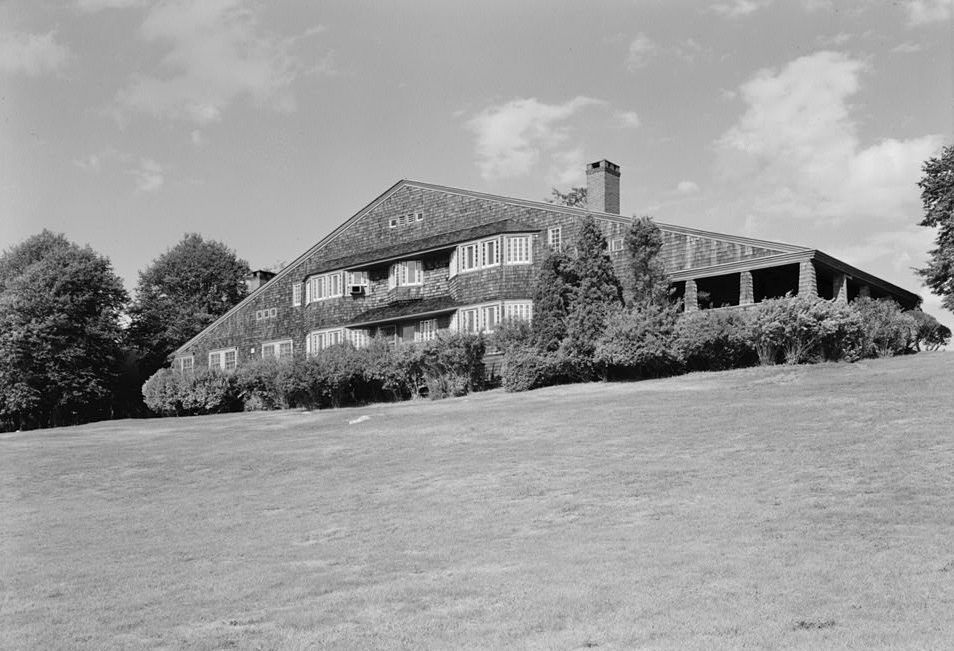
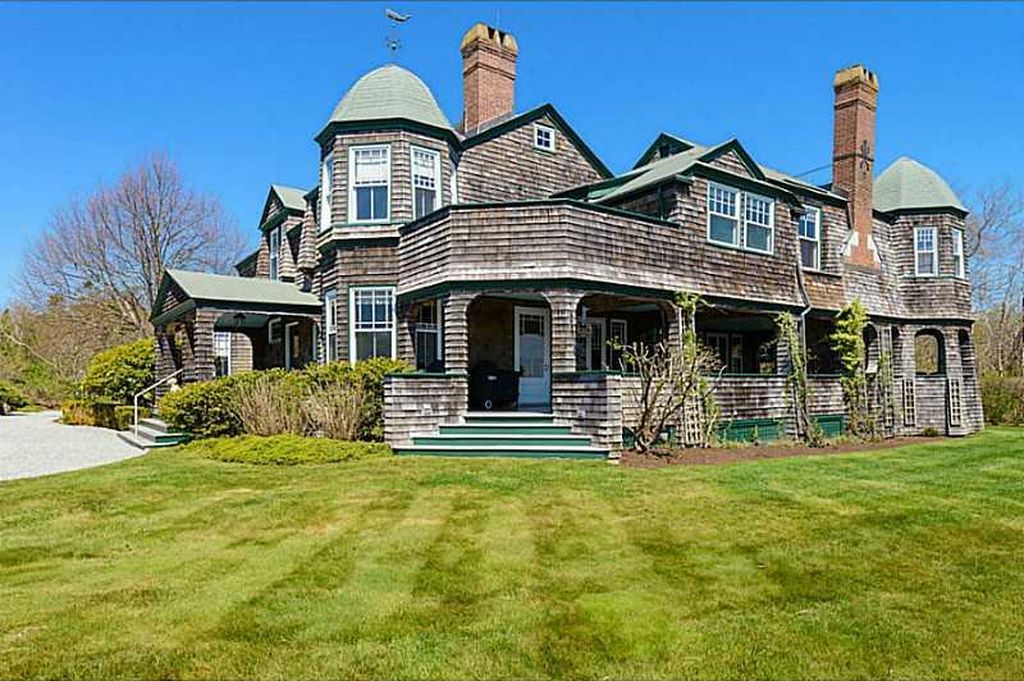
A third property in Bridgehampton exhibits traditional detailing including classic shutters and hardware, divided light windows, and a second story where the shingle siding gently sweeps out over the first story. It possesses a rambling aesthetic and a balanced composition, yet its age remains an enigma.
The fourth house, named “Fox Hall,” is near the ocean in Southampton Village. Its low height suggests a bygone era, and its operable window shutters, which close during colder, uninhabited months, further hint at an older age. The Greek Revival detailing on the house was a common architectural feature in the area during the 1840s, raising the question of its true age.
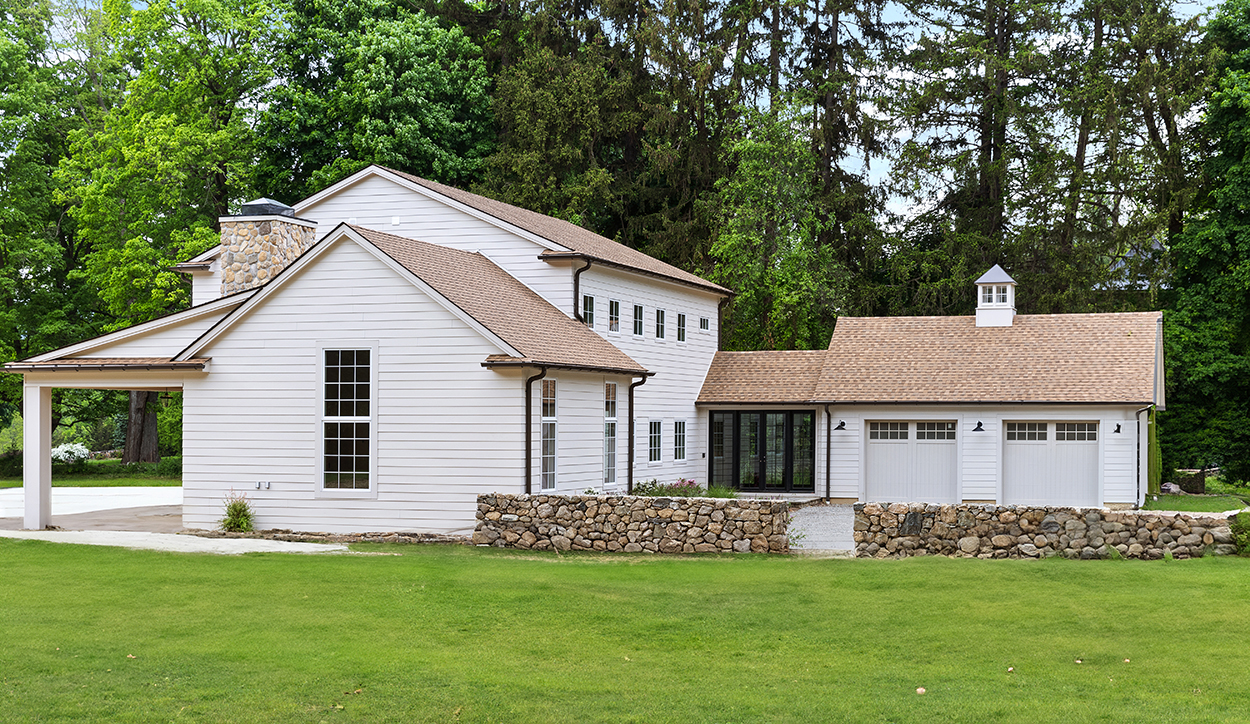
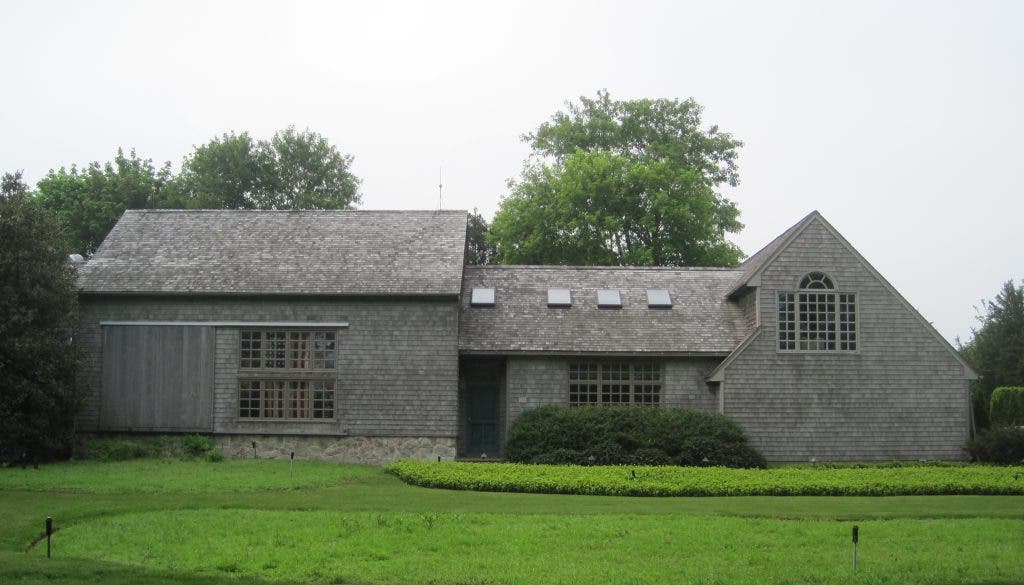
Finally, a more vernacular structure in Water Mill is included, appearing to be a barn converted into a house. It features a stone foundation, a sliding barn door, minimal fenestration, divided light patterned windows, steep roof pitches, and shallow eaves, making its age equally ambiguous.
Without conducting formal research, the author offers personal guesses regarding the ages of these houses. The author speculates that only the first house is genuinely old, predating 1930, while the others are more contemporary constructions. The reasoning for this distinction is based on specific architectural details: the second house's chimney, cupola, six-over-six divided light windows, and the contemporary placement of its north side windows; the third house's overall size and large window clusters; the fourth house's exaggerated dentils and transom windows; and an intuitive feeling about the fifth. The author acknowledges the possibility of being incorrect and emphasizes that definitive age determination would require consulting historical maps and records from local authorities, concluding that the challenge of guessing ages is enjoyable and indicates successful design by architects who craft homes that transcend temporal boundaries.
#ArchitecturalStyles #HomeAgeGuessing #HamptonsArchitecture #HouseDesign #ArchitecturalHistory #BuildingDetails #Southampton #Bridgehampton #WaterMill #ArchitecturalStyles #HomeAgeGuessing #HamptonsArchitecture #HouseDesign #ArchitecturalHistory #BuildingDetails #Southampton #Bridgehampton #WaterMill
0 comment in total
 No comments yet
You may also like
Guide to Buying Older Homes by Decade

Brick by brick: Grey Street House
6 brick houses that are rooted in nostalgia and vernacular design


10 outdated home features that used to signal wealth but not anymore

20 Old House Styles No Longer Built Today
3 historic shingle style houses ready for summer
7 Reasons Your Home Looks Dated, According to Designers

20 Unfortunate Ways Your Home Looks Super Dated, According to Experts
The Truths About Buying and Living in an Old House
8 Things That Make Your Home's Exterior Look Dated
11 homes that embrace concrete

6 rustic homes in modern farmhouse style

6 homes with walls that have the exposed brick look
Old meets new in this heritage Parkside home

These 15 brick houses prove this age-old material deserves icon status
From the Utensil Rack to the Tub, All That’s New in This Home Is Meant to Look Old

15 Old House Features We Were Wrong to Abandon
Interior Designers Reveal 6 Surprising Things Making Your House Look Dated

25 Homes With Exposed Wood Beams: Rustic to Modern

Homeowner Makes 'Unsettling' Find Under Old House's Floorboards