1/20
20 Old House Styles No Longer Built Today
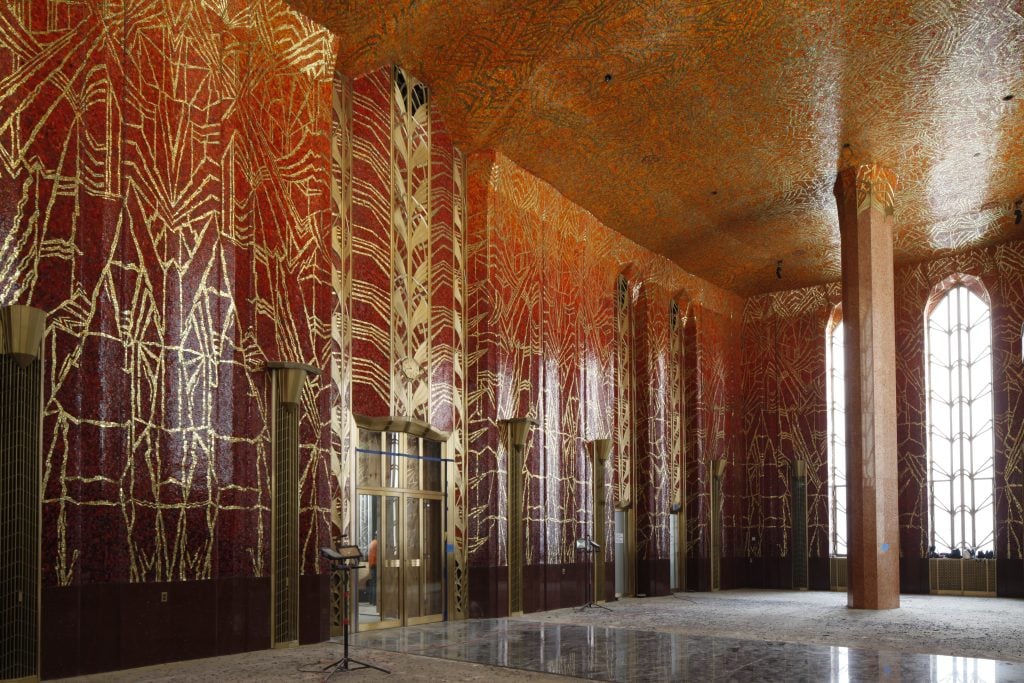
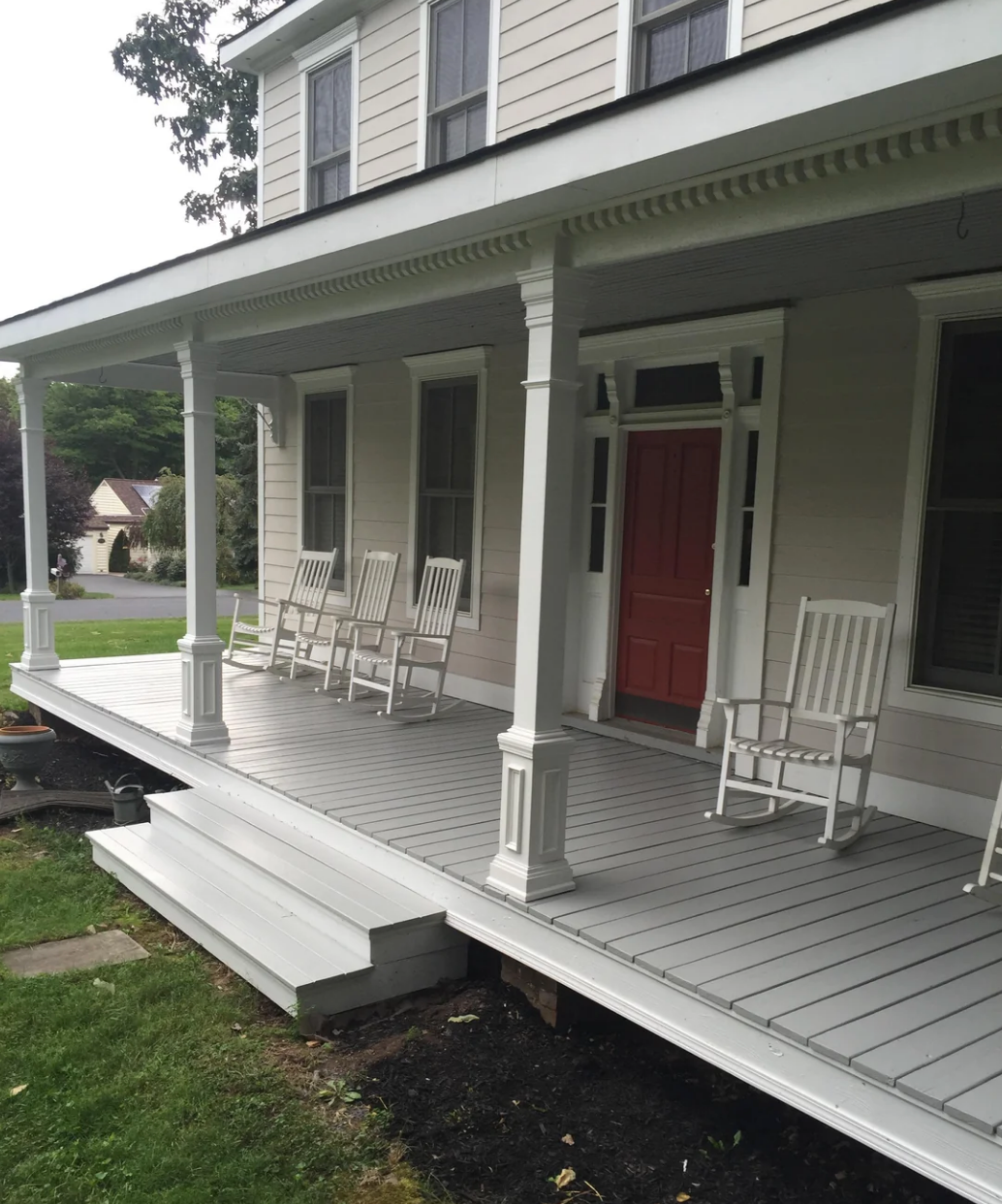
This article explores twenty architectural styles that are no longer commonly built today, examining how each style reflects historical, cultural, and societal values in American identity. Each architectural form, from the Octagon House to the Greek Revival, encapsulates specific periods of American history, revealing evolving aspirations, technological advancements, immigration patterns, and changing family dynamics.
Octagon Houses, for instance, highlight a mid-19th-century fascination with health and scientific rationalism. Promoted by Orson Squire Fowler, these eight-sided structures were marketed as scientifically superior for their airflow and natural light, reflecting a cultural desire for solutions to urban disease. Their eventual decline illustrates how architectural innovations, despite initial optimism, can be superseded by practical limitations or shifting preferences.
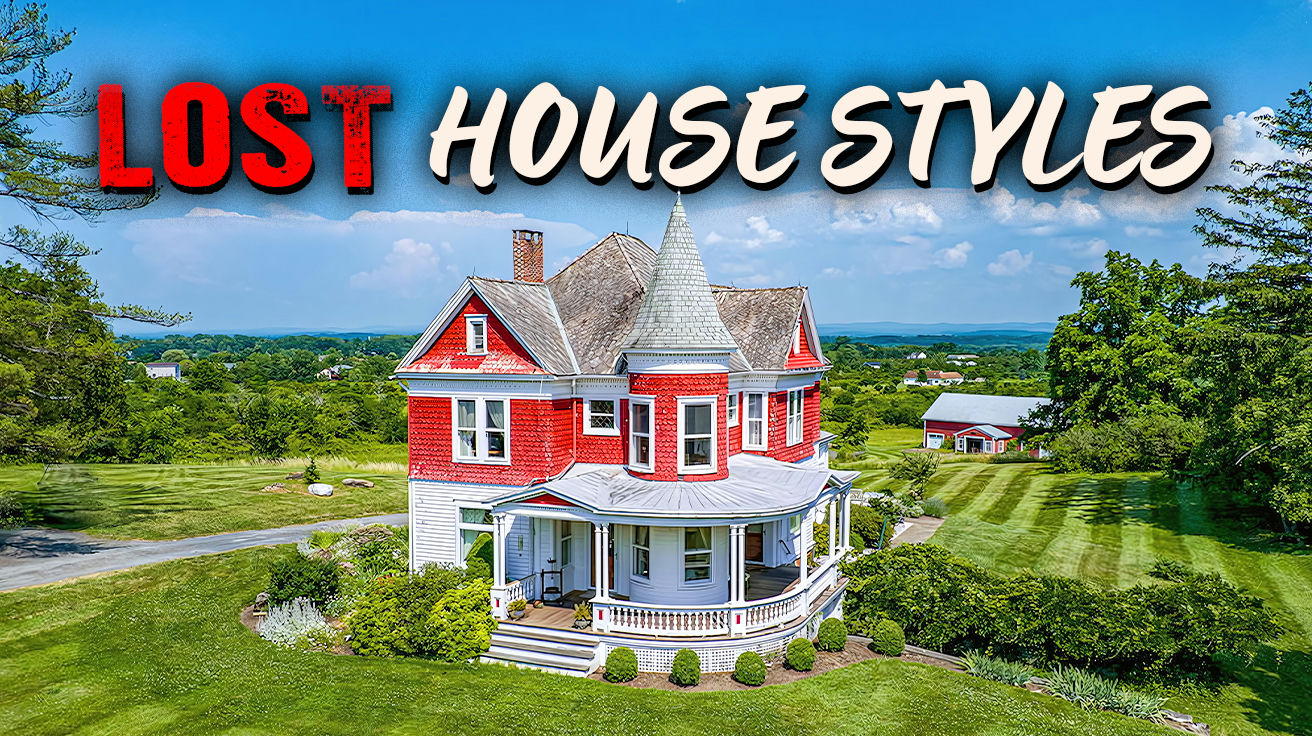
Queen Anne Style homes, popular during America's industrial transformation, represent a period of architectural anxiety. Their intricate designs, featuring turrets and varied textures, were an attempt to invoke a romanticized past amidst the rise of mass production and the decline of traditional craftsmanship. These homes serve as a physical record of the nation's struggle to reconcile progress with a longing for historical continuity.
The American Foursquare style, emerging as a response to Victorian excess, embodies American pragmatism and efficiency. Its cubic shape maximized interior space with minimal exterior walls, catering to middle-class families seeking durable, cost-effective homes. This shift from ornamentation to clean lines mirrored a broader cultural movement towards efficiency, influencing later industrial and technological advancements.
Craftsman homes emerged as a direct counter-movement against industrialization, emphasizing authenticity and handmade details. Figures like Gustav Stickley championed this style as an alternative to mass-produced goods, promoting a vision of American life centered on craftsmanship. This movement parallels contemporary trends that seek refuge from technology in more traditional or artisanal practices.
Shotgun Houses reveal the often-overlooked influence of African architectural traditions on American building. Their narrow, linear design, common in Southern cities like New Orleans, originated from West African and Haitian spatial concepts. These homes demonstrate how cultural memory and practical necessity, particularly among enslaved populations, shaped building traditions in America.
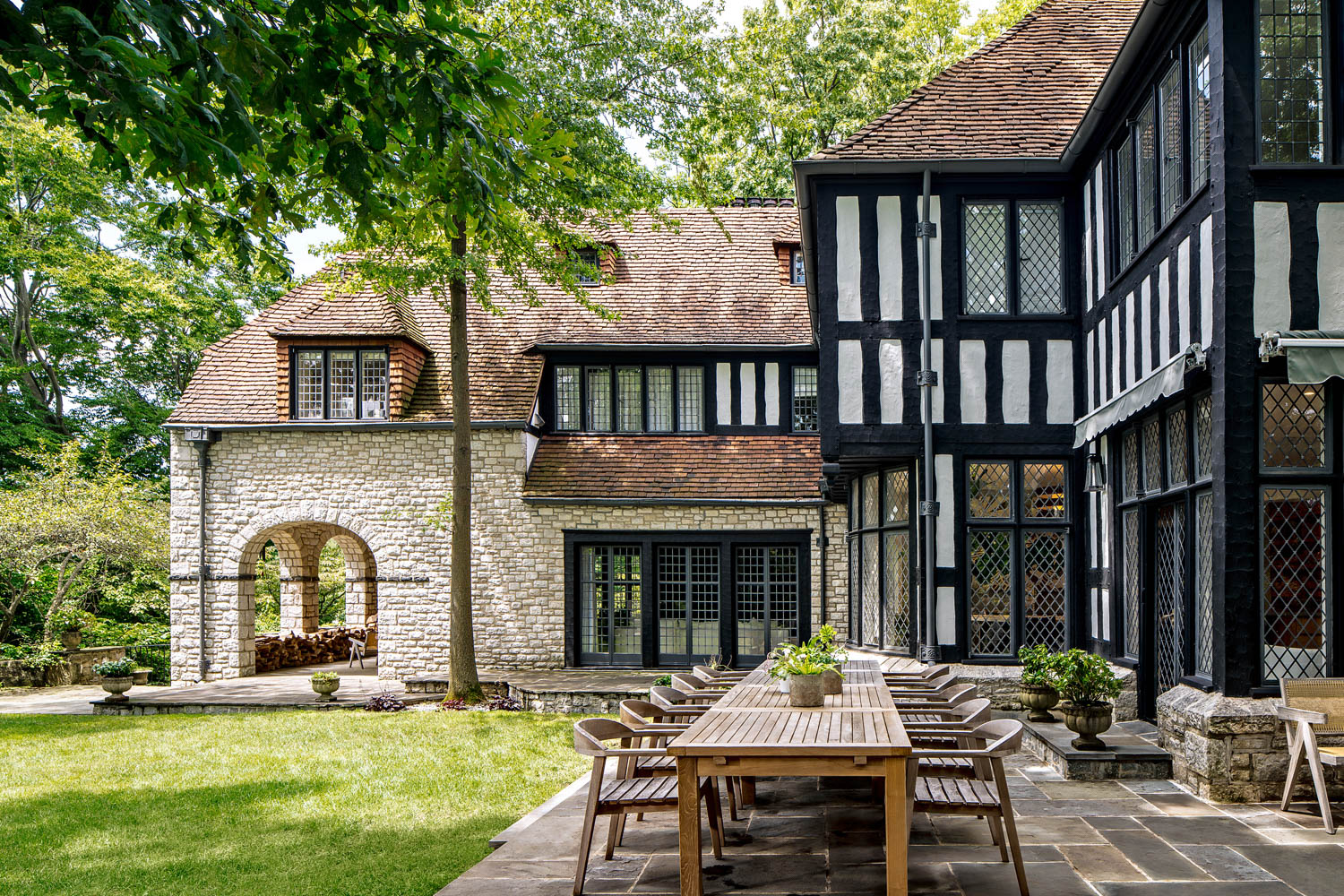
Tudor Revival architecture showcases America's complex relationship with authenticity, allowing homeowners to create an instant sense of European heritage through decorative half-timbering. This style's popularity during the Roaring Twenties reflected a desire among the newly affluent to project old-money stability, often in designs that were more theatrical than historically accurate.
Dutch Colonial Revival homes illustrate how history is selectively interpreted to create comfortable narratives. The distinctive gambrel roof linked homeowners to early European settlers, becoming popular during periods of high immigration as an architectural expression of nativism, emphasizing certain ancestral connections while other immigrant groups faced restrictions.
Lustron Homes, prefabricated all-metal houses from the post-war era, epitomized American technological optimism. These industrial products, intended to solve the housing crisis, ultimately failed due to economic and consumer preference factors, serving as a cautionary tale of innovative solutions clashing with market realities.
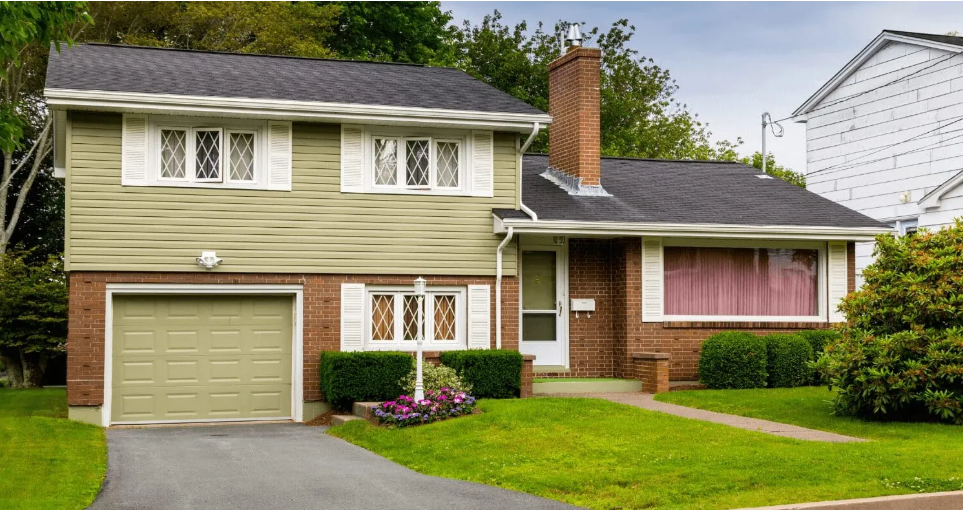
Atomic Ranch homes emerged during the Cold War, reflecting shifts in family structure and optimism. Their open floor plans and indoor-outdoor connections aligned with women entering the workforce and the growth of suburbs. Large picture windows transformed living spaces into displays of middle-class prosperity.
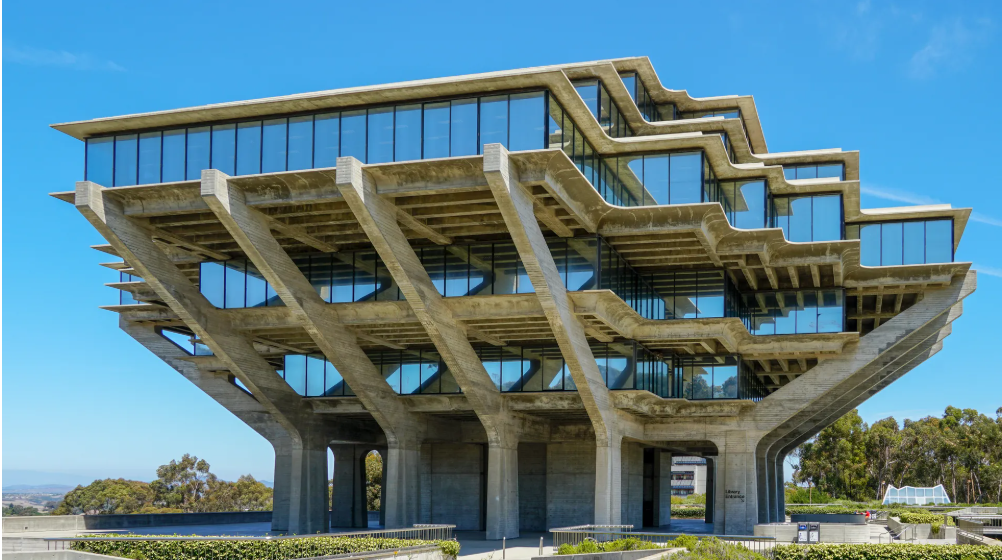
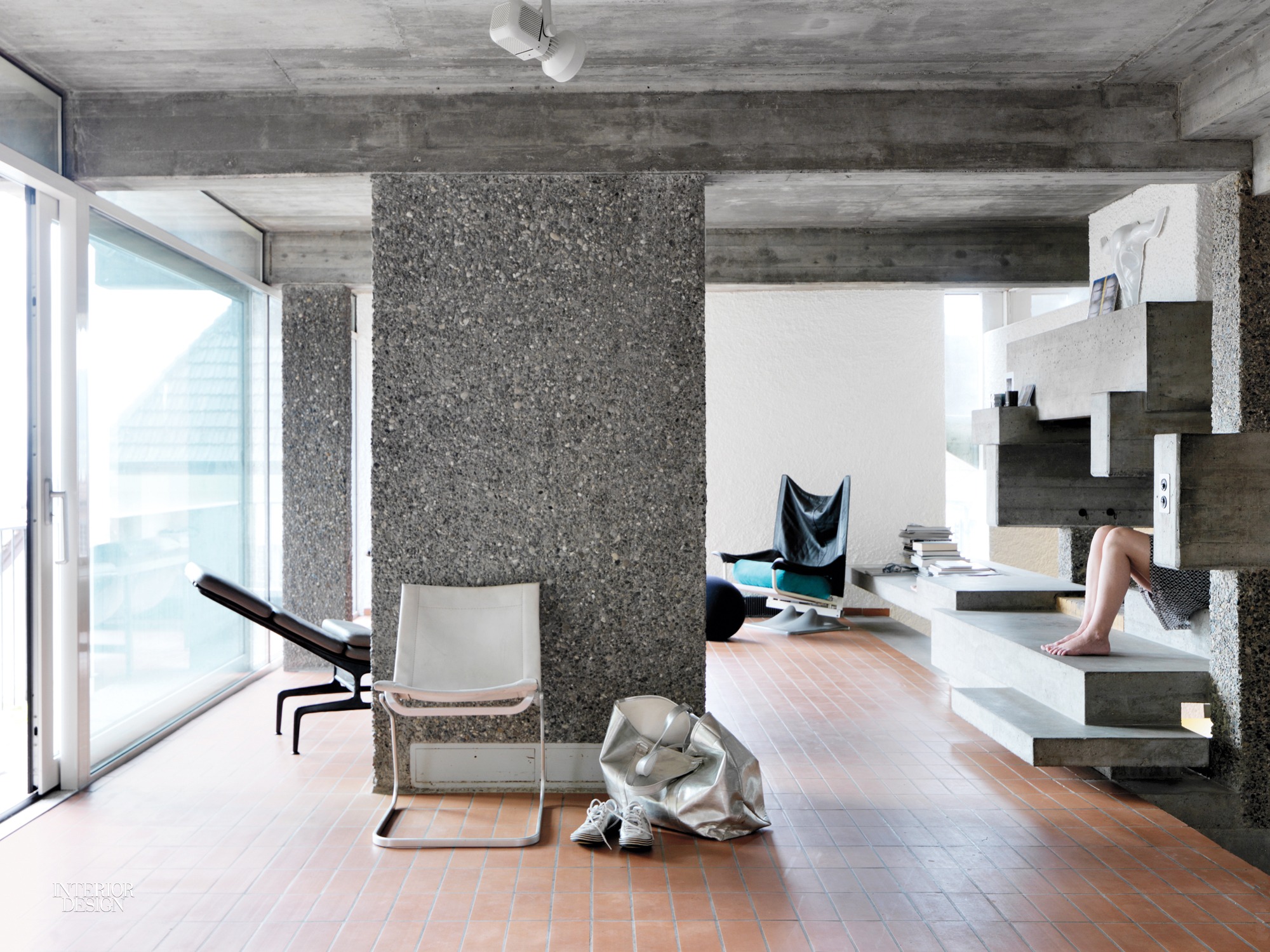
Brutalist Homes, characterized by raw concrete forms, were ideological statements against dishonesty and an embrace of authenticity, aligning with Cold War tensions. This style, like punk rock, rejected conventional aesthetics, its decline reflecting shifting attitudes towards institutional authority.
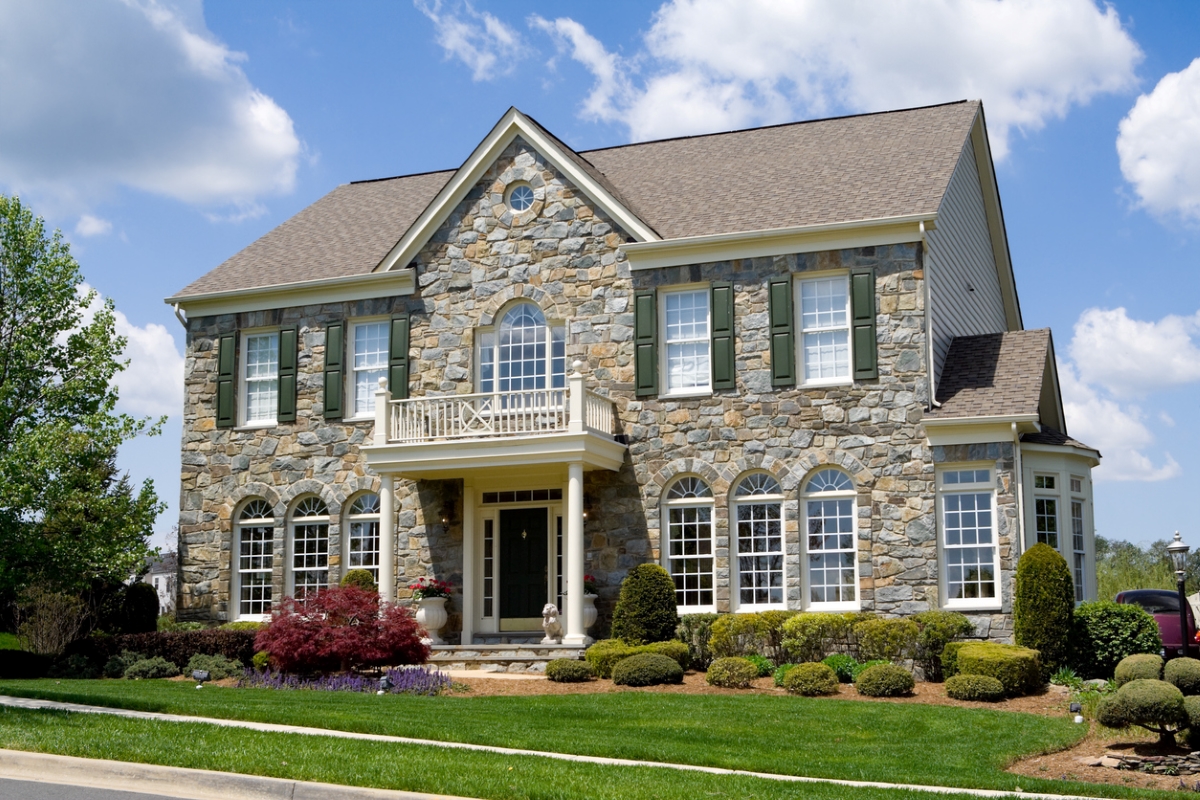
Neoclassical architecture enforced power structures through imposing columns and symmetrical proportions, referencing ancient Greek and Roman ideals of democracy and authority. This style's use in governmental and elite buildings signifies permanence and legitimacy, functioning as an architectural symbol of power.
Cape Cod homes, shaped by the harsh New England climate, exemplify practical design and climate adaptation. Their steeply pitched roofs and modest scale offered dignity and affordability during economic hardship, reflecting a cultural search for security in traditional forms.
Country French homes demonstrate America's selective adoption of European aesthetics. These designs, influenced more by Hollywood than authentic French farmhouses, illustrate how diluted cultural elements are consumed, often without historical context, prioritizing aesthetics over functional origins.
Colonial architecture, born out of survival necessities for early settlers, prioritized practicality over style. Features like central chimneys and evenly spaced windows were functional responses to harsh environmental conditions. Modern replicas often miss the pragmatic origins of these designs.
Victorian homes showcase the impact of the Industrial Revolution, with elaborate wooden details made possible by mass production. Their complex, compartmentalized floor plans reveal the social norms and gender roles of the era, marking a shift towards consumer-driven architectural aesthetics.
Tudor-style homes functioned as social signaling, with half-timbering and steep rooflines conveying old-money stability. Their popularity during uncertain economic times reveals how architectural choices can serve as aspirational identity markers, often prioritizing perceived heritage over structural authenticity.
Cottage-style homes provided escapism during difficult periods like the Great Depression. Their whimsical features created a fairy-tale aesthetic, demonstrating how architecture fulfills emotional needs by allowing inhabitants to live within a narrative, offering comfort rather than pure function.
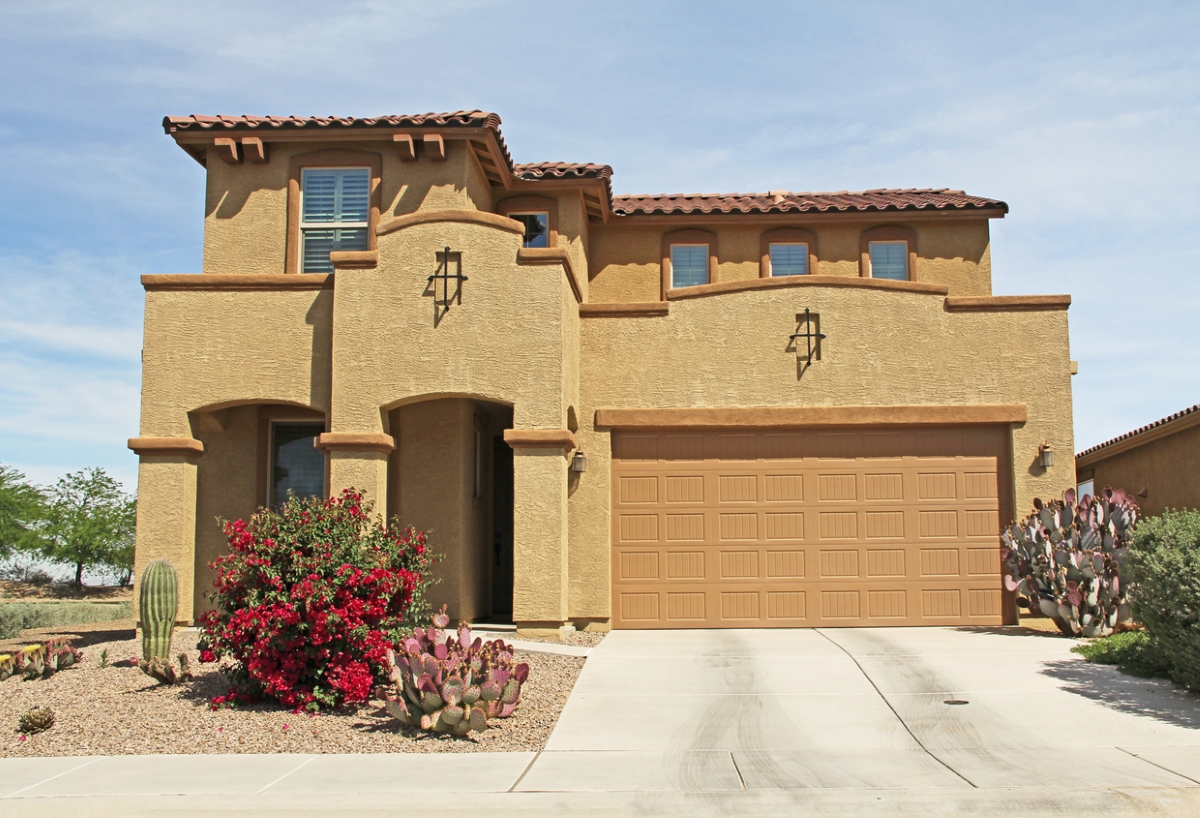
Mediterranean-style homes represent America's appropriation of aesthetics. Red-tiled roofs and stucco walls, popularized after wartime exposure and Hollywood's romantic portrayals, illustrate architectural tourism. These styles spread beyond climatically suitable regions, prioritizing appearance over functionality.
Italianate architecture served as a status symbol for the newly wealthy, mimicking European sophistication through decorative brackets and tall windows. This style reflects America's complex relationship with European culture, caught between celebrating independence and craving validation. These were often mass-produced versions, lacking the organic development of true Italian villas.
Greek Revival architecture, with its imposing columns, was a deliberate political statement aimed at establishing the young nation's legitimacy. By linking American buildings to ancient Greek democracy, the style conveyed deep cultural roots, addressing national identity crises after events like the War of 1812. Even modest homes adopted these elements, highlighting a collective need for stability and respect.
#ArchitecturalHistory #AmericanIdentity #HouseStyles #CulturalSignificance #DesignEvolution #UrbanDevelopment #SocialHistory #BuildingTrends #HistoricHomes #ArchitecturalHistory #AmericanIdentity #HouseStyles #CulturalSignificance #DesignEvolution #UrbanDevelopment #SocialHistory #BuildingTrends #HistoricHomes
0 comment in total
 No comments yet
You may also like
21 "Outdated" Home Design Trends That Are Sooo Much Better Than Modern-Day Trends


30 of the worst modern home trends that WILL go out of fashion | loveproperty.com

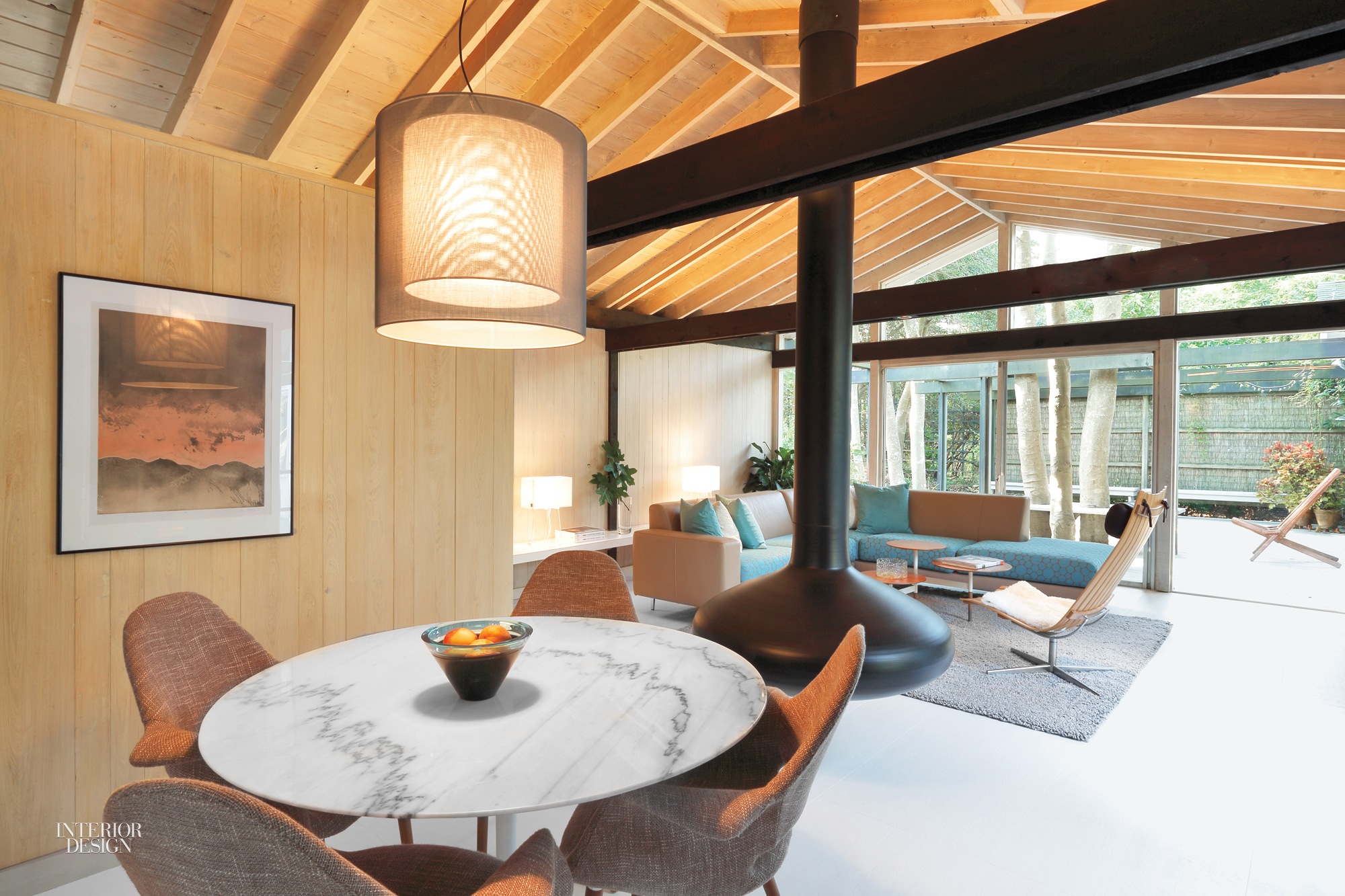
5 Historic Houses With Enviable Vintage Style

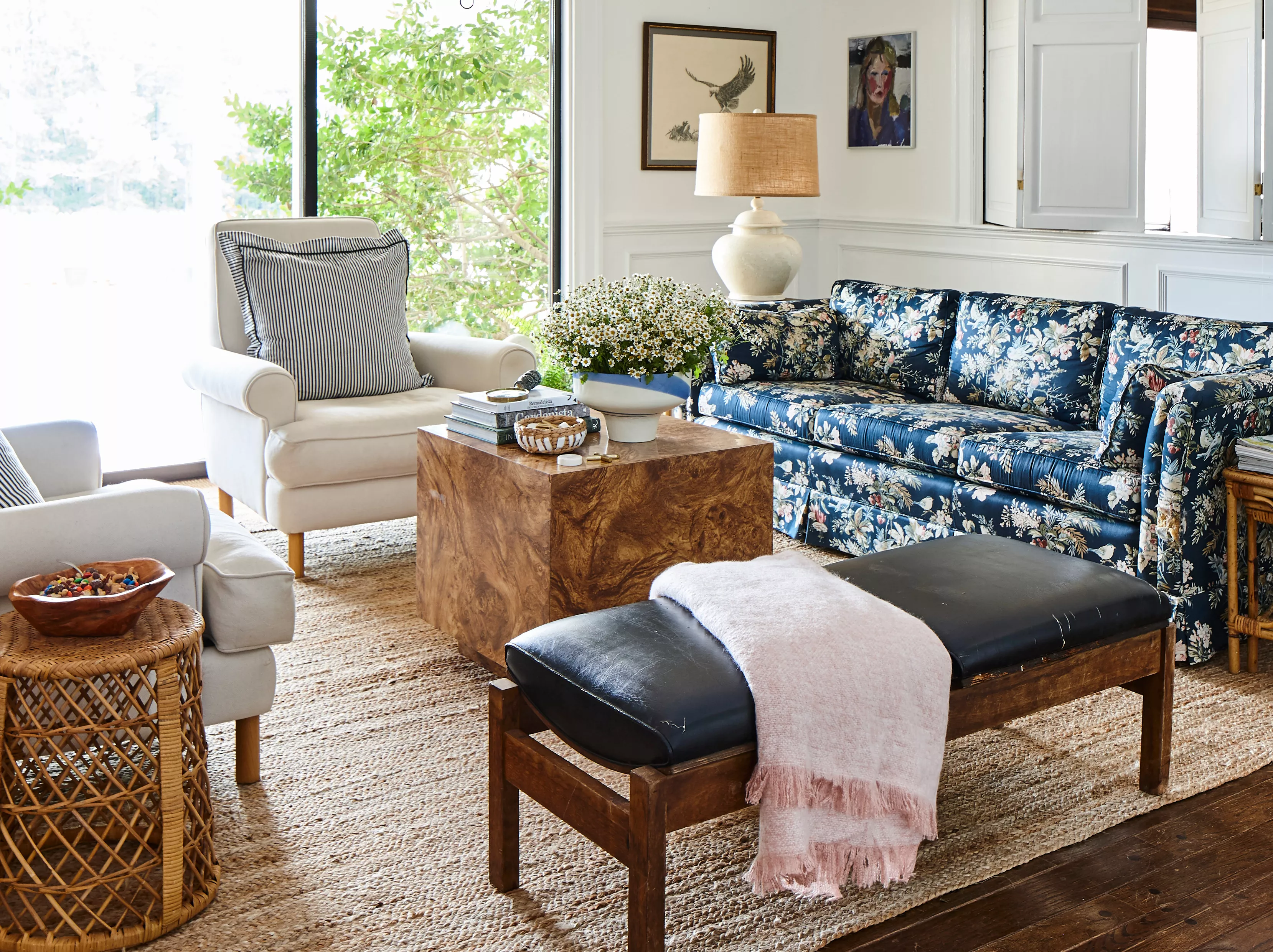
10 Furniture Styles That Instantly Make Your Home Look Outdated

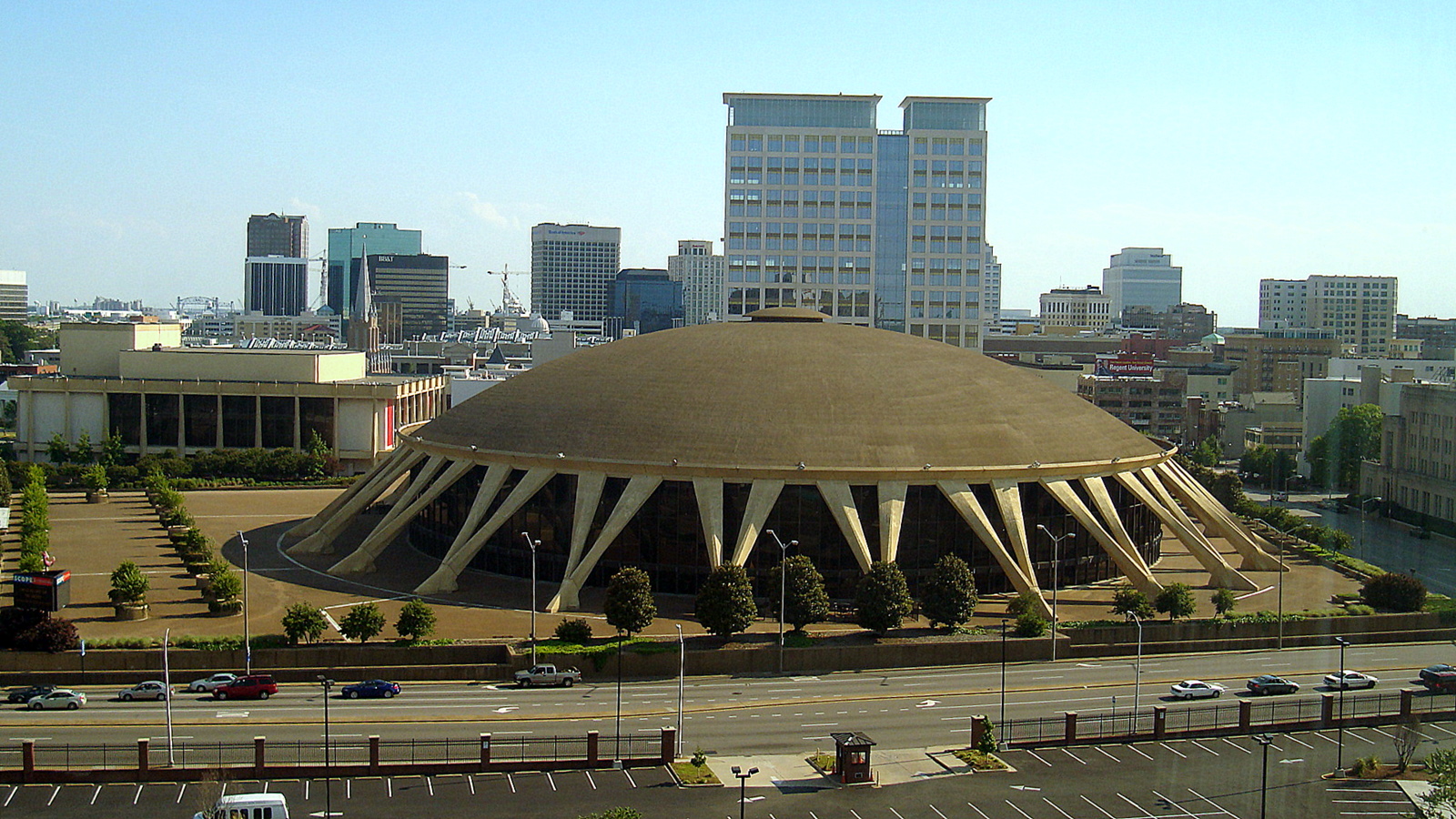
These 20 Architectural Styles Were Once Popular But Suddenly Disappeared

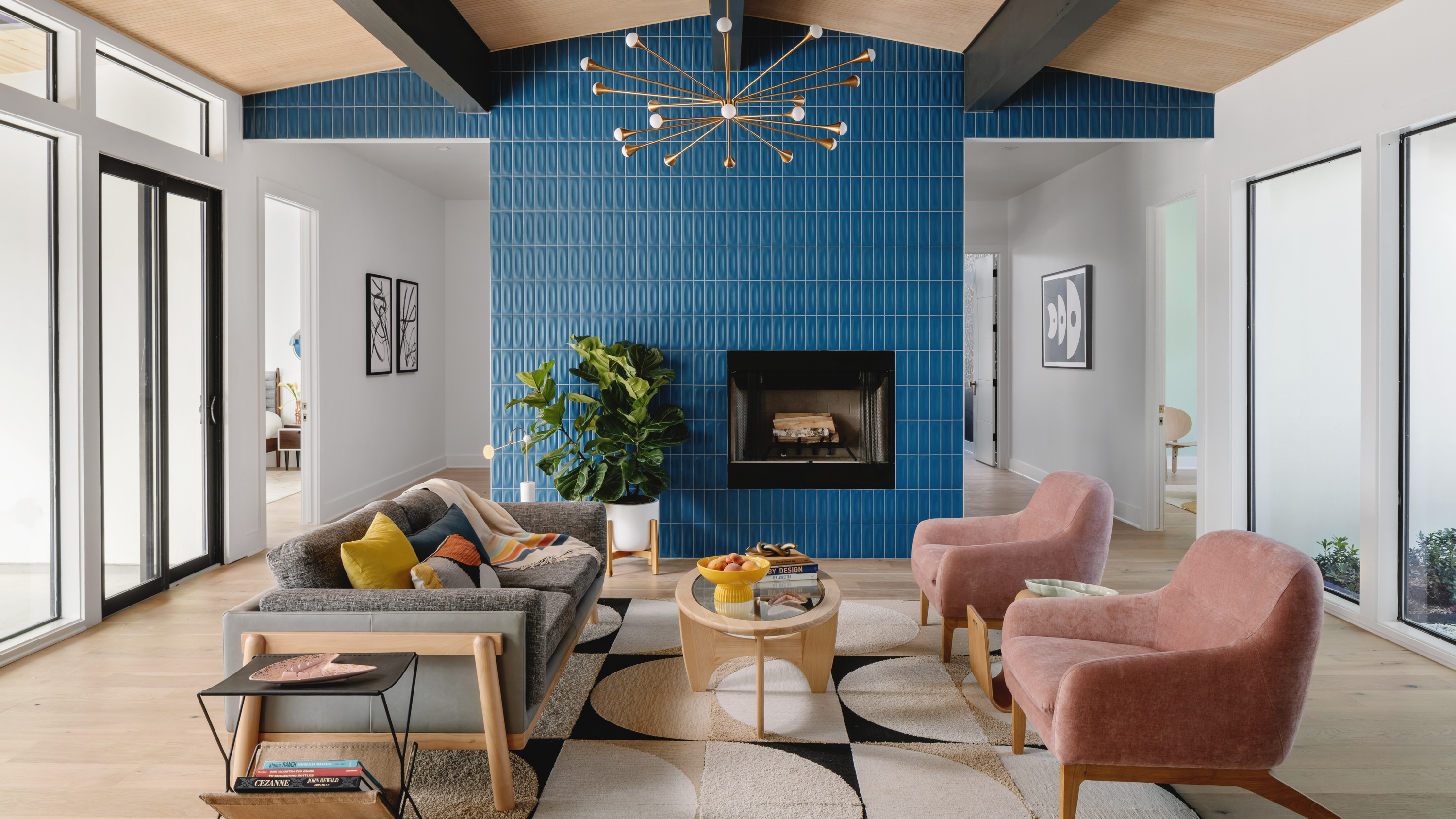
5 outdated pattern trends that will make your home feel old-fashioned – and what to use instead

These 5 Home Decor Styles Are So Outdated, According to Interior Designers

Tell Us Which Modern Home Design Trends Will Be Outdated In A Few Years
16 "Outdated" Home Design Trends That Are Wildly Better Than Modern-Day Trends
People Are Revealing The "Outdated" Home Design Trends That Are Wayyy Better Than Modern Trends

Guide to Buying Older Homes by Decade

8 Home Trends That Are Tragically DEAD to the Design World

11 "Outdated" Home Design Trends That Definitely Need A Resurrection
20 Unfortunate Ways Your Home Looks Super Dated, According to Experts
20 Modern Country Houses Designed for R&R
The Choppy Layout Stayed the Same, But This 150-Year-Old Home Is Stuffy No More

40 Outdated Home Trends We Hope Never to See Again

24 Photos Of Early '00s Home Decor Features That've Become Obsolete In Only 20 Short, Short Years
15 Old House Features We Were Wrong to Abandon
24 Photos Of Early '00s Home Decor Features That've Become Obsolete In Only 20 Short, Short Years