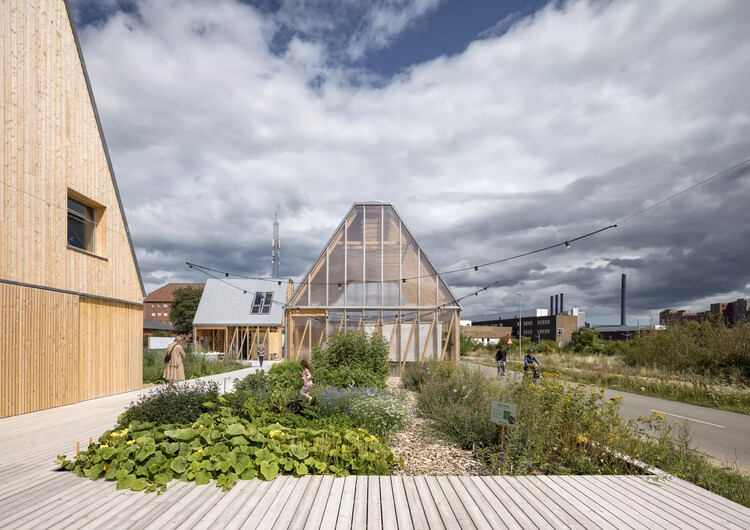
1/8
From Prototype to Progress: How Small-Scale Sustainable Housing Models Are Shaping Our Future
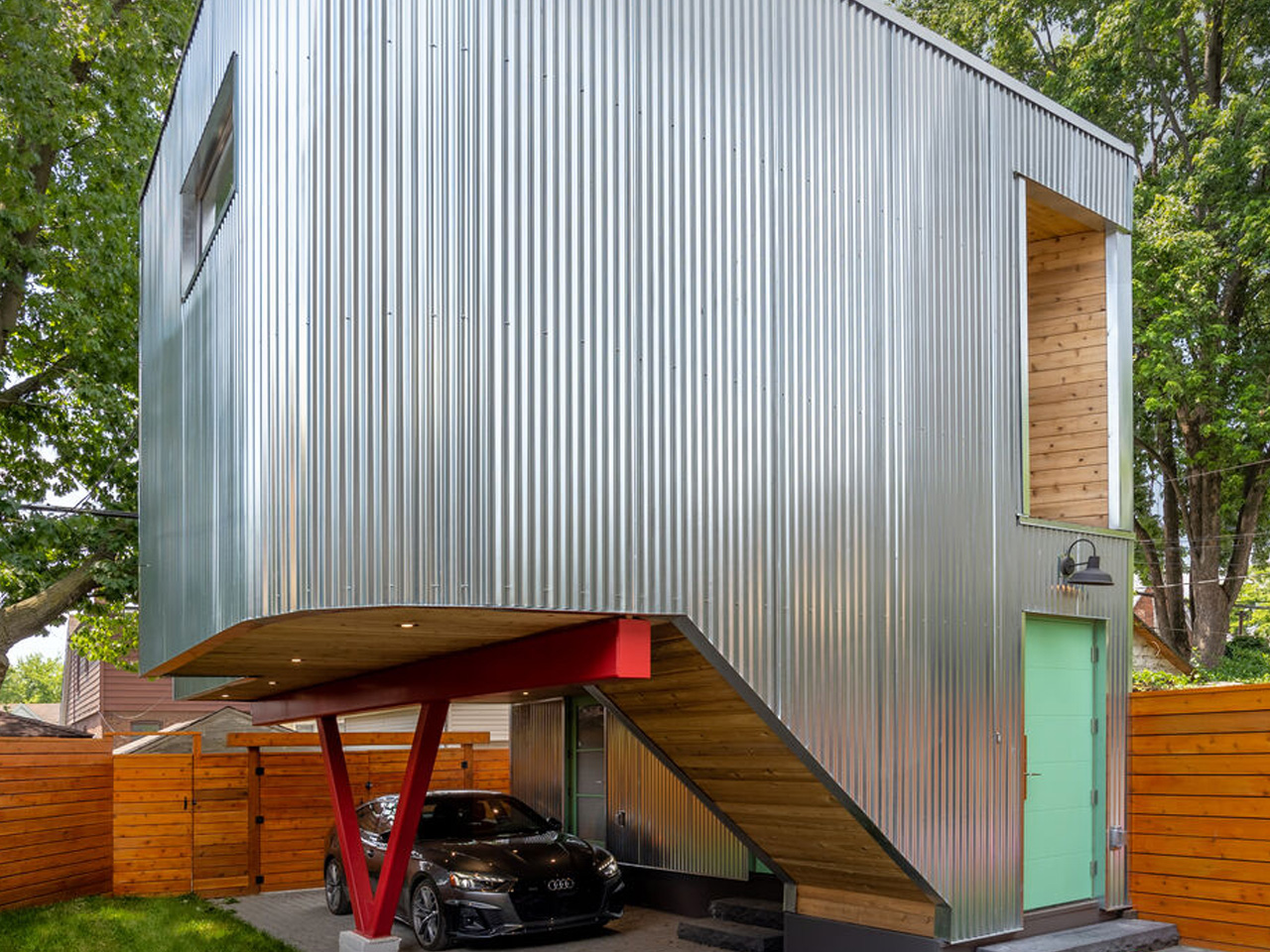
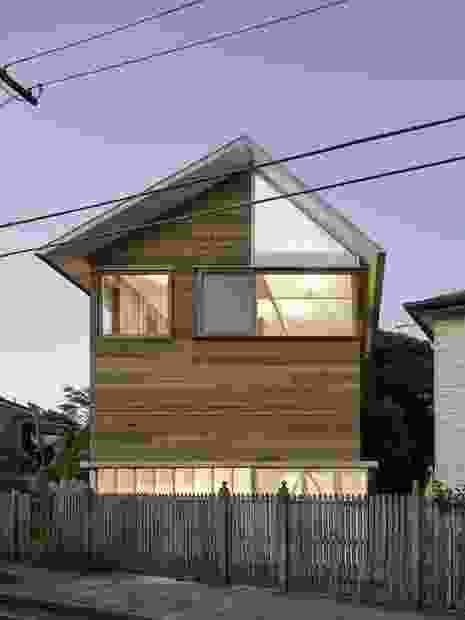
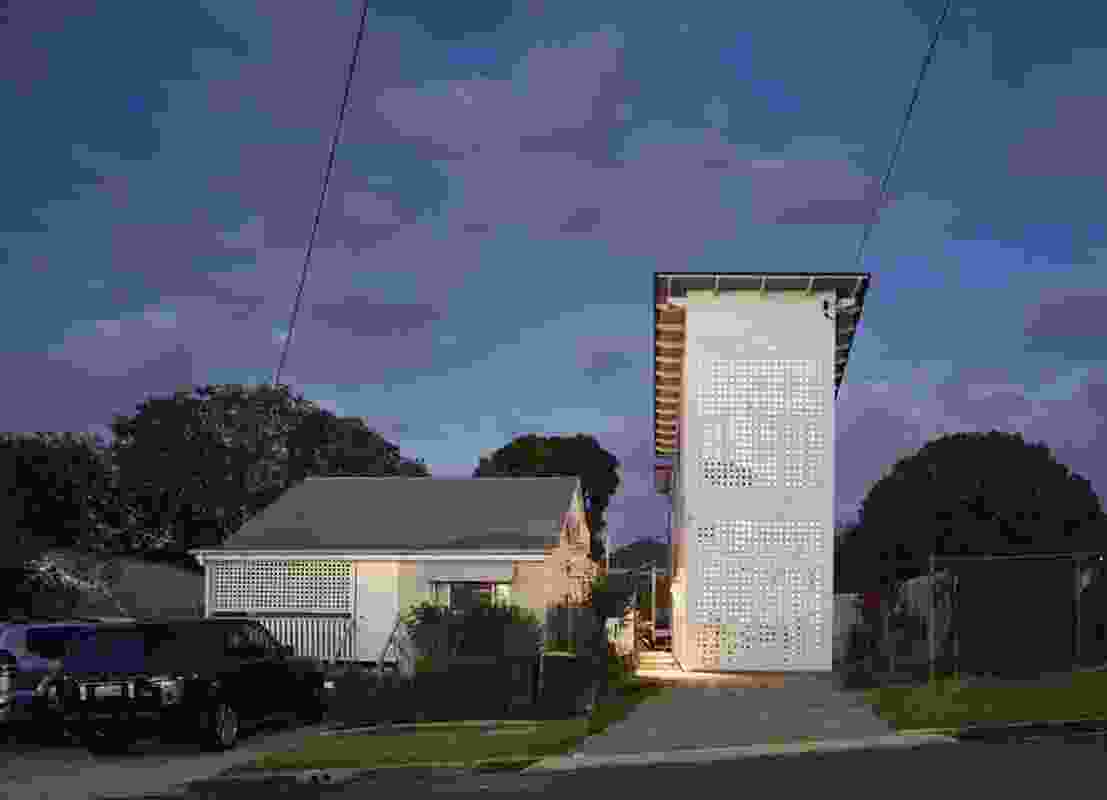
The traditional building development model, which involves designing and constructing at full scale with inherent financial and environmental risks, is being challenged by an innovative approach focusing on sustainable housing prototypes. These prototypes function as miniature versions of larger concepts, enabling designers to test novel materials, technologies, and systems in a controlled environment. This methodology significantly reduces the risks associated with large-scale development and allows for continuous refinement before extensive implementation.
Sustainable building prototypes act as practical laboratories where theoretical designs are put to the test. This hands-on approach allows for direct experimentation and verification of ecological design principles. The ability to demonstrate and experience these functional prototypes is crucial for gaining public acceptance and demand for sustainable architectural solutions. By making abstract concepts tangible, prototypes foster belief and encourage wider adoption of eco-friendly building practices.
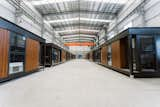
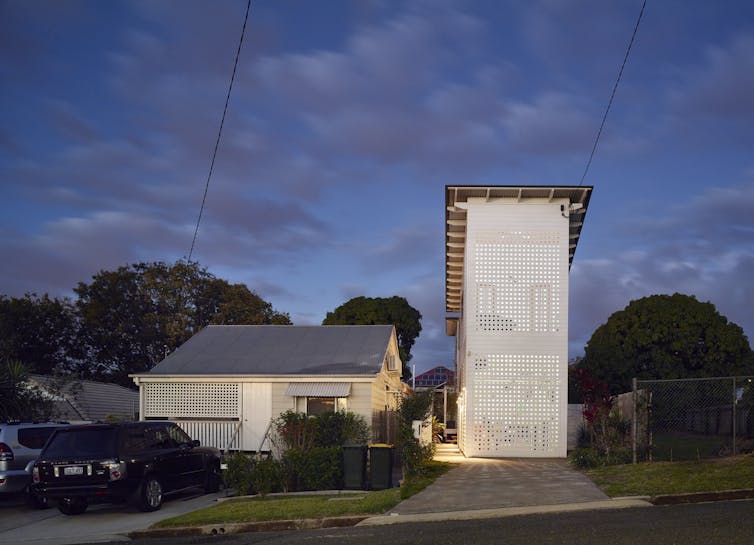
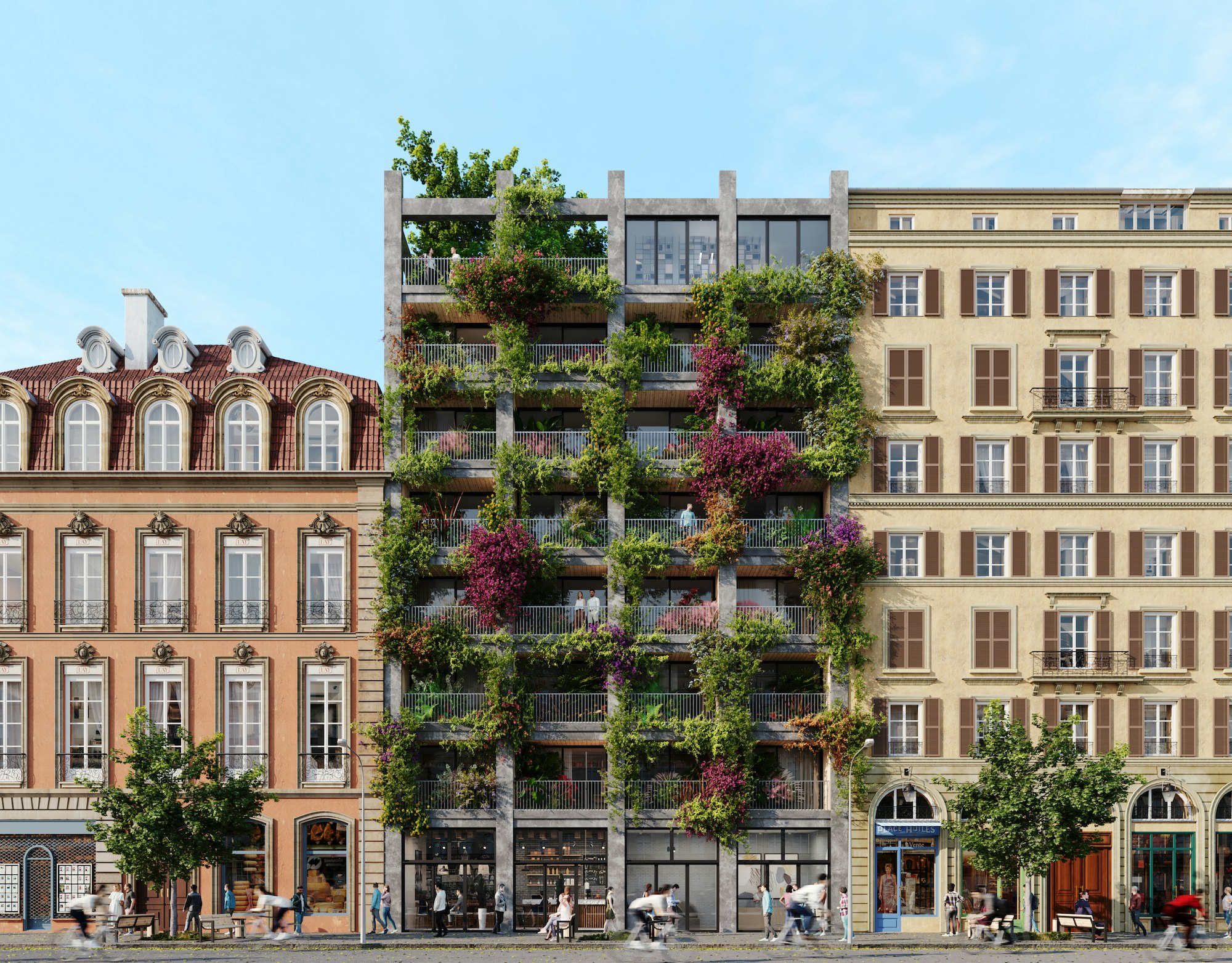
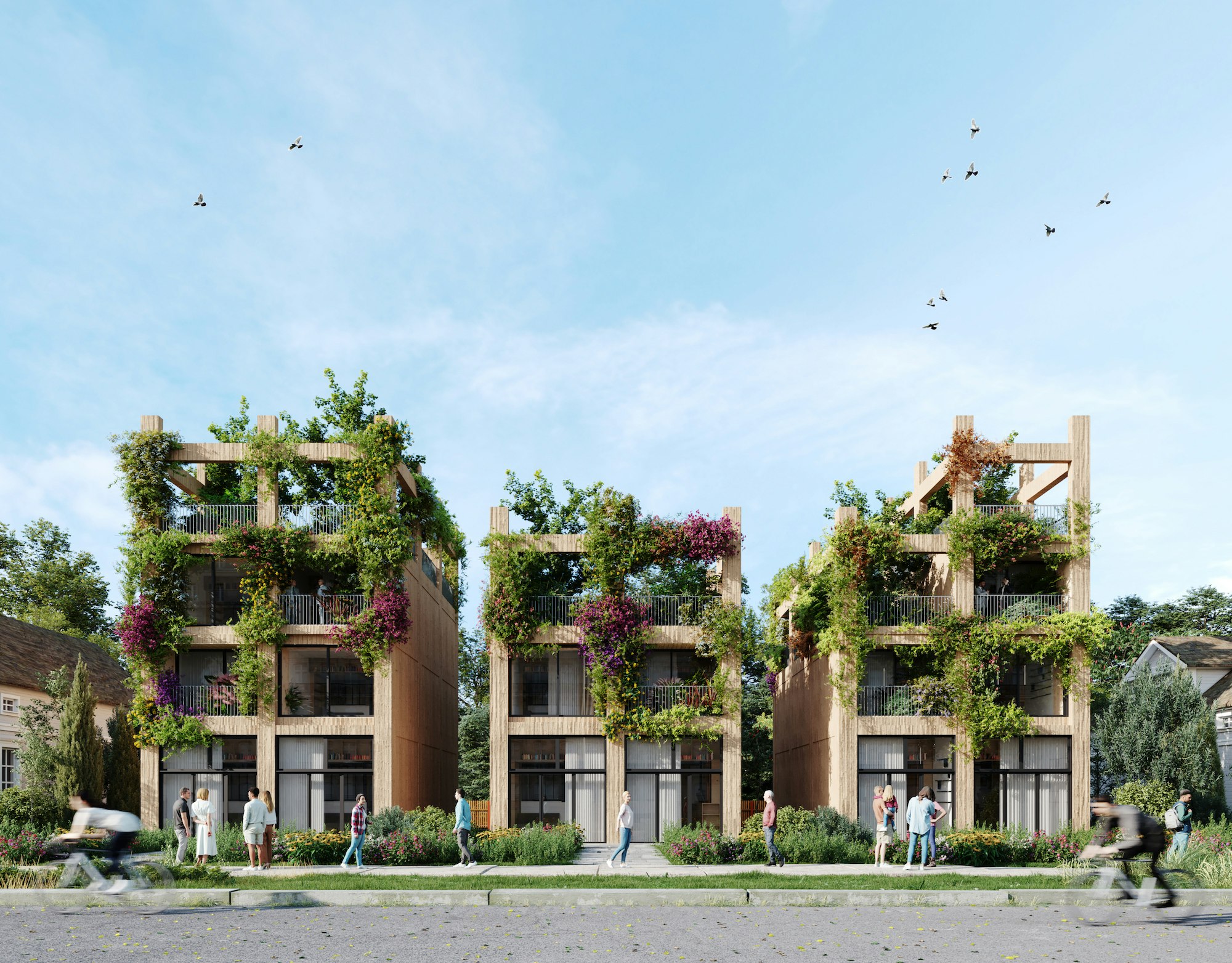
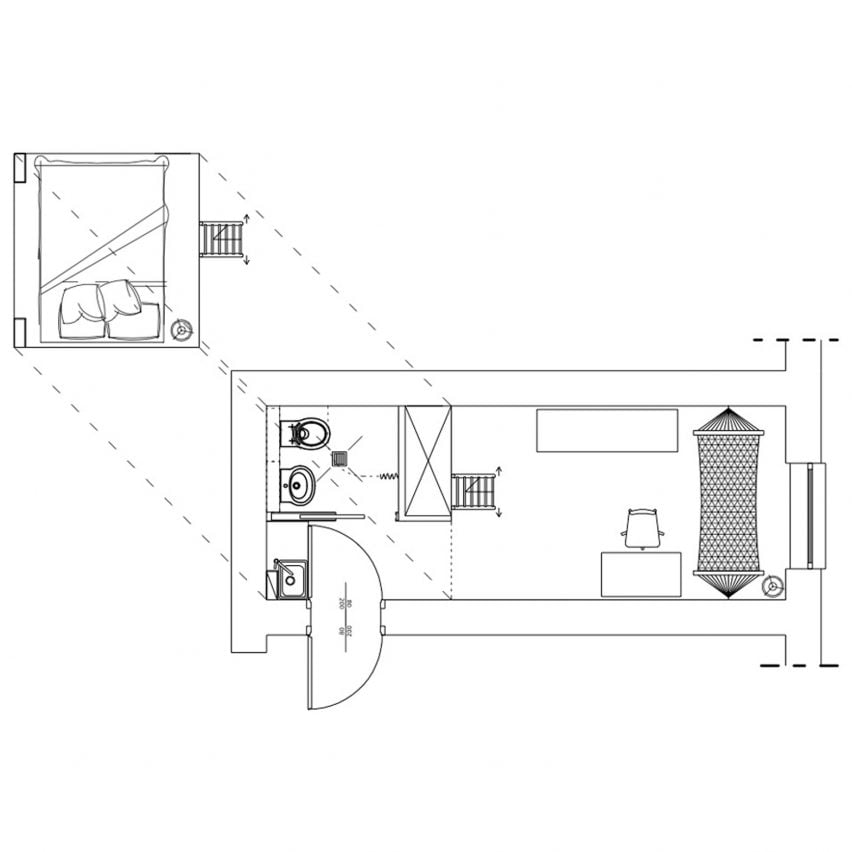
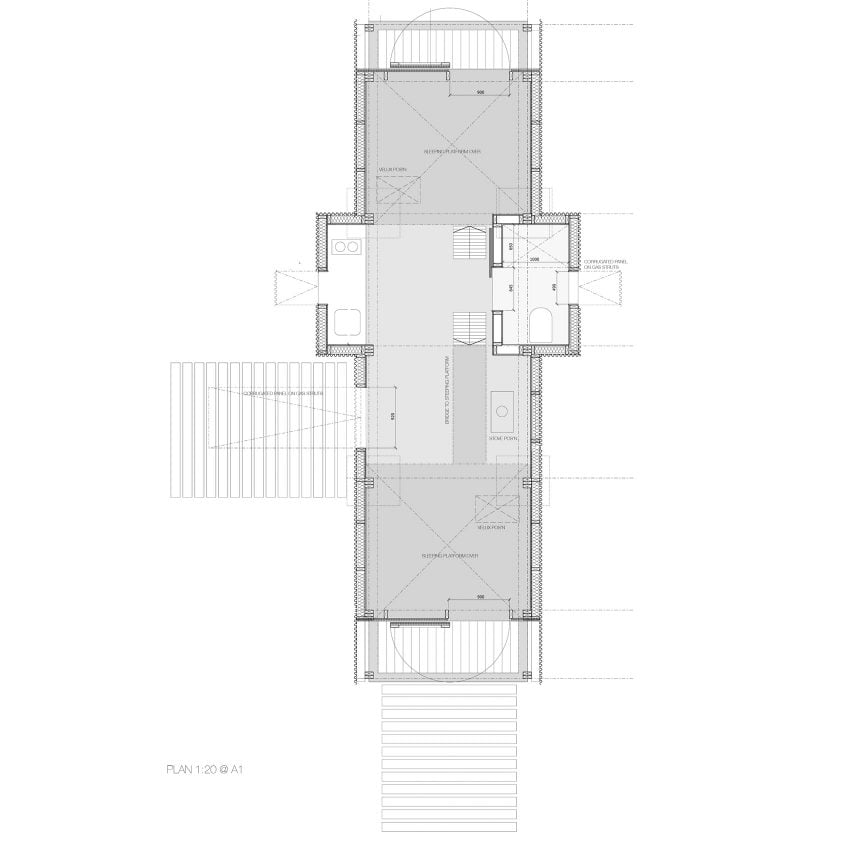
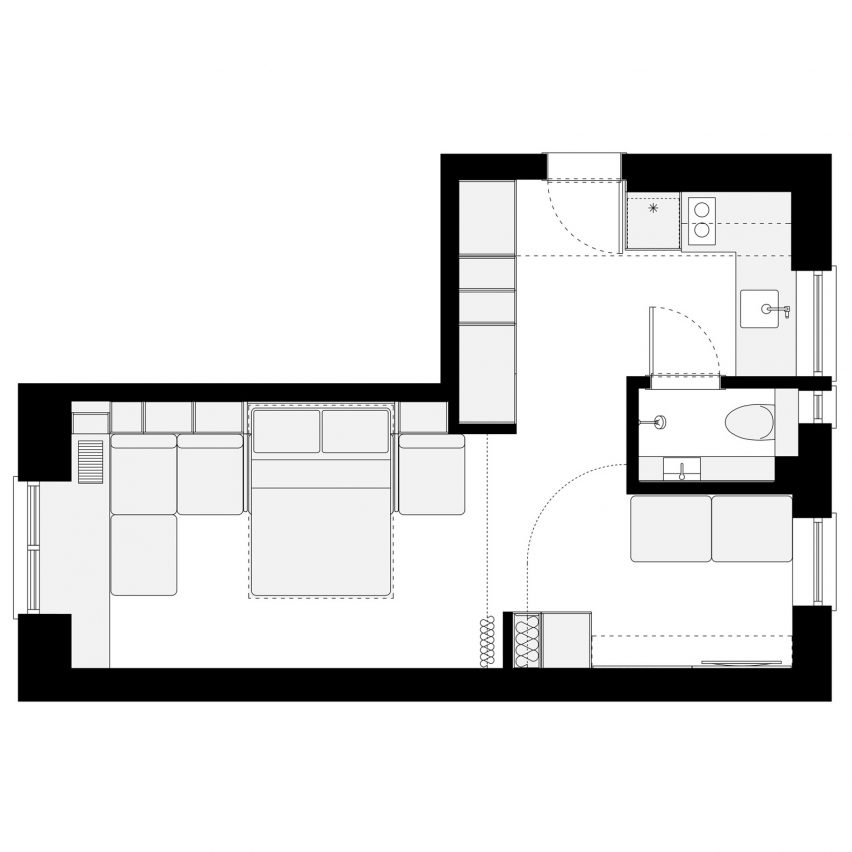
The article highlights several notable examples of sustainable housing prototypes. The Living Places Copenhagen project showcases a net-zero building system that integrates a minimal carbon footprint with a healthy indoor climate. It utilizes modular design and natural materials like wood, minimizing waste and promoting circularity. The project also addresses indoor air quality, which is critical for occupant well-being. The ELM NYC project demonstrates a sustainable, high-performance, and affordable housing solution for a high-density urban environment, offering a replicable model for future developments. Its modular design allows for rapid construction and efficient use of resources.
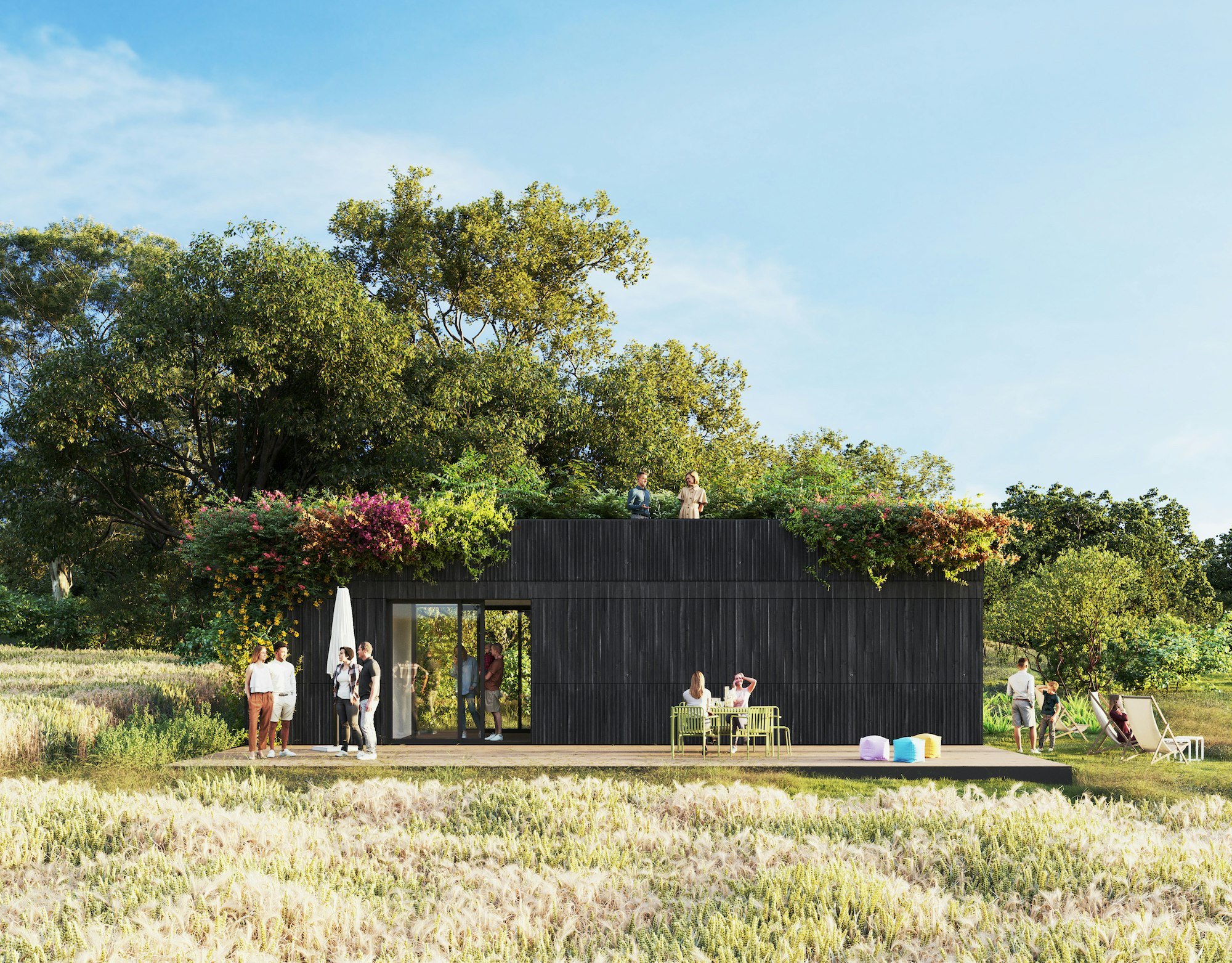
PowerHYDE introduces an innovative off-grid housing model for vulnerable communities, addressing the challenges of energy access and disaster resilience. The Paper Log House, designed by Shigeru Ban, exemplifies humanitarian architecture through its use of recycled materials for temporary shelter, showcasing adaptability and cost-effectiveness in emergency situations. The Cork Studio focuses on sustainable material innovation, utilizing cork to create a prefabricated, carbon-negative structure that emphasizes insulation and rapid assembly.
These diverse prototypes illustrate various facets of sustainable housing, including modularity, material innovation, energy efficiency, and social impact. The success of these small-scale models lies in their capacity to be replicated and scaled up, moving from individual structures to larger communities. The adoption of modular construction techniques, as seen in many of these projects, streamlines the building process, reduces on-site waste, and allows for greater quality control. Furthermore, the emphasis on natural and recycled materials minimizes environmental impact and promotes a circular economy in construction.
Collaboration among designers, policymakers, and communities is essential for expanding these initiatives. Policy support in the form of incentives for sustainable building, streamlined regulatory processes, and funding for research and development can accelerate the transition towards widespread sustainable housing. Community engagement ensures that the solutions are culturally appropriate and meet the specific needs of the inhabitants. By leveraging the lessons learned from these prototypes, the architectural community can drive significant progress towards a more sustainable and resilient future. The collective experience from these projects can inform future urban planning and development strategies, ultimately leading to more environmentally responsible and socially equitable housing solutions on a global scale.
#SustainableHousing #ArchitecturalPrototypes #EcoFriendlyDesign #ModularConstruction #MaterialInnovation #NetZeroBuildings #CircularEconomy #UrbanPlanning #HousingModels #SustainableHousing #ArchitecturalPrototypes #EcoFriendlyDesign #ModularConstruction #MaterialInnovation #NetZeroBuildings #CircularEconomy #UrbanPlanning #HousingModels
0 komentarzy łącznie
 Brak komentarzy jeszcze
Możesz również polubić
Nestron’s Plug-and-Play Prefabs Start at $40K and Don’t Require a Foundation

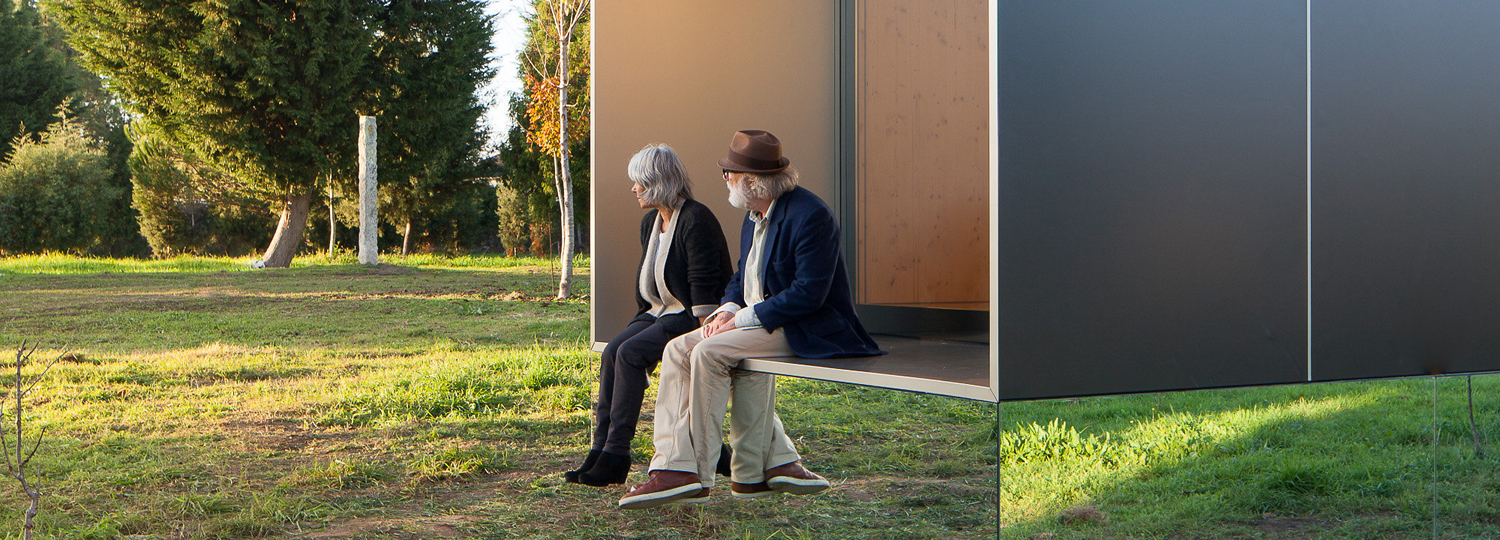
MIMA Light: A sculptural house with a flexible floor plan
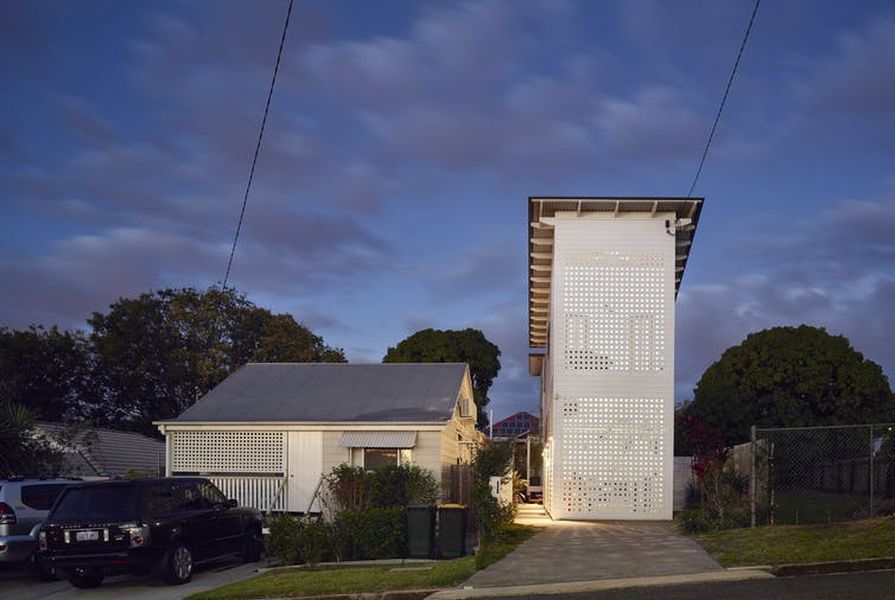
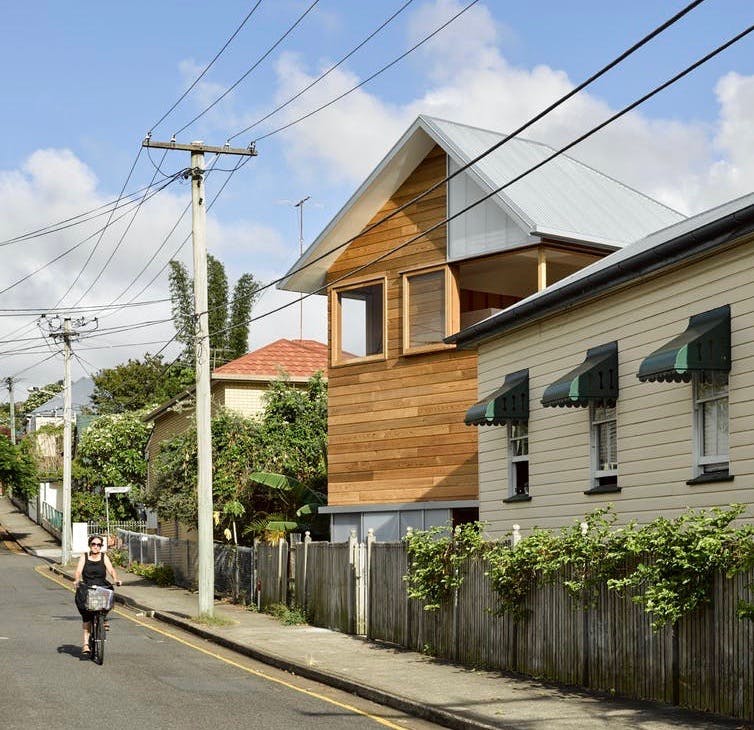
We need more flexible housing for 21st-century lives

Affordable housing and environmental sustainability: Building a greener future

We need more flexible housing for 21st-century lives

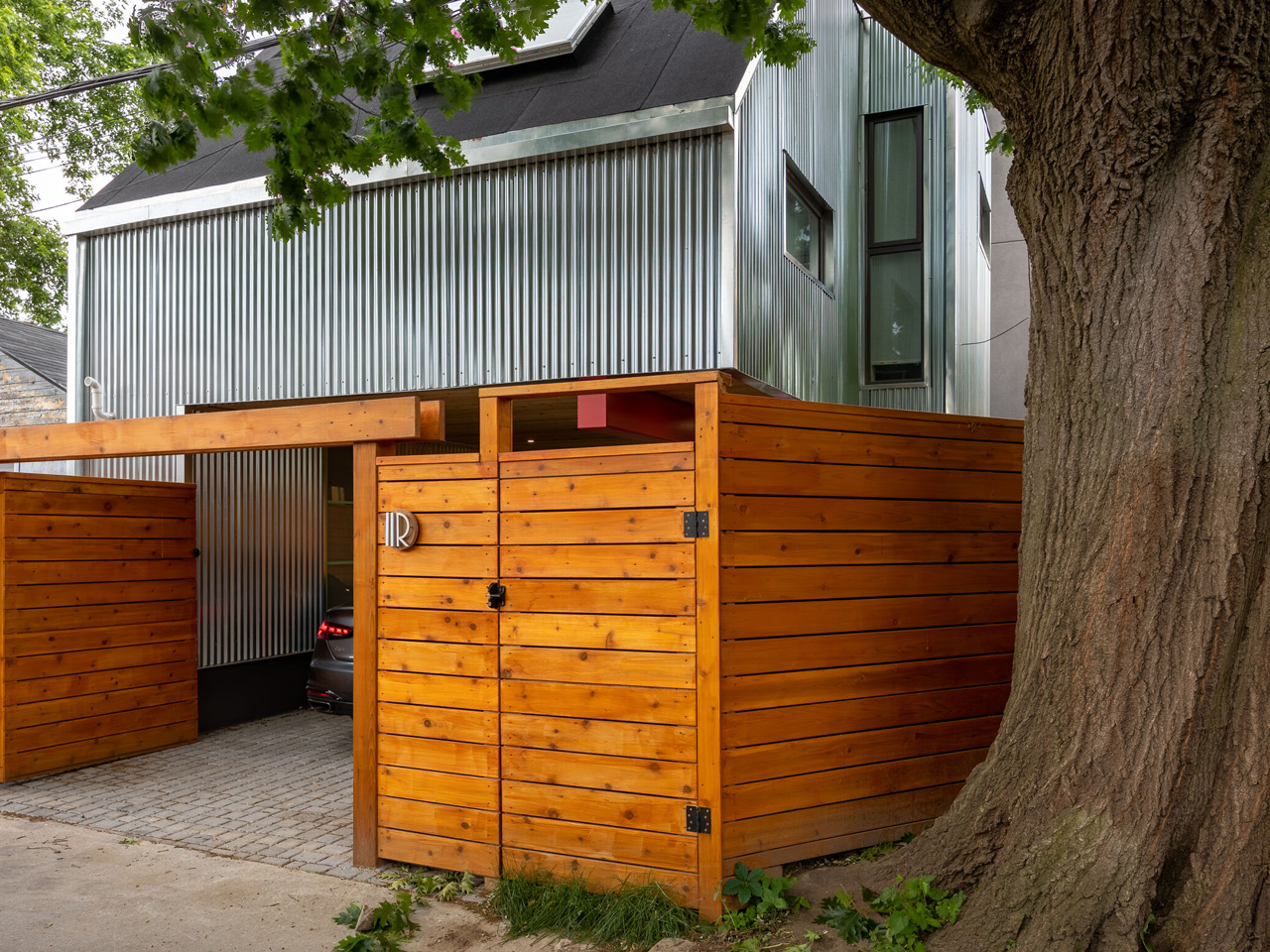
Floating Small Home Offers Flexible Living While Preserving Trees & Maximizing Space
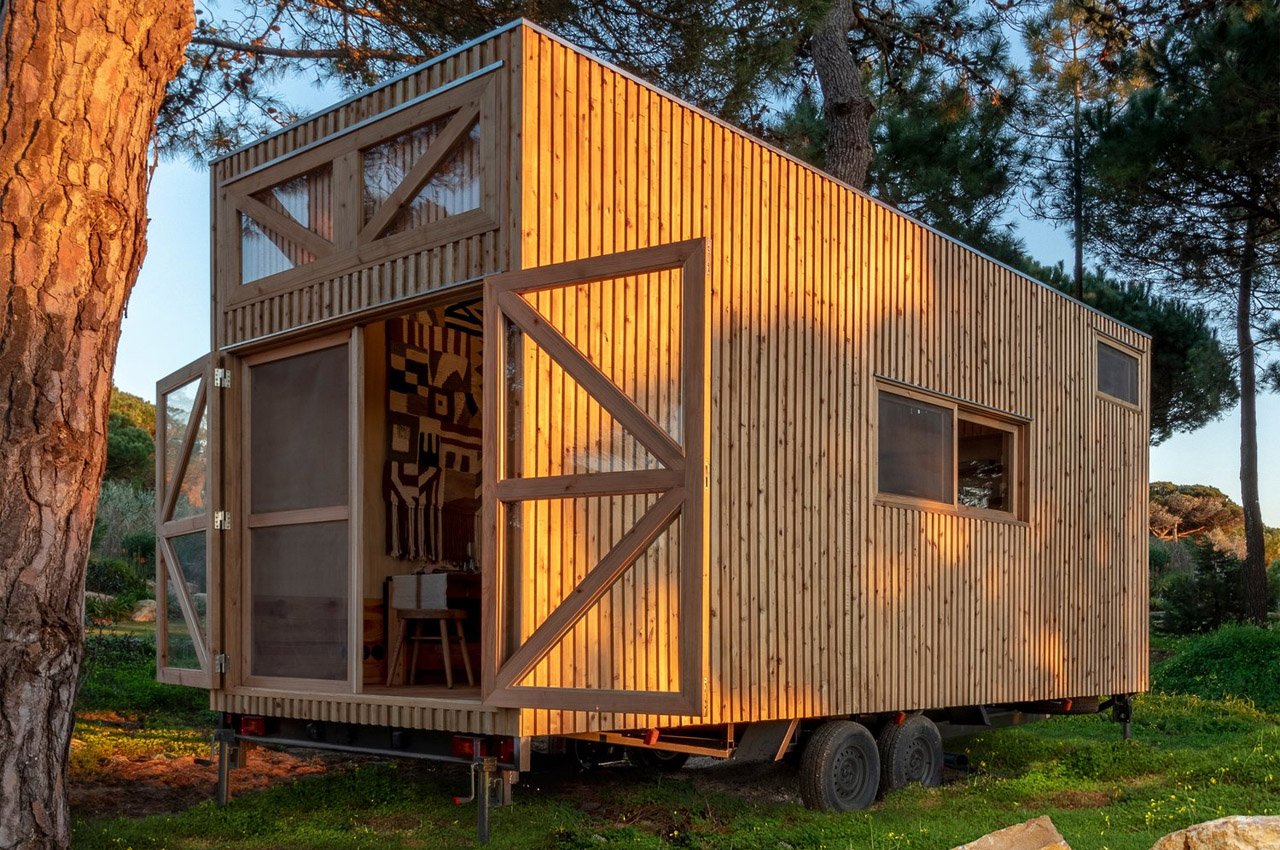
Top 10 tiny homes on wheels designed for sustainable architecture advocates

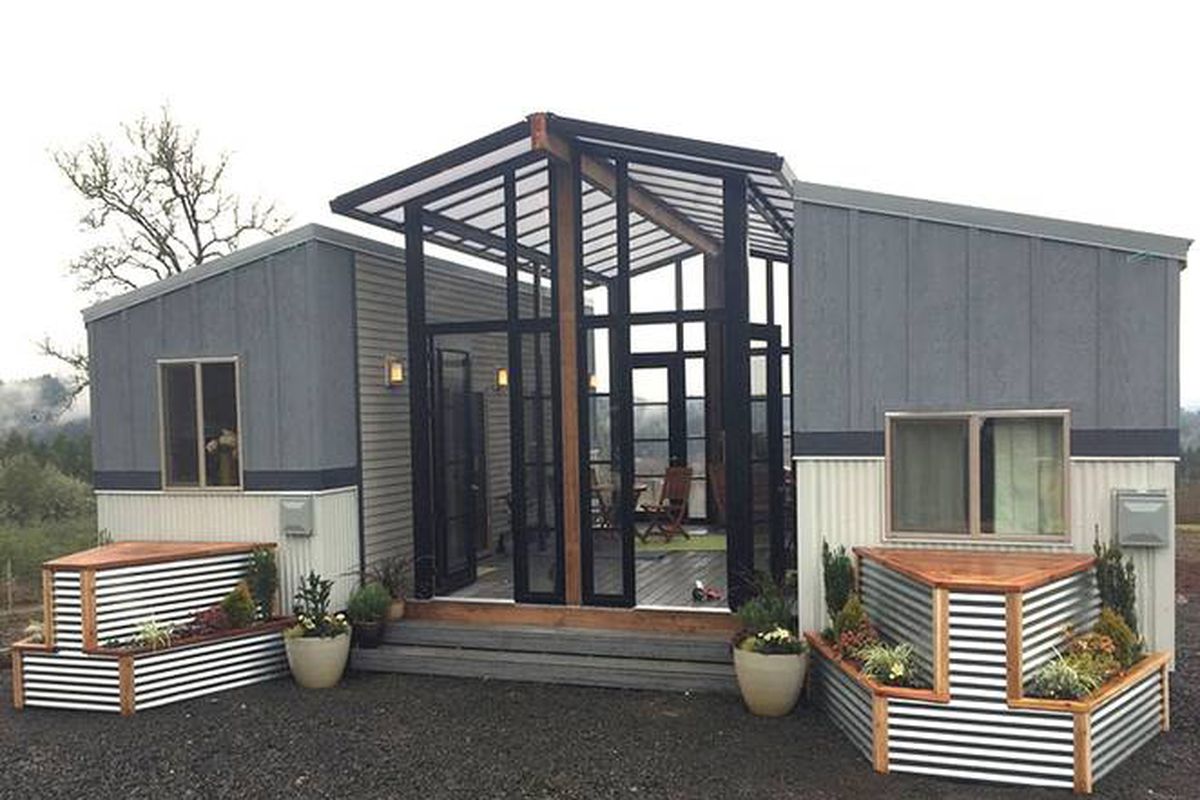
Two tiny houses and open-air sunroom combine into one family home
The Tiny Home Builder Who Opened a Village in Florida Now Offers More Than 10 Models
Top 10 Homes Designed To Be Sustainable Retreats For Off-Grid Living

How residential design offers opportunities for sustainability
Sustainable Buildings: Pioneering a Green Revolution in Urban Design

Micro Apartments Are the Future of Urban Living
DASH – Designing Affordable Sustainable Housing
Sustainable Homes
Ten micro homes with floor plans that make the most of space

These Prefab Tiny Homes Can Be Linked to Create Entire Apartment Complexes
9 Shipping Container Home Floor Plans That Maximize Space
The ins and outs of the new Houston Ballet Center for Dance from architectMarshall Strabala

Smart From The Start: ‘Smart Home’ Is Becoming ‘Sustainable Home’