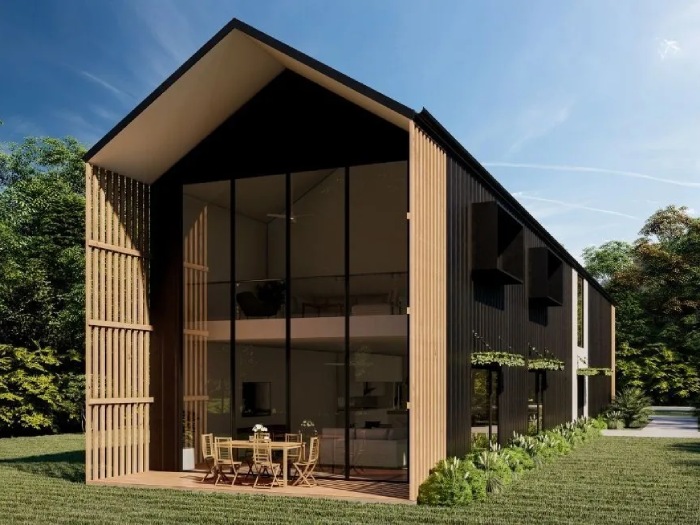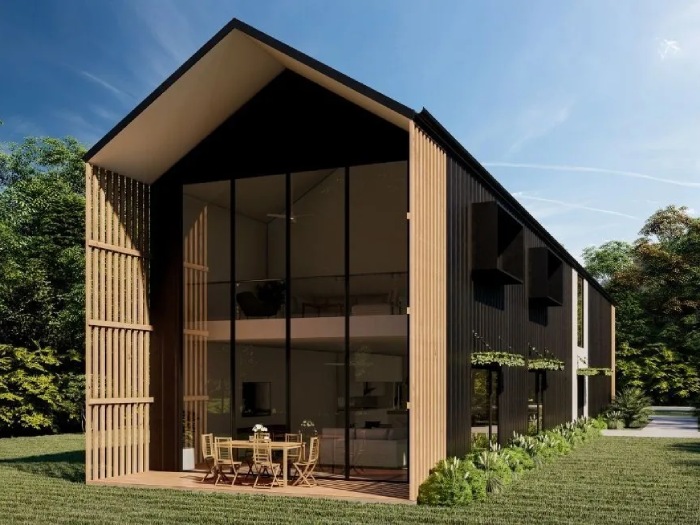

Affordable housing and environmental sustainability: Building a greener future
The article discusses the crucial intersection of affordable housing and environmental sustainability within the real estate industry, emphasizing their growing importance amid urbanization and the need for eco-friendly practices. Affordable housing is identified as a global concern, with escalating demand in urban areas impacting socioeconomic well-being and community stability. Concurrently, environmental sustainability has become central to achieving a greener future, especially given the real estate sector's significant contribution to global energy consumption and greenhouse gas emissions.
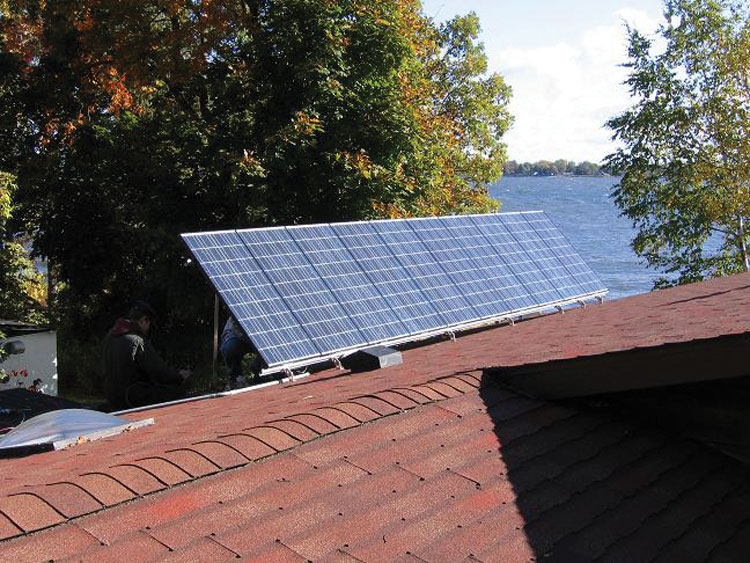
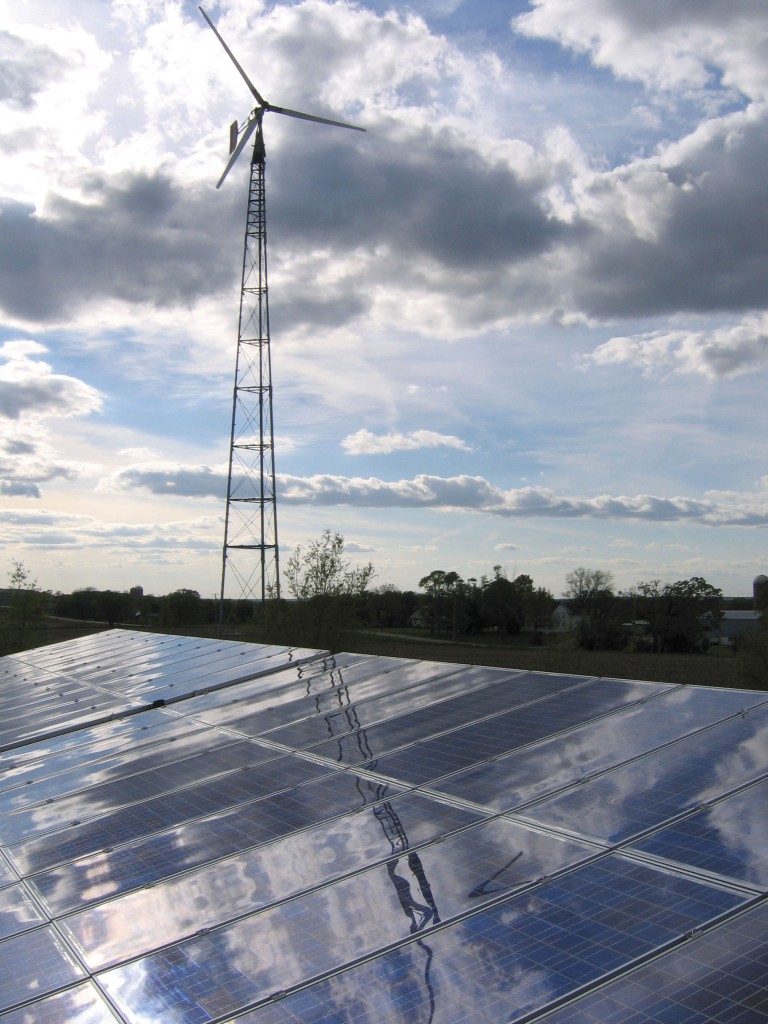
Environmental sustainability in housing is characterized by principles such as energy efficiency, water conservation, waste management, and the use of eco-friendly materials. Implementing these principles allows the real estate sector to reduce its carbon footprint, foster healthier ecosystems, and mitigate climate change impacts. Sustainable housing offers multiple benefits, including enhanced energy efficiency leading to reduced utility bills, improved indoor air quality, and long-term cost savings through efficient water management and lower maintenance expenses. Green building practices and technologies, such as renewable energy sources like solar power, rainwater harvesting, effective waste management, and the use of recycled or locally sourced building materials, are being adopted. Certifications like the Indian Green Building Council’s (IGBC) Green Homes rating system are encouraging developers to integrate sustainable practices.
The affordability-sustainability gap can be bridged by innovative design strategies that optimize resource utilization and minimize energy consumption. Energy-efficient affordable homes have shown significant reductions in energy costs for residents. The use of sustainable building materials helps decrease construction costs while lessening environmental impact. Promoting energy-efficient and eco-friendly designs is vital, with renewable energy sources cutting electricity bills and water conservation measures ensuring sustainable water supply and reducing expenses. Financial incentives and policies are crucial for encouraging affordable and sustainable housing development. Government initiatives like the Pradhan Mantri Awas Yojana (PMAY) in India support eco-friendly designs and energy-efficient features through financial aid and subsidies. Partnerships between public and private sectors also drive investment, knowledge sharing, and technical expertise for green affordable housing projects.
Implementing affordable and sustainable housing faces challenges, particularly in securing funding. Traditional financing models often do not meet the specific needs of affordable housing. Innovative funding options, such as microfinance, impact investing, and public subsidies, are being explored to address this. Regulatory hurdles and policy changes also pose obstacles, necessitating streamlined processes and timely approvals. Recent policy changes, including the introduction of the Real Estate Regulatory Authority (RERA) and the Affordable Rental Housing Complexes (ARHC) scheme, aim to create a supportive environment for such developments. Public-private partnerships leverage the strengths of both sectors to mobilize resources and expertise. Community engagement is also essential for project success and ensuring alignment with local needs.
Raising awareness and promoting education are critical for driving positive change in India’s real estate industry. Educational initiatives, including workshops, training programs, and certification courses, aim to enhance understanding among developers, policymakers, and industry professionals regarding sustainable building practices and affordable housing strategies. Collaborations with non-profit organizations and advocacy groups provide platforms for knowledge sharing, research, and policy advocacy, fostering a collective effort toward an inclusive, environmentally conscious, and socially responsible real estate sector. Government initiatives like the PMAY, along with local government policies and incentives, have successfully promoted green housing development, evident in the increasing adoption of green building certifications like IGBC Green Homes. The convergence of affordable housing and environmental sustainability is crucial for addressing housing needs and mitigating the environmental impact of construction, leading to a greener and more inclusive future.
#AffordableHousing #EnvironmentalSustainability #RealEstateIndia #GreenBuilding #SustainableDevelopment #Urbanization #GovernmentPolicy #ClimateChangeMitigation #AffordableHousing #EnvironmentalSustainability #RealEstateIndia #GreenBuilding #SustainableDevelopment #Urbanization #GovernmentPolicy #ClimateChangeMitigation
0 comment in total
 No comments yet
You may also like
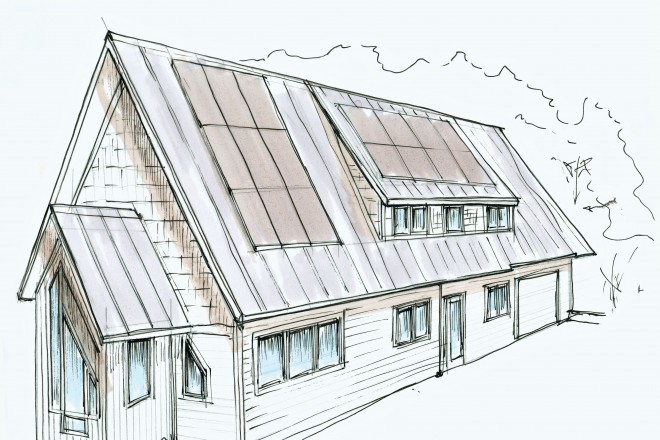
Sustainable Homes
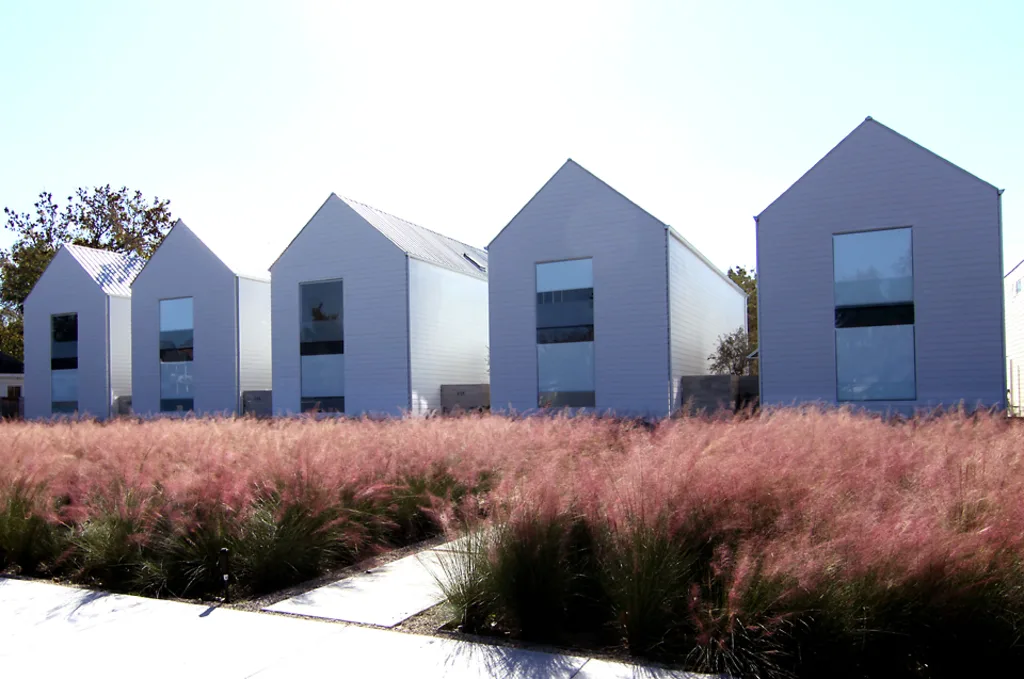
Gorgeous Green: Sustainable Housing In A Place You Wouldn’t Expect
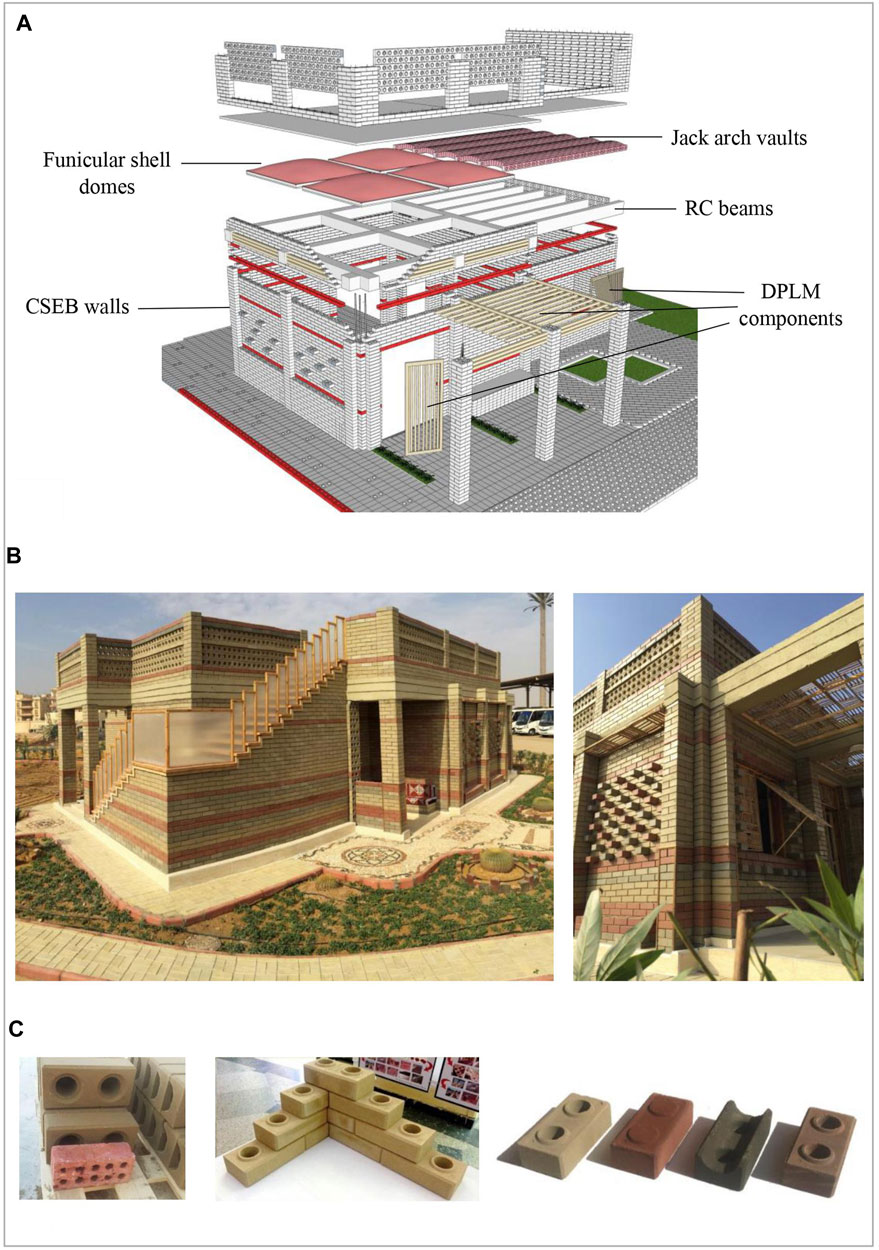
Cost-effectiveness and affordability evaluation of a residential prototype built with compressed earth bricks, hybrid roofs and palm midribs
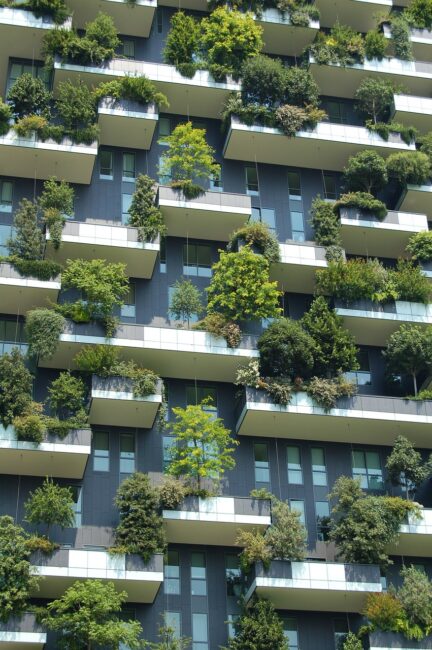
Home Builders Fighting Energy Efficiency


7 breathtaking sustainable homes around the world


Here Are 37 Ways to Make Your Home More Earth-Friendly


Eco-Friendly Properties: A Guide To Sustainable Flooring For A Greener Future

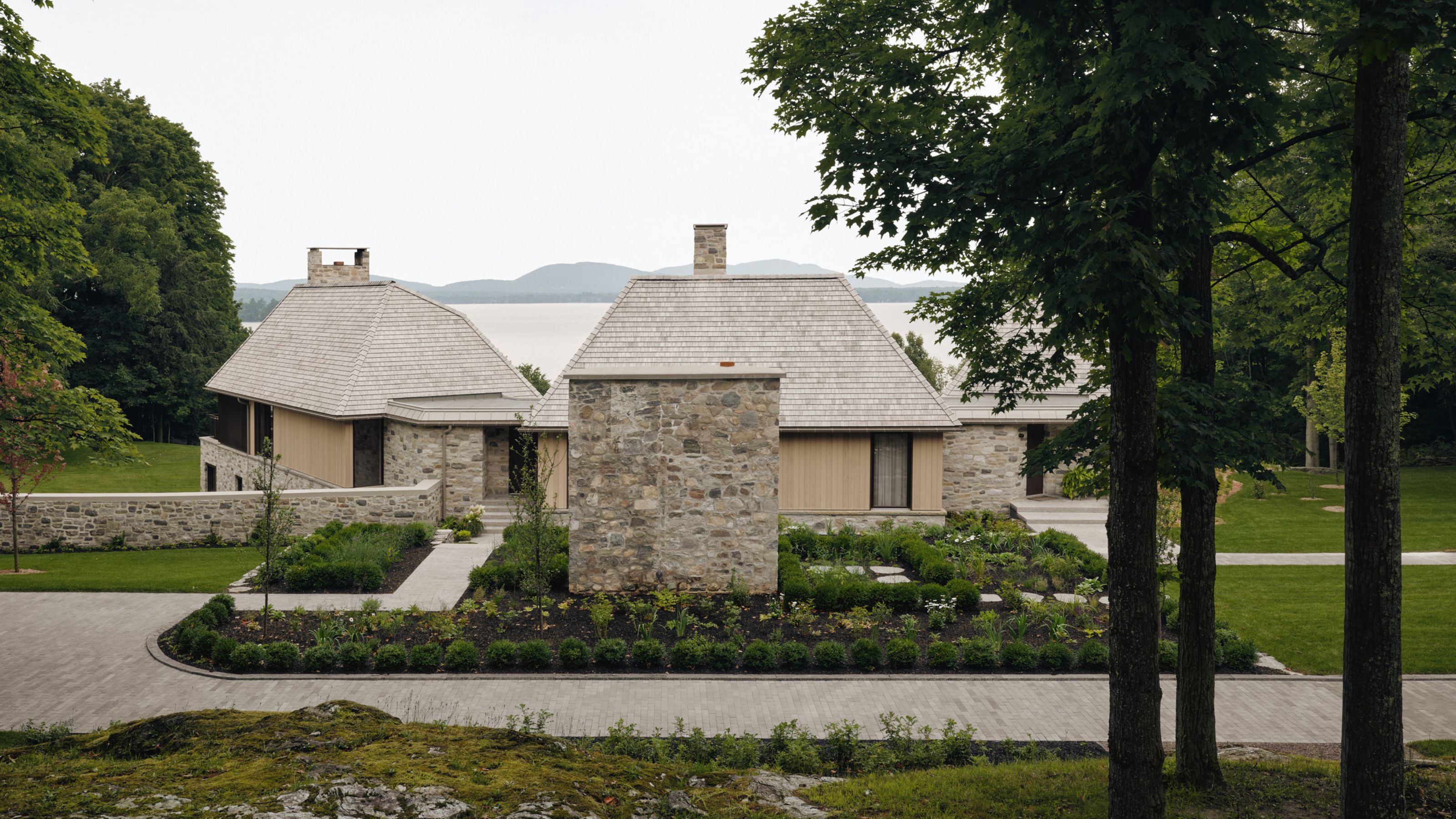
10 Sustainable Homes That Prove Interior Design Can Be Just as Easy on the Eye as It Is on the Earth


How residential design offers opportunities for sustainability
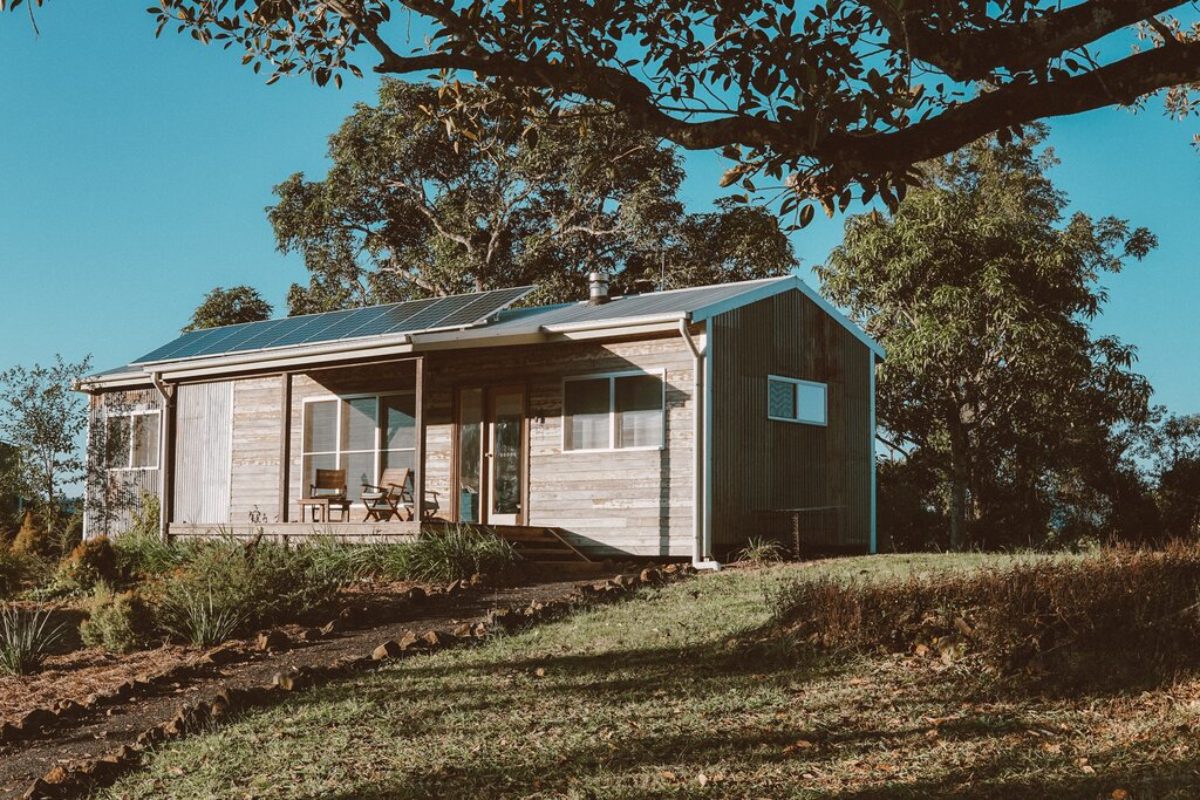
How To Reduce Your Carbon Footprint with Sustainable Housing

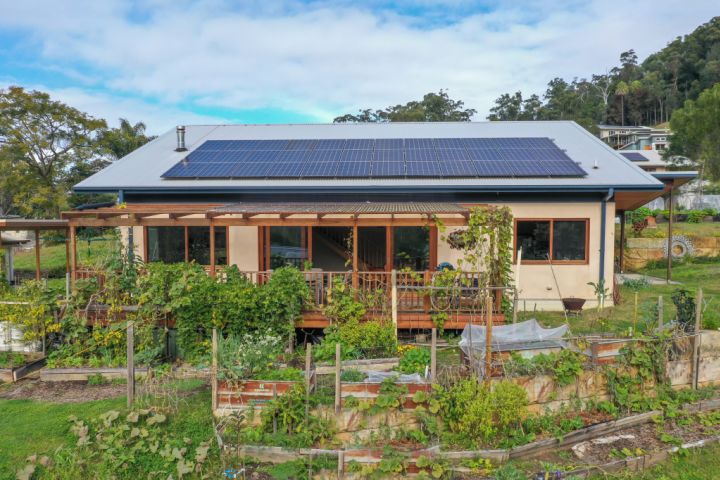
Sustainable House Day 2021: Top picks to explore this year
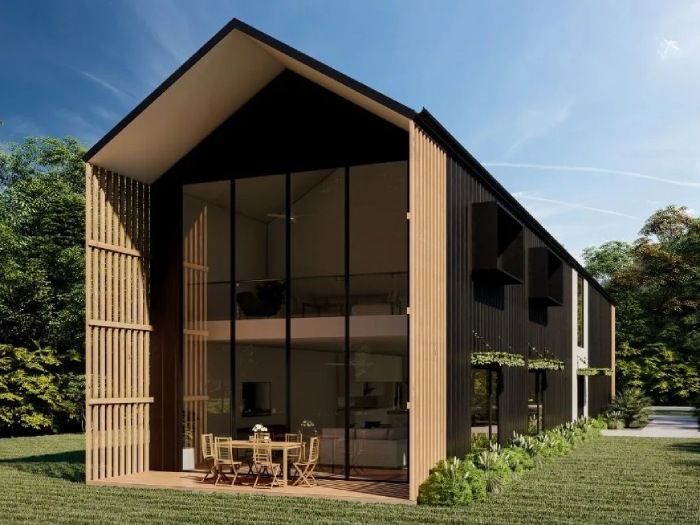
The Best Sustainable Home Builders In Australia
Turning the housing crisis around: how a circular economy can give us affordable, sustainable homes

DASH – Designing Affordable Sustainable Housing

Luxury living goes green: Eco-friendly homes are now the latest trend in sustainable living


7 sustainable homes with style

10 ways to make your home more sustainable
From Prototype to Progress: How Small-Scale Sustainable Housing Models Are Shaping Our Future

These 10 Sustainable Home Technologies Will Change the Way We Live

How to Assess a Home’s Sustainability to Choose One That’s Right for You