1/7
How to clean your HVAC system – 6 expert tips to make this essential task DIY-friendly
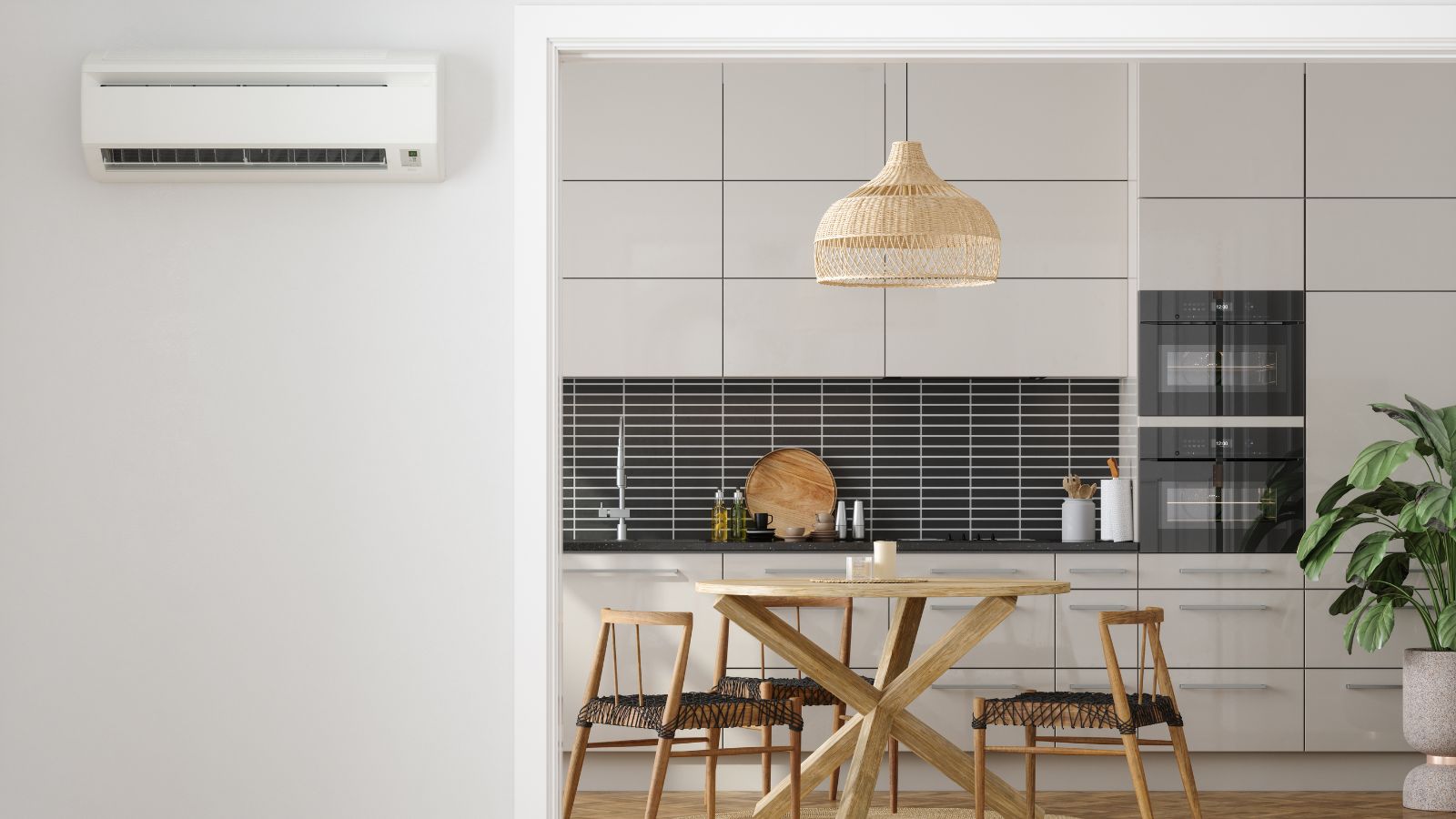
Maintaining a clean HVAC (heating, ventilation, and air conditioning) system is crucial for improving indoor air quality and ensuring the system's longevity and efficiency, particularly when transitioning from winter to spring. Over time, pollutants such as dust, pollen, pet dander, and other allergens accumulate within the system. If left unaddressed, these contaminants can be circulated throughout the home, leading to compromised indoor air quality and potential health issues, including allergies. A neglected HVAC system also works harder to maintain desired temperatures, increasing energy consumption and accelerating wear and tear. Regular cleaning helps to remove these contaminants, enhance indoor air quality, and reduce energy bills by allowing the system to operate more effectively.
Kevin Goude, owner of First Choice Heating And Air, highlights that while cleaning principles are consistent across different HVAC units, specific tasks may vary. Air conditioning units primarily require cleaning of coils and drain lines, and filter replacement, whereas heating units focus on cleaning the heat exchanger, air filter, and inspecting the blower motor and fan for debris. Regardless of the unit type, it is imperative to turn off the system before beginning any cleaning.
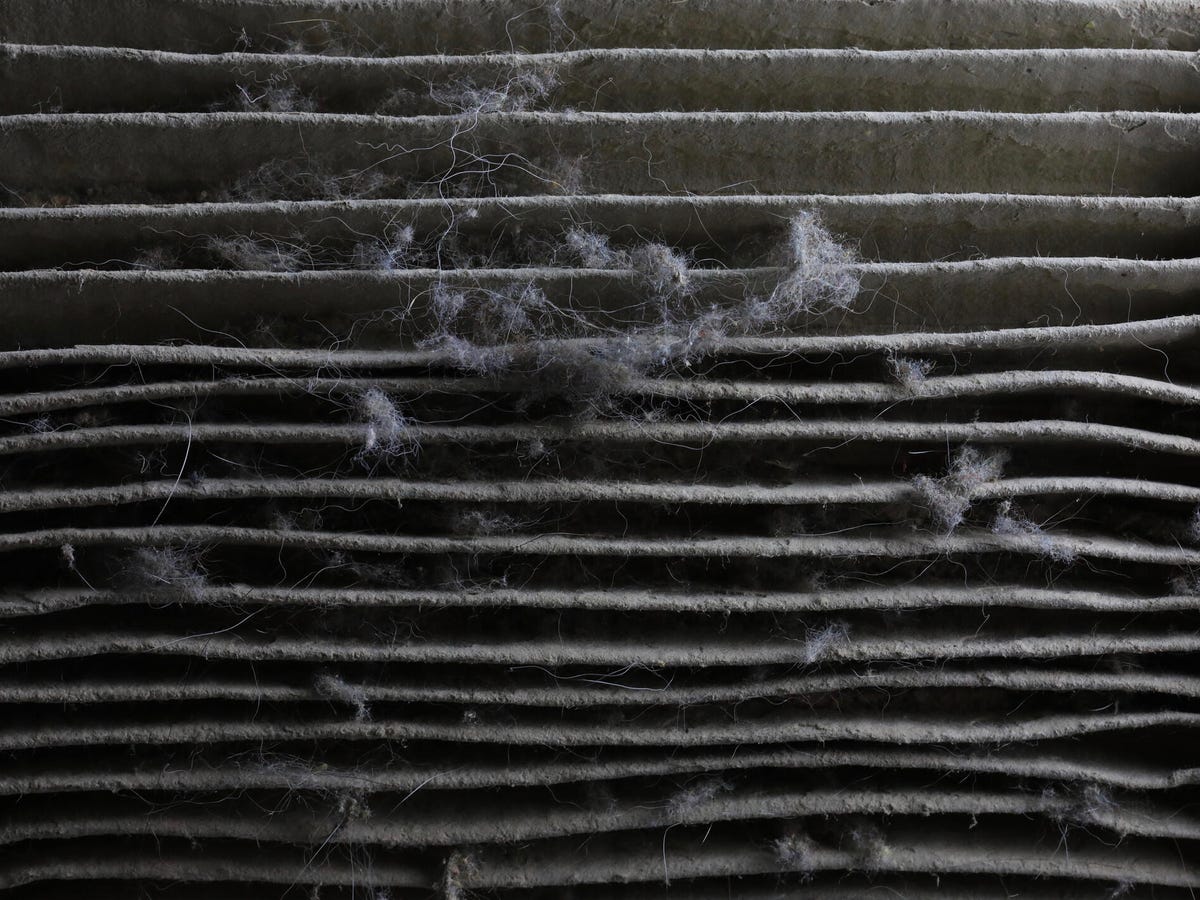
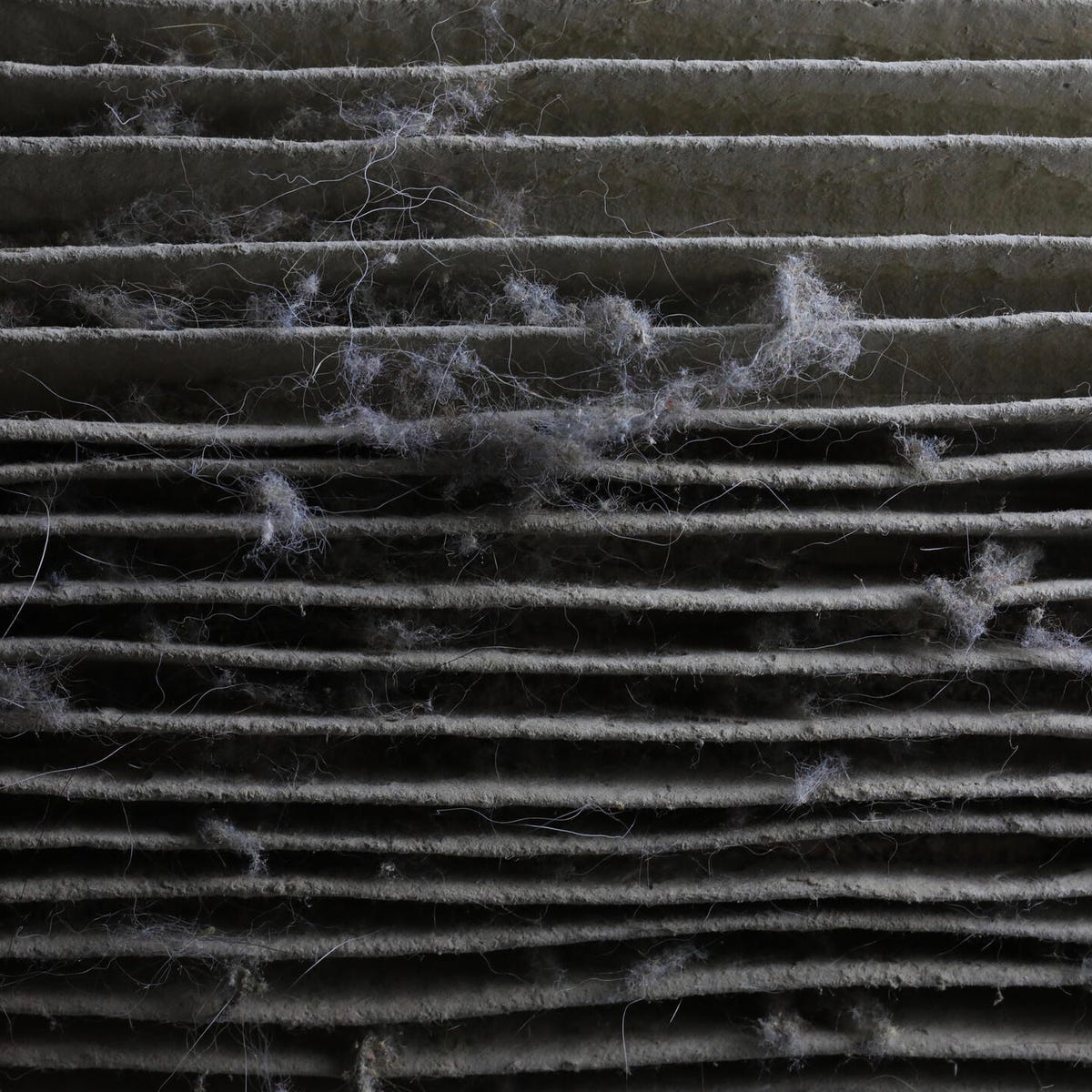
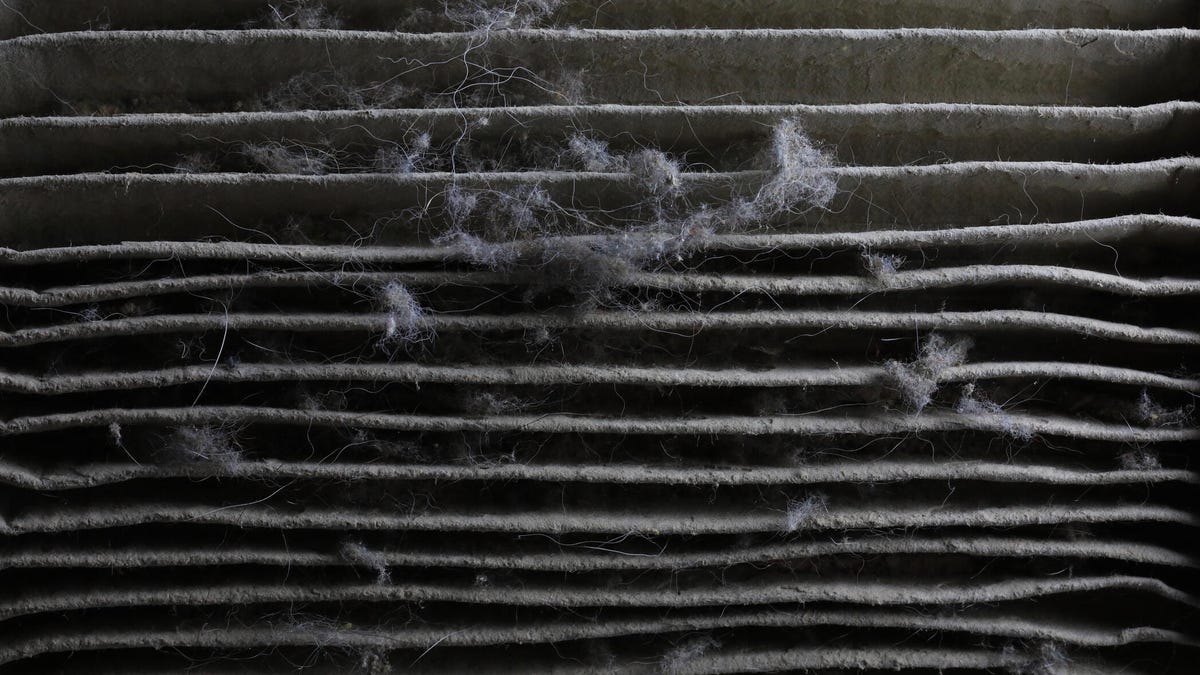
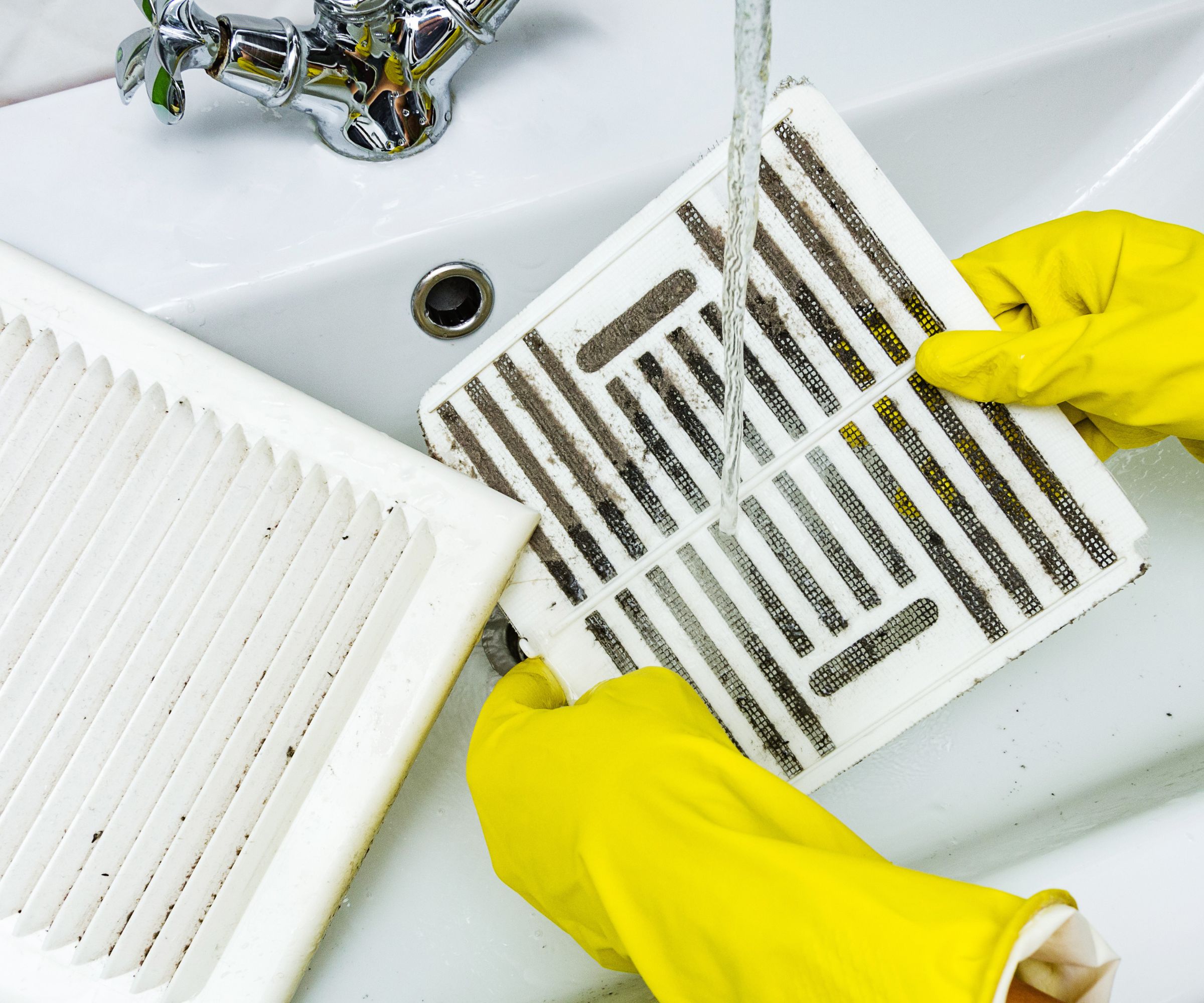
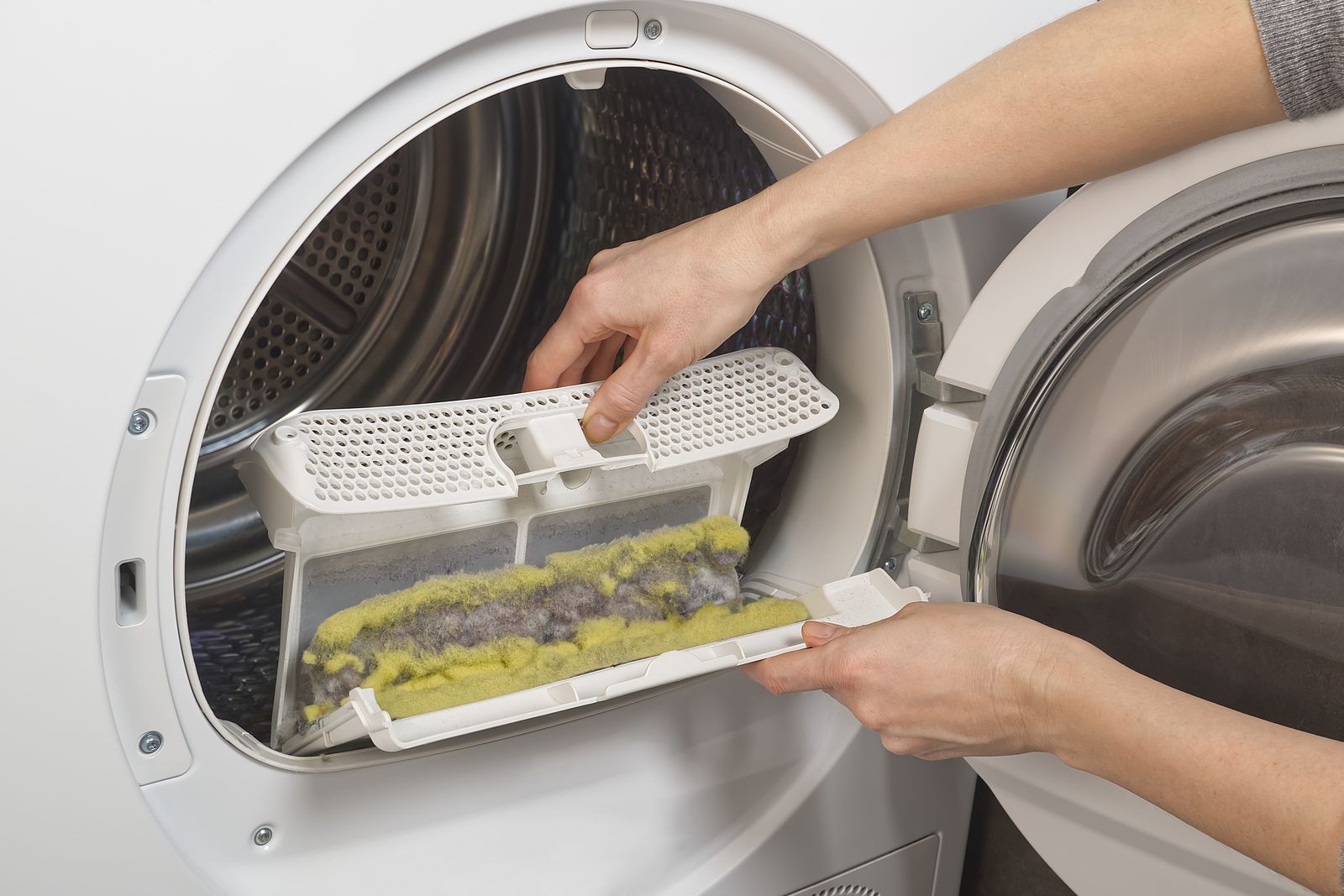
The initial step involves cleaning or replacing air filters, which are vital for trapping airborne particles. Dirty filters impede airflow, strain the system, and diminish indoor air quality. Disposable filters should be replaced according to the manufacturer's guidelines, ensuring the correct size for proper airflow. Reusable filters can be gently washed with soap and water and thoroughly dried before reinstallation. Filters should ideally be cleaned or replaced every one to three months, especially during periods of frequent HVAC use.
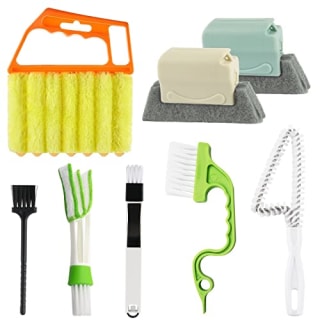
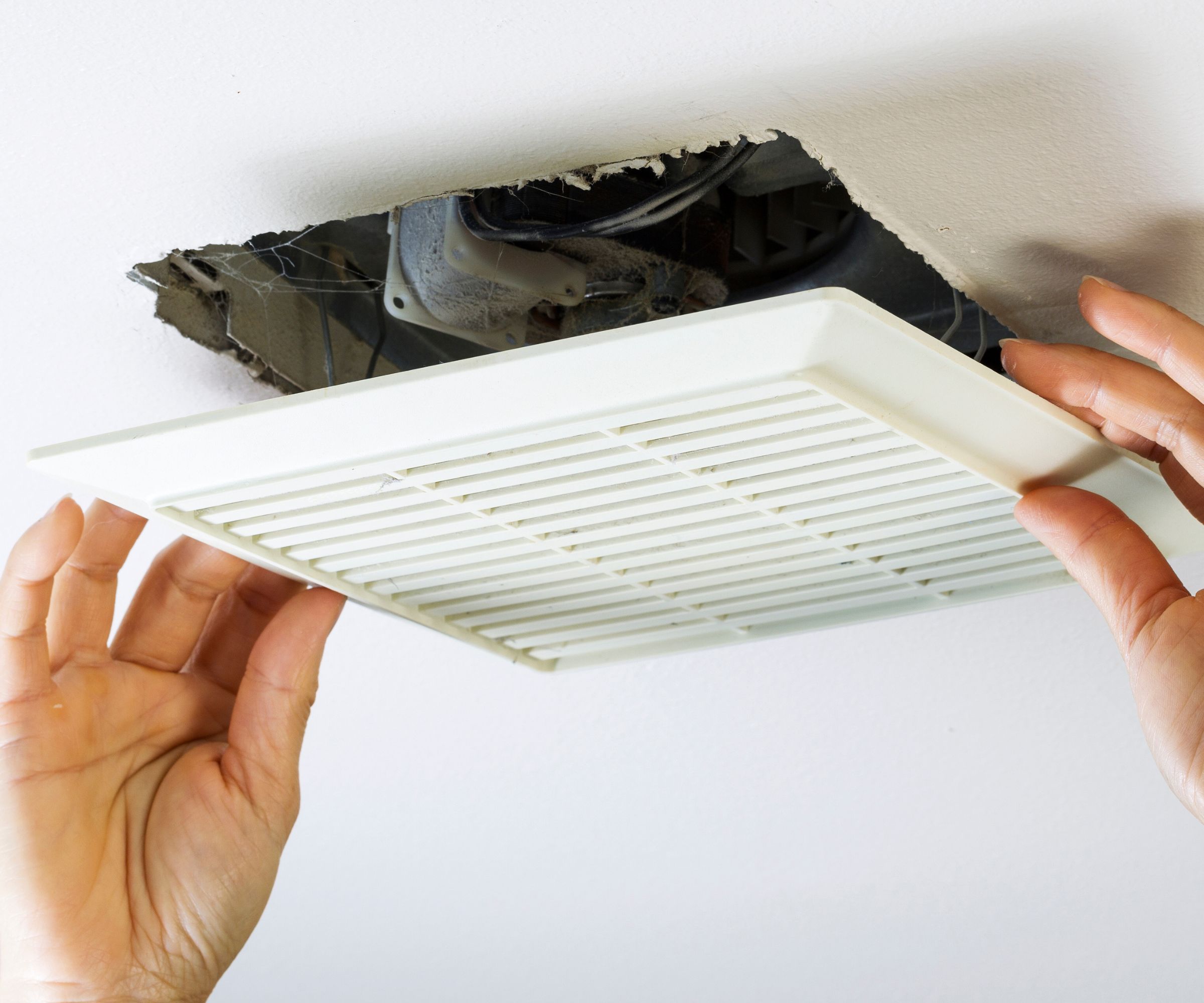
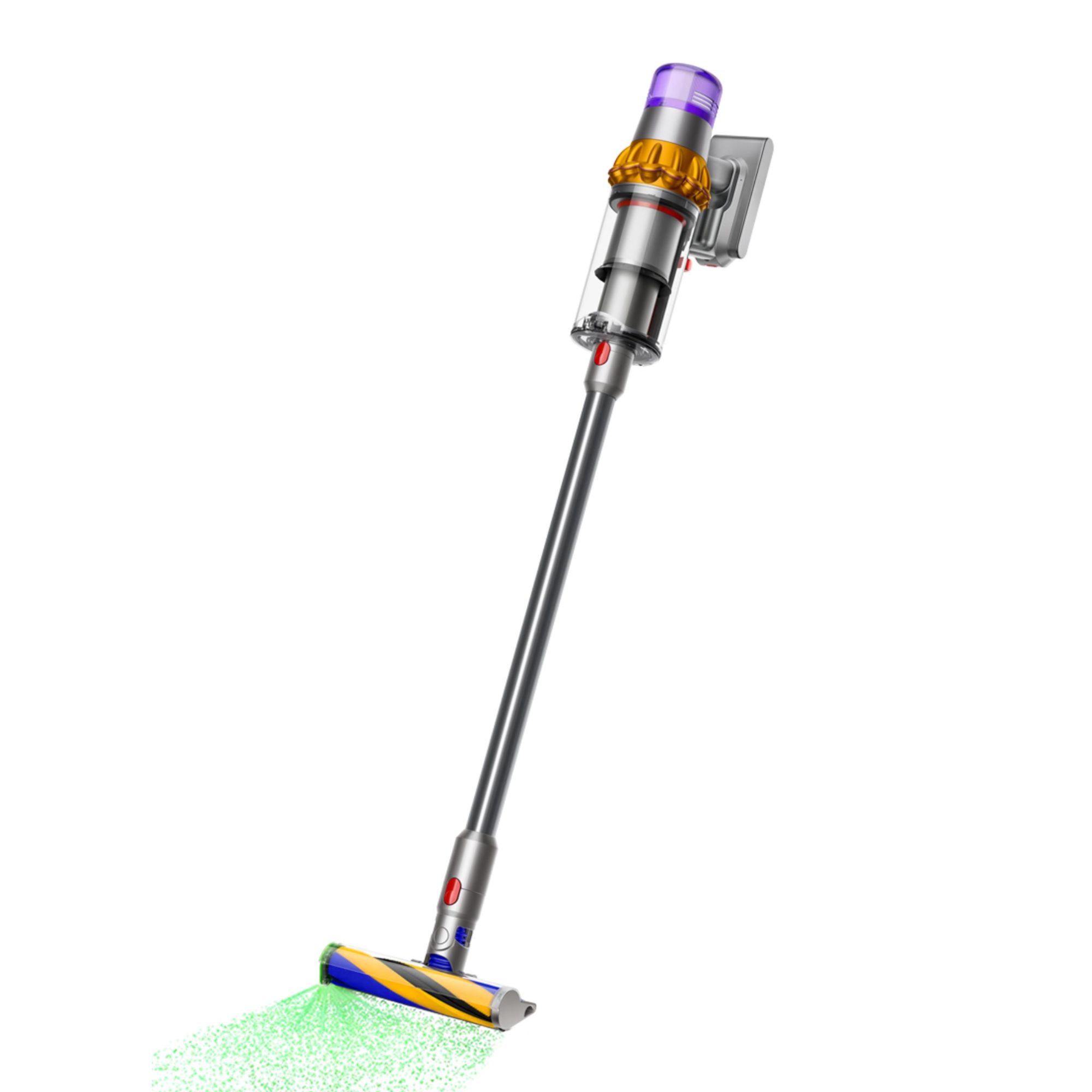
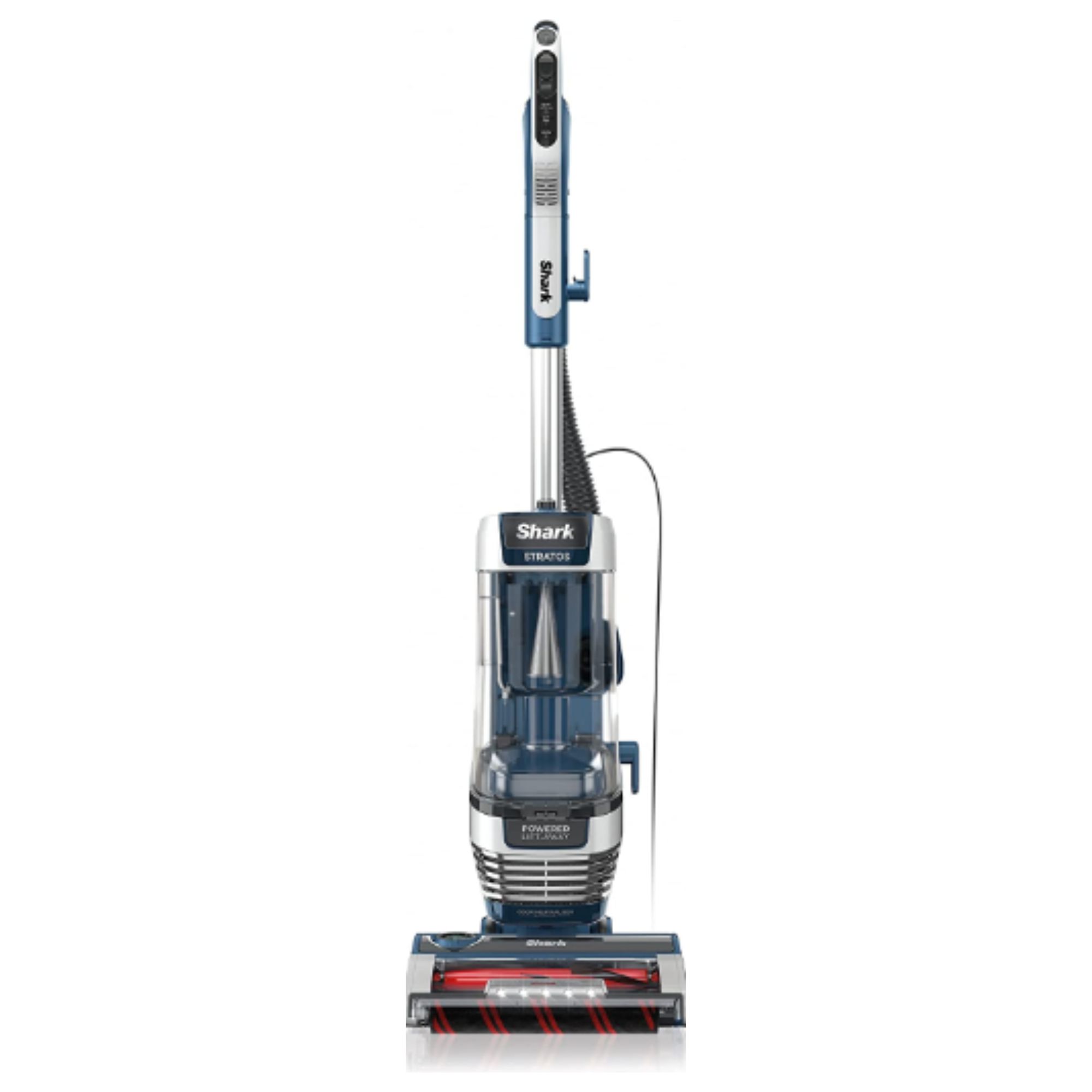
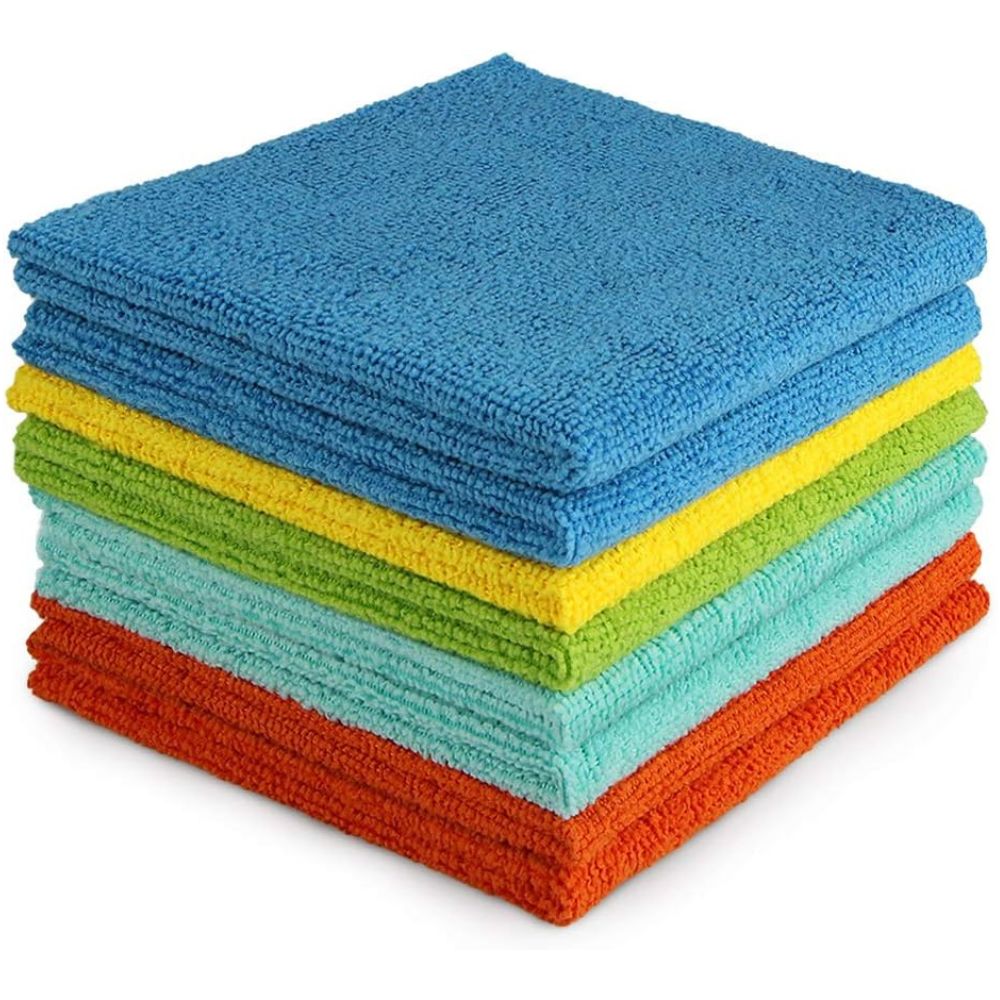
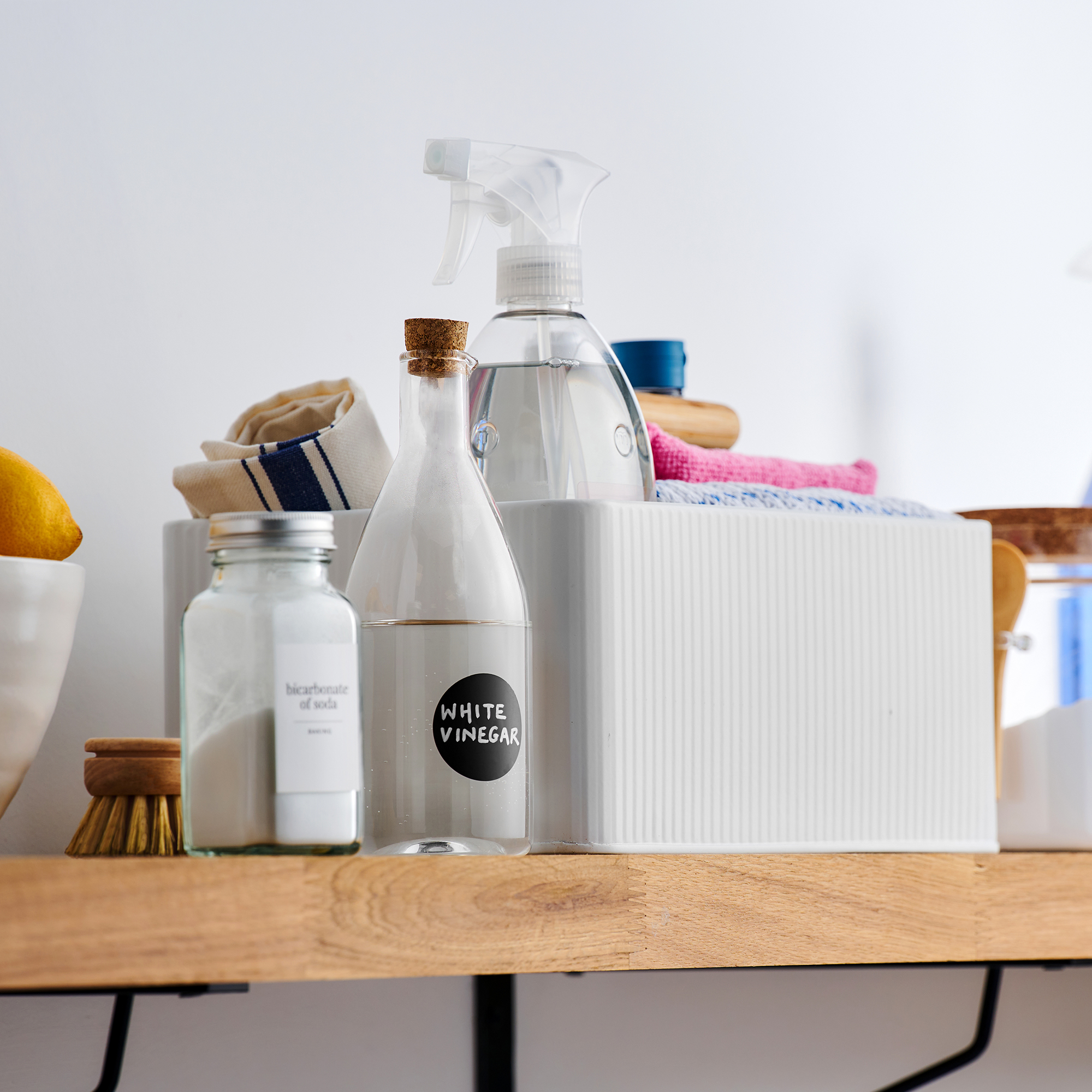
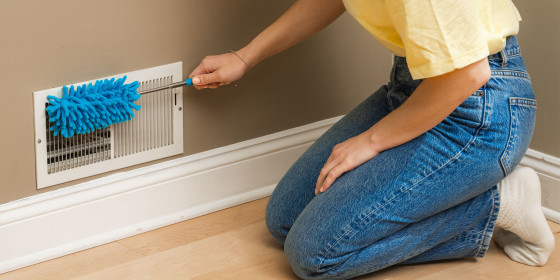
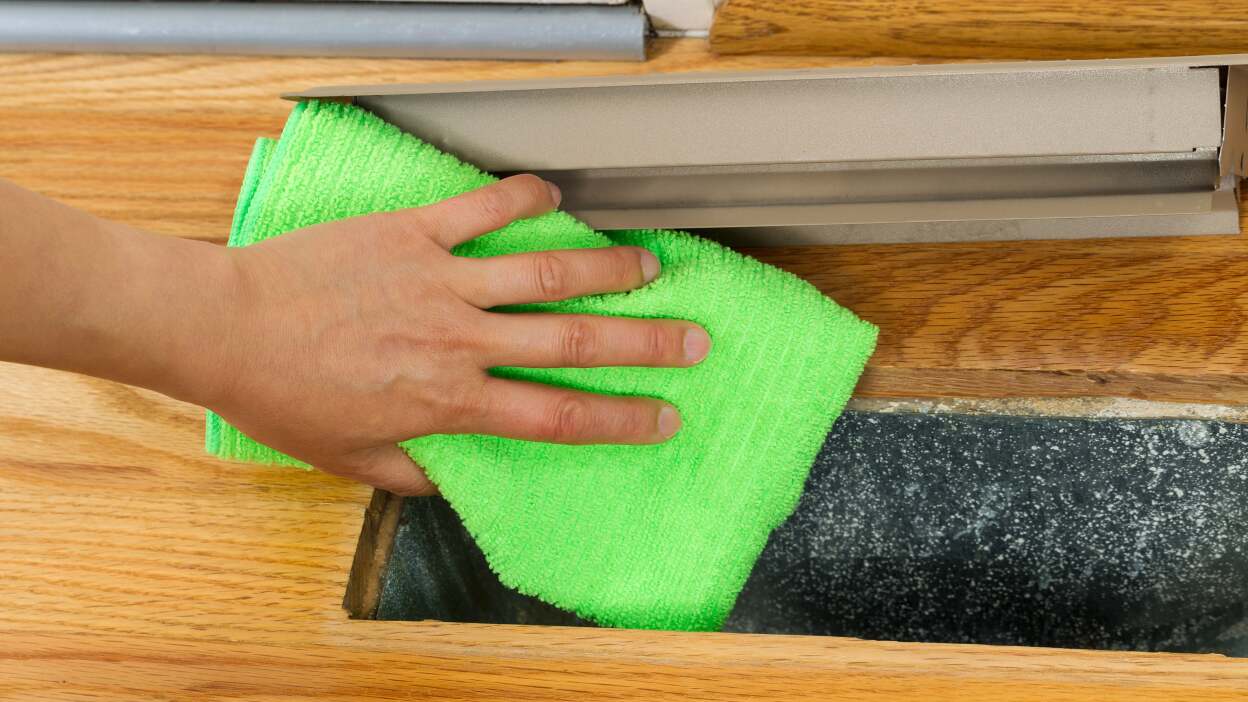
Next, the vents and registers should be cleaned to prevent dust circulation and improve airflow efficiency. Al Ruggie at ASAP Restoration LLC notes that clean vents contribute to quicker heating and cooling, thus reducing energy consumption. A vacuum with a brush attachment can remove dirt and debris, and a microfiber cloth or a water-and-vinegar solution can be used for more stubborn grime.
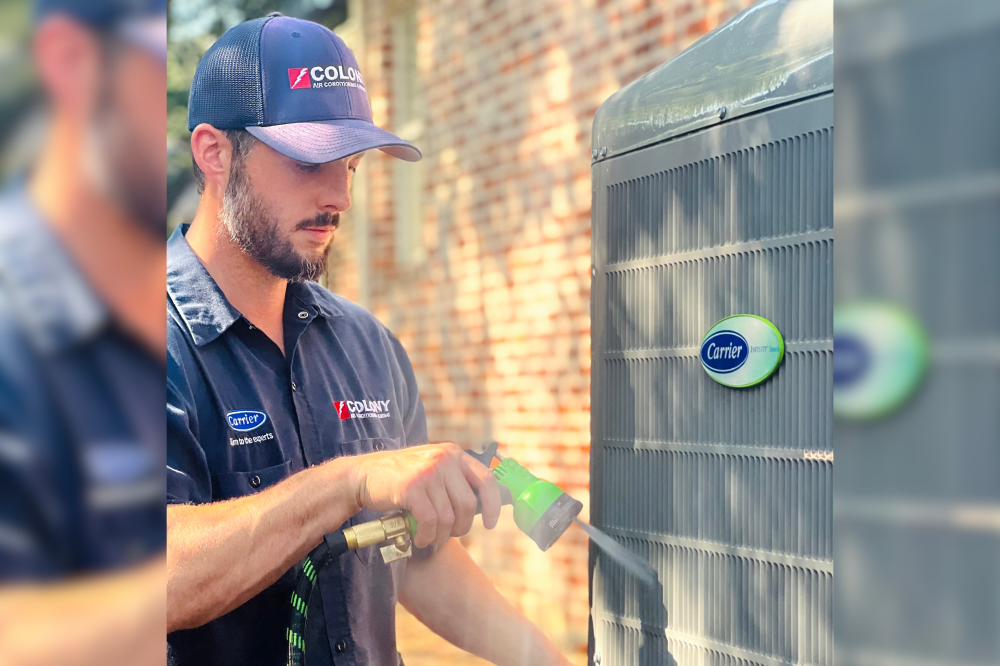
Evaporator and condenser coils, essential for heat exchange, require annual cleaning to prevent dirt and grime accumulation, which forces the system to work harder. Josh Mitchell, an HVAC technician, recommends carefully removing the access panel to reach evaporator coils, gently brushing off debris, and then applying a no-rinse coil cleaner. Condenser coils, located in the outdoor unit, can be sprayed with a garden hose, avoiding high-pressure settings that could damage delicate fins. For stubborn dirt, a commercial coil cleaner can be used.
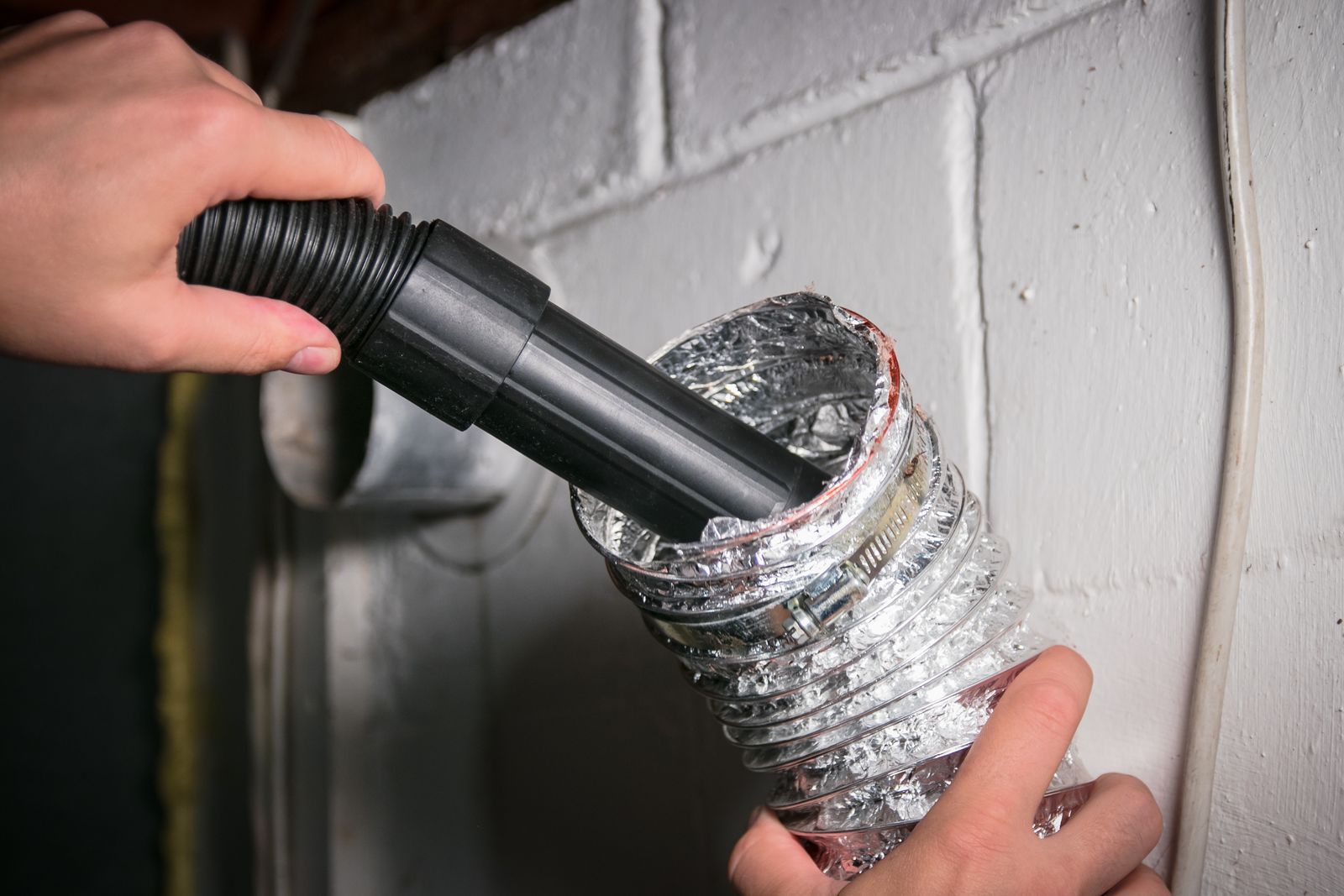
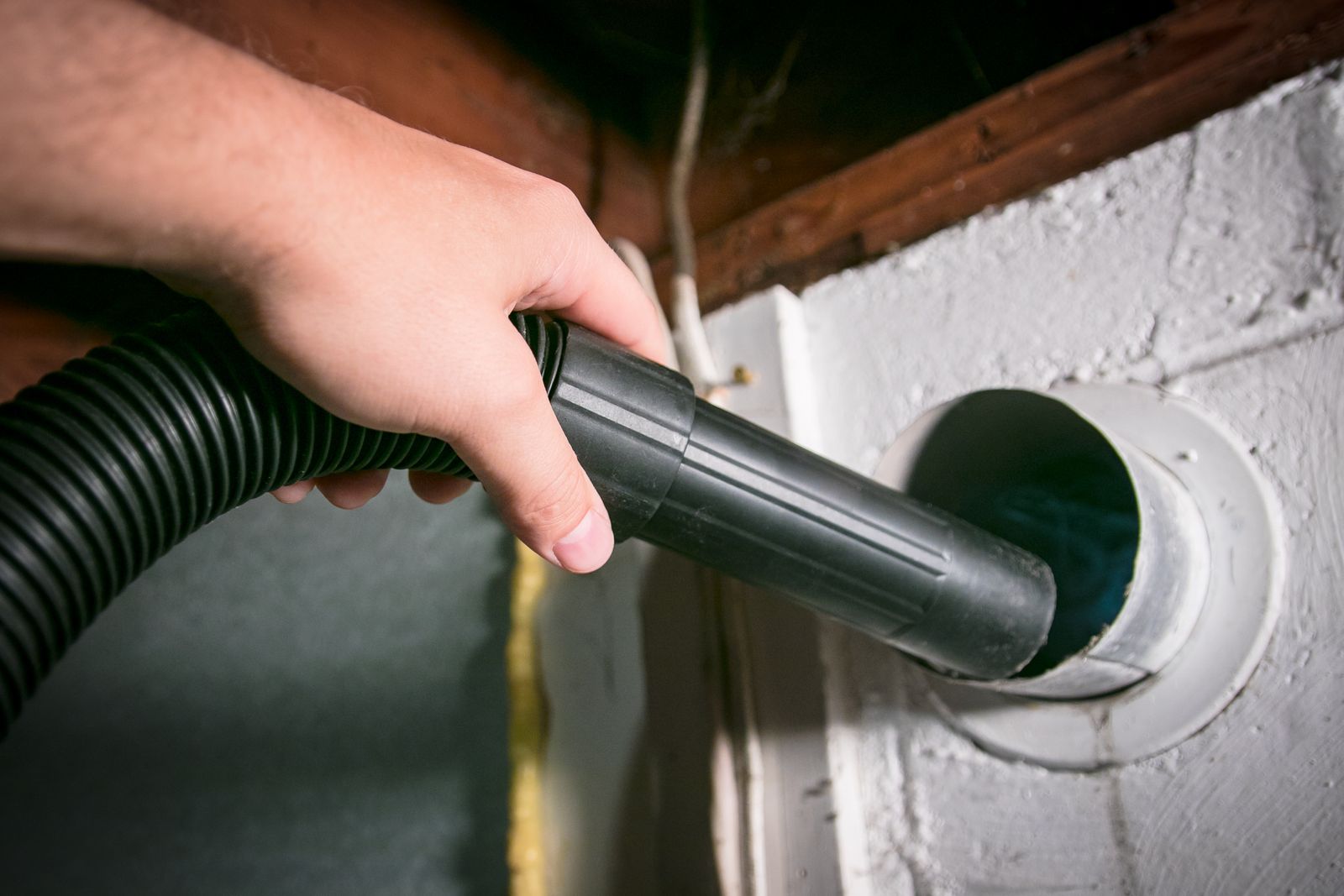
The blower motor, responsible for air circulation, should be cleaned annually to prevent the recirculation of contaminants. Kevin Goude advises removing the access panel and using a soft brush or vacuum with a brush attachment to clean the blower blades and motor housing. Proper lubrication of the blower motor also enhances system efficiency. Although dirty air ducts do not significantly impact heating or cooling efficiency, they can harbor pests and reduce indoor air quality. Inspections and cleaning every three years, using a vacuum with a HEPA filter, are recommended. Professional assistance is advisable if accessing interior components proves difficult or risks damage.
Finally, the drain line, which removes condensate water, needs regular cleaning to prevent clogs, water damage, and mold growth. Josh Mitchell suggests checking for blockages, using a wet-dry vacuum to clear debris, and flushing the line periodically with a bleach-and-water mixture to inhibit algae and mold. The outdoor unit also requires inspection and cleaning, clearing away leaves, twigs, and debris, and trimming vegetation to ensure unobstructed airflow. Proactive maintenance, including professional inspections before peak seasons, maximizes HVAC system efficiency and lifespan, helping homeowners avoid premature replacement and costly repairs.
#HVACMaintenance #HomeImprovement #IndoorAirQuality #DIYHomeCare #EnergyEfficiency #AirFilterReplacement #CoilCleaning #HomeMaintenance #HVACMaintenance #HomeImprovement #IndoorAirQuality #DIYHomeCare #EnergyEfficiency #AirFilterReplacement #CoilCleaning #HomeMaintenance
0 opmerkingen in totaal
 Nog geen opmerkingen
Dit vindt u mogelijk ook leuk
How to clean vent covers and how often to do it - TODAY

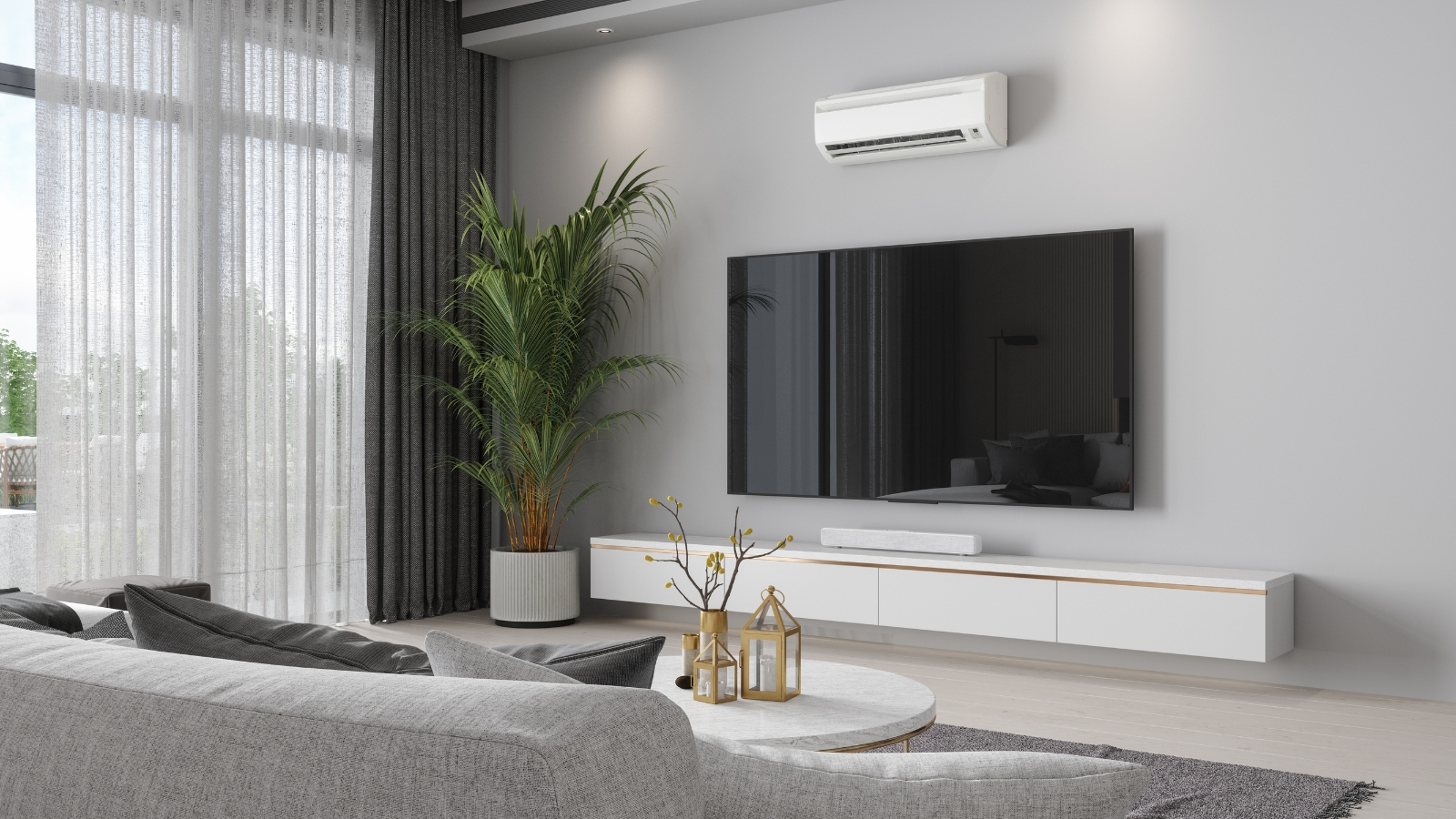
HVAC pros reveal if you should close vents in unused rooms – the answer feels counter-intuitive but it's true
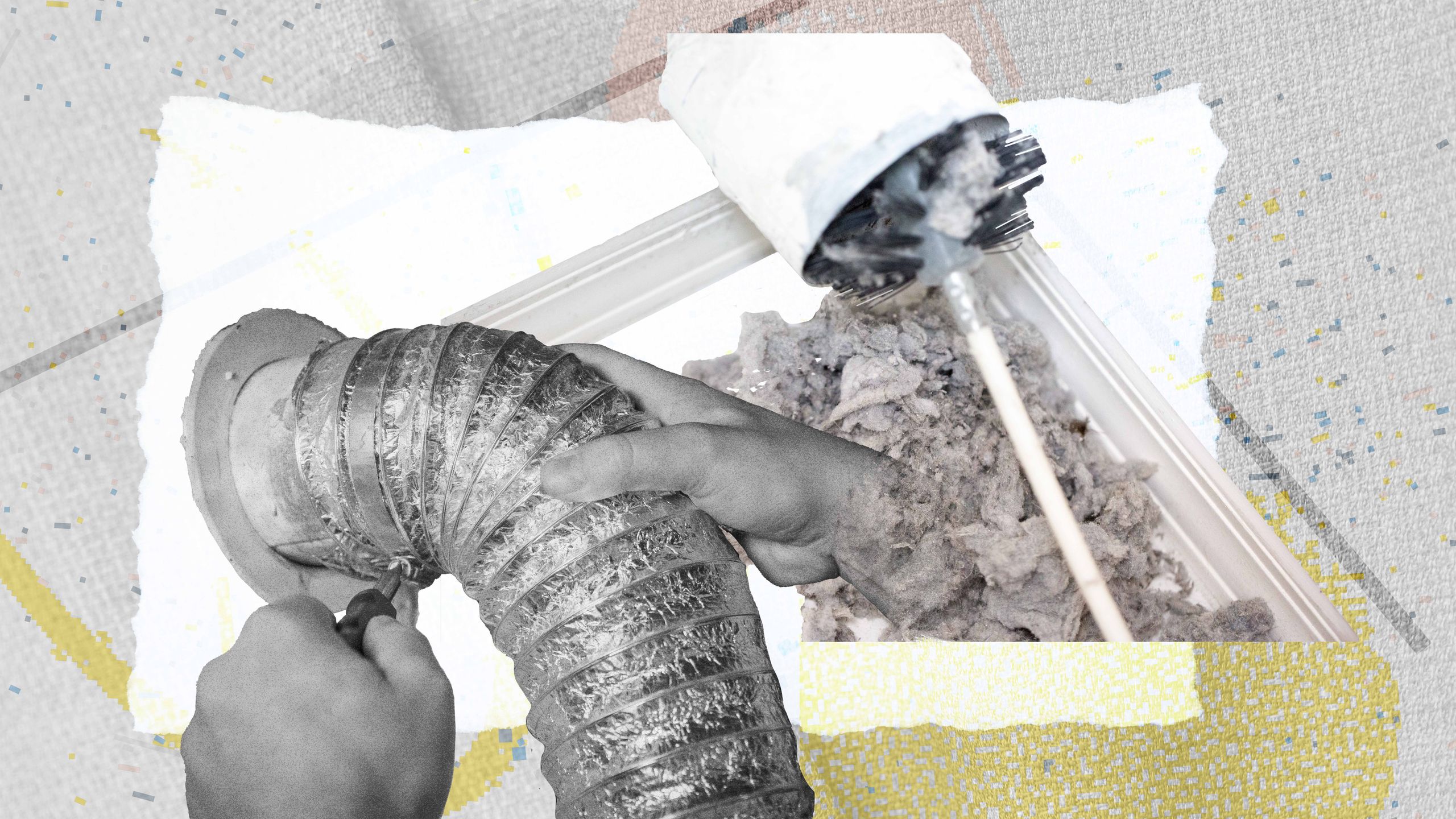
How to Clean a Dryer Vent in 7 Simple Steps

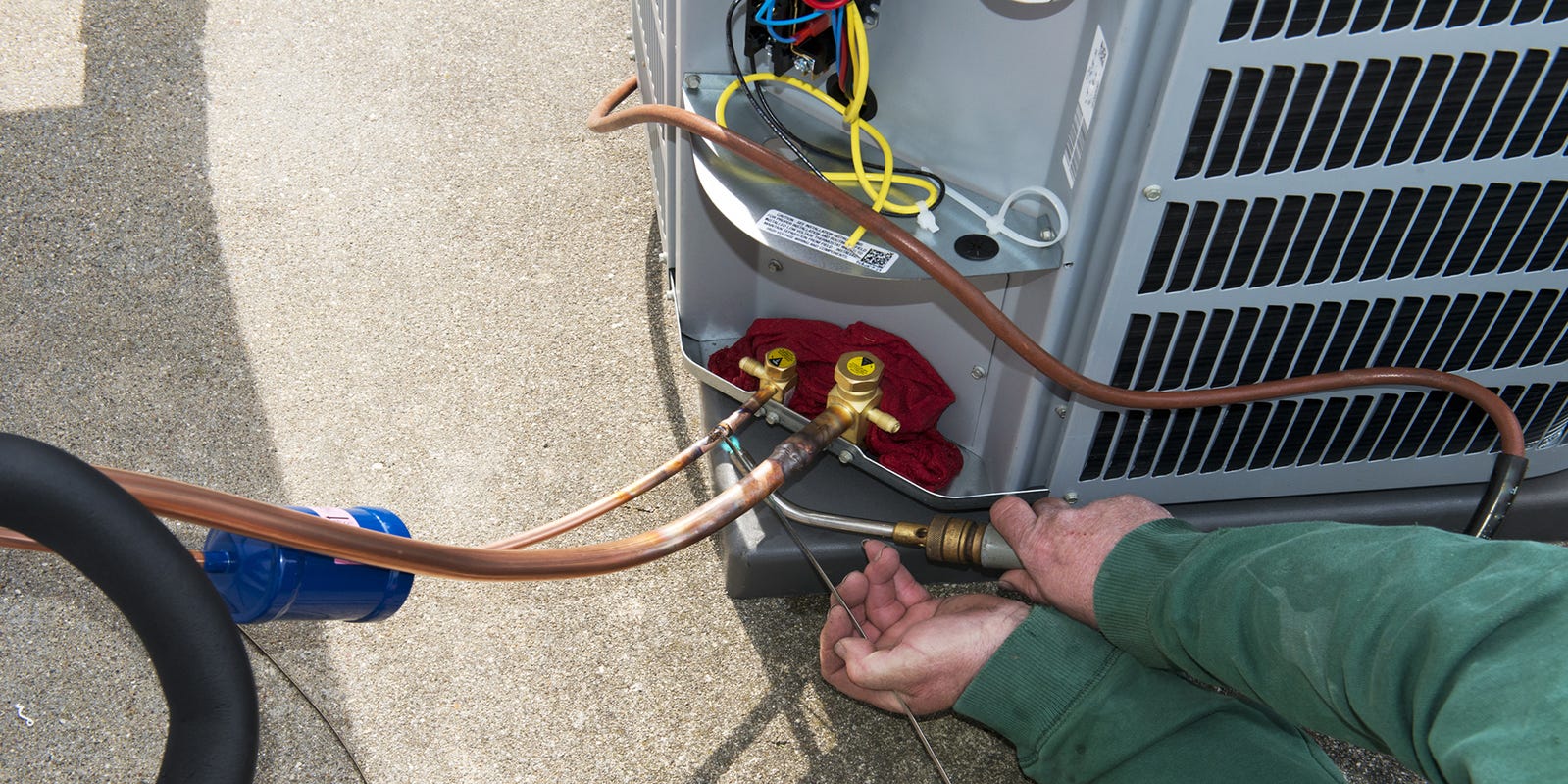
Ask Angi: What should I do when the AC goes out?
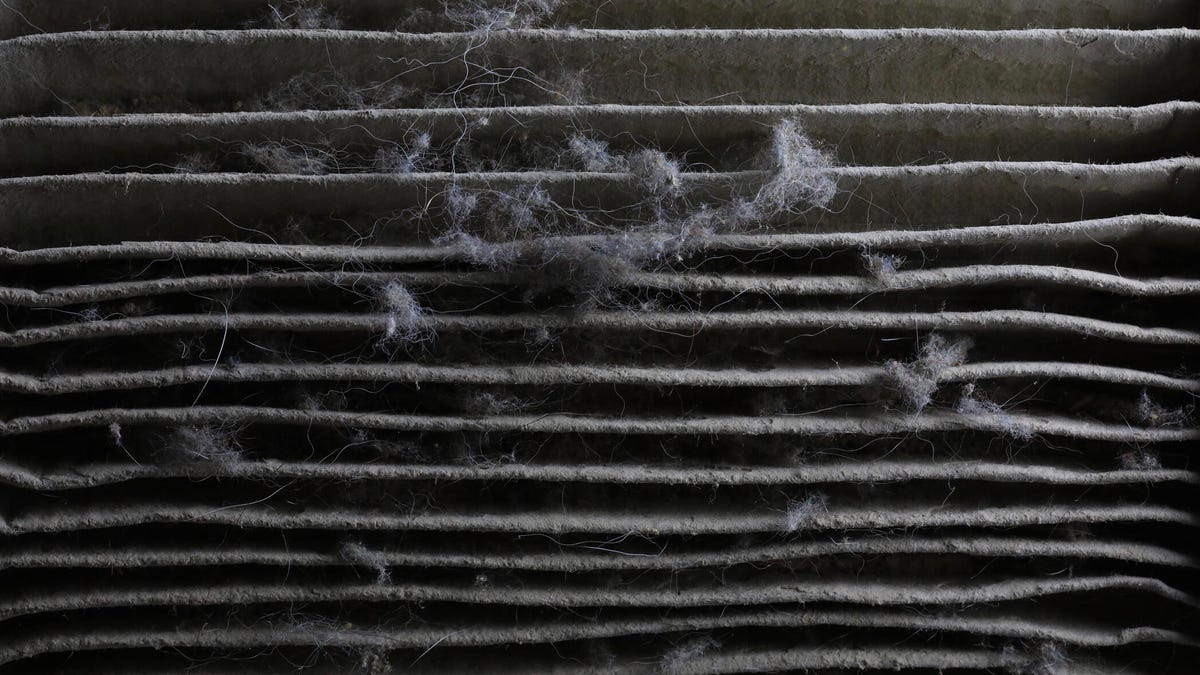
HVAC Maintenance Guide: What to DIY and When to Call a Pro

Best Cleaning Advice & Tips

Are Your Return Air Vents Facing the Wrong Way? Here's How to Check

How often should you vacuum? Experts weigh in on the damage caused by doing the bare minimum
How to get the most life out of your AC and Heating system
How to Clean Your Air Vents

The free condensation-busting item which comes in the post - but you're binning

I use a laundry item to clean my fan - it works so much better than a cloth, and the coating repels dust for weeks


Updating And Maintaining Your Workplace’s HVAC System

6 Vacuum cleaner mistakes to avoid – and why they aren’t cleaning your home
I tried my mom's three-day spring cleaning blitz – and the intensive program makes total sense

Spring cleaning mistakes - 6 common pitfalls to avoid during your spring clean

5 mistakes you're making that are compromising your home's air quality – and how to fix it like a HVAC pro
How to clean radiators inside and out – to ensure better efficiency this winter


Winter Deep-Clean: 5 Things Pros Never Forget in December
8 Simple Ways to Improve Indoor Air Quality This Winter