How to Clean Your Air Vents
The article addresses the importance of cleaning air vents, especially after a period of increased indoor time, and provides practical, cost-effective methods for homeowners to maintain cleaner air circulation. While more complex DIY methods involving leaf blowers or drill attachments exist, the focus is on simpler techniques using common household items.
Regular cleaning of air vents is crucial for maintaining good indoor air quality. It is recommended to clean vents once or twice a year, ideally at the beginning of spring and fall. However, homes with pets or individuals suffering from respiratory conditions like asthma or chronic obstructive pulmonary disease should consider cleaning their vents more frequently, perhaps two or three times a year. This proactive approach helps to prevent the recirculation of dust and dander, which can exacerbate respiratory issues.
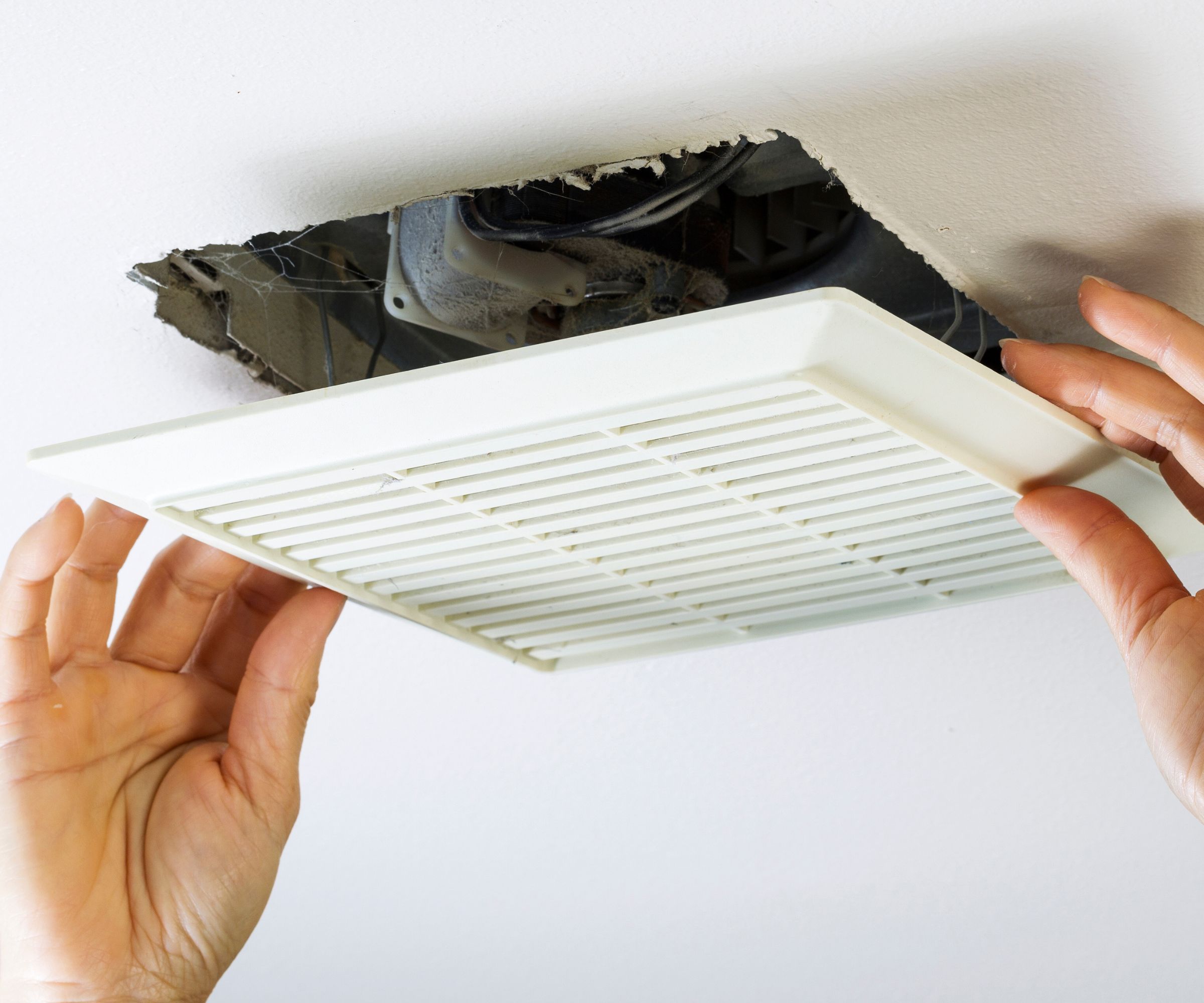
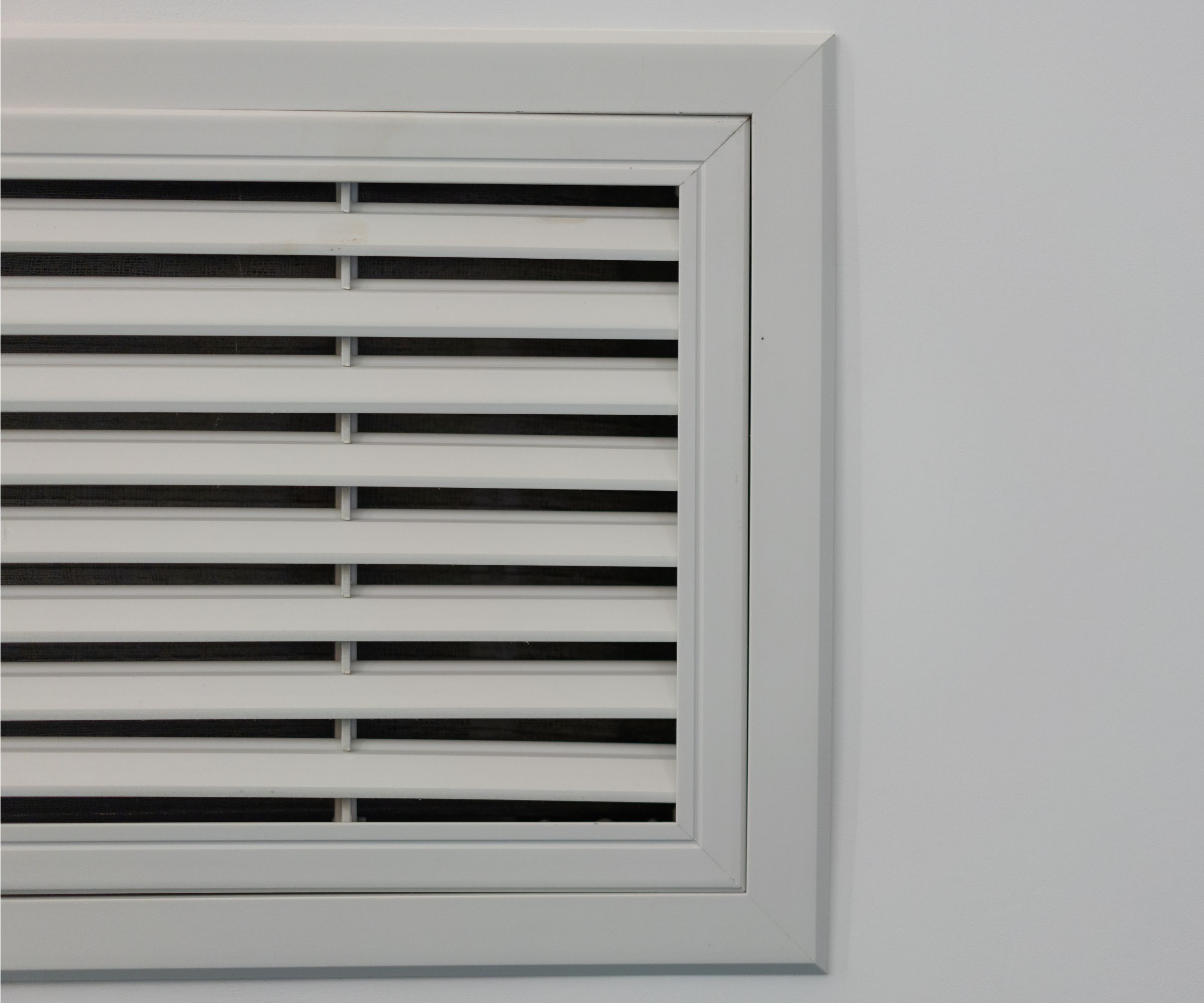
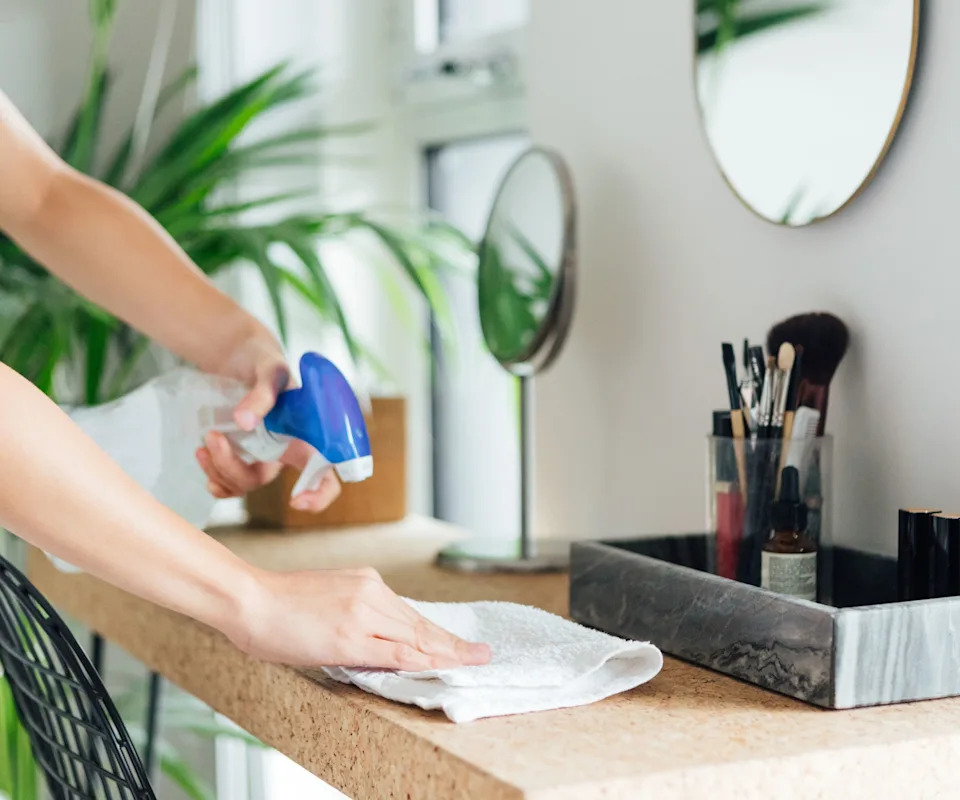
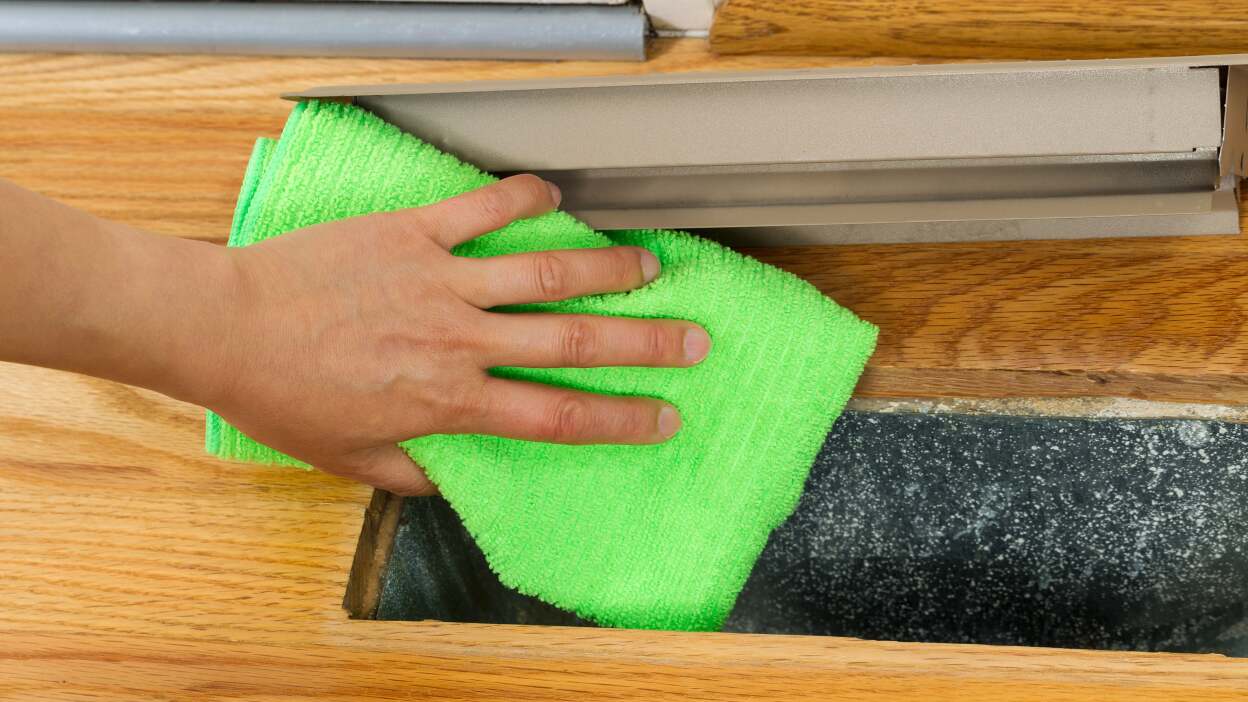
Three primary methods are outlined for cleaning air ducts. The first involves using a vacuum cleaner with a hose extension, a butter knife, and a washrag. Initially, visible dust around the air vent should be vacuumed. For stubborn dust, a can of compressed air can be used. Next, the vent register, the grated cover over the duct entrance, needs to be removed. Some registers can be pulled off, while others are secured with screws, which should be safely stored for reattachment. A damp (not soaking wet) rag is then wrapped around a butter knife and used to clean the dust accumulated between the vent blades. This technique helps to reach otherwise inaccessible areas and dislodge trapped debris.
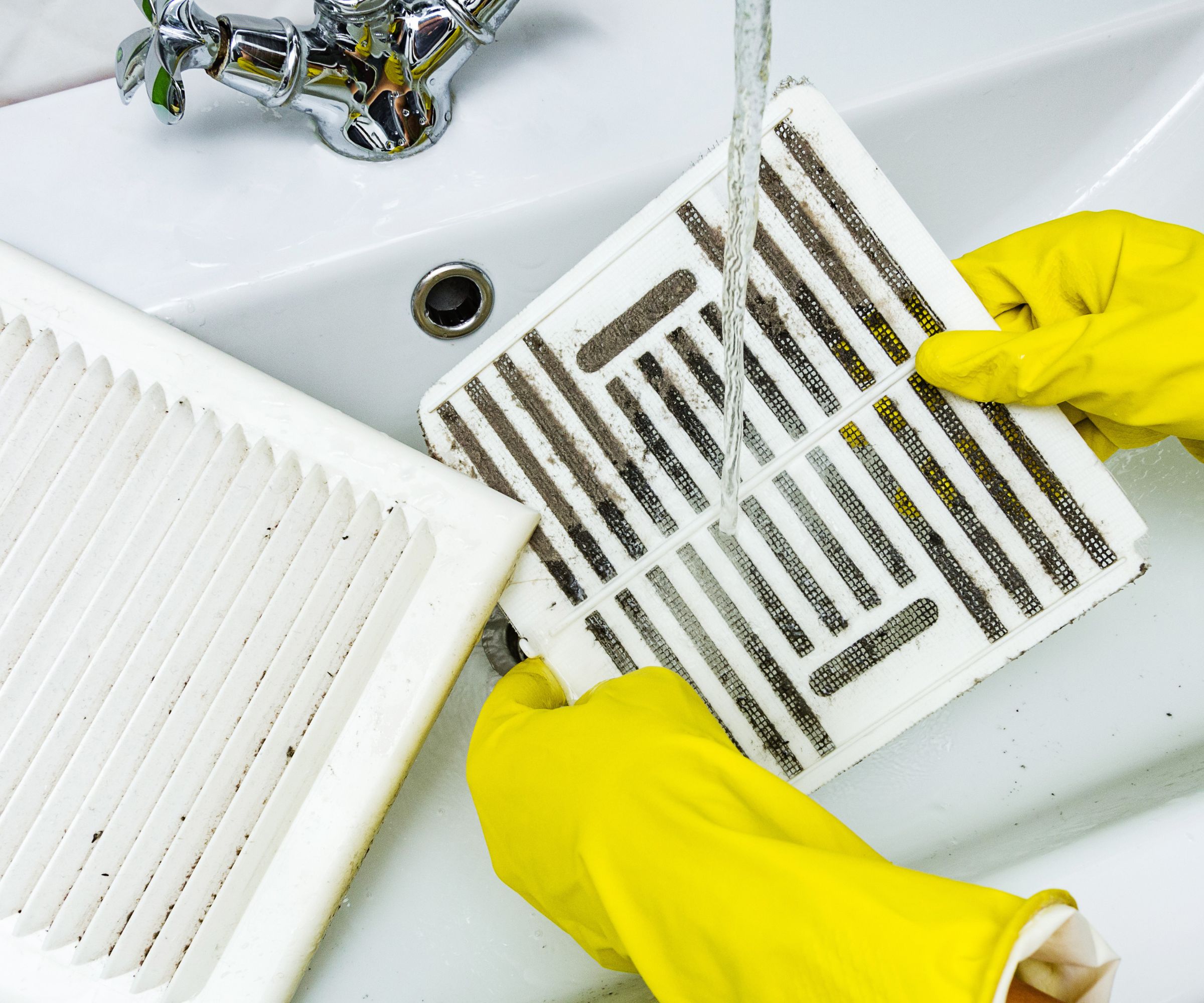
For a more thorough cleaning of the vent registers themselves, the second method suggests soaking them in soapy water in a sink or tub for three to five minutes to loosen grime. After soaking, a sponge can be used to remove any remaining dirt. The registers should then be rinsed under a faucet or with a detachable showerhead and allowed to air dry for 5-10 minutes. For an added layer of protection against future dust accumulation, applying a product like Turtle Wax is suggested, as it can make it harder for dust to adhere to the vent surfaces.
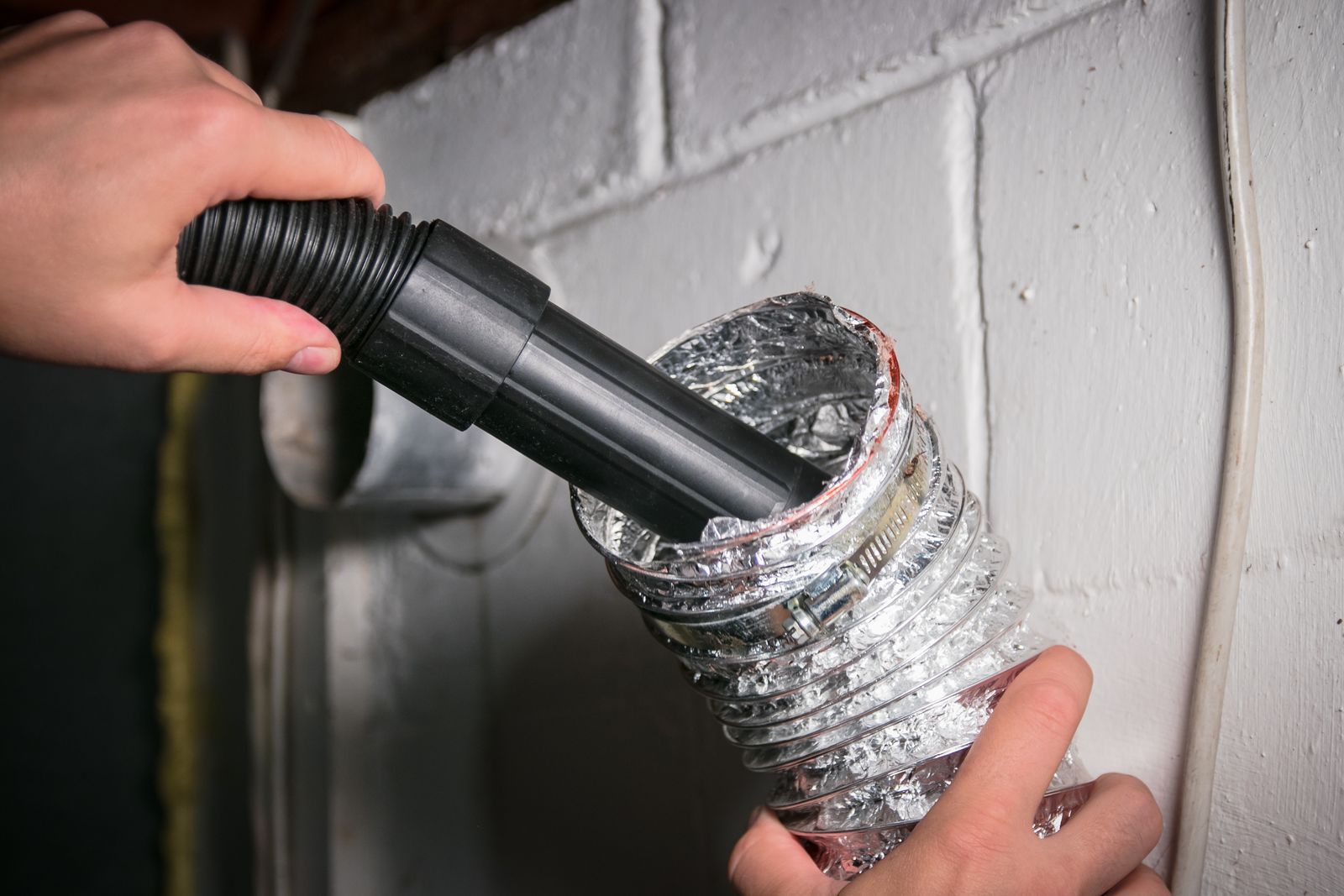
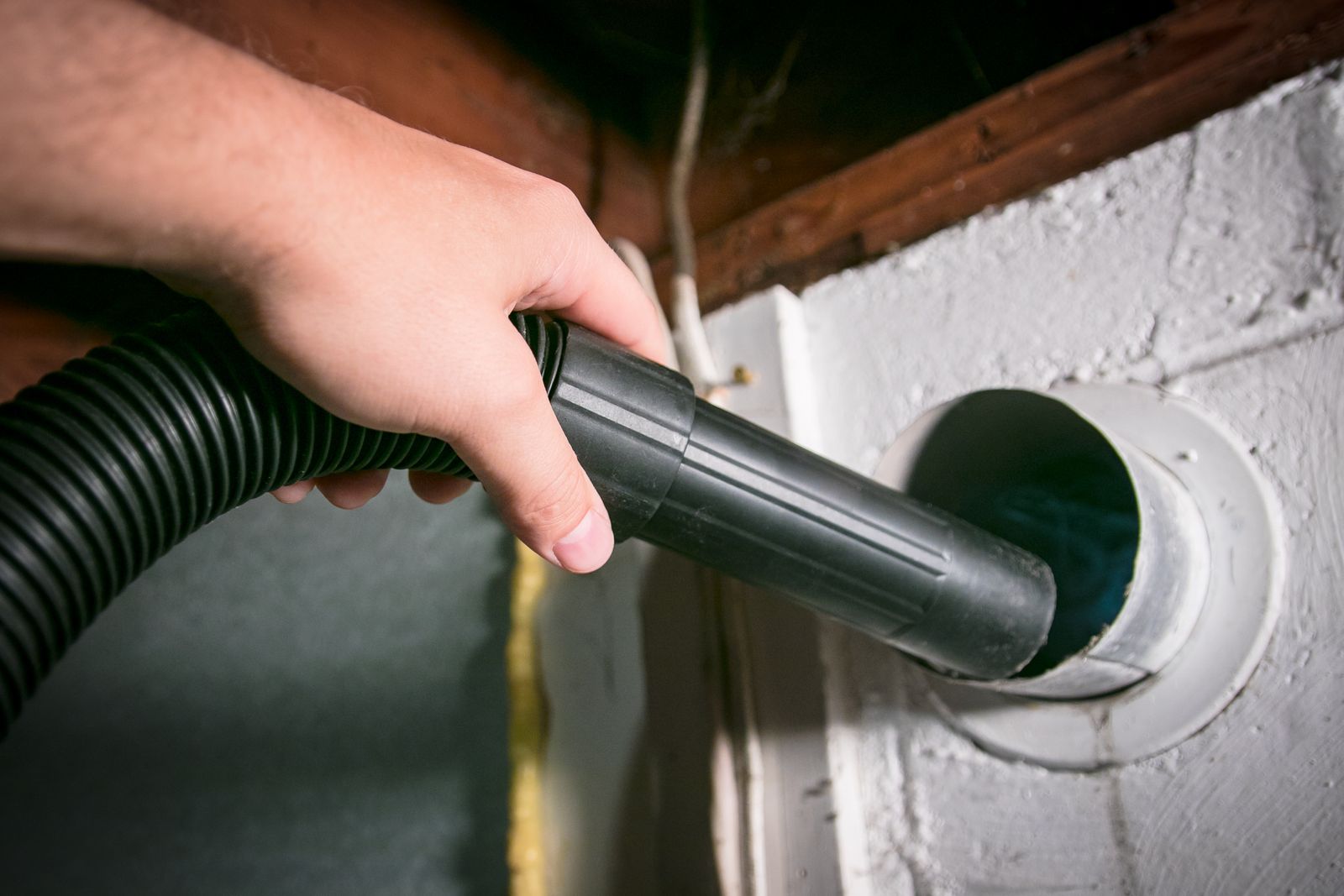
The third method focuses on cleaning the interior duct pathways. After the vent registers are removed, a regular home vacuum or a standard shop vac with a long hose or arm can be inserted into the open duct to vacuum out accumulated dust and debris. This process should be repeated for each vent opening throughout the house. While time-consuming, this step significantly minimizes the circulation of dust and allergens within the home, contributing to healthier indoor air.
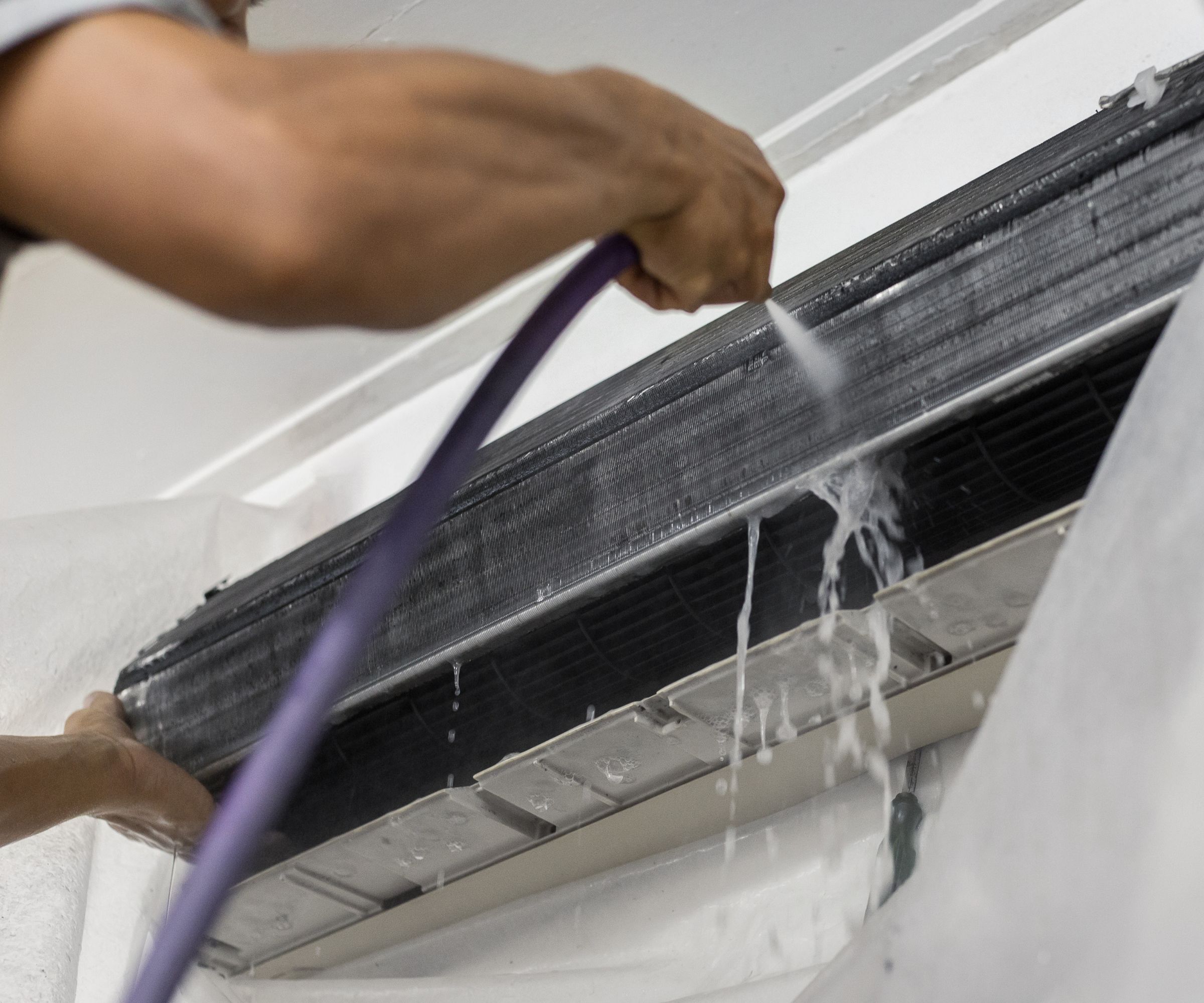
Finally, the article advises on situations that warrant professional intervention. The Environmental Protection Agency (EPA) recommends hiring professionals if there is substantial visible mold growth within the ducts, if the ducts are infested with vermin like rodents or insects, or if they are heavily clogged with dust and debris that are being visibly released into the home. Additionally, professionals are better equipped to handle the cleaning and maintenance of more delicate HVAC components such as fan motors, heat exchangers, and cooling coils, which require specialized knowledge and tools beyond what a typical homeowner possesses. These instances indicate more severe issues that cannot be adequately addressed with DIY methods and require expert attention to ensure the proper functioning and safety of the HVAC system.
#HomeMaintenance #AirVents #DuctCleaning #DIYCleaning #IndoorAirQuality #HouseholdHacks #SpringCleaning #PetOwners #HomeMaintenance #AirVents #DuctCleaning #DIYCleaning #IndoorAirQuality #HouseholdHacks #SpringCleaning #PetOwners
0 comment in total
 No comments yet
You may also like
How to clean vent covers and how often to do it - TODAY


How to clean your HVAC system – 6 expert tips to make this essential task DIY-friendly

I use a laundry item to clean my fan - it works so much better than a cloth, and the coating repels dust for weeks


HVAC Pros Say This One Fall Task Can Make Your Home Feel So Much Warmer (and It's So Easy!)


How to Clean a Dryer Vent in 7 Simple Steps


Experts explain how to install a basement extractor fan to remove damp and musty smells for good
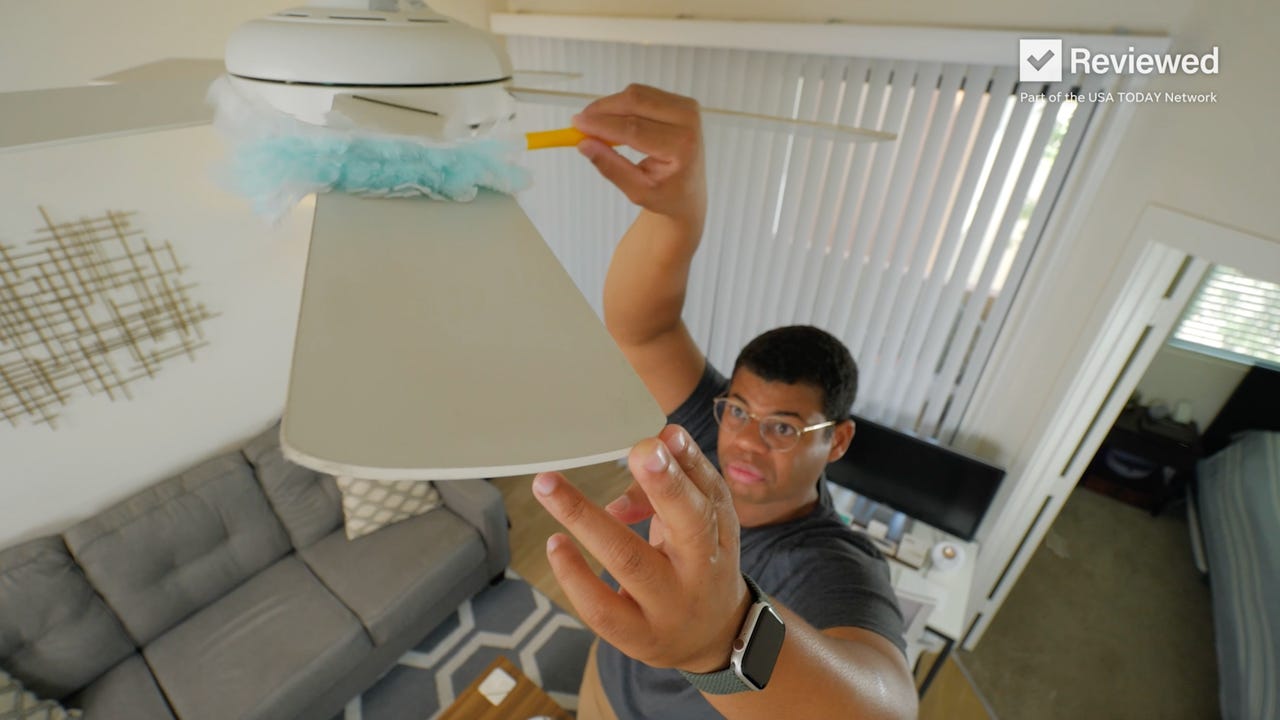
This simple trick will clean ceiling fans without a mess

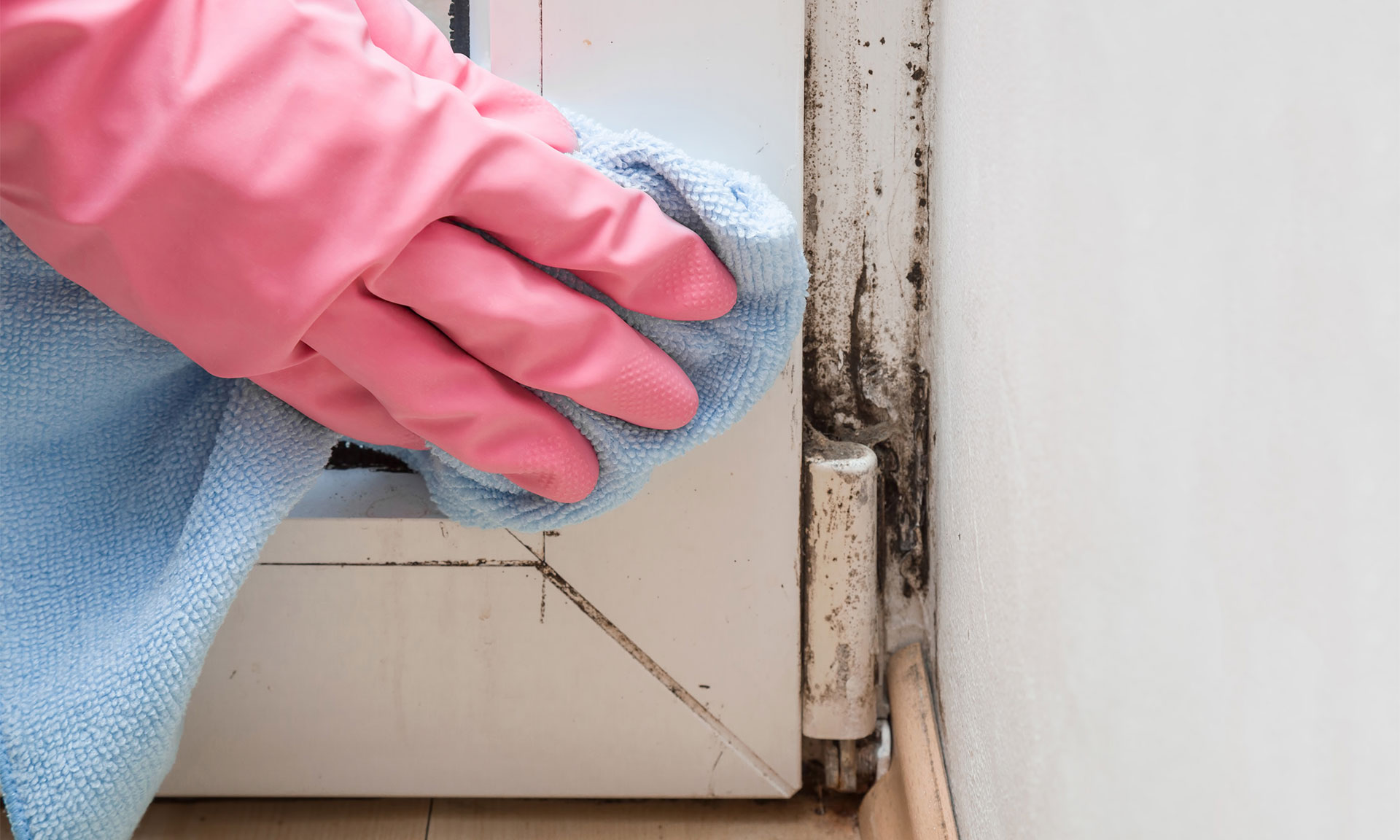
How to get rid of mould

Have you forgotten about cleaning your oven extractor fan vent? This viral hack may be key to banishing years of grease
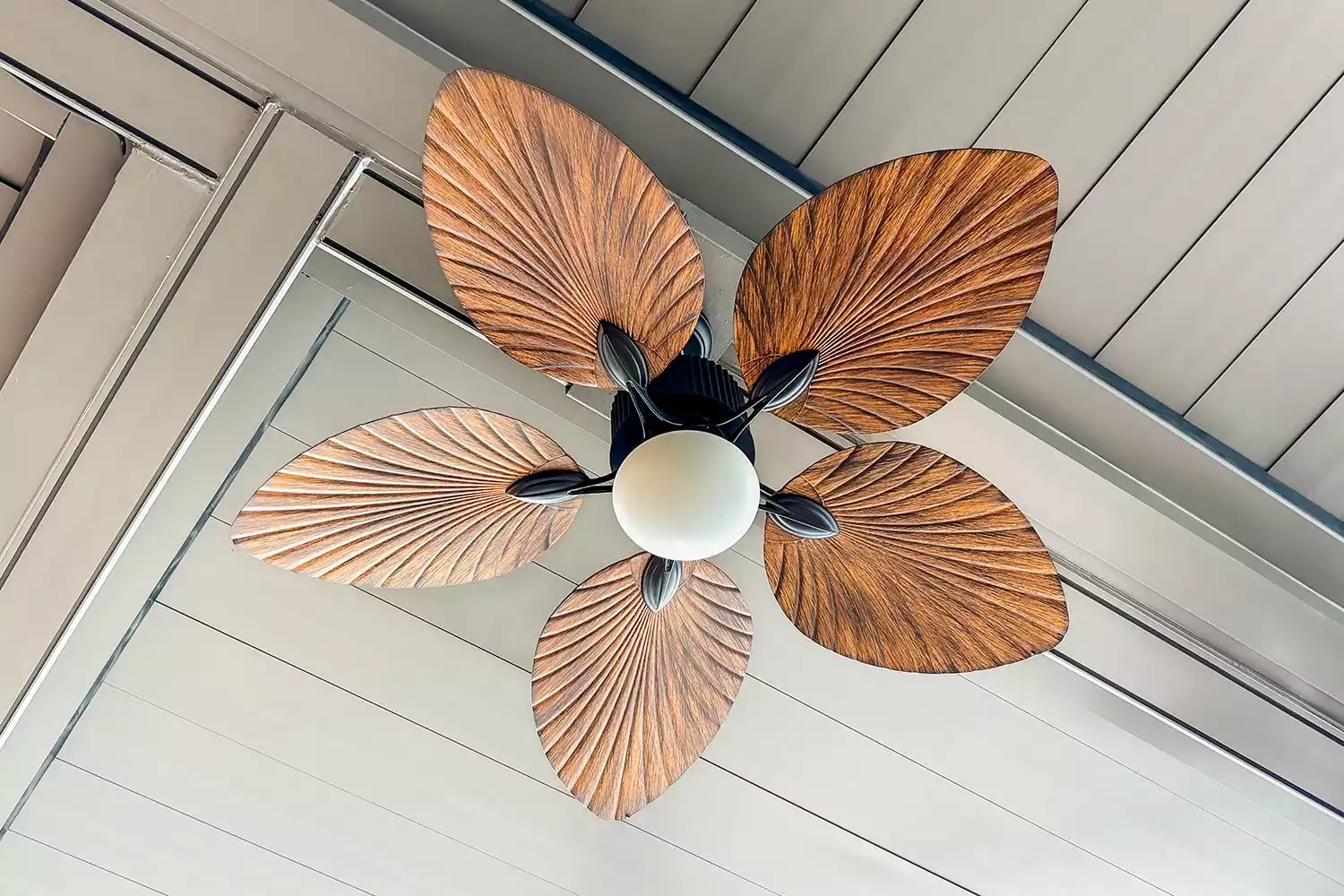
How to Clean a Ceiling Fan, From the Blades to the Motor

How to ventilate a basement – expert tips to reduce damp and mold

Cleaning experts are urging people to wipe down their windowsills every day this summer
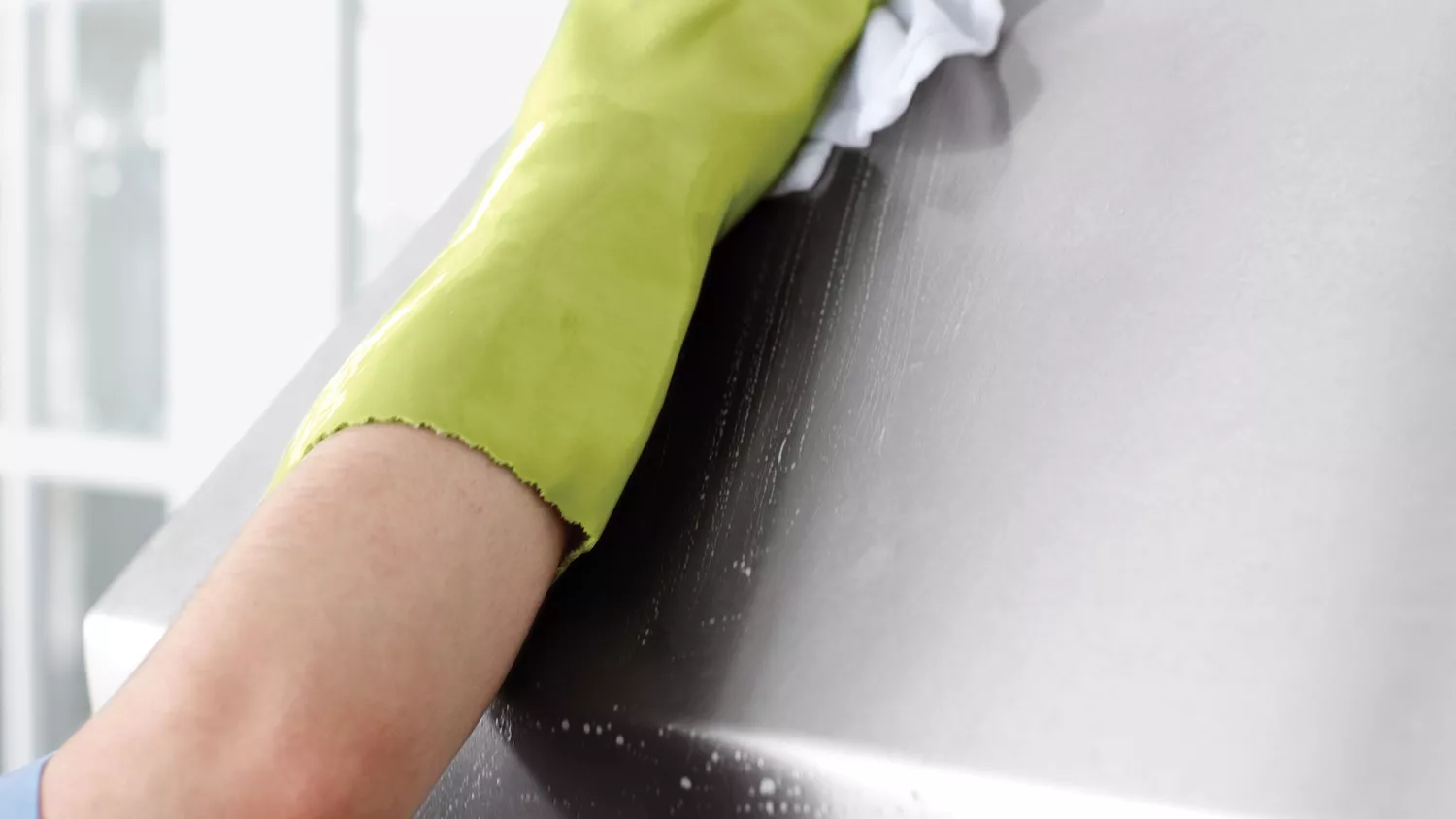
How to Clean Your Range Hood and Vent in 4 Easy Steps


5 Easy Ways to Improve Kitchen Ventilation


How to get rid of musty basement smells – 6 ways to combat odors and their causes


8 Best Bathroom Exhaust Fans of 2025


5 mistakes you're making that are compromising your home's air quality – and how to fix it like a HVAC pro

How to Get Better Indoor Air Quality | Wirecutter

How to get rid of mould on walls – 7 home treatments tried and tested by the experts
If You Haven't Cleaned Your Air Ducts Recently, You're Overdue—4 Signs It's Time