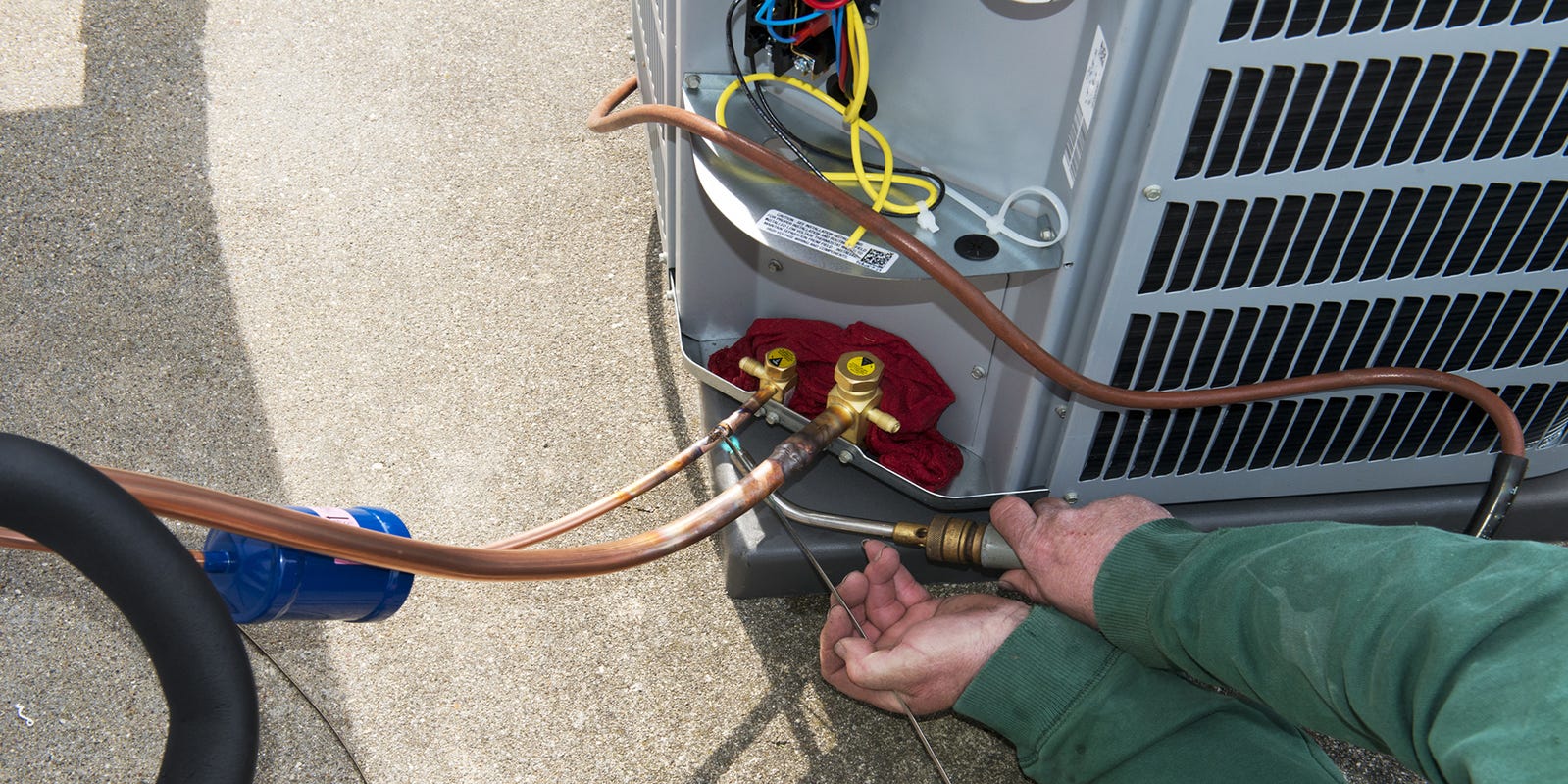
Ask Angi: What should I do when the AC goes out?
The article provides practical advice for homeowners when their air conditioning system unexpectedly fails, especially during warmer months. It emphasizes that a malfunctioning AC can be dangerous for vulnerable individuals such as small children, older people, or those with chronic illnesses, making prompt troubleshooting and repair crucial. The content outlines a step-by-step approach, starting with basic checks that homeowners can perform themselves before resorting to professional help.
The initial troubleshooting steps involve checking for obvious issues. Homeowners should first inspect the thermostat's batteries, particularly in older systems. Given the high power consumption of air conditioning units, it's advisable to check if the circuit breaker has tripped. A visual inspection of the HVAC unit is also recommended to ensure everything is correctly plugged in and there are no exposed wires. However, the article strongly cautions against attempting to repair electrical issues without professional expertise. The external unit should also be examined for debris like leaves and overgrown plants, as sufficient clearance is necessary for optimal operation and technician access. Identifying the location of indoor and outdoor power switches for the AC unit and verifying their 'on' position is another basic check.
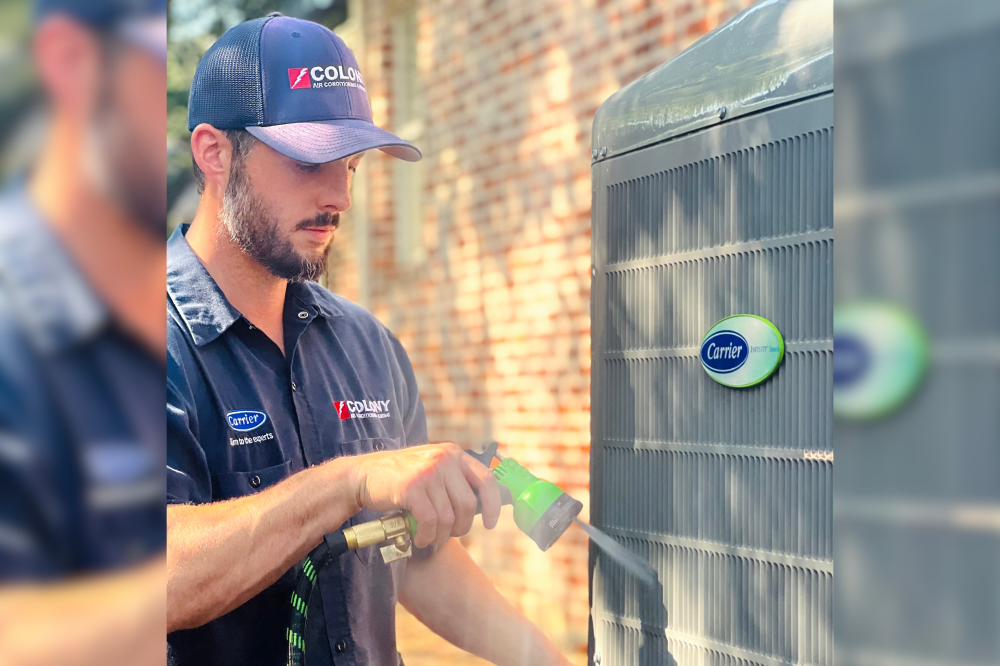
After addressing the obvious, the article advises gathering specific information about the AC's behavior to assist technicians. Key observations include whether the unit is not blowing any air, blowing air that isn't cold, or cycling on and off frequently. Each symptom points to different potential problems. Homeowners are also instructed to check the coils and evaporator for dirt accumulation, which can cause long-term issues if neglected. Cleaning dirty coils with a hose, after ensuring the unit is powered off, is suggested. The importance of regularly changing air filters, at least every 90 days or per manufacturer guidelines, is highlighted as dirty filters can contribute to performance problems. The article also identifies critical warning signs such as brightly colored refrigerant or water leaking inside the house, or the presence of ice on the air coils, all of which indicate a more serious internal issue requiring professional attention.
The article also stresses the importance of preventative maintenance. It recommends hiring a professional for HVAC unit inspections twice a year – before the cooling season and before the heating season. These regular check-ups help prevent problems and catch minor issues early, and typically include lubrication of moving parts and general system tuning. The cost for such a service is estimated at around $100. Scheduling maintenance in advance or opting for a service contract with an HVAC company is advised, as these contracts often include regular inspections and prioritize emergency services.
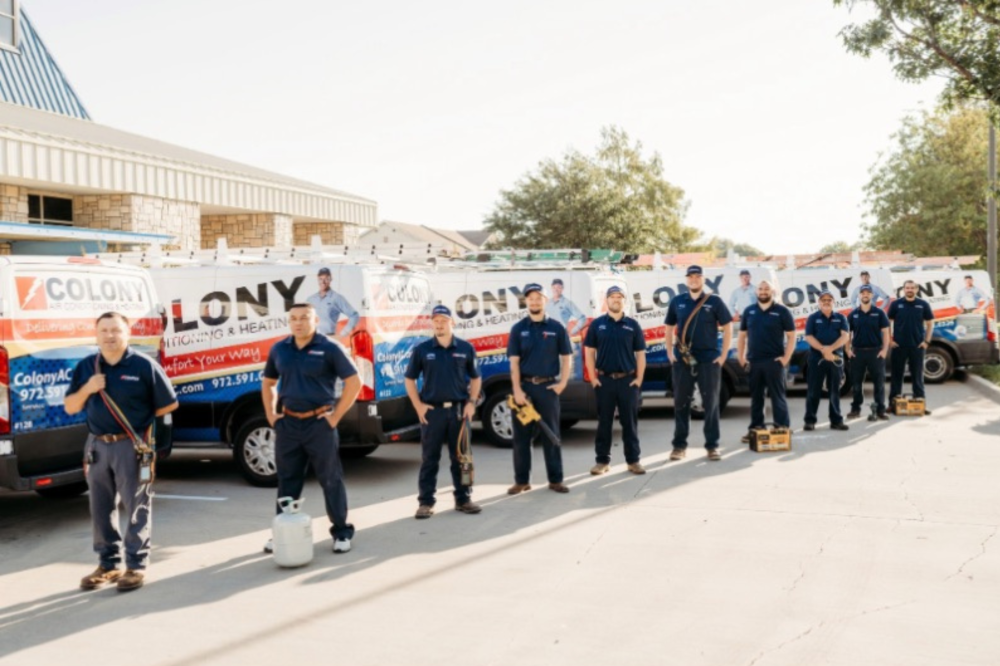
Finally, the article concludes by emphasizing that once initial checks confirm the problem is beyond a homeowner's ability to fix, contacting a professional is the next logical step. Having a detailed list of observations ready can help the technician diagnose the problem more efficiently. AC repair costs can vary significantly, from a few hundred to several thousand dollars, depending on the complexity of the issue. The overarching message is that timely professional intervention ensures quicker restoration of cool air, especially when considering the potential health risks associated with prolonged AC failure.
#HomeImprovement #AirConditioning #HVACMaintenance #HomeRepair #PreventativeMaintenance #HouseholdTips #EmergencyPreparedness #DIYHome #HomeImprovement #AirConditioning #HVACMaintenance #HomeRepair #PreventativeMaintenance #HouseholdTips #EmergencyPreparedness #DIYHome
 No comments yet
How to get the most life out of your AC and Heating system
Everything You Should Know About Fixing Your Car's A/C