1/16
How to clean radiators inside and out – to ensure better efficiency this winter
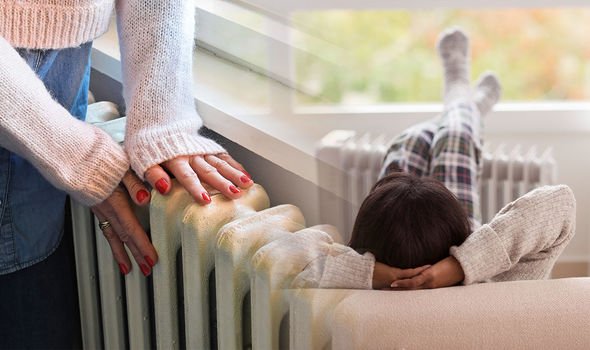
The arrival of cold weather necessitates proper radiator cleaning to maintain efficiency and help reduce heating bills, particularly in the current cost-of-living climate. Radiators, often neglected in regular cleaning routines, accumulate significant amounts of dust both externally and internally, impacting their performance and leading to higher energy consumption. Cleaning radiators regularly is crucial, especially as part of pre-autumn and winter preparations, to ensure homes remain warm and heating costs are managed effectively. A dirty radiator operates less efficiently, directly contributing to increased expenses.
Professional cleaners and industry experts emphasize a specific methodology for cleaning radiators. A key piece of advice is to avoid excessive water, as this can lead to rust. Social media often promotes viral cleaning hacks, but not all are recommended; for instance, pouring soapy water through a radiator is discouraged due to the risk of rust accumulation over time. Instead, a more controlled approach is advised.
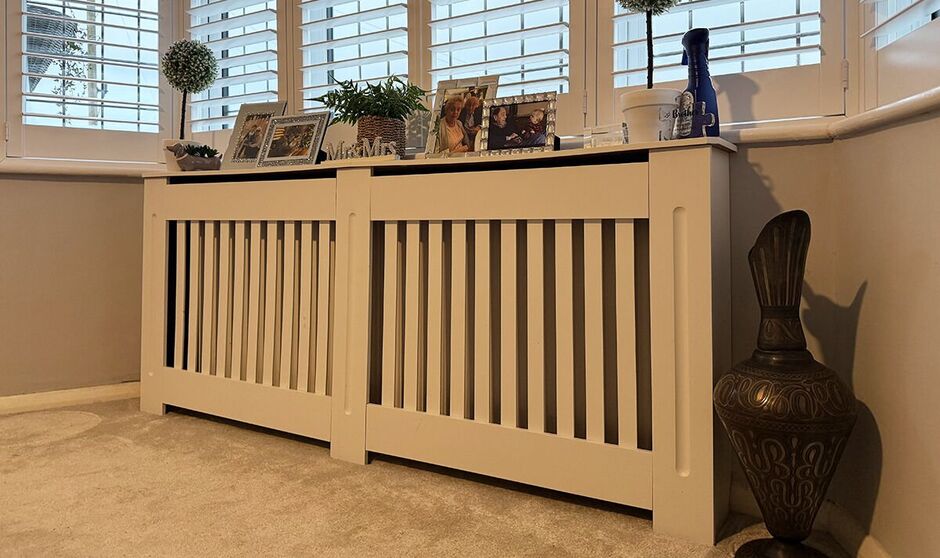
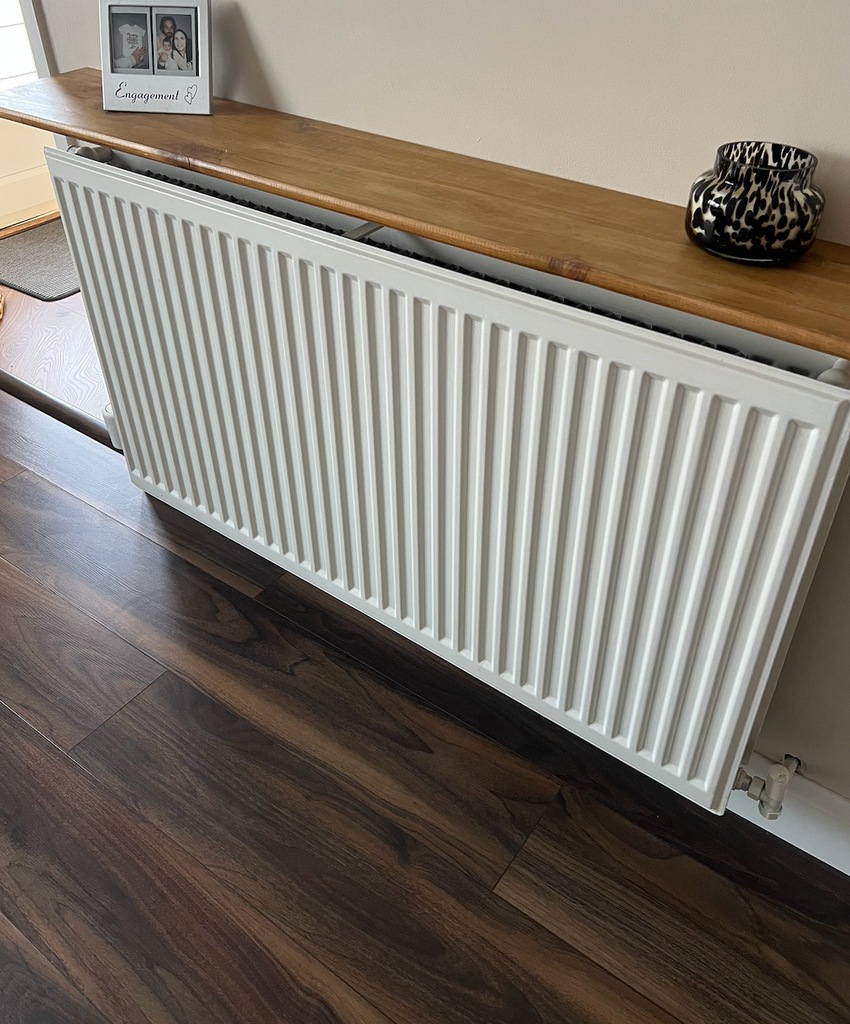
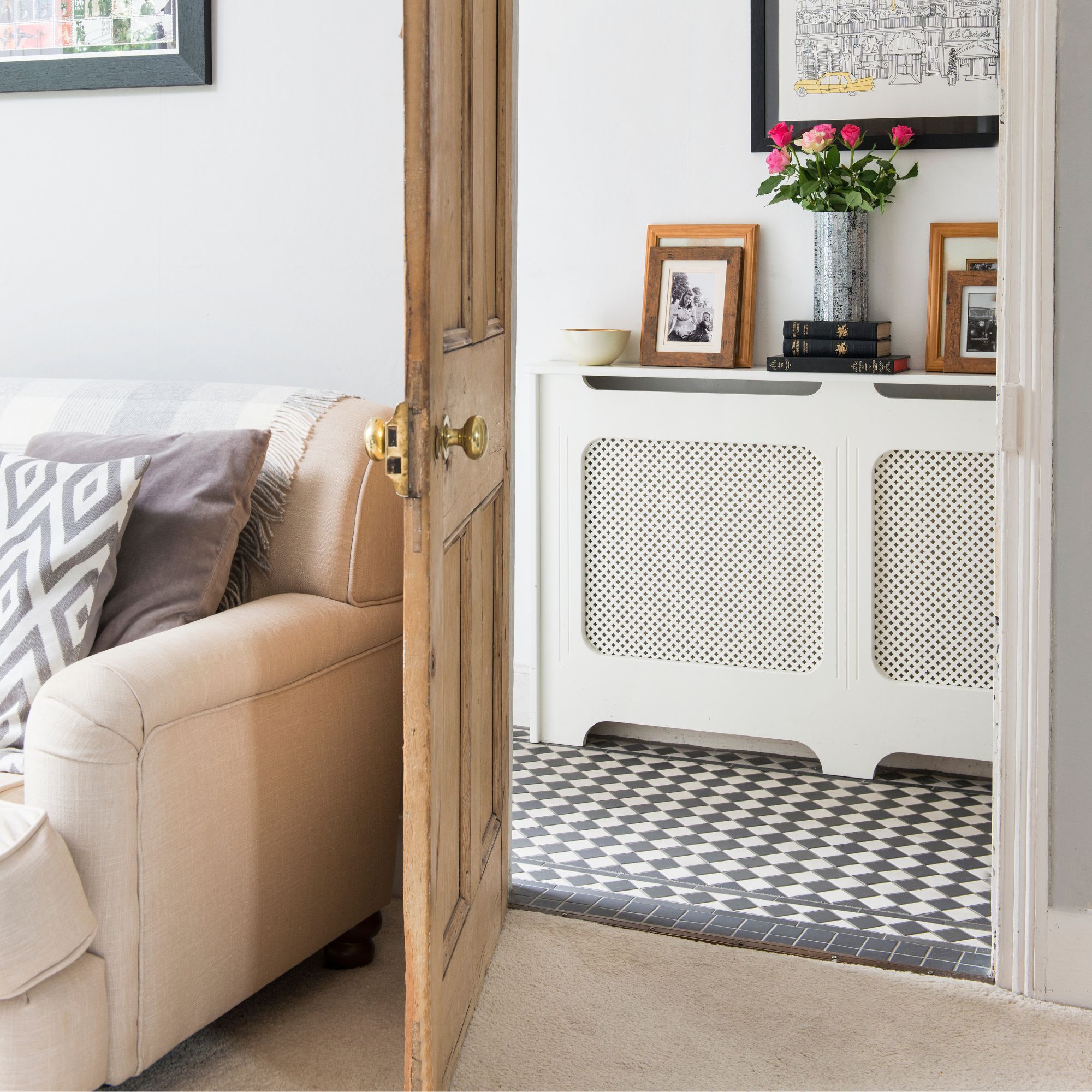
To properly clean radiators, gather essential tools: a microfibre radiator cleaning brush, a vacuum cleaner with appropriate attachments, a hairdryer (optional), a gentle multi-surface cleaner, a dust sheet or old towel, cleaning cloths, and a bucket of soapy water. Before starting, switch off the heating and allow radiators to cool slightly, ensuring they are warm but not hot. If a radiator cover is present, remove it once cooled.
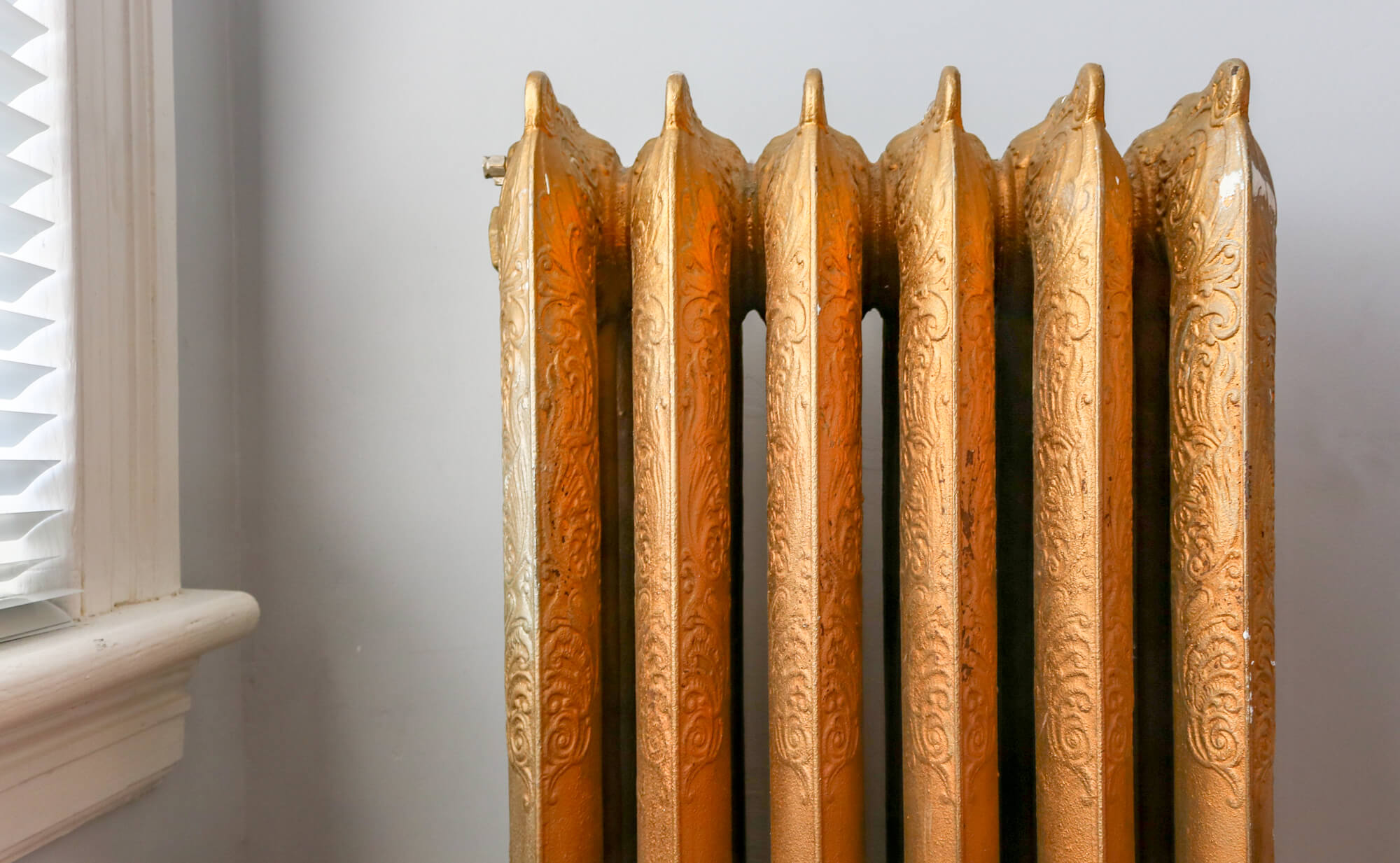
The cleaning process begins with using a vacuum cleaner to remove accessible dust from the top, sides, and underneath the radiator, including any fallen paint chips. Specialized attachments can help reach inside the radiator fins. Next, lay down a dust sheet or large towel to protect flooring from potential mess. A stick duster, preferably a microfibre one, sprayed with a lightly damp multi-surface cleaner, is then used to clean behind and inside the radiator from top to bottom, picking up dust and cleaning grime without oversaturating the radiator. This step should be repeated until the duster comes out clean.
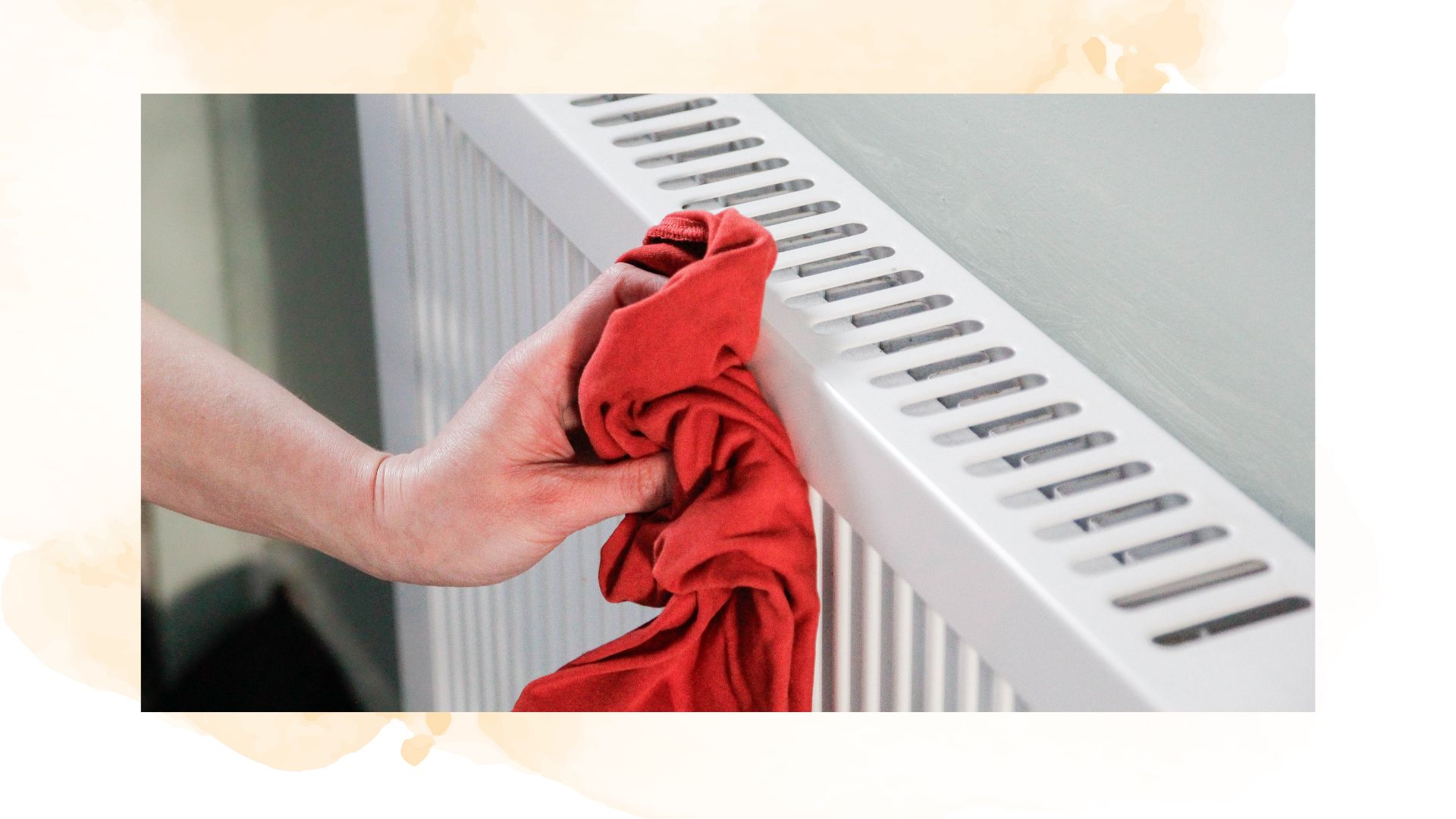
For any remaining stubborn dust, a hairdryer can be used to blast particles out from the internal grooves. After cleaning the interior, focus on the exterior with a damp cloth or sponge and soapy water. It's crucial to avoid abrasive scourers or harsh detergents that could damage the radiator's surface. Gently wipe all external parts, including valves and heating dials, ensuring the cloth is damp, not soaking wet, to prevent water from settling in crevices and causing discolouration or rust. Finally, wipe the radiator dry with a clean microfibre cloth to prevent water spots.
Cleaning radiators is a proven method for improving heating efficiency. Dust and dirt hinder heat output, and a dirty heating system can increase energy bills by as much as 25%. Maintaining cleanliness ensures radiators work optimally, rather than harder, to heat a home. For the internal areas not accessible with a brush, professional power flushing by a plumber once a year is recommended to remove sludge buildup. White vinegar can be used to clean chrome radiators and remove rust, but it should be used sparingly and not on other radiator types due to its acetic acid content potentially causing rust. A mixture of equal parts white vinegar and water can be sprayed, left for 10-15 minutes, scrubbed, rinsed, and dried.
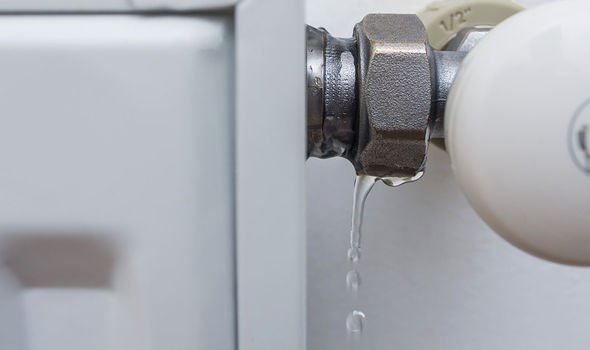
There's no strict rule for how often radiators should be cleaned, but several times a year is generally advised to prevent dust accumulation. For quieter households, twice a year may suffice, while busy households with pets might need cleaning every three months to prevent dust circulation. A thorough deep clean once a year, coupled with weekly or monthly dusting, is beneficial. For yellowing radiators, cleaning with a mild degreaser or a baking powder and water paste should be tried first. If these methods fail, repainting with a water-based radiator-specific paint after sanding and priming is an option, but ensure the radiator type is suitable for repainting. Lastly, it is strongly advised against pouring water directly into radiators, as this can damage components, cause rust, and lead to malfunctions, especially in electric models. Regular, mindful cleaning is key to radiator longevity and efficiency.
#RadiatorCleaning #HomeMaintenance #EnergyEfficiency #WinterPreparation #HouseholdCleaning #DIYHomeCare #DustRemoval #HeatingBills #CostOfLivingCrisis #RadiatorCleaning #HomeMaintenance #EnergyEfficiency #WinterPreparation #HouseholdCleaning #DIYHomeCare #DustRemoval #HeatingBills #CostOfLivingCrisis
0 comment in total
 No comments yet
You may also like
How to stop radiators knocking and banging when they turn on - KEY tips
6 clever ways to make a radiator look good – there is no excuse for an ugly radiator to sabotage your scheme

Do Radiator Covers Block Heat? Heating Experts Break It Down

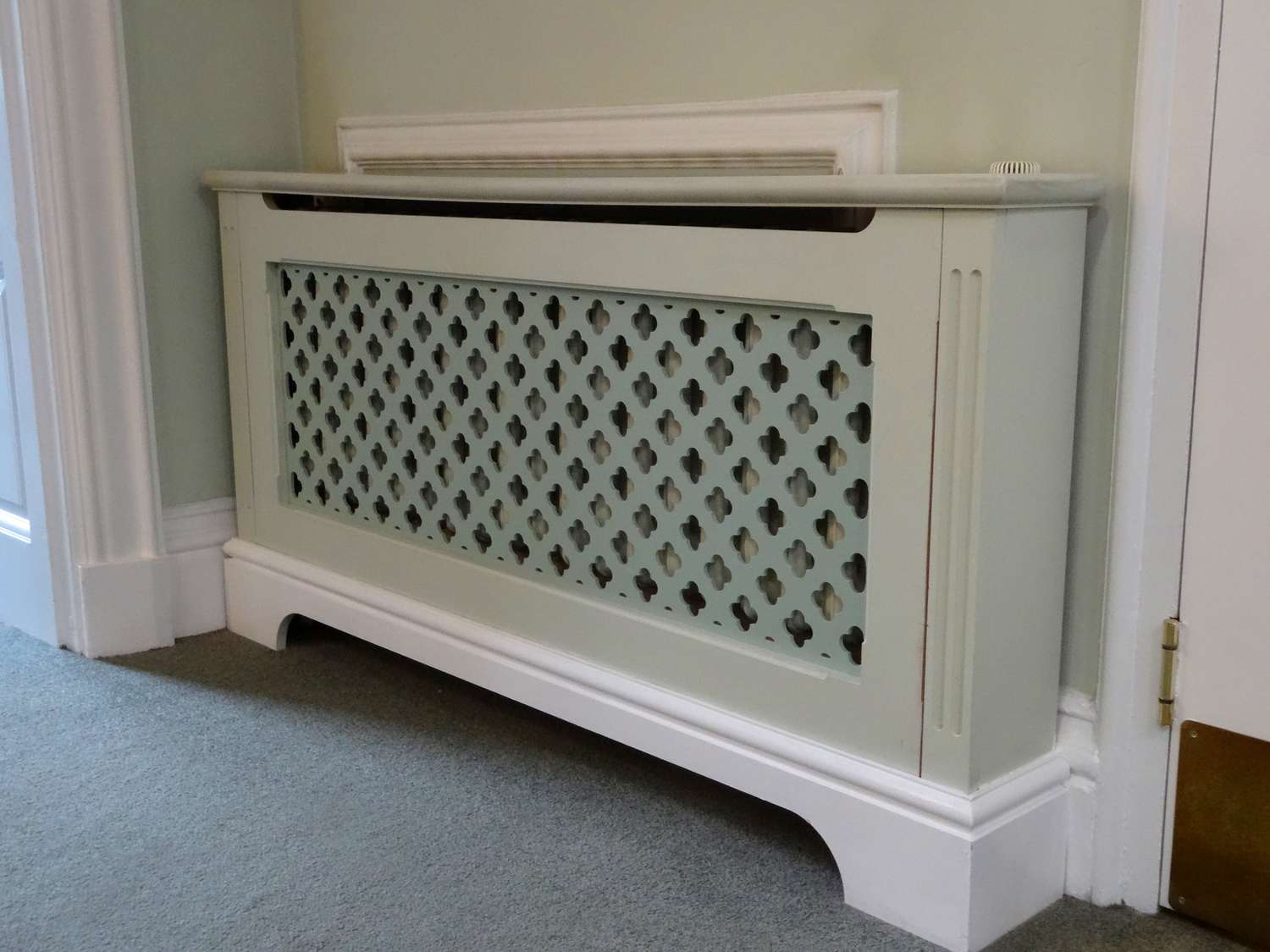
Do Radiator Covers Save Energy or Waste It?
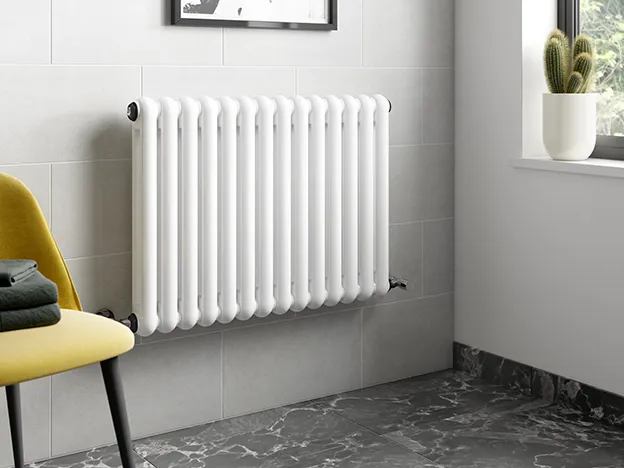
Radiators

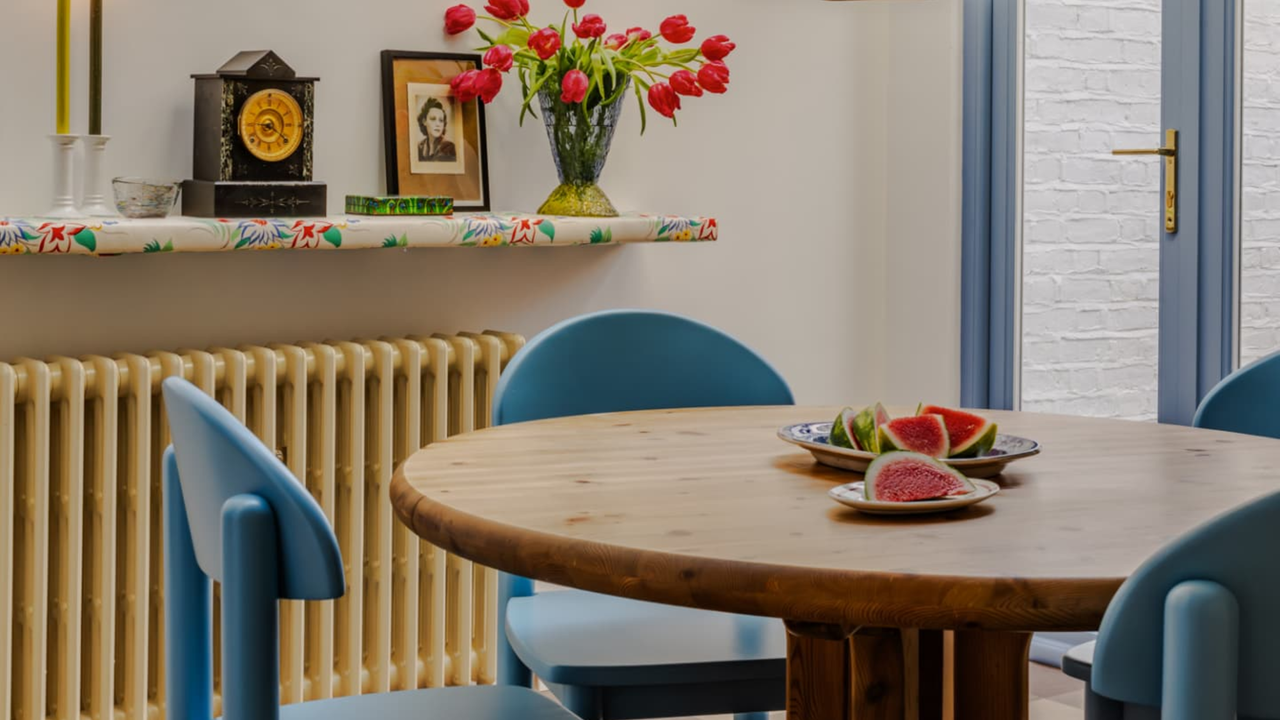
5 Ways to Make Radiators Actually Look Good —…


Heat your home efficiently this winter

3 home design choices that were increasing my heating bills
Is your radiator not heating up? Why it happens and how to fix the problem asap
How to Fix Your Noisy Radiator Based on the Sound It’s Making

Winter Deep-Clean: 5 Things Pros Never Forget in December

How to hide a radiator - the expert guide to decorating tricks to help them blend in
How do I bleed my radiator? We asked a plumbing expert for their top tips

Here’s What to Do With the Radiators When You Renovate a Brownstone or Townhouse
9 cheap ways to heat your home this winter for under £10 each


11 Stylish Ways to Enhance—or Hide—Your Radiators
Experts Urge Homeowners to Avoid This Radiator Mistake That 'Exaggerates' How Well It Will Heat Your Home
£14 heating trick has kept my house warm and thermostat lower as energy bills set to rise
Discover the lesser-known hack to power up your struggling radiators

How To Clean And Maintain Your Patio During Harsh Winter Weather