1/11
11 Stylish Ways to Enhance—or Hide—Your Radiators
Radiators, while essential for heating during colder months, are often considered utilitarian and unsightly elements within a home's interior. However, with thoughtful design and strategic placement, radiators can be integrated seamlessly into a room's aesthetic, or even become a focal point. This exploration presents ten distinct approaches to either enhance or conceal radiators, transforming them from purely functional objects into decorative features.
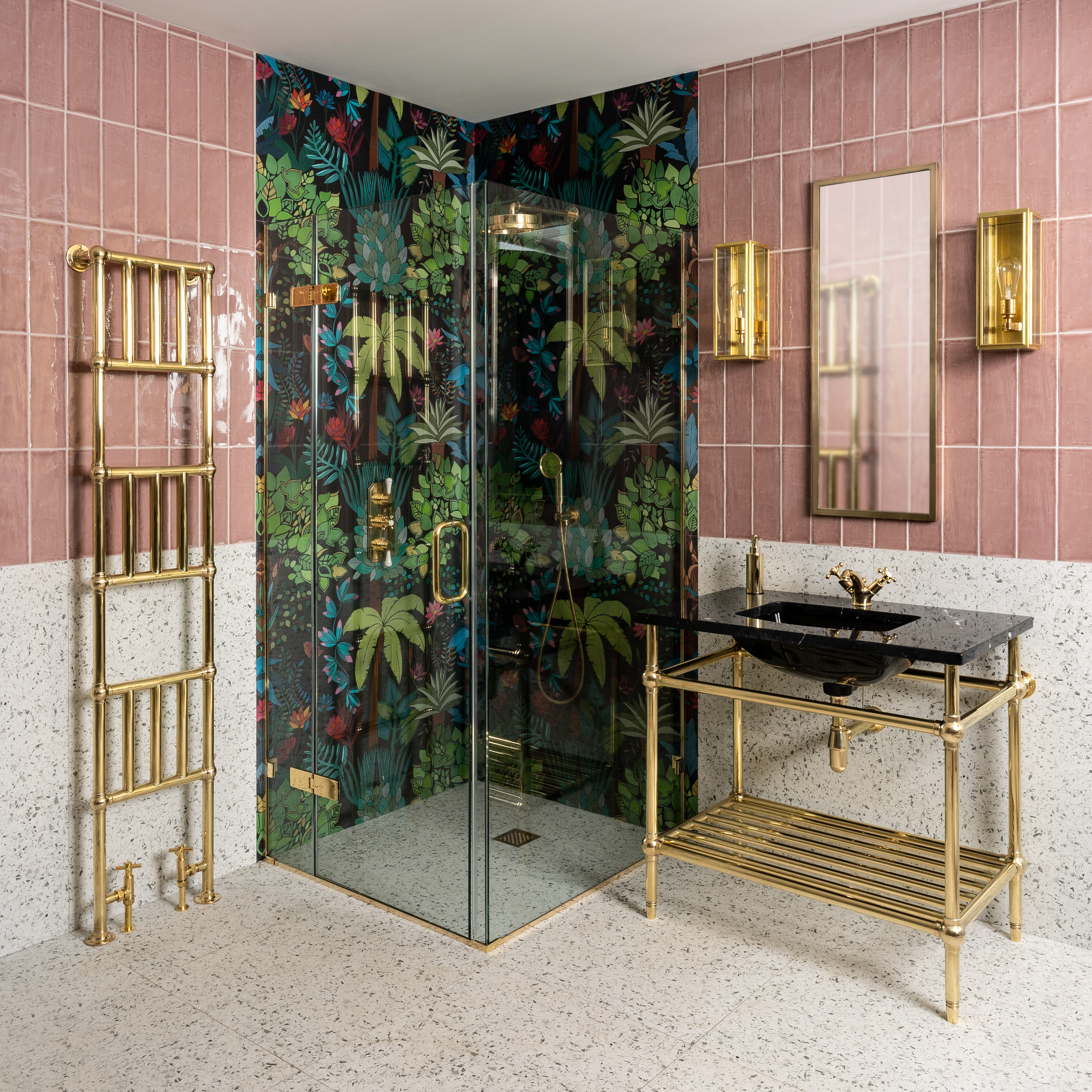
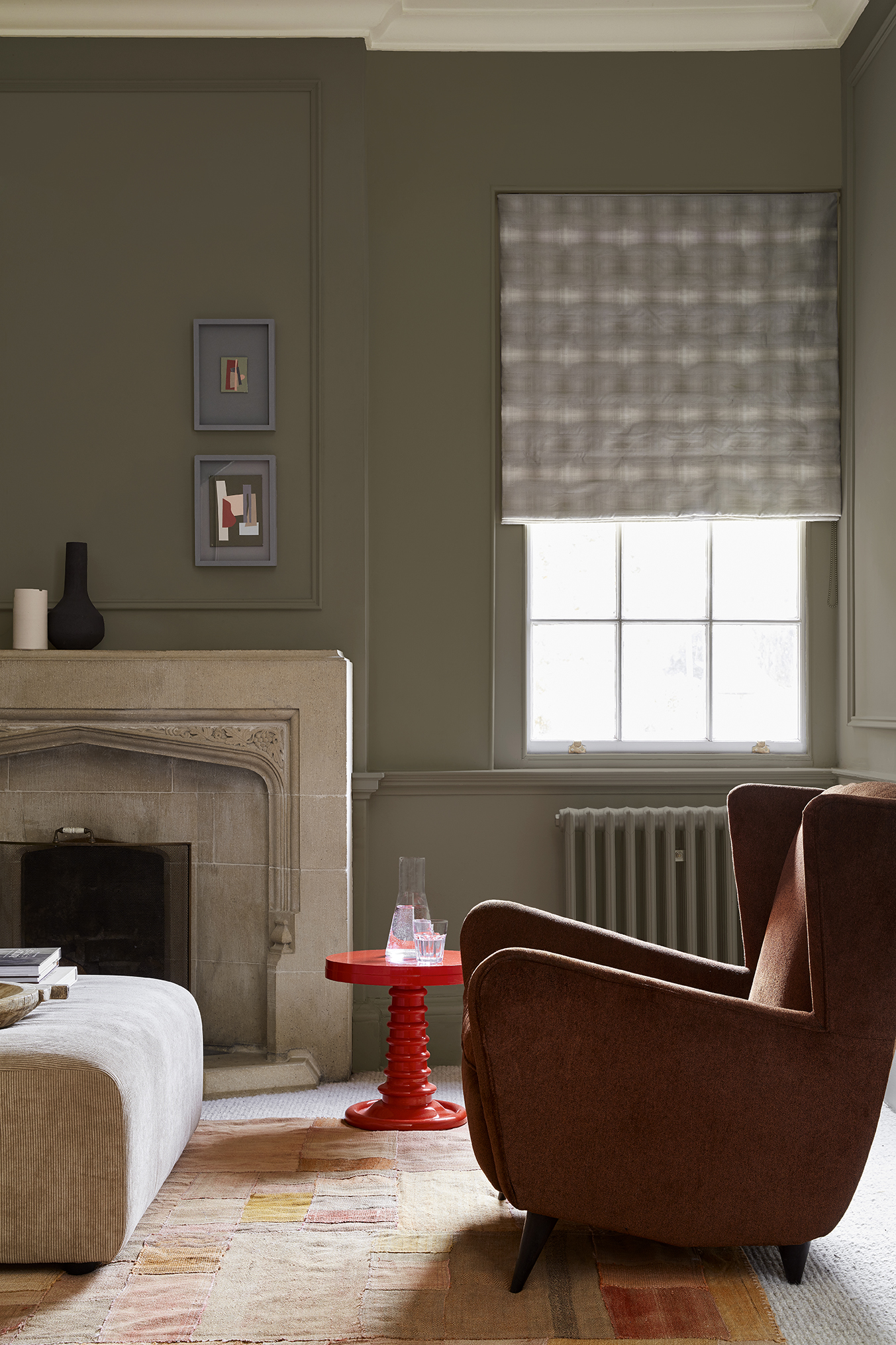
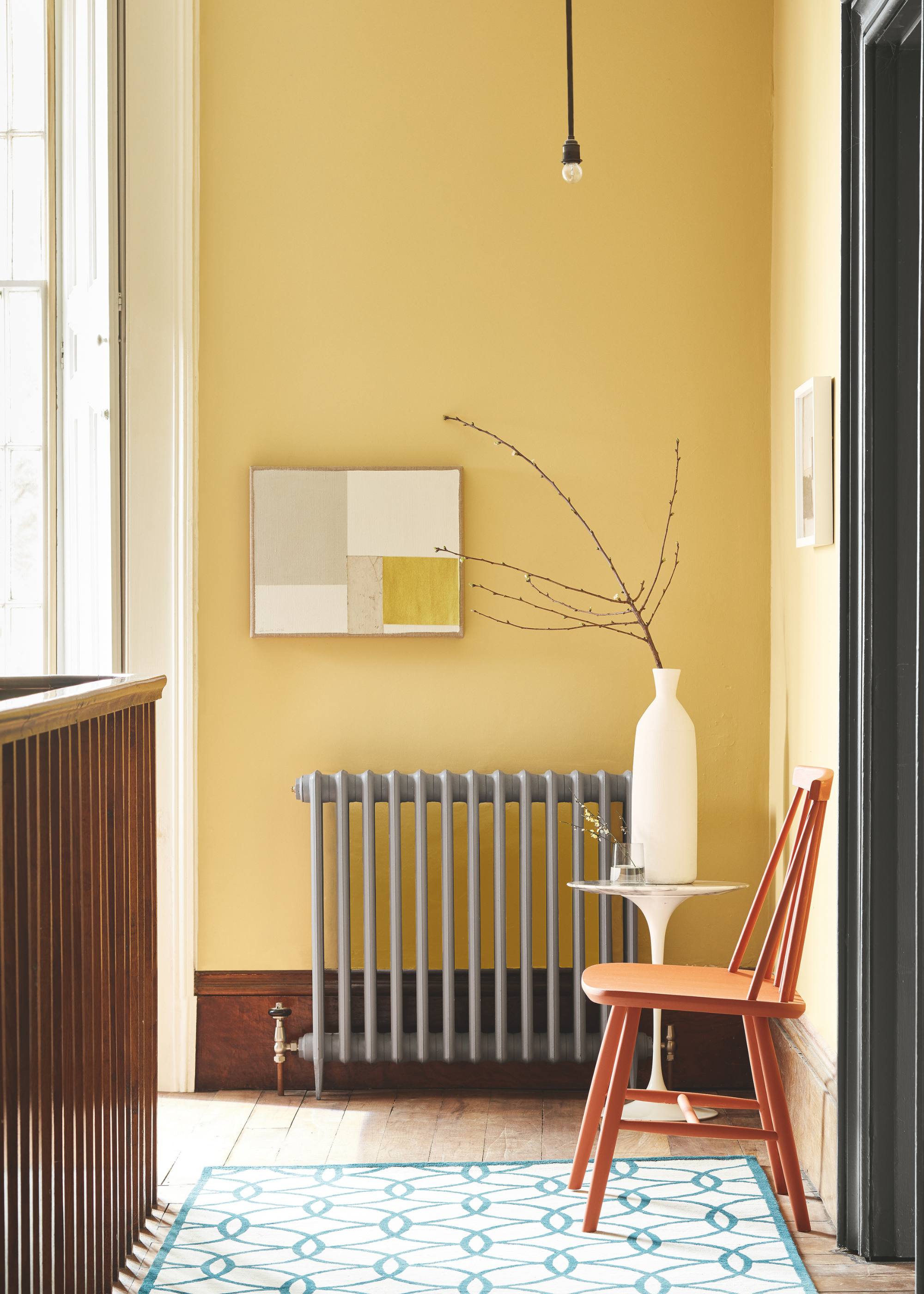
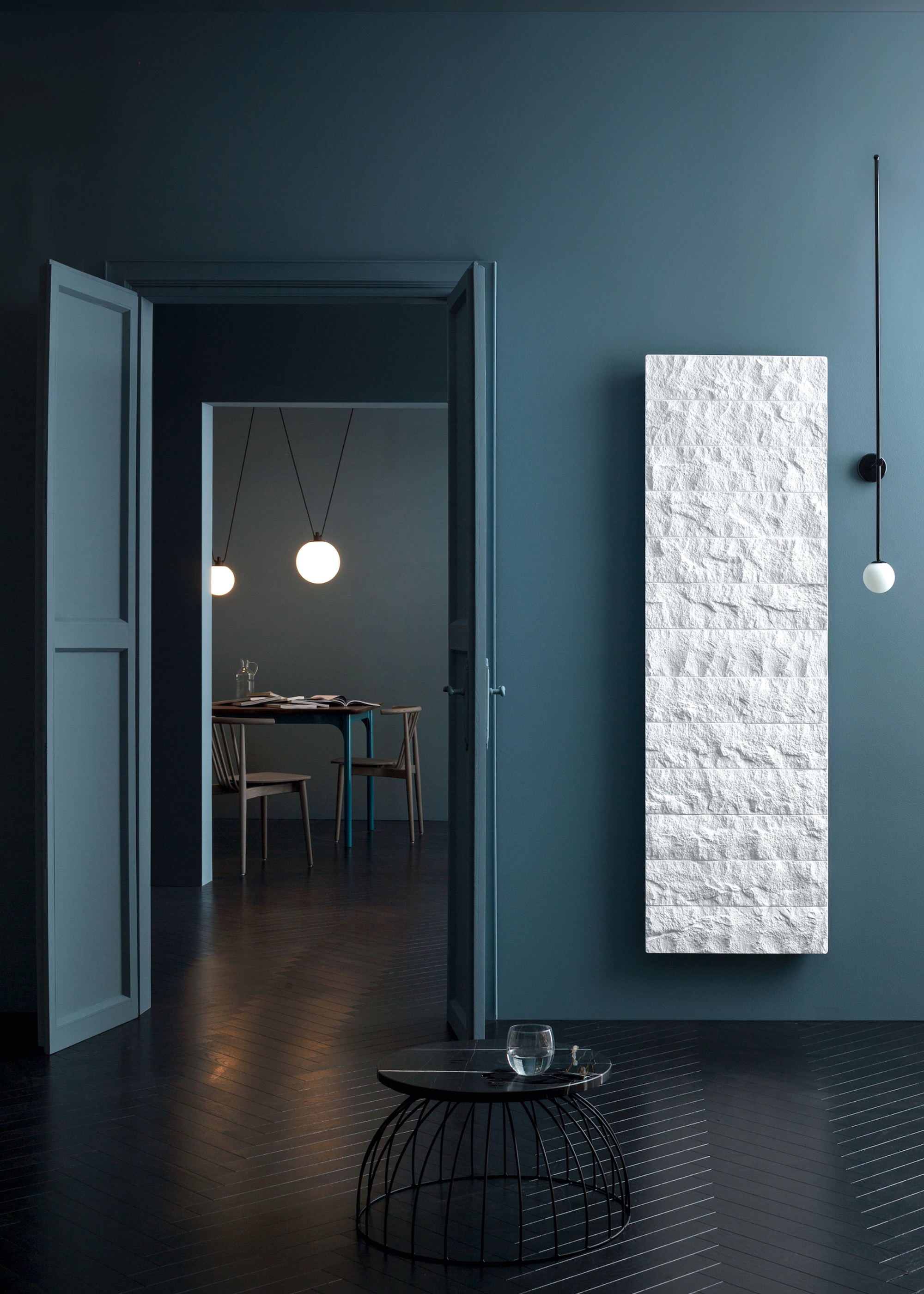
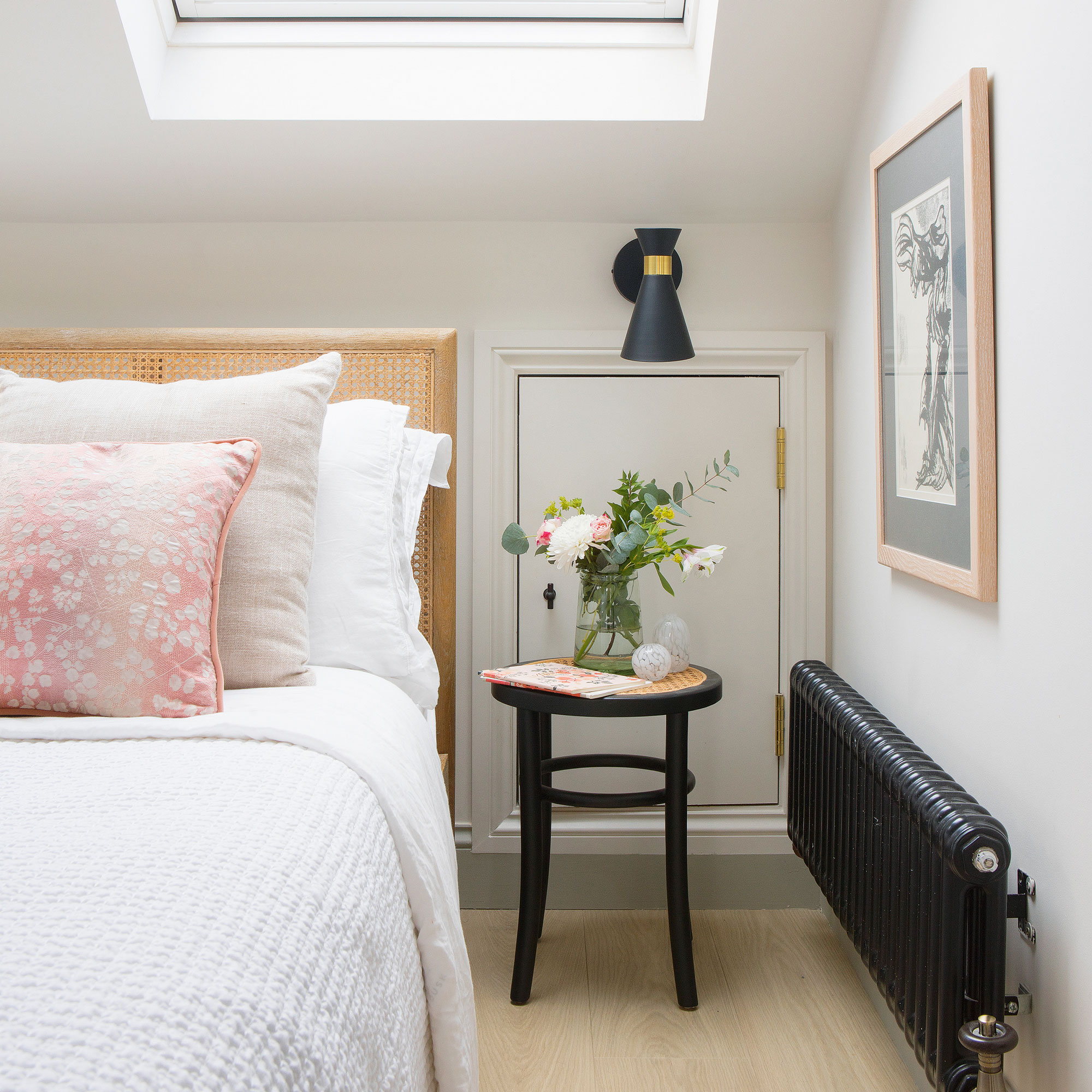
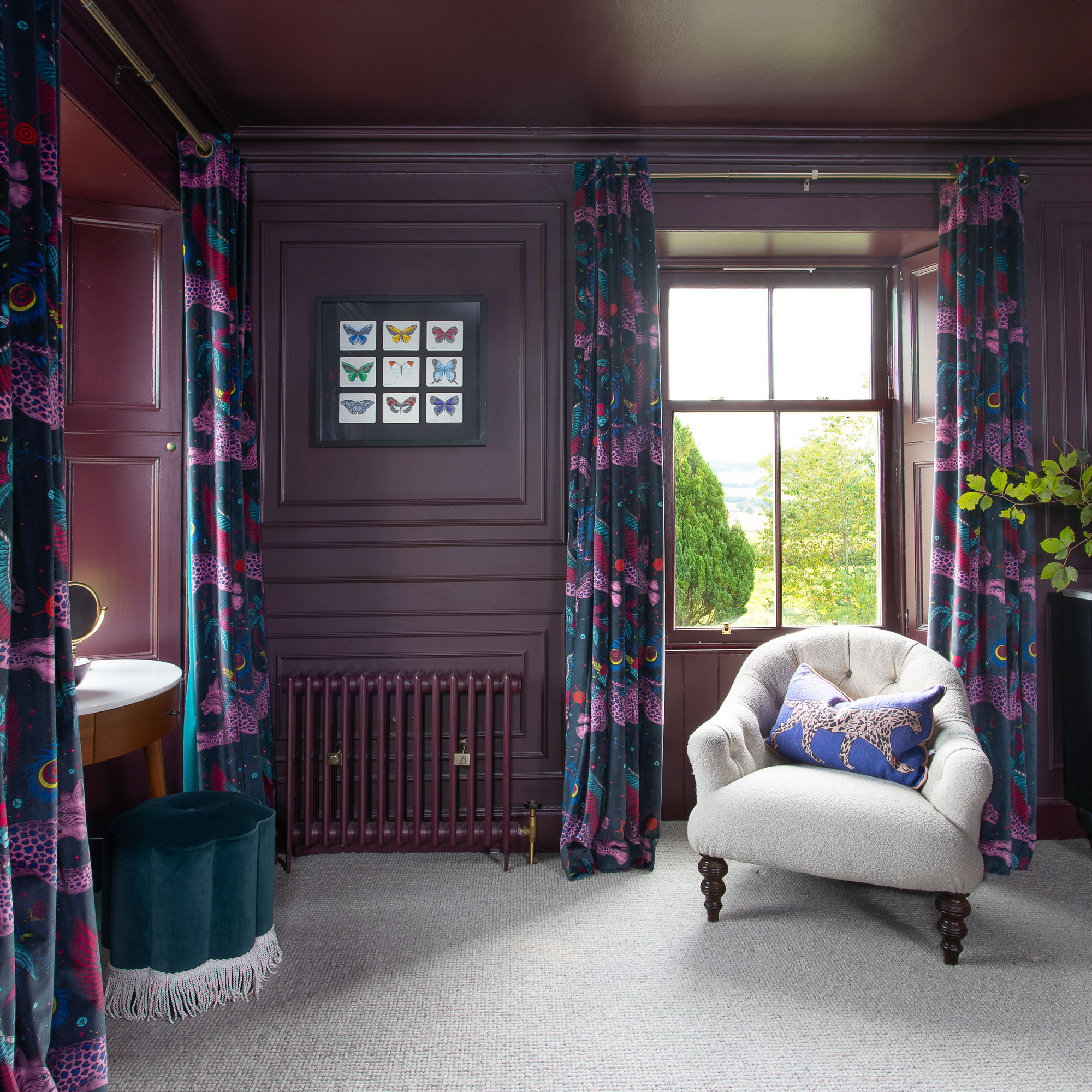
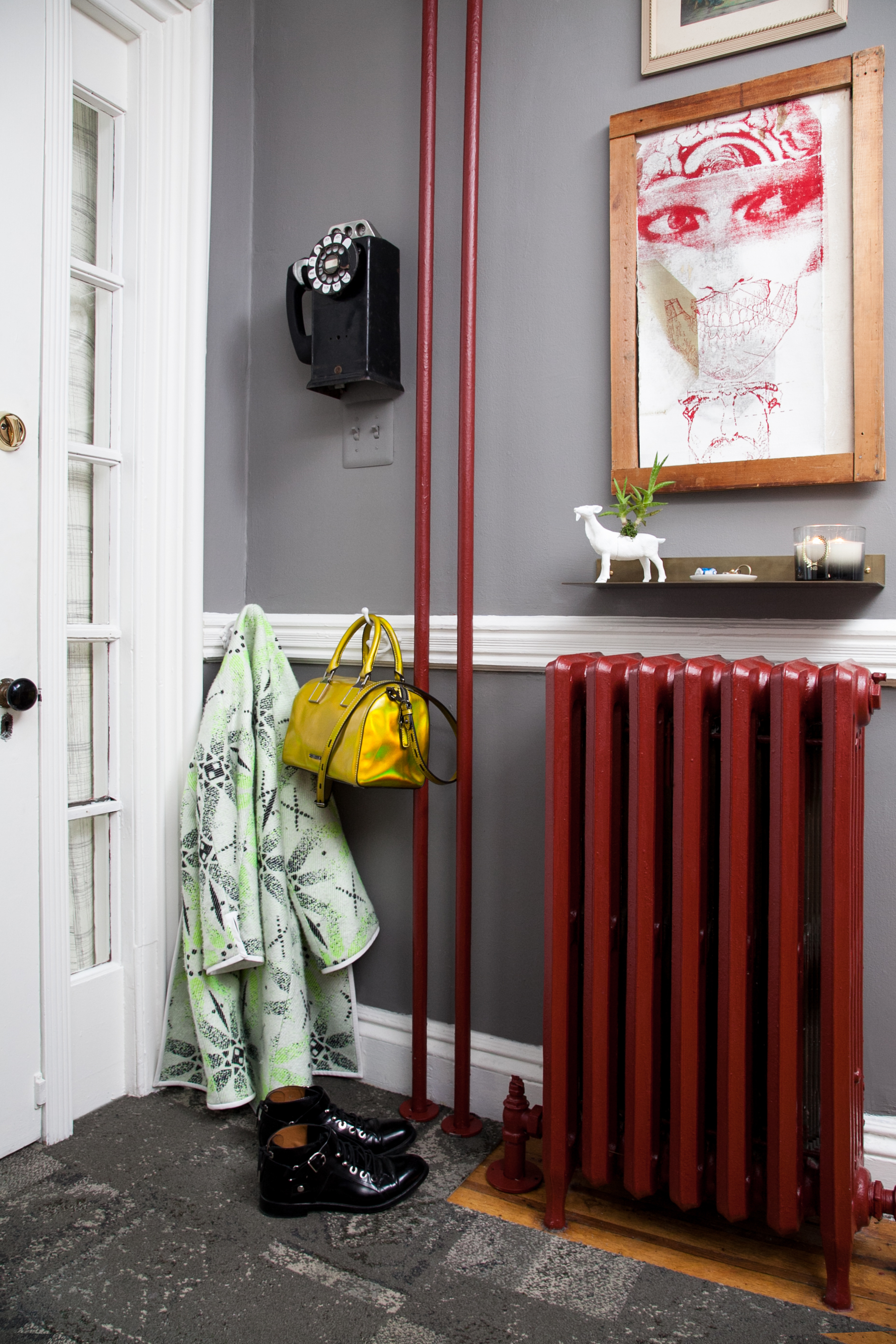
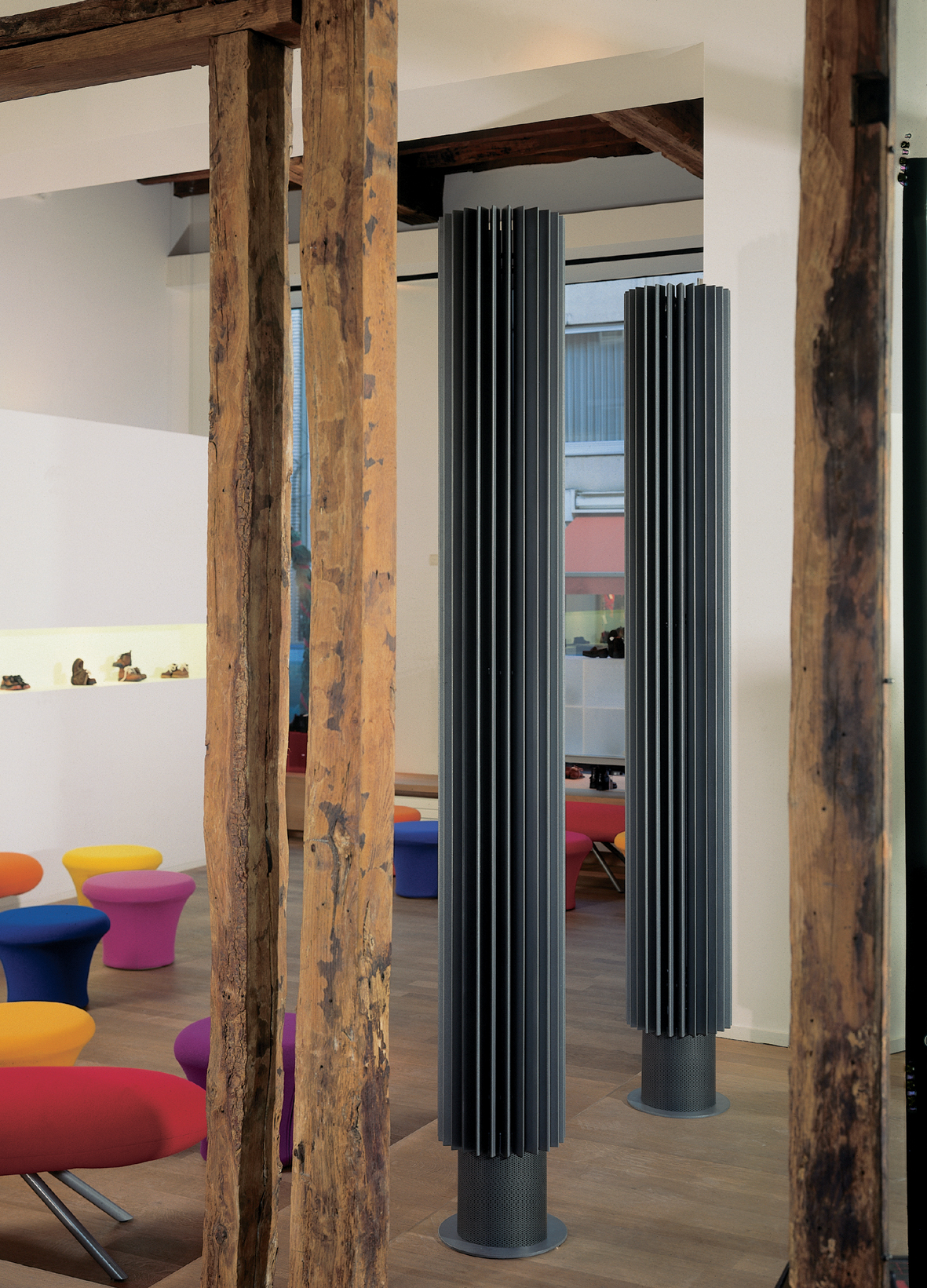
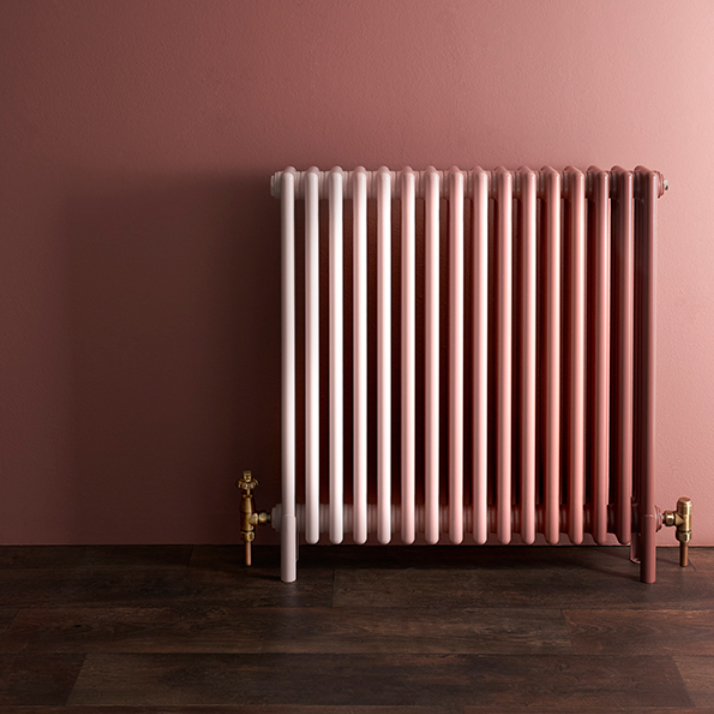
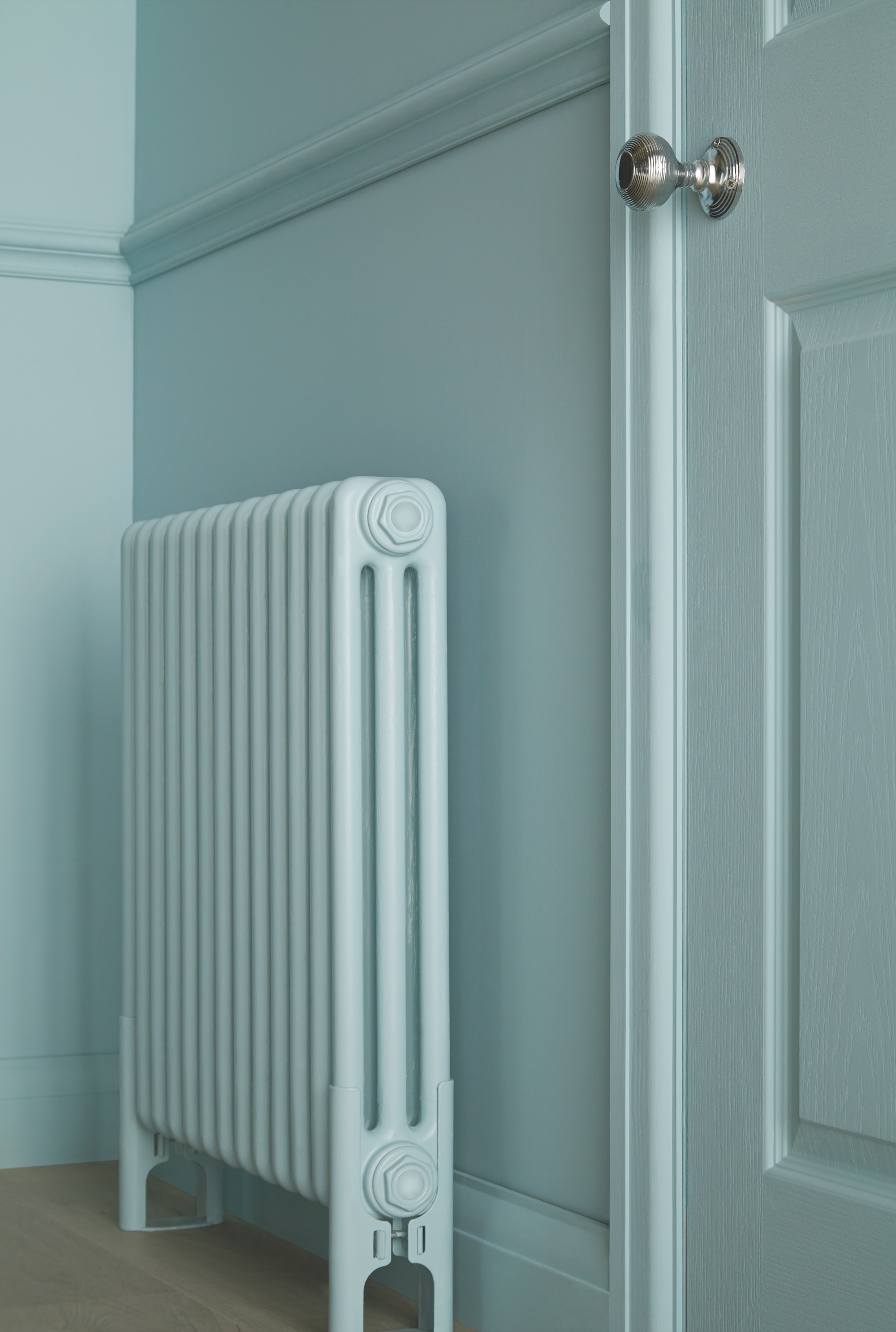
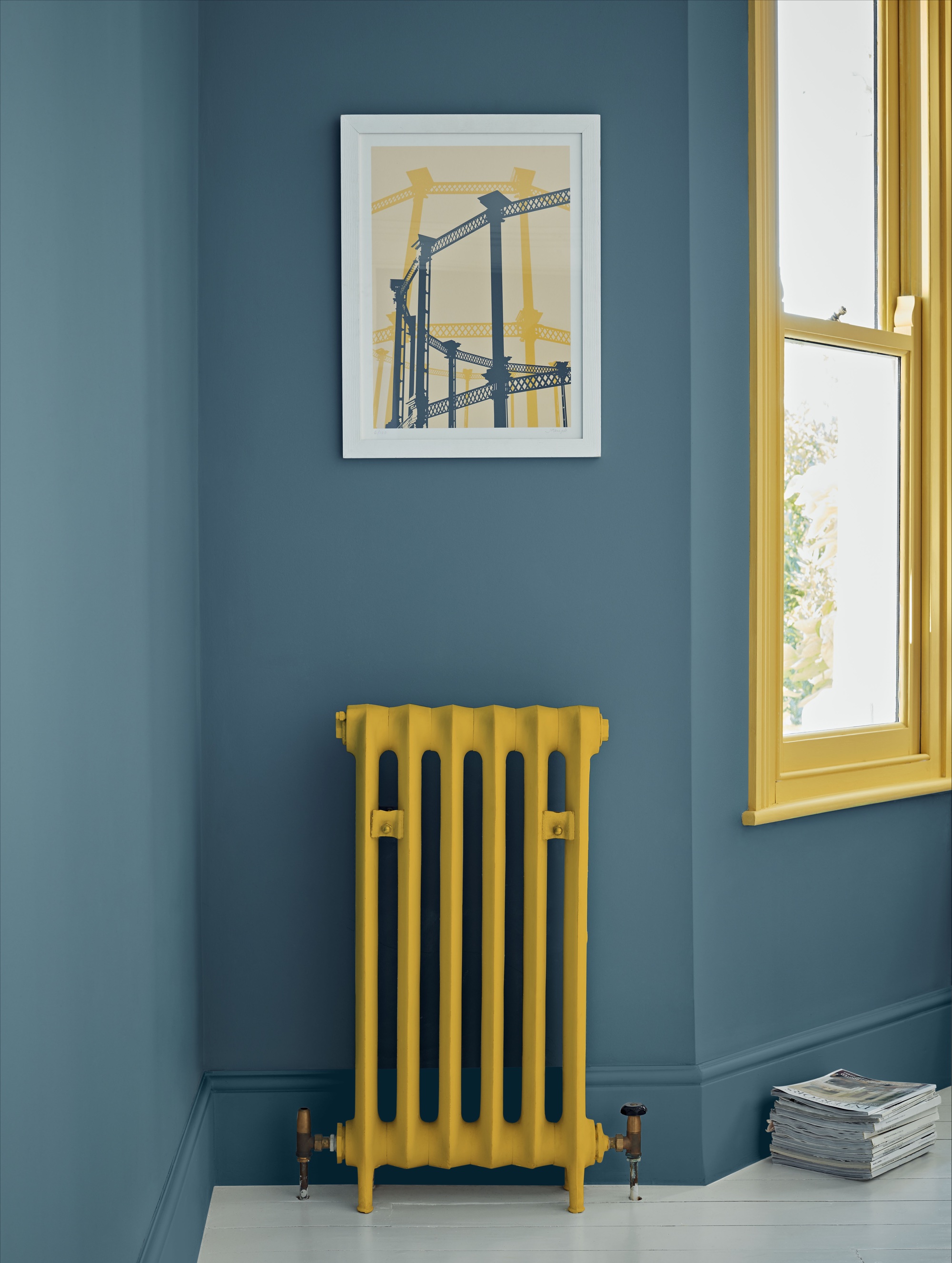
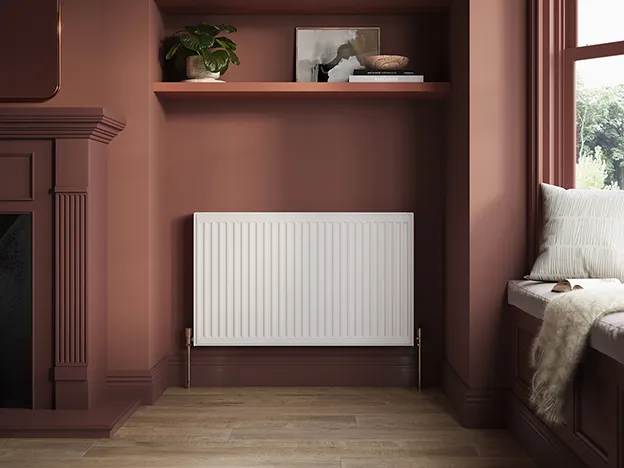
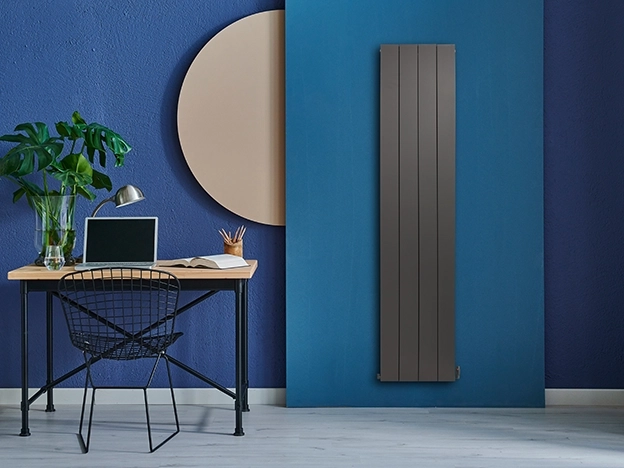
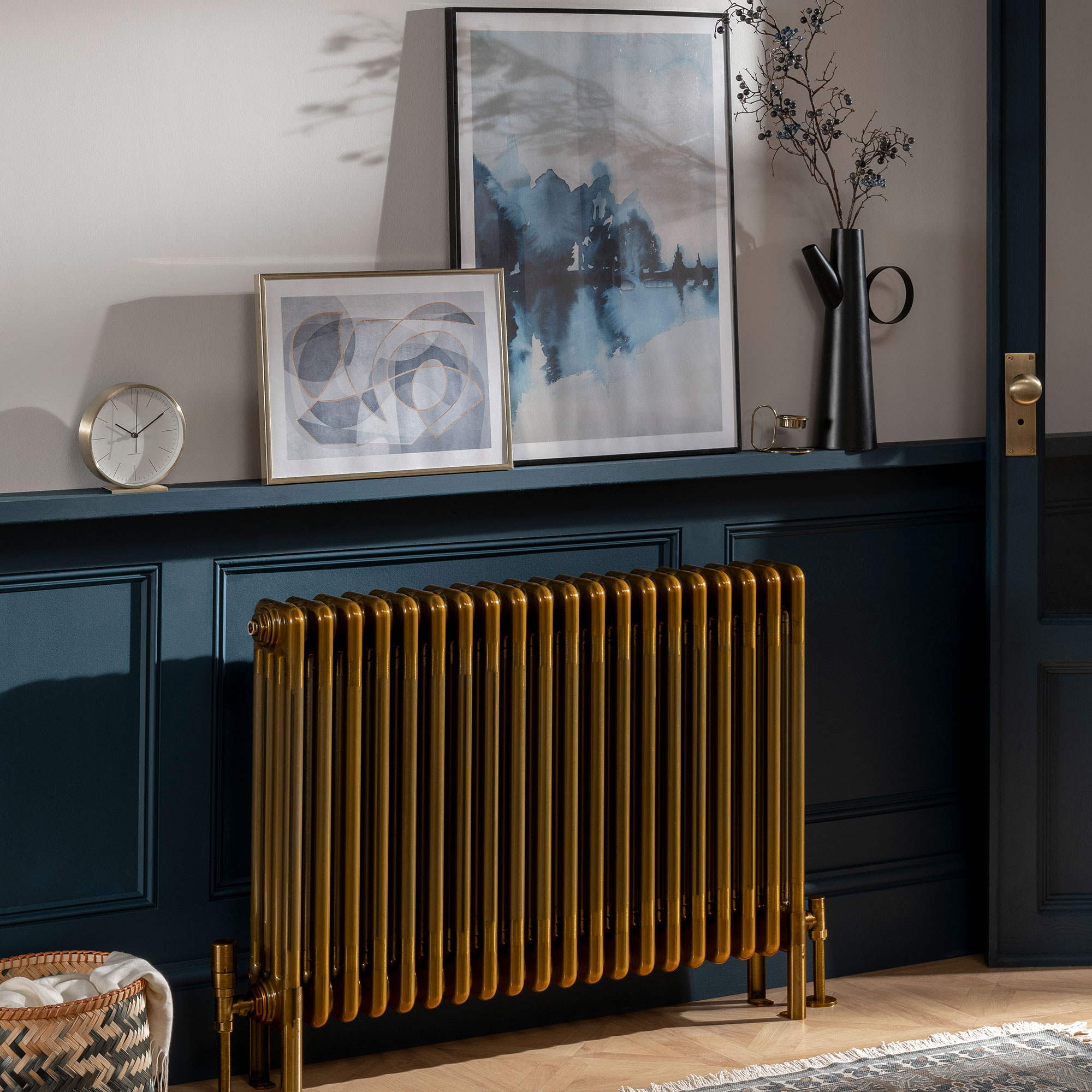
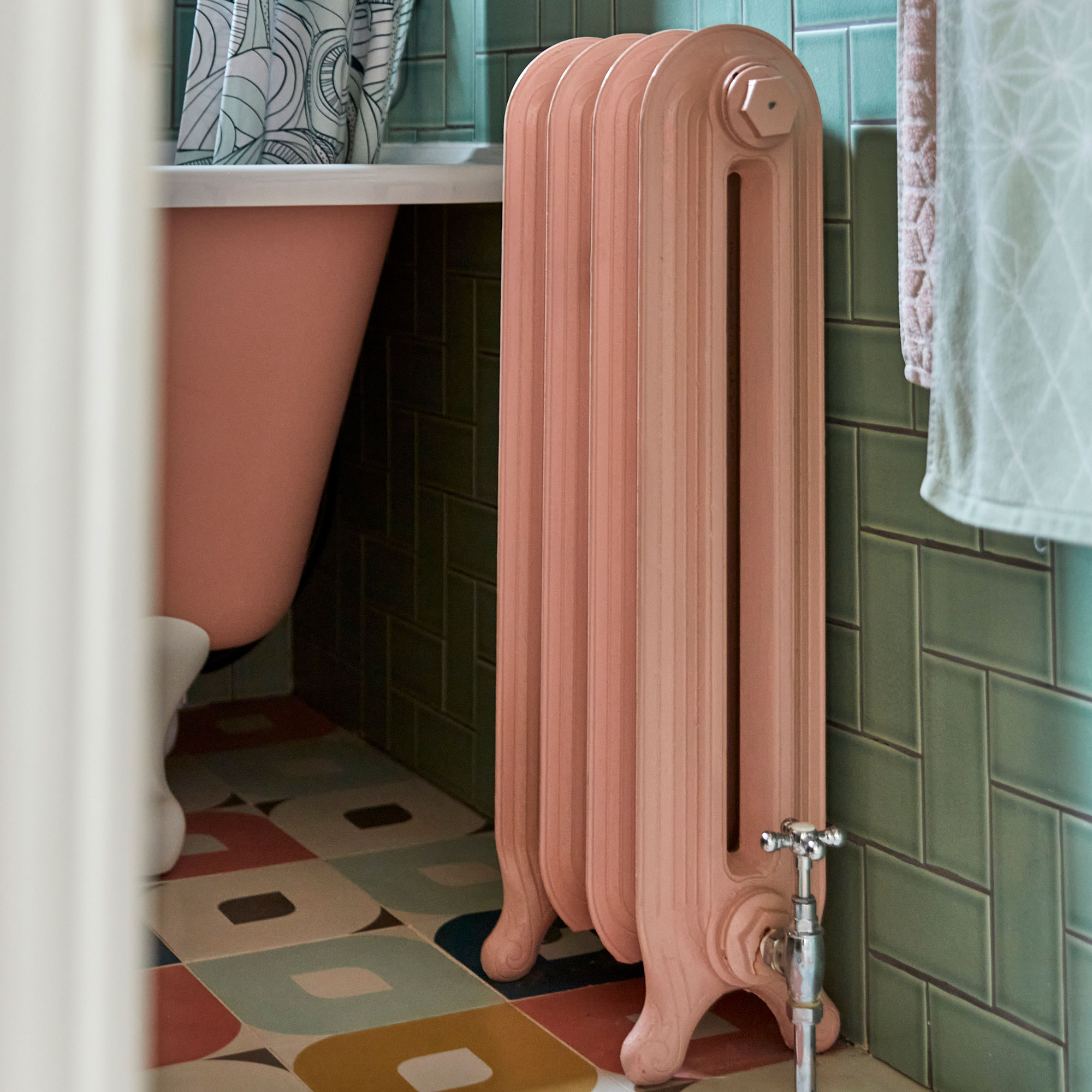
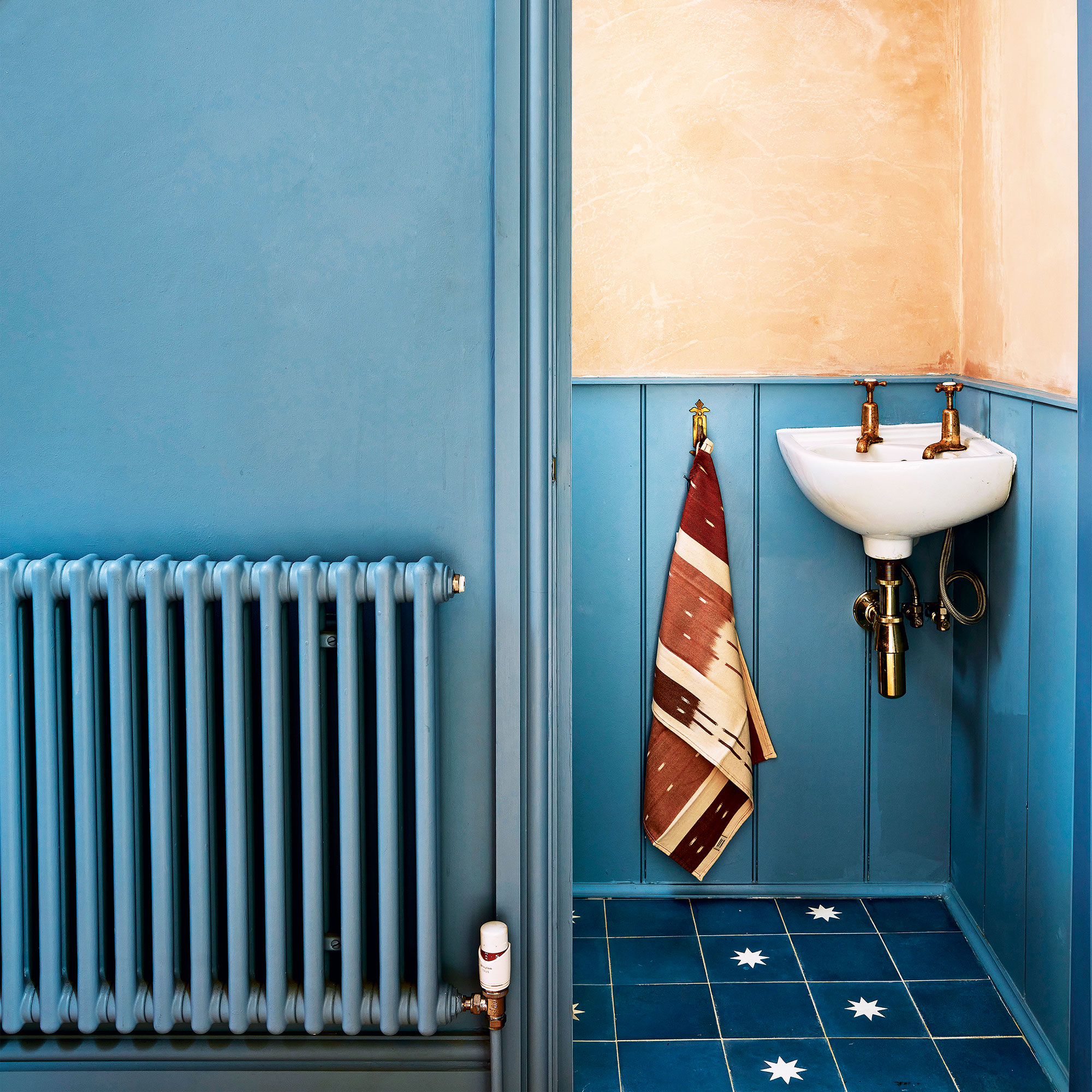
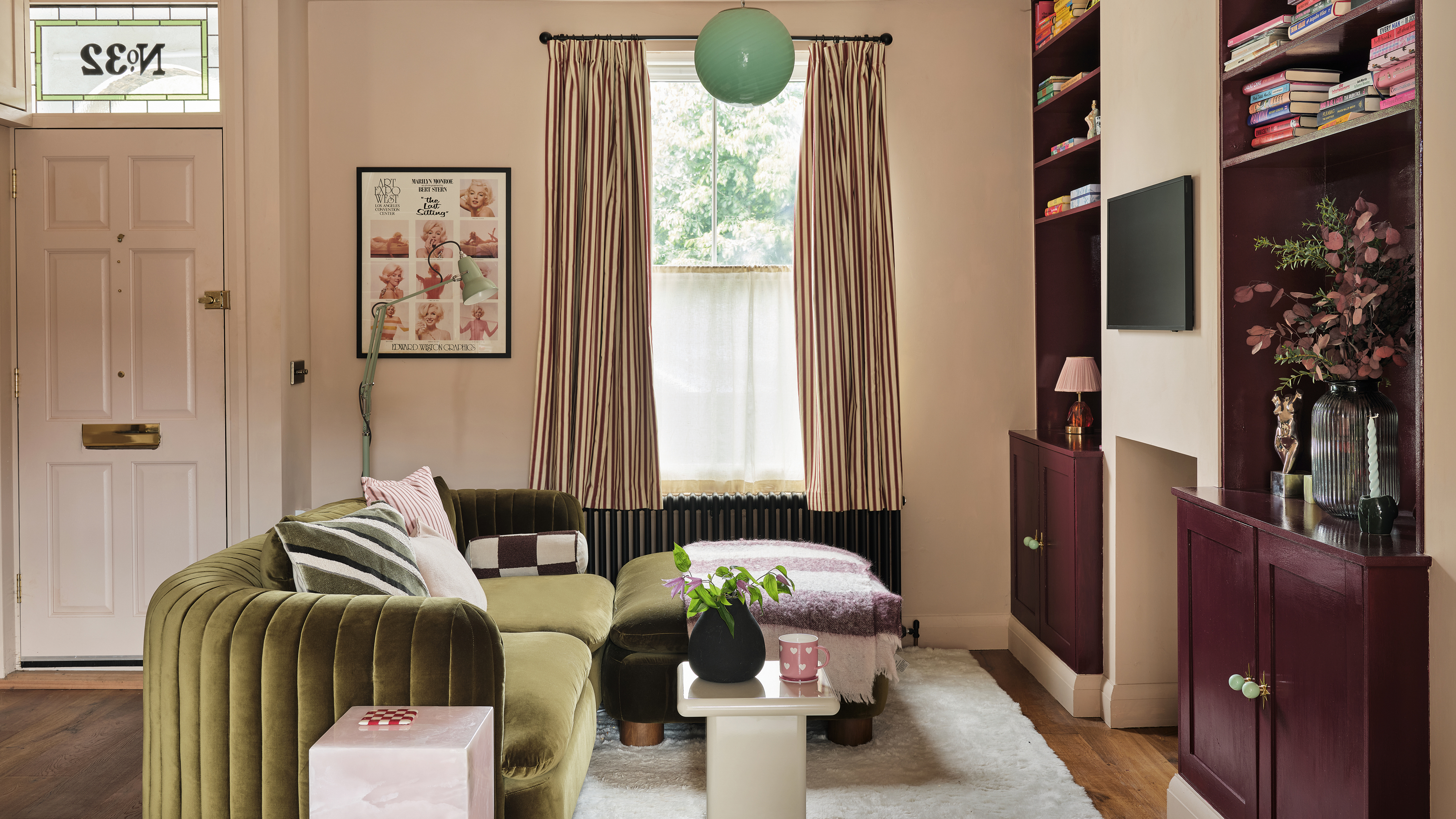
One straightforward method involves incorporating the radiator into the room's color scheme by painting it. This can be achieved with a solid, coordinated color that helps it blend in, or by utilizing a more dynamic approach such as a gradated ombre pattern. Alternatively, a contrasting 'hot' color can be used to highlight the radiator, turning it into an intentional accent piece that complements or contrasts with the surrounding wall color, thereby adding a vibrant touch to the space.
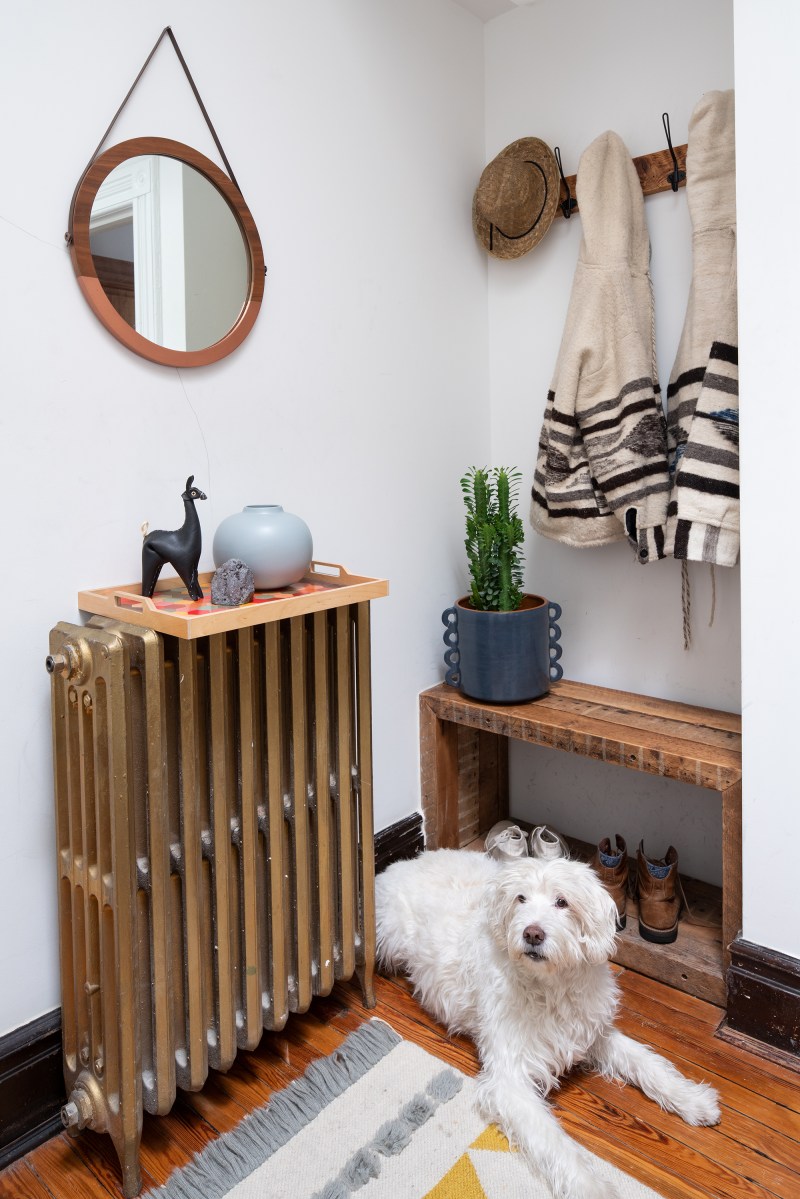
For entryways or other high-traffic areas, transforming the radiator into a built-in bench provides both a stylish appearance and practical utility. This design offers a convenient seating area for putting on or taking off shoes, while effectively concealing the radiator beneath. Such an addition can significantly elevate the elegance and functionality of a foyer, demonstrating that utility does not have to compromise sophisticated design.
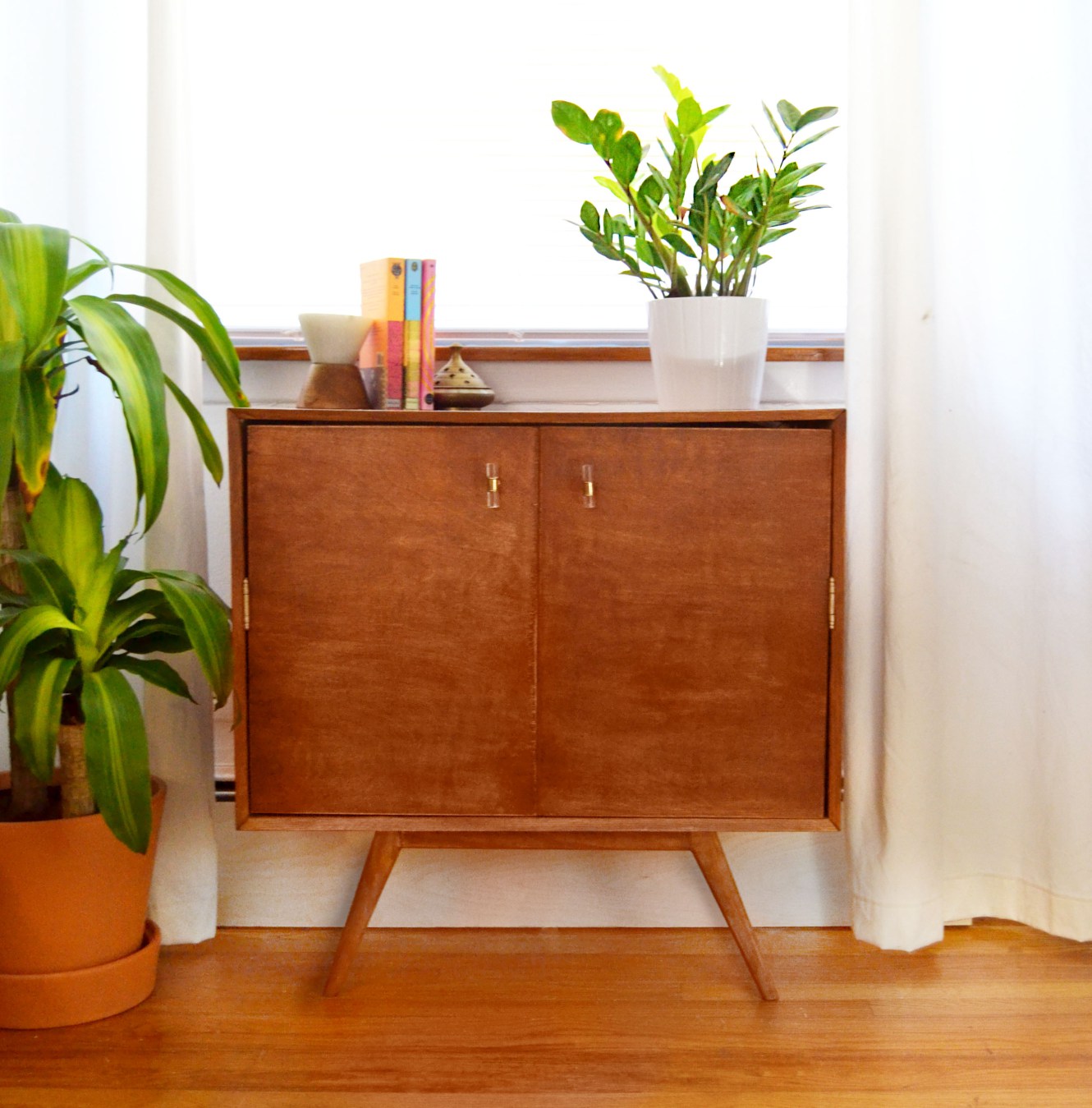
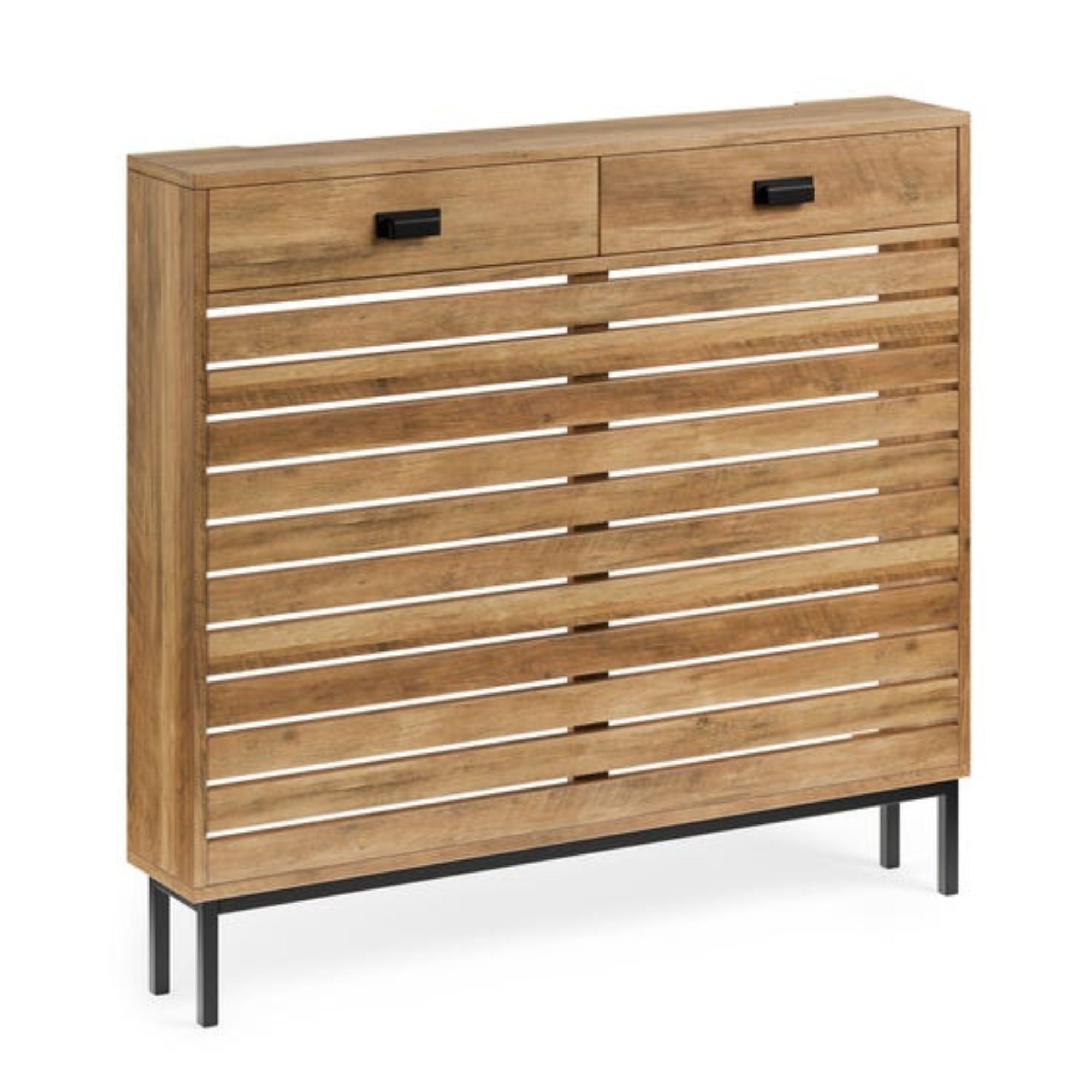
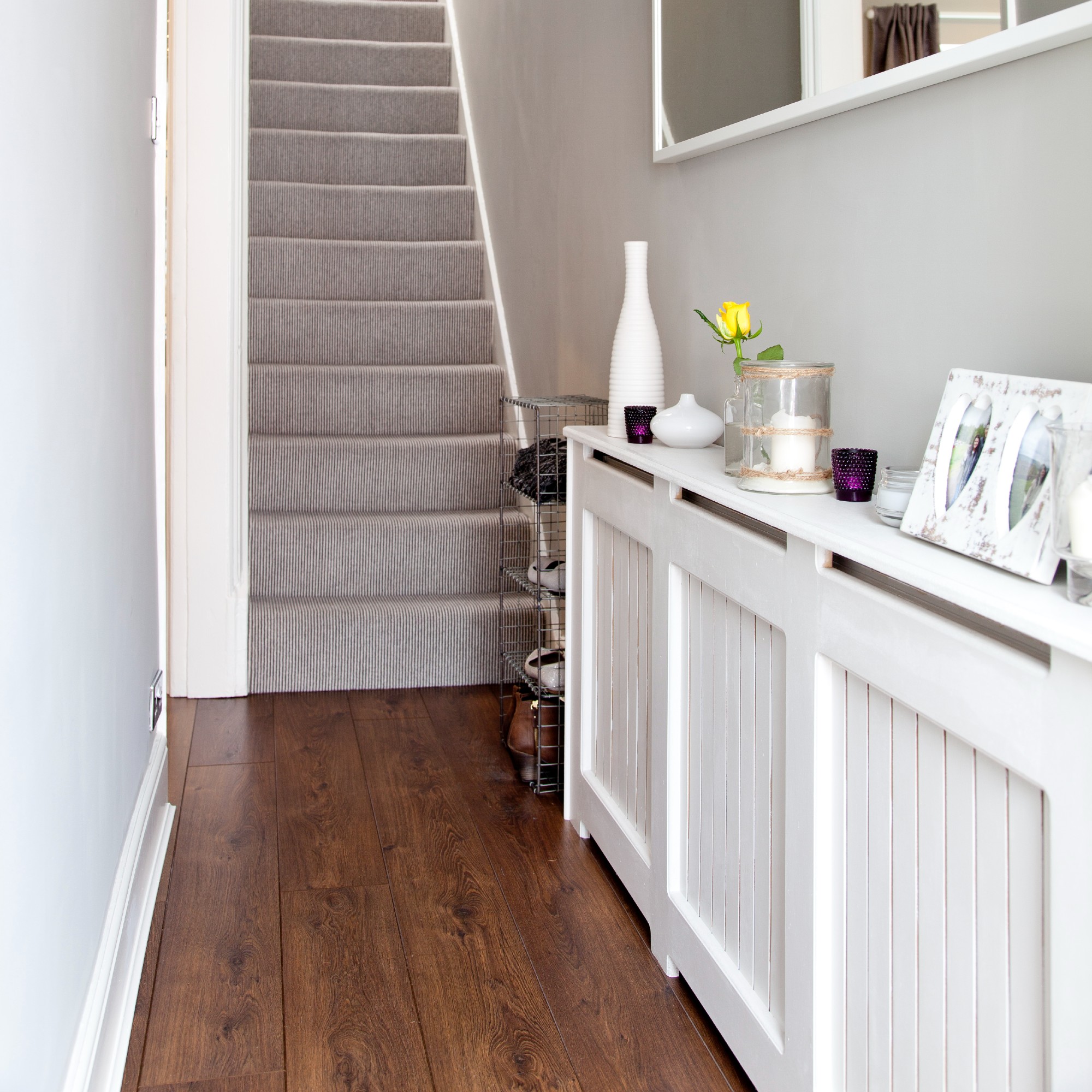
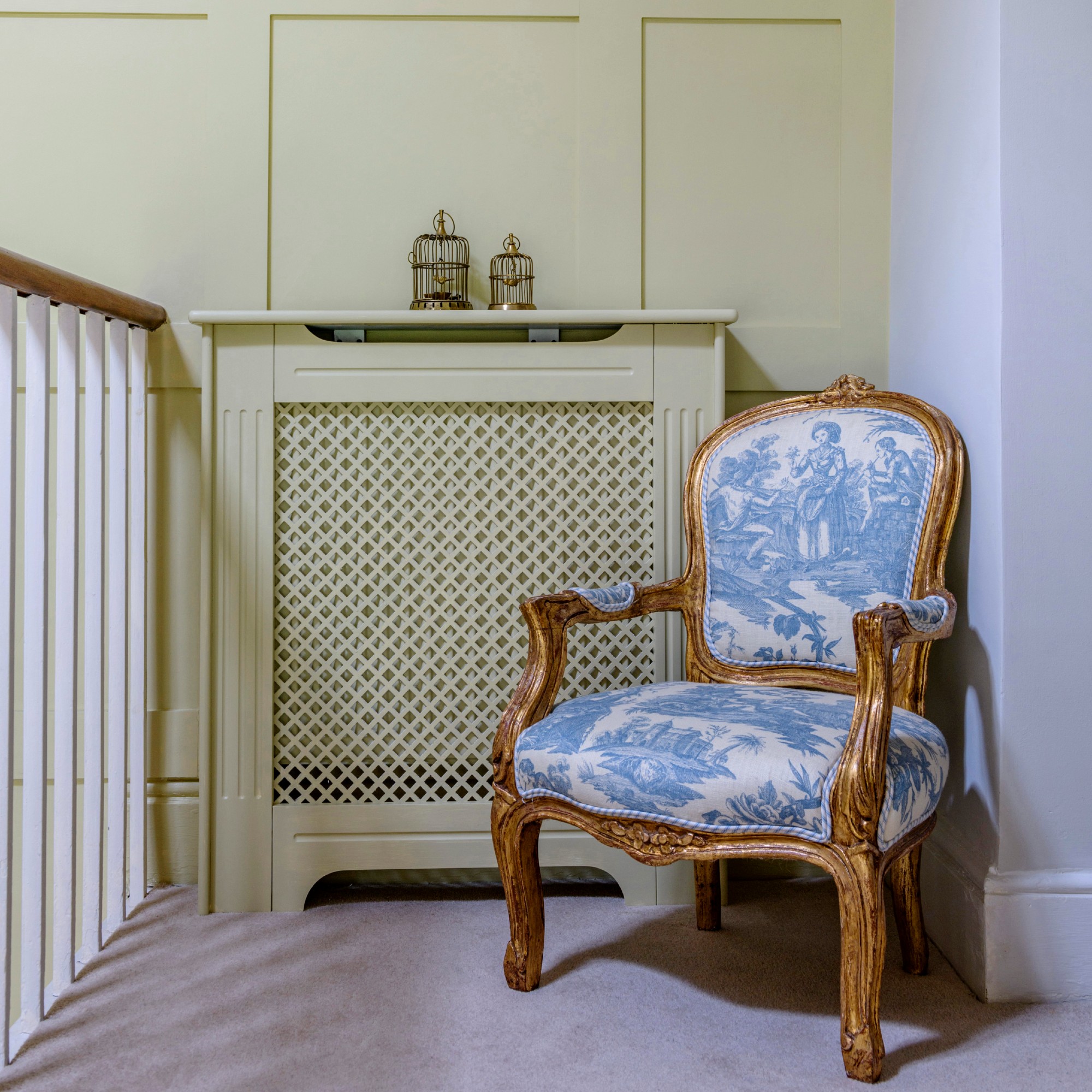
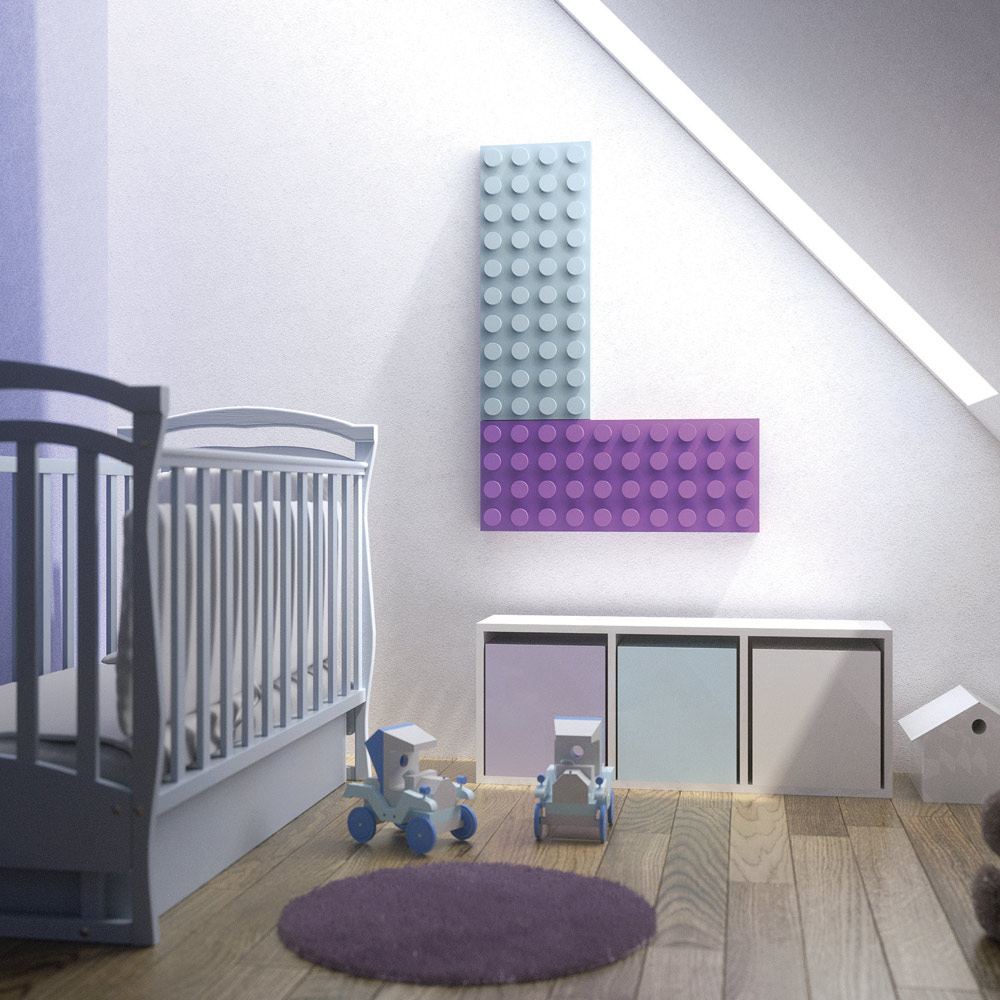
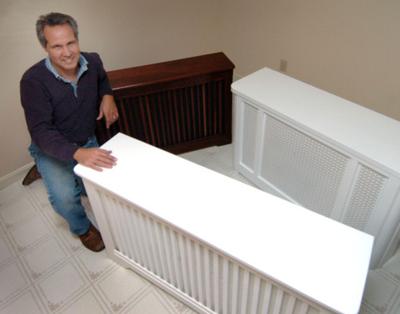
Radiator covers can also be customized to align with various decorating styles, from classic to contemporary. A prime example is a clean-lined, honey-toned wood design, which can effortlessly complement a modern urban kids' room. This approach showcases how covers can be tailored to match existing furniture or design themes, ensuring consistency and aesthetic appeal throughout the living space.
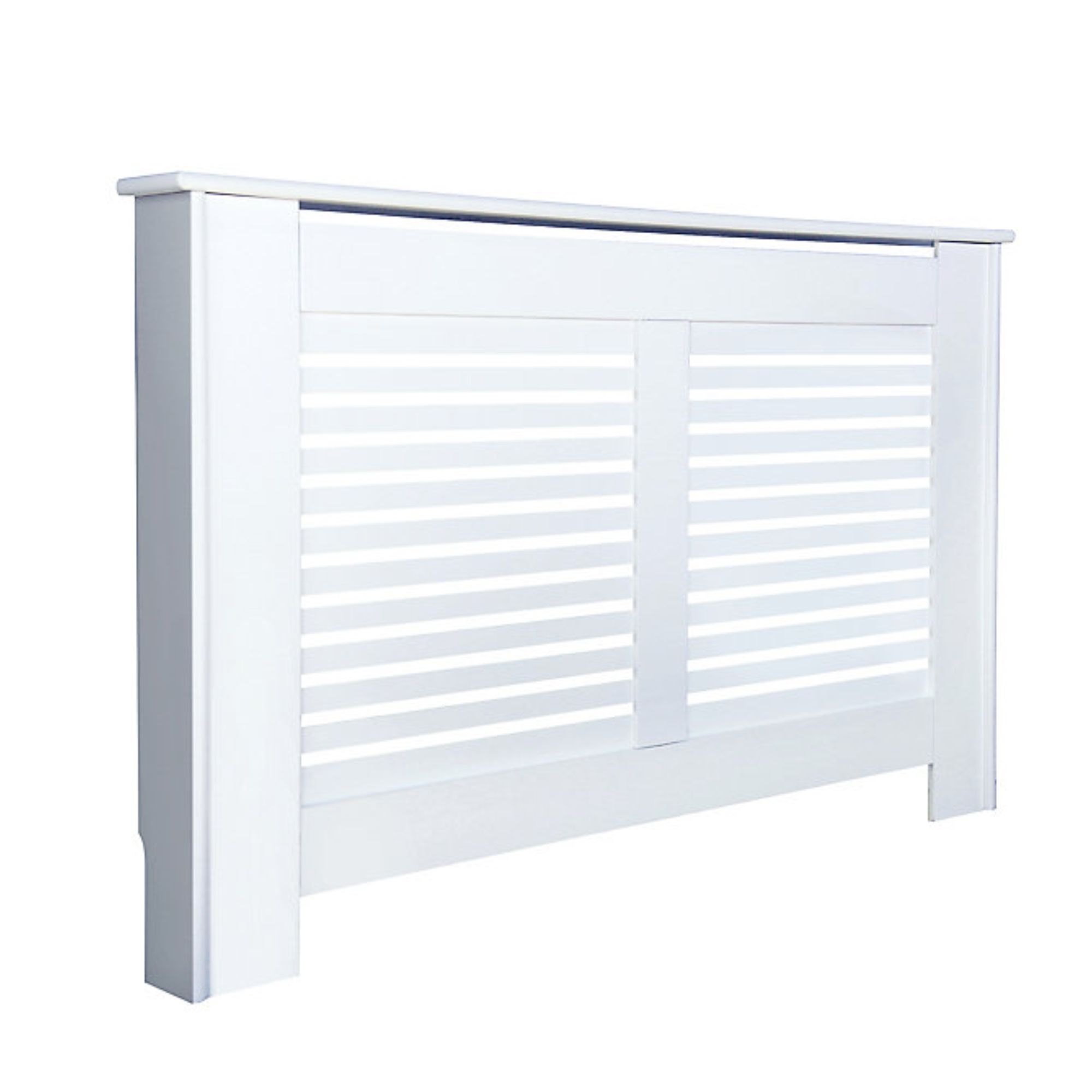
In kitchens, strategic camouflage can make a radiator disappear into its surroundings. By enclosing a radiator below a window with white slats and topping it with a butcher-block surface, it can blend seamlessly with the kitchen's cabinetry or countertop materials. This not only hides the radiator but also creates additional usable surface area, which is often a valuable asset in kitchen design.
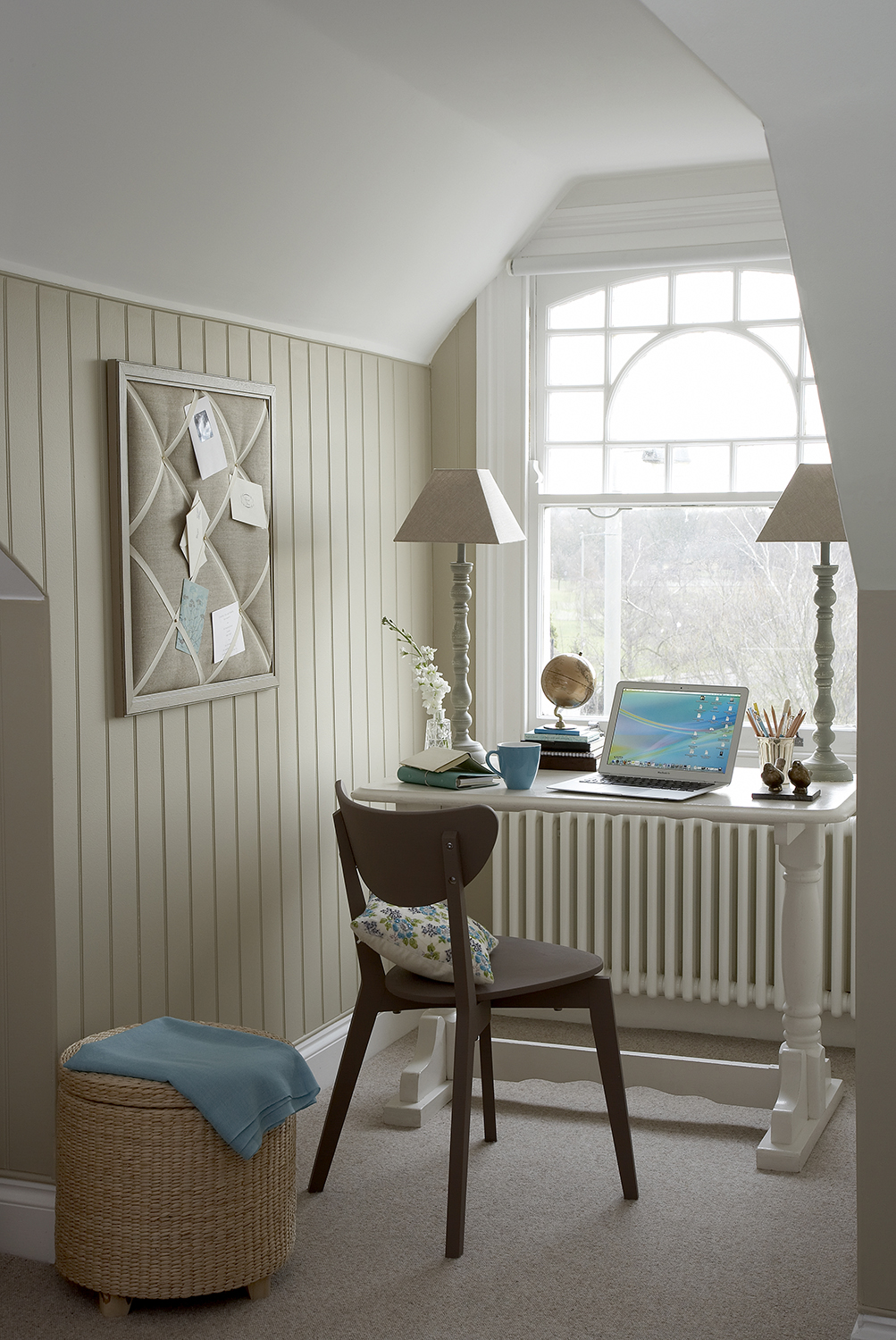
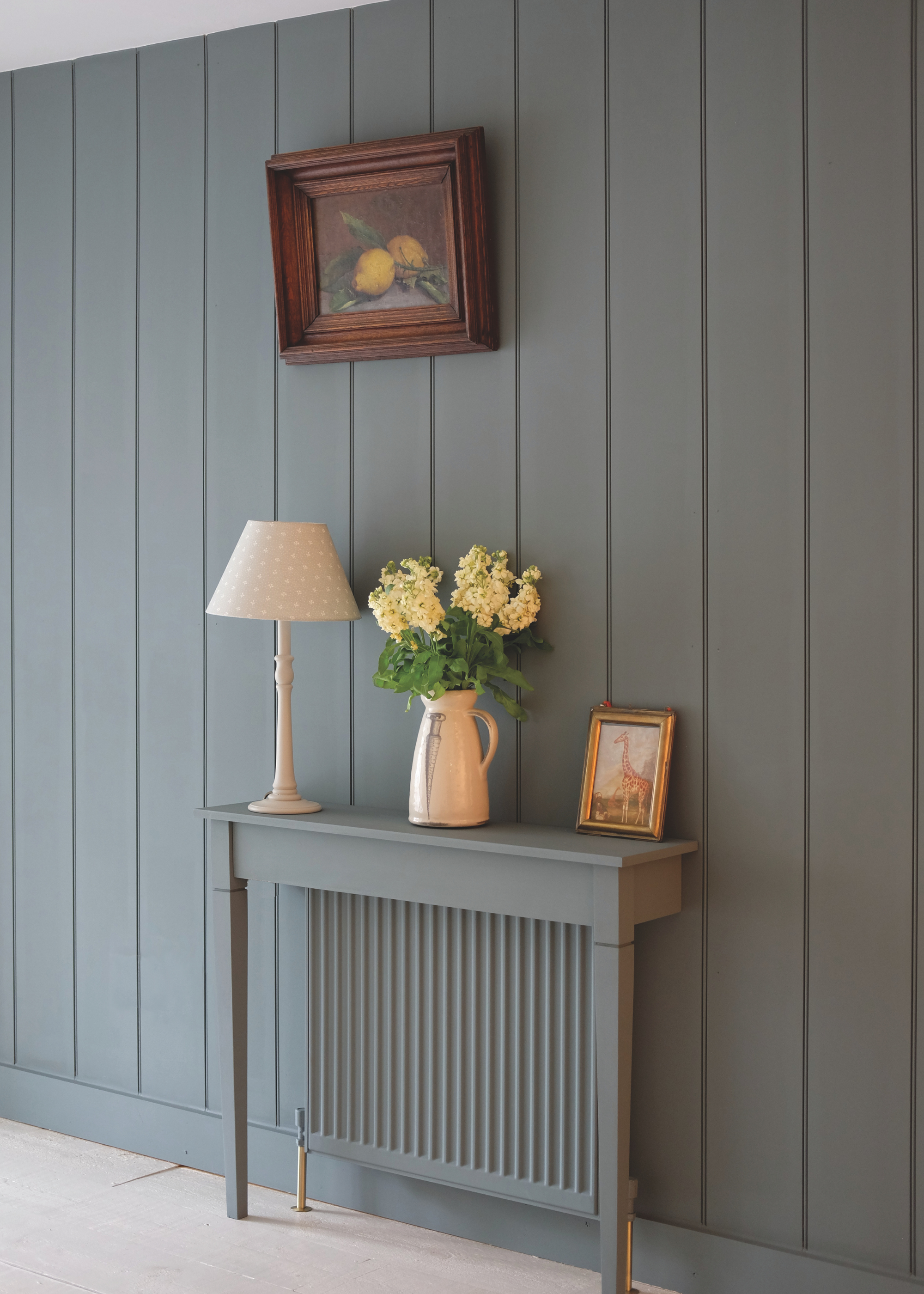
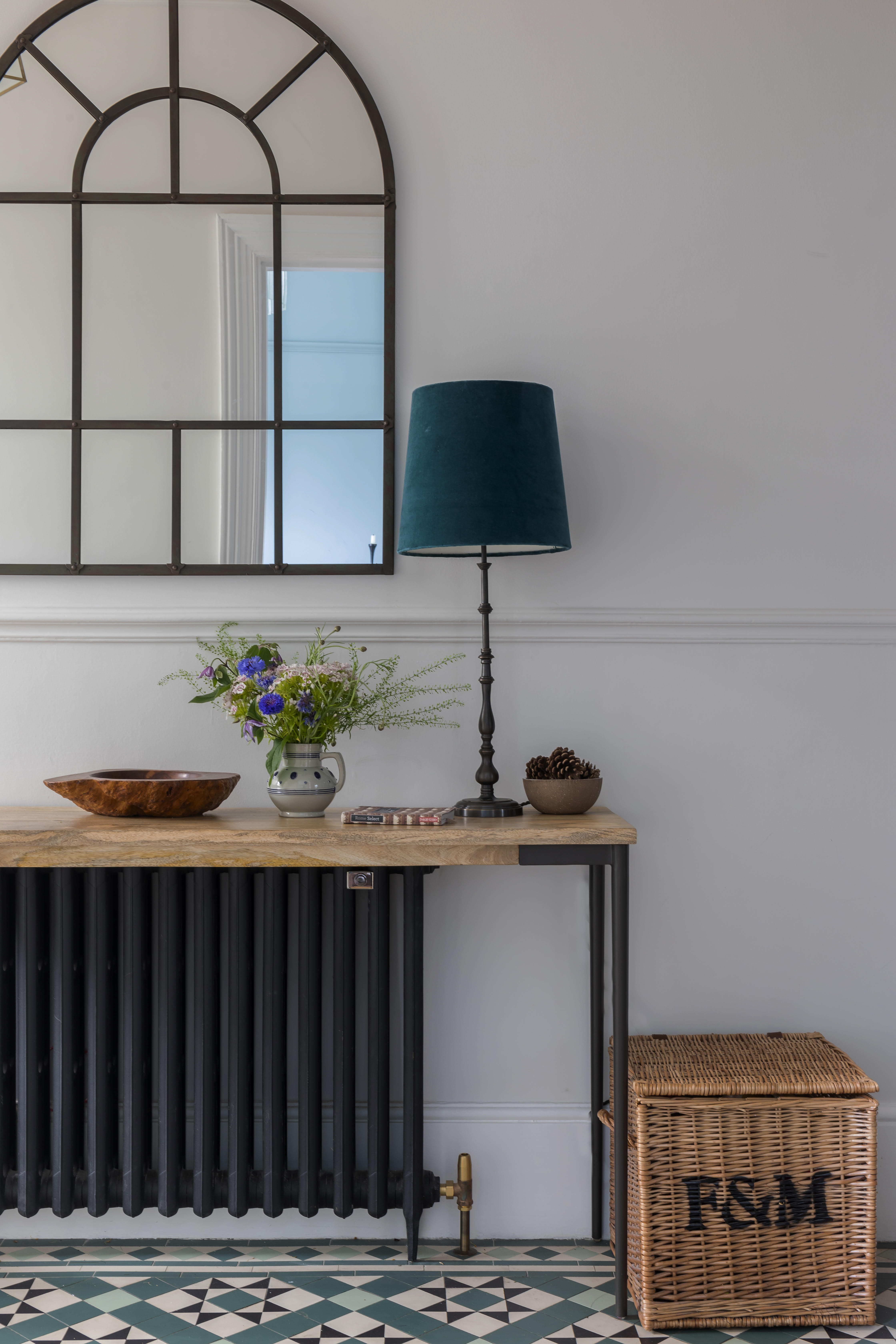
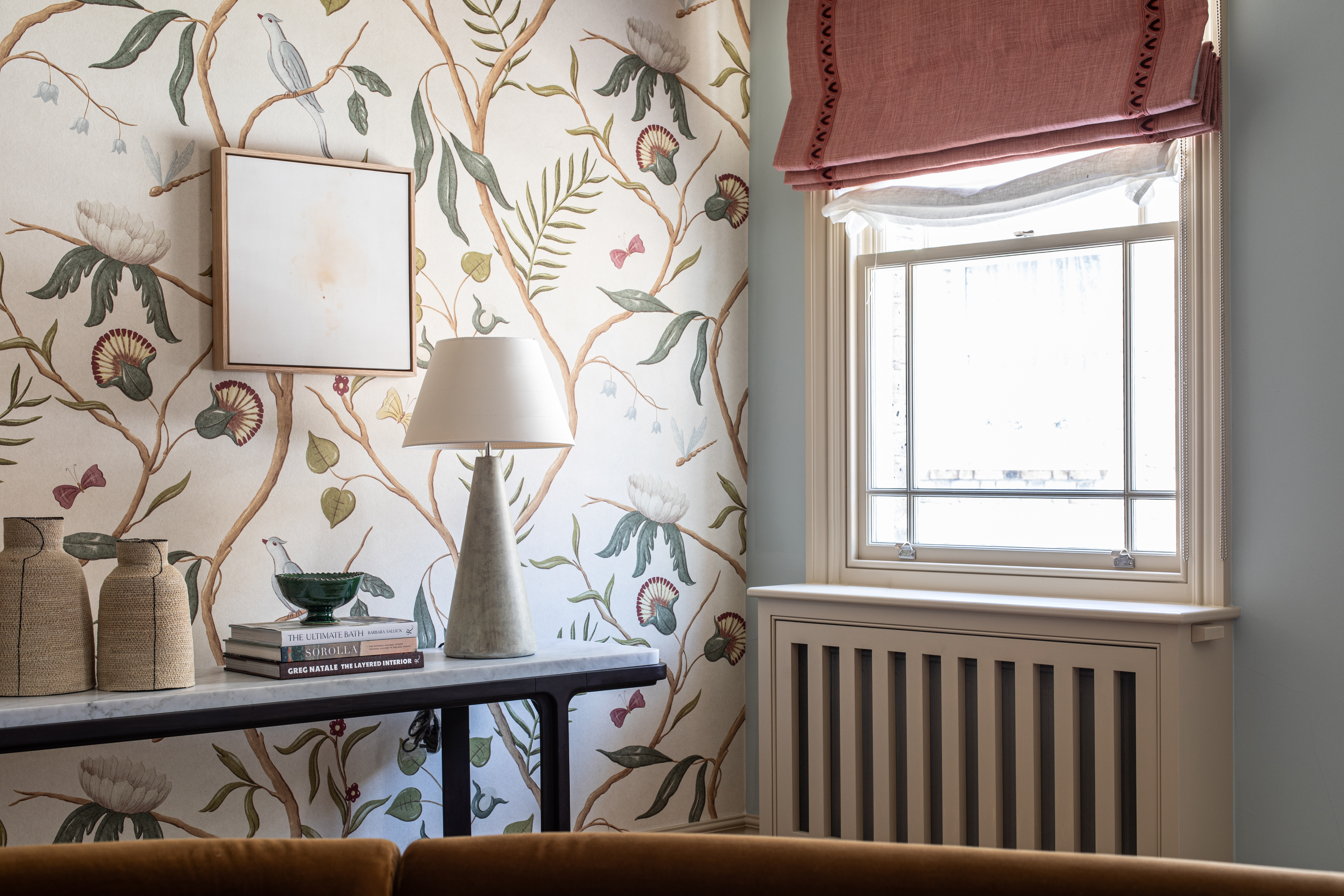
A simple yet effective solution involves positioning a delicately detailed table directly over a radiator. This creates a charming vanity area or display space, especially when placed near a window to maximize natural light. The table serves to obscure the radiator from direct view while offering a functional surface for various items.
For more integrated solutions, especially in living rooms, bookshelves can be designed to incorporate covered radiators. This allows for a continuous wall of shelving, where the radiators are cleverly hidden behind sections that maintain the overall aesthetic of the bookcase. This method provides ample storage and display space while keeping the heating elements discreetly out of sight.
In bathrooms, a small marble slab secured to the wall above a radiator can create an ideal spot for resting toiletries, scented candles, or even warming towels. This practical and aesthetically pleasing addition transforms a mundane radiator into a functional ledge, enhancing the bathroom's comfort and design.
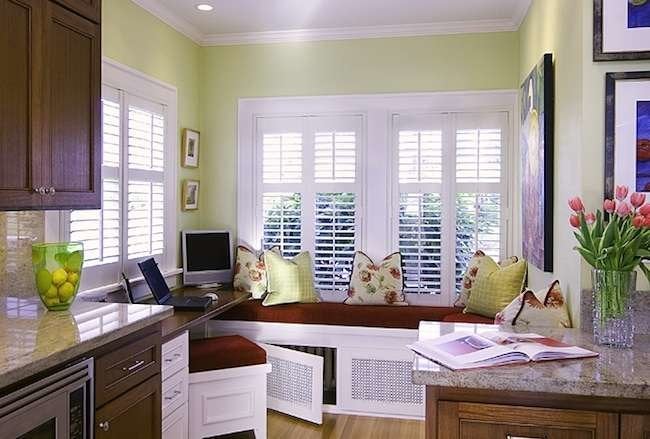
For creating cozy reading nooks, particularly in front of windows, enclosing a low radiator with a banquette and topping it with an upholstered cushion is an effective strategy. This design provides comfortable seating, utilizes otherwise dead space, and completely hides the radiator, making the area inviting and functional.
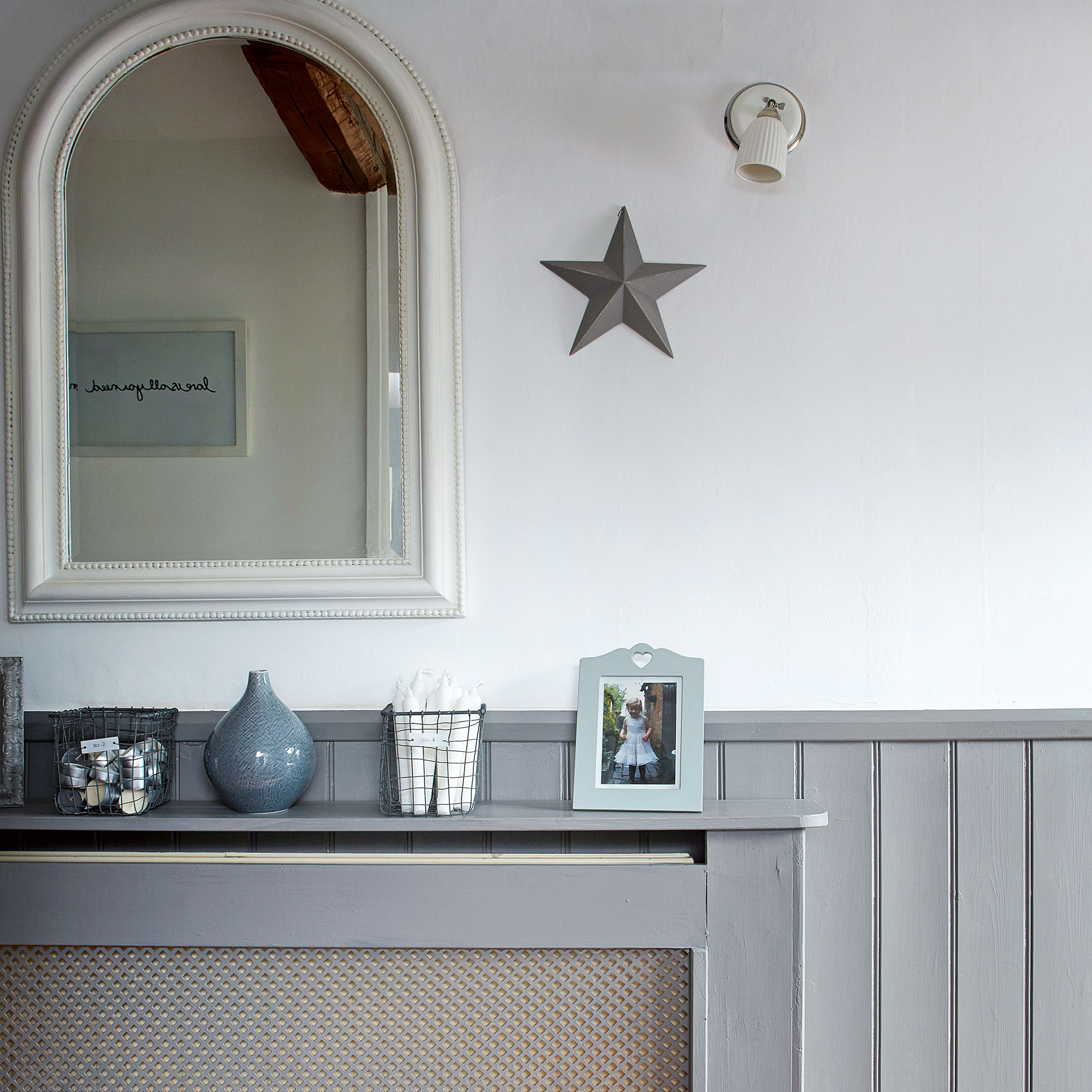
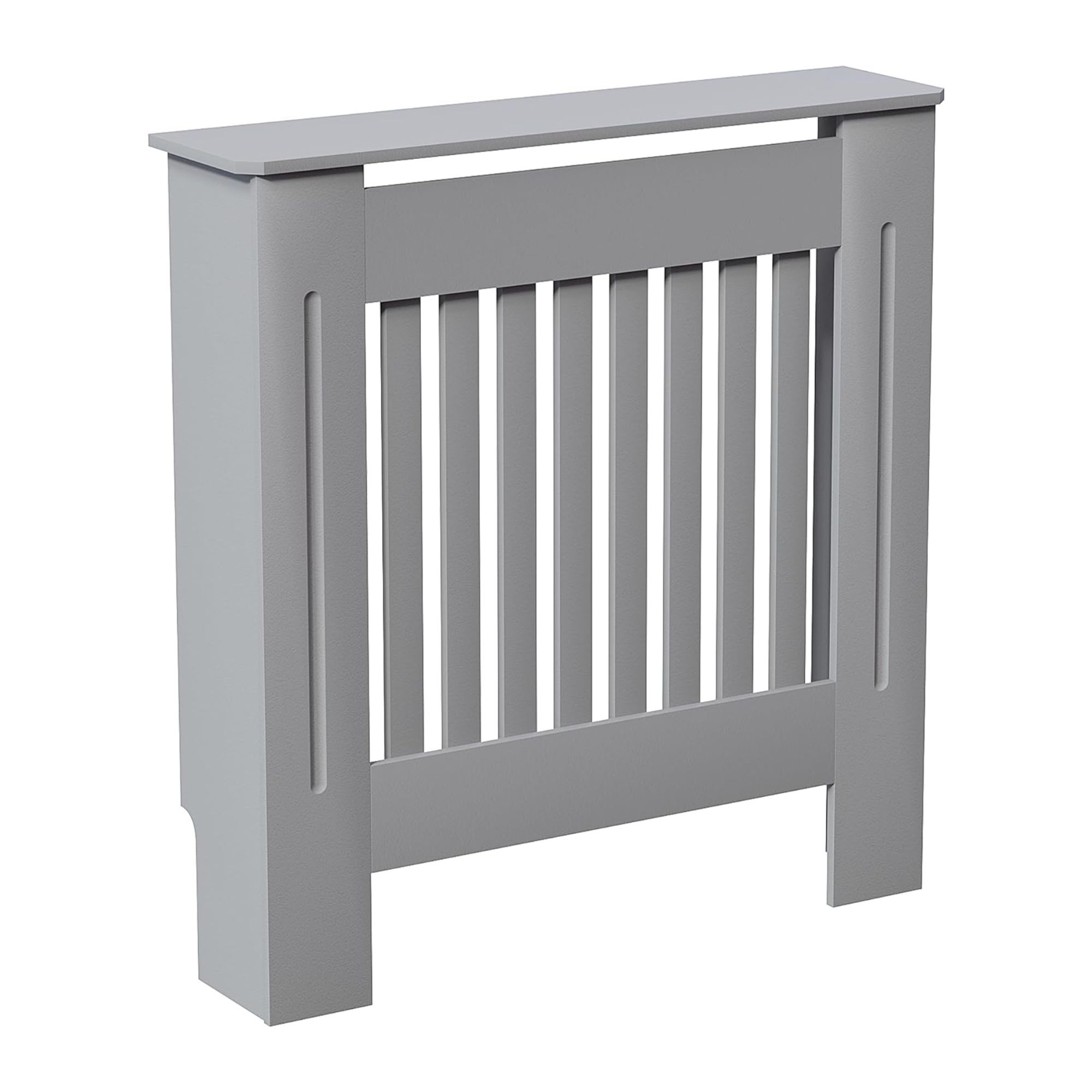
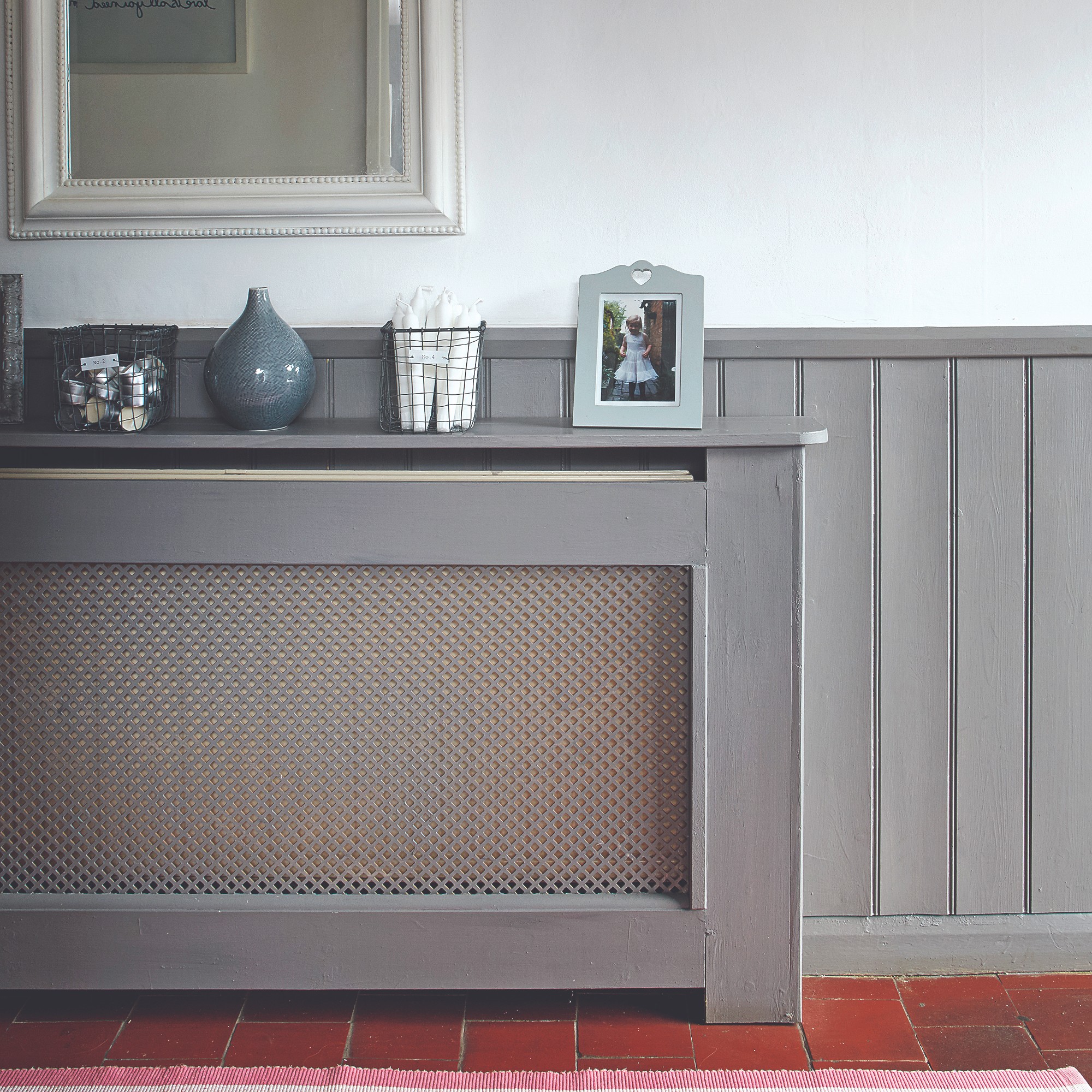
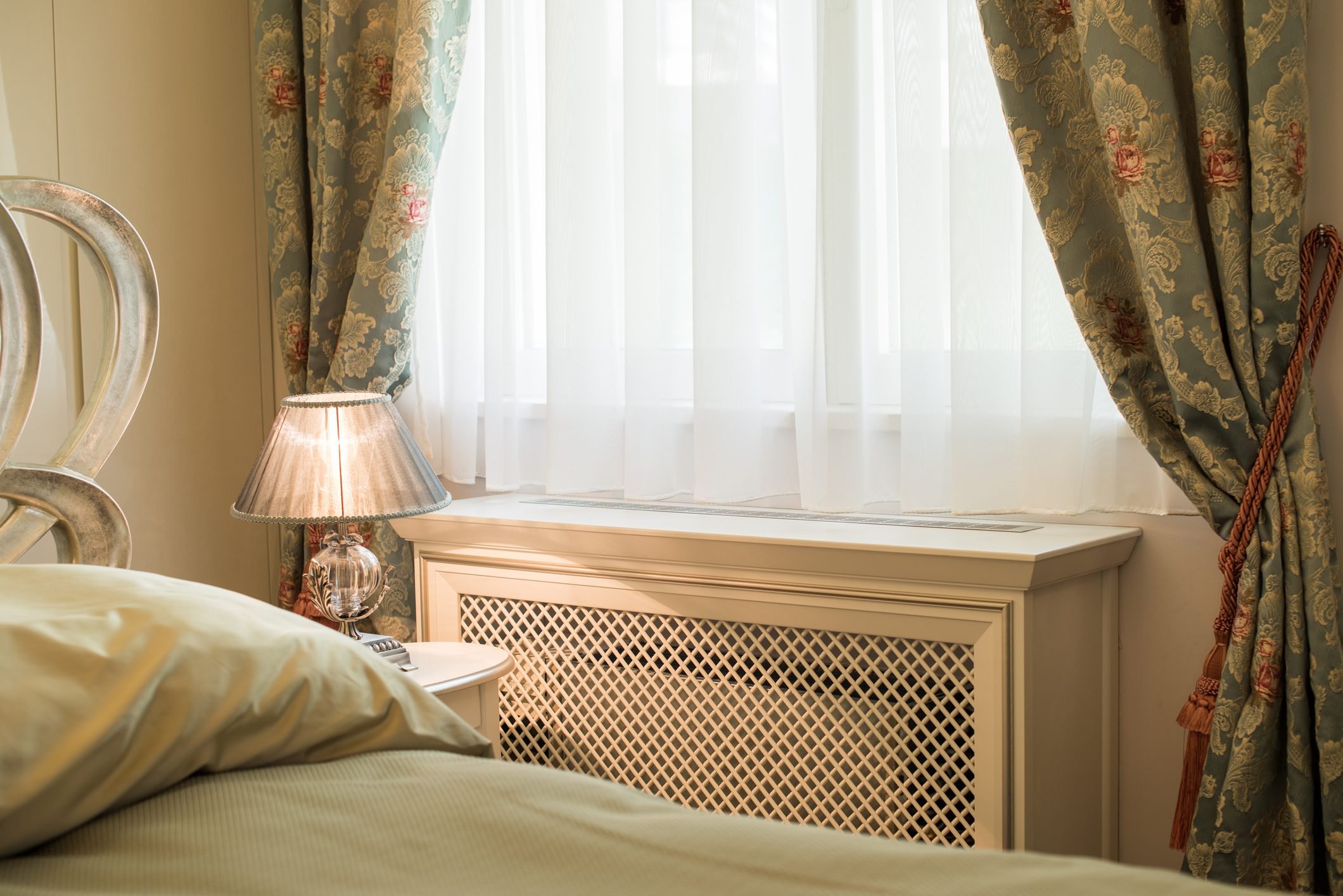
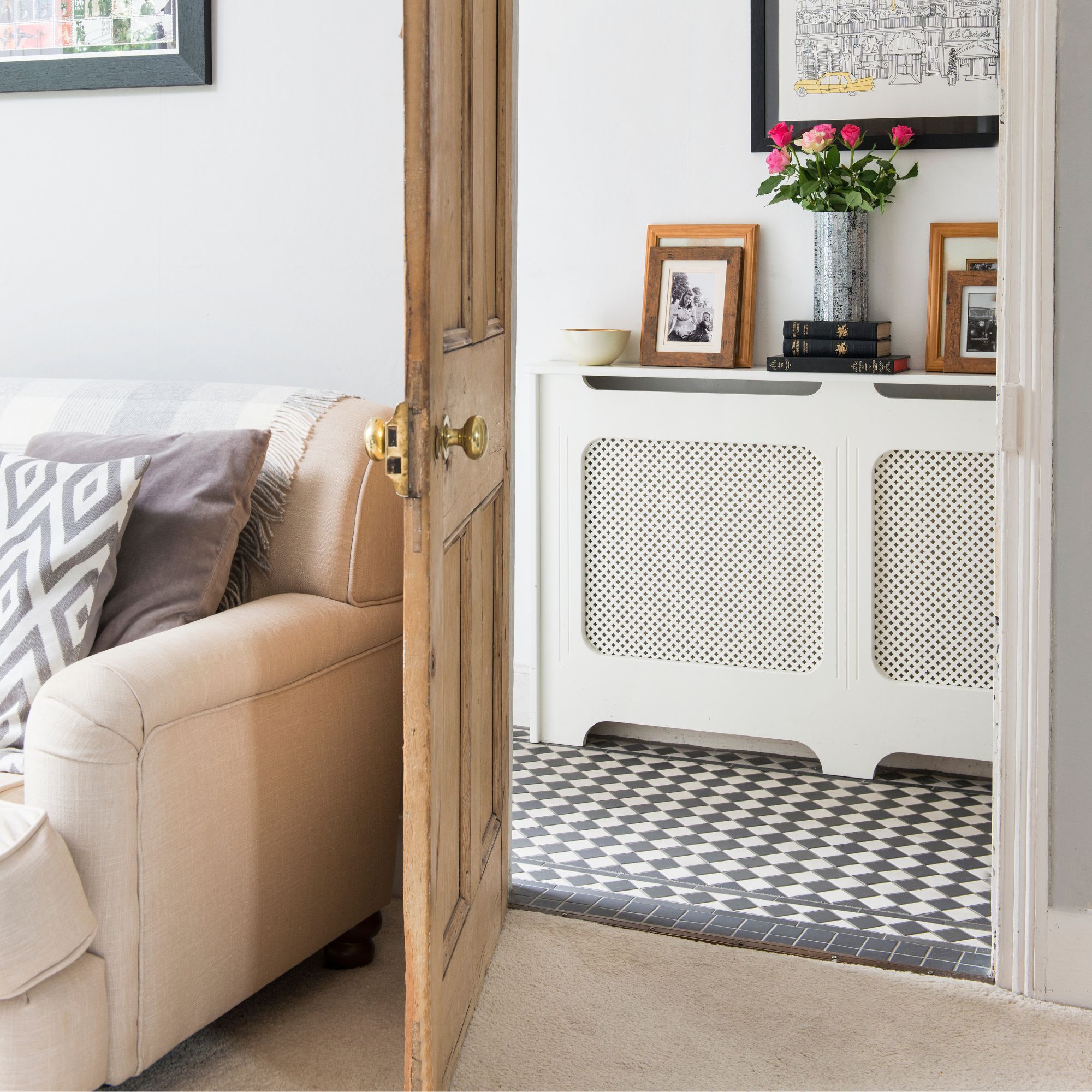
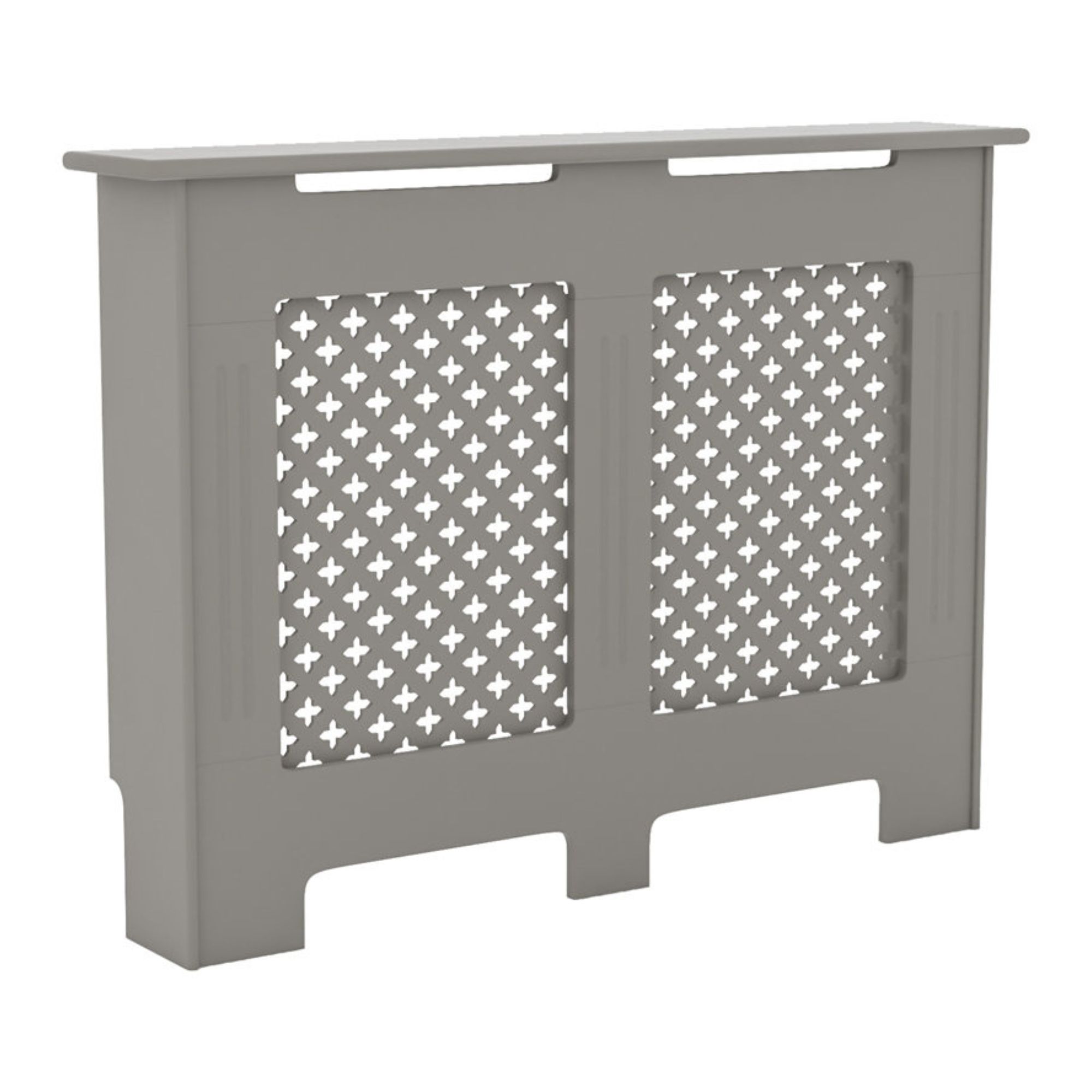
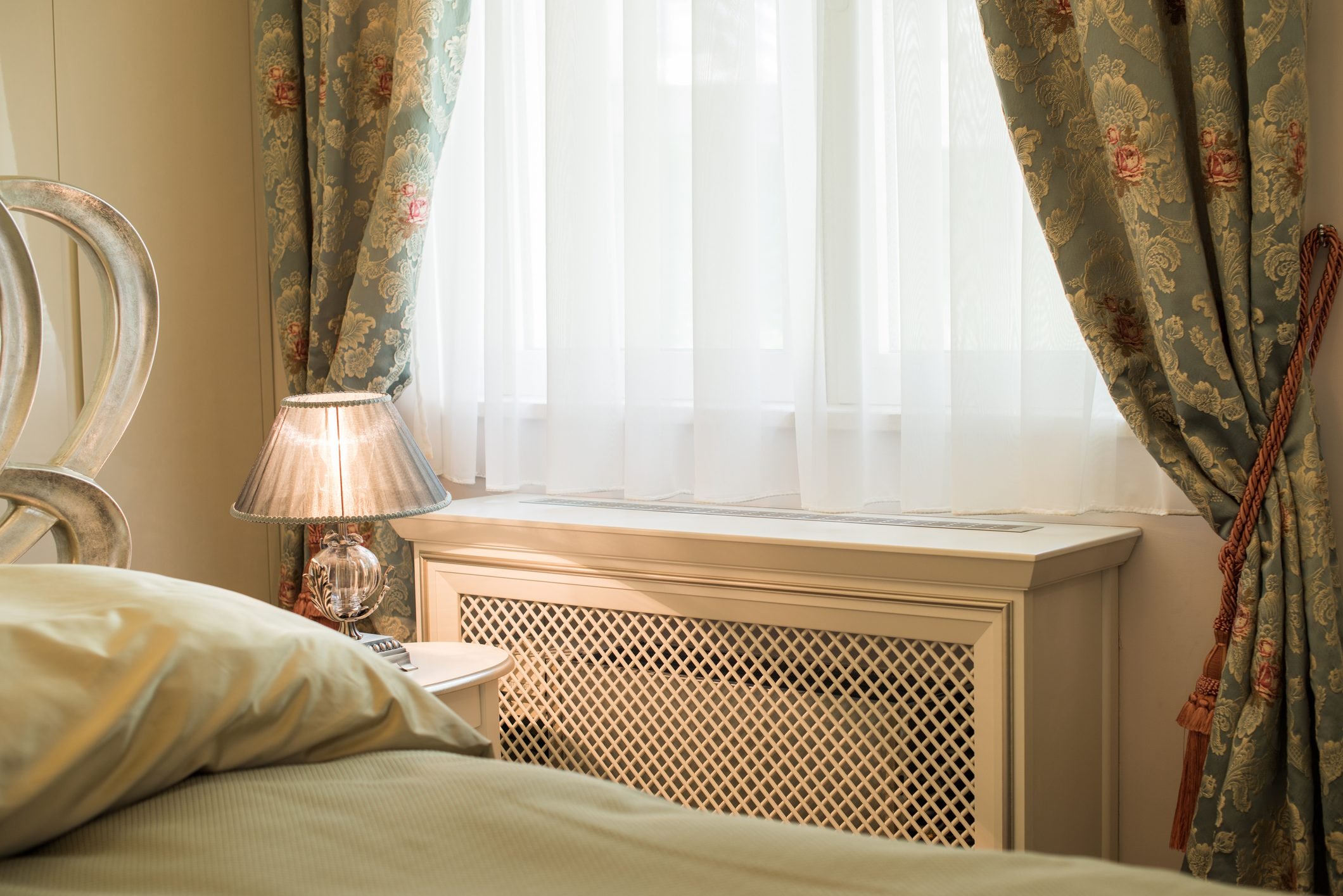
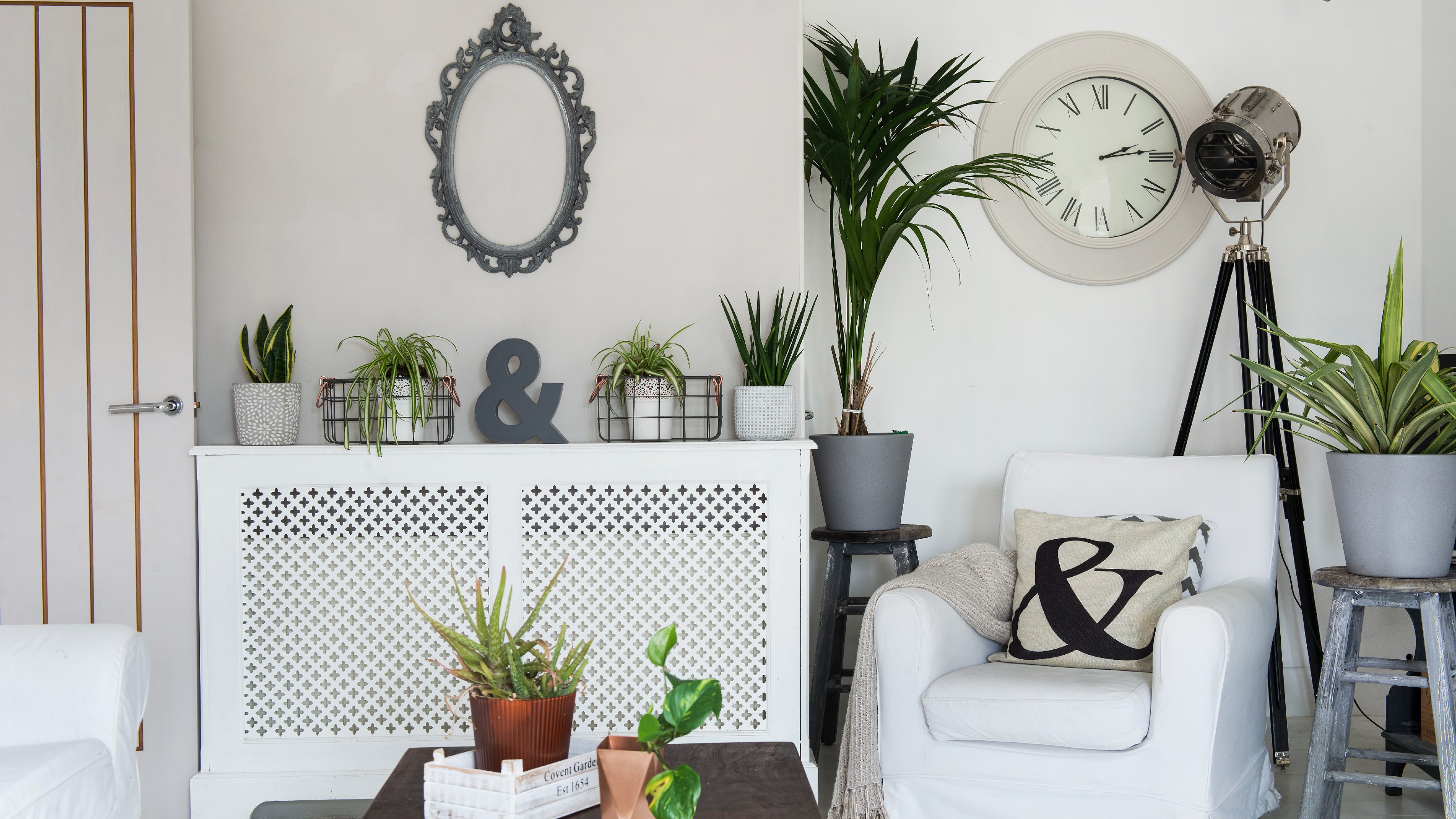
Radiator cover grates offer numerous patterns, allowing for choices that underscore the room's overall design theme. Selecting a grate pattern that harmonizes with the interior can contribute to a whimsical or sophisticated look, demonstrating how even small details can enhance the room's character.
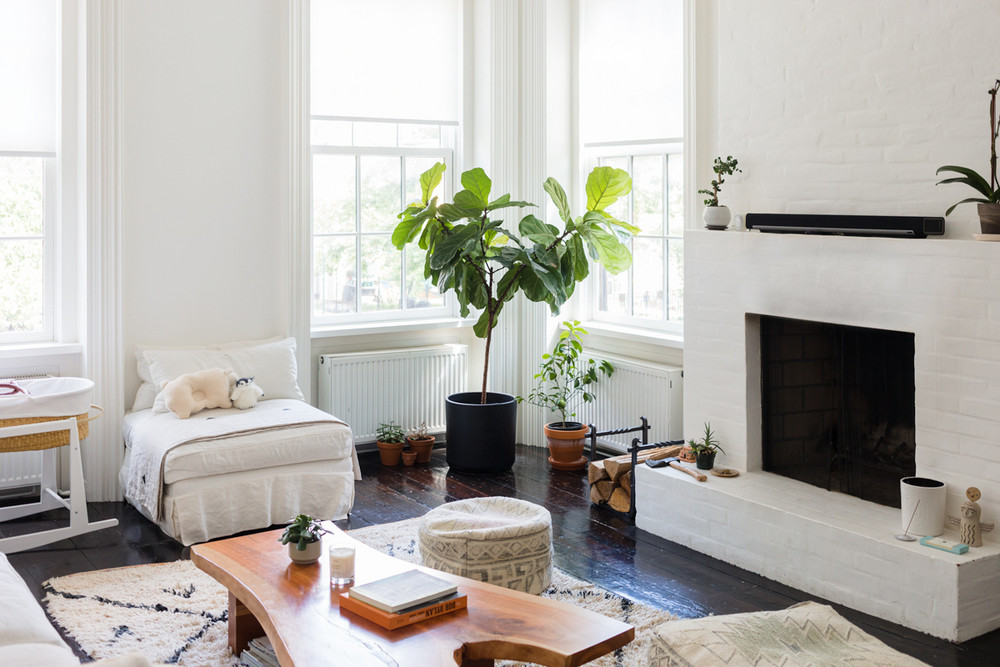
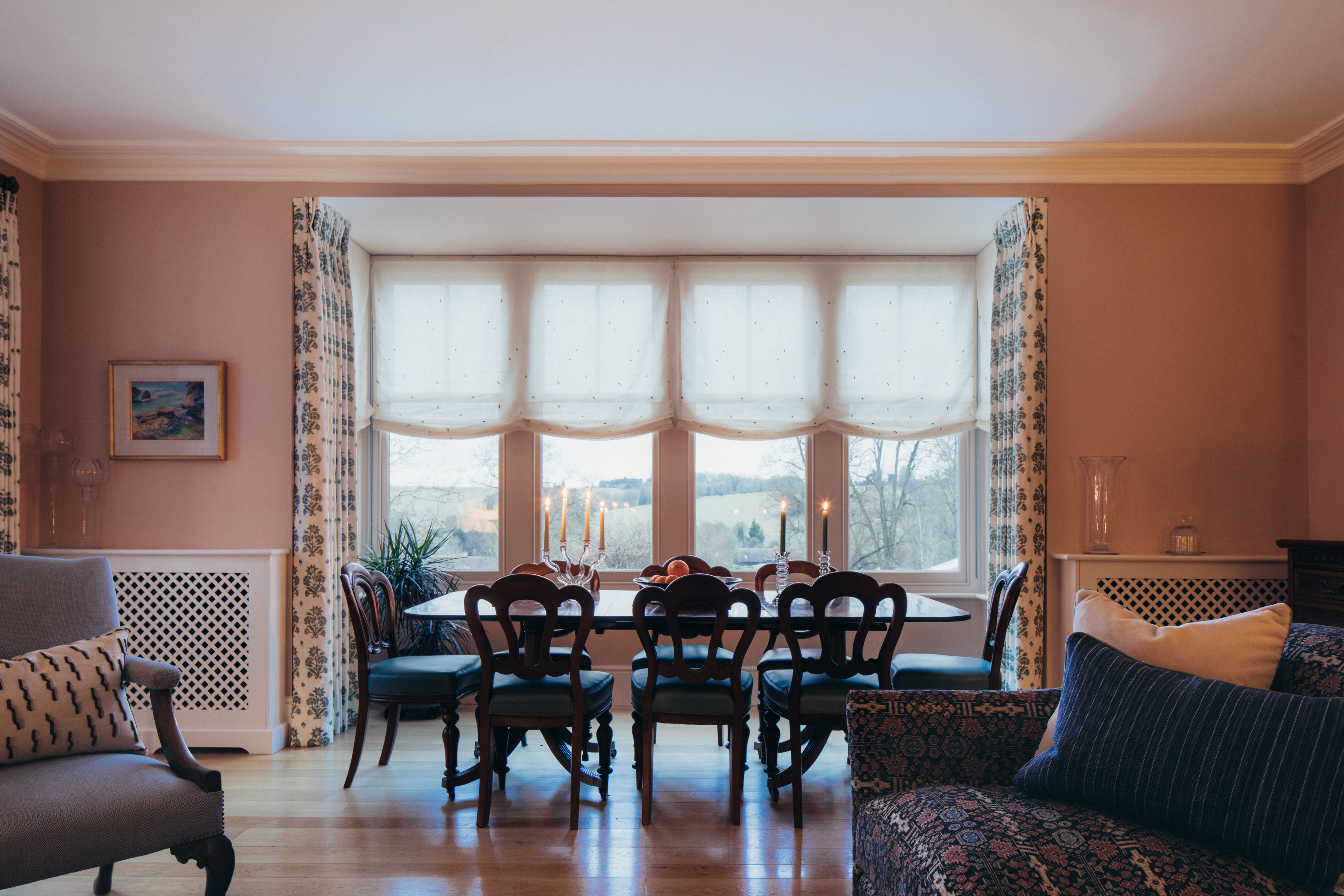
Finally, achieving a unified look involves matching the radiator covers with other elements in the room. In a home office, for instance, whitewashed radiators can be topped with the same warm wood surface used for the desk, drawers, and file cabinets. This creates a cohesive and integrated design, where the radiators become an indistinguishable part of the built-in furniture, contributing to a harmonious and well-thought-out interior.
#RadiatorCovers #HomeHeating #InteriorDesign #HomeDecor #DIYHome #FunctionalDesign #SpaceSaving #HomeRenovation #AestheticUpgrade #RadiatorCovers #HomeHeating #InteriorDesign #HomeDecor #DIYHome #FunctionalDesign #SpaceSaving #HomeRenovation #AestheticUpgrade
0 comment in total
 No comments yet
You may also like
How to hide a radiator - the expert guide to decorating tricks to help them blend in

The best radiator covers – modern, rustic and affordable options to disguise your heating in style
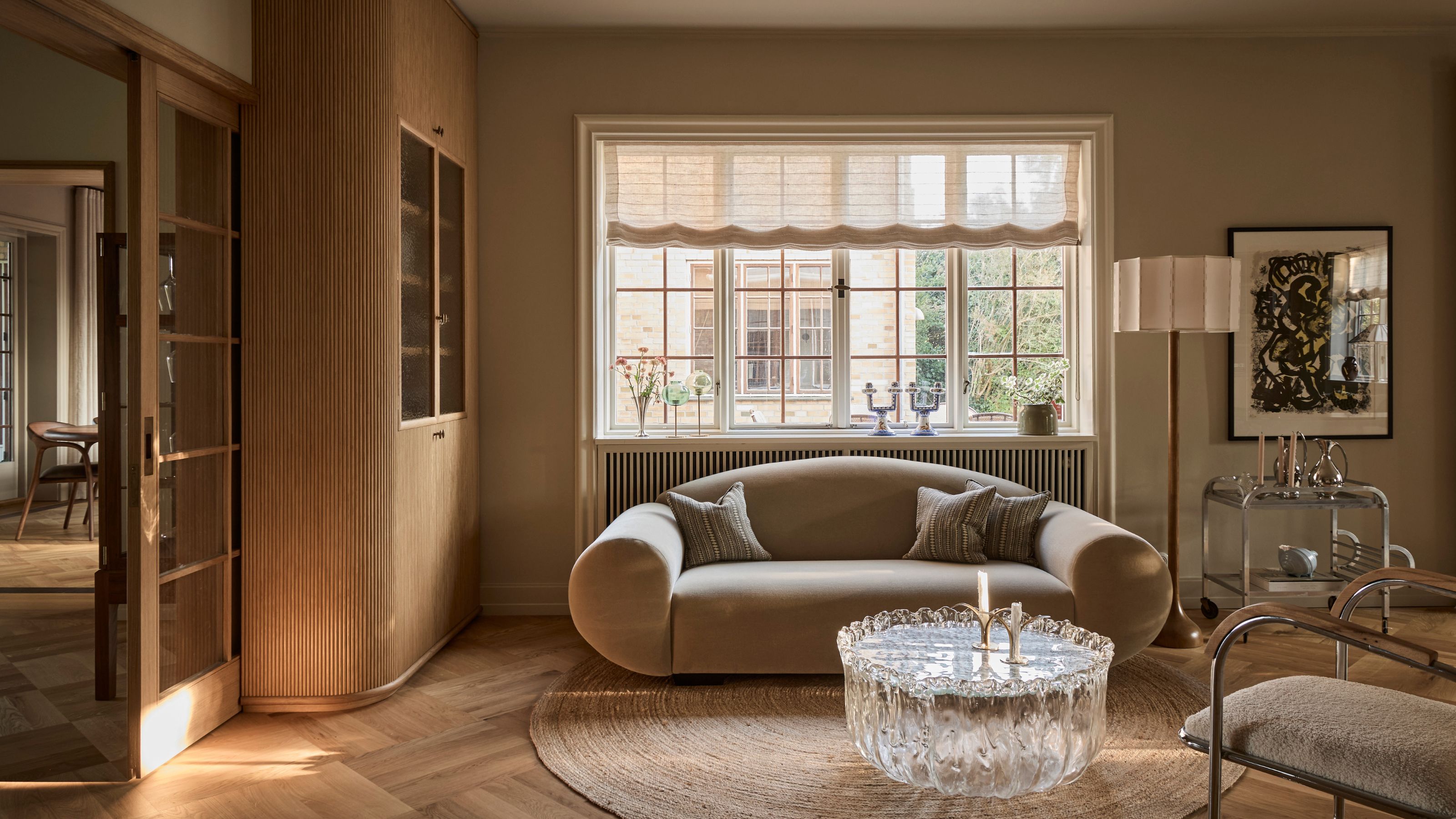
Do Radiator Covers Block Heat? Heating Experts Break It Down
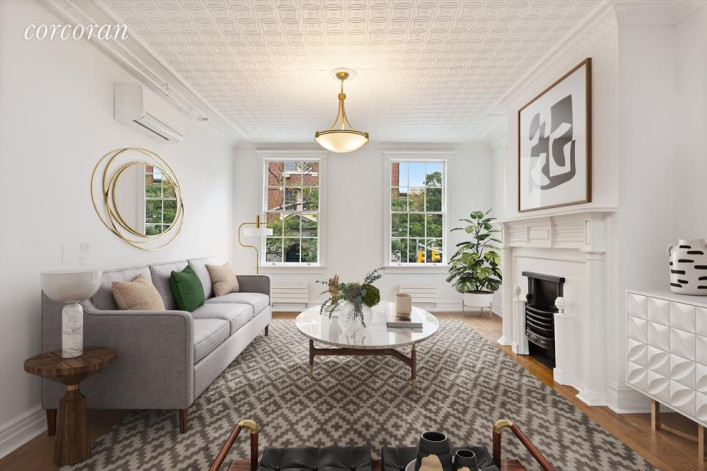
Want to upgrade the radiators in your NYC apartment or brownstone? Here are some stylish and energy-efficient options
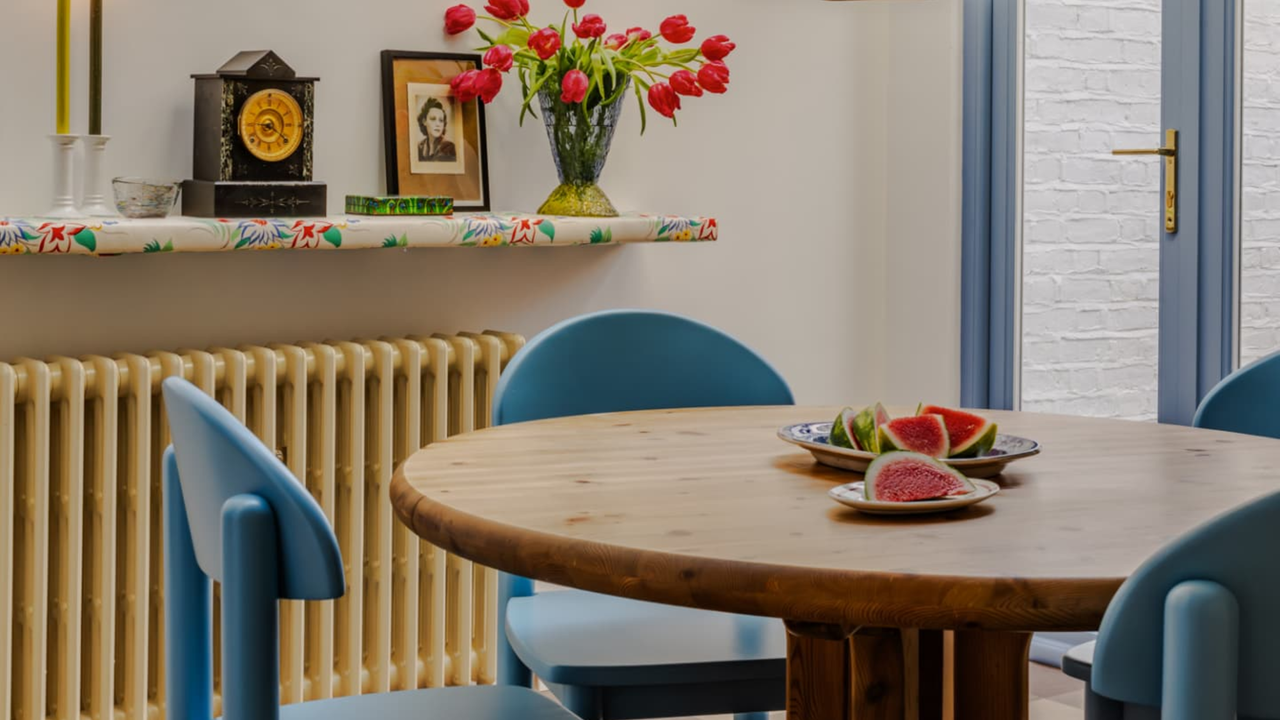
5 Ways to Make Radiators Actually Look Good —…

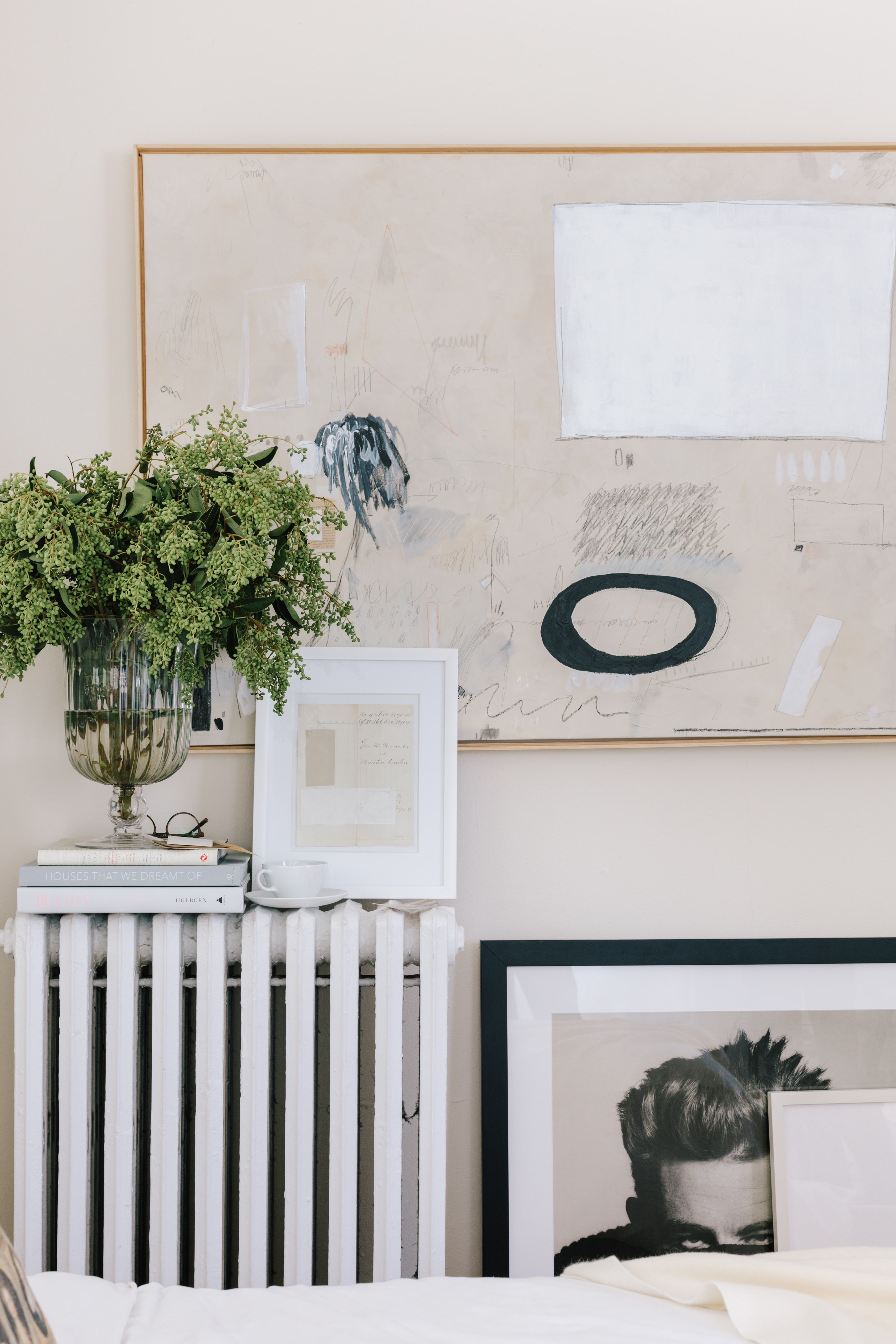
How to Transform Your Radiator from Eyesore to Eye Candy

Radiator Covers Buyer’s Guide: Why Use, Types (Wood, Metal &; More), Costs Etc.

How can you hide a range hood? 6 innovative and chic ideas from kitchen design experts

Stylish Ways To Hide Your Ugly Radiator And Other Common Household Eyesores
How to Dress Up Your Baseboard Radiator Space
3 home design choices that were increasing my heating bills
Radiators

Take cover / Turn your unsightly radiator into a thing of beauty with an enclosure

Do radiator covers block heat? Experts explain what impact they can have on energy bills
How to hide a heat pump - 4 ways to conceal your exterior unit without compromising on efficiency or functionality
How to paint a radiator - an easy guide to update an ugly radiator in an afternoon
6 clever ways to make a radiator look good – there is no excuse for an ugly radiator to sabotage your scheme
10 modern radiators that make a room
How to paint behind a radiator - expert tips for a pro-worthy finish
5 Ways to Hide Your Outdoor AC Unit So It Blends In Beautifully, According to Designers