1/6
Here’s What to Do With the Radiators When You Renovate a Brownstone or Townhouse
Renovating a Brooklyn townhouse often involves addressing existing heating systems, particularly radiators found in many older homes. These properties, especially classic Italianate homes from the mid-19th century, were initially built without central heating. Steam systems became common between 1910 and 1930, with some hot water systems also installed. The decision to replace, restore, or remove these radiators in favor of a forced-air system significantly impacts both the aesthetic and budget of a renovation project. Expert plumber John Cataneo from Gateway Plumbing and Heating suggests that while some systems might require a complete overhaul if pipes have been extensively altered, most are restorable, capable of running quietly and efficiently.
Restoring an old steam system can cost under $5,000, whereas replacing it with a high-end hot water system can be considerably more expensive, around $20,000 per floor. Cataneo highlights the greater flexibility of hot water systems, which allow for adjustments in water flow, water temperature, and radiator temperature to suit a home's specific needs, unlike steam systems that operate as a less flexible single unit. A third option is a forced-air HVAC system, which delivers dry, heated air through vents. Architect Sarah Jacoby recommends pairing forced-air systems with humidifiers to counteract dryness. She also notes that some clients opt for a hybrid approach, combining a forced-air system with smaller radiators to benefit from the distinct heat quality provided by radiators.
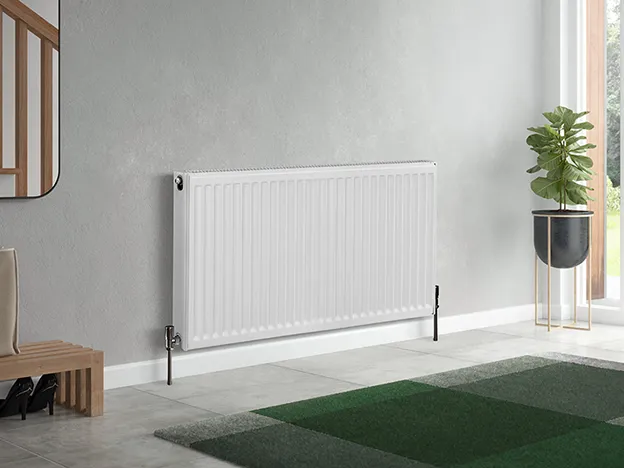
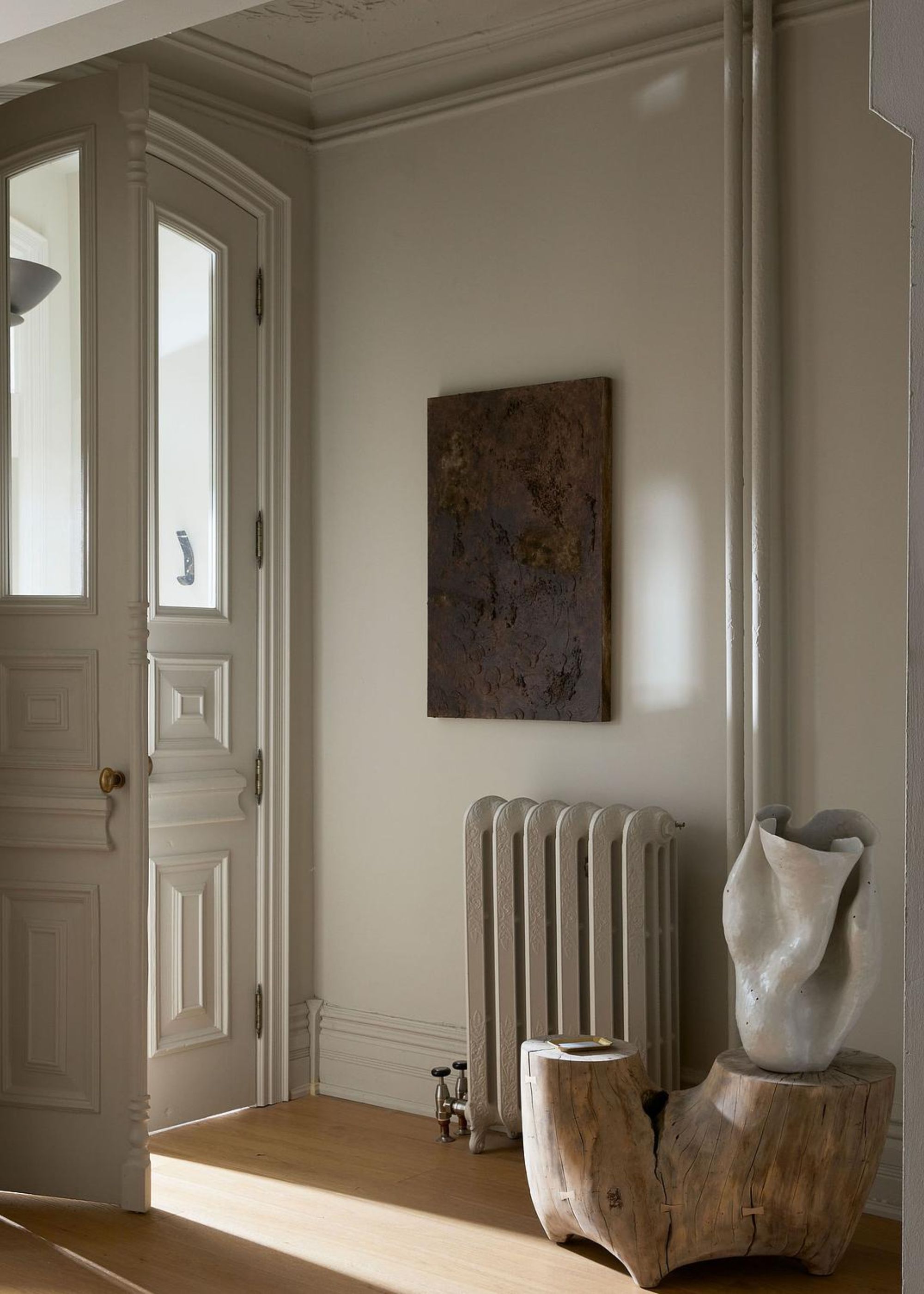
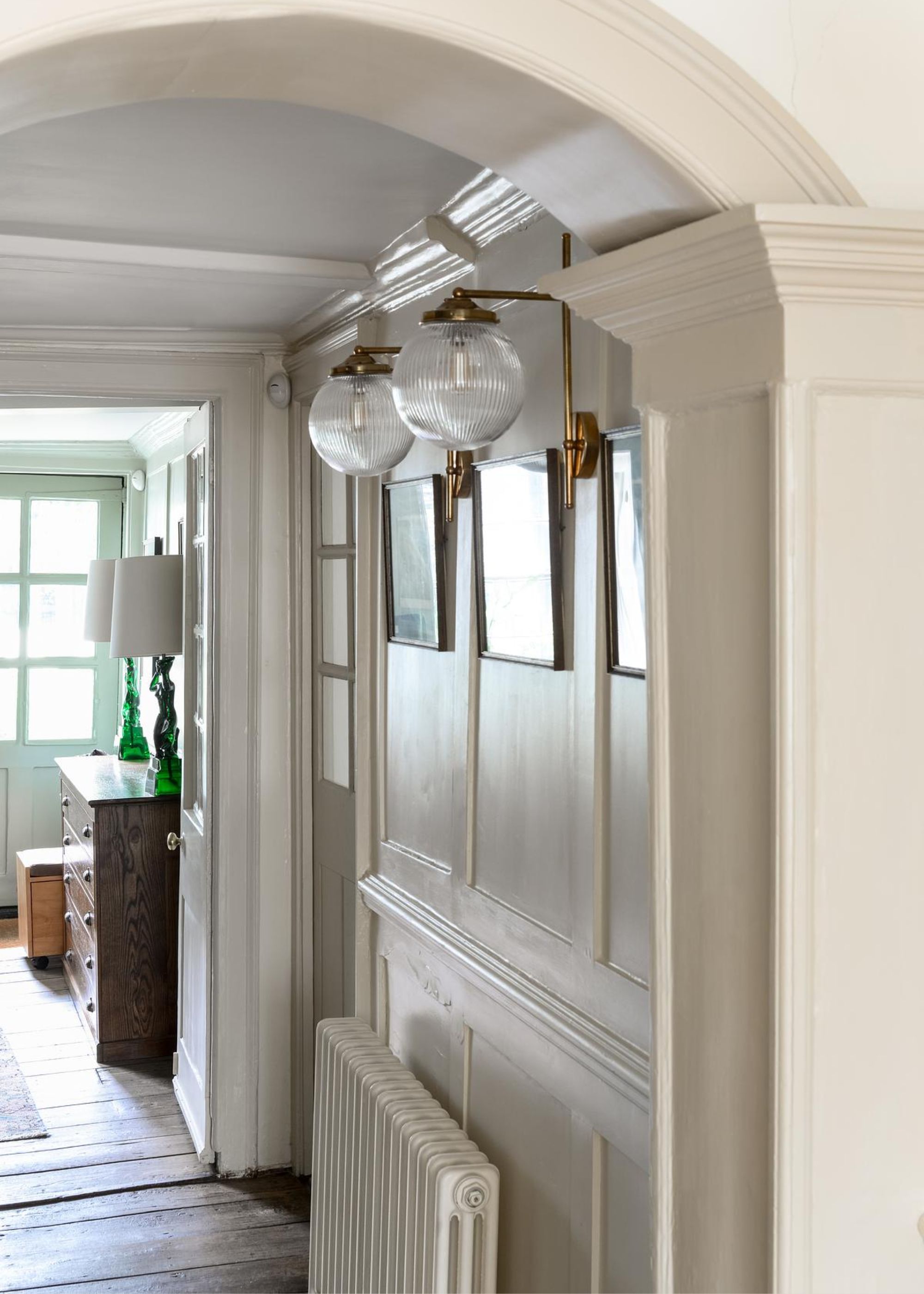
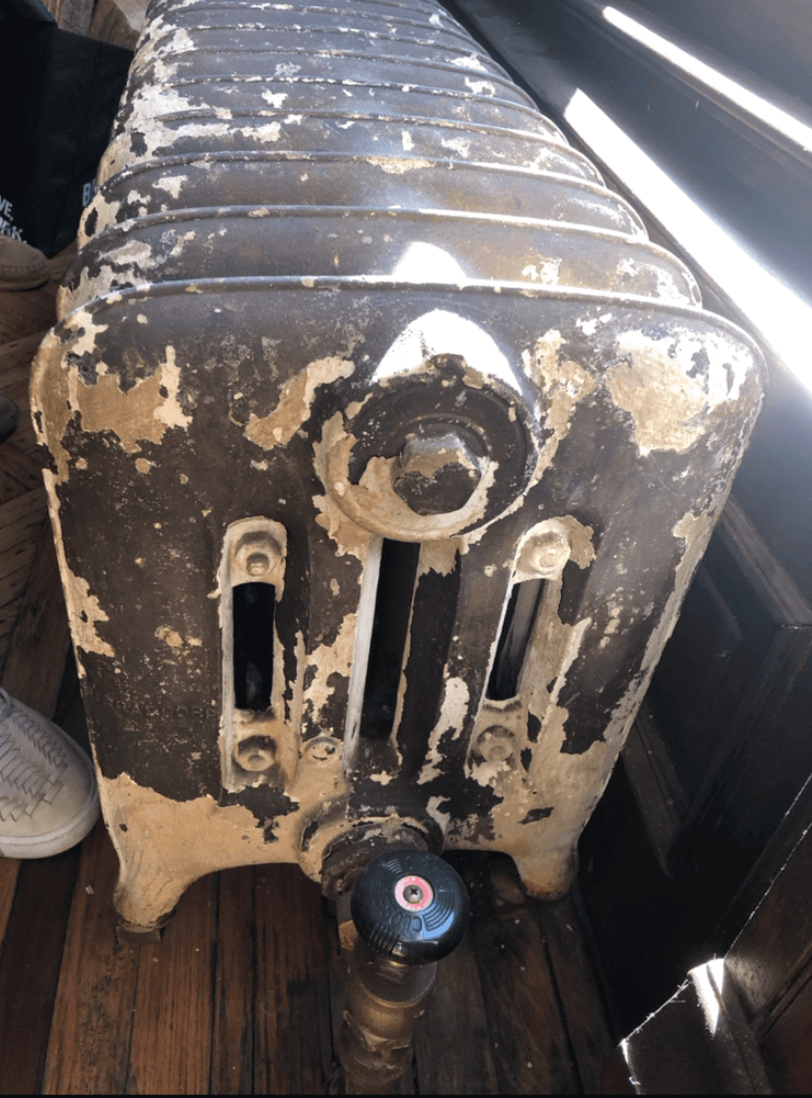
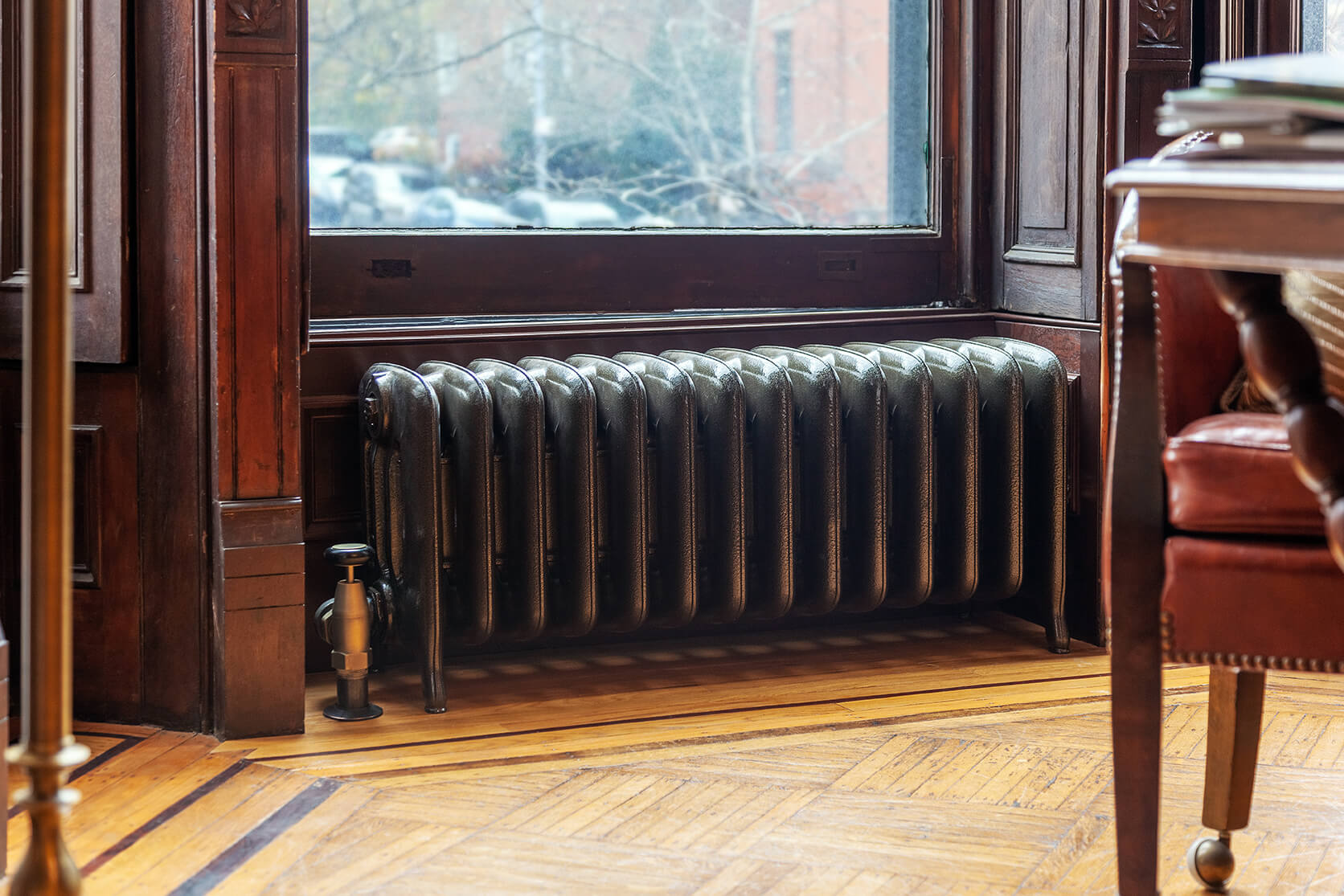
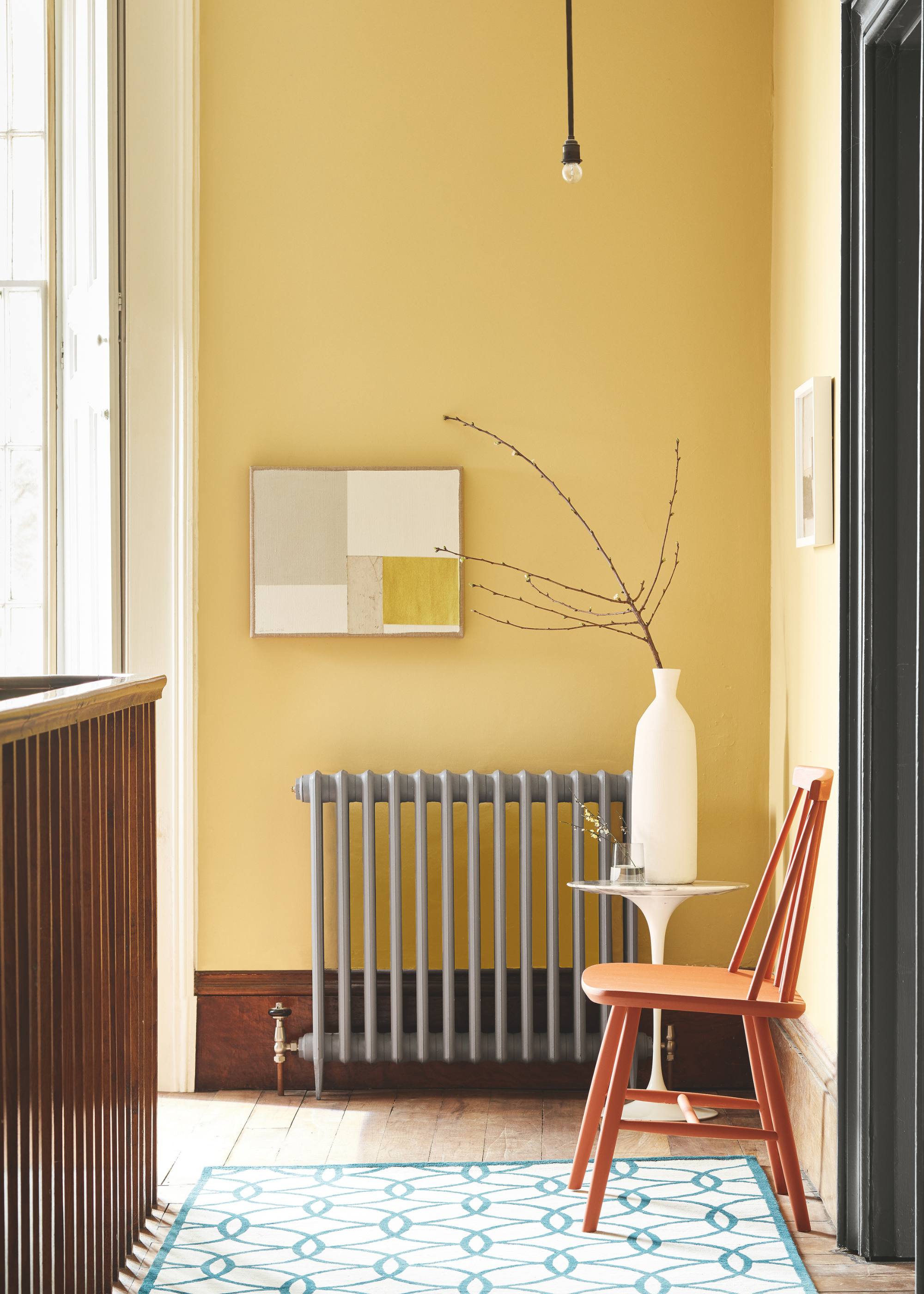
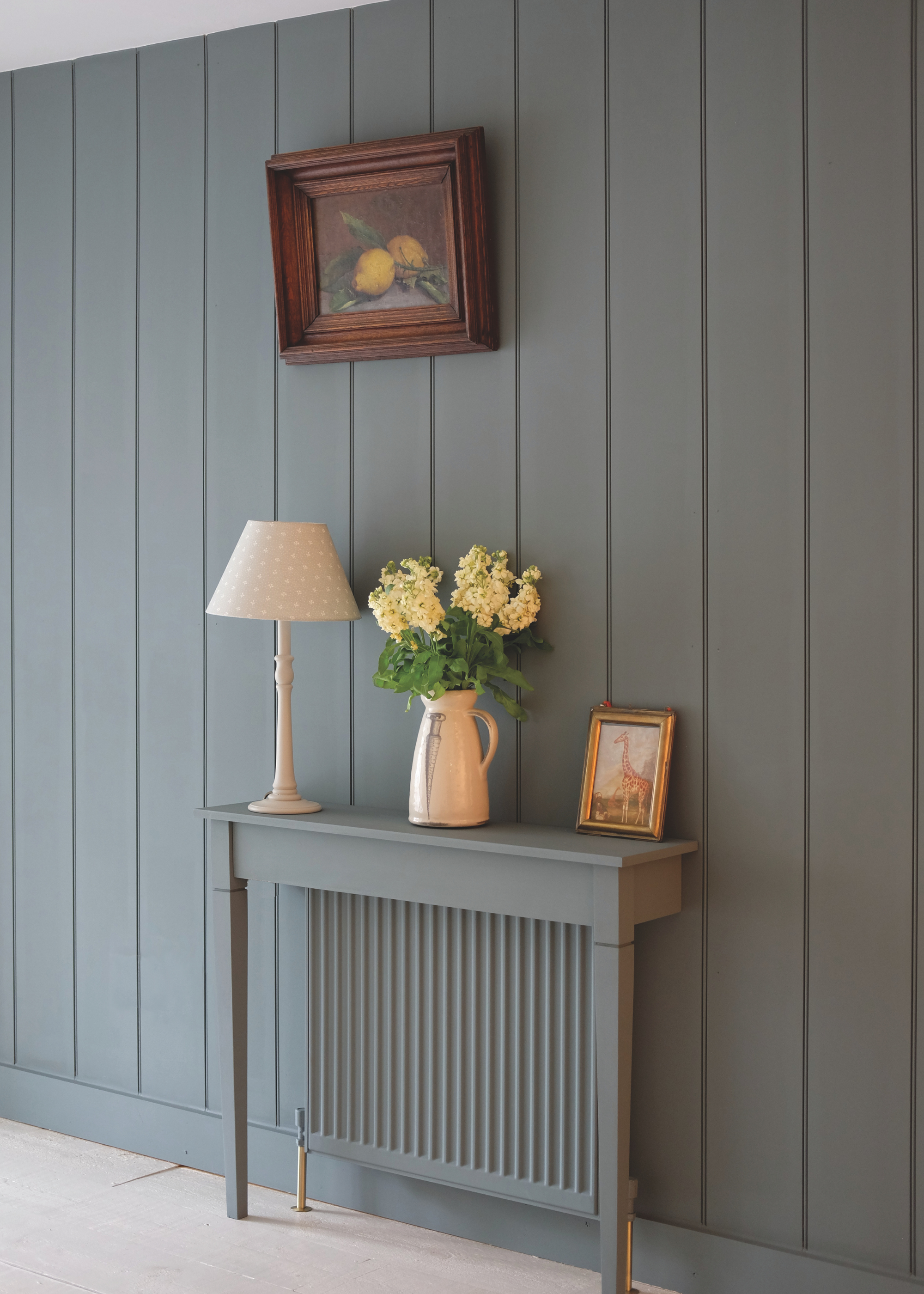
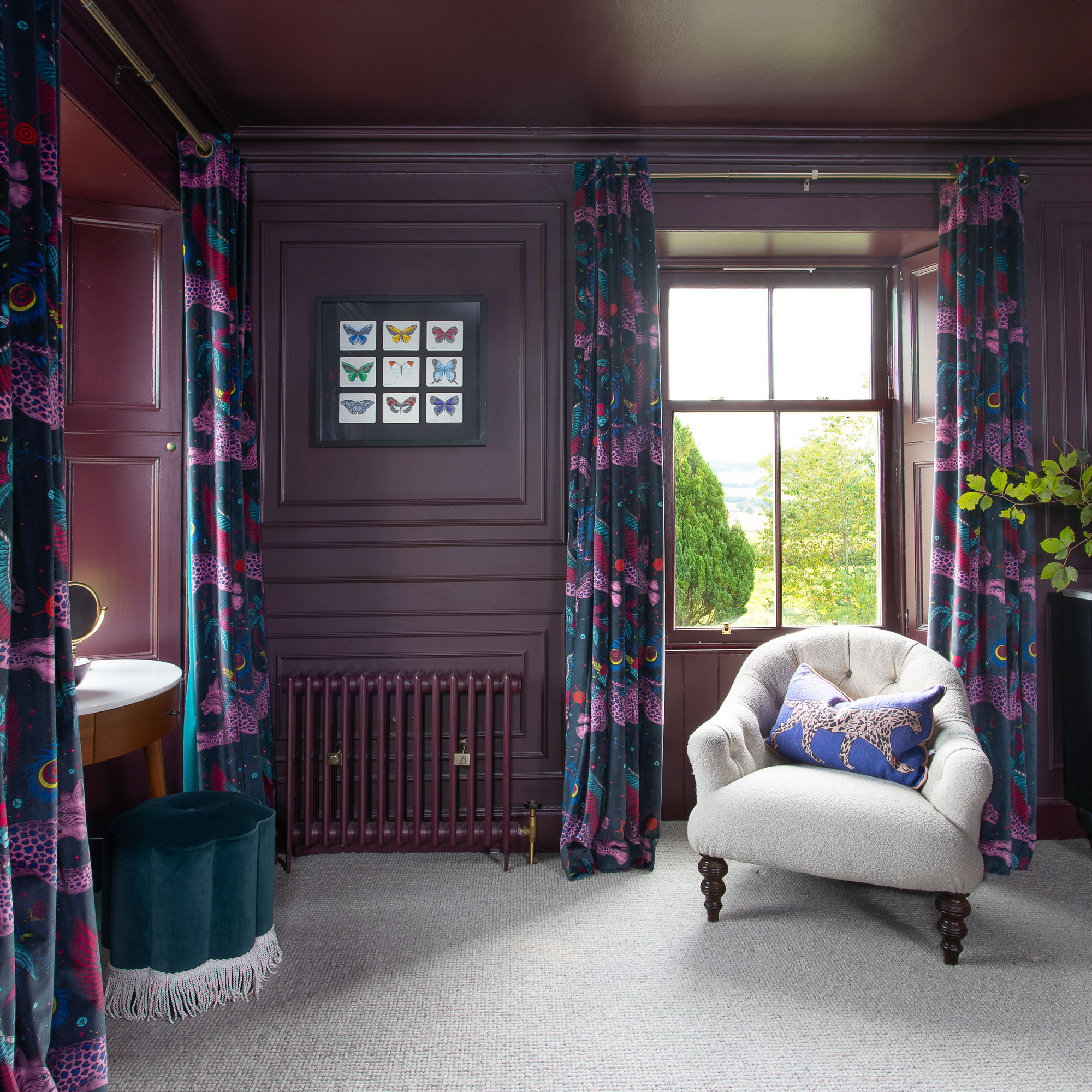
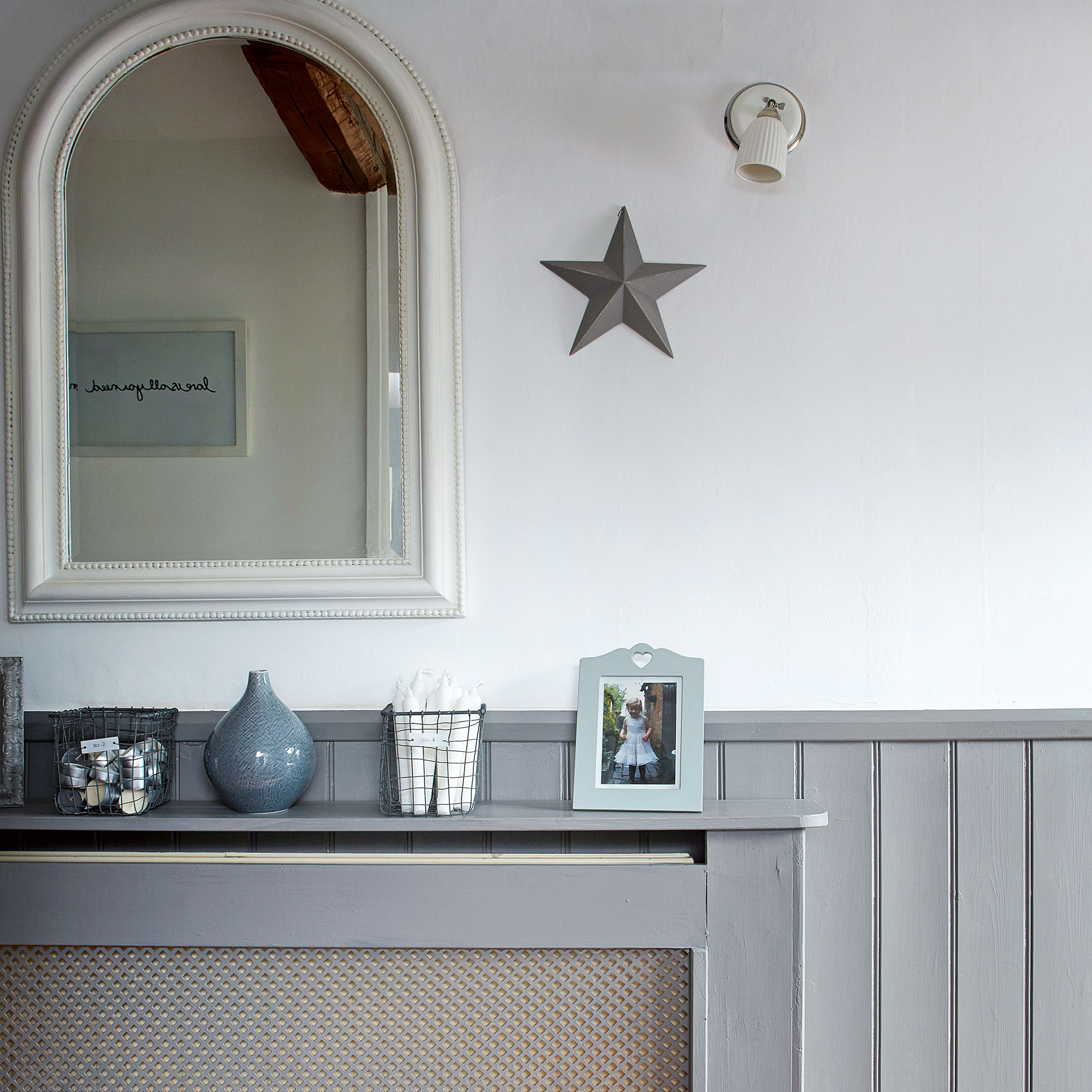
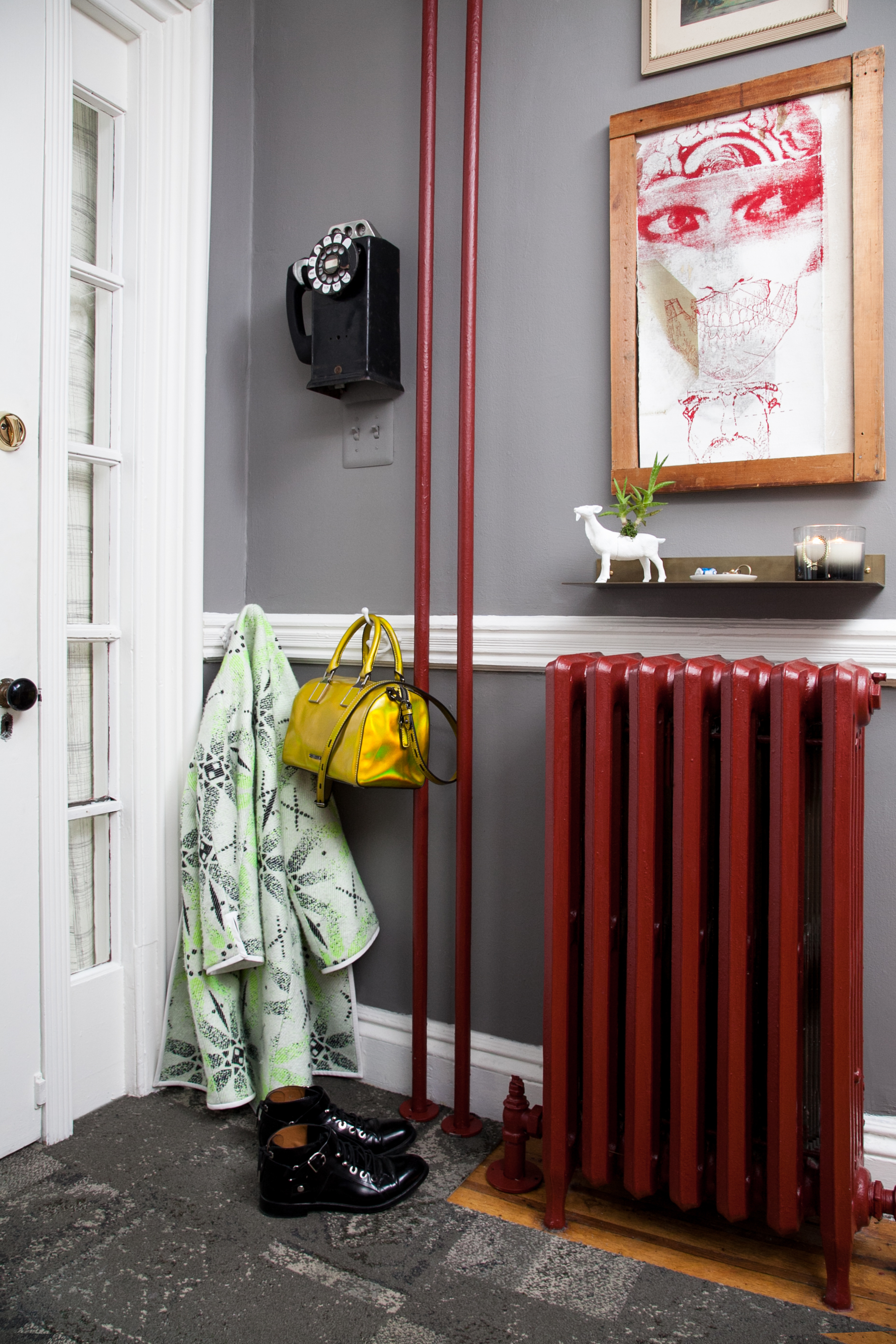
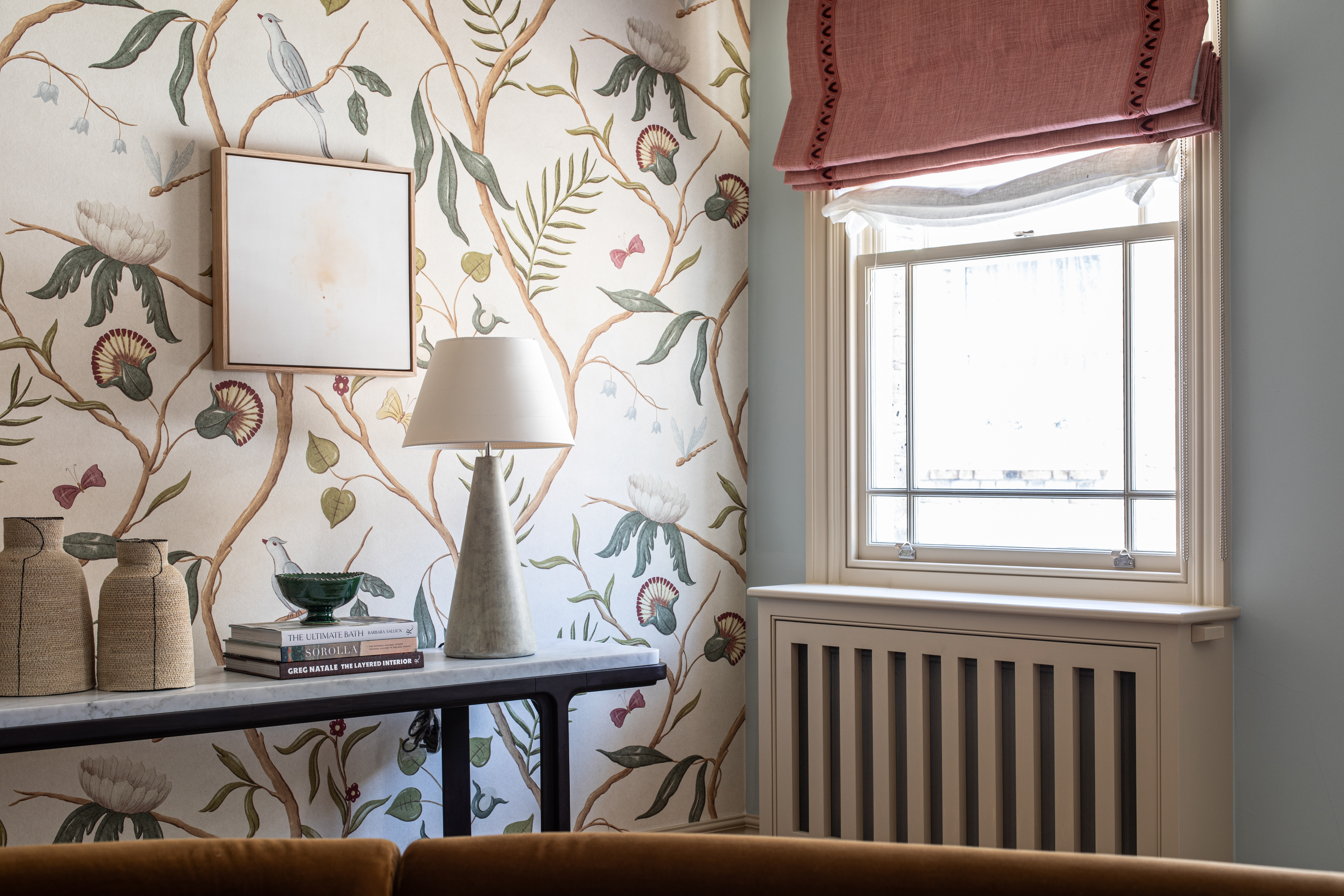
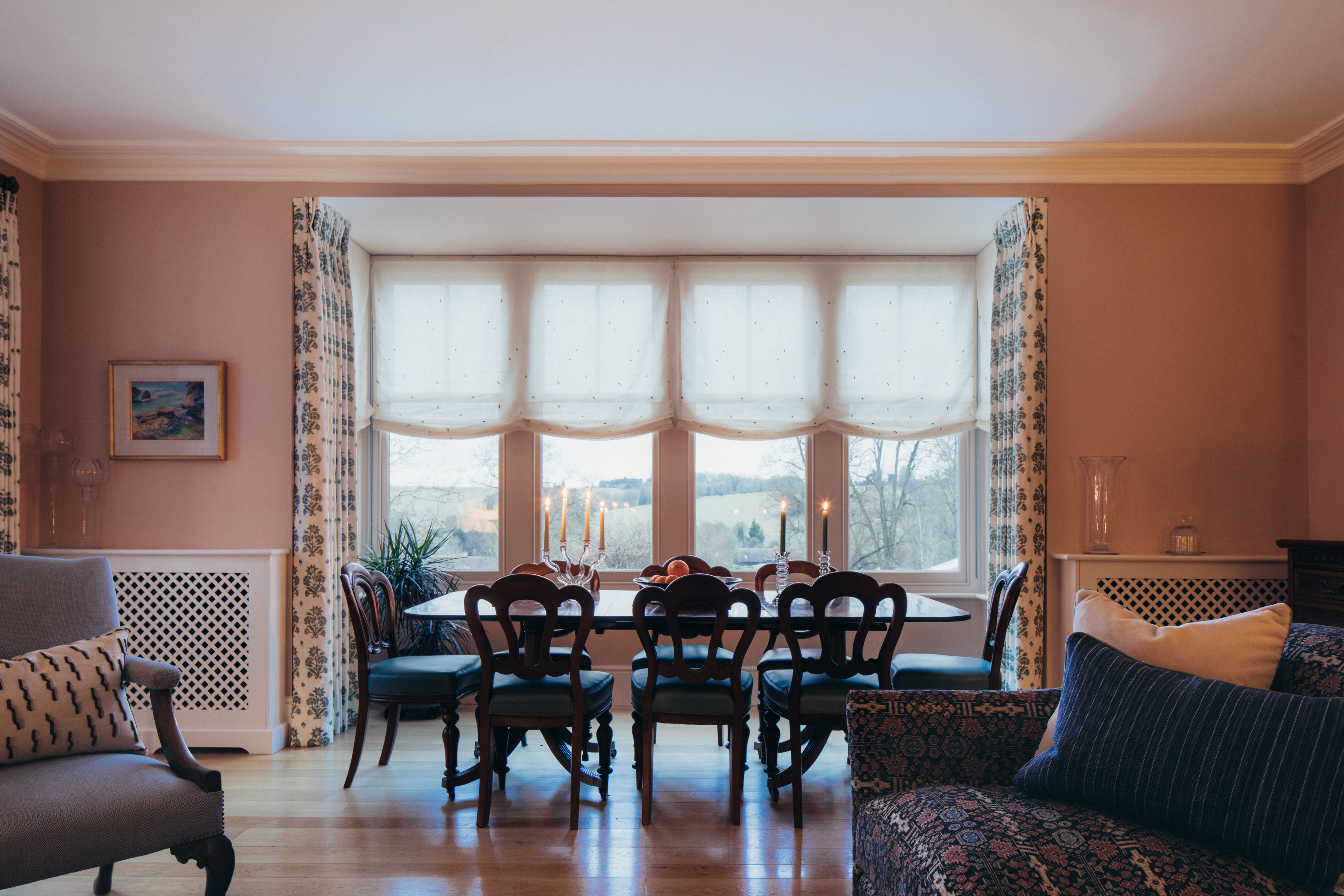
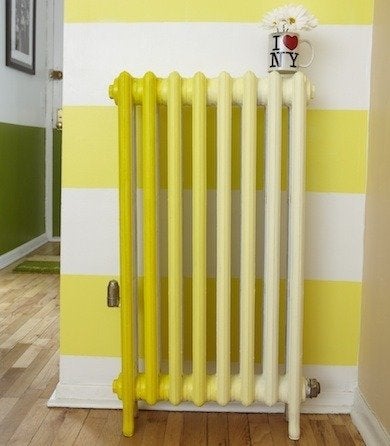
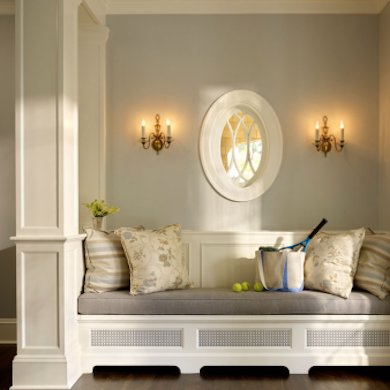
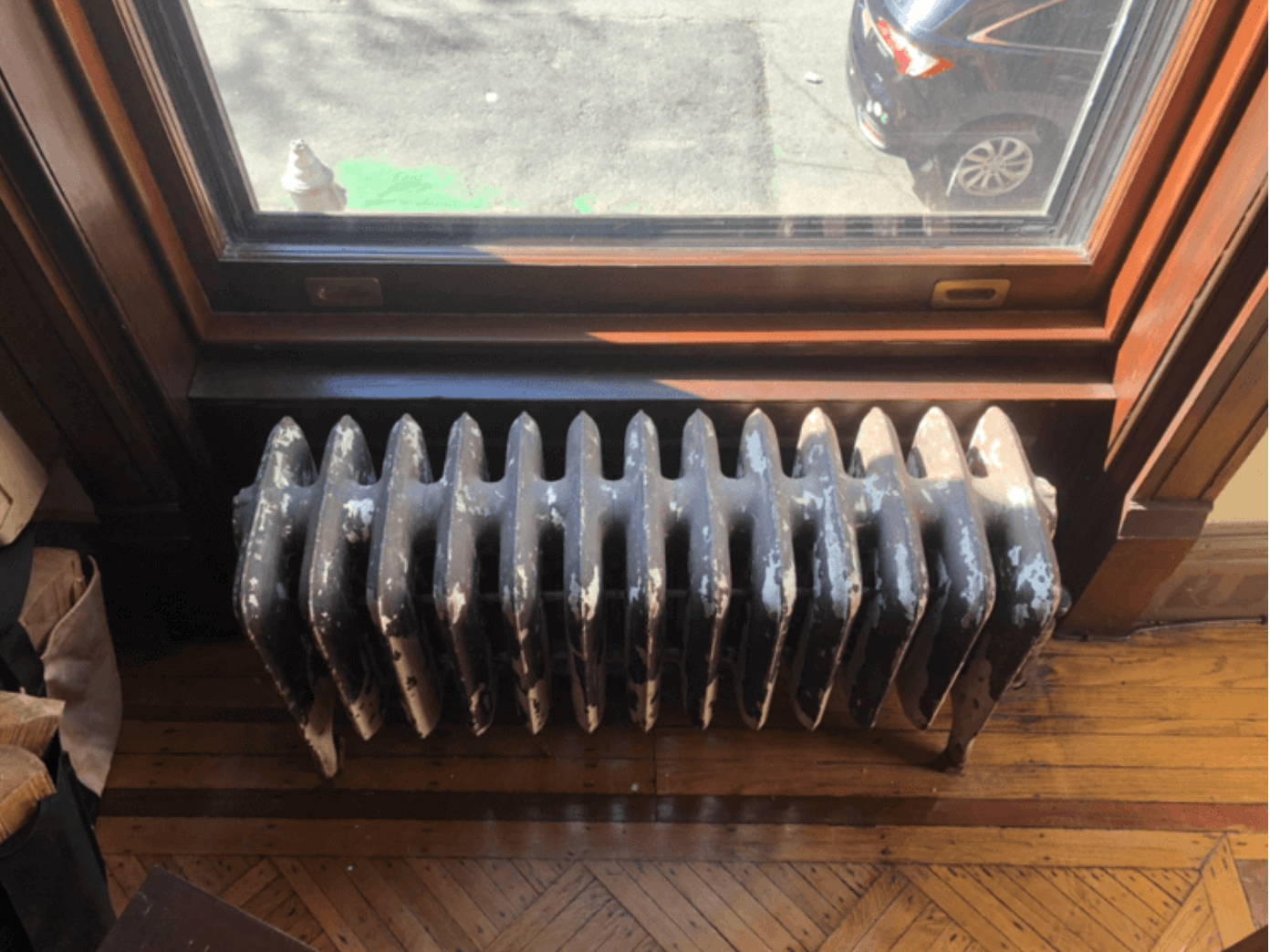
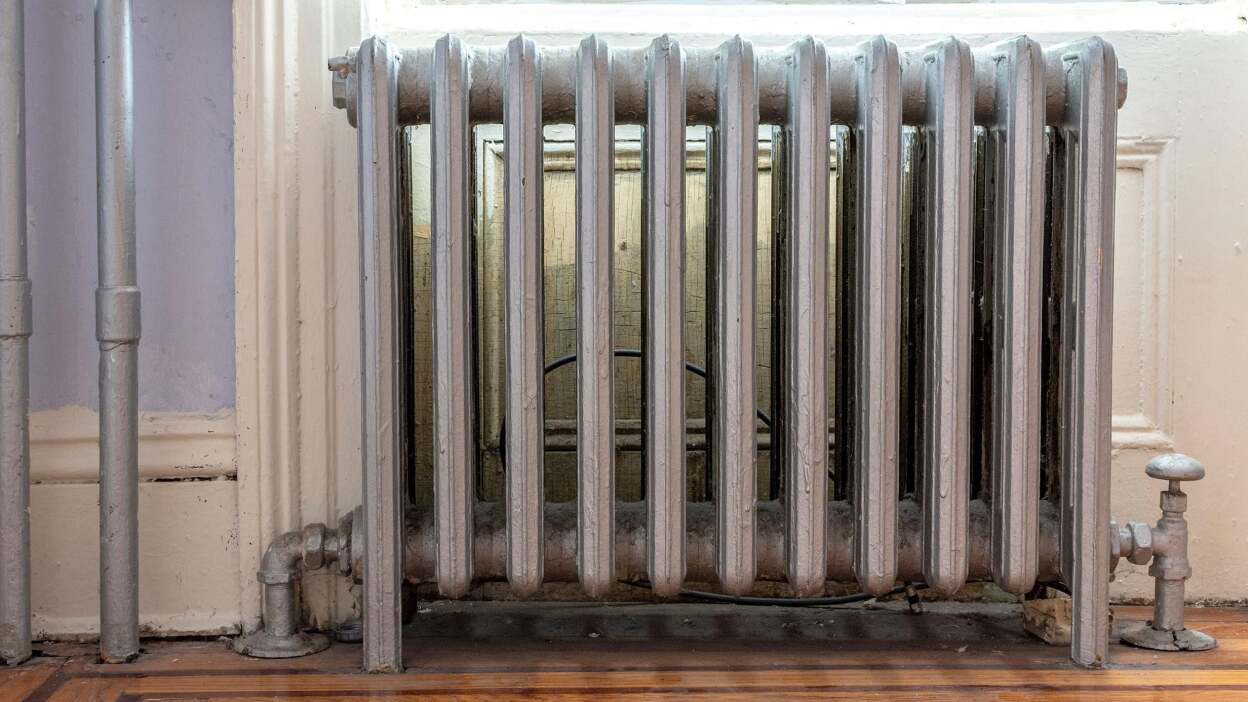
Radiators, whether steam or hot water, retain heat for an extended period even after the boiler shuts off. Many brownstones still feature their original cast-iron radiators. The choice between replacing, restoring, or concealing them under a radiator cover primarily depends on aesthetic preferences. Jacoby explains that the approach is tailored to the client's vision, the room's constraints, and the radiator's condition and style. For historic environments, she advises removing covers, cleaning, and painting existing radiators to integrate them into the interior design. However, if radiators are in poor condition, space is limited, or a more contemporary look is desired, switching them out is recommended.
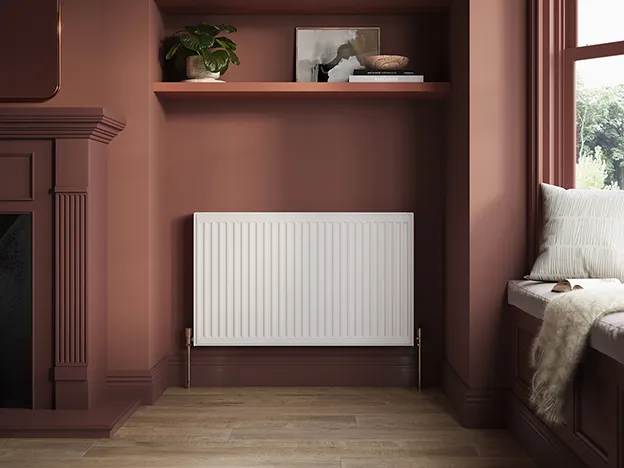
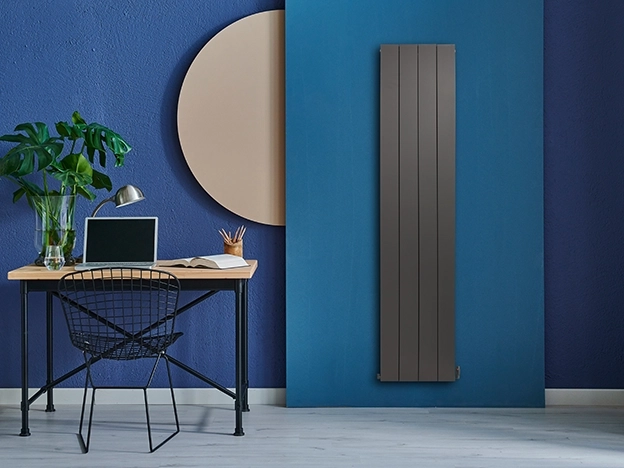
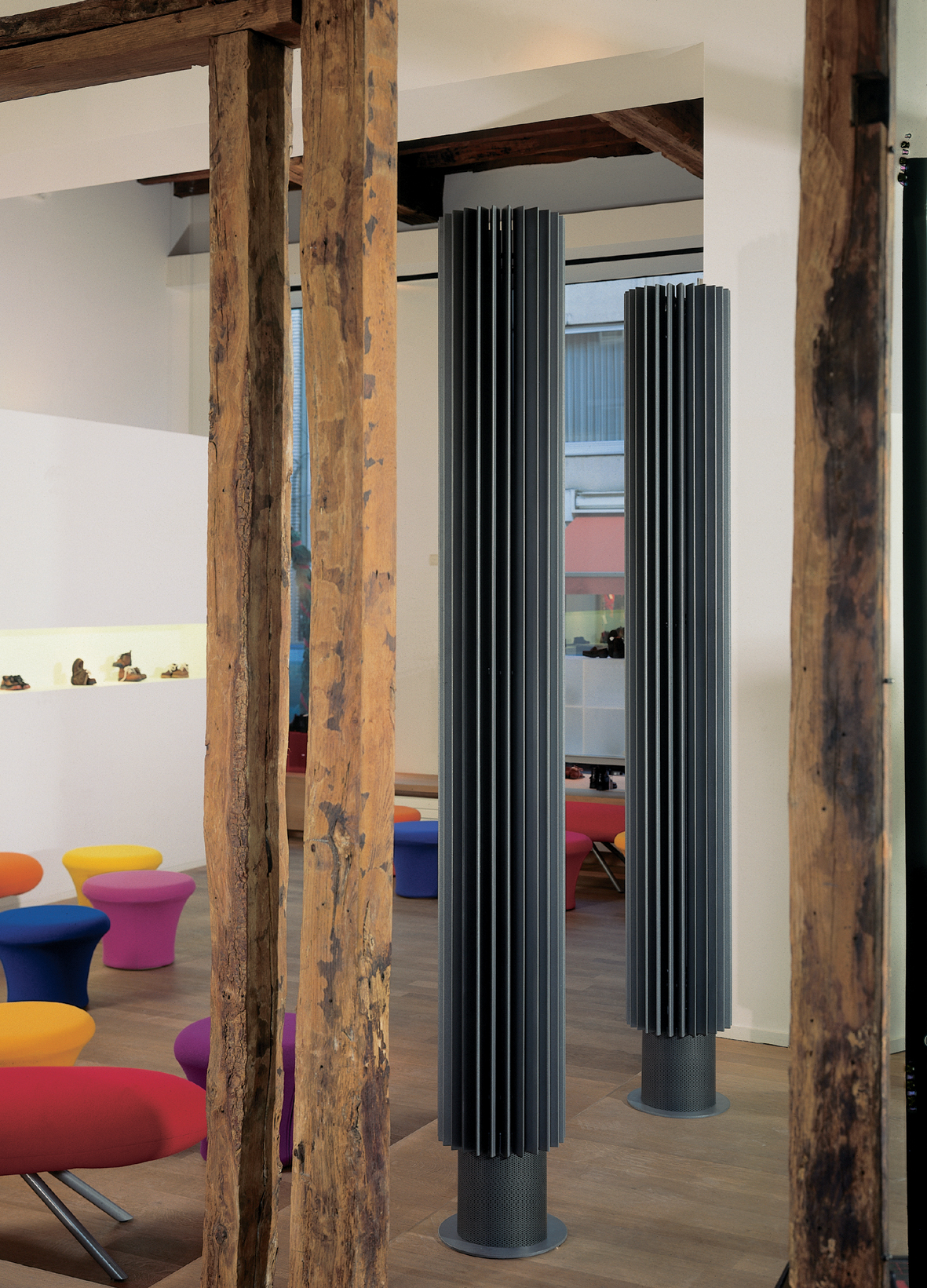
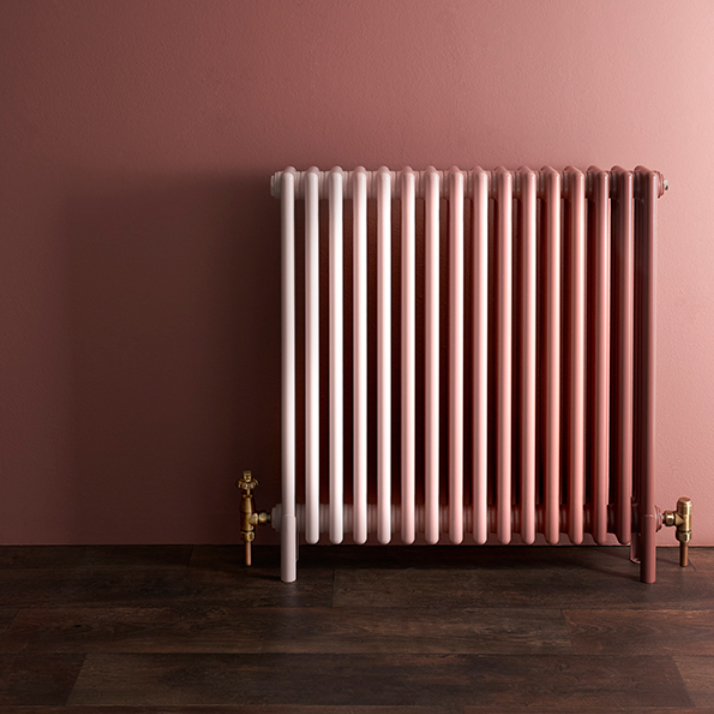
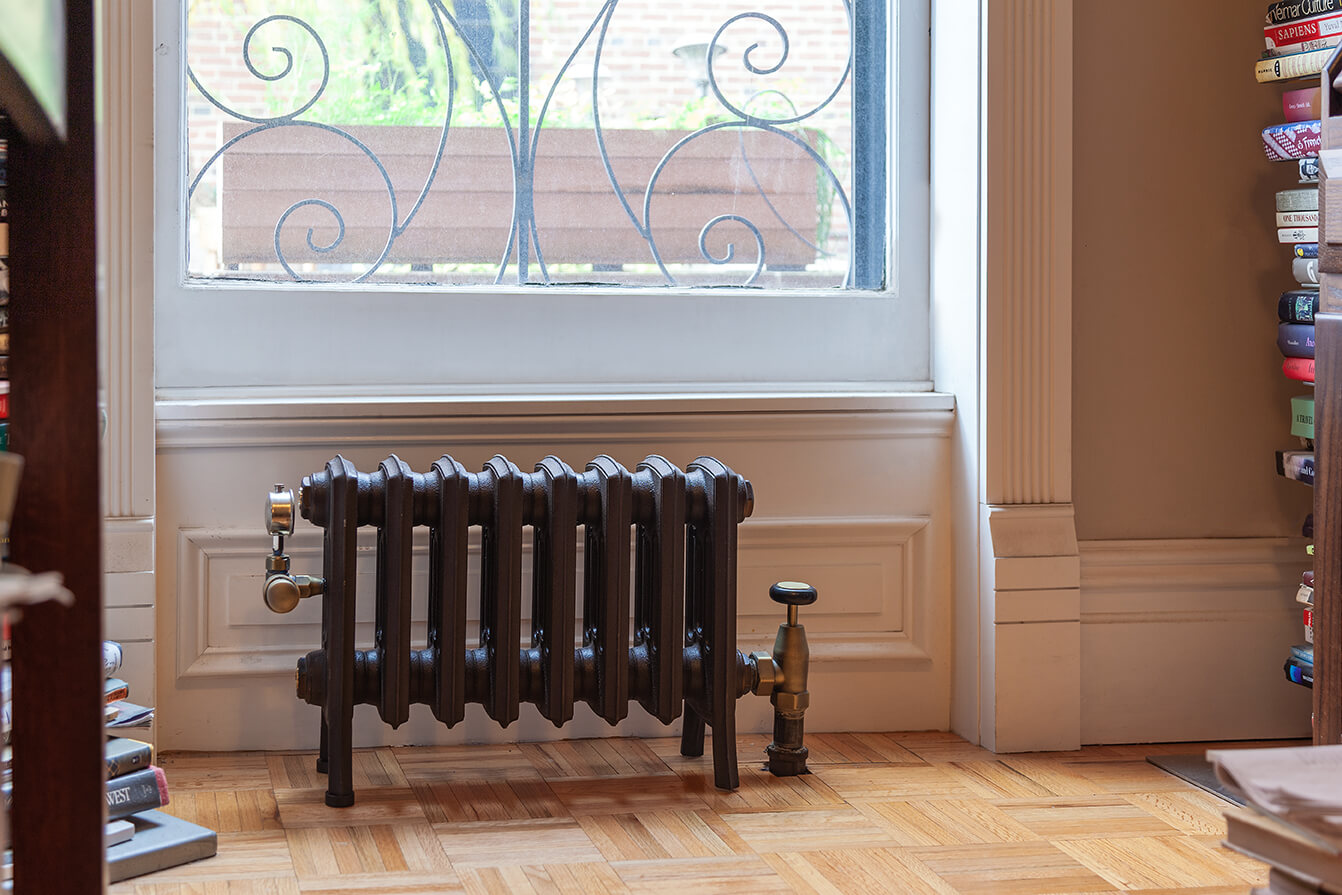
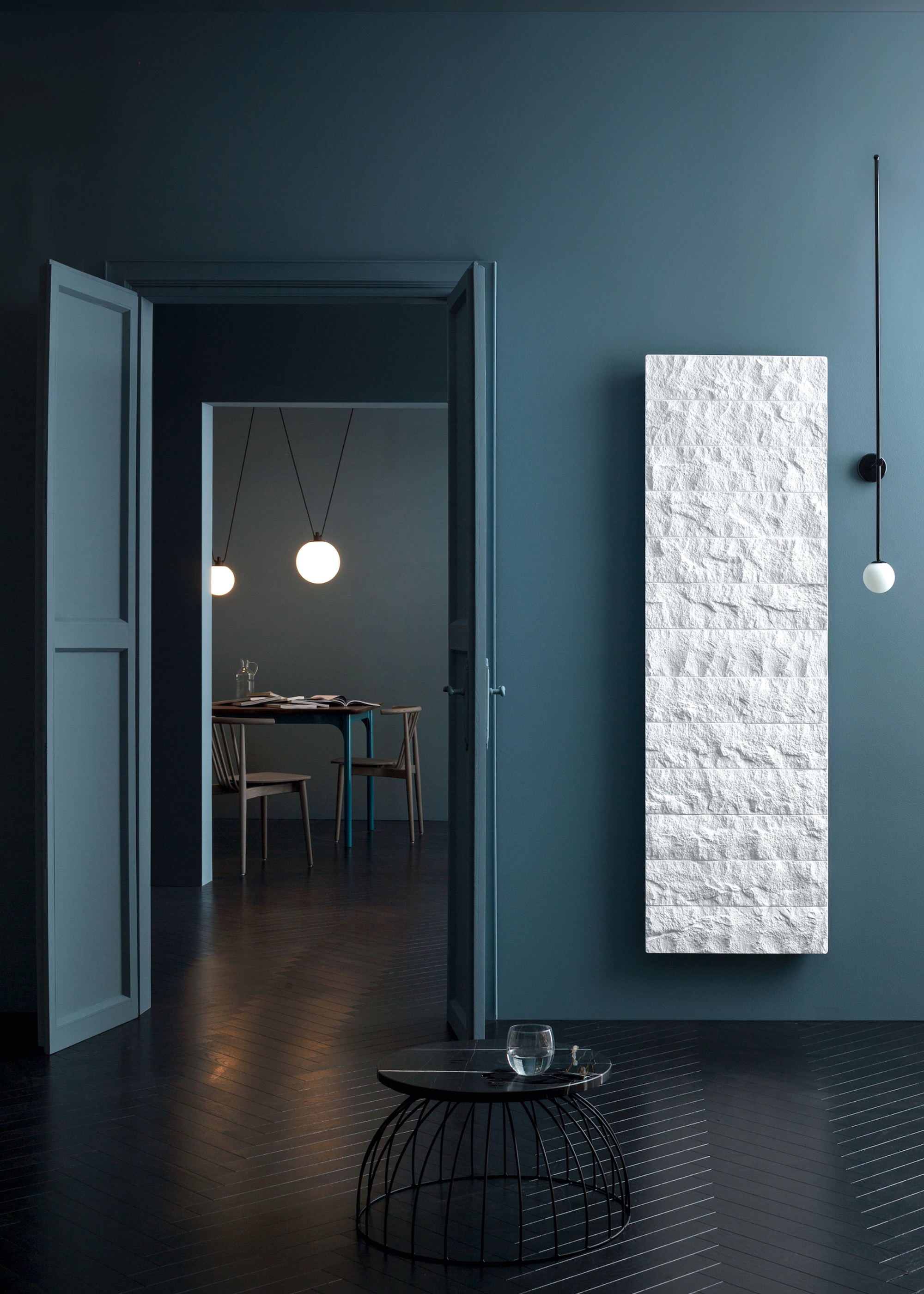
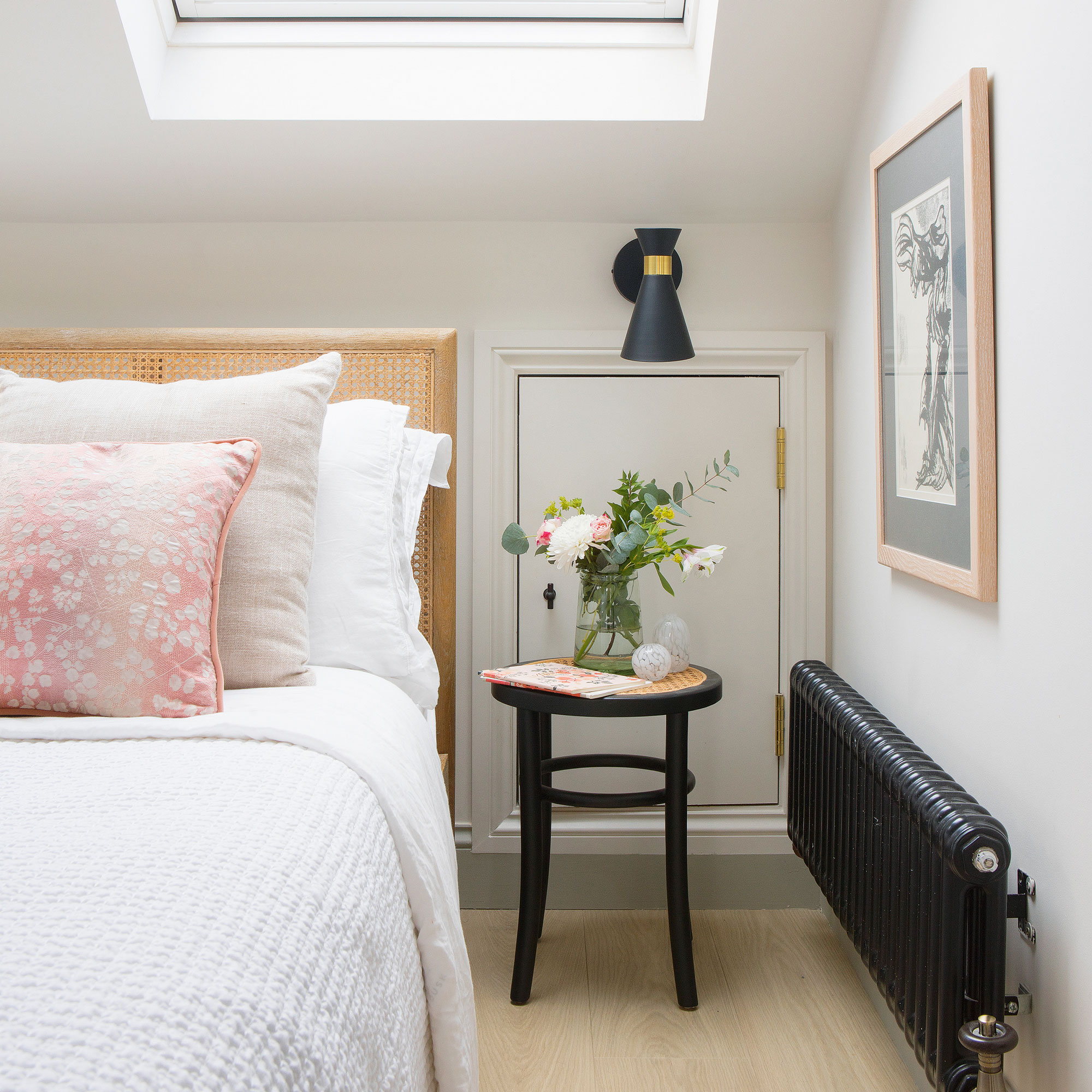
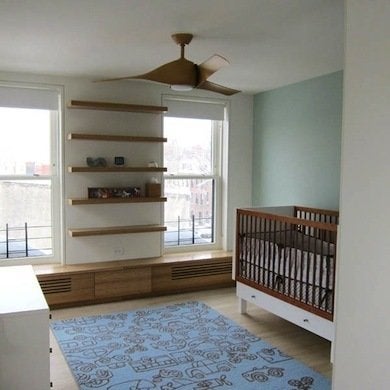
For replacements, new cast-iron radiators from brands like Governale offer a similar appearance to older models but with a slimmer profile. Runtal radiators are another option for hot water systems, known for their minimal space requirements and customizability in terms of color, allowing for optimized interior layouts. Architect Bryan Natinsky suggests moving radiators under windows and integrating them into the wall thickness, often concealed within a flushed and recessed cabinet. Natinsky also advocates for a combined heating strategy, using radiators as the primary heat source supplemented by forced-air systems to provide heat while radiators warm up. This approach balances the unique benefits of both heating methods.
#Radiator #BrownstoneRenovation #TownhouseHeating #SteamHeat #HotWaterHeat #ForcedAir #HVAC #HistoricHome #InteriorDesign #Radiator #BrownstoneRenovation #TownhouseHeating #SteamHeat #HotWaterHeat #ForcedAir #HVAC #HistoricHome #InteriorDesign
0 comment in total
 No comments yet
You may also like
How Radiant Heat Can Transform Your Home for the Better With Barron Heating, AC, Electrical & Plumbing

Castrads Helps Solve the Biggest Problem With New York City Radiators
How to hide a radiator - the expert guide to decorating tricks to help them blend in

Are Heated Floors Worth It? 2 Real Estate Pros Weigh In
Radiators

Radiant Heating
How to Fix Your Noisy Radiator Based on the Sound It’s Making


How These Pro Renovators Avoided Stripping Any Wood During This Brownstone Remodel

10 modern radiators that make a room

How to Dress Up Your Baseboard Radiator Space
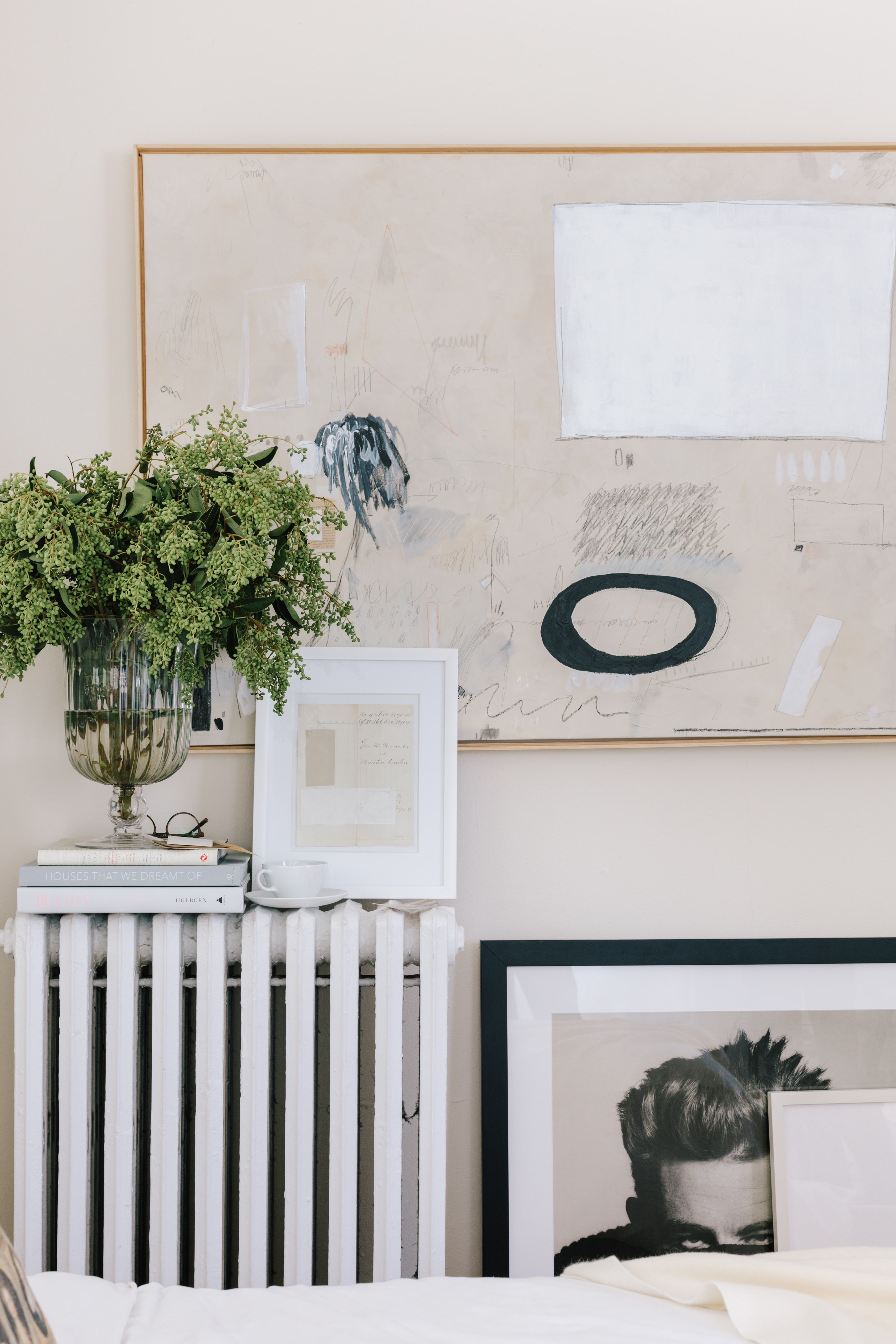
How to Transform Your Radiator from Eyesore to Eye Candy

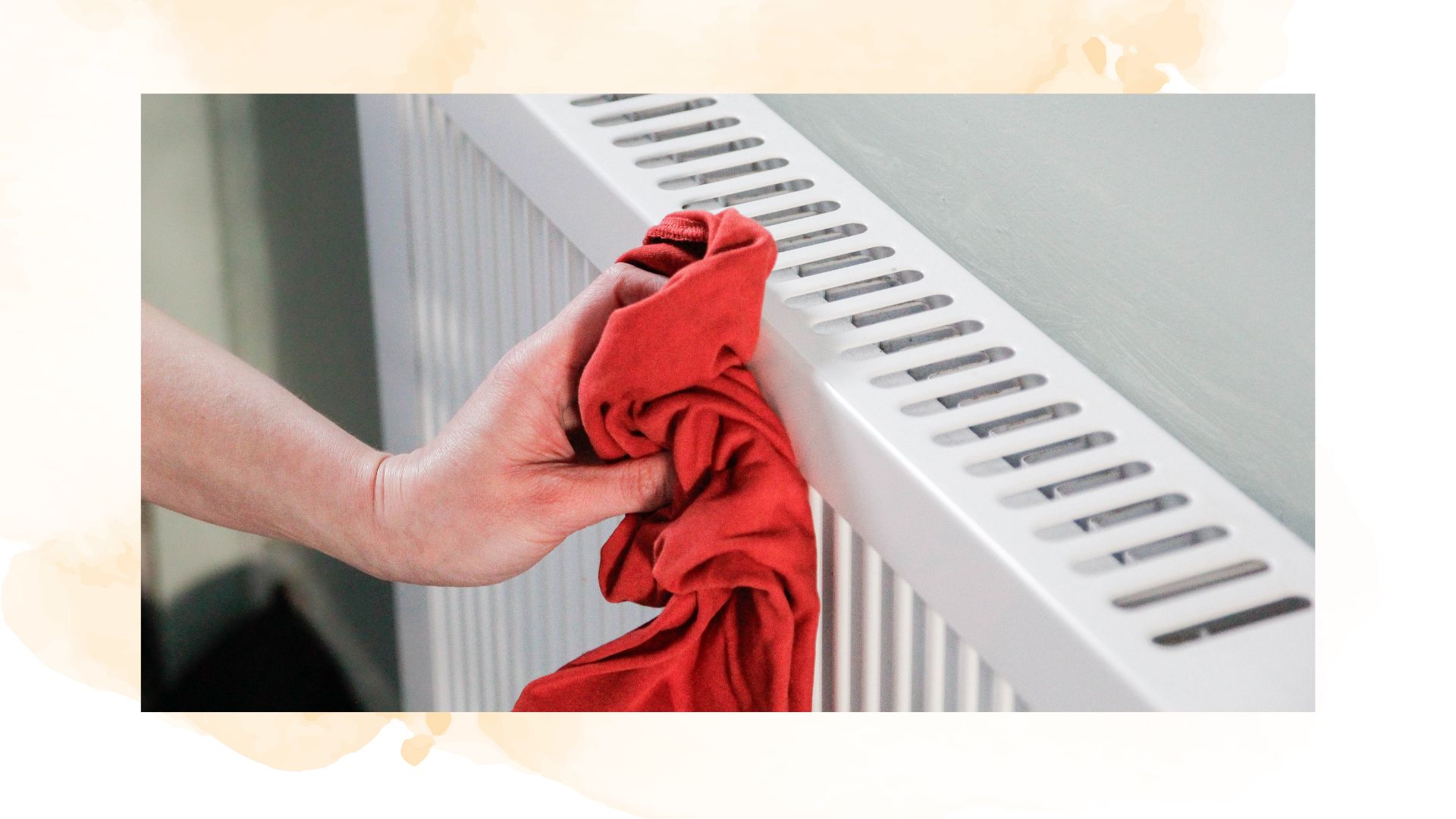
How to clean radiators inside and out – to ensure better efficiency this winter

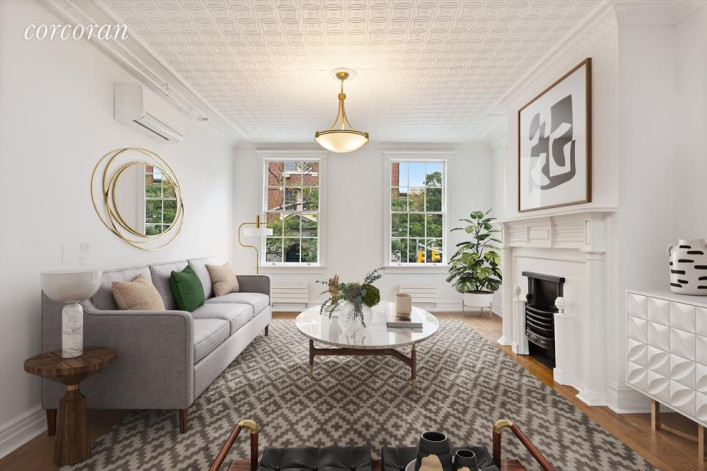
Want to upgrade the radiators in your NYC apartment or brownstone? Here are some stylish and energy-efficient options
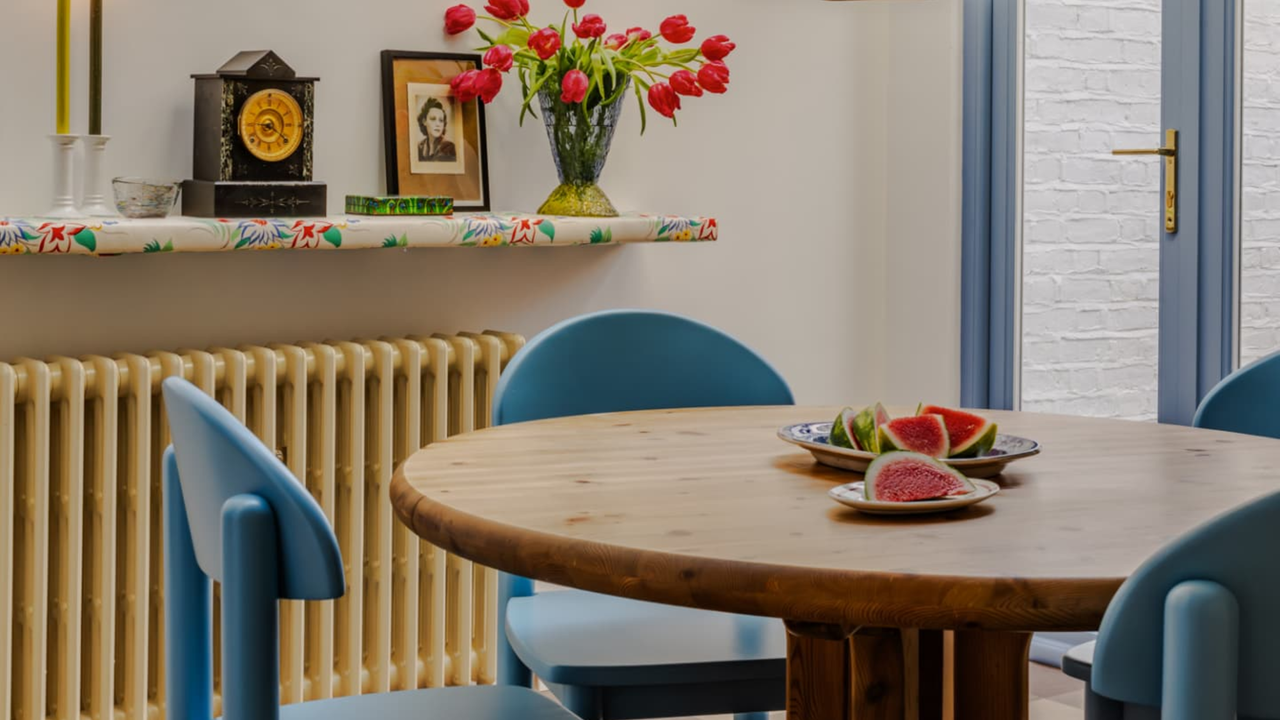
5 Ways to Make Radiators Actually Look Good —…

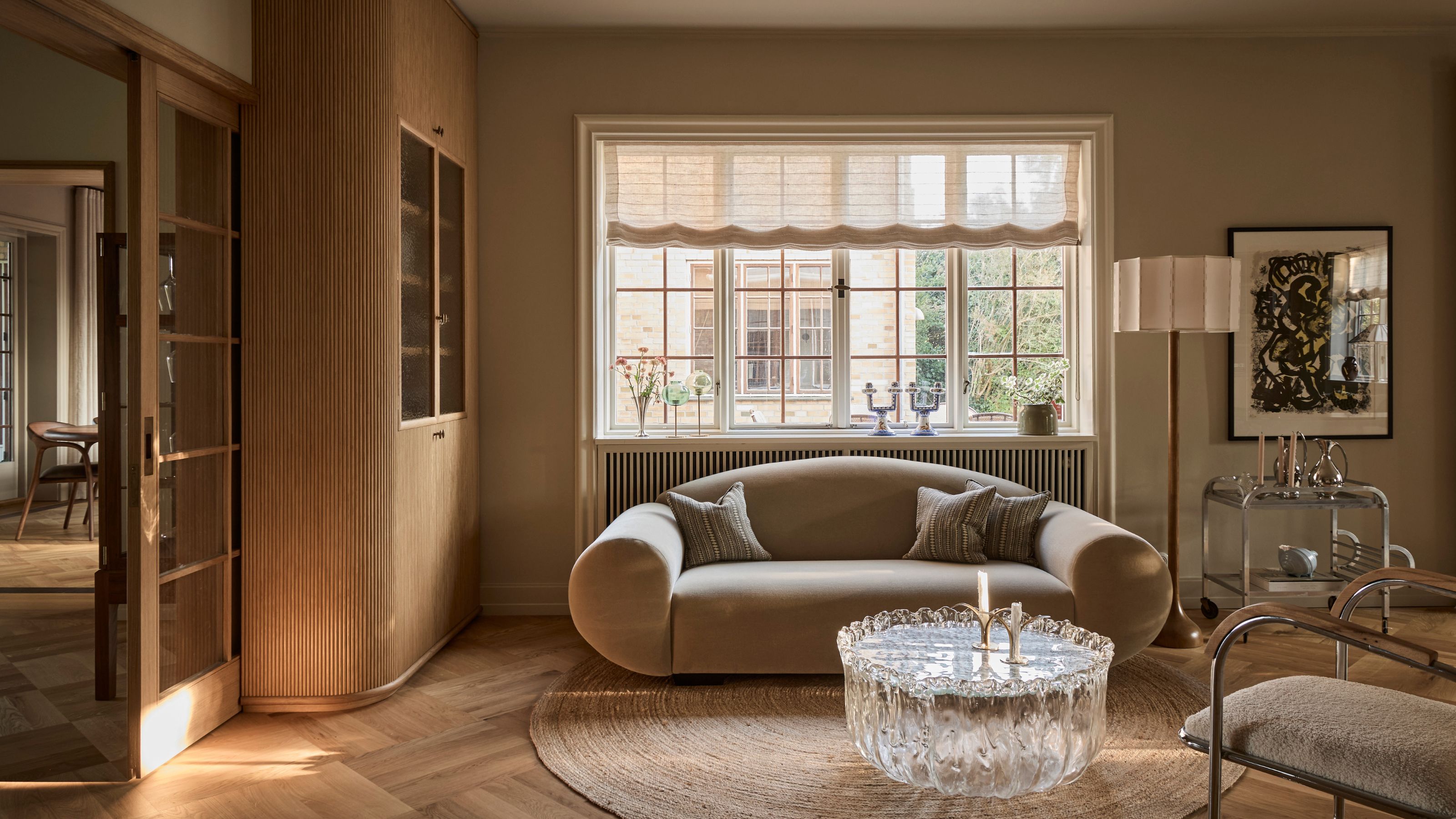
Do Radiator Covers Block Heat? Heating Experts Break It Down
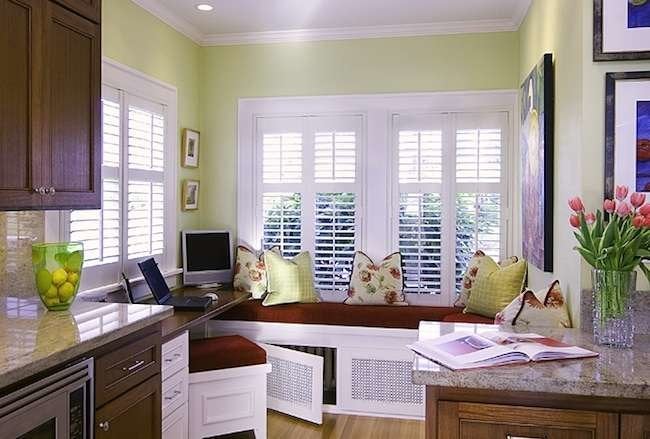
11 Stylish Ways to Enhance—or Hide—Your Radiators
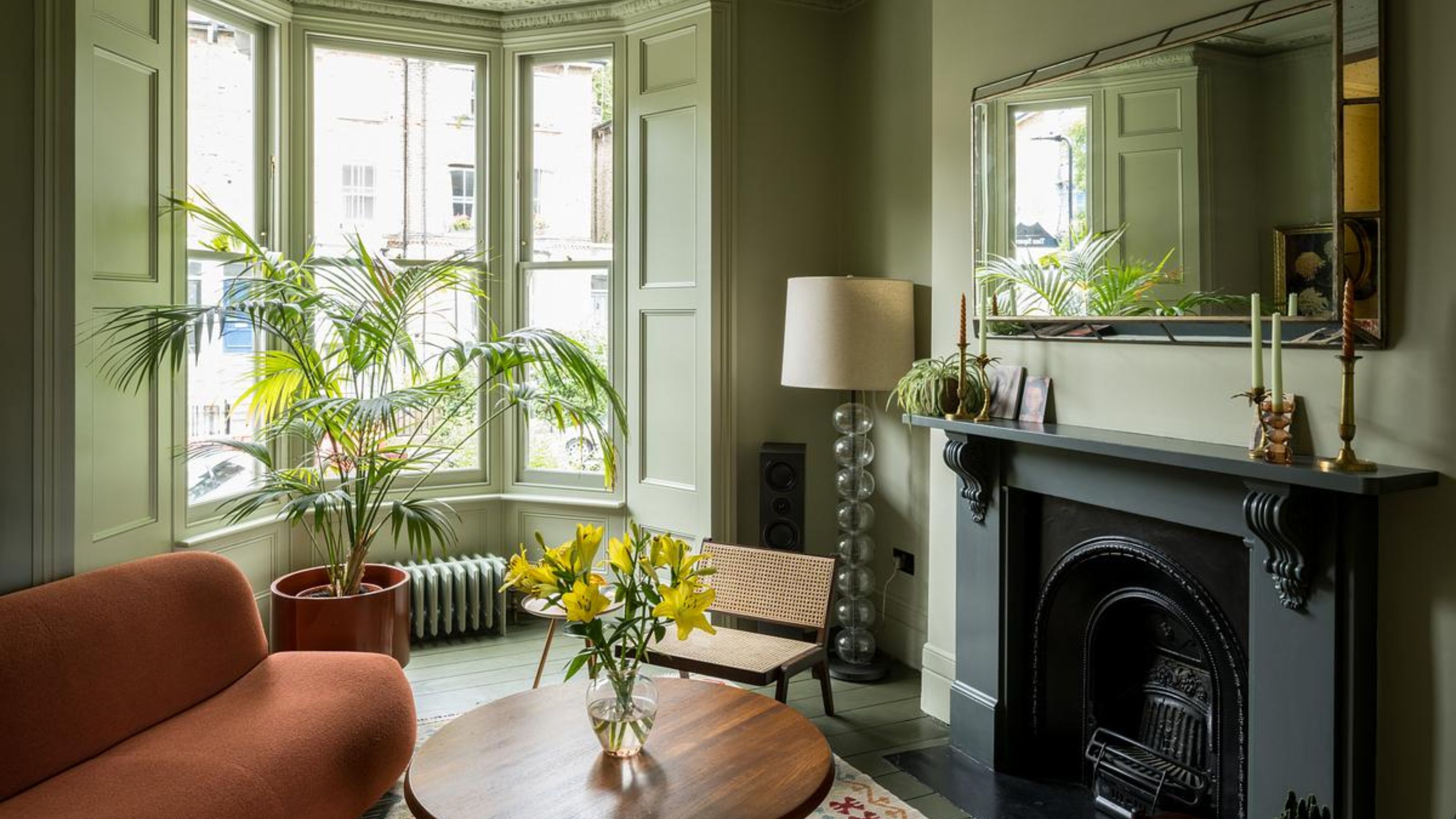
Experts Urge Homeowners to Avoid This Radiator Mistake That 'Exaggerates' How Well It Will Heat Your Home
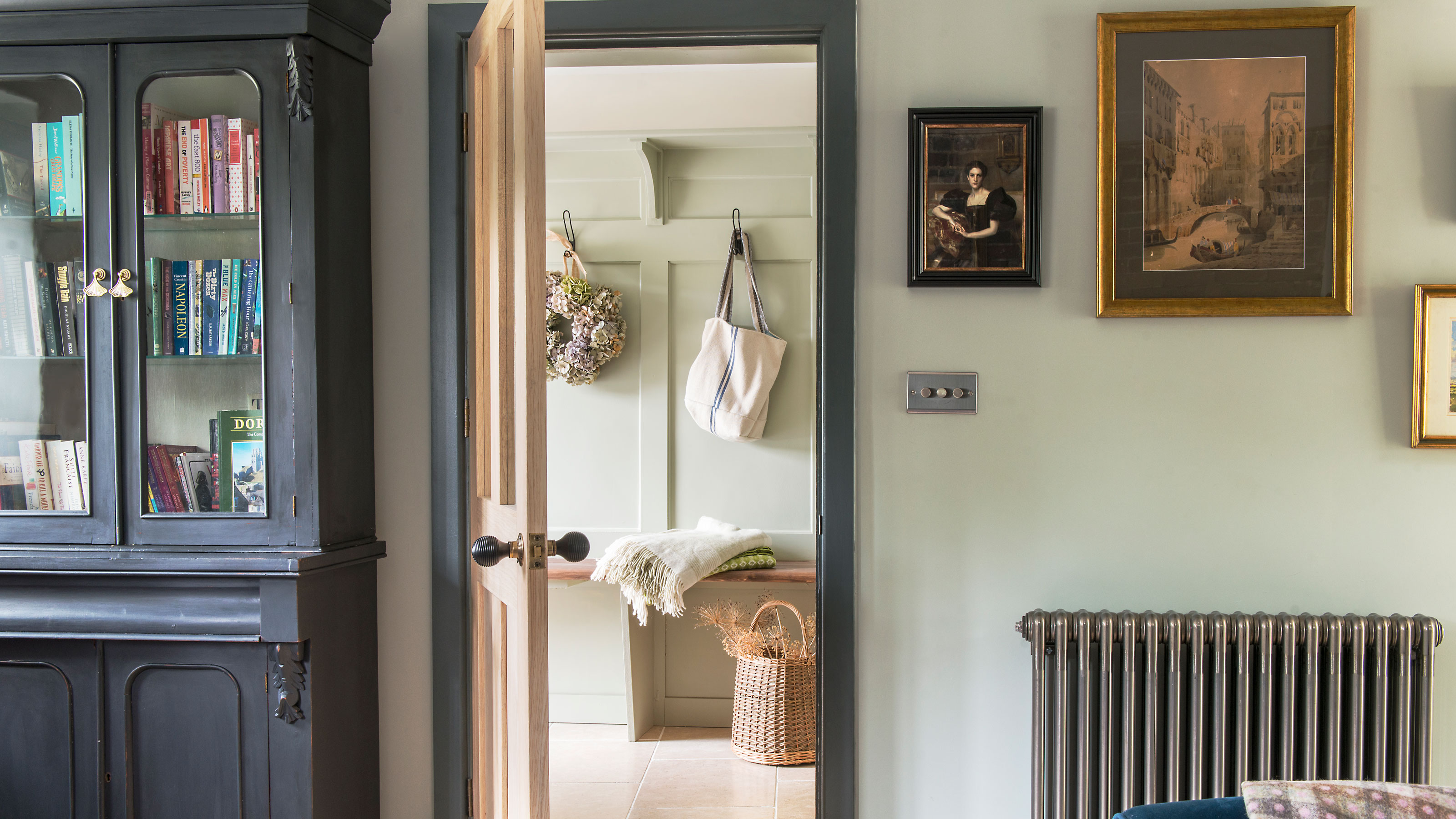
6 clever ways to make a radiator look good – there is no excuse for an ugly radiator to sabotage your scheme

Walking On New Ground
What to know before you spring for radiant heat floors