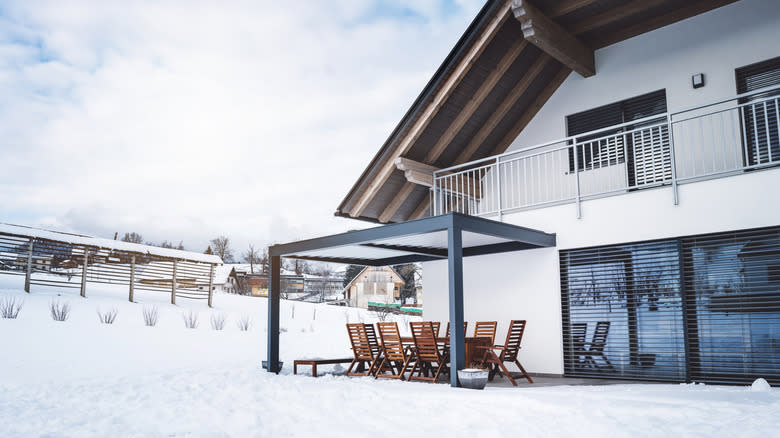
How To Clean And Maintain Your Patio During Harsh Winter Weather
The article emphasizes the importance of cleaning and maintaining patios during winter months to prevent damage and ensure a smooth transition to spring and summer usage. Harsh winter conditions, including freezing temperatures, snow, and ice, can significantly impact the longevity and appearance of outdoor spaces. Freezing and thawing cycles can lead to cracks in brick and stone, while de-icing salts can erode surfaces. Excess moisture from melted snow and ice can cause wood rot, and accumulated debris like fallen leaves can stain surfaces and make spring cleaning more arduous.
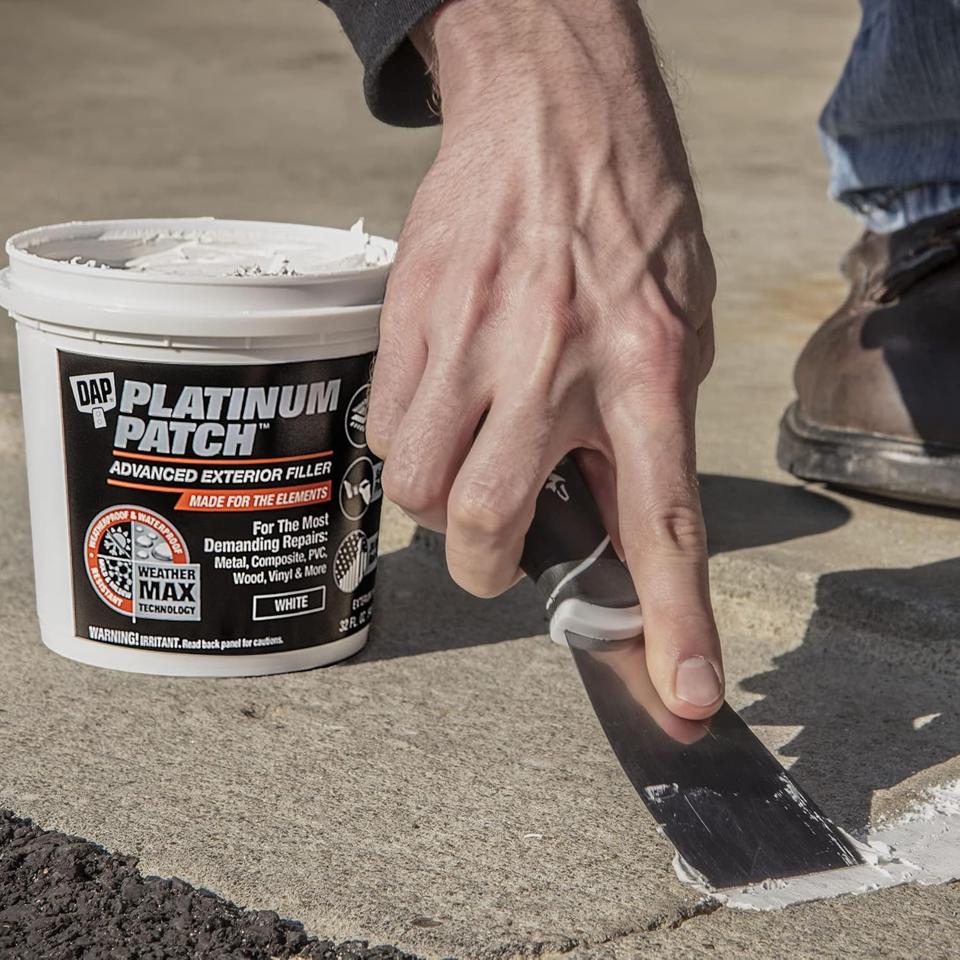
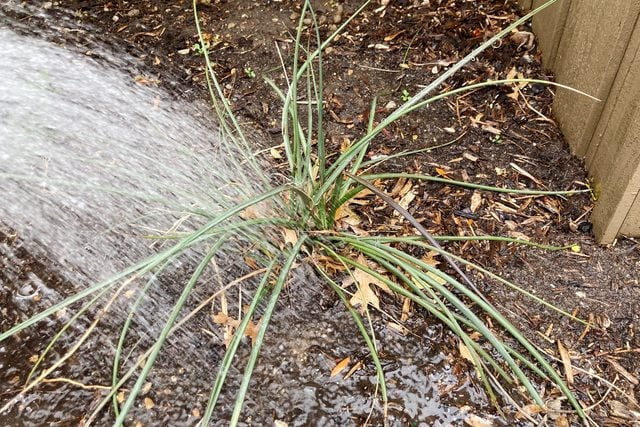
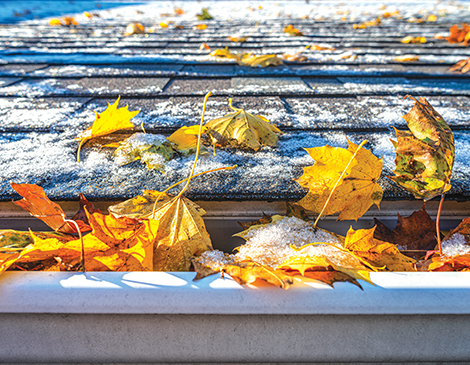
To proactively protect patios, it is recommended to begin maintenance in the fall, before the onset of cold weather. This involves inspecting the patio for existing damage, such as cracks in concrete or masonry, and repairing them to prevent further deterioration in freezing conditions. Addressing these issues early can prevent more extensive and costly repairs later. Furthermore, it is crucial to examine the surrounding areas for potential water pooling or standing water by checking for holes in the yard and ensuring gutters and downspouts are clear and functional. This helps manage meltwater and prevents it from exacerbating patio damage.
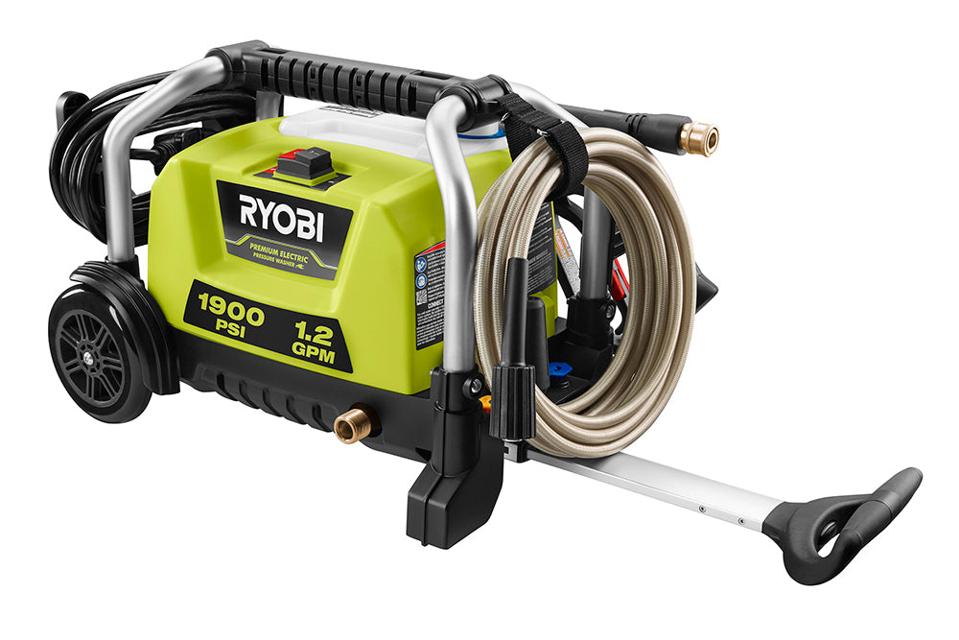
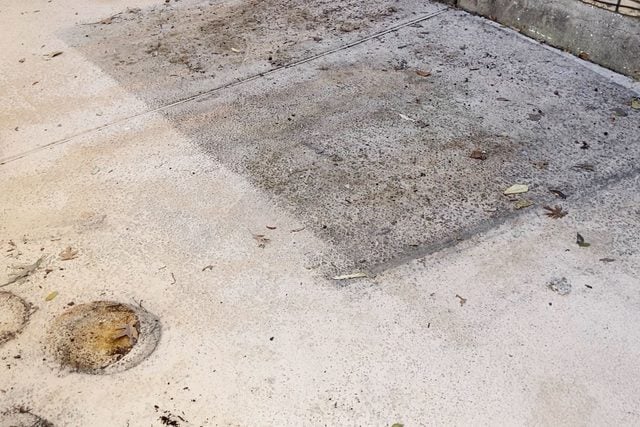
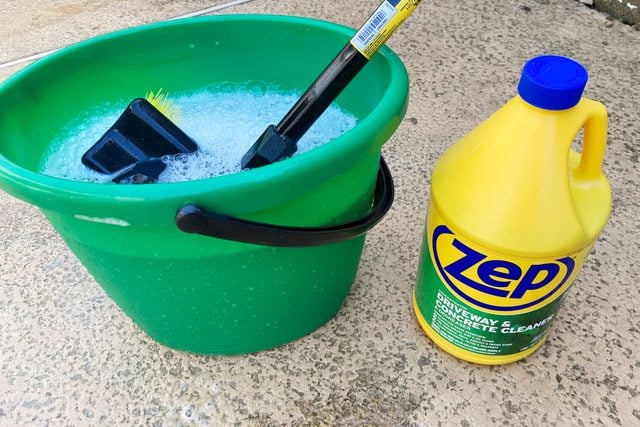
Regular debris removal is also highlighted as a key preventive measure. Even if the patio is not in active use during winter, leaves left to accumulate can cause stains. Allowing grime and debris to build up over several months complicates spring cleaning. Therefore, on warmer winter days, it is advisable to clear furniture, sweep away debris, and perform a deep clean using a patio-safe cleaning solution. This should only be done when there is no risk of freezing, to avoid creating new hazards or damage.
For areas experiencing frequent freezing weather or heavy snowfall, additional precautions are necessary. While deicers can be used, selecting patio-safe alternatives is crucial, as excessive salt or calcium chloride can accelerate the erosion of concrete and masonry. Using a light application of deicers or opting for natural friction-enhancing materials like coffee grounds or sand can effectively manage icy conditions without causing harm to the patio surface. When removing snow, it is recommended to use a plastic shovel or a snow blower instead of a metal shovel, as metal tools can scratch and damage the patio. Safety during snow and ice removal is paramount, and individuals should exercise caution to prevent slips and falls. By following these steps, homeowners can preserve their patio’s condition, extend its lifespan, and ensure it remains ready for use when warmer weather returns.
#PatioMaintenance #WinterPreparation #OutdoorSpace #HomeCare #ColdWeather #SnowRemoval #Deicing #SurfaceProtection #PatioMaintenance #WinterPreparation #OutdoorSpace #HomeCare #ColdWeather #SnowRemoval #Deicing #SurfaceProtection
0 comment in total
 No comments yet
You may also like

How To Clean And Prepare Your Patio For Warmer Months Ahead

How To Clean a Concrete Patio


How to clean garden furniture to keep your pieces looking brand-spanking new

How to Clean and Care for Your Outdoor Furniture Throughout the Year

Don't ruin your patio! 7 steps experts say you must take before the first frost


How to Keep Exterior Green Walls Alive in the Winter
How to Clean Your Concrete Patio So It Looks Brand New
19 Ways to Make Your Front Porch More Inviting in Winter


Winter Deep-Clean: 5 Things Pros Never Forget in December


How to Transition From Fall Cleanup to Winter Care Tips for a Smooth Seasonal Shift

One Designer on How to Make Your Screened-In Porch Usable This Winter
Is Your Home Ready for Another Cleveland Winter? How to Winterize in Northeast Ohio


How to Properly Store and Winterize Outdoor Furniture


How to clean a patio – 6 different methods, and when you must use a chemical cleaning agent

How to clean outdoor furniture – 3 simple steps for wood, metal, resin and rattan

Eight top tips to banish condensation this winter - starting with sleeping with your curtains open

How to clean radiators inside and out – to ensure better efficiency this winter

Winter garden ideas – 20 ways to a beautiful winter backyard
Garden Designers Share Simple Yet Stylish Ways to Spruce Winter Containers
6 Outdoor Fixes You Should Do Now for a Damage-Free Spring, Home Reno Pros Say