How to Transition From Fall Cleanup to Winter Care Tips for a Smooth Seasonal Shift
The transition from fall to winter requires thoughtful care of outdoor spaces to ensure plants and soil remain healthy and robust for the spring growing season. This comprehensive guide outlines key steps for fall cleanup and winter preparation, covering everything from plant maintenance to tool care and wildlife support.
One crucial step is the removal of dead annuals. As these plants complete their life cycle in autumn, their decaying matter can attract pests and diseases that might otherwise persist into spring. Eliminating diseased plant material, in particular, prevents the spread of pathogens, protecting other plants and maintaining overall garden health. Proper disposal, typically in the trash rather than compost, is advised for diseased plants.
For perennials, cutting back dead leaves and stems in the fall is generally beneficial, promoting new growth in the spring. However, ornamental grasses are an exception; leaving them standing through winter adds visual interest to the landscape and provides crucial shelter for birds and other wildlife. These grasses can be cut back in late winter or early spring, or in the fall in areas prone to wildfires, leaving several inches above the ground to protect their roots. This period is also an opportune time for dividing overgrown grasses.
Fallen leaves, rather than being discarded, can be a valuable resource for soil nourishment. Raking and composting leaves, especially after shredding, creates nutrient-rich organic matter that enriches the soil, reducing waste and improving soil structure.
Mulching is another essential winter preparation. A 2 to 4-inch layer of mulch helps regulate soil temperature, preventing root freezing and minimizing moisture loss during the dry winter months. Materials like leaves, shredded bark, or wood chips can be used, applied a few inches away from plant stems to deter pests and diseases.
Before storing garden tools for winter, thorough cleaning and sharpening are vital. Removing dirt, scrubbing rust, and sharpening blades ensure tools are ready for spring tasks and prolong their lifespan. Metal parts should be oiled, and wooden handles treated with linseed oil to prevent cracking, with tools stored in a dry, elevated location.
Delicate shrubs often require additional protection from frost and cold winds. Wrapping them loosely with burlap, secured with twine, after the first hard frost but before deep winter, can prevent damage. The burlap should be removed in early spring as temperatures rise.
Properly draining and storing garden hoses is important to prevent damage from freezing water. Hoses should be coiled loosely and stored indoors or in a covered outdoor area away from direct exposure to elements.
Planting cover crops, such as clover, in late summer or fall, enriches the soil by adding nitrogen and organic matter. Cover crops also prevent erosion, suppress weeds, and improve soil structure, providing a head start for the next growing season.
Potted plants, being particularly vulnerable to cold, should be brought indoors before the first frost. They should be placed in a bright, sunlit spot away from drafts, and checked for pests before transitioning inside.
Supporting local wildlife, especially birds, during winter is also a beneficial practice. Setting up bird feeders with high-calorie foods like sunflower seeds and suet, ensuring access to fresh water, and regular cleaning of feeders helps birds survive the colder months.
Understanding how soil and plants respond to colder temperatures is key. Soil activity, including microbial breakdown of organic matter, slows down, and many plants enter dormancy. Mulching helps maintain stable soil temperatures and protects roots from frozen ground. Managing moisture is crucial; deep watering in late fall helps hydrate plants before the ground freezes, while avoiding heavy watering immediately before a frost prevents damage. Draining irrigation systems and clearing debris also contribute to successful winter preparation. Adjusting garden maintenance by protecting perennials and shrubs, transitioning irrigation practices to less frequent watering, and performing a final lawn care routine—including a low mow, leaf removal, and appropriate fertilization—ensures the garden remains healthy until spring.
#WinterGardenCare #FallCleanup #SeasonalGardening #PlantProtection #SoilHealth #GardenMaintenance #WildlifeSupport #GardeningTips #WinterGardenCare #FallCleanup #SeasonalGardening #PlantProtection #SoilHealth #GardenMaintenance #WildlifeSupport #GardeningTips
0 comment in total
 No comments yet
You may also like

10 things to declutter in March that will banish any clutter-tastic remnants of a chilly winter spent indoors


8 Simple Styling Swaps to Take Your Home from Summer to Fall

I'm a lazy seasonal decorator, but these are the 6 things I always do to make my home feel a little more cozy come fall

How to make the switch from summer to winter curtains: Refresh your home this season | Hindustan Times


Winter Deep-Clean: 5 Things Pros Never Forget in December

6 Tricks for Storing Bulky Winter Clothes Away Without Eating Up All of Your Closet Storage Space


6 Things Pro Organizers Throw Out of Their Entryway Before Fall Starts—and You Should Too

Garden Designers Share Simple Yet Stylish Ways to Spruce Winter Containers

I asked professional organizers for the best winter storage tips for your living room and we love these 7 smart ideas

Closet organization tips for a seamless sweater weather transition

The Seasonal Reset: 38 Easy Fall Updates for Max Coziness


The winter bedroom reset: How to sleep better this season

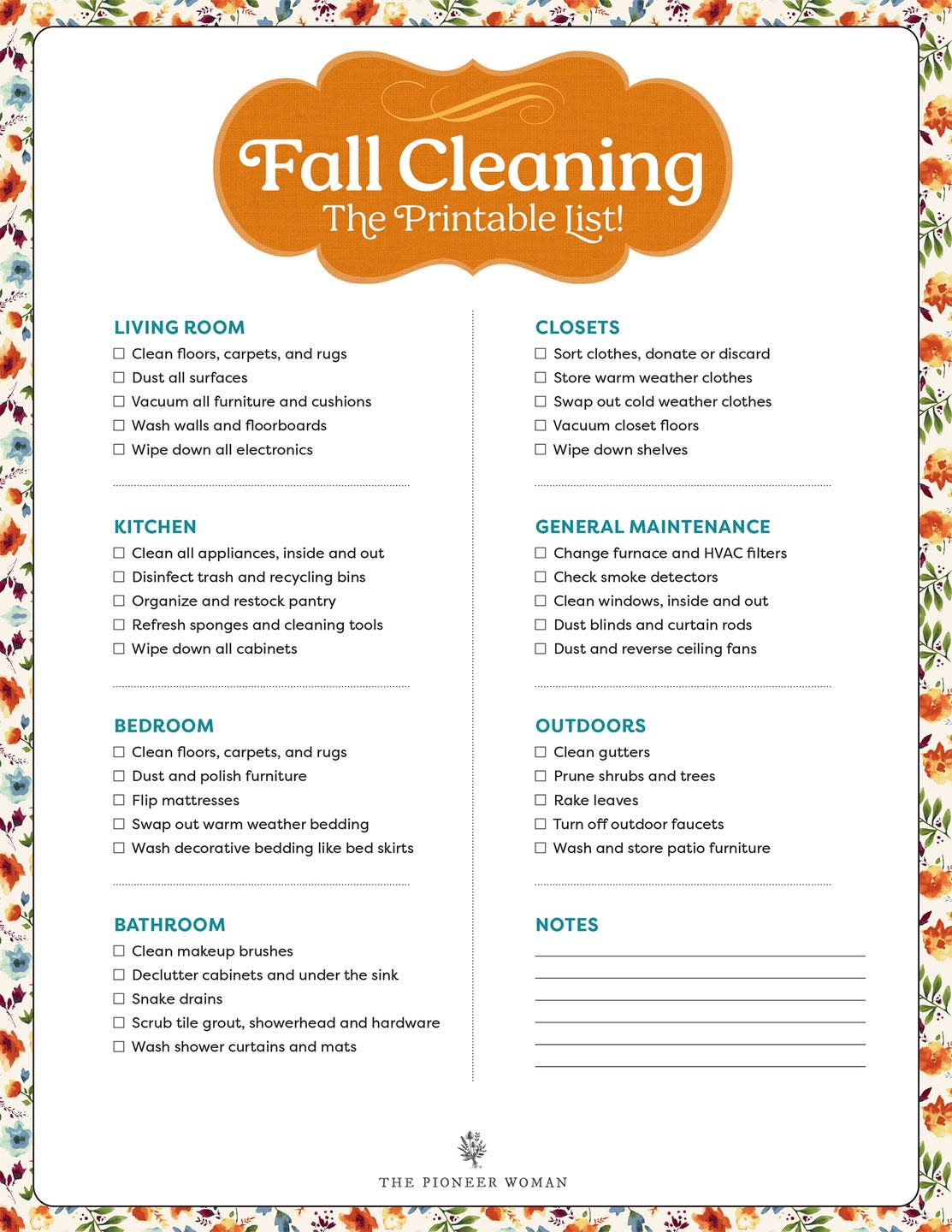
Yes, You Should Be Fall Cleaning―Here's a Handy Dandy Checklist

Feng shui tips to tweak your wealth, career, and health this month

It's Time to Prepare Your Home for Winter With These 10 Quick, Easy Ways

Clever storage ideas to help organize every room in your home

How long should you leave up your fall decor? We asked the experts when it's time to start to shift from fall to festive
Hey! Here’s how to go from hot girl summer to cozy girl fall


Fall Is the Perfect Time to Change Your Garden’s Flow—Here’s How to Do It

How To Transition Your Home Into Fall