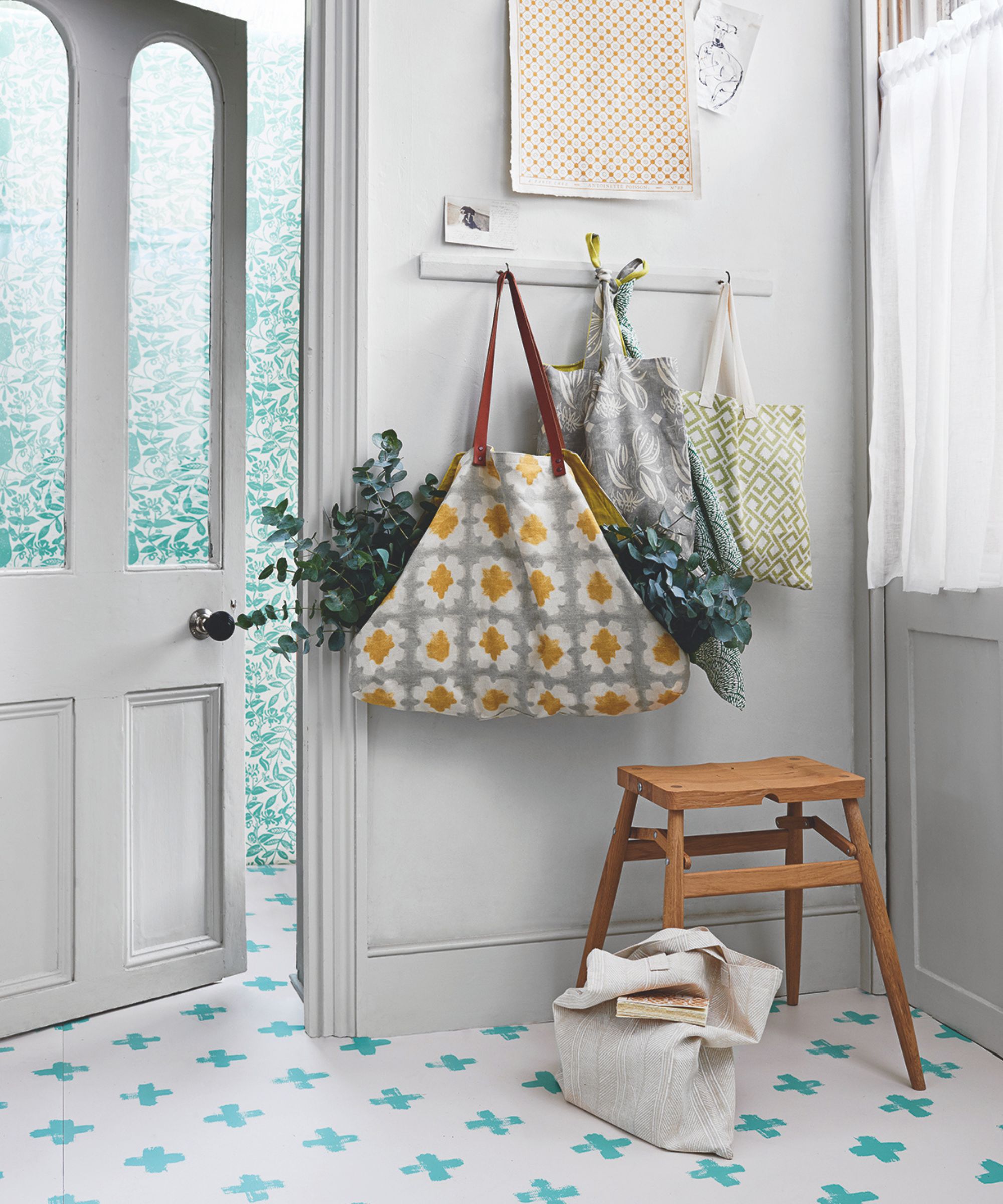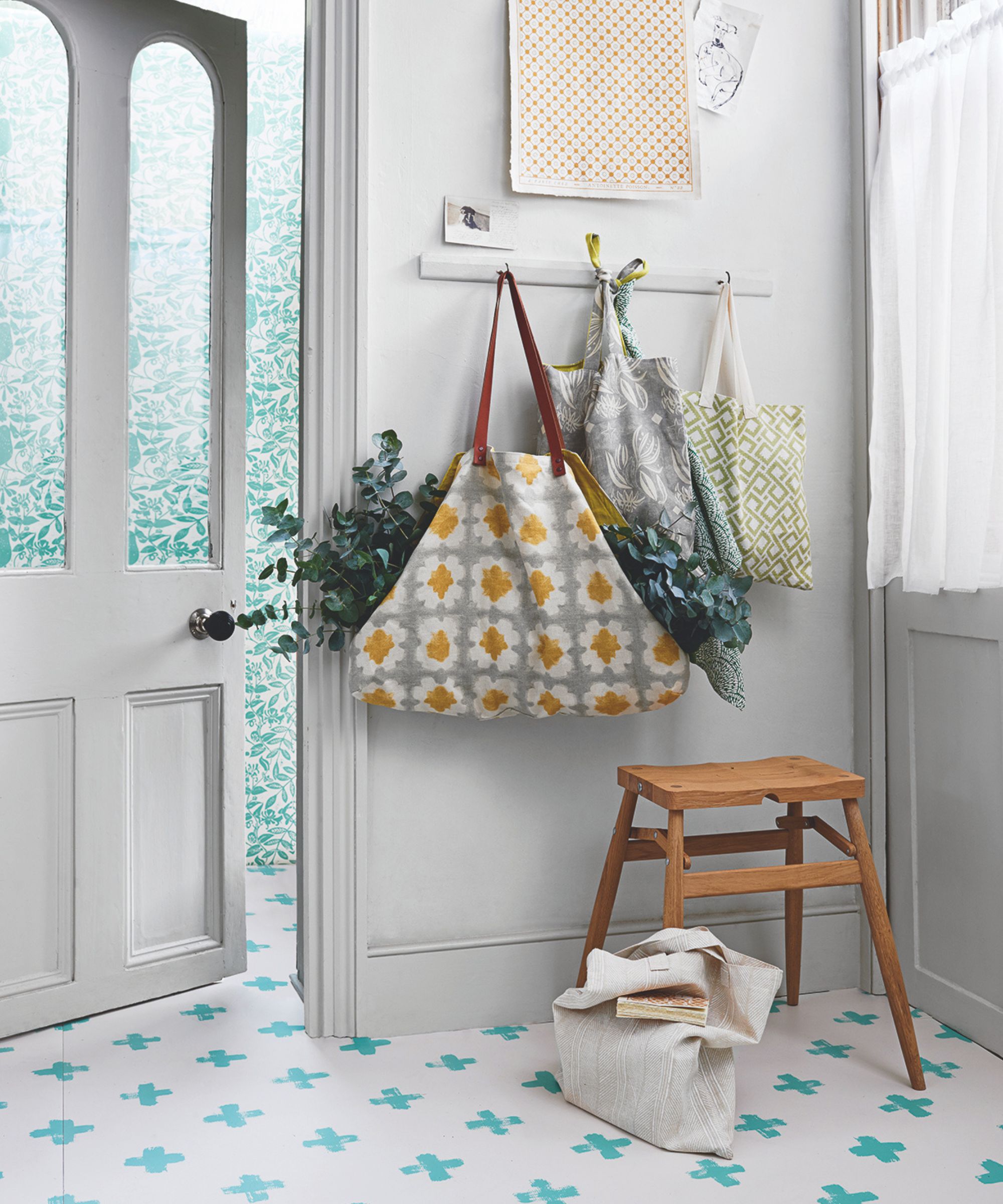
1/2
Closet organization tips for a seamless sweater weather transition
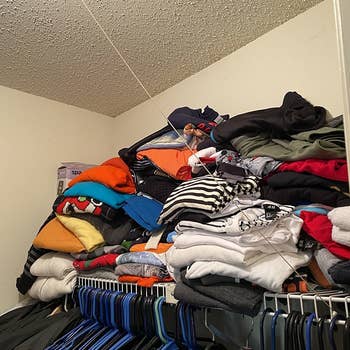
As the cooler weather approaches, transitioning your wardrobe from summer to fall and winter can be a daunting task. This article offers practical advice from Martha-Carol Stewart, CEO of Chaos Organizing and co-author of *Organizing Southern Chaos*, to streamline this process, focusing on efficiency and maintaining garment quality. The key to a smooth transition begins with decluttering. Stewart advocates for a rigorous culling process, recommending that any item not worn in a year, or items that are damaged or ill-fitting, should be donated or discarded. A common error, especially in warmer climates like Louisiana, is over-packing seasonal clothing. Instead, the focus should be on removing only truly seasonal items, such as swimwear, beachwear, or very light fabrics like linen or gauze, that will not be suitable for colder months. This selective approach maximizes the usability of year-round wardrobe staples.
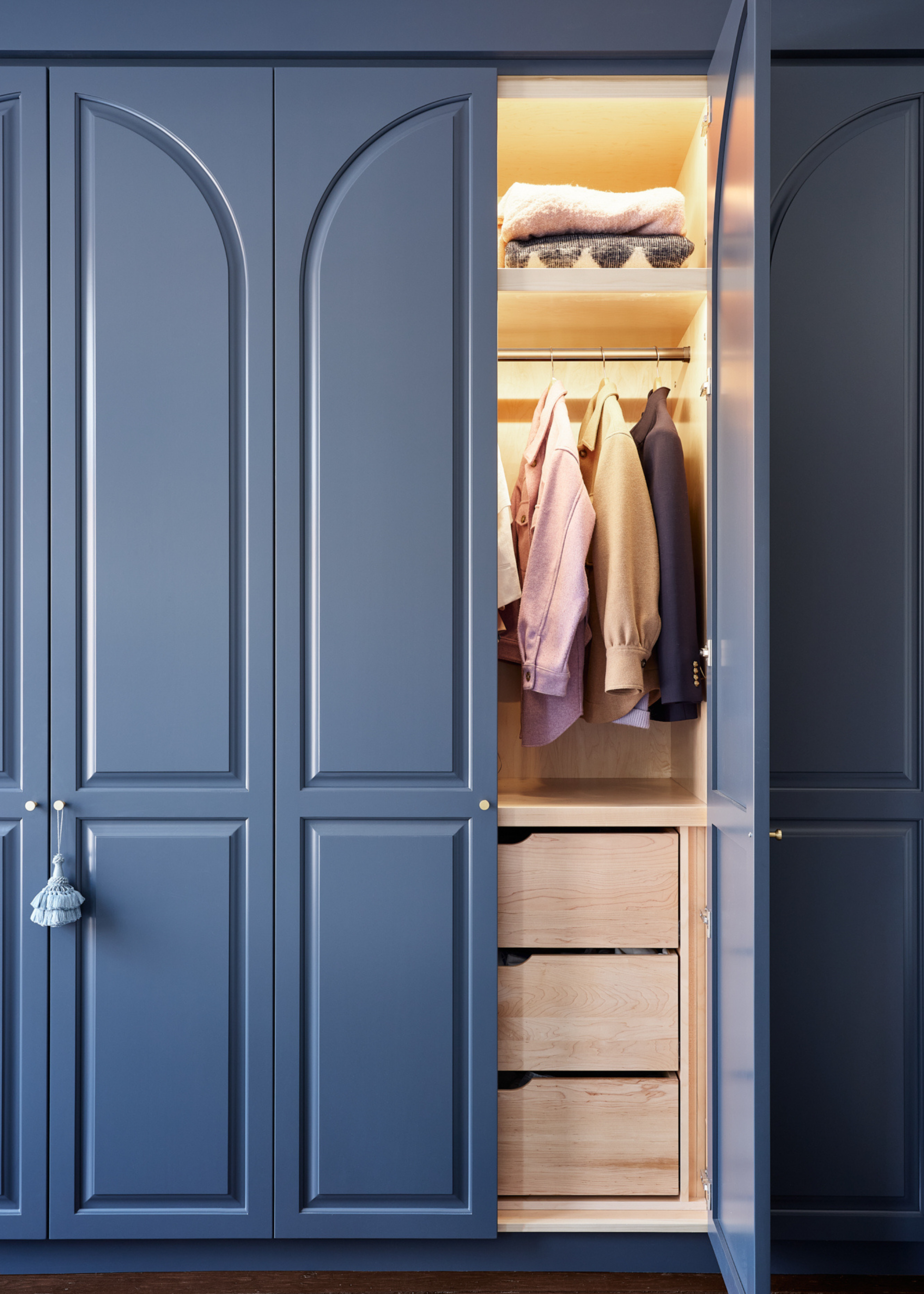
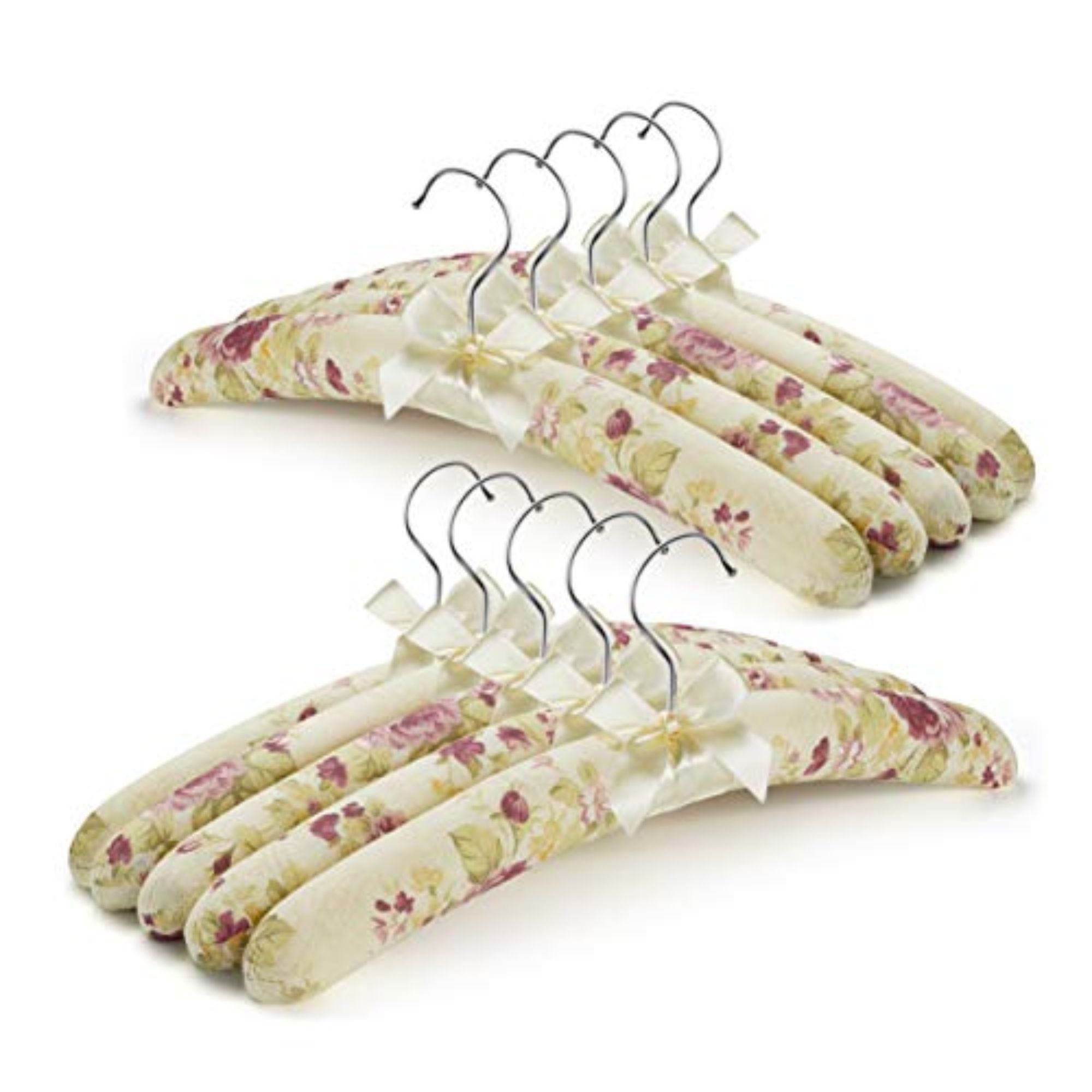
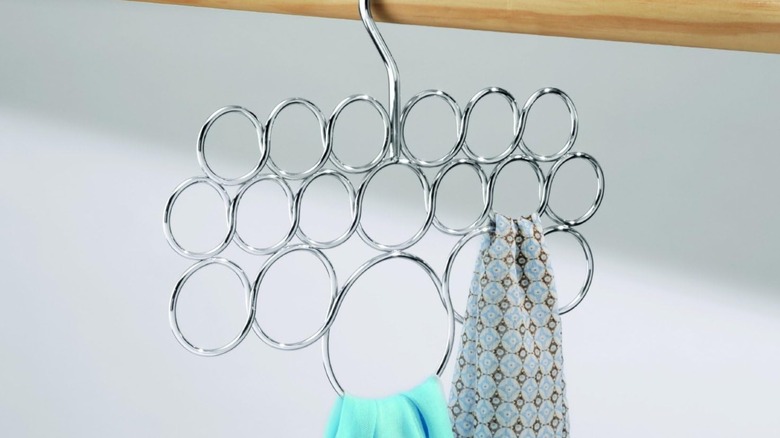
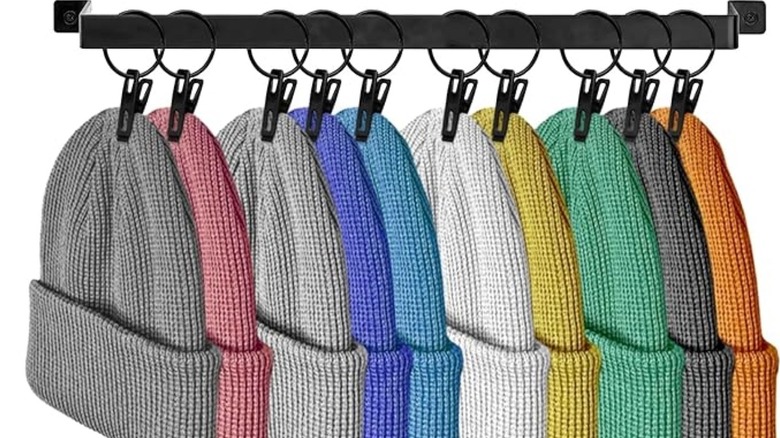
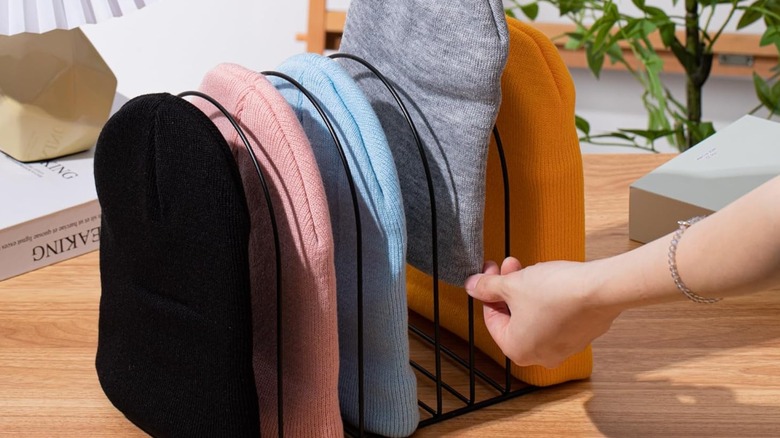
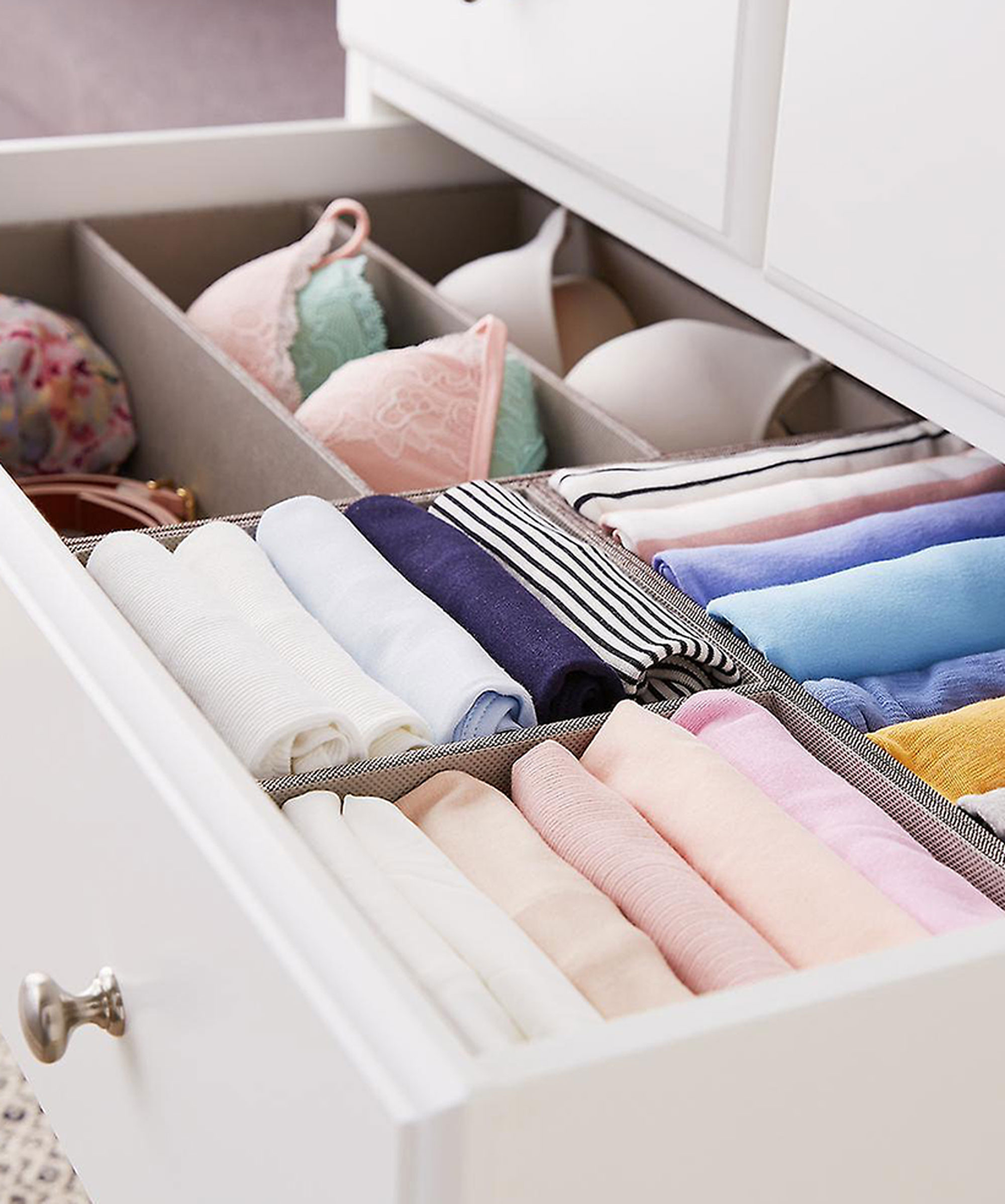
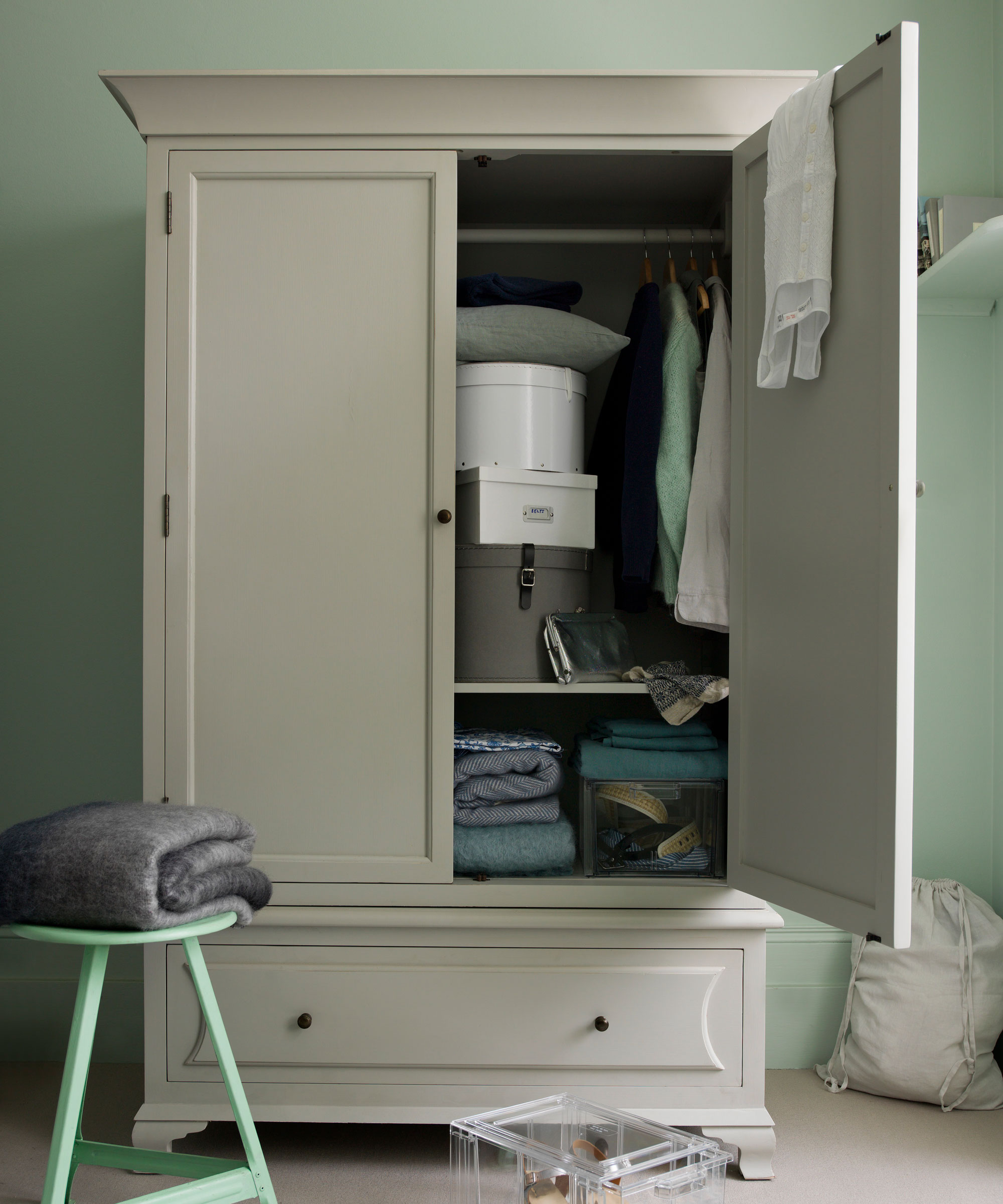
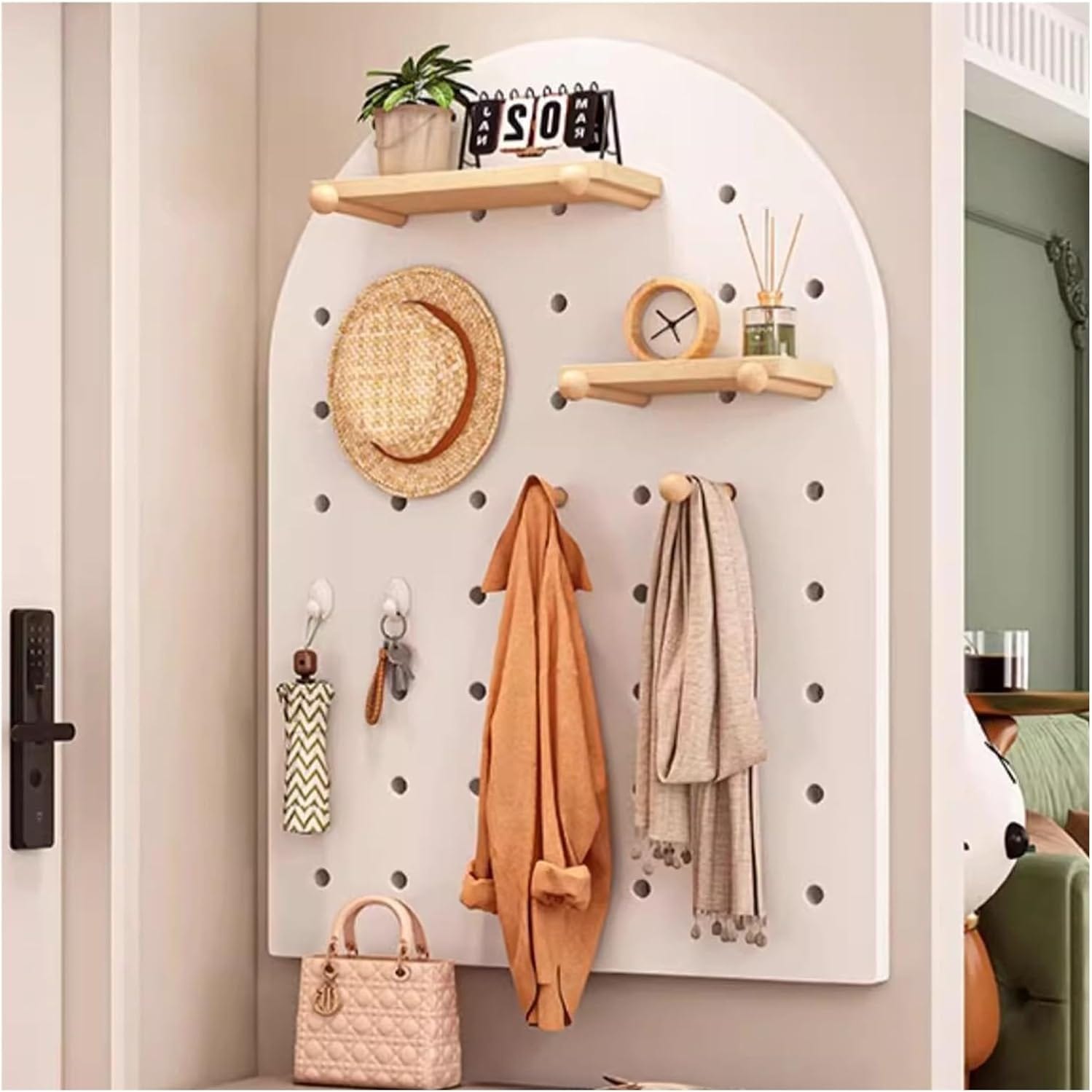
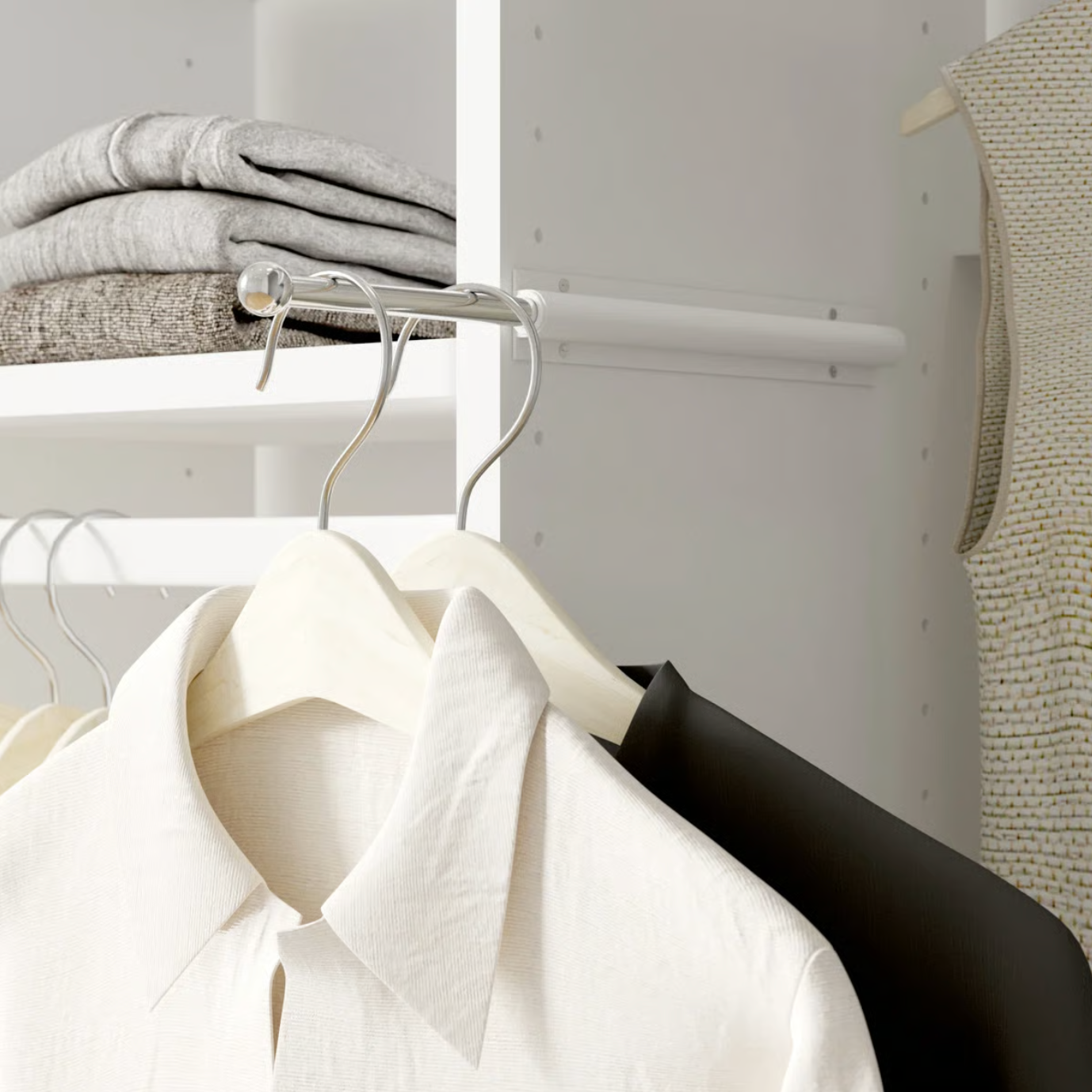
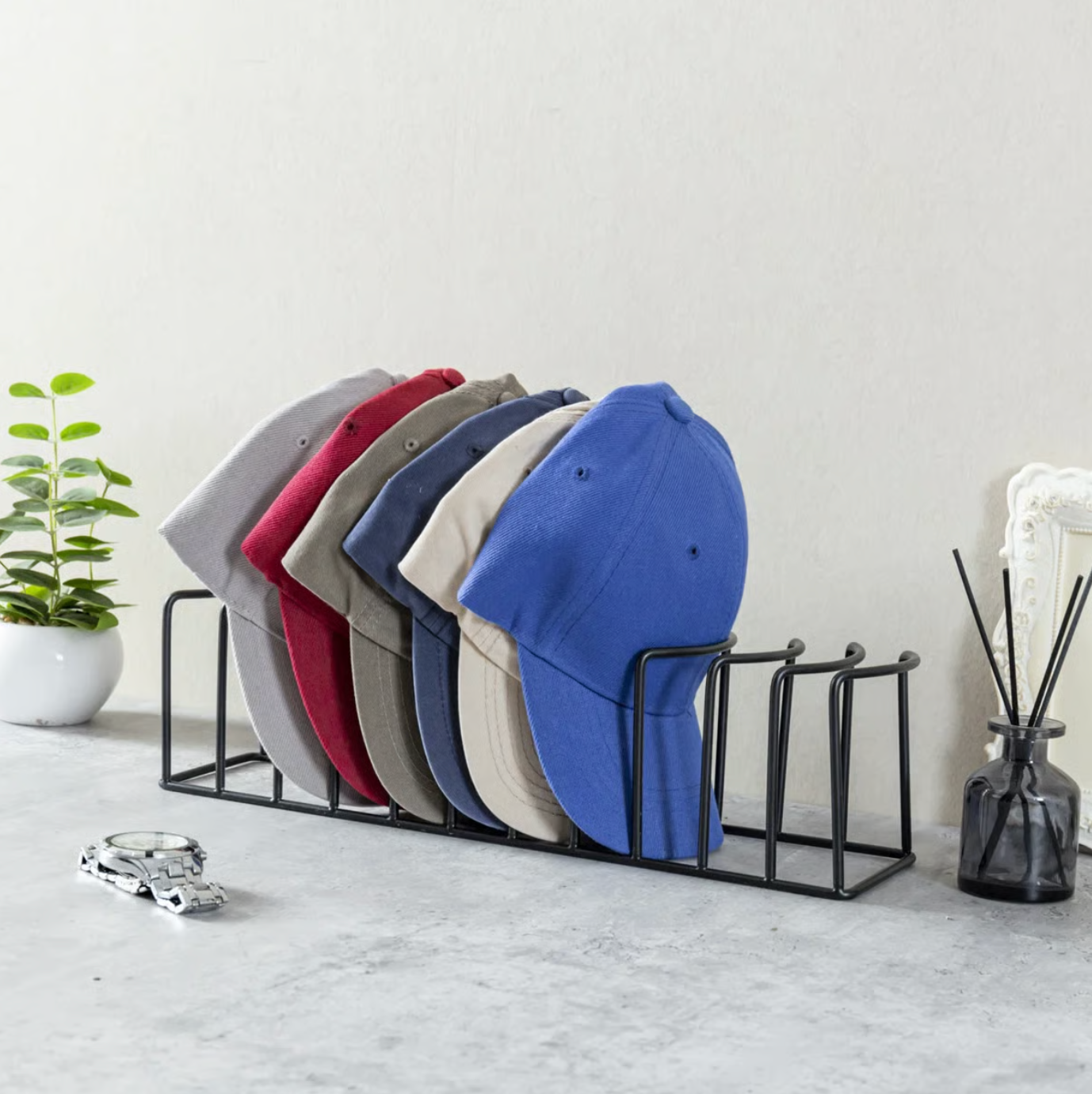
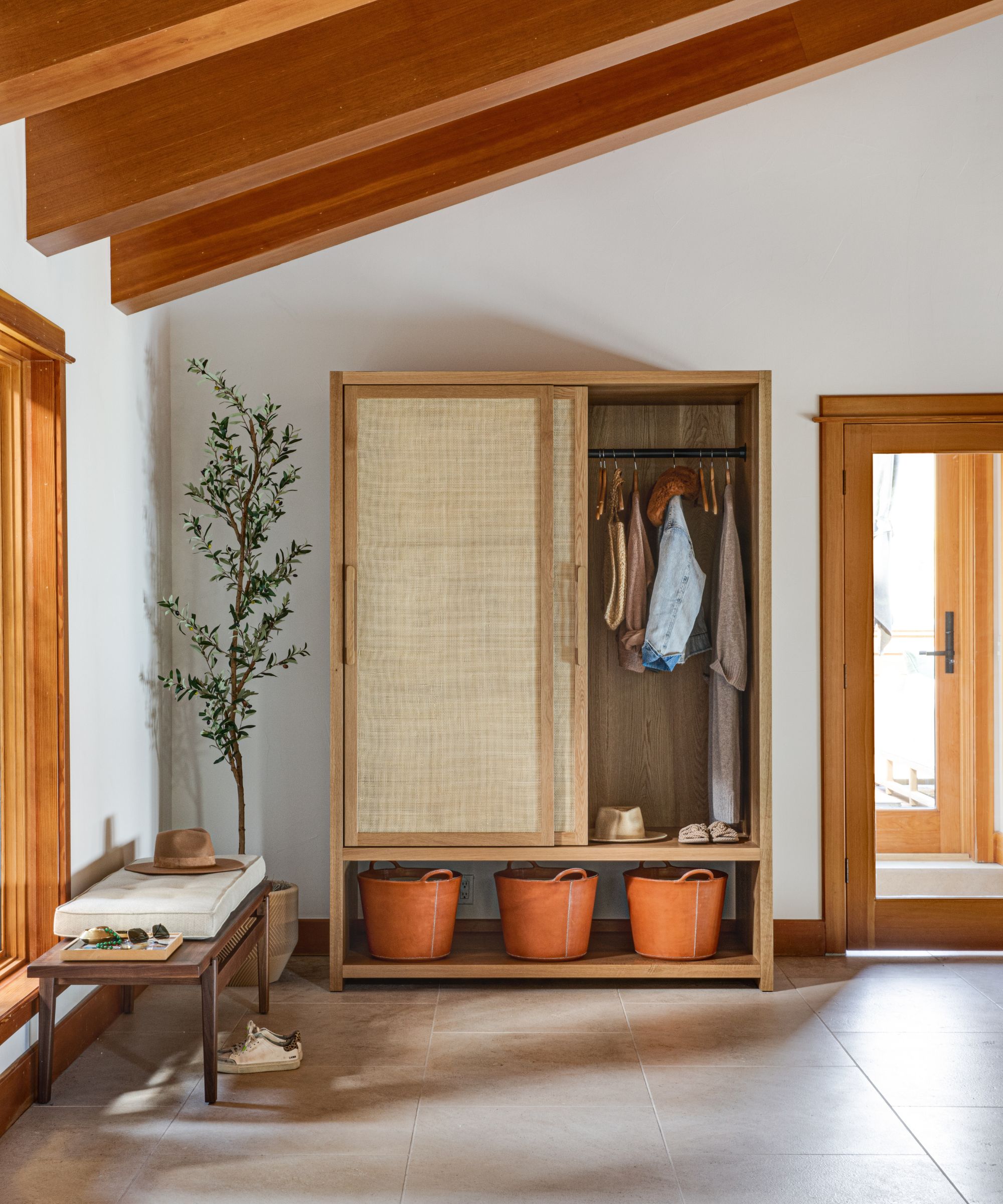
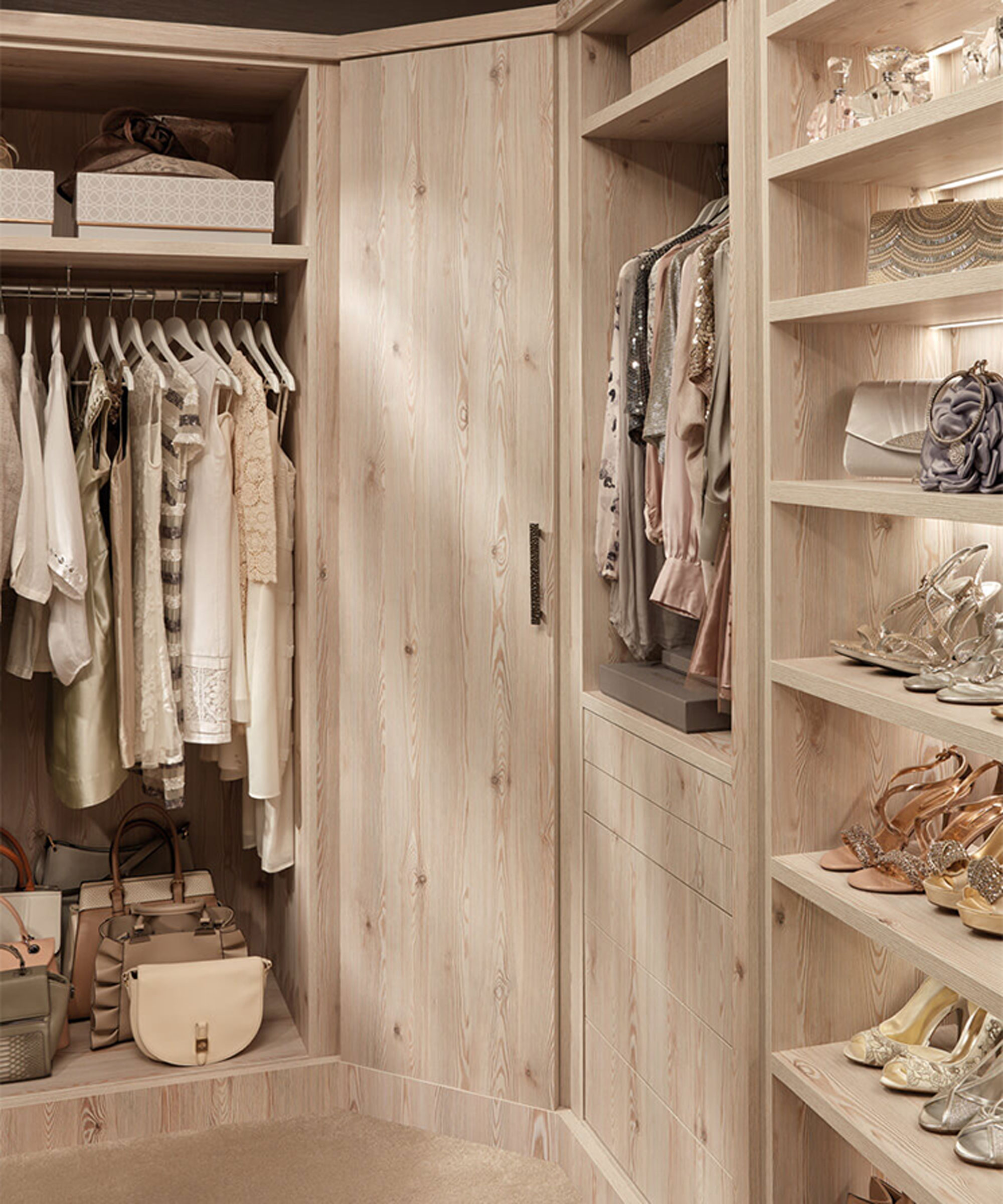
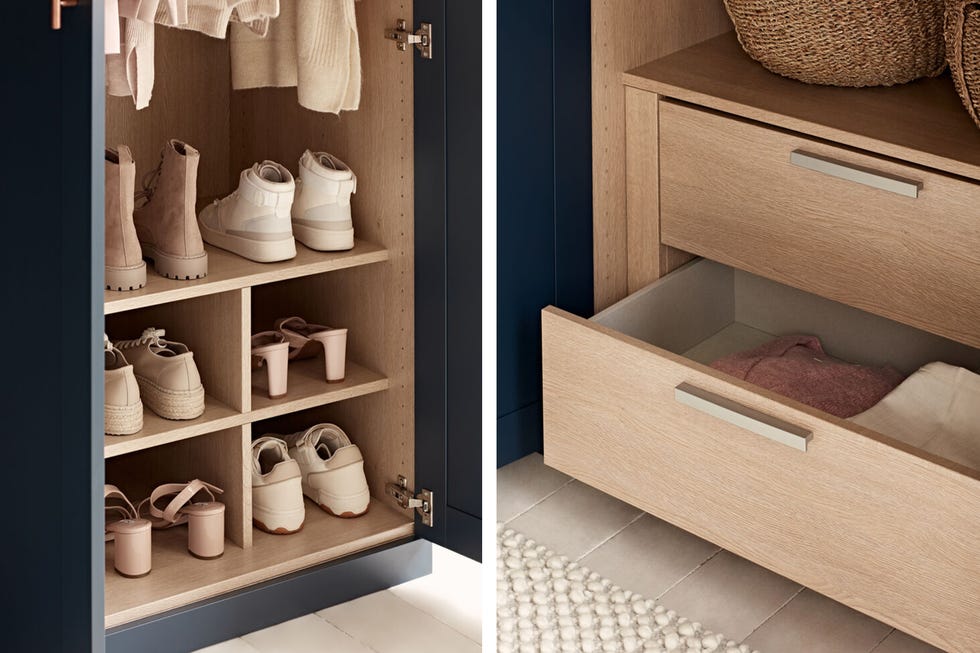
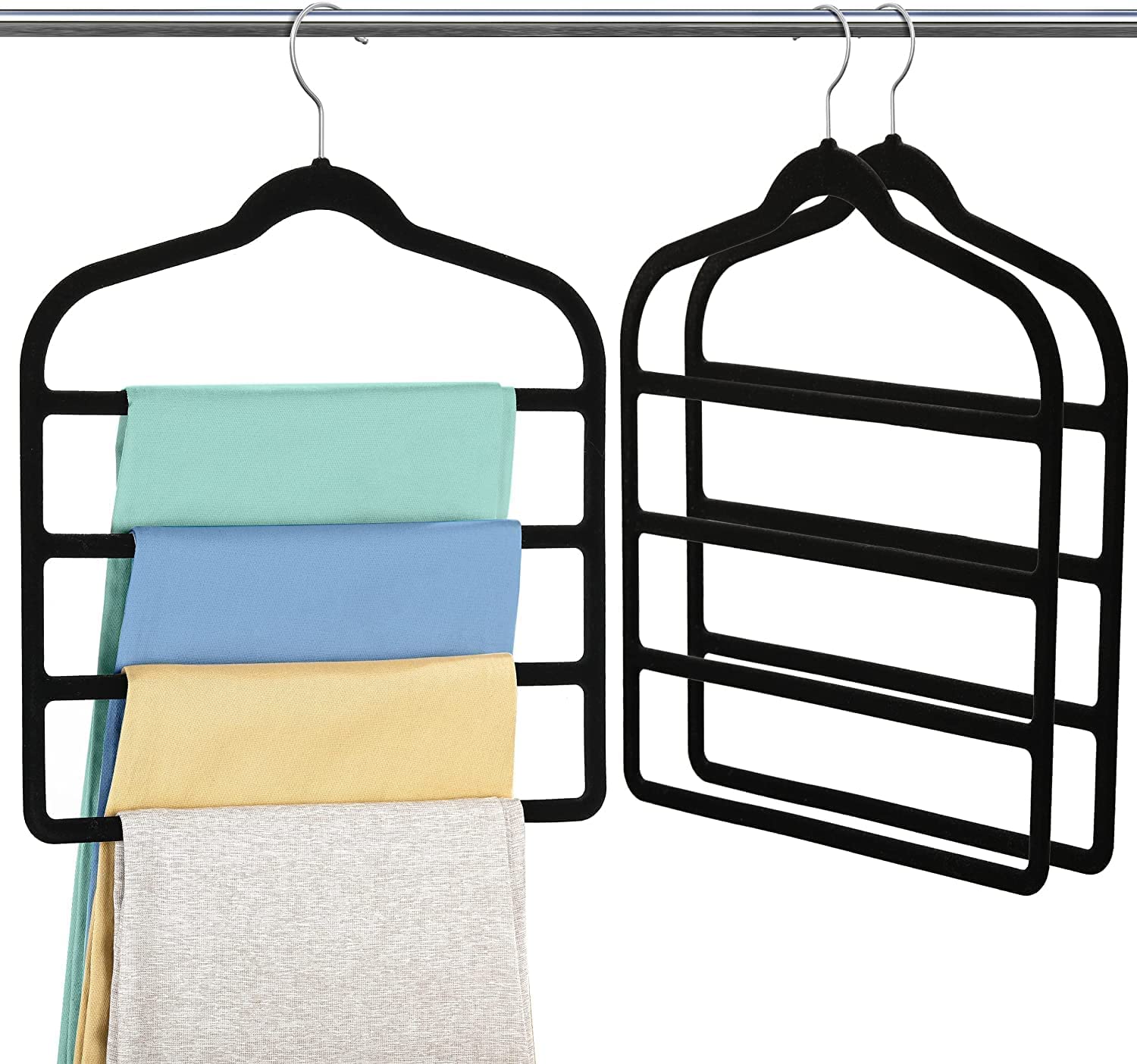
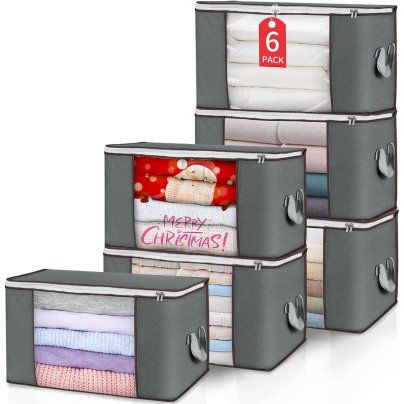
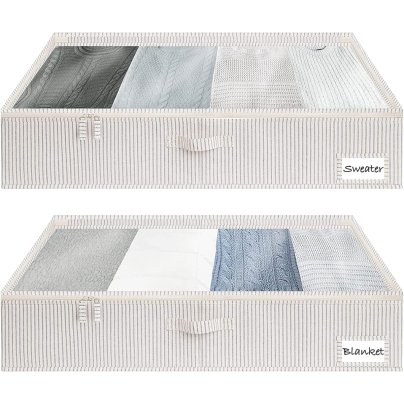
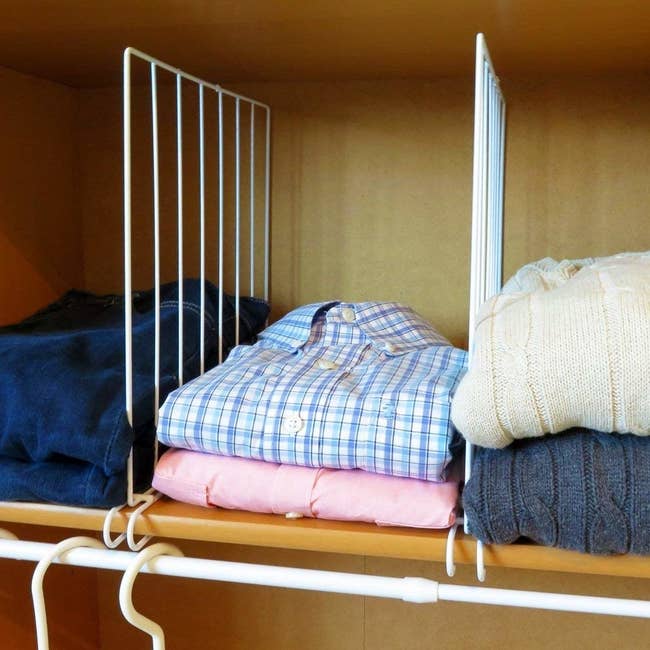
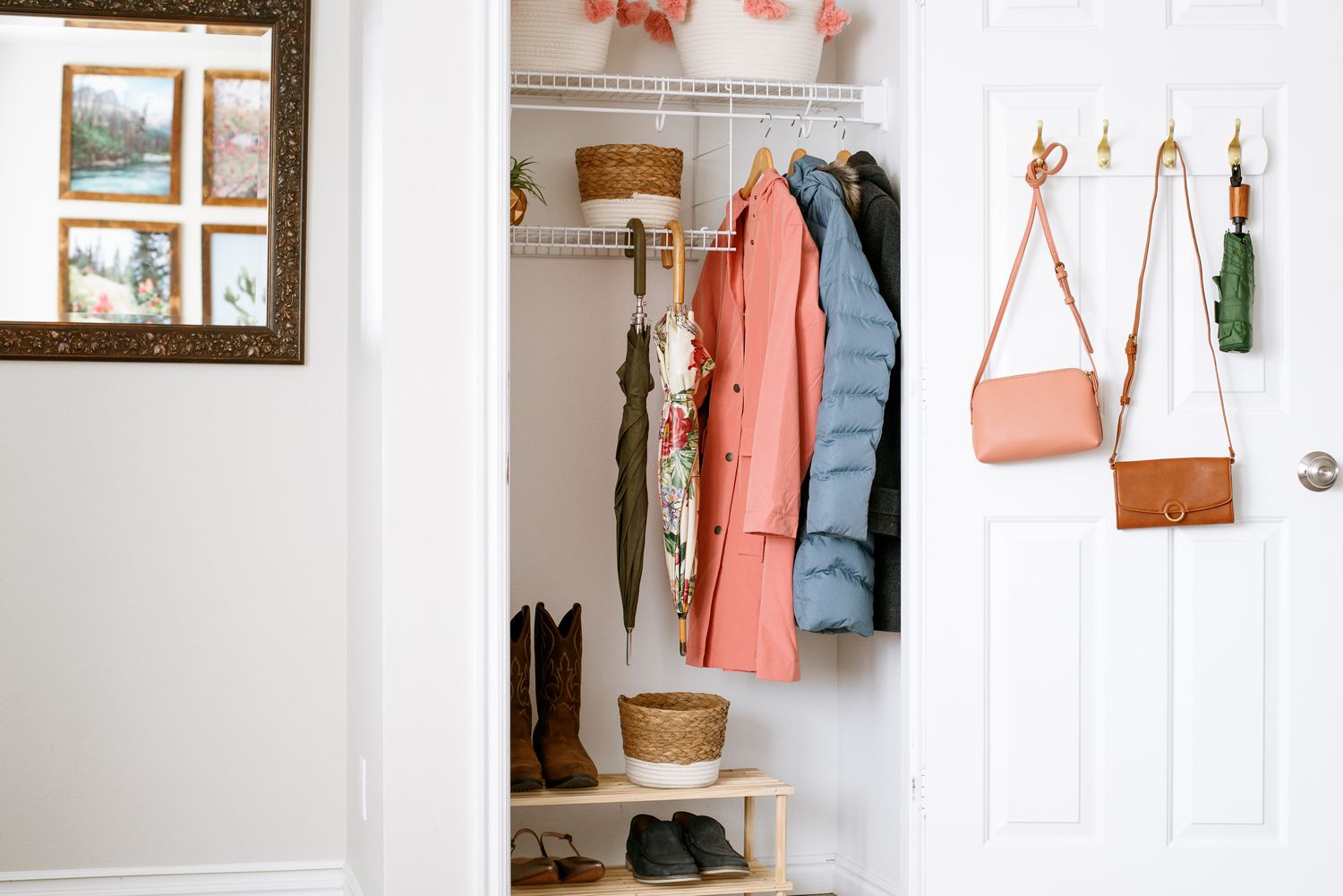
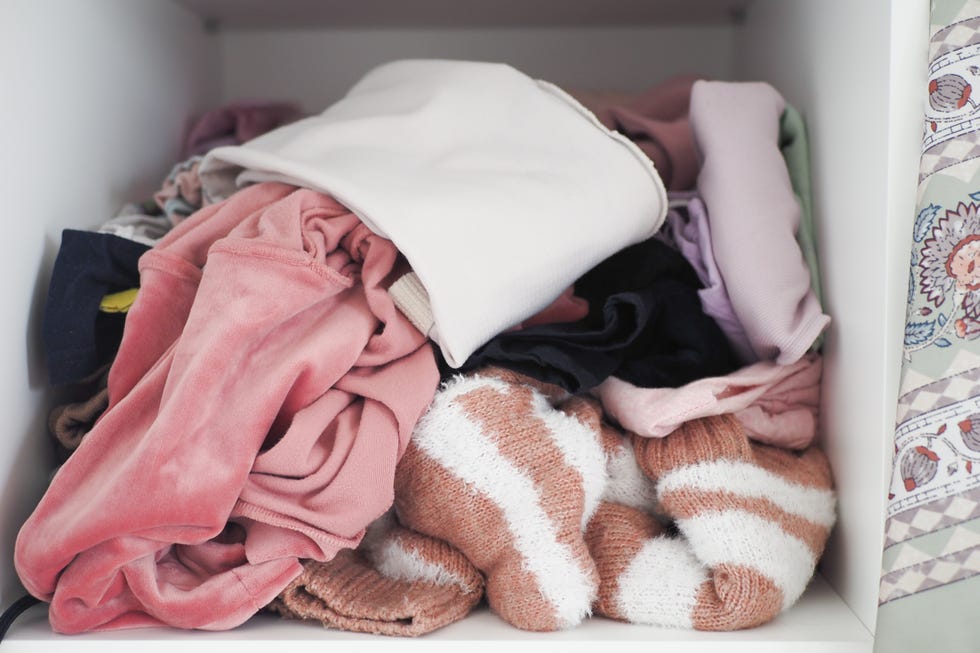
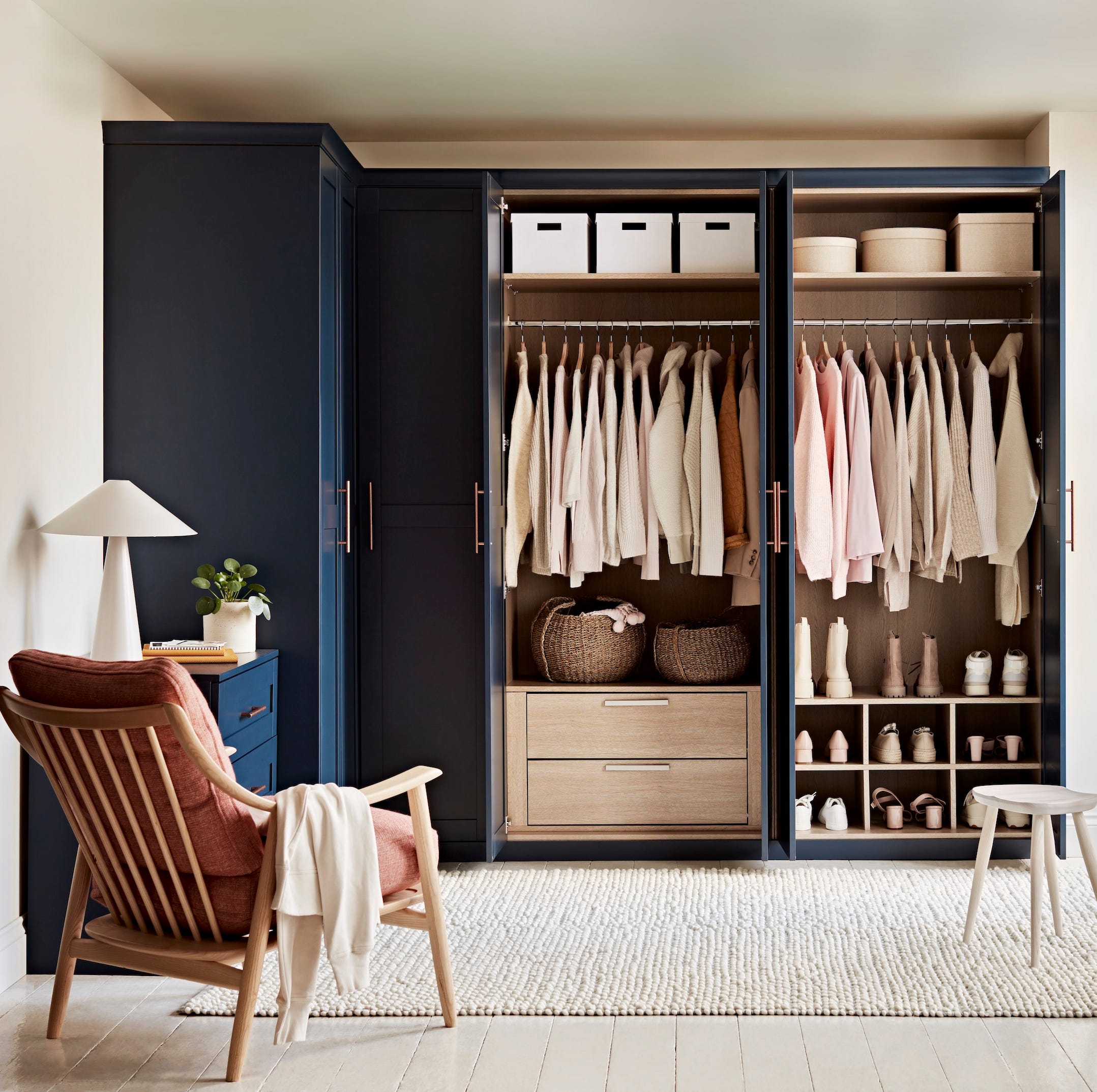
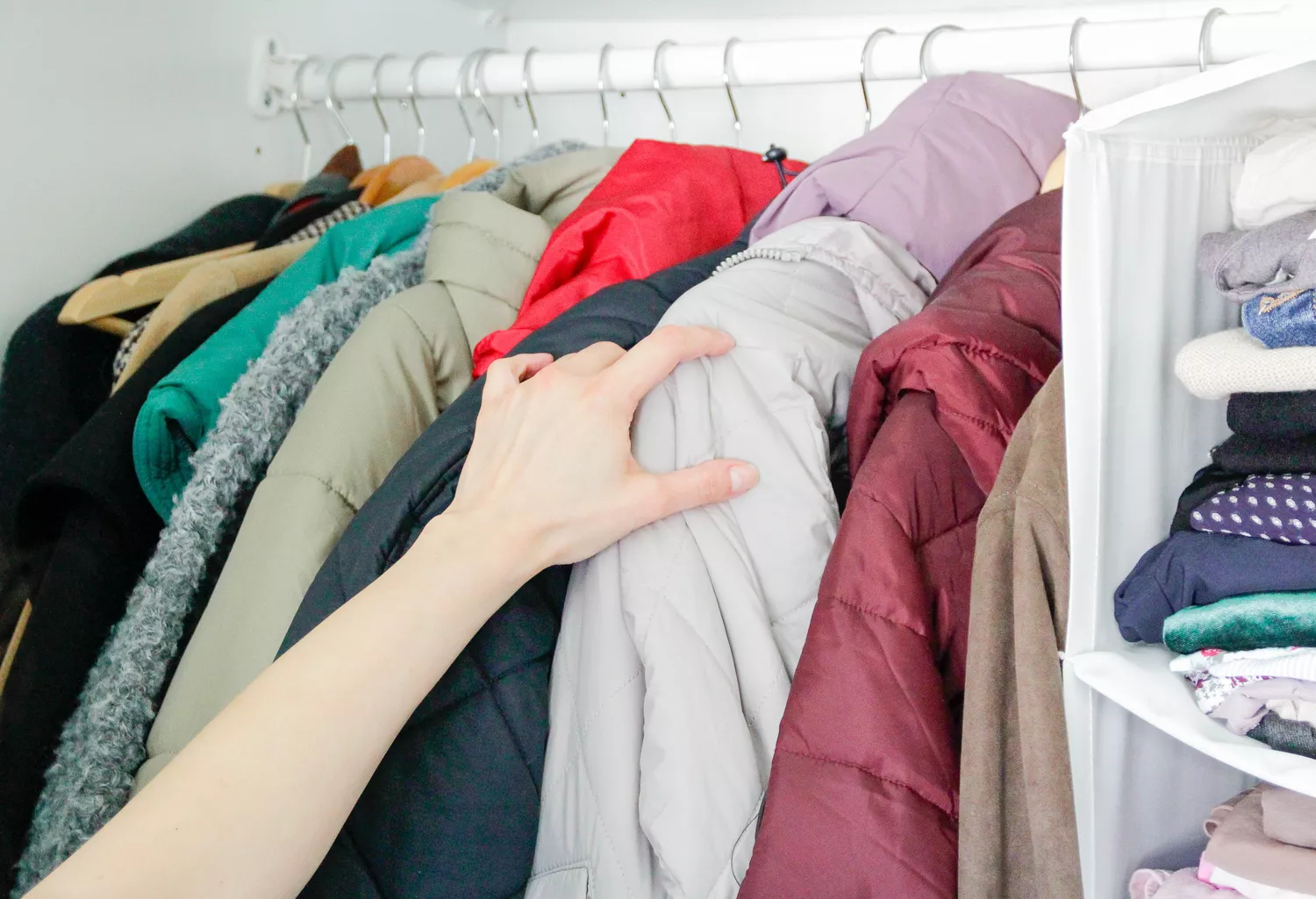
Optimizing closet space is another critical component. Stewart suggests dedicating separate areas for bulkier winter items. For instance, heavy coats and jackets are best stored in a coat closet or a hall closet to prevent them from overwhelming the main wardrobe. Proper storage for these items is essential; heavy coats should be hung on sturdy wooden hangers to preserve their shape. Sweaters, on the other hand, should always be folded to avoid stretching and distortion. For those lacking ample drawer space, fabric bins with clear fronts provide an excellent solution, keeping folded sweaters neat and preventing large stacks from toppling over. For entryway organization, a freestanding boot rack placed on a waterproof tray is ideal for all-weather boots, preventing creasing and maintaining their structure. Nearby bins with smooth textures are recommended for storing hats, gloves, and scarves, ensuring these accessories are easily accessible and ready for use.
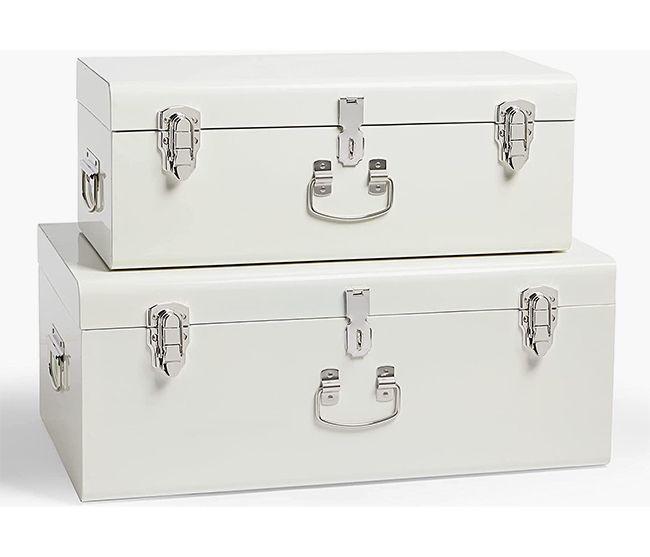
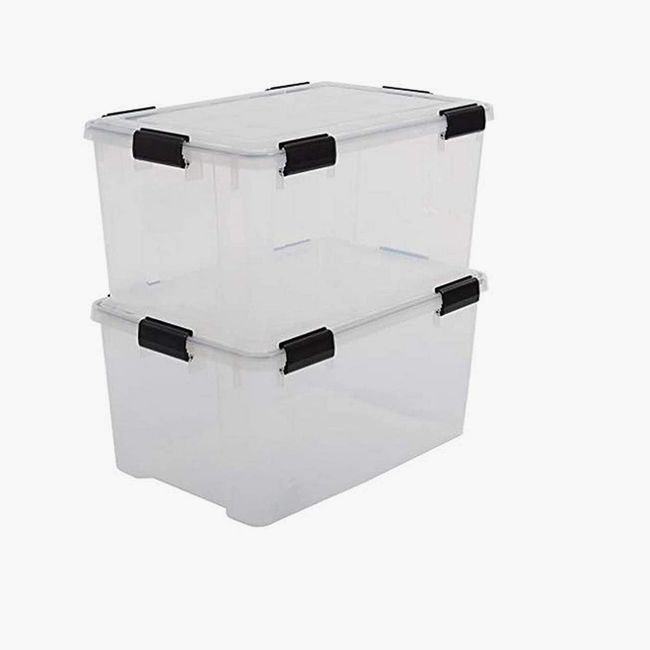
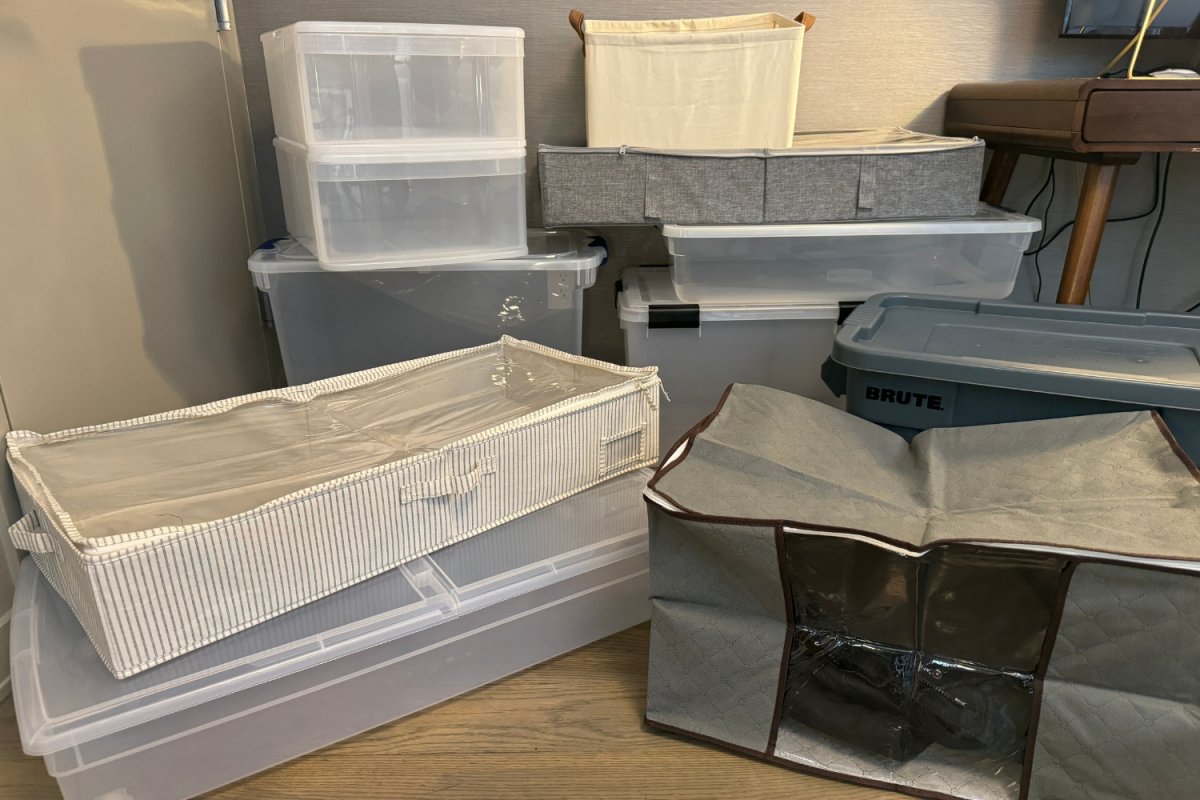
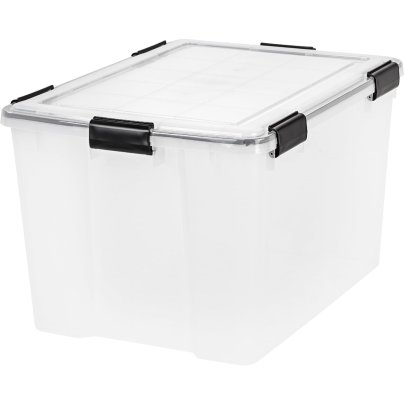
Clear storage bins are highlighted as a must-have for an efficient seasonal wardrobe swap. Stewart advises using 45- to 65-quart clear bins or stackable fabric bins with clear fronts. These can be conveniently stored at the top of the closet, allowing for easy exchange of seasonal clothing. For example, a closet drawer can house swimsuits and summer pajamas during warmer months and then be swapped with a bin containing sweaters or winter pajamas when the weather turns cold. If overhead closet space is limited, under-the-bed bins serve as an equally effective alternative. It is crucial to wash and thoroughly dry all items before storing them to prevent odors and pests. Including cedar blocks in storage bins further protects garments from insects and helps maintain freshness.
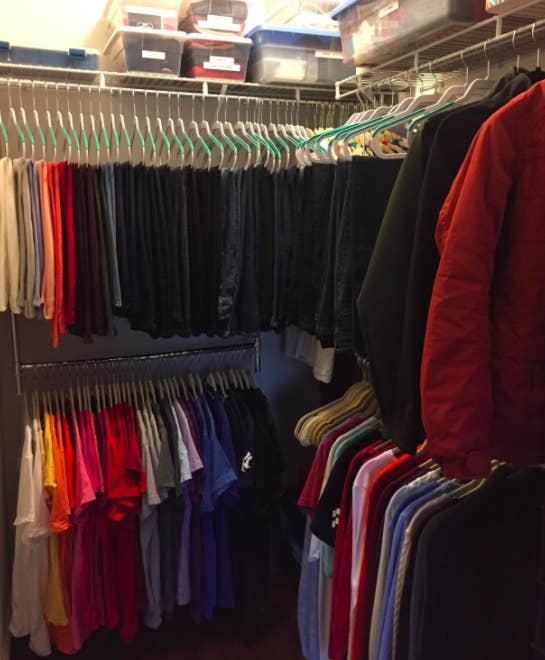
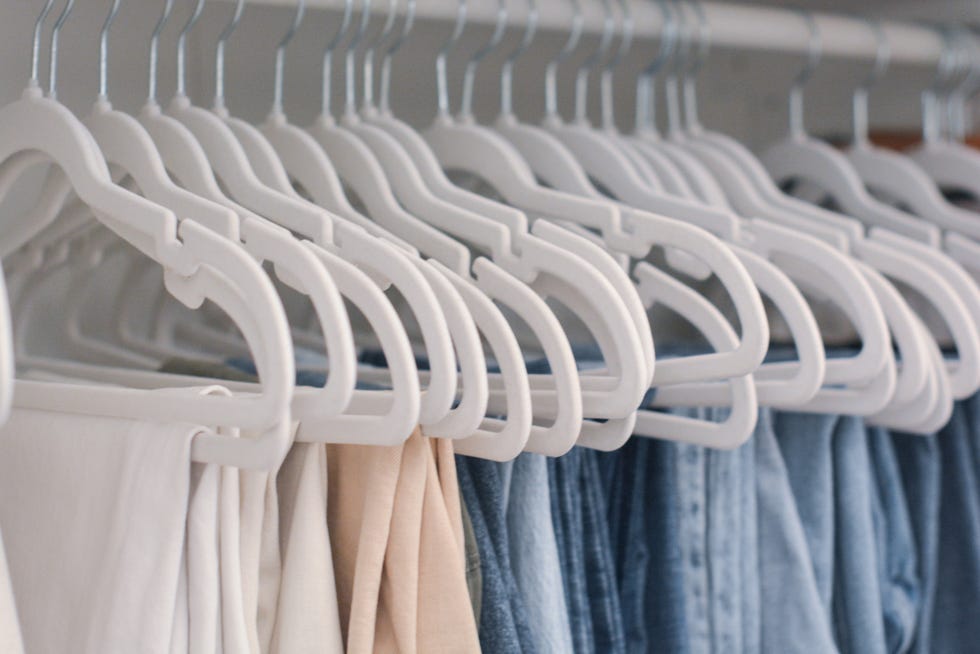
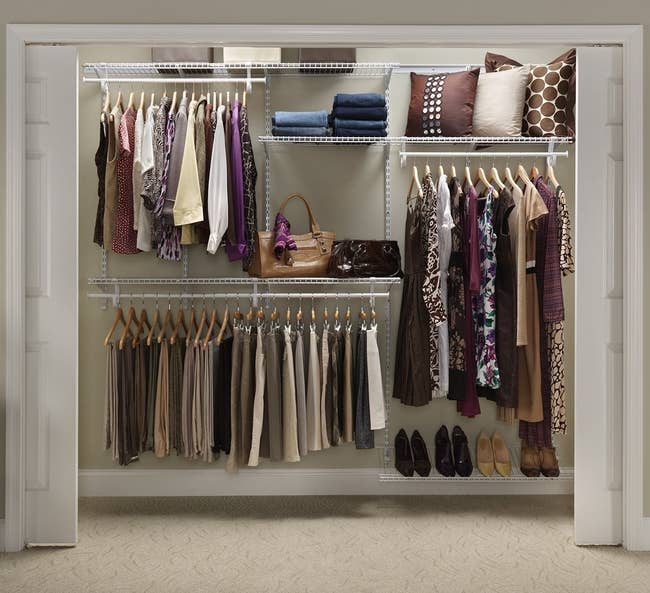
Finally, organizing clothes by category and color simplifies daily outfit selection. Stewart proposes general categories for women’s clothing, such as sleeveless blouses, short-sleeve blouses, long-sleeve blouses, silks, blazers, jackets, leisure wear, pants, and jeans. Once categorized, items should be arranged by color for visual order and ease of access. Specialized categories, like cocktail dresses or formal wear, should be kept separate from everyday clothing. The most frequently worn items should be placed in easily reachable locations. This organizational method extends to children's wardrobes as well. For busy parents, hanging shelves in children's closets, pre-loaded on Sundays with a week's worth of outfits, including socks and underwear, can significantly reduce morning rush and stress. These strategies collectively ensure an organized and functional closet throughout the changing seasons.
#ClosetOrganization #WardrobeTransition #SeasonalClothing #HomeOrganization #Decluttering #StorageSolutions #FashionTips #InteriorDesign #Lifehacks #ClosetOrganization #WardrobeTransition #SeasonalClothing #HomeOrganization #Decluttering #StorageSolutions #FashionTips #InteriorDesign #Lifehacks
0 comment in total
 No comments yet
You may also like
6 Tricks for Storing Bulky Winter Clothes Away Without Eating Up All of Your Closet Storage Space

20 GENIUS Expert Tricks for Organizing a Tiny Closet


Designer tricks for a cozy, layered look this fall

Get Your Coat Closet Perfectly Organized for Fall and Winter


Think twice before throwing out this often recycled item – it's the key to crease-free clothes in your closet

6 warning signs it is time to quickly reorganize your closet and make stressful mornings easy to navigate again

Fall Layers Take Up a Lot of Space — Here’s What a Professional Organizer Recommends to Clear the Closet Chaos
Never Make These Closet Organization Mistakes, Warn Experts

Creative Organization Tips For Winter Scarfs And Hats You'll Wish You Knew Sooner
7 Fashion Lovers Share Their Seasonal Closet-Organizing Strategies
The Best Containers for Storing Clothes During the Offseason, Tested


The Best Storage Buys for Winter Coats in an Entryway
5 Ways to Streamline Your Wardrobe to Make Room for Cold Weather


16 best wardrobe storage ideas for your spring clean closet refresh

The Cozy Layering Trick Designers Swear By for Fall – It Starts with Just 3 Things

The Experts' Best Storage Buys for Storing Winter Coats in an Entryway
How to store clothes long term: 7 ways pros love
How To Declutter Your Wardrobe Like A Pro: Expert-Approved Tips And Easy Storage Hacks
21 Ways To Organize Your Clothes If You Can’t Bring Yourself To Downsize Your Wardrobe

6 Tips For Storing Offseason Clothes, According To Organizers