1/11
How to store clothes long term: 7 ways pros love
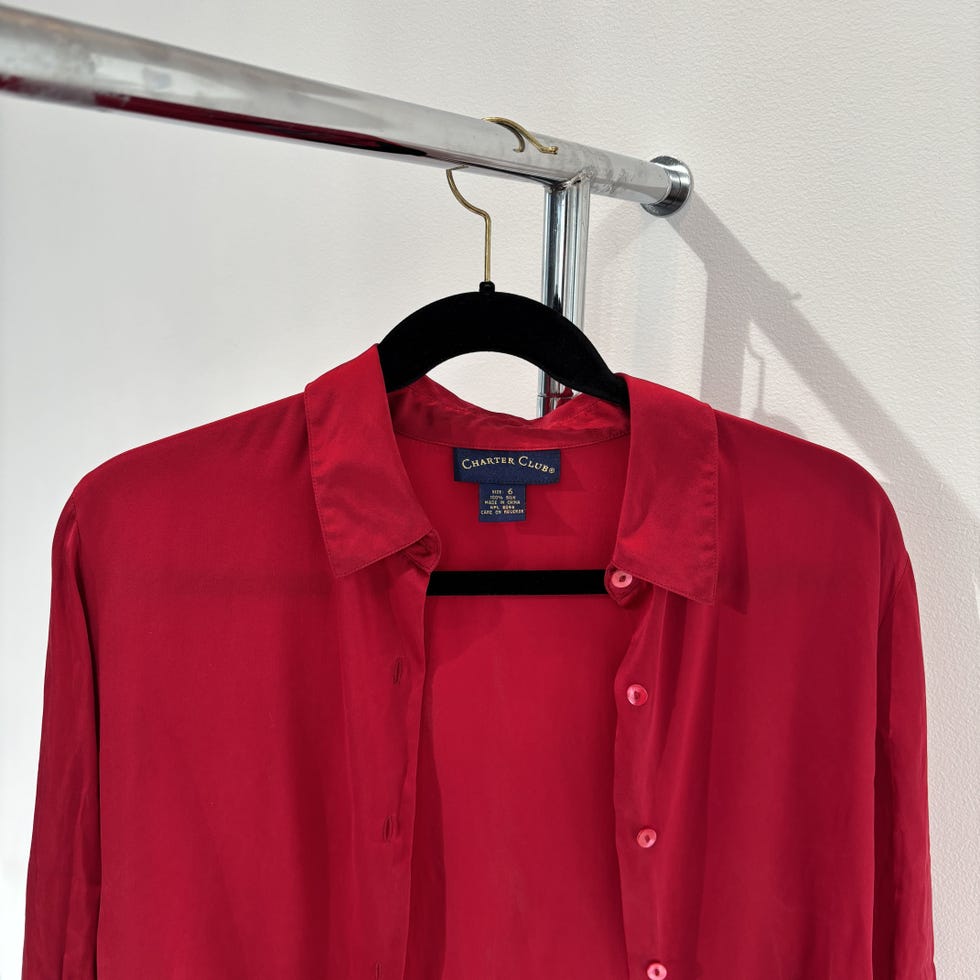
Effective long-term clothes storage is essential for preserving garments and maximizing closet functionality, particularly for out-of-season items or those used infrequently. The process begins with a thorough assessment of each item's condition. Clothes that are in good condition and infrequently worn are ideal for long-term storage, while damaged or stained items may not be worth keeping. All garments should be cleaned and repaired, if necessary, before storage to prevent further damage or pest infestation. If repairs are needed, items should be set aside for DIY attention or professional mending. A practical rule for decluttering is to consider if an item has been worn in the last year; if not, it's often safe to donate or discard it. The 'didn't know' decluttering method can also help alleviate guilt when letting go of clothes that are unlikely to be used in the future.
Beyond condition, the decision to keep an item for long-term storage should involve its functionality and sentimental value. Garments that align with one's current lifestyle and are likely to be worn again are good candidates. However, items that no longer fit or suit one's style might be better donated or consigned. Conversely, items with significant sentimental value, such as a wedding dress or family heirloom, warrant long-term preservation regardless of their current wearability. Identifying and removing items associated with a 'fantasy self' can further streamline the decluttering process.
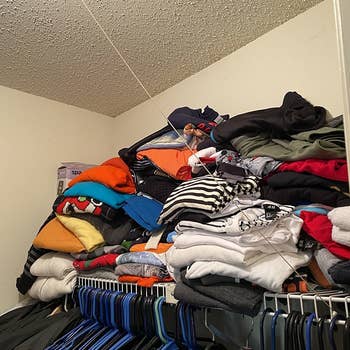
For seasonal wardrobe swaps, a structured approach is recommended. This involves temporarily relocating clothes from the active closet, cleaning the closet space, moving stored items into the active closet, and finally, transferring remaining clothes to long-term storage. Before integrating stored clothes back into daily use, they should be aired out and checked for damage, especially signs of moth activity. If moth damage is present, items should not be placed in the active closet, and pest control measures should be taken before storing anything new. Pre-washing and thoroughly drying all clothes are crucial steps before placing them in long-term storage. Vacuum storage bags are highly effective for compressing clothes, saving space, and protecting them from moisture and pests.
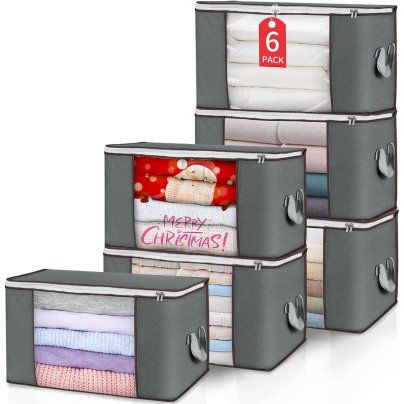
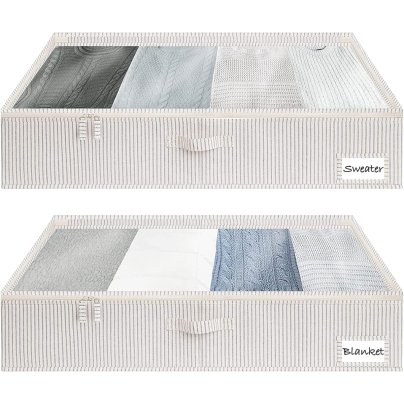
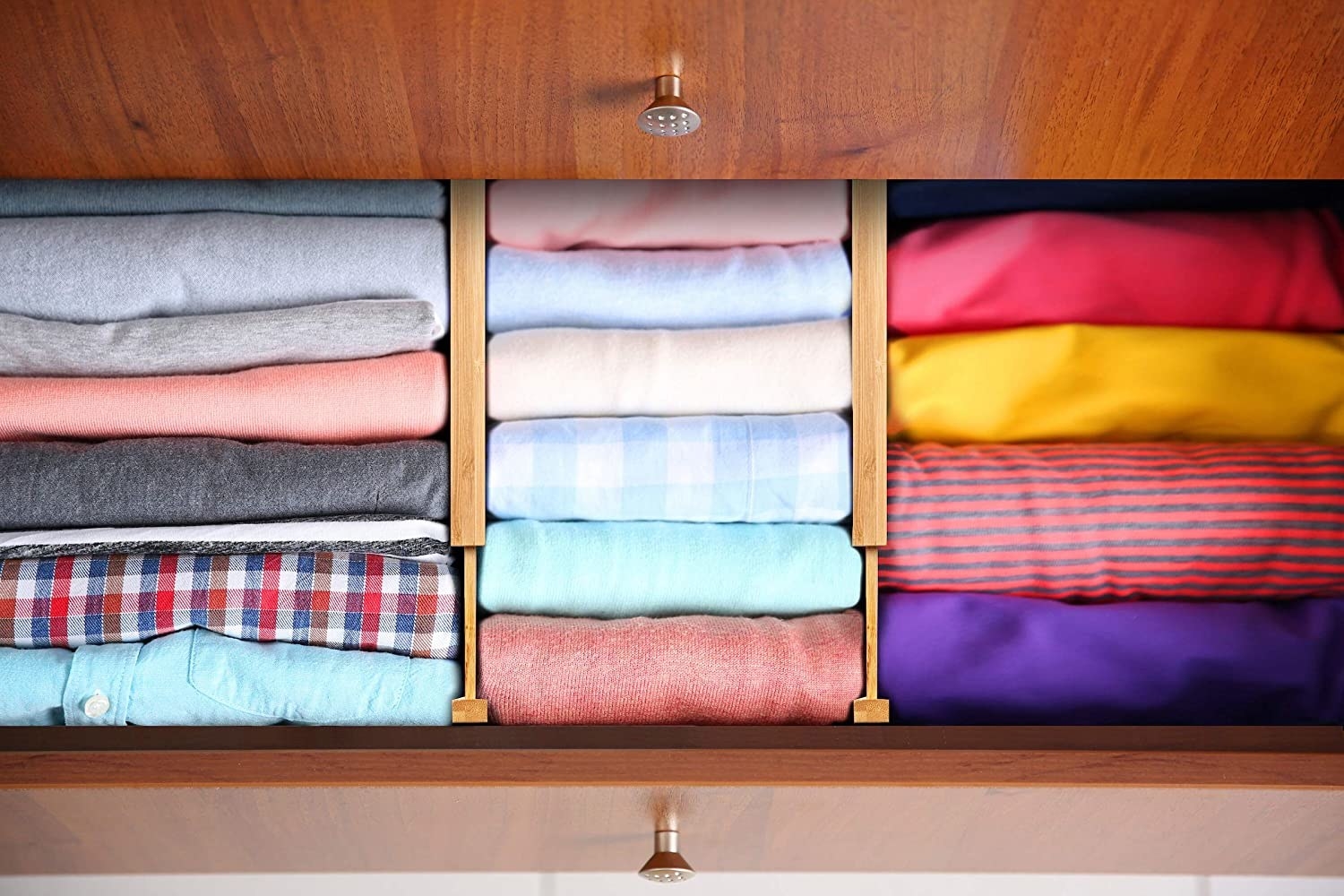
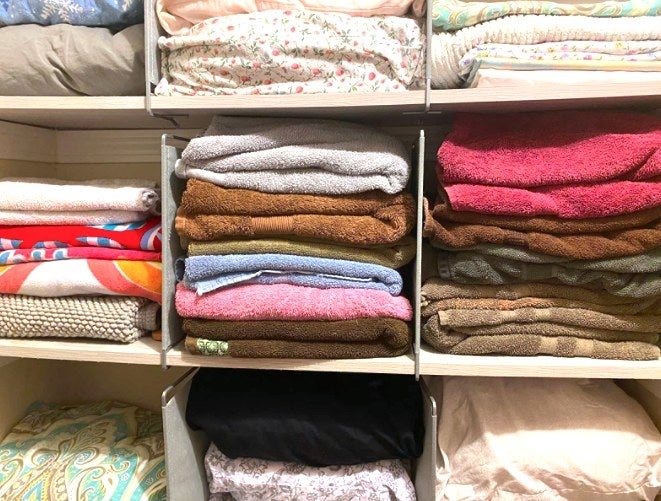
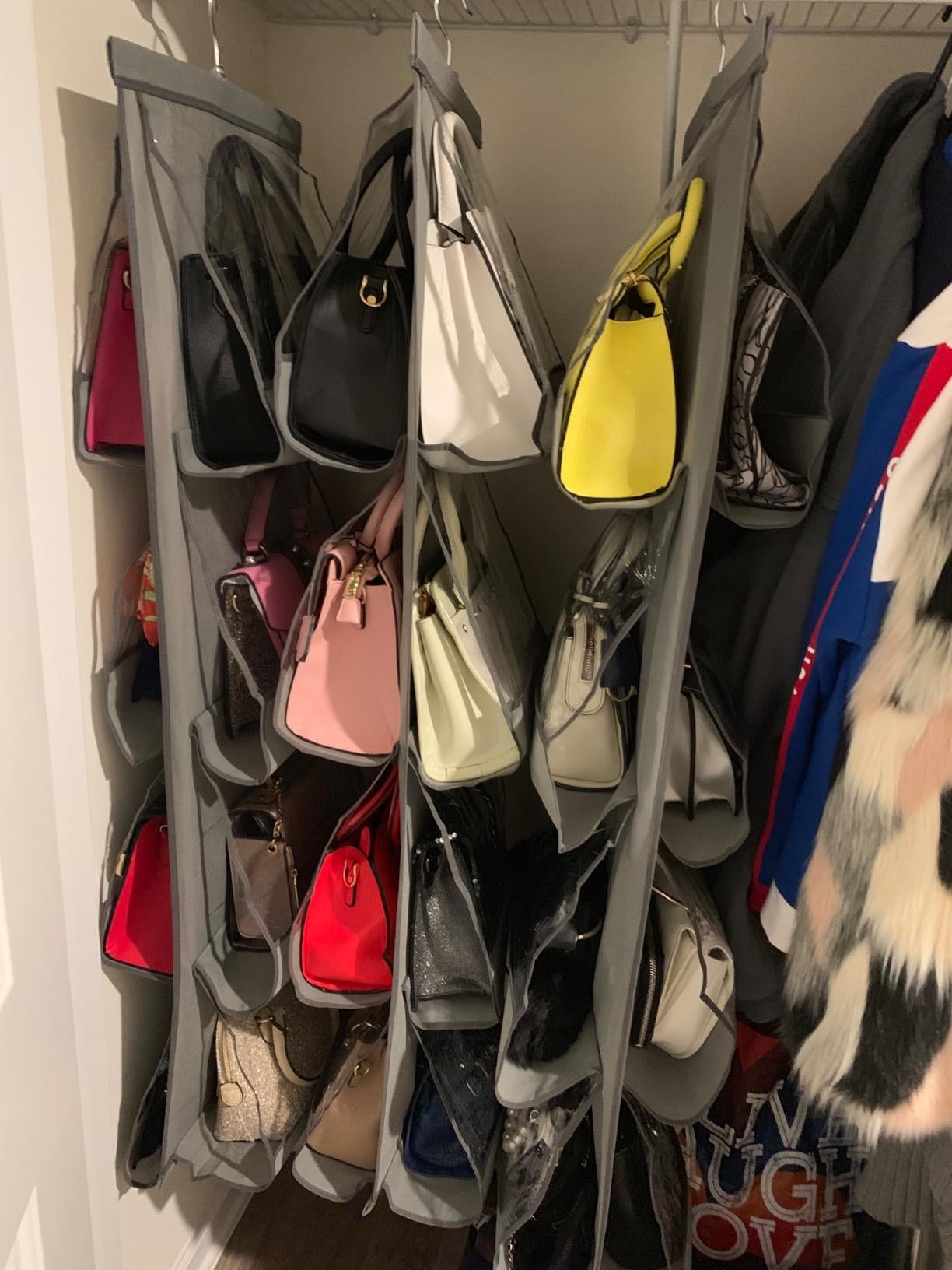
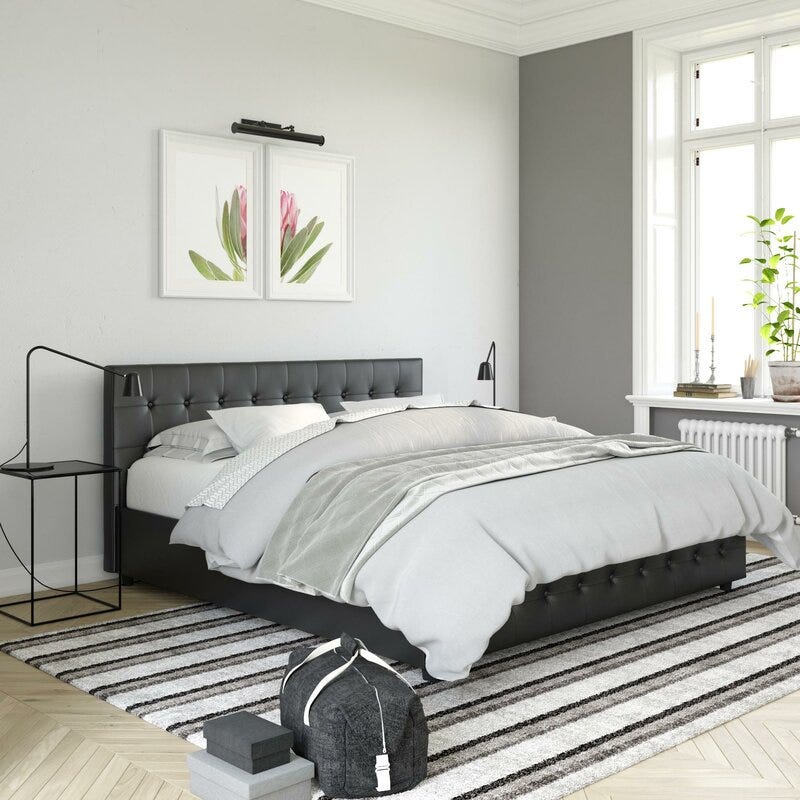
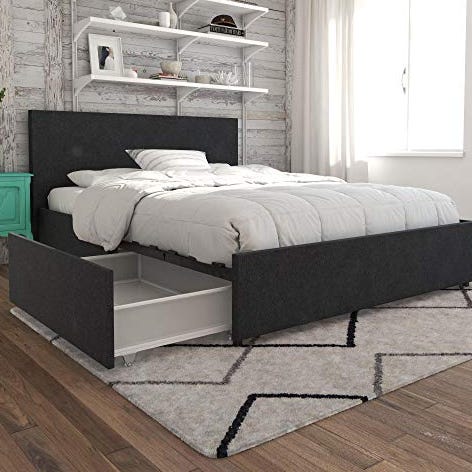
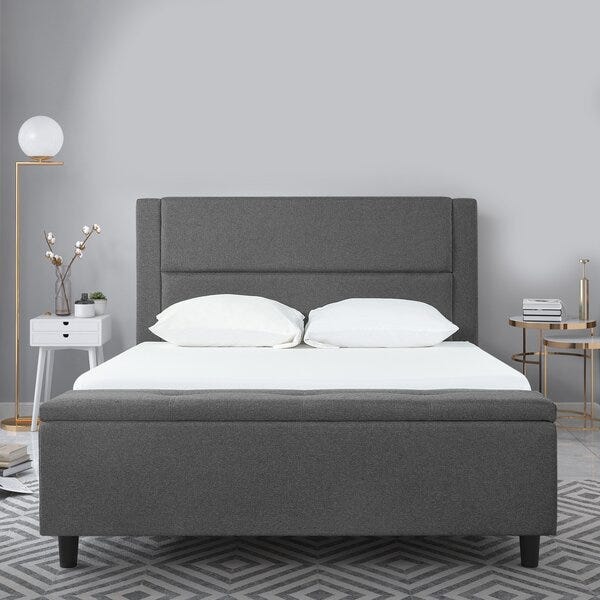
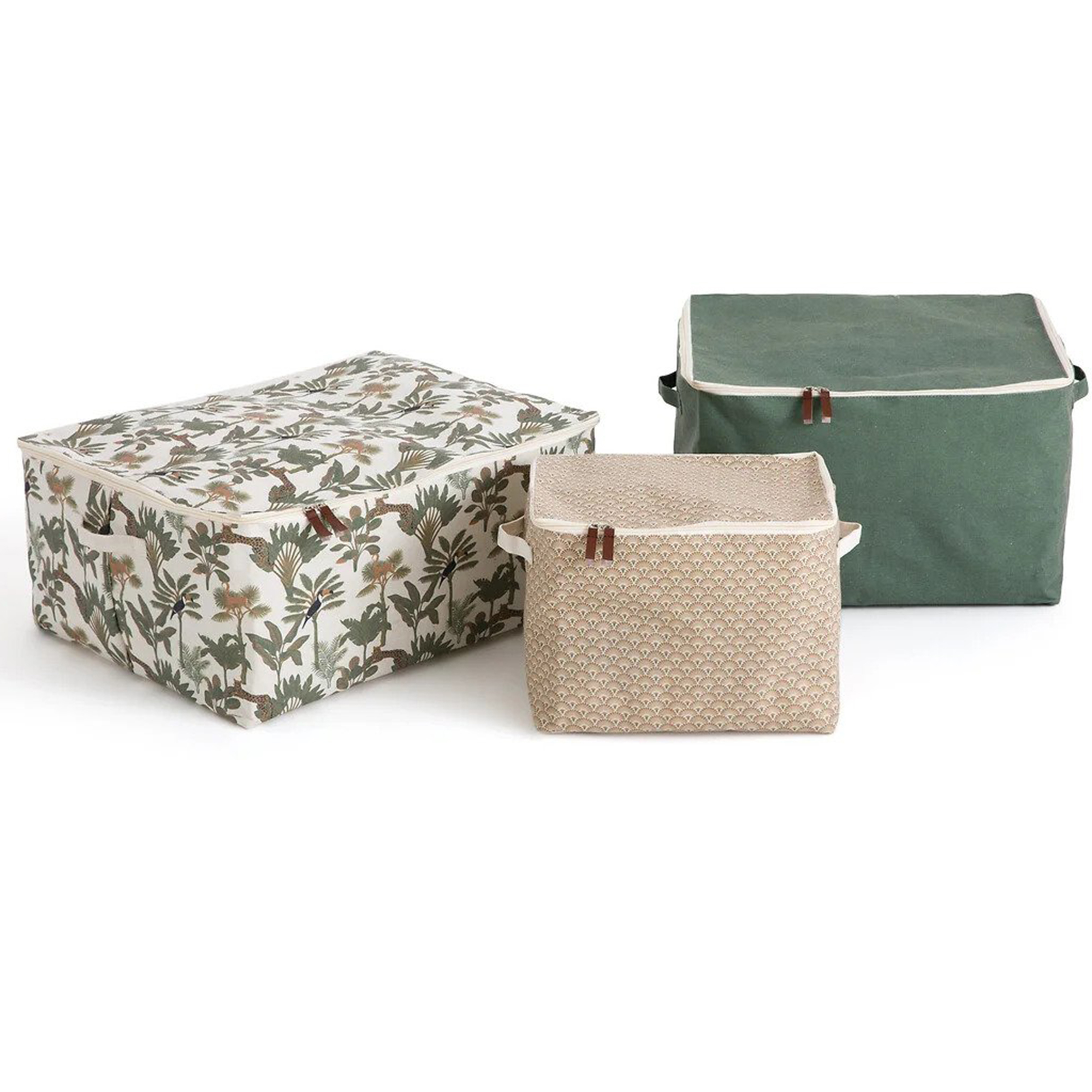
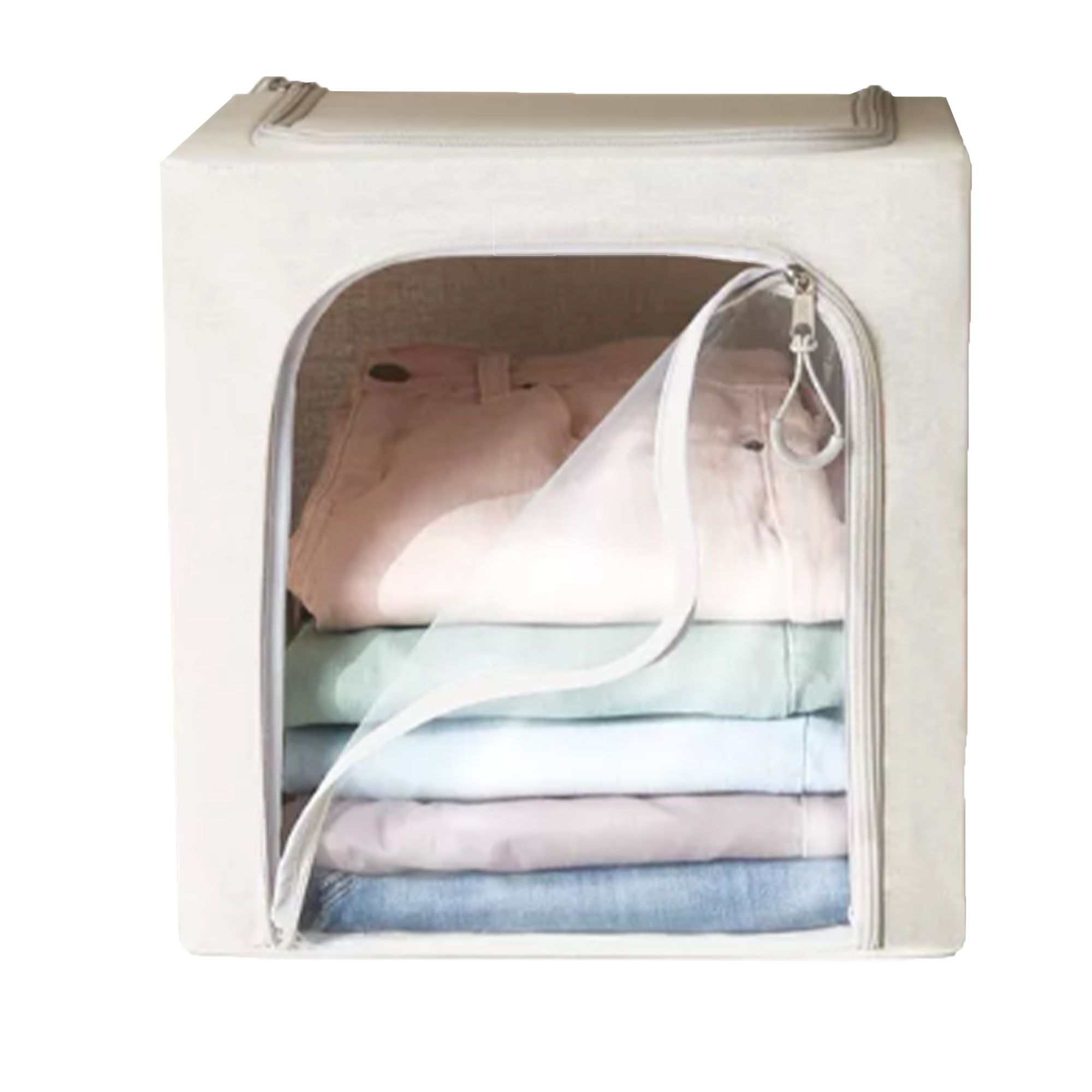
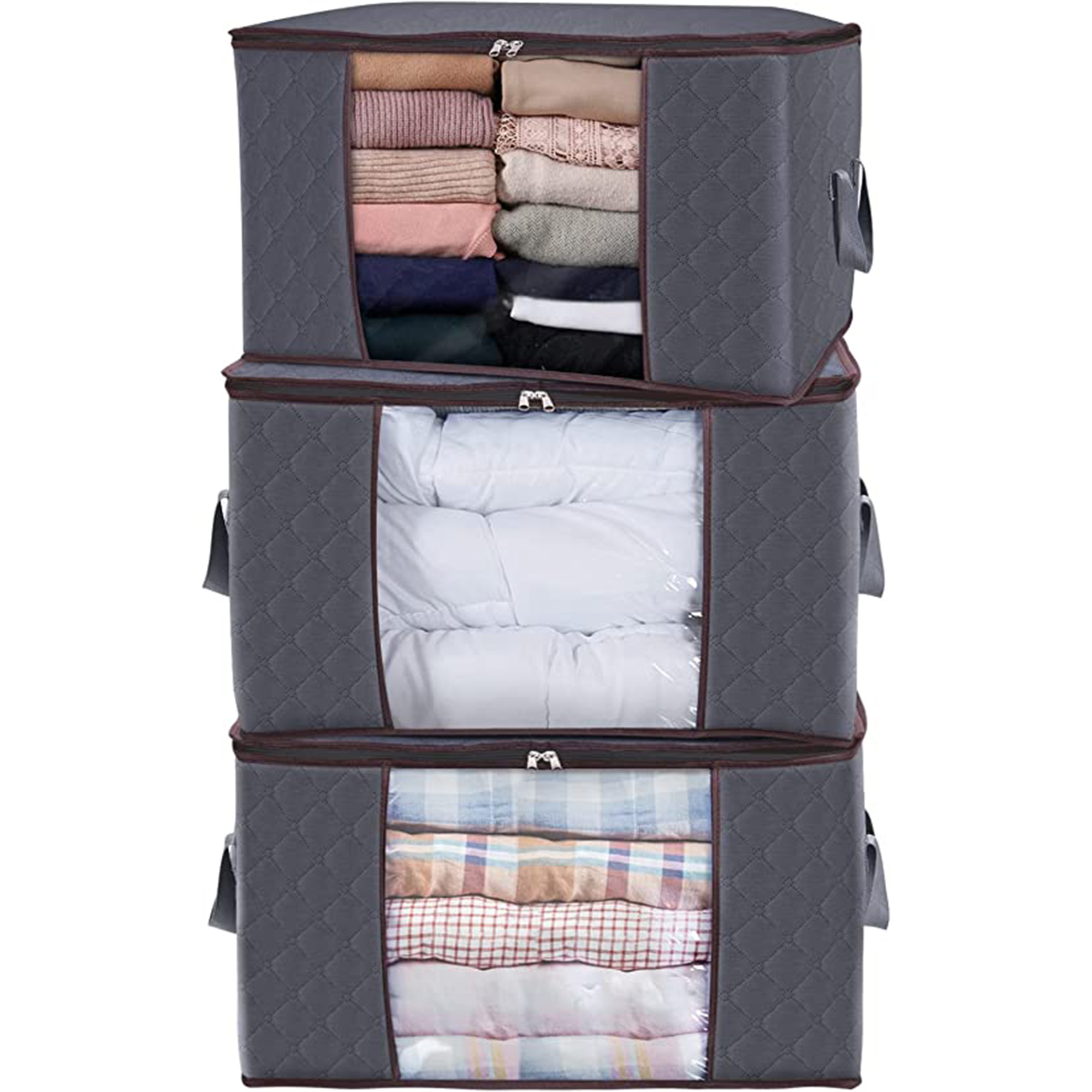
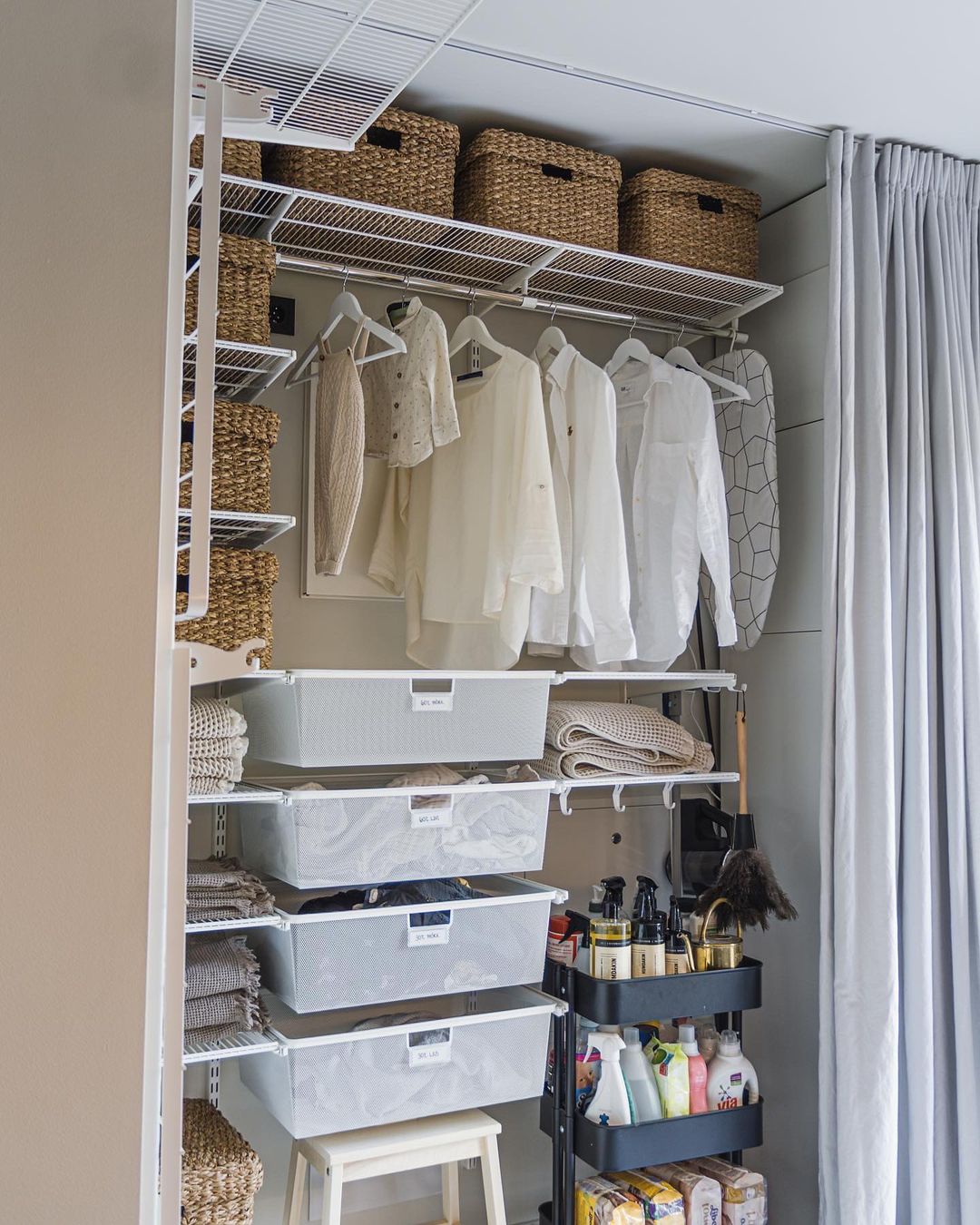
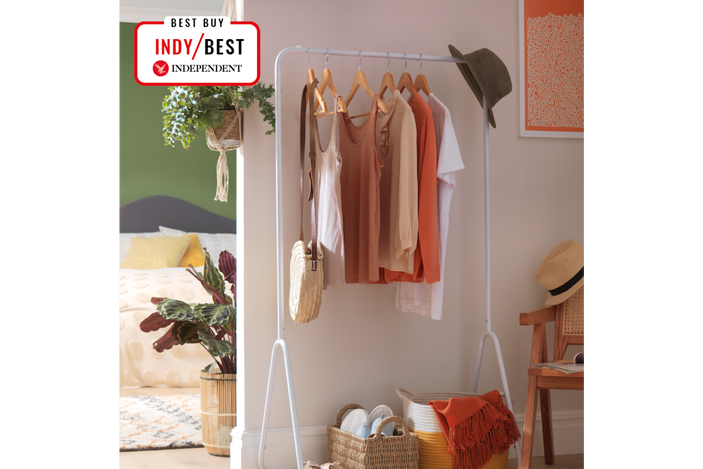
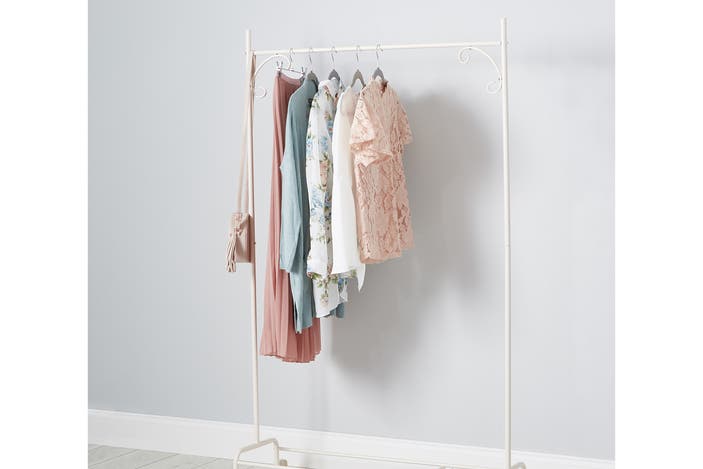
Offsite storage is a viable option for those with limited space or for luxury items. Specialized companies offer services to preserve high-value garments in temperature-controlled environments, and many dry cleaners provide cleaning and storage. Certain items, like fur outerwear, require specific temperature and humidity control to prevent damage. When storing at home, a separate closet with controlled temperature and humidity is ideal. Durable fabrics can be hung, while delicate knits and sweaters should be folded to maintain their shape. Accessories like portable covered clothing racks, cedar-lined closets, under-bed storage, non-porous boxes, garment bags, and vacuum-sealed bags are beneficial. Acid-free tissue should be used to separate colorful fabrics, and footwear should be boxed separately. Cedar blocks or moth-away sachets are recommended to deter pests, avoiding mothballs or flakes. Folding clothes is generally preferred over hanging to prevent damage from hangers, especially wire ones. Vacuum-sealed bags are particularly useful for saving space in garages, basements, or under beds, as they are airtight and protect against moisture and damage. Clear garment bags are advantageous for hanging items, allowing for easy visibility and access.
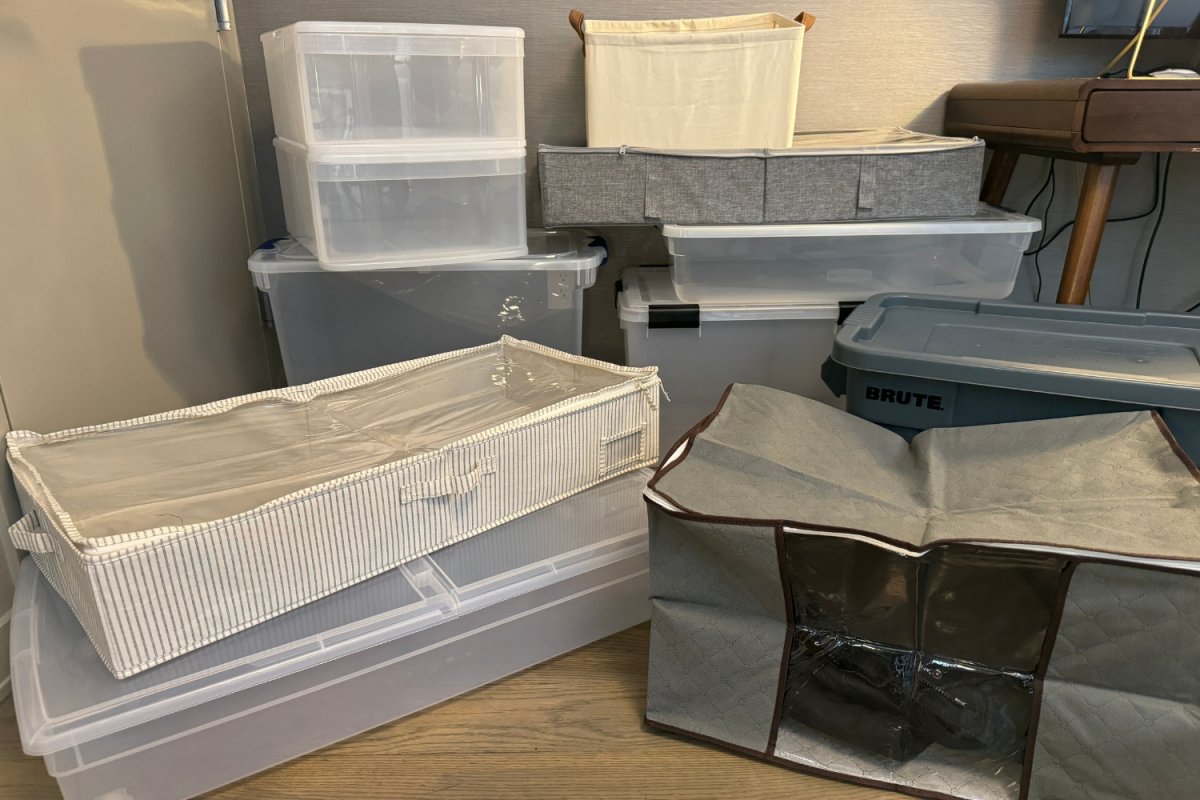
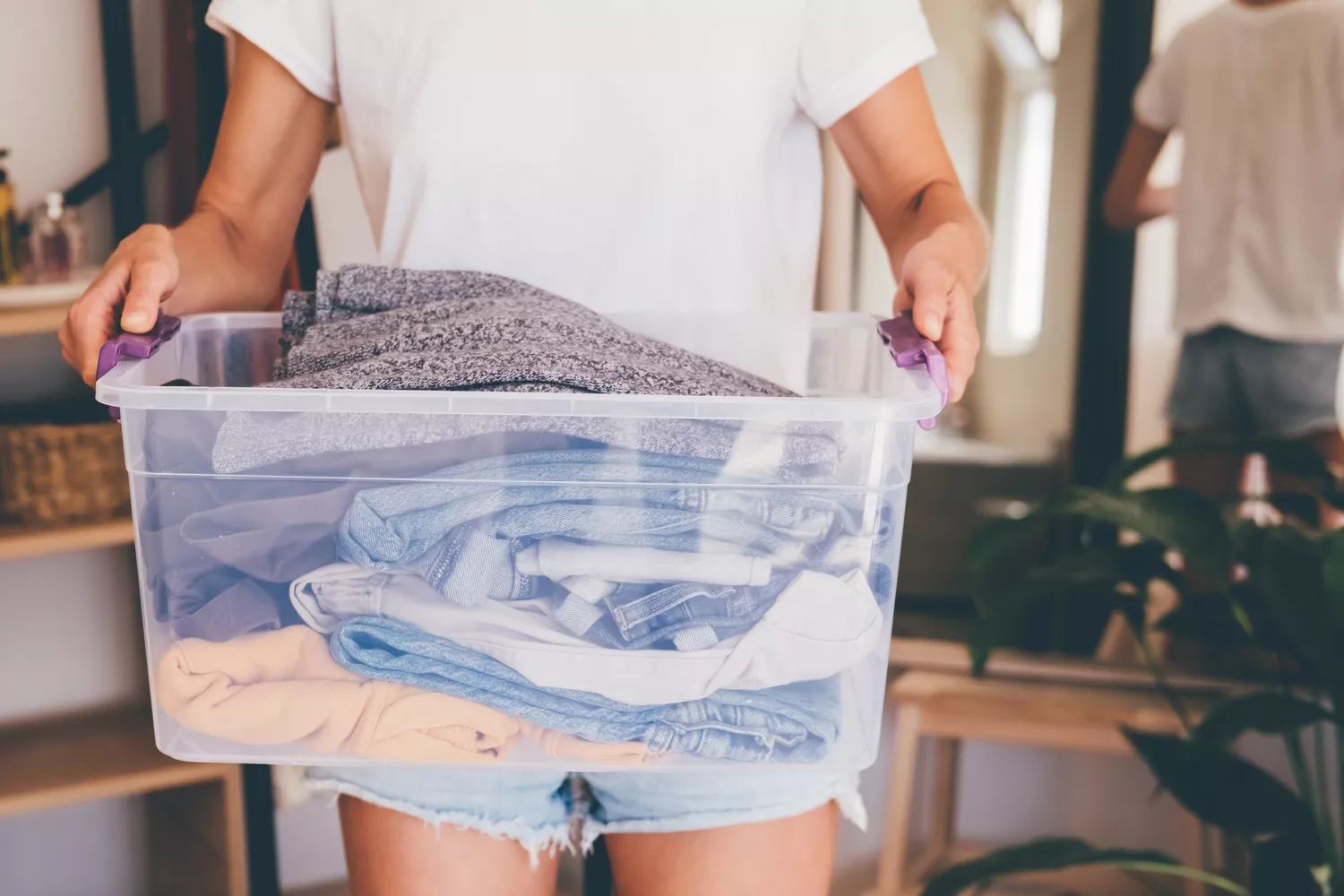
When considering long-term storage, the fabric type is important. Natural fibers like wool and silk are prone to moth damage and require extra protection, while synthetic fabrics tend to be more durable. Regardless of fabric, the storage environment should be free from temperature fluctuations, moisture, direct sunlight, and pests. Good ventilation is also essential. Clothes should be stored in a way that minimizes creasing, with rolling often being preferable to folding. Plastic storage boxes with tight, lockable lids are superior to cardboard for protecting against moisture and pests, and they should be periodically opened for inspection and airing. Ideal storage locations in a home, such as a garage, basement, or attic, should be windowless to prevent light exposure. In areas prone to flooding, sealed storage raised off the ground and regularly checked is advisable.
#LongTermStorage #ClothesOrganization #DeclutteringTips #SeasonalWardrobe #PestControl #FabricCare #HomeOrganization #LongTermStorage #ClothesOrganization #DeclutteringTips #SeasonalWardrobe #PestControl #FabricCare #HomeOrganization
0 comment in total
 No comments yet
You may also like
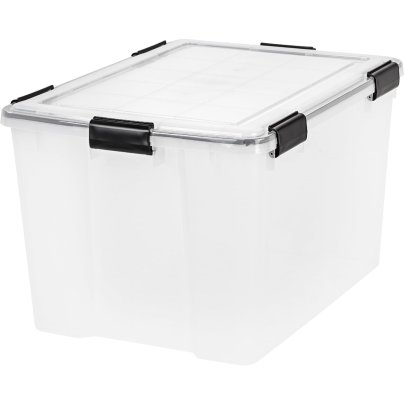
The Best Containers for Storing Clothes During the Offseason, Tested


Think twice before throwing out this often recycled item – it's the key to crease-free clothes in your closet
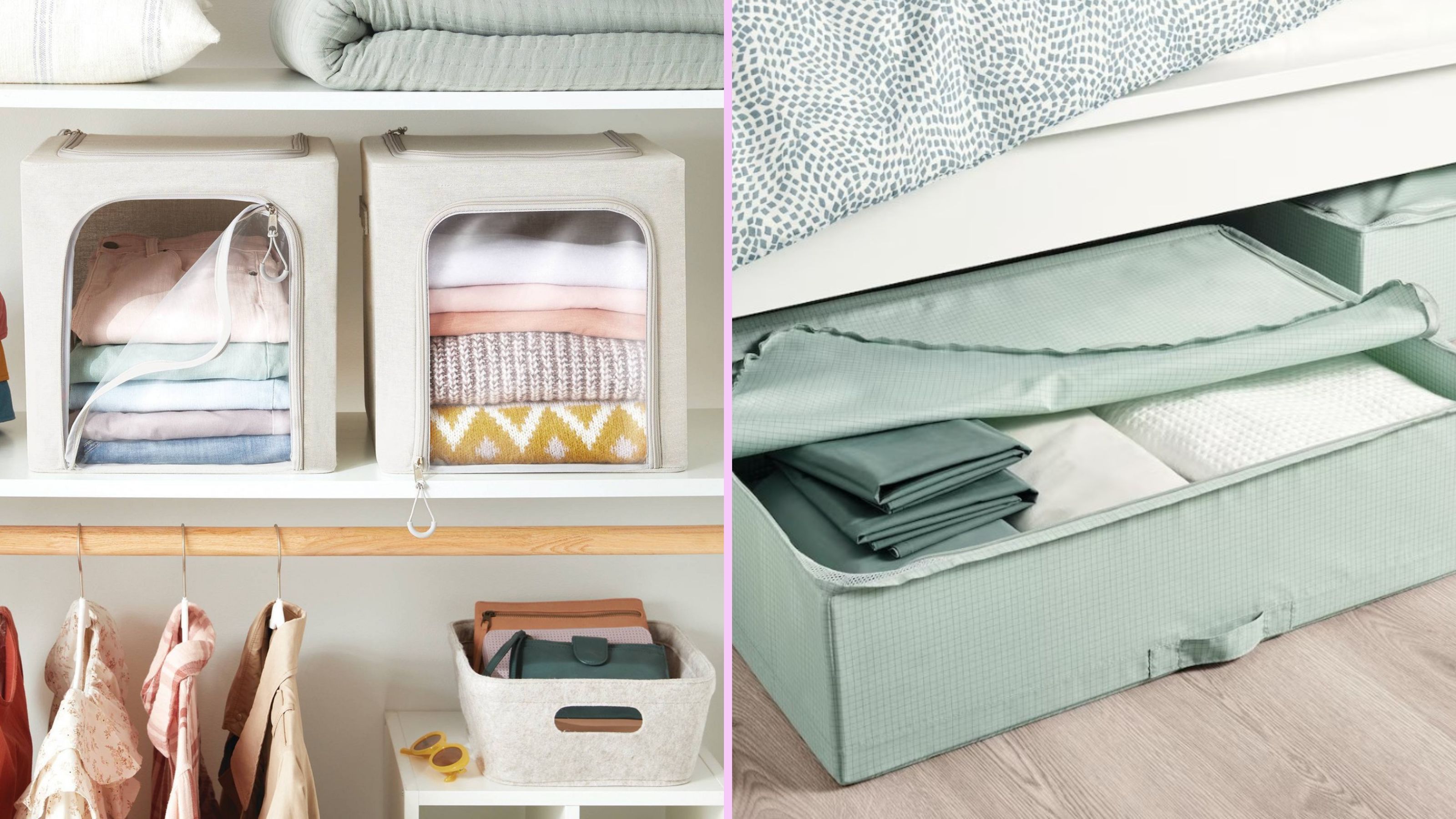
ATTN, closet stuffers — these are 12 of the best clothes storage bags for out-of-season fits

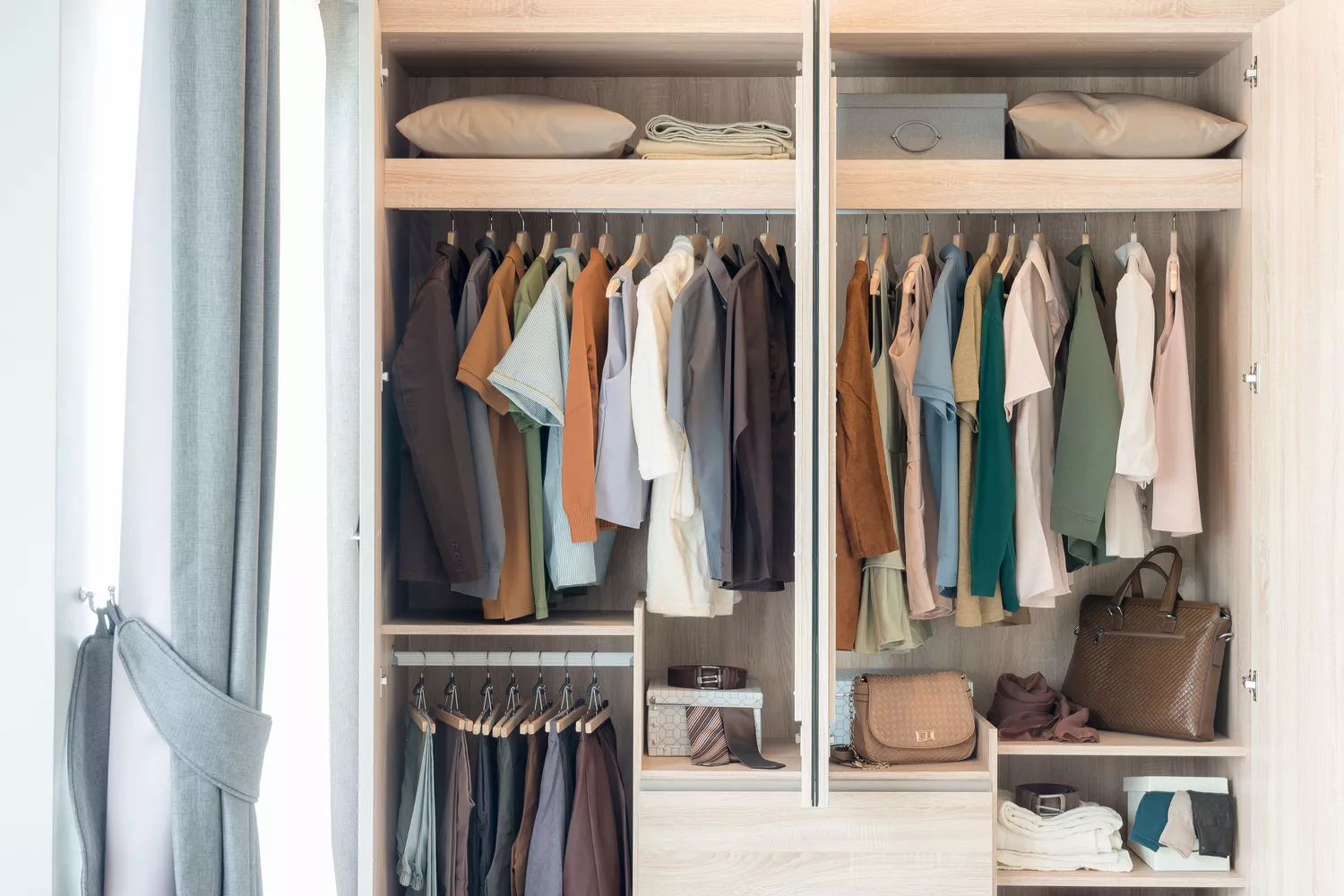
15 Clothes Storage Ideas That Will Transform Your Closet and Drawers

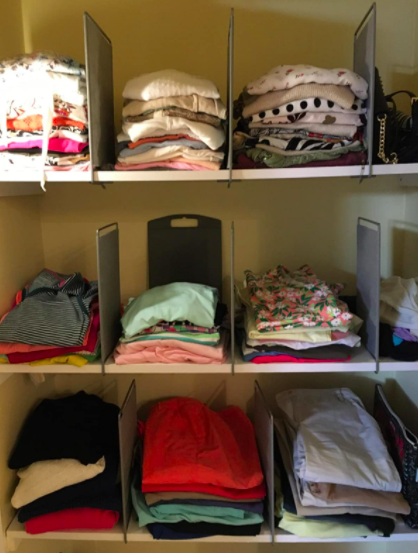
19 Ways To Neatly Store All The New Loungewear You've Been Buying

6 Tricks for Storing Bulky Winter Clothes Away Without Eating Up All of Your Closet Storage Space

Is Your Garage A Safe Spot To Store Off-Season Clothes? Experts Weigh In
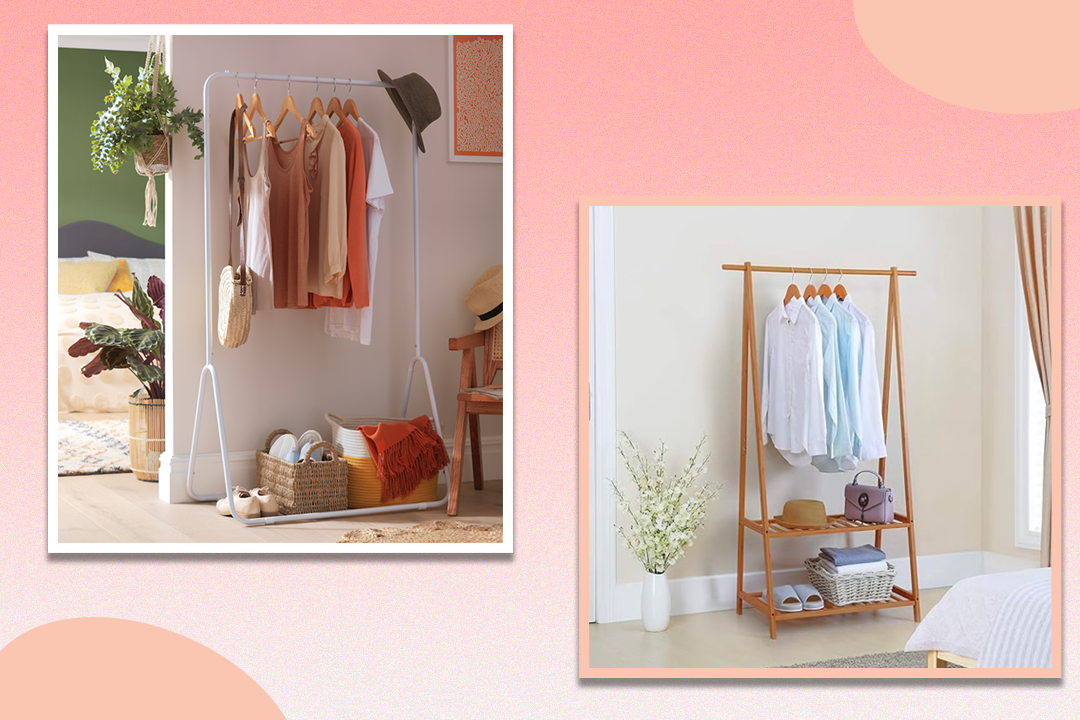
10 best clothes rails for extra storage and style

21 Ways To Organize Your Clothes If You Can’t Bring Yourself To Downsize Your Wardrobe
The Smartest Way to Organize Your Closet

7 Insta-worthy laundry detergent storage ideas

Our Top-Tested Hangers Are the Simple Change Your Closet Needs

6 Tips For Storing Offseason Clothes, According To Organizers
37 Closet Products That Keep All Your Clothes & Accessories Easily Visible

Wardrobe storage ideas – 17 ways to keep your closet neat, organised and easily accessible

7 of the best space saving hangers to organize your closet


5 Closet Systems That Will Prevent Clothes From Piling Up

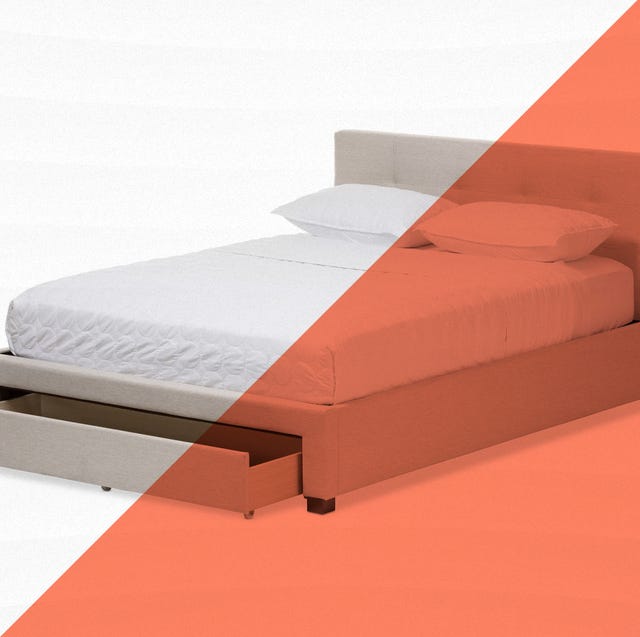
10 Best Storage Beds for Keeping Clothes and Clutter Contained

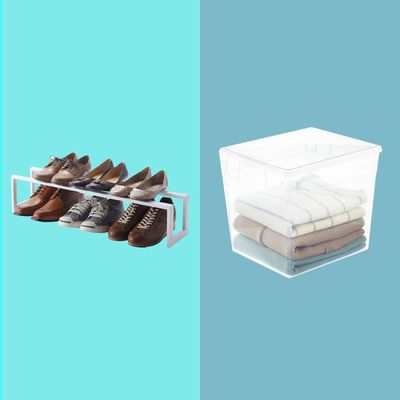
The Best Closet Storage, According to Professional Organizers
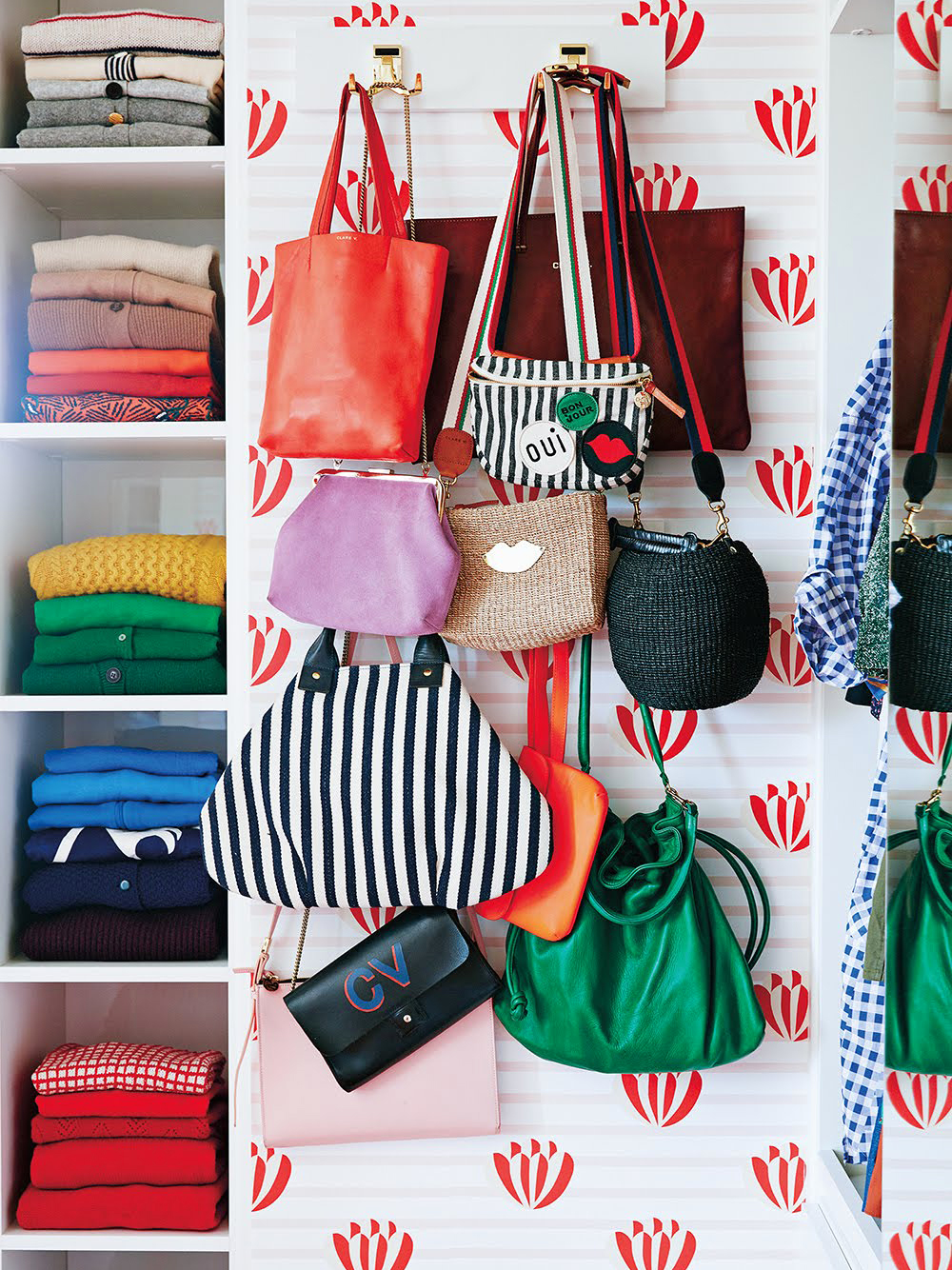
6 Fashion Designers Spill Their Secrets to a Clutter-Free Closet