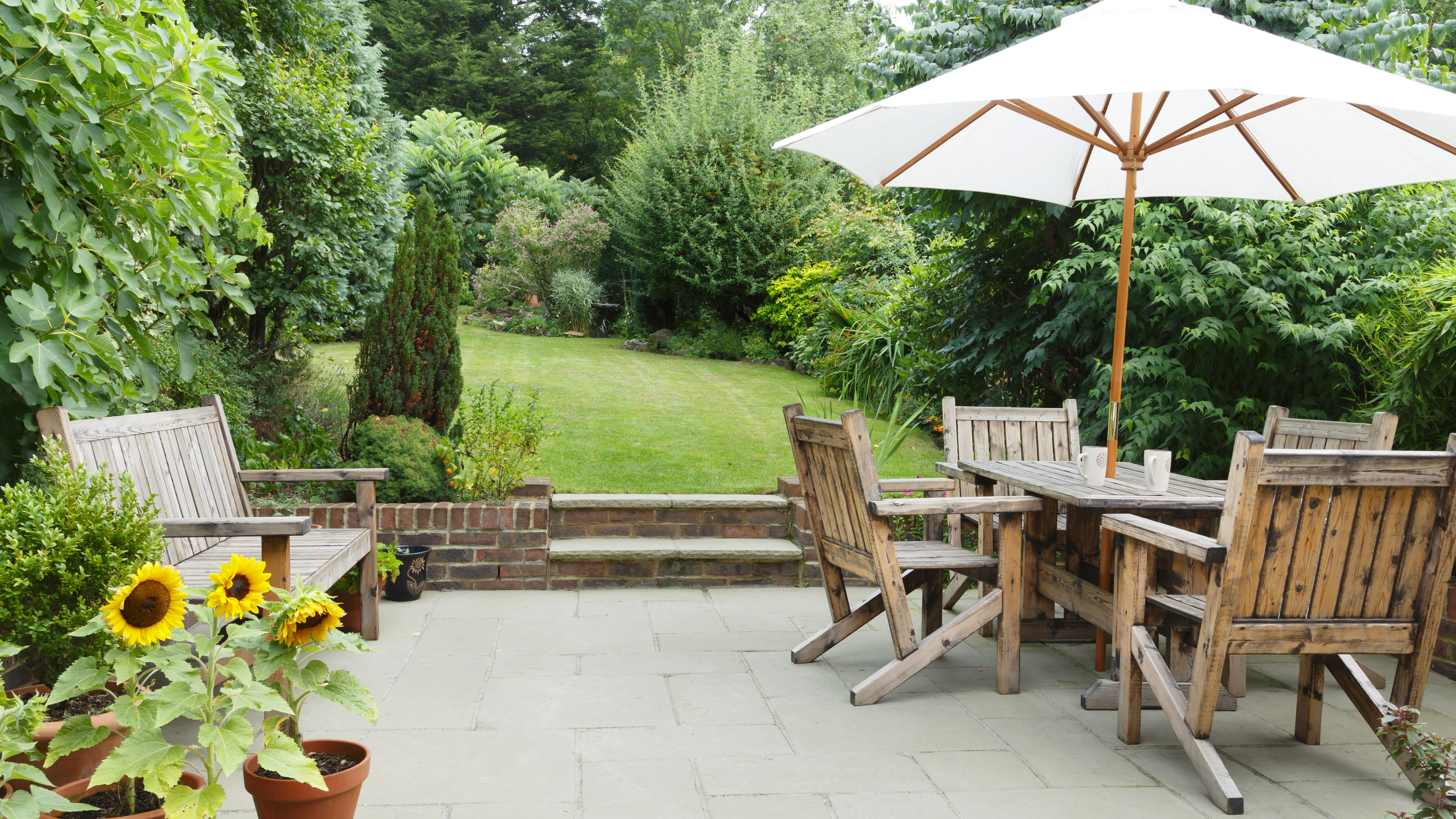
1/8
Don't ruin your patio! 7 steps experts say you must take before the first frost
The article provides a comprehensive guide for homeowners on preparing their outdoor spaces for the colder, wetter weather. Drawing on expert advice from outdoor living specialists at LightingLegends.com, it outlines seven essential steps to prevent damage to gardens and patios during winter. The primary focus is on proactive maintenance to ensure outdoor areas remain in optimal condition and are ready for enjoyment in the spring.
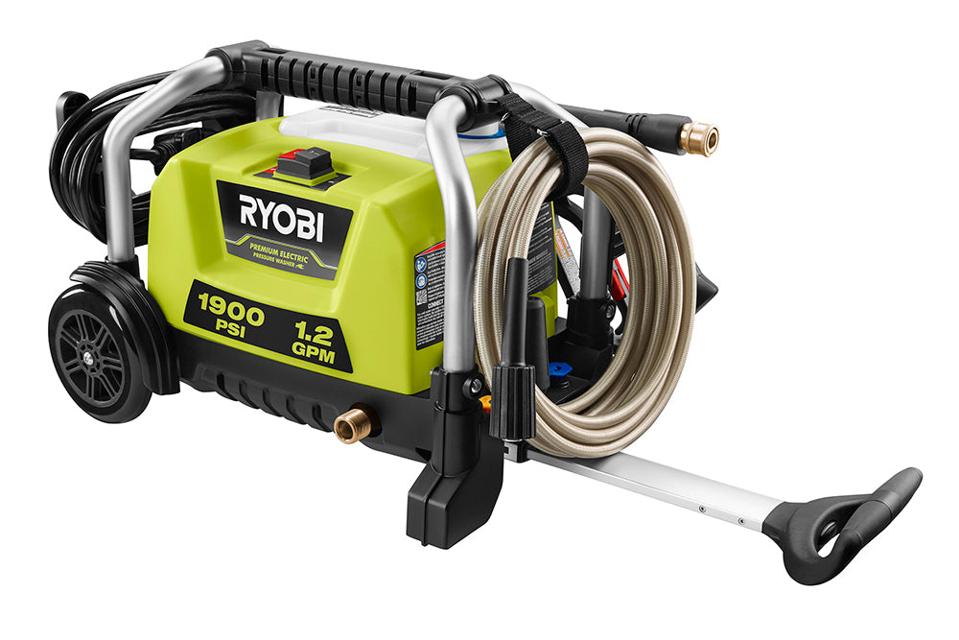
The first step emphasizes a deep clean and thorough drying of all outdoor elements. This involves washing down furniture, patios, and pathways to remove accumulated dirt, leaves, and algae, which can lead to stains, rot, and mildew. Adam Wilkins of LightingLegends.com highlights the importance of checking hidden corners where water might collect, as untreated moisture can cause long-term damage. Following cleaning, all items must be completely dry before covering or storing to prevent condensation-related issues.
Next, the article advises covering outdoor furniture with waterproof yet breathable materials. It specifically recommends PVC sheets with vents or waxed tarps to allow air circulation while repelling moisture. Wilkins notes that investing in breathable covers extends furniture lifespan by preventing mold and dampness. The guide also suggests bringing less sturdy items indoors. Lightweight or wooden furniture, as well as vulnerable materials like plastic or wicker, should be moved to a garage, shed, or a sheltered area to protect them from strong winds, heavy rain, and freezing temperatures that can cause cracking or brittleness. Metal furniture, generally more robust, can typically remain outside, but any remaining outdoor items should be positioned against walls or fences for wind protection.
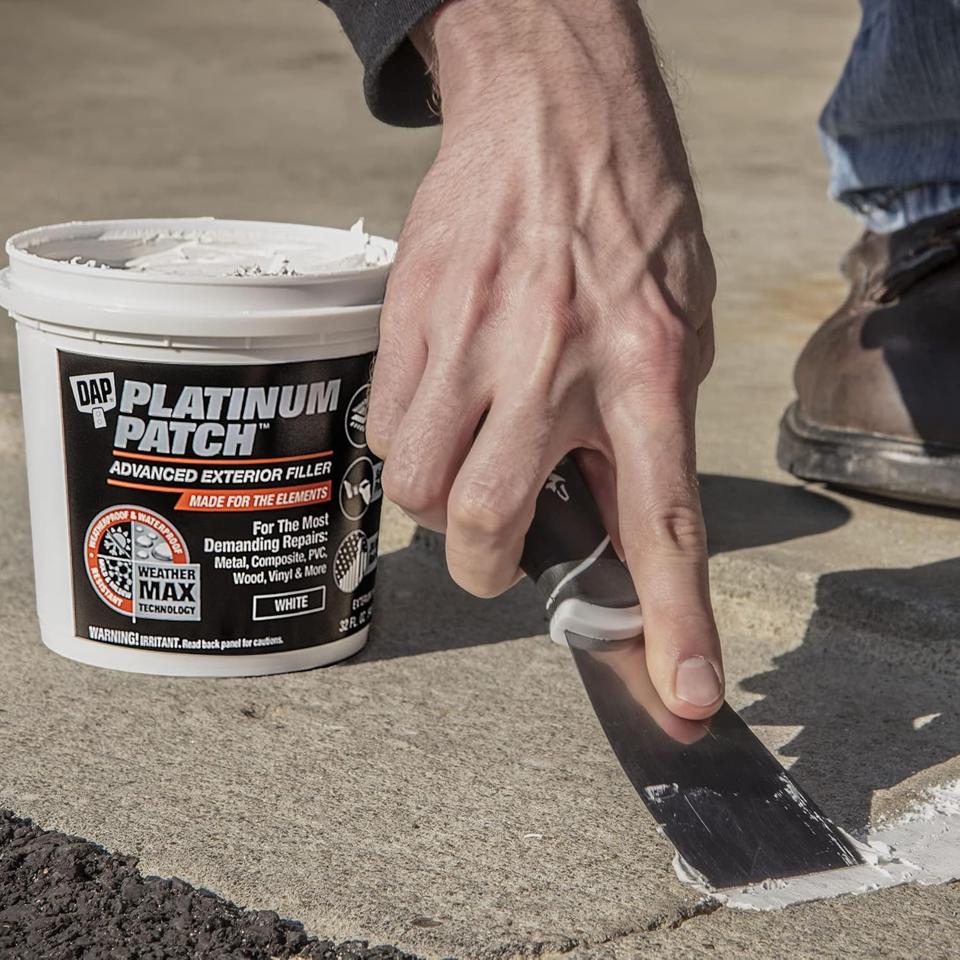
Outdoor lighting also requires attention. The fourth step recommends wiping bulbs and fittings with a clean, dry cloth to remove grime and prevent corrosion. Regular checks for loose wires or water ingress are crucial, especially after heavy rainfall, to maintain functionality and prevent electrical problems. The fifth step focuses on inspecting and repairing patios. Homeowners are advised to look for cracks or gaps that could expand and worsen with frost. Filling these gaps with appropriate materials before temperatures drop is essential. Additionally, regularly sweeping and rinsing patios helps remove leaves and grit that can trap moisture and accelerate wear.
The penultimate step involves securing and protecting garden accessories. This includes tying down or storing lightweight items such as plant pots, ornaments, and cushions to prevent them from being displaced by strong winds. Wooden furniture should be treated with a quality preservative like beeswax or outdoor wood wax to prevent rot and moved off grass onto hard ground to avoid moisture absorption. Wilkins underscores that different materials have varying durability and require specific attention to remain intact. The final step reinforces the overall message that a few hours of preparation can prevent costly repairs and ensure the garden is a safe and tidy space for both humans and local wildlife in the coming year.
#PatioCare #WinterPreparation #GardenMaintenance #OutdoorFurniture #HomeImprovement #FrostProtection #OutdoorLighting #PatioCare #WinterPreparation #GardenMaintenance #OutdoorFurniture #HomeImprovement #FrostProtection #OutdoorLighting
0 comment in total
 No comments yet
You may also like

3 design expert tips for preparing your backyard for spring

6 Smart Ways to Prevent a Soggy Yard with Every Rain Shower


Worried about your basement flooding? Install these temporary measures before heavy rainfall
Grilling season is almost here: 5 steps to get your patio ready for summer


How To Clean And Prepare Your Patio For Warmer Months Ahead


5 things to know before cladding your home's exterior

Patio Season Is Here! 6 Must-Do Steps to Prepare Your Space for Summer


How to Bring Spring to Your Patio — 5 Ideas to Transition Your Outdoor Space


11 tips from the professionals to get your garden ready for spring

How To Clean And Maintain Your Patio During Harsh Winter Weather


When to drip faucets – avoid frozen and burst pipes with these expert-approved precautions
How to lay a patio

6 Outdoor Fixes You Should Do Now for a Damage-Free Spring, Home Reno Pros Say


Don't wait until spring! Ignoring this 'critical' driveway maintenance task in the fall can land you with a big repair bill – an easy, DIY fix now is all you need

Easy tips to give your outdoor patio a fresh look for summer, according to an expert

One Designer on How to Make Your Screened-In Porch Usable This Winter

Everything you need to upgrade your patio for summer and how to protect it

How to Winterize Your House And Save Yourself Thousands in Repairs Later
How to wrap potted plants for winter – and keep them warm in frost and snow

Until Outdoor AC Exists, Here's How to Prep Your Backyard So It Stays Cool All Summer