1/5
How to wrap potted plants for winter – and keep them warm in frost and snow
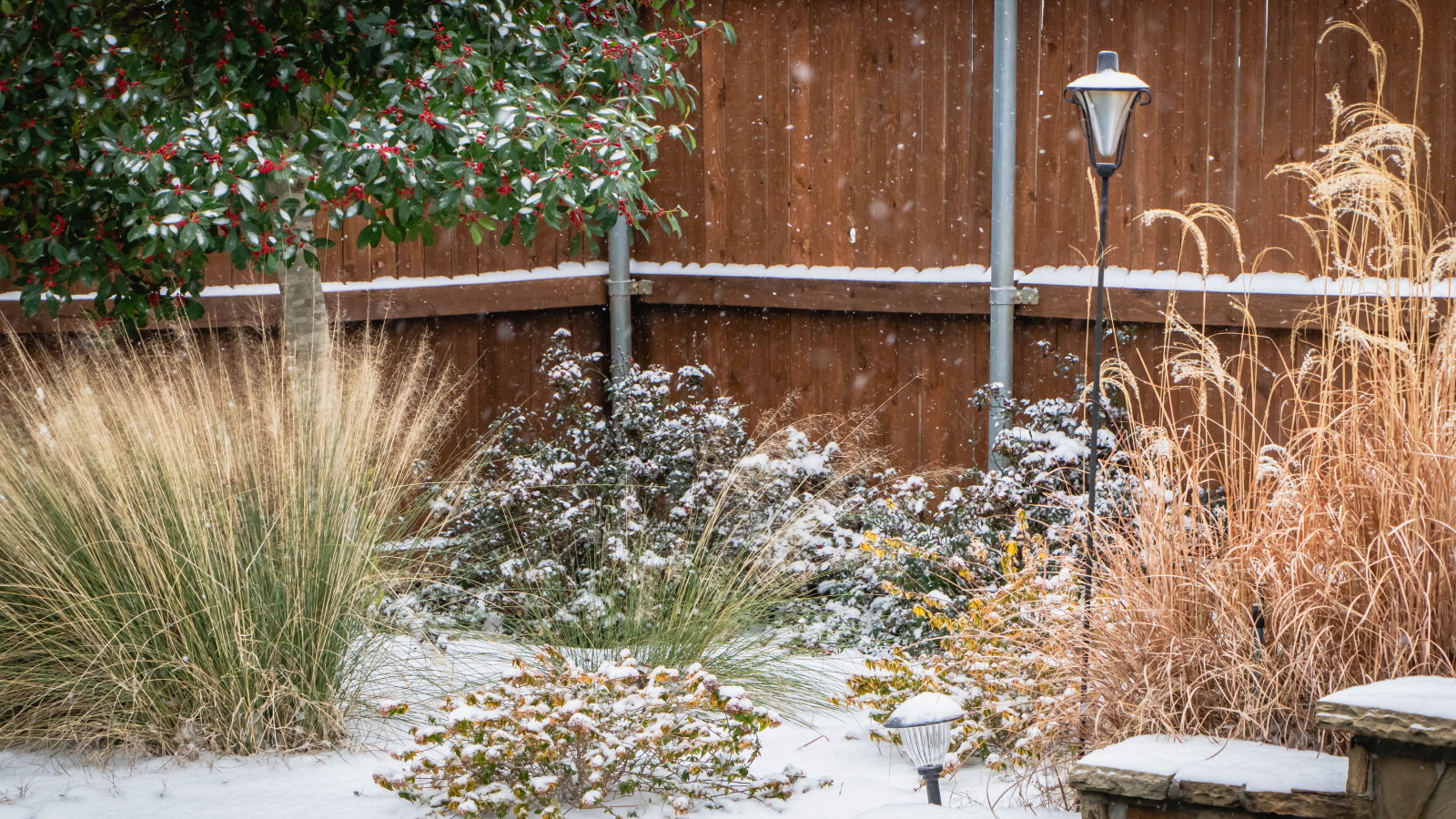
As winter approaches, outdoor potted plants face significant challenges from harsh weather conditions, including cell-freeze and cracking containers. Providing an insulating layer for these plants can be crucial for their survival, safeguarding them from the intense cold and preventing the soil from repeatedly freezing. This guide outlines the essential steps and materials needed to properly wrap potted plants for winter, ensuring they have the best chance to thrive through the colder months.
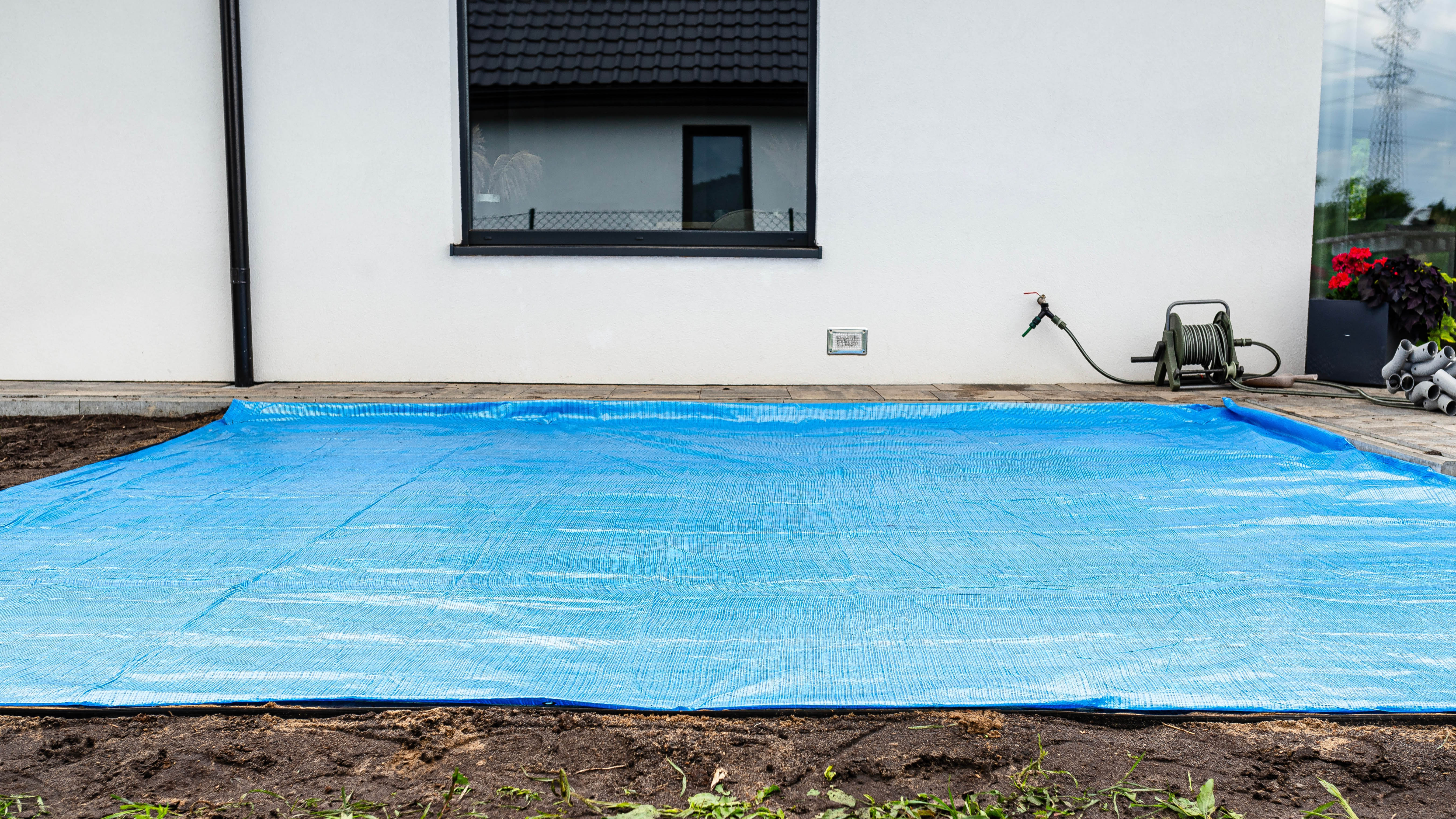
The first critical step involves selecting the appropriate wrapping material. While any insulation might seem beneficial, the choice of material significantly impacts plant health, especially for plants that are not frost-hardy. The right material must offer insulation while also allowing for proper air circulation to prevent mold buildup. Recommended materials include burlap, a breathable fabric that protects against wind and frost; fleece plant covers or garden fabric, specifically designed to shield plants from cold without restricting airflow; and, with caution, bubble wrap for insulation. Plastic tarps or recycled plastic can also offer protection against moisture and frost, but care must be taken to ensure adequate ventilation to avoid trapping moisture. Experts specifically advise against overwrapping, as this can lead to moisture accumulation, mold, or rot, particularly if non-breathable fabrics are used.
Once the material is chosen, preparing the potted plant for wrapping is essential. This involves cleaning the pot's surface of debris, frost, or snow, providing the plant with adequate water, and elevating the planter. Lifting the pot off the ground using wooden blocks, bricks, or a pot stand helps protect the plant's roots from freezing by preventing direct contact with the cold soil. Watering the plant before wrapping is also beneficial, as damp soil retains warmth more effectively, offering additional insulation to the roots. However, it is important to avoid overwatering to prevent root rot, and tools like soil moisture meters can assist in maintaining optimal hydration levels.
Next, precise measurement of the wrapping material is important. The material should wrap around the pot's circumference once, with a few extra inches for overlap. If a single piece of fabric doesn't cover the entire height of the pot, additional pieces should be cut to fill the gap. An extra piece should also be cut to cover the bottom of the pot, extending several inches beyond its circumference to facilitate secure attachment. The goal is to provide sufficient coverage without excessive layering.
The final step involves securely fastening the fabric pieces around the outdoor pots. Various methods can be used, but the chosen approach must be robust enough to withstand snow and wind. Twine, clips, or decorative cords can be used to anchor the materials, ensuring they are snug but not so tight as to restrict airflow. Additionally, a layer of mulch, such as wood chips, can be packed around the base of the pot for extra insulation. It is also crucial to ensure that the pot's drainage holes remain clear or are opened up with scissors to prevent soil waterlogging, which could otherwise harm the plant. By following these steps, gardeners can significantly improve their potted plants' chances of surviving the winter and emerging healthy in the spring.
#WinterPlantCare #PottedPlants #FrostProtection #GardenInsulation #OverwinteringPlants #ContainerGardening #PlantProtection #GardeningTips #WinterPlantCare #PottedPlants #FrostProtection #GardenInsulation #OverwinteringPlants #ContainerGardening #PlantProtection #GardeningTips
0 comment in total
 No comments yet
You may also like
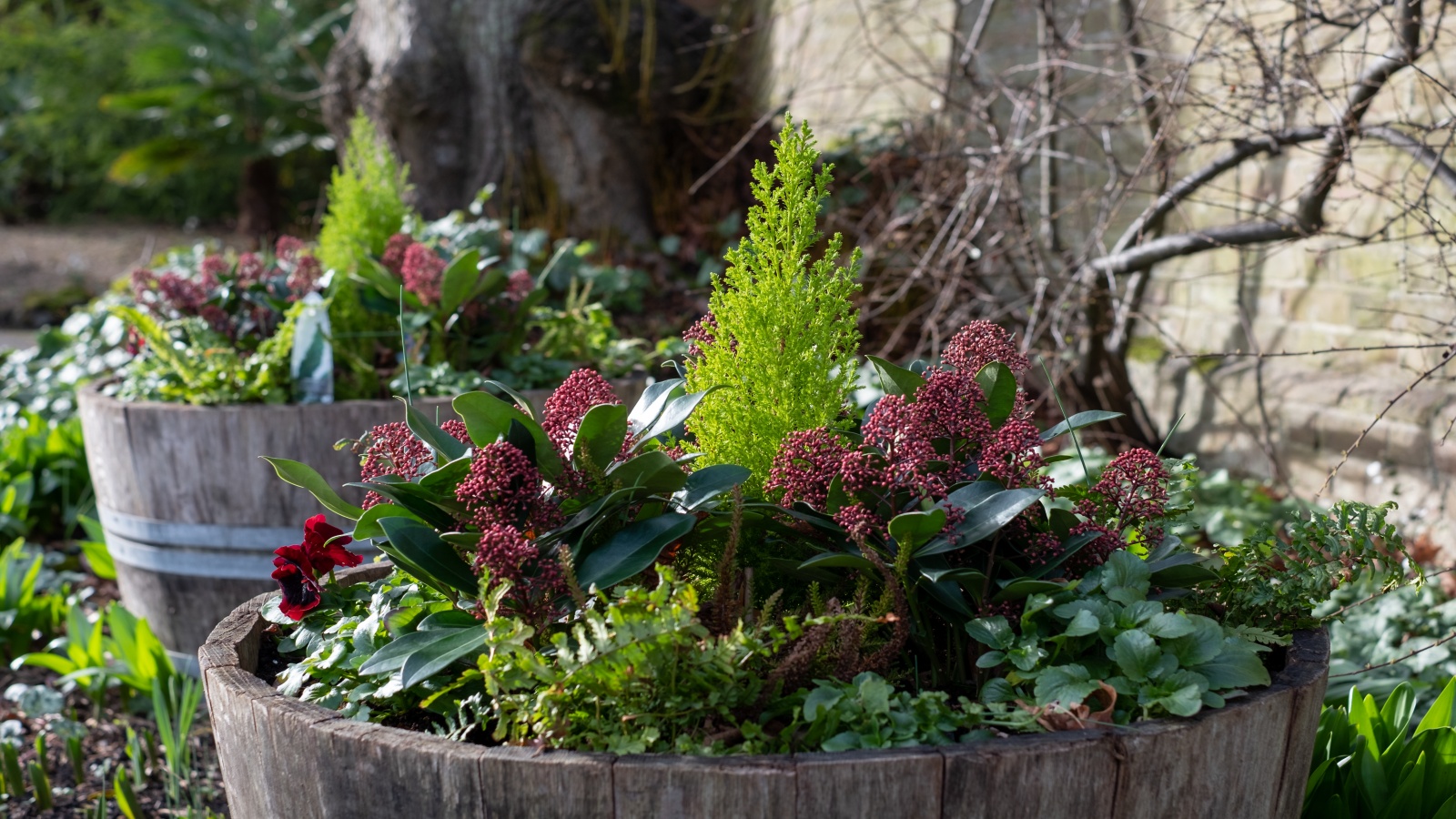
Garden Designers Share Simple Yet Stylish Ways to Spruce Winter Containers
Nov 2017: Gone Gardenin' -- Ice plants can be enjoyed both indoors and outdoors
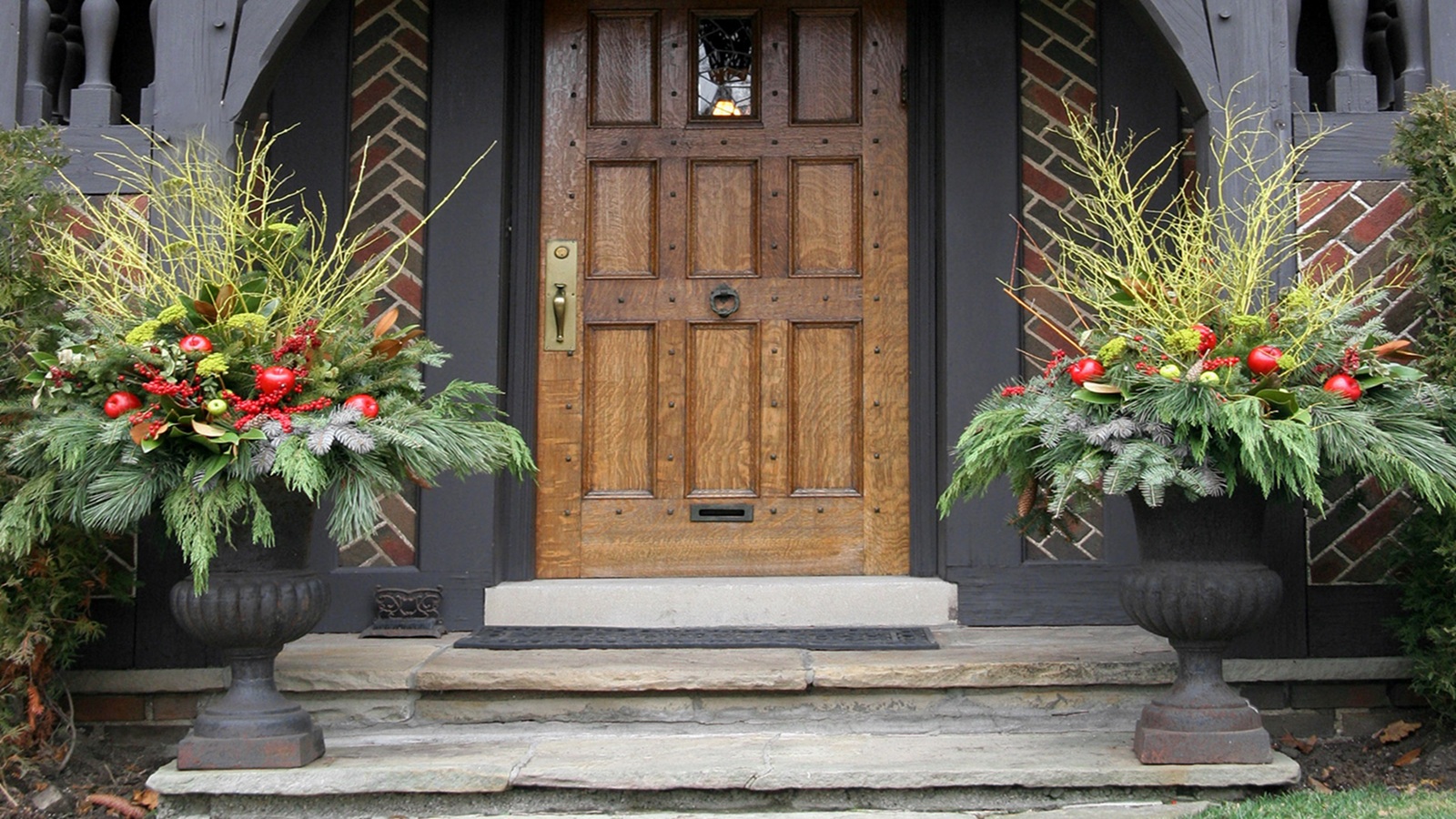
I Spoke to Pro Designers for Secrets to Styling a Porch in Freezing Winters
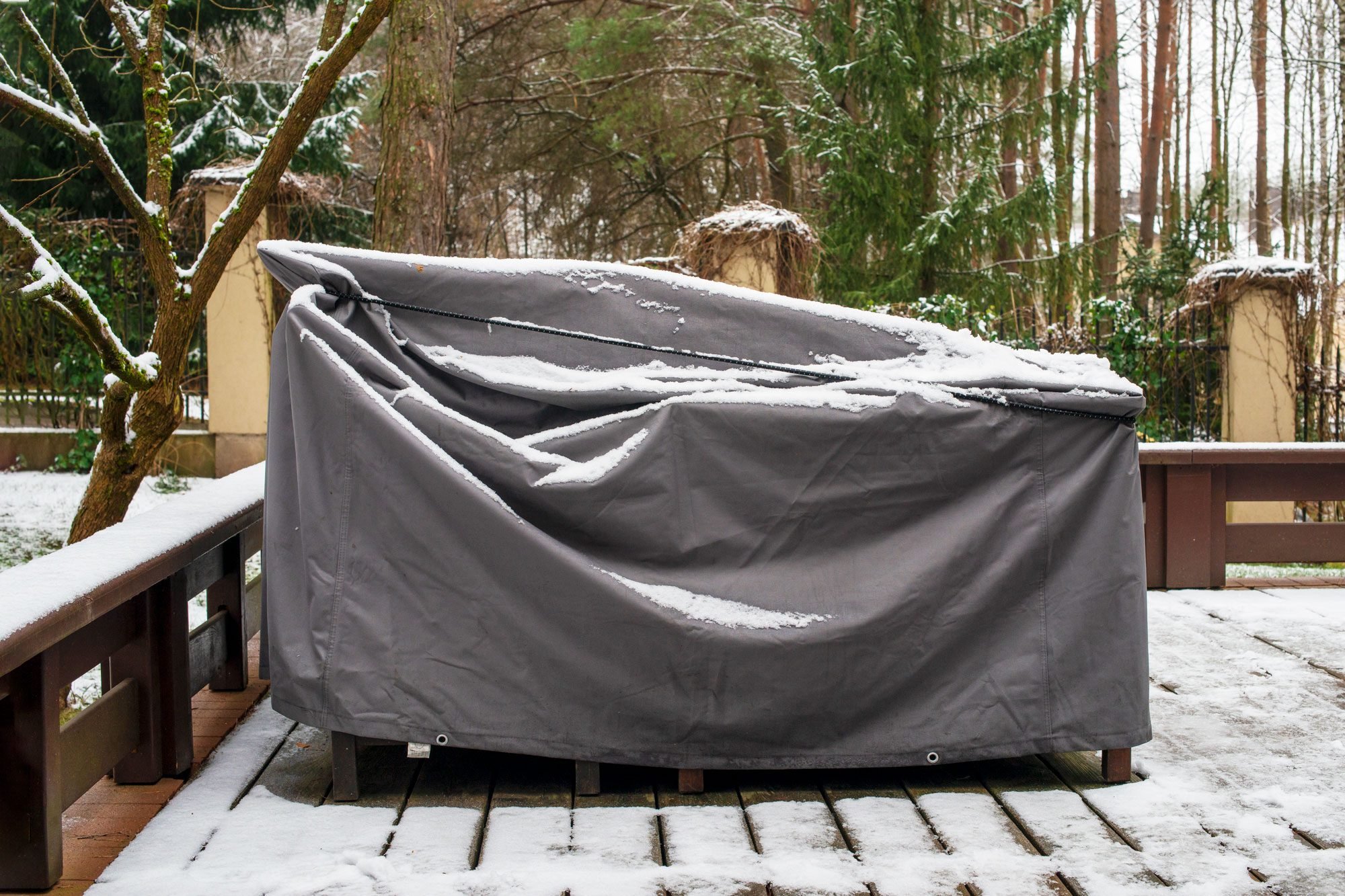
Winterproofing Your Outdoor Furniture – Easy Tips

25 Colorful Winter Flowers That Actually Thrive in the Cold

Winter garden ideas – 20 ways to a beautiful winter backyard
20 Flowers You Can Plant During The Winter

7 easy and efficient ways to keep your house warm this winter
These Flowers Will Thrive in the Coldest Months of the Year

Cornerstone Homebuyers Expands "Sell Water Damaged House" Service Throughout Florida

Don't ruin your patio! 7 steps experts say you must take before the first frost

How to protect houseplants from central heating – to keep them thriving indoors throughout the colder months
Tips for selecting an indoor plant

How to protect your Christmas tree from underfloor heating

7 curtain hacks for a warmer home this winter
Brighten Your Home This Winter With These 30 Stunning Floral Arrangements


How to Keep Exterior Green Walls Alive in the Winter

5 Houseplants That Just Don't Like Winter — And How to Keep Them as Happy as Possible During the Colder Months

Best holiday houseplants – 7 plants ideal for festive decor that aren't all Christmas cacti
Plan and plant now for a colorful, interesting garden even in winter