1/2
Winterproofing Your Outdoor Furniture – Easy Tips
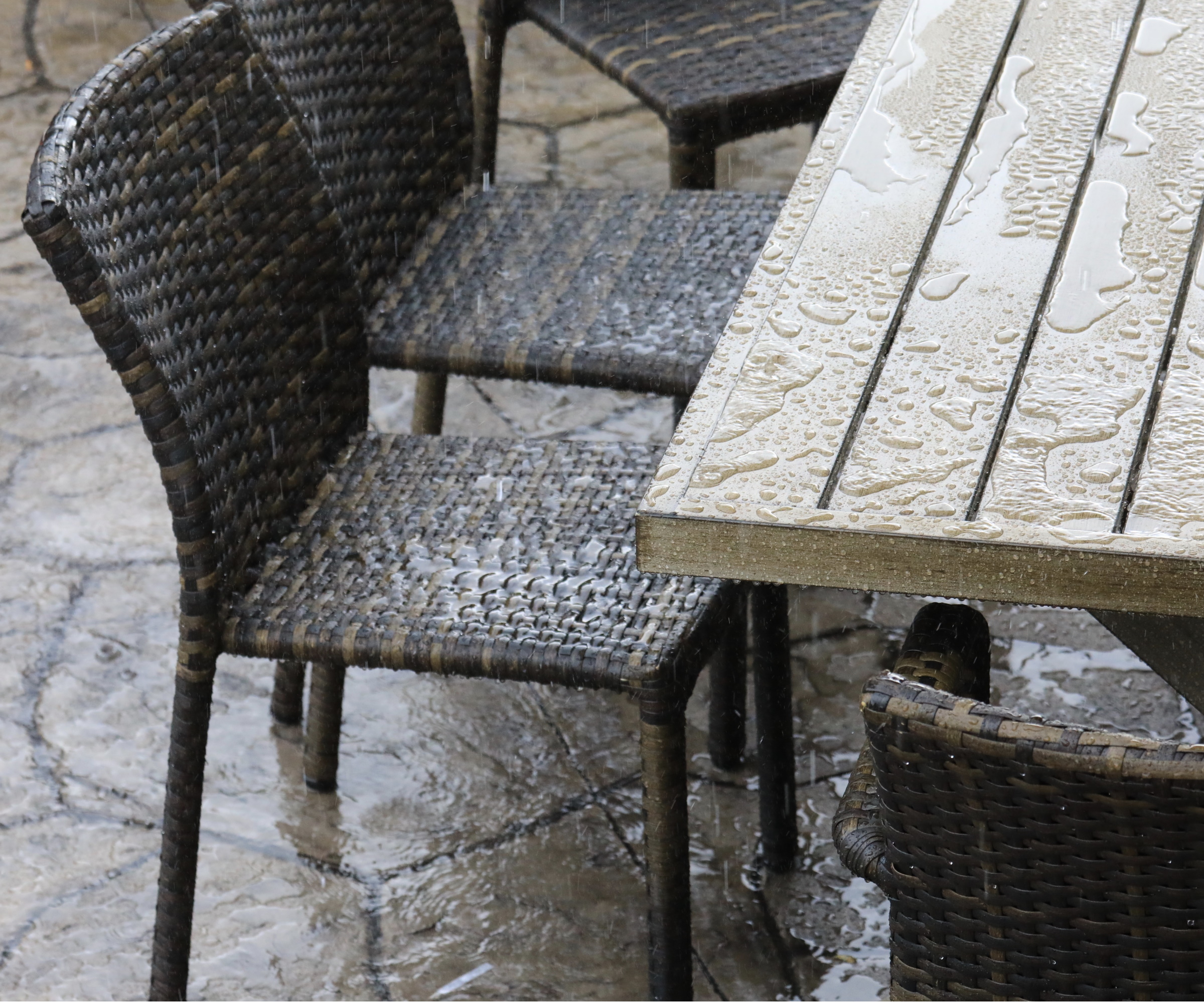
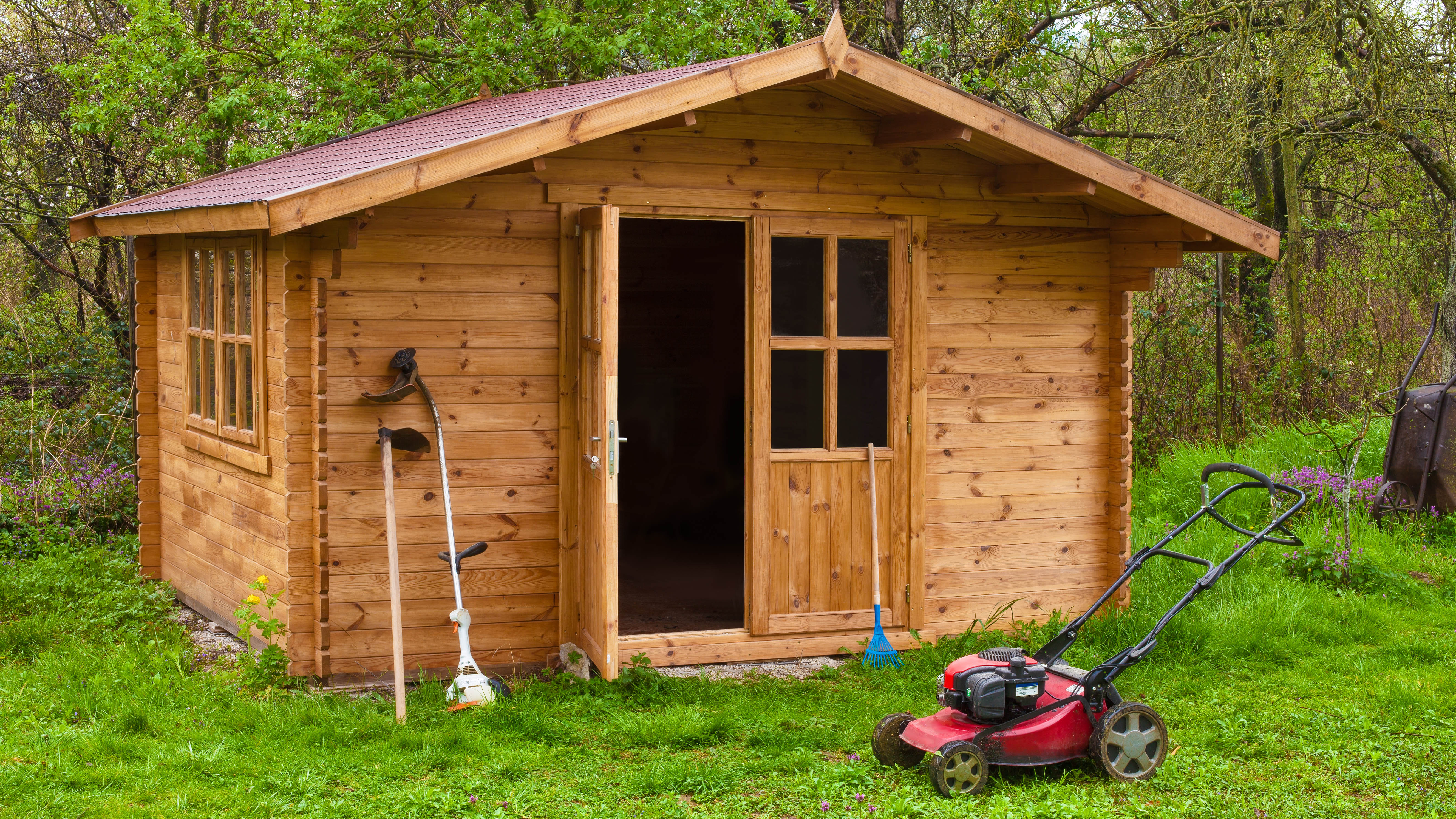
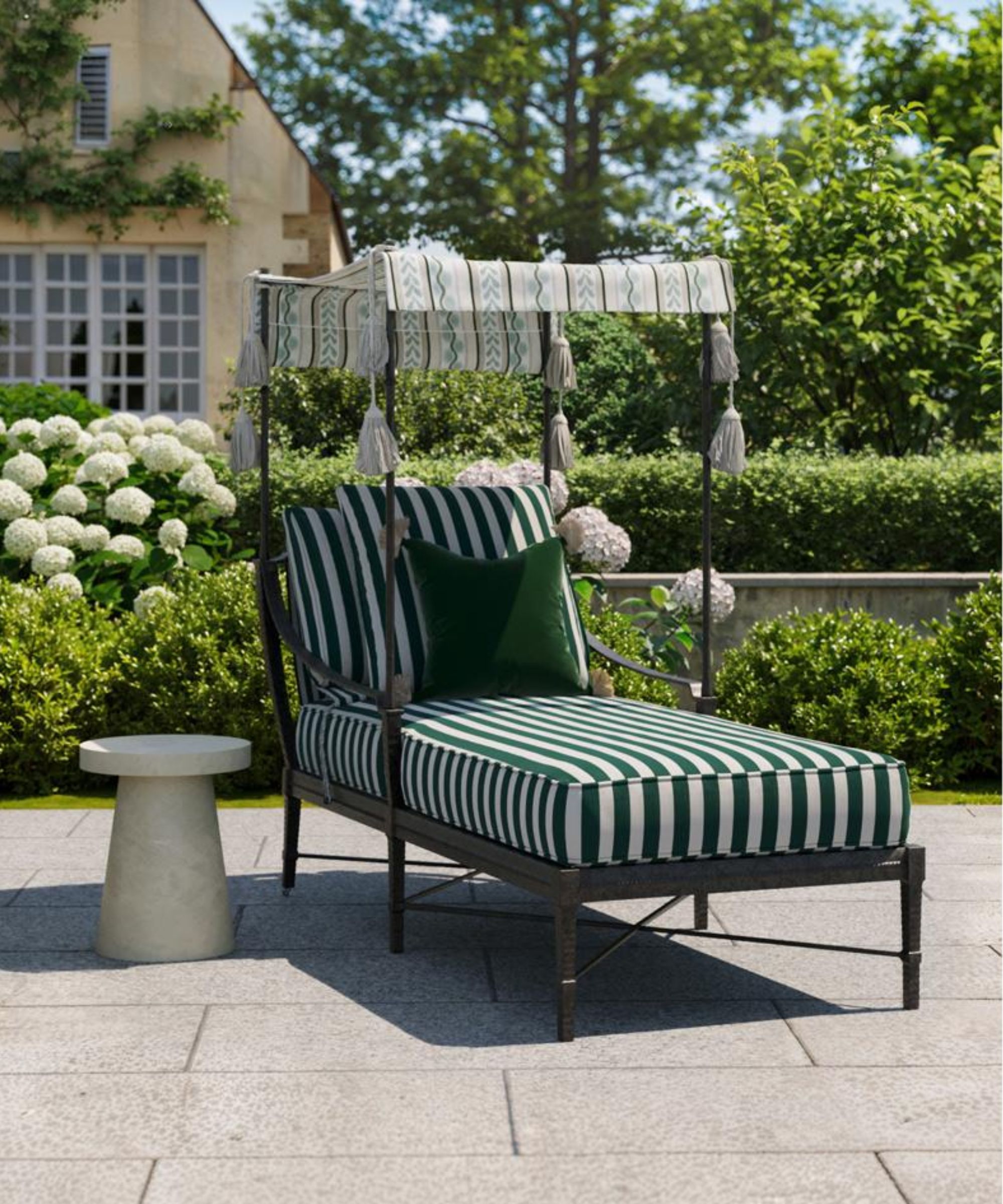
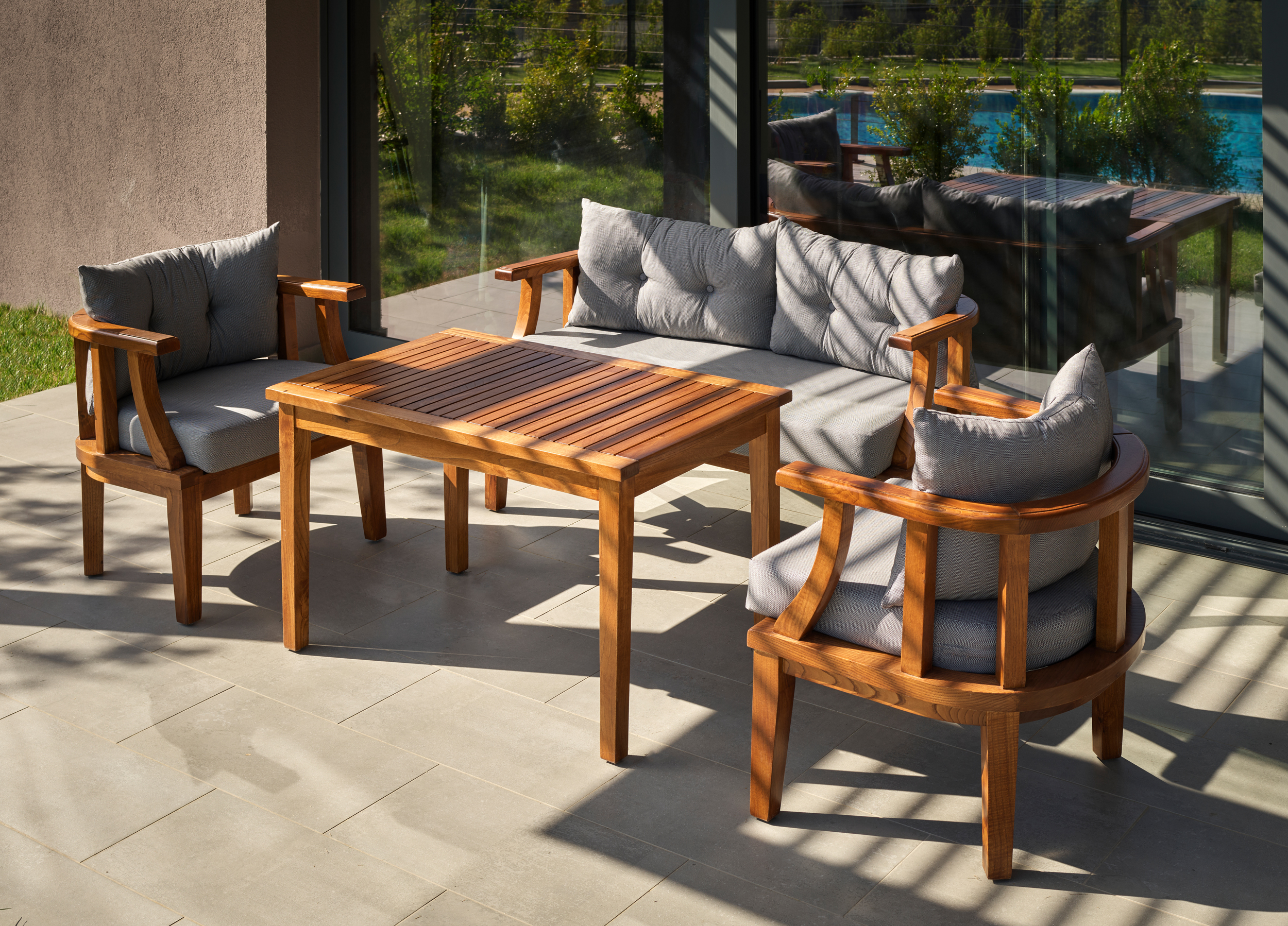
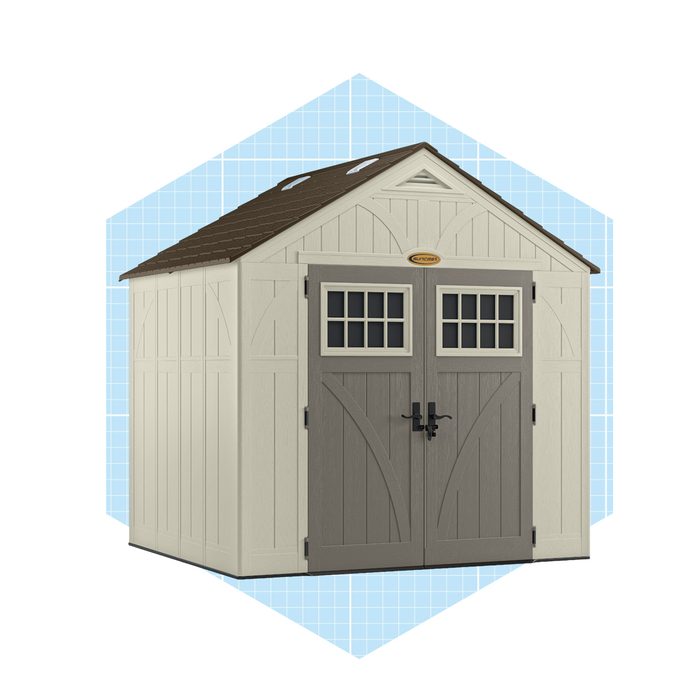
Harsh winter weather can significantly damage outdoor patio furniture if left unprotected. Paul Knapp, a landscape designer in Davenport, Iowa, emphasizes that new furniture can appear a decade old after just one winter due to rust on metals, unraveling wicker, splitting wood, and cracking plastics. This guide outlines various methods to protect outdoor furniture, ensuring its longevity and appearance for many seasons to come. The most effective approach involves moving outdoor furniture indoors to a garage, shed, or storage unit. If space is limited, furniture can be stacked to maximize the storage area. For those without on-site storage, renting a storage unit is recommended, despite the added expense, to preserve the investment in outdoor furniture.
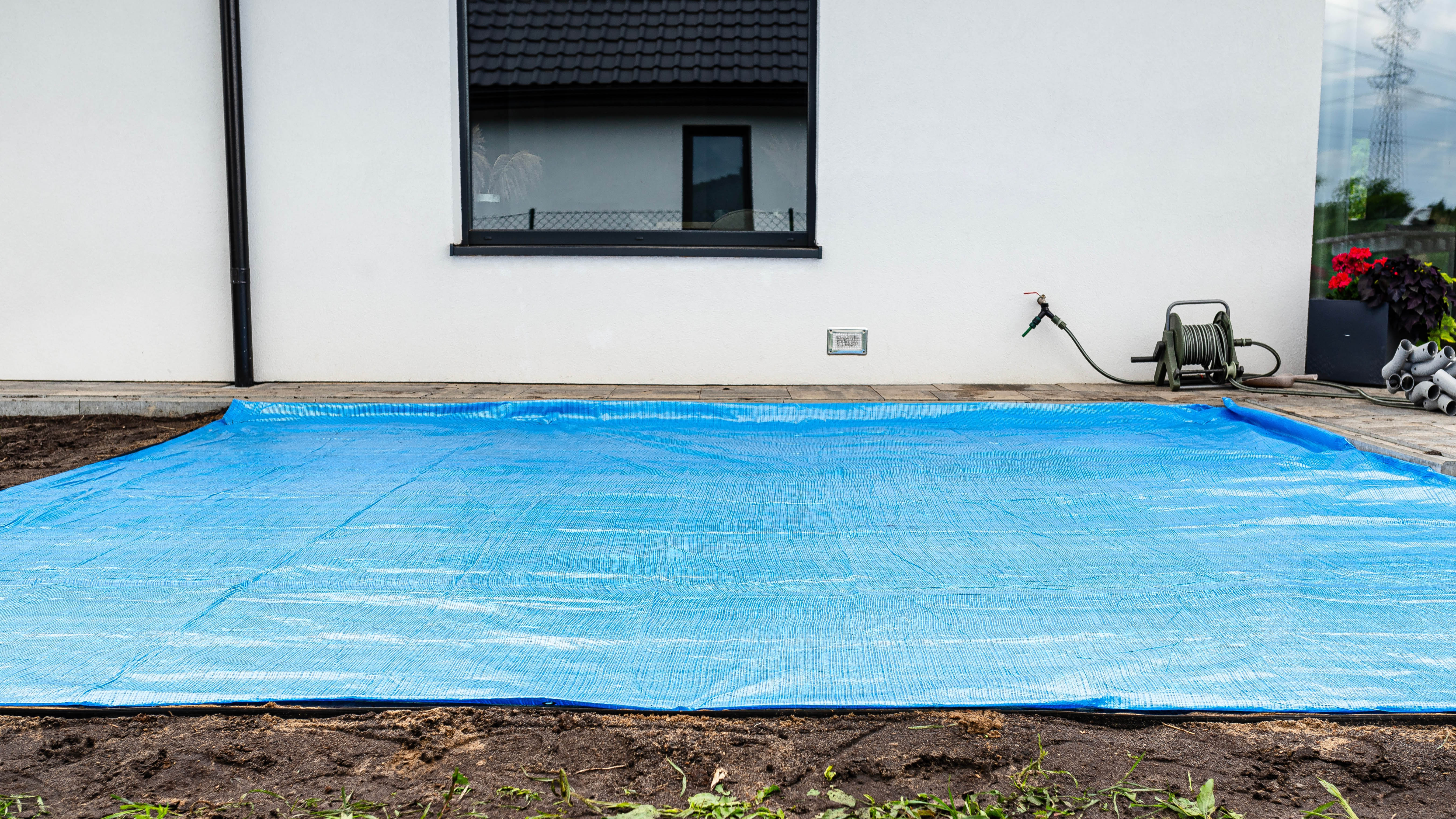
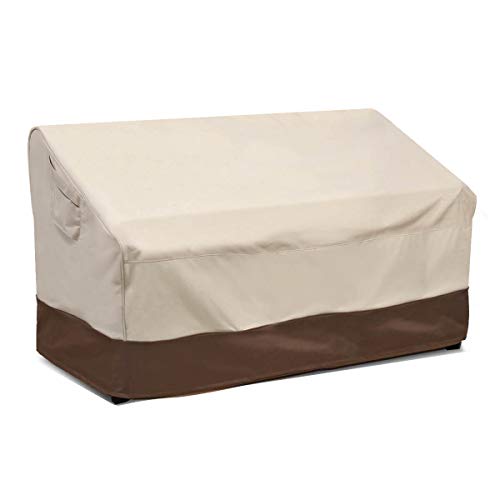
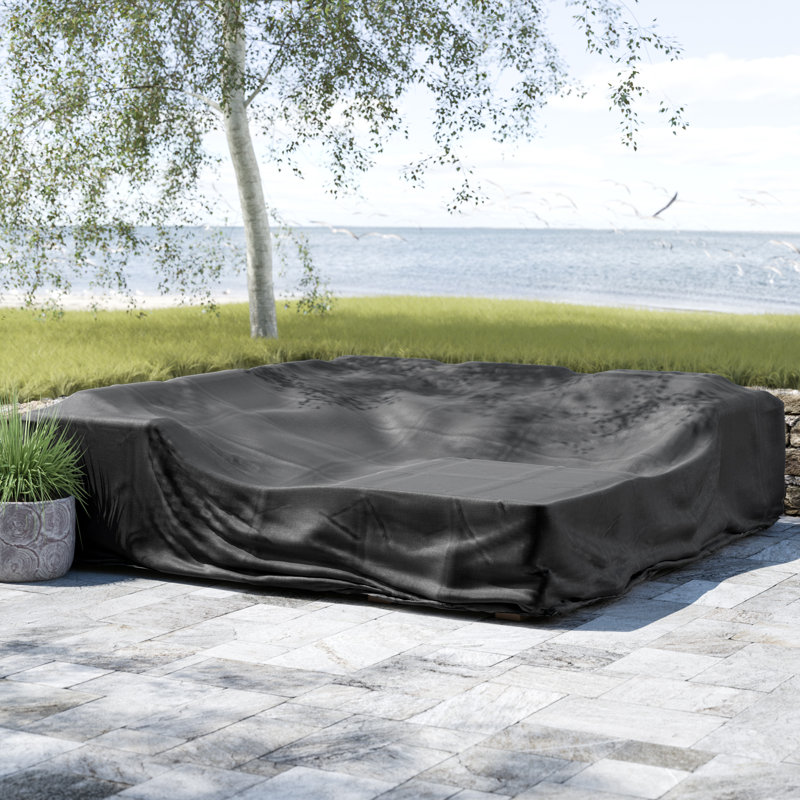
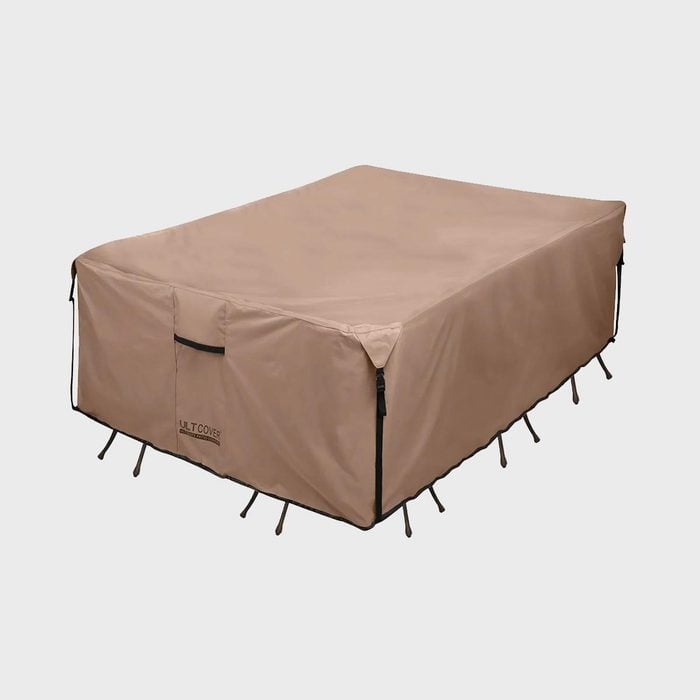
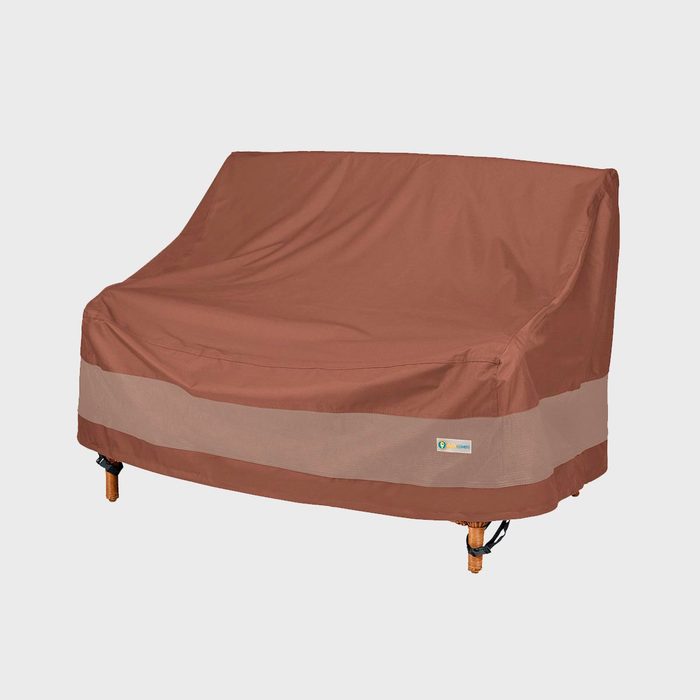
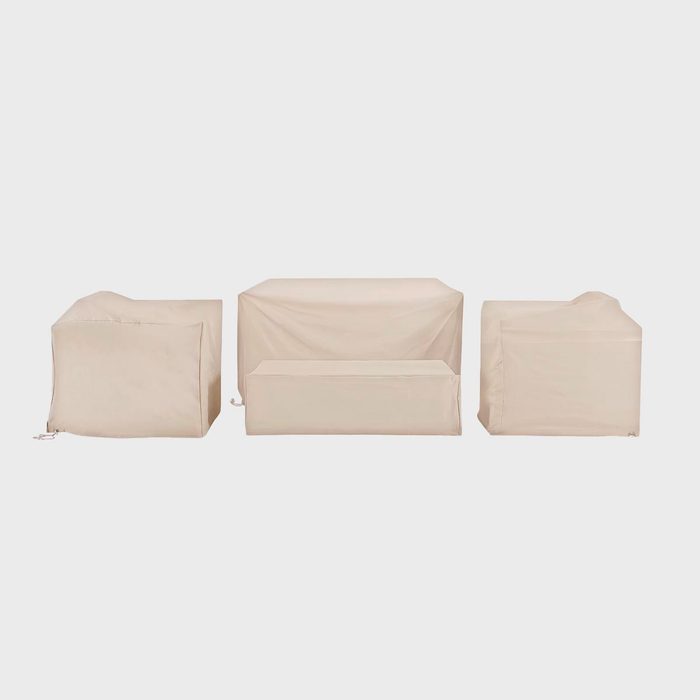
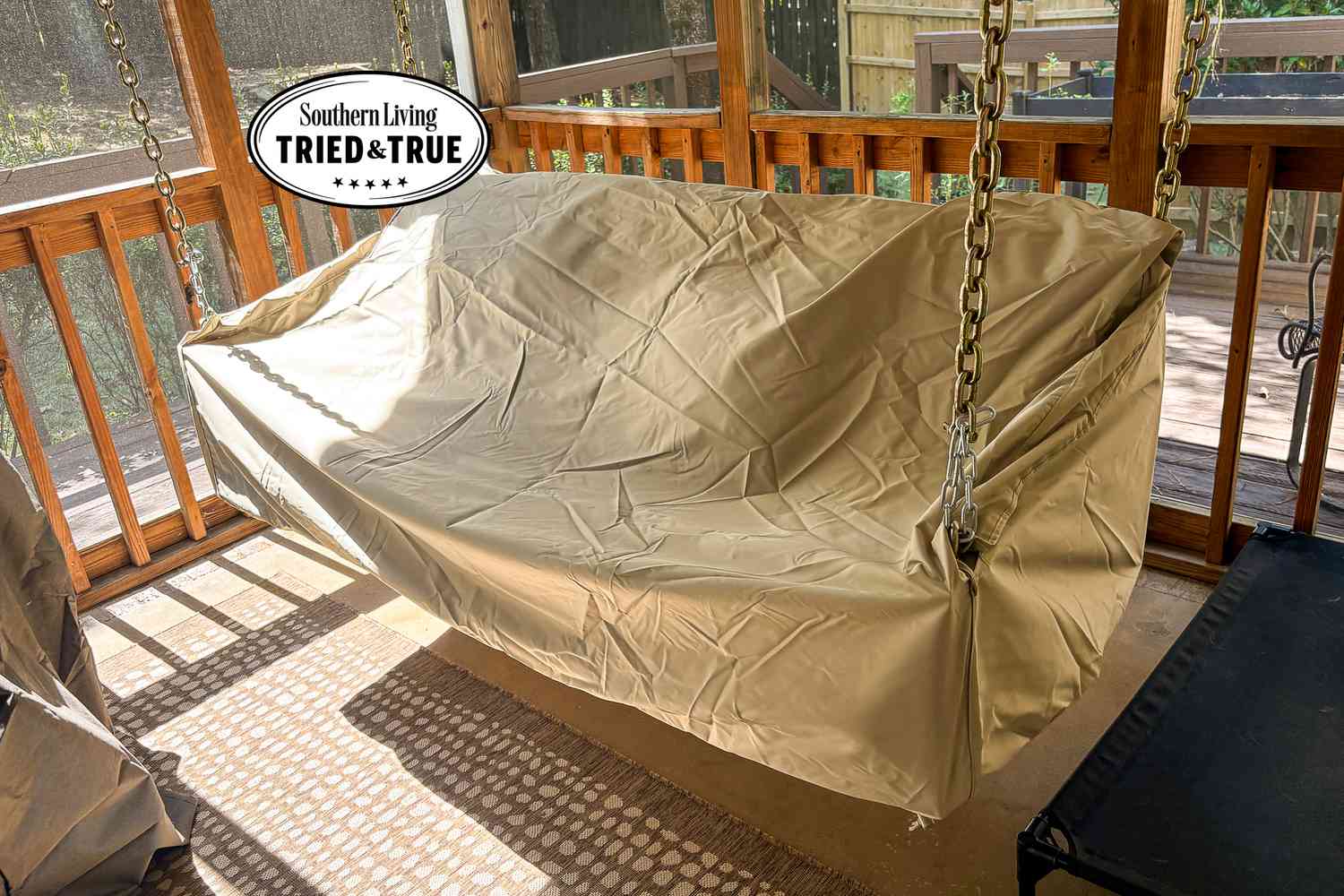
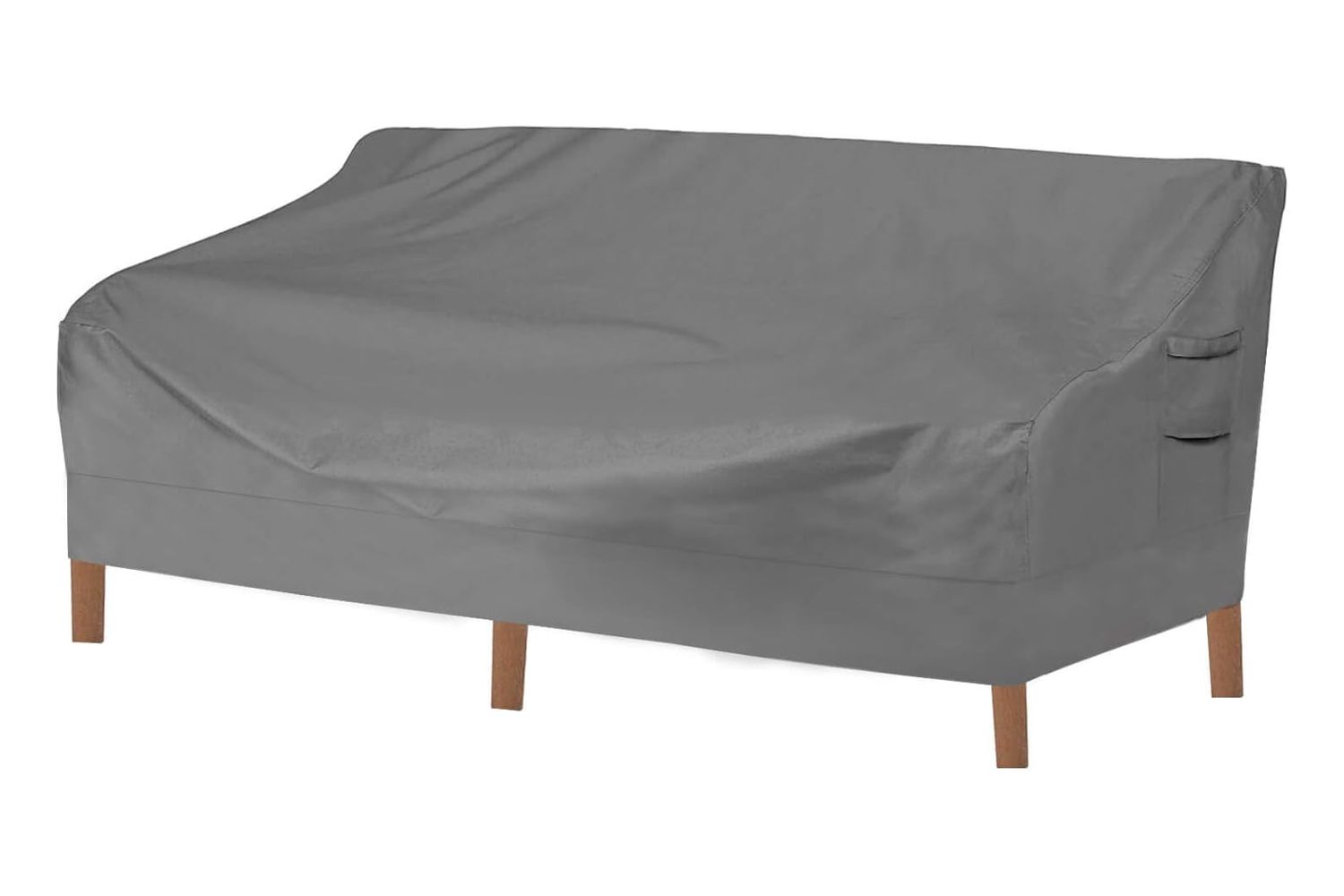
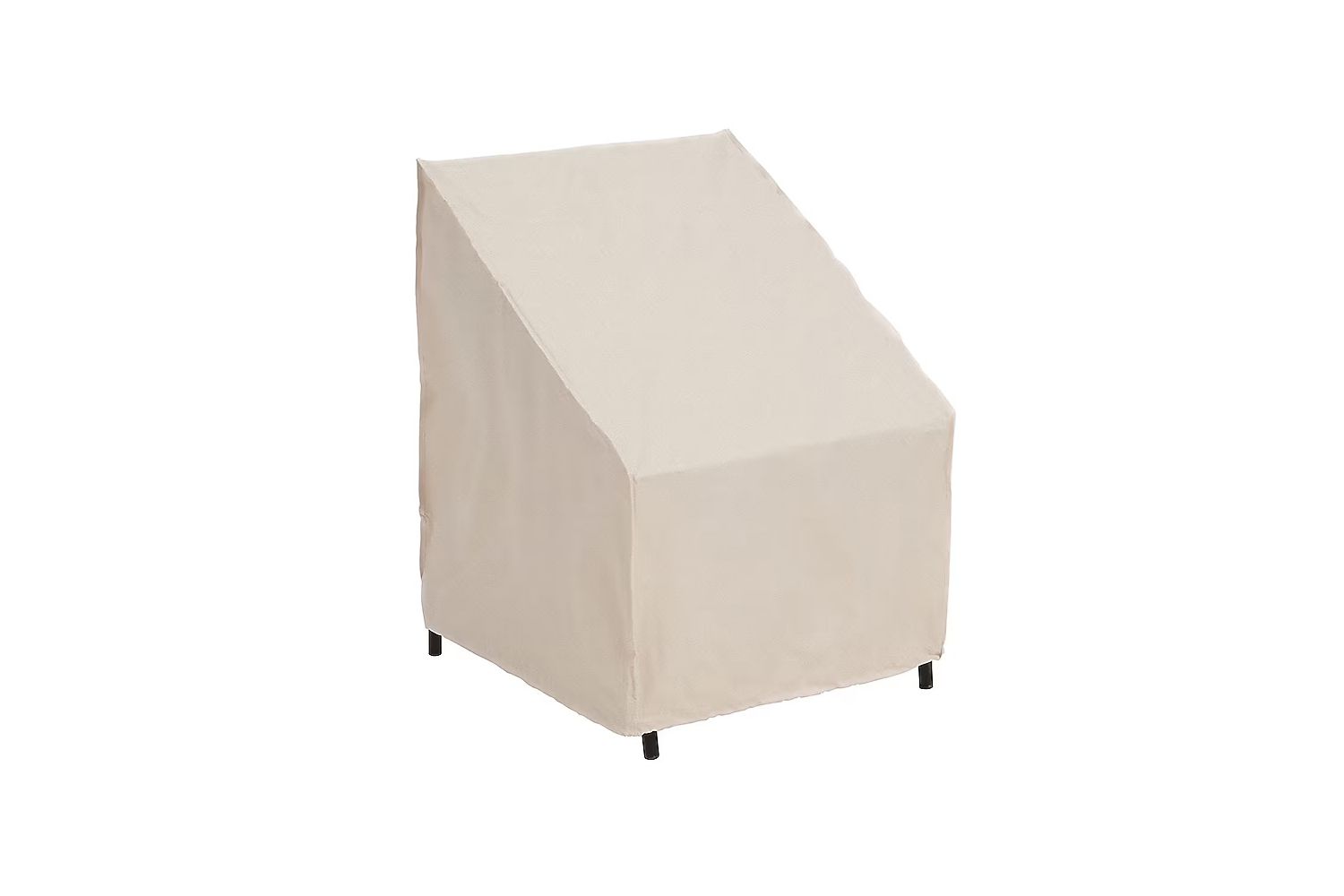
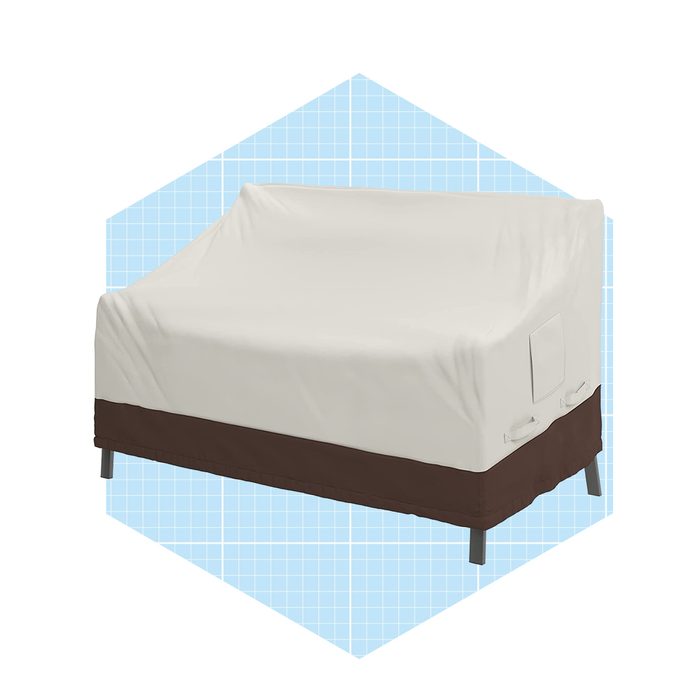
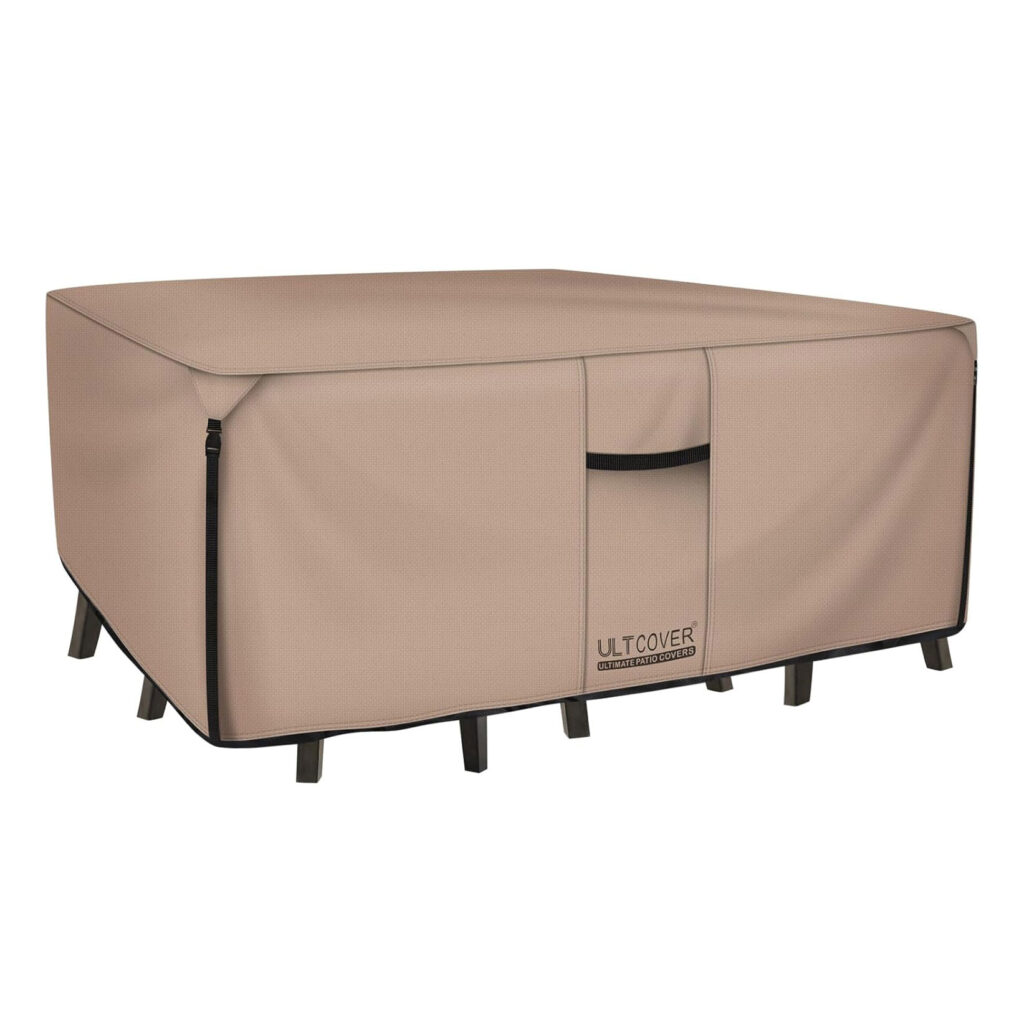
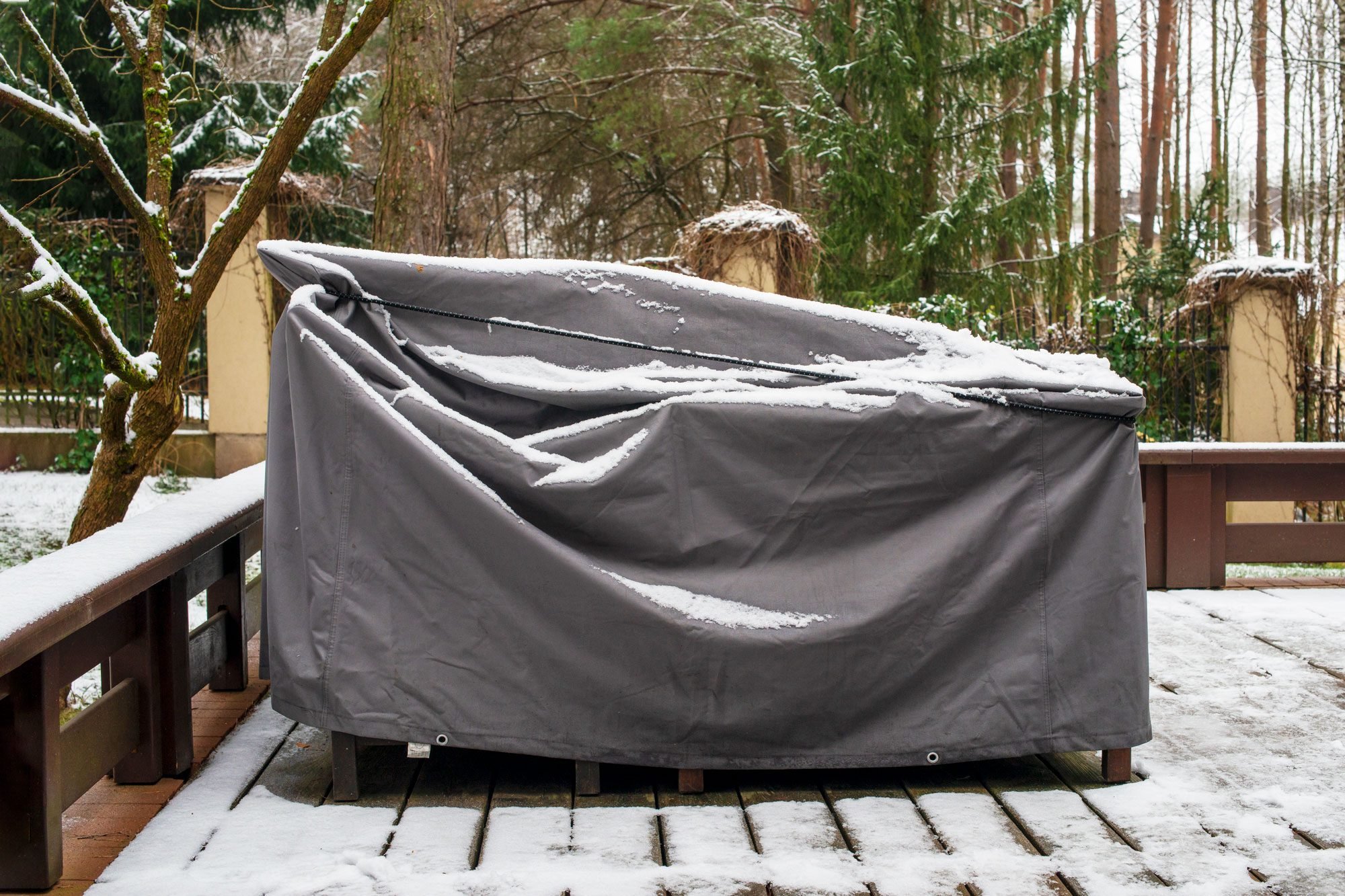
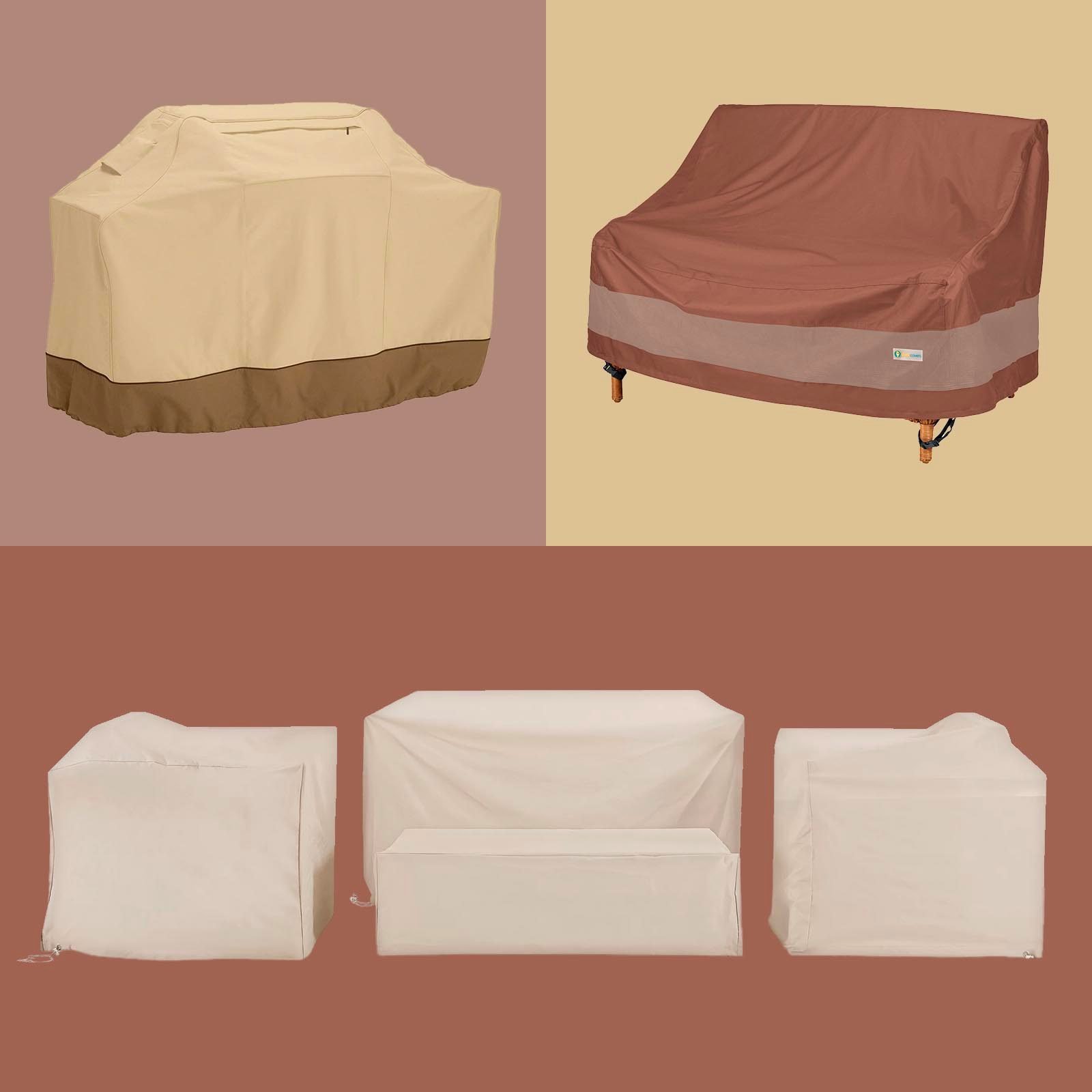
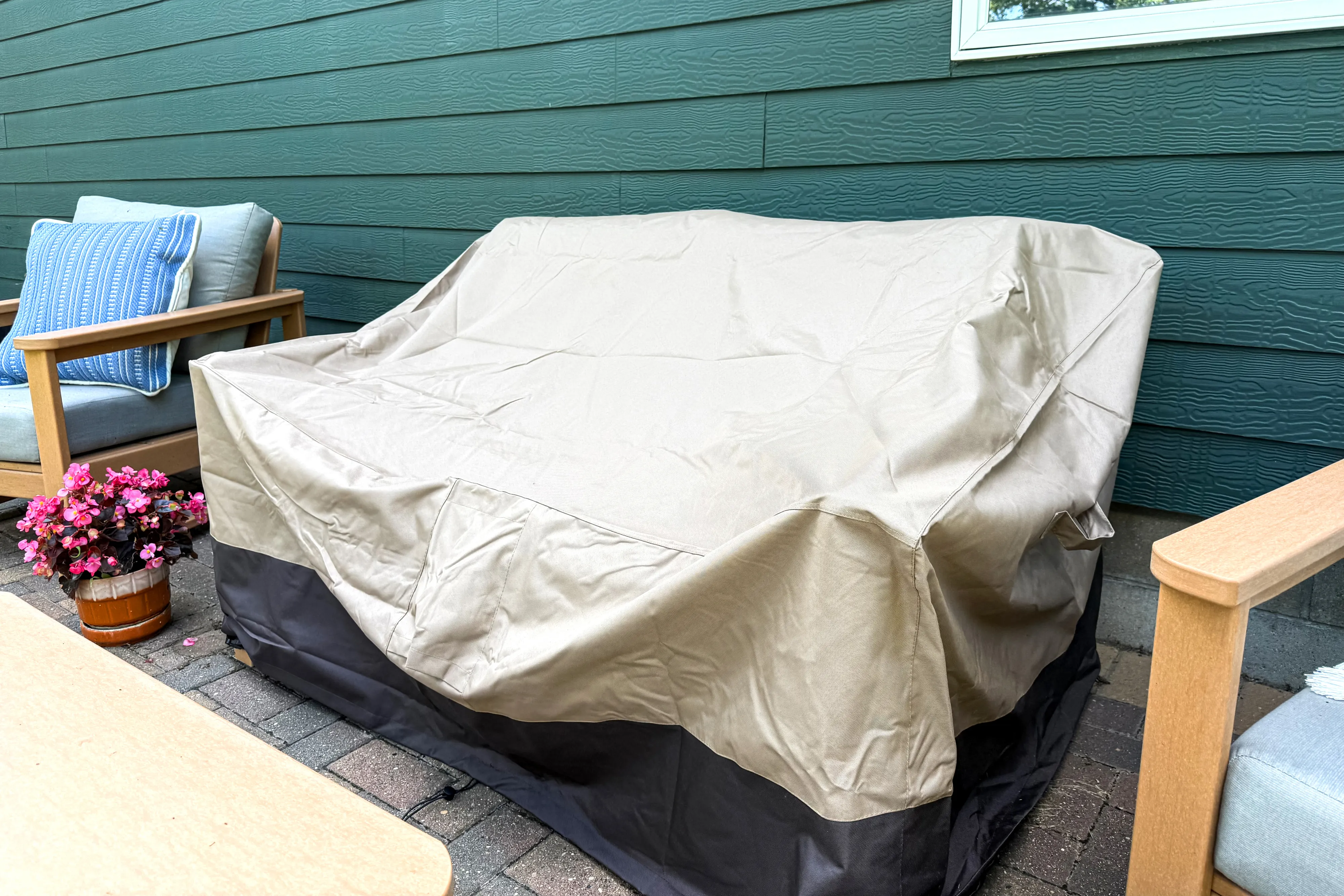
When indoor storage is not an option, investing in high-quality outdoor furniture covers is crucial. These covers are available in various sizes from retailers like Amazon and Walmart, with specific brands like Coverstore and Outer being recommended. It is important to regularly check these covers to ensure they remain snug and to clear any accumulated snow, ice, or debris. Additionally, applying a water-repellent spray can provide an extra layer of protection. A more economical alternative to fitted covers is the use of heavy-duty plastic tarps, which can be found online or at hardware stores. Tarps often feature grommet holes for easy tie-down using bungee cords, twine, or rope. When covering furniture with tarps, it's advised to cinch the bottom tightly to keep moisture out, while also allowing some ventilation underneath to prevent mold and mildew, particularly for painted wood furniture.
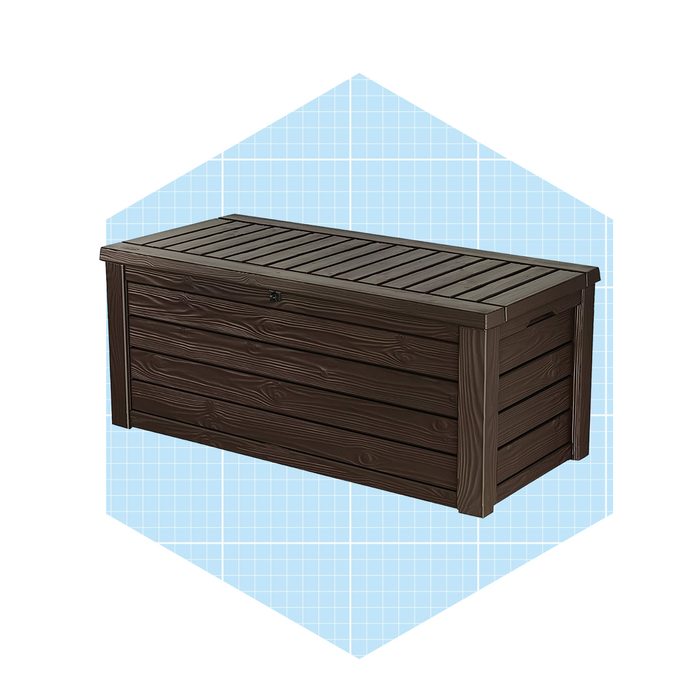
Cushions require special attention, especially in climates where temperatures drop below freezing. Knapp advises bringing cushions indoors for the winter. If the cushion covers are removable, they should be cleaned according to their care tags; otherwise, spot cleaning is appropriate. Before storing, cushions must be completely dry to prevent mold. They can then be packed in boxes or plastic bags. The frames of outdoor furniture can typically remain outside if properly covered.
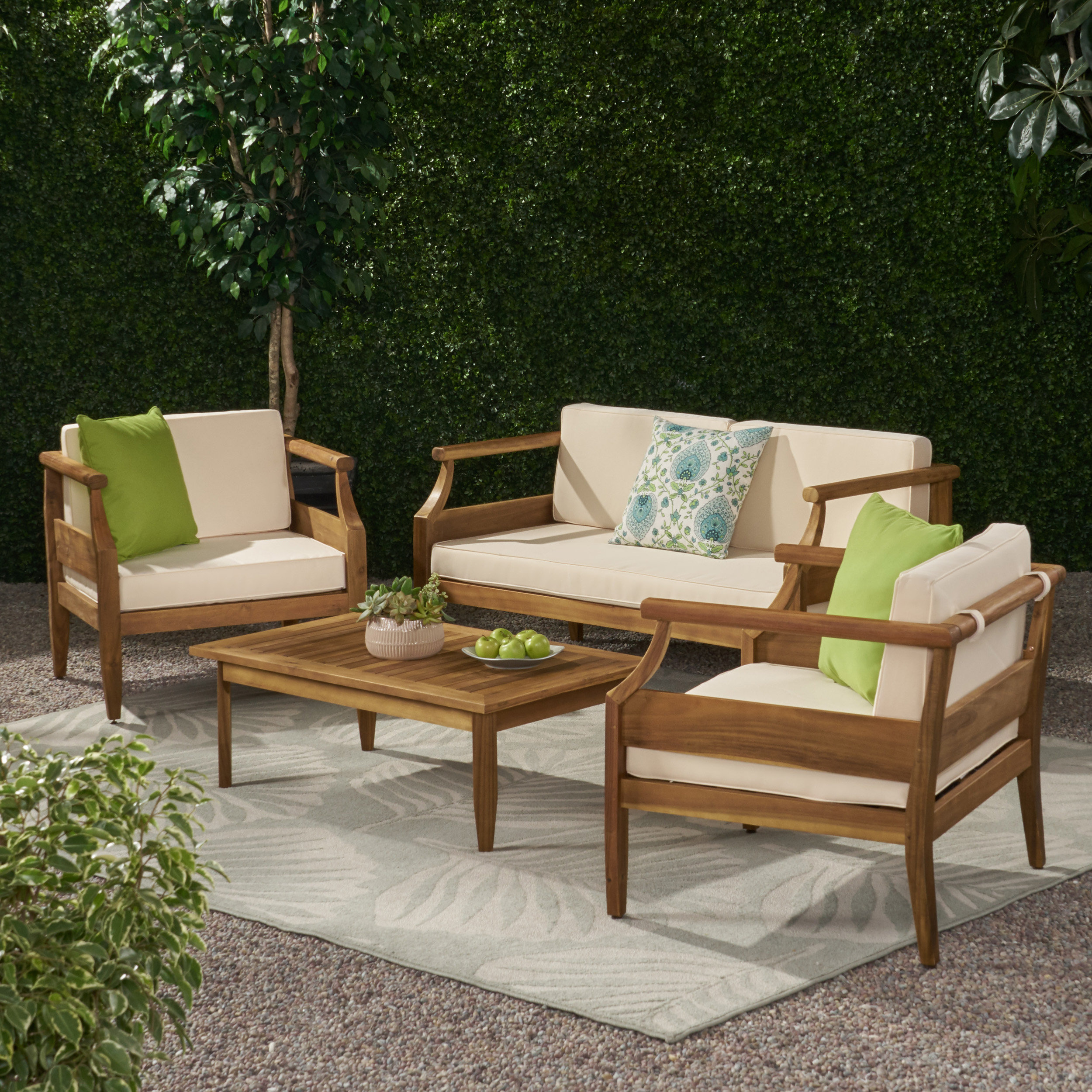
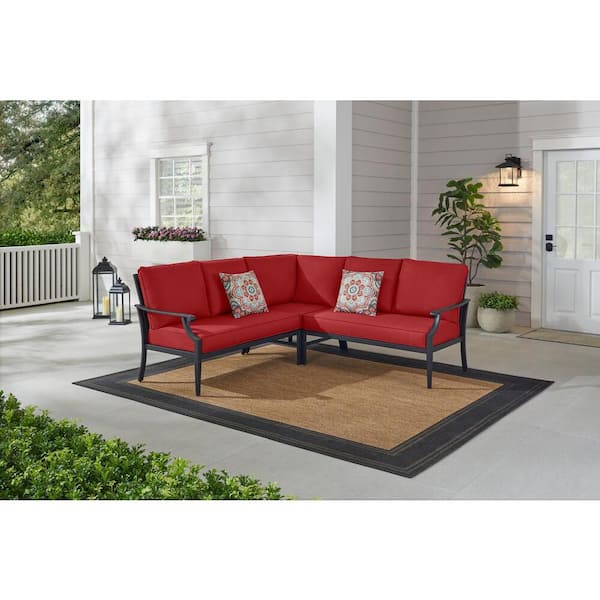
Specific materials demand tailored protective measures. Wood furniture benefits from a sealant application before winter storage to prevent moisture absorption, which can cause warping, cracking, or rot. Storing wooden furniture in a dry location or using breathable covers outdoors is recommended. Metal furniture is particularly susceptible to rust. Any existing rust should be treated before storage, and a rust inhibitor should be applied to prevent further corrosion. Neglecting to protect outdoor furniture during winter can lead to extensive cleaning, rust removal, resealing, or repainting in the subsequent season. Taking preventative measures in advance saves significant time and effort.
Preventing mold on patio cushions during storage is a key concern. To avoid mold growth, cushions must be completely dry before storage. Storing them in a climate-controlled environment and using breathable storage containers instead of sealed plastic bins are effective strategies. Incorporating silica gel packets can further help by absorbing excess moisture. Paul Knapp, a landscape designer with 20 years of experience, serves as an expert, emphasizing the importance of these protective measures to maintain the quality and appearance of outdoor furniture.
#OutdoorFurniture #Winterization #HomeMaintenance #PatioCare #FurnitureProtection #DIYHomeImprovement #LandscapeDesign #OutdoorFurniture #Winterization #HomeMaintenance #PatioCare #FurnitureProtection #DIYHomeImprovement #LandscapeDesign
0 comment in total
 No comments yet
You may also like
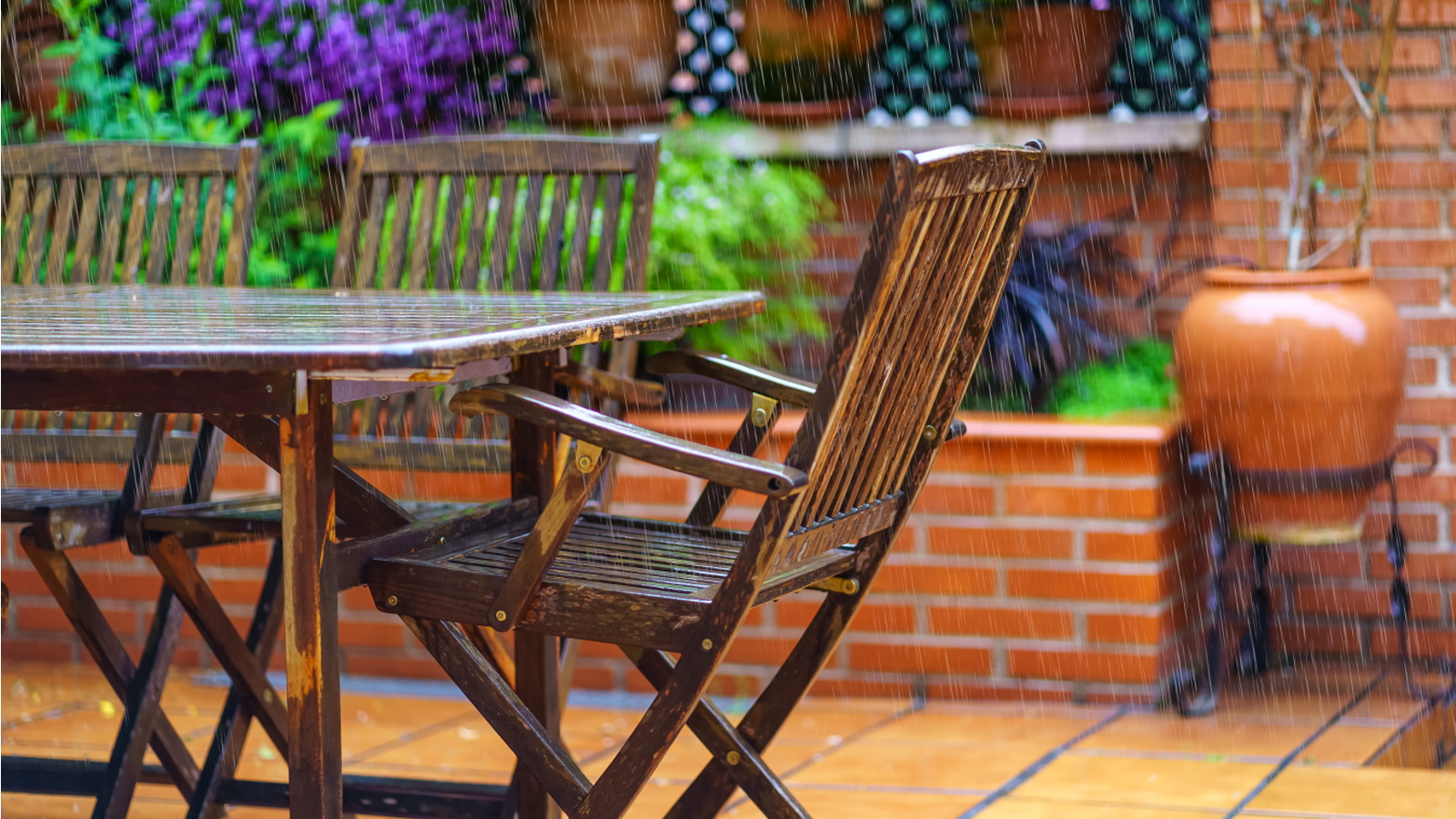
Can you leave outdoor furniture in the rain? Experts reveal which can withstand the elements, and types to keep dry


5 easy DIY tricks to draft-proof sunrooms for winter
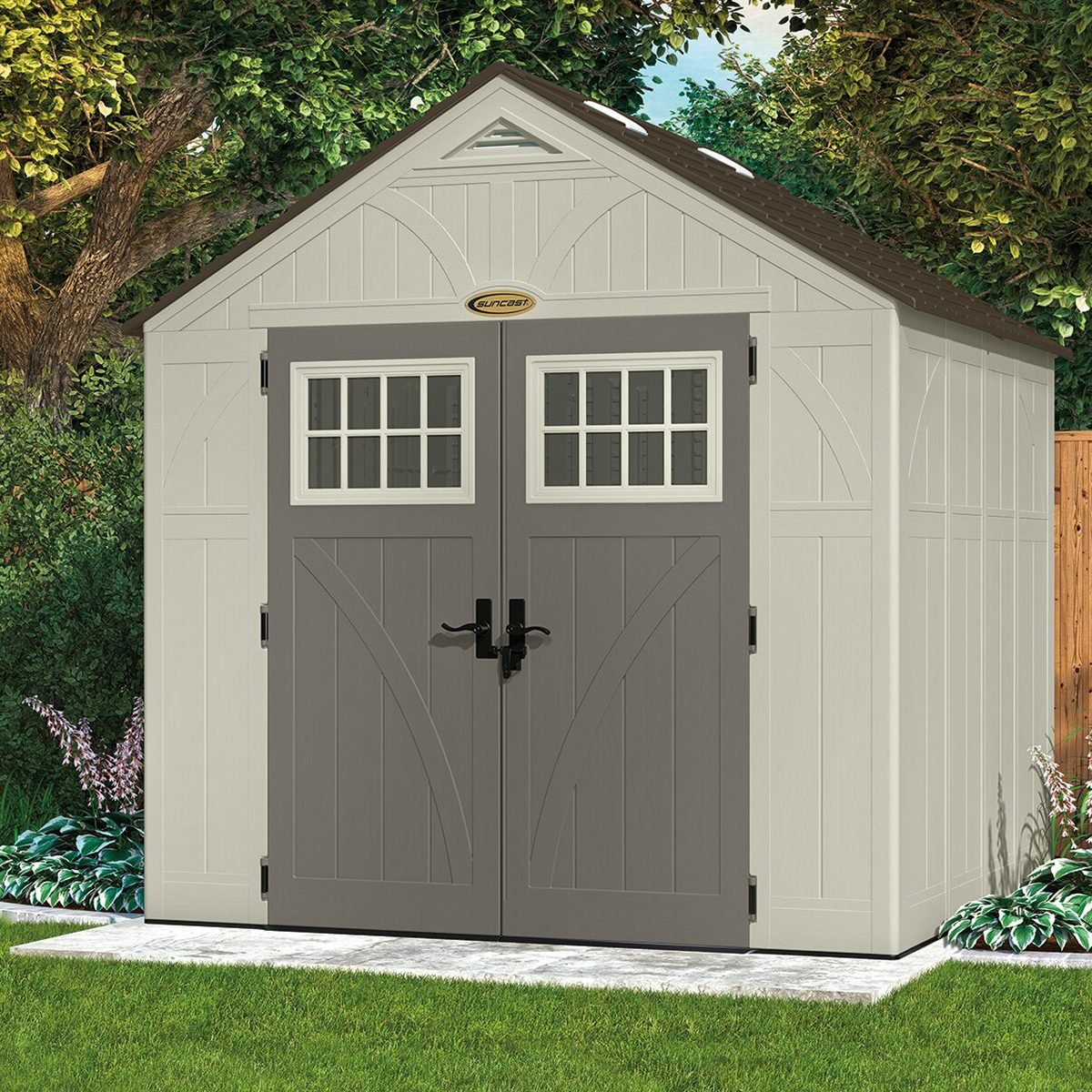
The 6 Best Methods for Outdoor Cushion Storage

How to Clean and Care for Your Outdoor Furniture Throughout the Year

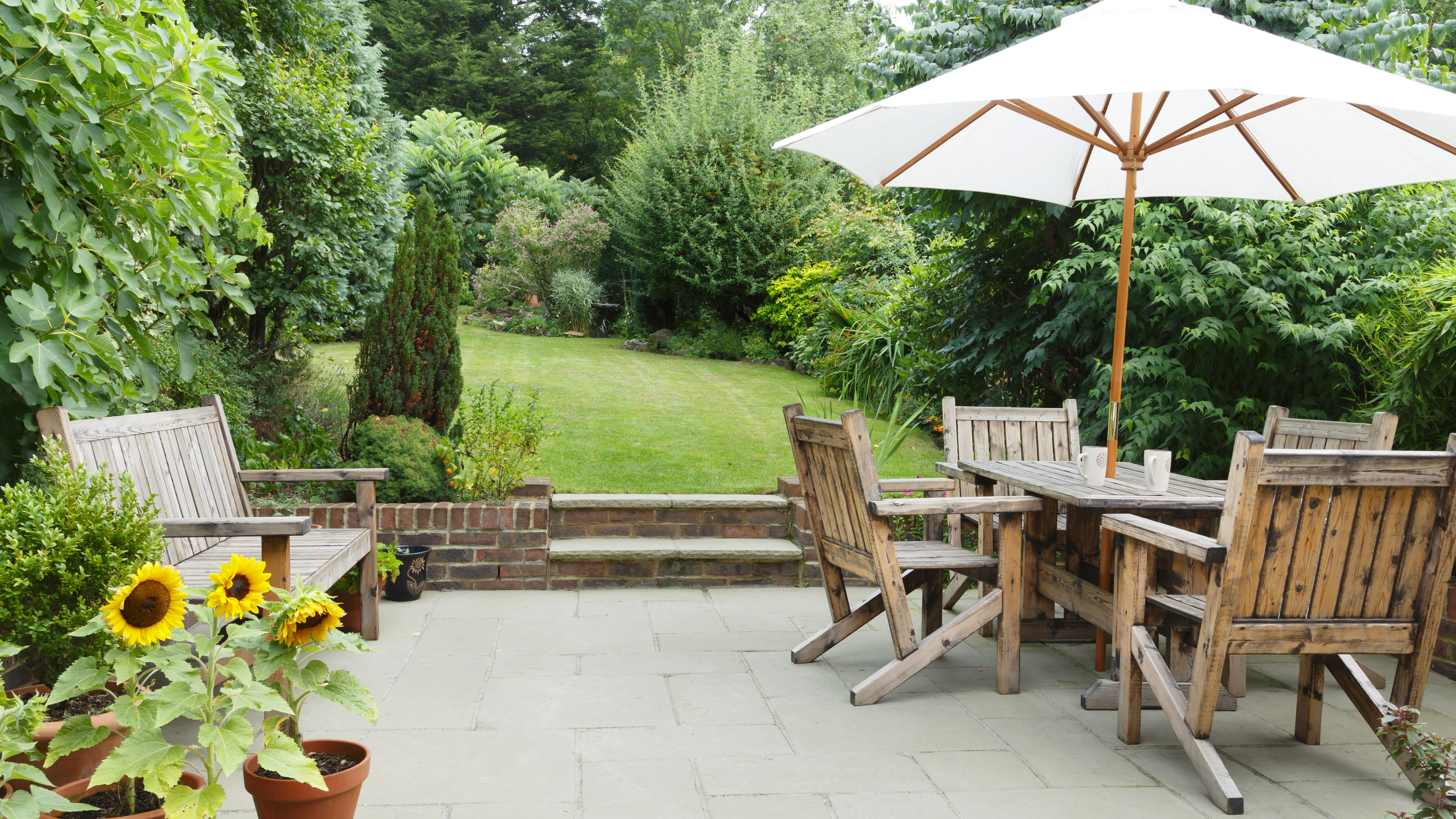
Don't ruin your patio! 7 steps experts say you must take before the first frost


From Burning to Fading Your Upholstery — Here Are 4 Ways Your Winter Heating Is Damaging Your Sofa

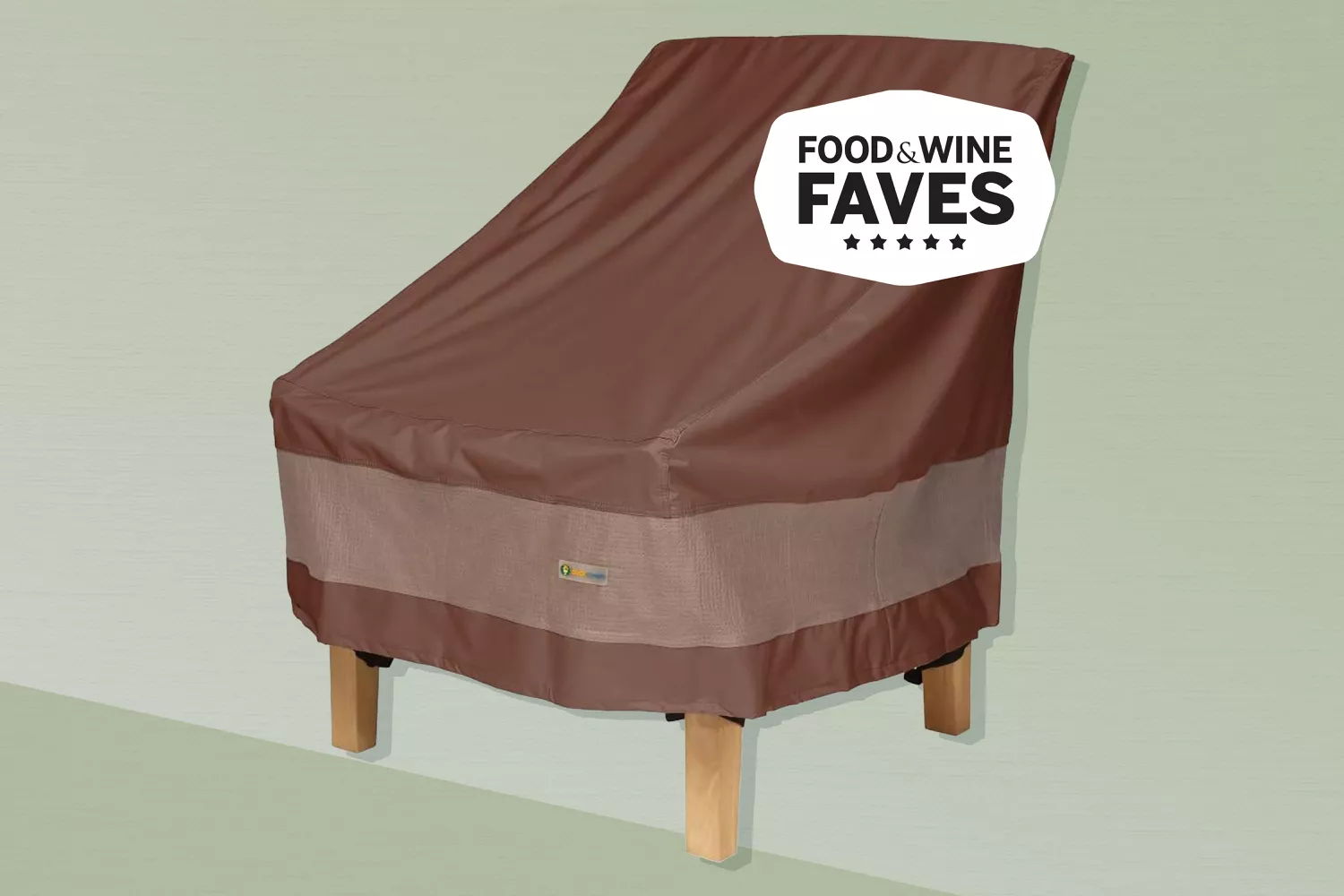
We Put 15 Outdoor Furniture Covers to the Test — These Are the 5 That Kept Our Tables and Chairs Looking Great

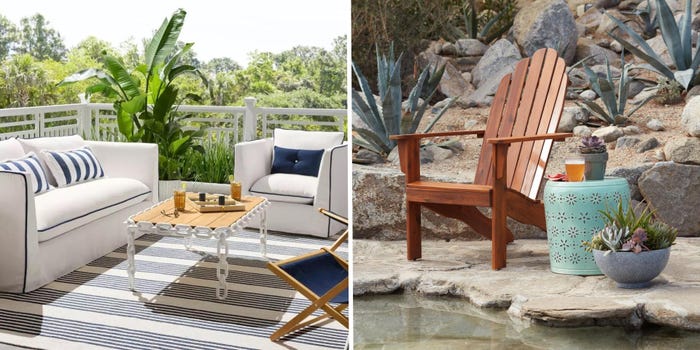
The 16 retailers we're shopping at to upgrade our outdoor furniture before summer ends

This is the one mistake that could make your patio furniture wear out twice as fast

Easy Tips to Weatherproof Patio Furniture for Year-Round Use
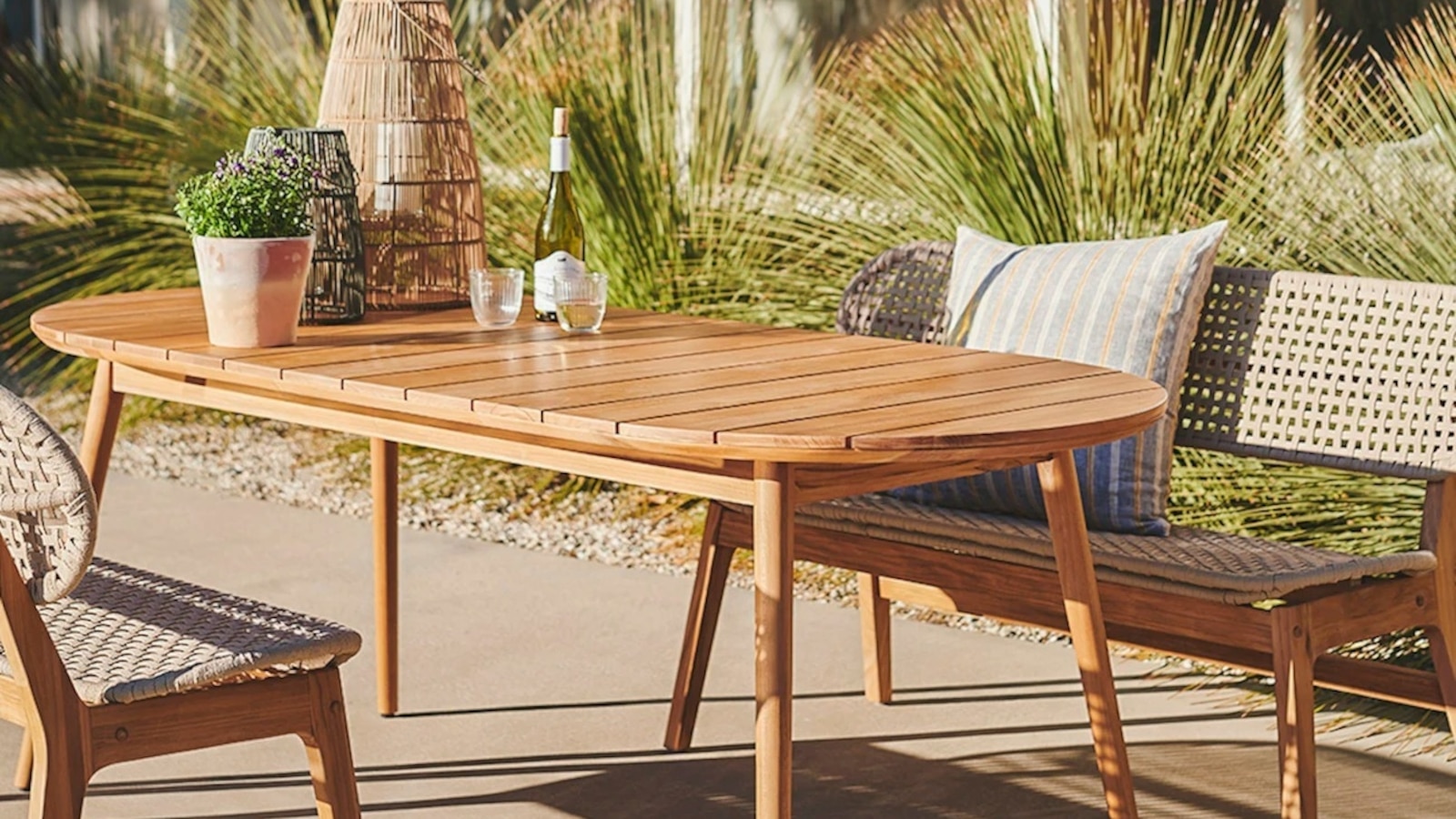
Everything you need to upgrade your patio for summer and how to protect it

How to Stop Cushions Sliding on Outdoor Furniture — The Hack Everyone Should Try for Better Backyard Seating


How to Properly Store and Winterize Outdoor Furniture

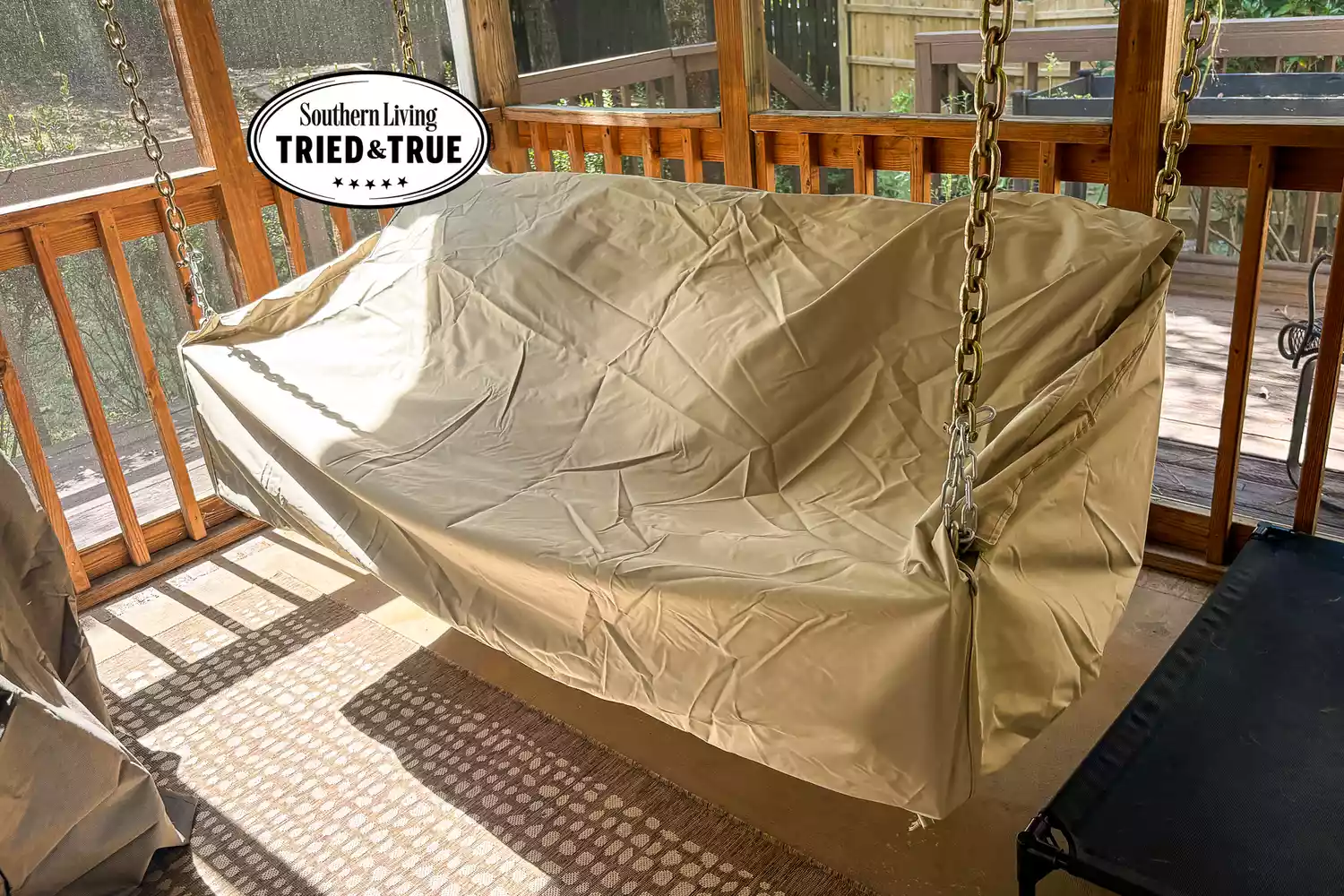
We Tested 20 Outdoor Furniture Covers—These 5 Held Up Best

One Designer on How to Make Your Screened-In Porch Usable This Winter
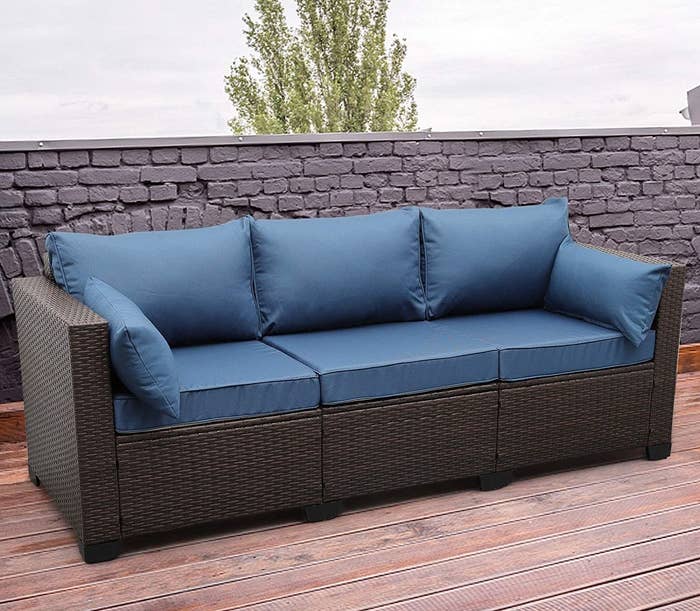
40 Outdoor Couches That Will Instantly Spruce Up Your Patio
8 Best Outdoor Furniture Covers For All-Weather Protection


What outdoor furniture lasts the longest? Every landscape designer we asked picked one of these 5 durable options

4 Signs It’s Time to Replace Your Outdoor Furniture
The 5 Best Outdoor Furniture Covers We Tested to Keep Your Patio Furniture Protected, No Matter the Weather