1/7
The 6 Best Methods for Outdoor Cushion Storage
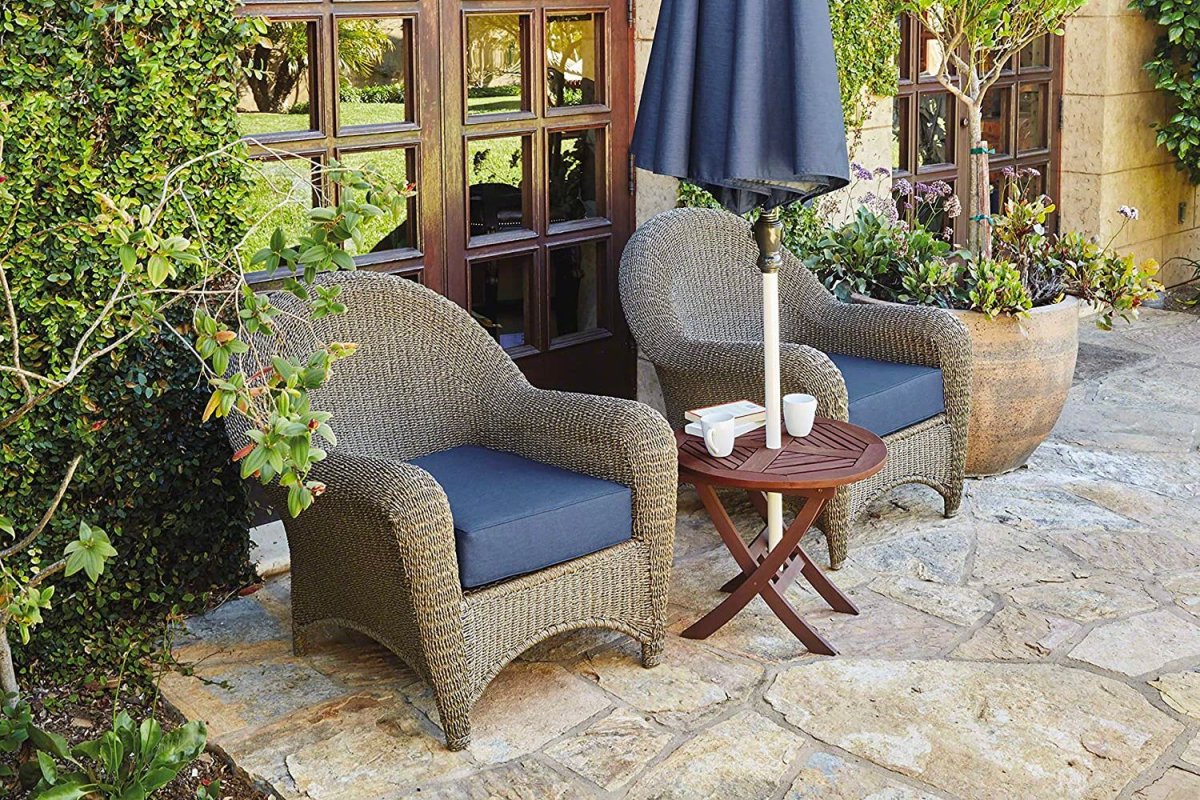
Proper storage of outdoor patio cushions is crucial for extending their lifespan and maintaining their appearance, preventing degradation from moisture, mold growth, and sun exposure. The decision on how to store cushions often depends on the local climate and available space. In dry climates, cushions might endure constant outdoor exposure, though prolonged sun can cause fading. Conversely, in regions with frequent rainfall, storing cushions in a shed or storage closet is advisable to protect them from moisture and prevent mold. This article presents six effective methods for storing outdoor patio cushions, catering to various needs and spaces.
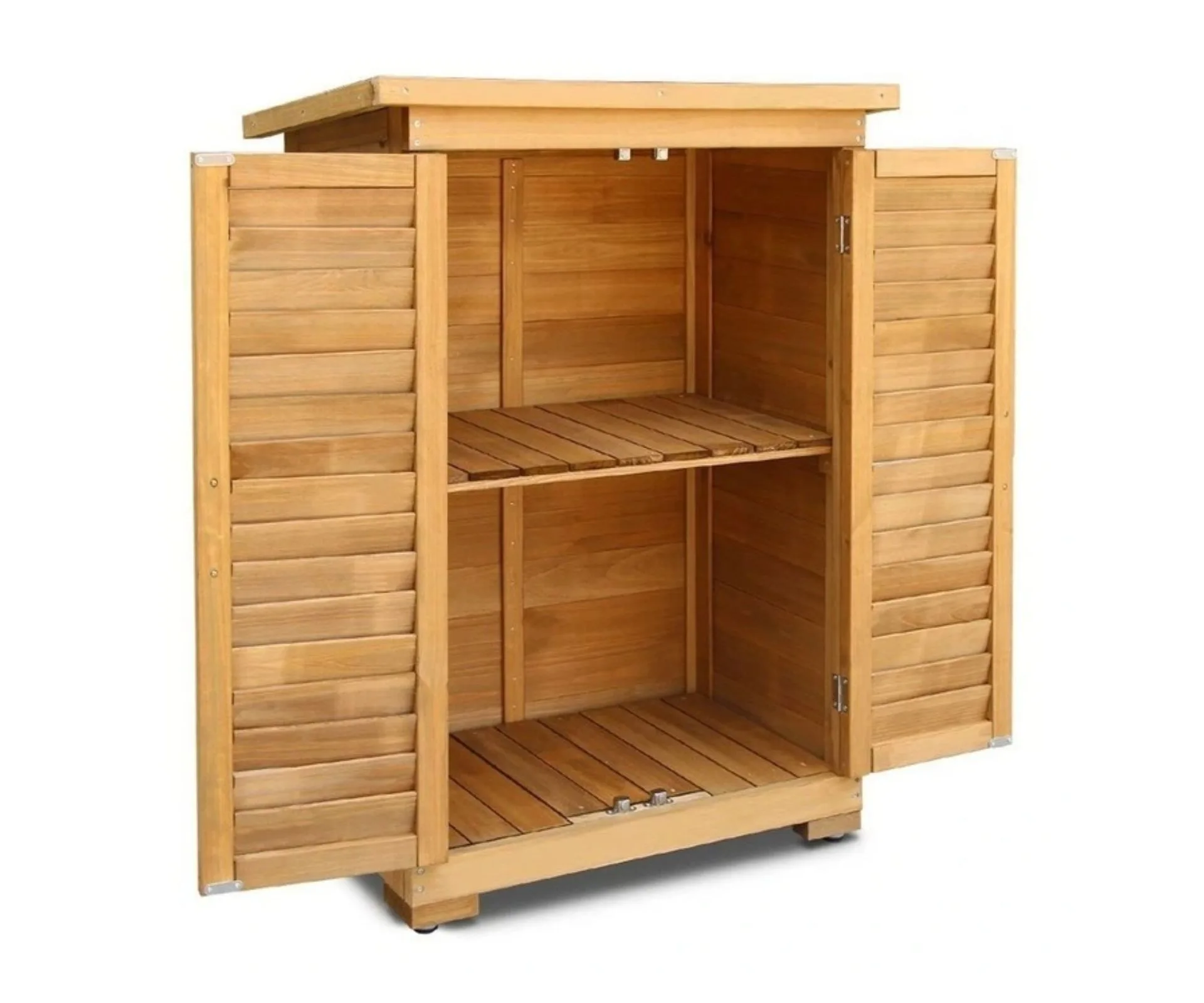
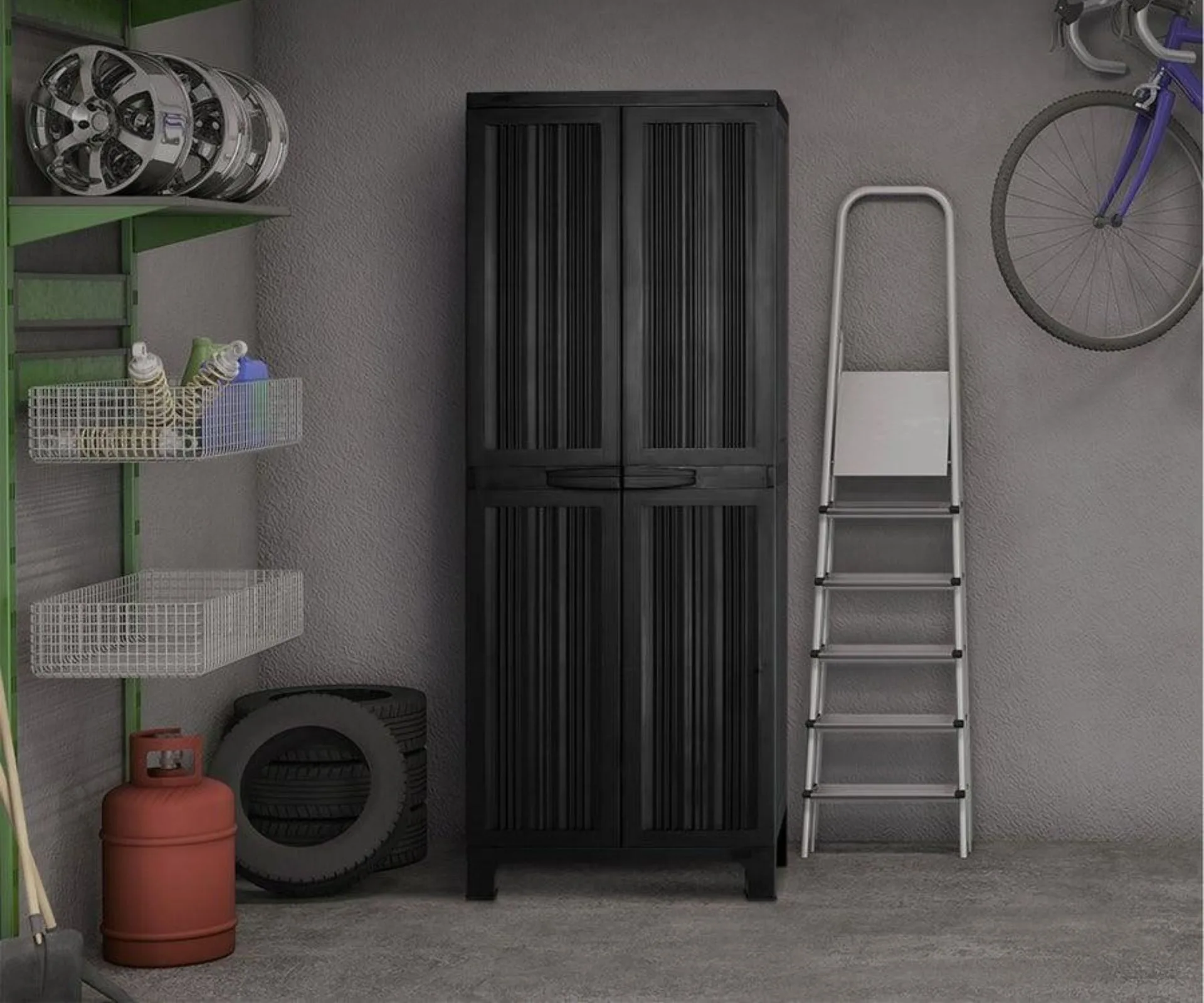
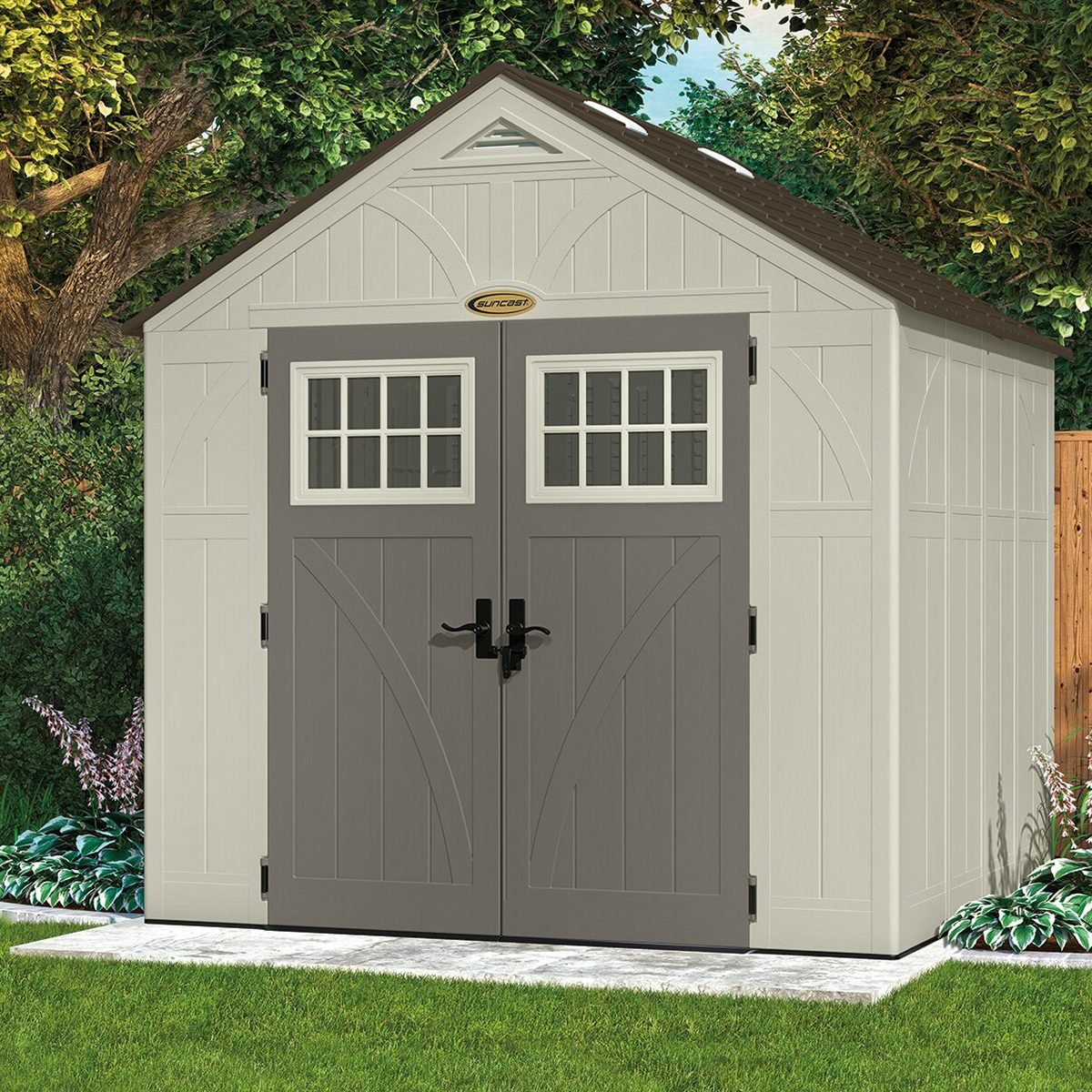
One robust storage solution is a dedicated storage shed. For those with multiple cushions or other outdoor items, purchasing or constructing a shed offers ample space. Options like the Suncast Storage Shed are designed to be water and UV-resistant, often featuring a floor to protect contents from ground moisture. DIY shed plans are also available for those looking to build a cost-effective, custom structure that complements their yard while providing significant storage capacity.
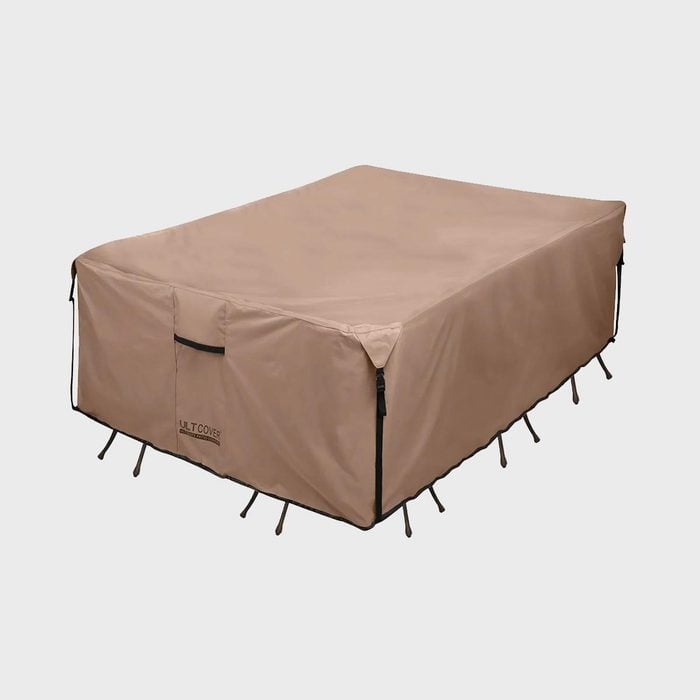
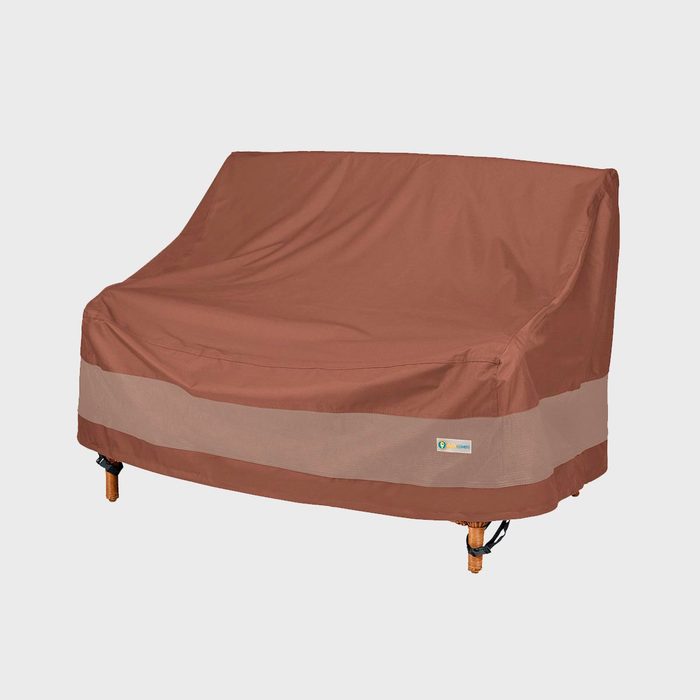
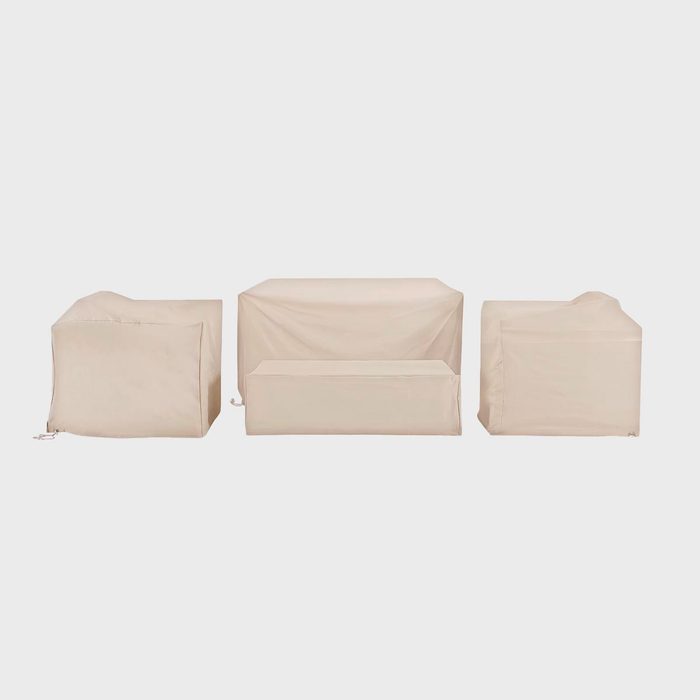
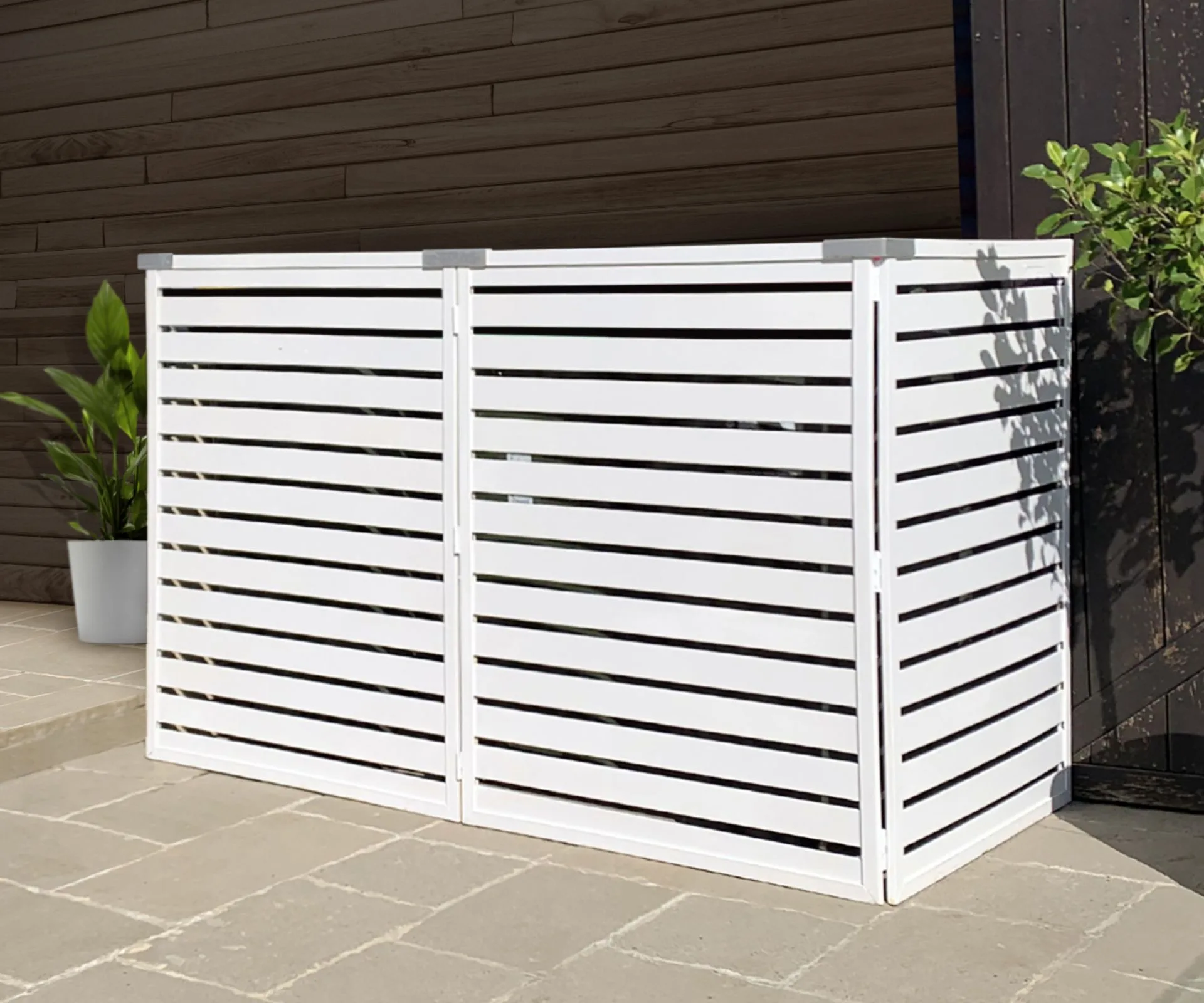
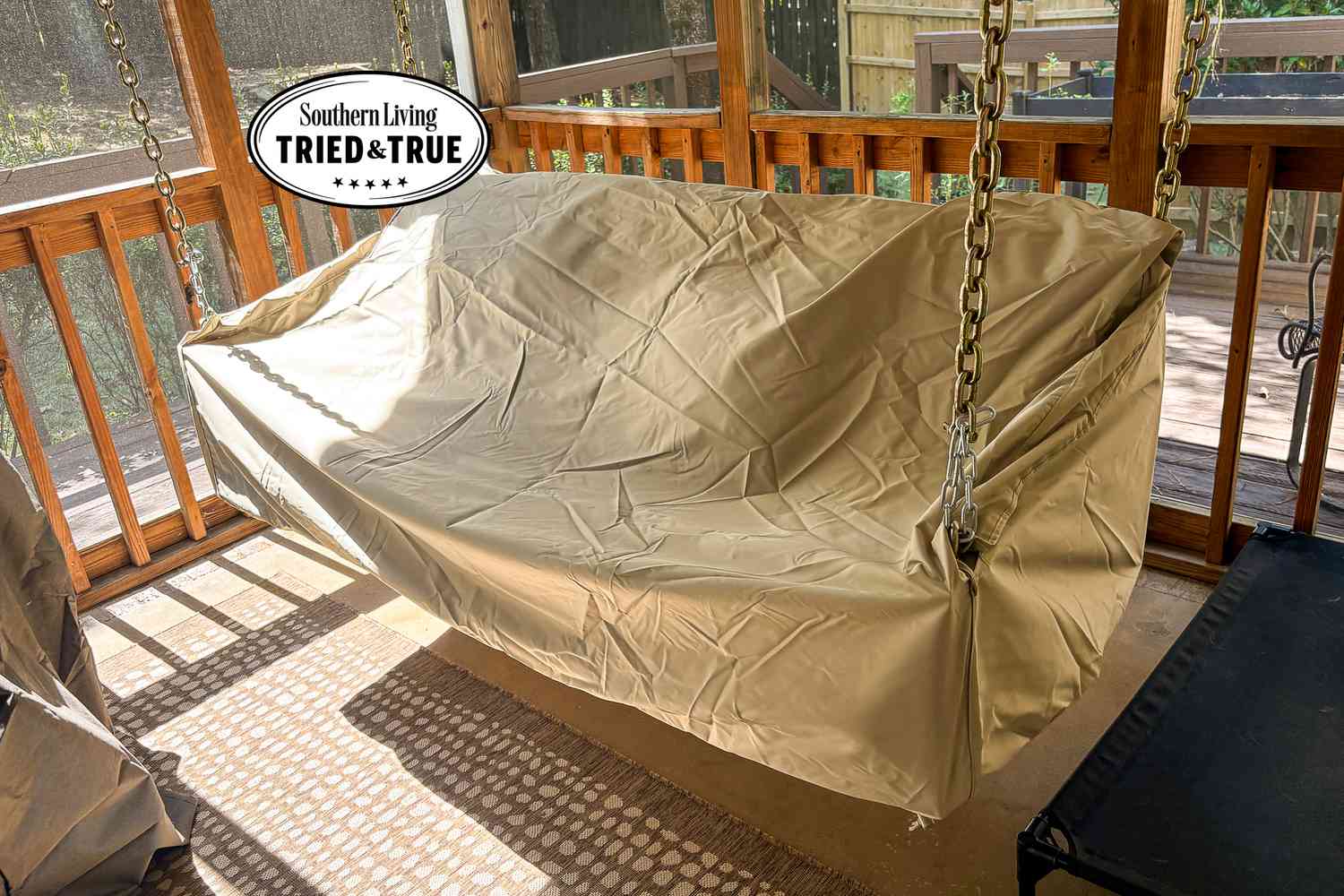
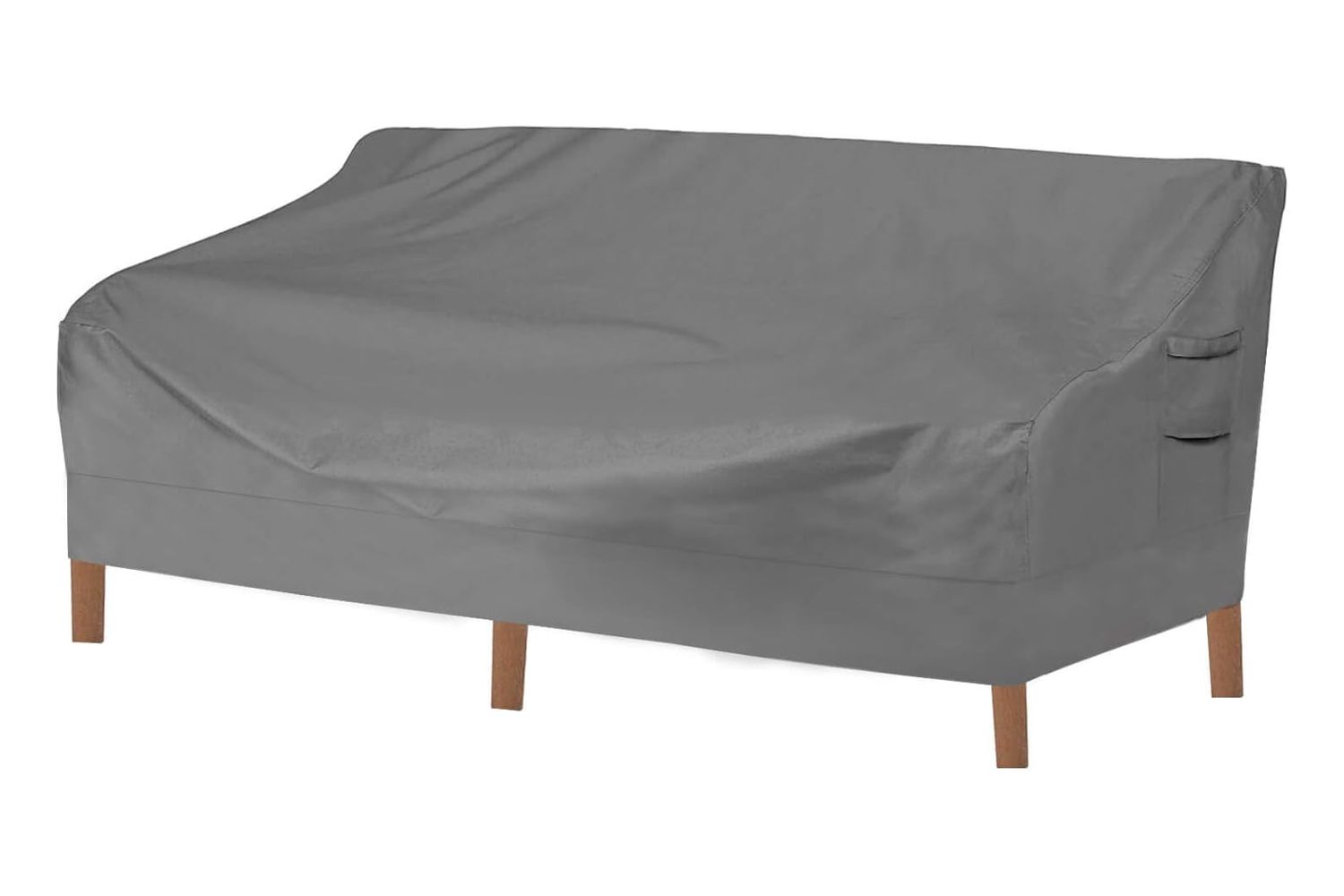
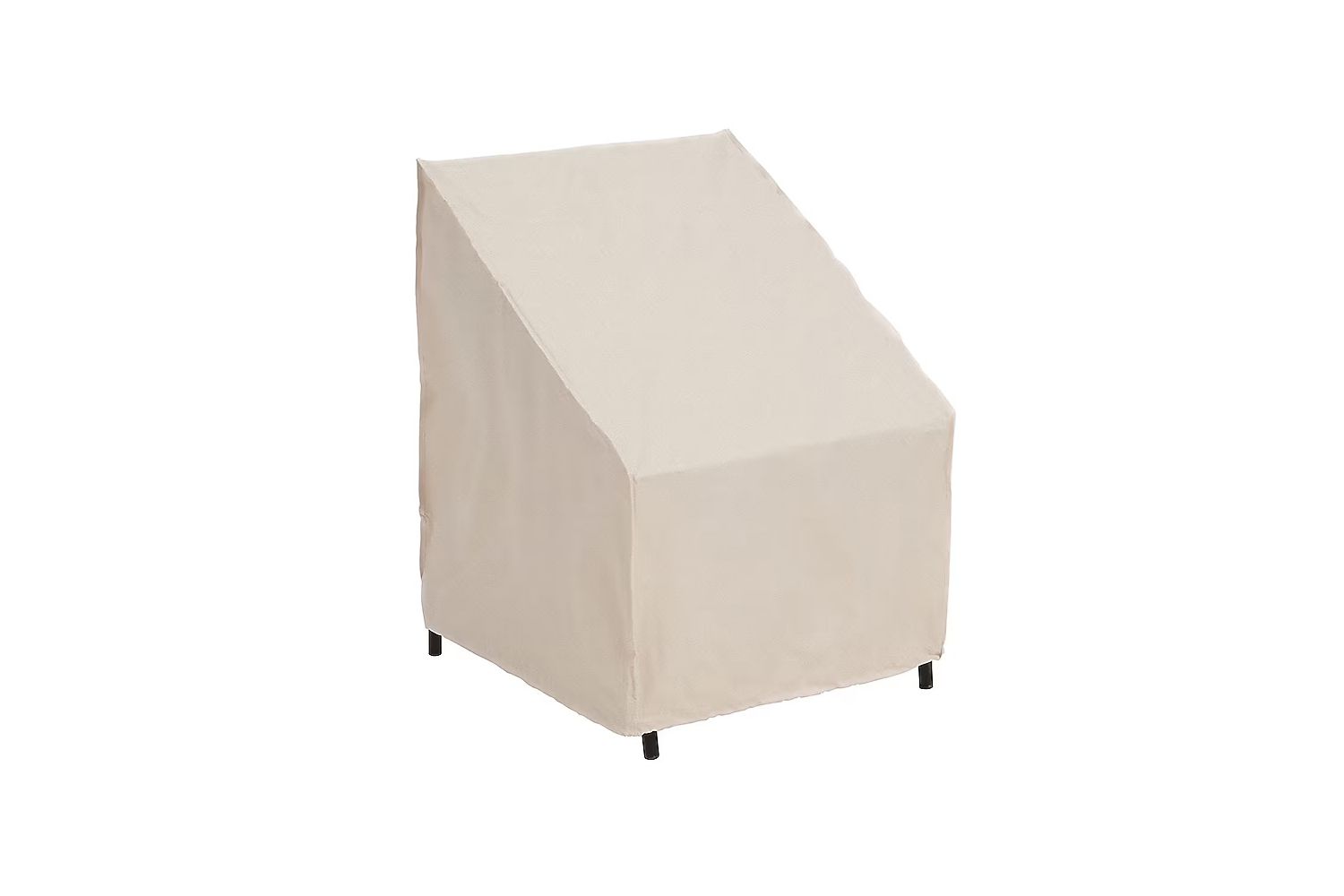
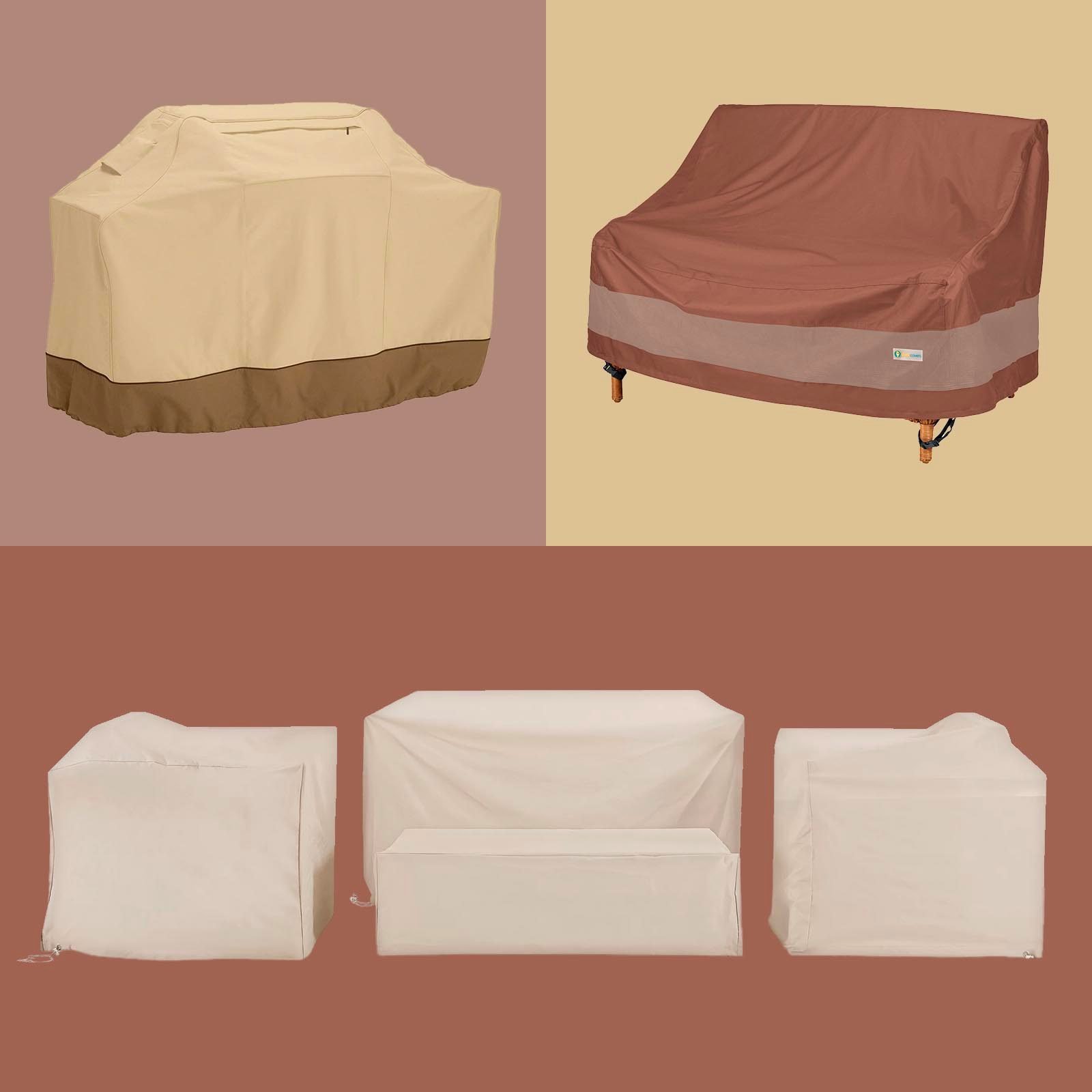
Outdoor cushion storage covers provide a practical solution for cushions attached to furniture or when larger storage units are not feasible. These covers protect cushions from dirt, grime, and inclement weather conditions, such as storms. They are particularly useful during spring and summer to shield cushions from daily environmental elements, including pollen and incidental damage from outdoor projects like paint drips. Regular cleaning of patio furniture further enhances the effectiveness of these covers.
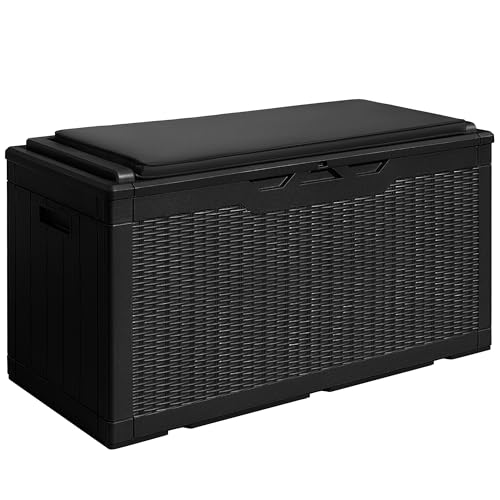
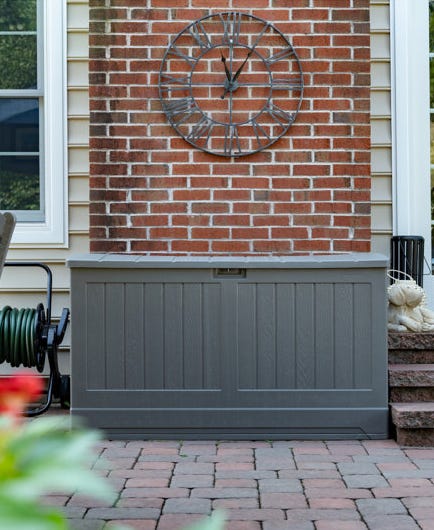
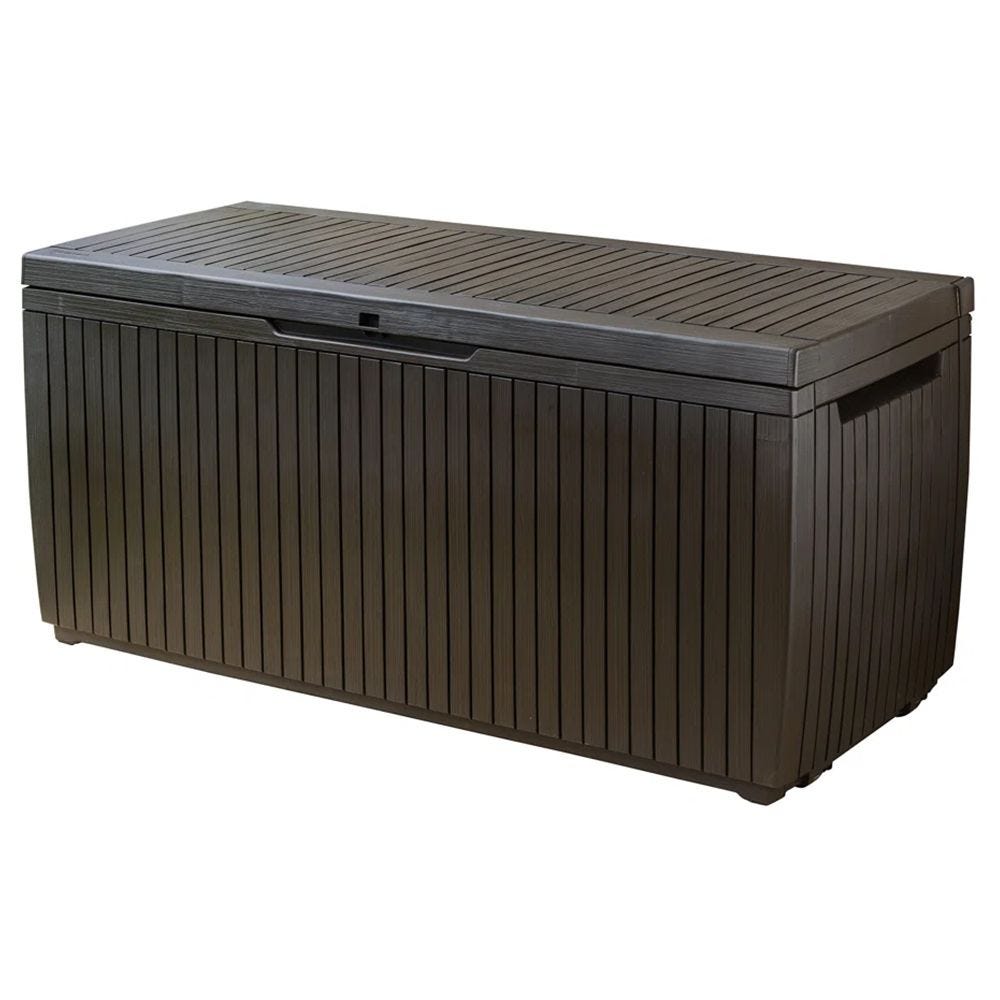
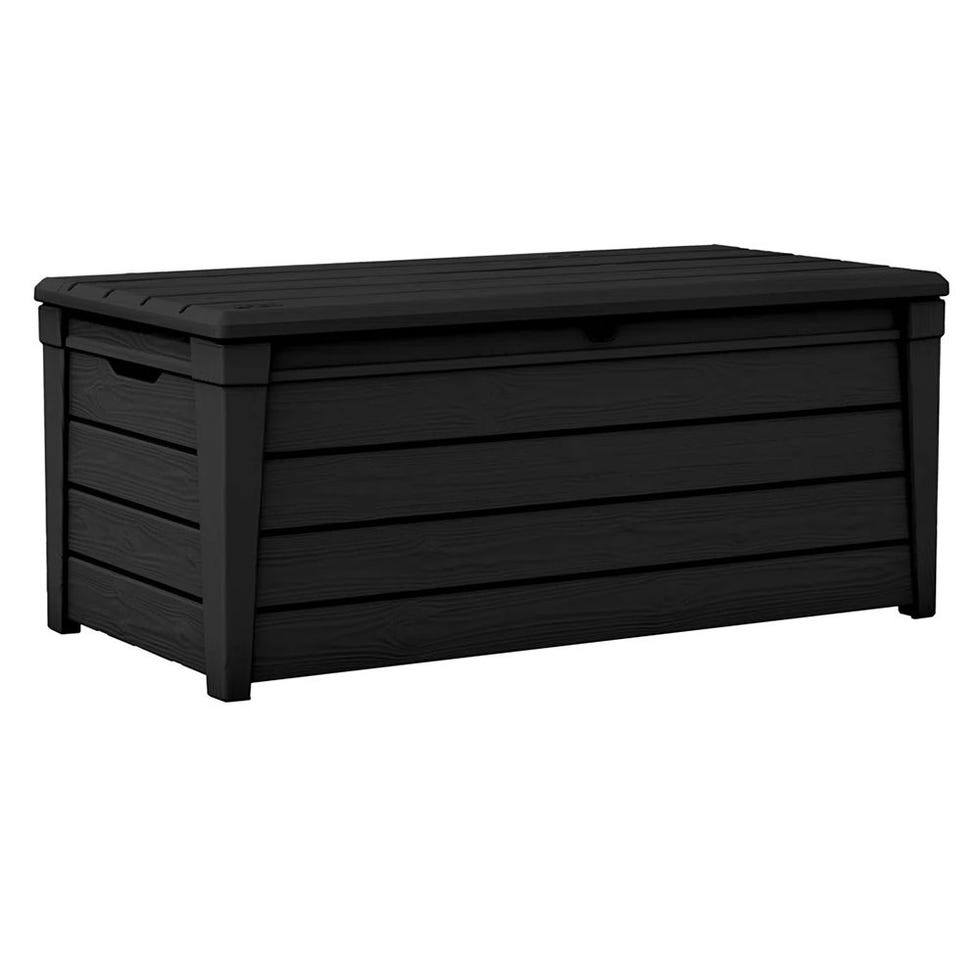
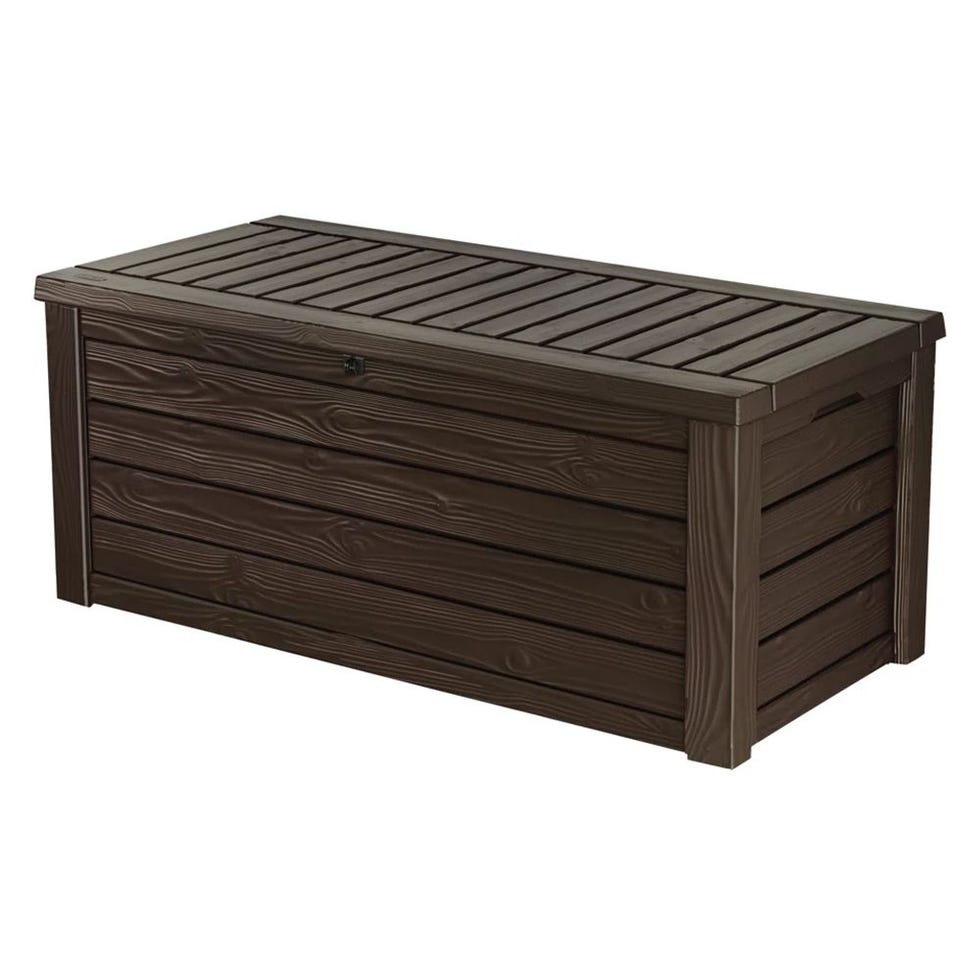
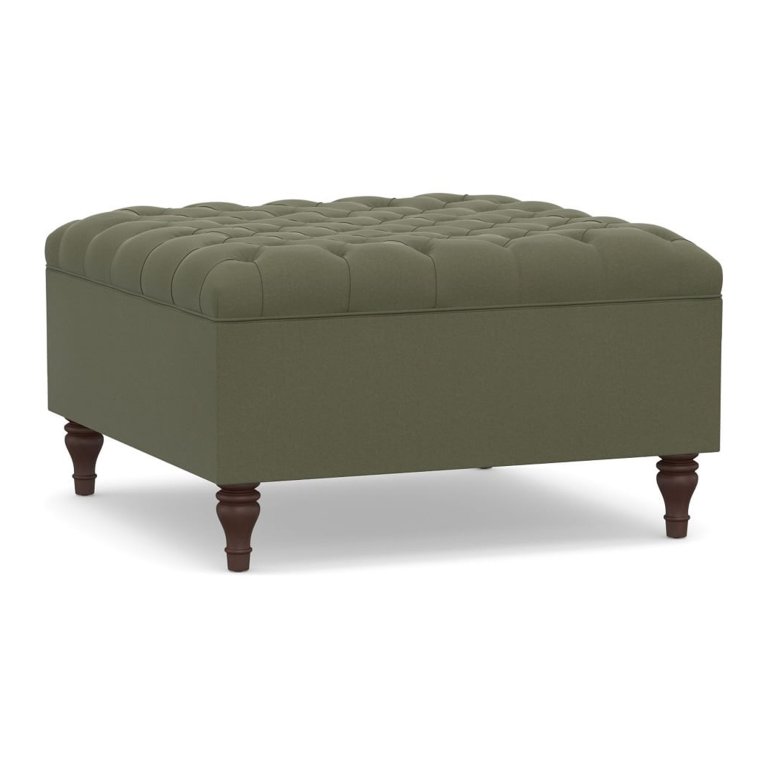
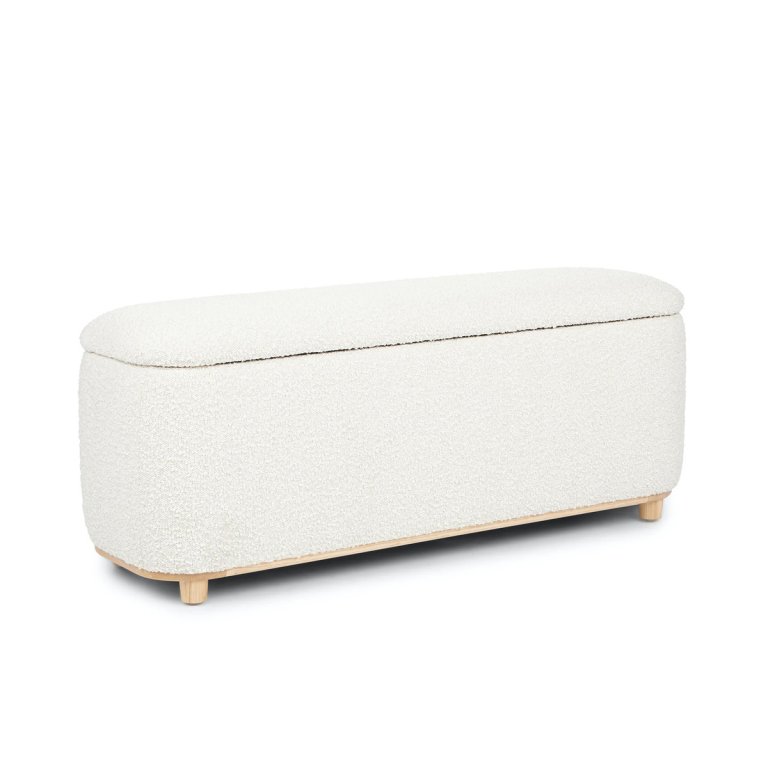
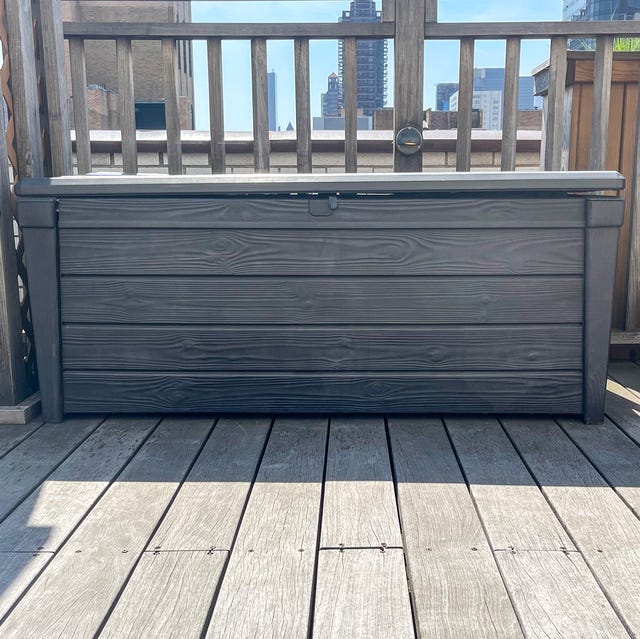
Outdoor storage benches serve a dual purpose by offering both seating and convenient storage. Their accessibility allows cushions to be put away immediately after use, which is beneficial for protecting them not only from winter weather but also from pollen and dust during other seasons. These benches can be an aesthetic and functional addition to any patio or deck area.
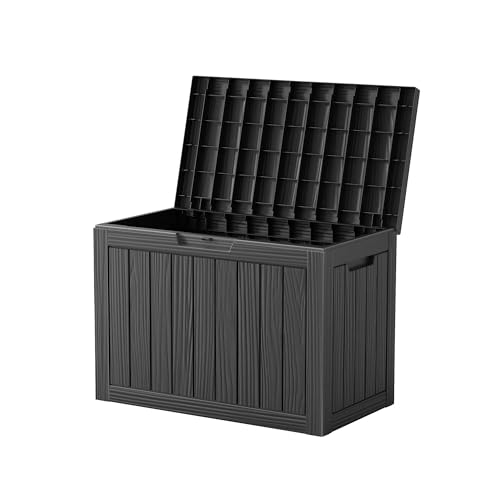
For more secure and pest-free storage, plastic storage totes are highly recommended. These containers seal tightly, safeguarding cushions from dust, pests, and curious animals. Totes are versatile and can be stored in garages, basements, or enclosed porches, providing an excellent way to organize and protect cushions during off-seasons.
Waterproof storage bags offer another effective airtight solution. While compression bags are available and save space, the article suggests that regular waterproof bags are generally a better choice because some lower-quality cushion foam may not fully regain its shape after prolonged compression. These bags protect cushions from moisture and are easy to store in various indoor or semi-enclosed spaces.
Ultimately, the best storage method depends on individual needs, climate, and available space. Implementing any of these strategies will contribute significantly to preserving the quality and longevity of outdoor patio cushions, ensuring they remain in good condition for many seasons.
#OutdoorCushionStorage #PatioFurnitureCare #HomeStorageSolutions #OutdoorMaintenance #DIYStorage #WeatherProtection #PestControl #HomeOrganization #OutdoorCushionStorage #PatioFurnitureCare #HomeStorageSolutions #OutdoorMaintenance #DIYStorage #WeatherProtection #PestControl #HomeOrganization
0 comment in total
 No comments yet
You may also like

How to Stop Cushions Sliding on Outdoor Furniture — The Hack Everyone Should Try for Better Backyard Seating

8 Best Outdoor Furniture Covers For All-Weather Protection

Your Messy Patio Has an Easy Fix. These Deck Boxes Hide Everything—And Look Good Doing It.
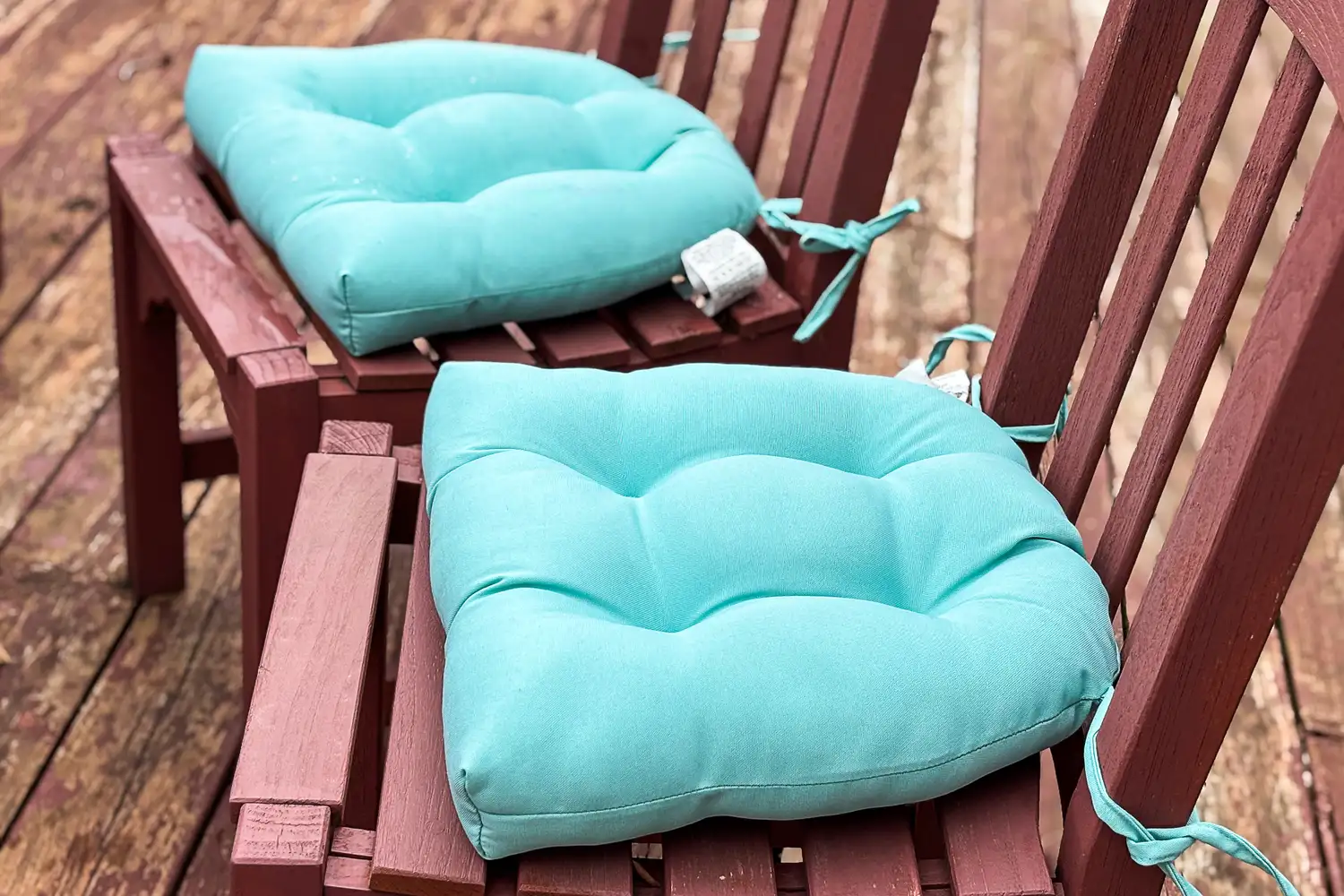
After Testing, We Love These 9 Comfortable, Durable Outdoor Cushions

All Of These Outdoor Furniture Pieces Actually Double As Hidden Storage

How to make outdoor furniture better for lounging on – 6 secrets to a more relaxing backyard

We Found the 10 Best Patio Chairs So You Can Sit Back and Relax
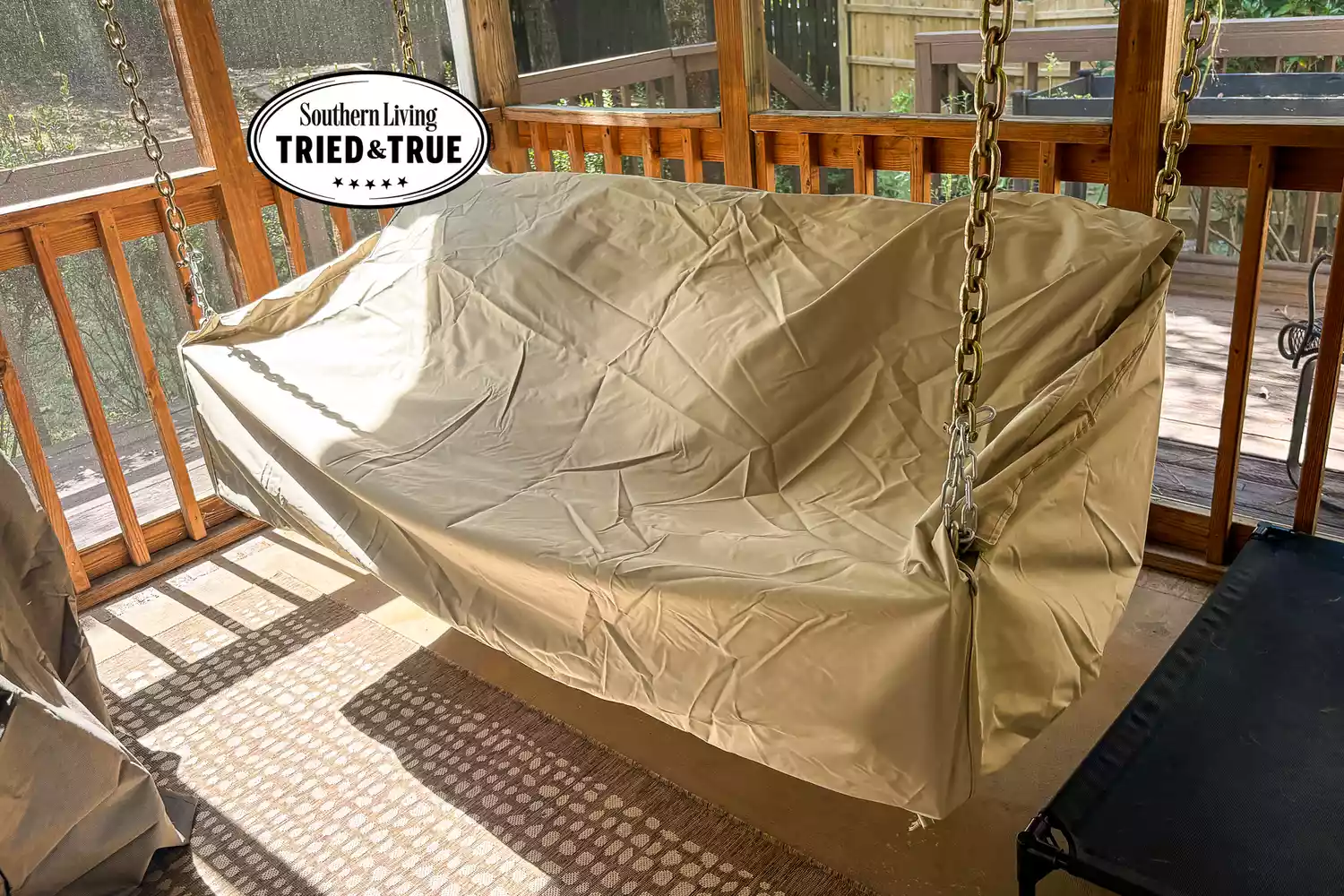
We Tested 20 Outdoor Furniture Covers—These 5 Held Up Best

22 Sneaky Storage Solutions for Your Deck, Porch, and Patio

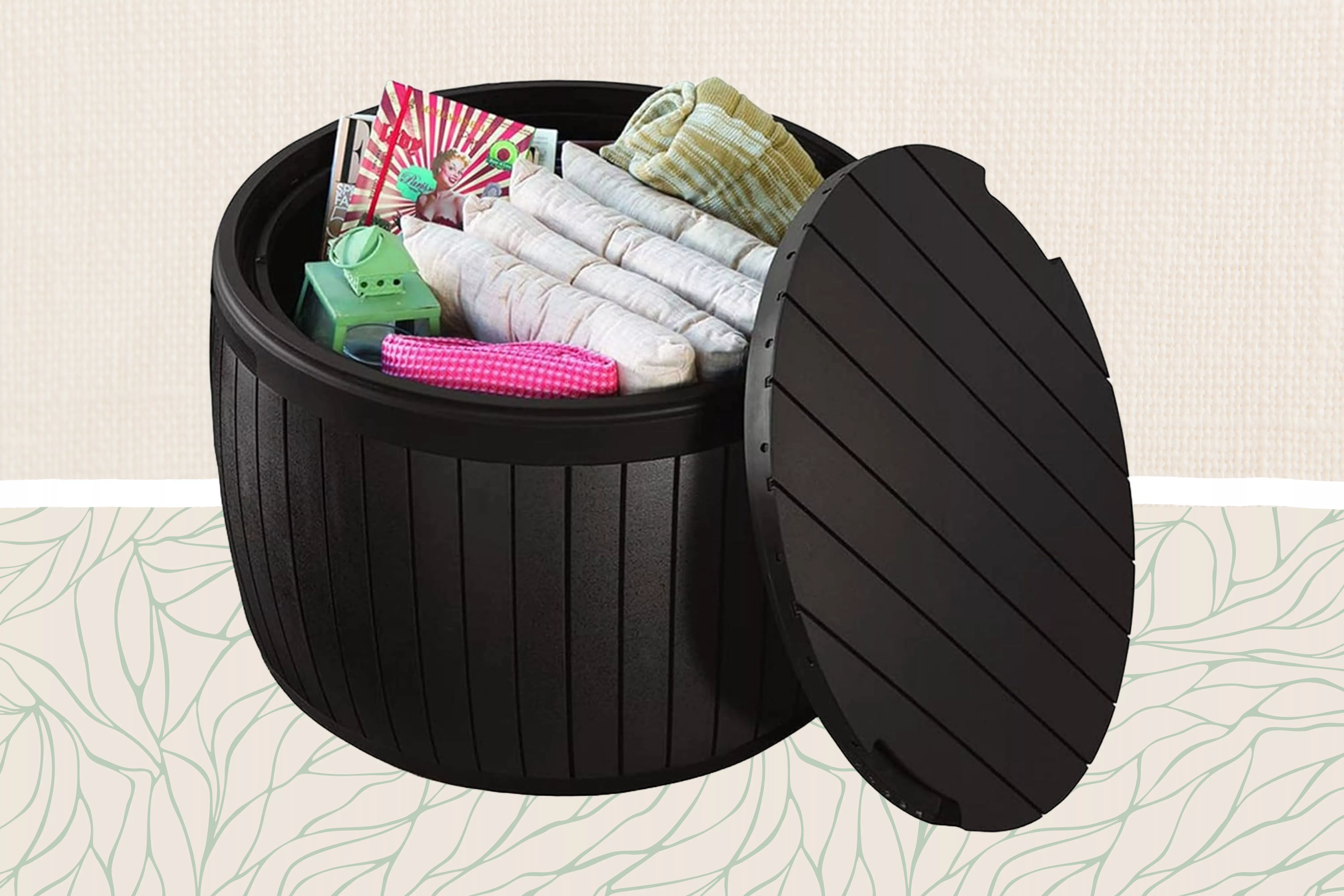
Organize Pillows, Tools, and Supplies with Our Favorite Outdoor Storage Pieces


19 Ways To Neatly Store All The New Loungewear You've Been Buying


7 backyard storage ideas for small spaces and seamless indoor-outdoor living


How to Properly Store and Winterize Outdoor Furniture
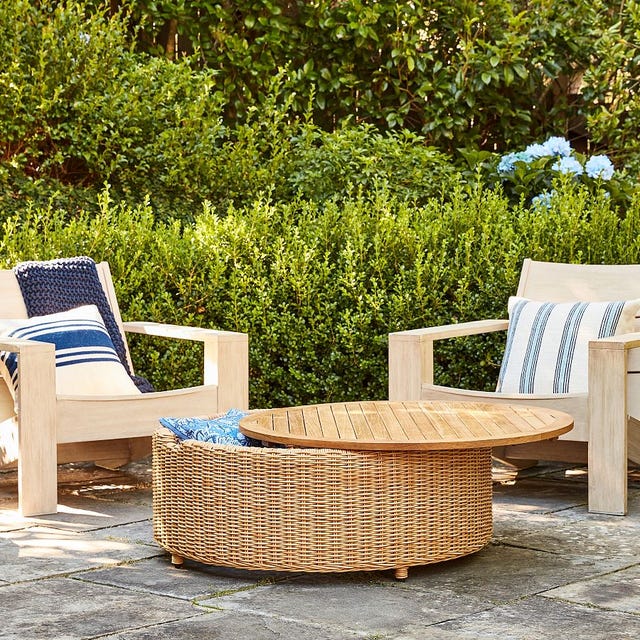
These Outdoor Storage Pieces Double as Decor for Your Home


Hide Away Your Overflow of Throws in the Best Storage Ottomans

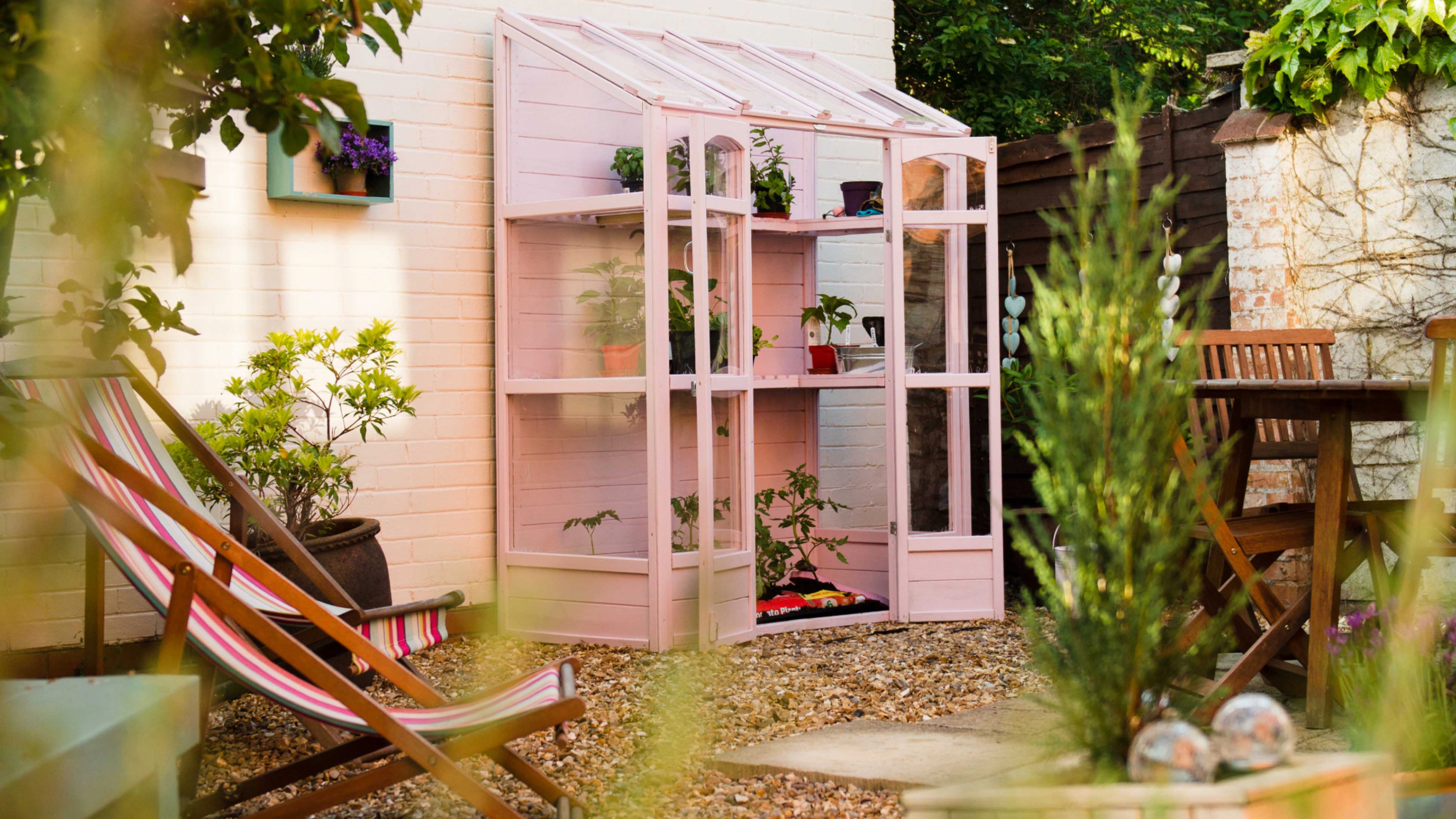
28 Garden storage ideas – innovative solutions from mini-greenhouses to vintage boxes

I’m sick of my outdoor cushions getting drenched by sudden summer showers – this multi-functional 'premium' fix is what 1000s of people swear by
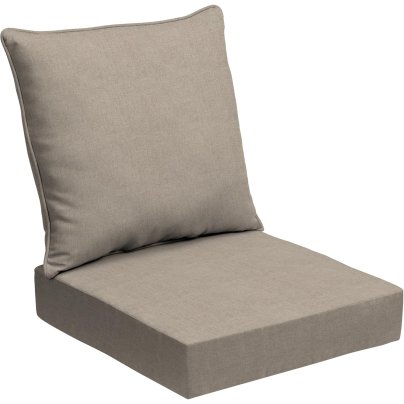
Our Favorite Outdoor Cushions Are Made From an Unusual Material to Prevent Fading
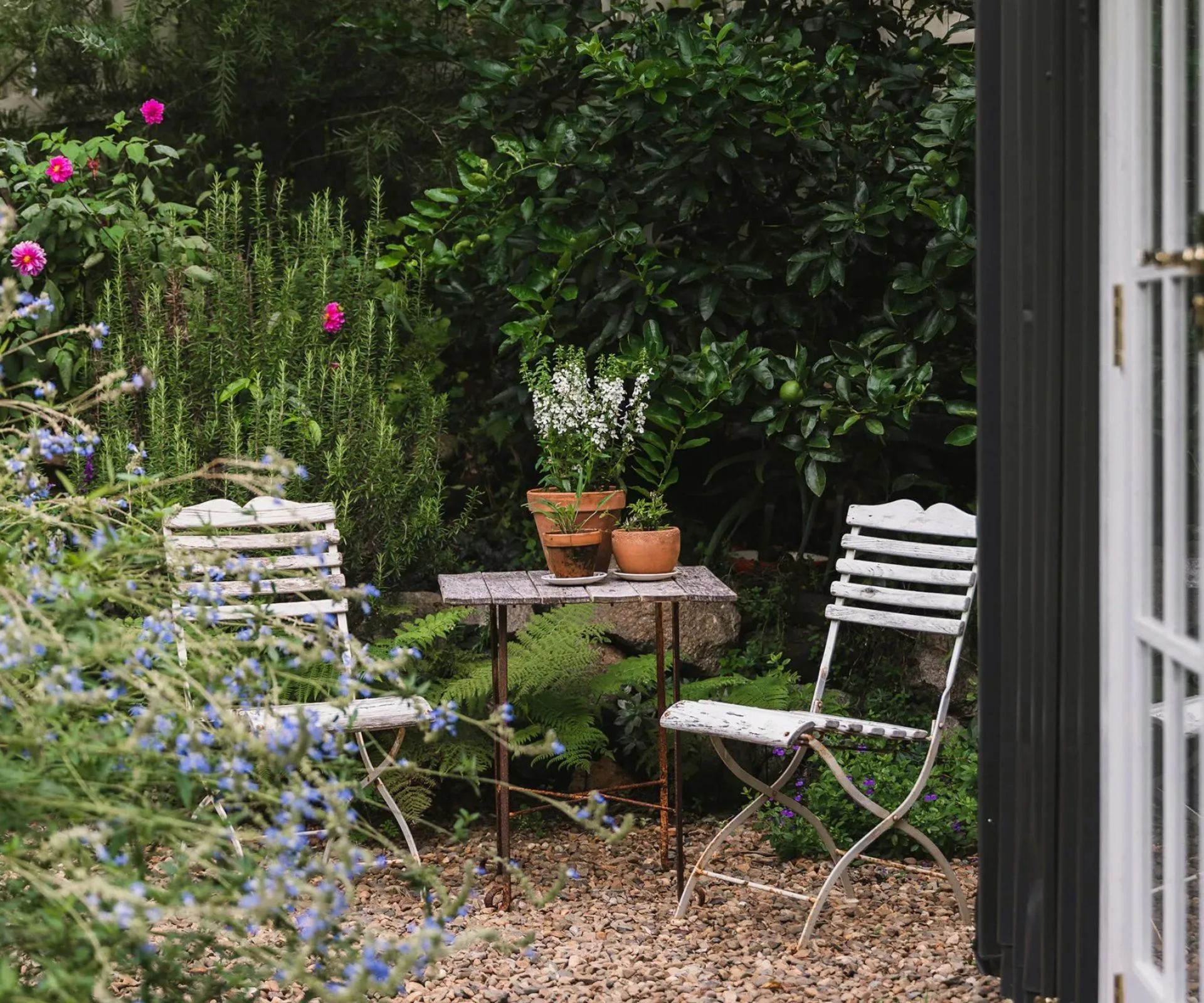
Keep your gardening tools safe with these outdoor storage cabinets

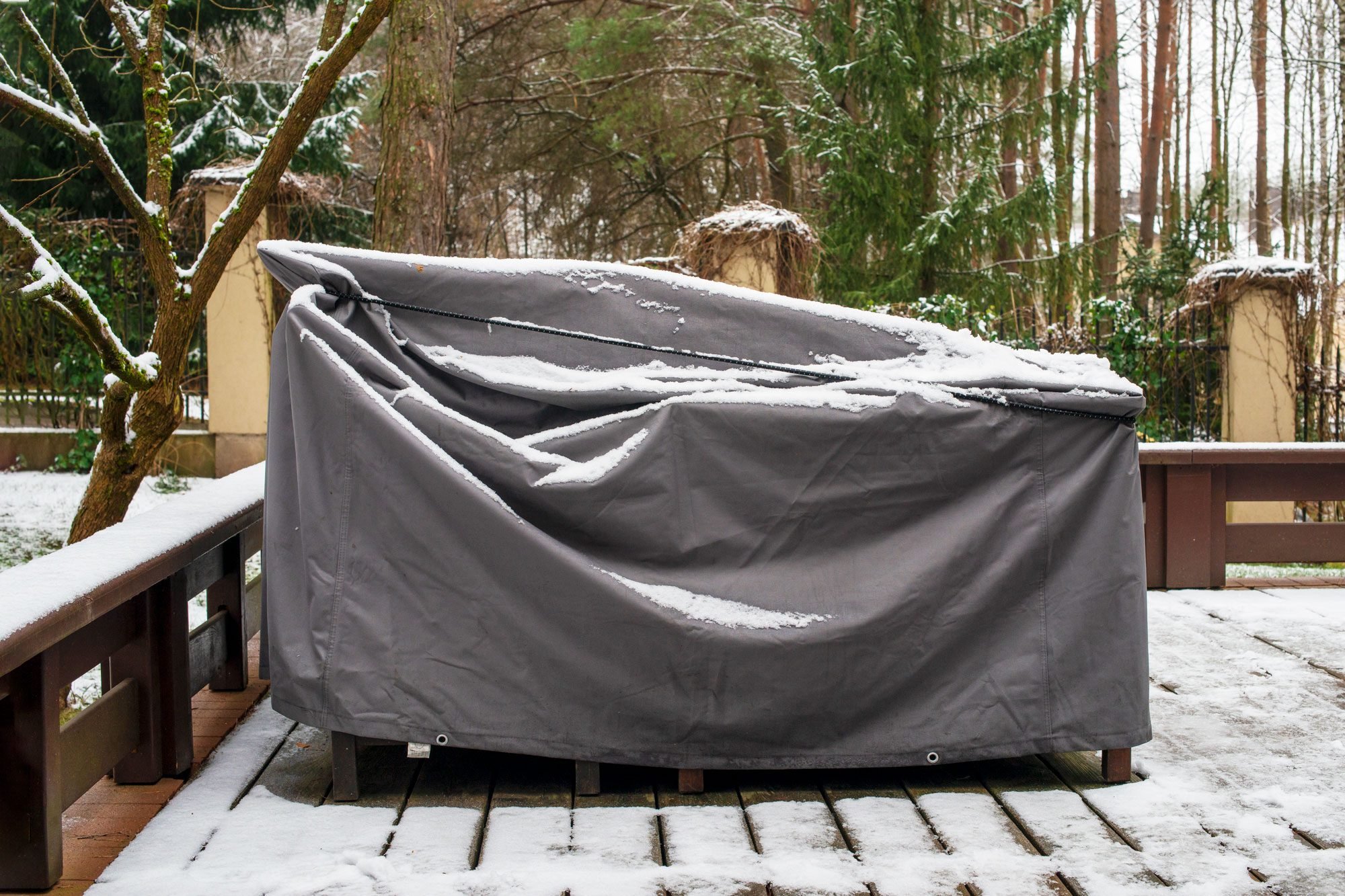
Winterproofing Your Outdoor Furniture – Easy Tips