
1/9
5 Houseplants That Just Don't Like Winter — And How to Keep Them as Happy as Possible During the Colder Months
Many indoor plants struggle during the winter months due to a combination of lower temperatures, dry air, and reduced light. Understanding which plants are particularly sensitive to these conditions and implementing specific care routines can help them thrive until spring. This guide focuses on five such houseplants: Anthurium Crystal, Philodendron Gloriosum, Monstera Albo, Calathea Lancifolia, and Alocasia Melo, offering expert advice on how to mitigate winter's adverse effects.
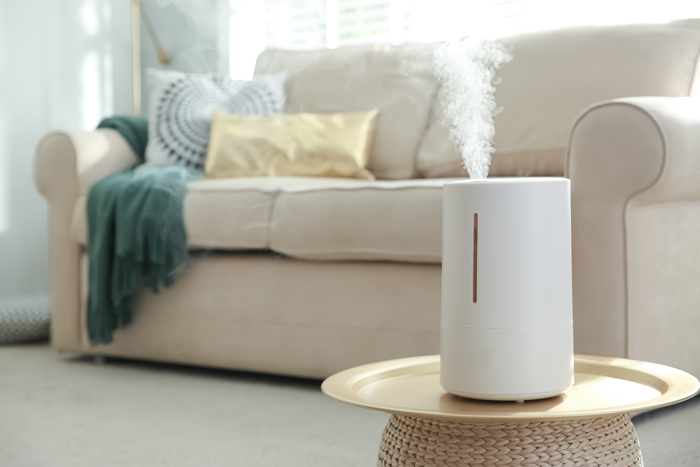
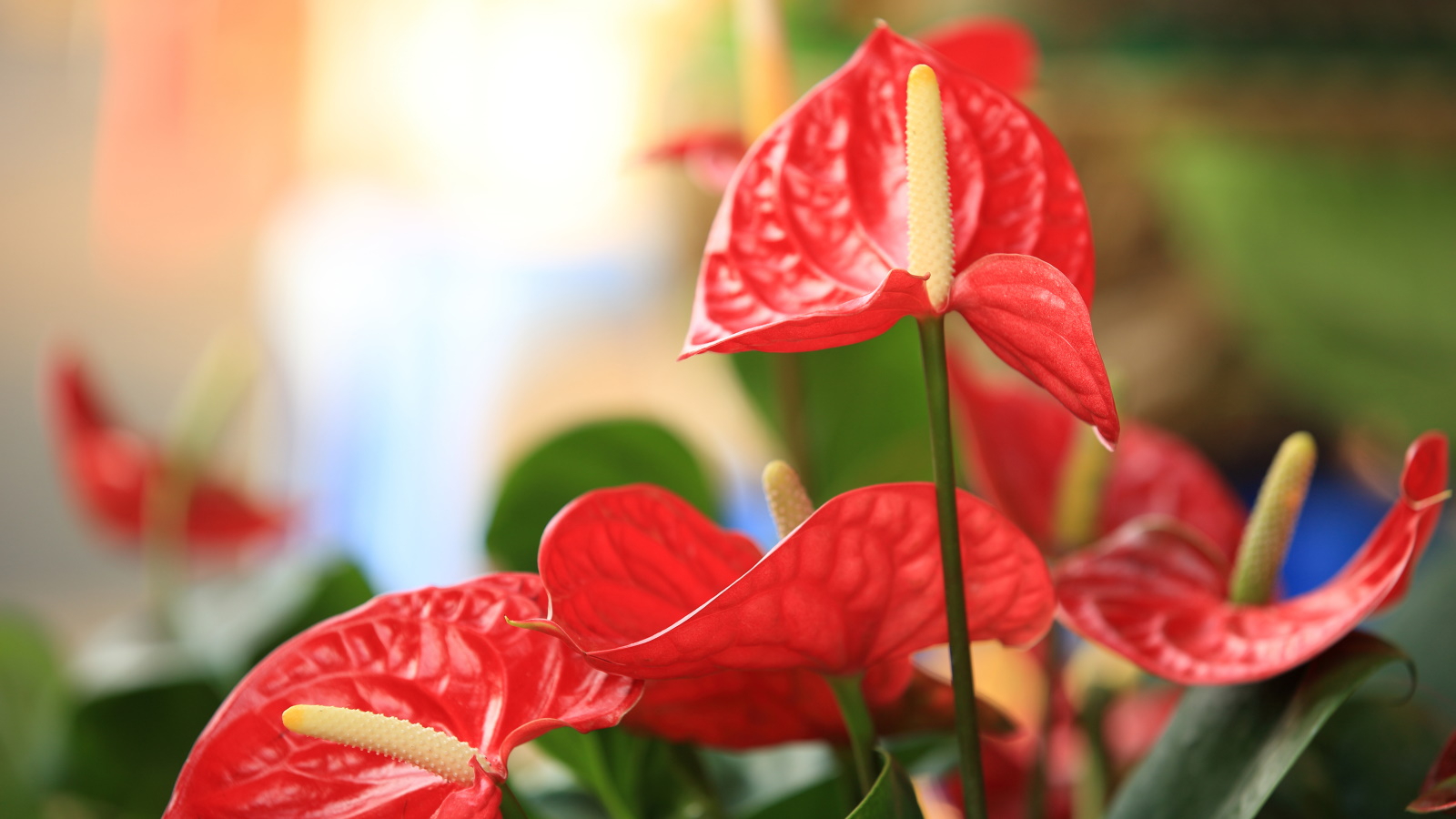
Anthurium Crystal, despite its vibrant appearance, is known for 'sulking' when humidity drops, often exhibiting crisped edges and slowed growth. To counteract this, it is recommended to place these plants in a warm location, away from vents, and to increase moisture levels using a humidifier or a pebble tray. Bryan Wu of Palmstreet emphasizes the importance of consistent humidity for these tropical beauties.
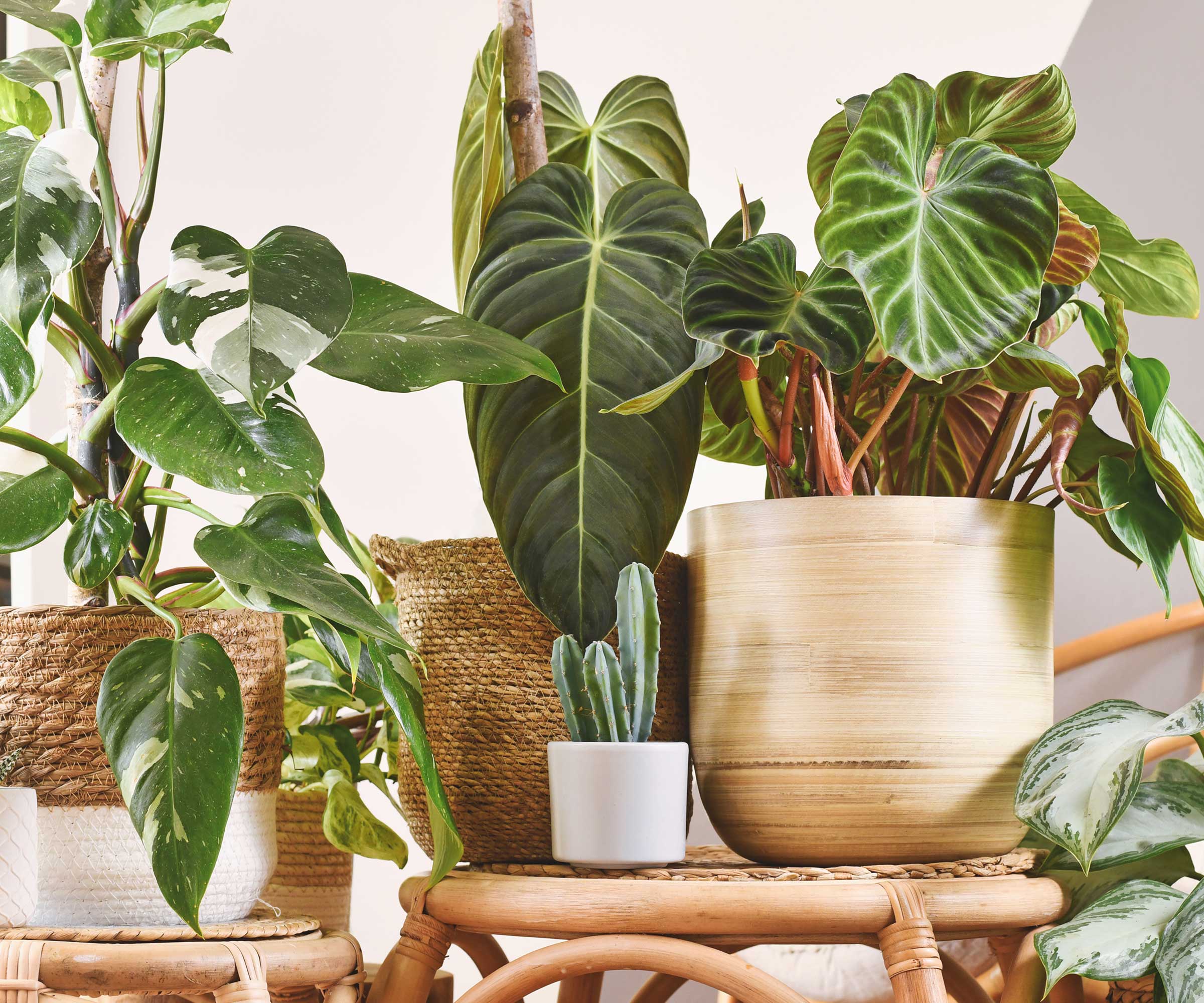
Philodendron Gloriosum, unlike some of its more low-maintenance relatives, is a 'diva' during winter. This crawling plant with velvet leaves dislikes cold soil. Expert advice includes keeping its pot off chilly windowsills, watering sparingly to prevent root rot, and ensuring it receives bright, indirect light. Light therapy can also be beneficial if the plant is in a particularly dim area.
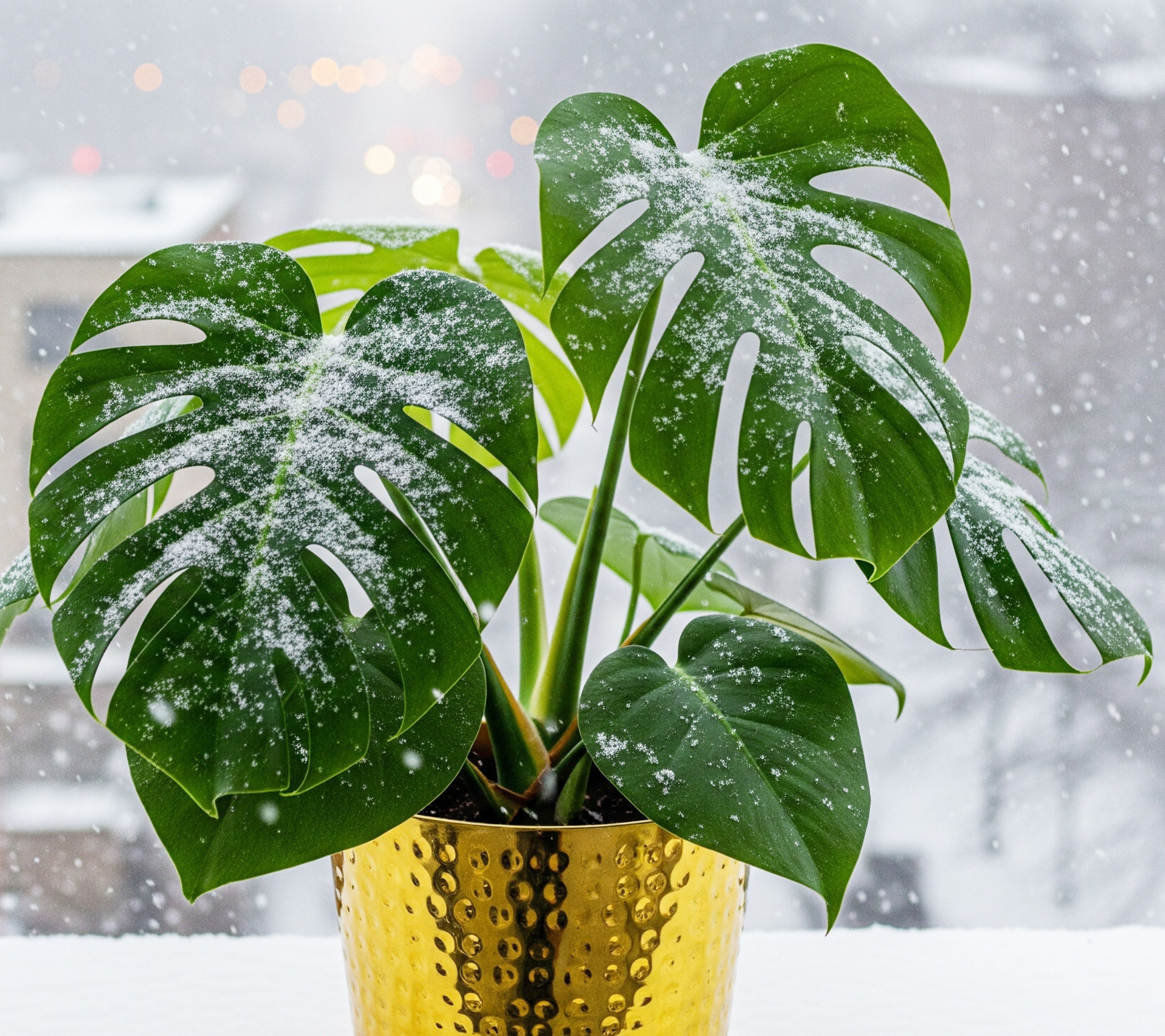
Monstera Albo, already a slow and steady grower due to its variegation, becomes even fussier in winter. It requires consistent warmth and extended light exposure. Special attention is needed during watering to prevent browning of its distinctive white sections. Indoor grow lights are highly recommended by Bryan Wu to provide the necessary light and warmth during the colder, darker months.
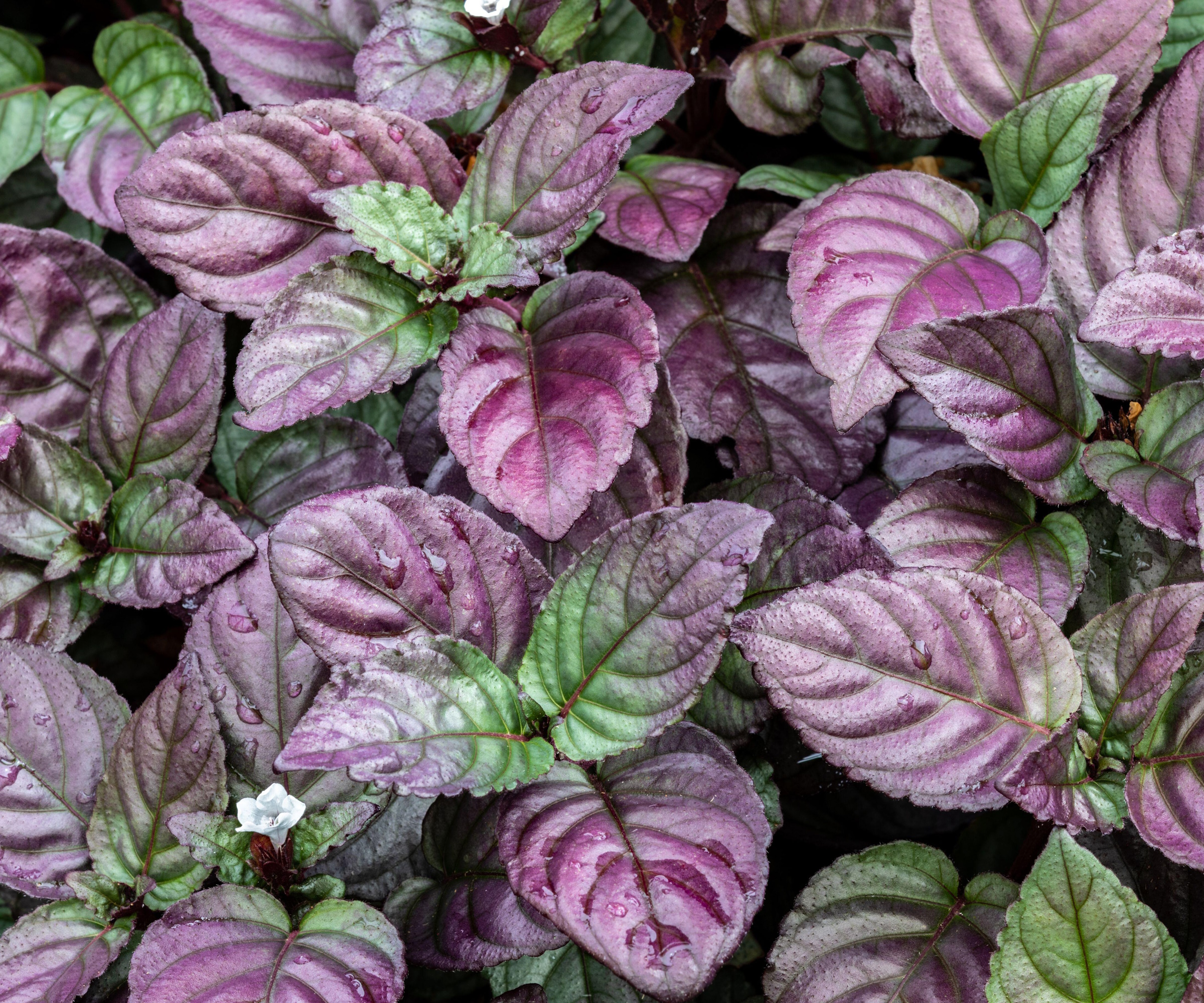
Calathea Lancifolia, a tropical houseplant known for its striking pale green foliage with dark blotches and purple undersides, is also not winter-friendly. Dry and drafty indoor environments can cause its leaves to curl and tips to brown. Marina Prokaten of Plantum advises placing it in a draft-free corner with indirect light and using filtered water instead of tap water. Maintaining an ideal room temperature and pausing fertilization during its dormancy period are also crucial.
Lastly, Alocasia Melo, characterized by its thick, textured leaves, is highly sensitive to temperature fluctuations and often enters a partial dormancy in winter. It is prone to dropping leaves if it experiences excessive cold or overwatering. The key to its winter care is to keep it warm, significantly reduce watering, and allow it to rest until spring. These high-maintenance plants require dedicated care but offer significant rewards in their stunning foliage. By addressing the specific needs of these five houseplants, enthusiasts can ensure their indoor gardens remain vibrant and healthy throughout the winter season.
#HouseplantCare #WinterPlantCare #IndoorGardening #AnthuriumCrystal #PhilodendronGloriosum #MonsteraAlbo #CalatheaLancifolia #AlocasiaMelo #PlantHumidity #HouseplantCare #WinterPlantCare #IndoorGardening #AnthuriumCrystal #PhilodendronGloriosum #MonsteraAlbo #CalatheaLancifolia #AlocasiaMelo #PlantHumidity
0 comment in total
 No comments yet
You may also like
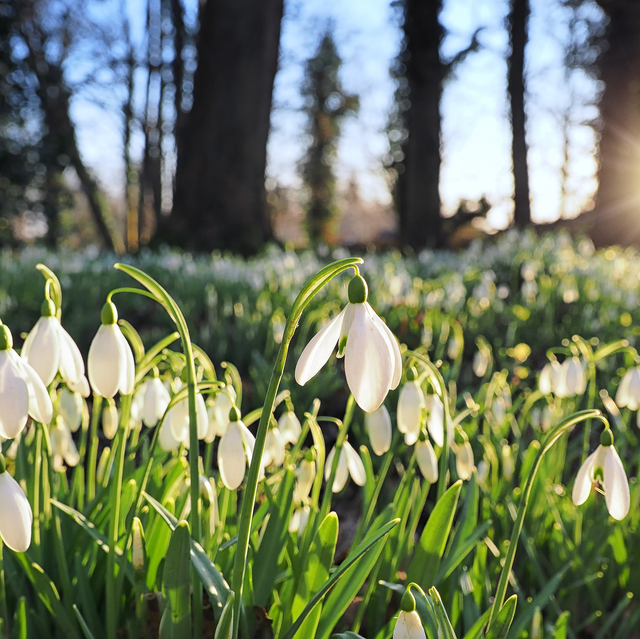
These Flowers Will Thrive in the Coldest Months of the Year

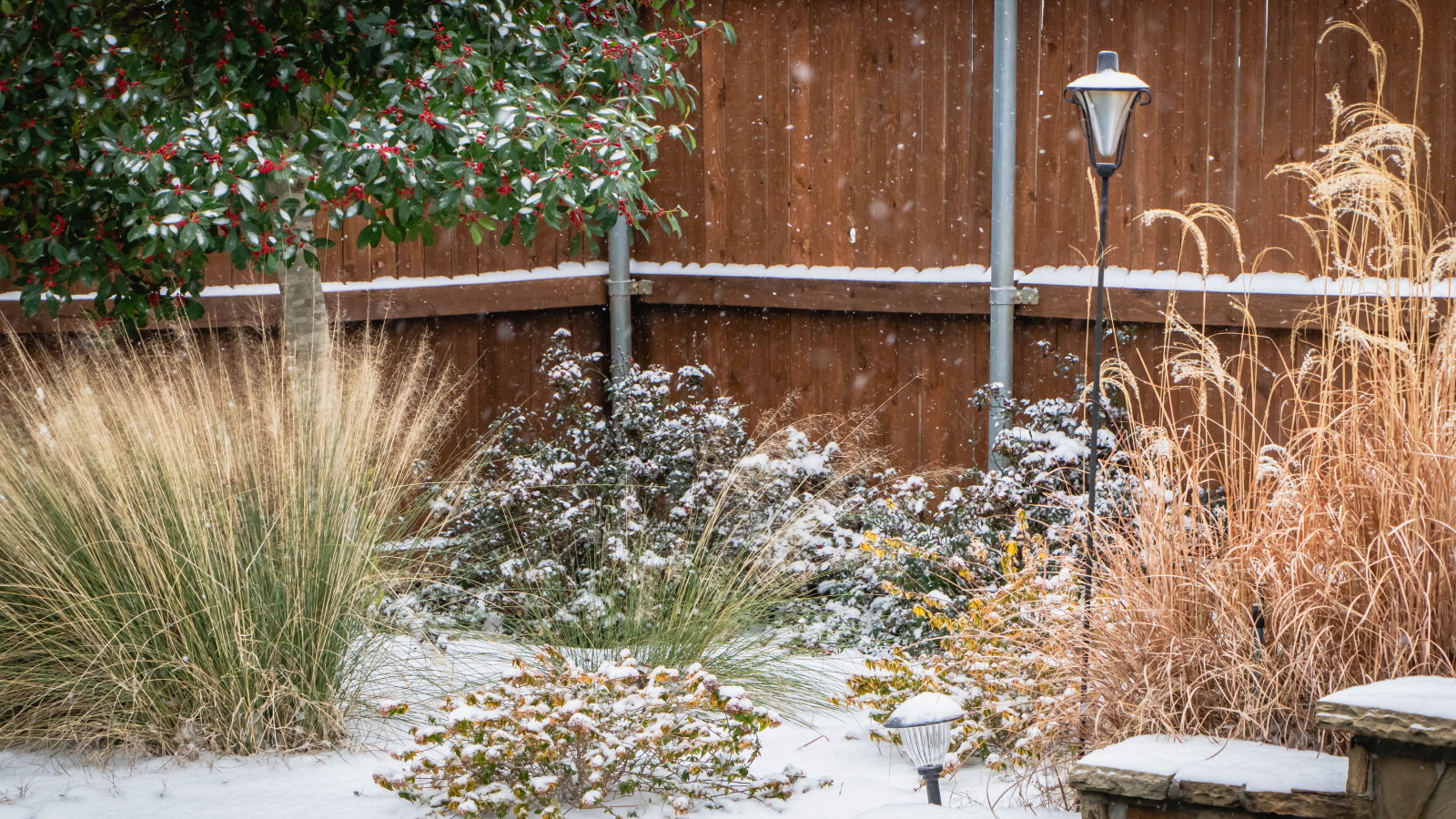
How to wrap potted plants for winter – and keep them warm in frost and snow


How to Keep Exterior Green Walls Alive in the Winter
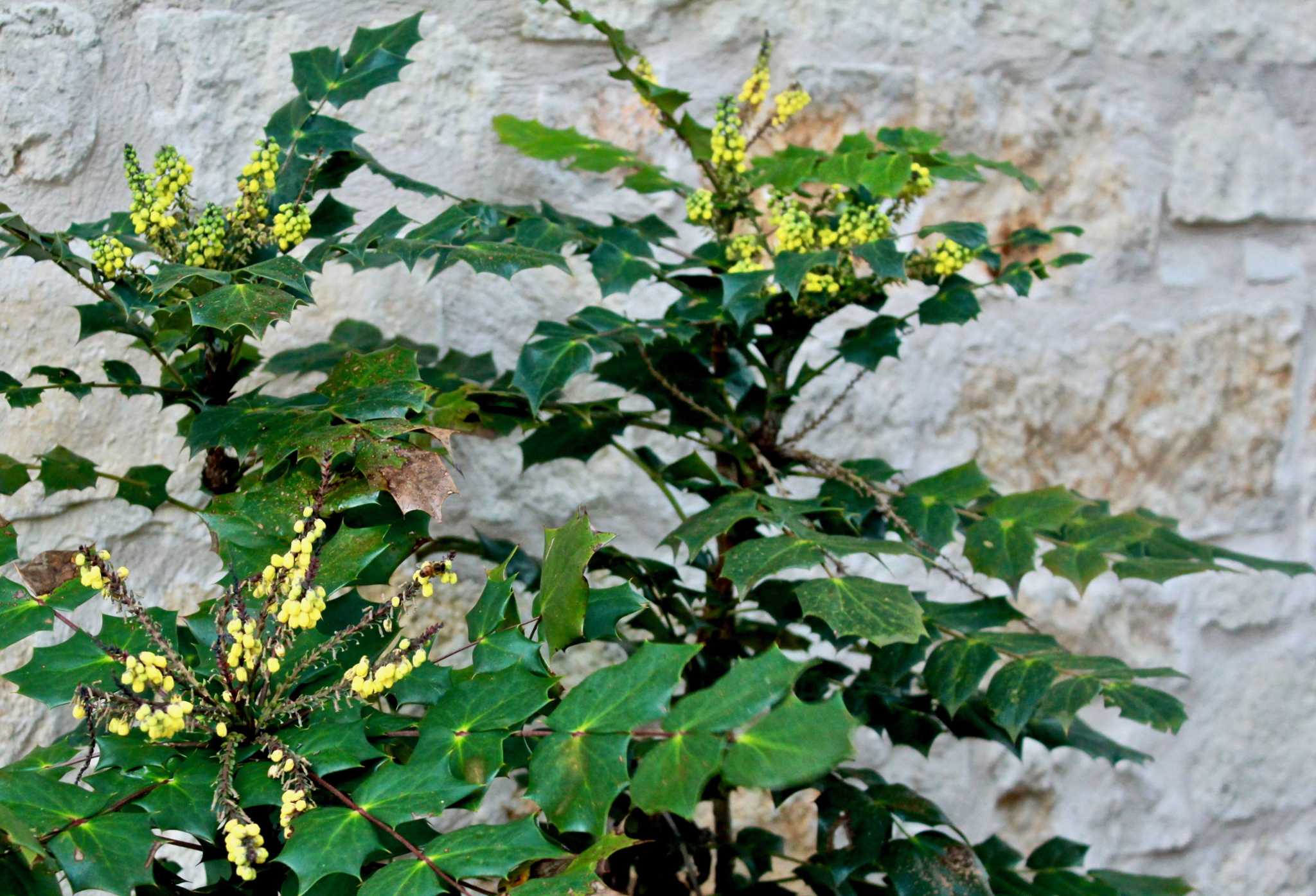
Plan and plant now for a colorful, interesting garden even in winter

25 Colorful Winter Flowers That Actually Thrive in the Cold

Nov 2017: Gone Gardenin' -- Ice plants can be enjoyed both indoors and outdoors
Cornerstone Homebuyers Expands "Sell Water Damaged House" Service Throughout Florida
8 indoor plants that thrive in indirect or low sunlight

The Most Gorgeous Plants That Require ZERO Effort to Keep Alive All Winter Long

Tips for selecting an indoor plant
Best holiday houseplants – 7 plants ideal for festive decor that aren't all Christmas cacti
11 best low-maintenance indoor plants

20 Flowers You Can Plant During The Winter
Garden Designers Share Simple Yet Stylish Ways to Spruce Winter Containers
17 Tips and Hacks to Help Keep Your House Warm This Winter

12 early-blooming plants and flowers that will chase the winter blues away

How to protect houseplants from central heating – to keep them thriving indoors throughout the colder months
Winter garden ideas – 20 ways to a beautiful winter backyard

The must-have items to get you through winter
14 Succulents That Will Thrive Indoors All Year Round