20 Flowers You Can Plant During The Winter
This blog post addresses the common misconception that gardening ceases during winter, especially for those in warmer climates like the Southern United States. It highlights that certain flowers can be planted in fall and winter, including December and January, and provides guidance for gardeners in colder regions to plan for the next year's growing season by starting summer annuals indoors or planting seeds for spring and summer blooms. A crucial first step emphasized is checking the USDA plant hardiness zone map to select appropriate plants for specific locations, noting that most of the South falls within zones 7b to 9a, allowing for year-round planting.
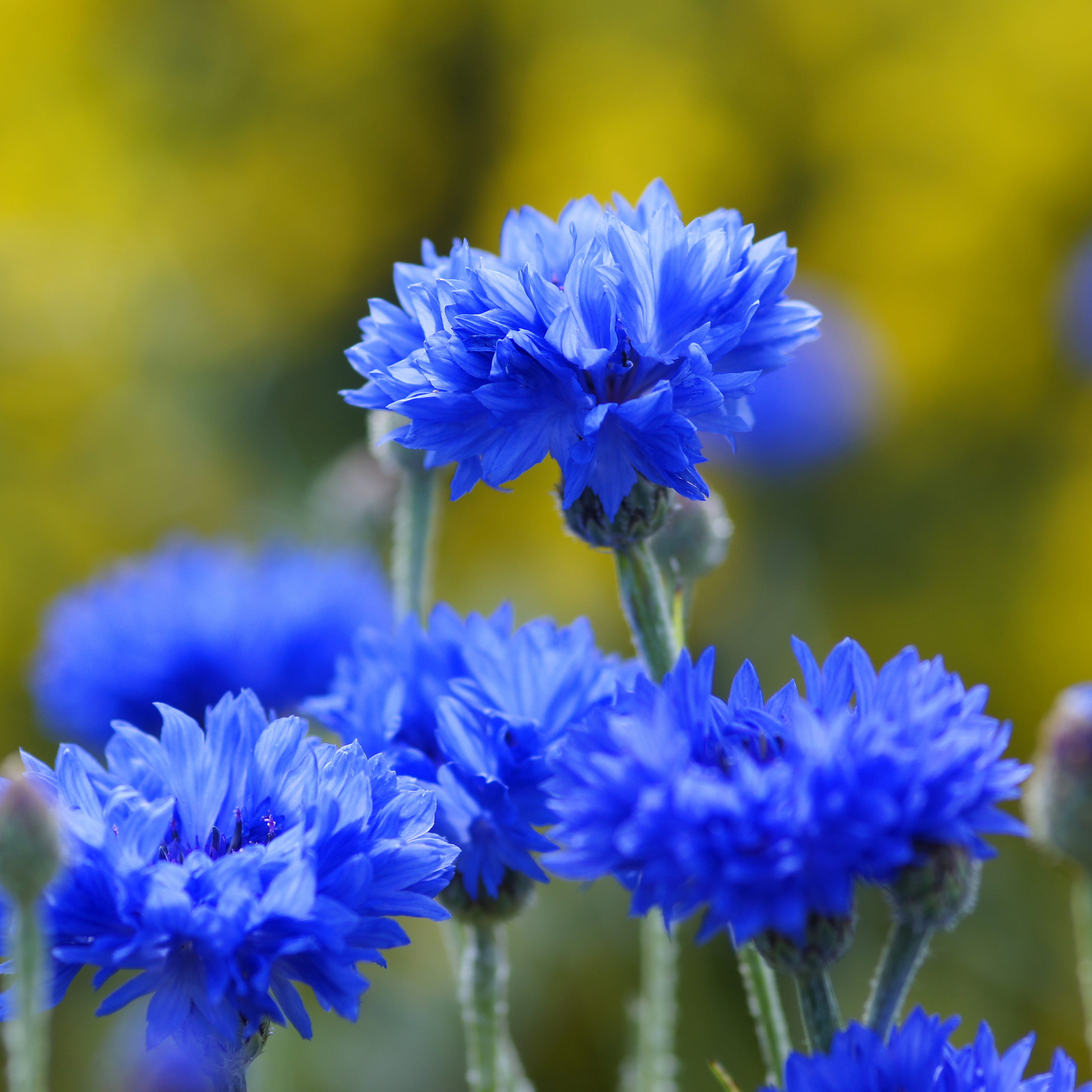
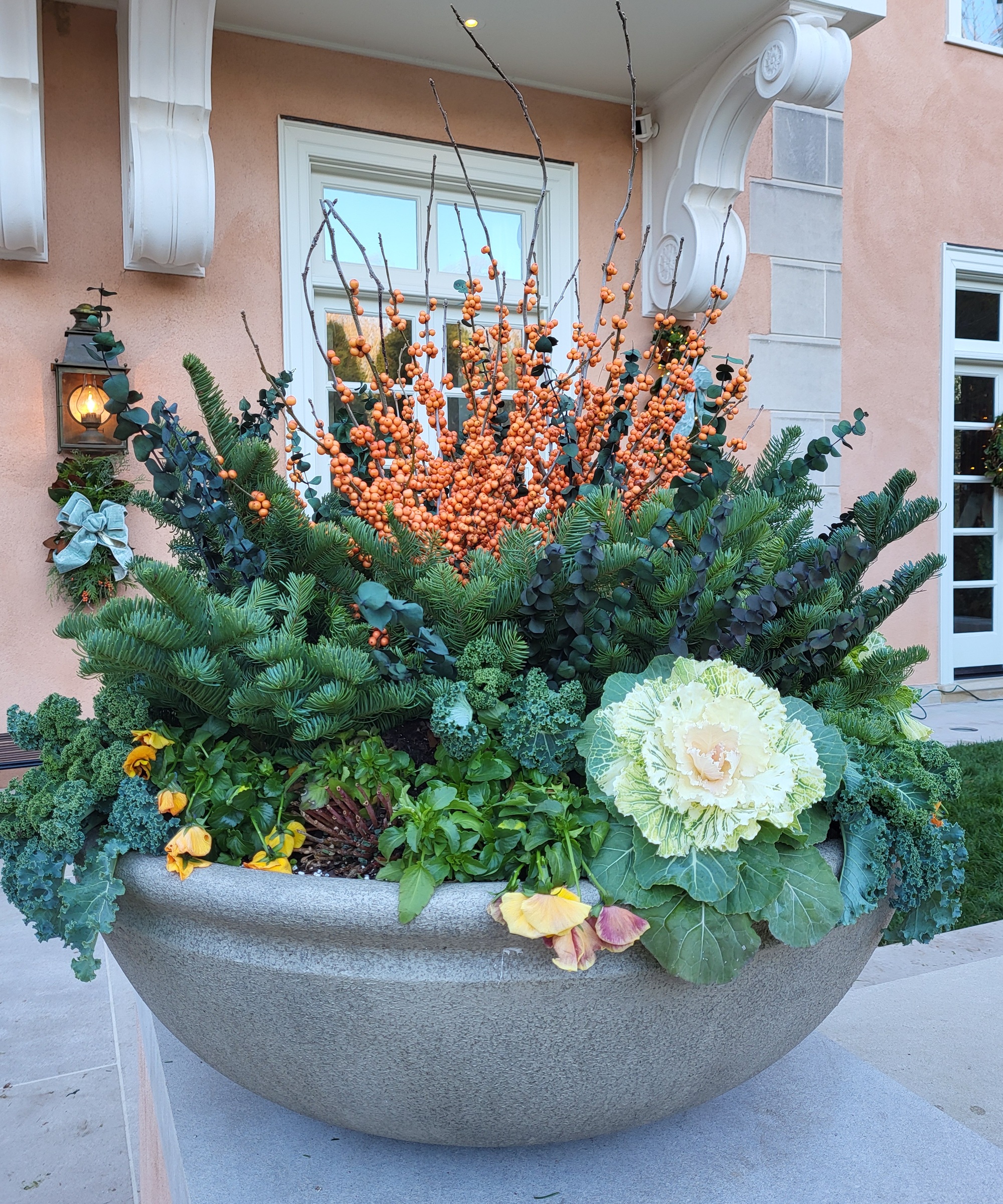
The article then details 20 specific flowers and plants suitable for winter planting, offering key botanical information for each, including botanical name, sun exposure, soil type, and pH. Among these are Violas and Pansies (Viola tricolor), known for their hardiness and vibrant blooms, thriving in partial shade with consistent watering and good drainage. Forsythia (Forsythia spp.), or 'yellow bells,' can be planted in February in the South and will bloom in early spring, requiring regular watering only until established. Bachelor's Buttons (Centaurea cyanus), also called cornflowers, are drought-tolerant blue wildflowers best planted from seed in late winter for early summer blooms. Ornamental Kale (Brassica oleracea), while not edible, adds brilliant color to winter gardens and pairs well with pansies and snapdragons in containers. Delphinium (Delphinium spp.), a tall, elegant plant, should be planted in late winter for summer-long blooms, needing regular watering and fertilization while avoiding soggy soil.
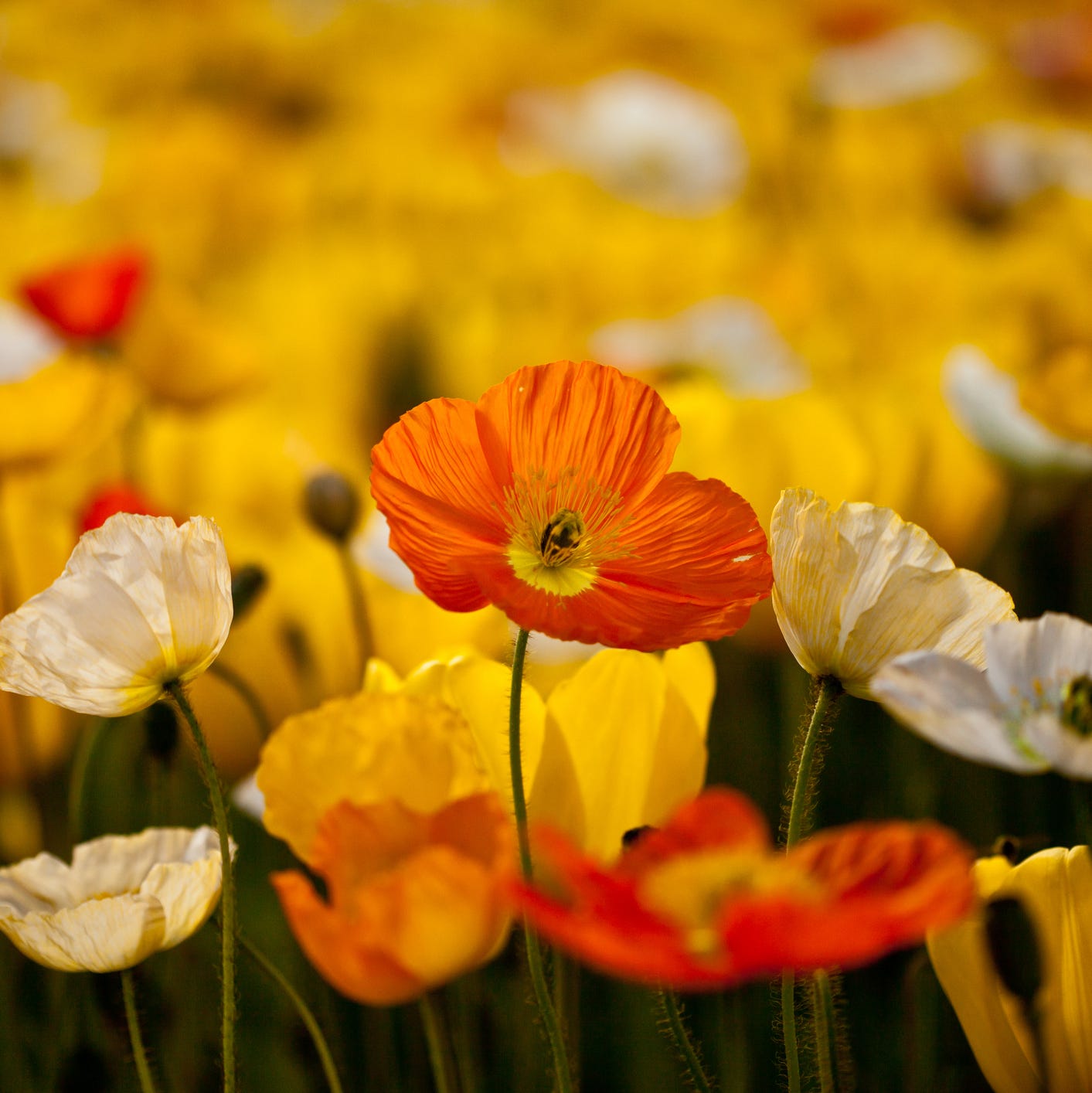
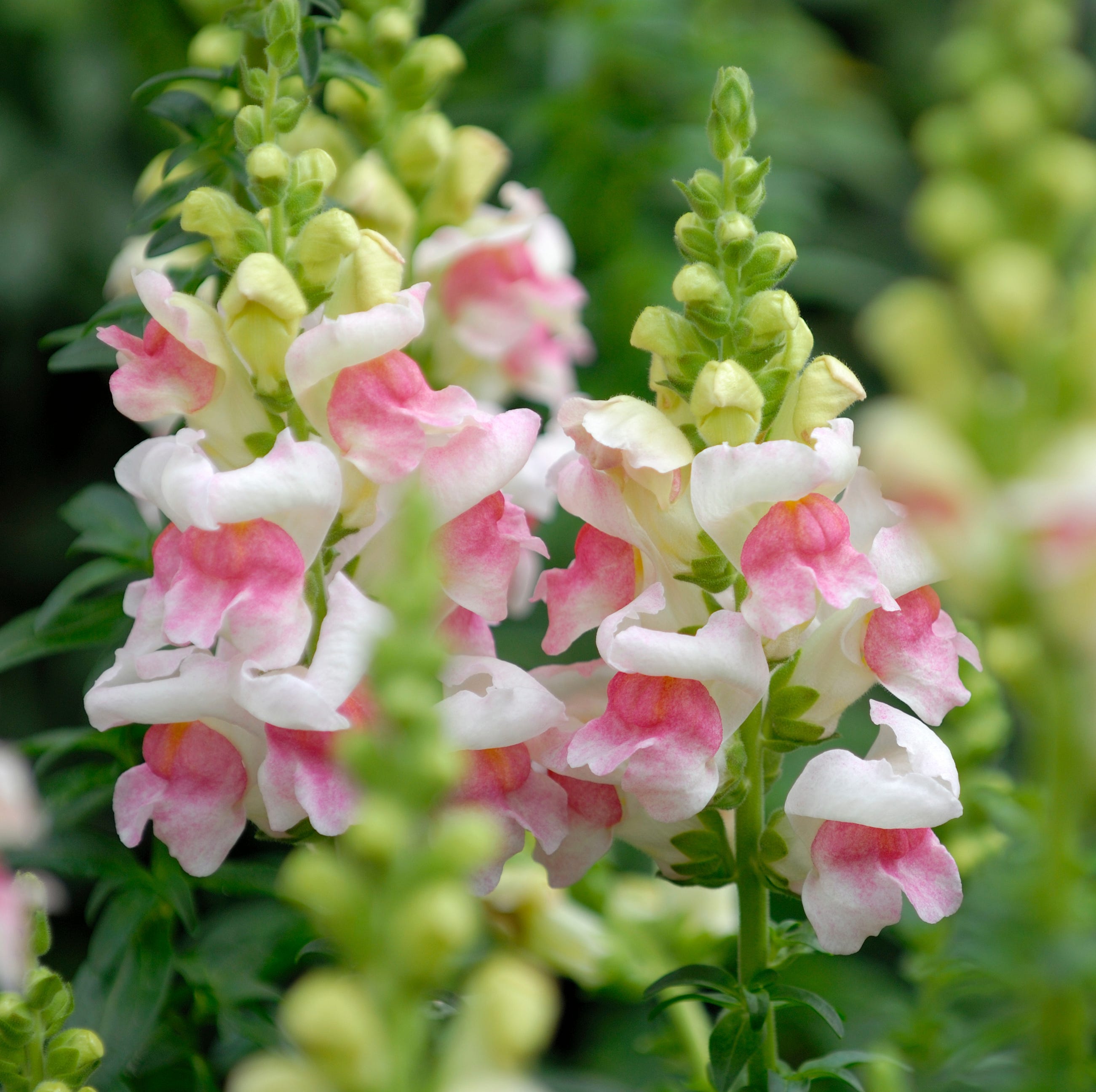
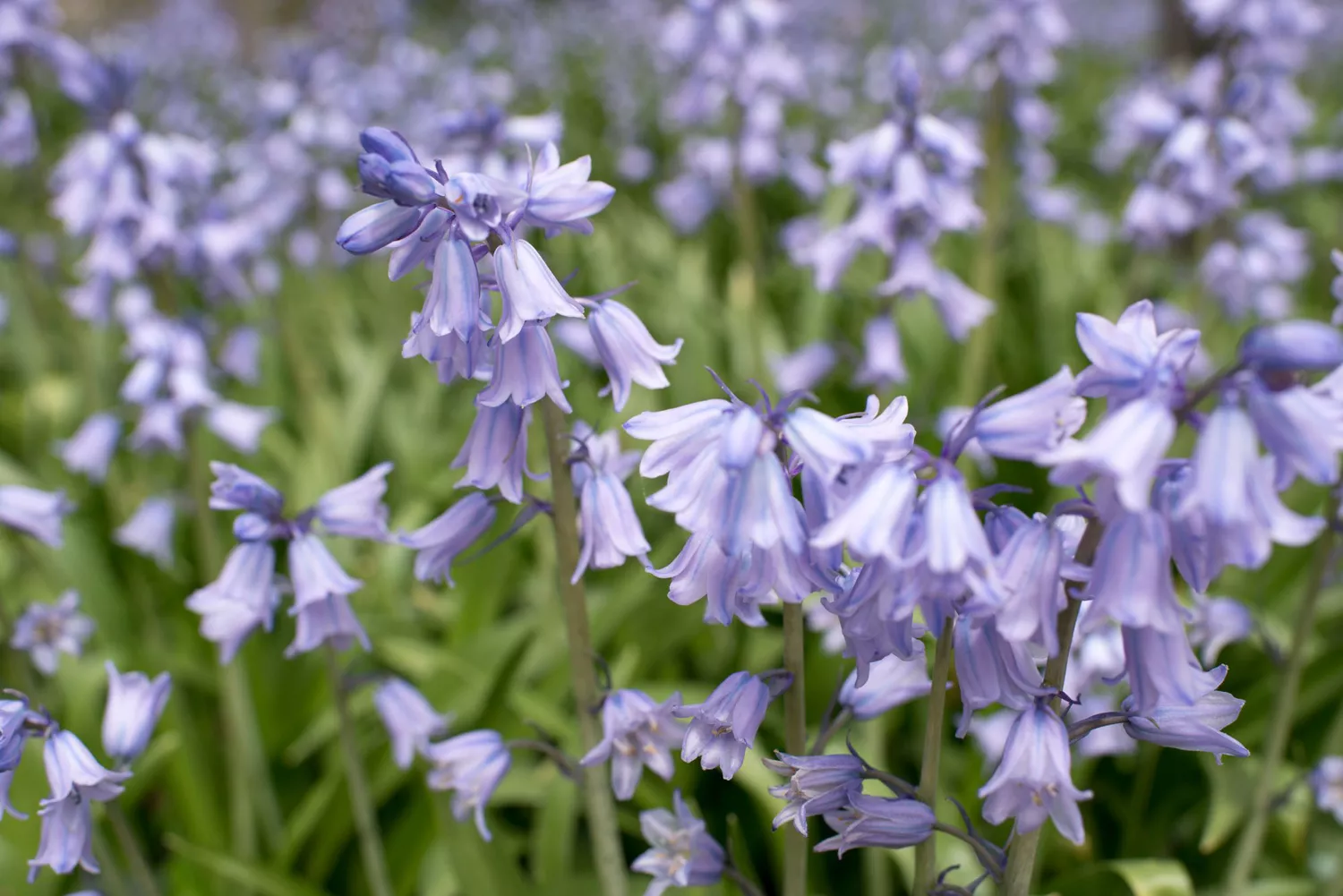
Primrose (Primula spp.) is noted for its exceptional cold-hardiness and vibrant winter color, ideal for ground or container planting with regular watering and half-strength fertilizer. Poppies (Papaver spp.) thrive when exposed to cold, with seeds sown outdoors in fall or winter for sunny blooms. Calendula (Calendula officinalis) offers cheerful yellow and orange blossoms, attracts pollinators, and is edible, though it requires partial shade in hot months and frost protection. Bluebells (Mertensia virginica) provide a calming splash of color to winter gardens, flourishing with regular watering in moist, well-draining soil. Snapdragons (Antirrhinum majus) tolerate winter chill and add vertical interest to spring gardens, needing consistent watering and deadheading for optimal growth.
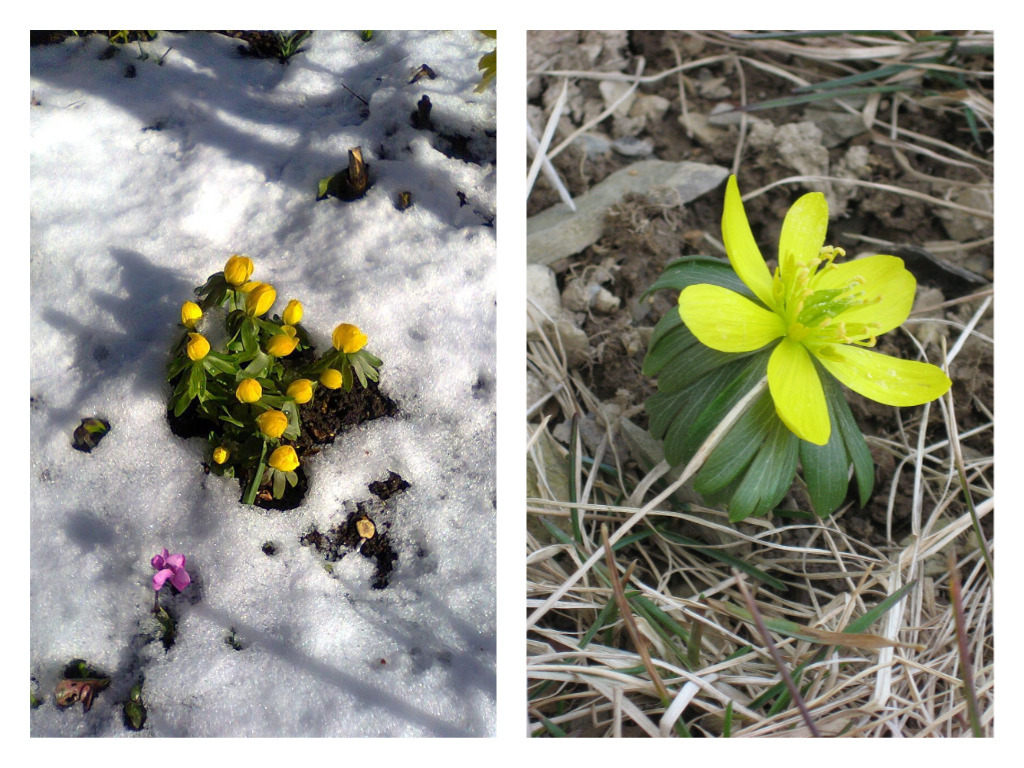
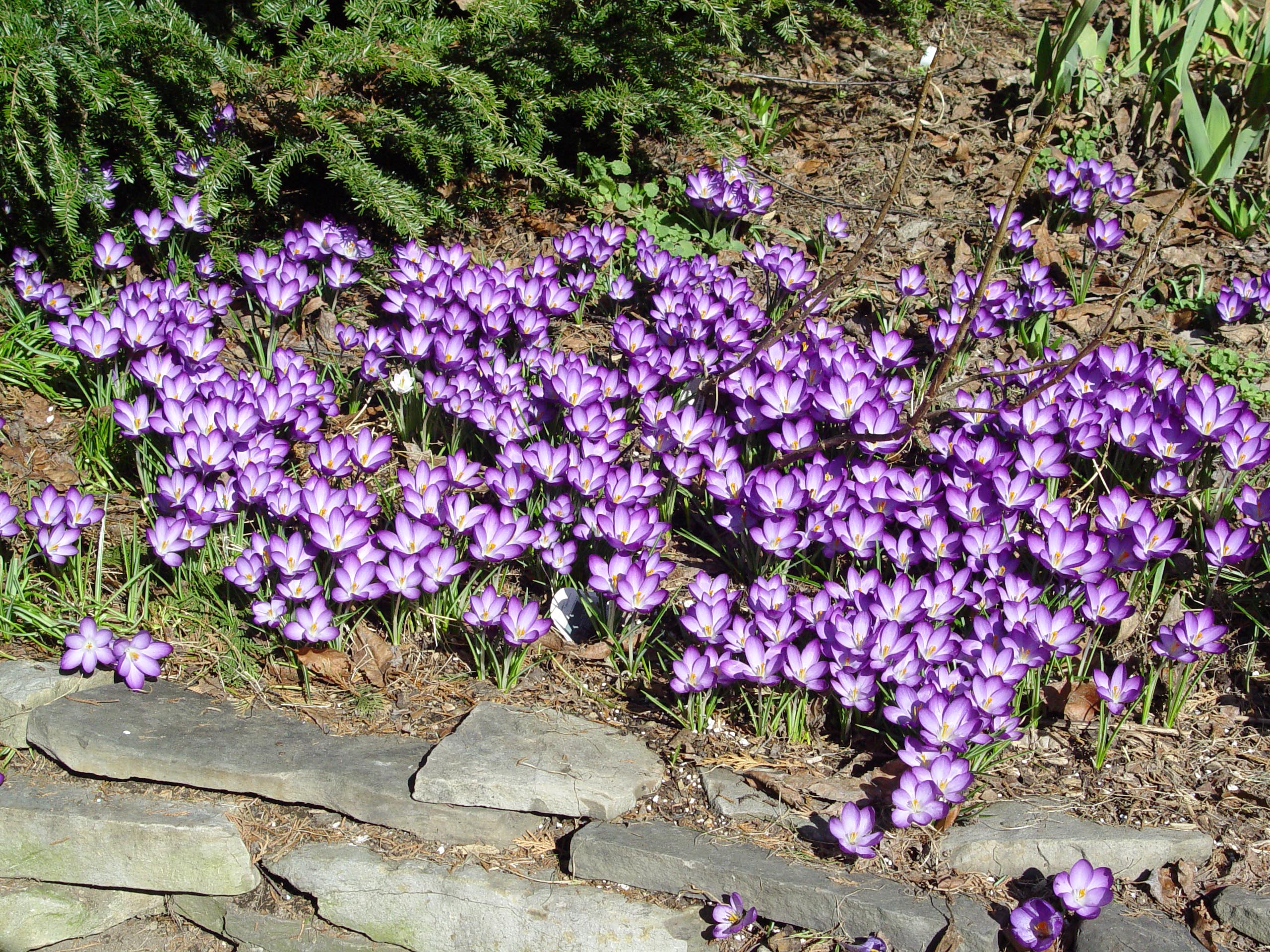
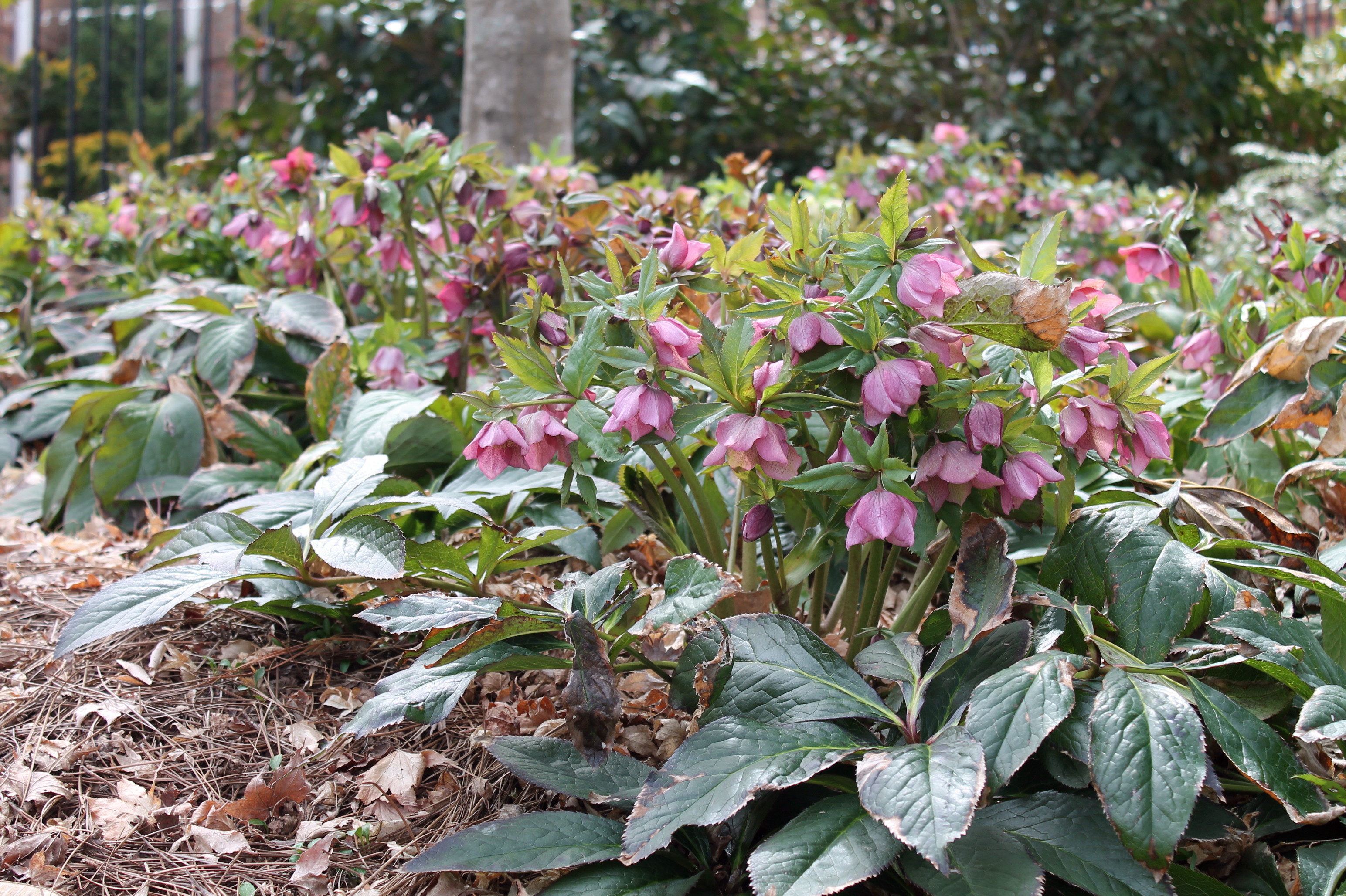
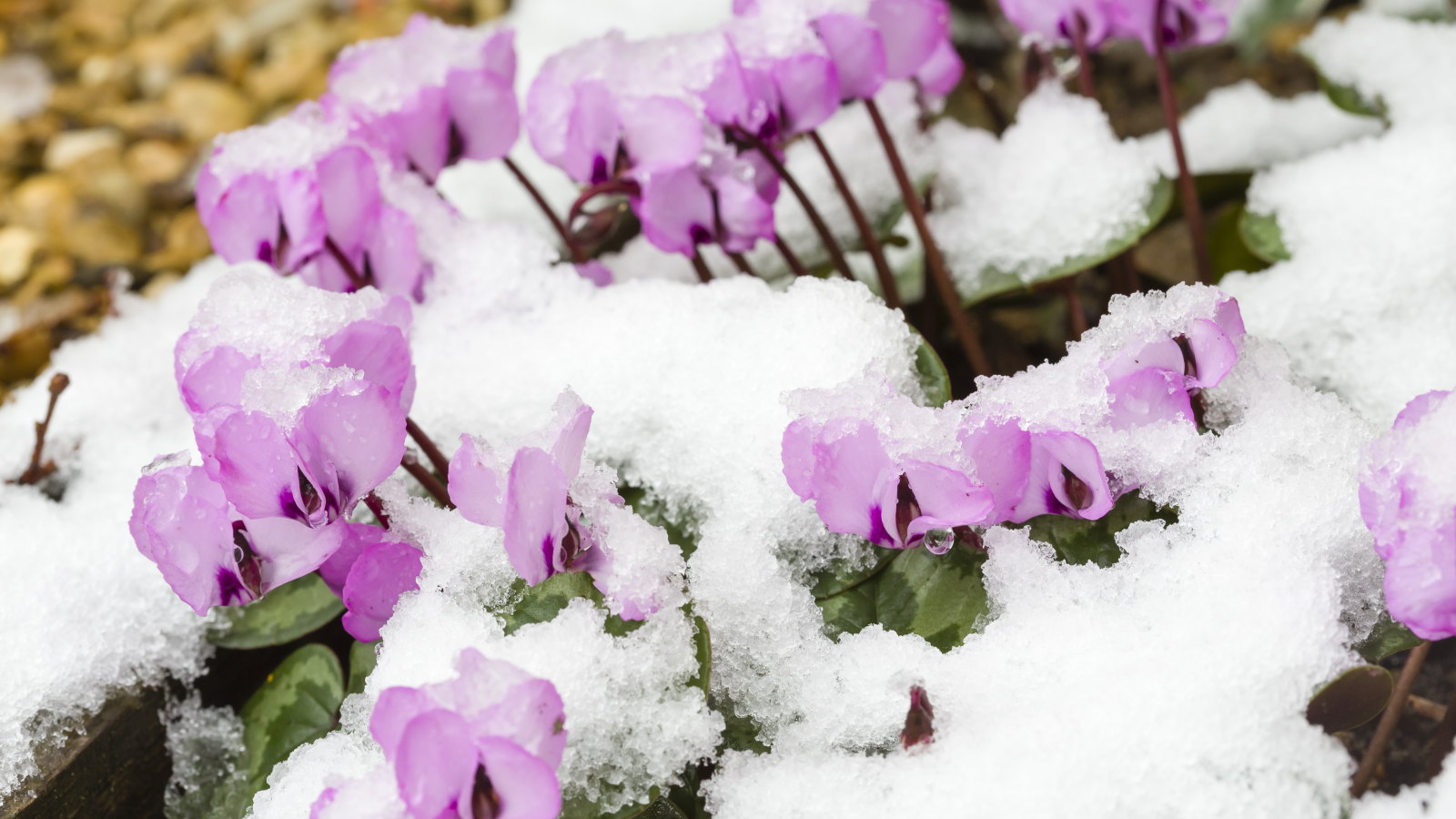
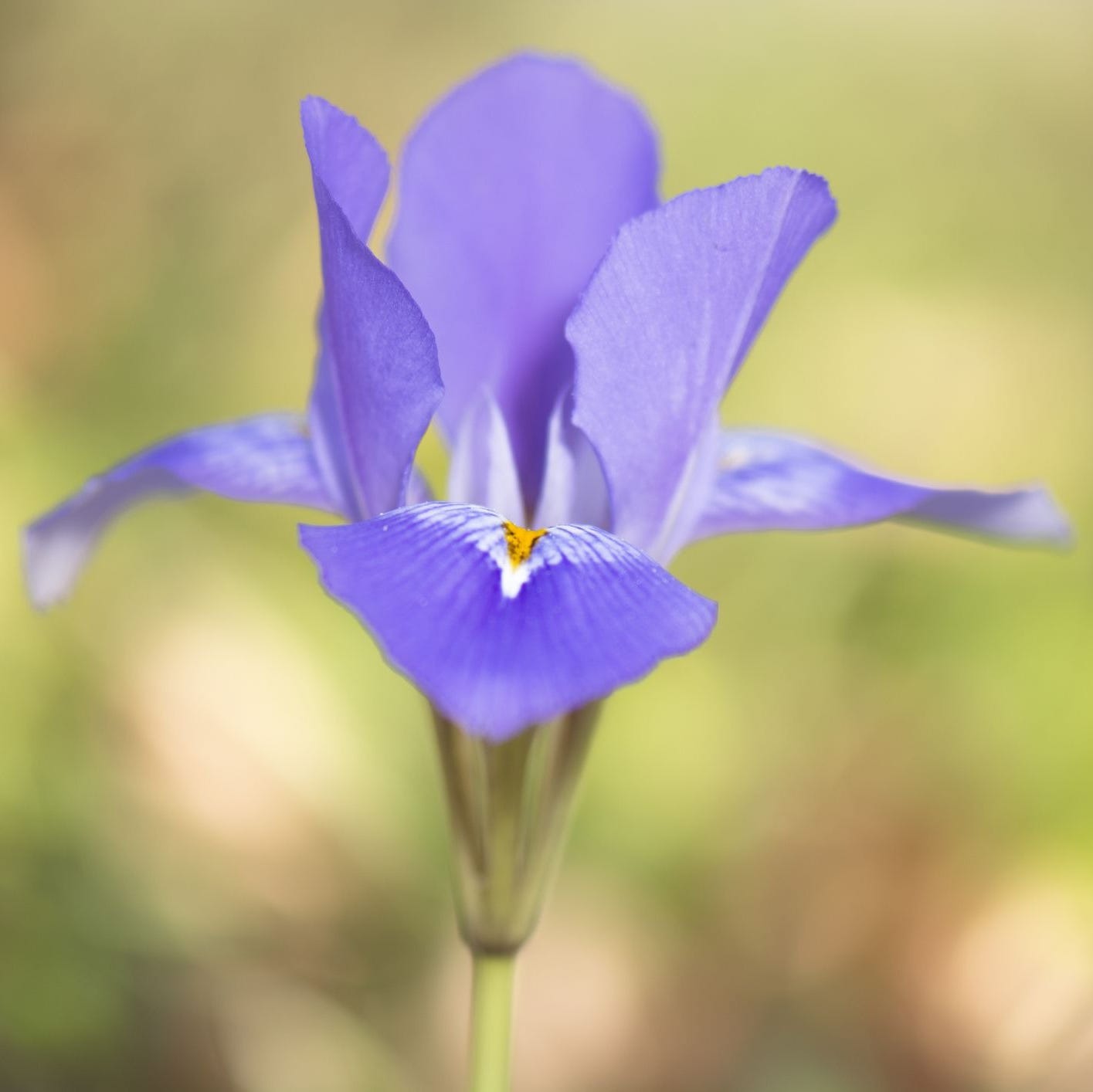
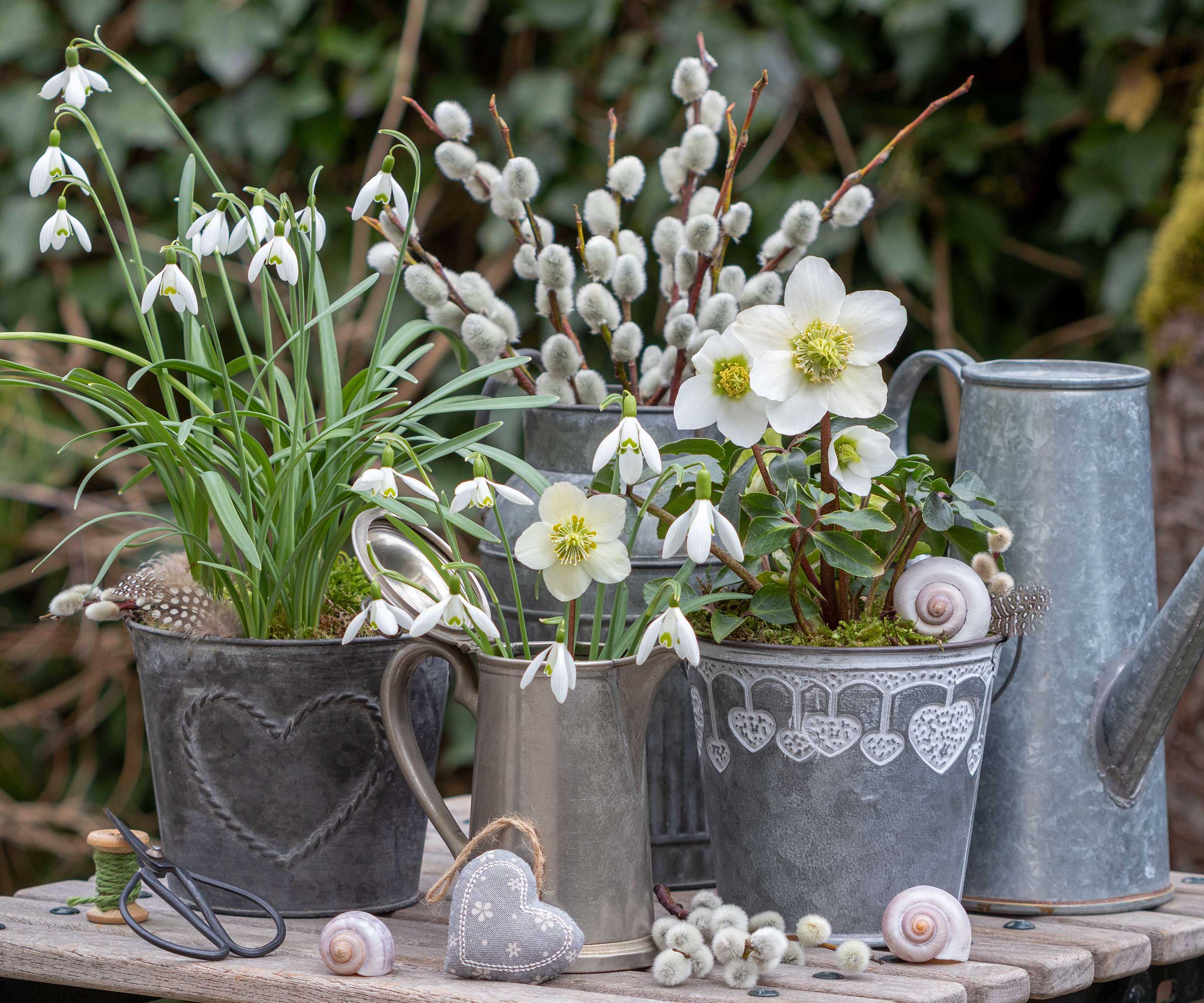
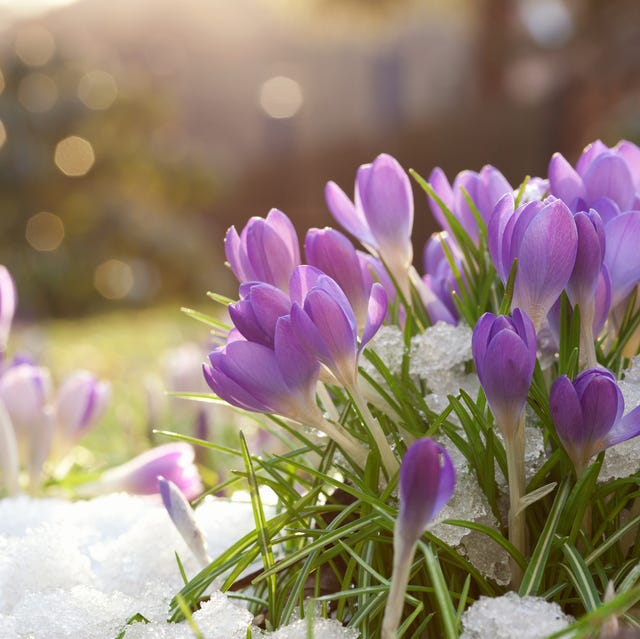
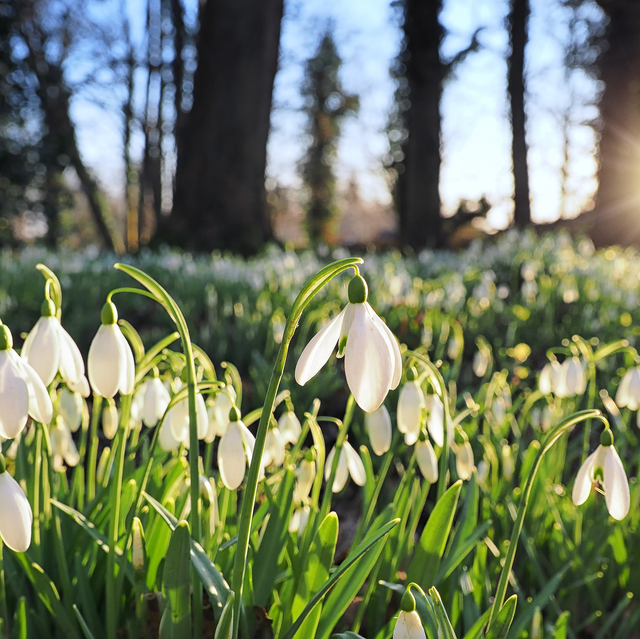
Winter Jasmine (Jasminum nudiflorum) is a perennial shrub that blooms in late winter with bright yellow flowers, resisting deer, drought, and disease. Hellebores (Helleborus spp.), known as Christmas or winter roses, feature evergreen foliage and late winter blooms in various colors, suitable for shady spots. Irises (Iris x germanica) are low-maintenance bulbs that bloom early in spring, are deer-resistant, and require minimal watering. Hardy Cyclamen (Cyclamen hederifolium) are small herbaceous perennials with pink or white flowers and unique foliage, plantable in winter as long as the ground isn't frozen. Crocuses (Crocus spp.), which sprout from corms, are early signs of spring with their small purple flowers that open with sunlight and close at night. Witch Hazel (Hamamelis hybrids) is a large shrub with fragrant, spidery blooms in various warm colors that appear in winter, suitable for privacy hedges. Snowdrops (Galanthus nivalis) are small, white, tuberous flowers that bloom in early winter and spread quickly. Winter Heath (Erica carnea) is an evergreen ground cover with dainty pink flowers blooming as early as January, suitable for containers. Camellias (Camellia japonica) are evergreen shrubs or trees with large, colorful winter blooms that attract songbirds and pollinators, also suitable for containers. Winter Aconite (Eranthis hyemalis) is a tuberous perennial with yellow, buttercup-like flowers and green foliage in winter, going dormant in spring and summer. Grape Hyacinth (Muscari armeniacum) produces unique, grape-like blooms in early spring, with cultivar-specific variations in size and bloom time.
The article concludes by addressing frequently asked questions, advising on planting early-blooming bulbs in fall for winter color, noting that fall gardens are typically started in late summer to transition into winter planting, and cautioning against planting broadleaf evergreens or frost-tender species in fall due to their vulnerability to winter conditions.
#WinterGardening #ColdHardyFlowers #PlantingGuide #FlowerVarieties #GardenPlanning #SeasonalBlooms #HorticultureTips #SouthernGardening #PlantCare #WinterGardening #ColdHardyFlowers #PlantingGuide #FlowerVarieties #GardenPlanning #SeasonalBlooms #HorticultureTips #SouthernGardening #PlantCare
0 comment in total
 No comments yet
You may also like
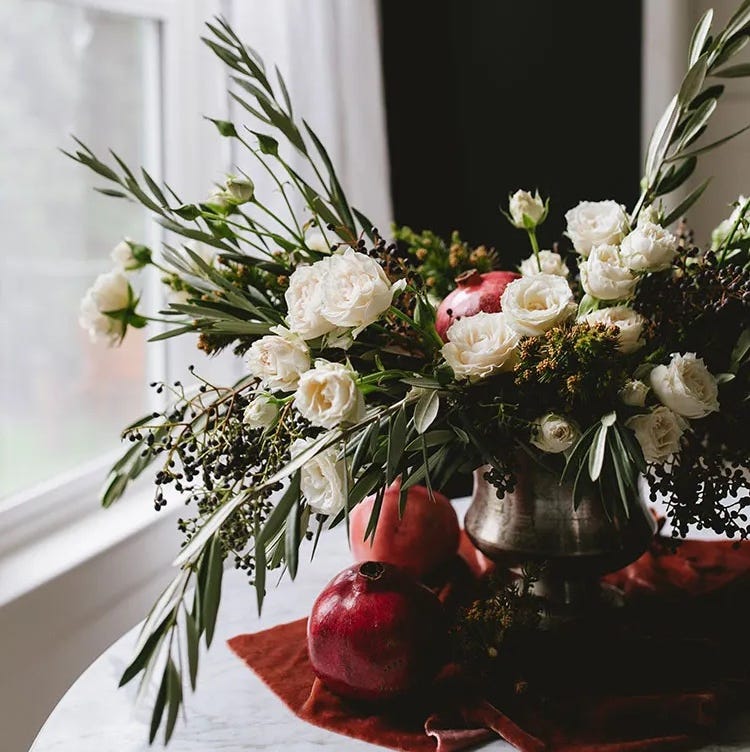
21 Winter Flower Arrangements That Might Rival Your Tree This Year
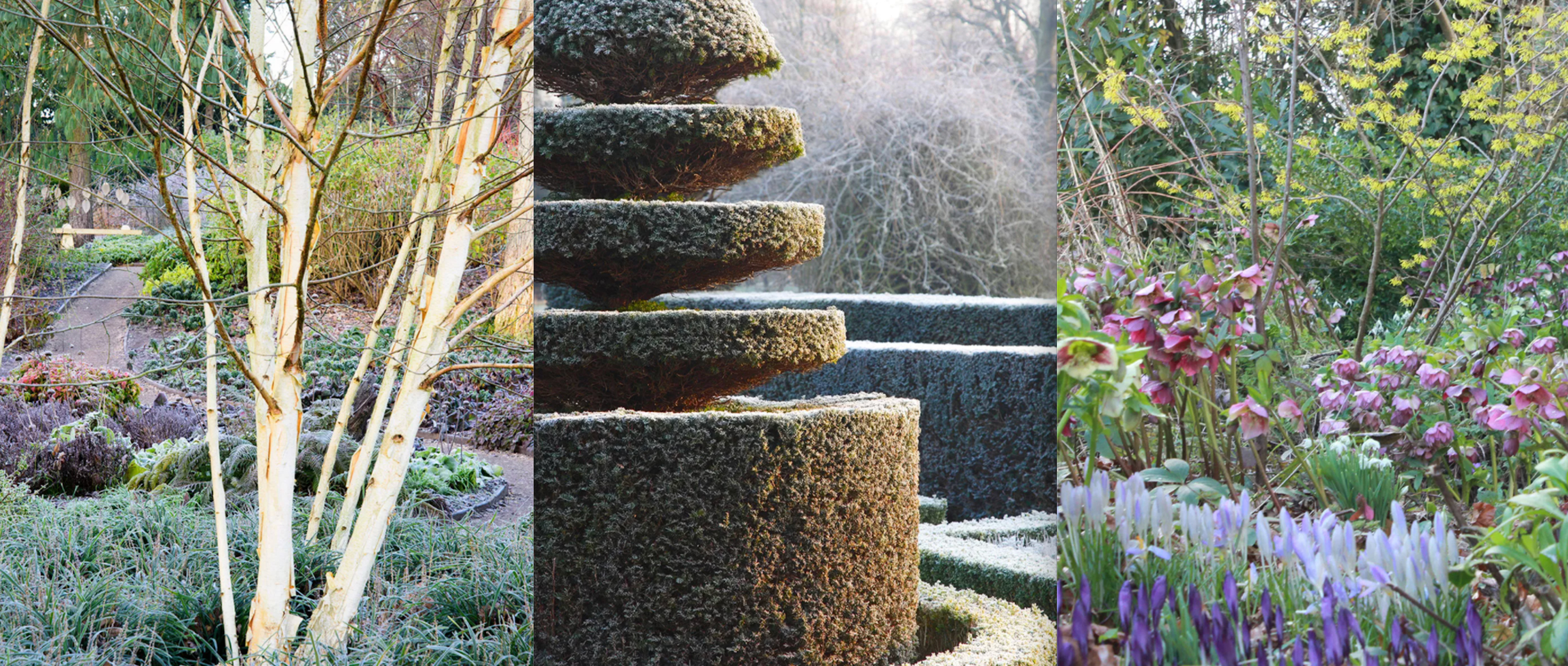
Winter garden ideas – 20 ways to a beautiful winter backyard

The Most Gorgeous Plants That Require ZERO Effort to Keep Alive All Winter Long

Plan and plant now for a colorful, interesting garden even in winter

25 Colorful Winter Flowers That Actually Thrive in the Cold

These Flowers Will Thrive in the Coldest Months of the Year

7 Flowers You Should Plant Right Now for Blooms That Will Last Until December (or Longer)

Best holiday houseplants – 7 plants ideal for festive decor that aren't all Christmas cacti
Brighten Your Home This Winter With These 30 Stunning Floral Arrangements

These winter flowers can take the cold in Central Florida | Sally Scalera
Garden Designers Share Simple Yet Stylish Ways to Spruce Winter Containers
5 Houseplants That Just Don't Like Winter — And How to Keep Them as Happy as Possible During the Colder Months

7 Unusual Winter Flower Arrangements—And Vases—That Are Perfect for the Holidays
I Spoke to Pro Designers for Secrets to Styling a Porch in Freezing Winters
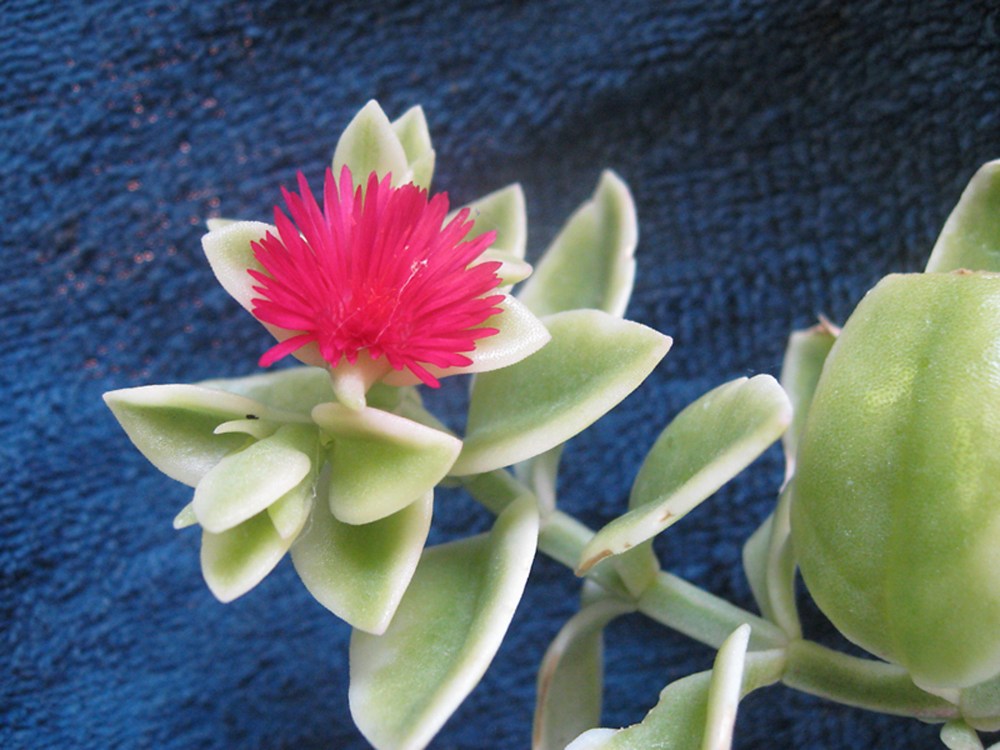
Nov 2017: Gone Gardenin' -- Ice plants can be enjoyed both indoors and outdoors
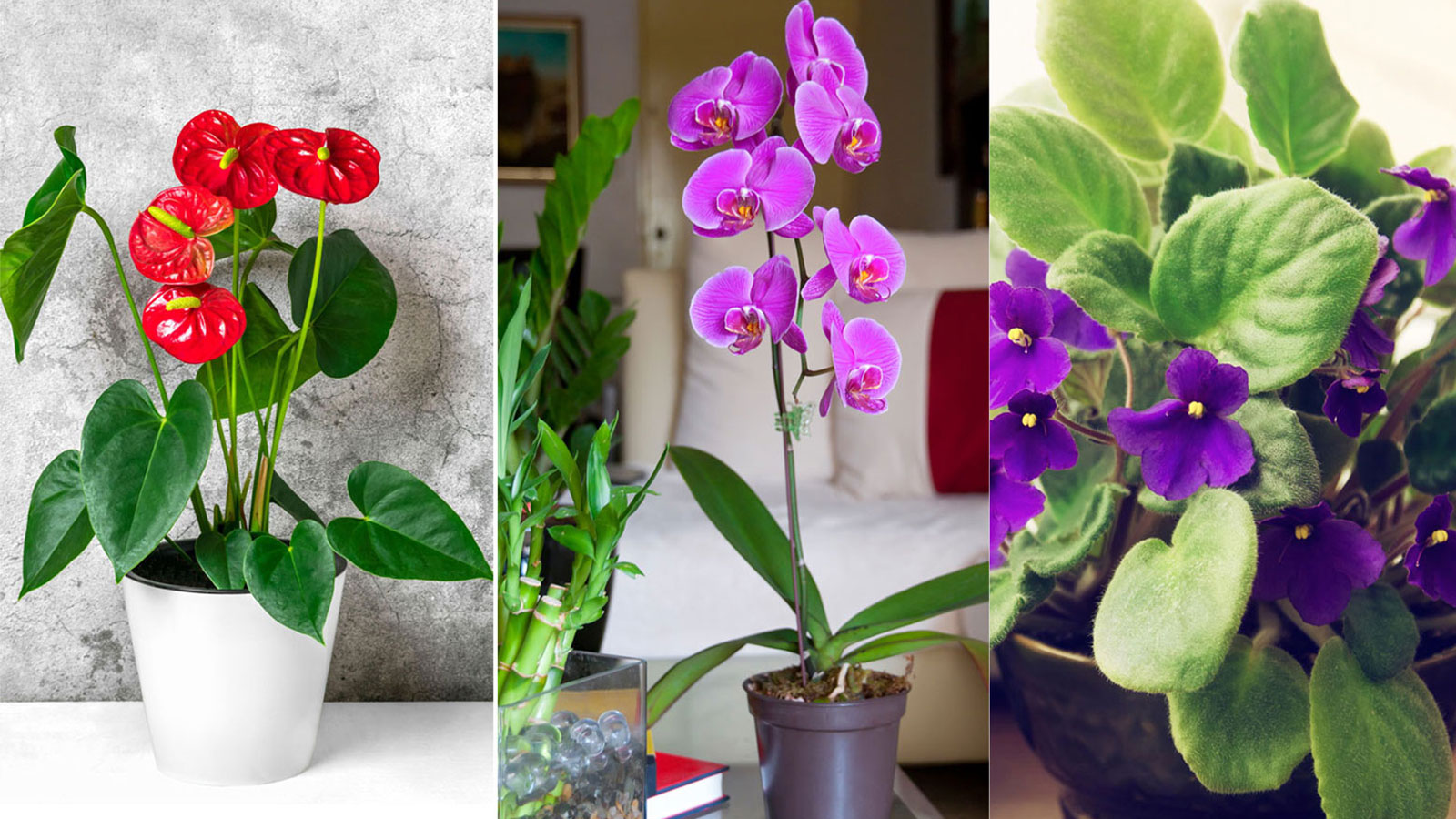
10 indoor plants that flower all year round – choose from our expert recommendations for non-stop blooms
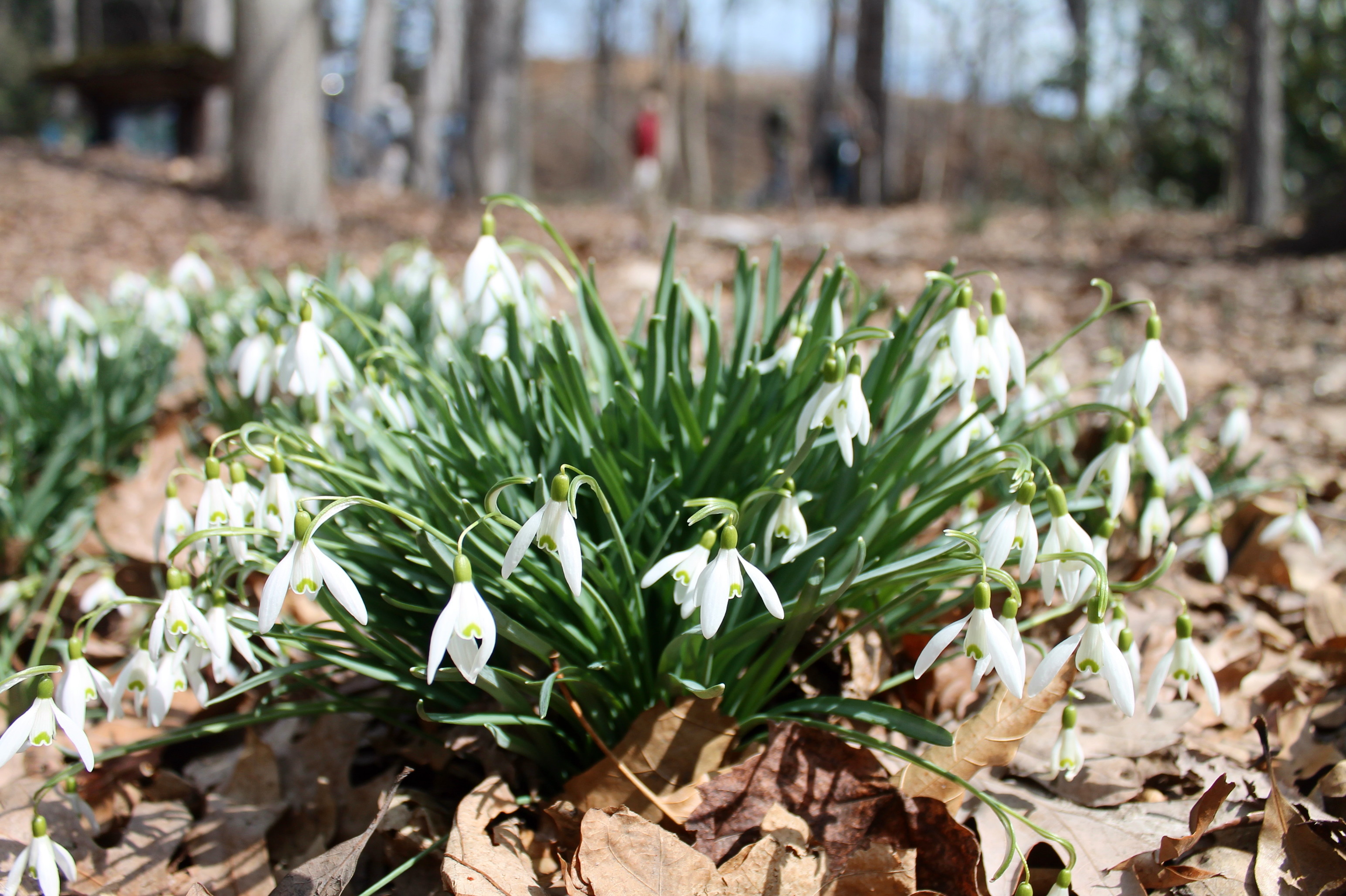
12 early-blooming plants and flowers that will chase the winter blues away

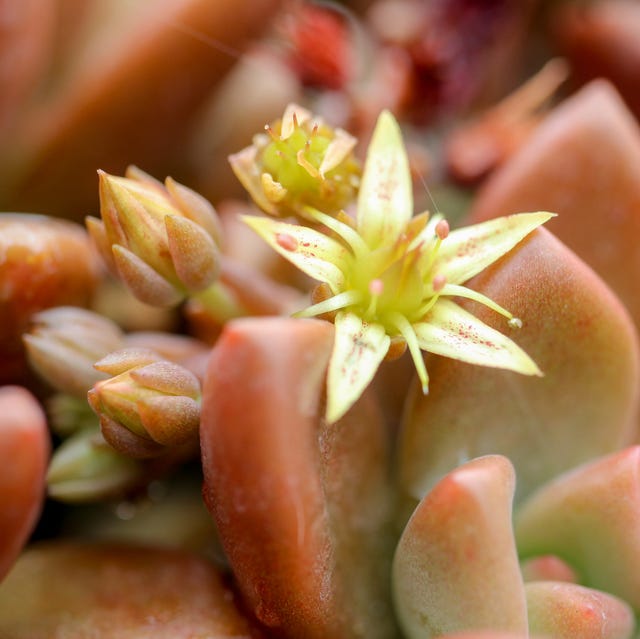
20 Flowering Succulents That'll Give You Bonus Blooms Year-Round
4 Floral Arrangements To Hold You Over Until Spring
Tips for selecting an indoor plant