Cornerstone Homebuyers Expands "Sell Water Damaged House" Service Throughout Florida
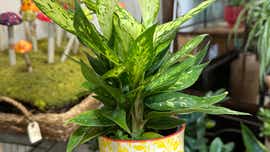
The article provides comprehensive guidance on how to care for houseplants during the winter months, emphasizing the importance of adapting care routines to the changing environmental conditions. Winter presents several challenges for indoor plants, including reduced light, lower humidity, and fluctuating temperatures. To address these issues, the article recommends several key adjustments to ensure the health and vitality of houseplants.
Light is a critical factor, as natural light decreases significantly in winter. Plants that require high light levels may need supplemental artificial lighting, such as LED grow lights, positioned at an appropriate distance to prevent scorching. For plants with lower light requirements, rotating them periodically can help ensure all sides receive adequate exposure. The article also suggests moving plants closer to south-facing windows, if available, but cautions against placing them too close to cold windowpanes.
Hydration is another crucial aspect. While plants typically require less water in winter due to slower growth and reduced evaporation, it's essential to avoid both overwatering and underwatering. The article advises checking the soil moisture regularly by inserting a finger about an inch or two deep. If the soil feels dry, it's time to water, but allowing the topsoil to dry out completely between waterings is often beneficial. It also highlights the importance of proper drainage to prevent root rot.
Humidity levels inside homes often drop significantly in winter due to heating systems. Many houseplants, especially tropical varieties, thrive in higher humidity. The article suggests several methods to increase humidity, such as using a humidifier, placing plants on pebble trays filled with water (ensuring the pot doesn't sit directly in the water), or grouping plants together to create a microclimate. Misting can provide temporary relief but is not a long-term solution for humidity.
Temperature fluctuations can stress plants. The article recommends maintaining a consistent room temperature, ideally between 65-75°F (18-24°C), and protecting plants from cold drafts from windows or doors. It also advises keeping plants away from heat sources like radiators or vents, which can dry them out quickly.
Fertilization should generally be reduced or paused during winter as most plants enter a period of dormancy or slower growth. Over-fertilizing can lead to nutrient burn or salt buildup. The article suggests resuming a regular fertilization schedule in spring when growth resumes. Pest management is also important; dry winter air can make plants more susceptible to pests like spider mites. Regular inspection of leaves and stems for any signs of infestation is recommended, along with prompt treatment using insecticidal soap or neem oil if pests are detected.
Finally, the article touches upon pruning and repotting. Winter is not typically the best time for major pruning or repotting, as plants are less resilient. Minor trimming of dead or yellowing leaves can be done, but significant interventions should wait until spring. By following these guidelines, indoor gardeners can help their houseplants survive and even thrive through the colder months, ensuring they emerge healthy and vibrant in spring.
#HouseplantCare #WinterPlantCare #IndoorGardening #PlantHumidity #PlantLight #PlantWatering #HomeDecor #Lifestyle #HouseplantCare #WinterPlantCare #IndoorGardening #PlantHumidity #PlantLight #PlantWatering #HomeDecor #Lifestyle
0 comment in total
 No comments yet
You may also like

The Tiny Home Builder Who Opened a Village in Florida Now Offers More Than 10 Models


Profile of Home Staging

Spray Foam Insulation Contractor Expands to Serve More Homeowners and Businesses

Utah home builder attracts buyers with unique offers

Meet Victor Neves | Victor Neves, Swimming Pool Contractor

Rebuilding After Hurricane Helene and Milton: Flooring and Cabinet Solutions from Naffco


Promotion: Meet the local flooring business turning houses into homes


How Sweeten Built Trust Into the Home Renovation Process

How much does it cost to stage your NYC apartment or brownstone?

Break Ground on Your Dream Home With BT Builders


Here's What $2 Million Buys You in Michigan, Florida and New York

Should you stage your home when selling?

5 Most Profitable Home Improvements to Make Before Selling Your Home


When Selling Your Home, Staging Matters

Home staging tips from someone who’s been getting homes sold for two decades


Meet Darin Wells | Owner Professional Foundation Repair
Rising Home Equity Keeps People In Place, Exploding Remodeling Tech


Insulation Contractor Extends Service Coverage to Additional Areas


This Little M&A Deal Says A Lot About What A Builder Is Made Of