1/9
Don't wait until spring! Ignoring this 'critical' driveway maintenance task in the fall can land you with a big repair bill – an easy, DIY fix now is all you need
The article emphasizes the critical importance of performing driveway maintenance in the fall to prevent significant damage and costly repairs in the future, particularly after a hot and humid summer. Experts highlight that prolonged summer heat can cause driveway materials to swell, leading to hairline cracks. While seemingly minor, these cracks can worsen considerably during colder months. When water infiltrates these small fissures and subsequently freezes, it expands, causing the cracks to widen and deepen. This freeze-thaw cycle can lead to extensive damage, potentially ruining the entire driveway and even causing issues like shifting at garage thresholds or gaps under entry doors.
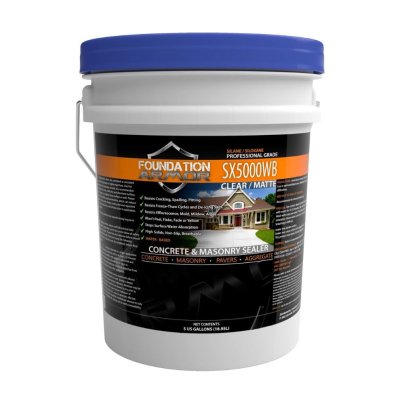
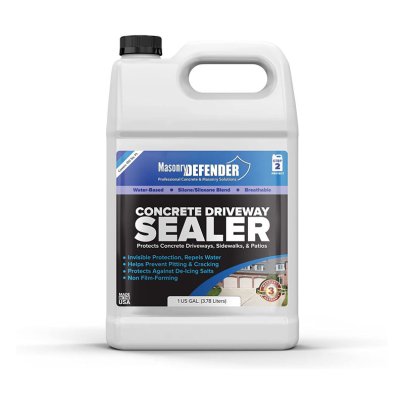
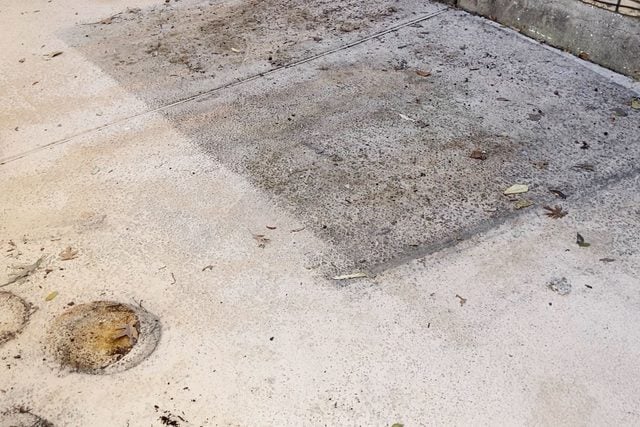
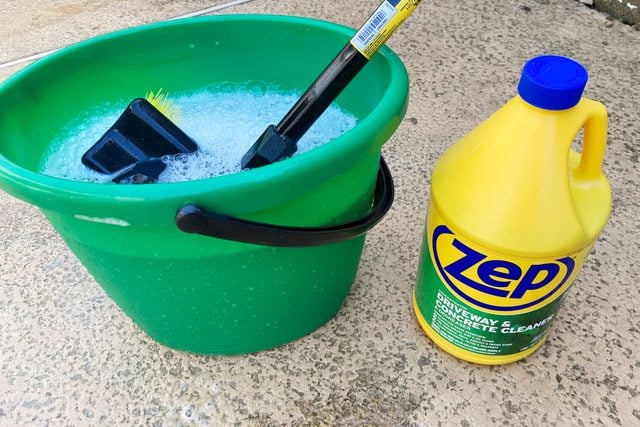
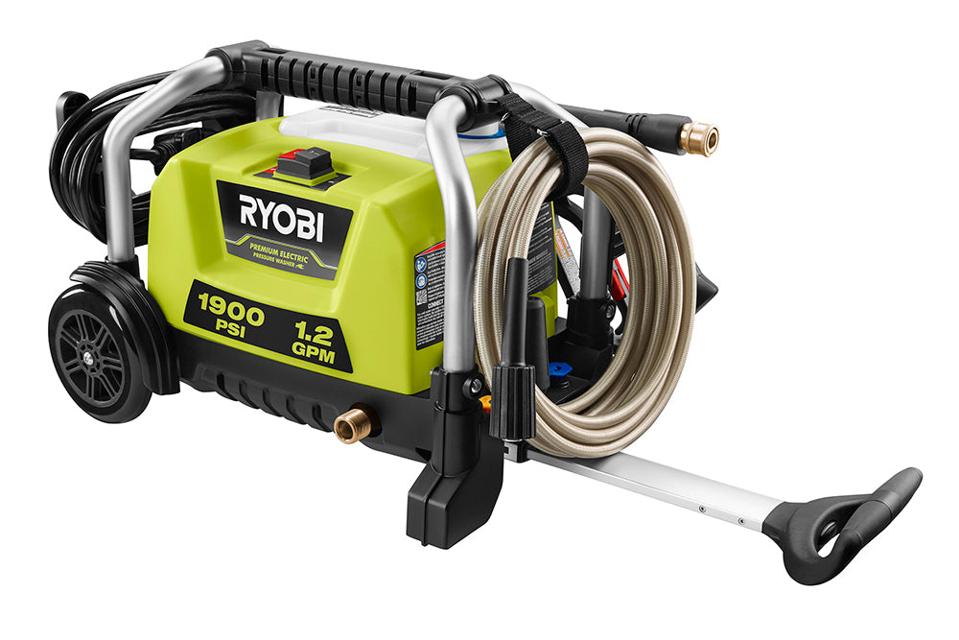
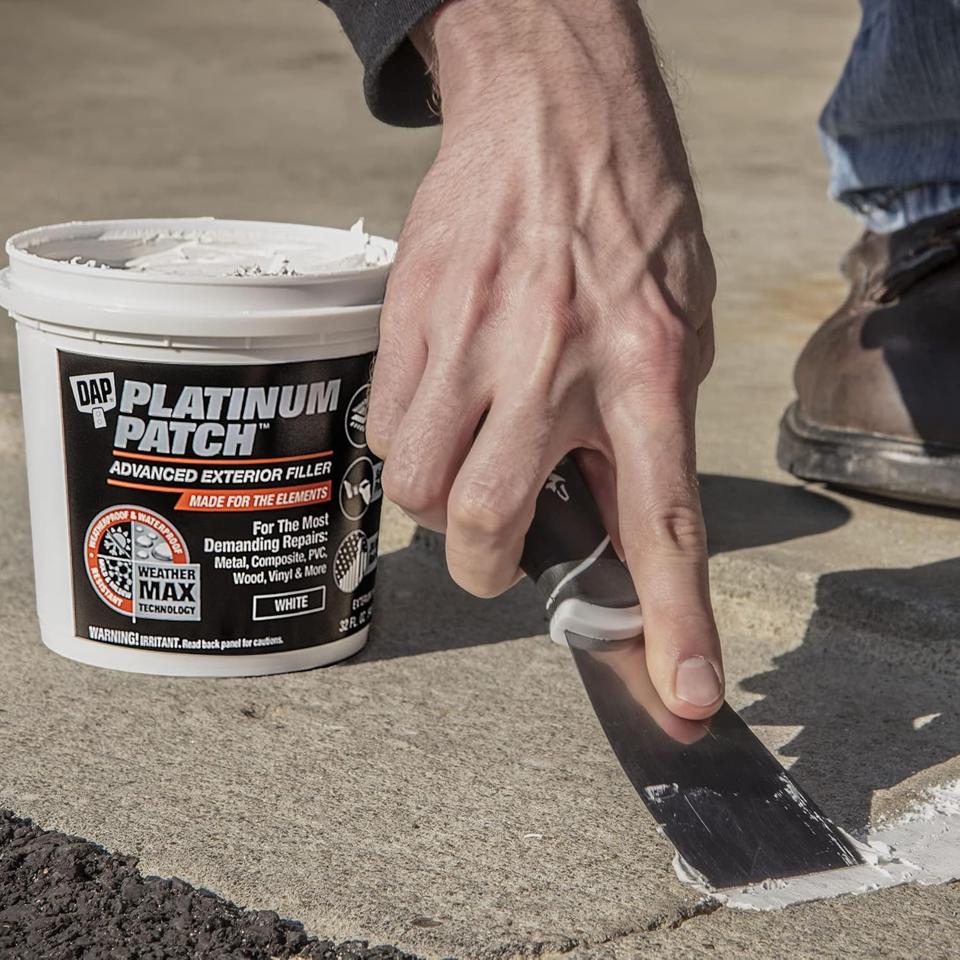
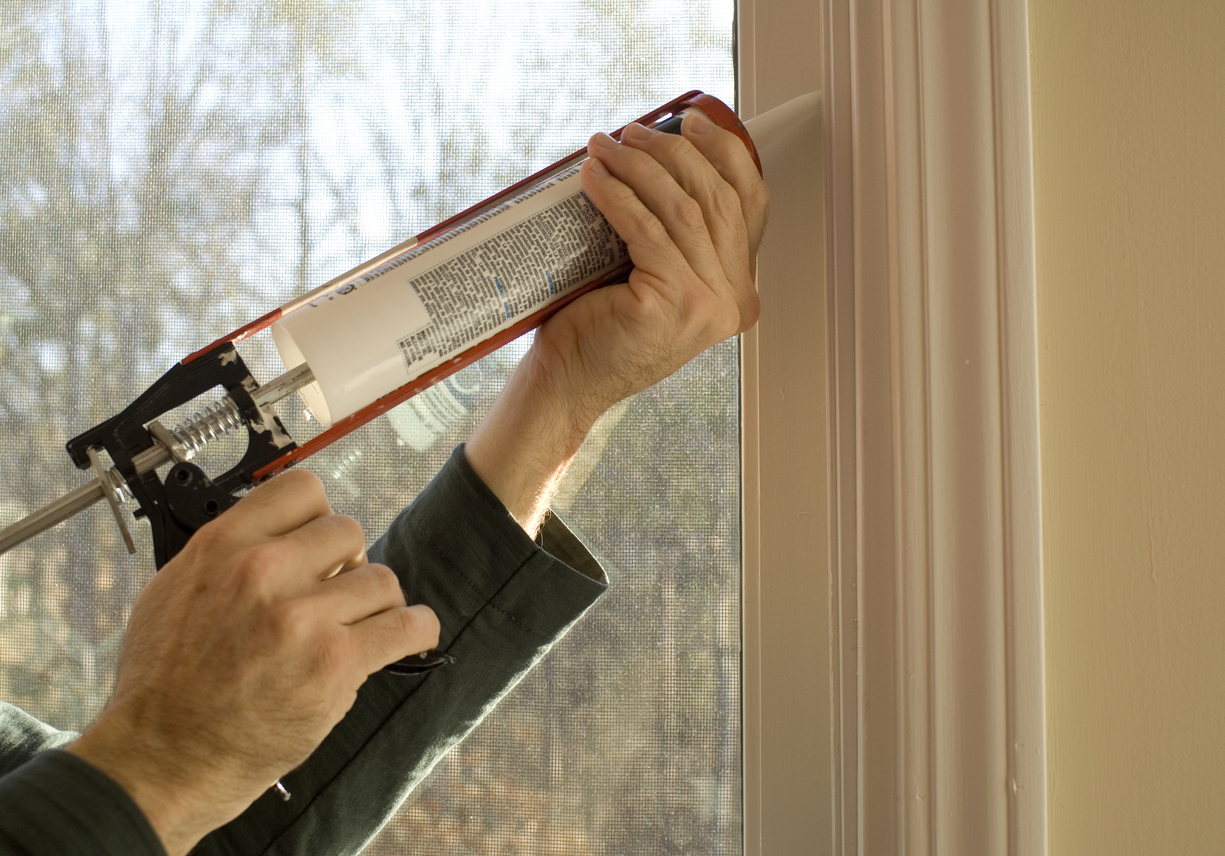
The repair process is presented as an accessible and affordable DIY project, costing less than $50. The method involves three key steps: first, thorough cleaning of the driveway, with a specific focus on removing oil stains to ensure proper adhesion of repair materials. Second, filling in the cracks using either self-leveling masonry caulk for smaller cracks or cold-patch asphalt for larger imperfections. Third, applying a suitable driveway sealant to create a waterproof barrier, thereby preventing further water penetration and subsequent damage from freezing. This preventative sealing is crucial for protecting the driveway surface throughout the winter.
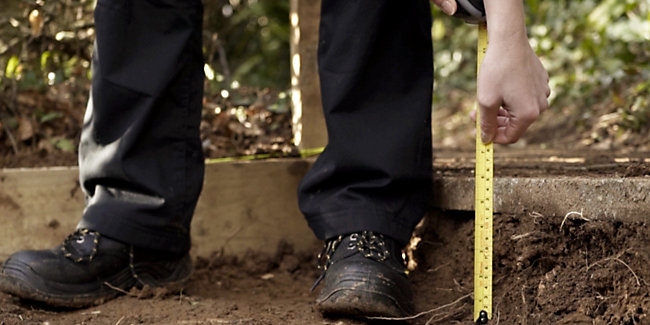
Wes True, General Manager and Operations at Pella Omaha, and Bill Jarvis, a paving expert at Premium Paints, both underscore the necessity of this fall maintenance. True explains that cracks wider than 1/8 inch, low spots, or areas with flaked finishes are particularly vulnerable to expansion over winter if left untreated, often doubling in size. Jarvis stresses that delaying repairs until spring means the damage has already occurred, making fall the “critical season for preventative care.” He adds that a simple coat of sealant can prevent water from entering cracks and safeguard the driveway all winter.
The article also addresses a common concern: whether a cracked driveway indicates foundation problems. It clarifies that while general wear and tear, weather conditions, or improper installation can cause driveway cracks, foundation issues are usually suggested by additional signs such as sinking driveway sections or damage to the home's structure like wall cracks, musty odors, or sticking doors and windows. In such cases, consulting a professional contractor is recommended to diagnose and resolve the underlying problem.
Additionally, the article suggests other preventative measures, such as maintaining clean gutters and downspouts as part of fall home maintenance. This practice prevents excessive water from pooling near the driveway and house, which could otherwise lead to erosion of brickwork, walls, or foundations. The overarching message is that proactive and timely maintenance can avert more expensive and extensive repairs down the line, saving homeowners significant money and frustration.
#DrivewayMaintenance #FallHomeCare #DIYHomeRepair #CrackRepair #HomeMaintenance #WinterPreparation #PropertyCare #PreventativeMaintenance #DrivewayMaintenance #FallHomeCare #DIYHomeRepair #CrackRepair #HomeMaintenance #WinterPreparation #PropertyCare #PreventativeMaintenance
0 comment in total
 No comments yet
You may also like
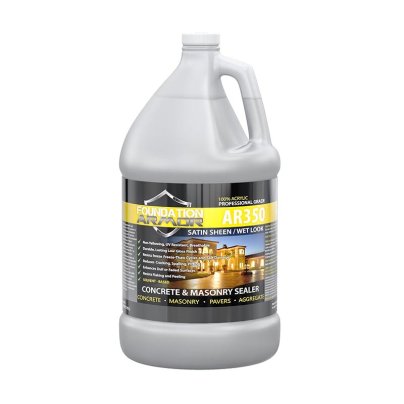
We Researched the Best Driveway Sealers—Our Top Pick Is Ideal for DIYers and Pros Alike


Pet Door Drafts? 5 Quick Fixes to Slash Winter Bills
How to Winterize Your House And Save Yourself Thousands in Repairs Later
8 Salt-Free Snow Removal Ideas You’ll Wish You Knew Sooner


‘It’s a tough lesson to learn’ – brick homeowners must complete this outdoor maintenance task to avoid costly repairs and structural failure

Winter Deep-Clean: 5 Things Pros Never Forget in December
Homeowner shares crucial tip to avoid costly repairs this winter: 'I need these reminders'


How to Transition From Fall Cleanup to Winter Care Tips for a Smooth Seasonal Shift

Don't ruin your patio! 7 steps experts say you must take before the first frost


How To Clean And Maintain Your Patio During Harsh Winter Weather


Fall Home Maintenance Checklist
How to fix wet walls, mold, and other damage caused by winter

6 Outdoor Fixes You Should Do Now for a Damage-Free Spring, Home Reno Pros Say

How to lay a patio


Skip the hardware store & use fridge staple to make rusty bolts shine like new

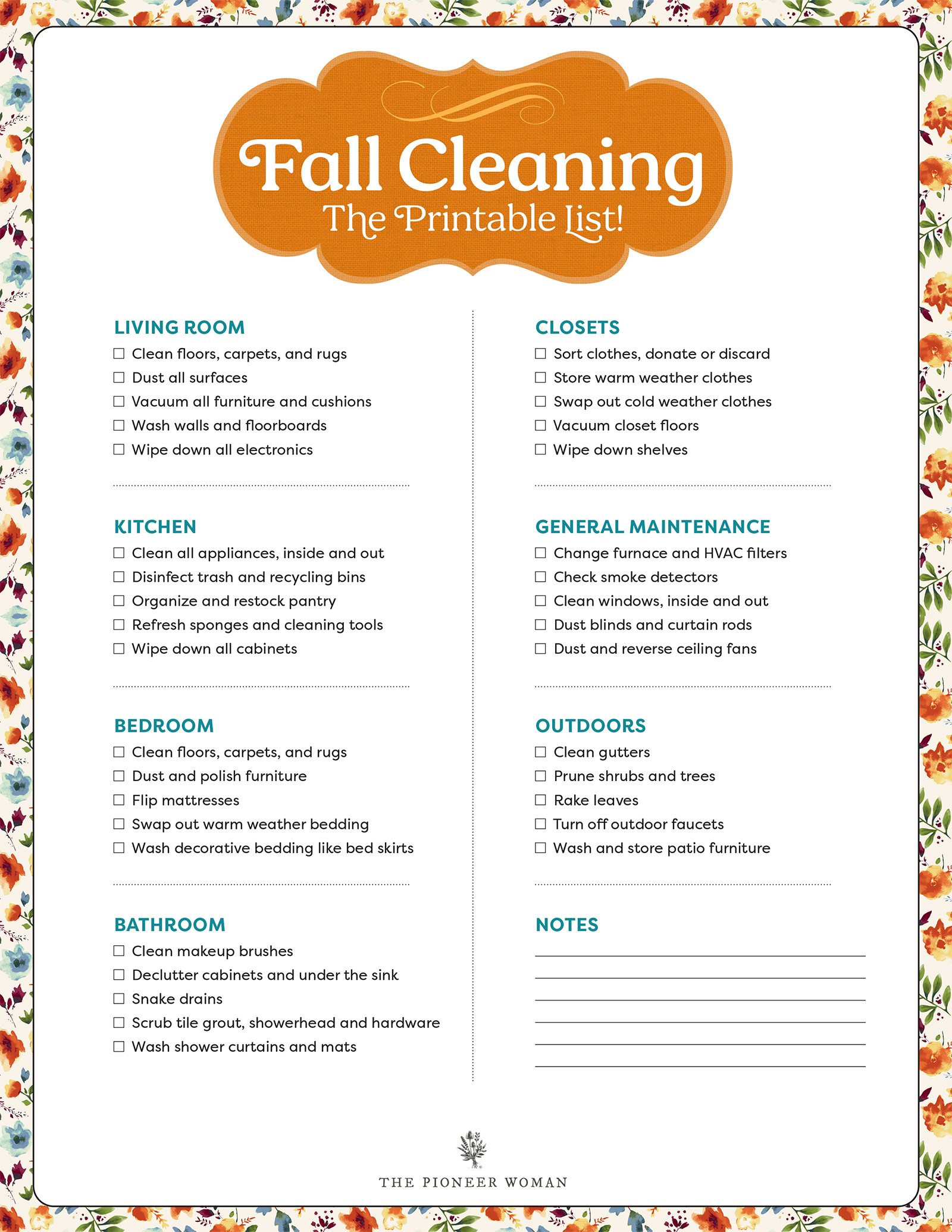
Yes, You Should Be Fall Cleaning―Here's a Handy Dandy Checklist
How To Clean a Concrete Patio


How To Clean And Prepare Your Patio For Warmer Months Ahead


14 Home Maintenance Projects to Add to Your Spring To-Do List
Sump pump savvy: Beating the snowmelt before it beats your basement