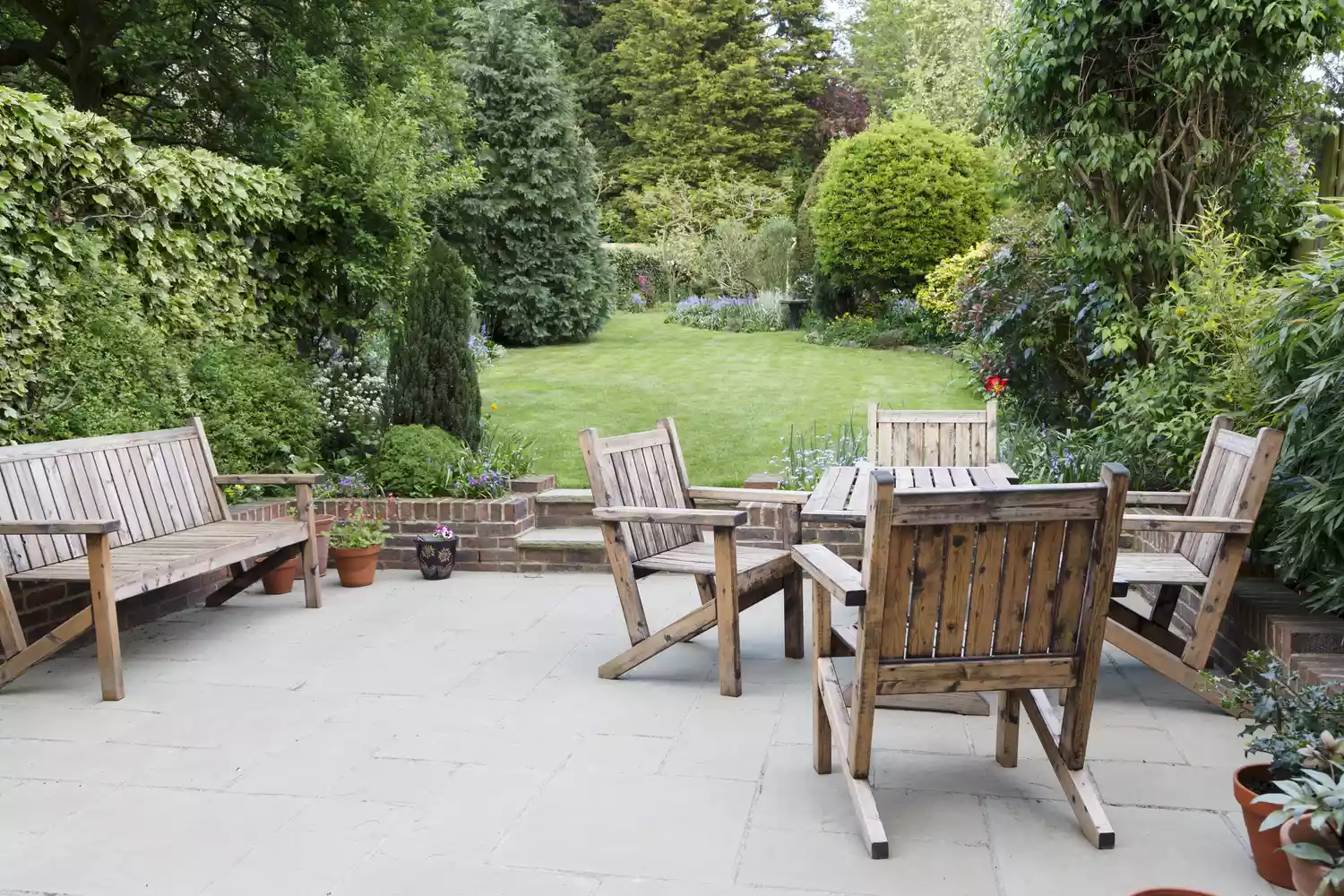
How to Clean Your Concrete Patio So It Looks Brand New
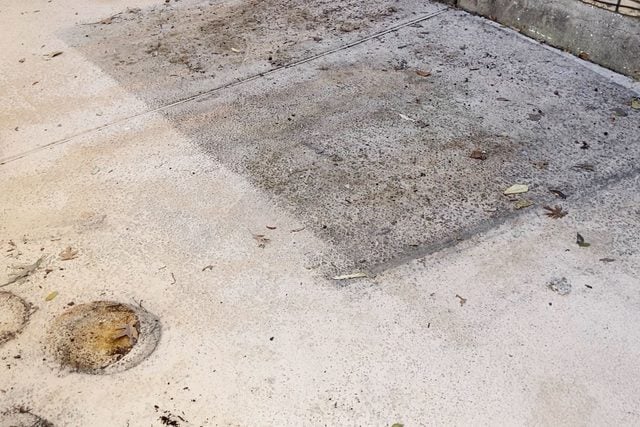
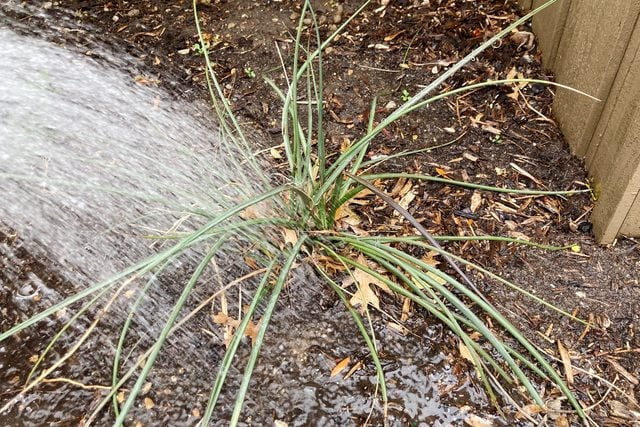
Maintaining a clean concrete patio is essential for enjoying outdoor spaces, especially during warmer months. Concrete, despite its durability, is a porous material susceptible to absorbing spills and stains, which can diminish its appearance over time due to weather exposure and foot traffic. This guide provides comprehensive instructions on how to effectively clean a concrete patio, restoring it to a pristine condition using simple tools and techniques, while also safeguarding the patio surface and surrounding landscaping.
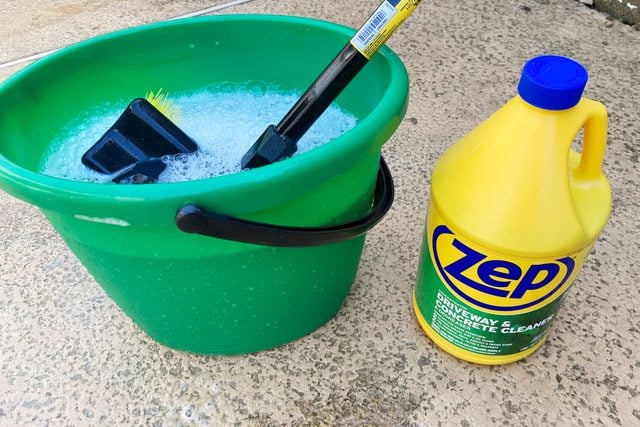
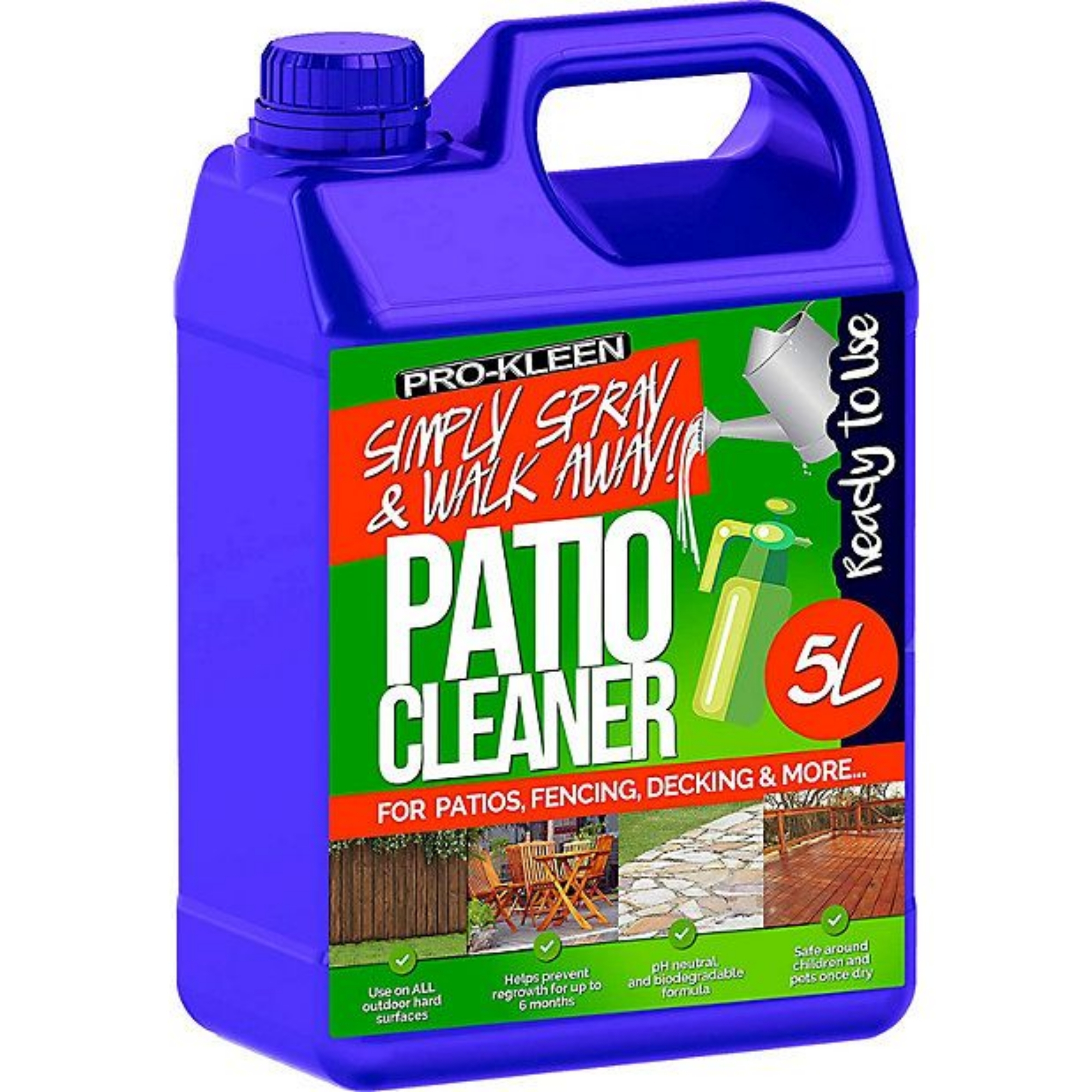
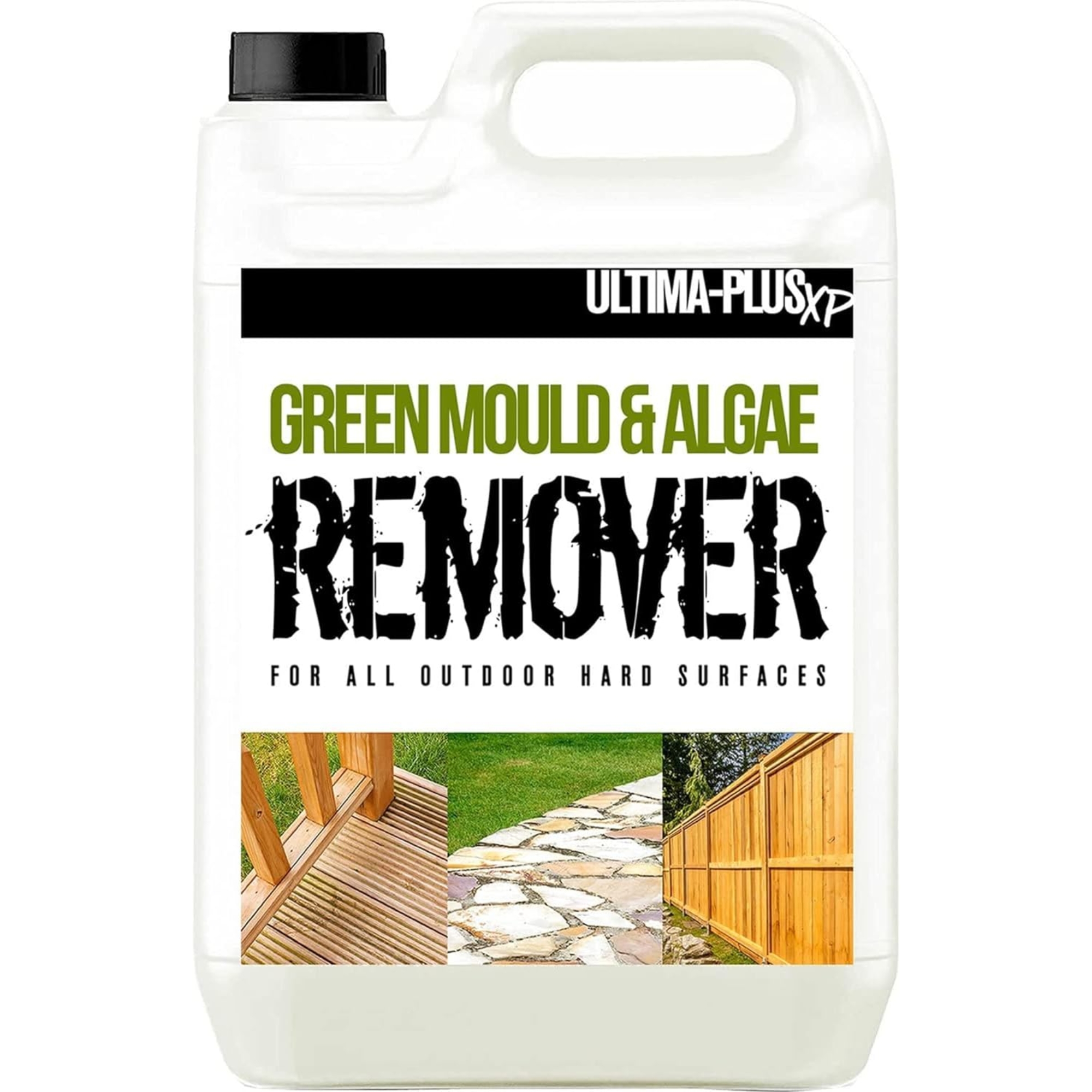
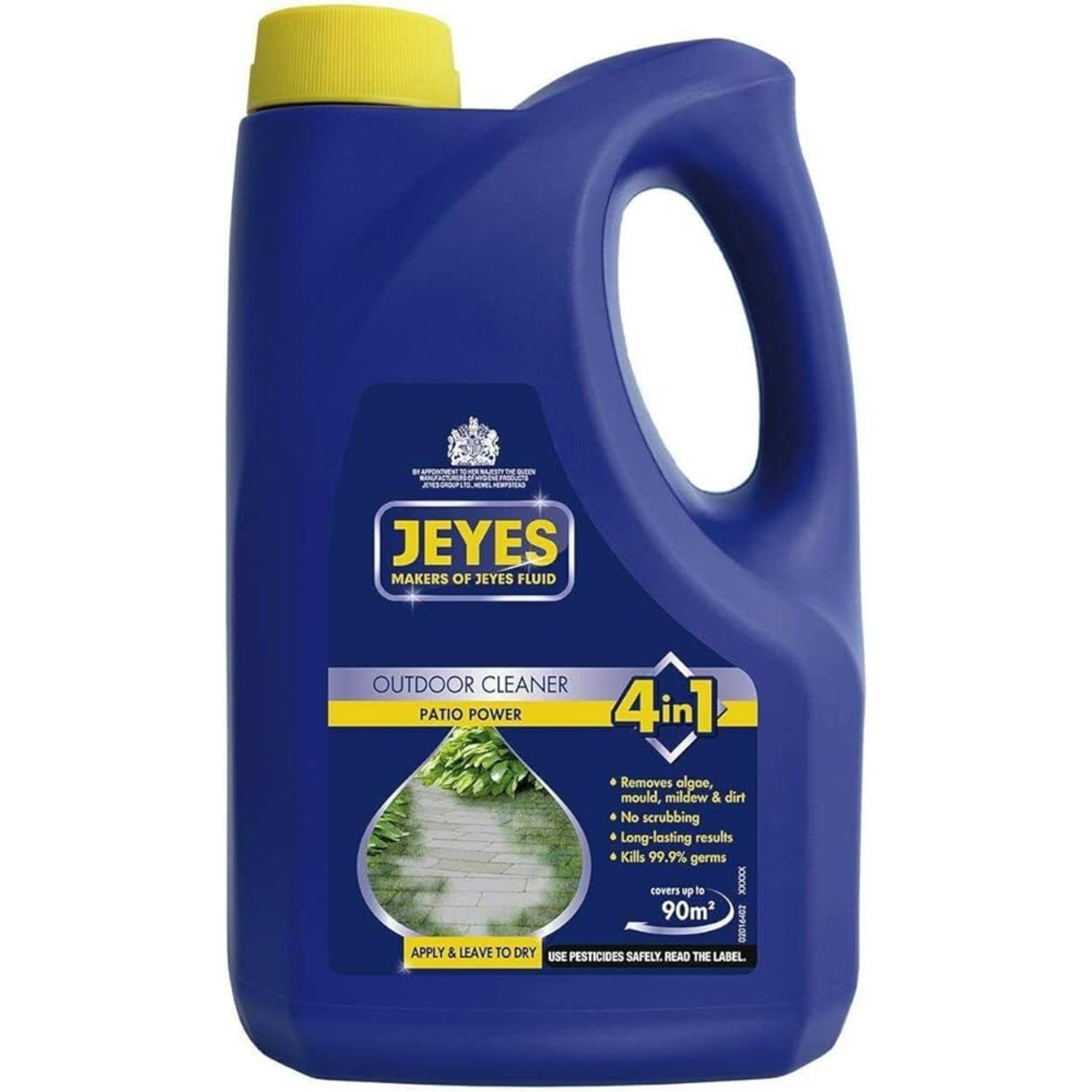
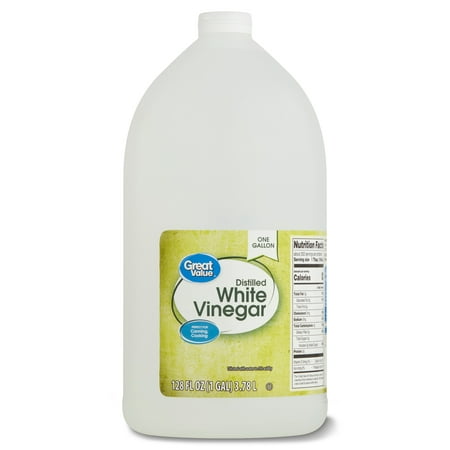
The initial step in cleaning a concrete patio involves a thorough dry sweep or the use of a leaf blower to remove loose debris such as leaves, dirt, and dust. This preparatory phase is crucial to prevent the formation of muddy messes once water is introduced. Following this, a mild cleaning solution is prepared by combining warm water with a few squirts of dish soap or a degreasing cleaner. For patios exhibiting mildew or algae, adding one part white vinegar to two parts water enhances the cleaning power, offering an effective yet plant-safe alternative to harsher chemicals. Experts emphasize that basic dish soap and cleaning vinegar are often sufficient for routine maintenance, with specialized cleaners typically reserved for tougher stains or surface preparation before sealing.
Cleaning is then carried out in sections using a stiff-bristled, long-handled scrub brush. The soapy solution is applied, and the surface is scrubbed in circular motions, with particular attention paid to visibly stained or discolored areas. The use of a long-handled brush is highly recommended to avoid strain and ensure comprehensive coverage. After scrubbing each section, it is thoroughly rinsed with a garden hose. The rinsing technique is important: water should be sprayed from the back of the patio towards the edge to effectively push dirty water and loosened grime off the surface rather than spreading it. A hose nozzle capable of producing a pressurized stream is beneficial for optimal removal of soap and dirt.
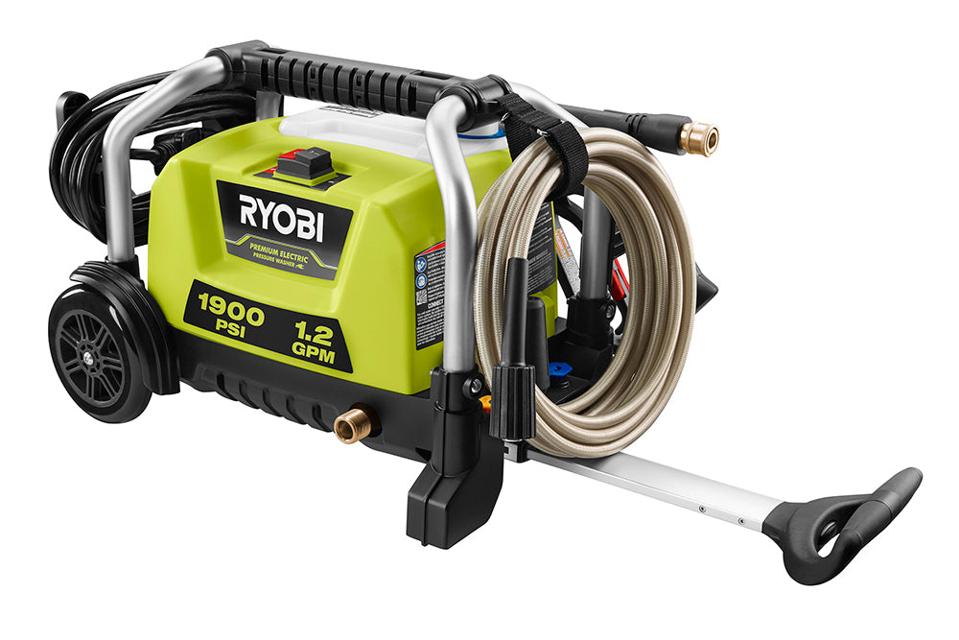
For stubborn stains like rust or grease, targeted spot treatment is necessary. This involves sprinkling baking soda directly onto the stain, followed by scrubbing with a vinegar and water solution. The mixture is allowed to fizz for a few minutes before rinsing. Should the grime persist, the process can be repeated, or a concrete-safe degreaser can be employed. For patios that have not been cleaned recently or require a deeper refresh, a pressure washer can be utilized. When using a pressure washer, it is advised to use a low setting with a fan tip and maintain a distance of at least one foot from the surface to prevent etching the concrete. After a deep clean and allowing the patio to dry completely, applying a concrete sealer is a recommended step to protect against future stains and weathering, thereby extending the pristine condition of the surface. Integrating regular sweeping and spot-cleaning into an ongoing maintenance routine will ensure the patio remains in excellent condition throughout the season.
#ConcretePatio #PatioCleaning #OutdoorMaintenance #HomeImprovement #DIYCleaning #StainRemoval #PressureWashing #HouseholdTips #ConcretePatio #PatioCleaning #OutdoorMaintenance #HomeImprovement #DIYCleaning #StainRemoval #PressureWashing #HouseholdTips
0 comment in total
 No comments yet
You may also like
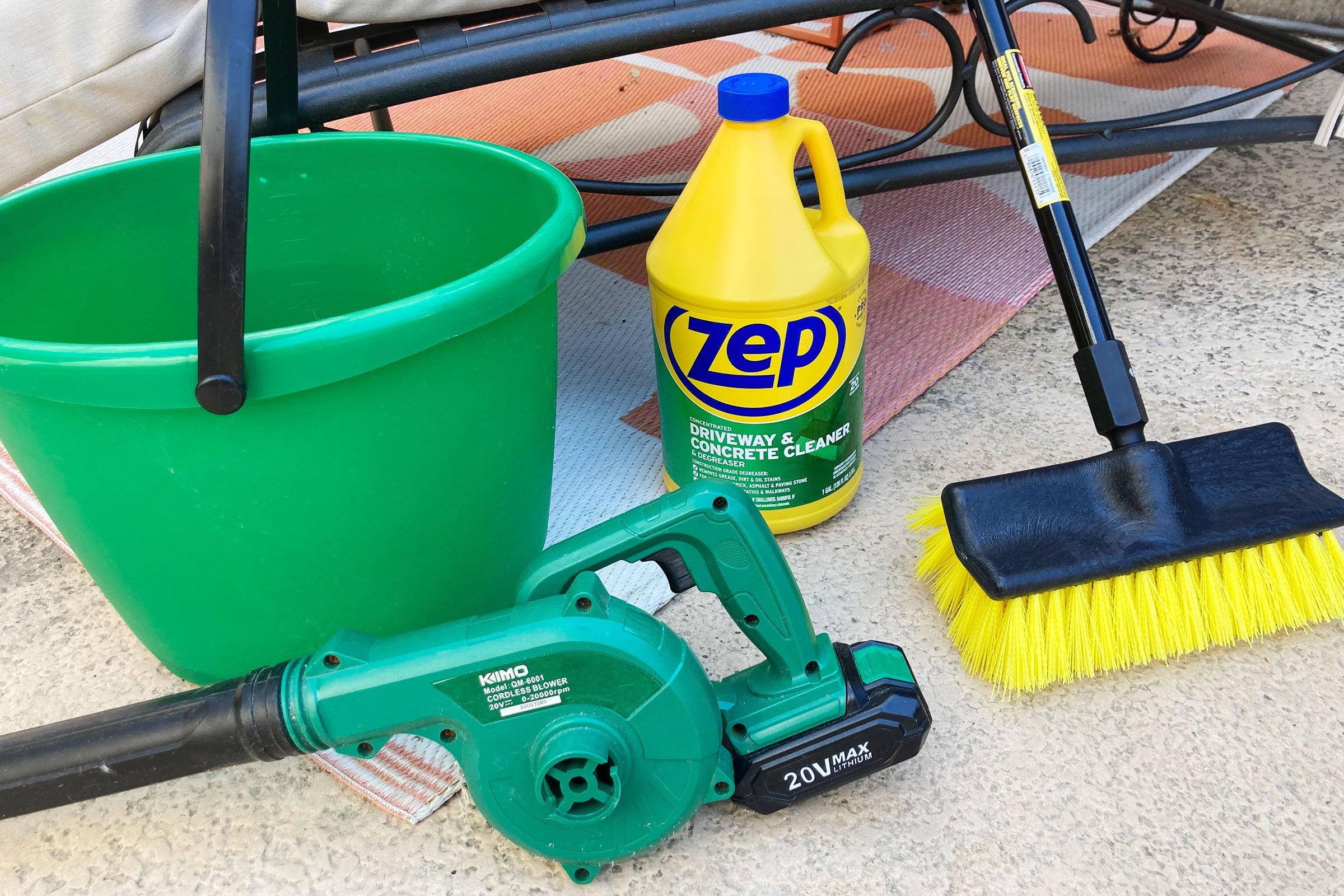
How To Clean a Concrete Patio

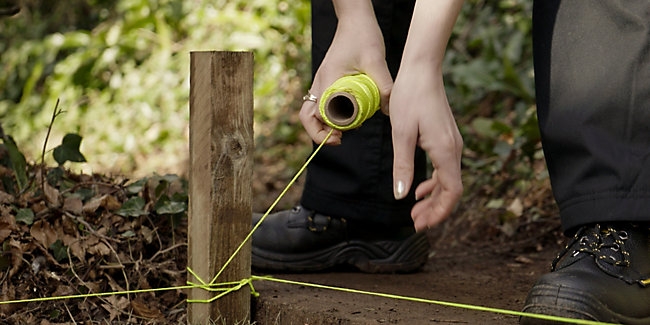
How to lay a patio


Easy tips to give your outdoor patio a fresh look for summer, according to an expert
These Concrete Paints Will Give Your Patio, Driveway, or Pool Deck An Instant Makeover


How to clean a patio – 6 different methods, and when you must use a chemical cleaning agent
Build Your Perfect Backyard Patio in 5 Easy Steps


11 Beautiful Concrete Patio Ideas to Make Your Outdoor Space Gorgeous

How to clean mold off outdoor cushions – refresh your outdoor seating in time for summer


How To Clean And Prepare Your Patio For Warmer Months Ahead


11 Stunning Concrete Patio Ideas That Will Take Your Backyard to the Next Level

The 6 best patio cleaners to transform your outdoor space for summer

The best patio cleaners for blitzing dirt, stains and algae, tested on a range of mucky surfaces


The Right Way to Clean Concrete Floors

Best patio cleaner 2025: tried-and-tested picks for pristine paths and patios

This Is Your Sign to Rip out Your Concrete Backyard and Turn It into a Lush Retreat
How to Apply Multi-Color Dyes to Polished Concrete


How to clean garden furniture to keep your pieces looking brand-spanking new
19 ways to give your patio a makeover


Patio flooring ideas – 10 smart looks to transform a paved outdoor space

How To Clean And Maintain Your Patio During Harsh Winter Weather