1/10
Patio flooring ideas – 10 smart looks to transform a paved outdoor space
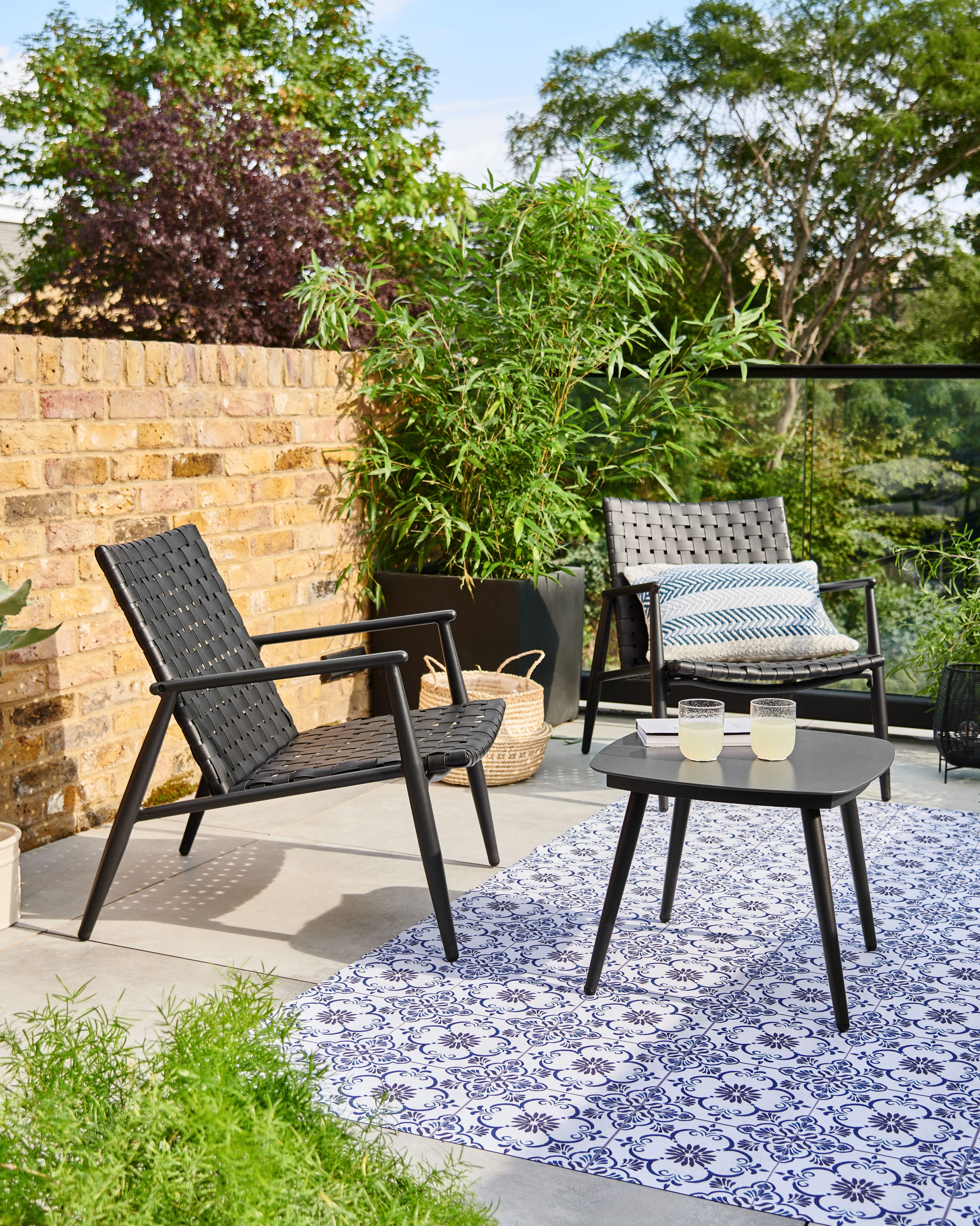
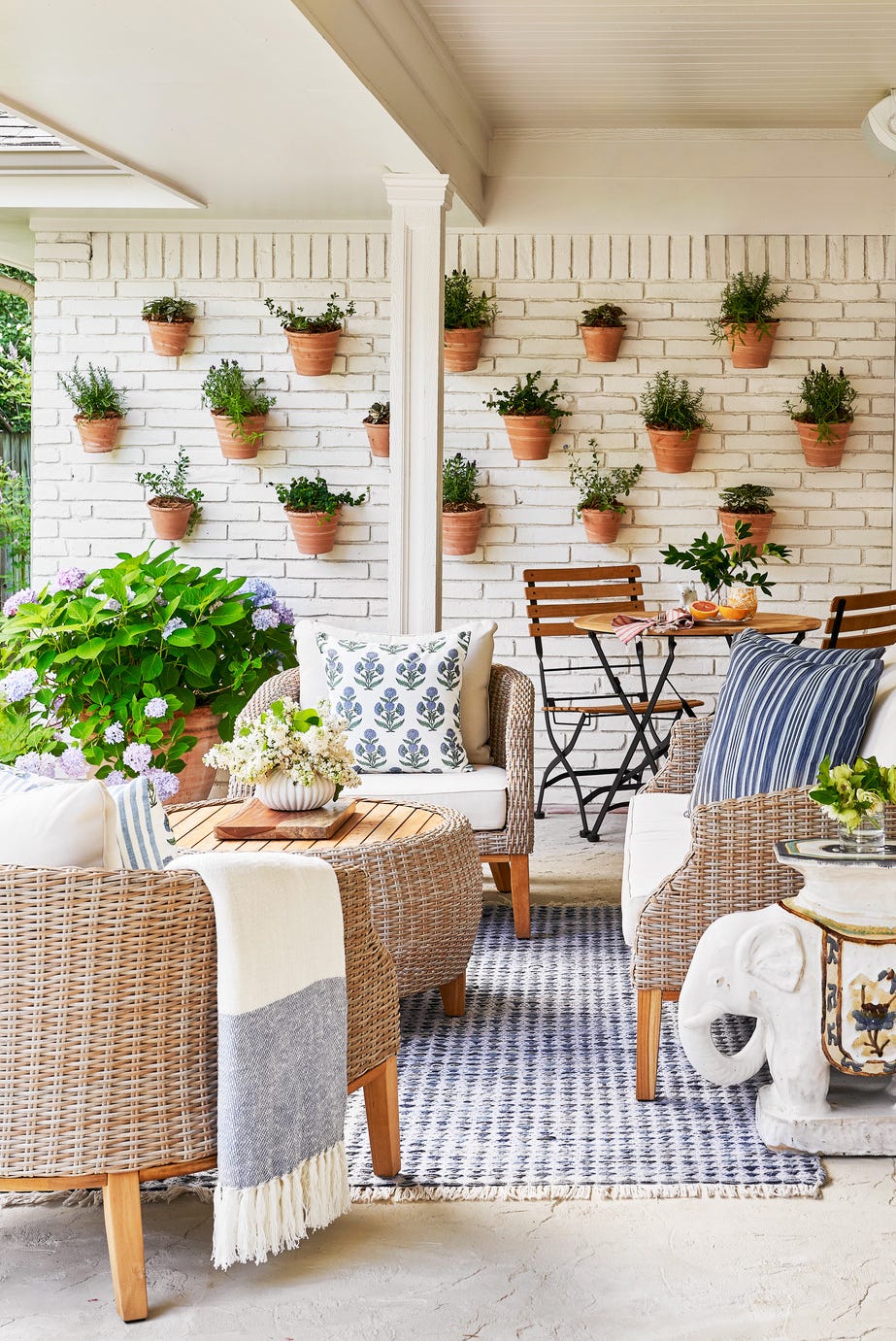
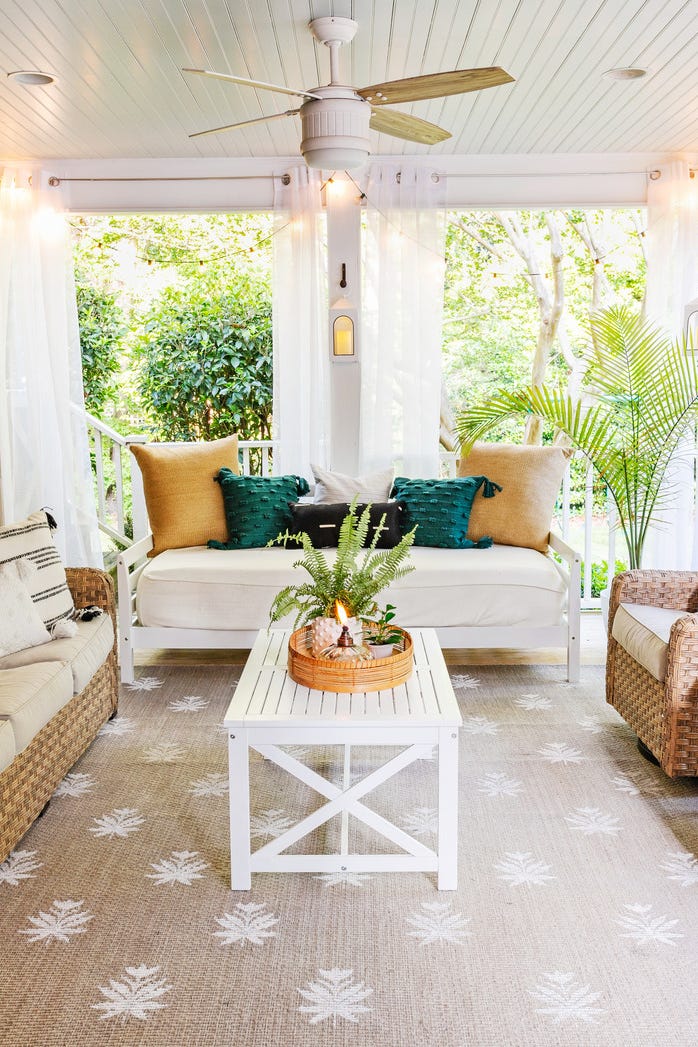
Selecting the right patio flooring is crucial for an outdoor renovation, requiring careful consideration of desired aesthetic, finish, color, and environmental impact. The chosen materials' texture and color significantly influence the patio's design, guiding the eye and establishing the overall ambiance. It is also important to ensure that patio flooring choices complement the architectural style of the house, especially when viewed from indoors.
According to interior designer Jonathan Faccone, the key to successful patio flooring lies in identifying priorities such as durability, design, maintenance, and cost. These considerations help narrow down options and create an optimal outdoor living area. The article highlights ten distinct patio flooring ideas, each offering unique benefits and aesthetic appeal.
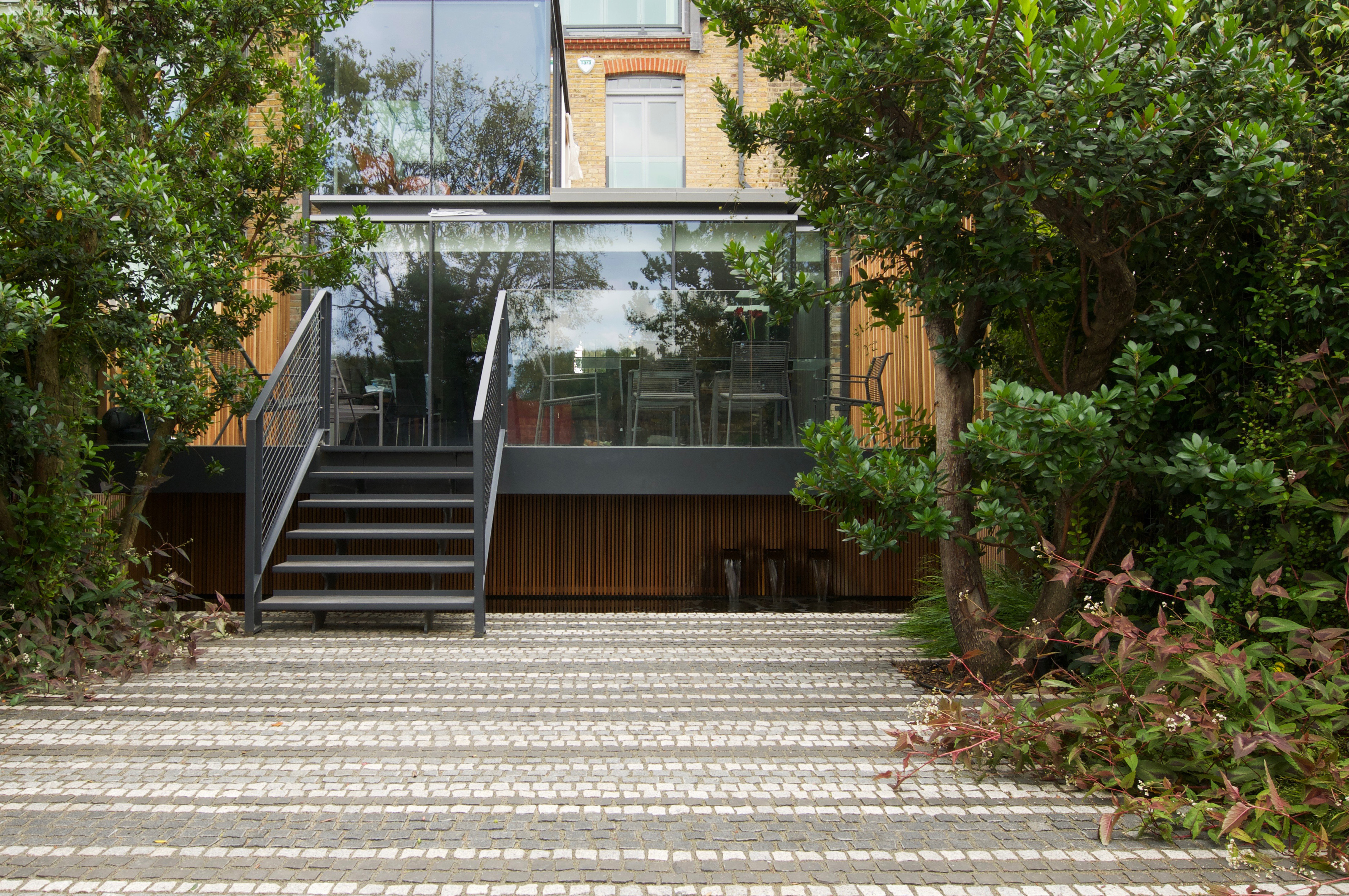
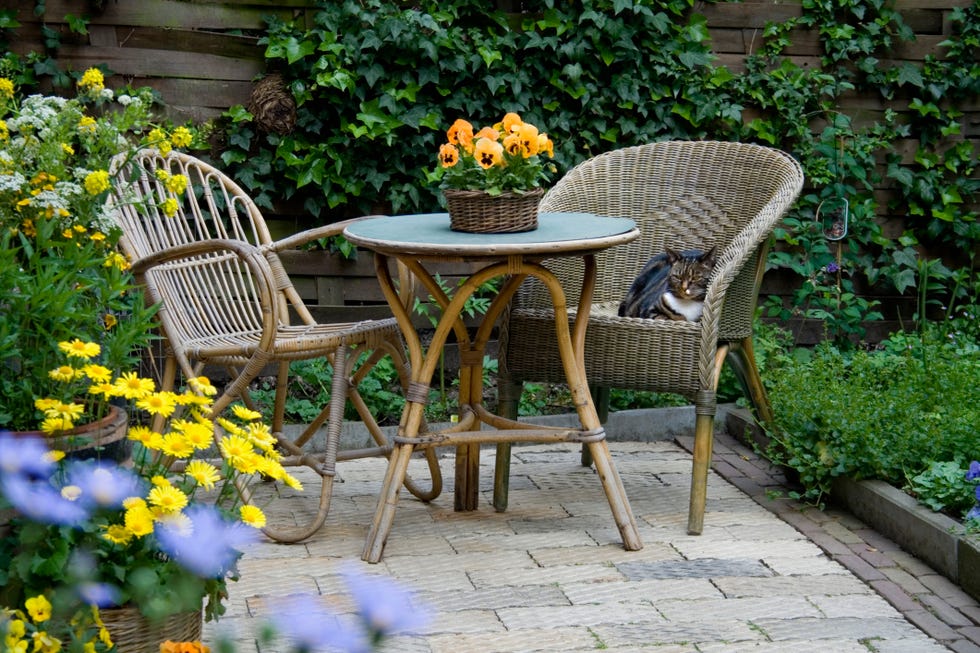
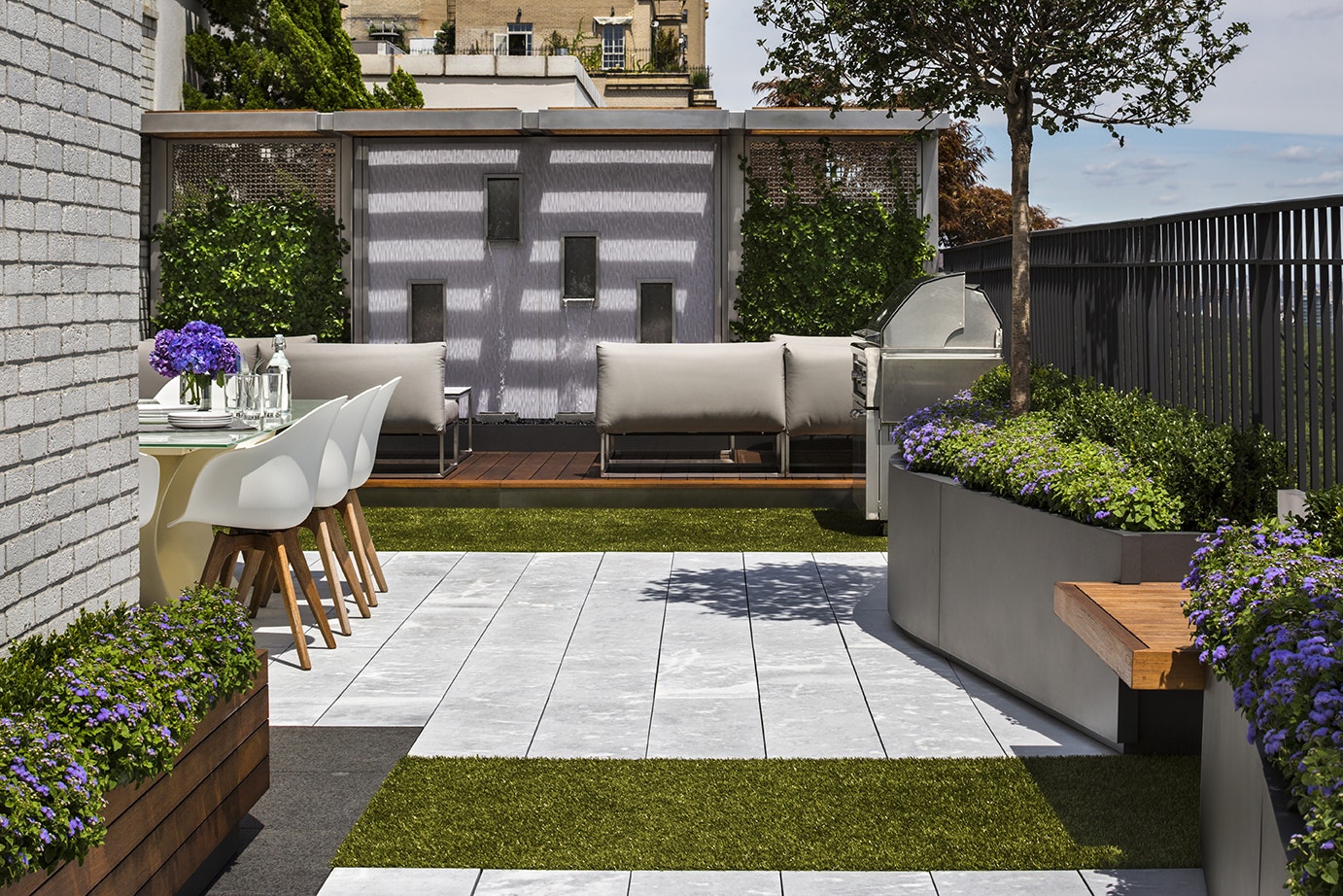
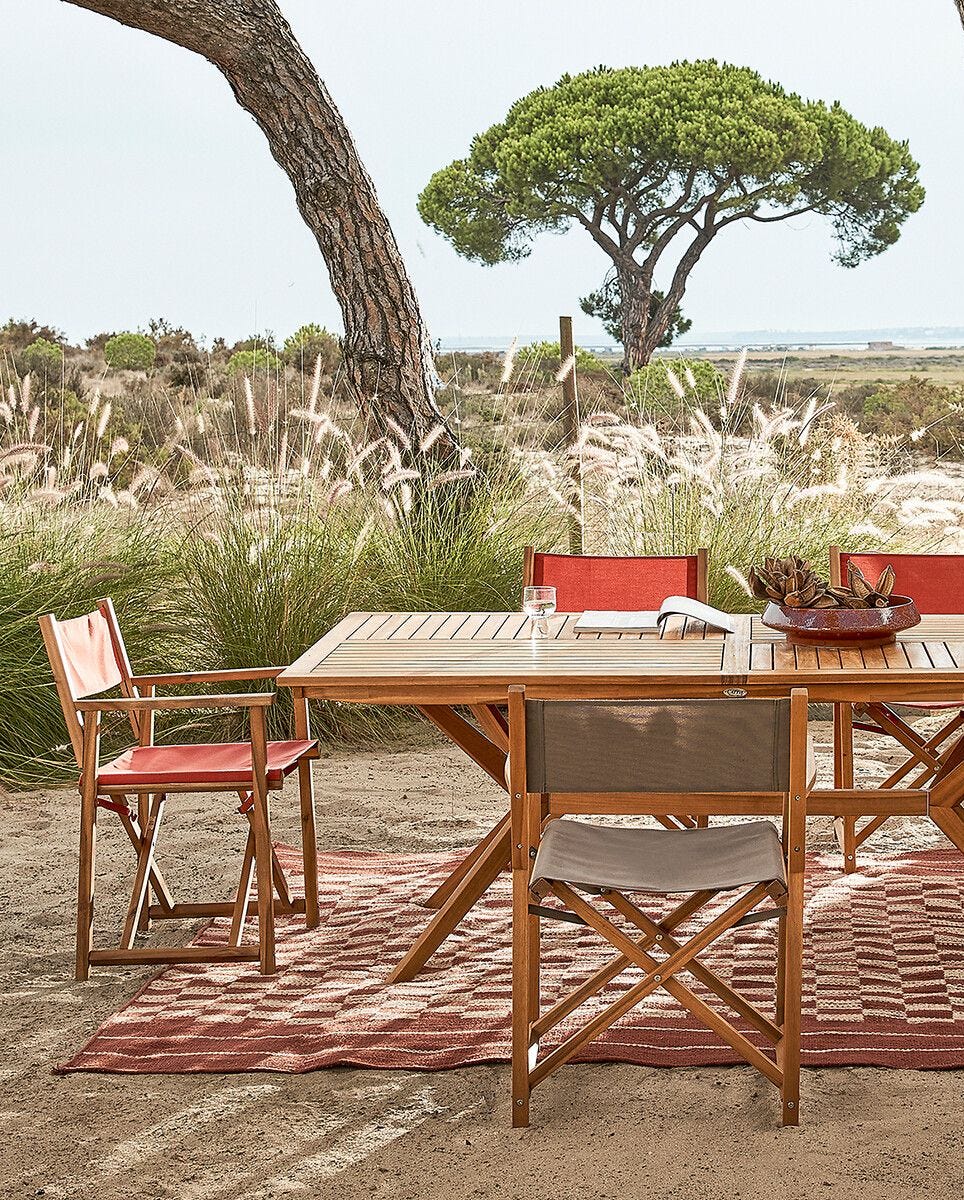
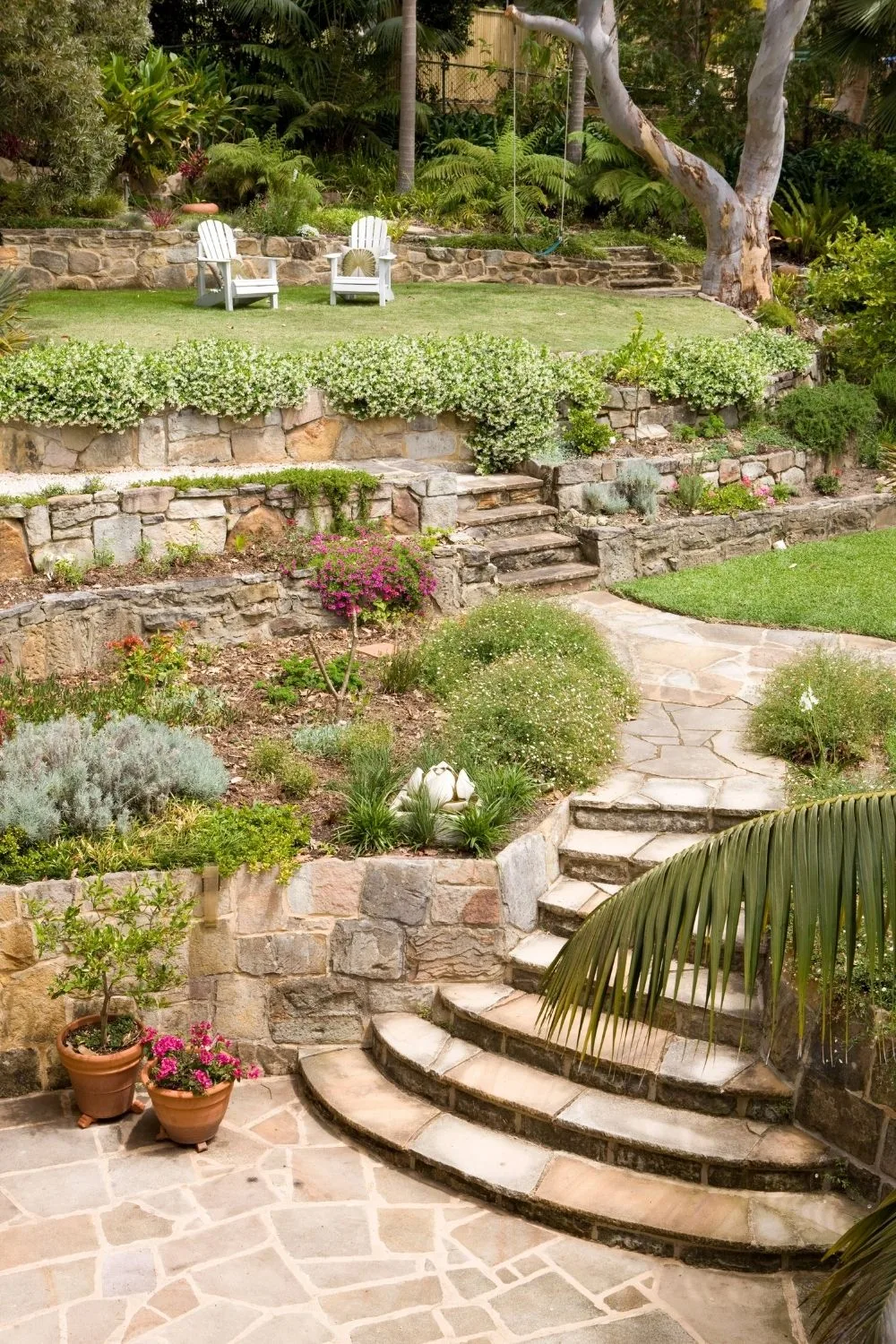
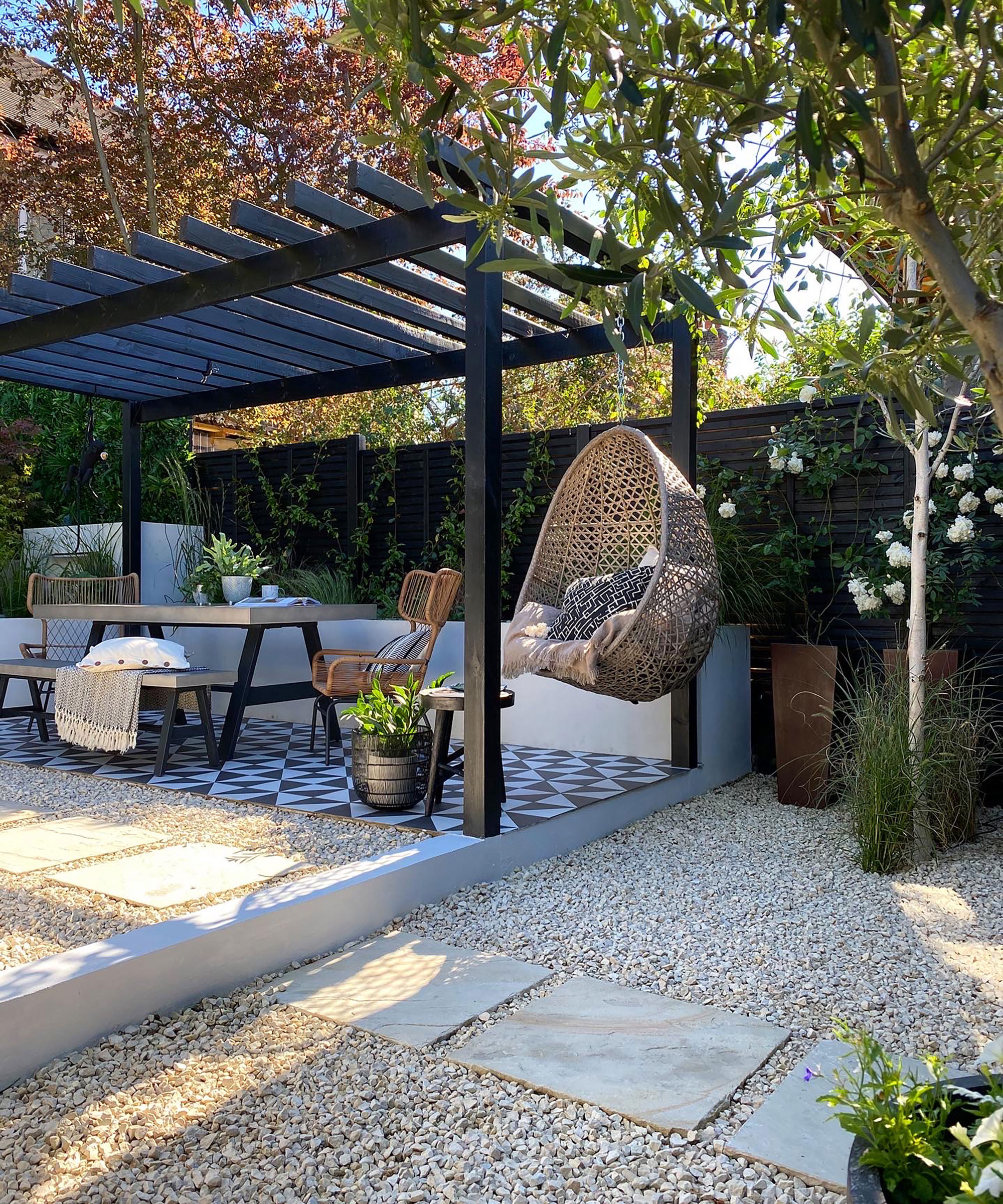
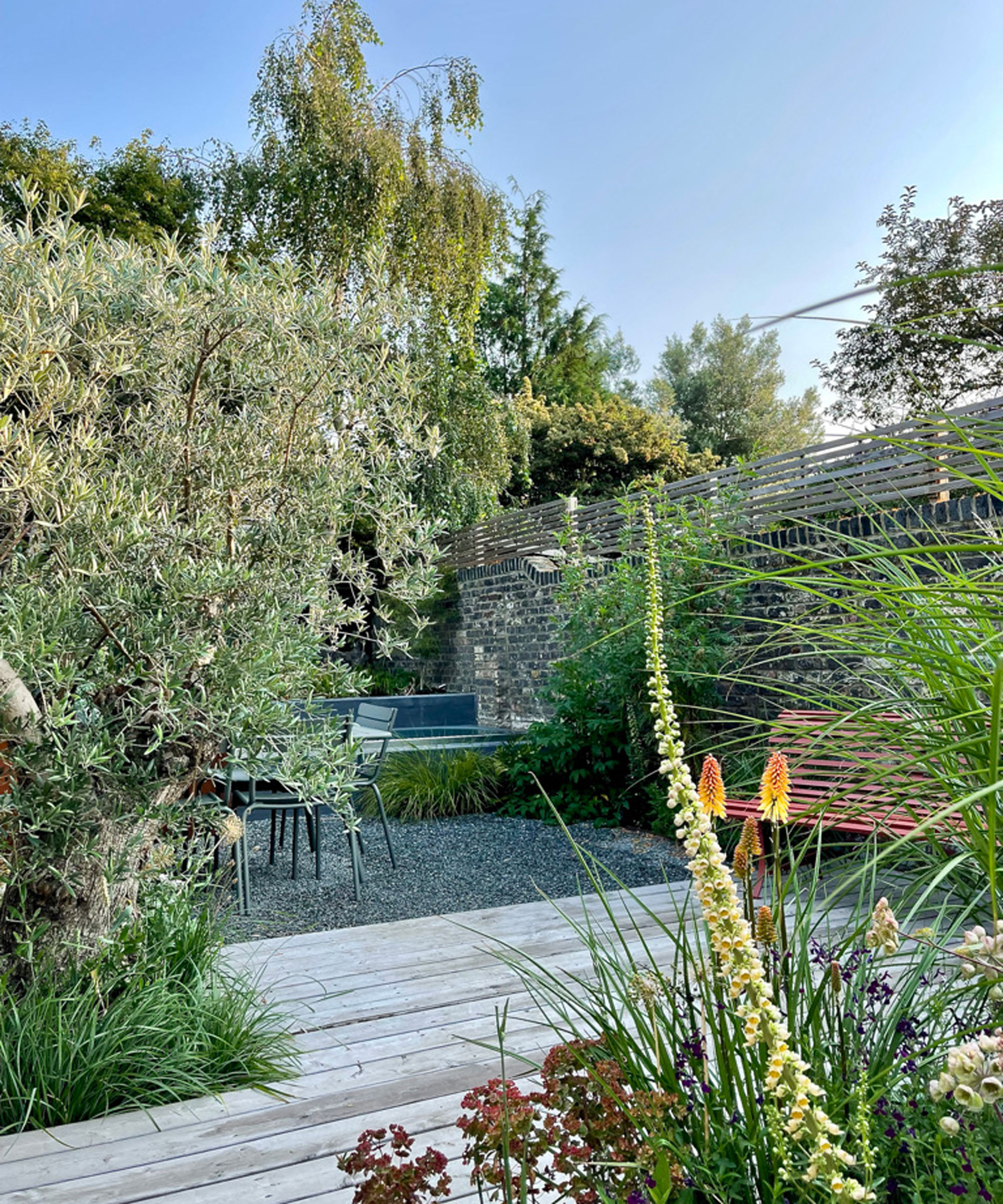
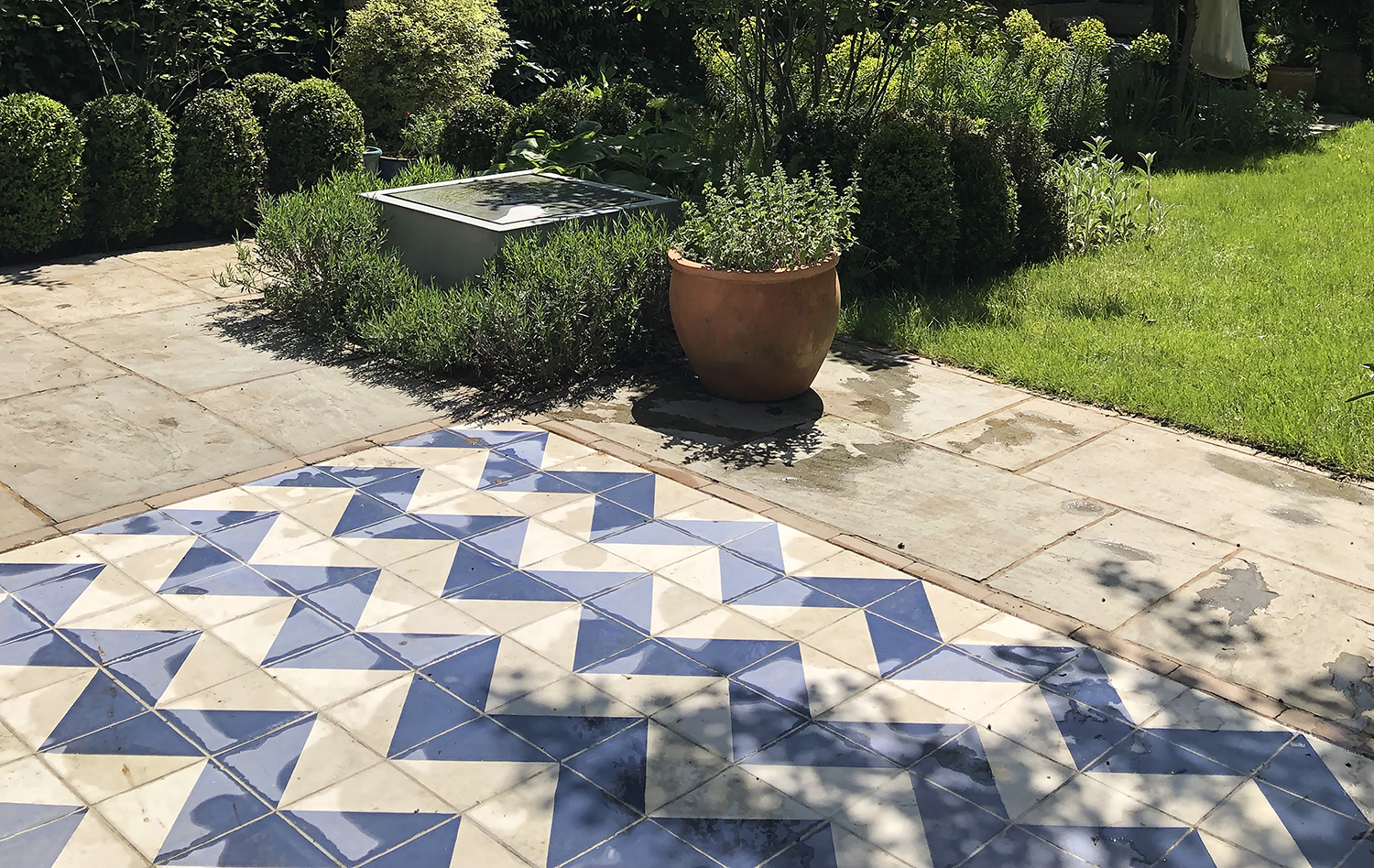
One approach is to incorporate decorative details within the patio flooring. Instead of continuous hardscaping, integrating alternative materials like pebbles, gravel, sand, crushed shells, or turf can break up large paved areas, adding texture, color, and visual interest. Repeating these decorative elements in other garden features, such as paths or around water features, creates continuity and a cohesive design.
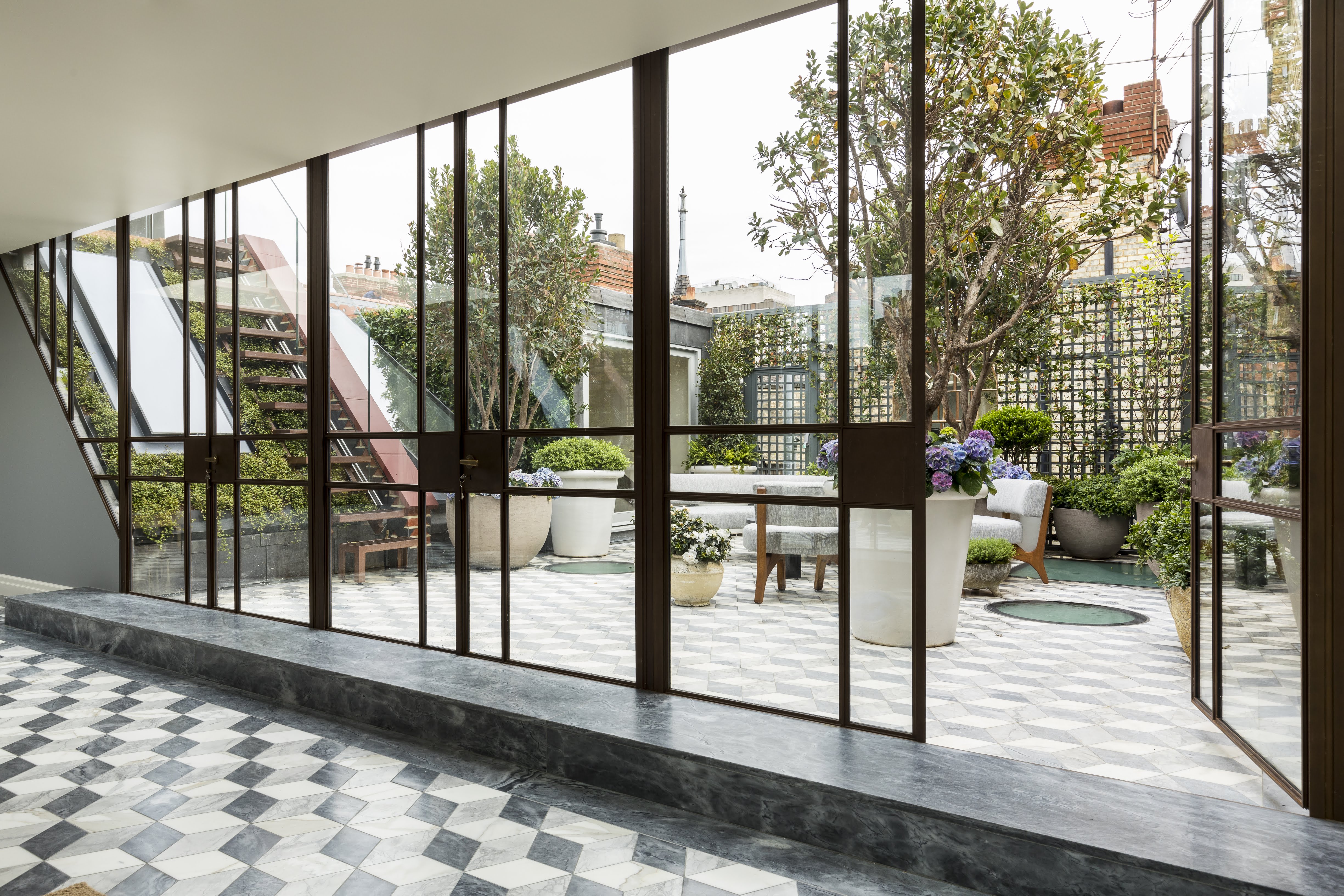
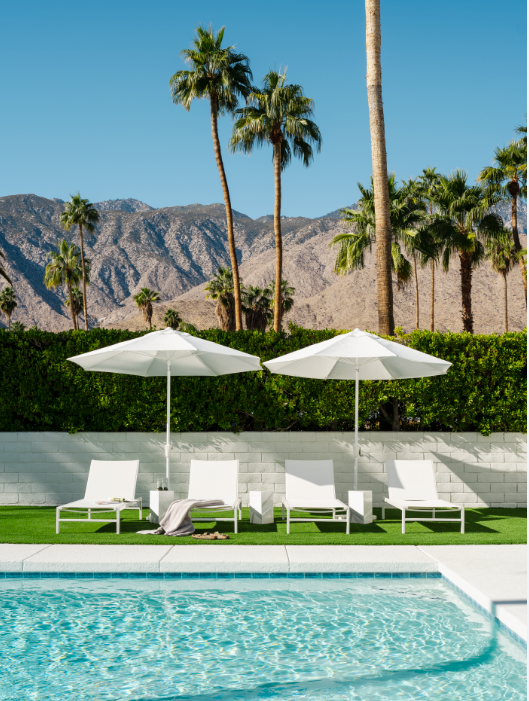
Another option is the elegant and classic choice of marble. Gaining popularity in interior design, marble is now making its way outdoors, particularly for pool patios. Its opulent and sophisticated appearance, coupled with its ability to remain cool in sunny climates, makes it an attractive choice. Marble is also remarkably tough and durable, capable of withstanding daily use.
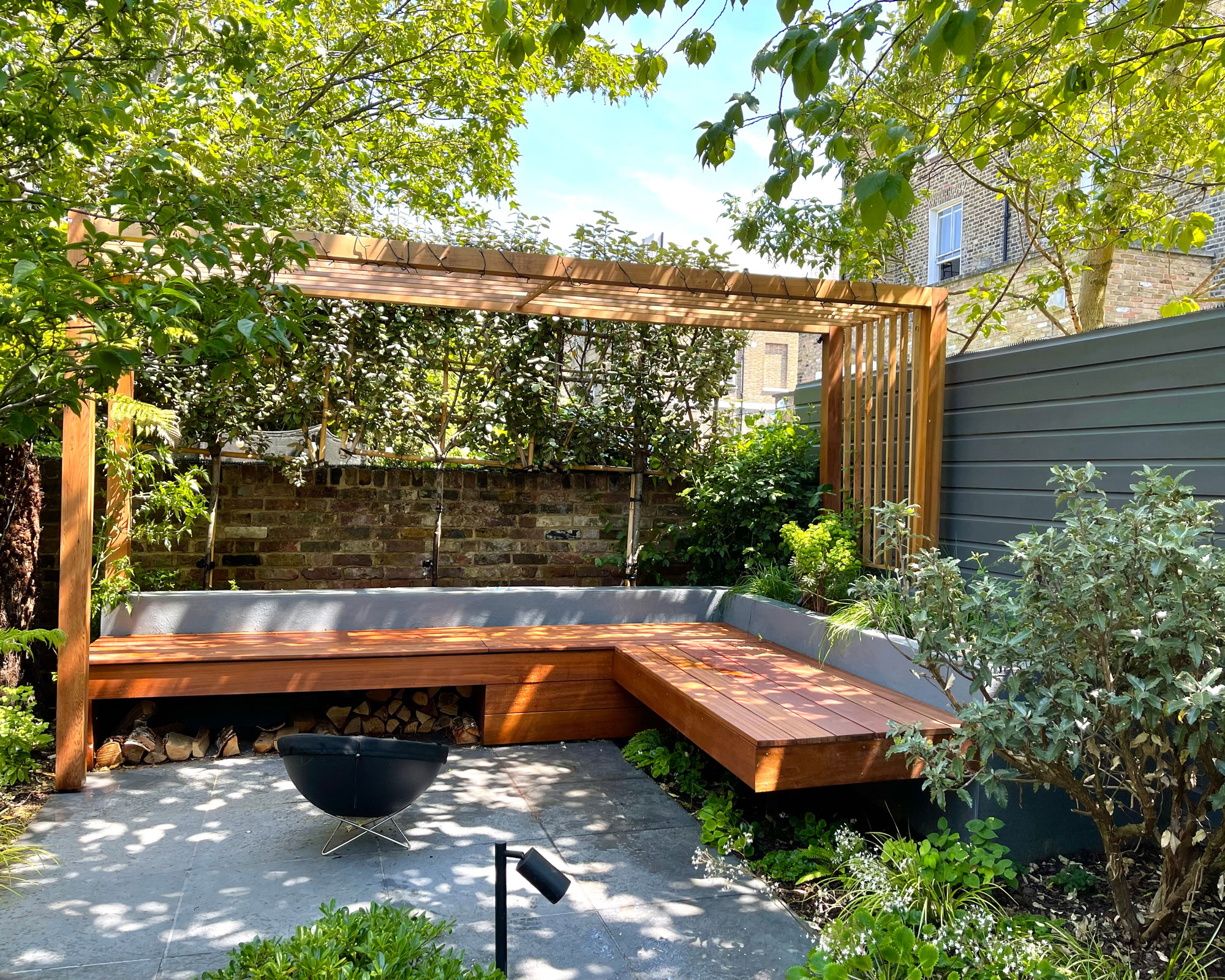
For a naturalistic look, gravel or crushed stone offers an affordable and practical solution, especially around fire pits. These materials are heat-resistant, durable, and blend seamlessly with outdoor environments, unaffected by sparks. While concrete, pavers, and brick are also suitable for fire pit areas due to their heat resistance and durability, materials like vinyl, artificial turf, carpets, rubber flooring, and low-quality wood should be avoided.
Sustainability is an increasing priority, leading to a demand for greener choices. Permeable pavers and recycled products, designed for longevity, are gaining favor. Composite decking, made from reused plastics and wood-waste materials, stands out as an environmentally friendly alternative to traditional wood decking. Chauncey Jones, a patio specialist, recommends composite decking from reputable retailers like Trex, emphasizing its strength, durability, and long lifespan when constructed with salt-treated ground contact wood.
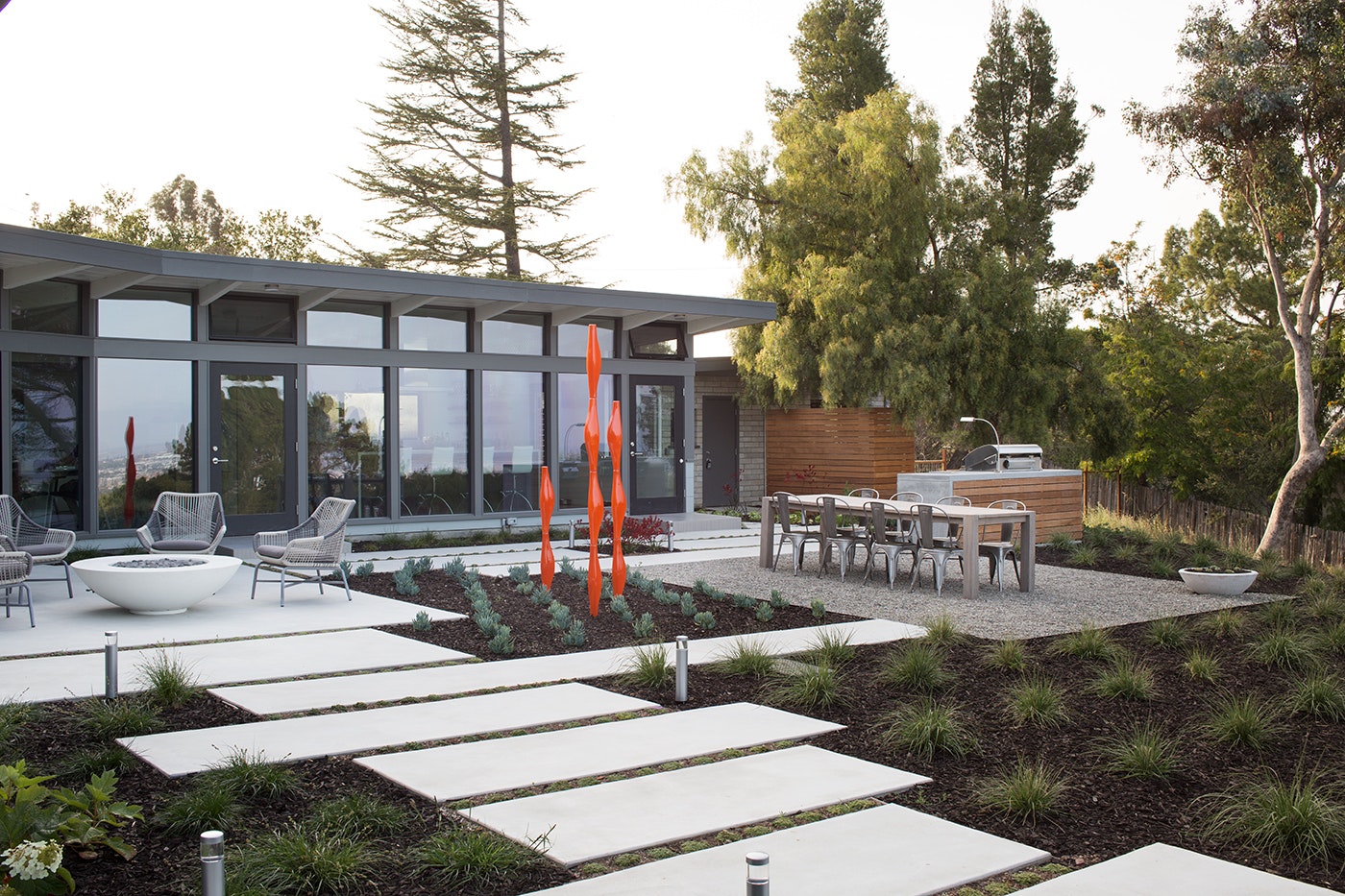
Softening concrete pavers with a grass trim offers a beautiful detail, as seen in a Mid-century backyard transformation in Oakland, CA, where smooth concrete is edged with real turf. Concrete is a popular and affordable choice due to its durability, longevity, and variety of colors, textures, and finishes. It is also easy to clean and maintain, making it ideal for high-traffic areas.
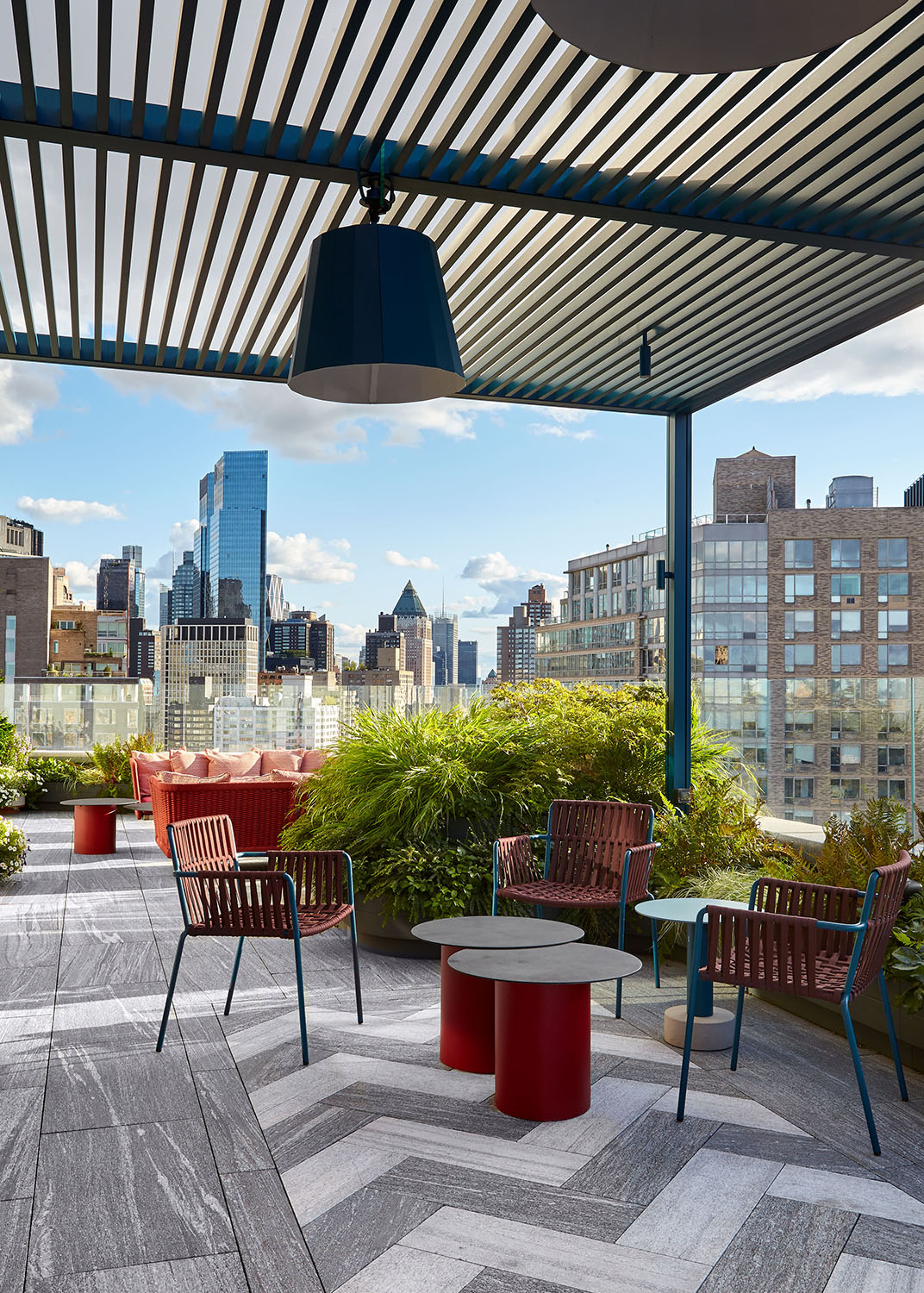
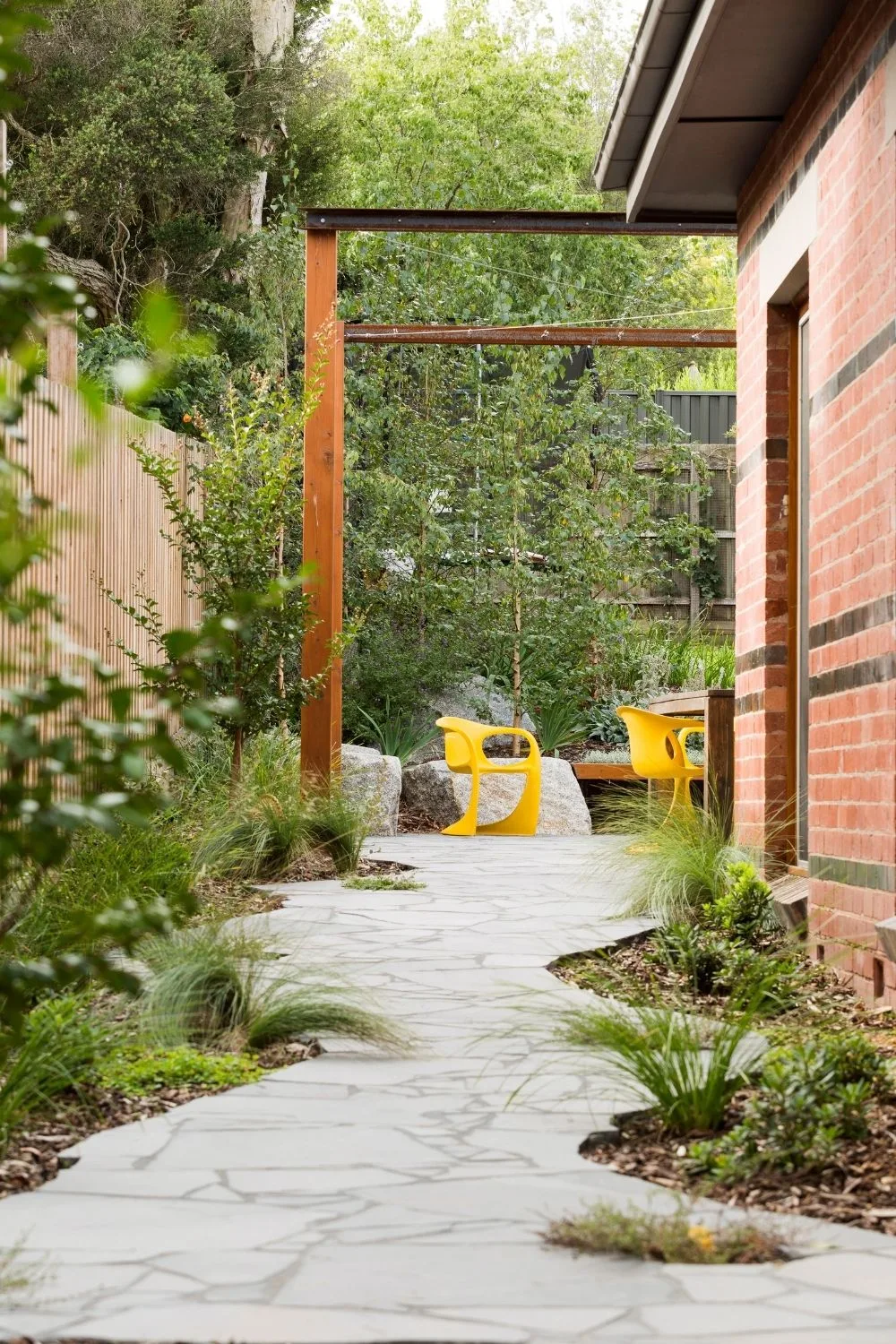
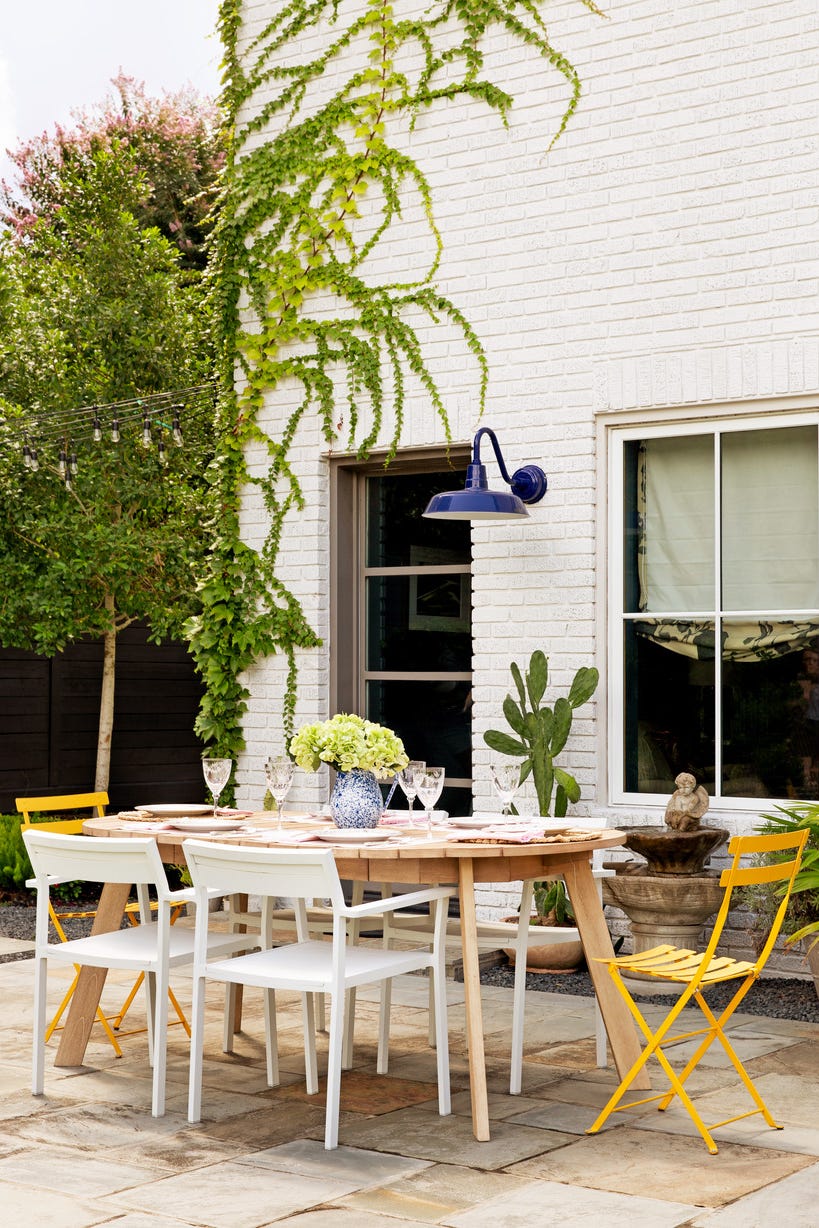
Earthy hues, such as those found in bluestone pavers, provide a classic and natural scheme. Bluestone, a strong natural stone available in blues, grays, greens, and browns, complements any landscape. Home decor specialist Stefana Silber notes its durability, recommending a sealant to prevent stains from spills.
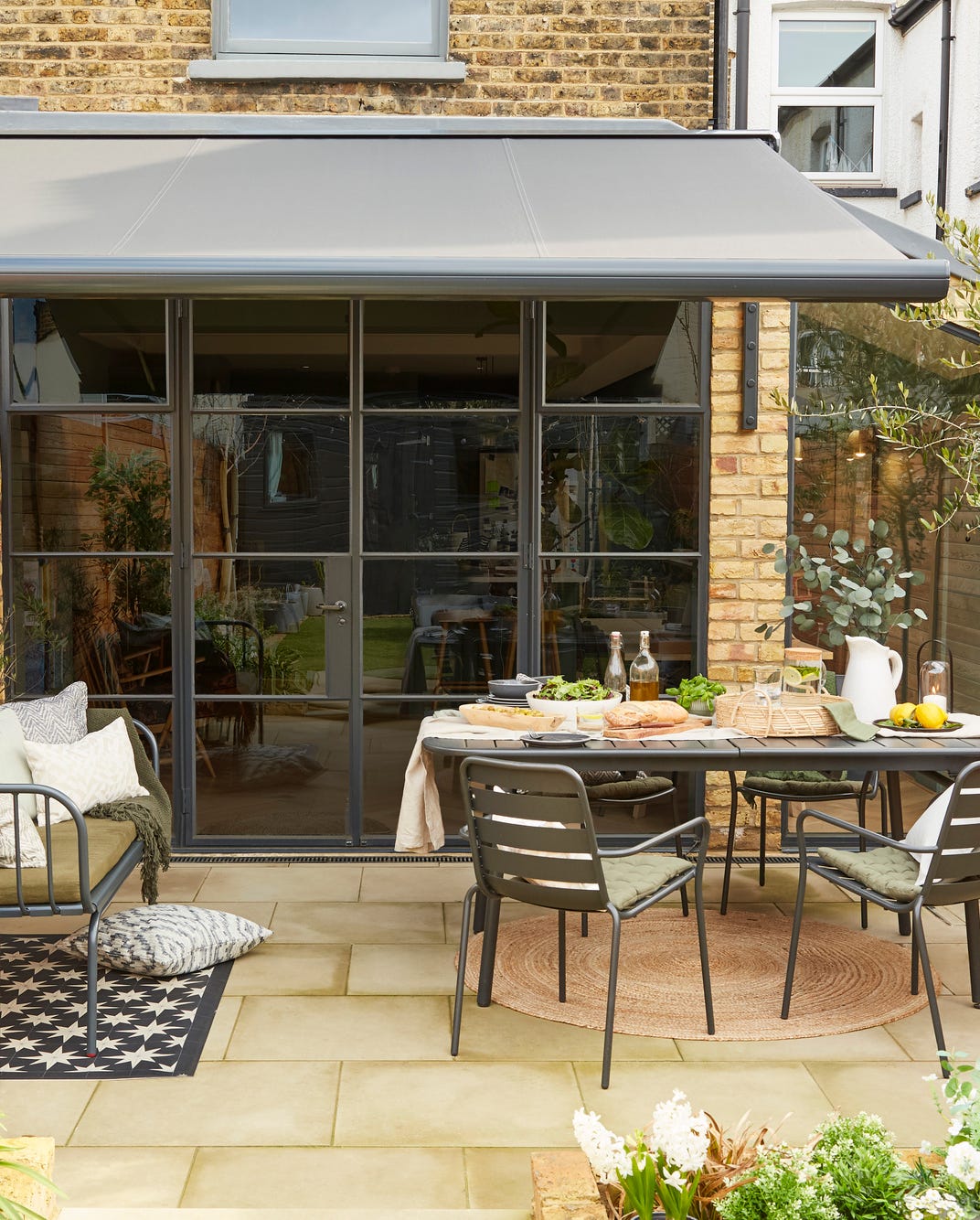
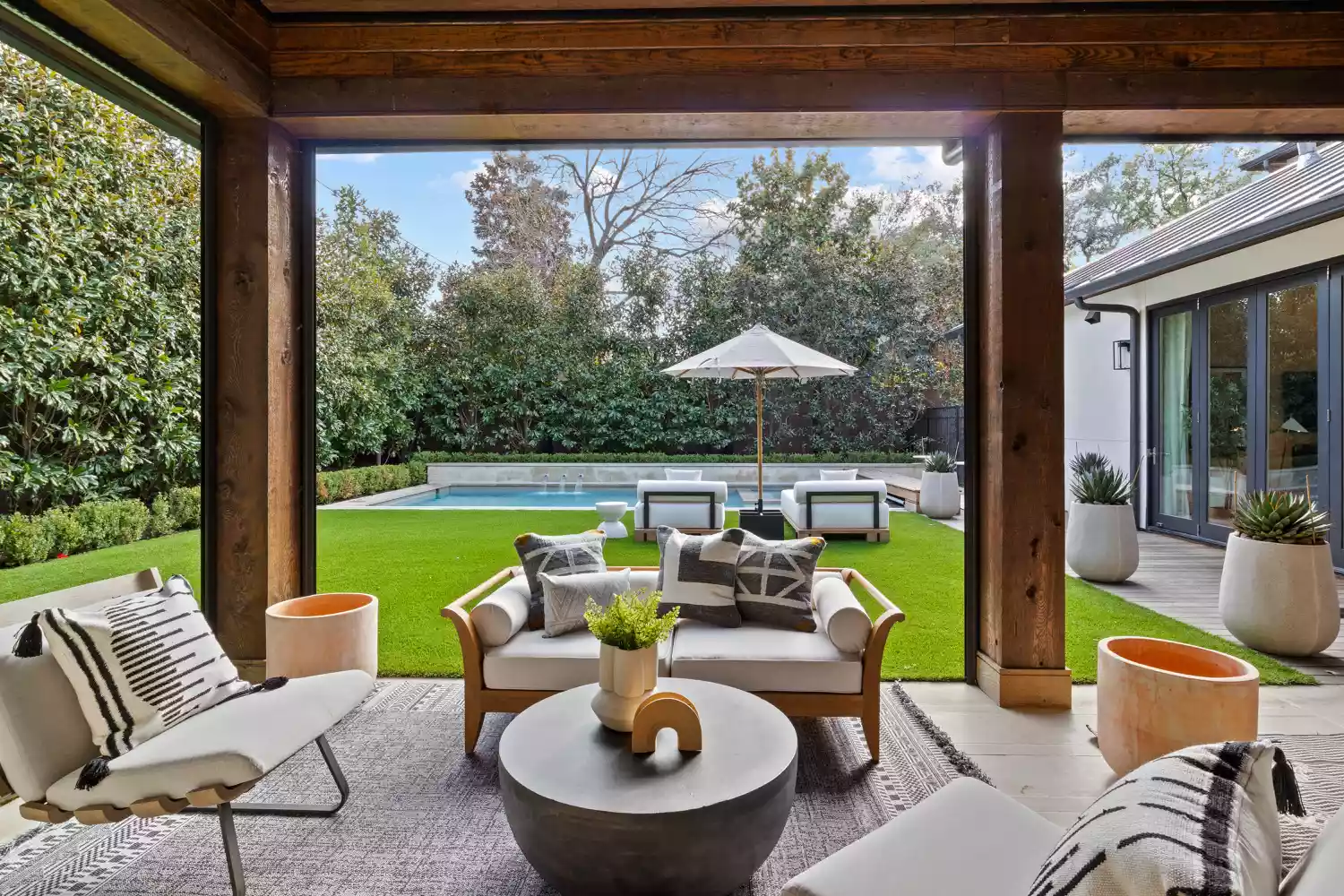
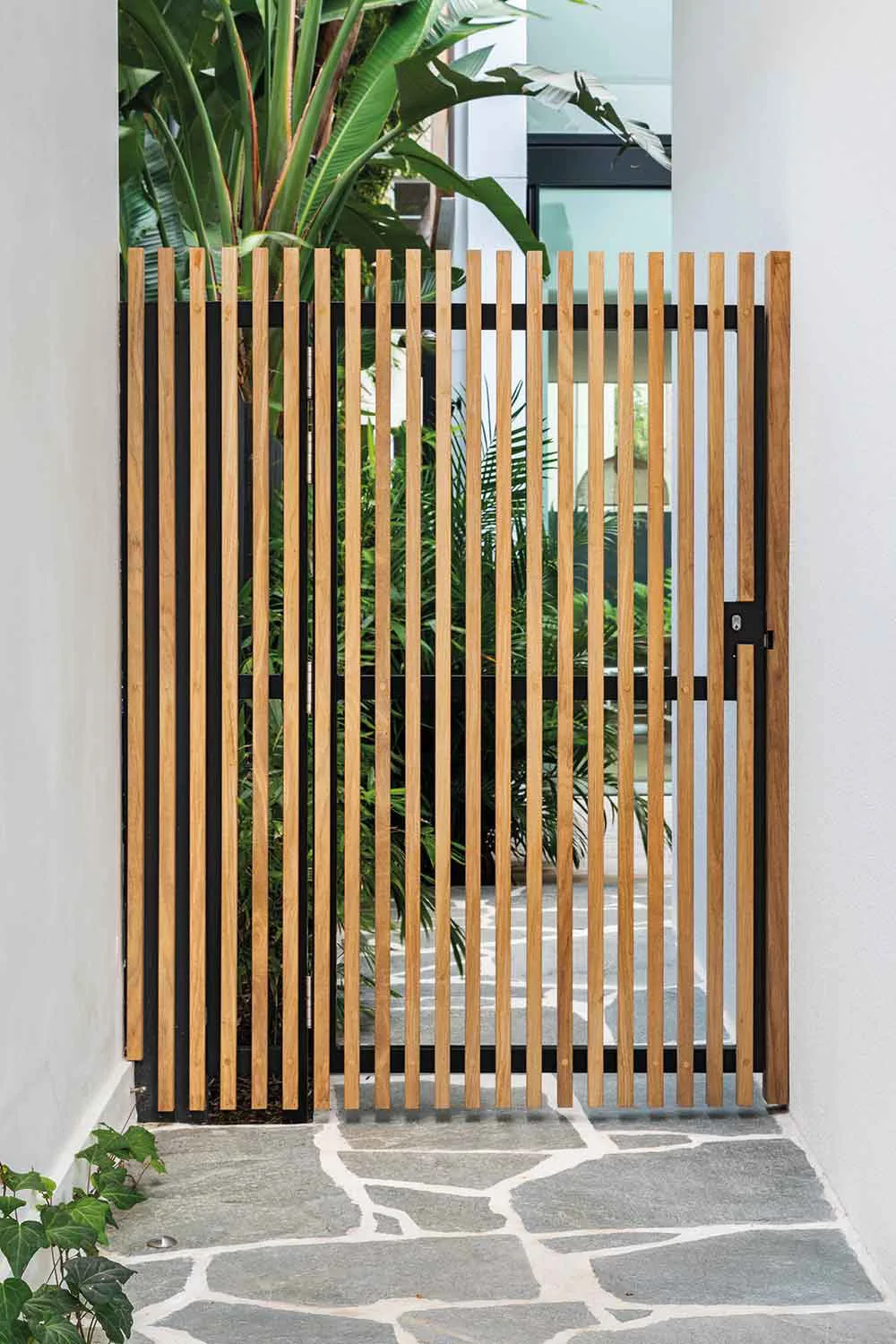
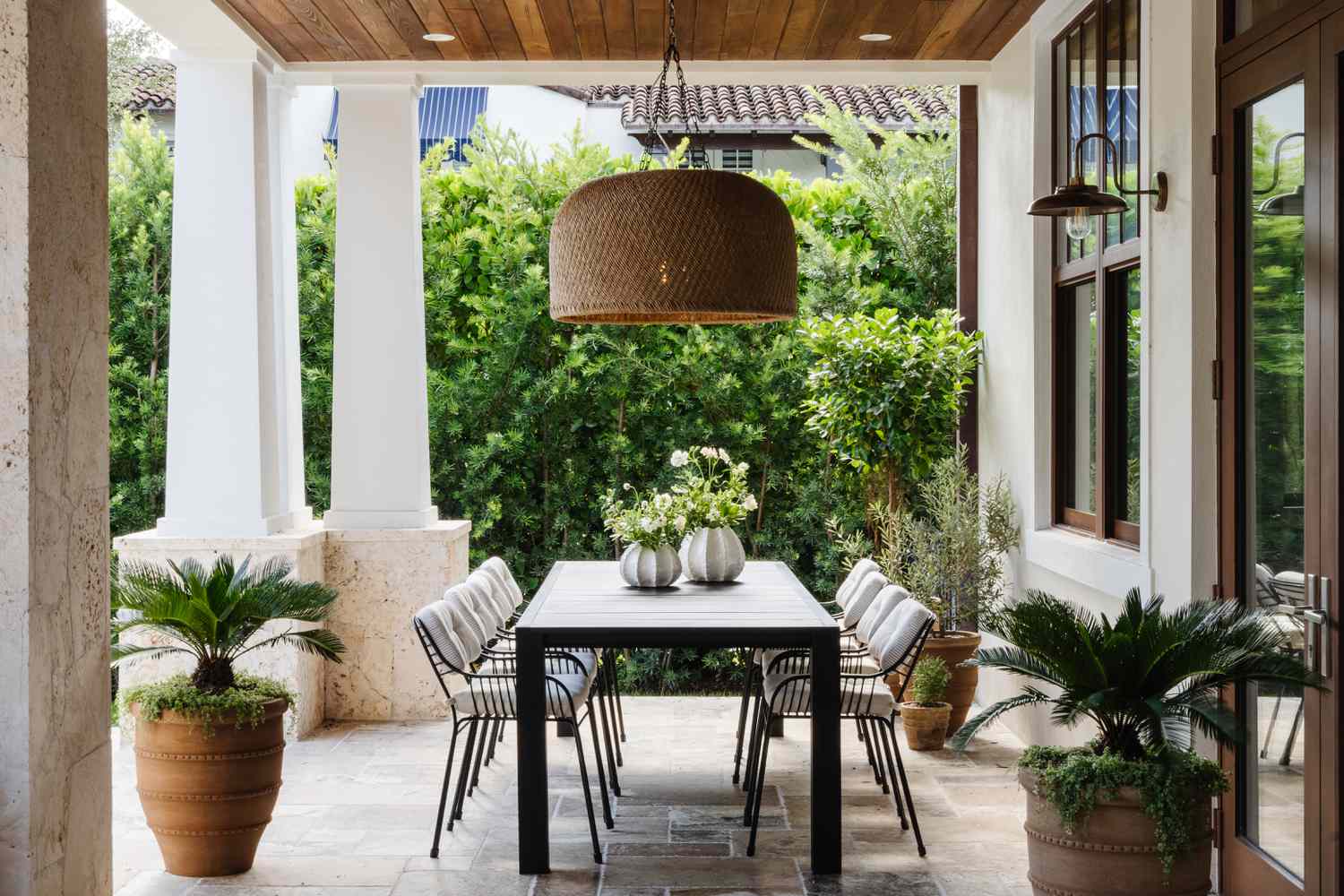
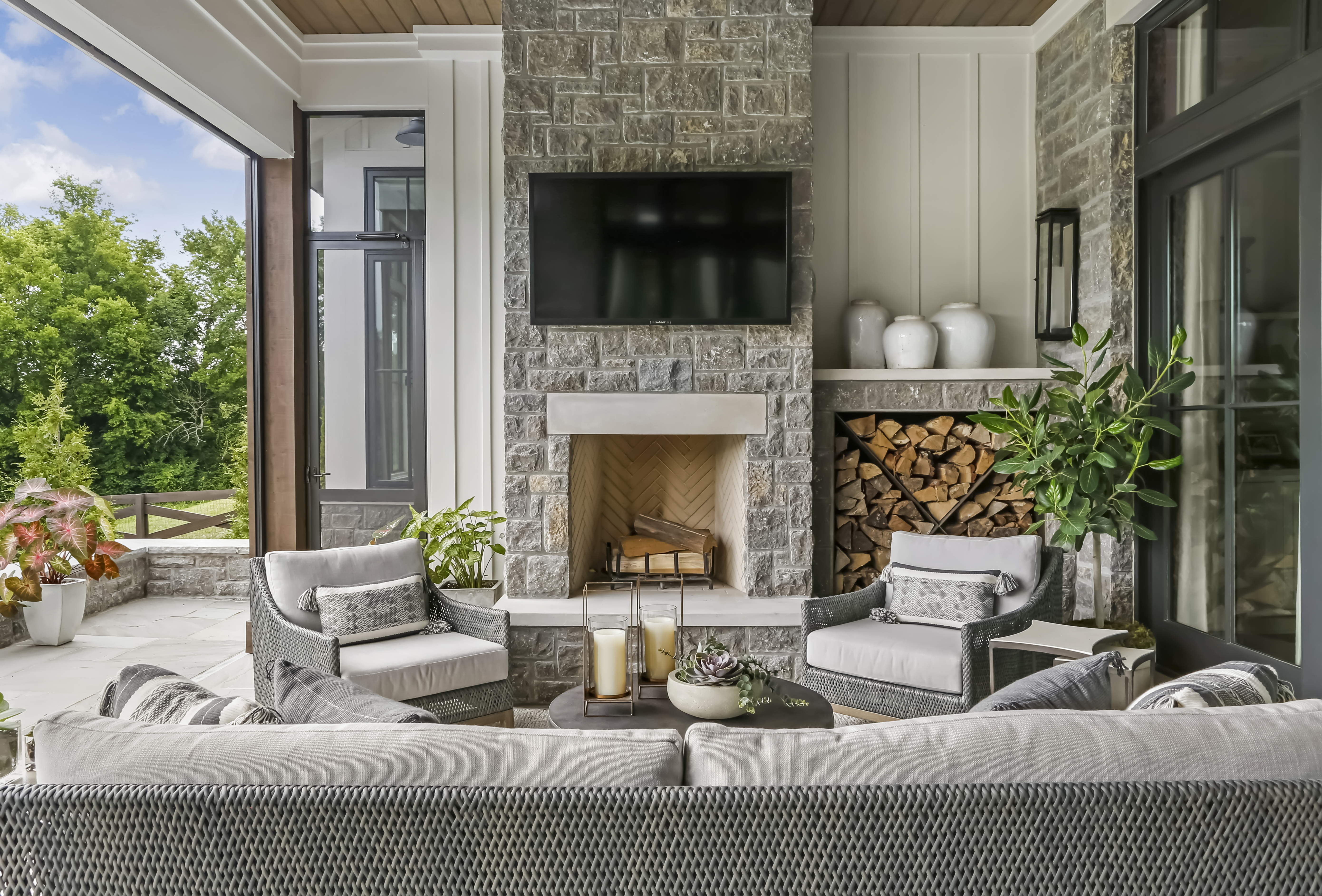
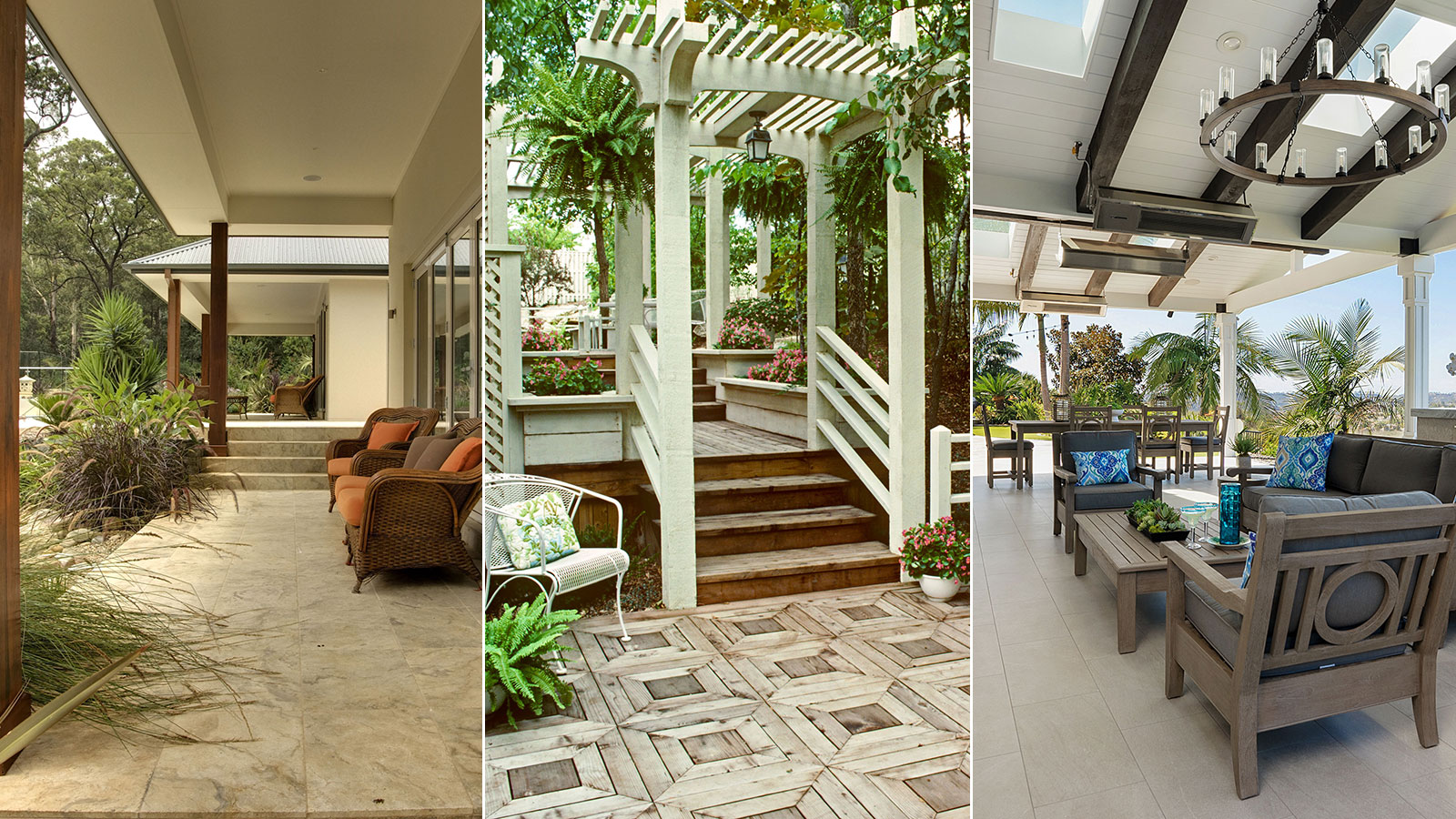
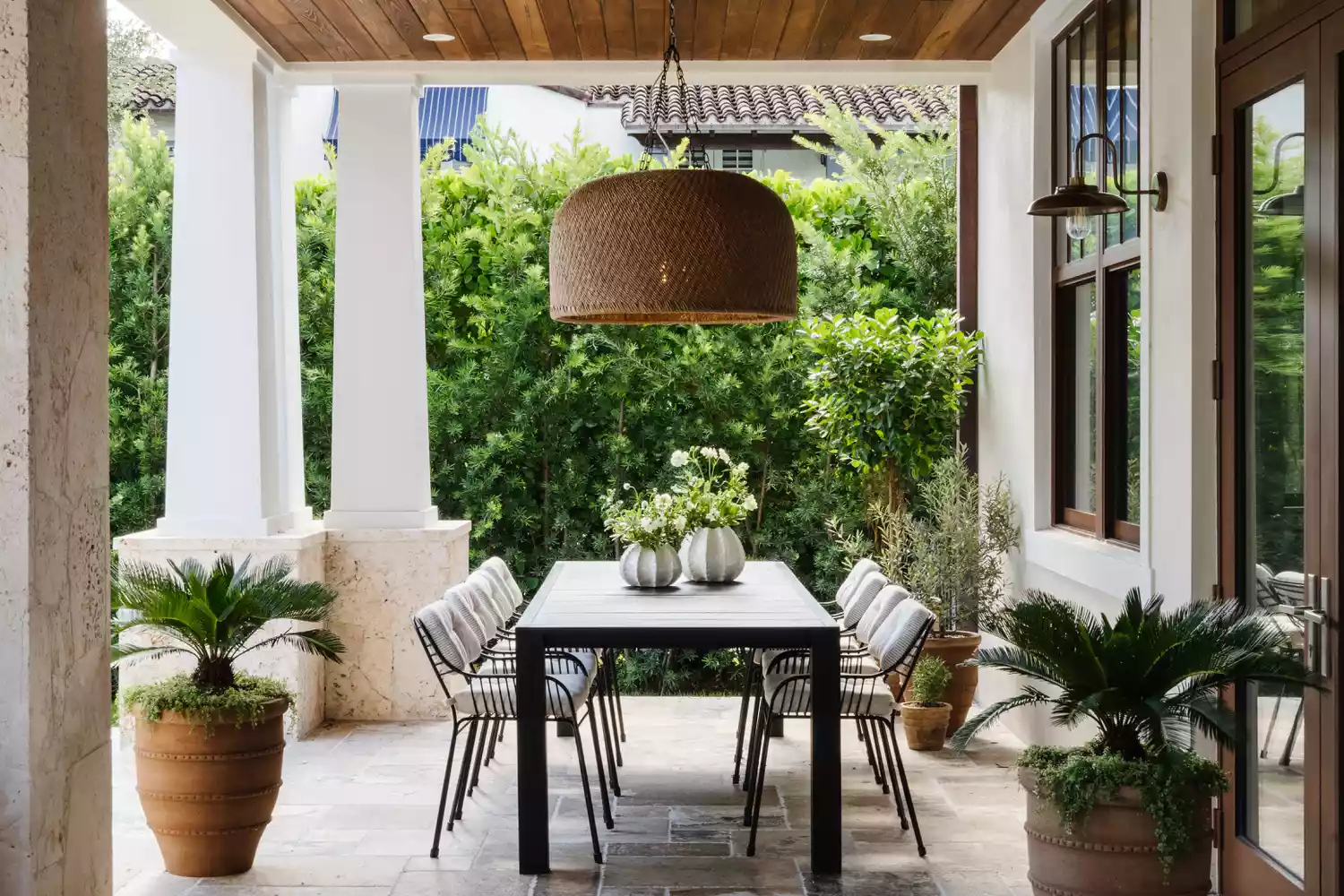
To create a unified and luxurious outdoor living experience, especially in covered patios that extend into open ones, using the same flooring material to link different zones is effective. Natural stone pavers in shades of gray, taupe, or sand can provide a luxurious and sophisticated finish.
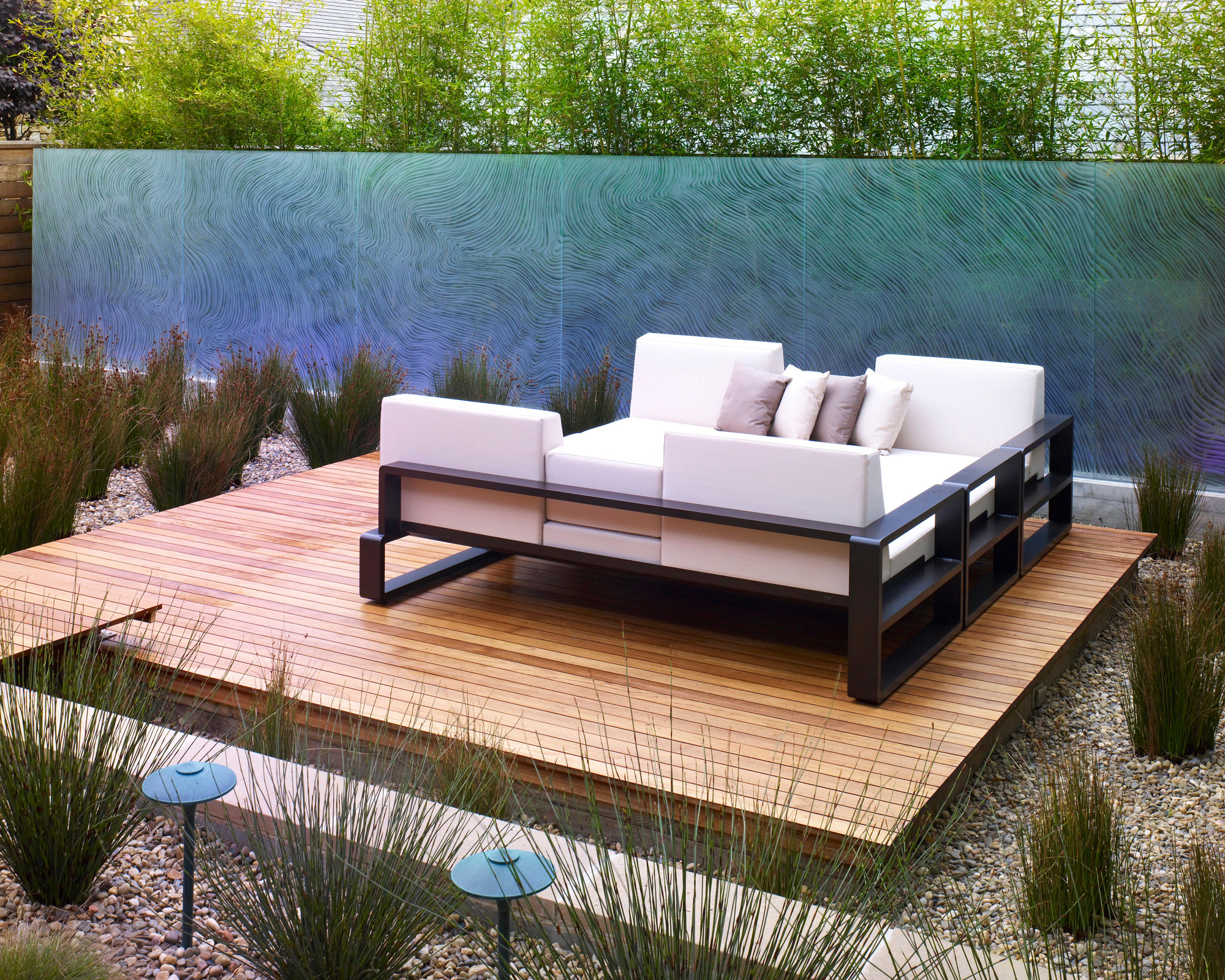
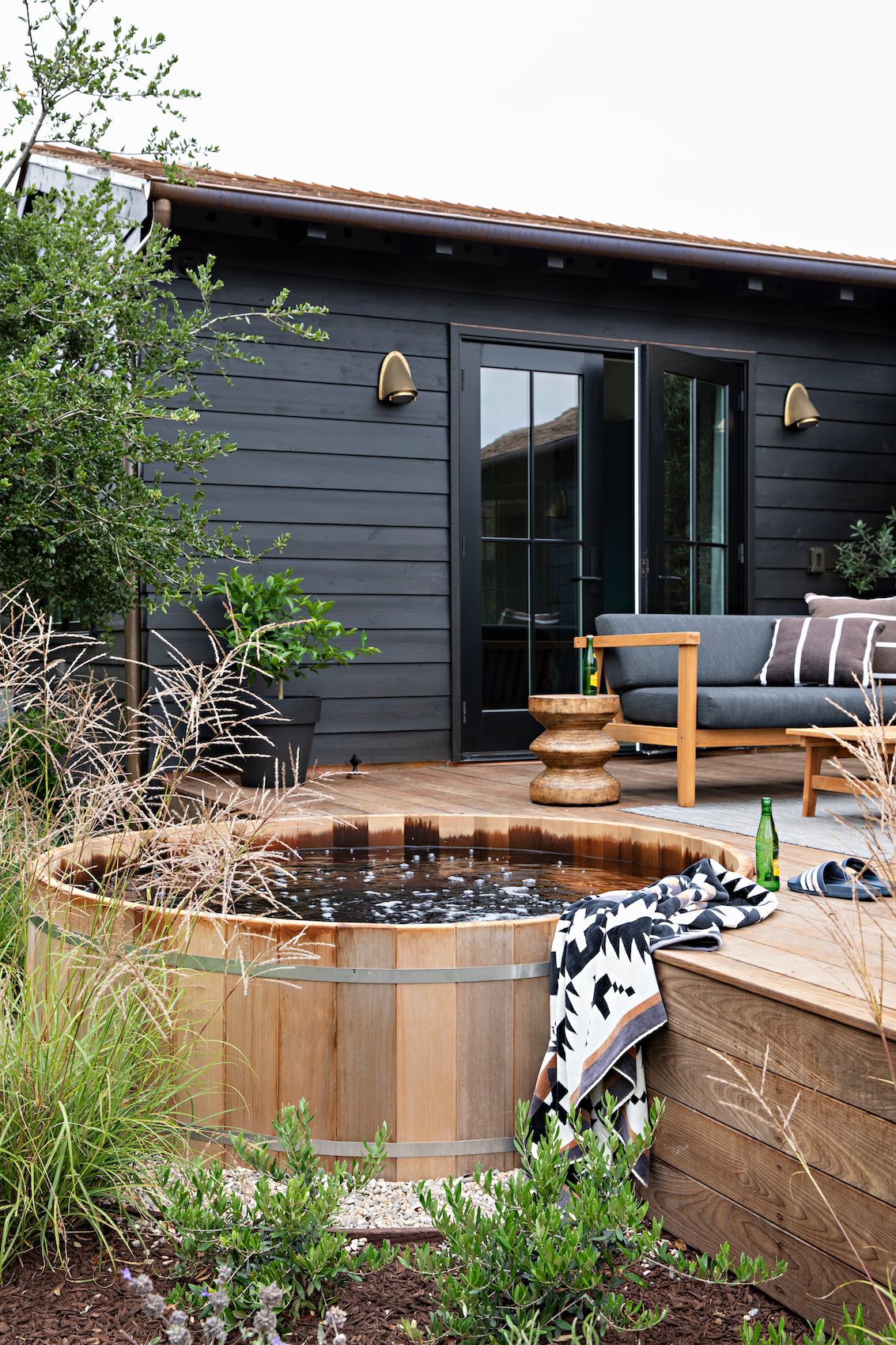
Adapting interior-led designs for outdoor spaces is another trend. Wood, a classic and versatile material for patio flooring and decks, can be stained or treated to match existing decor. Becky Decker highlights its durability, especially for high-traffic areas. Laying wood in different directions or patterns, or using interlocking modular wood parts, allows for customized designs. Combining wood with other materials can also create contrast and texture.
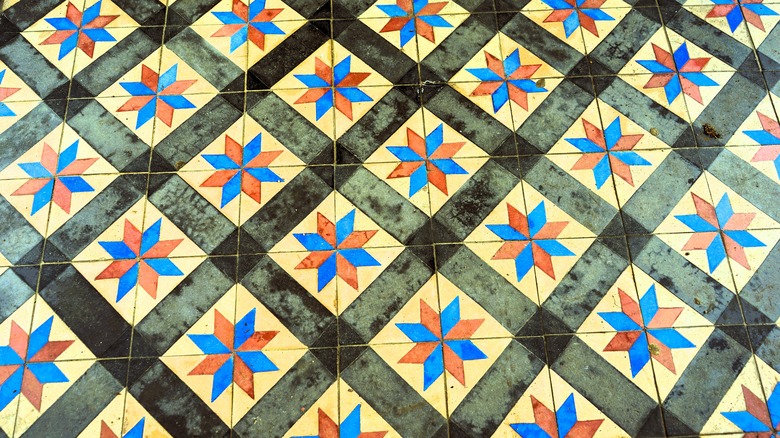
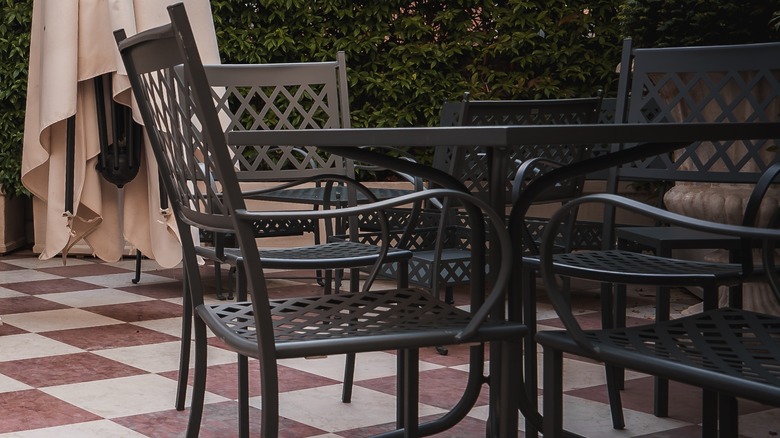
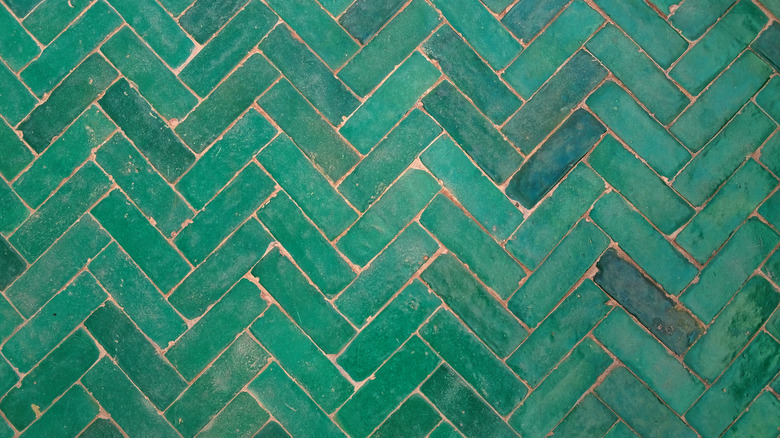
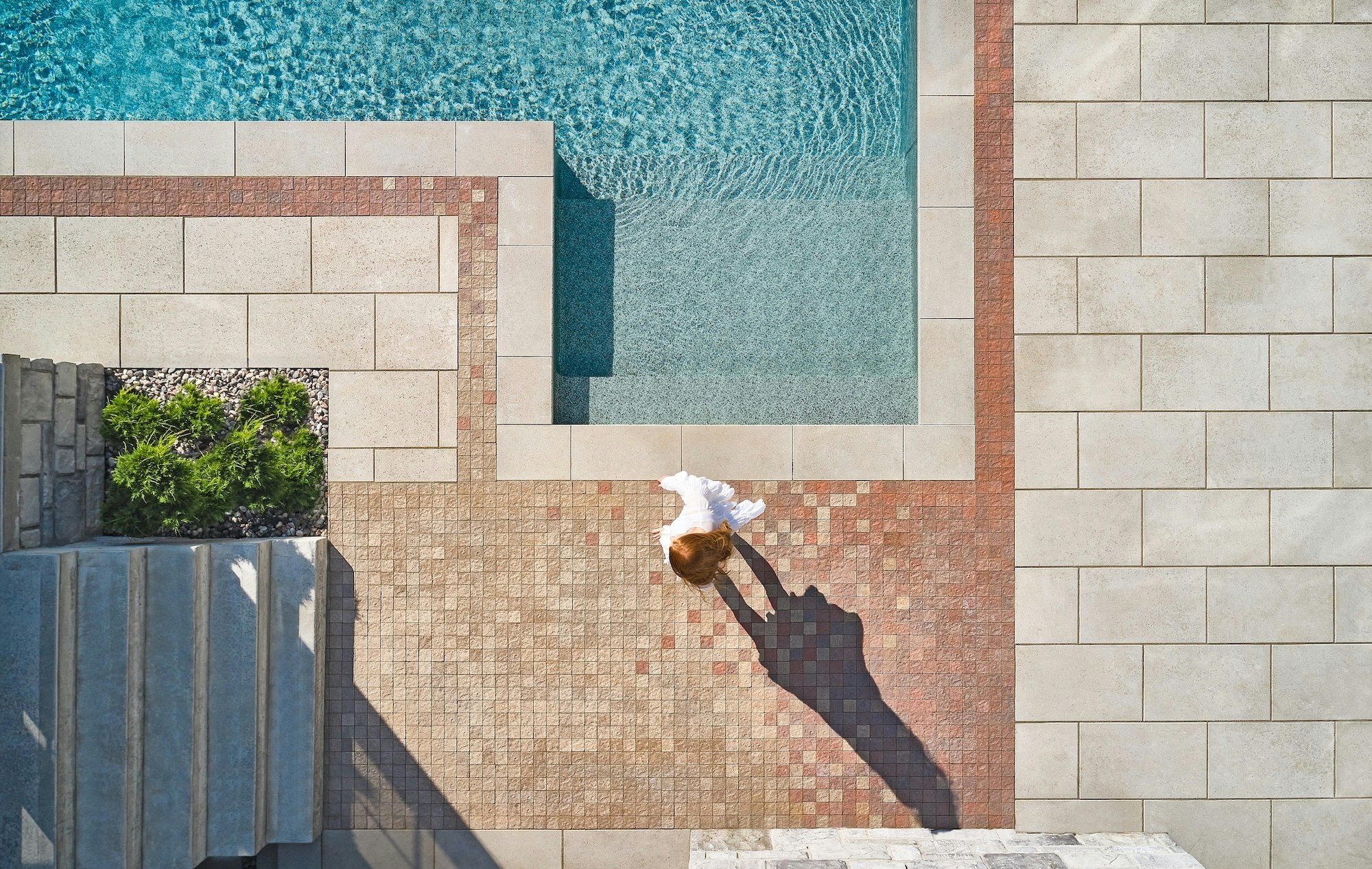
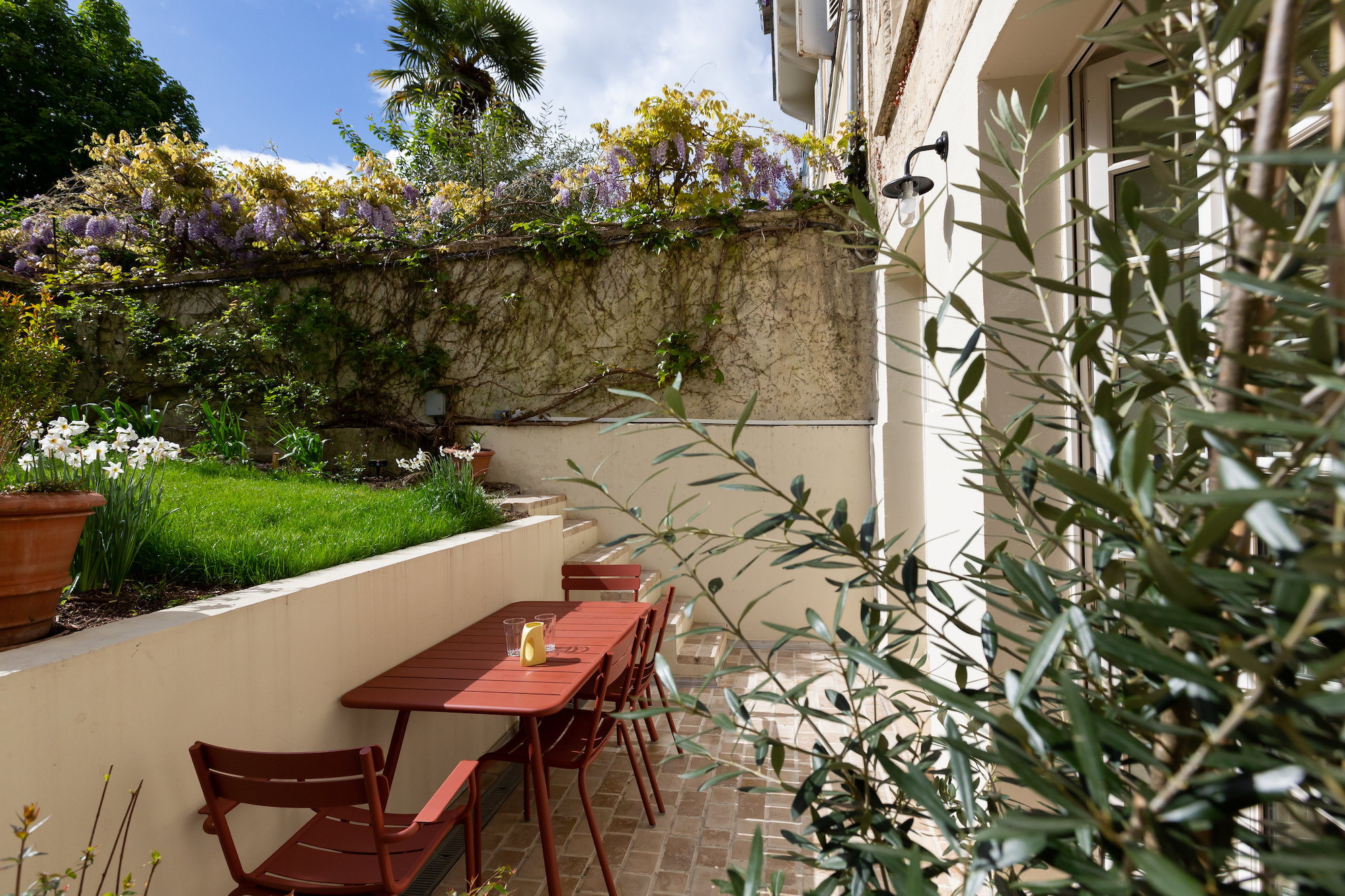
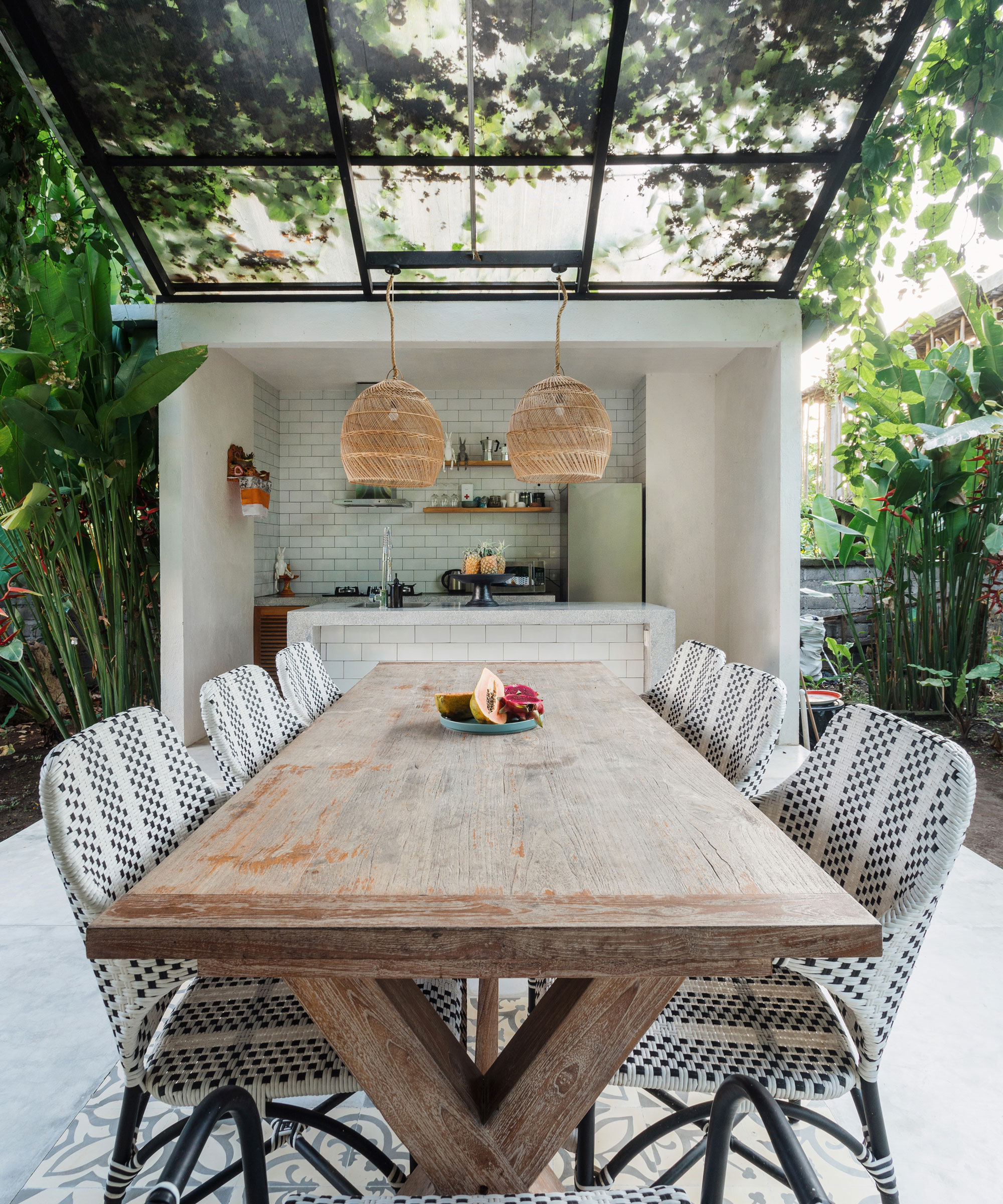
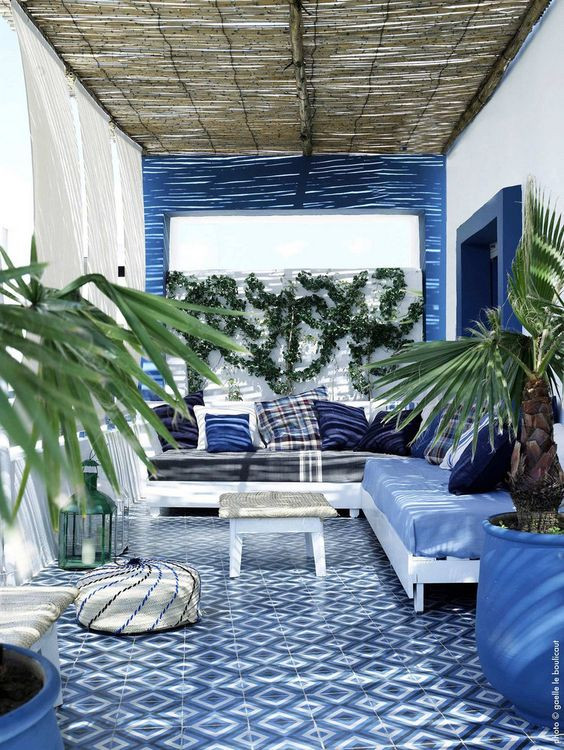
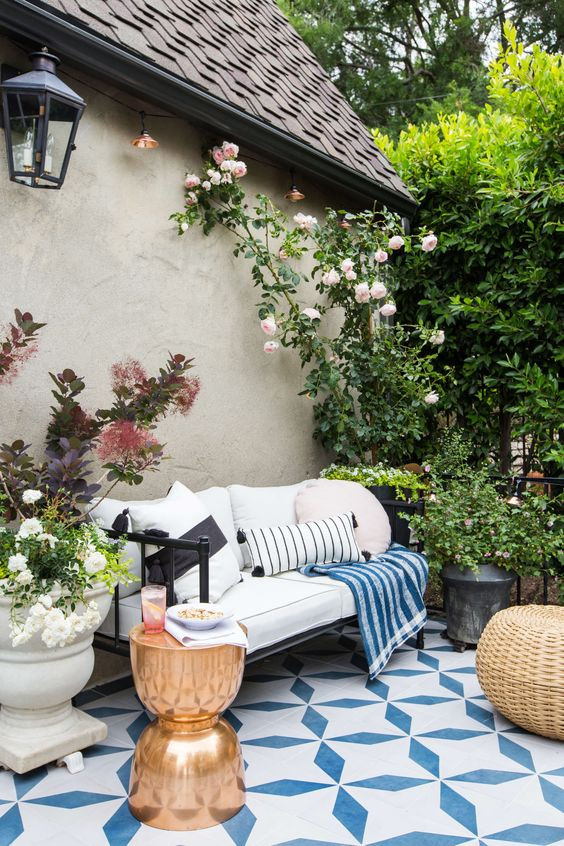
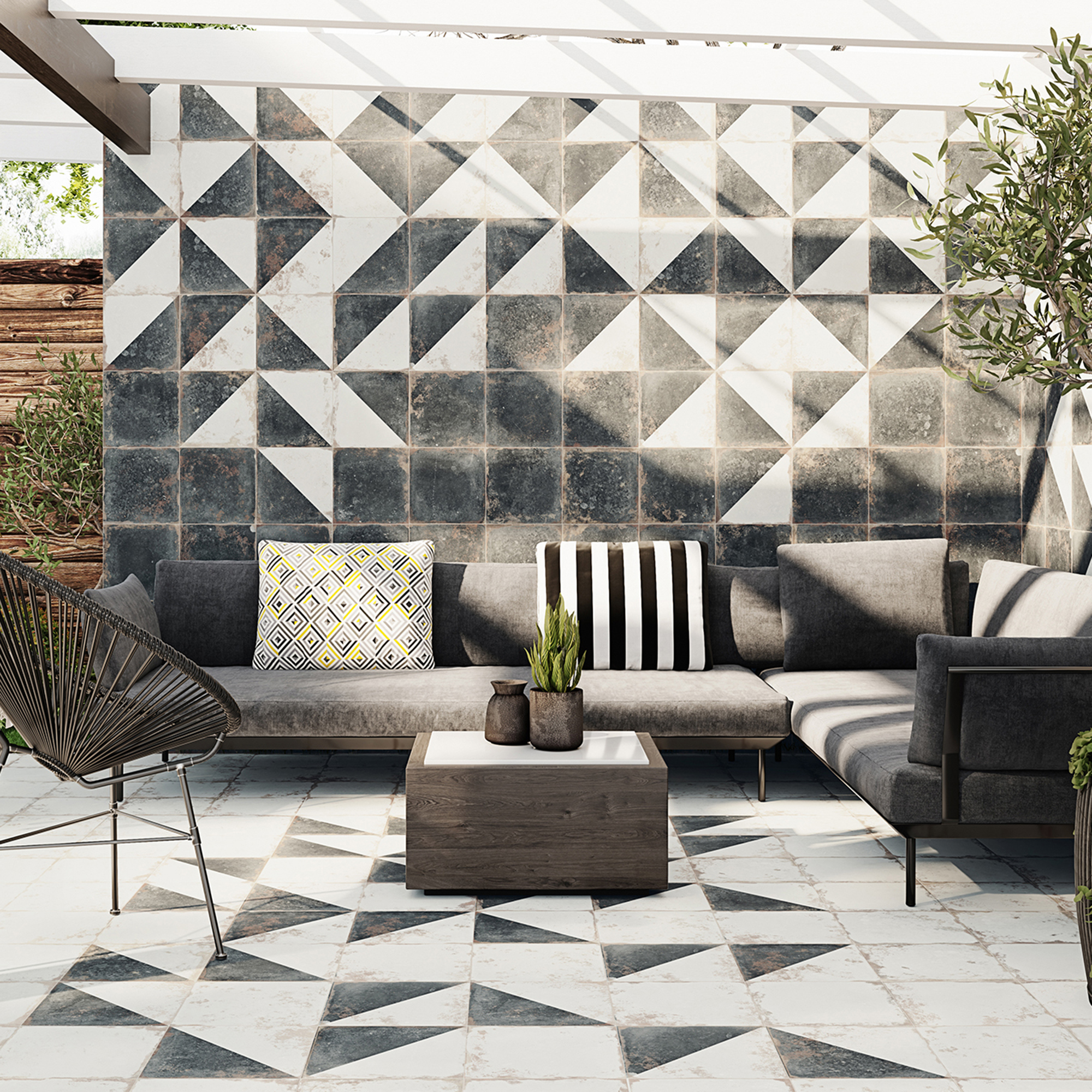
Mixing and matching patio flooring materials can result in a unique and elegant space. Clay pavers, with their classic look and subtle shade differences, are durable and easy to maintain, fitting both traditional and modern backyards. Joe Raboine points out that homeowners are increasingly mixing materials to enhance the aesthetic and tactile qualities of their outdoor areas.
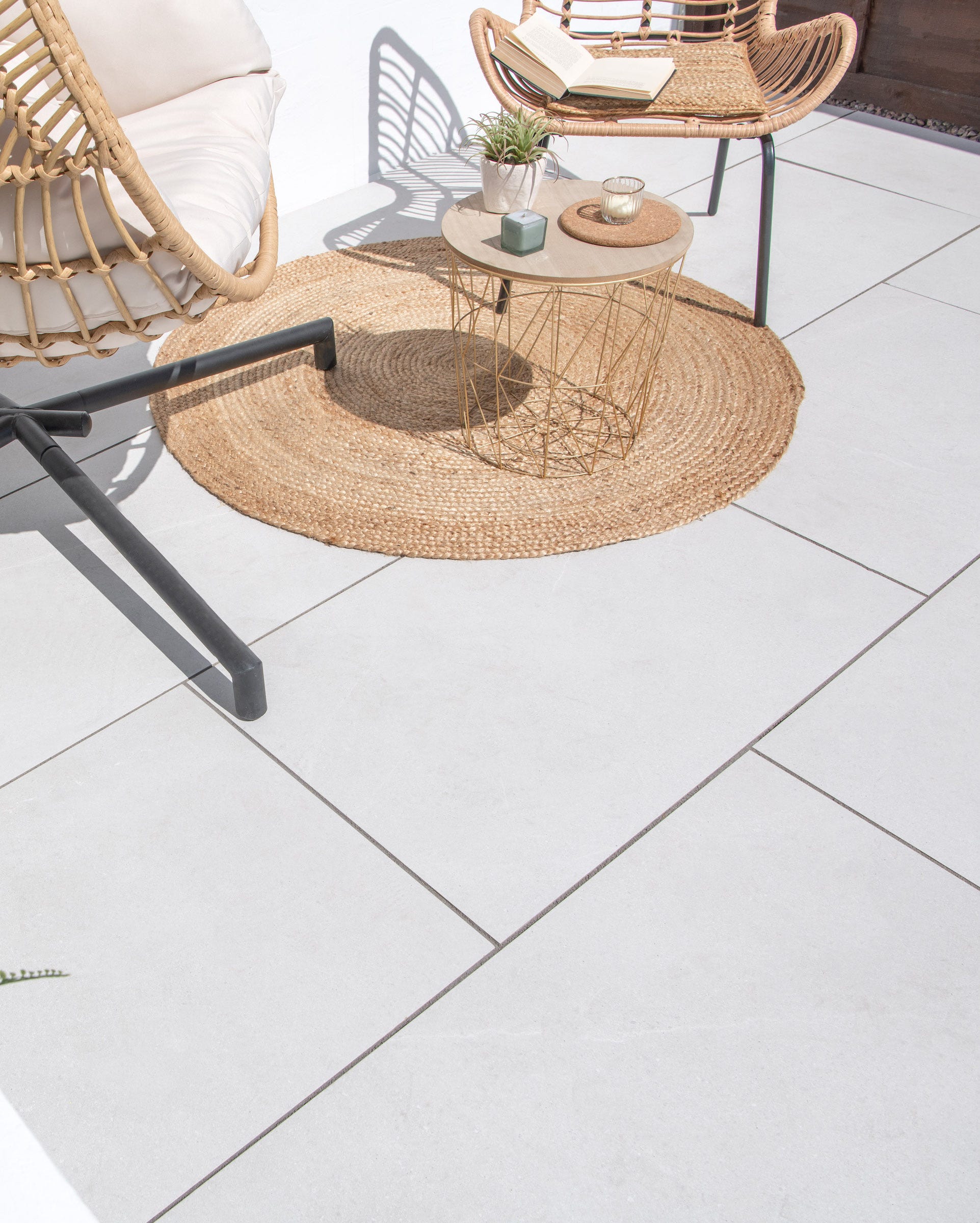
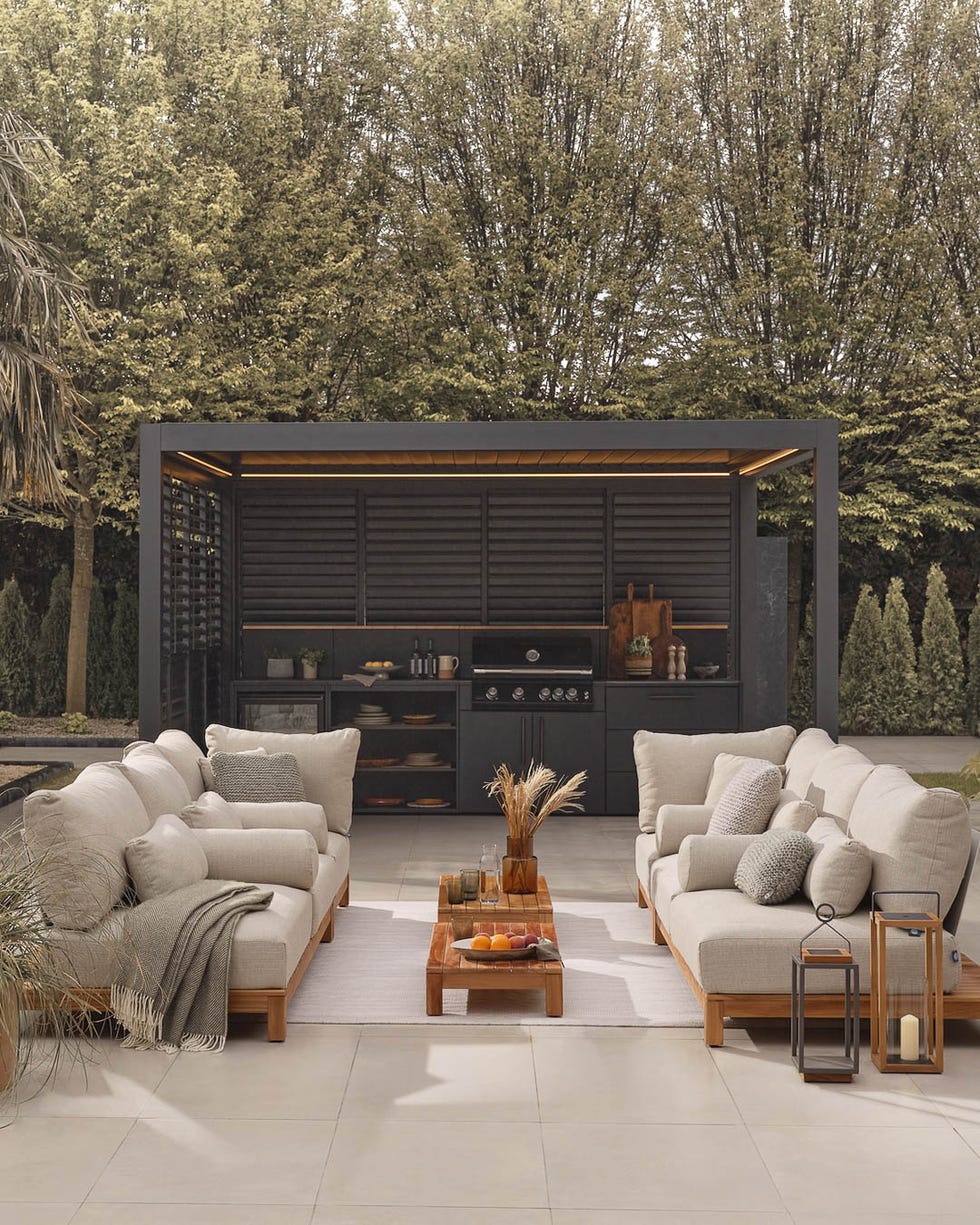
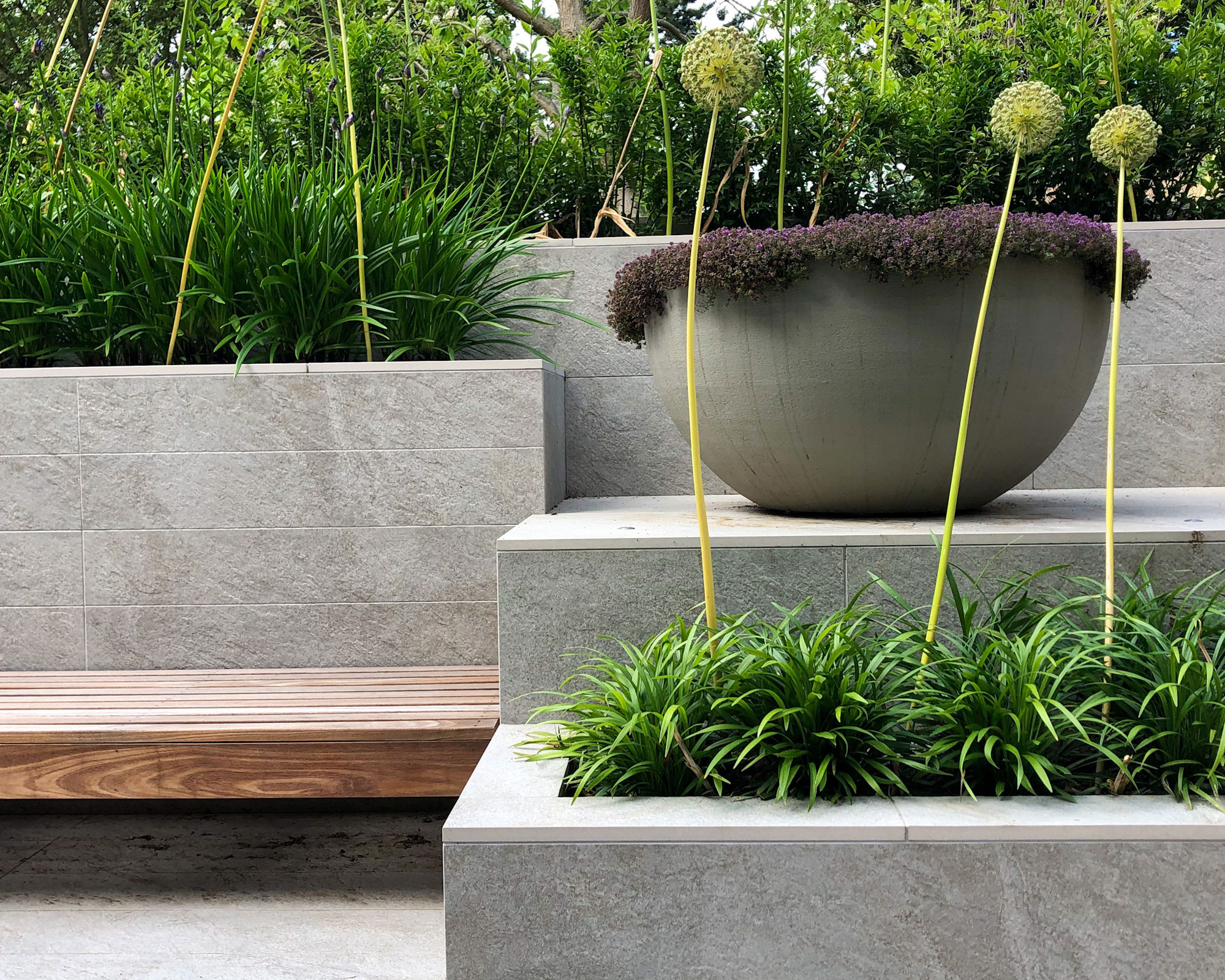
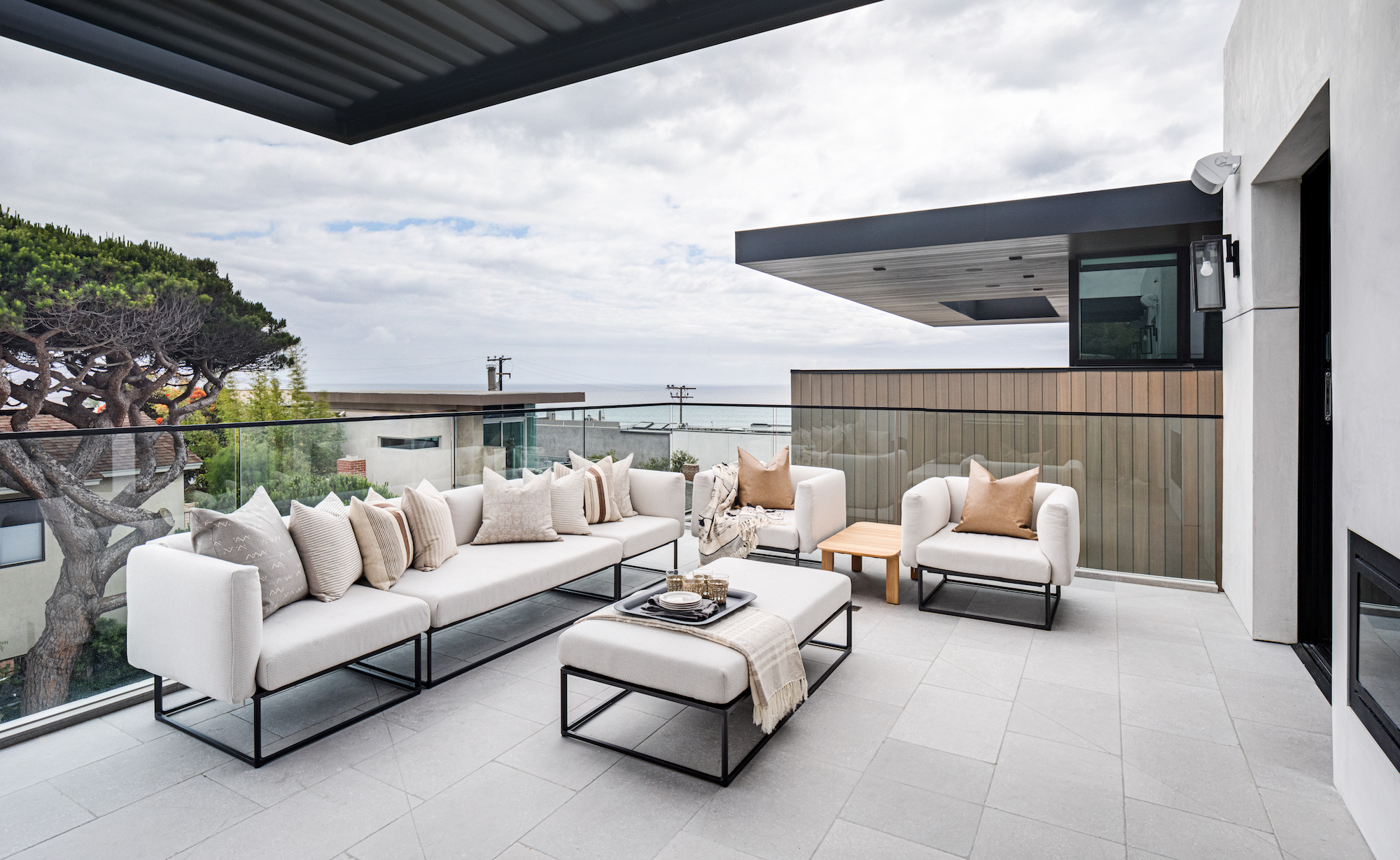
Finally, porcelain pavers offer a sleek and stylish option. They are hardwearing, water-resistant, scratch-proof, and non-porous, making them ideal for high footfall. While more expensive, porcelain tiles can mimic natural stone with less maintenance. Robbie Maynard, an interior designer, utilized 2’ x 1’ gray porcelain plank tiles for a sleek and stylish look on a Californian patio.
Ultimately, choosing the right patio flooring requires careful consideration and, often, professional advice. Hardscaping represents a significant investment, making informed decisions crucial to avoid costly mistakes and ensure a beautiful, functional outdoor space for years to come.
#PatioFlooring #OutdoorDesign #GardenIdeas #Hardscaping #SustainableMaterials #PatioMaterials #HomeImprovement #LandscapeDesign #OutdoorLiving #PatioFlooring #OutdoorDesign #GardenIdeas #Hardscaping #SustainableMaterials #PatioMaterials #HomeImprovement #LandscapeDesign #OutdoorLiving
0 comment in total
 No comments yet
You may also like
Patio flooring ideas - amazing designer-approved alfresco spaces for backyards large and small

Outdoor rug ideas – 10 easy ways to revamp your outdoor space
10 apartment patio ideas – chic ways to introduce color, planting and furniture
13 Patio Décor Ideas That Will Instantly Elevate Your Outdoor Space
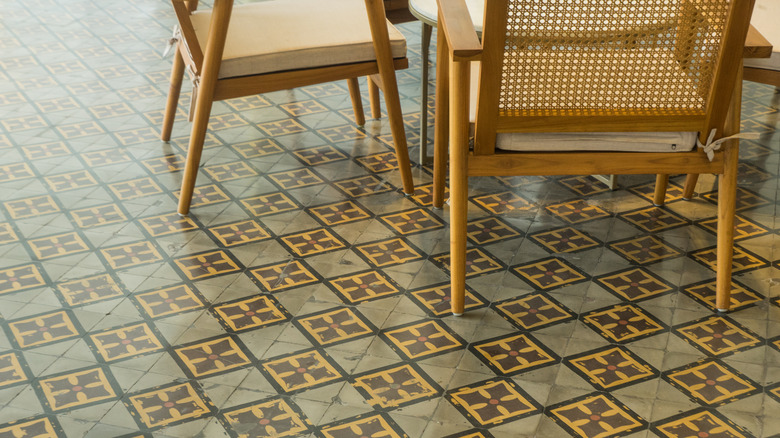
Modernize Your Outdoor Patio Space With 19 Unique Patterned Tile Flooring Ideas
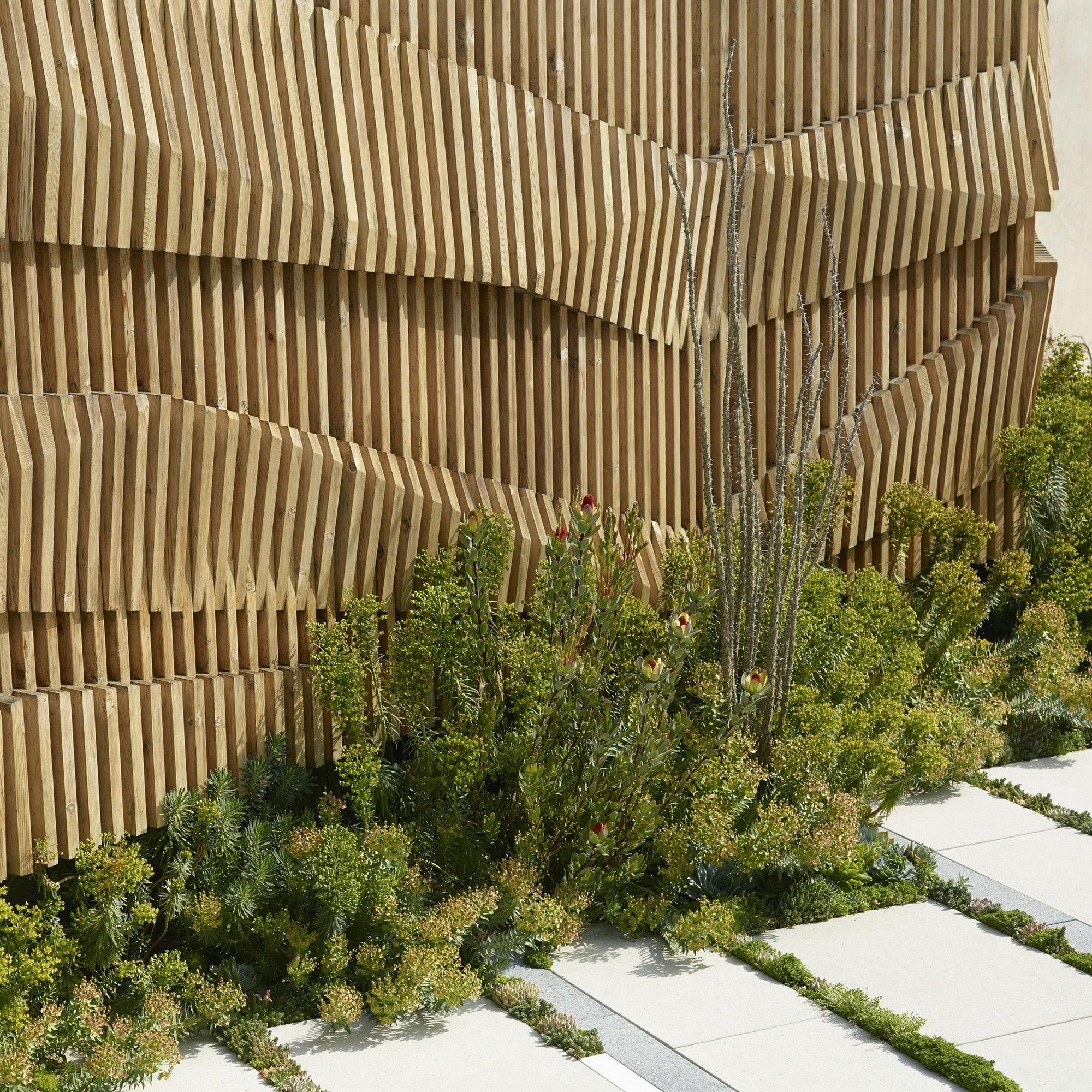
15 Modern Patio Paver Ideas

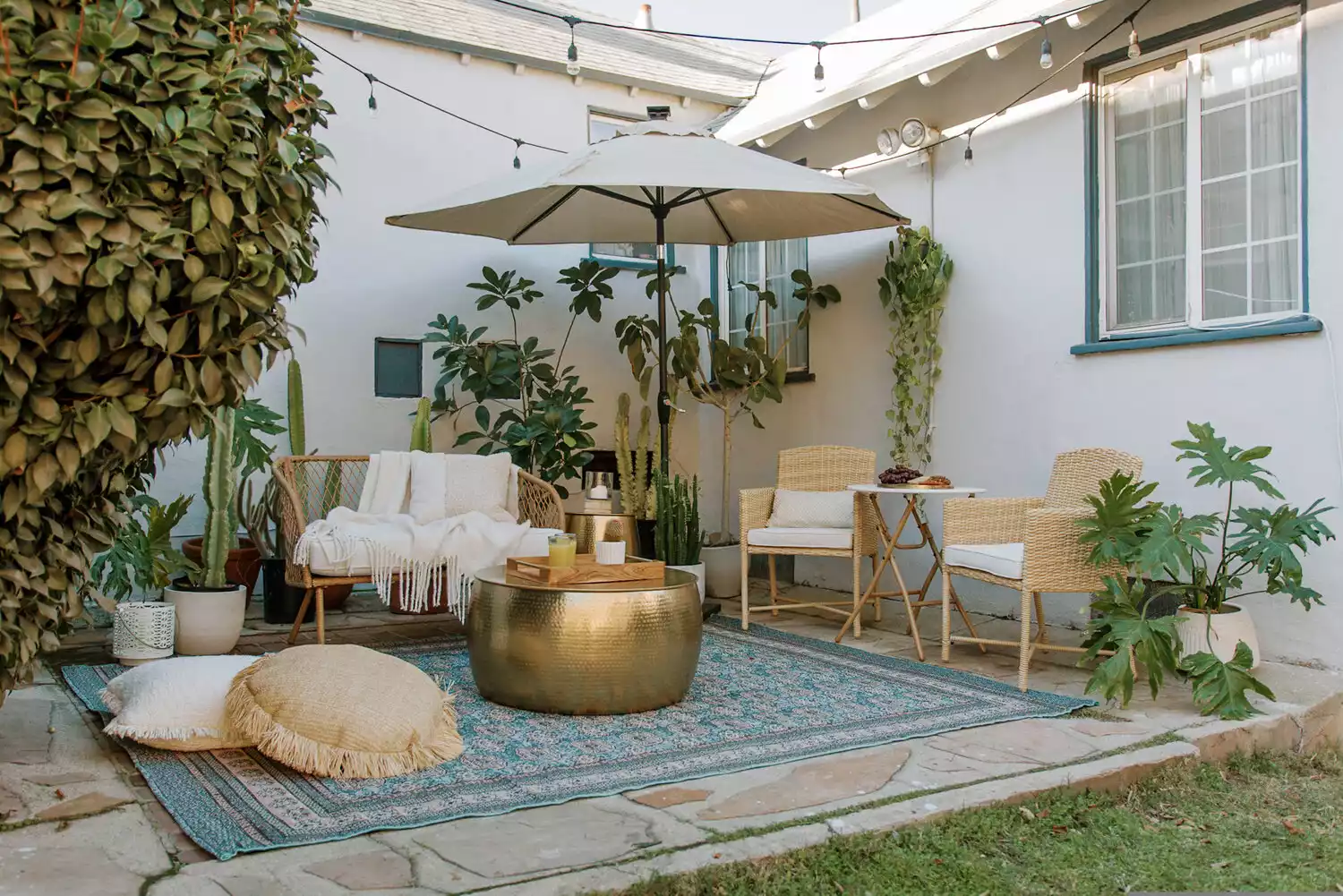
10 Beautiful Patio Ideas to Inspire Your Own Backyard Oasis

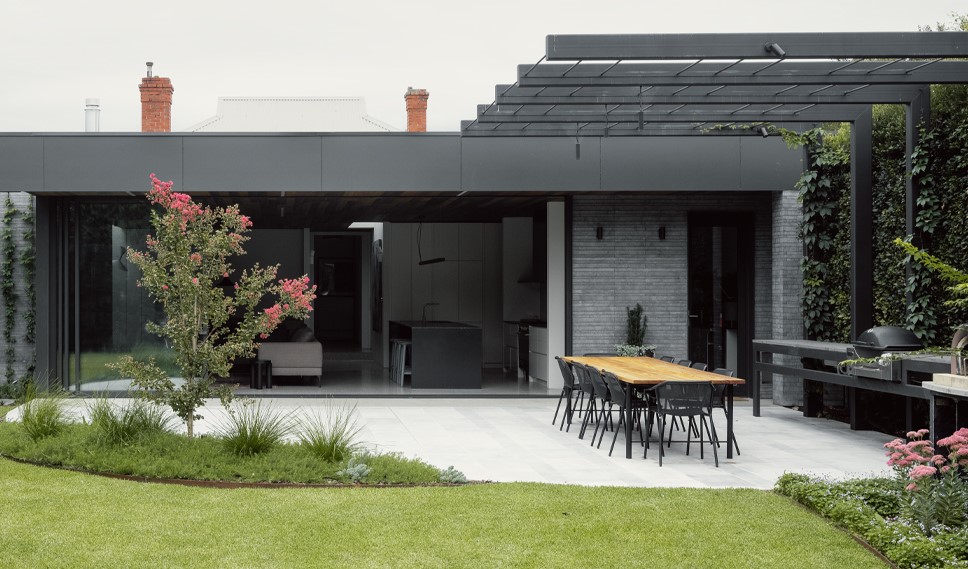
Backyard Ideas — 15 Brilliant Ways to Make the Outdoors Fun and Functional
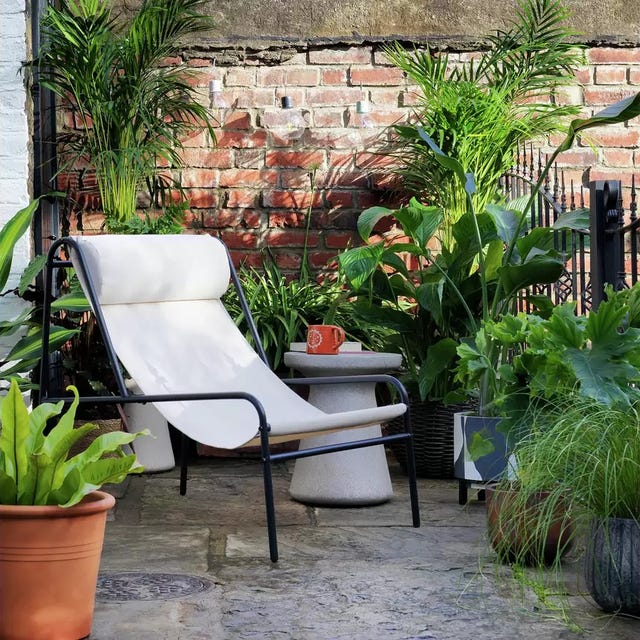
19 ways to give your patio a makeover

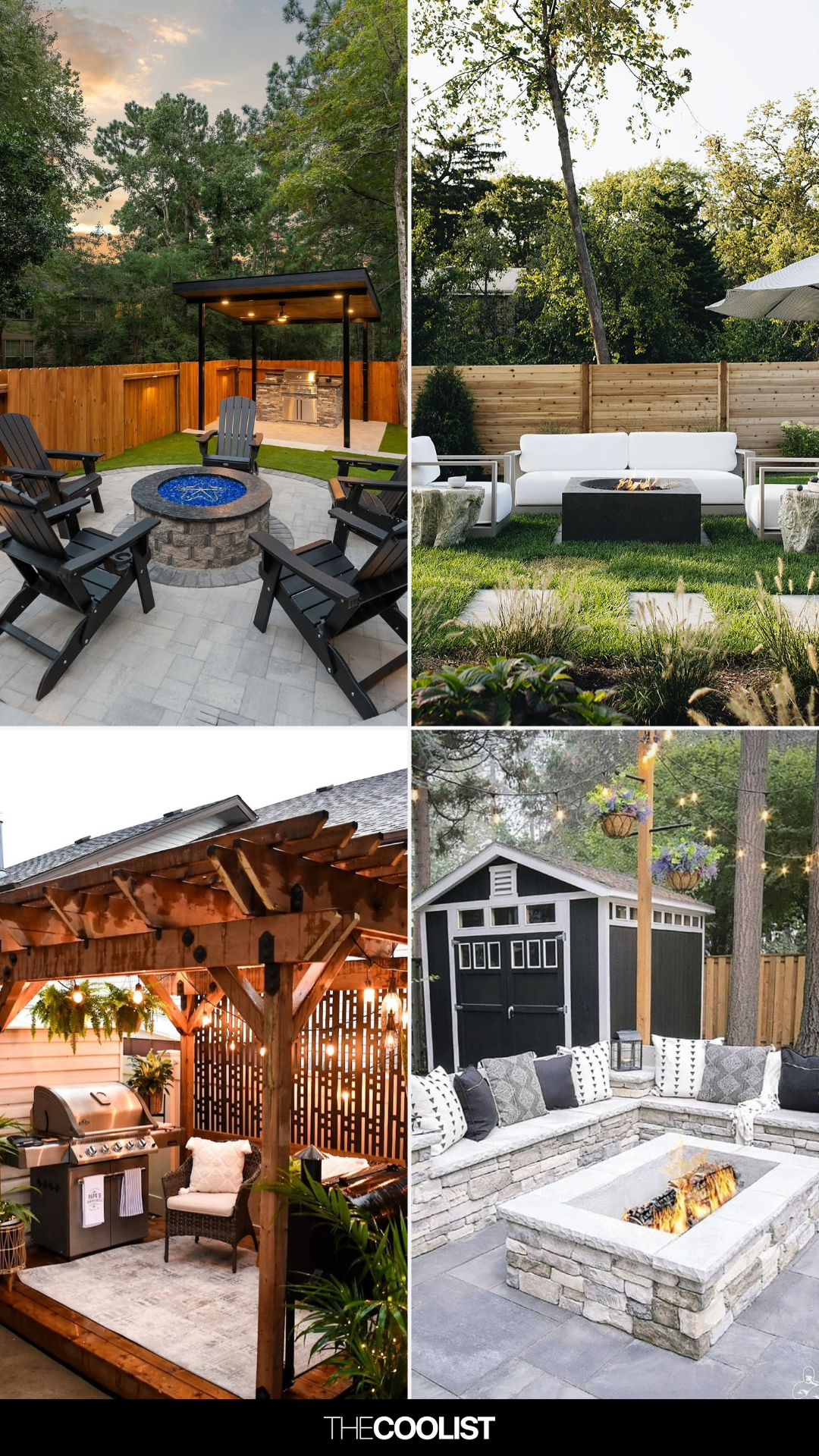
18 Outdoor Patio Ideas That Turn Your Space into a Stylish Retreat
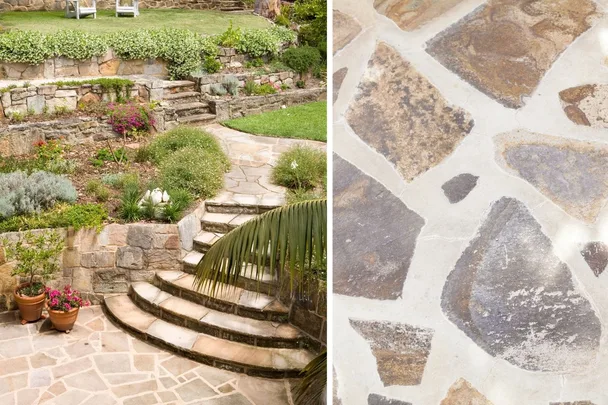
Crazy paving ideas to inspire a garden makeover

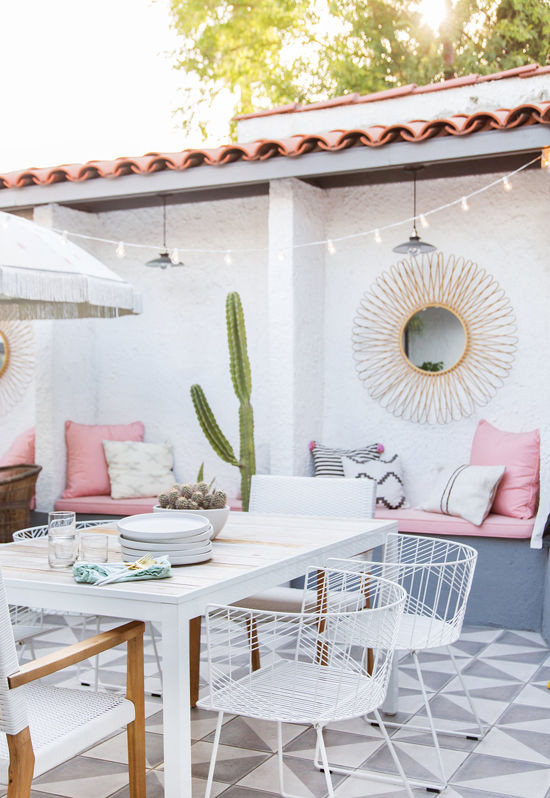
Unique Ways to Up Your Outdoor Design Game With Patterned Tile
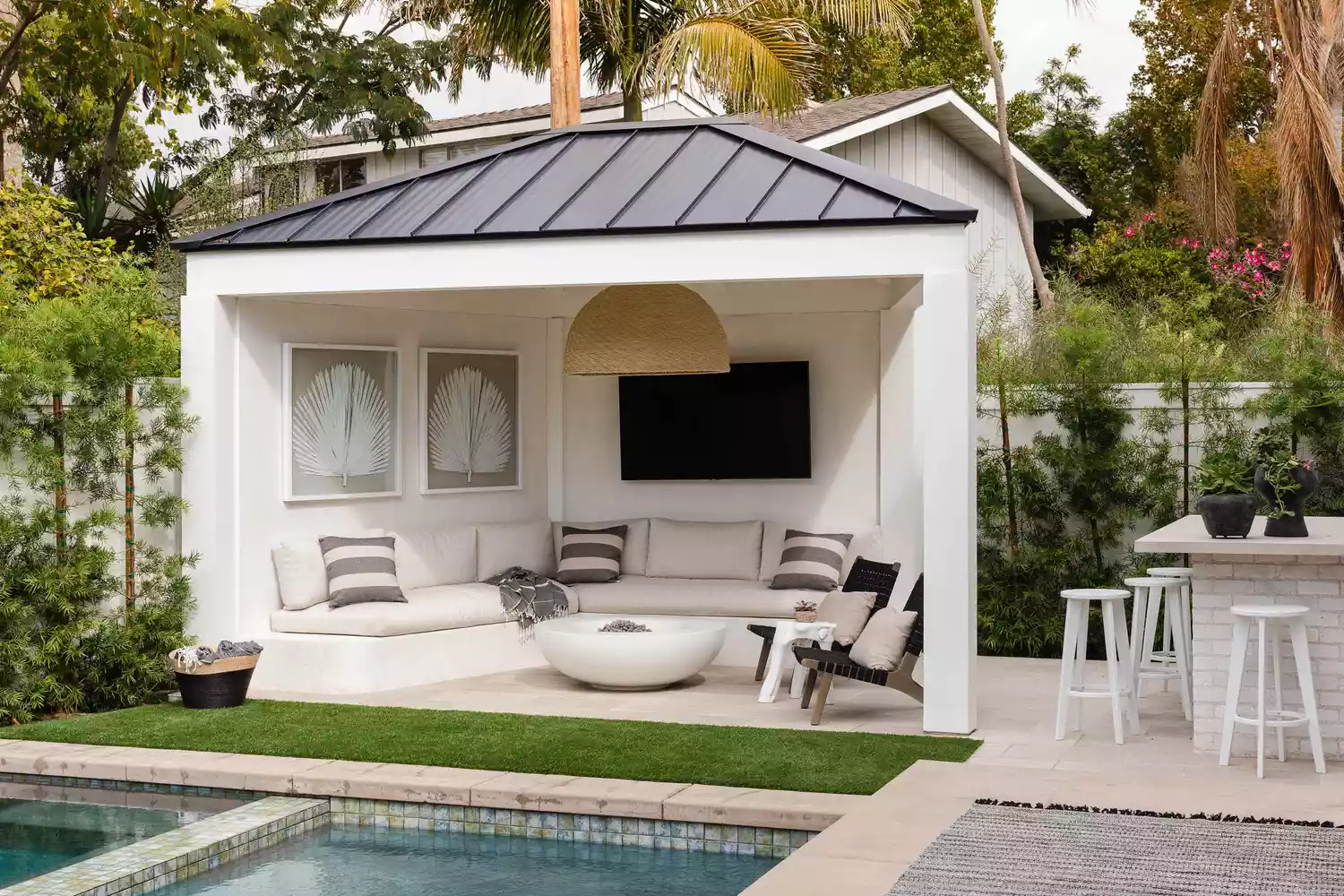
17 Patio Tile Ideas for an Instant Outdoor Upgrade

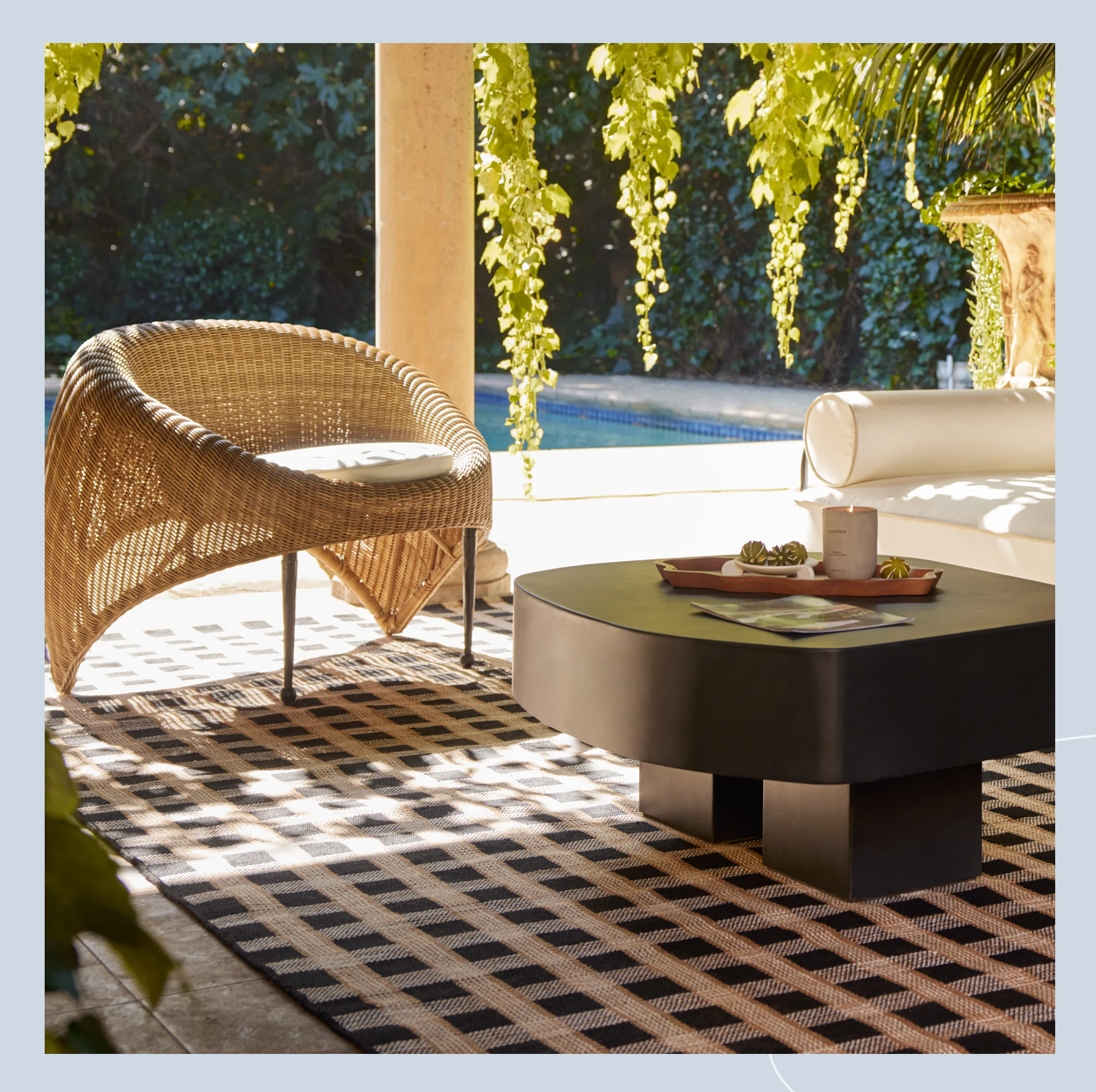
The 10 Best Outdoor Rugs to Transform Your Backyard
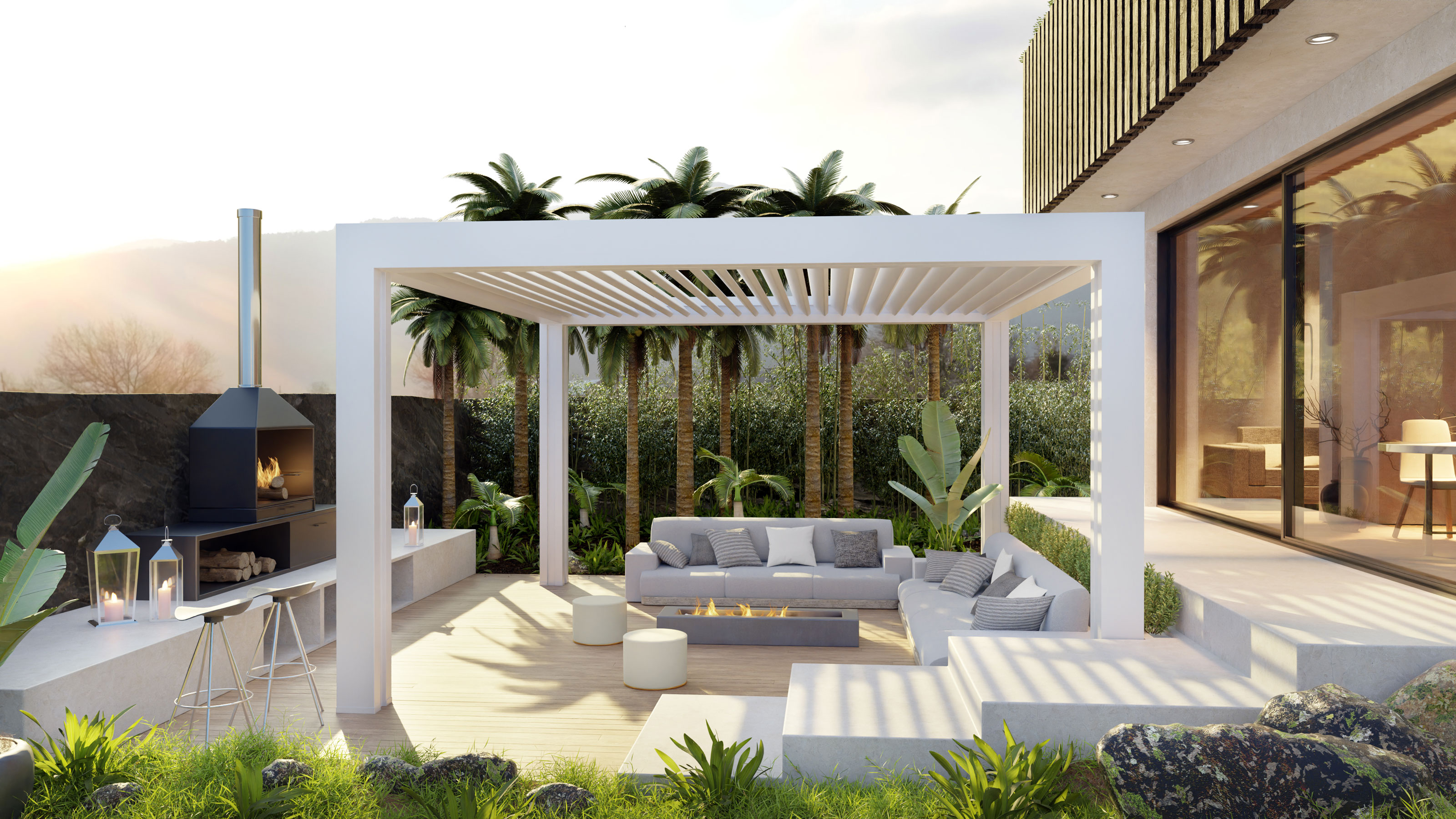
Pergola ideas - 10 ways expert landscapers switch up outdoor urban spaces
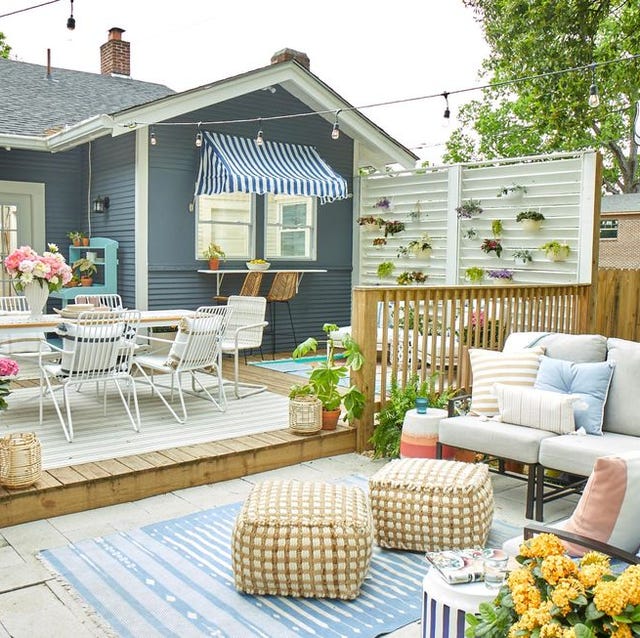
Try These Small Patio Decorating Ideas to Refresh Your Space

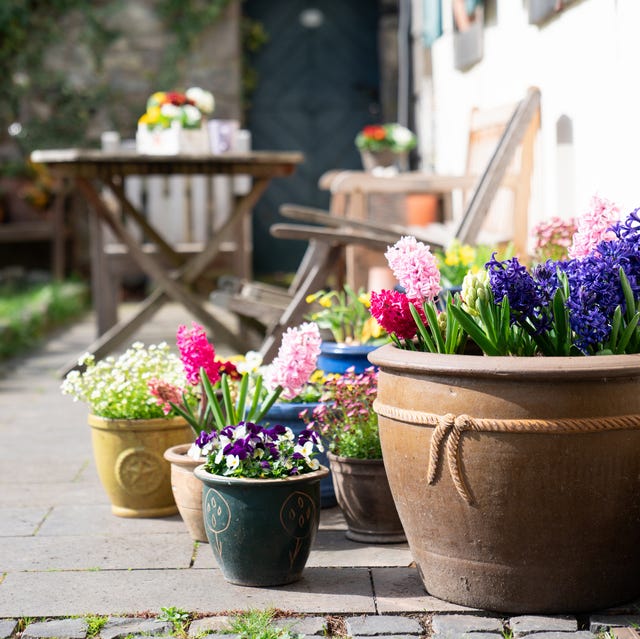
9 patio decorating ideas to transform your space into an outdoor oasis
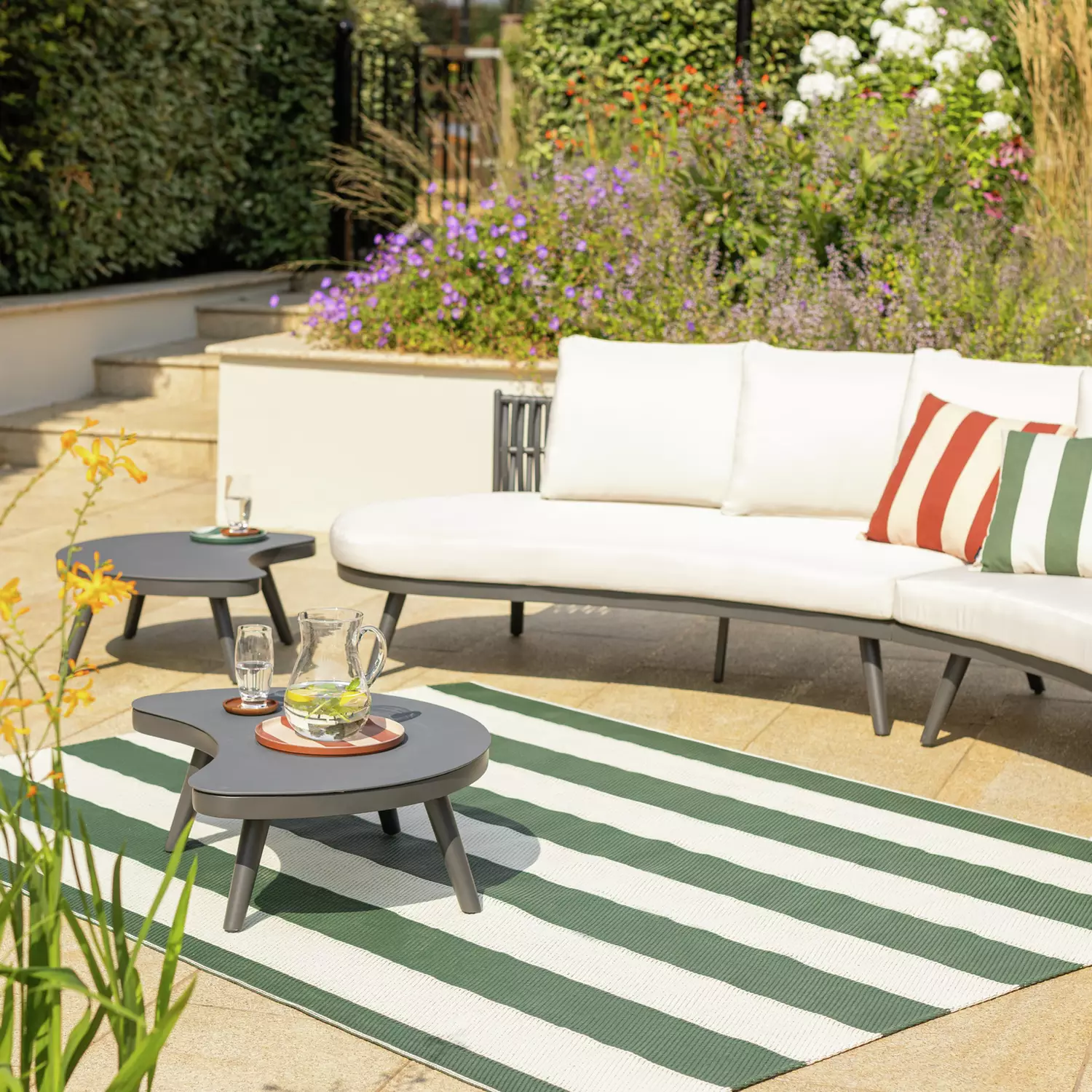
Transform your garden patio: The best outdoor rugs for every style
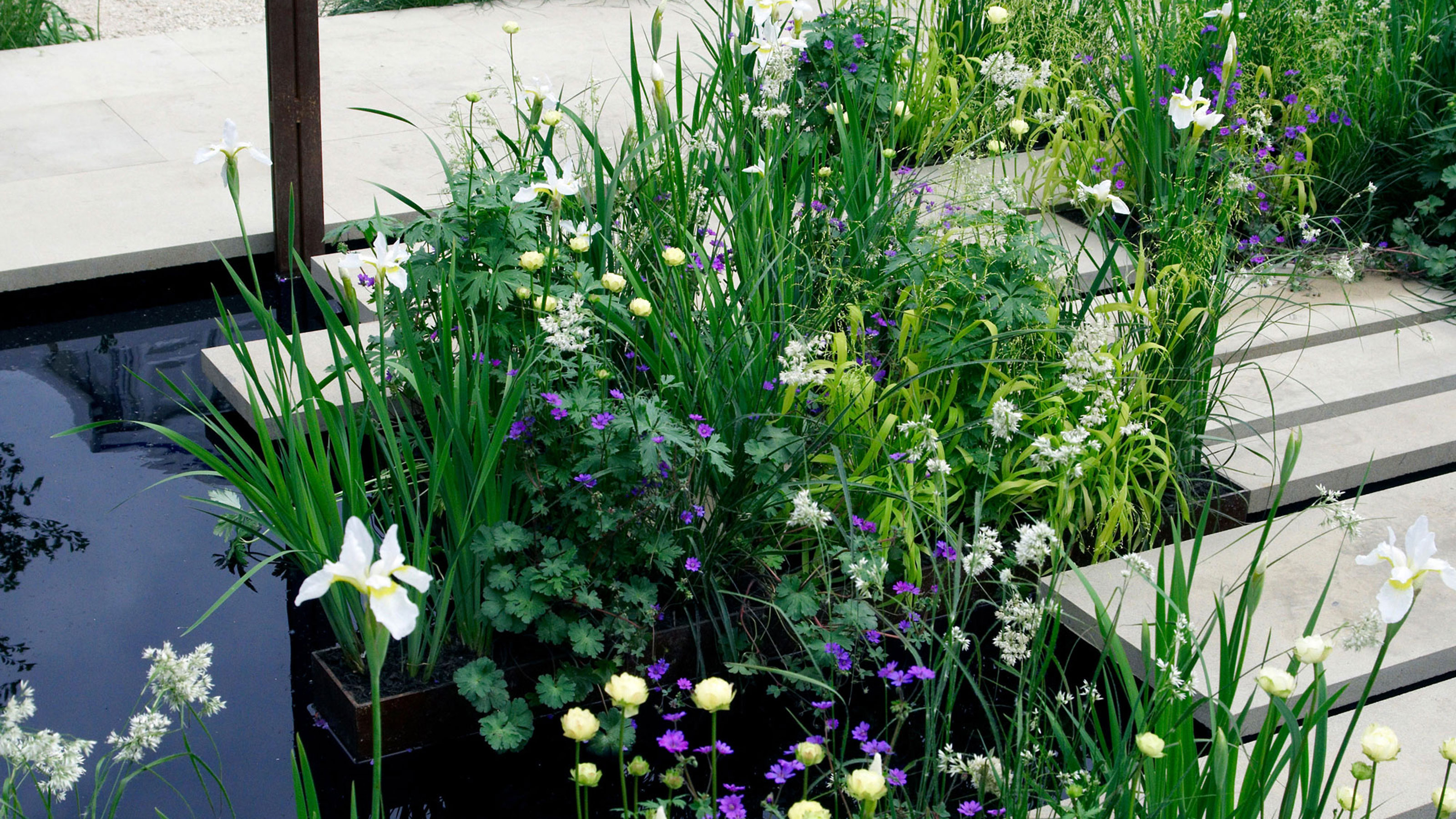
Landscaping ideas - 12 transformative ways the experts would enhance your urban outdoor space
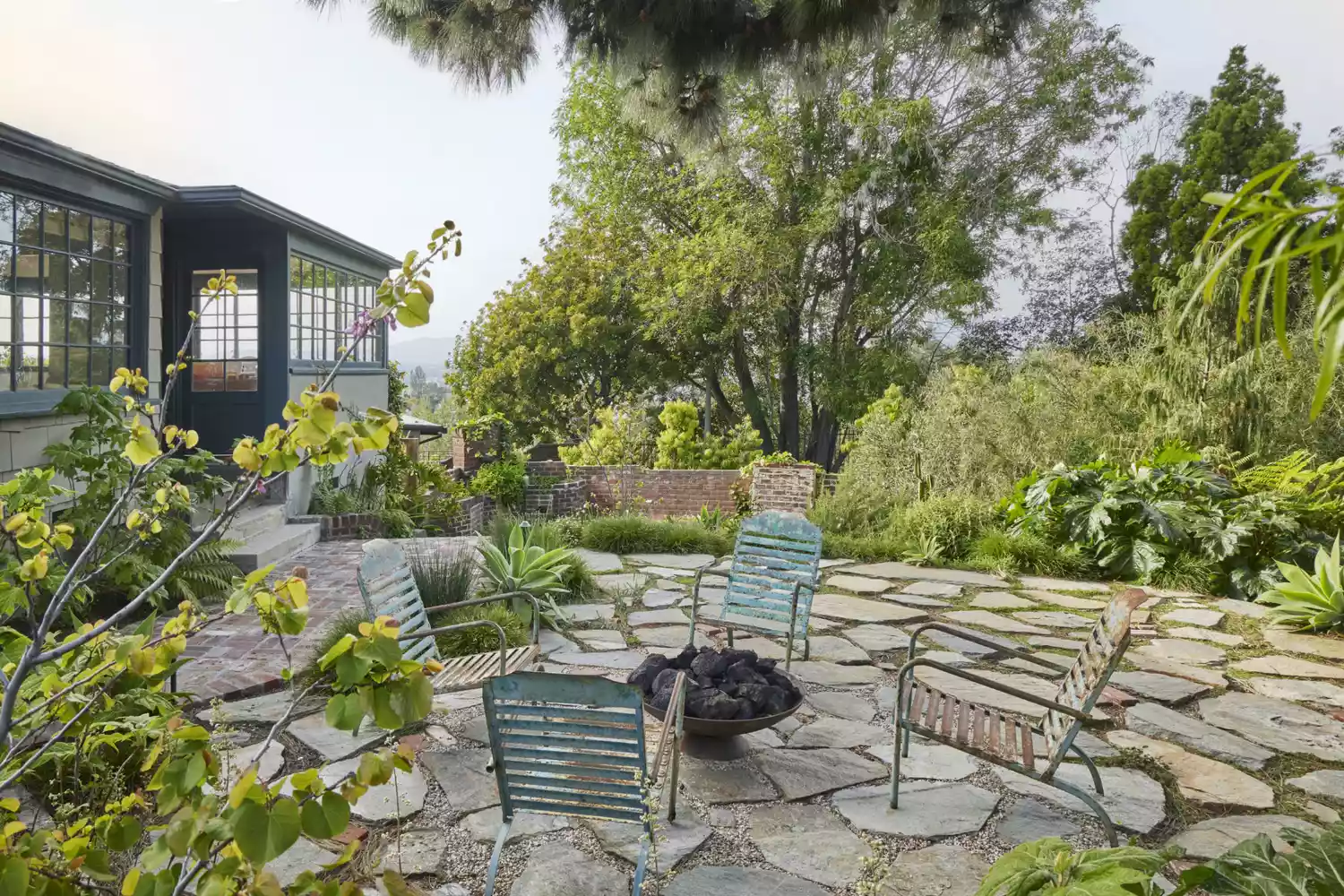
11 Beautiful Concrete Patio Ideas to Make Your Outdoor Space Gorgeous