
The Right Way to Clean Concrete Floors
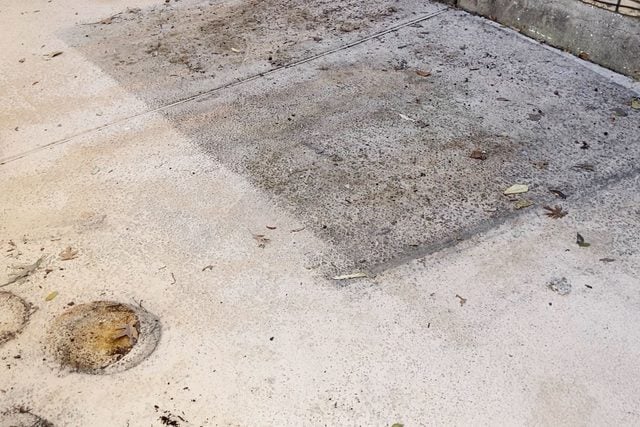
Concrete floors are a durable and versatile flooring option, found both indoors and outdoors in various settings, from living rooms to garages. To maintain their appearance and extend their lifespan, regular cleaning is essential, as dirt, debris, and spills can lead to wear, cracks, and stains over time. This guide outlines the proper techniques and materials for cleaning concrete floors, ensuring their preservation.
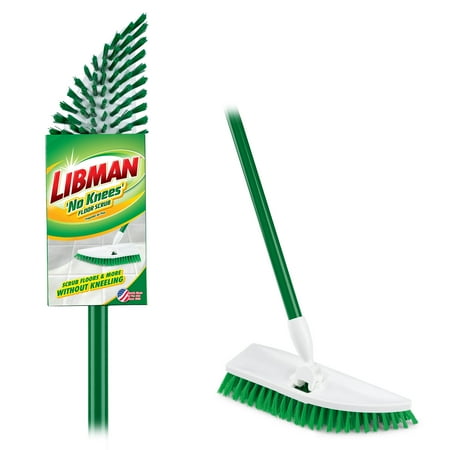
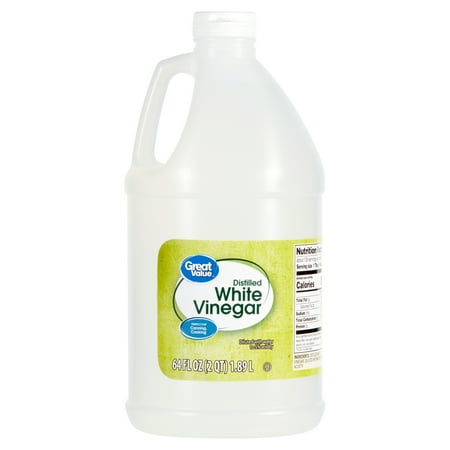
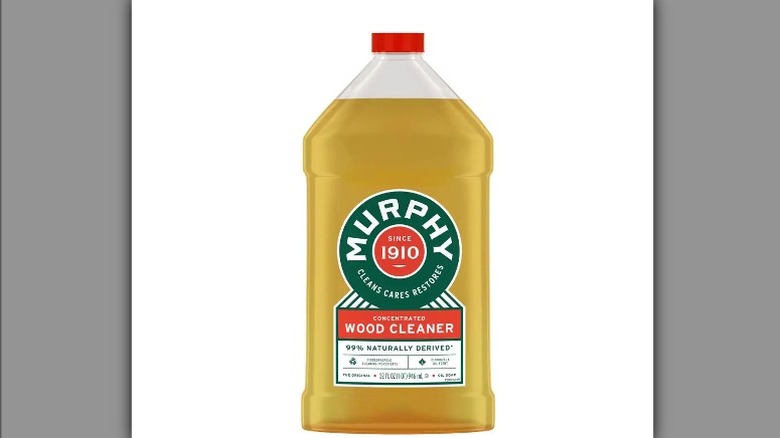
Routine maintenance for concrete floors involves weekly or bi-weekly cleaning through mopping and addressing any immediate stains. For concrete surfaces in garages or outdoor areas, a seasonal deep clean is recommended, which can also include sealing or applying a protective coating to the surface for added durability. Experts advise against using certain materials and tools that can damage concrete. These include acidic cleaners like vinegar or those containing phosphoric, hydrochloric, or muriatic acid, as they can etch or corrode the surface. Bleach should also be avoided due to its potential to discolor or weaken concrete, especially if used in high concentrations or left for extended periods. Abrasive tools can scratch the surface, while harsh chemicals such as ammonia-based cleaners or degreasers with solvents can strip away sealers or protective coatings. Oil-based cleaners are also unsuitable as they can leave residue that attracts dirt, making floors appear dirtier over time. Steam cleaners are not recommended, as the high heat and moisture can cause concrete to expand and contract, potentially leading to cracks.
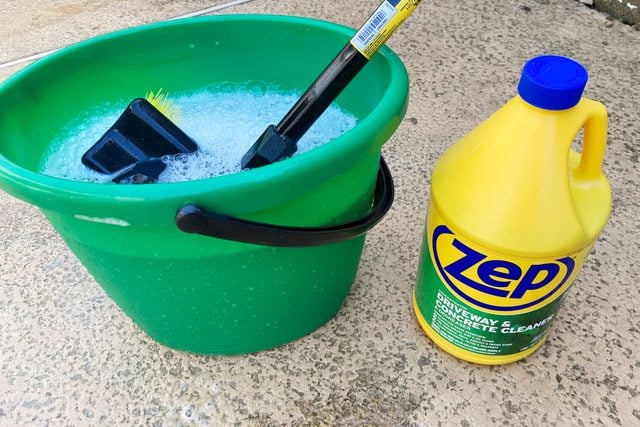
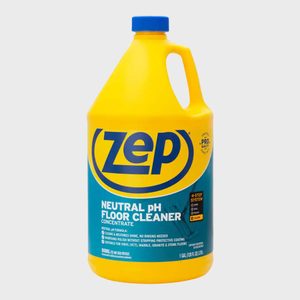
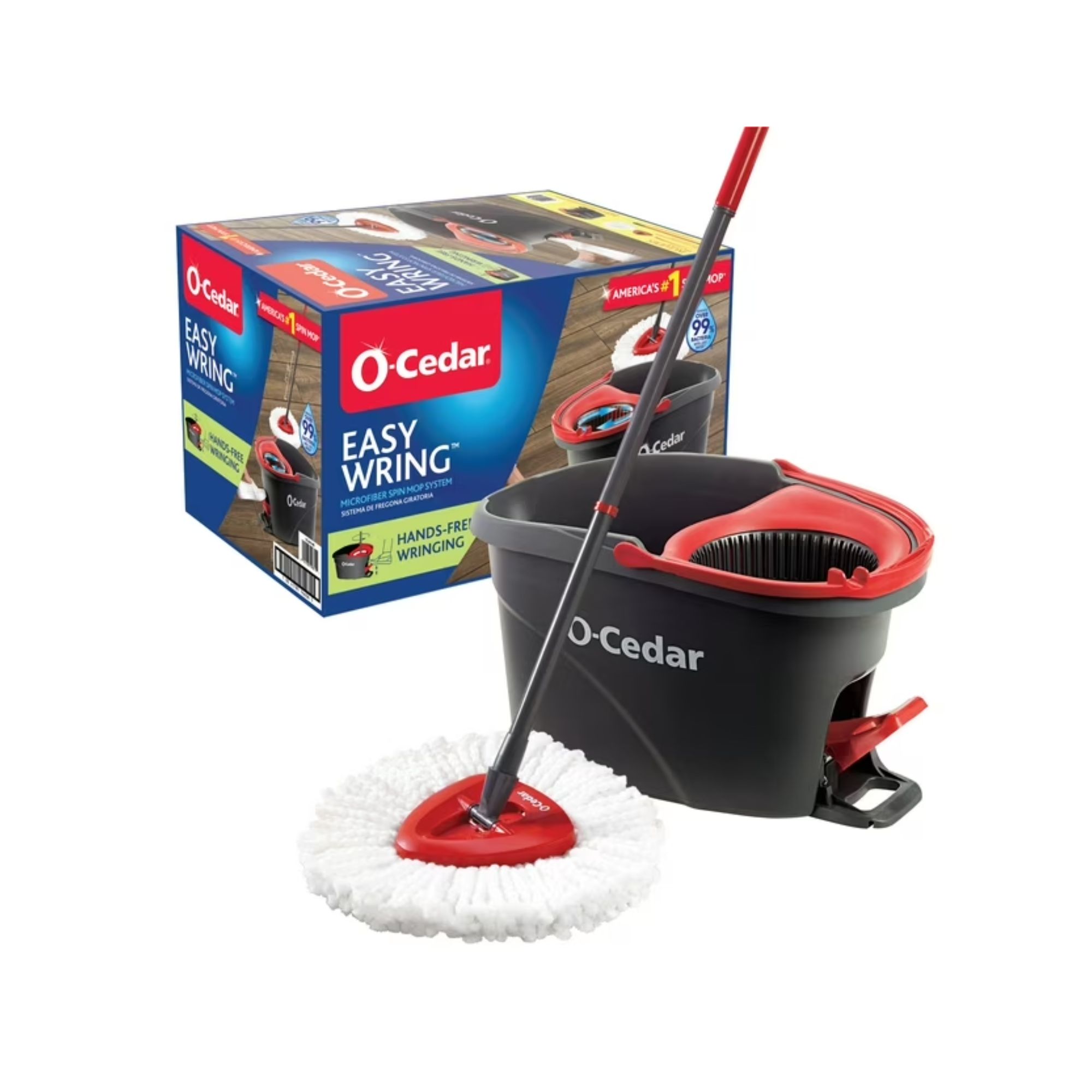
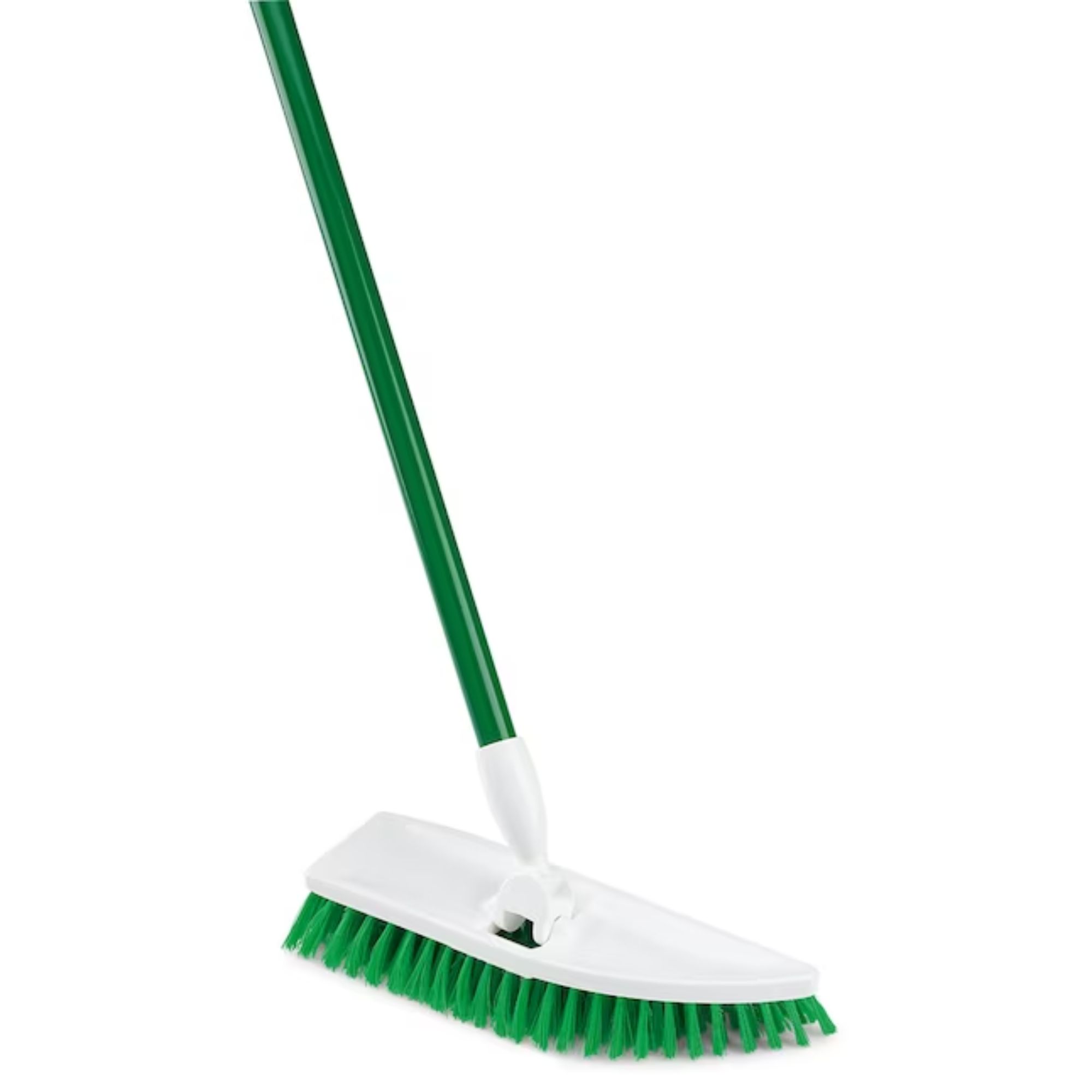
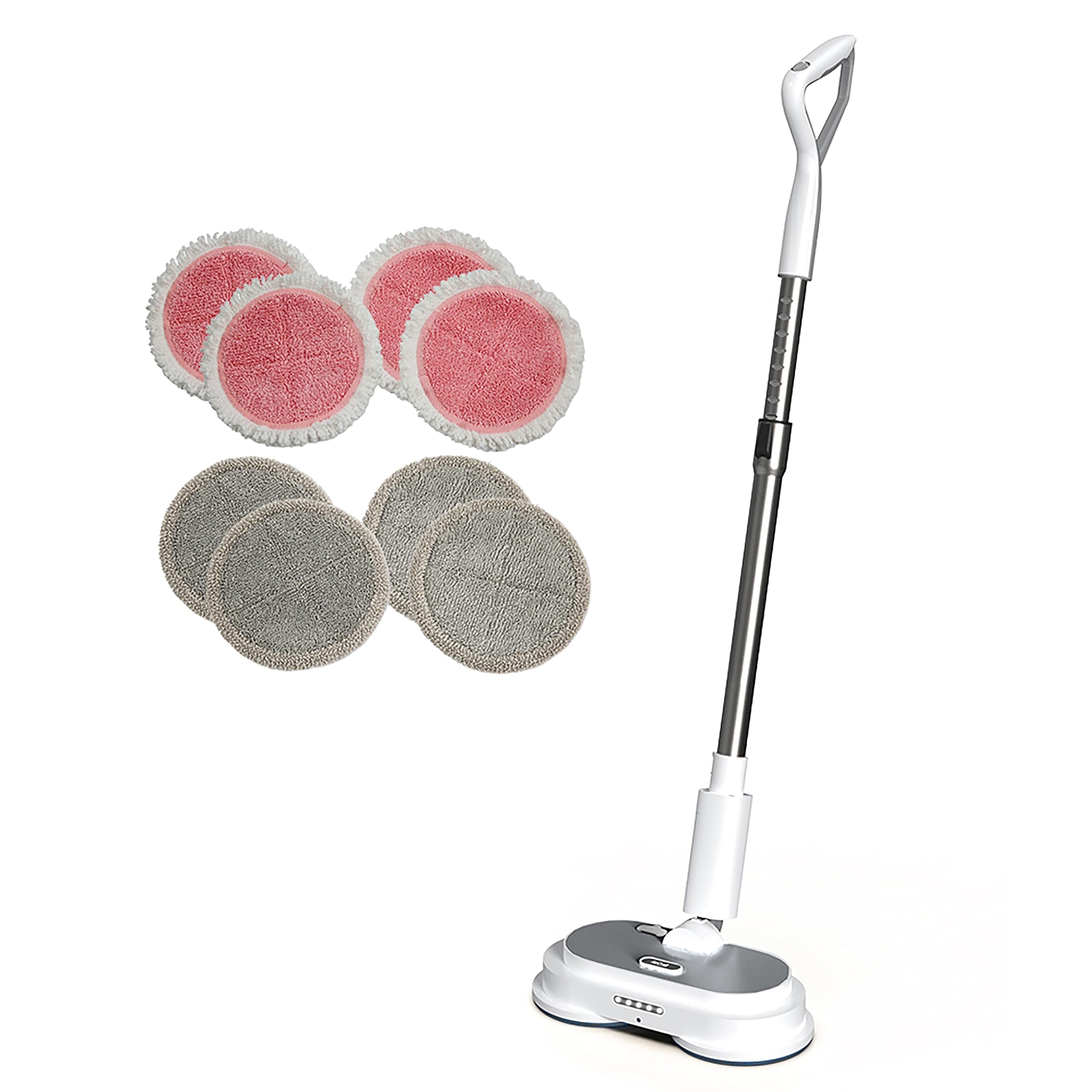
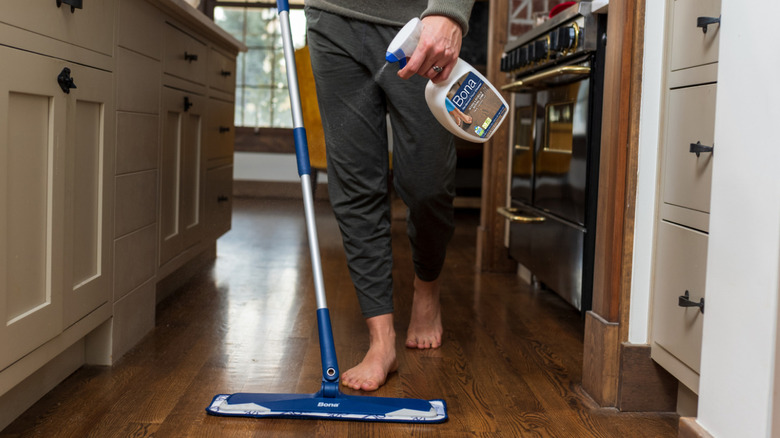
To effectively clean concrete floors, a broom or vacuum, a bucket, a soft-bristle brush, microfiber cloths, a microfiber mop, water, natural dish soap, and baking soda are needed. The cleaning process begins with removing debris by sweeping or vacuuming. A cleaning solution is then prepared by adding a few squirts of natural dish soap to warm water in a bucket. A microfiber mop, dipped in the solution and wrung out to remove excess water, is used to mop the entire floor in small sections, focusing on stained or heavily soiled areas. After mopping, the mop is rinsed thoroughly with clean water, and the floor is mopped again with plain water to remove any soap residue. Finally, clean microfiber cloths are used to dry the floor completely to prevent streaks and water spots. For unsealed concrete or surfaces with worn-off sealers, applying a natural, eco-friendly sealer after cleaning and drying can protect the surface and simplify future cleaning, following the manufacturer's instructions.
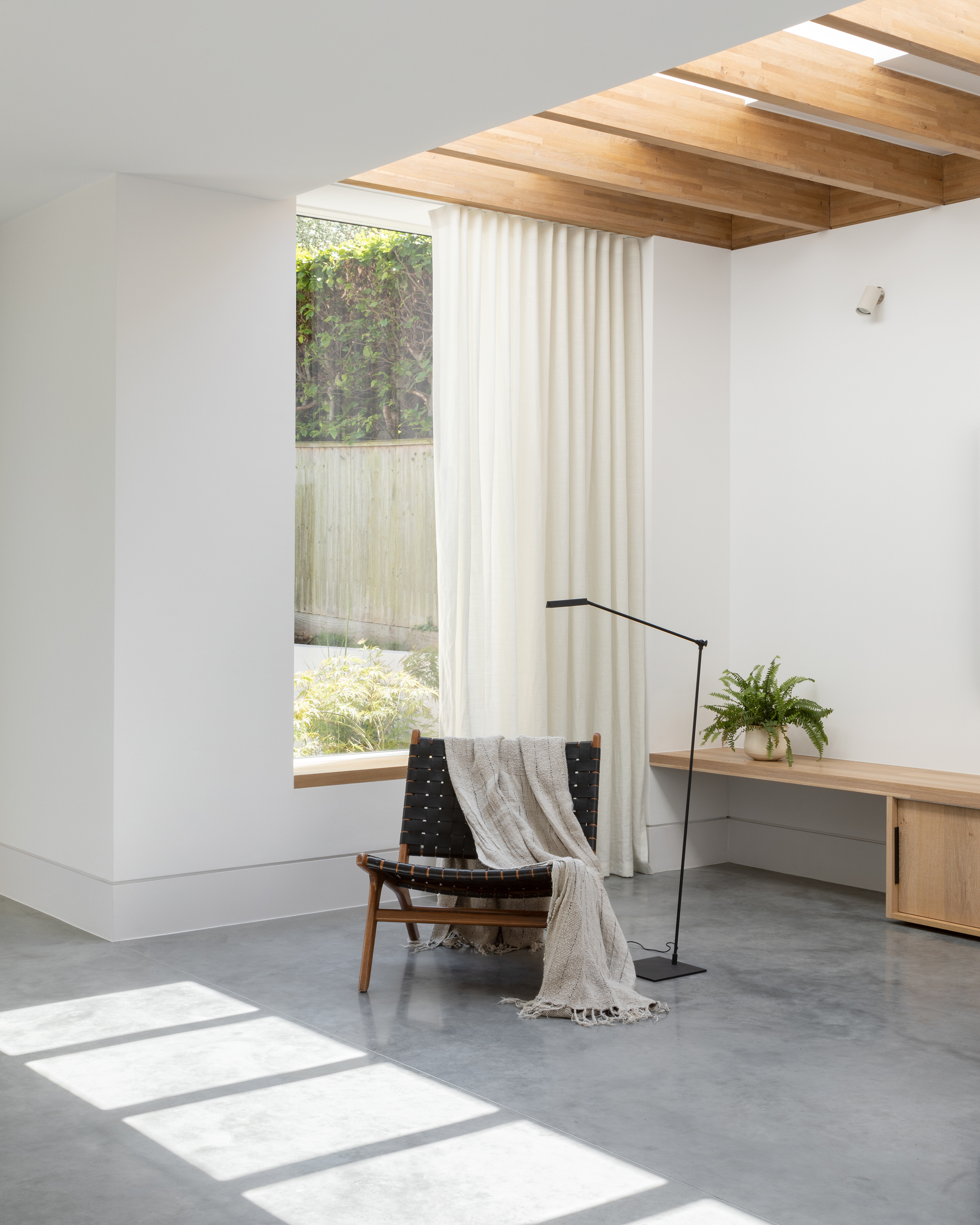
Polished concrete floors follow a similar cleaning regimen. However, instead of applying a sealer, the focus is on buffing the surface if it has lost its luster. A clean, dry microfiber cloth or a floor buffer with a soft pad can restore the shine. For stubborn stains that remain after regular mopping, a stronger cleaning solution made from water and baking soda can be used. This paste is applied to the stained areas, allowed to sit for a few minutes, gently scrubbed with a soft-bristled brush, rinsed with clean water, and then dried with a microfiber cloth. Maintaining concrete floors also involves consistently avoiding harsh cleaning products, ensuring the mop is well-wrung to prevent over-saturation and puddles, addressing stains promptly before they set, and sealing floors as needed to keep them in optimal condition.
#ConcreteFloors #FloorCleaning #HomeMaintenance #CleaningTips #StainRemoval #EcoFriendlyCleaning #FloorCare #PolishedConcrete #ConcreteFloors #FloorCleaning #HomeMaintenance #CleaningTips #StainRemoval #EcoFriendlyCleaning #FloorCare #PolishedConcrete
0 comment in total
 No comments yet
You may also like
How To Clean a Concrete Patio

How to clean hardwood floors – experts reveal the best techniques

I thought my mop was just OK – until a professional cleaner taught me the right way to use it

How To Clean Marble Countertops And Tile

How to Clean Tile Floors—From Ceramic to Cement Surfaces

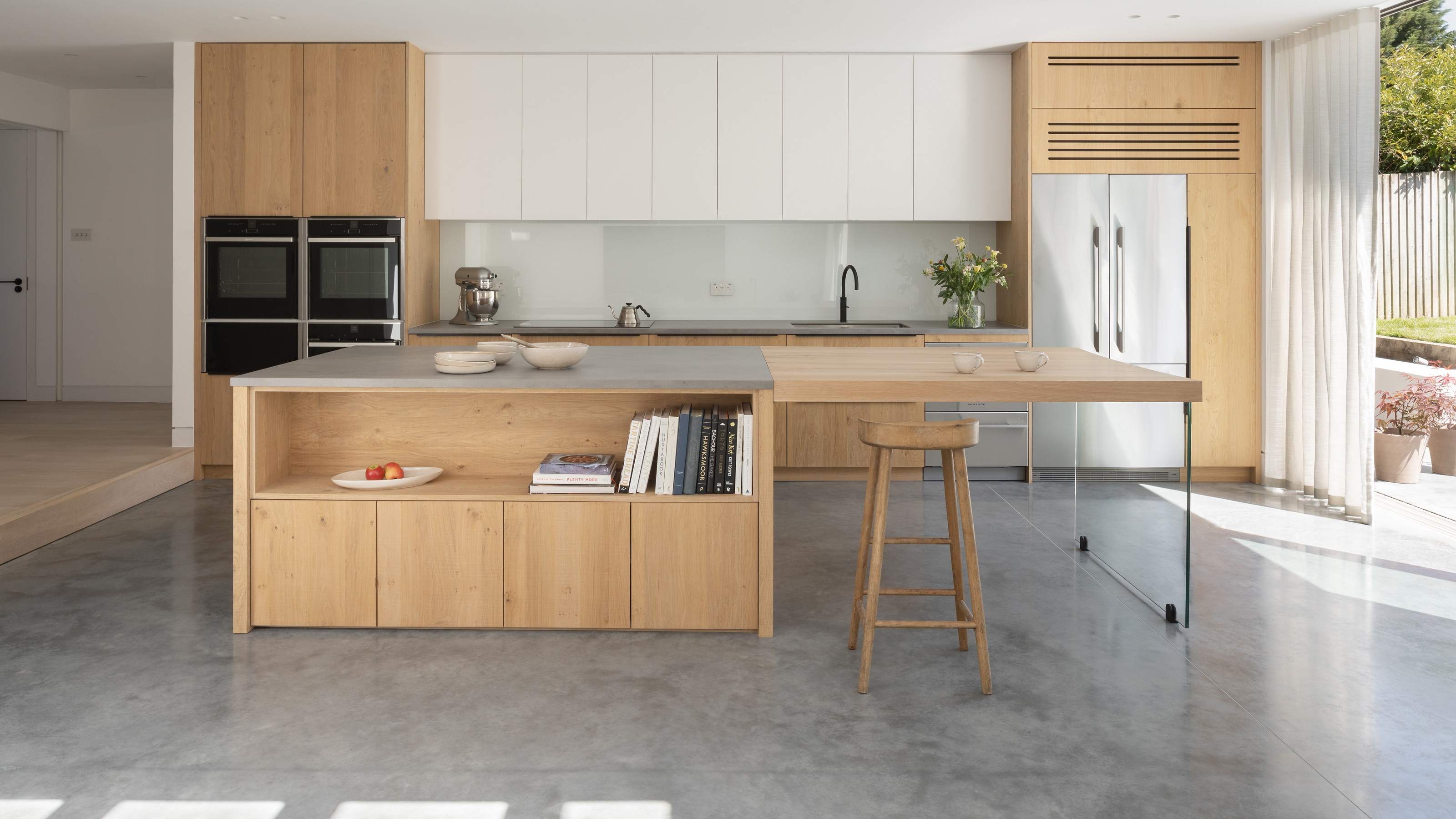
Polished concrete floors – experts explain what you need to know about this modern flooring type

5 Ways to Clean and Protect Your Floors
10 Top Hardwood Floor Cleaners To Keep Them Looking Like New

You're cleaning your bathroom floor wrong, experts warn – here's how to get it right
How to Clean Your Concrete Patio So It Looks Brand New

I swear by this incredibly easy 5-step method for cleaning real wood floors
The Secret to Keeping Your Hardwood Floors Pristine? It’s One of Our 6 Best Cleaners

How to clean hardwood floors the right way


Concrete Floors: The Hot And Cold Of Them

Professional cleaners never waste their time with standard mops on tile floors – this is the $13 essential they always recommend instead
The 7 Best Grout Cleaners of 2025

How to Clean Every Type of Floor Quickly and Easily
How to Clean Tile Floors Quickly and Easily
12 best hard floor cleaners for keeping your flooring fresh

Pros Reveal the Best Way to Clean Tile Floors + Easy Secret to Get Grout White Again