1/2
11 Stunning Concrete Patio Ideas That Will Take Your Backyard to the Next Level
This article explores various ways to enhance concrete patios, transforming them into inviting outdoor spaces. It emphasizes that concrete, often perceived as a basic material, can be significantly upgraded with thoughtful design elements and material pairings. The content draws on expertise from landscape designers Jenny Jones of Terremoto and Nahal Sohbati of Topophyla, offering practical and aesthetic advice for backyard makeovers.
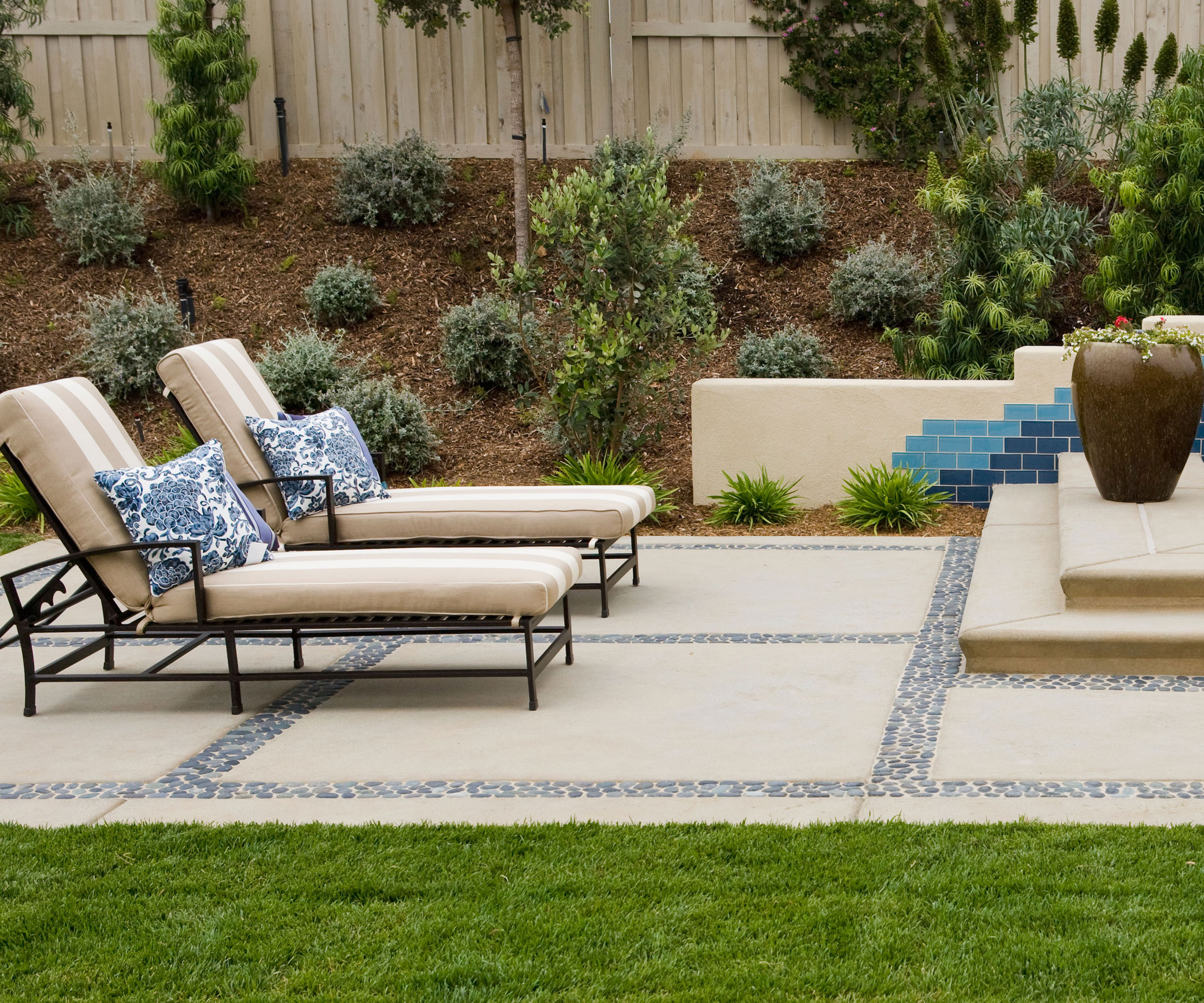
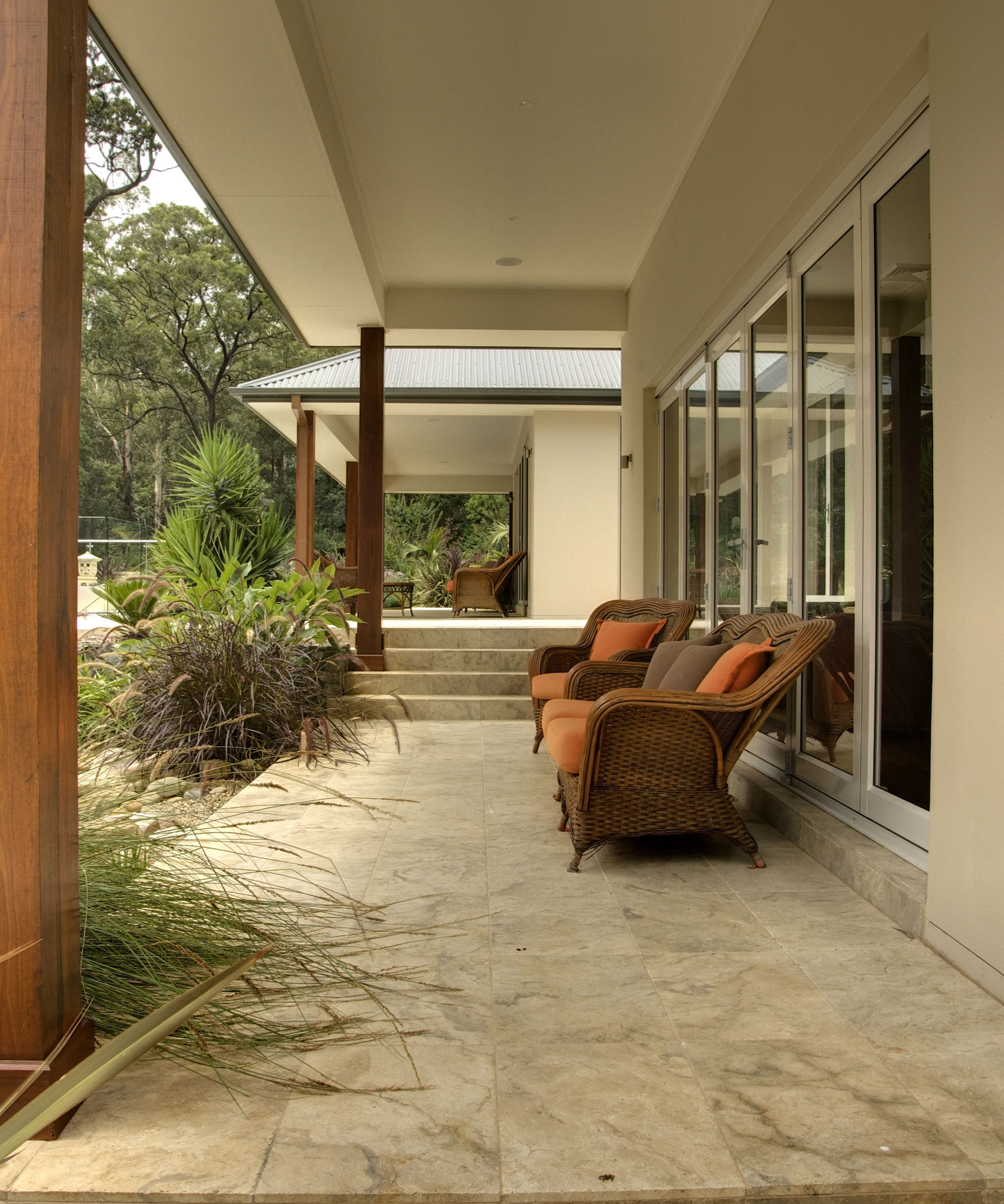
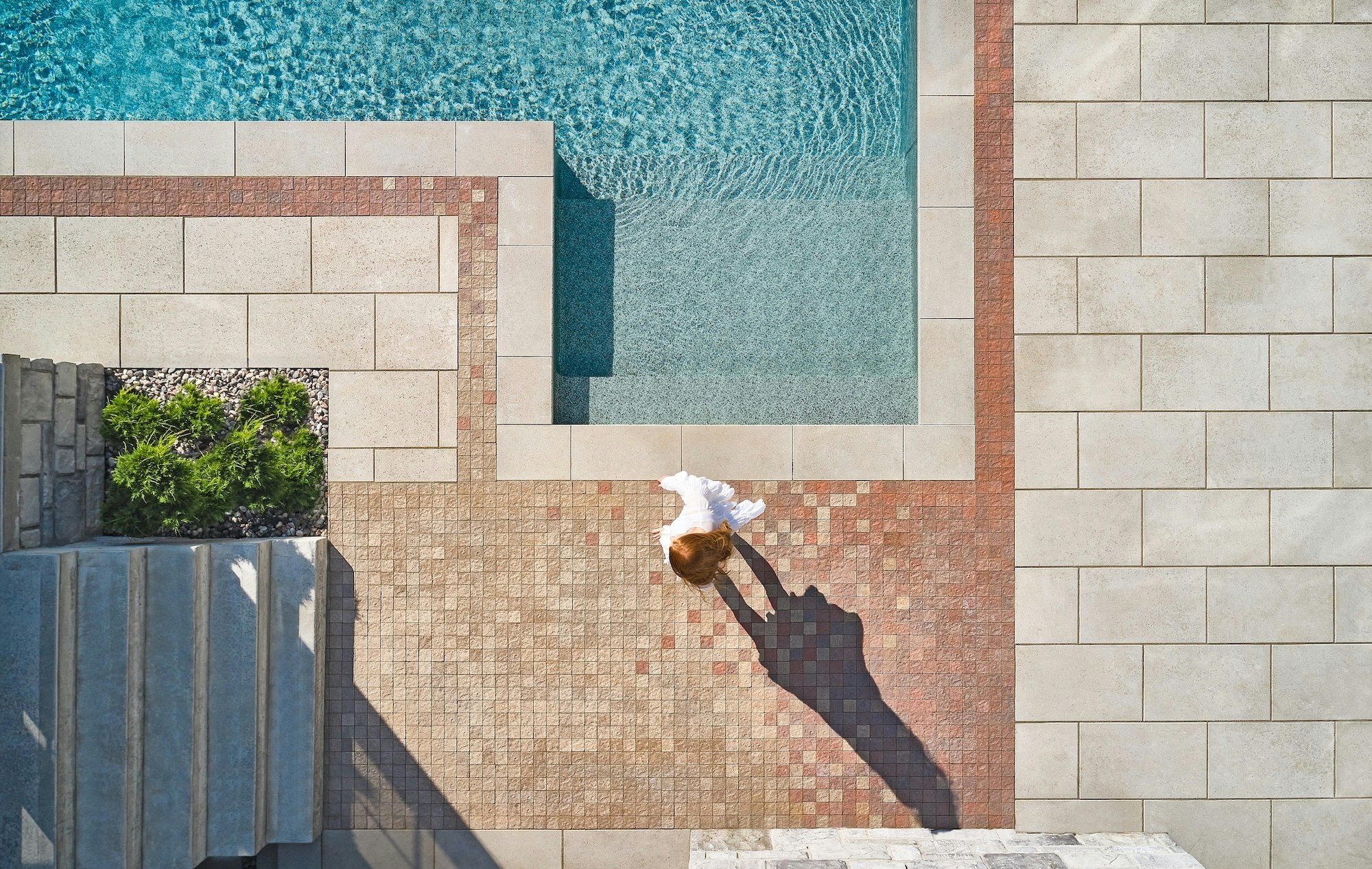
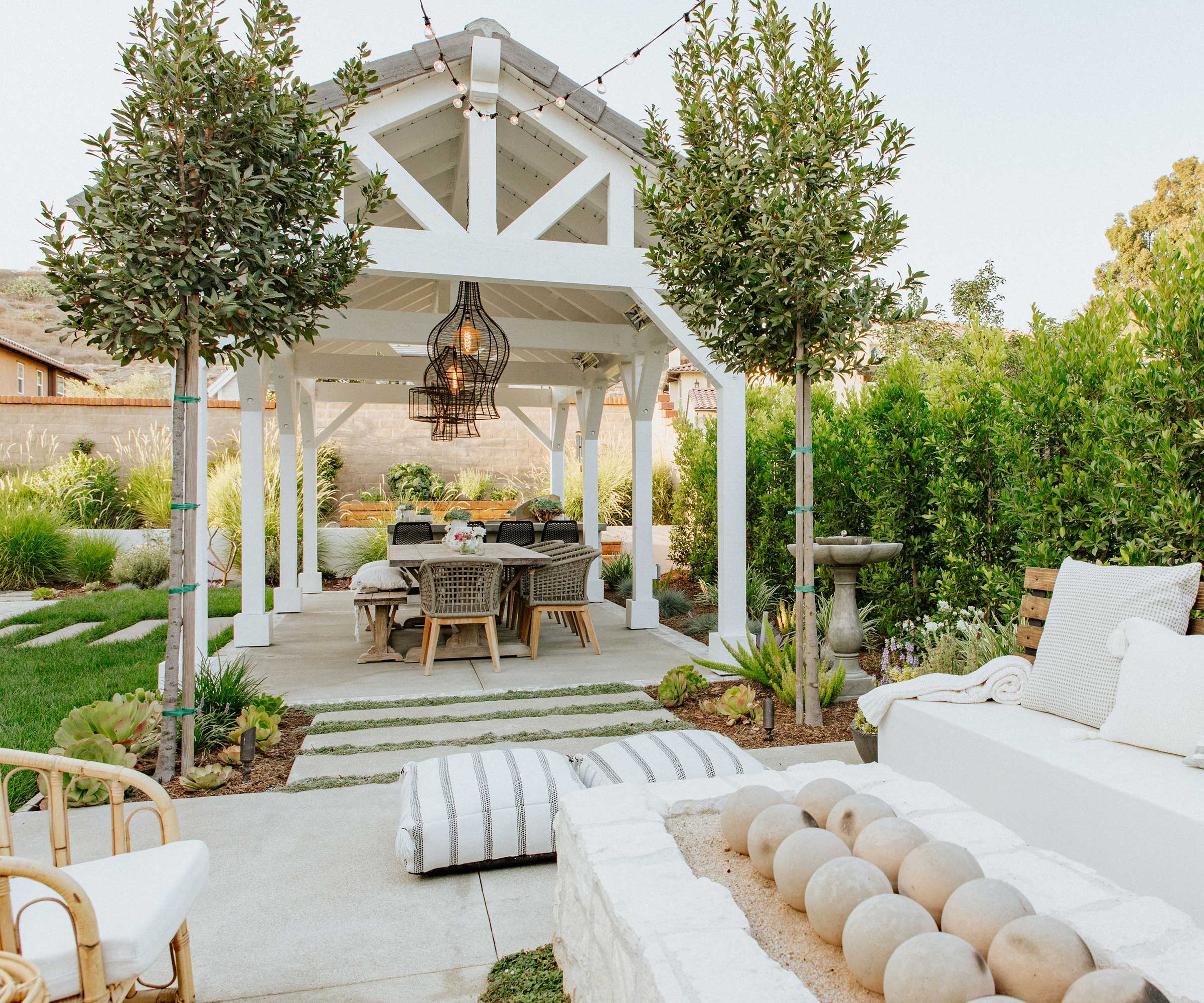
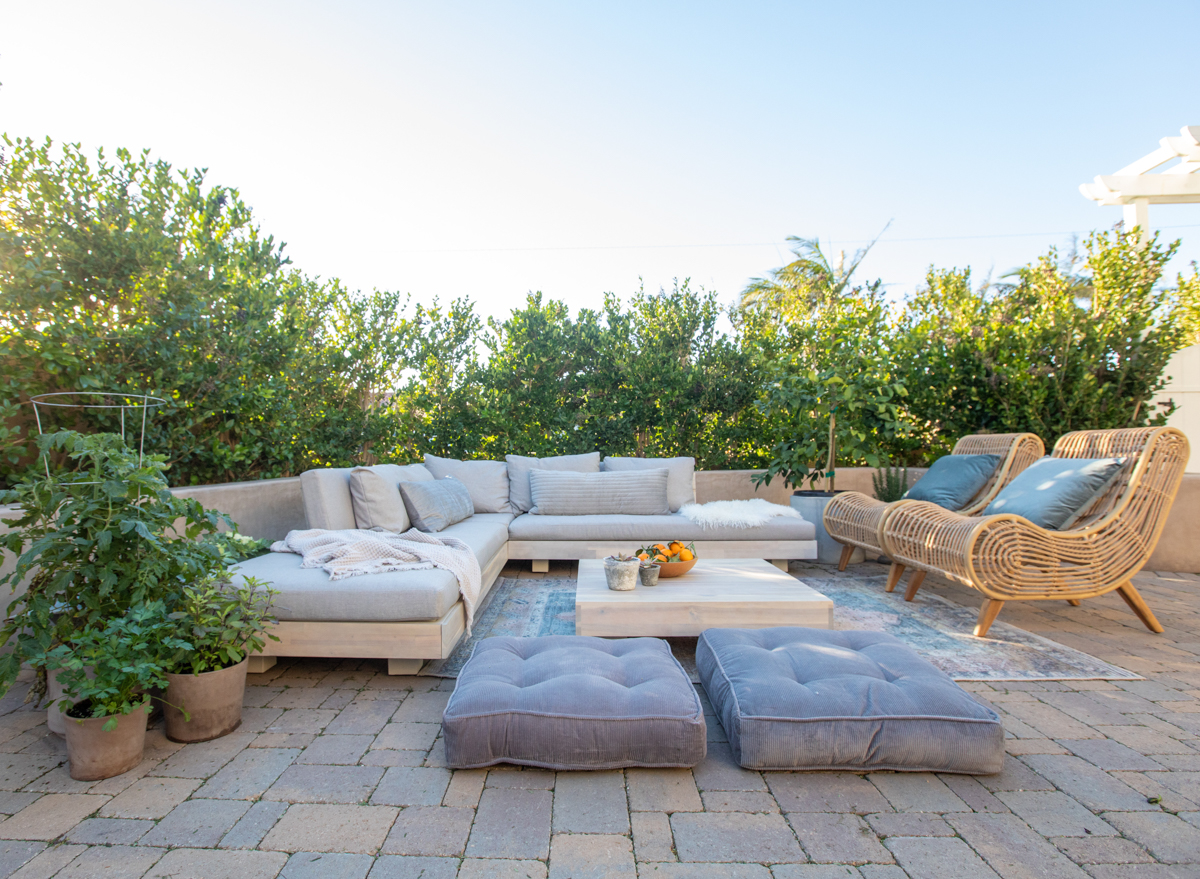
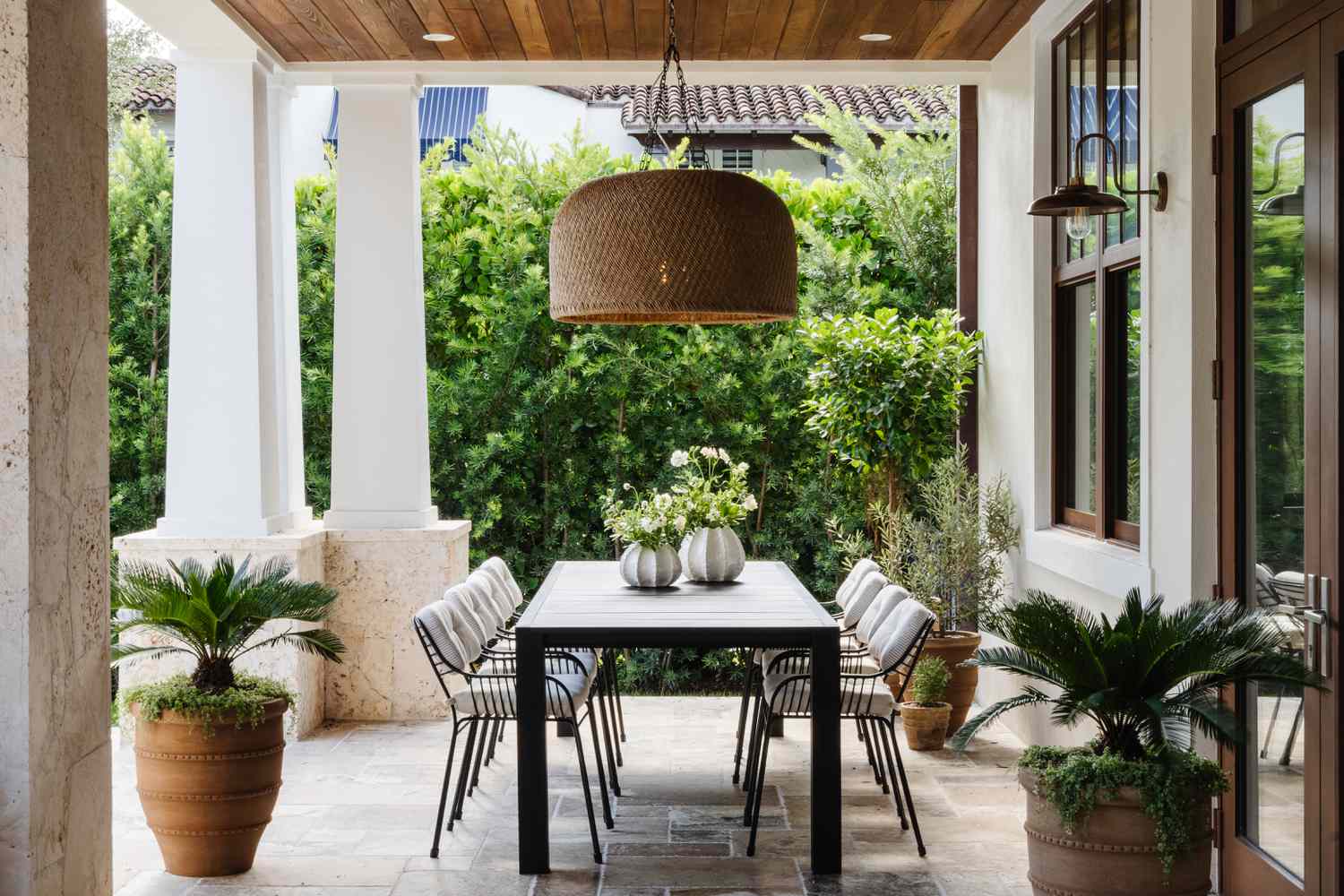
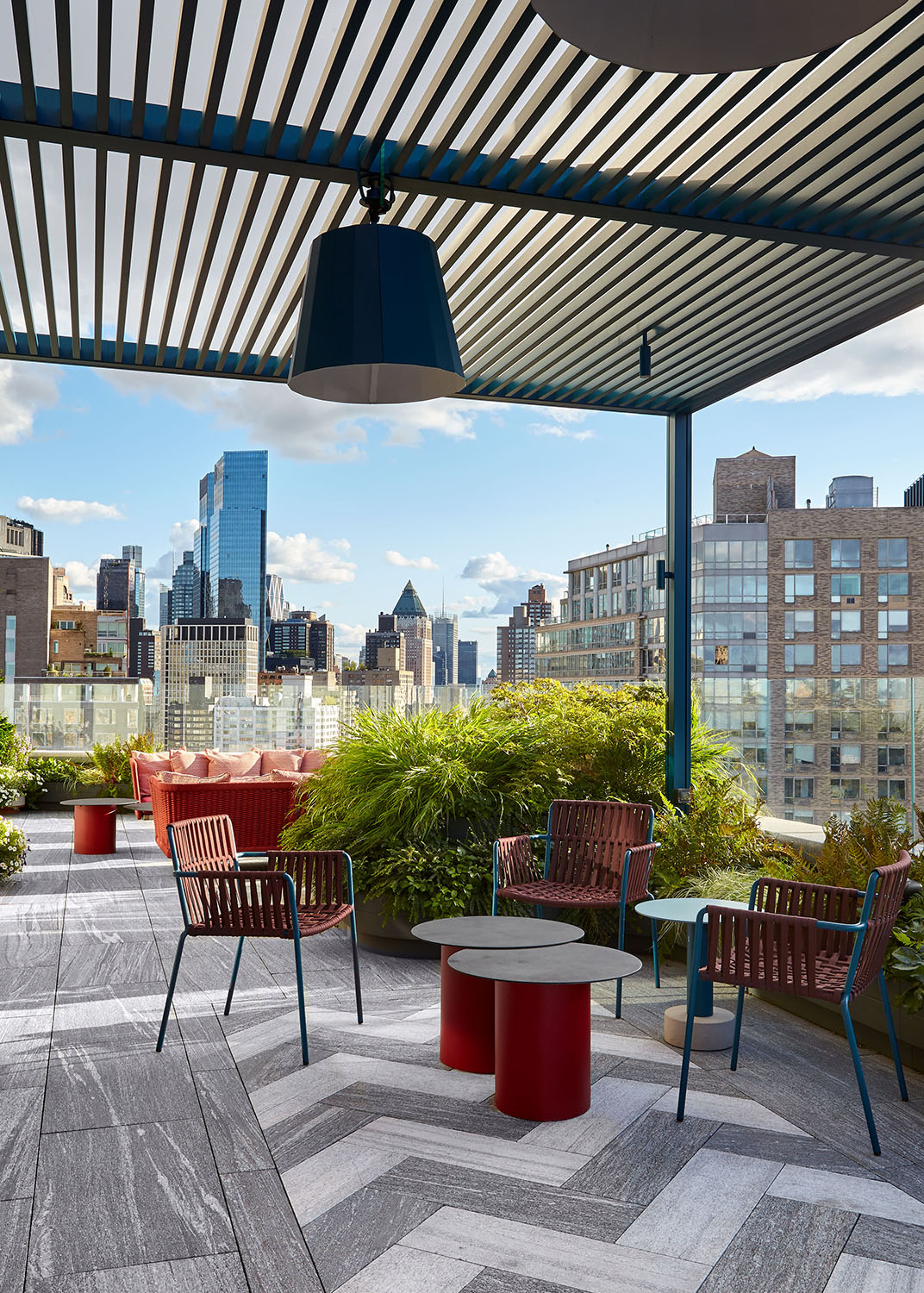
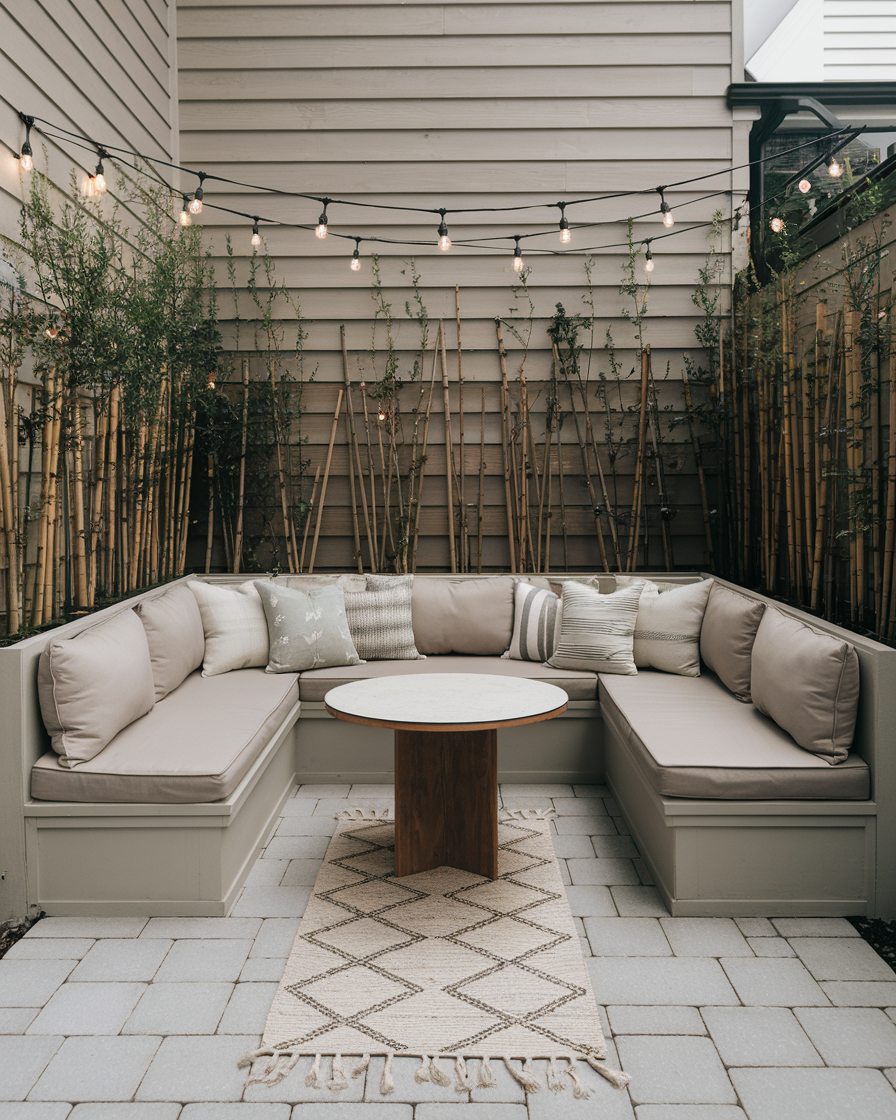
One key recommendation is to soften the inherent hardness of concrete by incorporating natural materials. Teak and wicker patio furniture are suggested as they provide a warm contrast to the concrete's texture. These materials are also highlighted for their weather-resistant properties, making them suitable for outdoor use. Another approach involves customizing the concrete itself; instead of a plain gray slab, designers can opt for textured or colored concrete. Techniques like exposed aggregate, brushing, seeding, sandblasting, or acid-washing can introduce tactile variations and visual interest, moving beyond the smooth, uniform appearance typically associated with concrete.
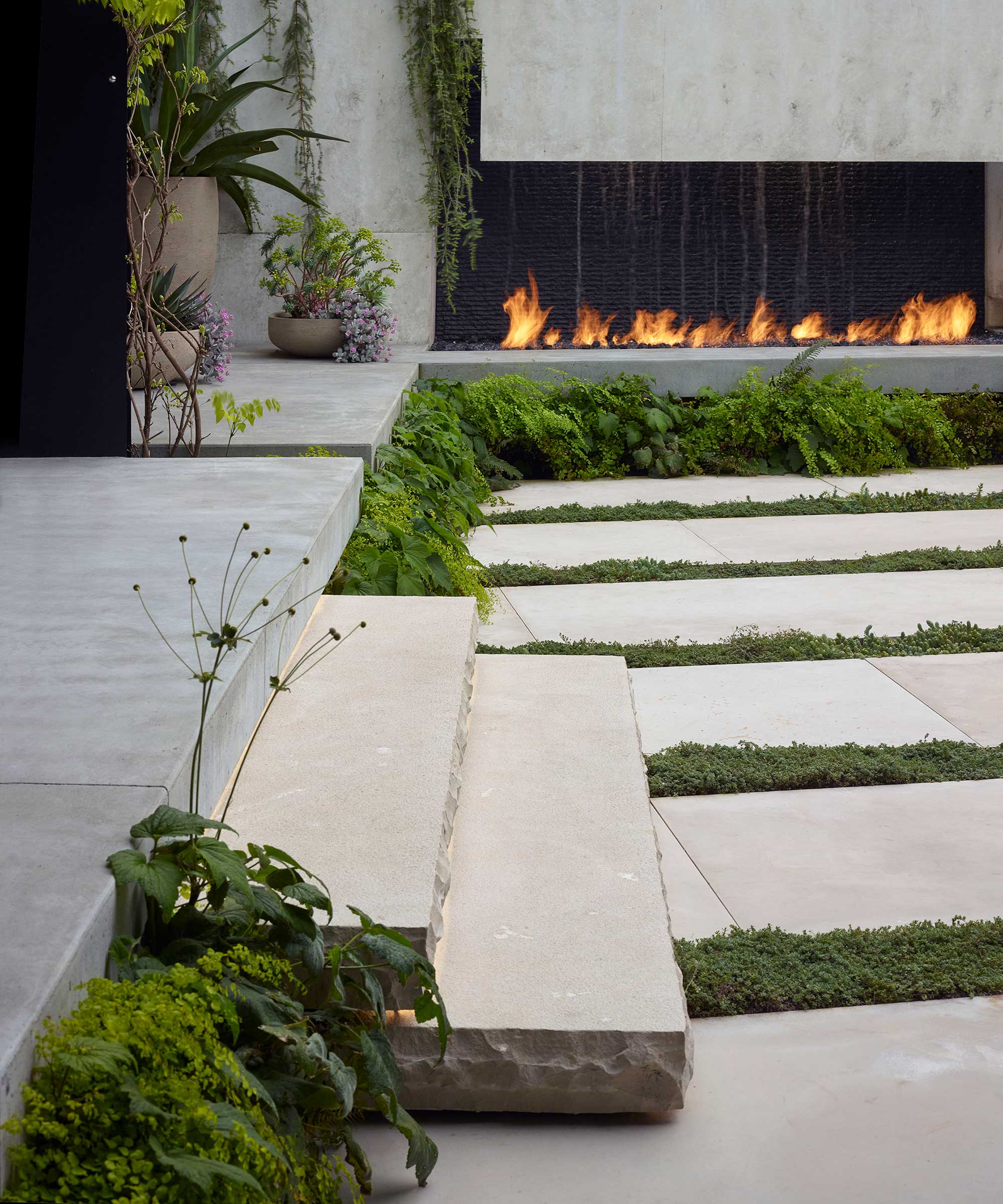
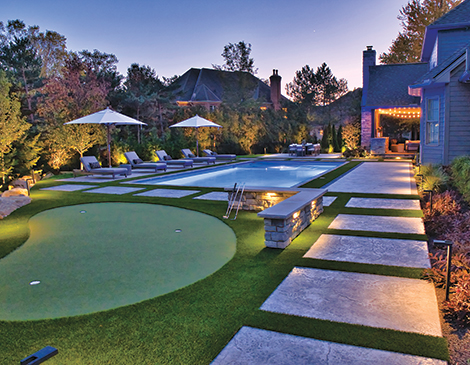
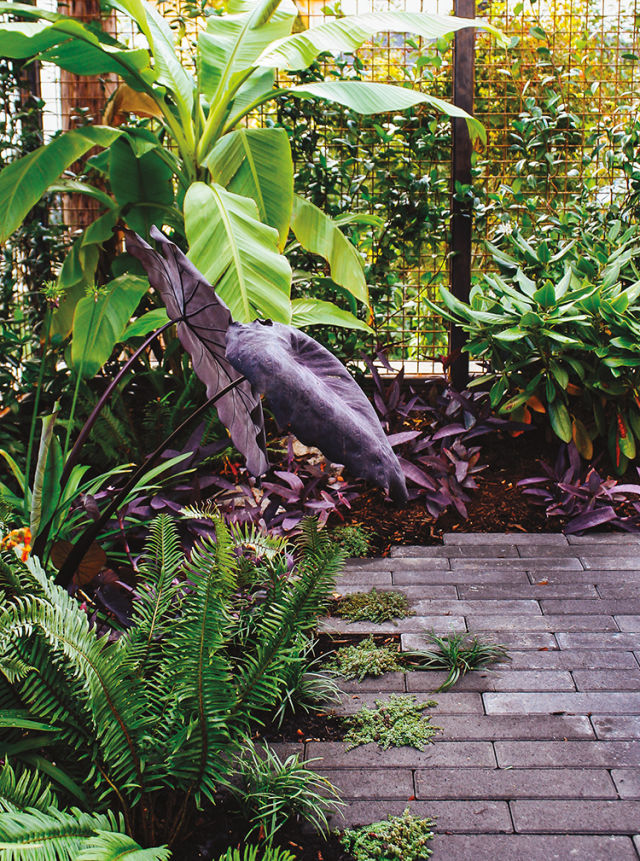
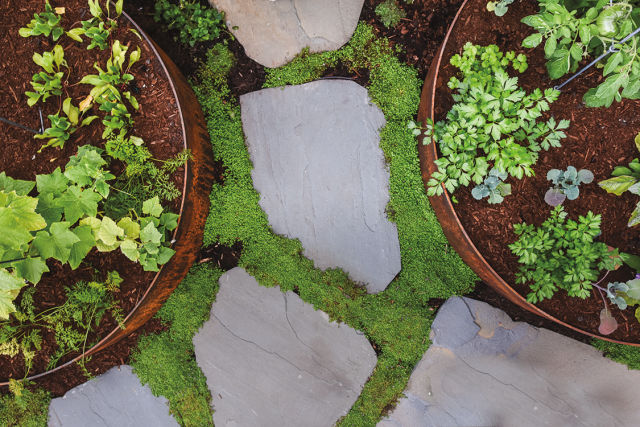
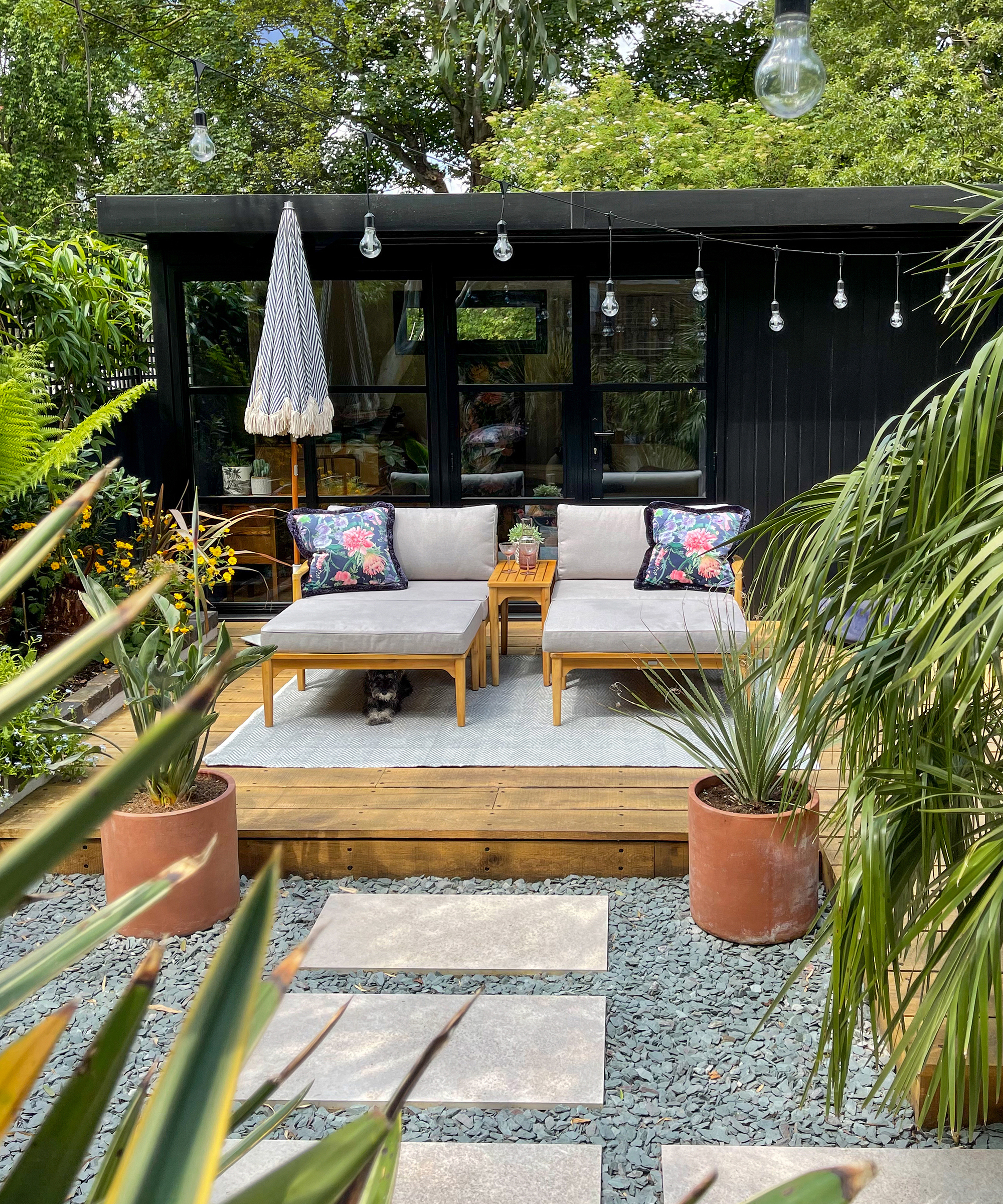
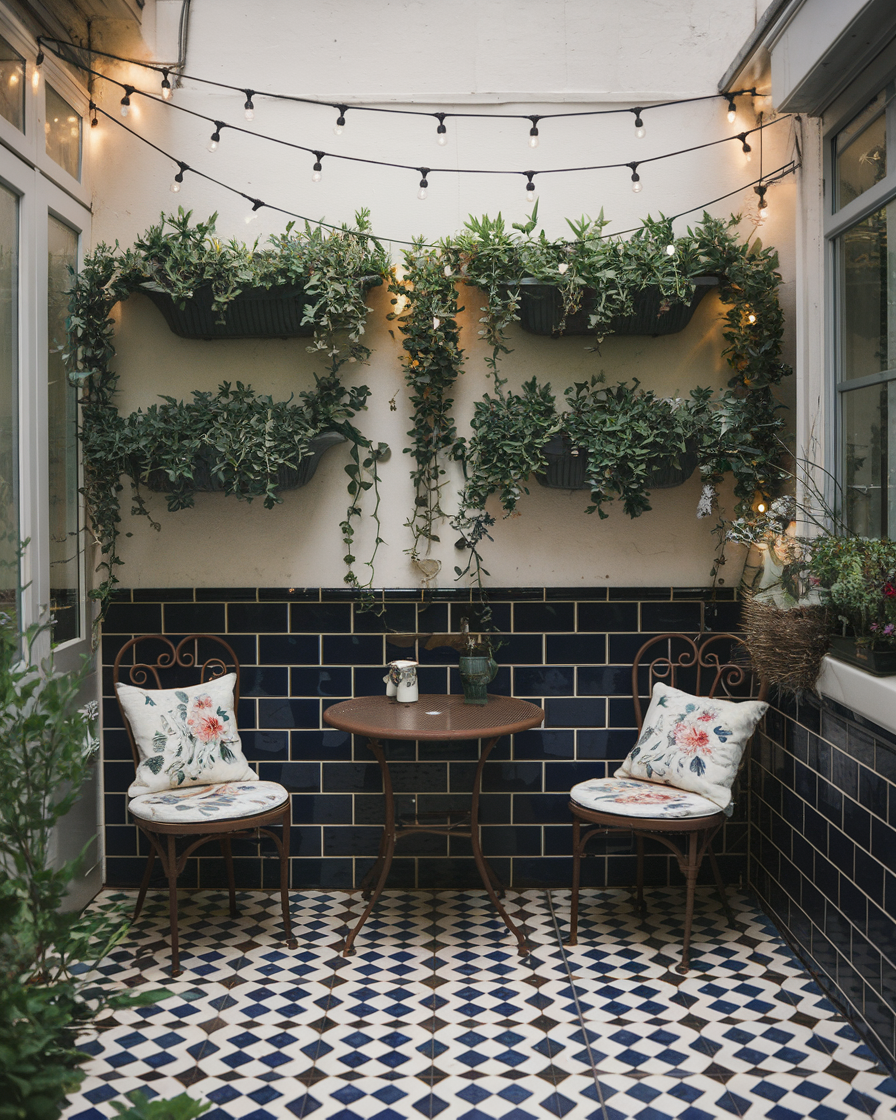
The article also suggests integrating ground cover plants between pavers or flagstones to create a softer, more natural aesthetic. Species such as dymondia, thyme, dichondra, or kurapia are recommended for their hardiness, while sowing native seeds can attract pollinators and add wildflowers. Introducing vertical elements like tree canopies, trellises, patio curtains, or pergolas is another strategy to add greenery, provide shade, and integrate the patio more seamlessly with the surrounding landscape. These elements also offer opportunities for decorative lighting or wind chimes, enhancing the ambiance.
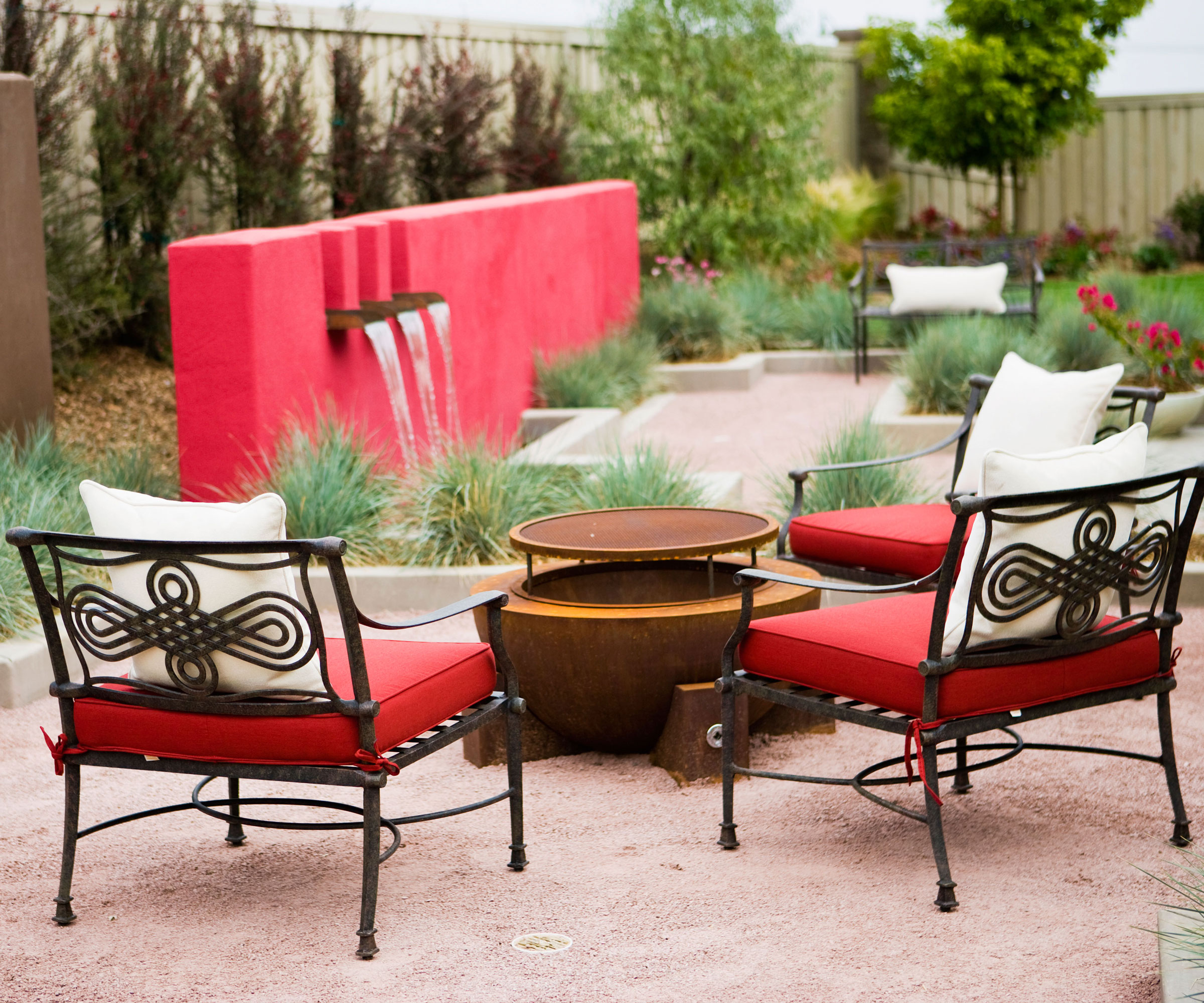
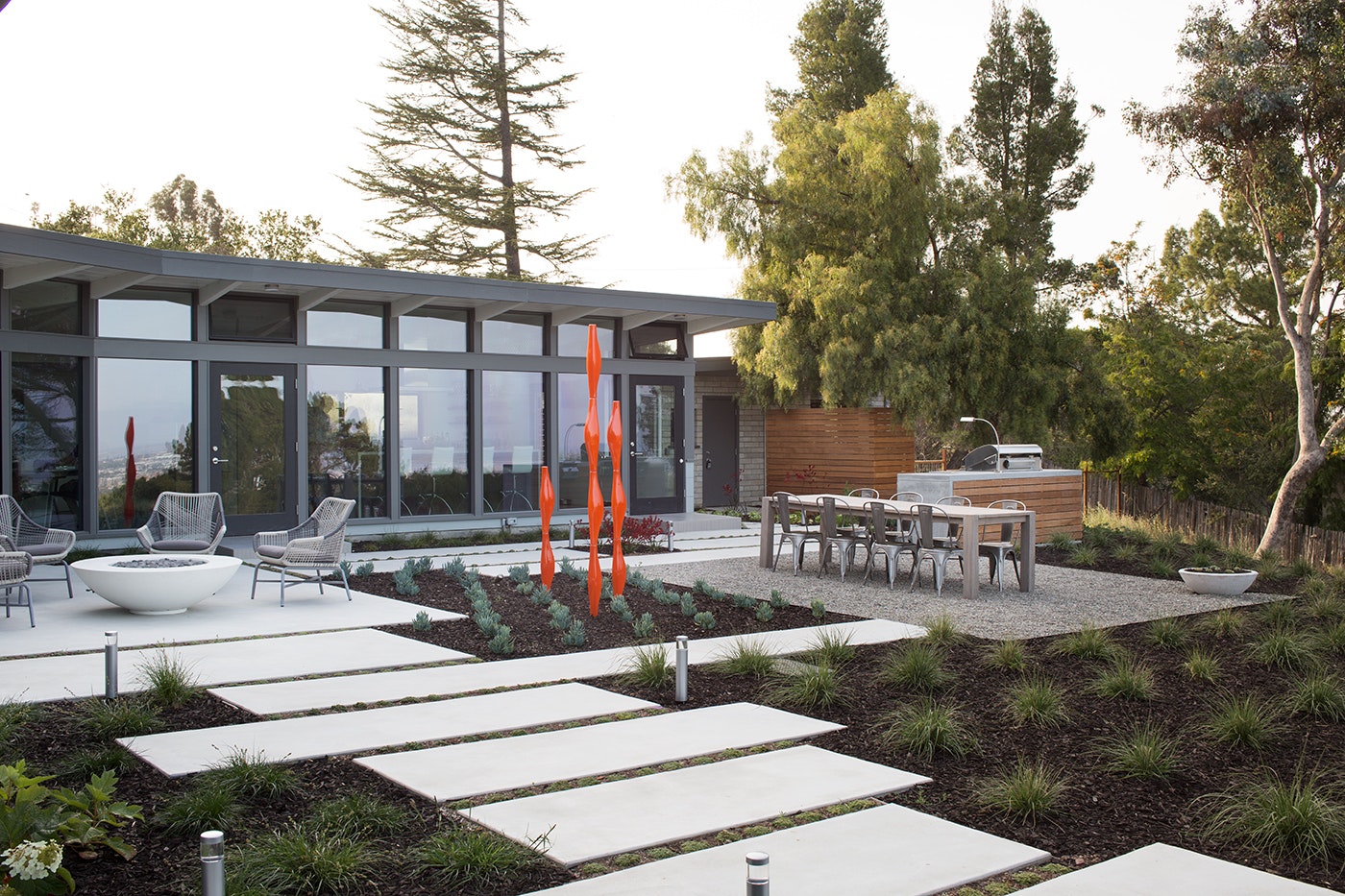
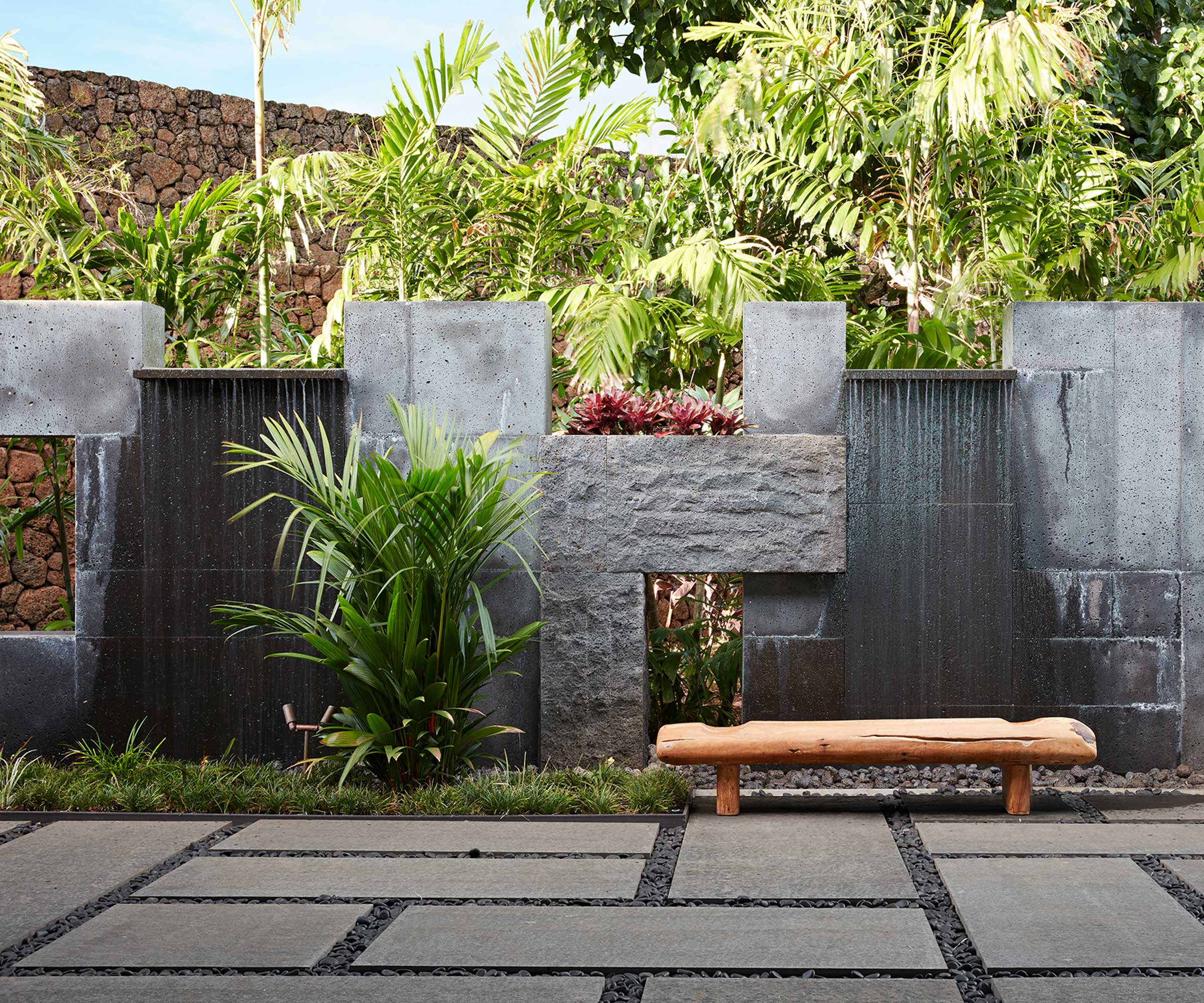
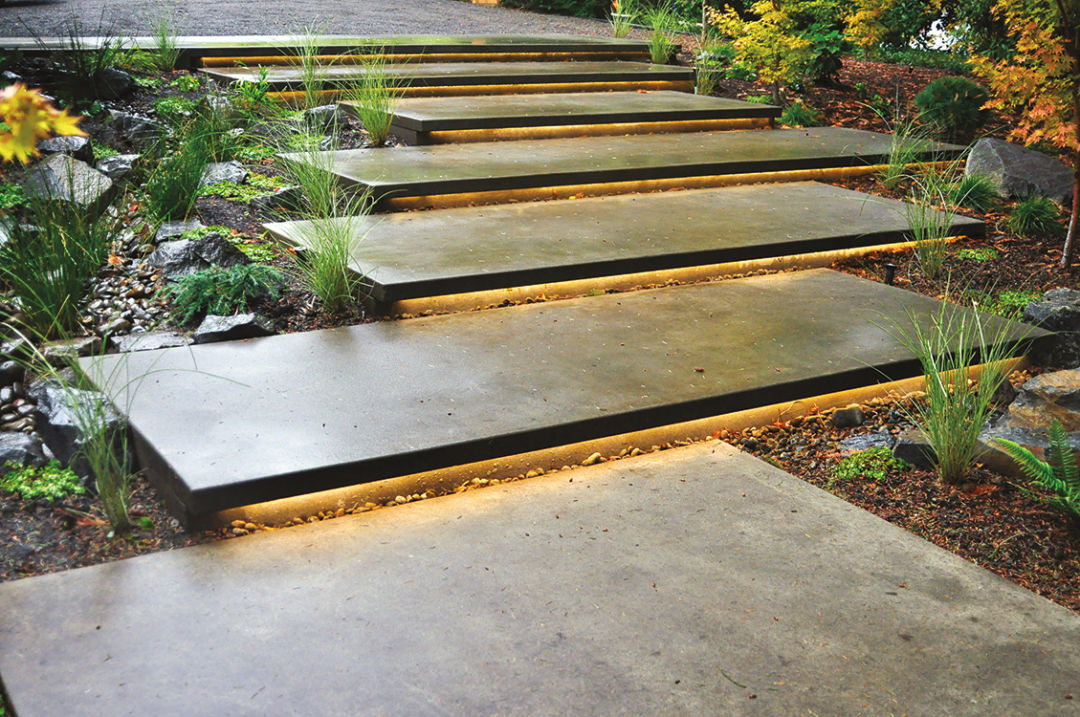
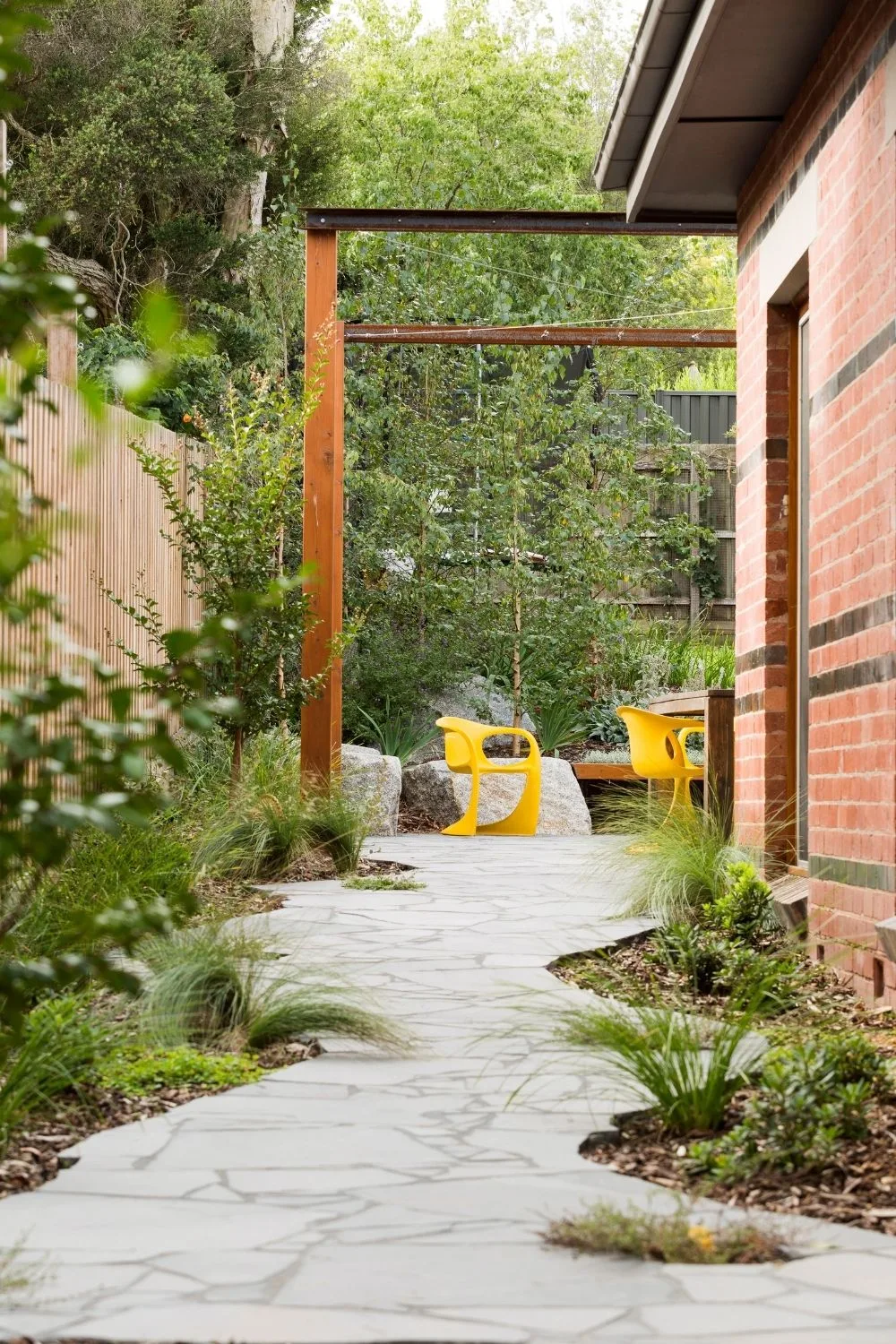
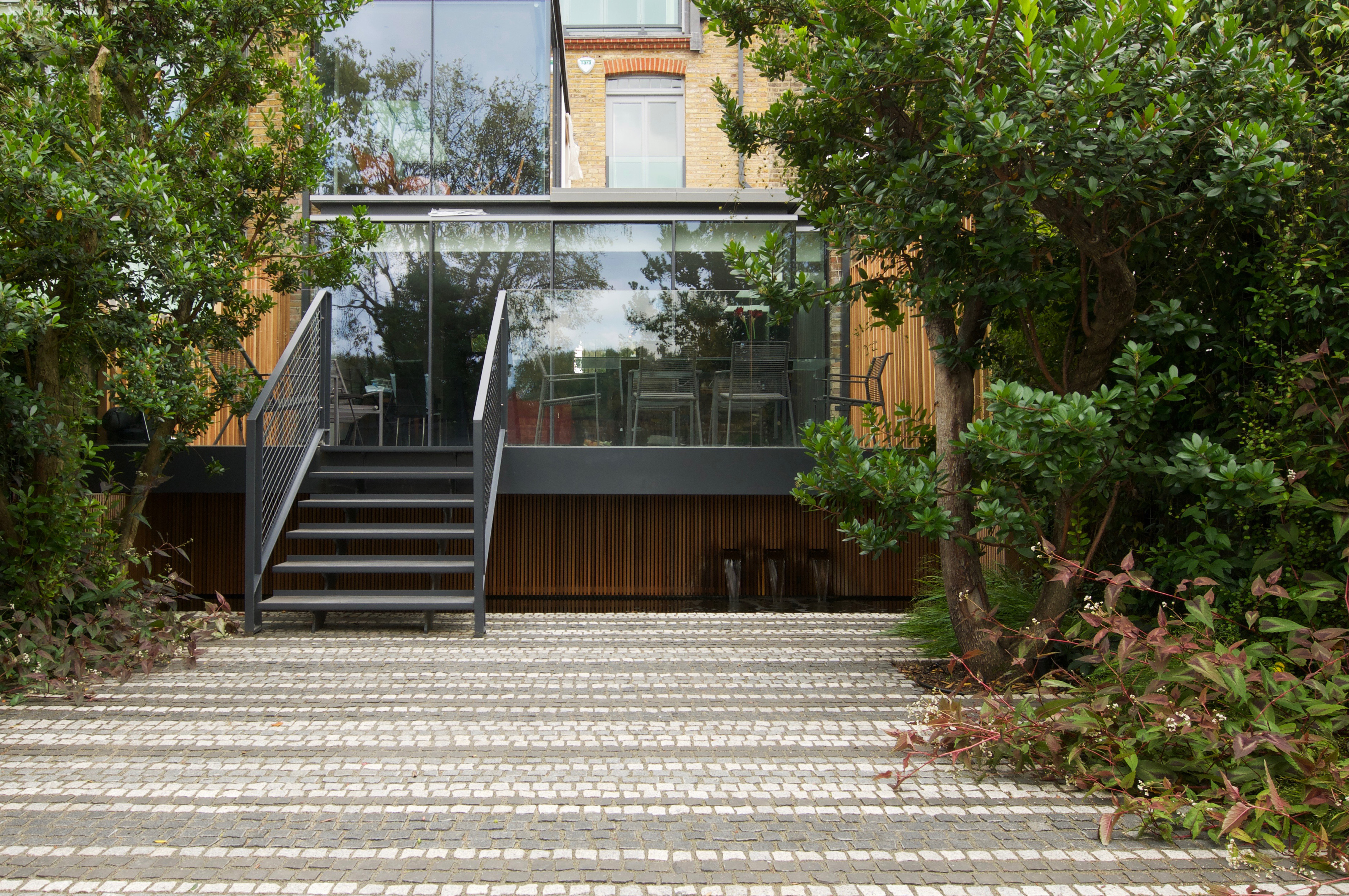
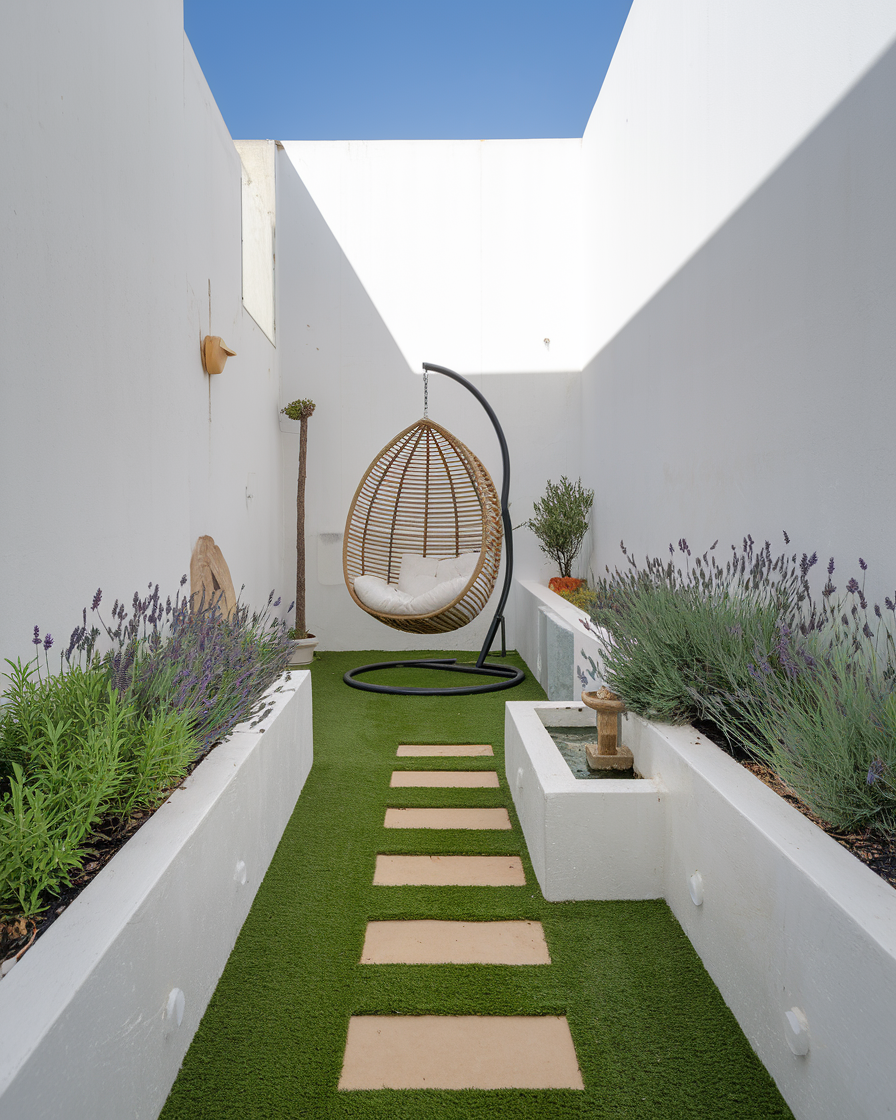
For seating, the article encourages moving beyond standard patio furniture by utilizing nature-inspired options like boulders and heavy timbers. These elements are praised for their aesthetic appeal and ability to create a grounded feeling. Concrete can also be used creatively for pathways and framing, forming rigid geometries or organic shapes that lead to different areas within the garden, such as a sunken patio. Water features, like water bowls or small fountains, are presented as a means to introduce fluidity and attract wildlife, contrasting with the solid nature of concrete.
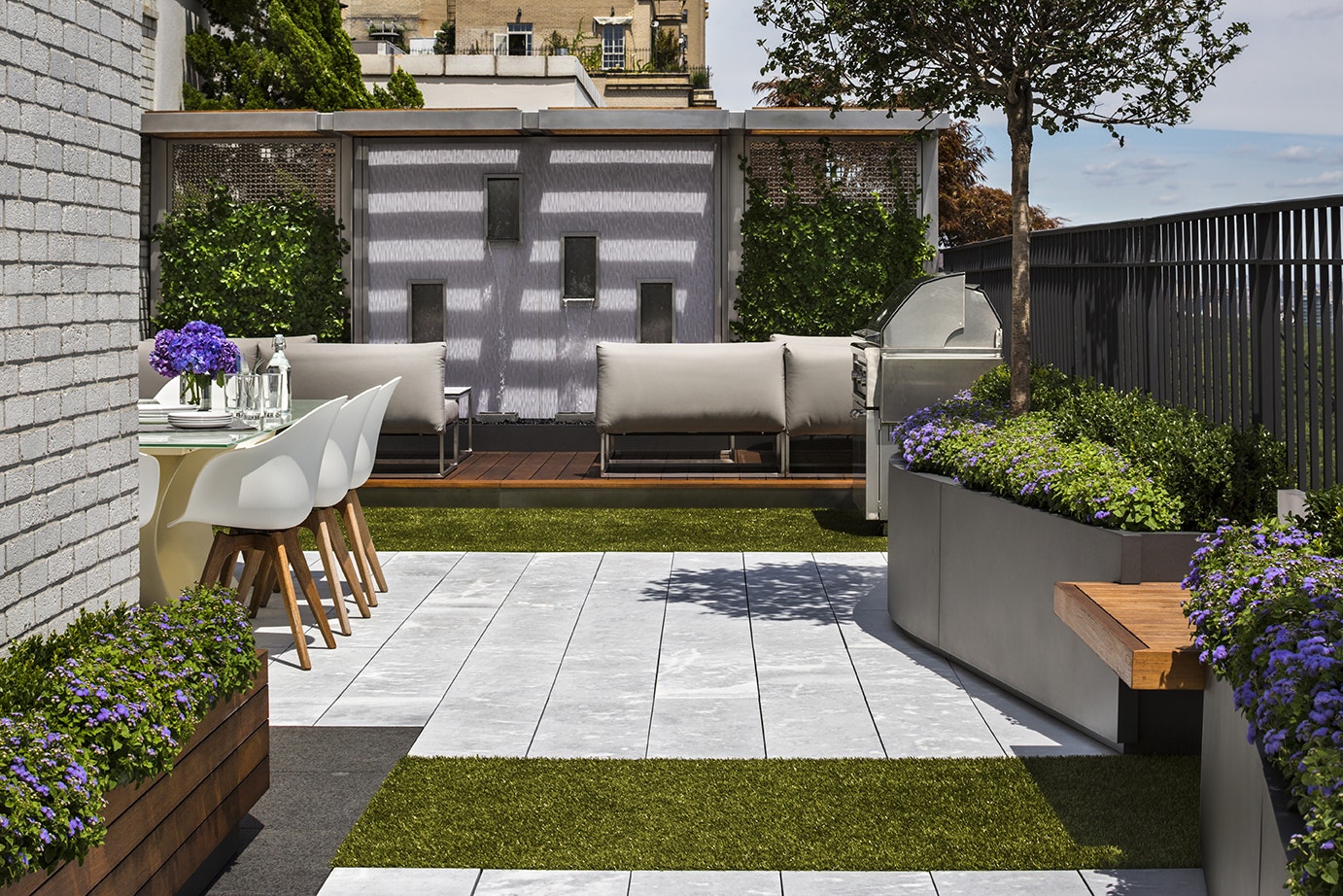
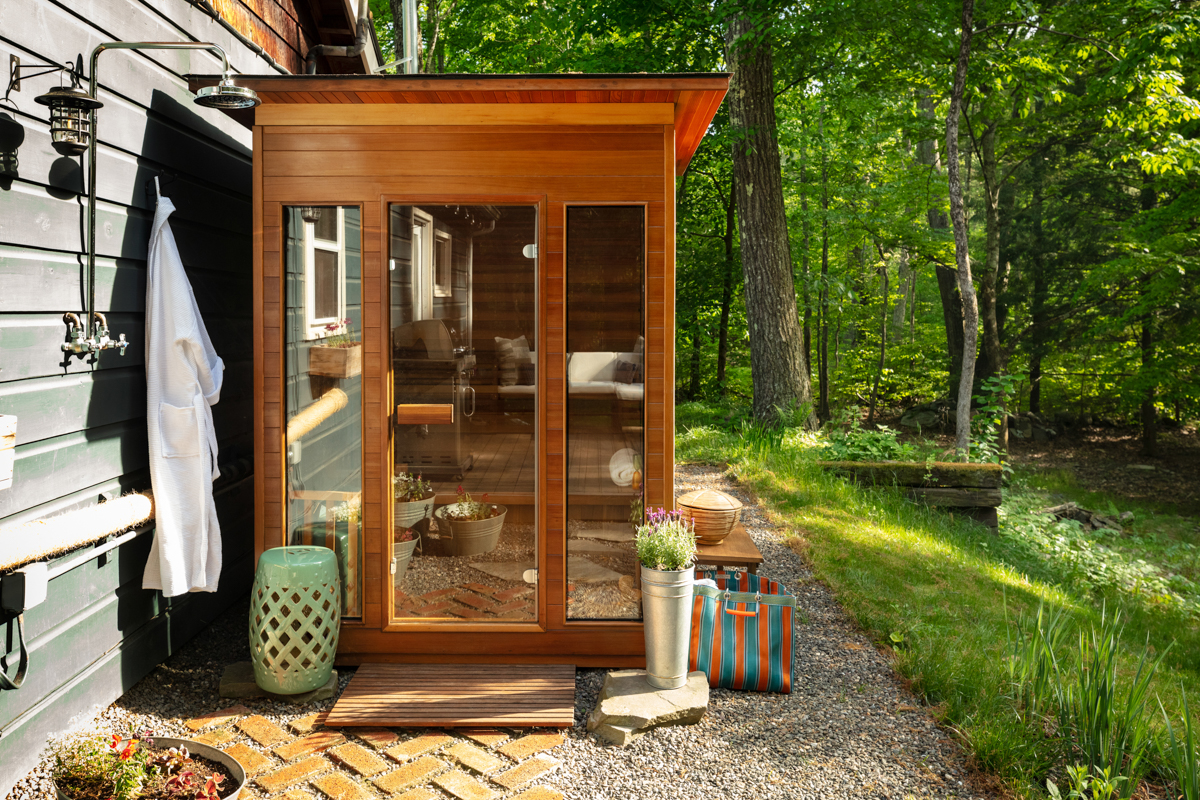
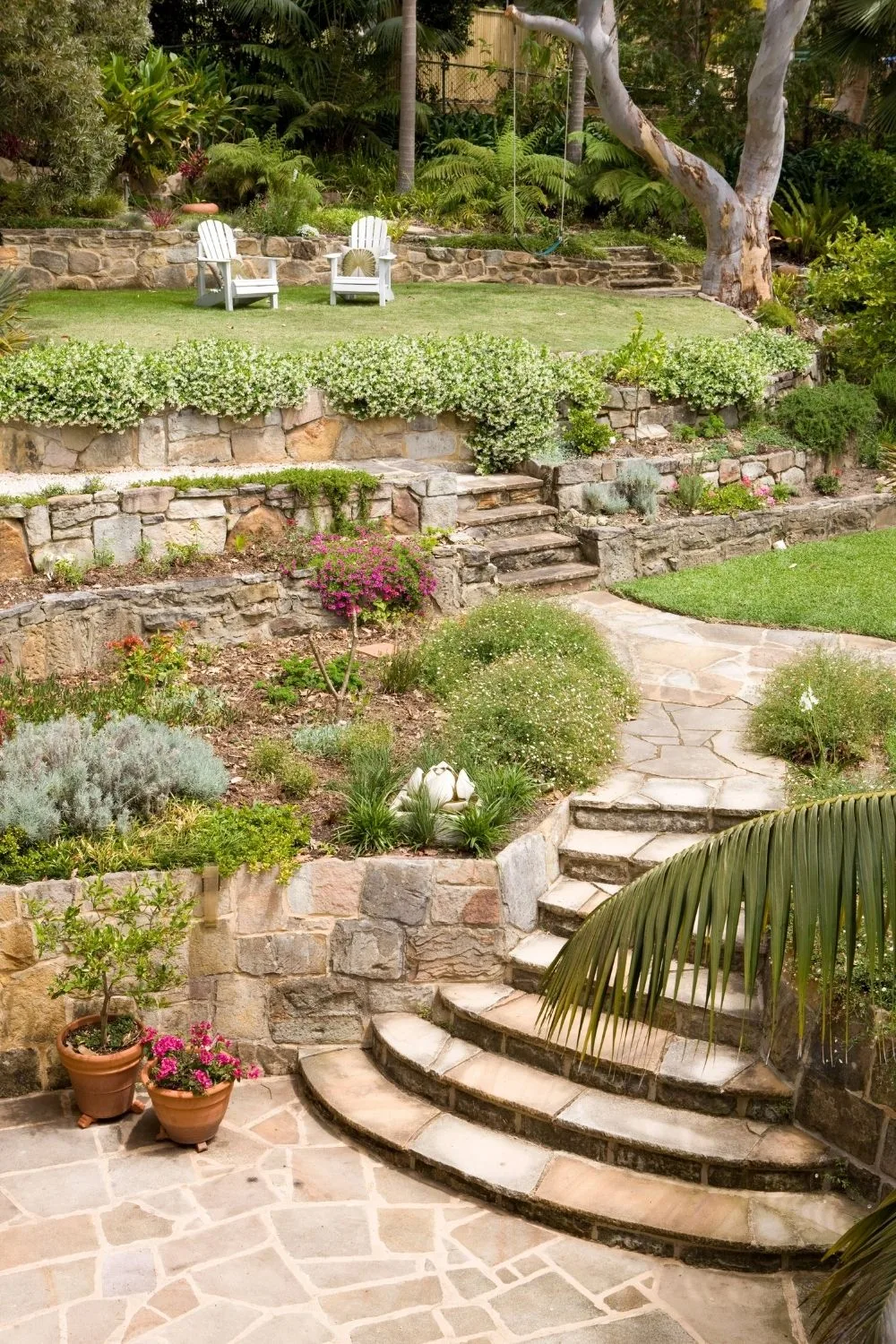
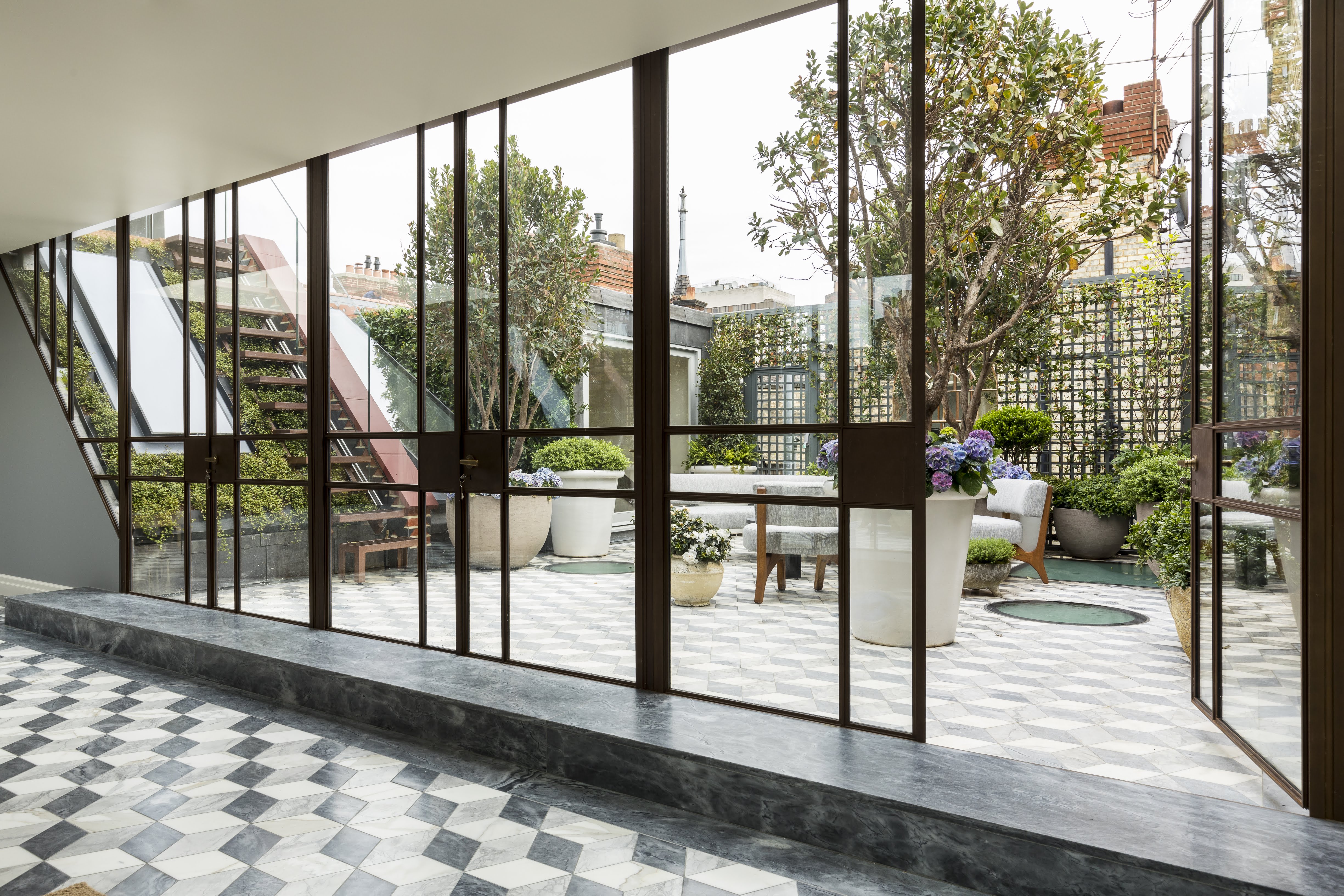
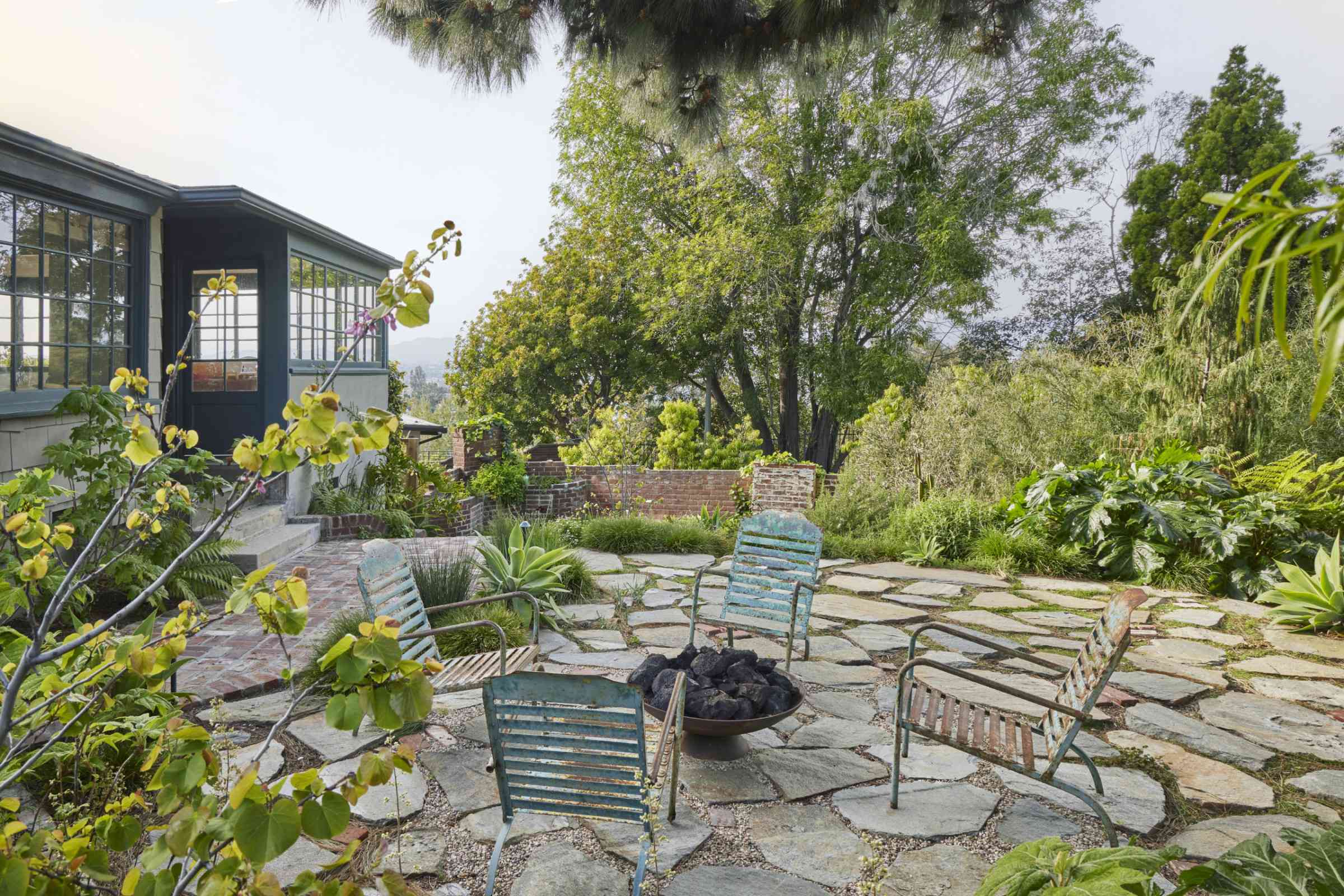
For patios where low-growing foliage is not feasible, large potted plants are suggested to introduce greenery. Built-in planters can also leverage concrete's structural potential. The concept of a permeable patio is introduced as a sustainable alternative to traditional concrete slabs, addressing drainage issues and heat absorption. This involves demolishing old concrete and reusing the broken pieces (urbanite) with gravel, decomposed granite, or plants in the joints. This method allows for the creation of unique and beautiful patios using existing materials.
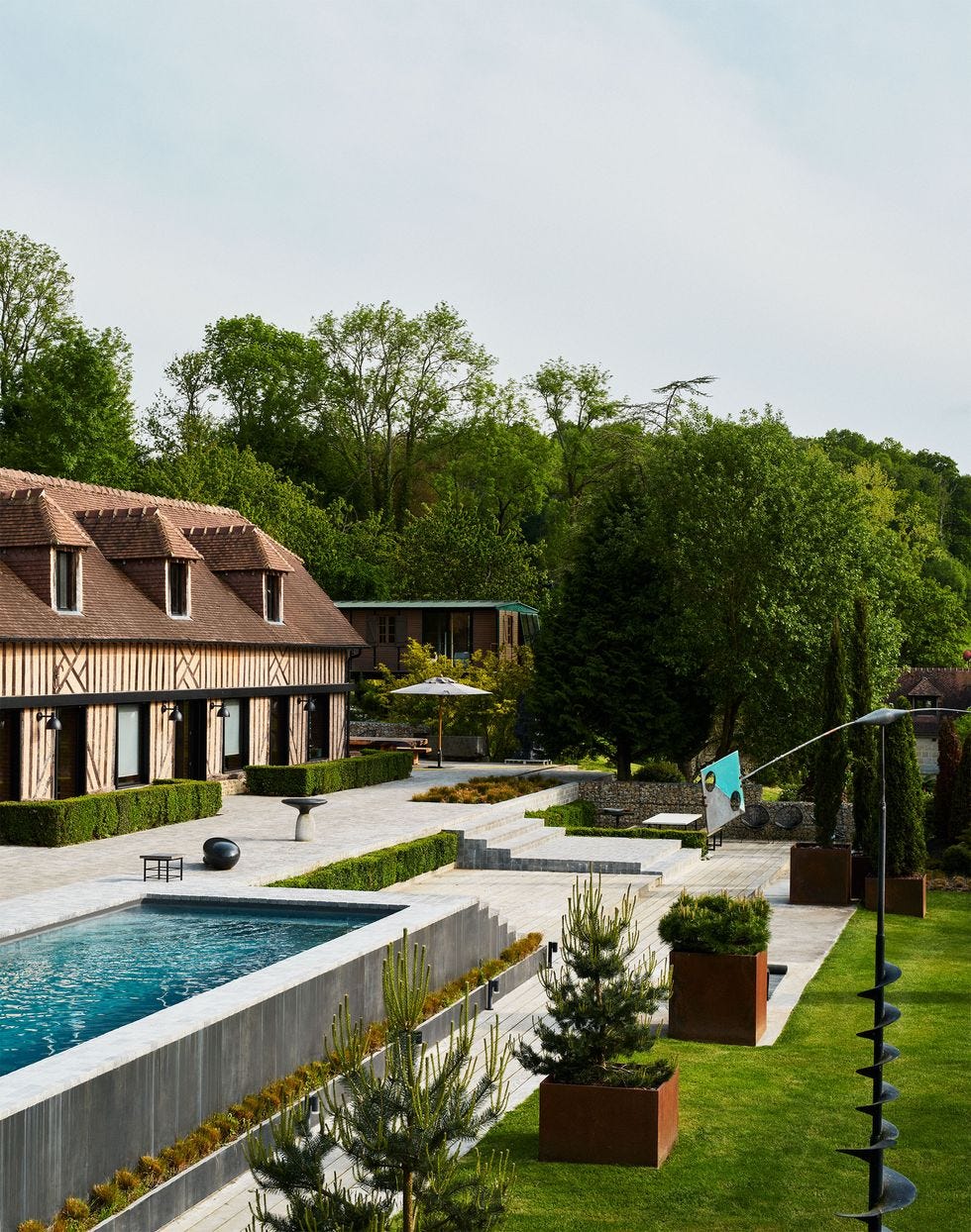
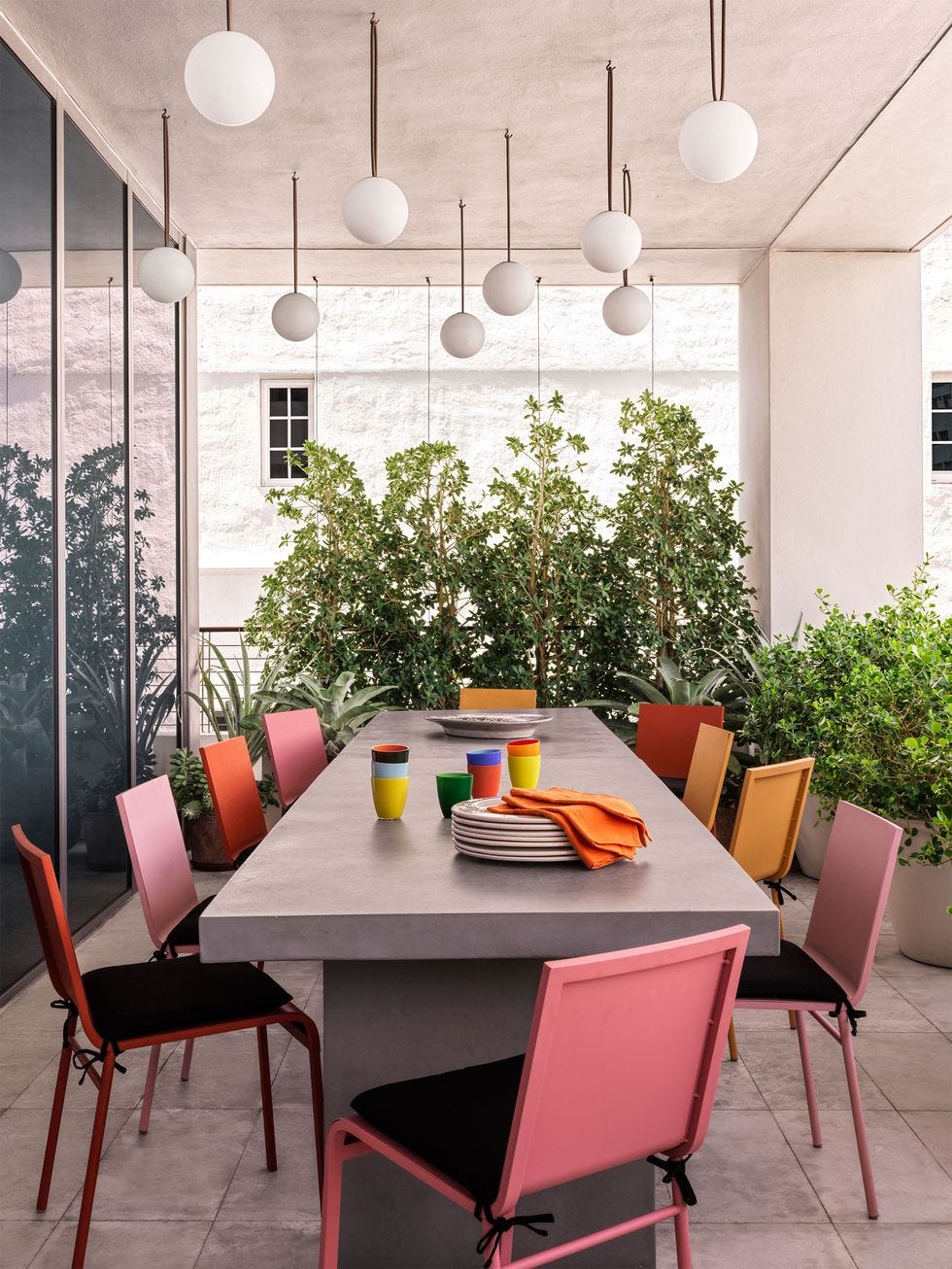
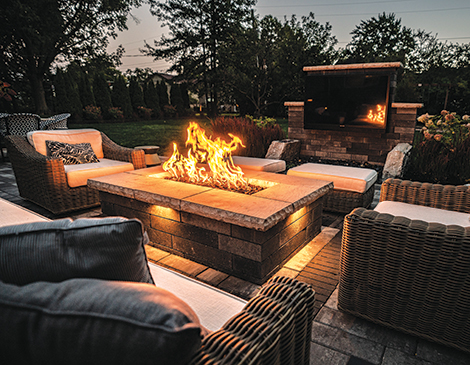
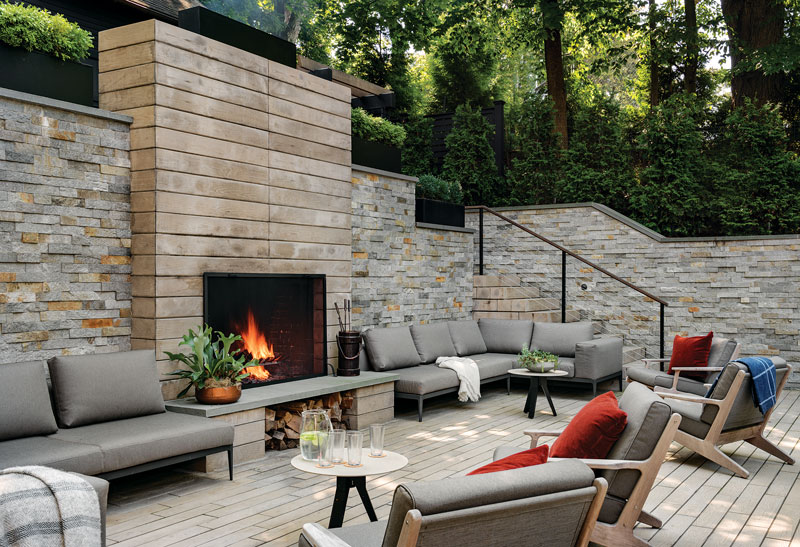
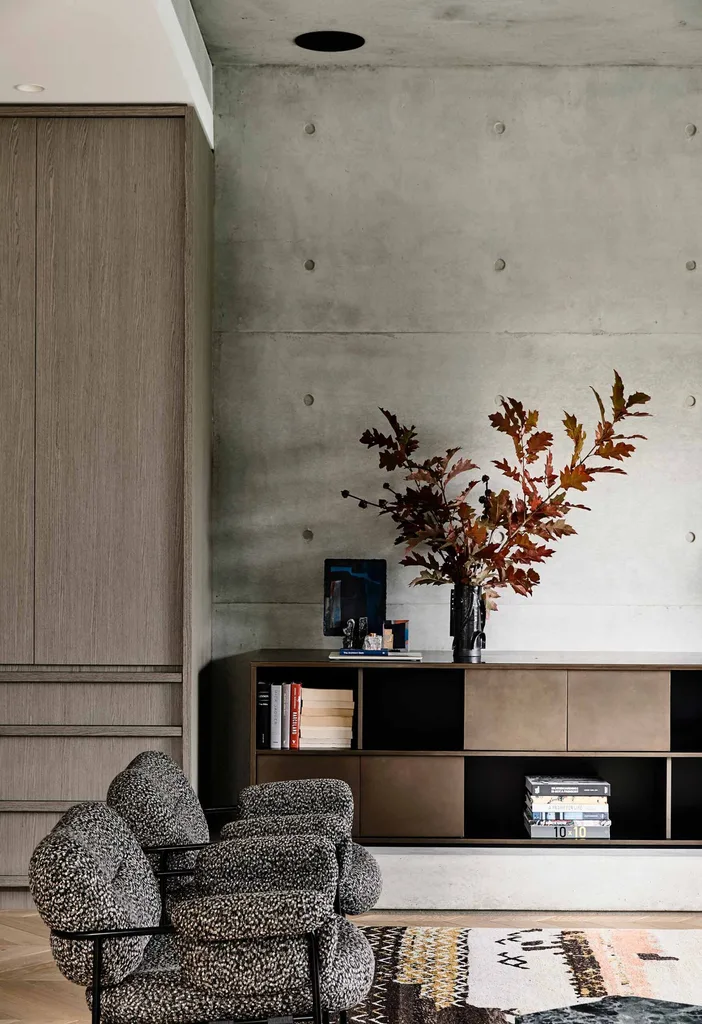
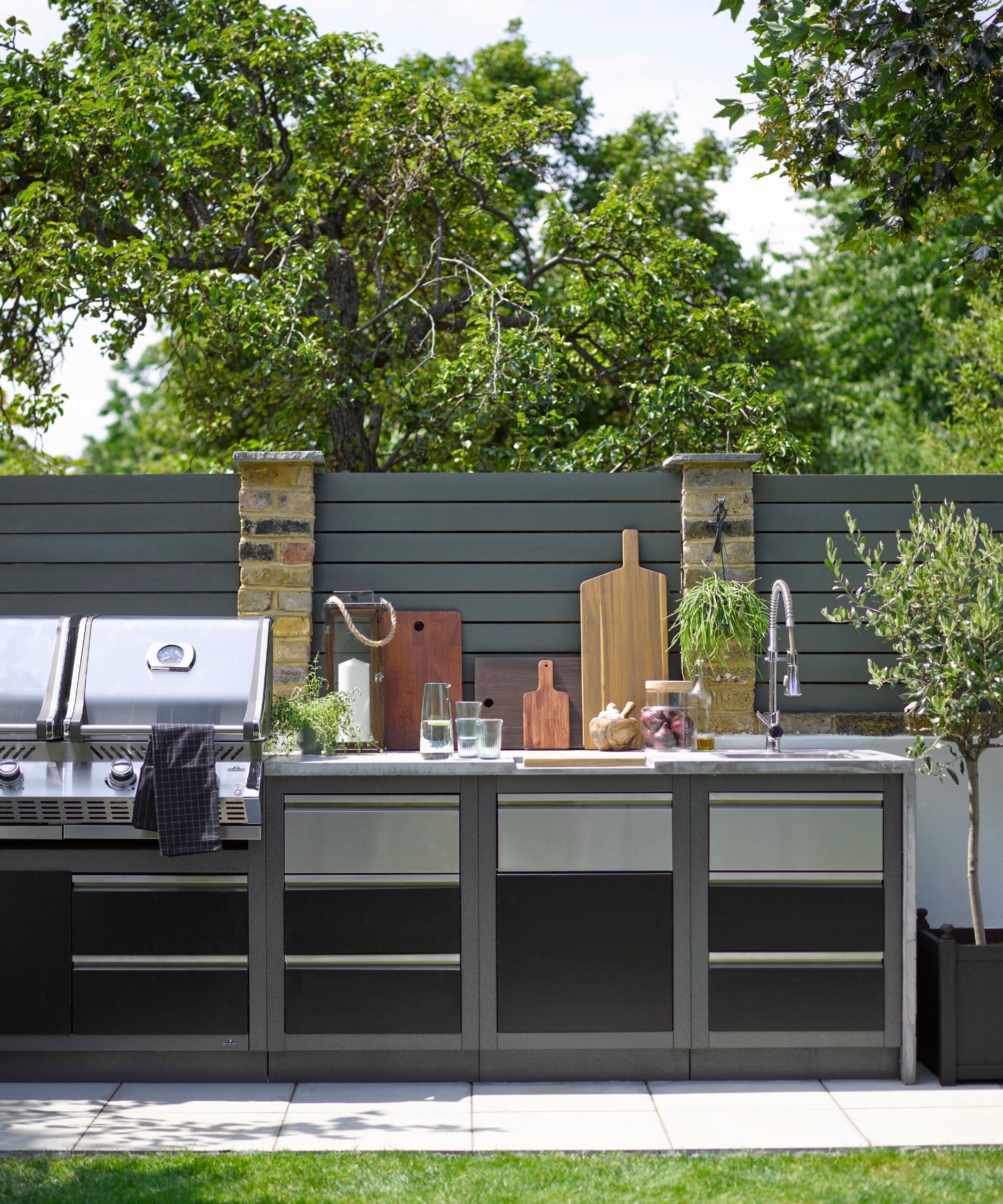
For those who appreciate the industrial aesthetic of concrete, the article recommends playing into this by pairing concrete with stone or metal accents. Geometric concrete seating around a darker fire pit, complemented by black metal chairs, is given as an example of a streamlined, industrial design. Finally, anchoring the patio layout with a fire pit is presented as a practical starting point for creating a conversational area. Combining concrete and gravel as a base for a stone fire pit, surrounded by greenery, can create an intimate outdoor setting.
#ConcretePatios #BackyardDesign #OutdoorLiving #LandscapeDesign #PatioIdeas #NaturalMaterials #SustainableDesign #GardenFeatures #HomeDecor #DIYHome #ConcretePatios #BackyardDesign #OutdoorLiving #LandscapeDesign #PatioIdeas #NaturalMaterials #SustainableDesign #GardenFeatures #HomeDecor #DIYHome
0 comment in total
 No comments yet
You may also like
Patio flooring ideas – 10 smart looks to transform a paved outdoor space


Brick Patio Ideas Don’t Have to Be Boring—Peep These 5 Outdoor Spaces

5 Great Backyards to Inspire Your Own Outdoor Renovation

13 Patio Décor Ideas That Will Instantly Elevate Your Outdoor Space
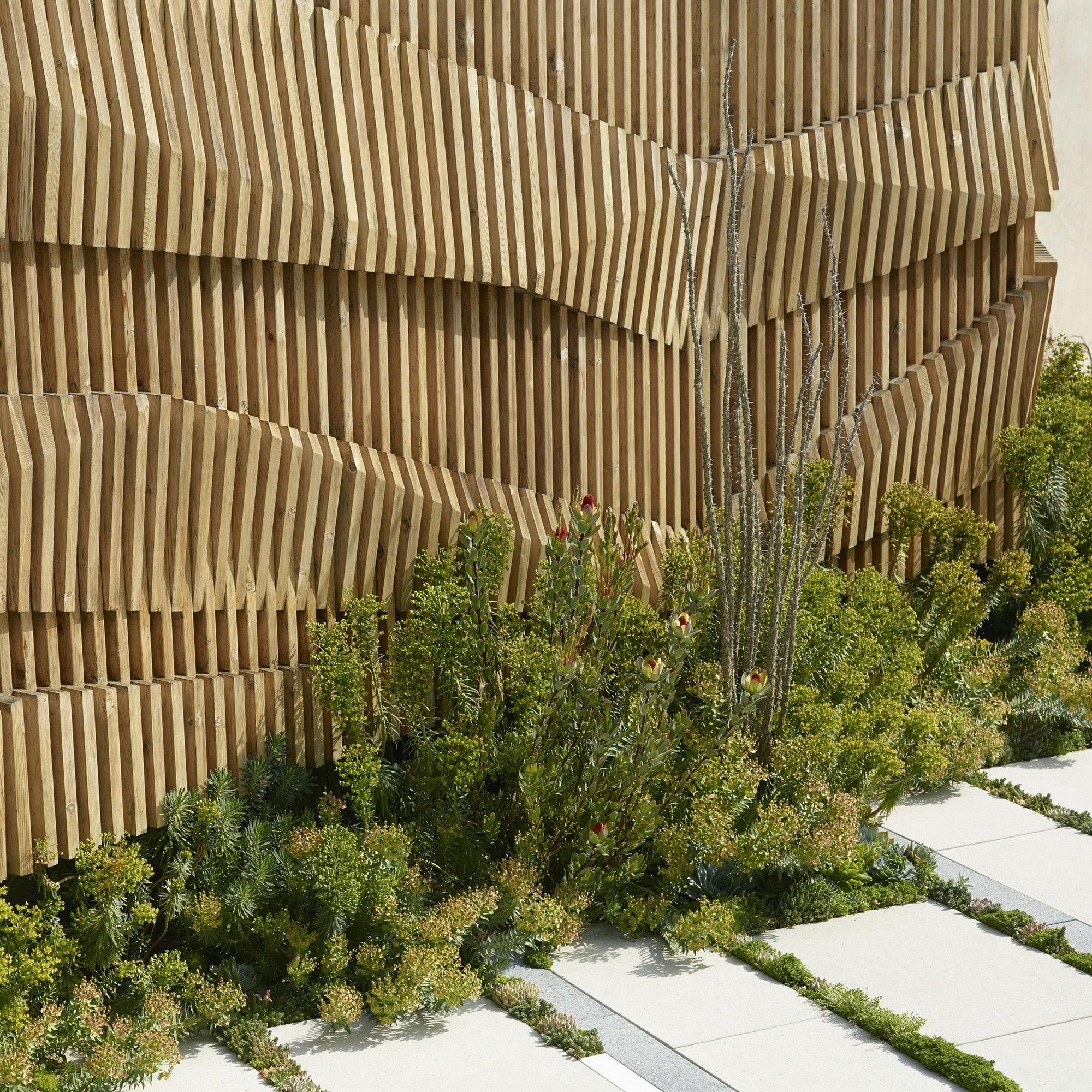
15 Modern Patio Paver Ideas

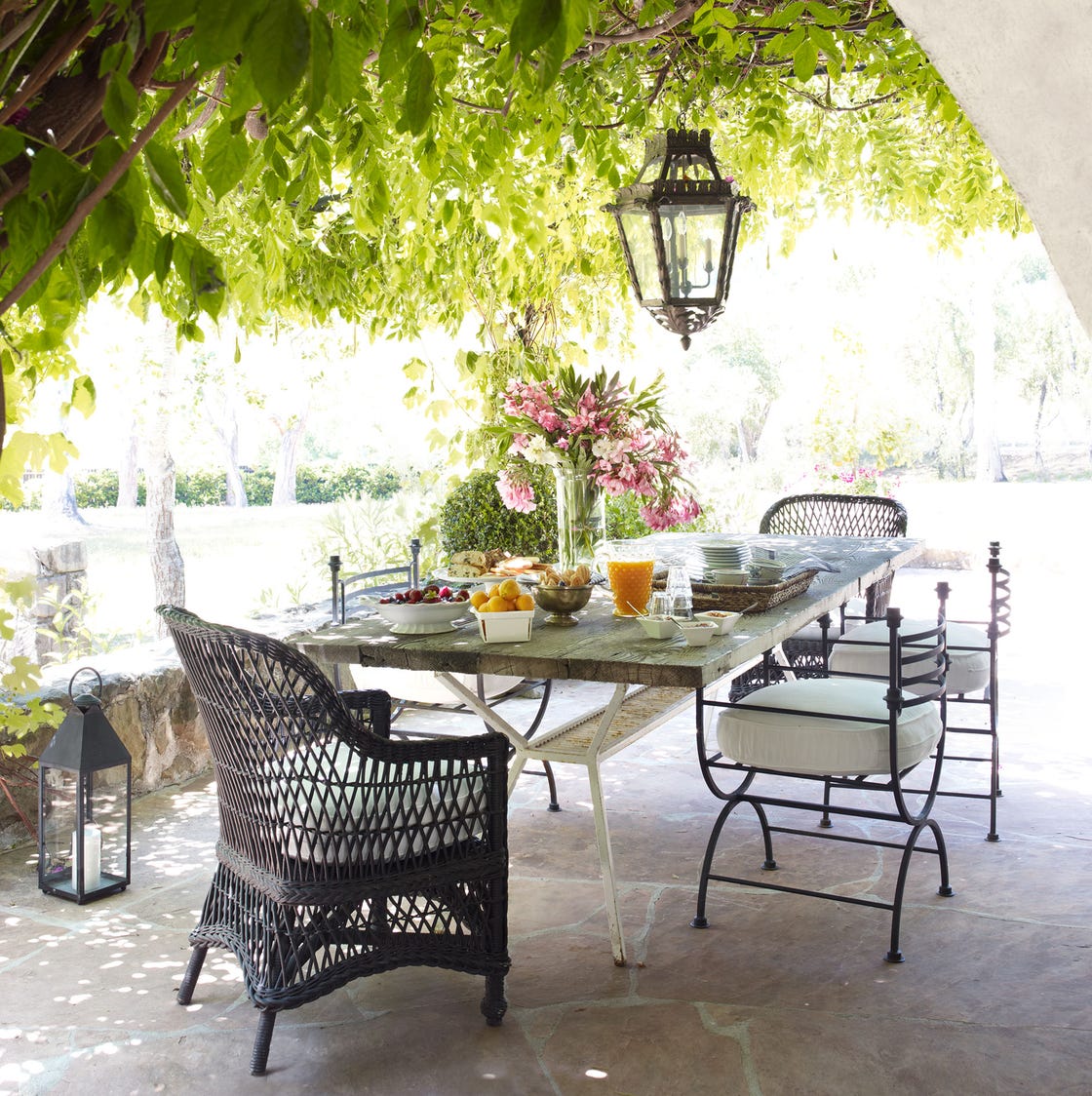
28 Gorgeous Outdoor Patio Design Ideas to Inspire Your Very Own Backyard Haven

These Concrete Paints Will Give Your Patio, Driveway, or Pool Deck An Instant Makeover

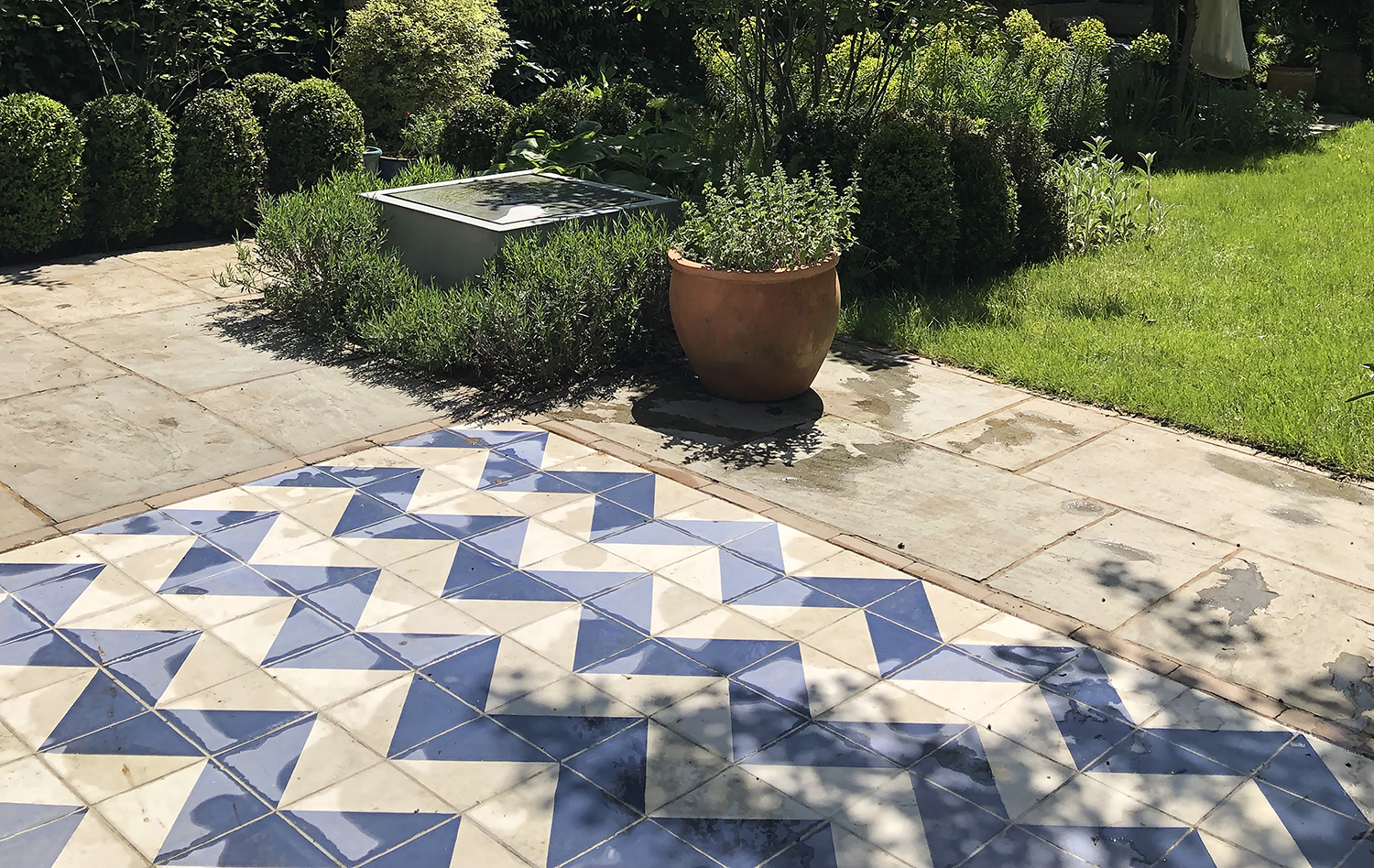
Patio flooring ideas - amazing designer-approved alfresco spaces for backyards large and small

8 concrete flooring ideas that will convince you this style can be surprisingly luxurious
Decorative Concrete Patio Paradise

Concrete design ideas: how to make them work in any home

10 easy DIY landscaping ideas to elevate your backyard

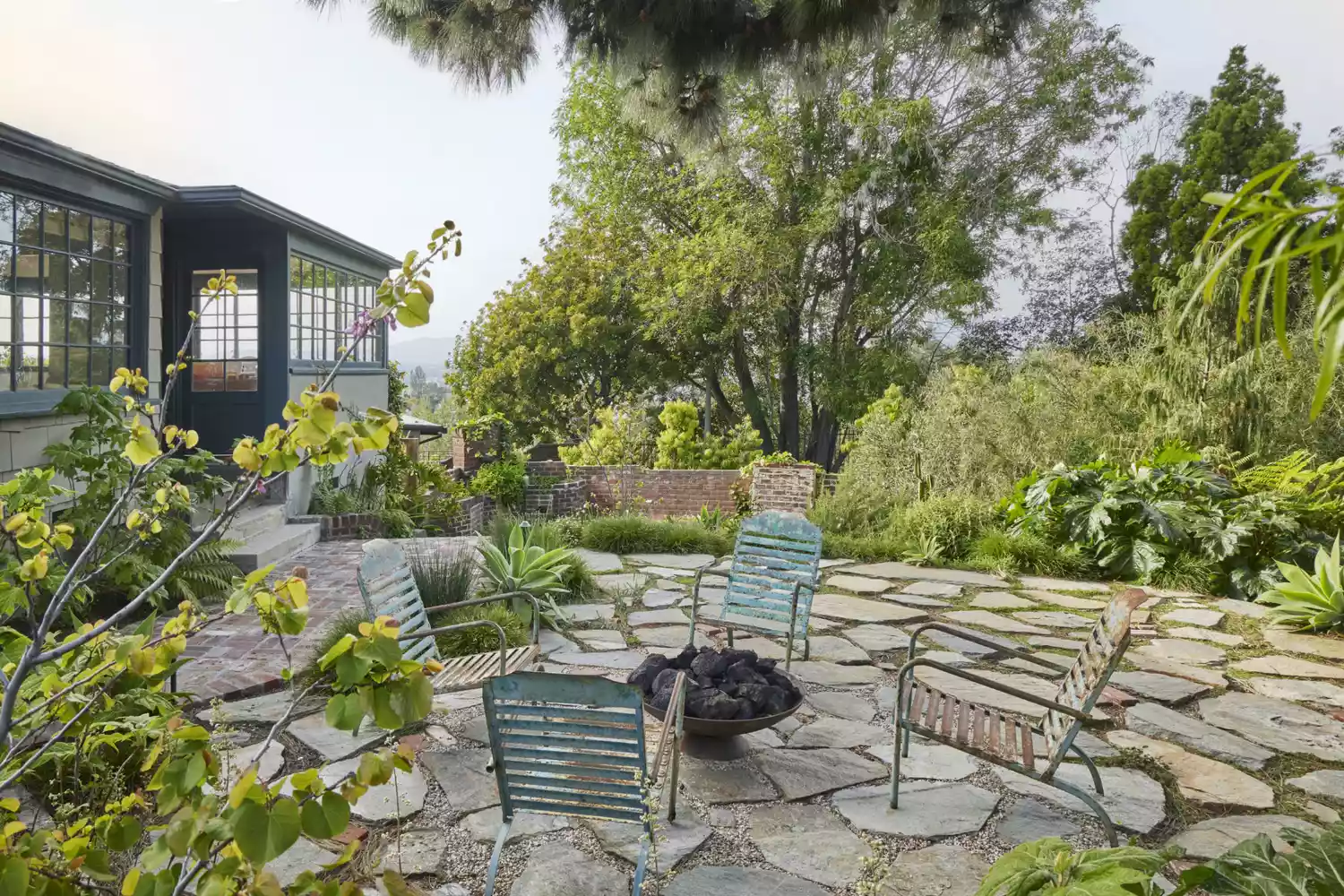
11 Beautiful Concrete Patio Ideas to Make Your Outdoor Space Gorgeous
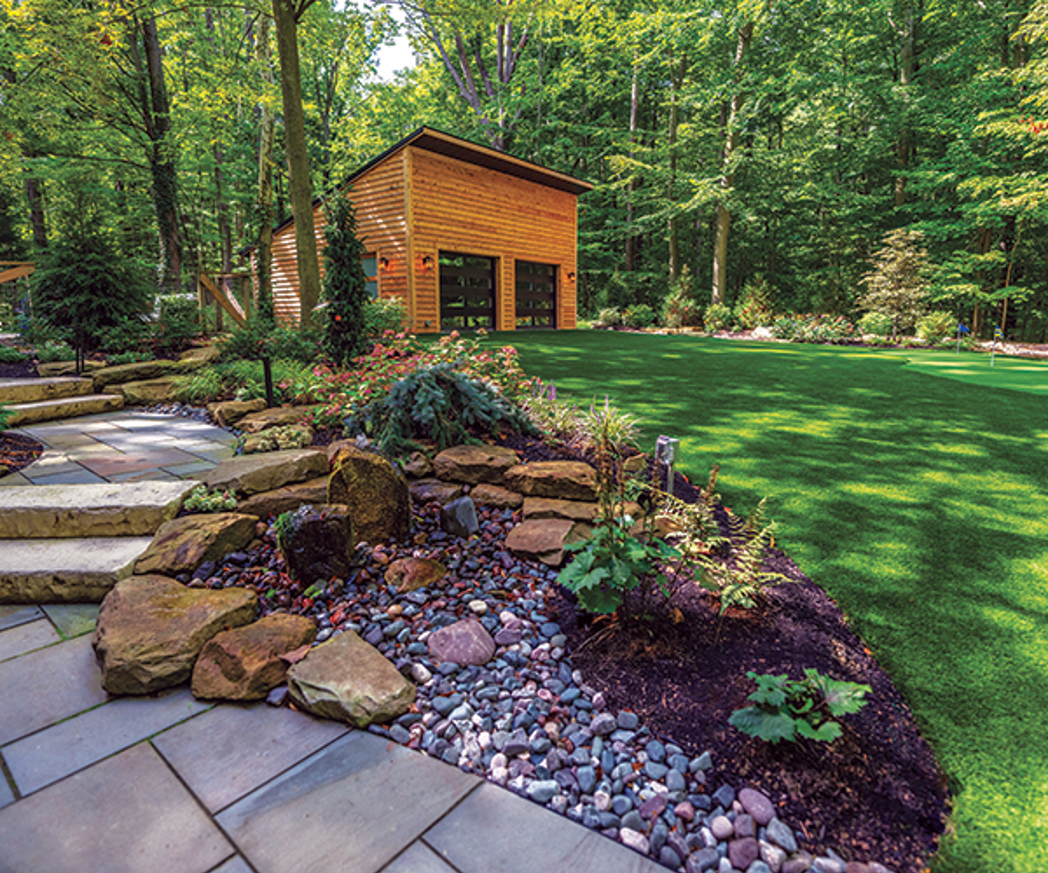
12 Outdoor Design and Patio Trends for Cleveland Homes

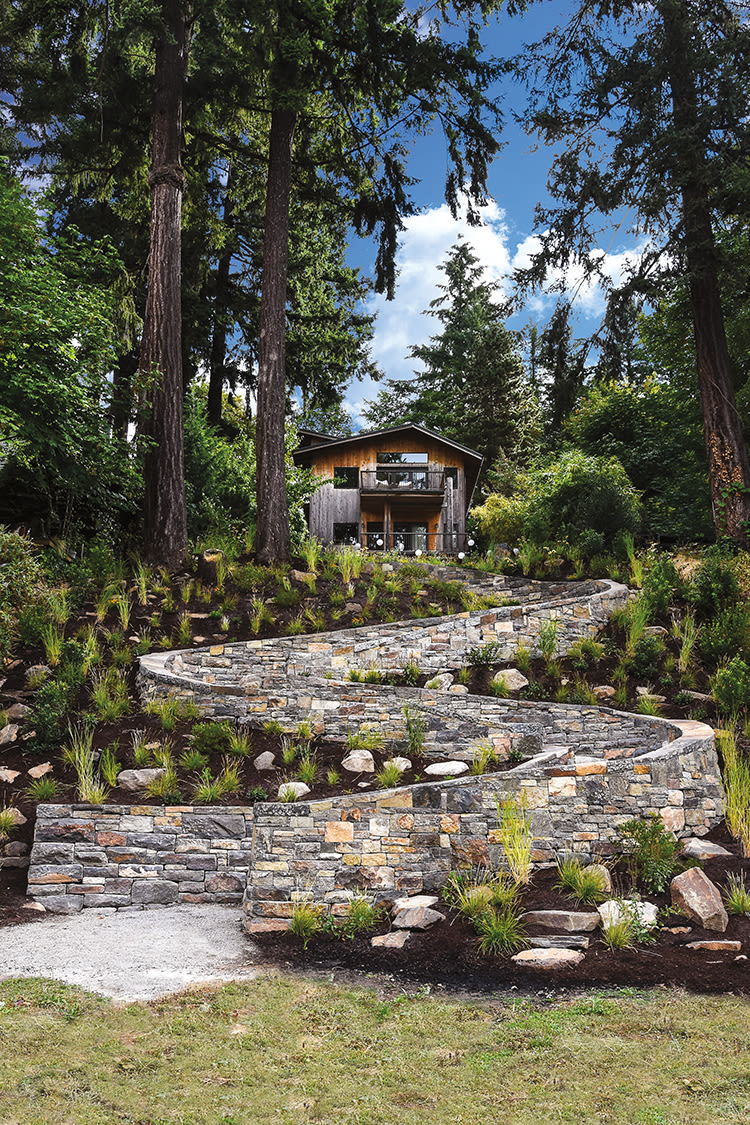
Build Your Perfect Backyard Patio in 5 Easy Steps

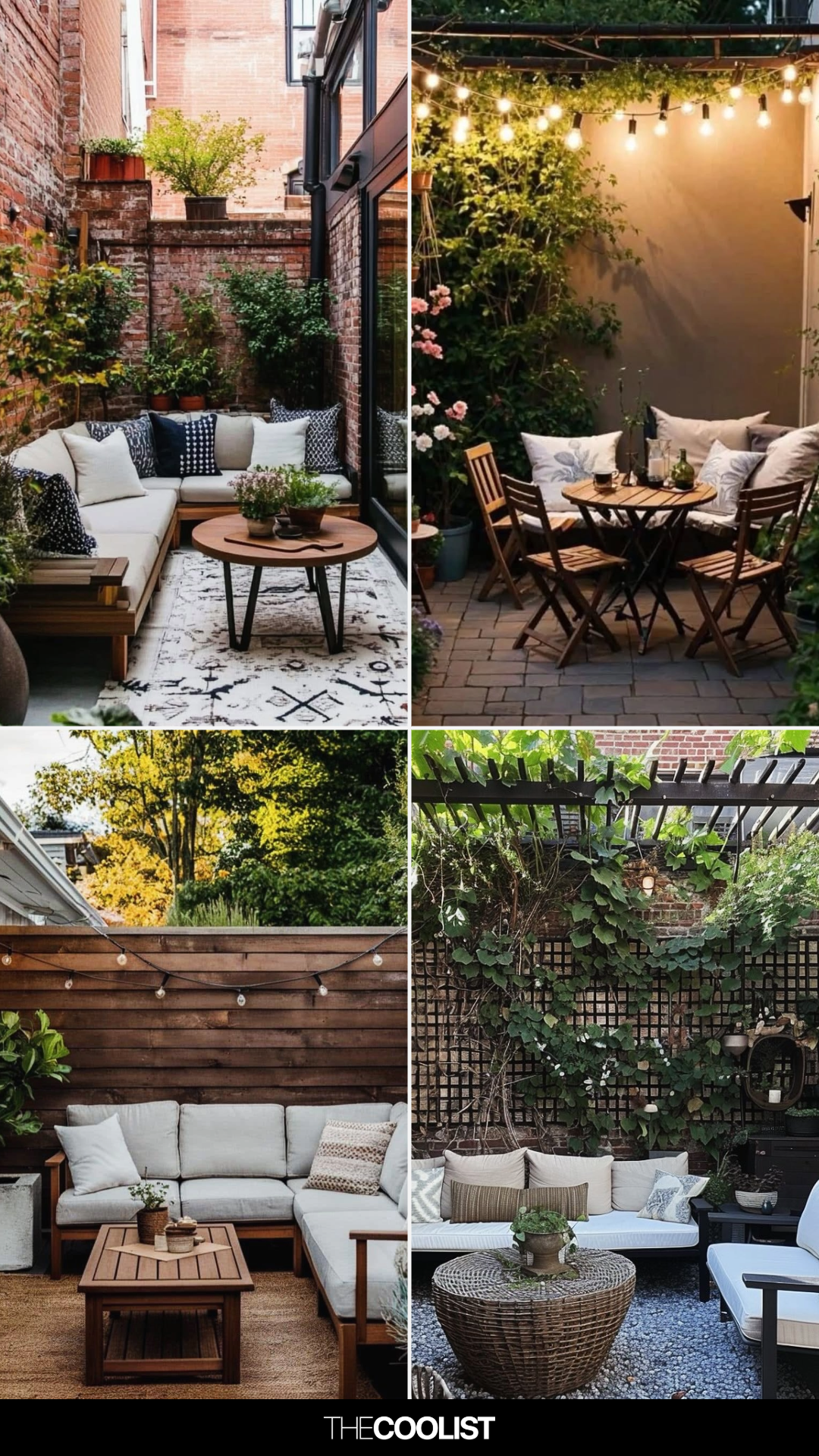
21 Genius Small Patio Ideas That Make Your Backyard Feel 10x Bigger
Modern backyard ideas – 12 clean and contemporary looks for your outdoor space
19 ways to give your patio a makeover

Crazy paving ideas to inspire a garden makeover

Concrete Landscape Logs From: The Concrete Edge Company