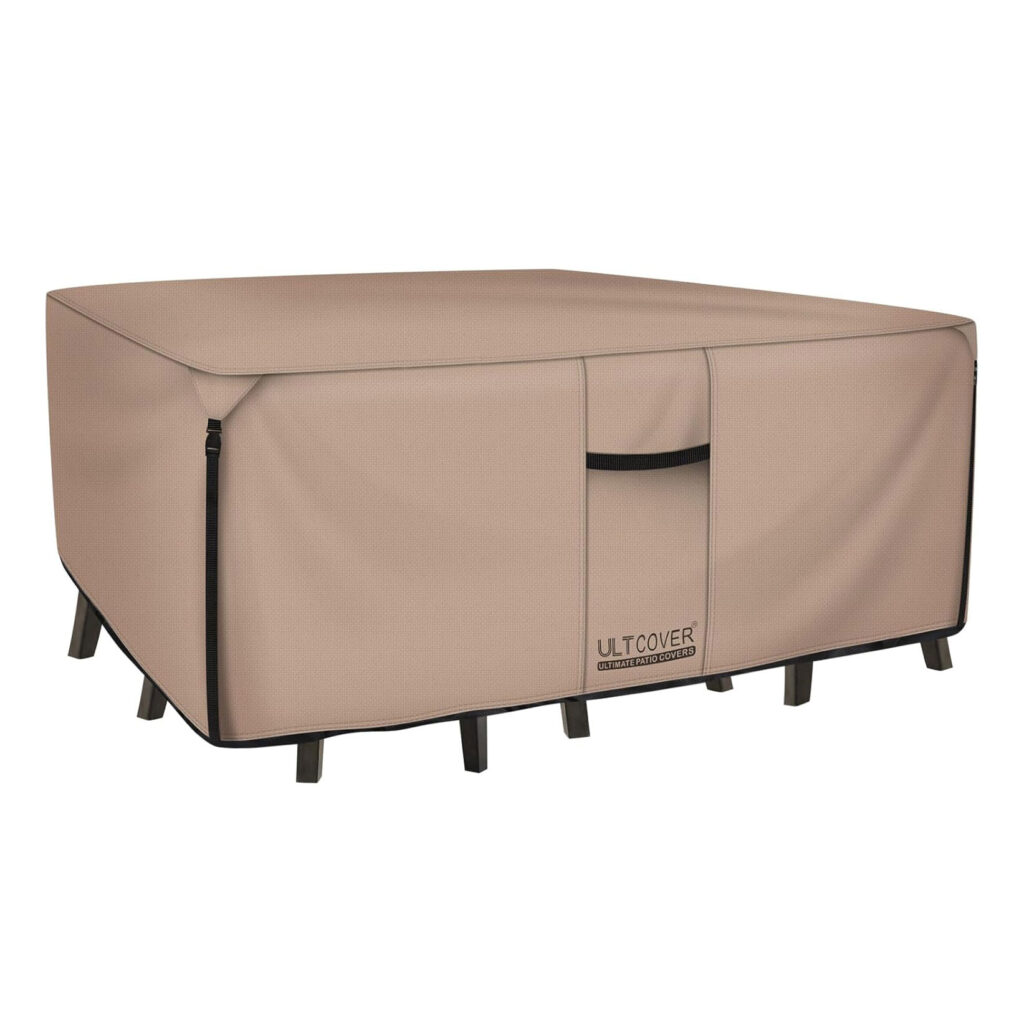
How to Properly Store and Winterize Outdoor Furniture
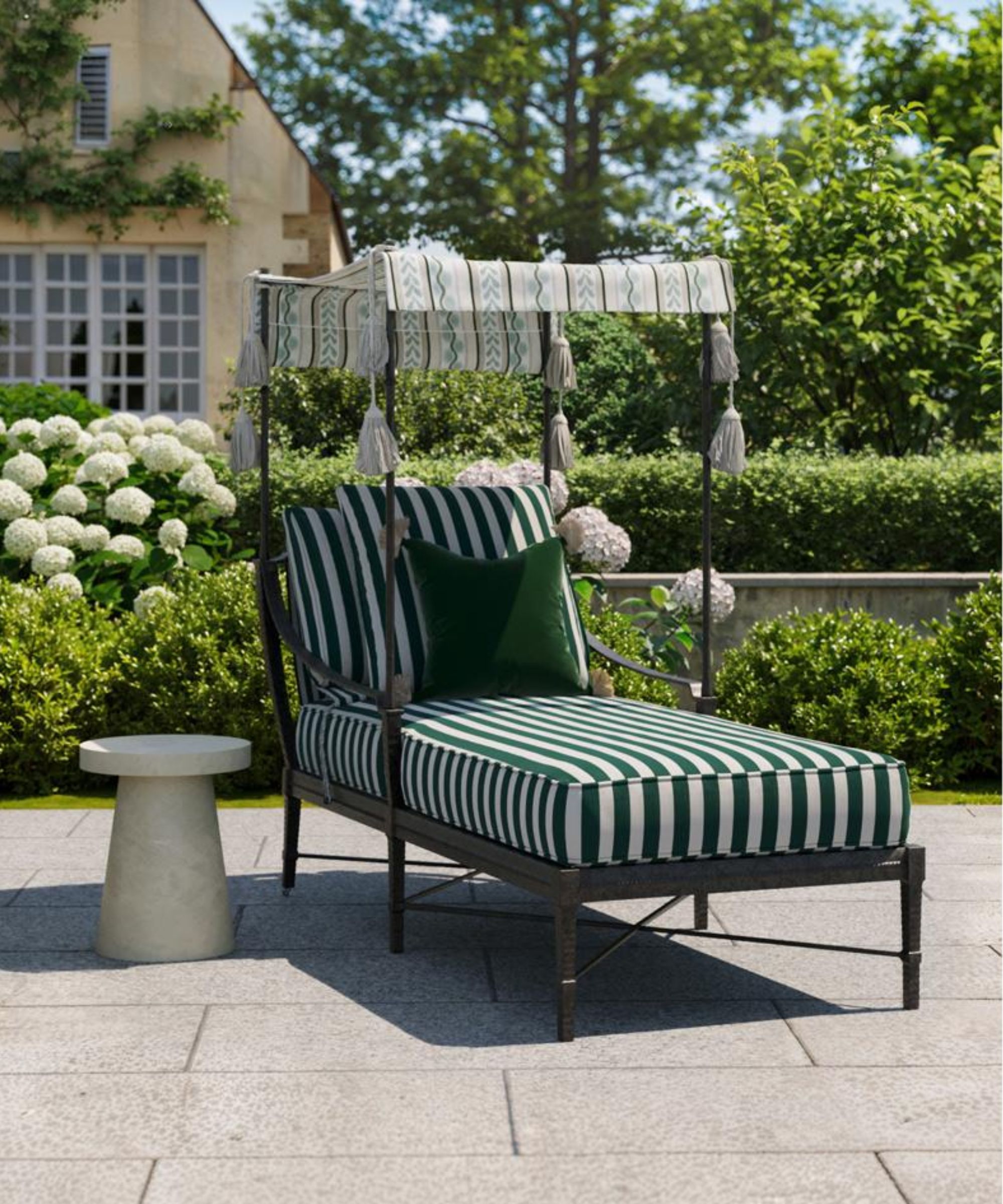
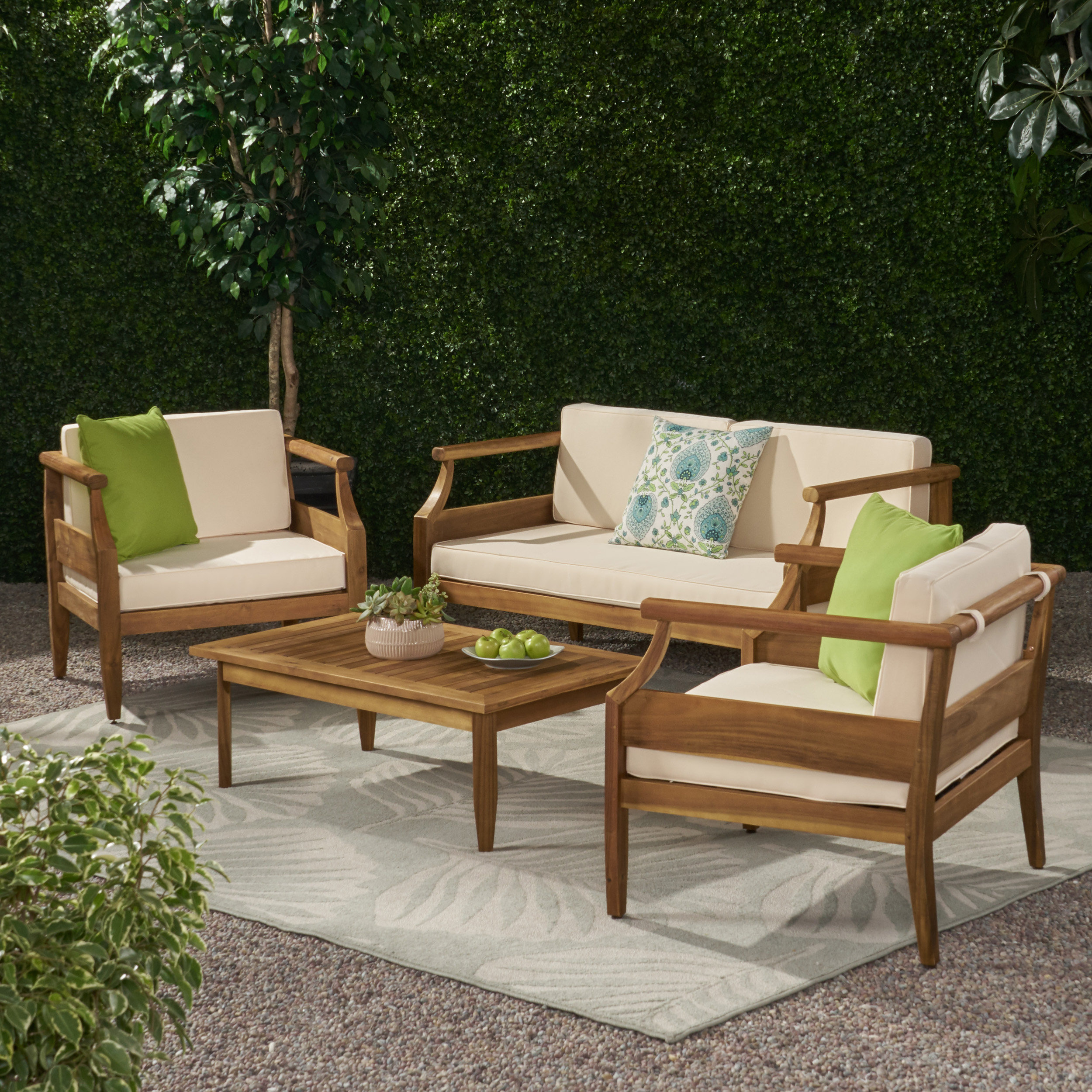
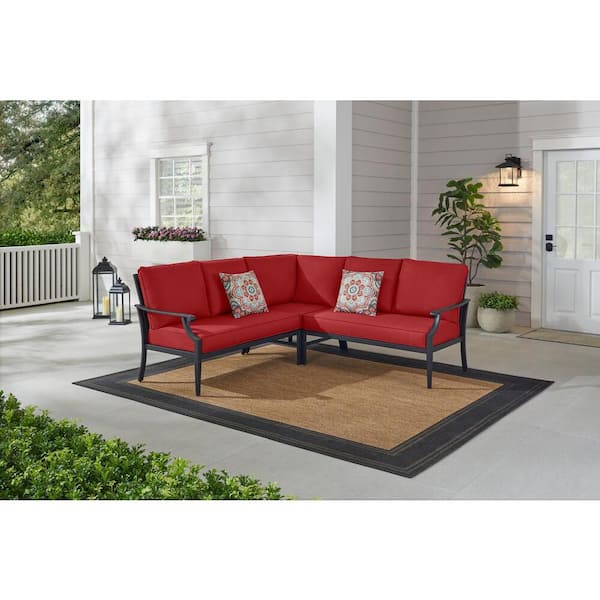
Protecting outdoor furniture from winter weather is crucial for extending its lifespan and maintaining its aesthetic appeal. This process, known as winterizing, can save homeowners money and effort in the long run by minimizing the need for repairs or replacements. The cofounder and chief design officer at Outer, Terry Lin, emphasizes the importance of a light clean at the end of each season to remove debris and ensure furniture remains in top condition.
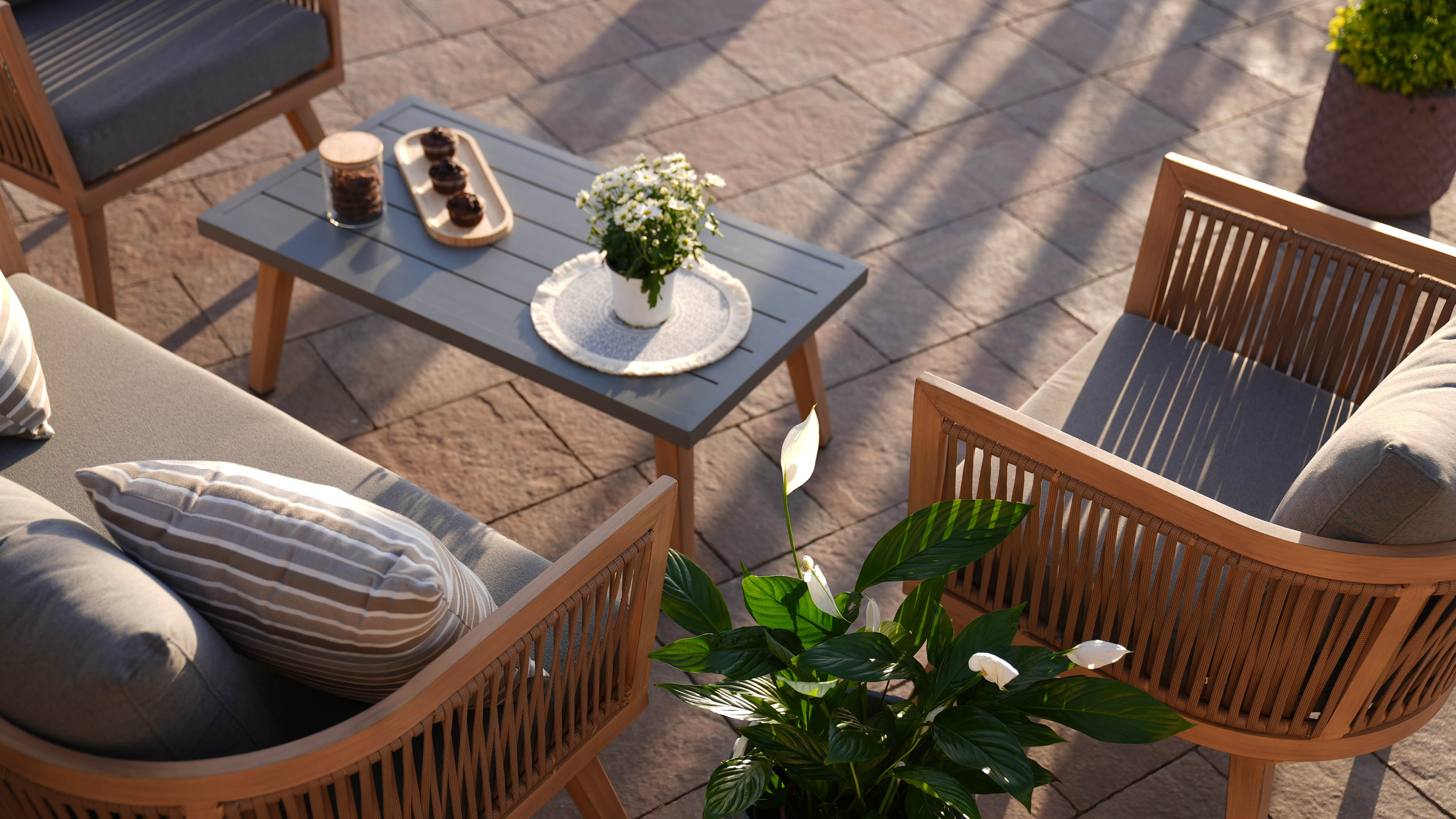
The initial step in winterizing involves thoroughly cleaning all outdoor furniture. For most materials like teak, plastic, and metal, a solution of warm water and a few drops of detergent is effective. Bleach can be added for stubborn stains, but a mild laundry or dish soap is a suitable alternative if concerns about potency exist. It's important to avoid power washing, as its intense pressure can damage furniture surfaces. For fabric cushions, investing in removable covers is highly recommended, as they simplify the cleaning process. These covers should be washed at least once per season, preferably as warm weather ends, to prevent mildew and grime buildup.
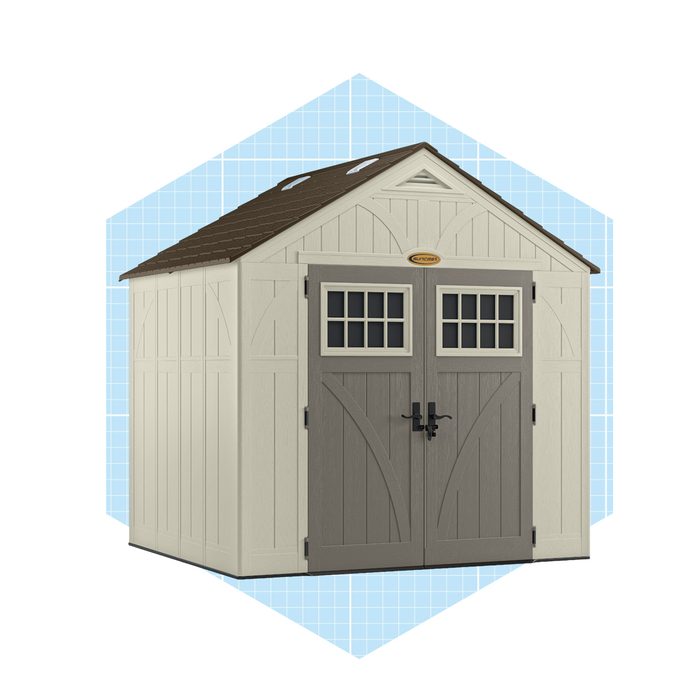
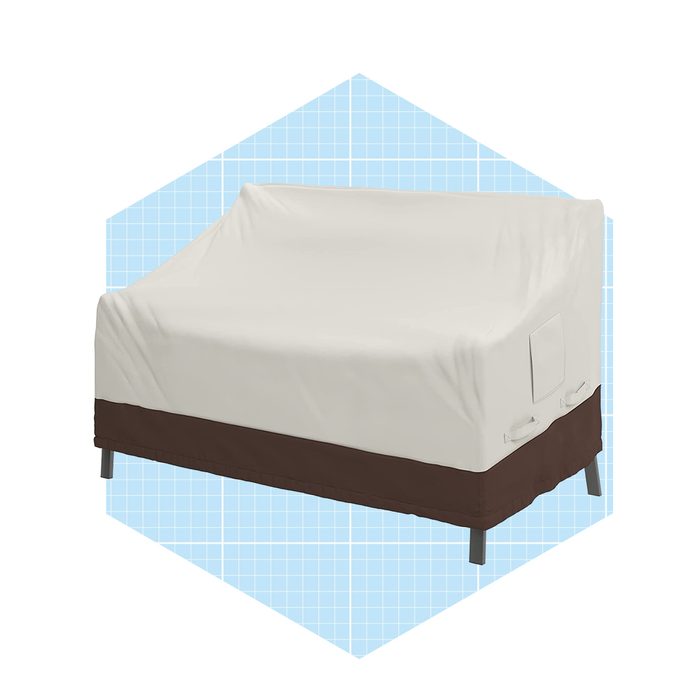
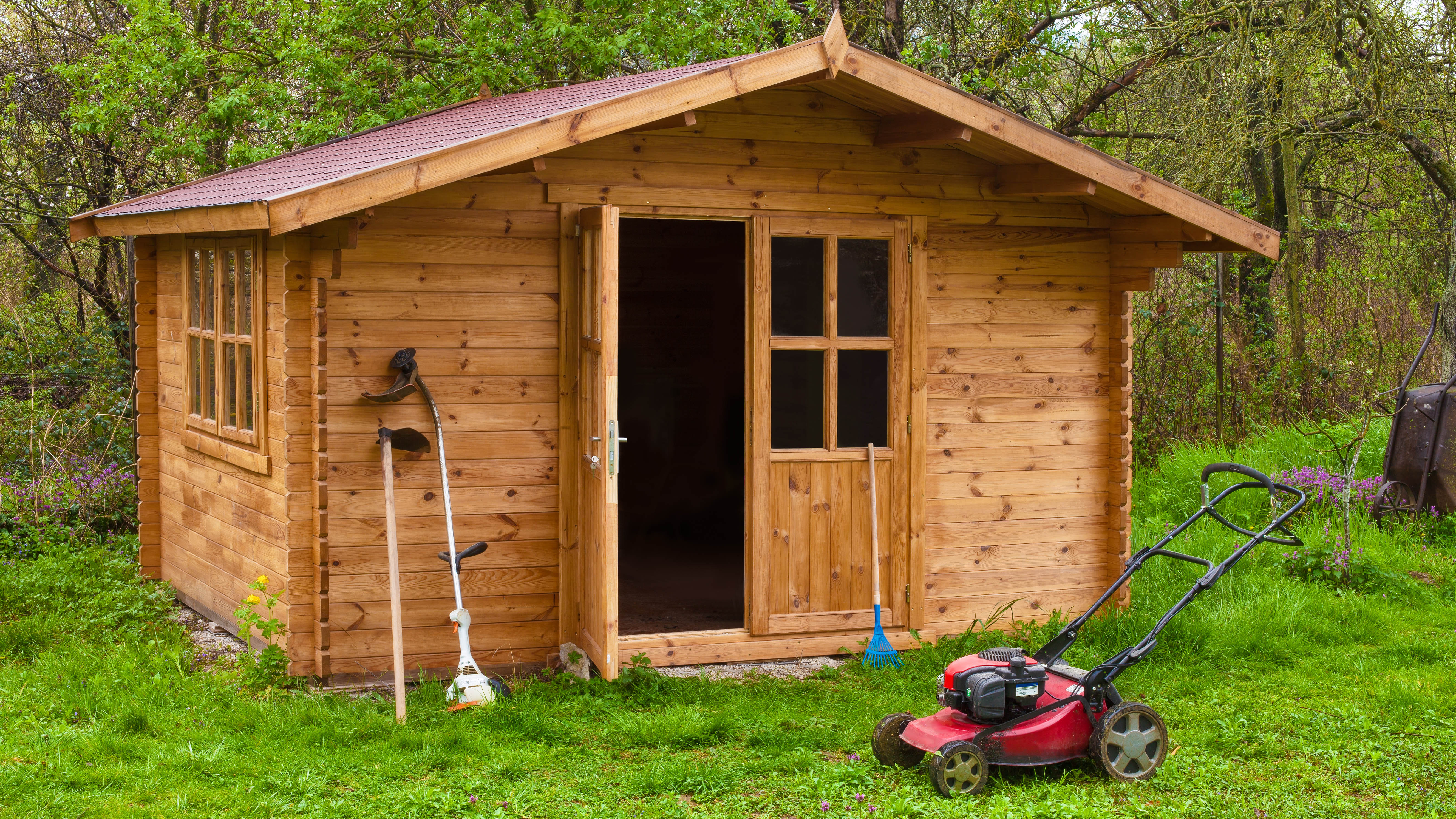
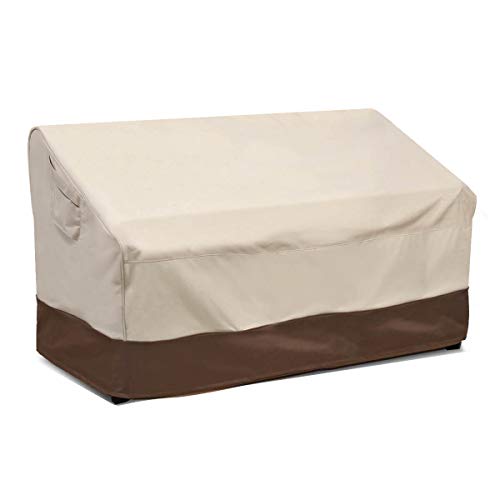
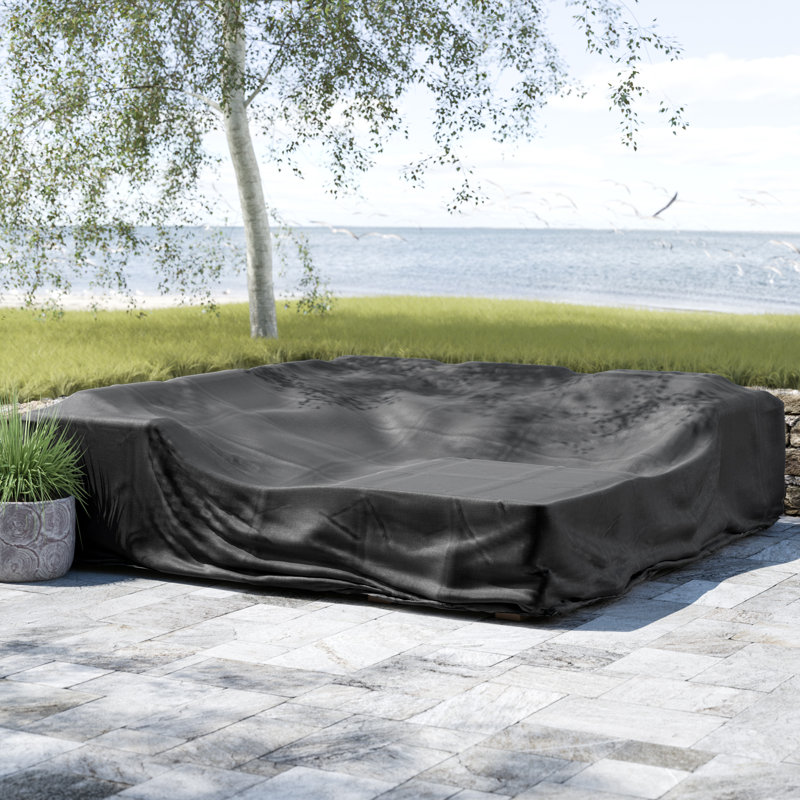
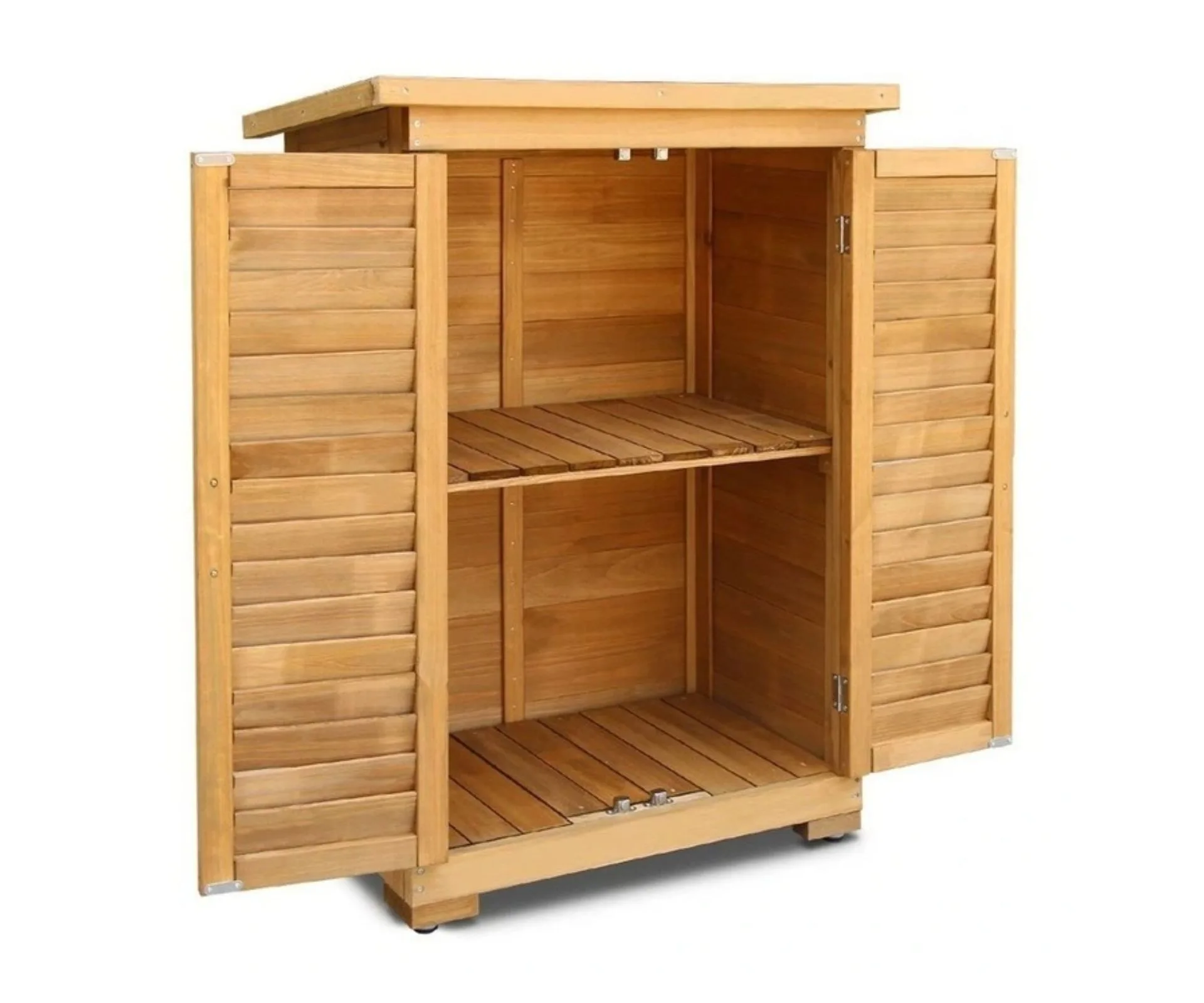
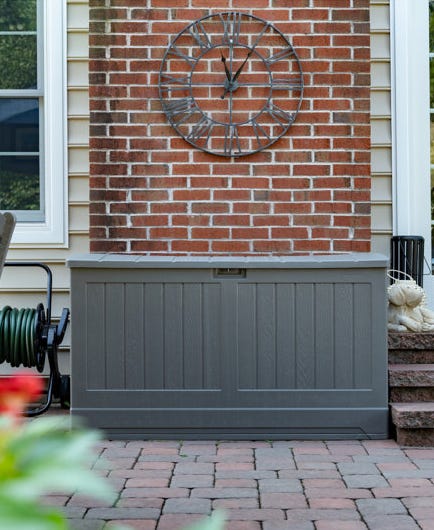
After cleaning, deciding on a storage method is the next critical step. While storing furniture indoors in a garage is an option, many homeowners lack the space, and even in a garage, furniture can still be exposed to cold temperatures and elements if the door is frequently opened. Lin suggests that utilizing high-quality outdoor furniture covers is an effective alternative, allowing furniture to remain outside even in harsh conditions. When selecting a cover, several features are important to consider. Durable, waterproof, and fade-resistant fabric is essential to protect against moisture and sun damage. Covers with sloped angles are beneficial for shedding snow and leaves, preventing accumulation. Buckles and straps ensure a snug fit, preventing dirt and moisture from seeping underneath. Easy-to-use features like waterproof zippers enhance convenience. Crucially, covers should include dry vents to allow for proper airflow, preventing moisture buildup and mildew growth, which can occur even when water is kept out. For cushions and throw pillows, if concerns about pests or moisture persist, especially when storing in basements or attics, they can be vacuum-sealed indoors, but only after ensuring they are completely clean and dry.
Upon the arrival of spring, any minor damage that might have occurred despite protective measures can be addressed. For teak furniture that has faded, a manufacturer-recommended cleaner followed by an application of teak oil can restore color and prevent cracking. Aluminum furniture can be easily restored by spraying it with a garden hose to remove loose dirt. The same simple cleaning method applies to low-maintenance plastic furniture. For wrought iron pieces showing rust, gentle buffing with a brush is recommended. Any remaining stains on other furniture types can be treated by repeating the initial cleaning process. By following these steps, outdoor furniture can be preserved, ensuring enjoyment for many seasons to come.
#OutdoorFurniture #Winterization #FurnitureStorage #HomeImprovement #PatioCare #OutdoorLiving #CleaningTips #HomeMaintenance #OutdoorFurniture #Winterization #FurnitureStorage #HomeImprovement #PatioCare #OutdoorLiving #CleaningTips #HomeMaintenance
0 comment in total
 No comments yet
You may also like
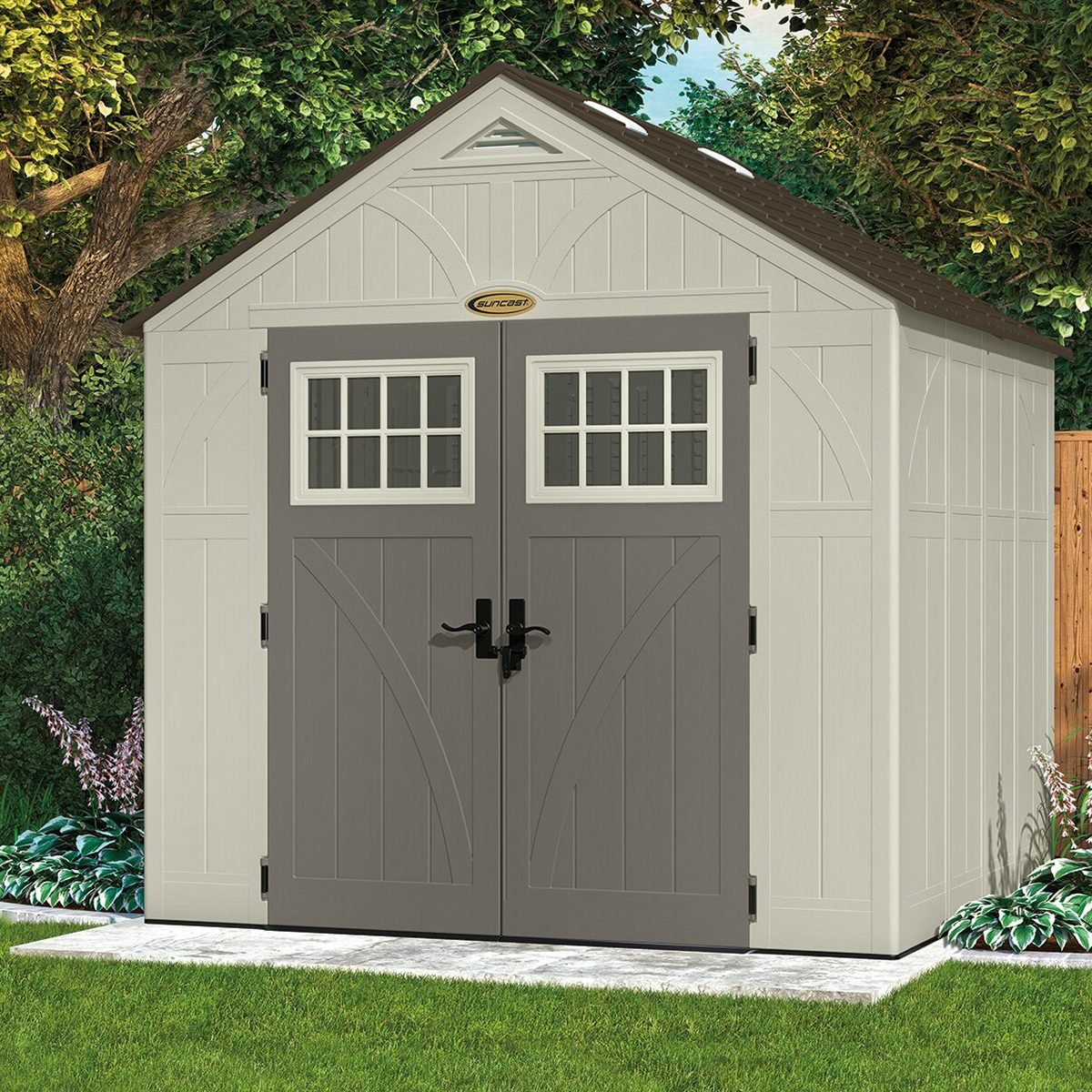
The 6 Best Methods for Outdoor Cushion Storage


I’m sick of my outdoor cushions getting drenched by sudden summer showers – this multi-functional 'premium' fix is what 1000s of people swear by

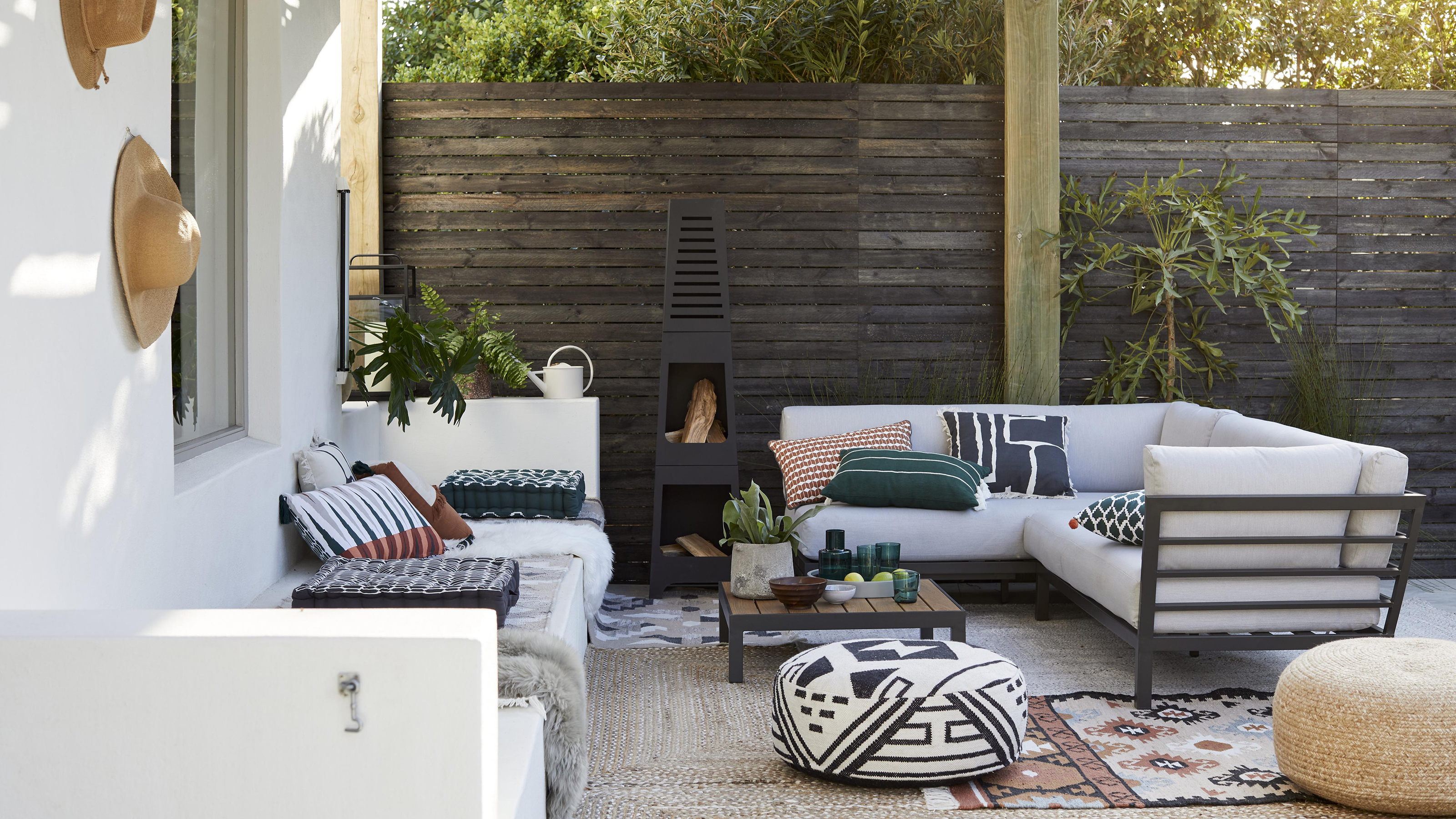
How to clean outdoor furniture – 3 simple steps for wood, metal, resin and rattan

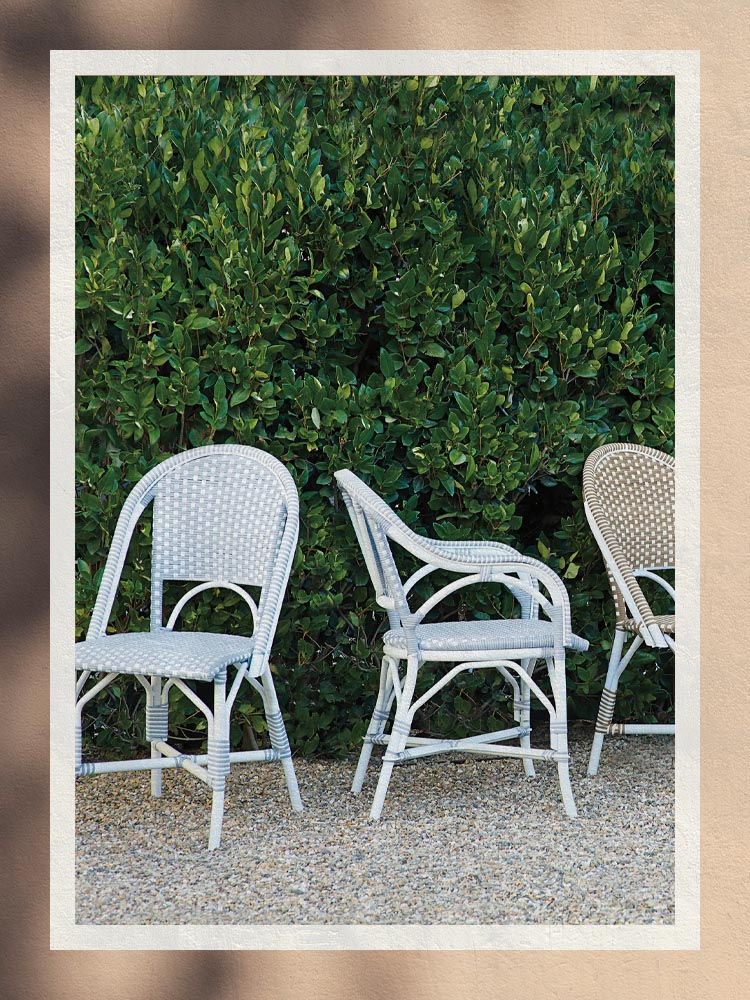
We Found the 10 Best Patio Chairs So You Can Sit Back and Relax
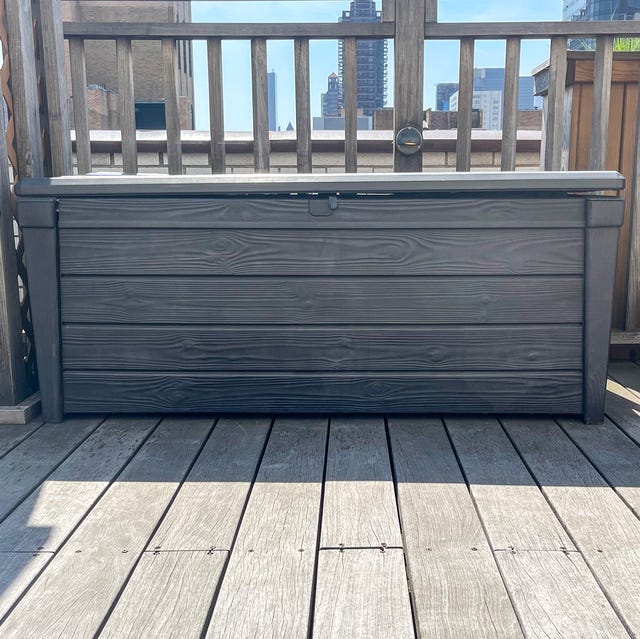
Your Messy Patio Has an Easy Fix. These Deck Boxes Hide Everything—And Look Good Doing It.
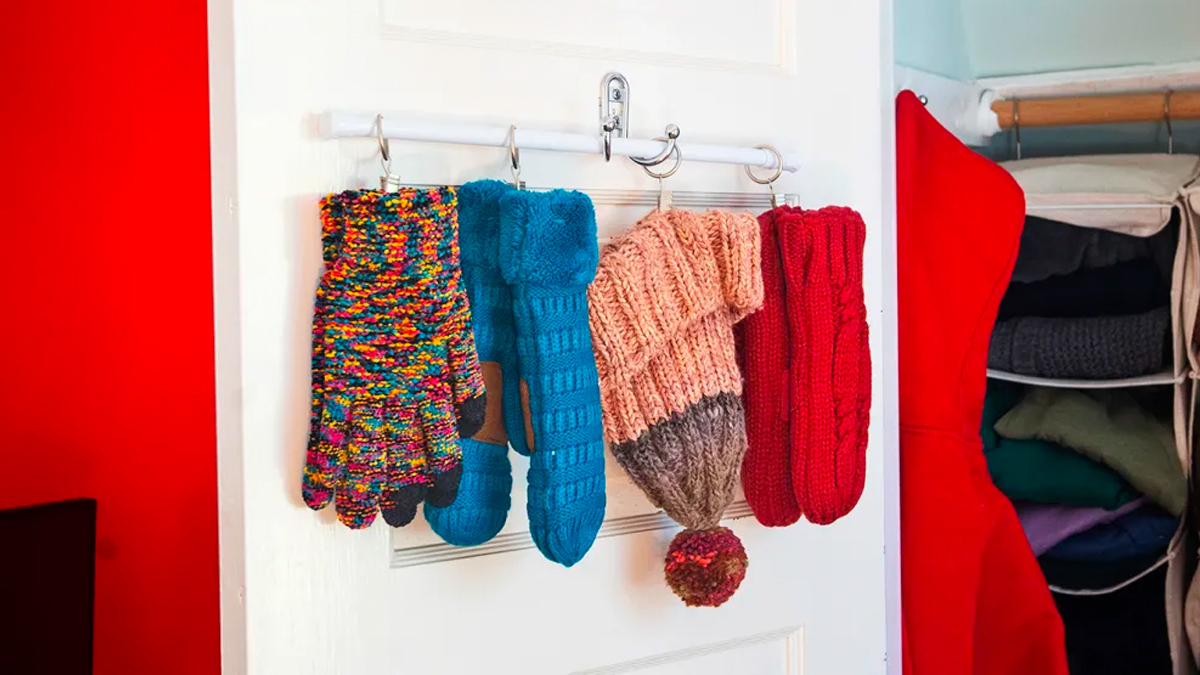
Genius Tension Rod Hack Makes Your Winter Gloves and Hats So Easy to Find


Easy Tips to Weatherproof Patio Furniture for Year-Round Use
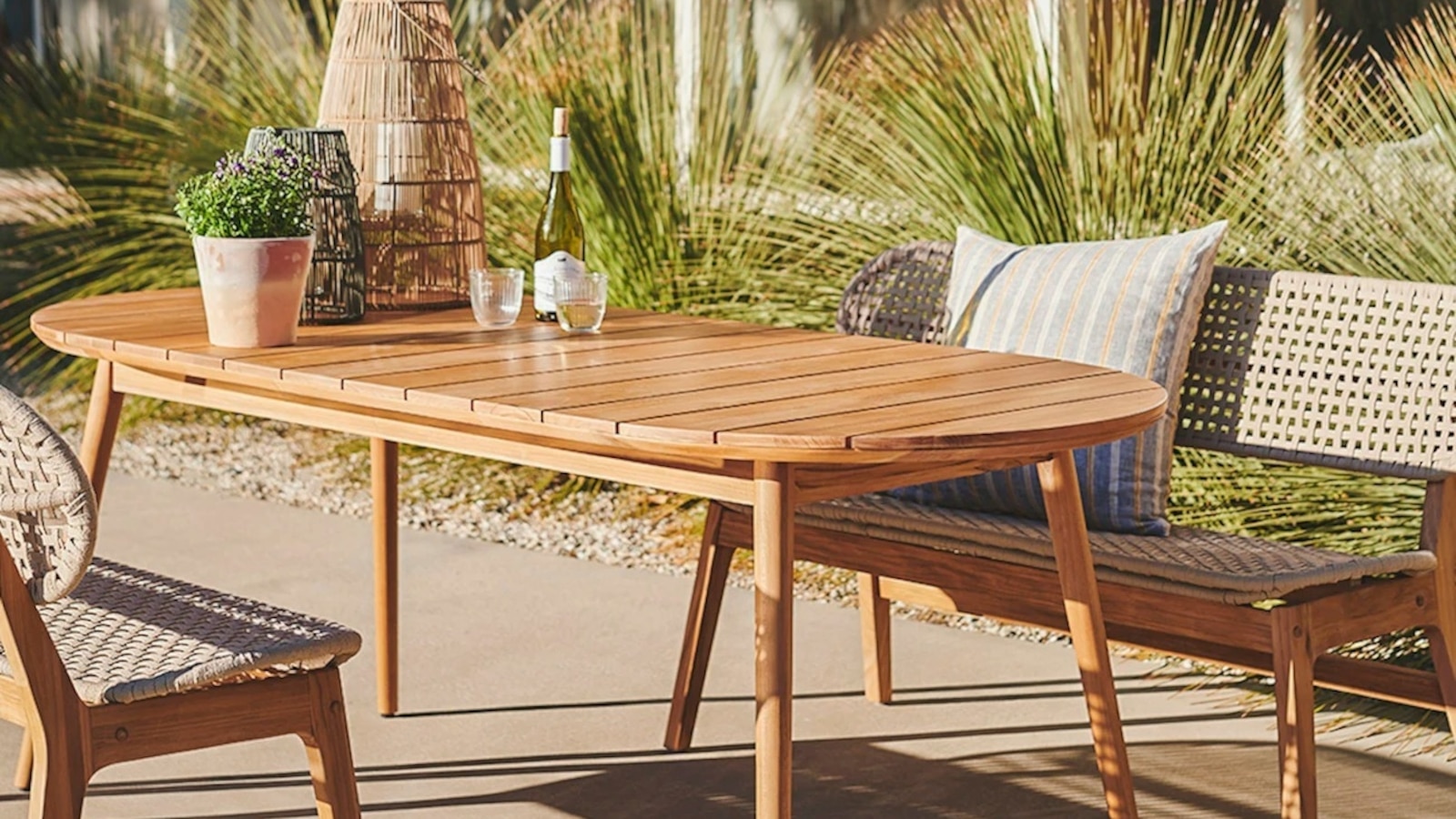
Everything you need to upgrade your patio for summer and how to protect it

22 Sneaky Storage Solutions for Your Deck, Porch, and Patio


How to Clean and Care for Your Outdoor Furniture Throughout the Year


This is the one mistake that could make your patio furniture wear out twice as fast

These Outdoor Storage Pieces Double as Decor for Your Home

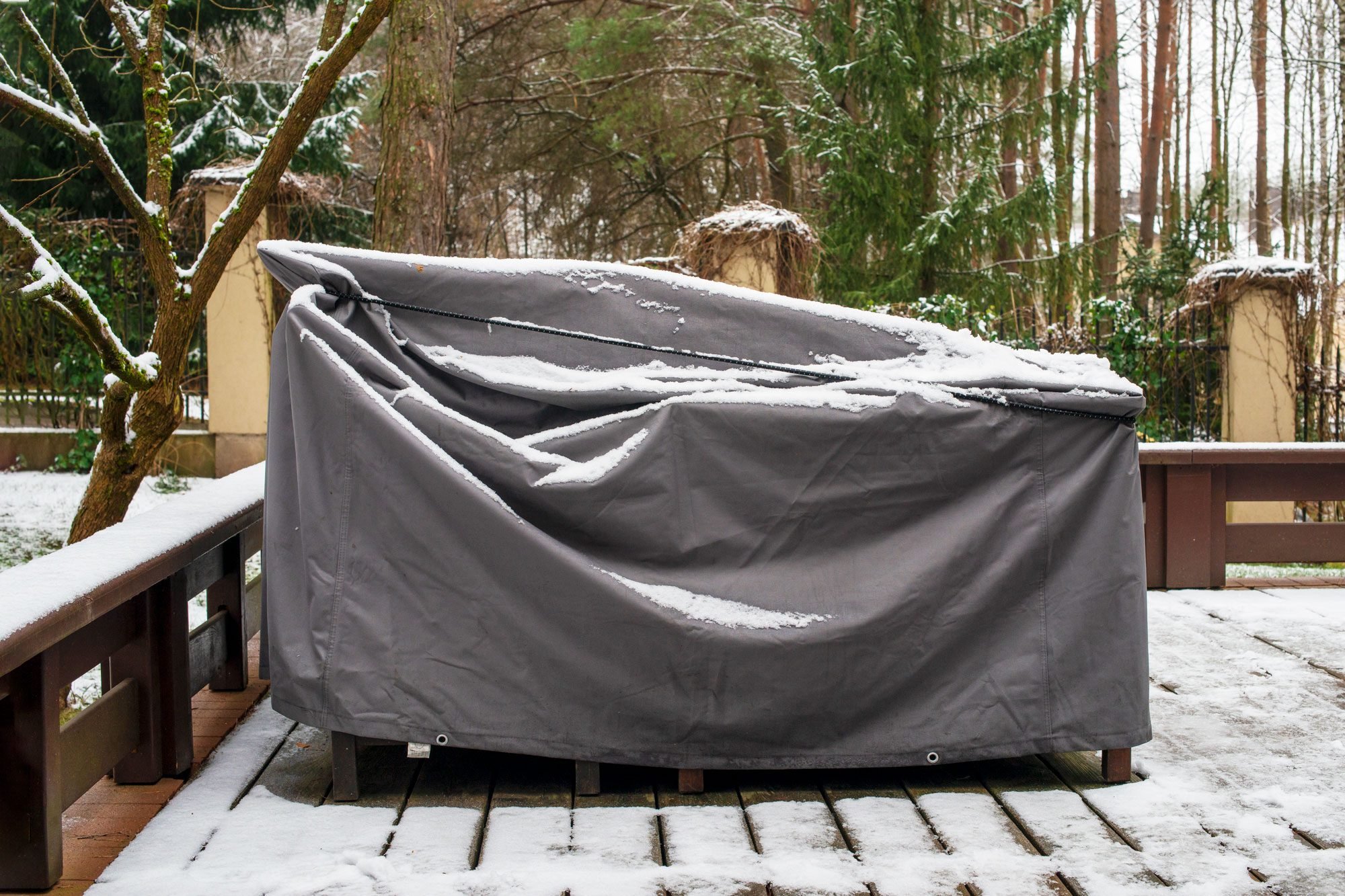
Winterproofing Your Outdoor Furniture – Easy Tips
I asked professional organizers for the best winter storage tips for your living room and we love these 7 smart ideas
Keep your gardening tools safe with these outdoor storage cabinets


4 Signs It’s Time to Replace Your Outdoor Furniture
All Of These Outdoor Furniture Pieces Actually Double As Hidden Storage
Don't ruin your patio! 7 steps experts say you must take before the first frost

28 Garden storage ideas – innovative solutions from mini-greenhouses to vintage boxes
These 9 Patio Furniture Pieces Double as Clever Storage Solutions—and They’re Up to 55% Off