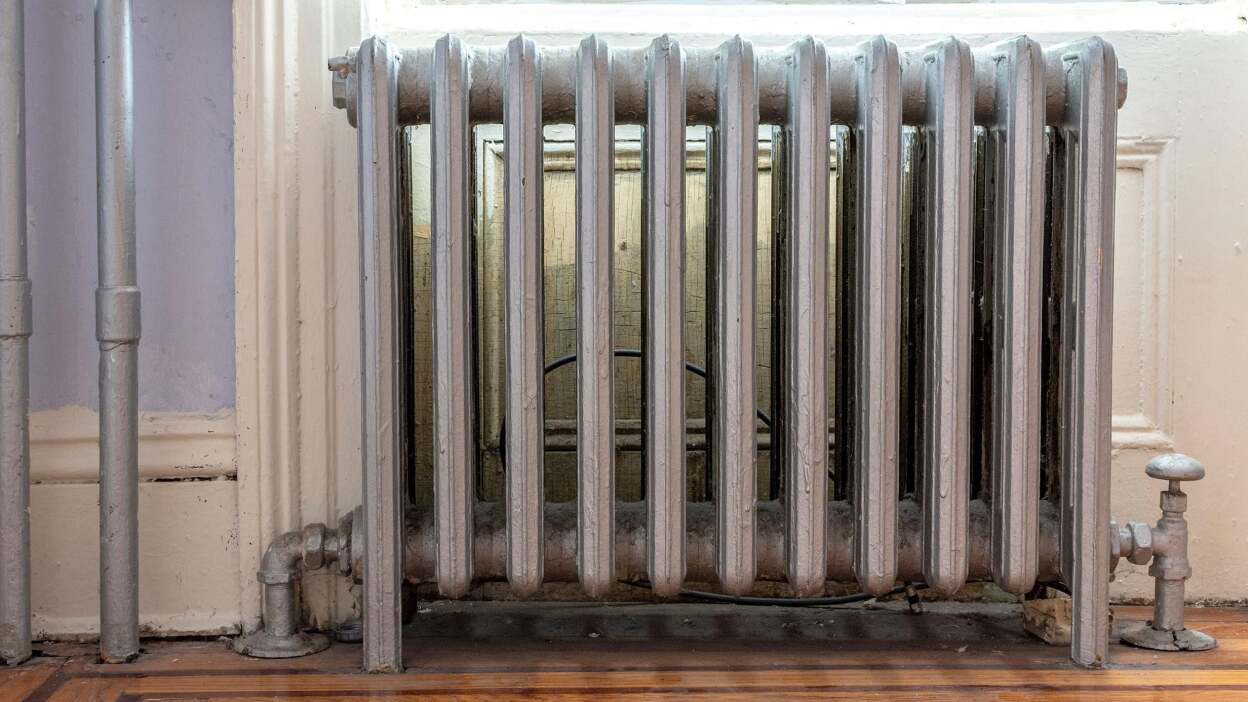
How to Fix Your Noisy Radiator Based on the Sound It’s Making
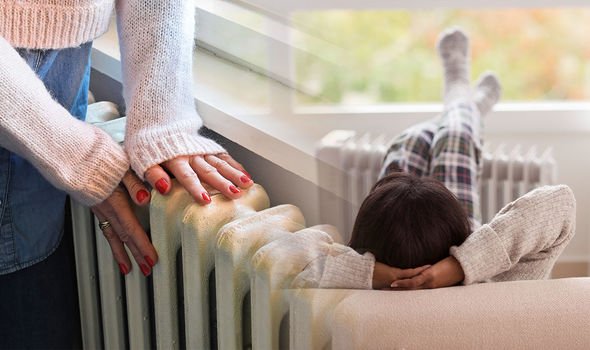
Radiators, particularly in older homes or city apartments, can often produce a variety of disruptive noises, including hissing, gurgling, and banging. These sounds are not only annoying but can also interfere with daily activities and sleep. Addressing these issues often does not require professional help and can be resolved with a few simple DIY methods.
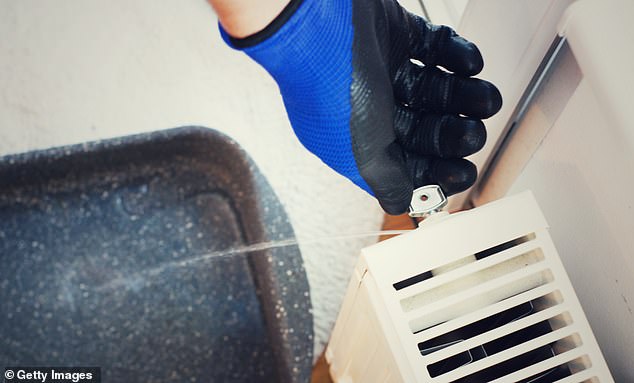
A gurgling radiator typically indicates the presence of accumulated air within the system. This can be resolved by 'bleeding' the radiator. This process involves using a radiator key, an inexpensive tool readily available at hardware stores. The key fits onto a valve located at the top of the radiator. By slowly turning this valve counterclockwise, excess air and a small amount of water will be released. It is advisable to place a towel beneath the radiator to catch any water drips during this procedure. Once the air is expelled and only water flows out, the valve can be tightened.
Hissing radiators often signify that air is escaping from a point where it shouldn't. While some might consider this a form of white noise, it can become problematic, especially during important activities like video calls. A common cause for hissing is calcium deposits obstructing the steam vent. To address this, the intake valve should be closed, and the steam vent removed. Soaking the steam vent overnight in vinegar can help dissolve these mineral deposits. Alternatively, a new steam vent can be purchased from a hardware store for a minimal cost. When buying a replacement, it is helpful to bring photographs of the existing radiator to ensure the correct part is acquired.
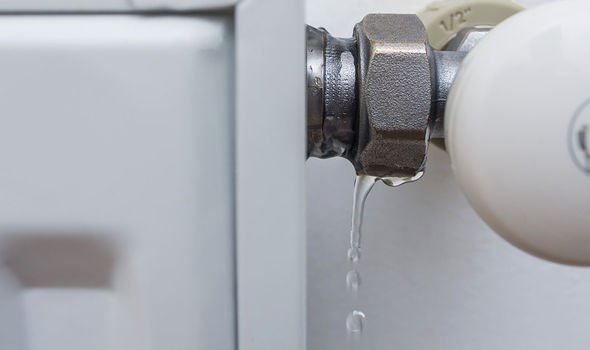
Banging or clanging radiators, which can be particularly startling and disruptive, often occur when steam in the radiator comes into contact with cooler water. This can be a symptom of a leaky valve, a dirty boiler, or a back-pitched pipe. A practical solution for a back-pitched pipe involves using shims. By placing shims under the lower end of the radiator, it can be tilted slightly towards the boiler. This adjustment helps prevent cooler water from accumulating in areas where it would meet steam, thereby reducing the banging noise.
Beyond these specific fixes, there are general maintenance practices that can help prevent radiator noise. It is recommended to perform bleeding, shimming, and cleaning of radiators early in the fall or before the heating season begins to mitigate potential noise issues. Crucially, radiator valves should never be left partially open; they should either be fully open or fully closed. Keeping a valve partially open can increase noise and, over time, damage the valve, leading to leaks and further noise. Additionally, insulating the steam pipes near the radiator can effectively muffle sounds. Purpose-made insulation jackets are available at hardware stores, and selecting the appropriate type for very hot pipes is important. If issues persist or seem beyond simple DIY fixes, contacting a landlord or a professional plumber may be necessary.
#radiatorRepair #homeMaintenance #noisyRadiator #DIYFixes #heatingSystem #homeHacks #apartmentLiving #plumbingTips #radiatorRepair #homeMaintenance #noisyRadiator #DIYFixes #heatingSystem #homeHacks #apartmentLiving #plumbingTips
0 comment in total
 No comments yet
You may also like
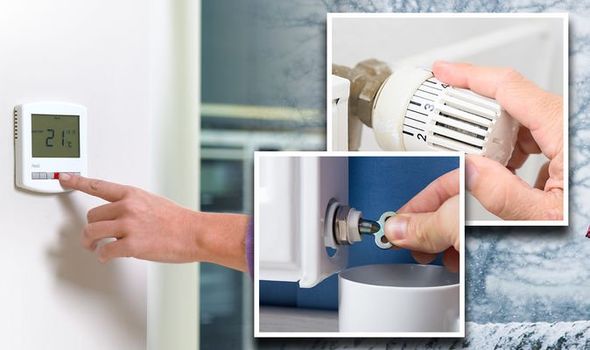
How to stop radiators knocking and banging when they turn on - KEY tips

5 Ways to Make Radiators Actually Look Good —…

Radiators


Experts Urge Homeowners to Avoid This Radiator Mistake That 'Exaggerates' How Well It Will Heat Your Home

No, room correction software cannot fix a room’s reverb problem

How do I bleed my radiator? We asked a plumbing expert for their top tips

K L Contractor Plumbing Inc Ask The Plumber Series Why Water Heaters Make Noise and What Homeowners Should Do About It

How to paint a radiator - an easy guide to update an ugly radiator in an afternoon

Here’s What to Do With the Radiators When You Renovate a Brownstone or Townhouse