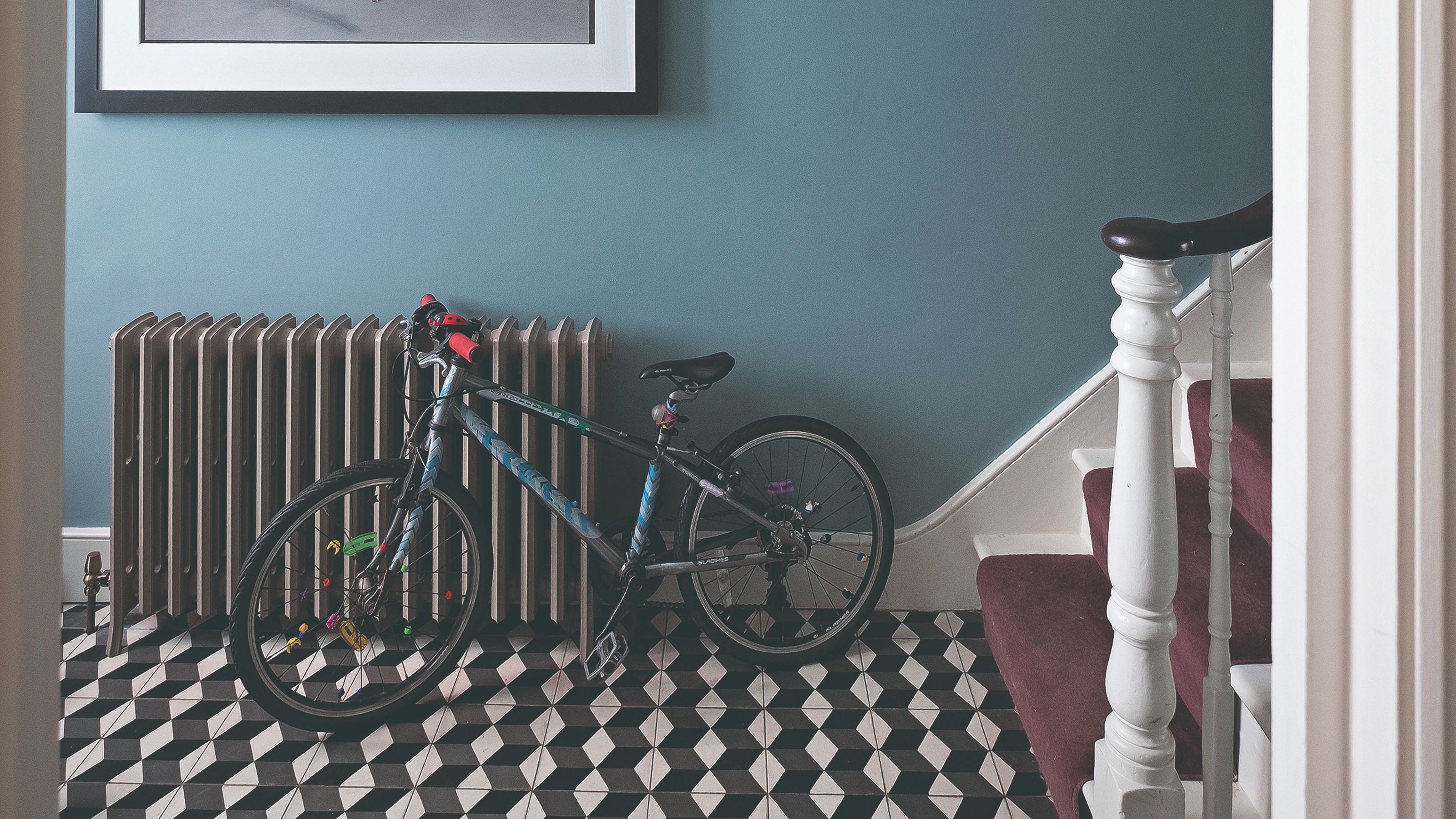
1/5
Is your radiator not heating up? Why it happens and how to fix the problem asap
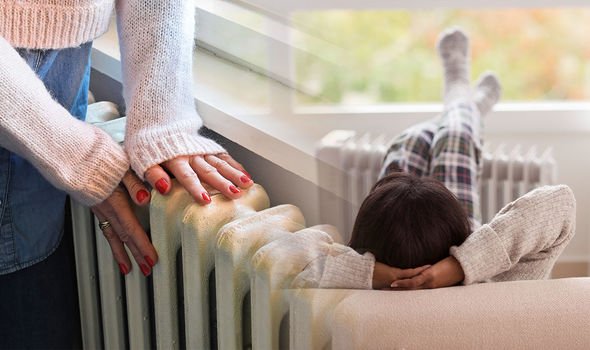
This article addresses the common issue of radiators not heating up, particularly relevant as colder weather approaches and heating systems are reactivated after periods of inactivity. It emphasizes the importance of ensuring radiators are functioning optimally to maintain a warm home during winter months. The guide differentiates between isolated radiator problems, which homeowners can often resolve themselves, and system-wide issues that may indicate a larger boiler problem requiring professional assistance.
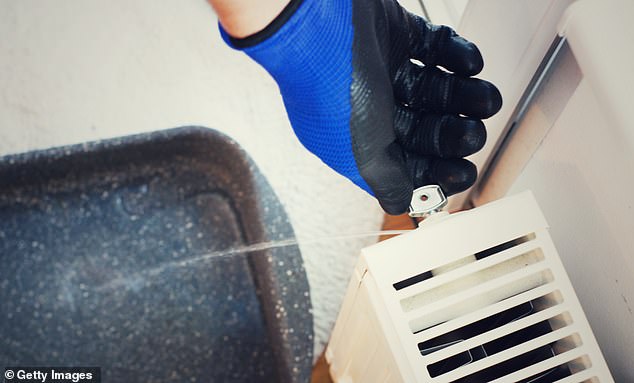
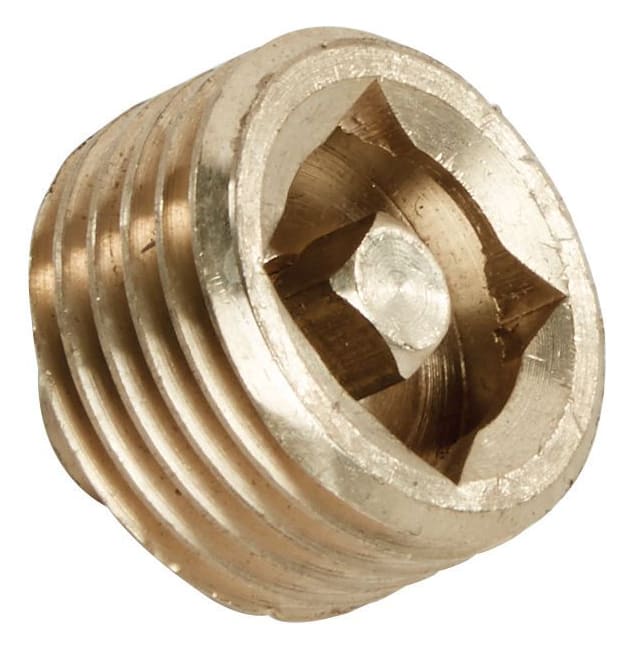
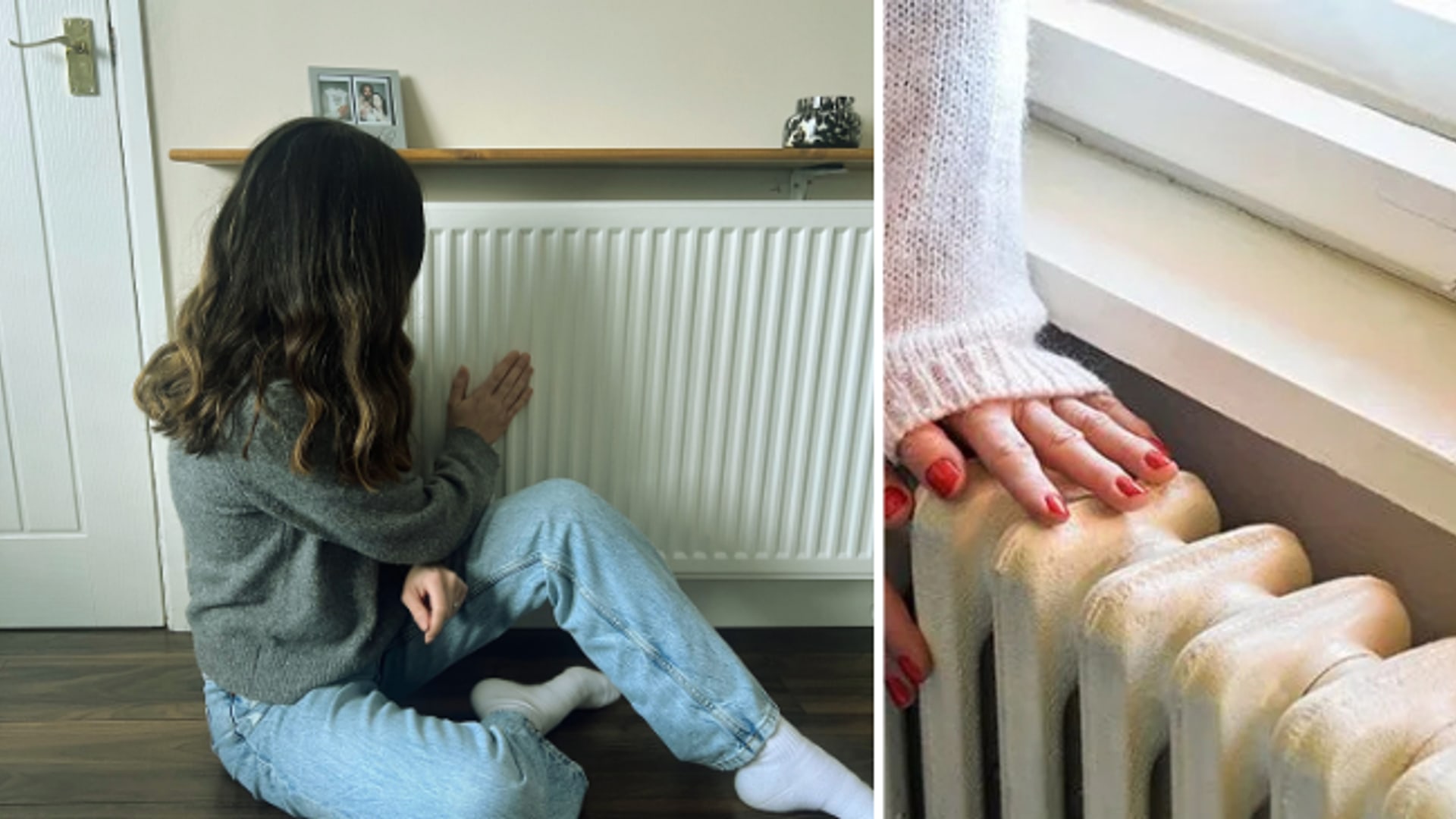
The primary reasons for a radiator failing to heat up are detailed, beginning with the most common: a trapped pocket of air. This often results in a radiator that is warm at the bottom but cold at the top. The solution involves bleeding the radiator, a quick and simple process requiring a radiator key to release the trapped air. Experts recommend performing this maintenance annually as autumn sets in.
Another significant cause is the accumulation of sludge or debris within the central heating system. This blockage typically manifests as a radiator that heats up at the top but remains cold at the bottom, as the sludge prevents proper heat distribution. Flushing the radiator is the recommended fix, which is a more involved process than bleeding, requiring the radiator to be drained, removed from the wall, and thoroughly cleaned before reinstallation.
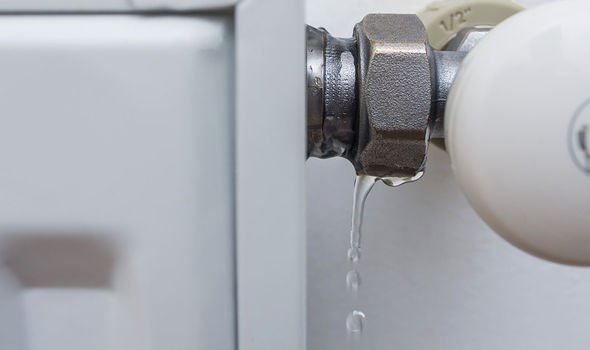
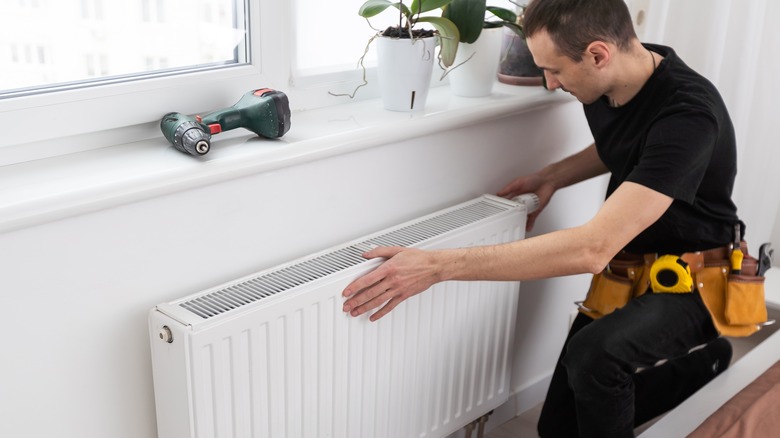
Radiator leaks are also identified as a potential issue, which can cause the entire radiator to remain cold. Leaks near the thermostatic valve pipe joint may indicate a loose connection that can be tightened with an adjustable spanner. If the leak originates from the radiator gland, applying plumber's tape around the spindle can often resolve the problem. While radiator pipes are generally durable, occasional leaks in pipes and valves are not uncommon.
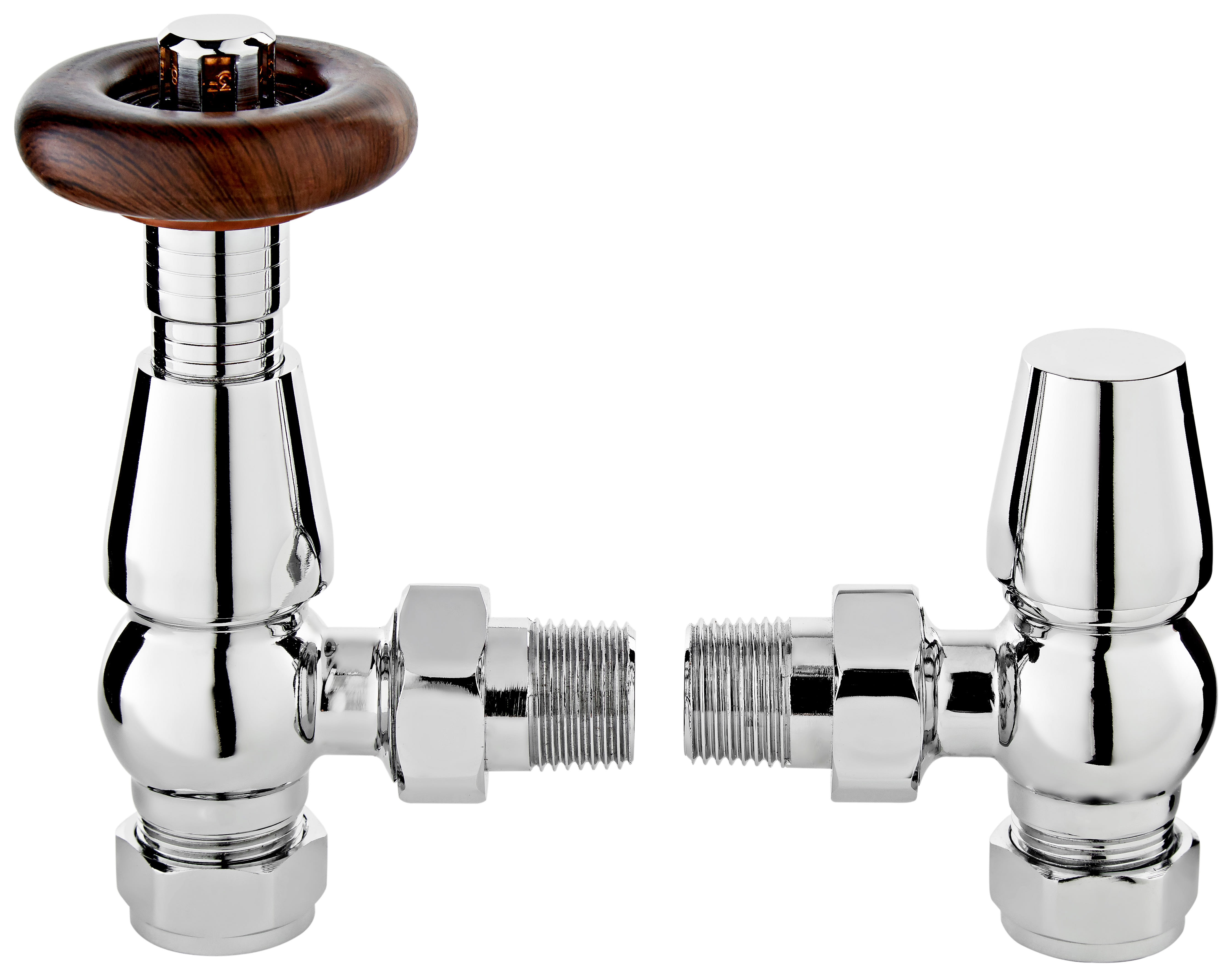
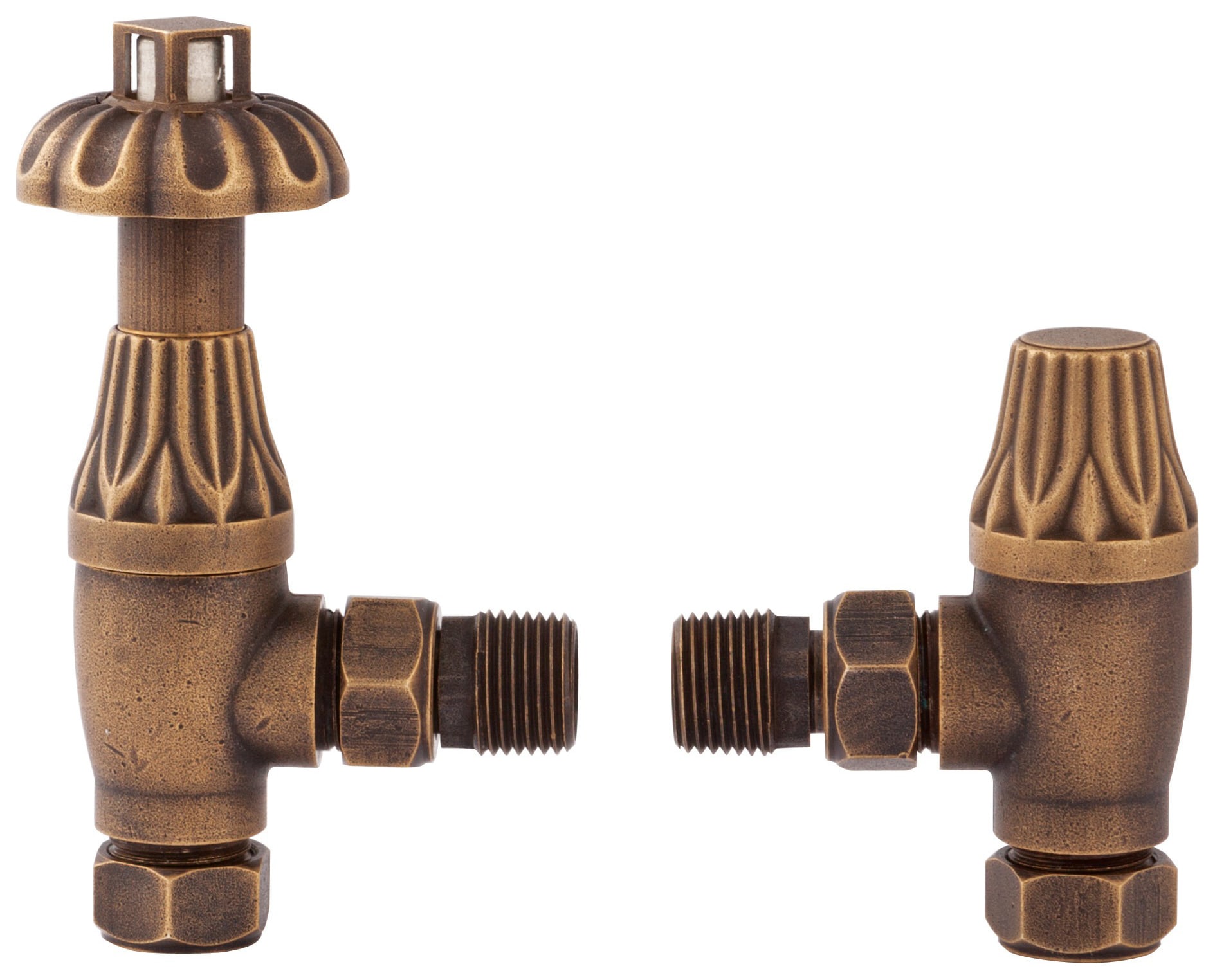
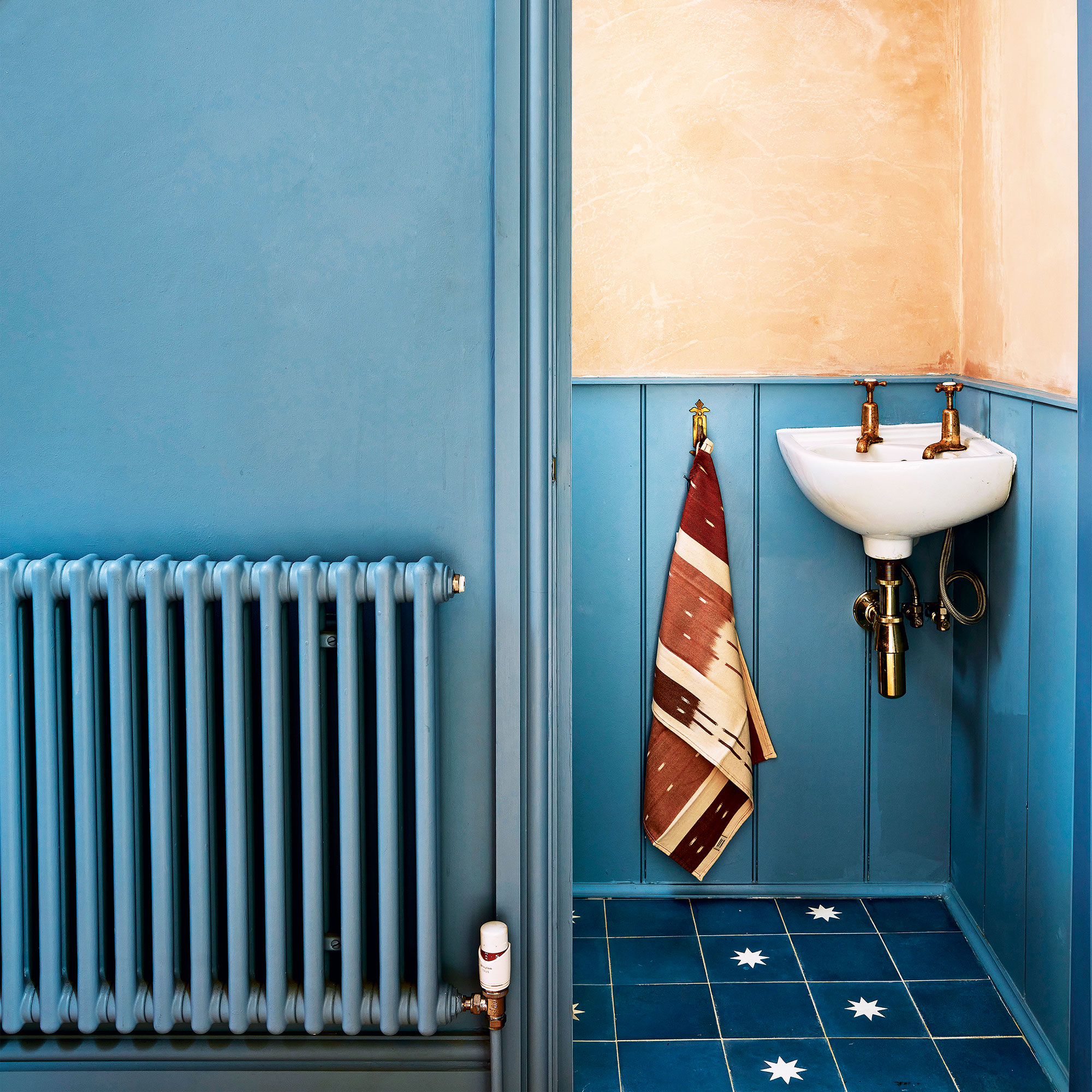
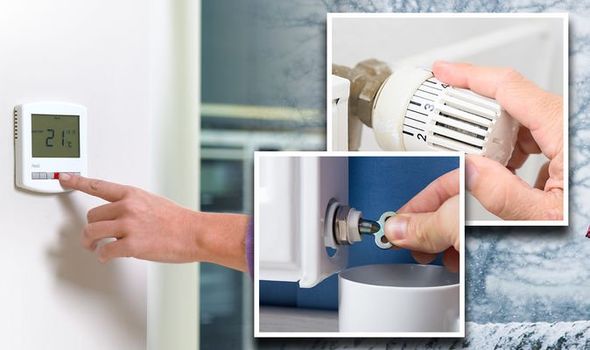
Finally, the article points out that a simple oversight—a thermostatic valve being turned off—can also be the reason a radiator isn't heating. Many individuals adjust these valves throughout the year, especially in rooms that are not frequently used. Checking that the valve is set to an appropriate temperature, rather than a low setting or snowflake symbol, is a straightforward solution. The control valve, usually found at the bottom of the radiator where the pipe connects, features numbers or symbols indicating temperature levels.
The article also includes an FAQ section to clarify common concerns. It reiterates that if only one radiator is cold, the homeowner can likely address it, but if all radiators are cold, a professional plumber is needed due to a probable boiler issue. It also advises that if bleeding a radiator does not resolve the problem, flushing it or checking for leaks are the next steps before contacting a professional. The overall aim is to equip homeowners with the knowledge to diagnose and fix common radiator problems, ensuring their homes remain warm and comfortable.
#radiator #heating #homeMaintenance #boiler #plumbing #energyEfficiency #DIYFixes #winterPreparations #homeEnergy #radiator #heating #homeMaintenance #boiler #plumbing #energyEfficiency #DIYFixes #winterPreparations #homeEnergy
0 comment in total
 No comments yet
You may also like
Radiators

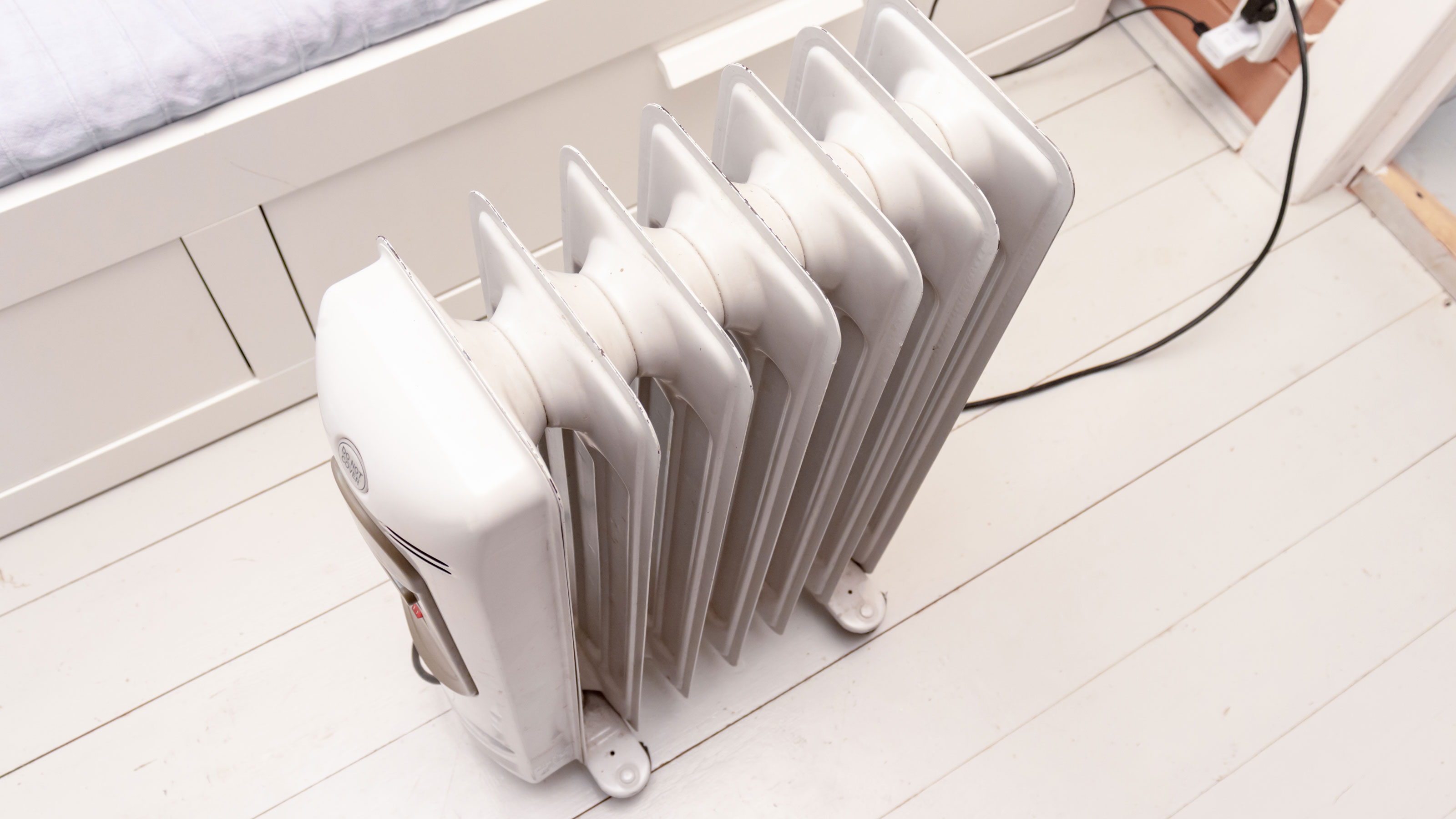
Are oil-filled radiators dangerous? Experts share their advice for how to use them safely in any room
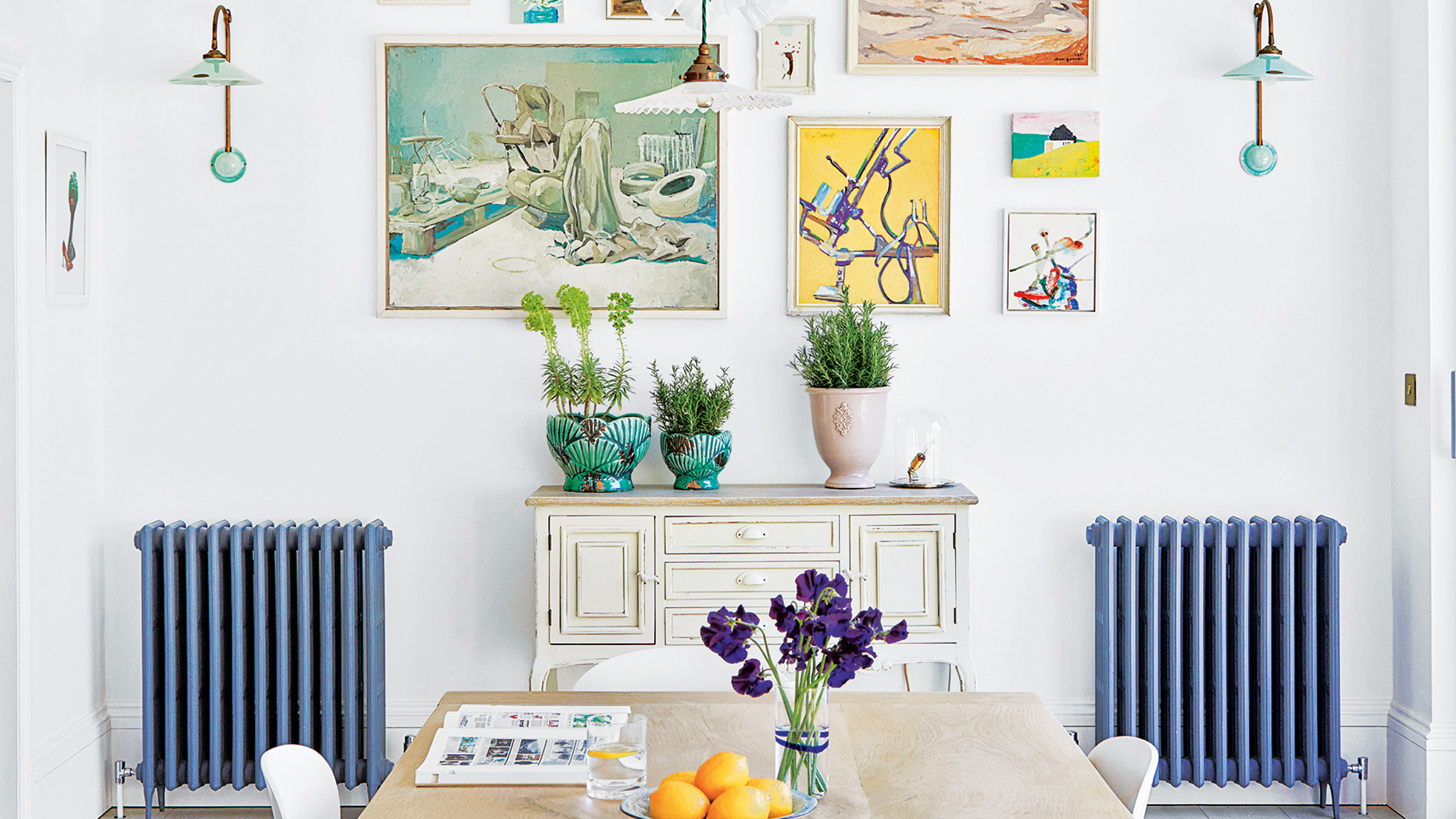
How to paint a radiator - an easy guide to update an ugly radiator in an afternoon
How to stop radiators knocking and banging when they turn on - KEY tips
Experts Urge Homeowners to Avoid This Radiator Mistake That 'Exaggerates' How Well It Will Heat Your Home

How to clean radiators inside and out – to ensure better efficiency this winter

Discover the lesser-known hack to power up your struggling radiators

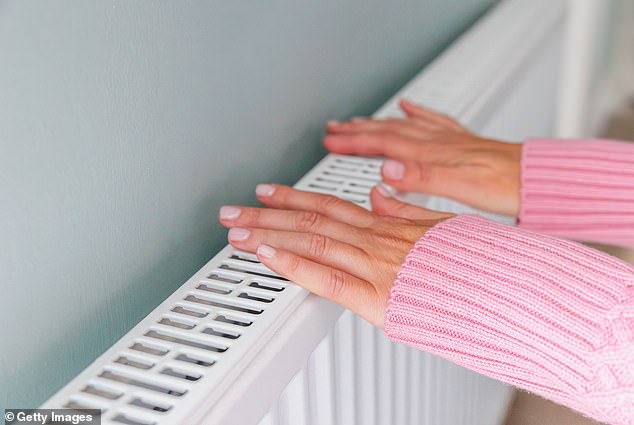
How do I bleed my radiator? We asked a plumbing expert for their top tips
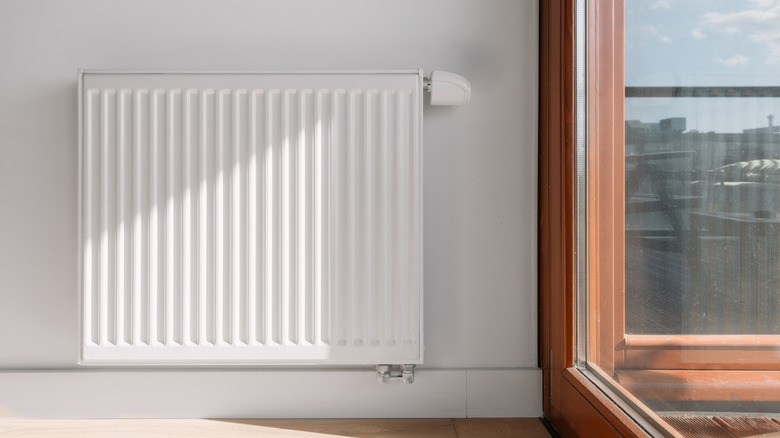
Can Installing A Shelf Over A Radiator Impact How Well It Heats Your Home?
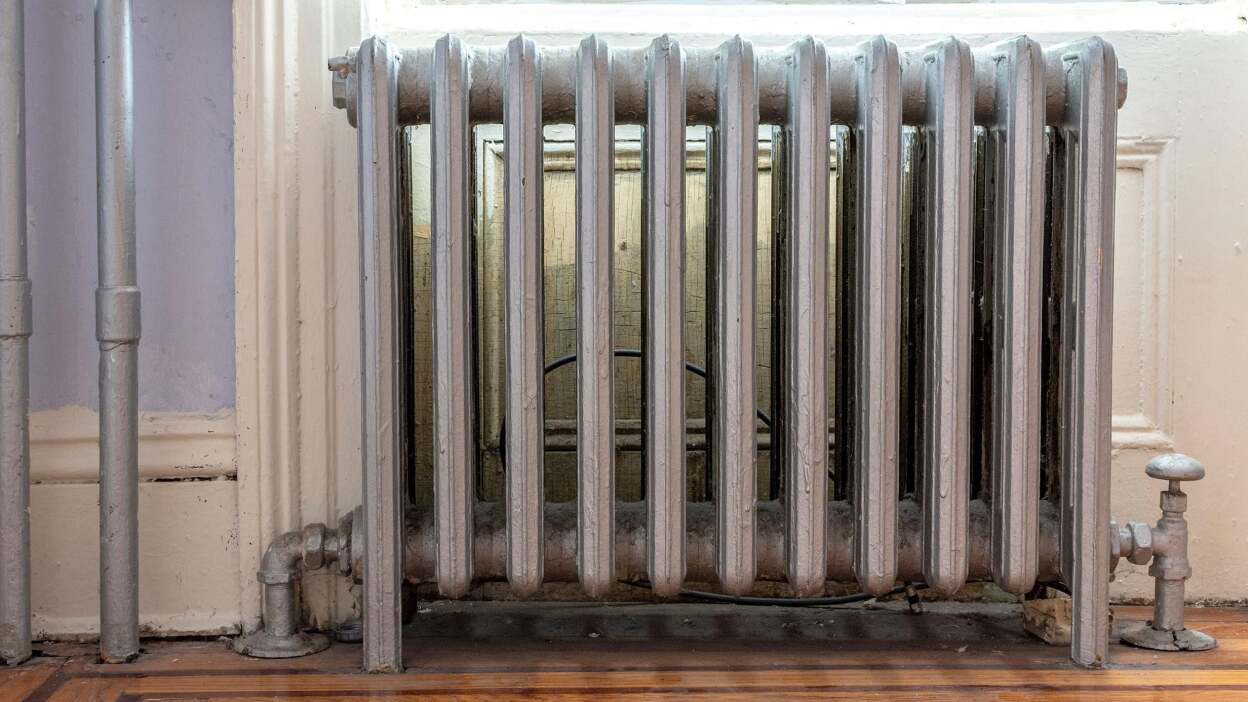
How to Fix Your Noisy Radiator Based on the Sound It’s Making


Radiator Valves

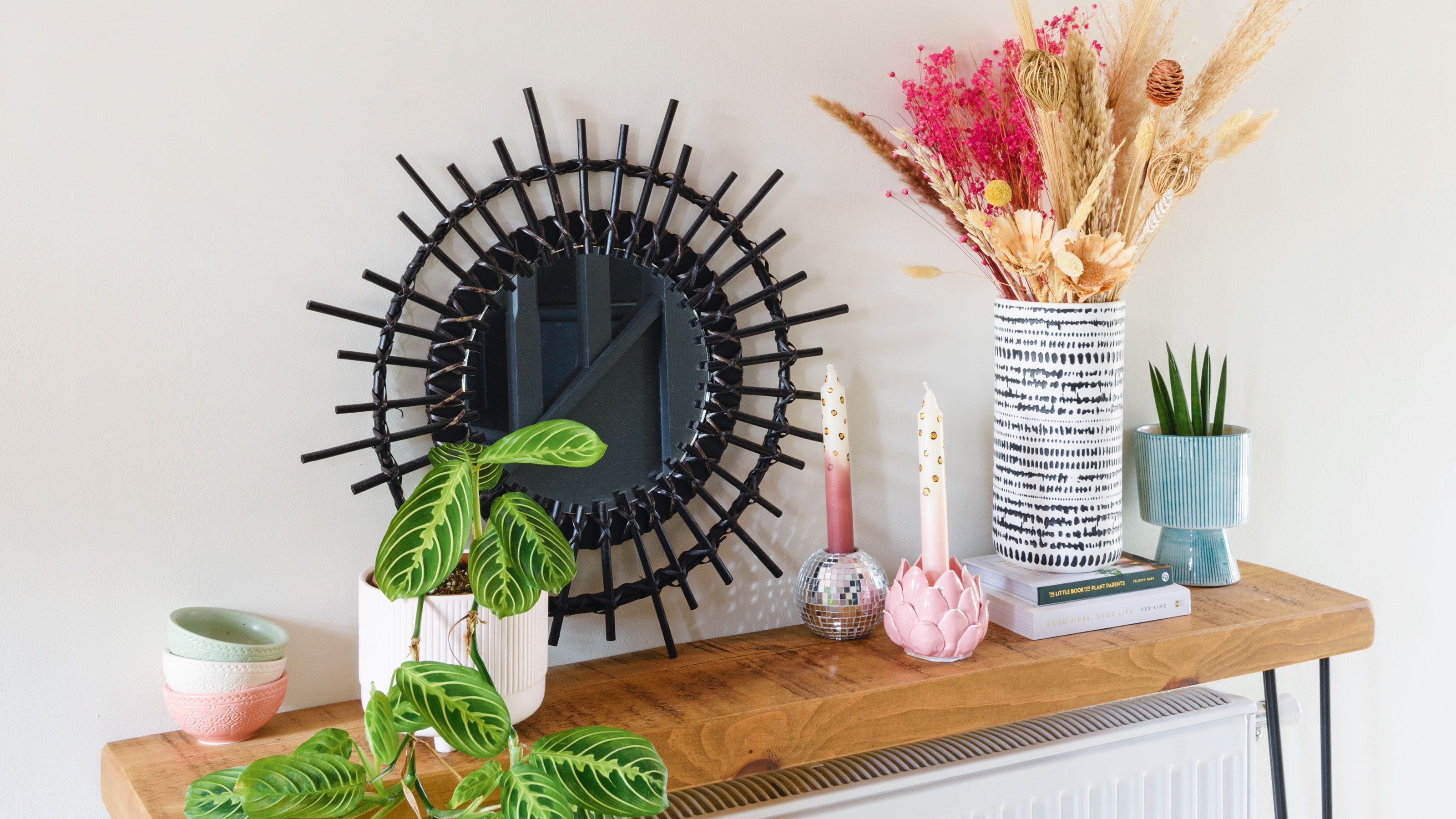
Heating experts want you to put this one item above your radiators this winter to heat up a room quickly and efficiently
Radiant Heating
6 clever ways to make a radiator look good – there is no excuse for an ugly radiator to sabotage your scheme