
1/5
Radiator Valves
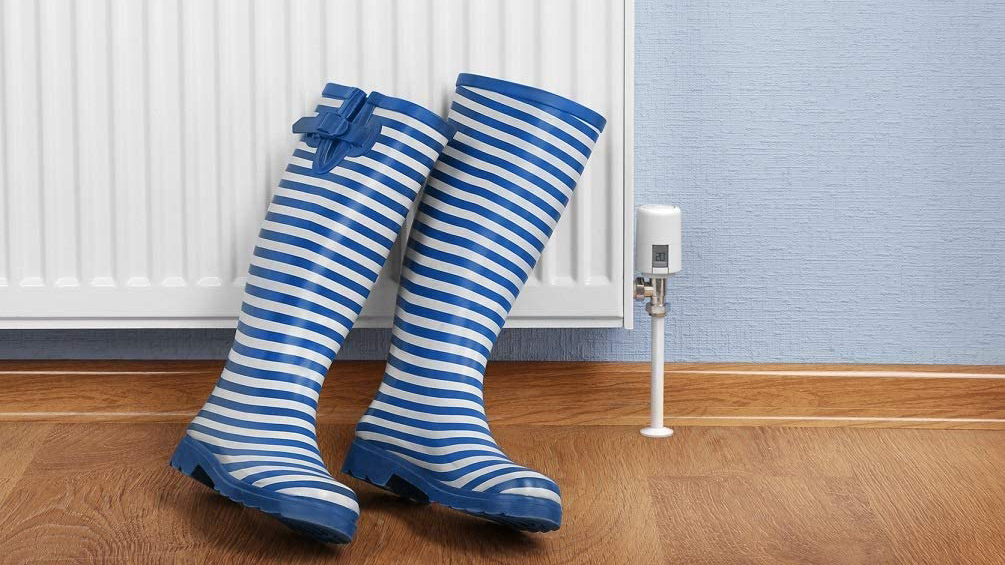
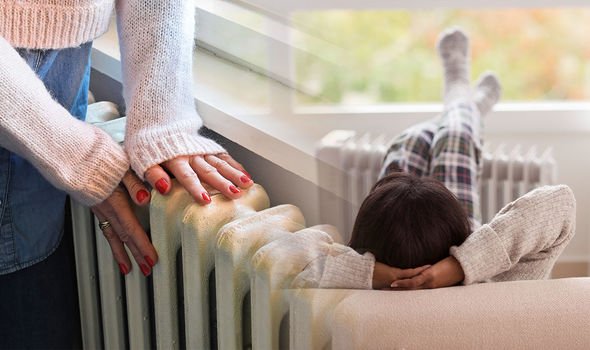
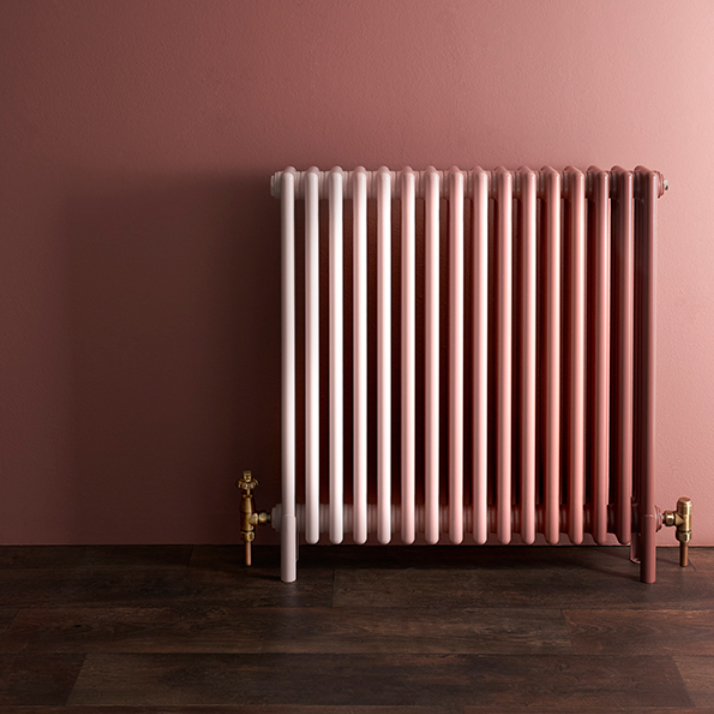
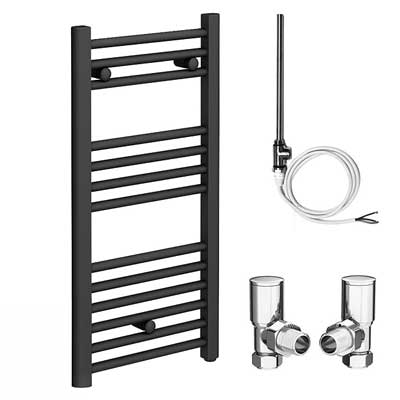
Radiator valves play a crucial role in maintaining optimal heating efficiency and comfort within a home. These essential components regulate a radiator's heat output, ensuring that each room achieves and maintains its desired temperature. The market offers a diverse range of radiator valves, including both thermostatic and standard options, available in various designs, sizes, colors, and materials to complement different interior decors and radiator styles. From contemporary square angled chrome to traditional crosshead valves, there is a valve type suitable for every aesthetic preference and functional requirement.
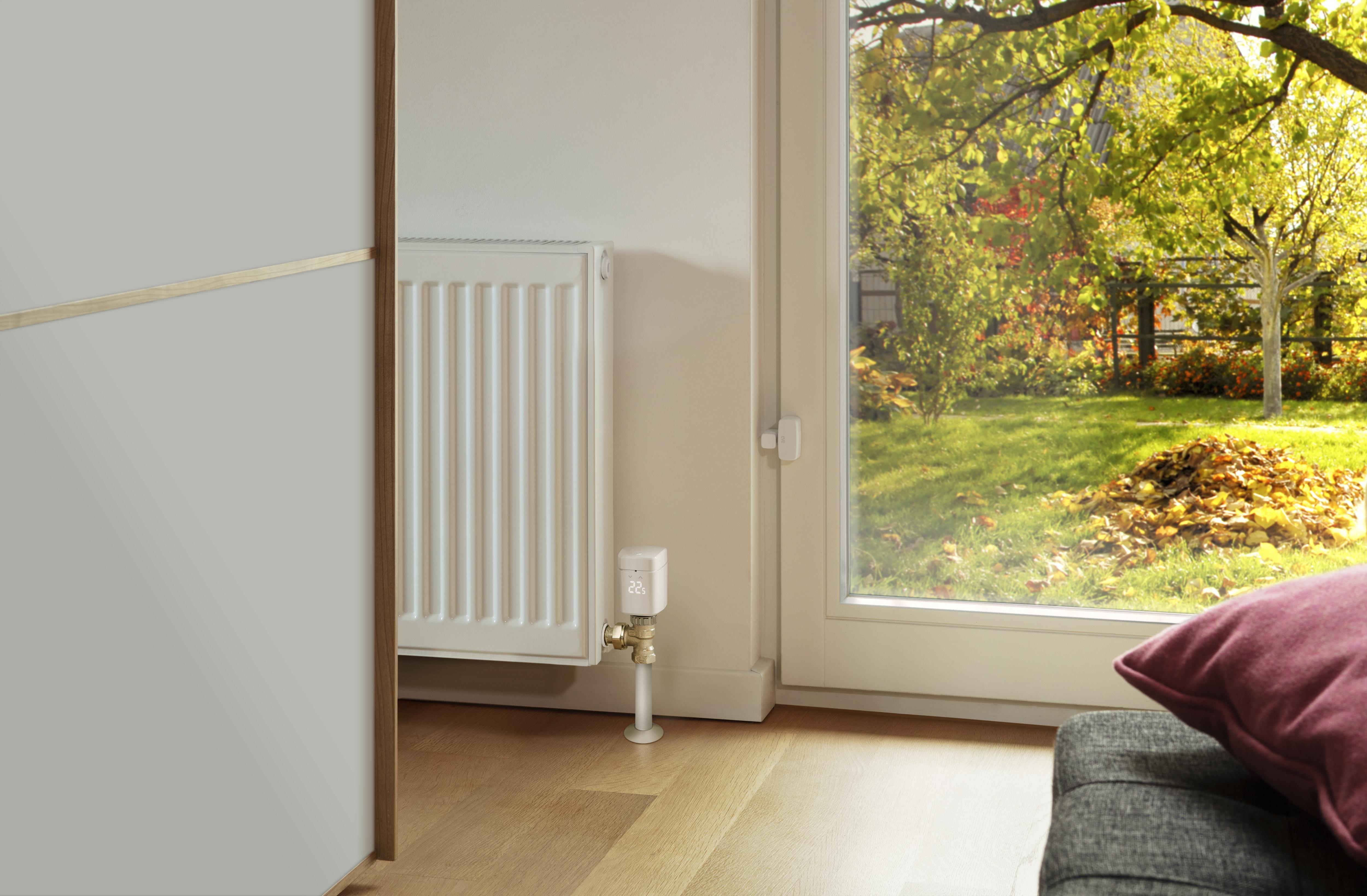
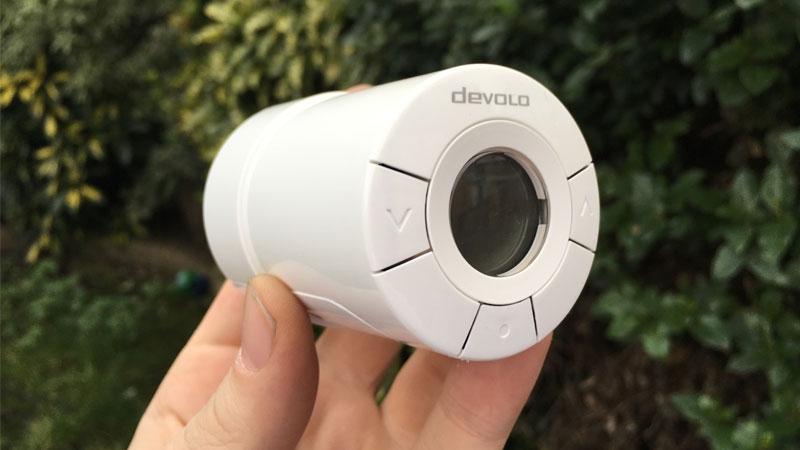
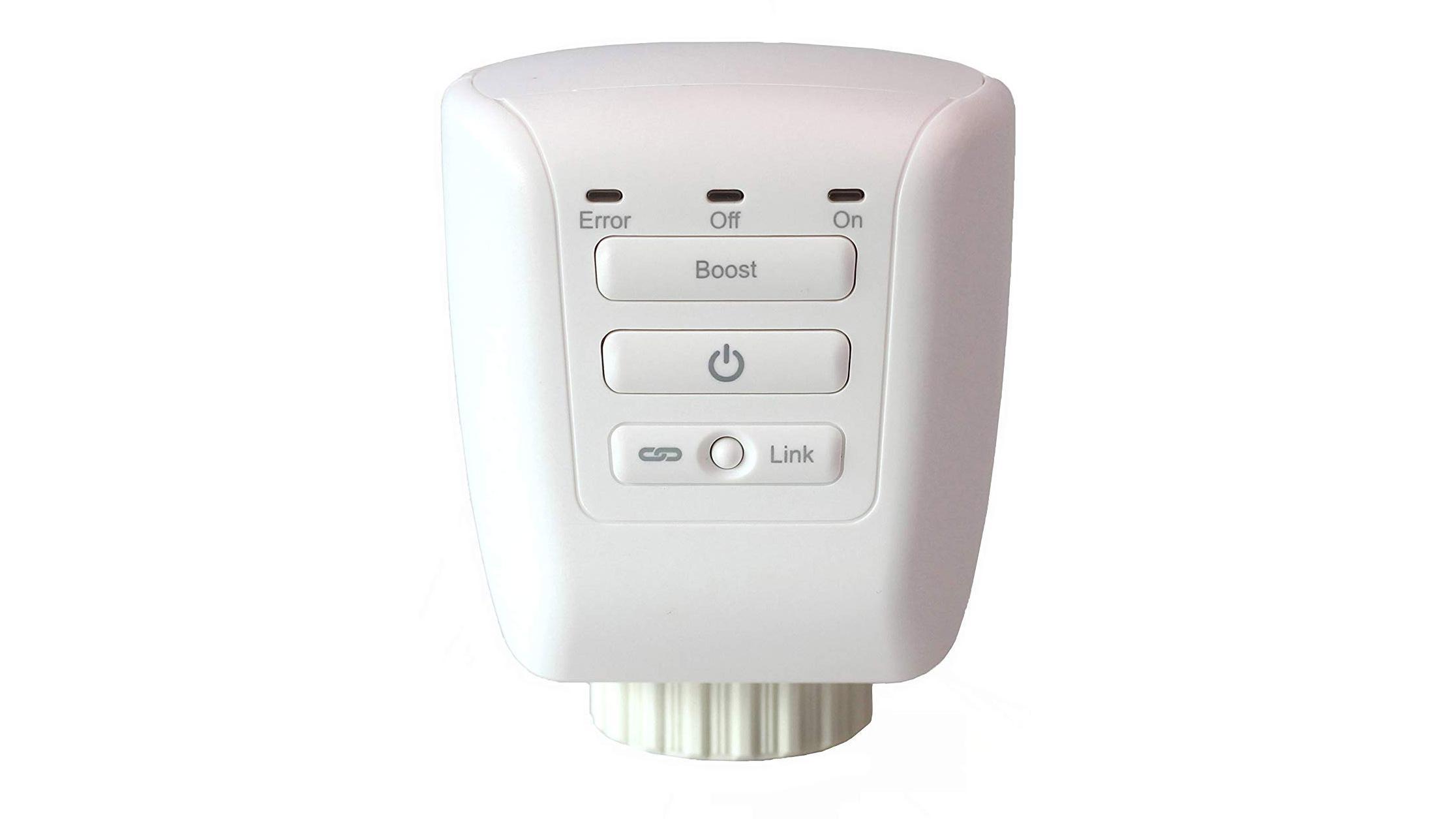
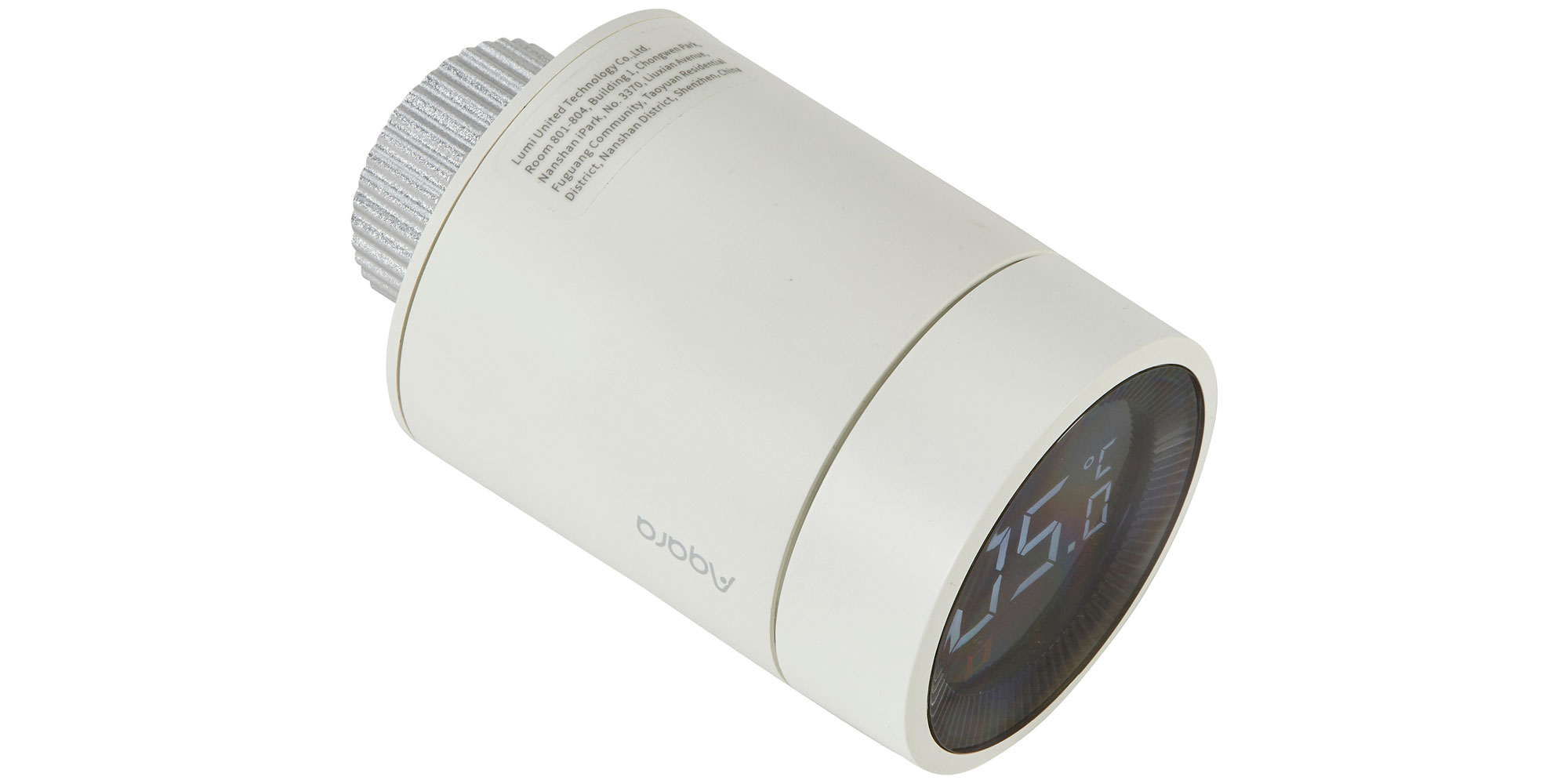
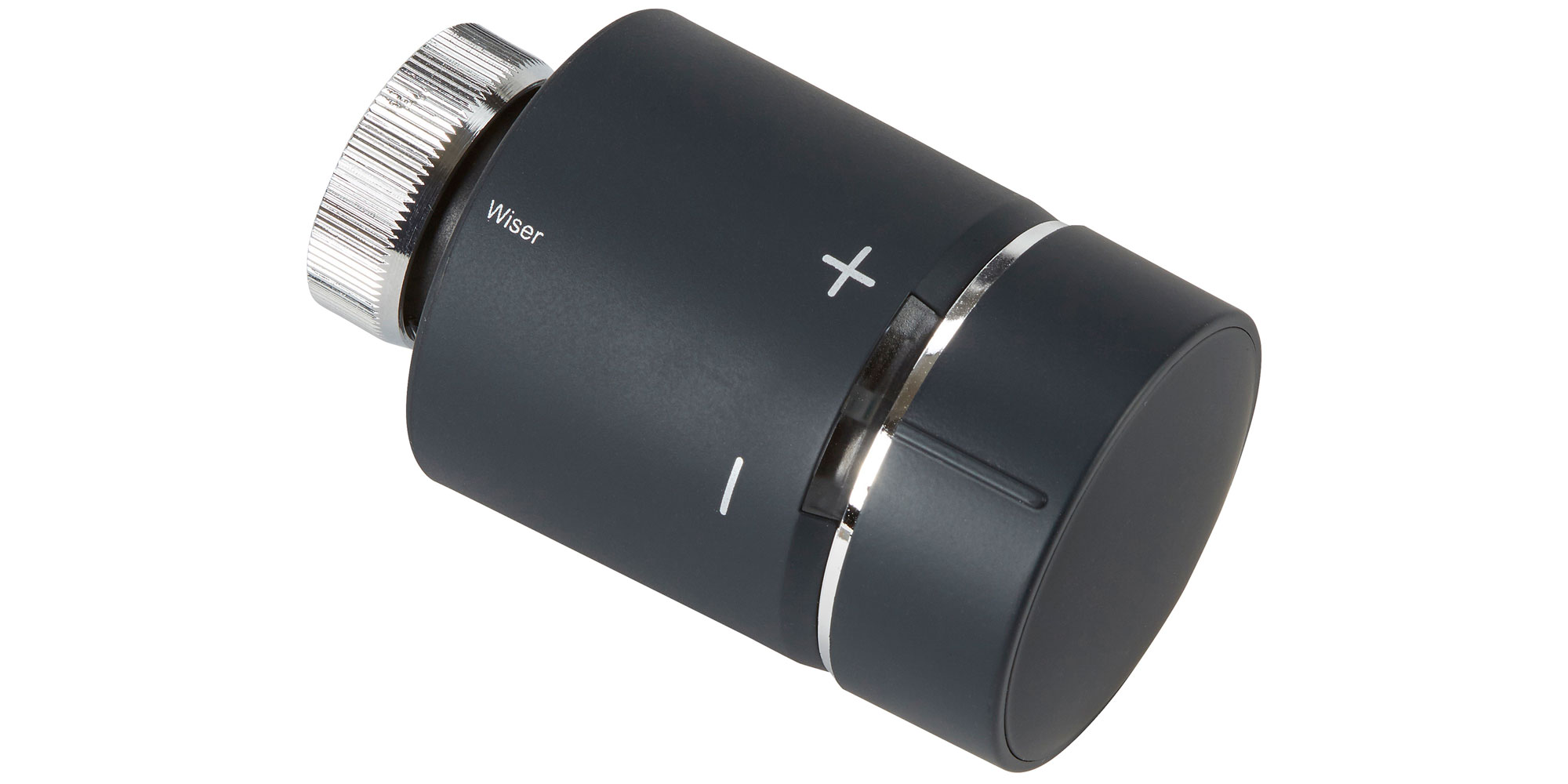
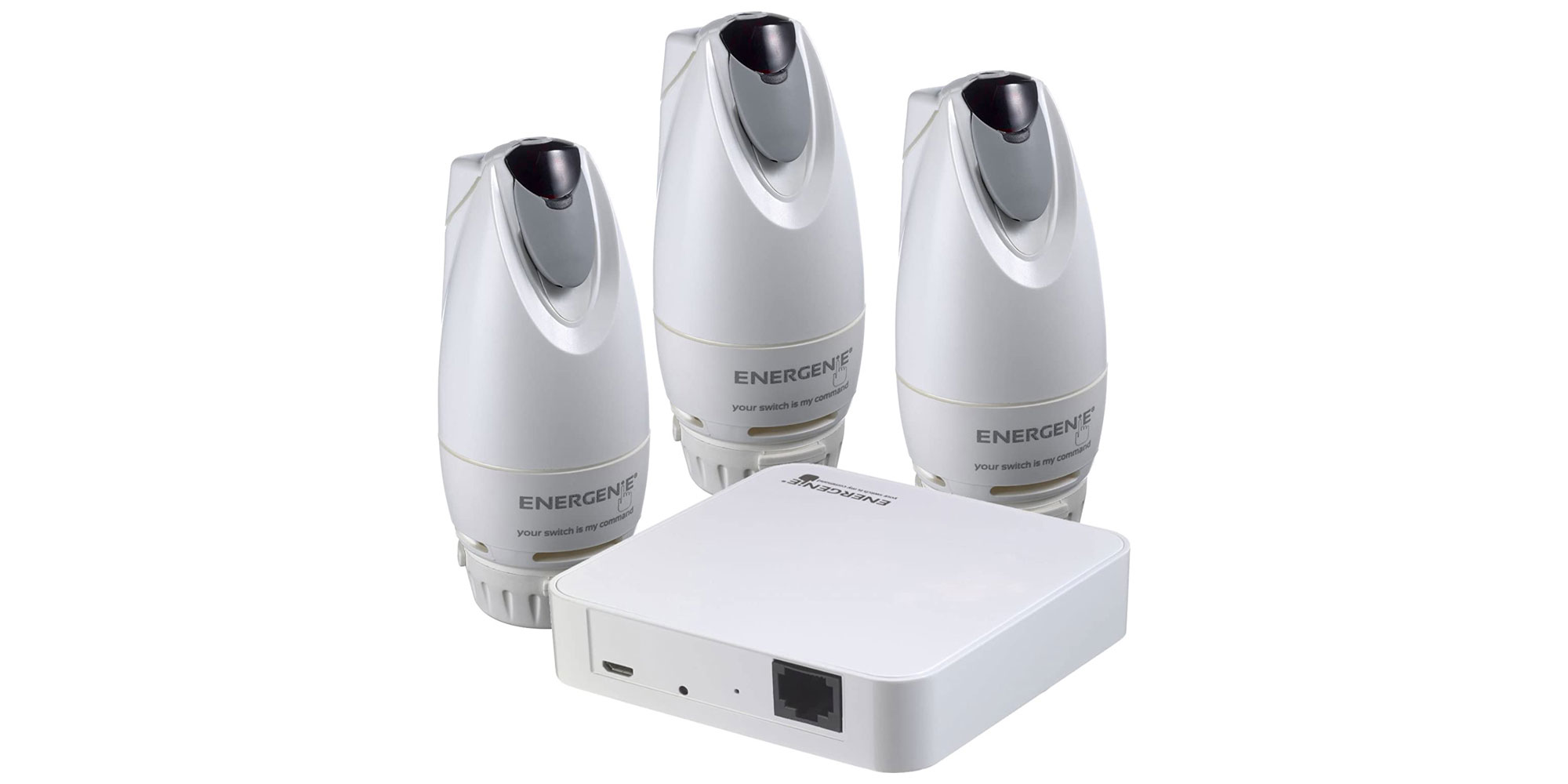
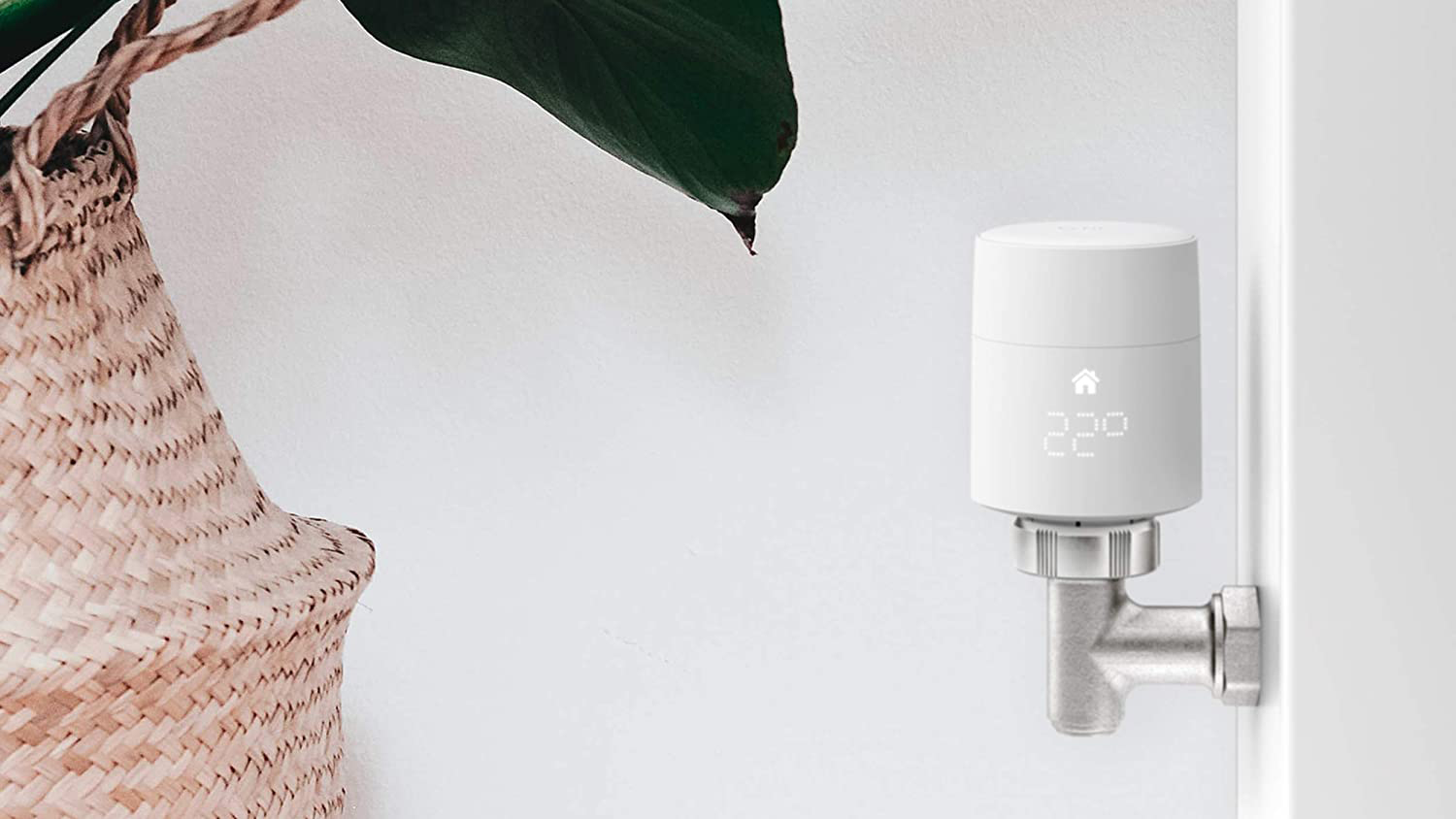
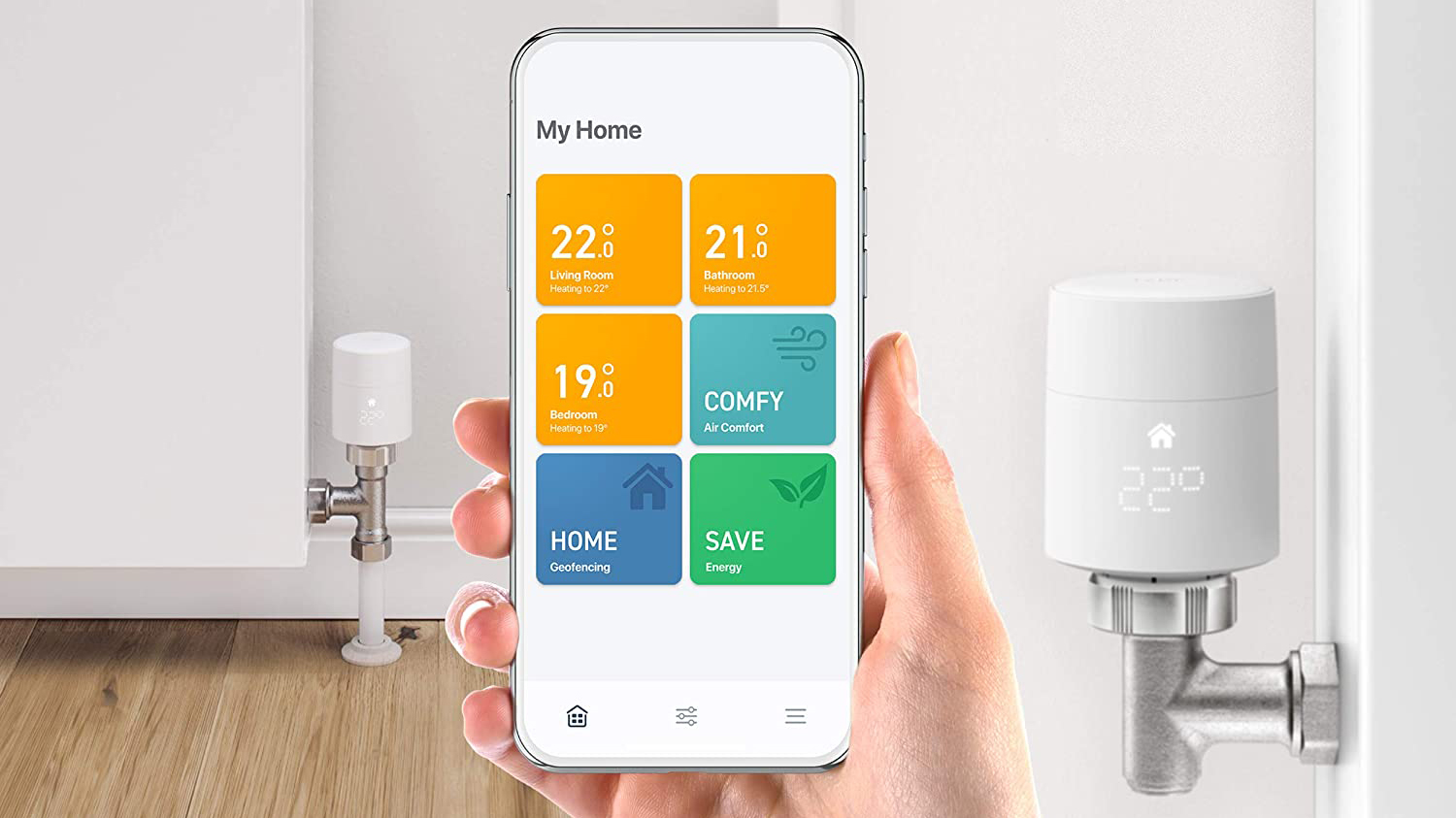
Thermostatic radiator valves (TRVs) are a prominent category, equipped with sensors that continuously monitor a room's ambient temperature. Once the room reaches the temperature set on the TRV, the valve automatically reduces the flow of hot water into the radiator. Conversely, when the room temperature drops below the set point, the TRV reopens to allow more hot water in, thereby restoring the desired warmth. This intelligent regulation not only enhances comfort by preventing overheating or underheating but also contributes significantly to energy efficiency by optimizing heat distribution and reducing unnecessary energy consumption.
Lockshield valves, typically installed on the outlet side of a radiator, are another critical component. Their primary function is to control the water flow within the radiator, which is vital for balancing the entire central heating system. By strategically adjusting lockshield valves, homeowners can ensure an even distribution of heat across all radiators in the system, preventing some rooms from being too hot while others remain cold. This balancing act is essential for the heating system's overall performance and longevity.
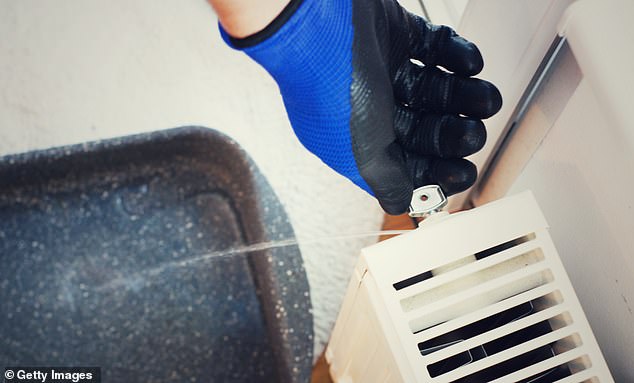
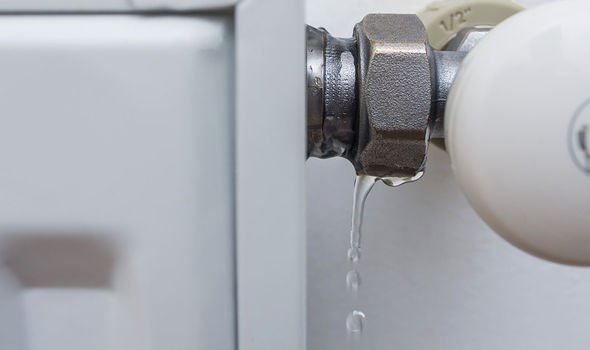
Replacing a radiator valve involves a series of systematic steps to ensure safety and prevent leaks. The process begins with turning off the central heating system and allowing the radiator to cool down completely. Subsequently, the main water supply to the heating system must be shut off, and the radiator drained by loosening the valve nuts and opening the bleed valve. After the old valve is removed, the threads should be thoroughly cleaned, and PTFE tape applied to the new valve's threads to create a watertight seal. Finally, the new valve is installed, the system is refilled, and the radiator is bled again to remove any trapped air, ensuring proper functioning and preventing leaks.
Radiator valves are available from various reputable brands, including Balterley, Drayton, Honeywell, Primaflow, and Towelrads, offering options across a spectrum of price points. These valves come in common sizes like 15mm, suitable for most residential heating systems, and are constructed from durable materials such as brass and steel, often with finishes like chrome, white, anthracite, black, antique brass, and nickel. Many products also come with warranties ranging from 1 to 10 years, reflecting their quality and reliability. Additionally, accessories like pipe sleeves are available to provide a neat and tidy finish to the pipework connecting to the radiator valves, enhancing the overall appearance of the heating installation.
#RadiatorValves #HomeHeating #ThermostaticValves #LockshieldValves #HeatingEfficiency #HomeImprovement #Plumbing #InteriorDesign #EnergySaving #RadiatorValves #HomeHeating #ThermostaticValves #LockshieldValves #HeatingEfficiency #HomeImprovement #Plumbing #InteriorDesign #EnergySaving
0 comment in total
 No comments yet
You may also like
Radiators

Are oil-filled radiators dangerous? Experts share their advice for how to use them safely in any room
Radiant Heating
How to Fix Your Noisy Radiator Based on the Sound It’s Making

The best smart radiator valves
Hive Smart Radiator Valve vs Tado Smart Radiator Thermostat
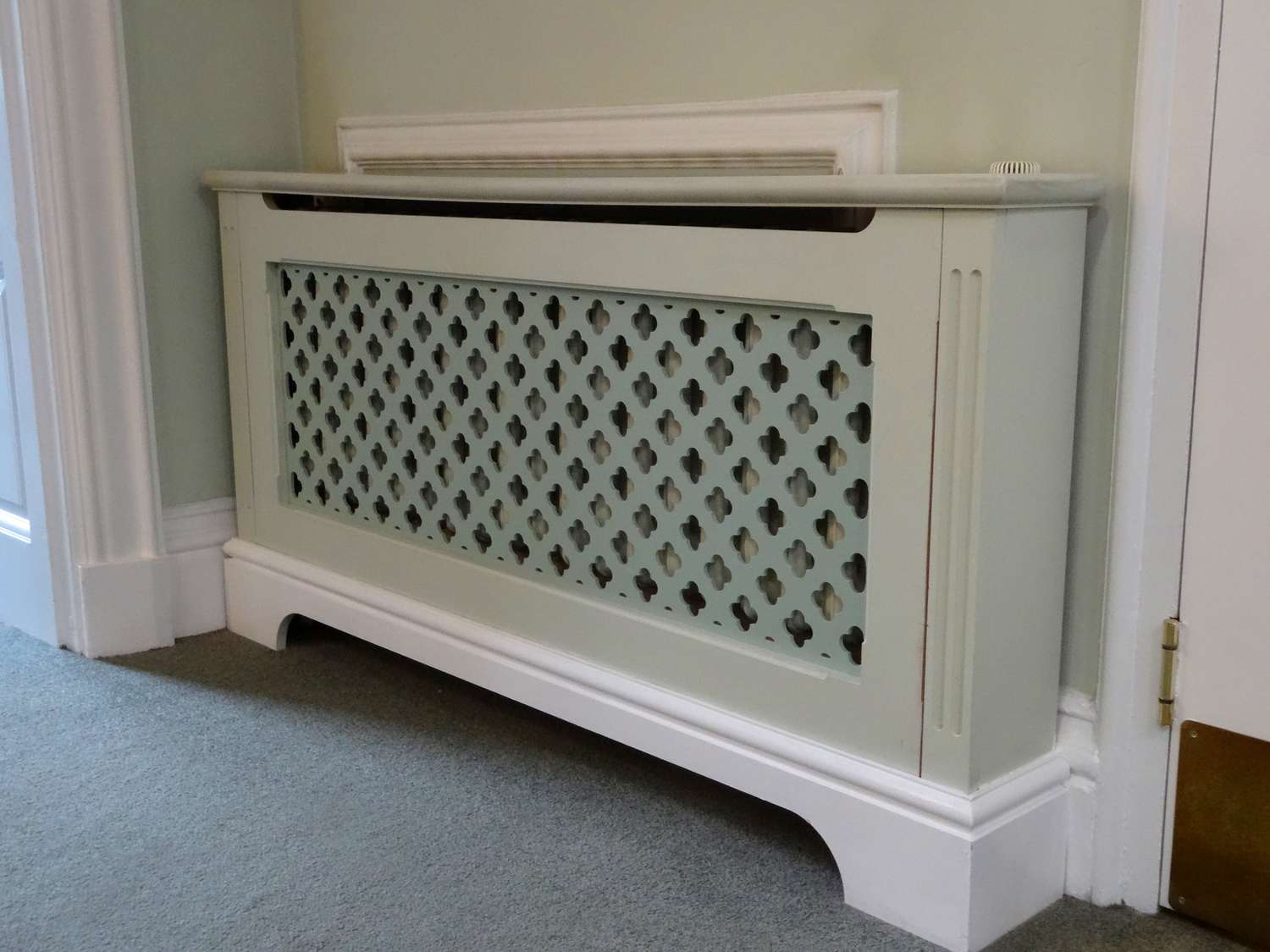
Do Radiator Covers Save Energy or Waste It?

Do Radiator Covers Block Heat? Heating Experts Break It Down

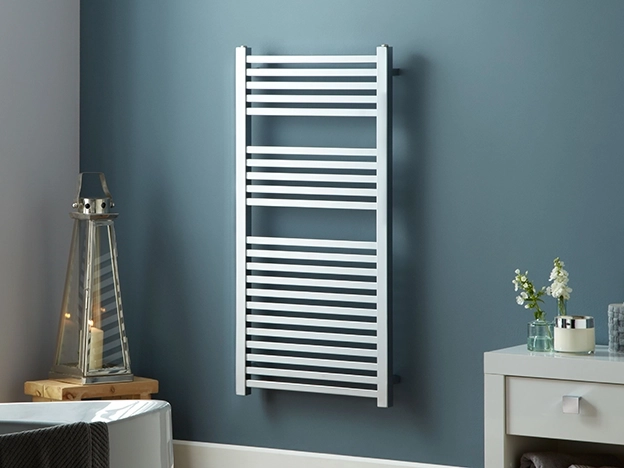
Heated Towel Radiators
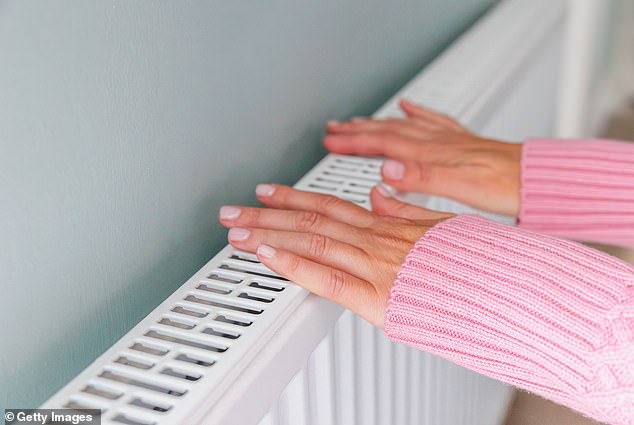
How do I bleed my radiator? We asked a plumbing expert for their top tips
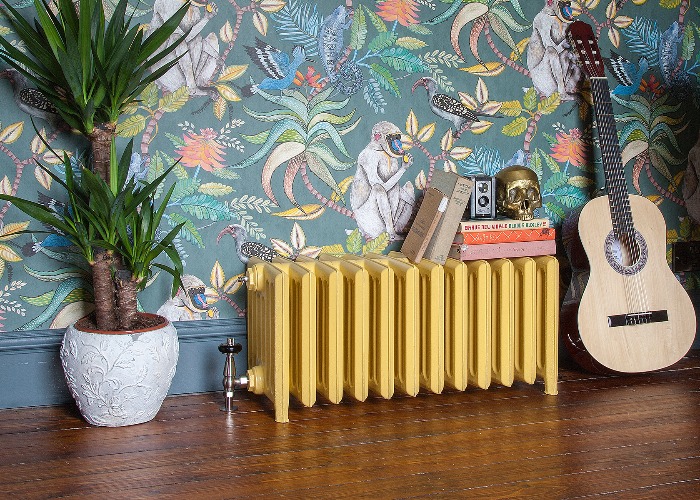
10 modern radiators that make a room

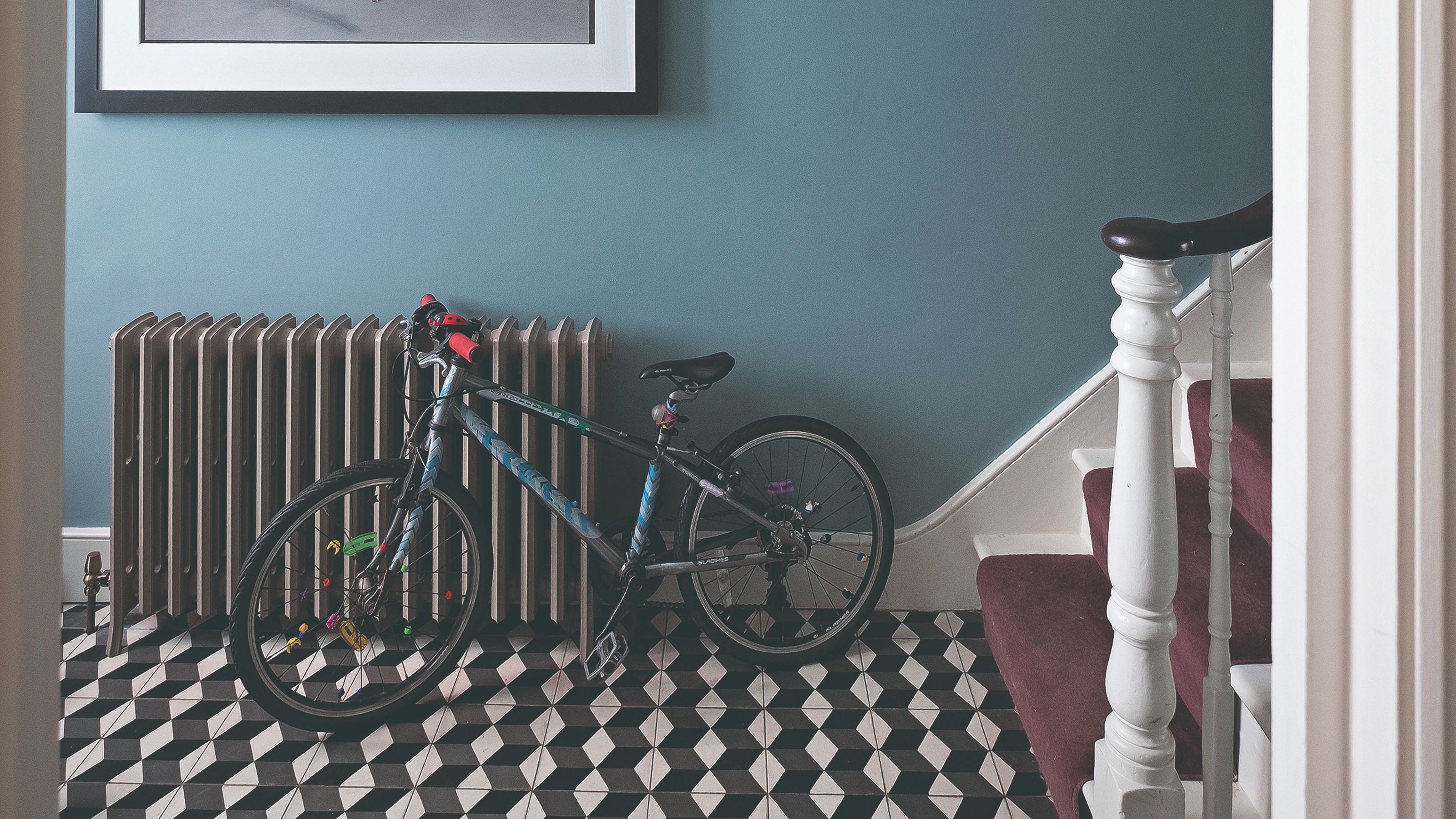
Is your radiator not heating up? Why it happens and how to fix the problem asap
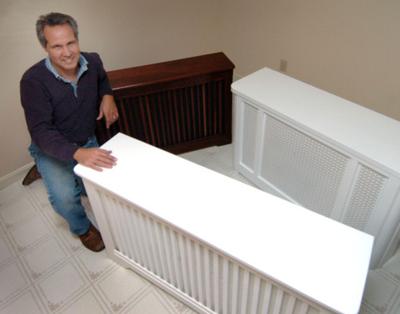
Take cover / Turn your unsightly radiator into a thing of beauty with an enclosure

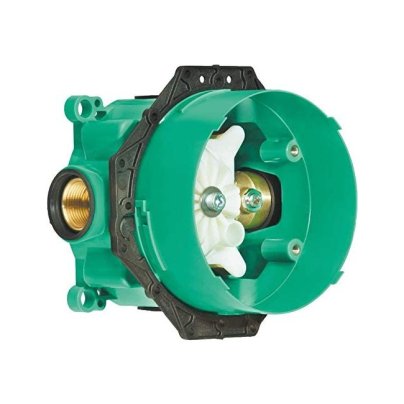
This Bathroom Upgrade Can Help Control Your Shower’s Temperature and Water Flow

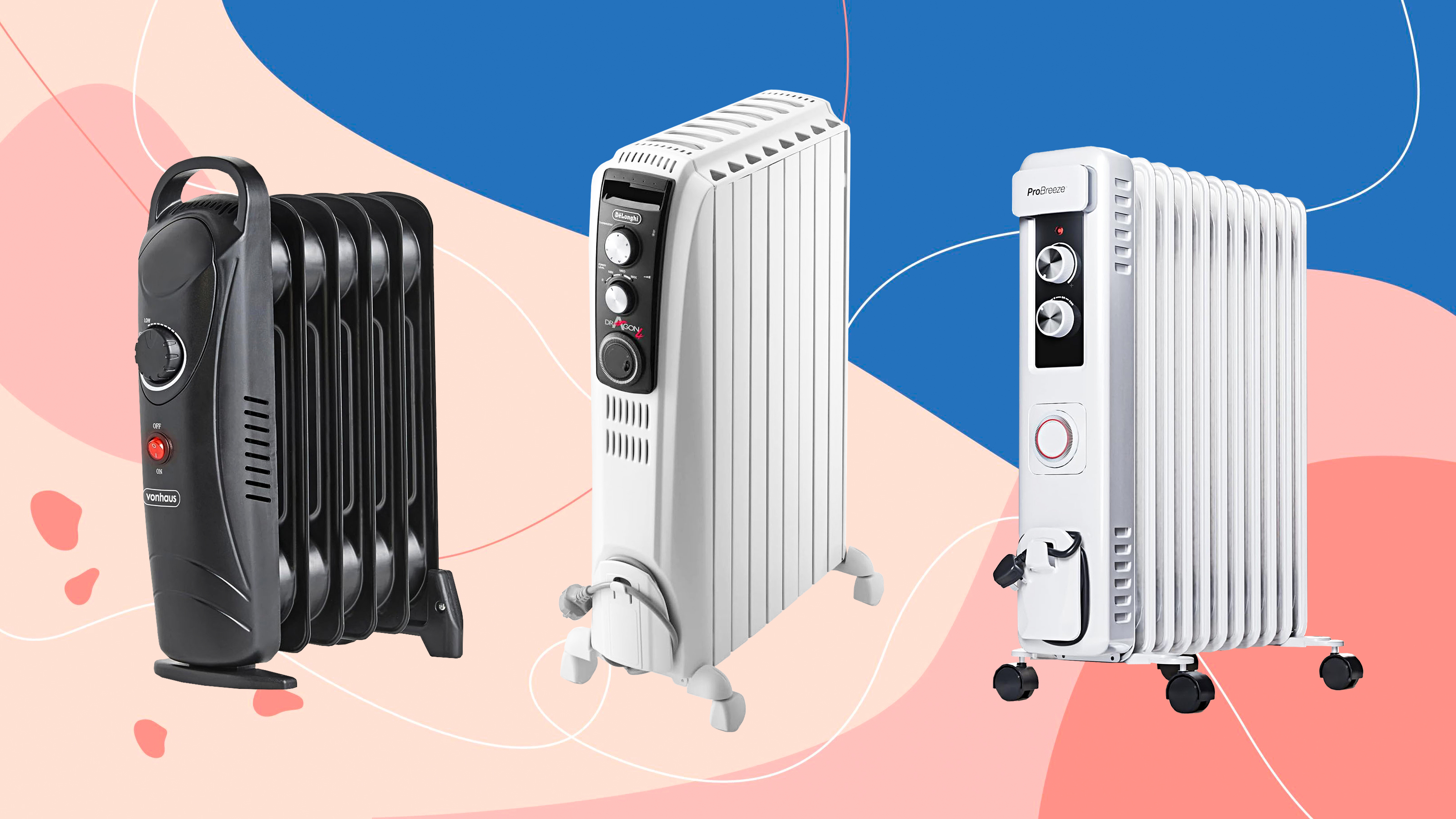
An oil-filled radiator is a must-have for staying cosy when the temperatures drop – and these are my top-rated models
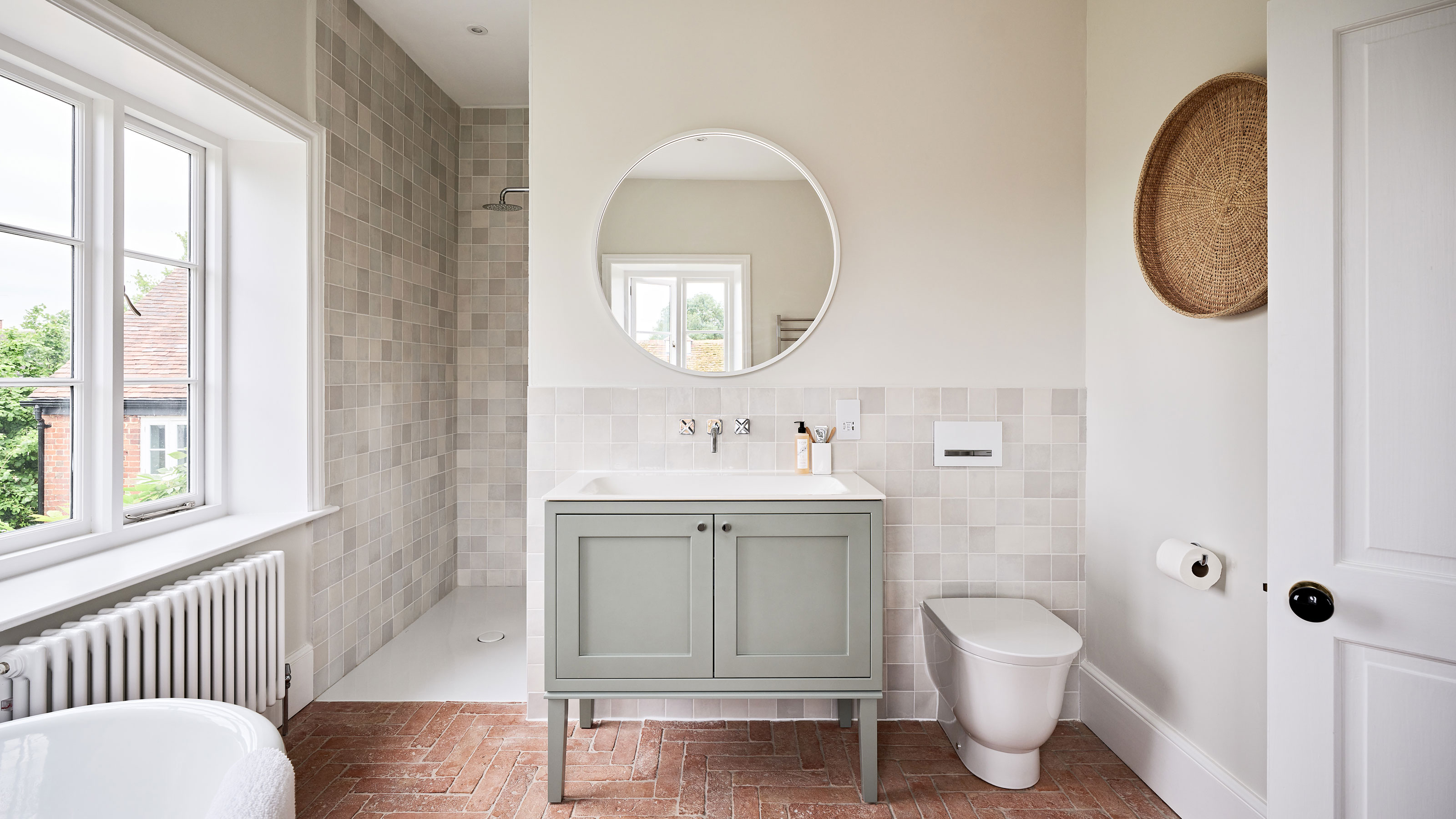
Our guide to choosing a bathroom radiator - avoid the dreaded post-shower shivers with these rules to follow
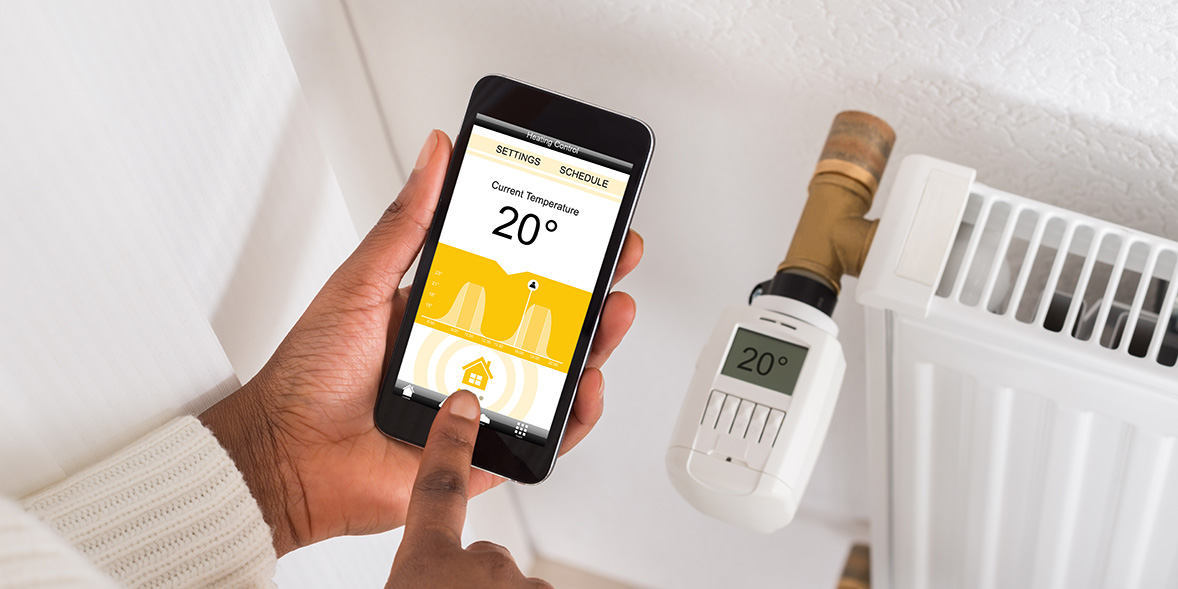
Best smart radiator valves 2026
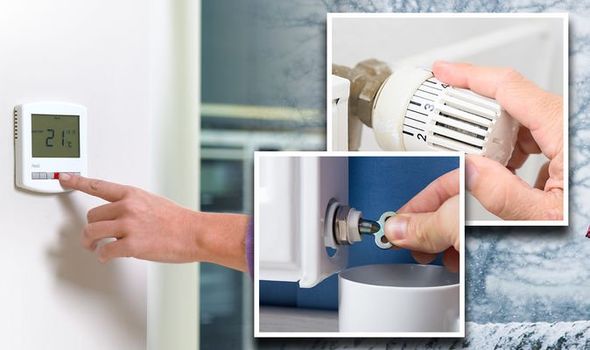
How to stop radiators knocking and banging when they turn on - KEY tips
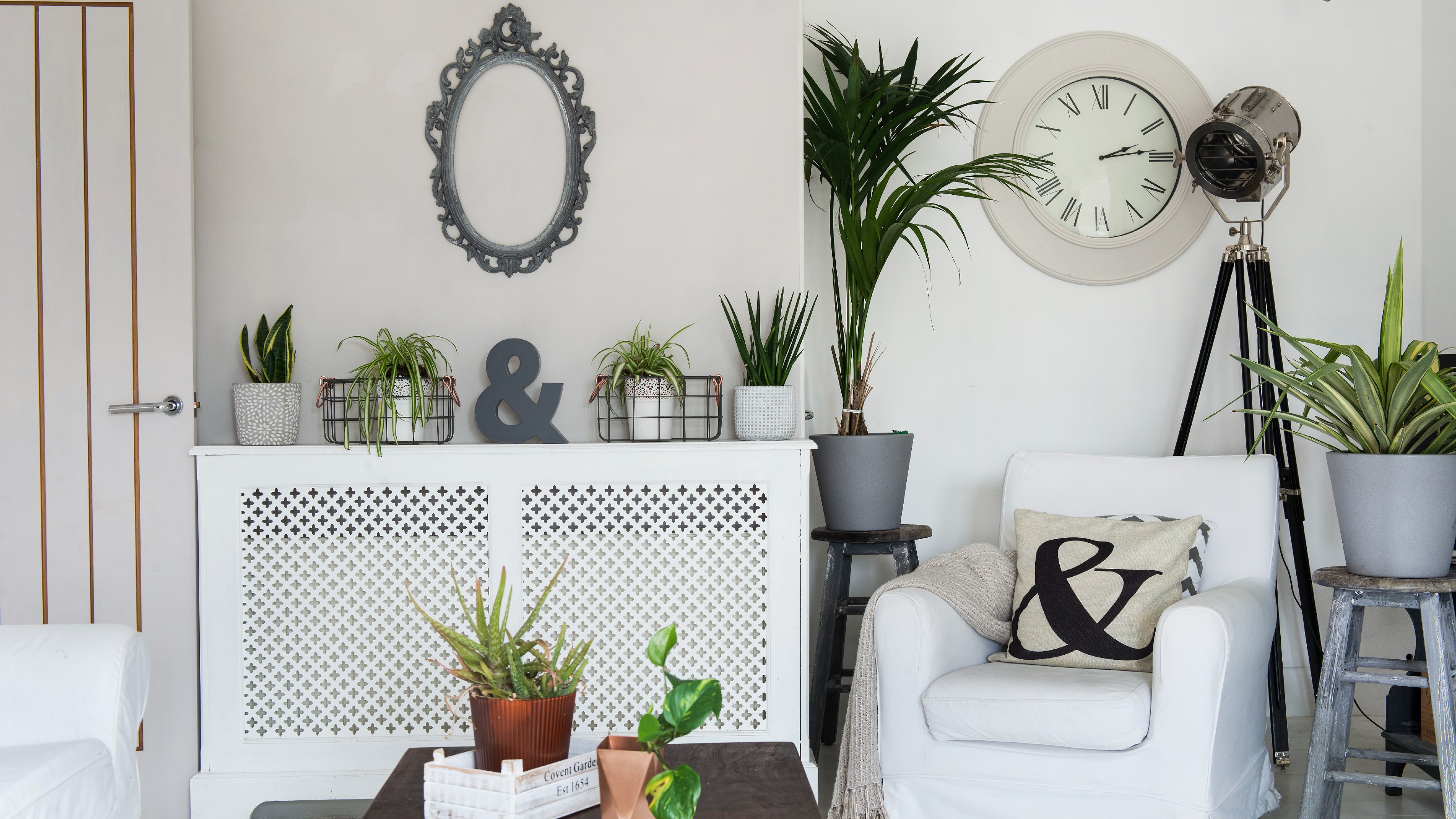
Do radiator covers block heat? Experts explain what impact they can have on energy bills
Radiator Covers Buyer’s Guide: Why Use, Types (Wood, Metal &; More), Costs Etc.