
Updating And Maintaining Your Workplace’s HVAC System
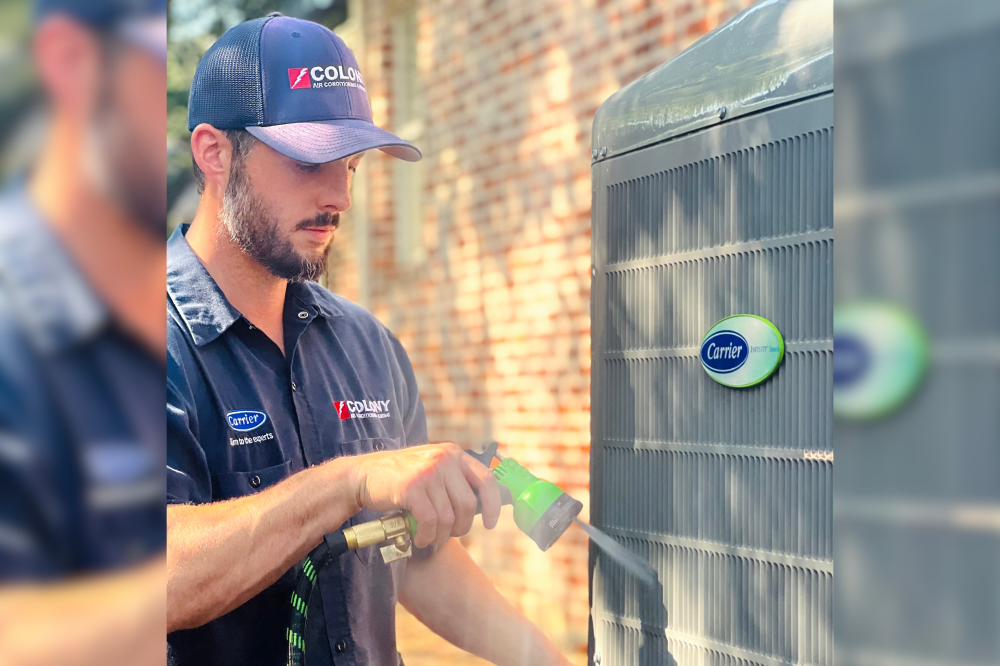
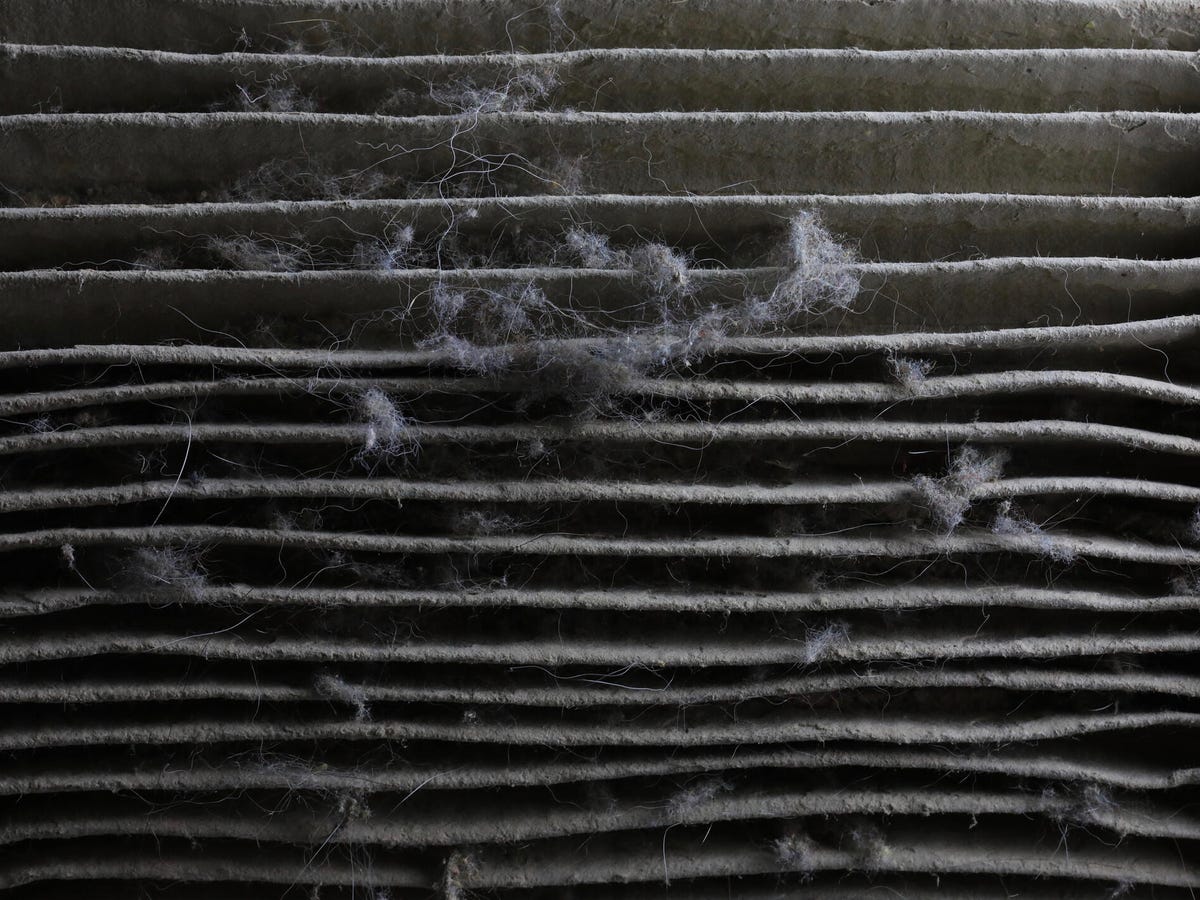
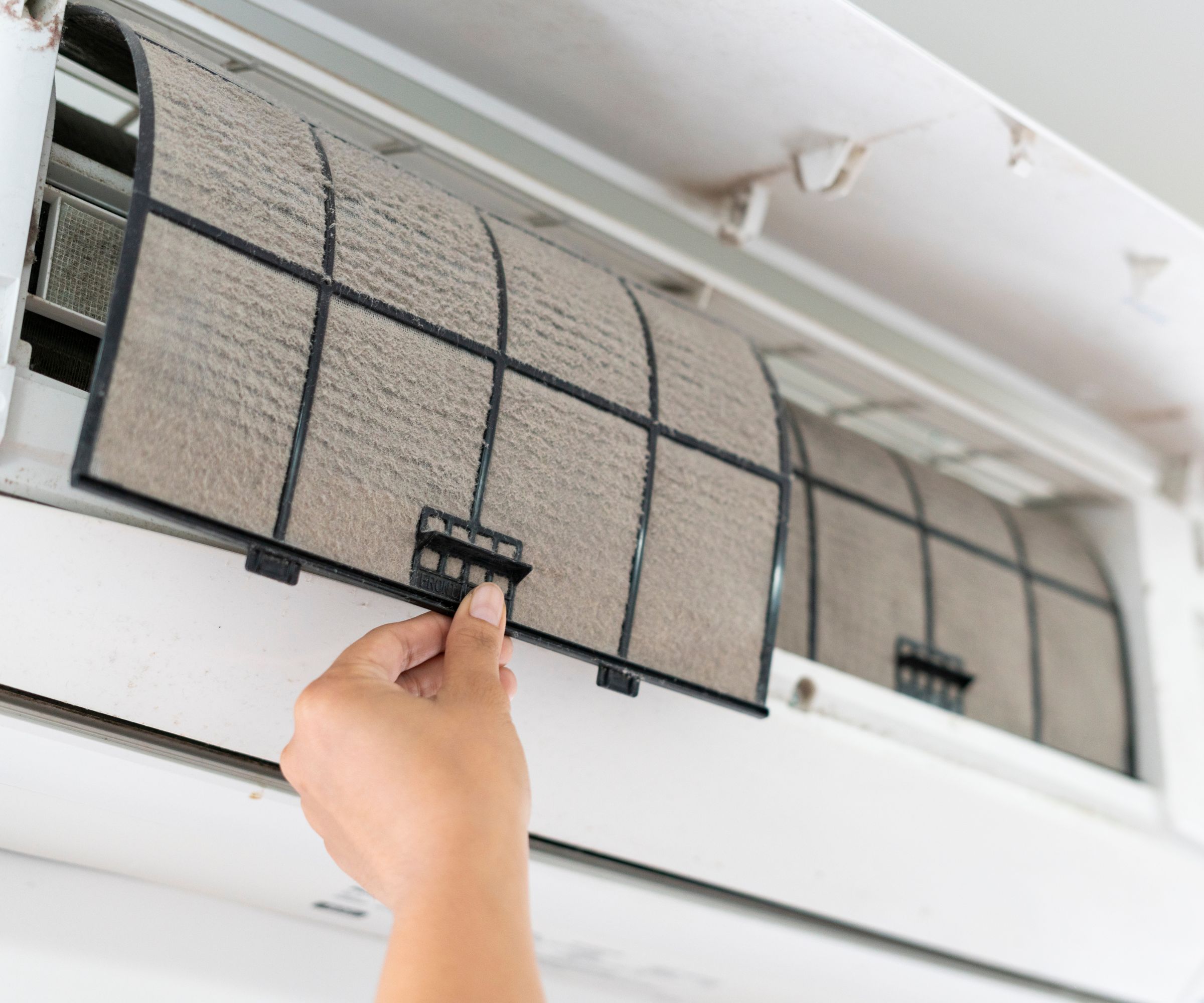
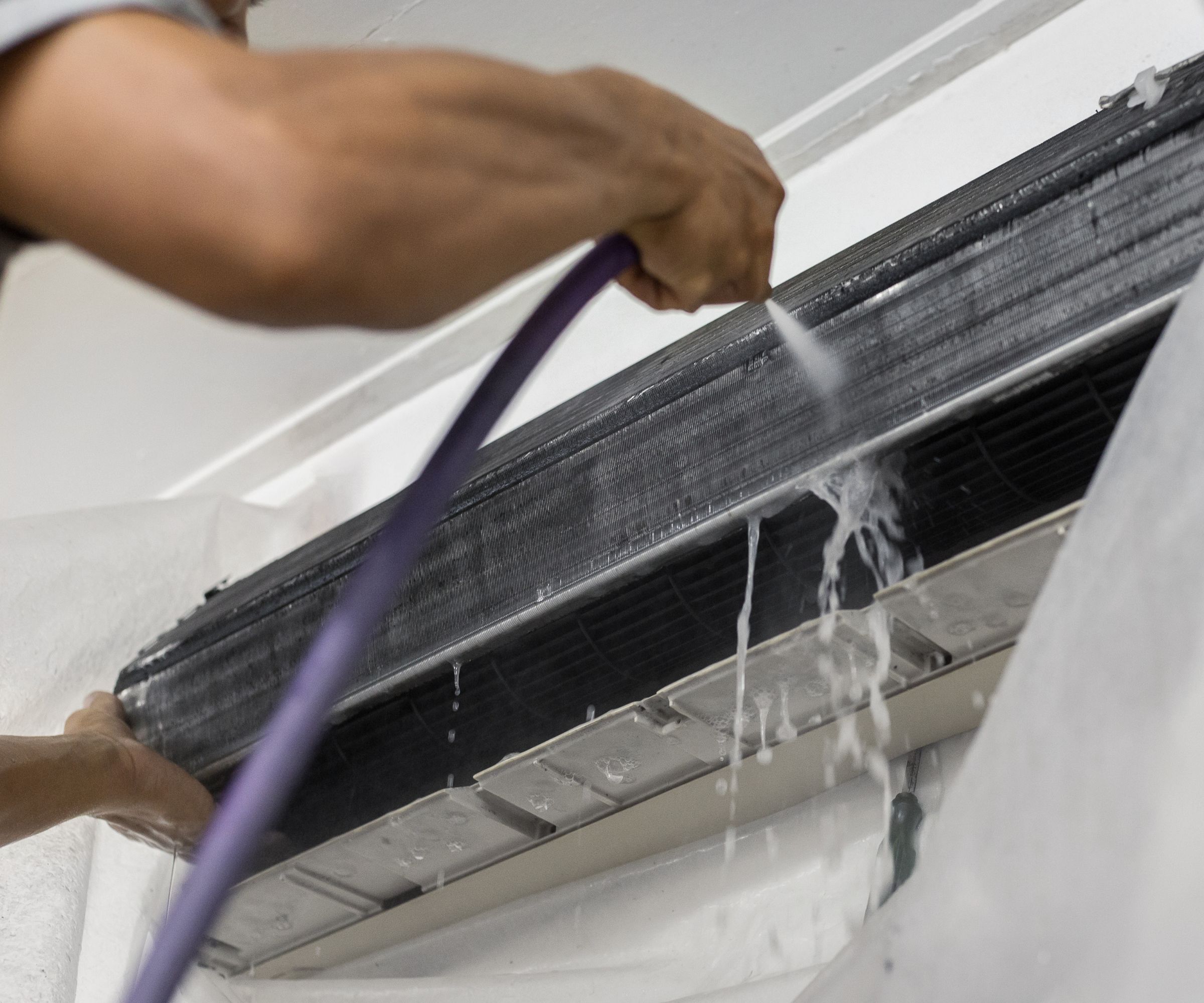
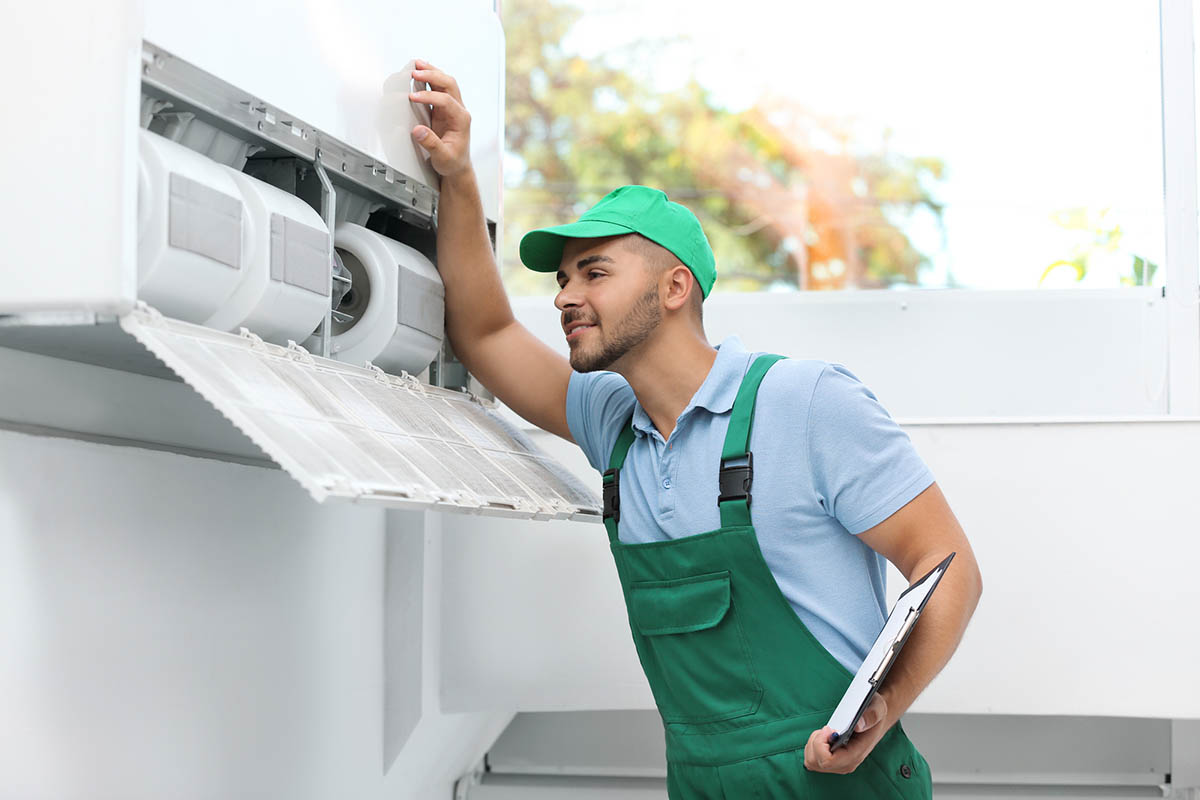
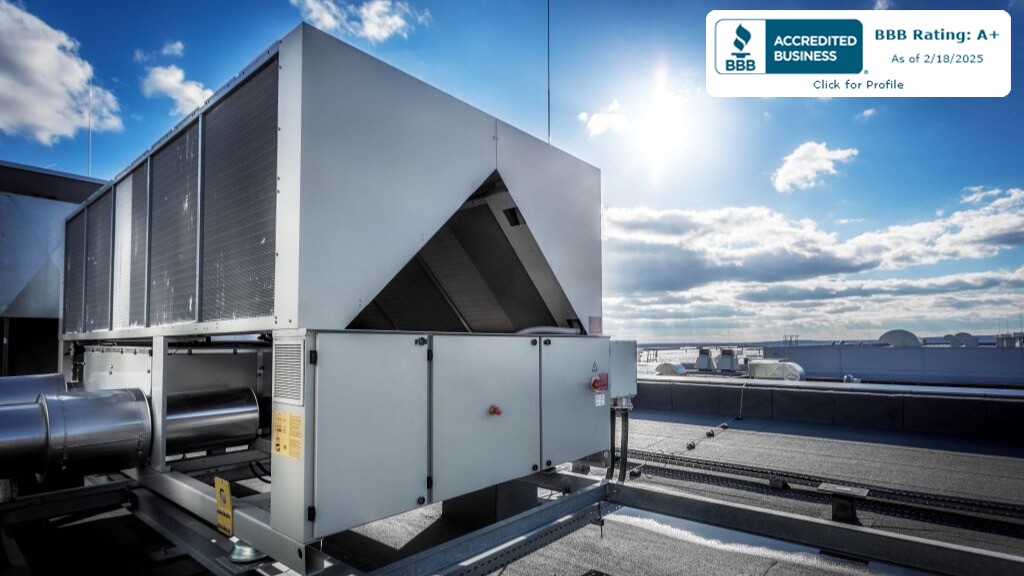
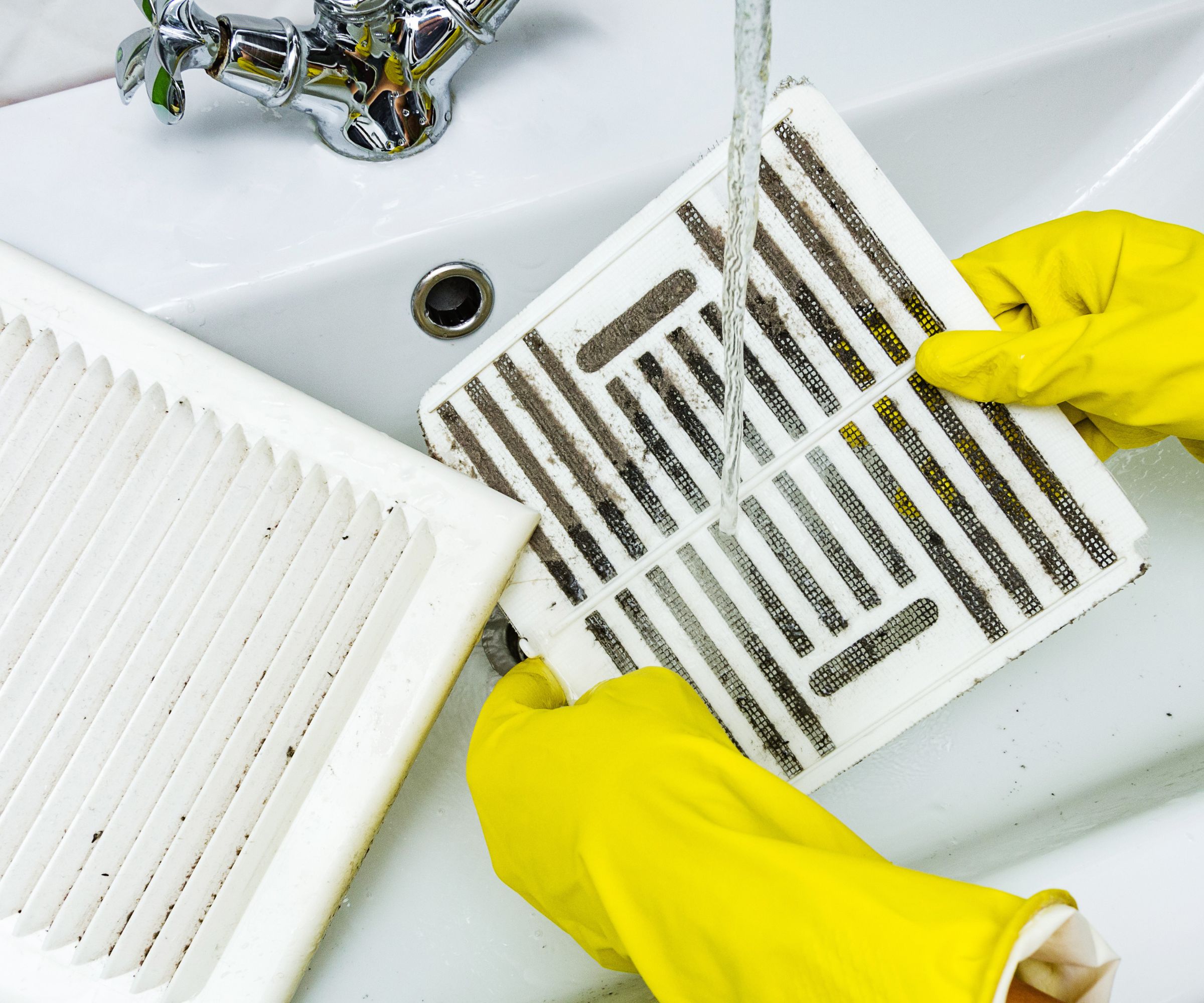
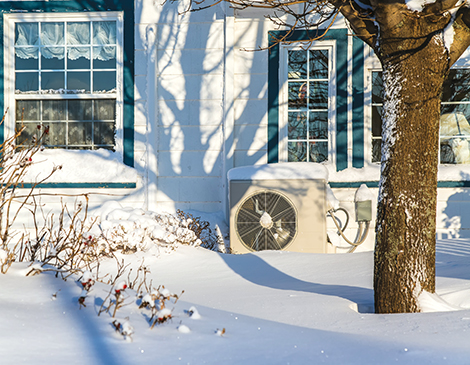
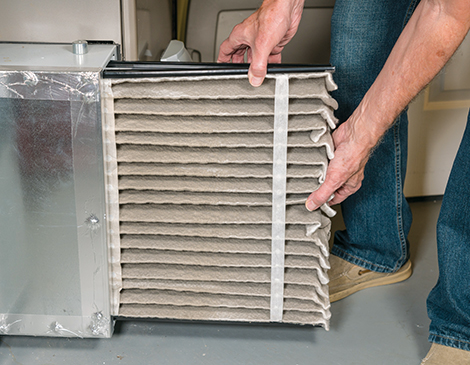
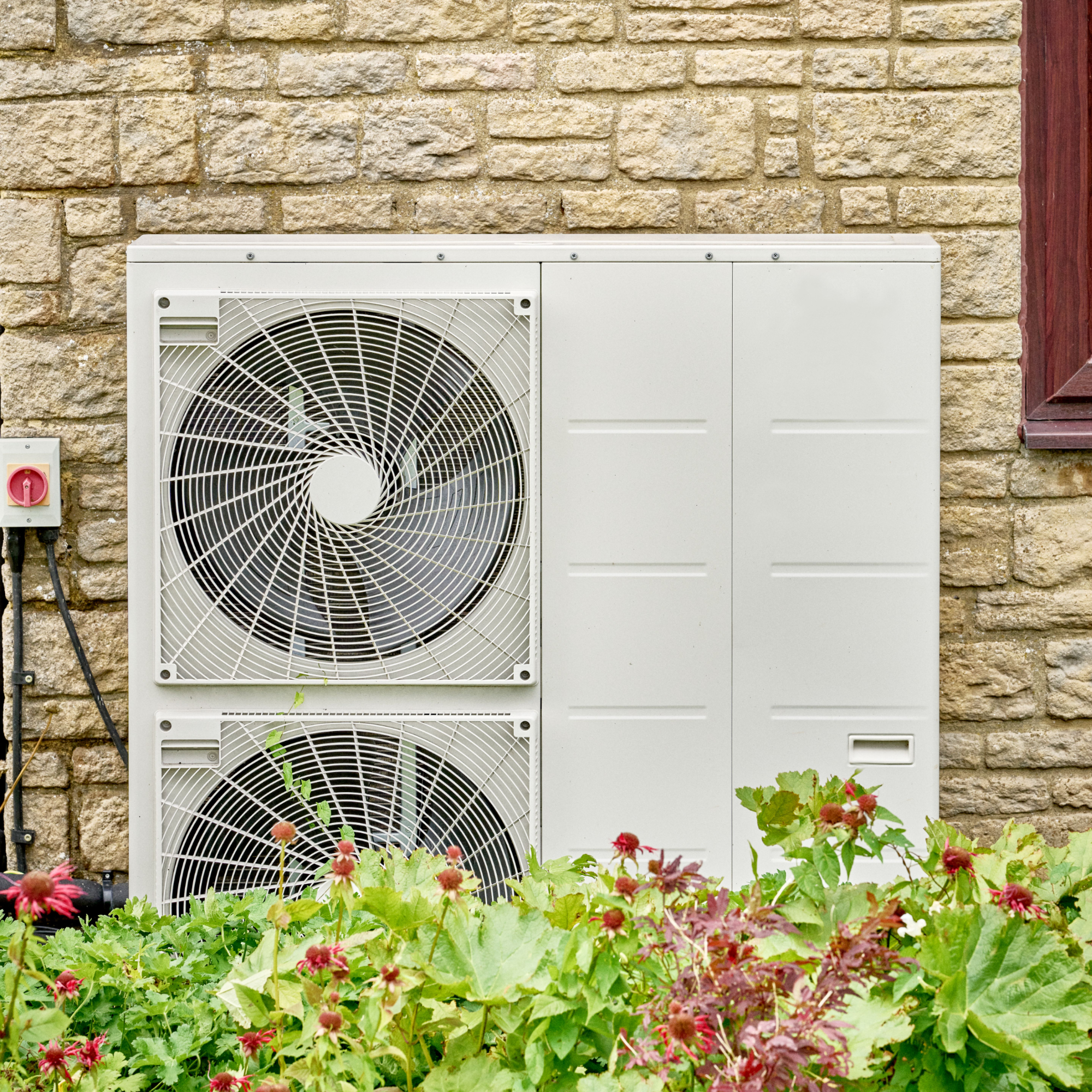
The article emphasizes the critical importance of proper maintenance and timely upgrades for Heating, Ventilation, and Air Conditioning (HVAC) systems in workplaces, especially as temperatures fluctuate and busy seasons approach. Neglecting HVAC systems can lead to malfunctions, decreased productivity, and uncomfortable environments for employees and customers. Regular maintenance, such as checking and replacing dirty filters, cleaning external units, and addressing drips or leaks promptly, is crucial for maintaining system efficiency and longevity. Proactive preventative maintenance, scheduled before peak usage seasons, can prevent unexpected breakdowns and ensure continuous comfort.
Beyond basic maintenance, the article delves into the benefits of upgrading existing HVAC systems, even those that appear to be functioning adequately. It highlights how modern HVAC technologies can significantly improve energy efficiency and environmental sustainability. A key distinction is drawn between HVAC usage patterns in the U.S. and Europe, noting that European countries often employ more state-of-the-art and highly efficient HVAC products due to higher utility costs and a greater focus on energy conservation. In the U.S., while utility rates are generally more affordable, there is a growing recognition among companies of their corporate responsibility to reduce carbon footprints through energy-efficient systems.
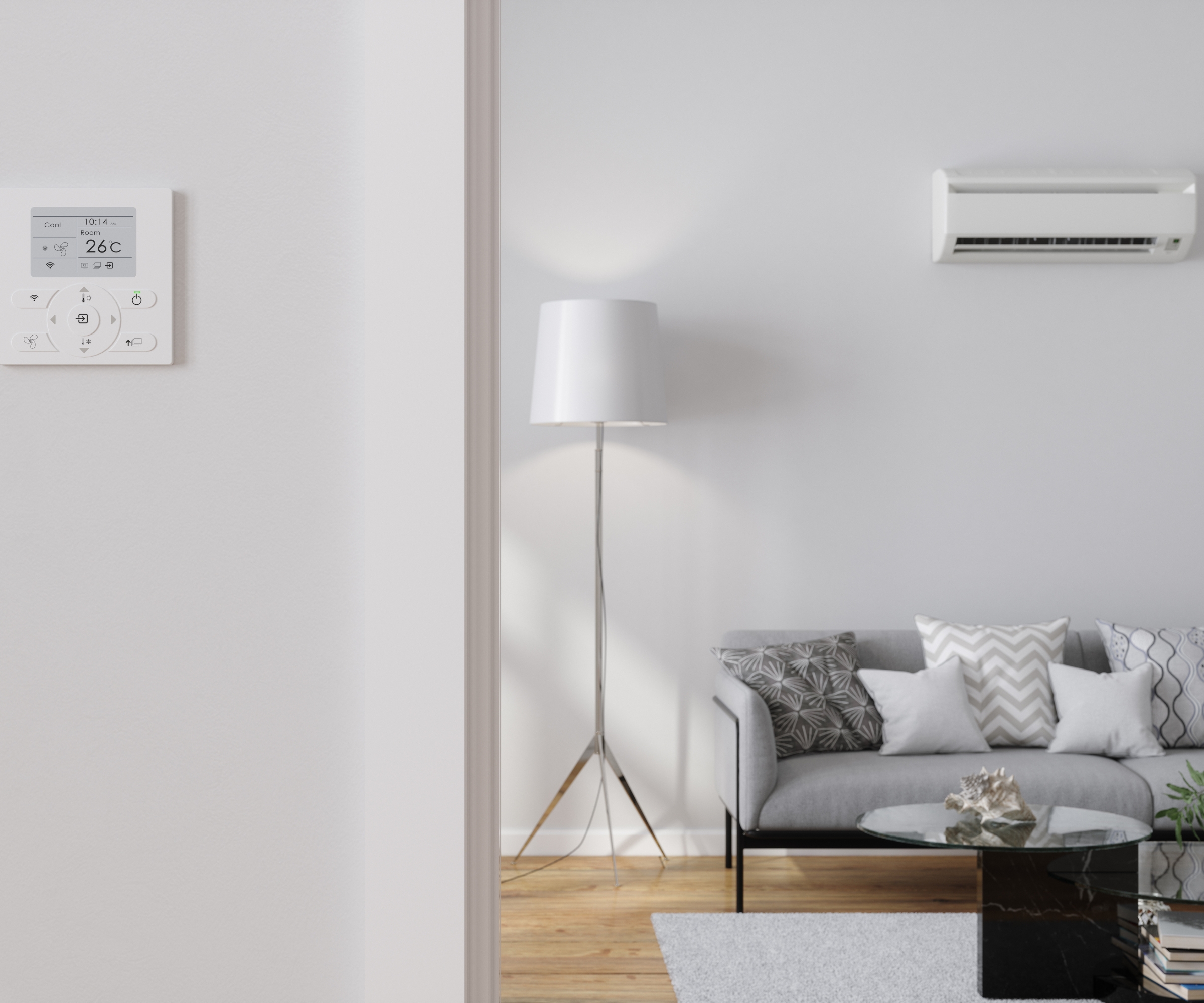
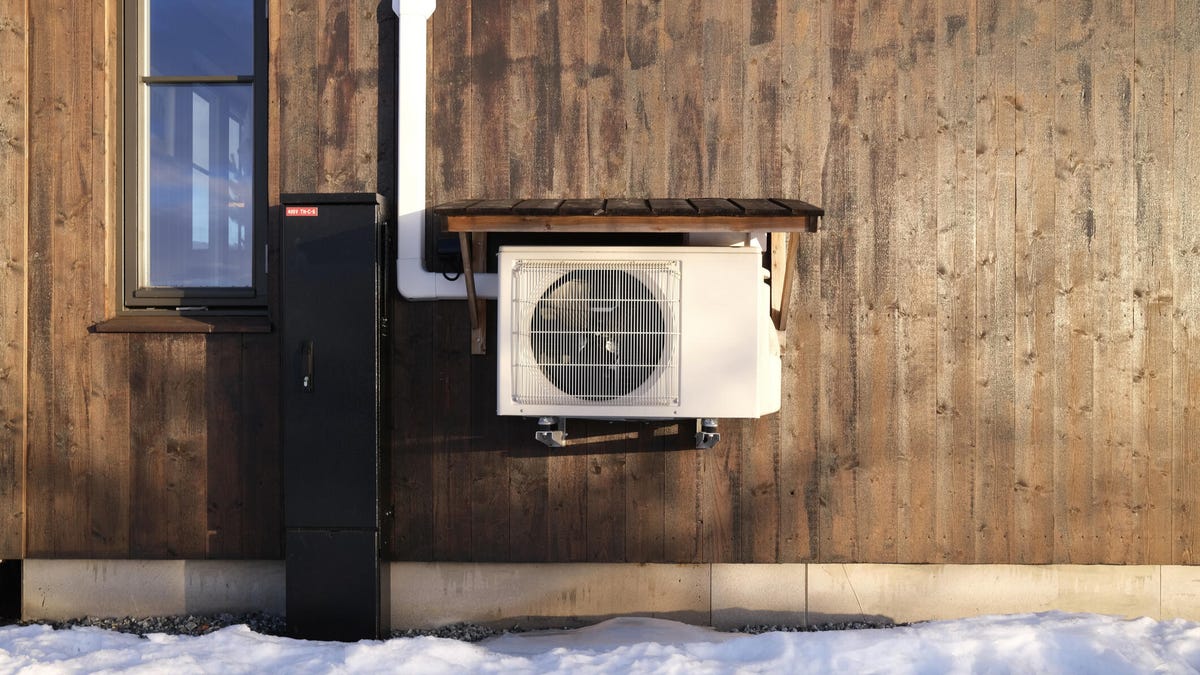
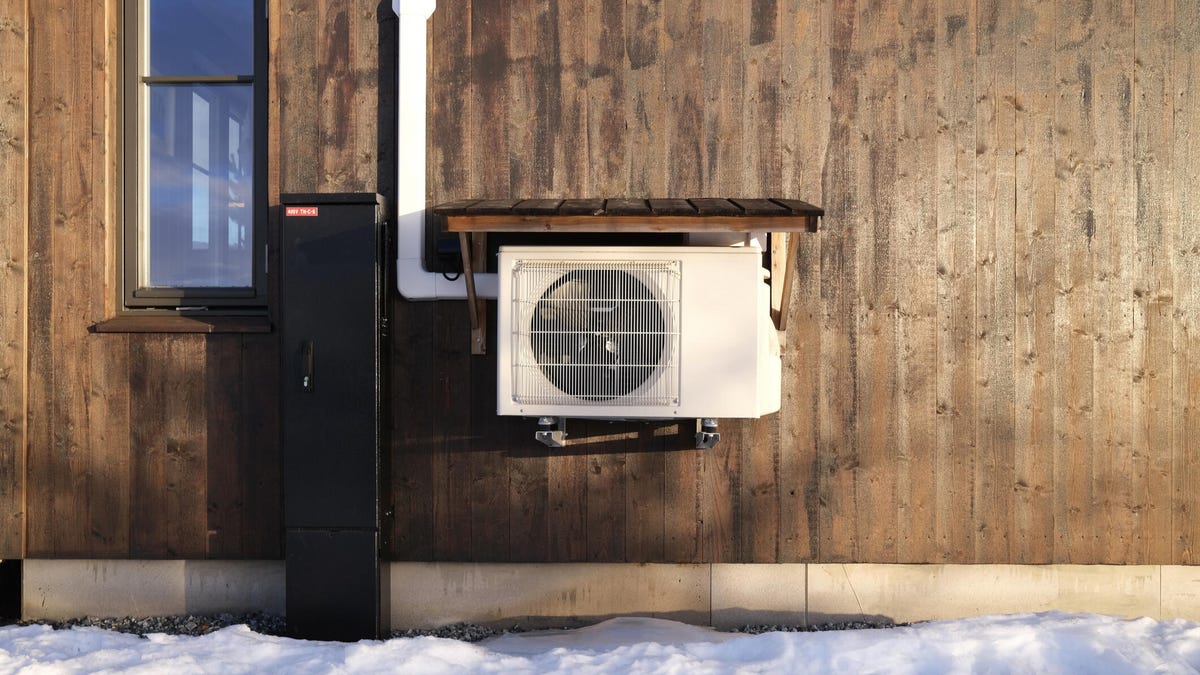
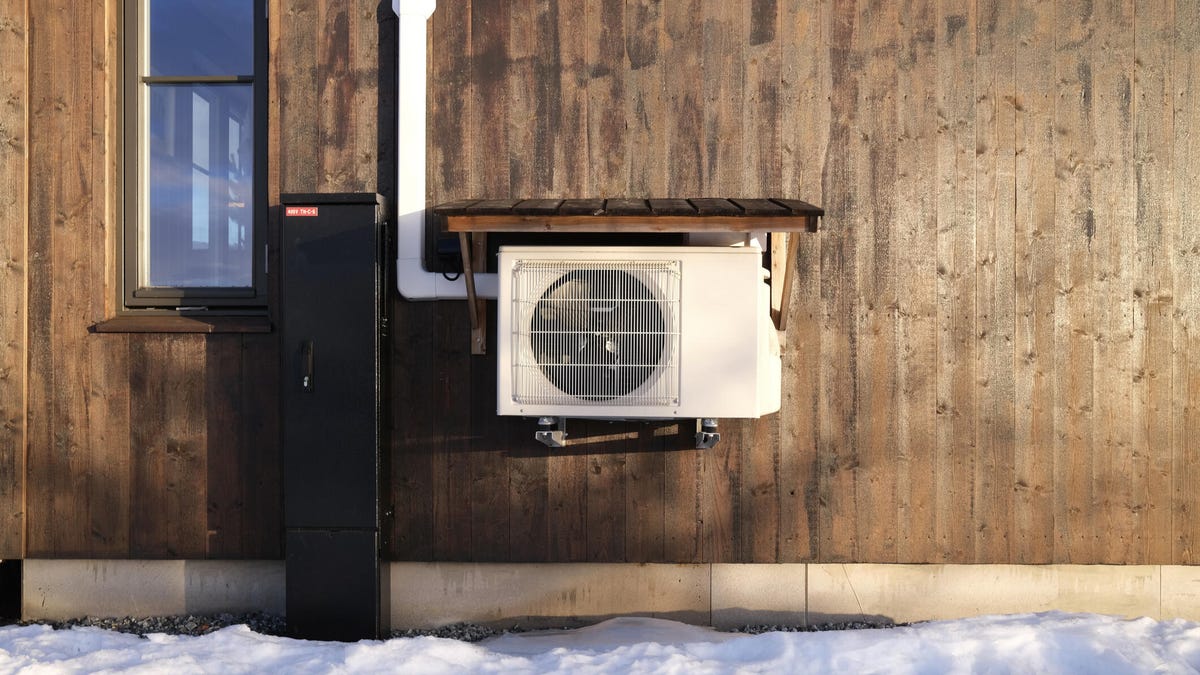
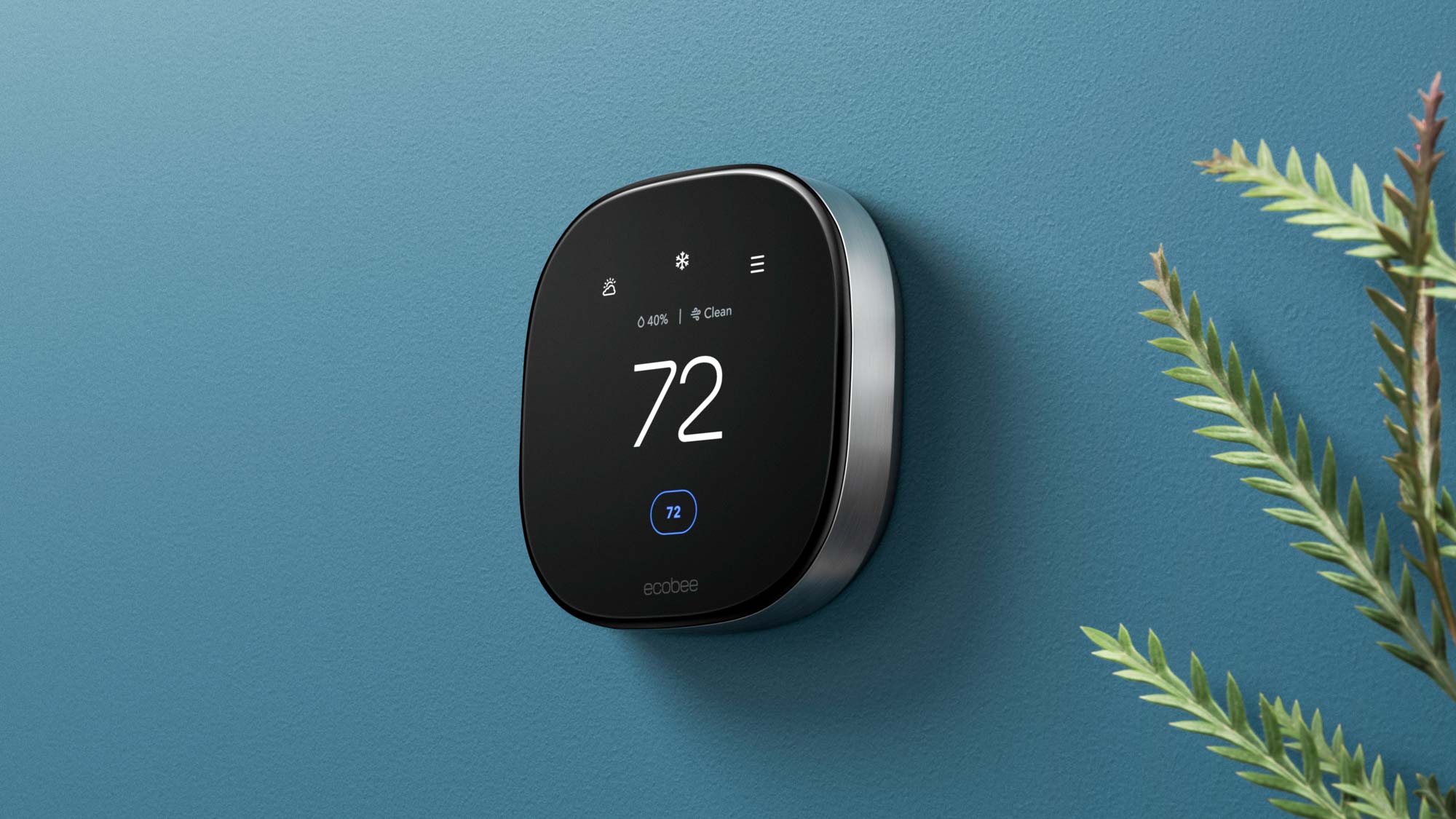
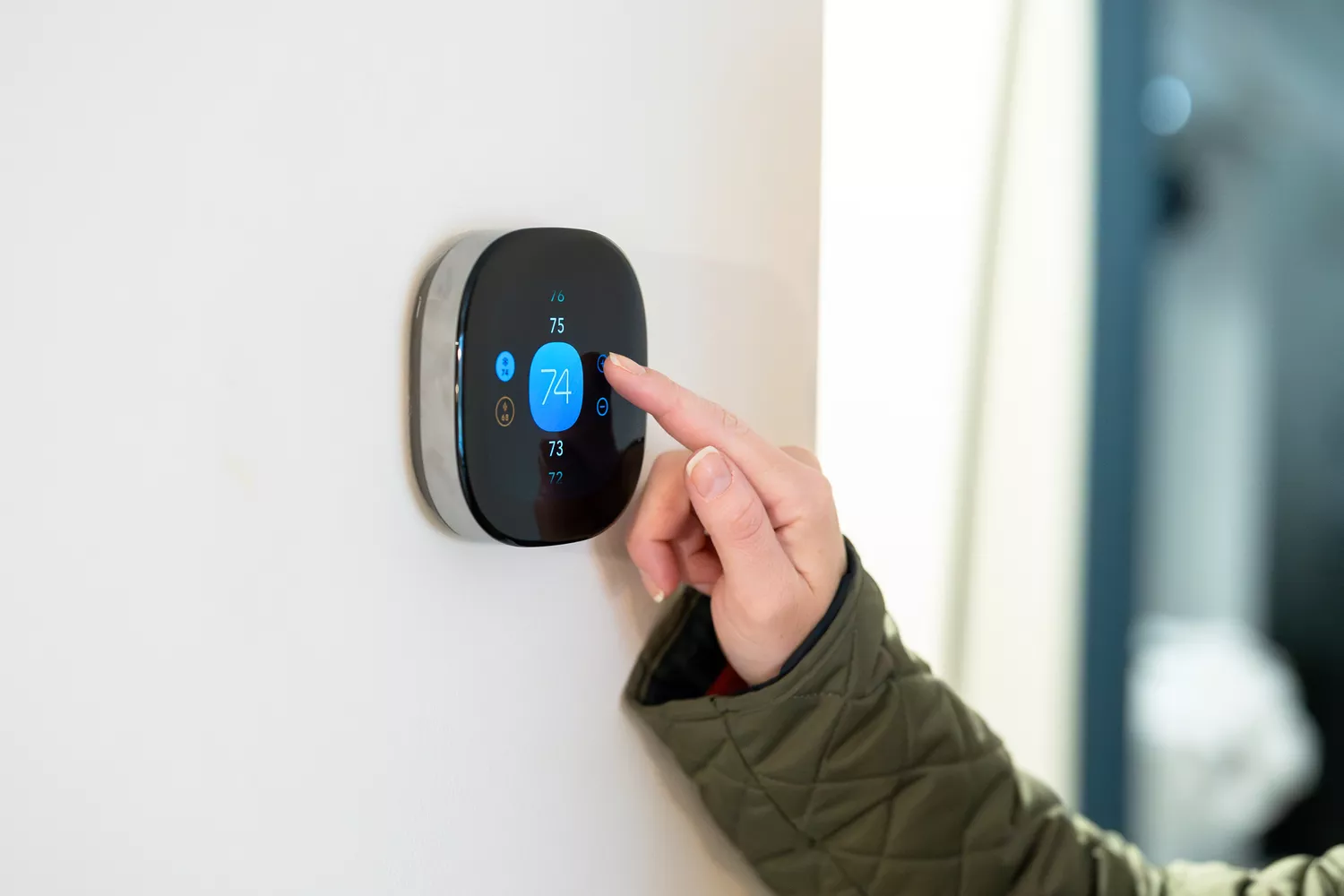
The article introduces specific efficient HVAC technologies available today. Inverter compressor technology is presented as a particularly effective solution. This technology optimizes HVAC operation by controlling the motor speed of the air compressor, allowing it to adjust precisely to the required temperature and humidity levels. The advantages of inverter systems include significant carbon reduction, lower operating costs, optimized dehumidification for enhanced comfort, and reduced utility bills. Another technological advancement discussed is smart thermostats, which offer superior temperature monitoring and adjustment capabilities compared to traditional on/off thermostats. Smart thermostats not only boost efficiency but also provide valuable data on indoor climate conditions and can even predict potential malfunctions when integrated with remote monitoring sensors.
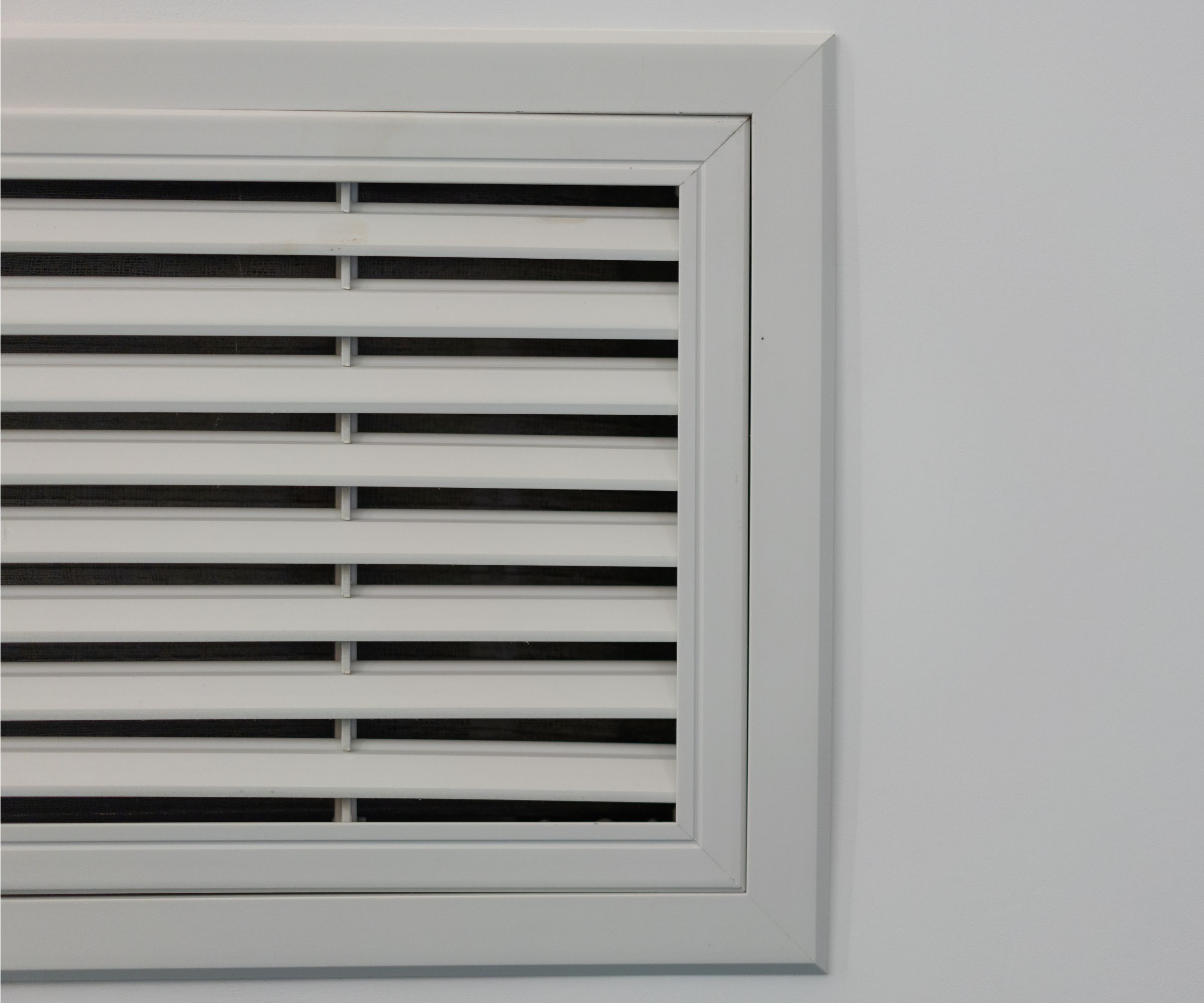
For property owners and operators considering an HVAC update, a holistic approach is recommended. This involves a comprehensive assessment of the building's age, condition, and its heat gain and loss properties. The article stresses that an HVAC upgrade is not merely about installing new equipment but also about evaluating and optimizing the entire system, including ductwork placement, condition, and the location of grills and vents. The effectiveness of even the most energy-efficient equipment can be compromised if installed within a poorly designed or maintained distribution system. Therefore, a thorough inspection and evaluation of all components are essential to maximize efficiency. Property owners are advised to utilize HVAC efficiency tools to compare the energy impact of old versus new systems and to employ HVAC asset management tools for a complete overview of all units across their properties. Finally, engaging contractors who offer various efficiency options with clear payback models is suggested, emphasizing the importance of considering the lifetime cost of ownership rather than just initial expenses. This comprehensive strategy ensures that HVAC systems are not only updated but also optimized for long-term efficiency, cost-effectiveness, and environmental responsibility.
#HVACSystem #WorkplaceMaintenance #EnergyEfficiency #InverterTechnology #SmartThermostats #PropertyManagement #CarbonFootprint #BuildingSystems #HVACSystem #WorkplaceMaintenance #EnergyEfficiency #InverterTechnology #SmartThermostats #PropertyManagement #CarbonFootprint #BuildingSystems
0 comment in total
 No comments yet
You may also like
How to get the most life out of your AC and Heating system

The Best Heating & Air Conditioning Companies in Midland, MI

HVAC Buying Guide: What to Know When You're Shopping

Spring Maintenance Tips to Extend the Efficiency of Your HVAC System
HVAC Maintenance Guide: What to DIY and When to Call a Pro
HVAC pros reveal if you should close vents in unused rooms – the answer feels counter-intuitive but it's true

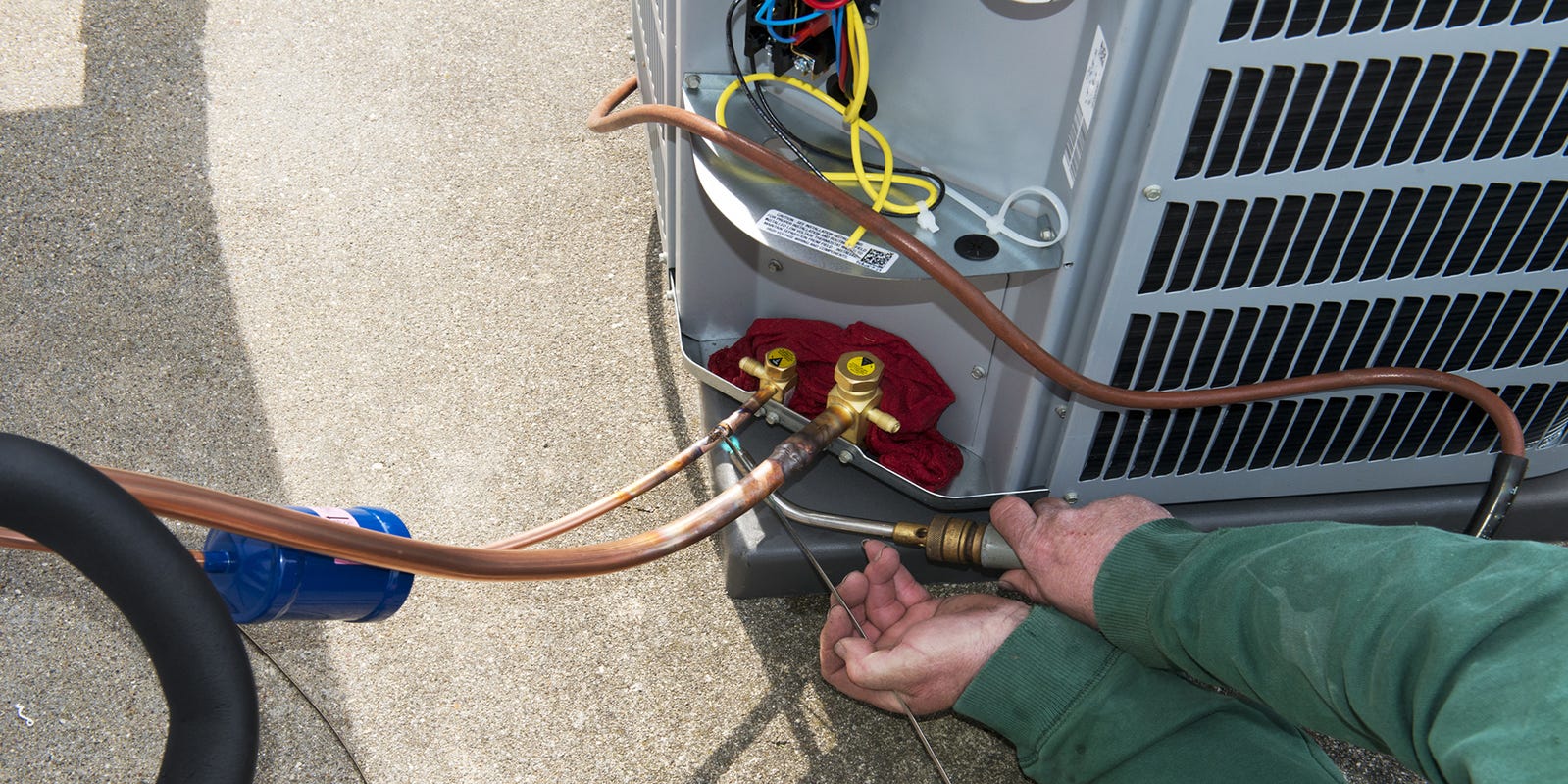
Ask Angi: What should I do when the AC goes out?
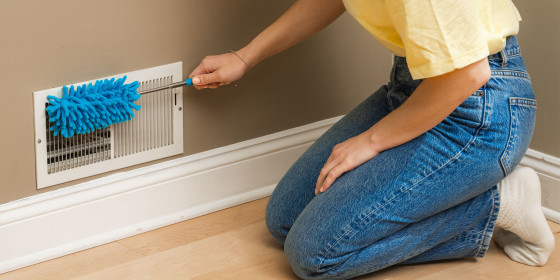
How to clean vent covers and how often to do it - TODAY

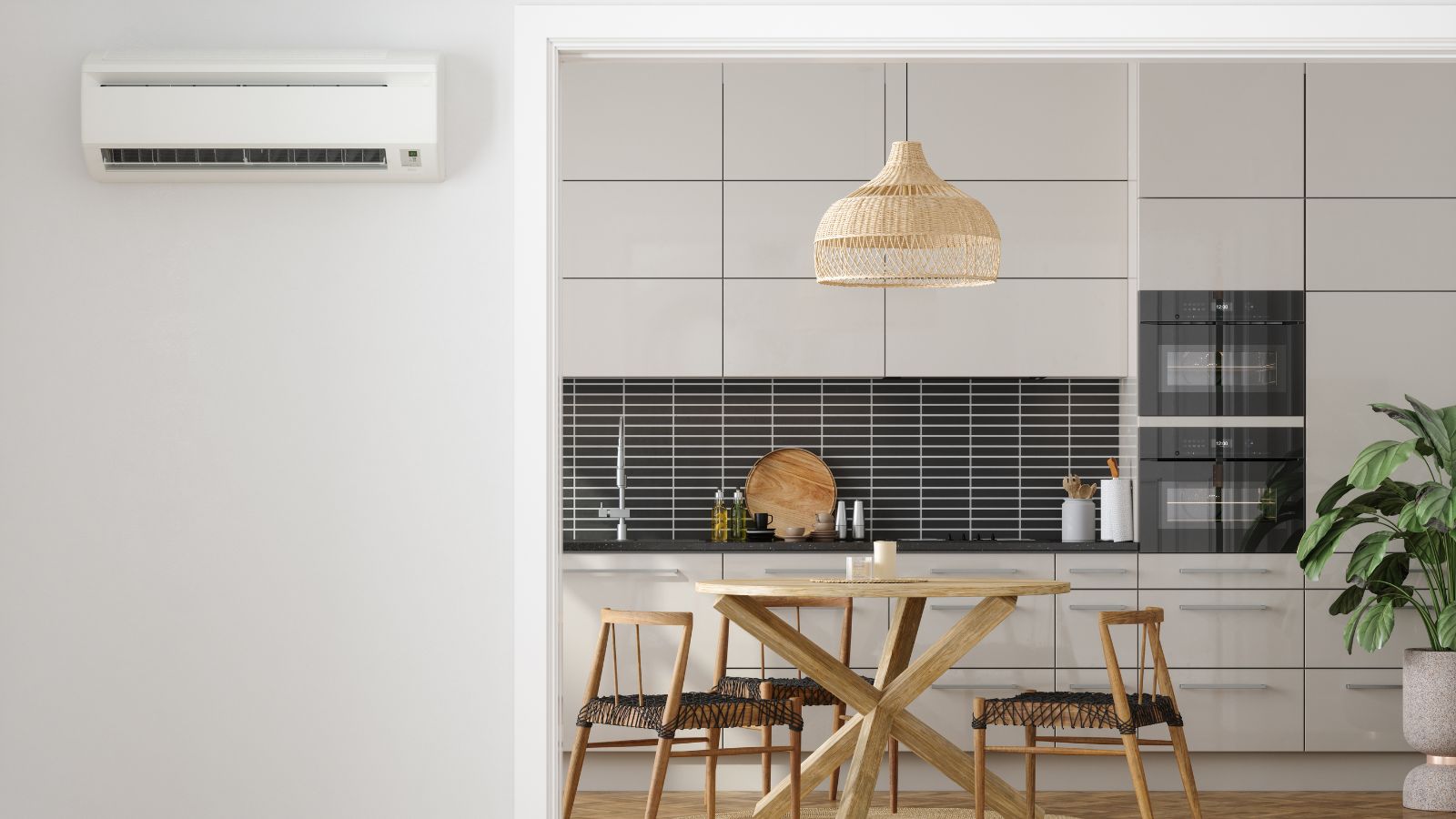
How to clean your HVAC system – 6 expert tips to make this essential task DIY-friendly
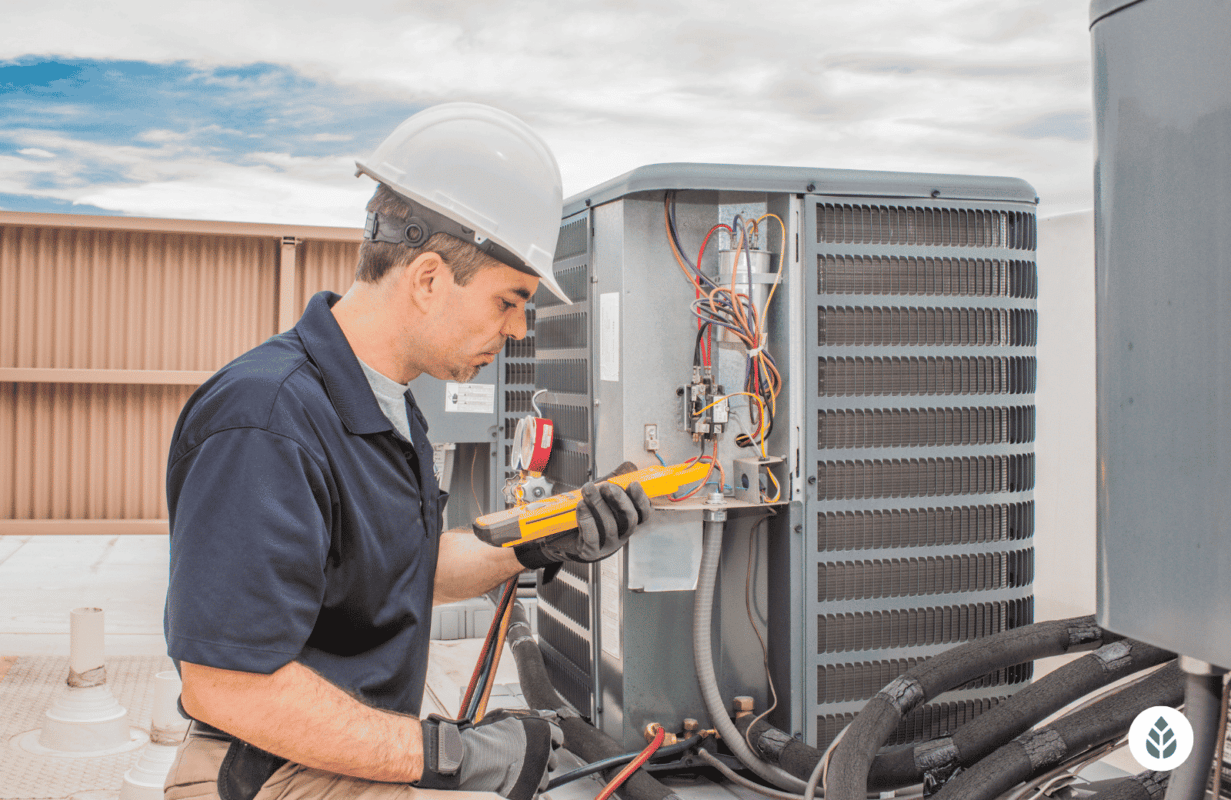
Average Cost of HVAC Maintenance (2025)


This Hexagonal Ceiling Tile System Rethinks Office Air

Is Your Home Ready for Another Cleveland Winter? How to Winterize in Northeast Ohio

We Asked HVAC Pros When We Should Turn On Our ACs, and It’s Sooner Than We Thought


The best HVAC companies in Houston


Why is my upstairs always hot even with AC on? Experts reveal why and how to fix it


What’s the most efficient way to heat a house? How to heat your home for less, according to experts

The Best HVAC Service Companies in America


5 mistakes you're making that are compromising your home's air quality – and how to fix it like a HVAC pro
I had air con installed in my bedroom and was shocked how quick and easy it was
Story from Advantage Heating & Air Conditioning: 5 dark truths about the HVAC industry and how they can cost money