Average Cost of HVAC Maintenance (2025)
Maintaining a Heating, Ventilation, and Air Conditioning (HVAC) system is crucial for its longevity, which typically ranges from 10 to 25 years. Regular maintenance, particularly preventative maintenance, is the most effective way to extend the life of these units. The average cost for scheduled annual or bi-annual HVAC maintenance is between $75 and $150. This proactive approach can significantly reduce expenses associated with emergency repairs or the premature replacement of an entire HVAC system. Routine inspections help identify and address minor issues before they escalate into costly problems, while also offering opportunities for technicians to provide valuable HVAC tips.
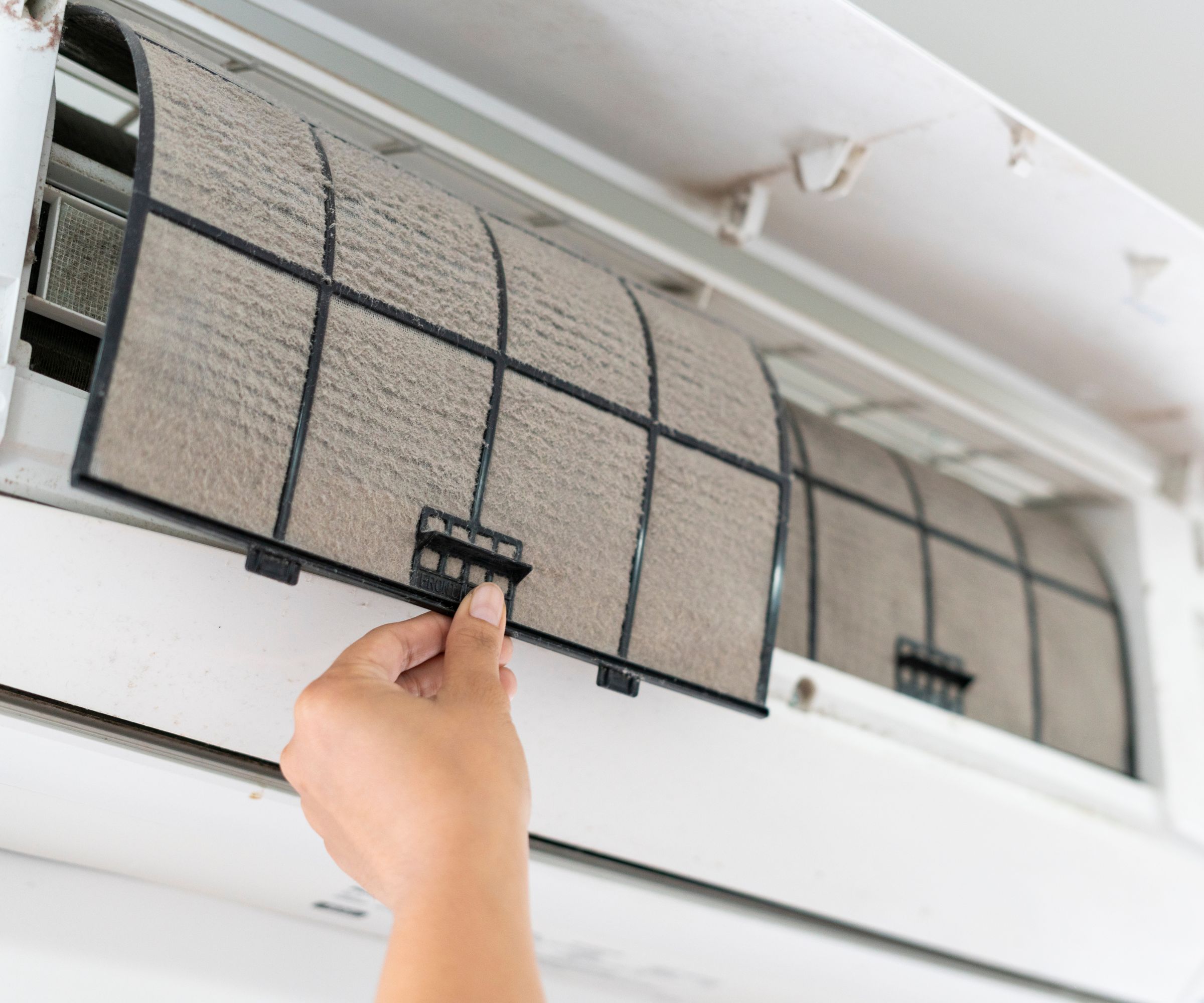
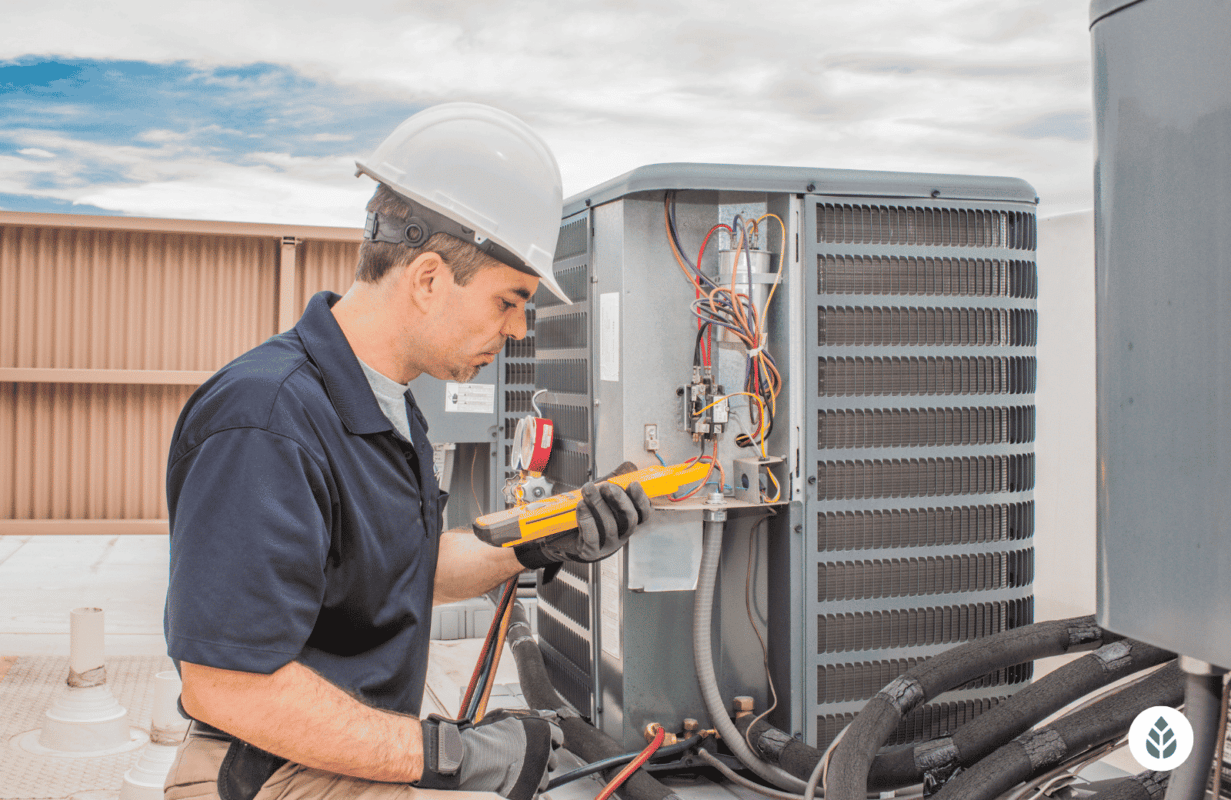
HVAC maintenance costs vary based on the specific work required. Simple tasks like air filter replacement and cleaning might cost around $100. However, if a faulty part needs to be fixed or replaced, the cost will increase due to parts and labor. Proactive maintenance involves a technician cleaning and inspecting the system to catch potential issues early, thus preventing major breakdowns. Reactive maintenance, on the other hand, is performed when a component has already failed, indicated by issues such as reduced airflow, unexpected temperature or humidity changes, or unusual noises from the unit. HVAC contractors usually charge a flat rate for minor repairs and inspections, but larger projects, like component replacements, typically incur an hourly rate in addition to the cost of parts.
The cost of HVAC repair also depends on the type of unit and the extent of the repair. For instance, air conditioner maintenance typically costs $75 to $225, furnaces cost $75 to $225, and heat pumps cost $75 to $150. More complex systems like split systems range from $200 to $350, and packaged heating and air units can cost between $450 and $550 for maintenance.
Component replacement costs also vary widely. A thermostat replacement can cost $115 to $250. Compressors, vital for releasing heat, range from $700 to $2,400. Evaporator coils, which cool and dehumidify air, cost $800 to $1,800 to replace. Ductwork replacement is a significant expense, ranging from $1,500 to $5,000, while duct cleaning is $270 to $500. A burner or combustion chamber in a furnace costs $200 to $600. Blower/fan motors, responsible for air distribution, typically cost $150 to $400. Heat exchangers in furnaces, which can pose carbon monoxide risks if leaking, cost $1,000 to $2,000 including labor. Capacitors, found in various HVAC components, cost $150 to $400.
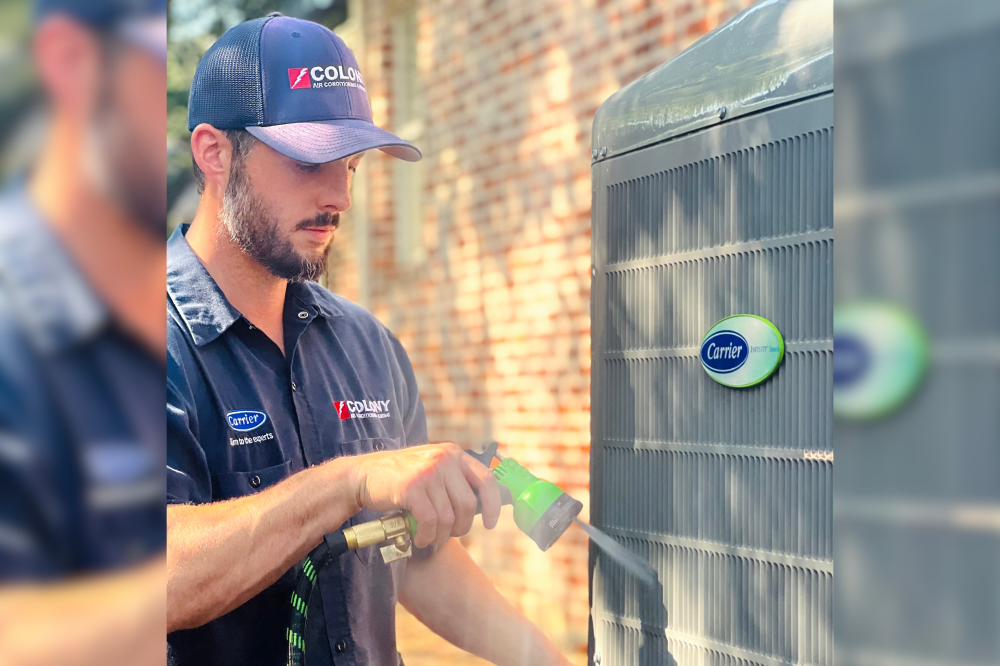
While major HVAC repairs or replacements can amount to thousands of dollars, these larger projects can often be financed through personal or home loans. However, the relatively low cost of regular maintenance and tune-ups provides long-term savings by preventing these expensive overhauls. Homeowners with a home warranty might find their HVAC maintenance, repair, or replacement costs covered, though it is important to review the policy details carefully, as home warranties often cover routine wear and tear unlike standard home insurance. Annual servicing is recommended, with cooling systems ideally serviced in the spring and heating systems in the fall. Beyond professional services, homeowners can perform simple DIY tasks like changing air filters, cleaning outdoor units, and testing heating and cooling functions to maintain efficiency between professional checkups.
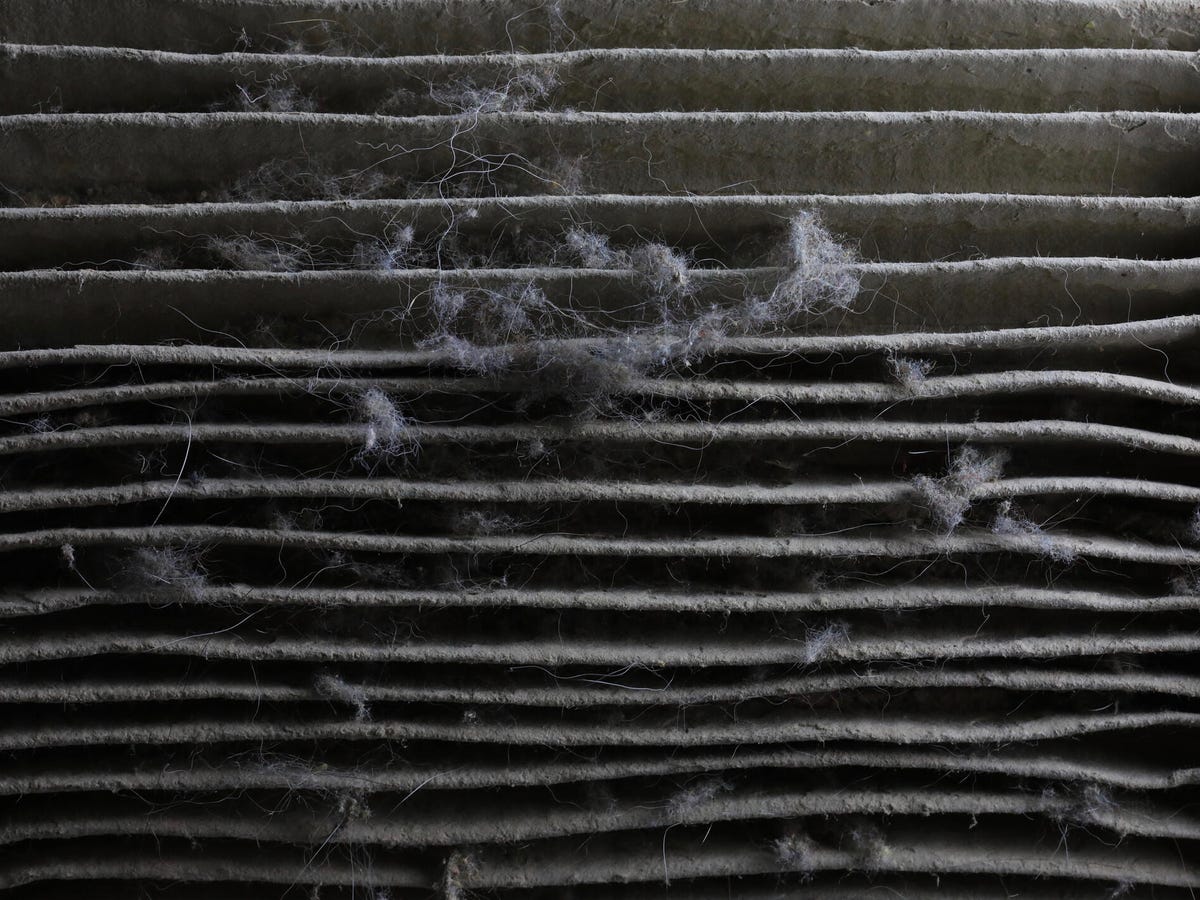
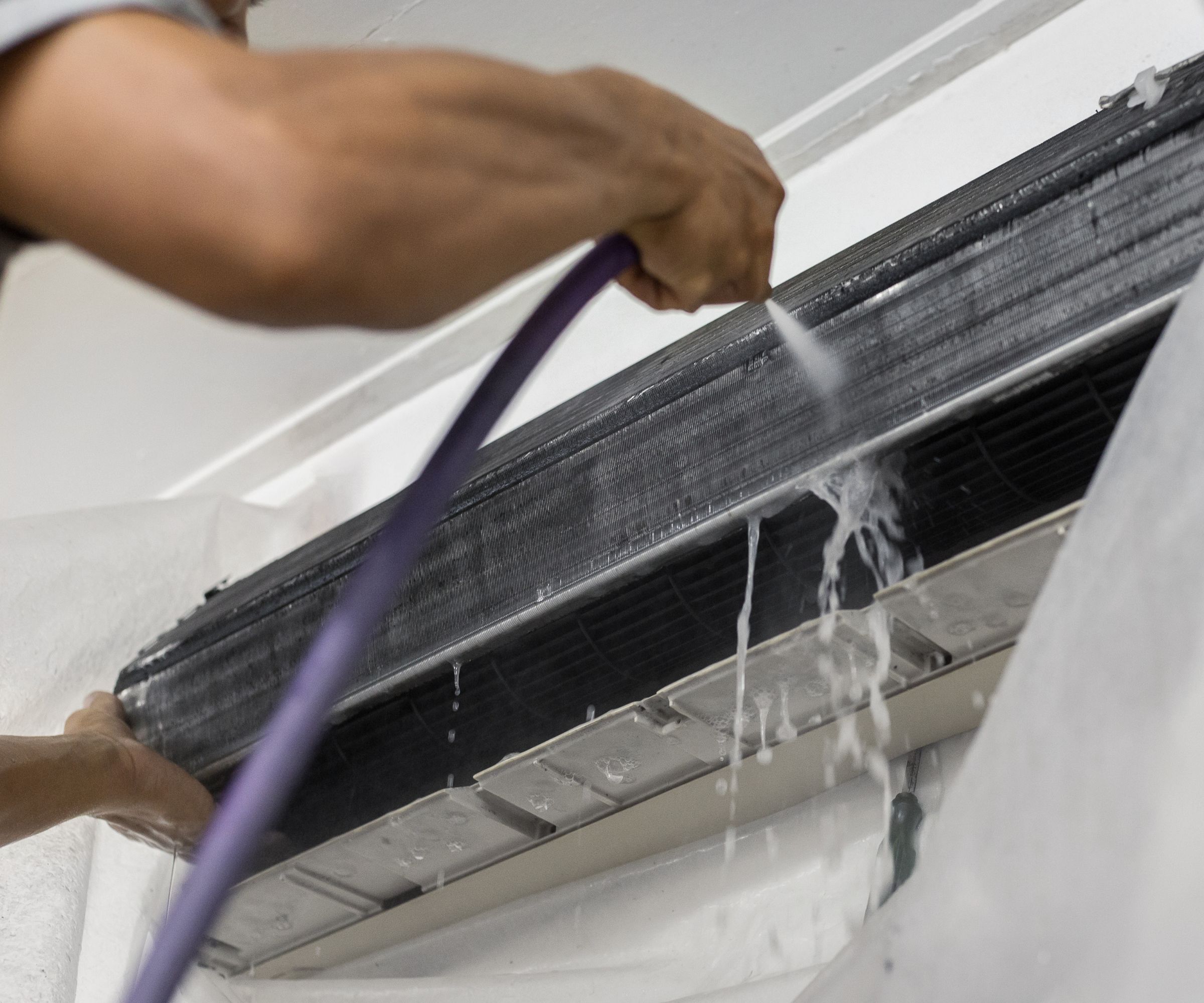
Neglecting HVAC maintenance leads to reduced efficiency, causing higher energy bills due to issues like dirty filters, clogged ducts, and blocked condensers. Furthermore, minor damage can go undetected, leading to extensive repairs or the need for a complete system replacement, which can cost between $5,000 and $10,000. In contrast, annual service costs $75 to $150, underscoring the value of preventative maintenance. Professional HVAC maintenance typically includes cleaning drains, coils, and burners; replacing air filters; lubricating moving parts; and checking electrical connections. For cooling systems, this also involves checking pans, refrigerant levels, wiring, and the blower. For heating systems, technicians inspect wiring, exhaust outlets, burners, heat exchangers, and fuel lines. Signs that professional intervention is needed include unusual temperature or humidity fluctuations, unexpectedly high energy bills, or abnormal noises from the system.
#HVACMaintenance #HomeMaintenance #HVACCosts #EnergyEfficiency #PreventativeMaintenance #HomeRepair #AirConditioning #HeatingSystem #HomeWarranty #HVACMaintenance #HomeMaintenance #HVACCosts #EnergyEfficiency #PreventativeMaintenance #HomeRepair #AirConditioning #HeatingSystem #HomeWarranty
0 comment in total
 No comments yet
You may also like
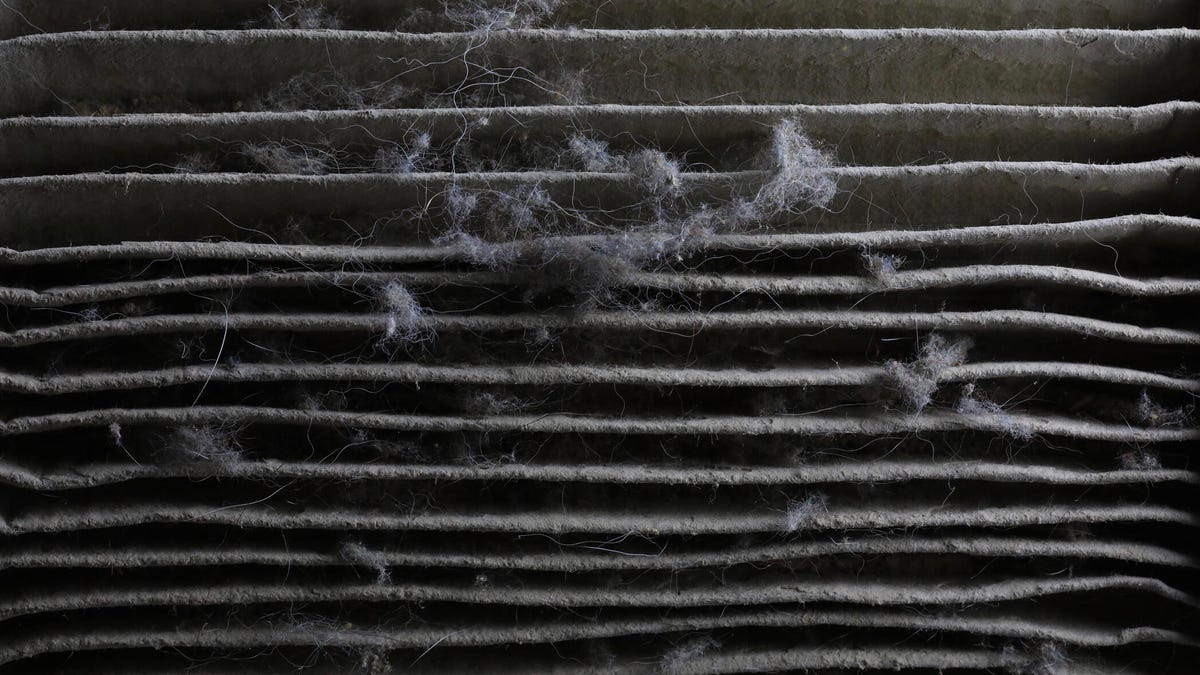
HVAC Maintenance Guide: What to DIY and When to Call a Pro

How much, on average, does it cost to build a house in 2025?
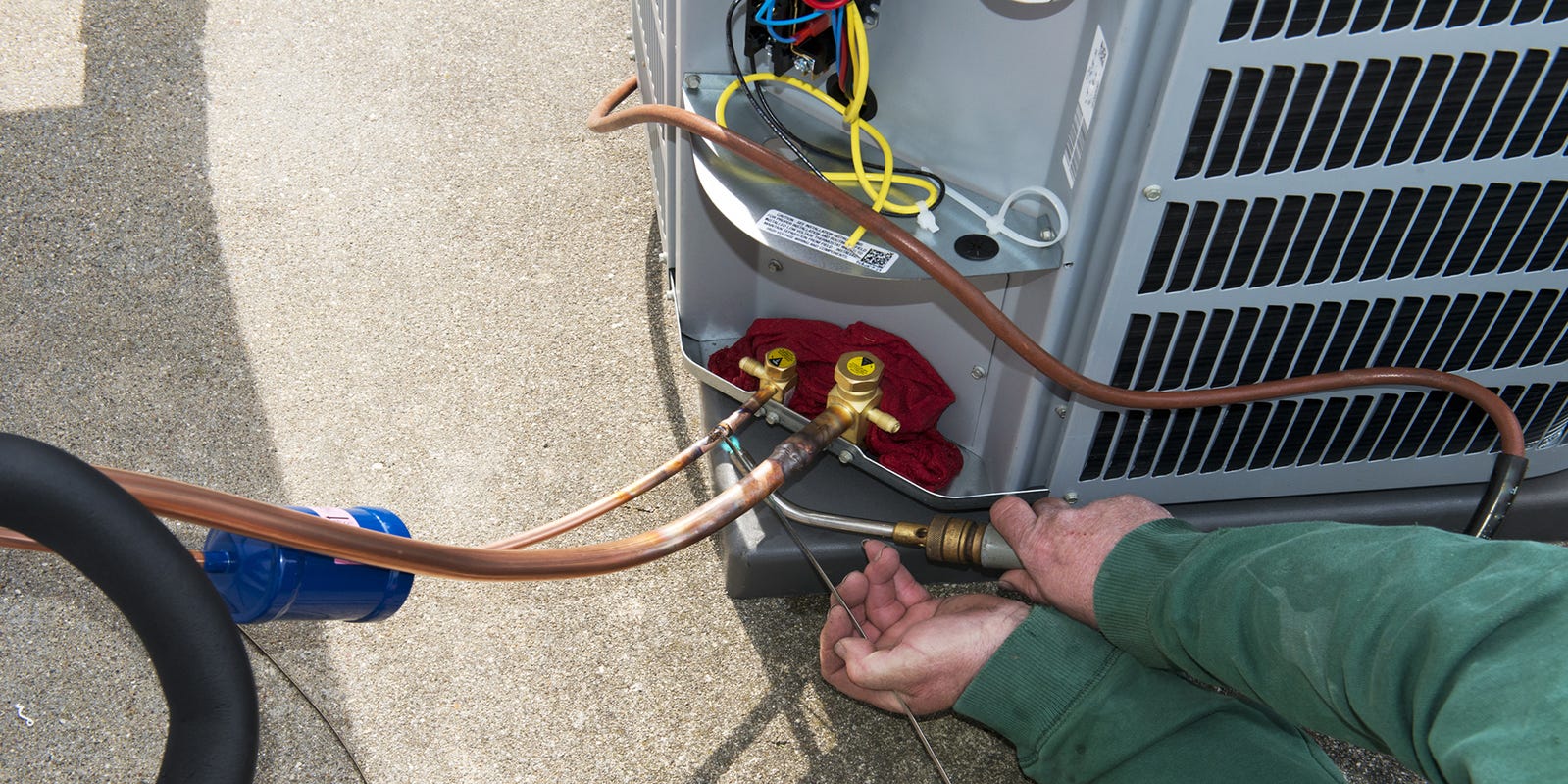
Ask Angi: What should I do when the AC goes out?
Spring Maintenance Tips to Extend the Efficiency of Your HVAC System
How to get the most life out of your AC and Heating system

Cost to Install Central Air in 2025: How to Save

An HVAC Repairman Talked About The Marked Up Prices He Puts On Parts

Are Your Return Air Vents Facing the Wrong Way? Here's How to Check

The Best HVAC Service Companies in America

Updating And Maintaining Your Workplace’s HVAC System


HVAC Pros Say This One Fall Task Can Make Your Home Feel So Much Warmer (and It's So Easy!)

The Future Of HVAC
We Asked HVAC Pros When We Should Turn On Our ACs, and It’s Sooner Than We Thought
Roof Replacement Cost in 2025
5 Best HVAC Companies
Story from Advantage Heating & Air Conditioning: 5 dark truths about the HVAC industry and how they can cost money
How to clean your HVAC system – 6 expert tips to make this essential task DIY-friendly

Water Heater Cost in 2025: DIY or Professional Installation?
How Much Does Window Replacement Cost In 2025?