1/4
HVAC pros reveal if you should close vents in unused rooms – the answer feels counter-intuitive but it's true
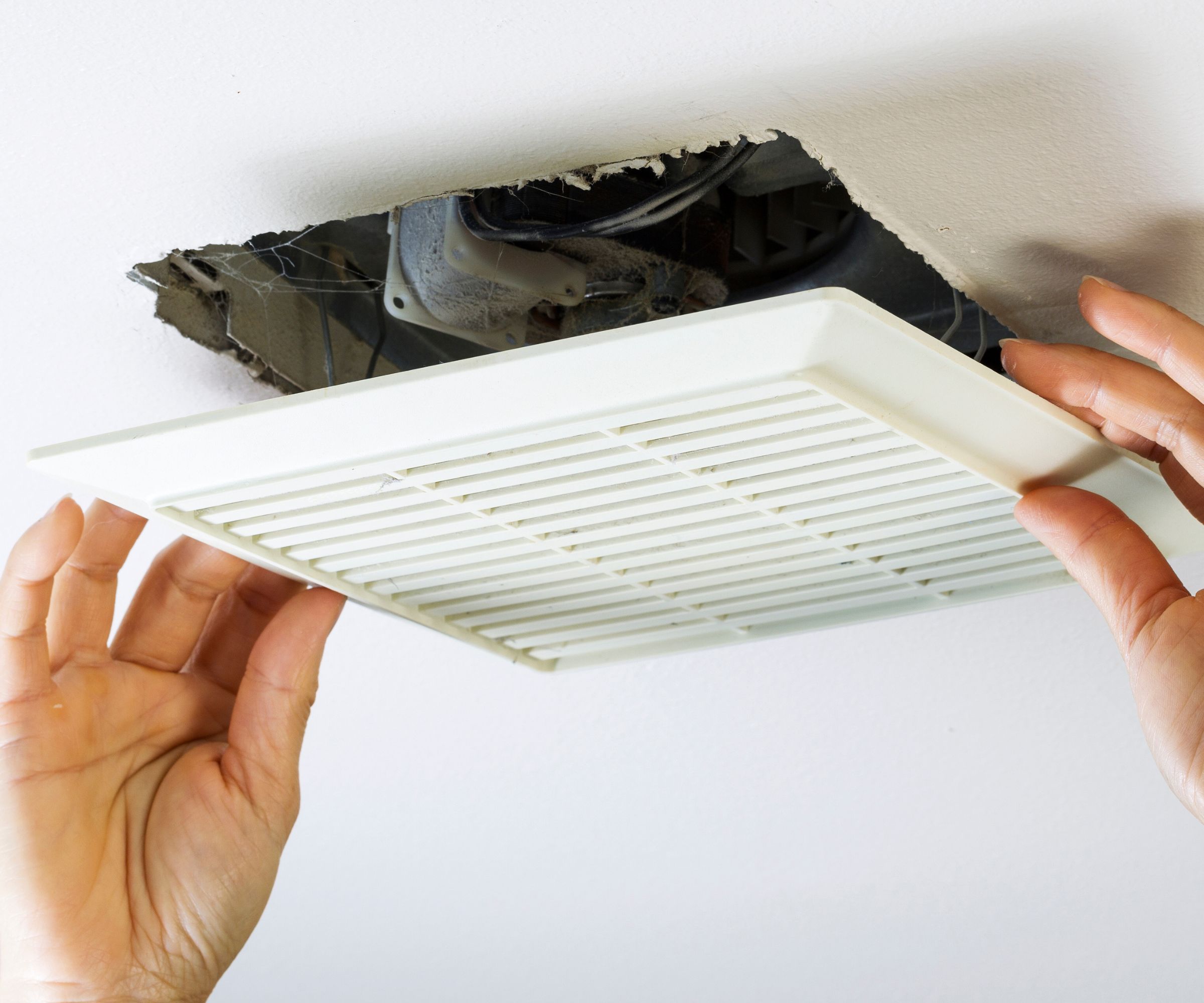
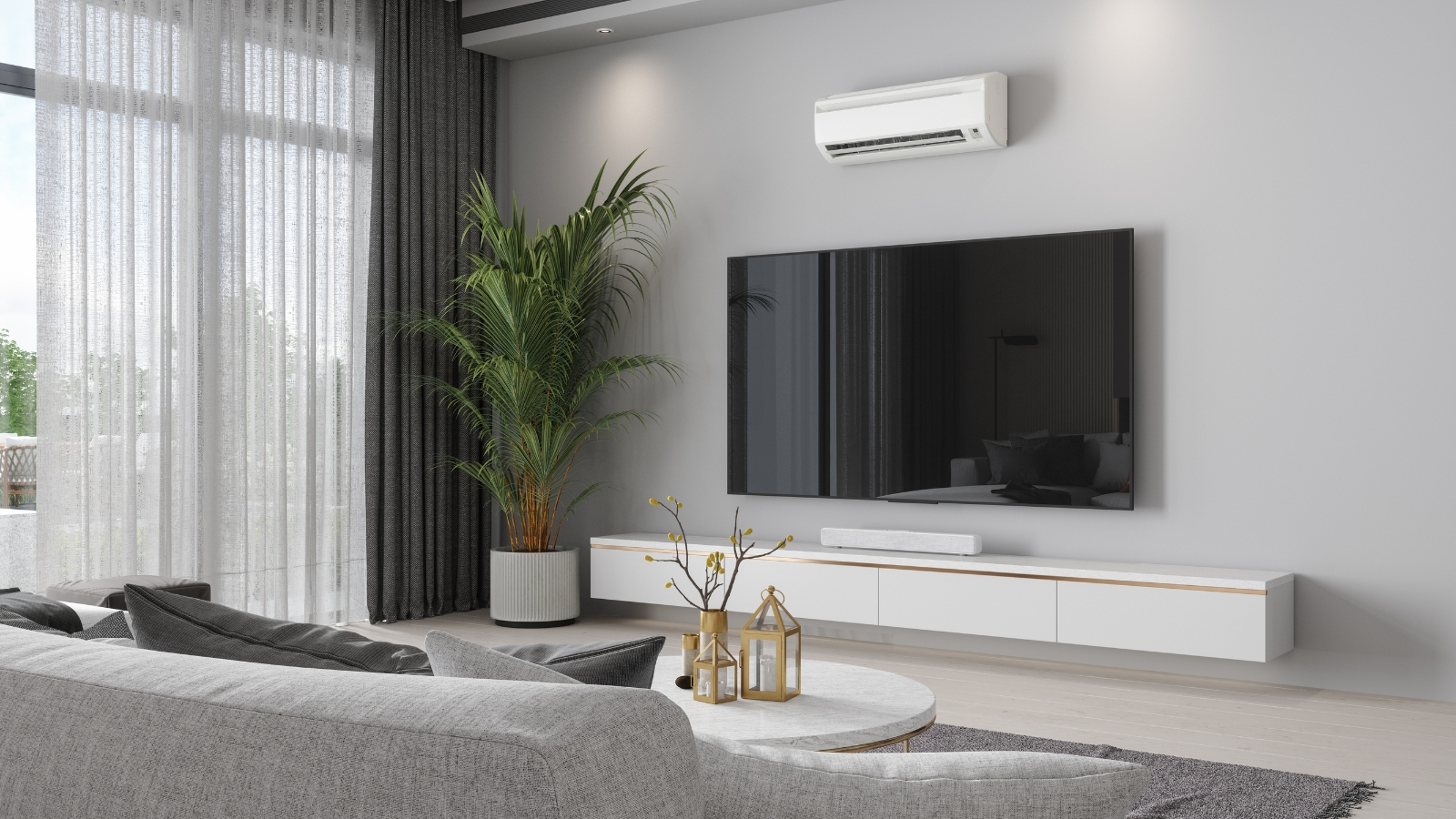
Many homeowners mistakenly believe that closing vents in unused rooms can save energy and reduce heating or cooling costs. However, HVAC professionals caution that this practice can lead to significant problems for your heating, ventilation, and air conditioning (HVAC) system, ultimately increasing energy bills and potentially shortening the system's lifespan. The primary issue stems from disrupting the balanced airflow that HVAC systems are designed to maintain. Closing vents increases pressure within the ductwork, which can strain the system, exacerbate existing duct leaks, and make the blower motor work harder to distribute air. This increased workload reduces system efficiency by up to 15%, leading to higher energy consumption and accelerated wear and tear on components, increasing the likelihood of costly repairs.
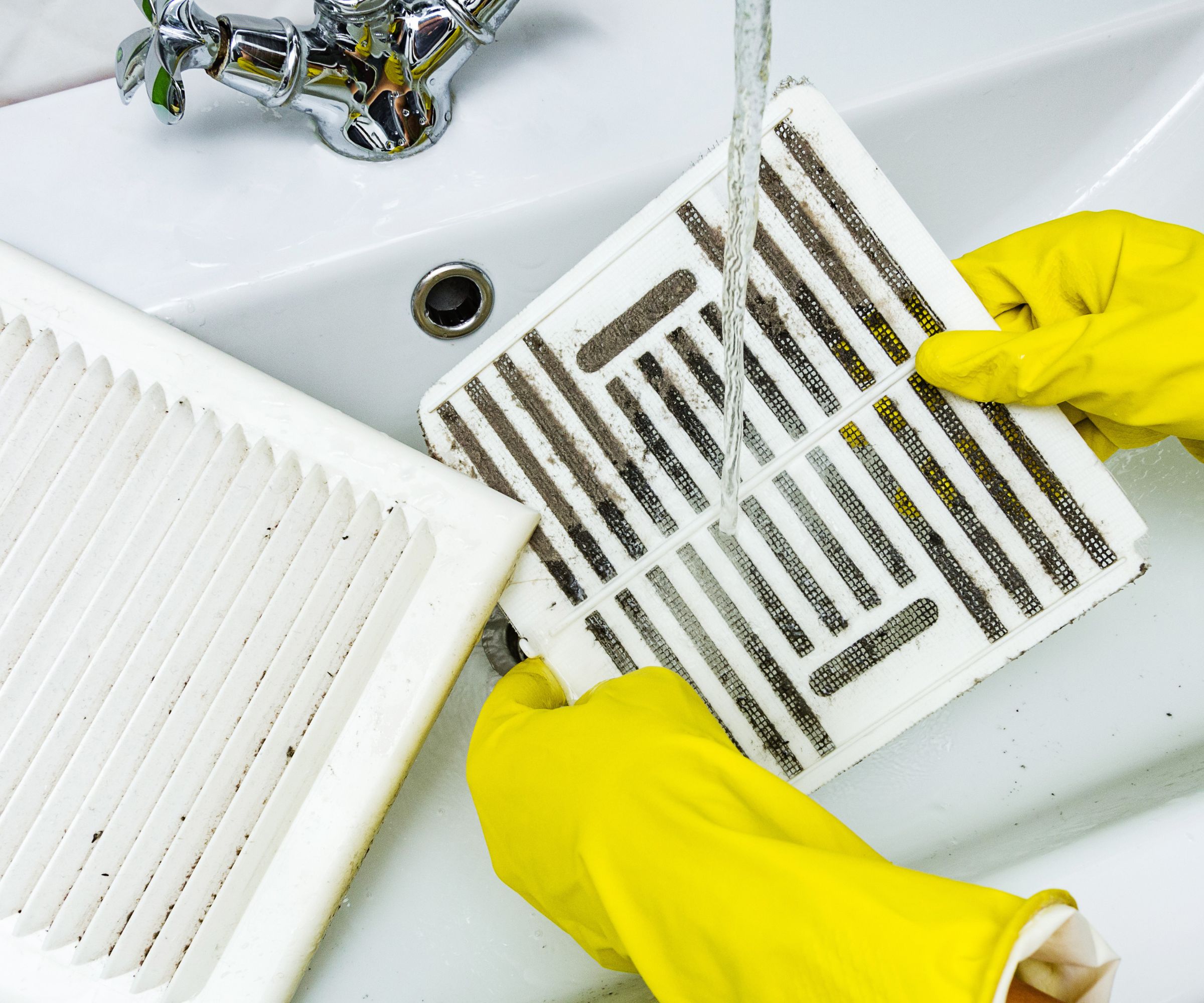
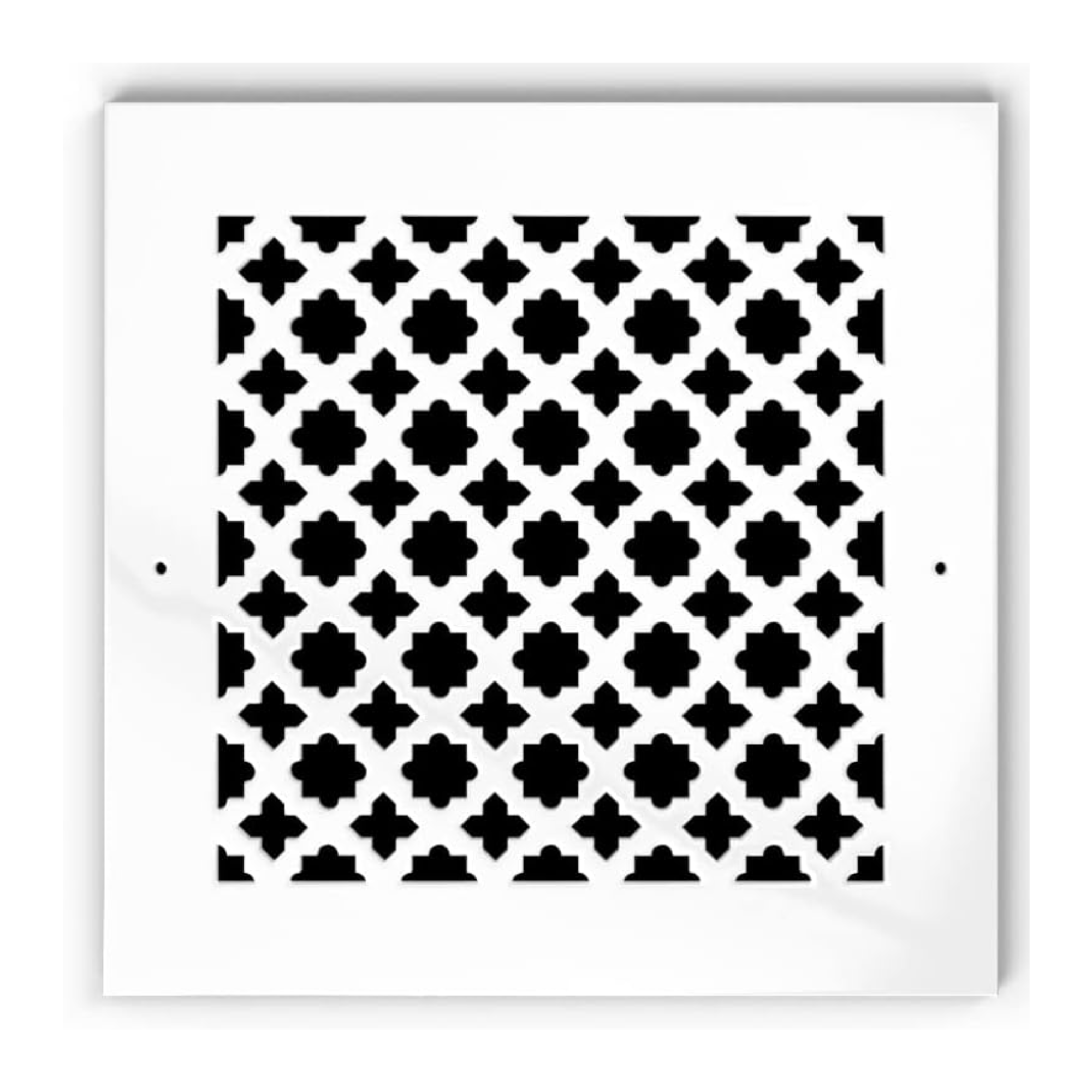
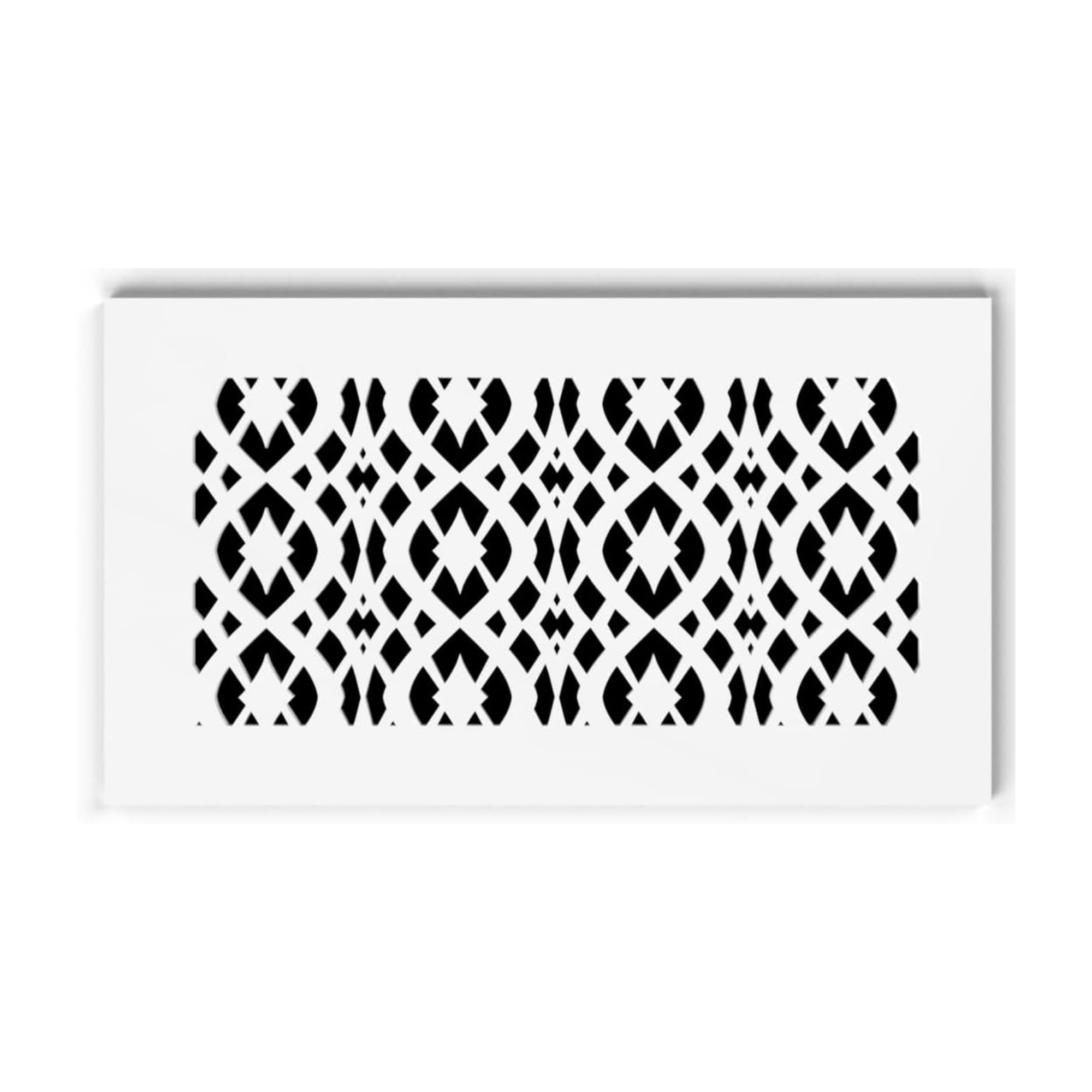
Instead of closing vents, experts recommend several strategies to optimize HVAC system efficiency. One effective method is using vent deflectors, which redirect airflow without creating pressure imbalances. These budget-friendly accessories can channel air away from unused areas or towards zones requiring more heating or cooling. Regular maintenance, particularly changing air filters every 90 days, is crucial. Clean filters prevent the HVAC system from being overworked, improve airflow, and reduce contaminants, thereby saving energy and preventing expensive repairs caused by overheating or freezing.
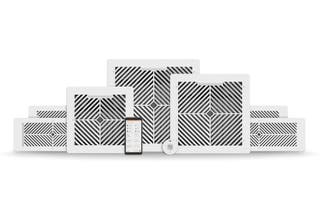
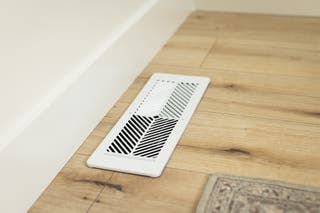
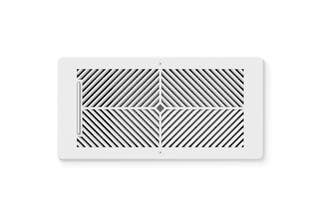
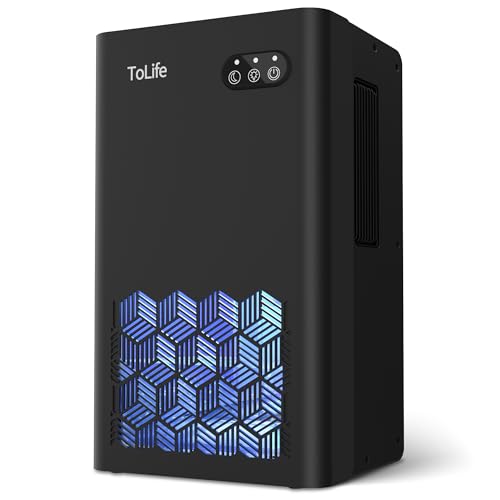
Integrating air purifiers further enhances indoor air quality and reduces the strain on the HVAC system. Air purifiers filter out dust, debris, bacteria, viruses, and mold spores, contributing to healthier indoor environments and more efficient system operation. Improving home insulation is another vital step, as air leaks around windows, doors, ducts, and attics force the HVAC system to work harder. Sealing these gaps with products like caulk or weather stripping ensures conditioned air stays inside, reducing energy consumption and utility bills. Smart thermostats and smart vent systems offer advanced control over home climate. Smart vents, like Flair Smart Vents, automatically adjust airflow to prevent pressure buildup, providing a safer alternative to manual vent closure and allowing for remote control via smartphones or voice assistants.
For ultimate control and efficiency, particularly in larger or multi-story homes, a zoned heating system is highly recommended. Unlike standard HVAC setups, zoned systems are specifically designed to heat and cool different areas independently, using dampers to regulate airflow. In this configuration, closing vents in unused rooms is an intended part of the system's operation, allowing homeowners to tailor temperatures to specific zones without creating detrimental pressure issues. This approach balances comfort and energy efficiency, offering a superior solution for managing indoor climate.
#HVACSystem #EnergyEfficiency #HomeHeating #AirQuality #SmartHome #HomeMaintenance #EnergySavingTips #Ventilation #ZonedHeating #HVACSystem #EnergyEfficiency #HomeHeating #AirQuality #SmartHome #HomeMaintenance #EnergySavingTips #Ventilation #ZonedHeating
0 comment in total
 No comments yet
You may also like

Don't Do This—There Are Better Solutions for Cooling Your Garage in the Summer


I Thought I'd Found a $99 Fix for My Balky Air Conditioning. I Was Wrong. | Reviews by Wirecutter


Should you leave an attic open during a freeze? HVAC technicians weigh in
Stressed About Kitchen Pollution? A Window Fan Is a Cheap Fix.
Here's How I Cooled My Bedroom Fast Without Turning On the AC


This is the only thing keeping my windows condensation-free

Why Are People Leaving Their Windows Exposed—And Is It a Bright Idea?

The 3 Best Window Fans in 2025 | Reviews by Wirecutter

5 mistakes you're making that are compromising your home's air quality – and how to fix it like a HVAC pro
Hot Garage? 6 Tips to Make It Instantly More Bearable, Even in Peak Summer Heat


How to ventilate a basement – expert tips to reduce damp and mold
How to clean vent covers and how often to do it - TODAY

Recommendations for internal bathroom ceiling ventilation fan?

This Decorative Cover Prettifies Your Air Vents, and it’s Only $30 on Amazon

Understanding Types of Roof Vents

5 telltale signs your home needs a vapor barrier this winter and beyond

For Indoor Comfort Without Central HVAC, a Mini-Split Might Be the Answer
We Tested Several Window Fans—Our Favorite Made Warm Days More Bearable

The 6 Best Window Air Conditioners Of 2025: Our Top Energy-Efficient Picks

Are Your Return Air Vents Facing the Wrong Way? They Could Be Making Your Home Hotter