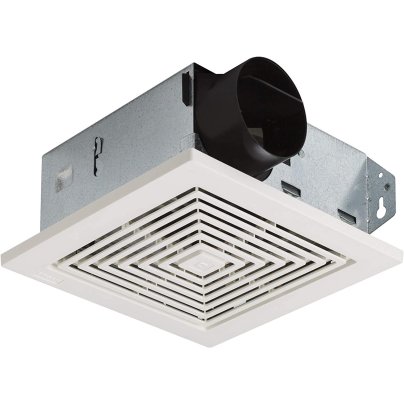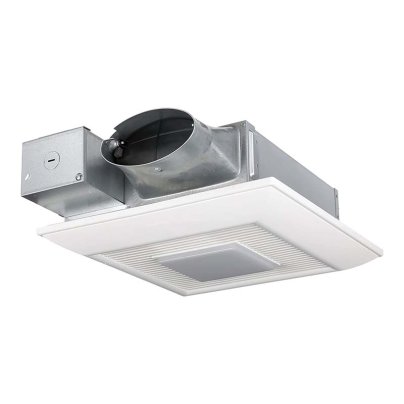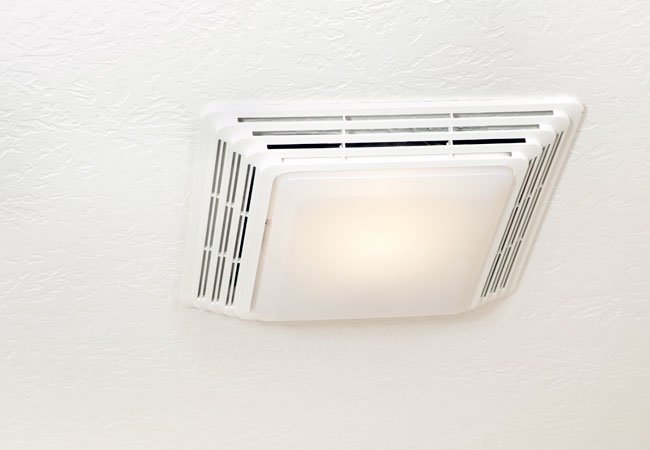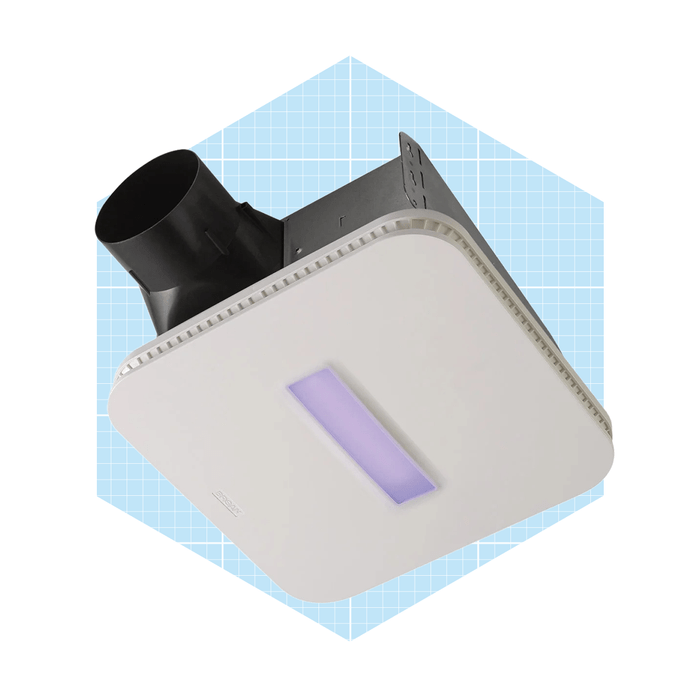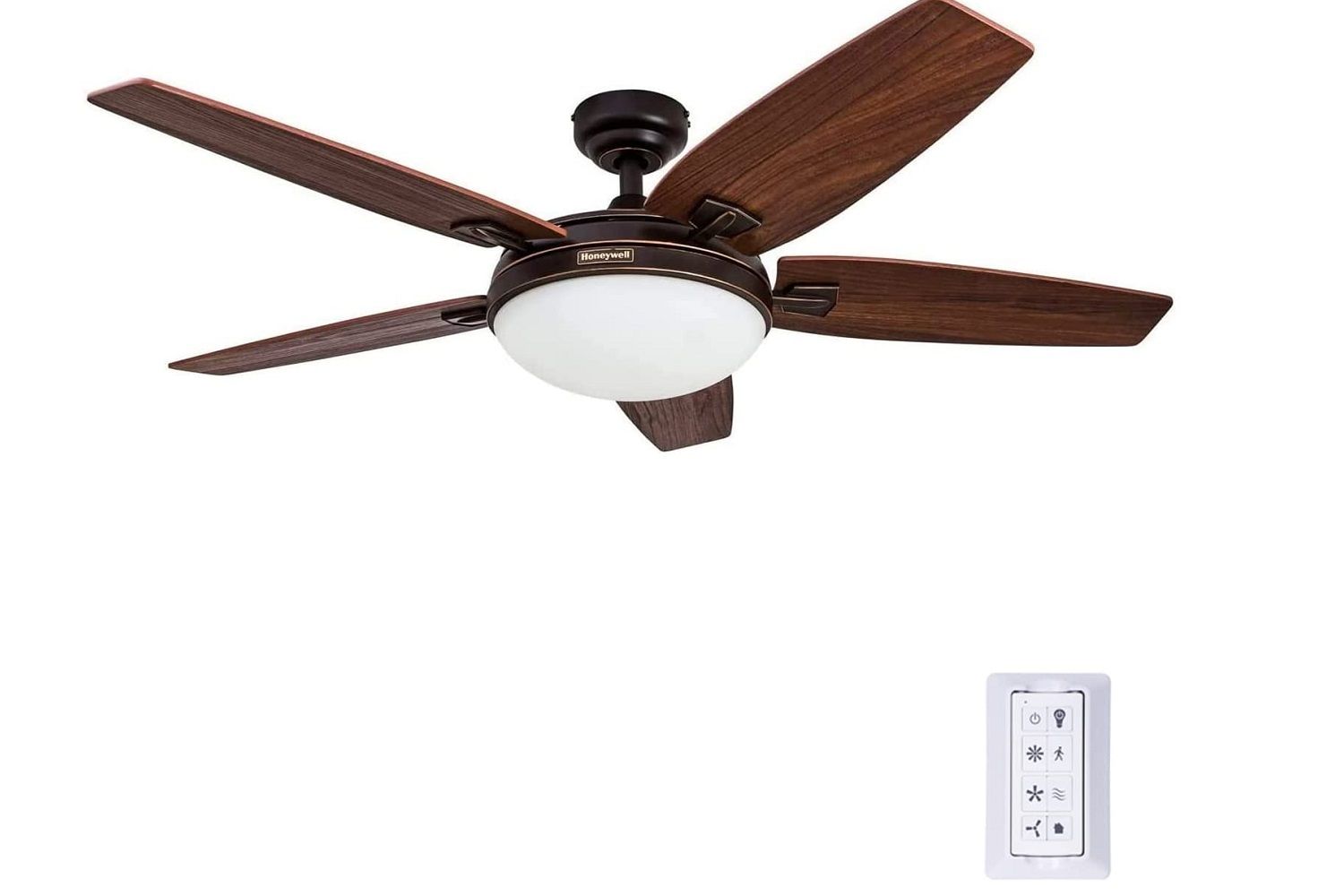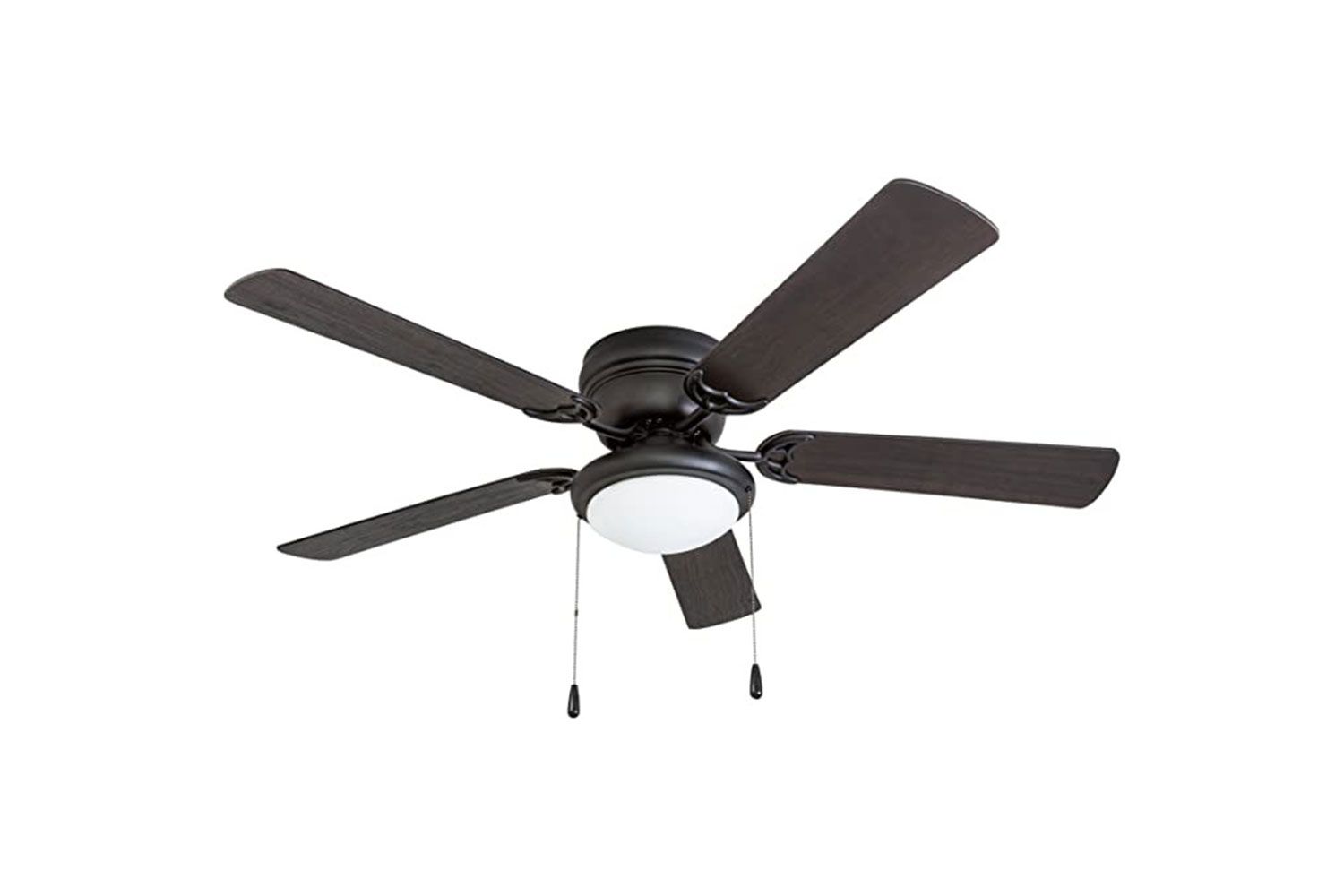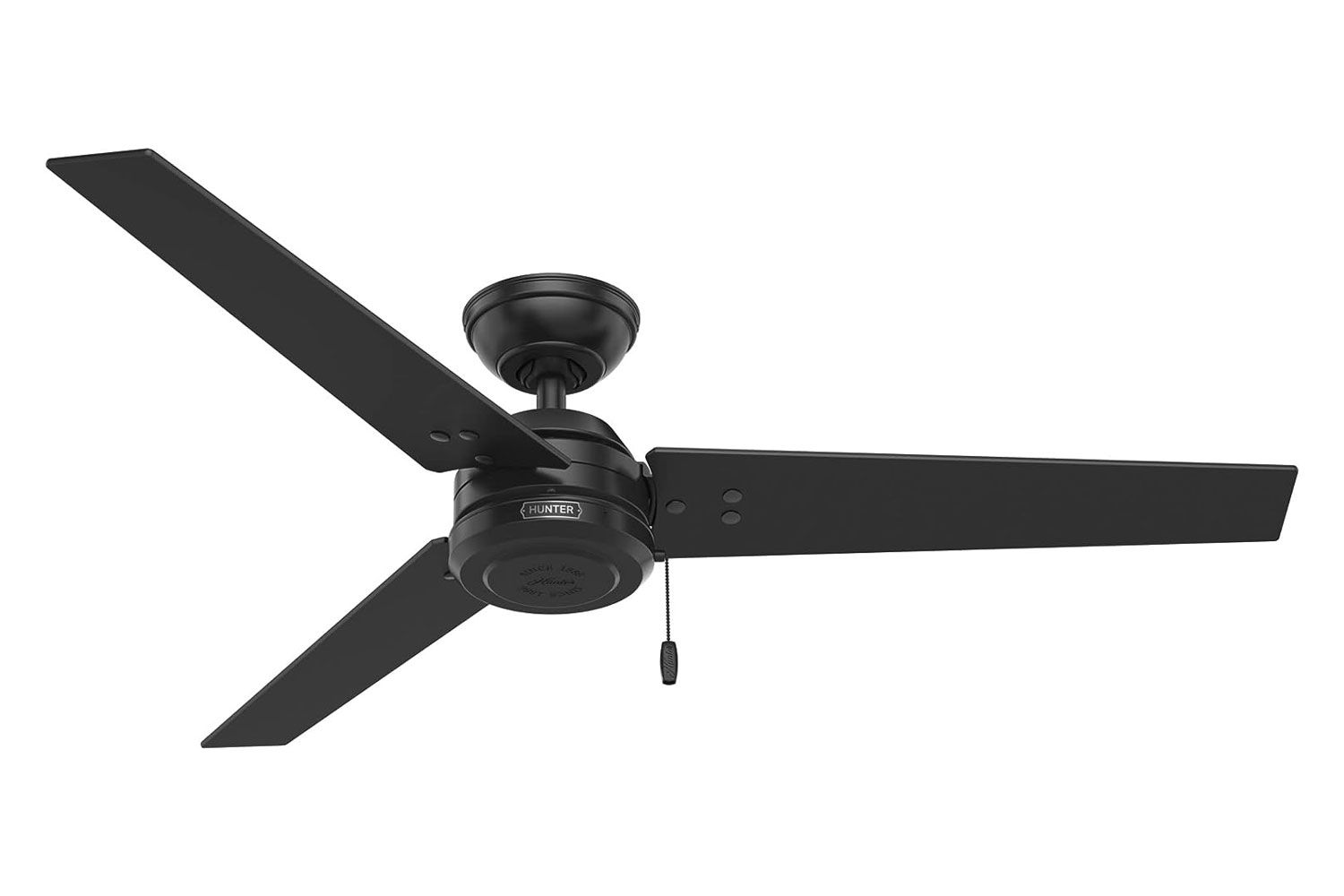
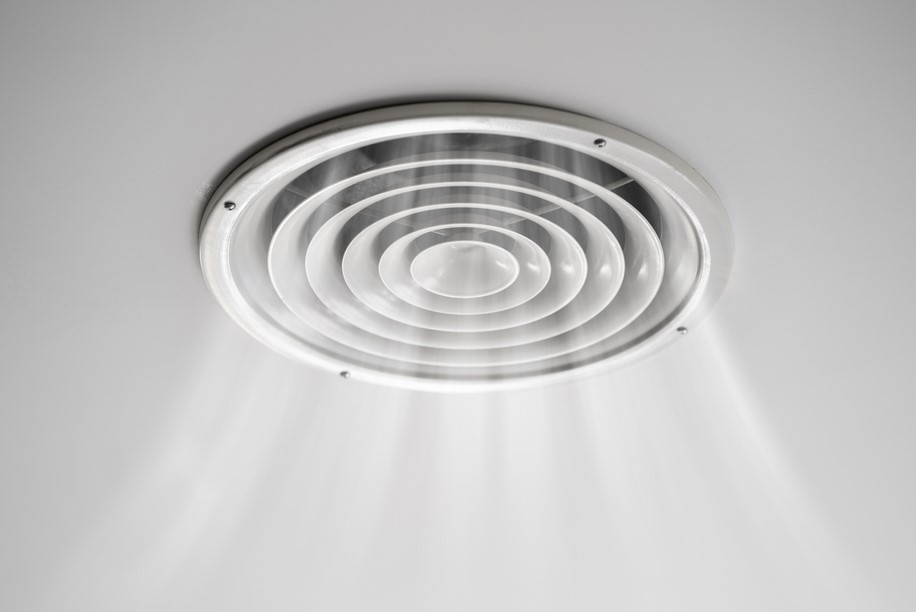
Recommendations for internal bathroom ceiling ventilation fan?
The article addresses a common problem faced by landlords with internal bathrooms: bubbling ceiling paint and damp marks due to insufficient ventilation. A landlord, identified as 'Property Gal,' sought recommendations for efficient and quiet ceiling extractor fans for two rented flats, where current 'Envirovent silent ventilation fans' have proven inadequate. The core issue is preventing tenants from turning off the fans while ensuring effective moisture extraction to avoid property damage and potential health issues.
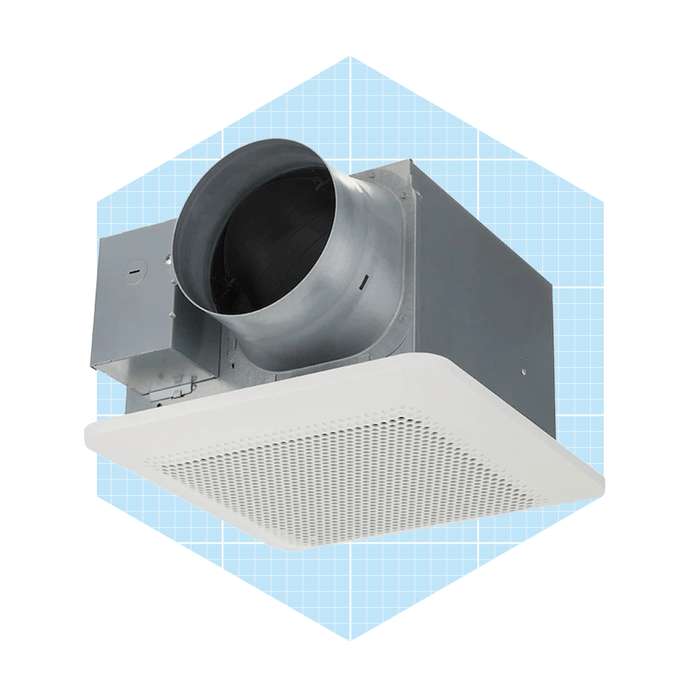
Various members of the landlord community offered advice. One suggestion included installing an 'in line' extractor fan in the loft space above the bathrooms, noting their superior airflow compared to standard units. Another recommendation focused on fans equipped with a humidistat, which automatically activate and run as long as the humidity levels are elevated, thereby ensuring consistent ventilation regardless of tenant action. The importance of selecting a quiet model, by checking dB levels on supplier websites like Screwfix, was also highlighted to prevent tenants from switching them off due to noise.
Several contributors emphasized the human element in ventilation effectiveness. One landlord suggested checking if the existing 'silent' fans could be hardwired or otherwise modified to prevent tenants from turning them off, proposing this as a cost-effective first step before replacing units. Another member, Helen, shared her personal experience as a tenant in a windowless bathroom, stressing that consistent fan usage, leaving the door open after showering, and proper towel management significantly reduce condensation and paint peeling, even with a basic extractor fan.
Technical advice included specific product recommendations, such as the Axflow iCON30 with a humidistat, known for its better flow curve. The impact of duct length on fan performance was also raised, with a reminder that quoted flow rates are often for 'free air' and do not account for duct loss. Before replacing fans, it was suggested to check existing fan settings, such as high/low speeds and overrun timers, recommending a minimum 15-minute overrun for bathrooms. Further investigation into the existing extractor ducting for tears or poor joints, and ruling out other leaks, was also advised.
Advanced solutions involved considering centrifugal timer models for better air propulsion over longer distances or around corners, potentially with added humidistat functionality. To ensure continuous operation, one member suggested bypassing the fan isolator switch and installing a blanking plate, making the fan always active when the light is on, and informing tenants it's a new regulation. Finally, the recommendation of a 'continuous running' fan with a 'boost' function activated by the light switch, powerful enough for the ducting length, such as the 'nuaire cyfan,' was put forward, with a strong emphasis on ensuring tenants cannot access the isolation switch to disable it. These suggestions collectively aim to tackle the problem of condensation and damp in internal bathrooms by improving fan efficiency, ensuring consistent operation, and addressing potential tenant behaviors.
#BathroomMaintenance #ExtractorFans #Ventilation #VentilationTips #LandlordAdvice #PropertyMaintenance #DampPrevention #HumidistatFans #TenantRelations #BathroomMaintenance #ExtractorFans #Ventilation #VentilationTips #LandlordAdvice #PropertyMaintenance #DampPrevention #HumidistatFans #TenantRelations
0 comment in total
 No comments yet
You may also like
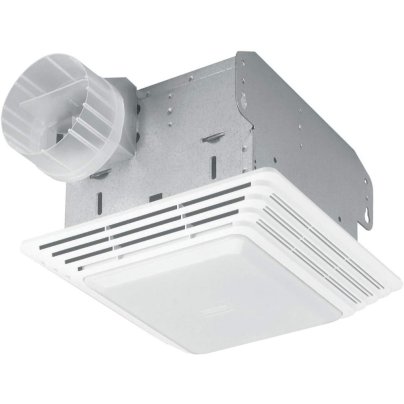
Vetted: The Best Bathroom Fans for Moisture and Humidity Control


The Best Ceiling Fans For Each Room Of Your Home

Ceiling fans: A new spin on cooling your home | Home and Garden | Life

Bedroom ceiling fans: Here's what you need to know
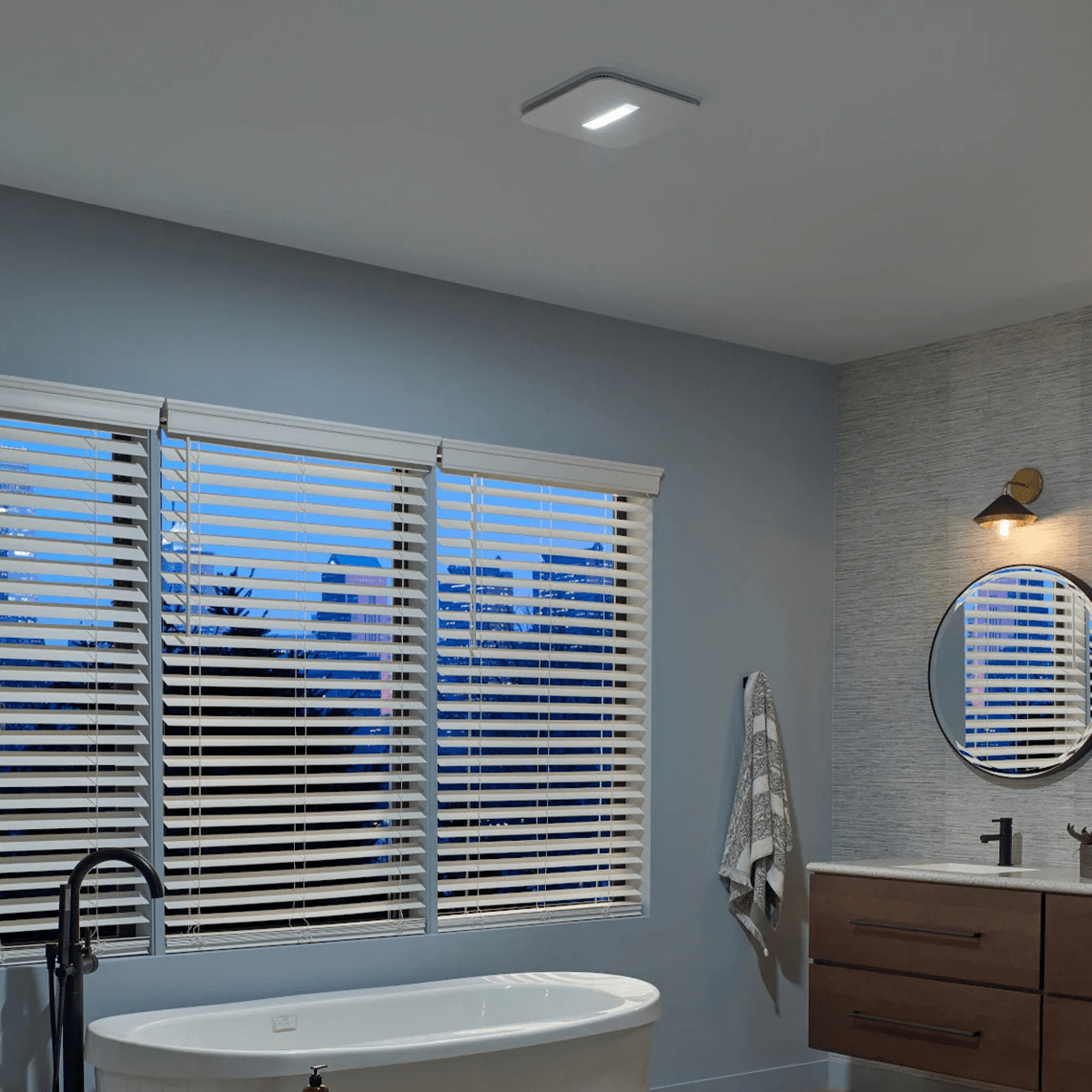
8 Best Bathroom Exhaust Fans of 2025

We Spent 1,200 Hours Testing Which Ceiling Fans Are the Most Cooling — These Are Our Winners
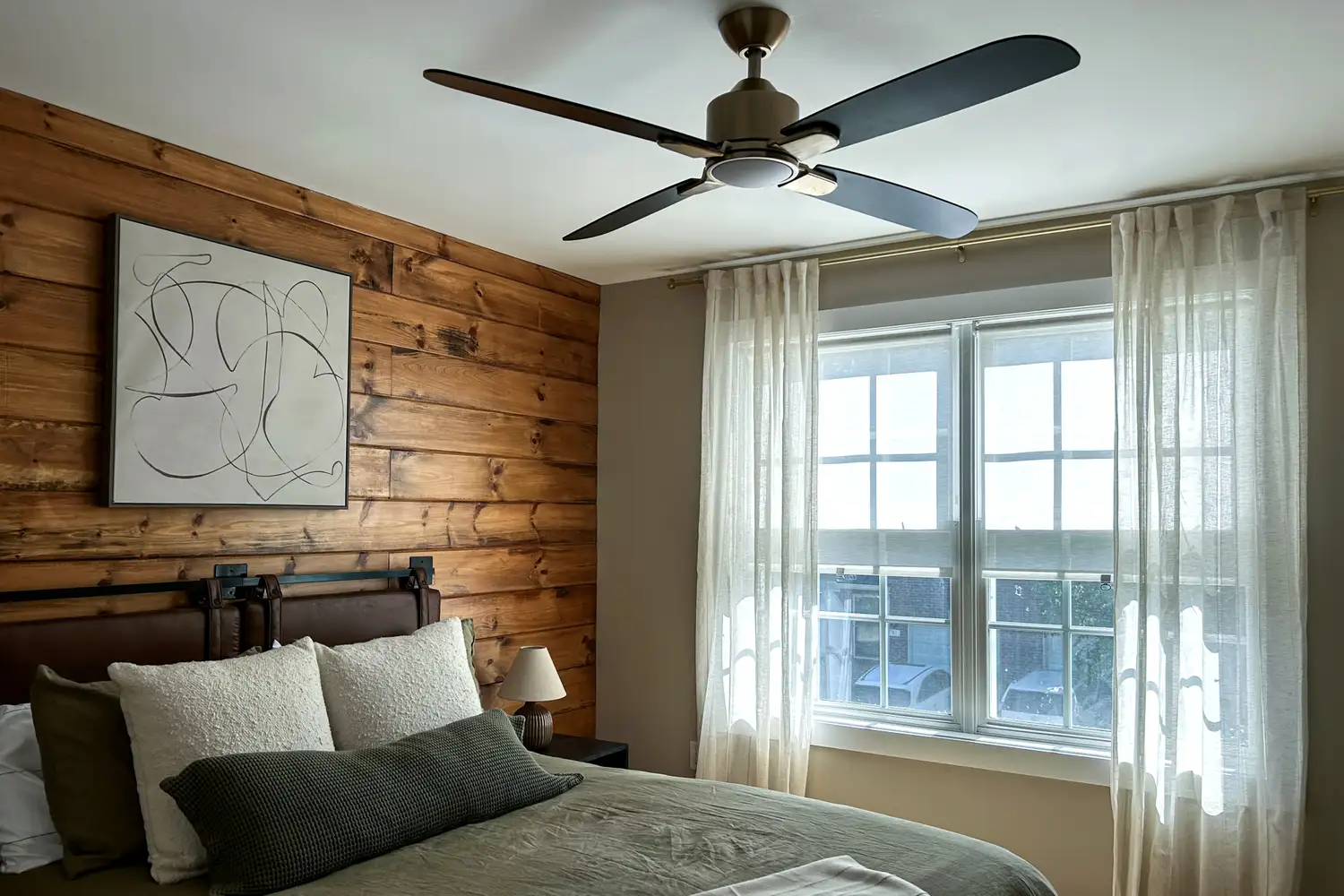
Our Favorite Ceiling Fans For Year-Round Comfort—Tried, Tested, and Recommended by The Spruce

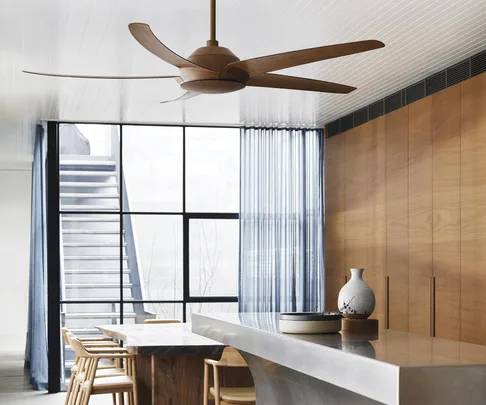
Ceiling fans 101: a guide to choosing the right one

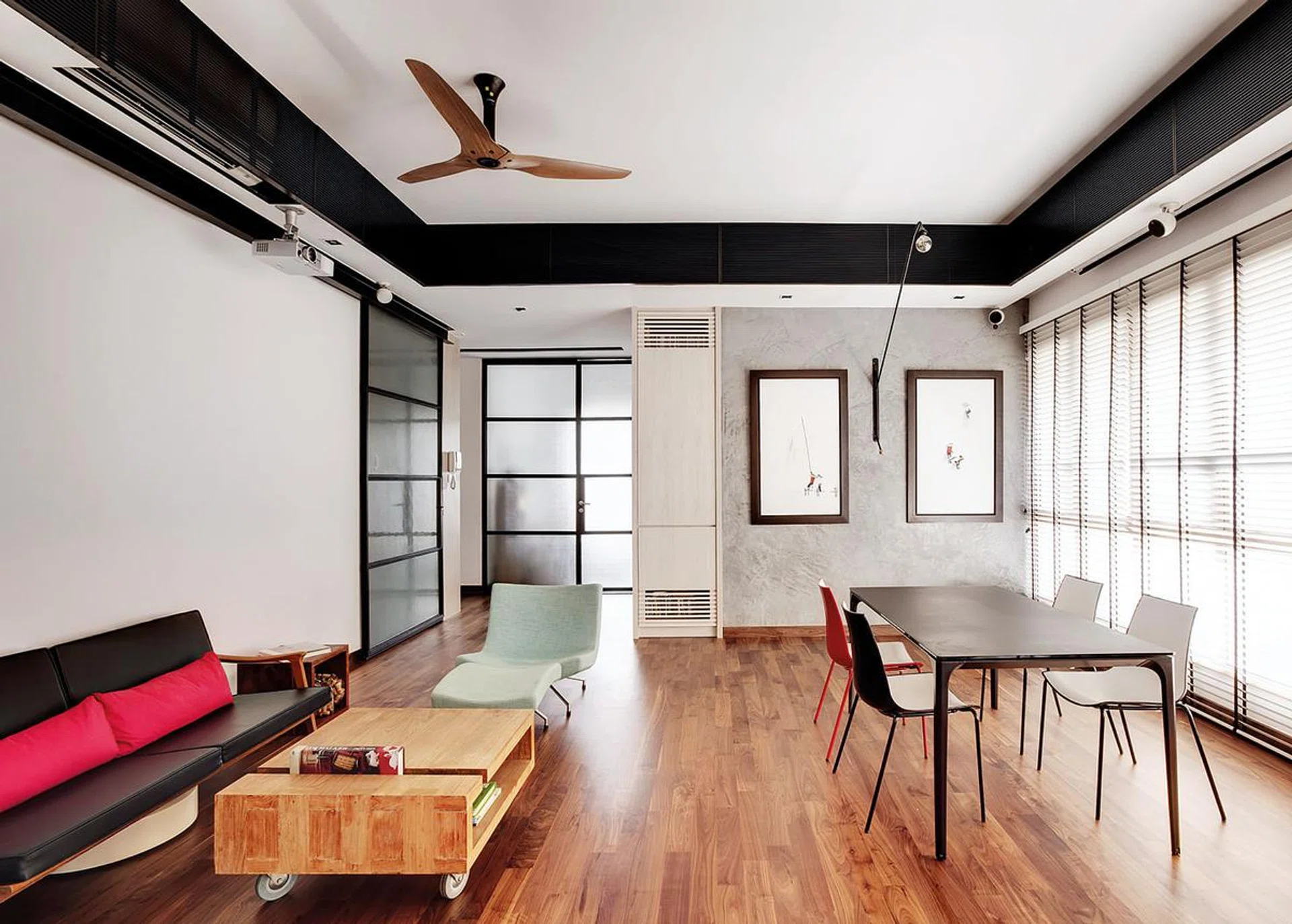
Stylish ceiling fans for modern spaces
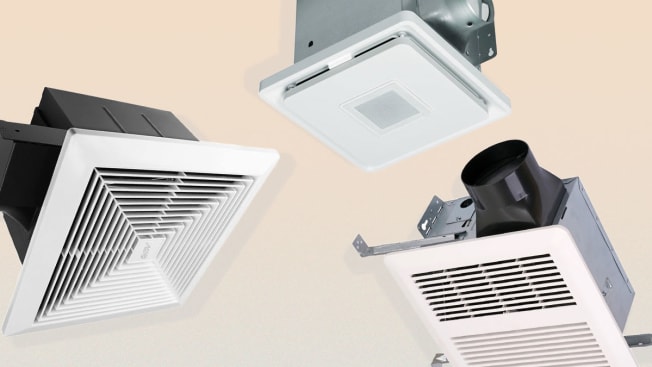
Best Bathroom Exhaust Fans of 2025
Our Editor Recommendations for Ceiling Fans Can Supplement or Even Replace an A/C

The 16 best ceiling fans for extra airflow in 2023, plus expert tips
Bathroom Fan Venting Code Basics

The Best Ceiling Fans for a Breezy, Comfortable Home

How to choose the best ceiling fans for your home


The 16 best ceiling fans for extra airflow, plus expert tips

The Best Ceiling Fans to Keep You Cool All Year Round

Not a Fan? Seven Ceiling Fan Options For All You Haters

There's a Cool Ceiling Fan for Every Vibe and Budget

The 10 Best Ceiling Fans We’ve Tested Firsthand—And Actually Recommend—for Cooler Rooms Year-Round