Are Your Return Air Vents Facing the Wrong Way? Here's How to Check
A recent viral video from home maintenance content creator Ken Long has brought attention to the proper direction of return air vents, accumulating 6.5 million views and sparking debate. The video suggests that second-floor return air vents should be slanted upwards to pull heat away from the ceiling, thereby keeping the upstairs cooler. This claim has led to numerous questions regarding the optimal placement and direction of these vents, and whether this viral tip is effective. To address these concerns, it is crucial to understand the distinct functions of return and supply vents within a home's HVAC system.
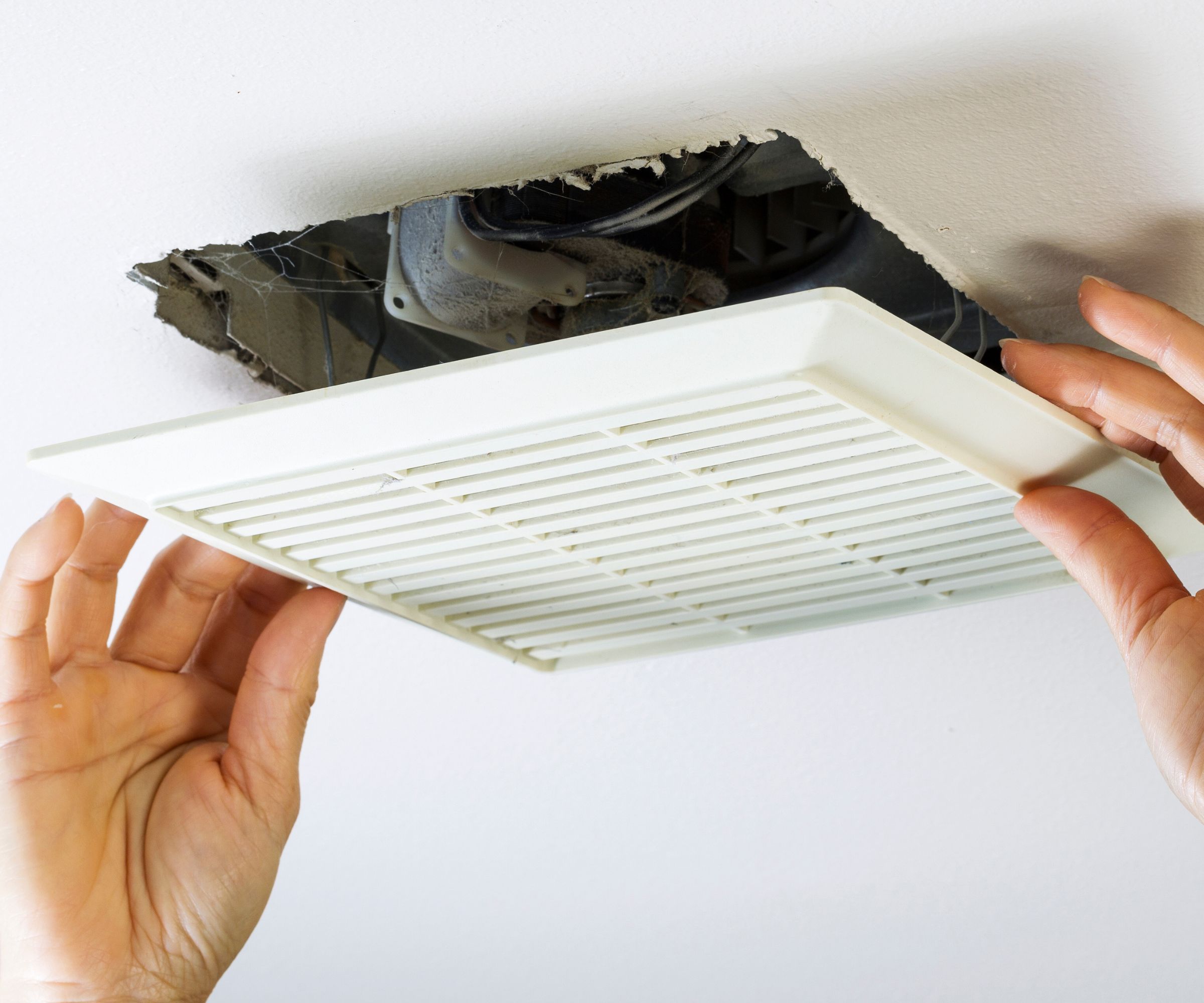
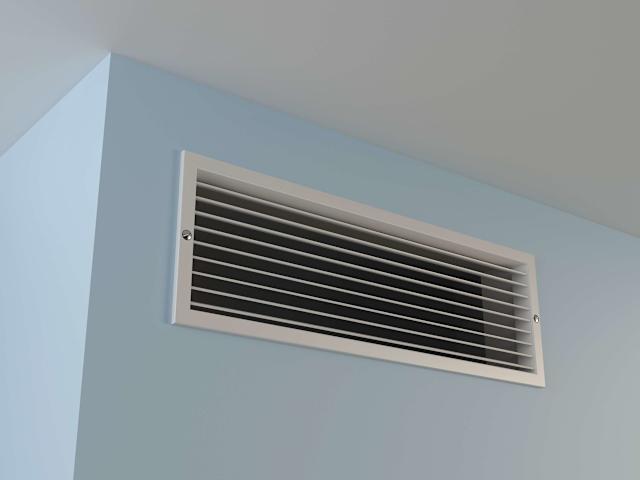
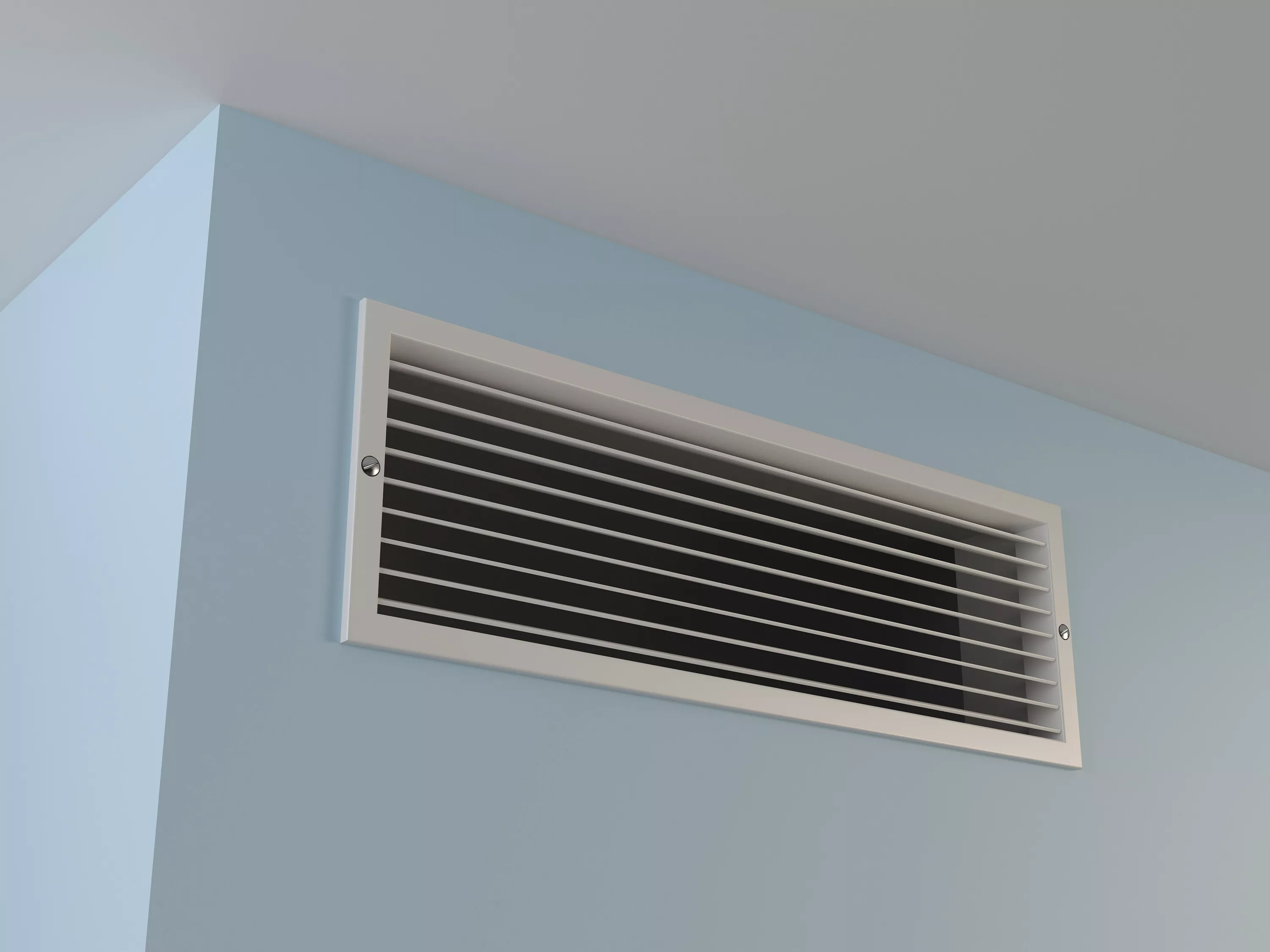
Return air vents are designed to draw air from a room back into the HVAC system for filtering and temperature regulation, while also helping to manage indoor humidity levels. Unlike supply vents, which typically have adjustable grates for directing airflow, return vents feature non-adjustable grilles that require unscrewing and reorienting if a change in direction is desired. Supply vents, conversely, are equipped with small levers for easy adjustment of air direction. The physical appearance of these vents can be similar, but their operational roles and adjustability differ significantly.
The placement of return and supply vents is critical for efficient heating and cooling. For cooling purposes, return vents are ideally situated near the ceiling to capture rising hot air, while supply vents should also be placed high to effectively distribute cool air. Conversely, for heating, both types of vents are often found near the floor to either draw in cool air for warming or to maintain warm air closer to the living space. However, in older homes, vent placements can vary, sometimes featuring heating vents on the ceiling or cooling vents on the floor, and frequently both near windows and doors. This variability often leads to confusion regarding the correct orientation of vent grates, especially for ceiling-mounted return vents.
From a purely temperature control perspective, the orientation of return vent grates may not be as impactful as suggested by the viral video. While turning grates upwards to draw heat from the ceiling might offer some benefit, its effectiveness largely depends on factors such as the home's construction, the efficiency of the HVAC system, and the local climate. Therefore, while reorienting the grates upward is unlikely to cause harm, it is also not expected to be a definitive solution for significant cooling issues. However, an aesthetic advantage of facing grates upward is that it creates a cleaner, sleeker appearance by concealing the interior of the vent and any accumulated dust or drywall. For floor vents, a similar effect can be achieved by turning the grate towards the nearest wall.
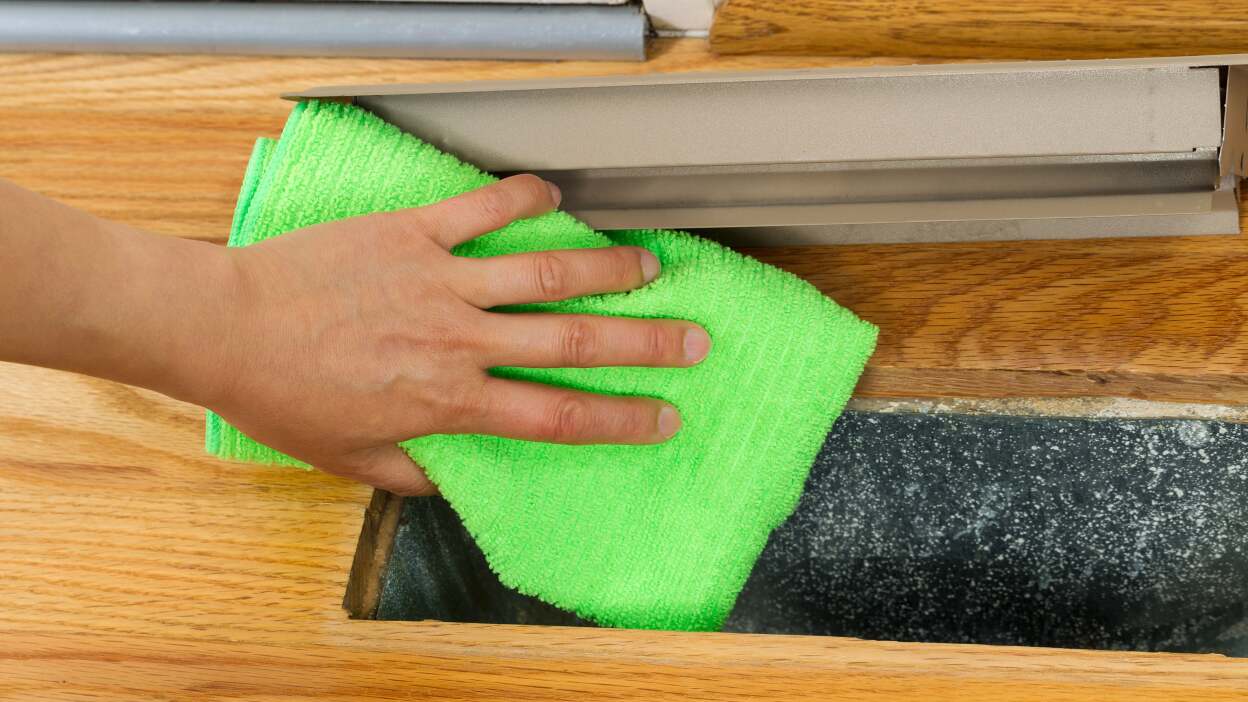
When constructing or renovating a home, several considerations for return air vents can optimize their performance. It is advisable to select central locations within each room for return vents, avoiding small, enclosed spaces that could impede airflow. For homes with combined heating and cooling systems, the decision to place return vents high or low should be based on the predominant climate. In cooler regions, installation closer to the floor is generally more effective, whereas in warmer climates, placement near the ceiling is preferable. Regular maintenance, including vacuuming the vent interiors and dusting the grilles, is also essential to ensure the vents operate efficiently and contribute to a well-regulated indoor environment.
#HomeMaintenance #HVACSystem #ReturnAirVents #HomeCooling #HomeHeating #Ventilation #EnergyEfficiency #DIYHomeImprovement #HomeMaintenance #HVACSystem #ReturnAirVents #HomeCooling #HomeHeating #Ventilation #EnergyEfficiency #DIYHomeImprovement
0 comment in total
 No comments yet
You may also like

5 mistakes you're making that are compromising your home's air quality – and how to fix it like a HVAC pro

This Is the Direction Your Fan Should Be Spinning in the Winter

Will Reversing Your Ceiling Fan Actually Save You Money This Winter?

Are Your Return Air Vents Facing the Wrong Way? They Could Be Making Your Home Hotter

How to Clean Your Air Vents

Your window fan is facing the wrong direction. Or not. Here's how to tell and save money.

Guidance on flues and ventilation

You should change the direction of your ceiling fan. This video shows you how

Which Way Should A Ceiling Fan Turn In The Winter? Experts Explain
It's Time to Reverse Your Ceiling Fans

Why You Should Set Your Ceiling Fan’s Direction Clockwise This Winter? Appliance Experts Weigh In