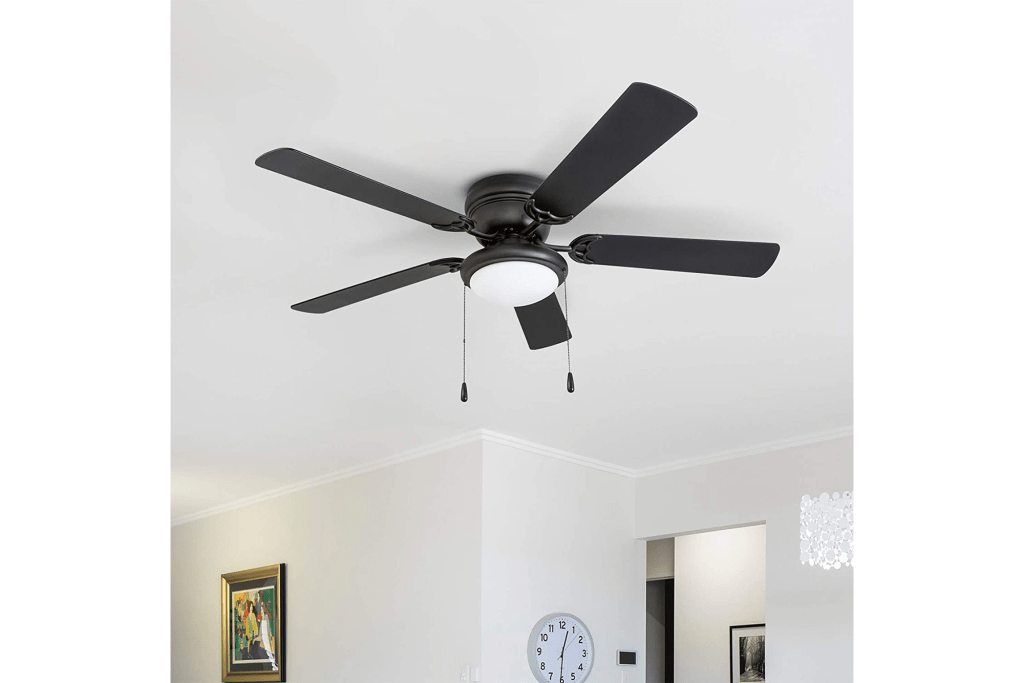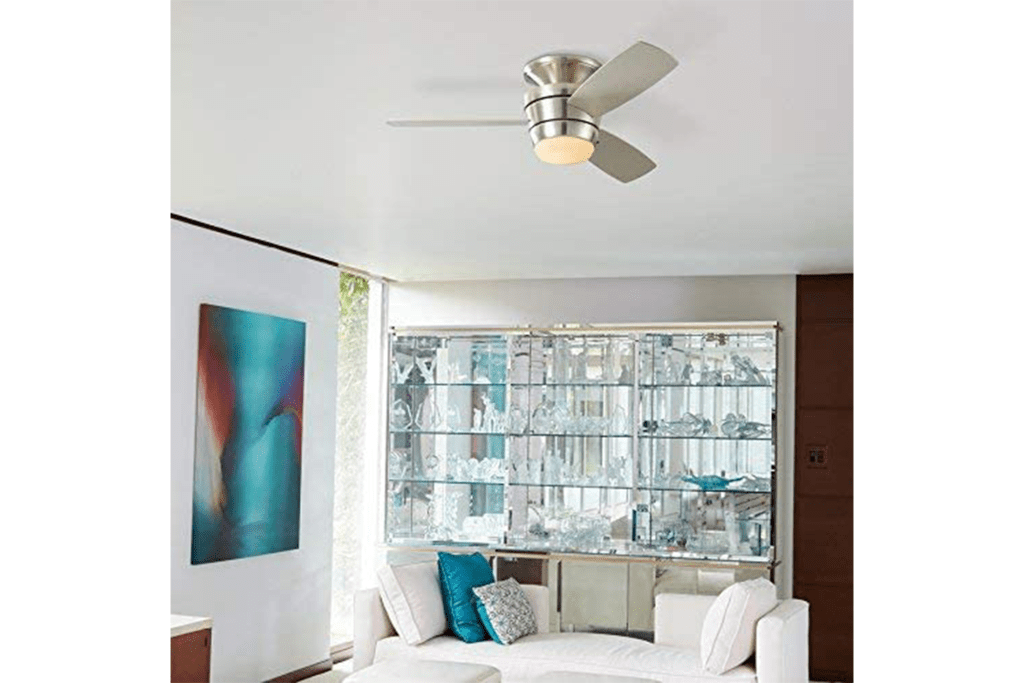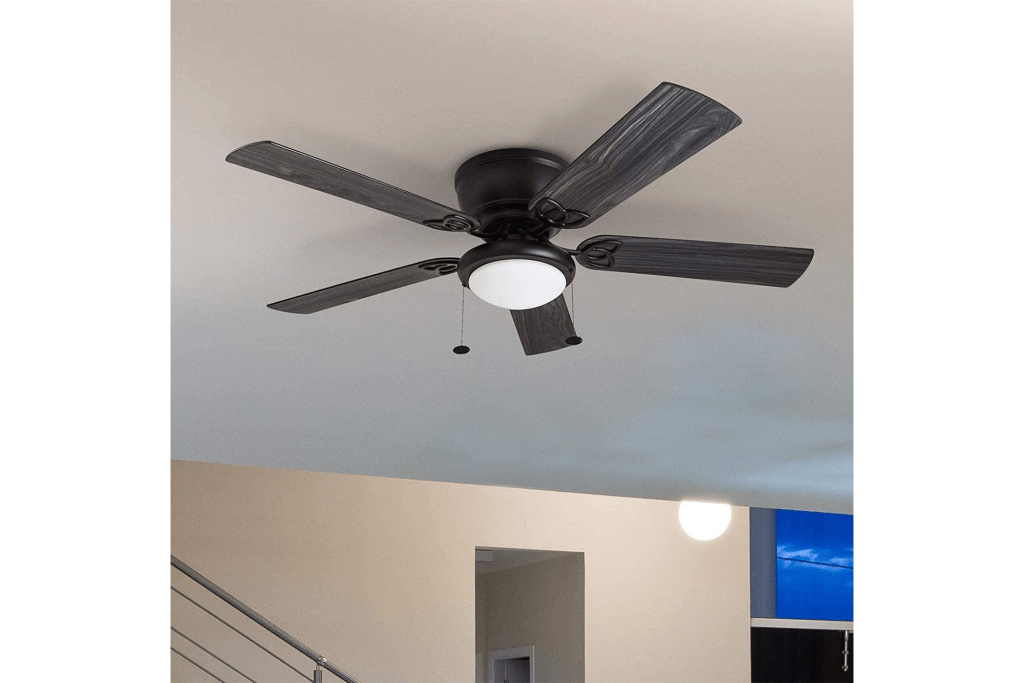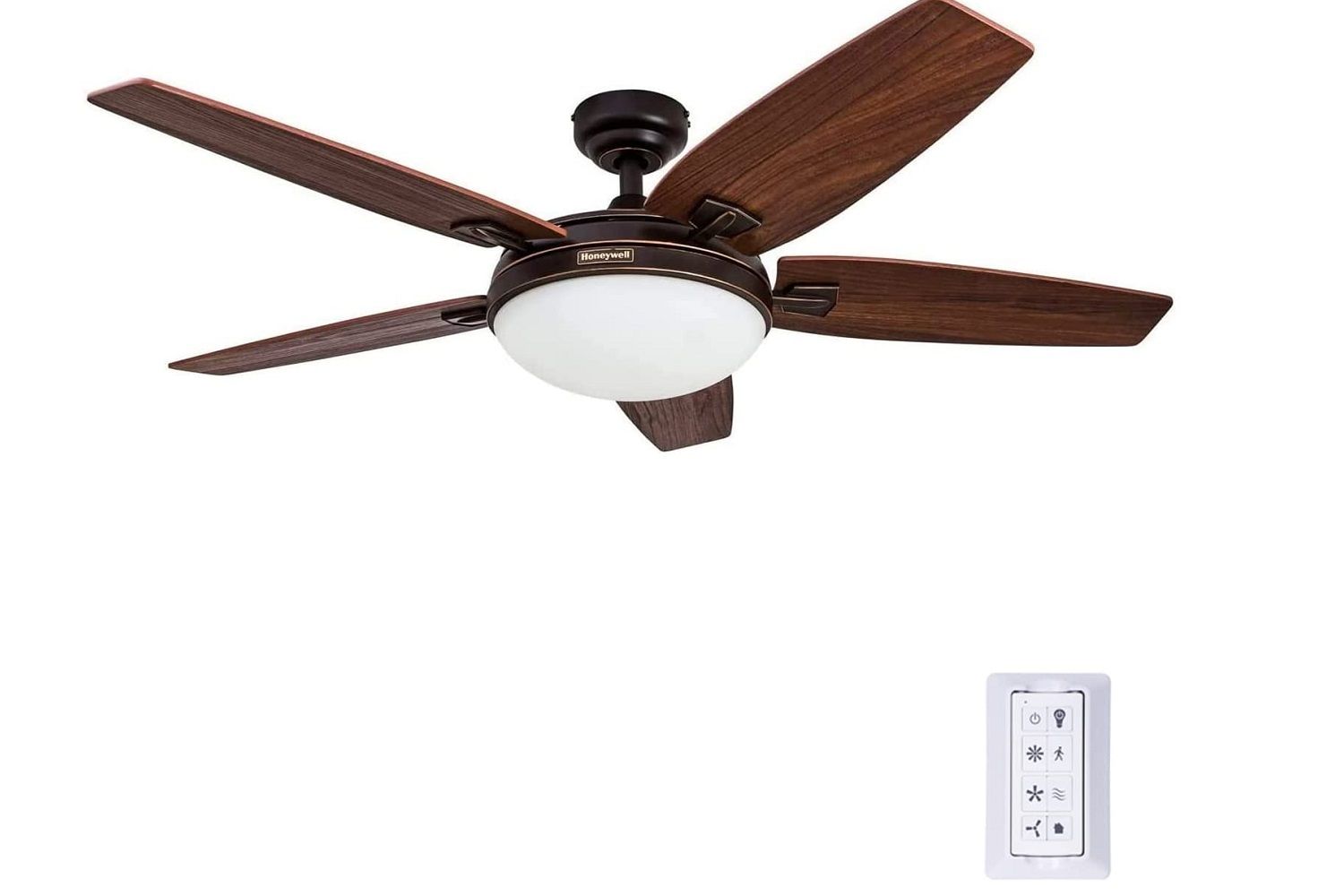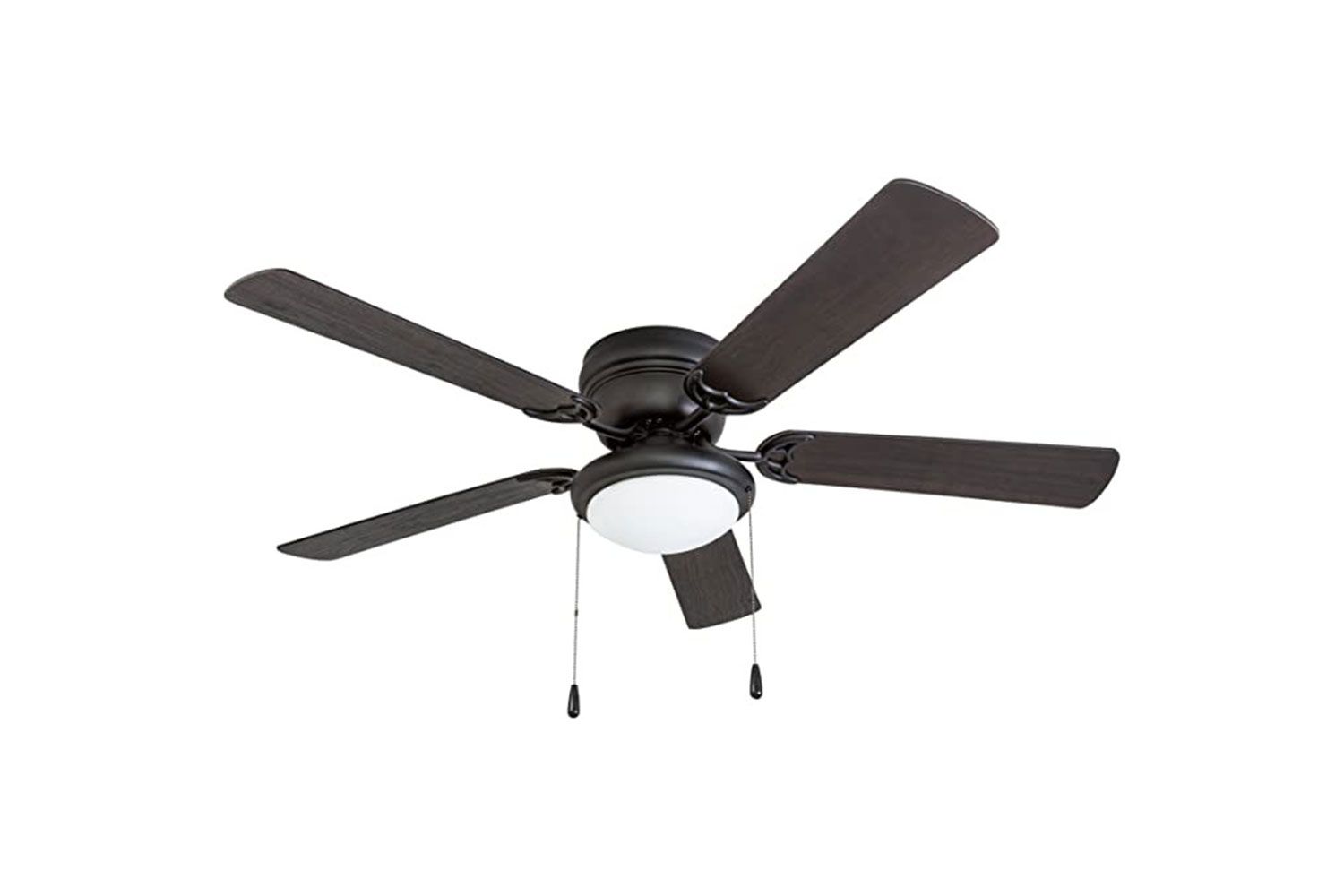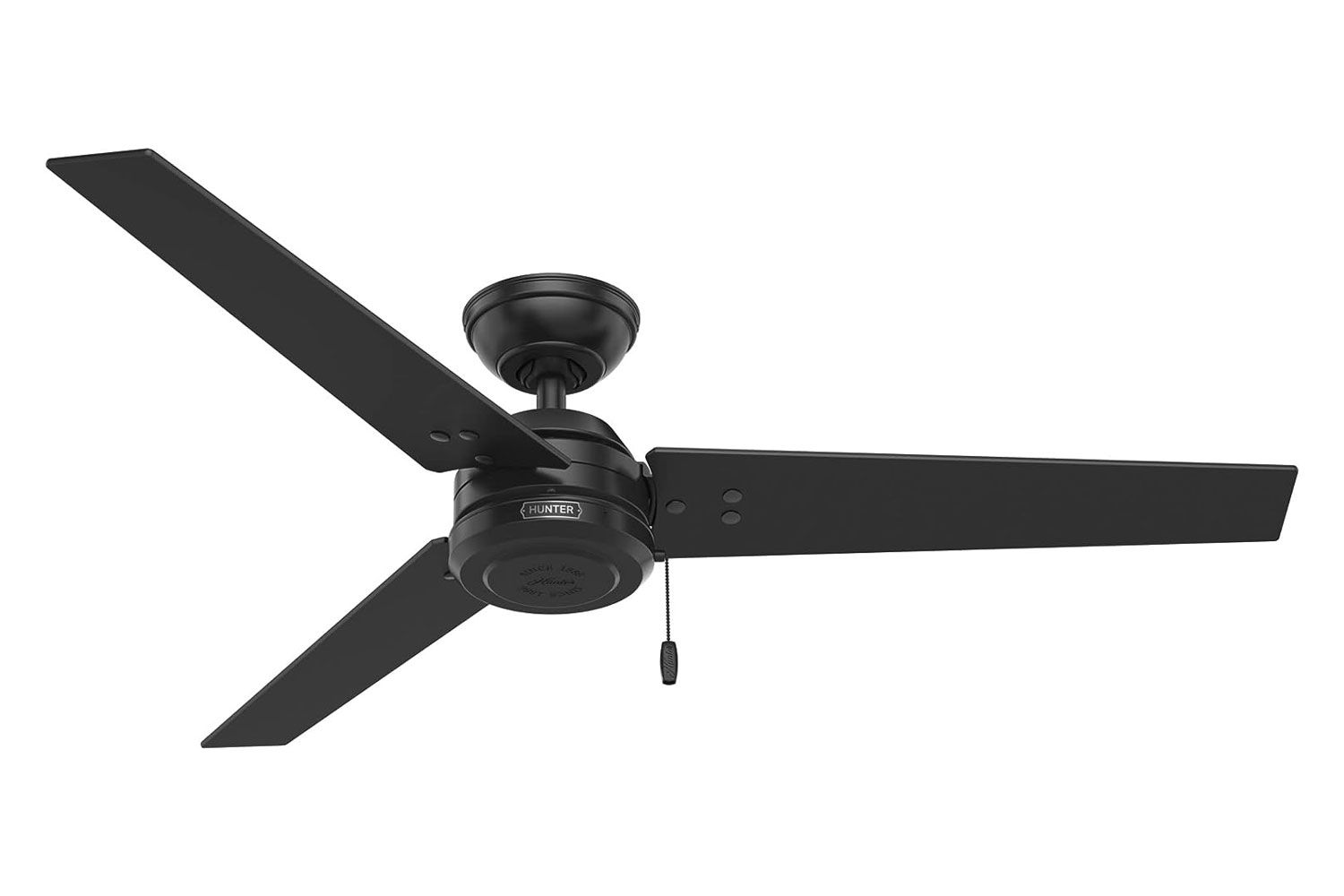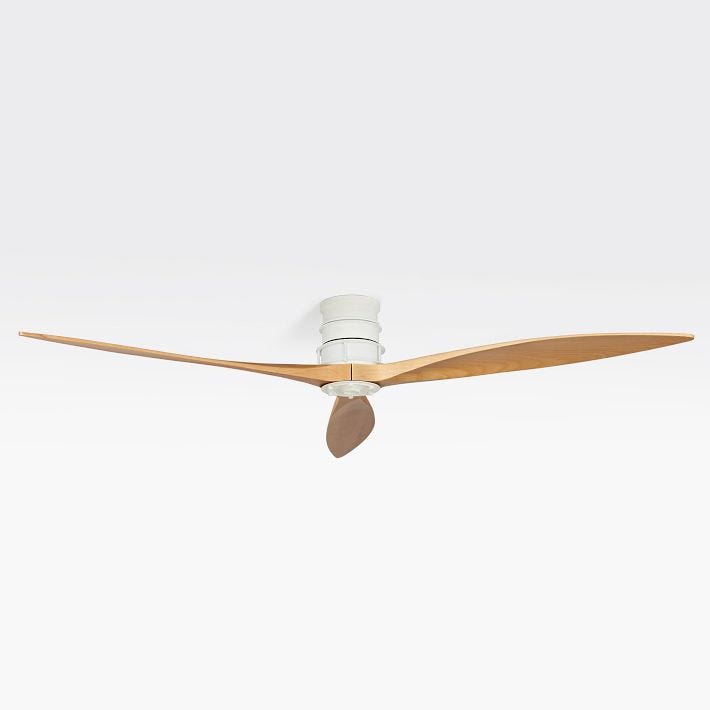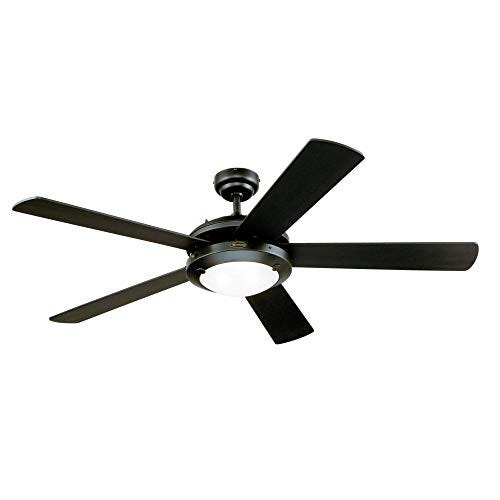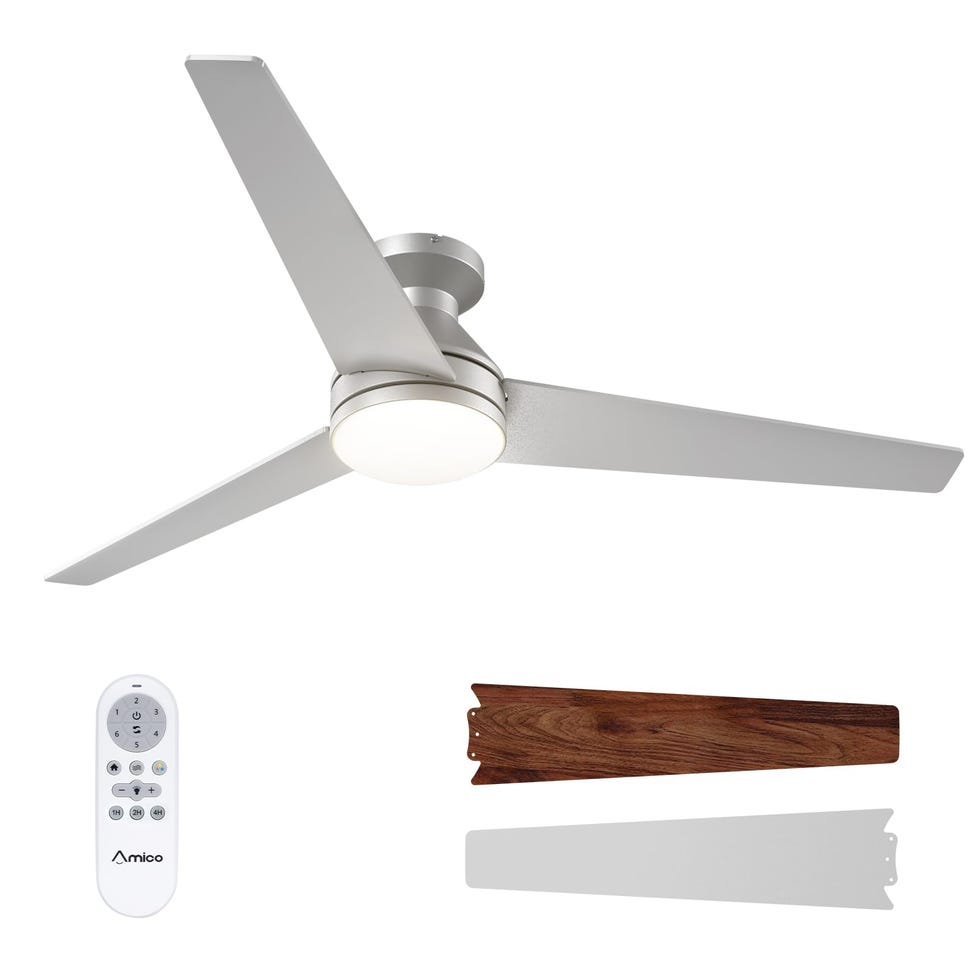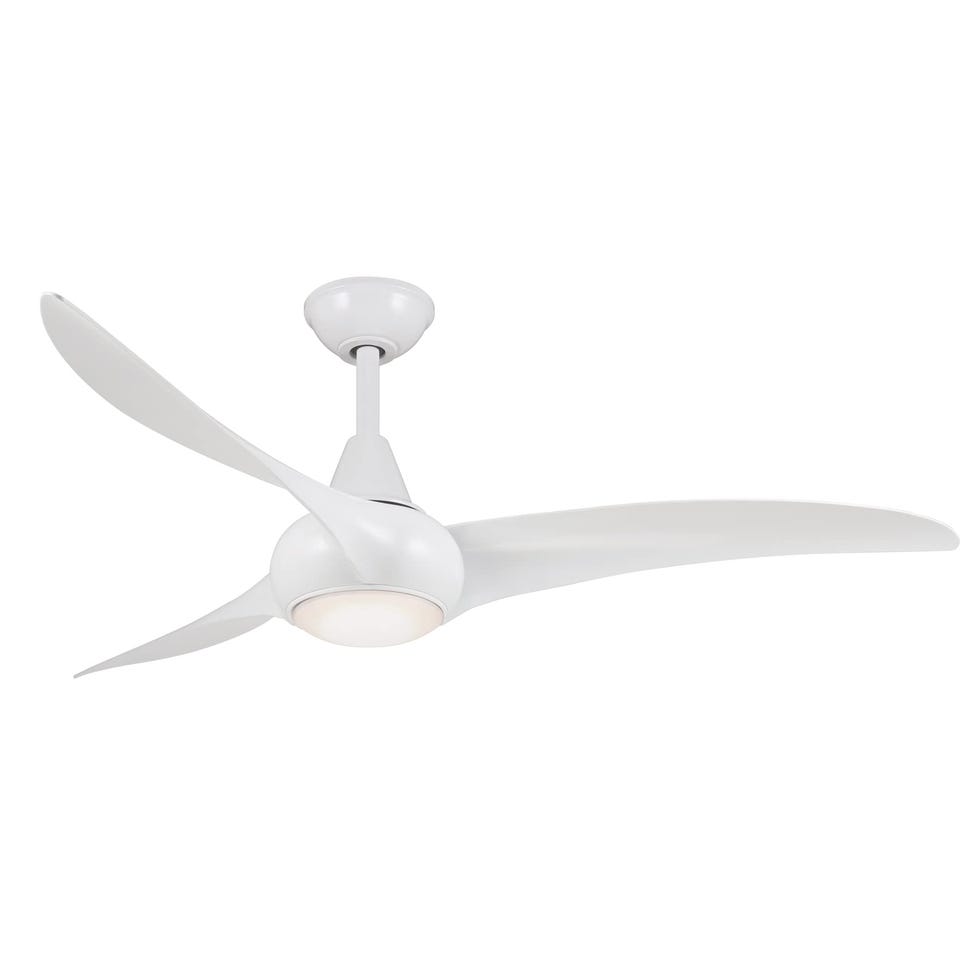
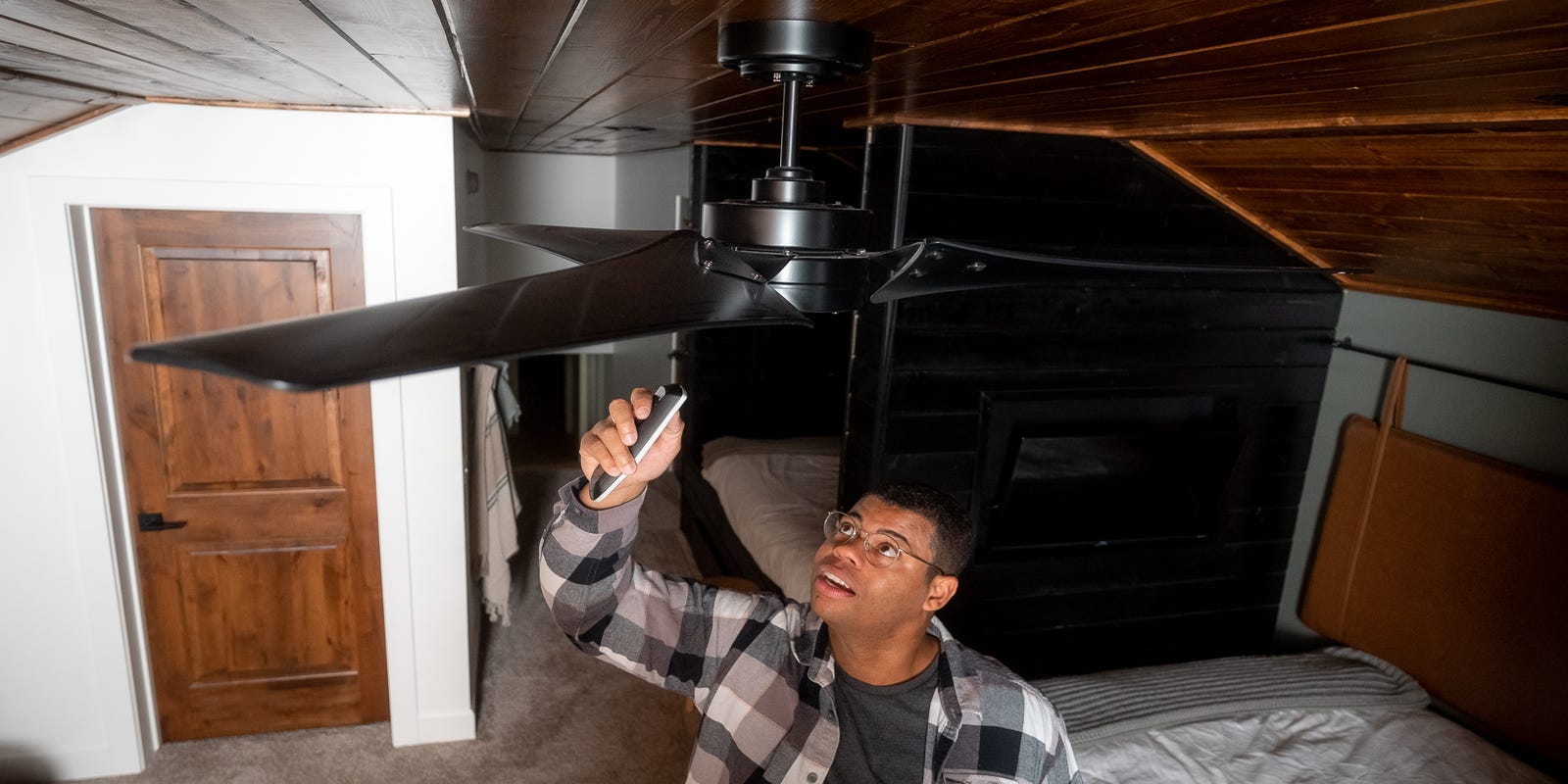
You should change the direction of your ceiling fan. This video shows you how
Ceiling fans can be an effective tool for maintaining comfortable indoor temperatures year-round and enhancing energy efficiency within a home. Many people primarily associate ceiling fans with cooling during warmer months, but they also have a beneficial function in colder seasons. The key to maximizing their utility lies in adjusting the direction of their rotation based on the time of year. This simple adjustment helps to optimize air circulation to either create a cooling breeze or redistribute warm air that naturally rises to the ceiling.
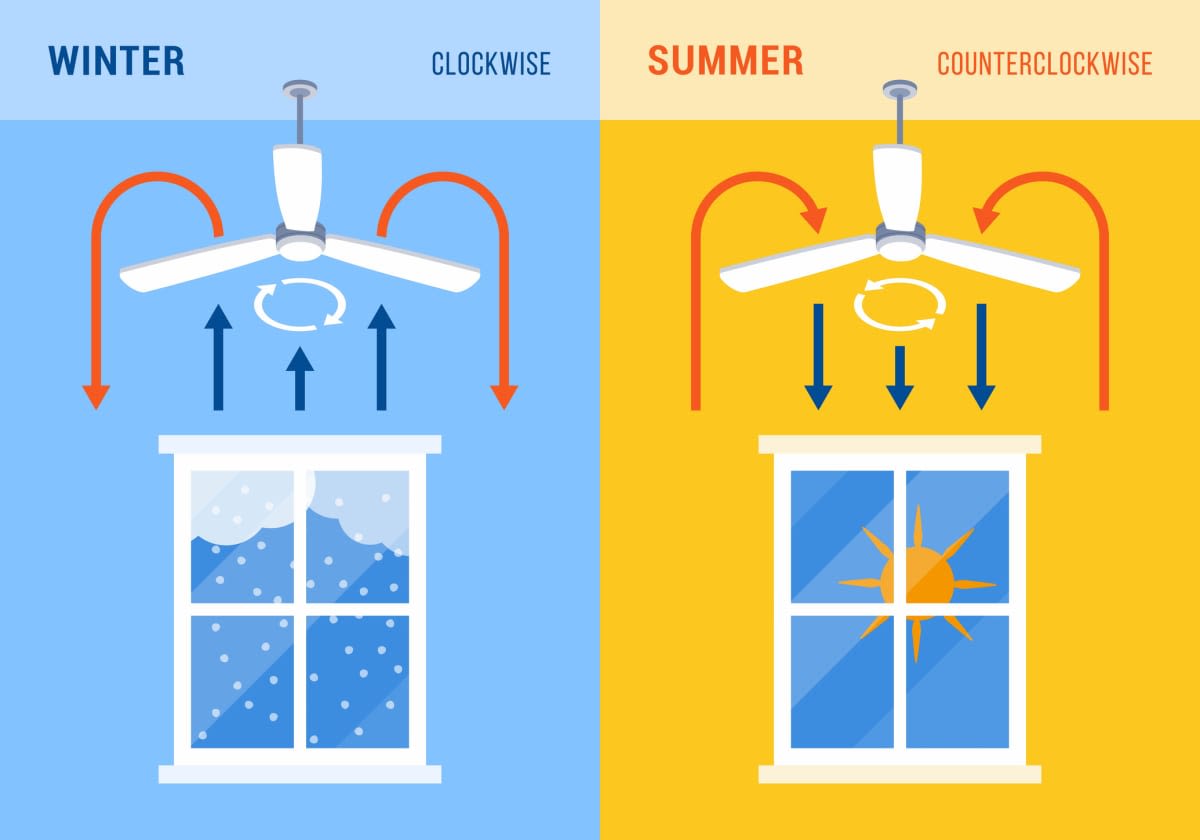
In the summer, ceiling fans should rotate counterclockwise. This direction pushes air downwards, creating a direct breeze that makes occupants feel cooler through the evaporative cooling effect on their skin. This sensation of coolness allows homeowners to set their thermostats a few degrees higher without sacrificing comfort, leading to reduced energy consumption from air conditioning. The objective is to create a downdraft that provides a refreshing airflow throughout the living space.
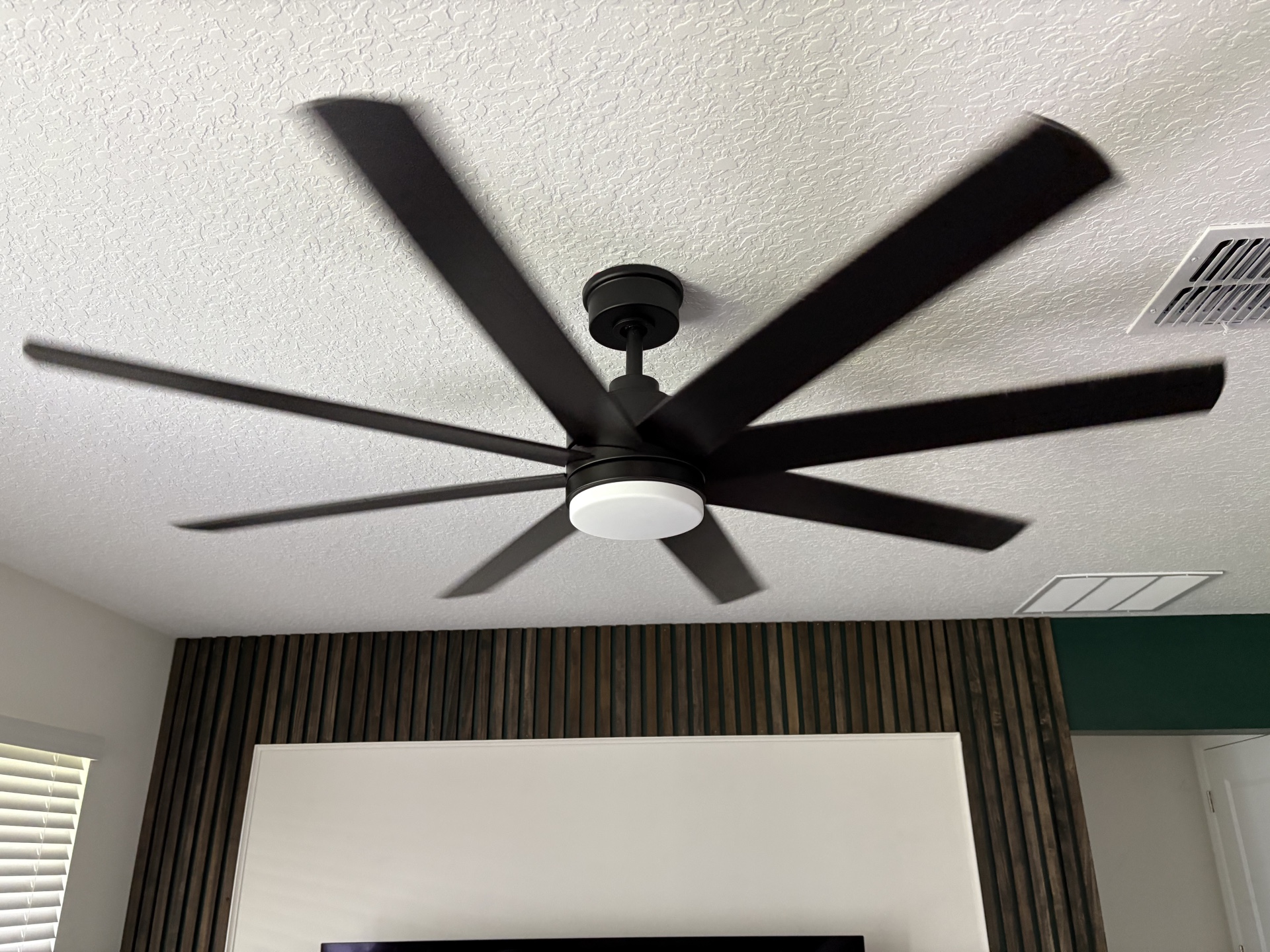
Conversely, during the winter months, the fan blades should be set to rotate clockwise, typically at a low speed. Hot air naturally rises and accumulates near the ceiling. When a fan spins clockwise, it creates an updraft, gently pulling the cool air up towards the ceiling. This action then pushes the warmer air that has gathered near the ceiling down along the walls and back into the living area. This redistribution of warm air helps to equalize the room's temperature, preventing heat from being trapped uselessly at the top of the room. By efficiently circulating heated air, a clockwise-spinning ceiling fan can make a room feel warmer, enabling homeowners to lower their thermostat settings, thereby saving on heating costs and energy.
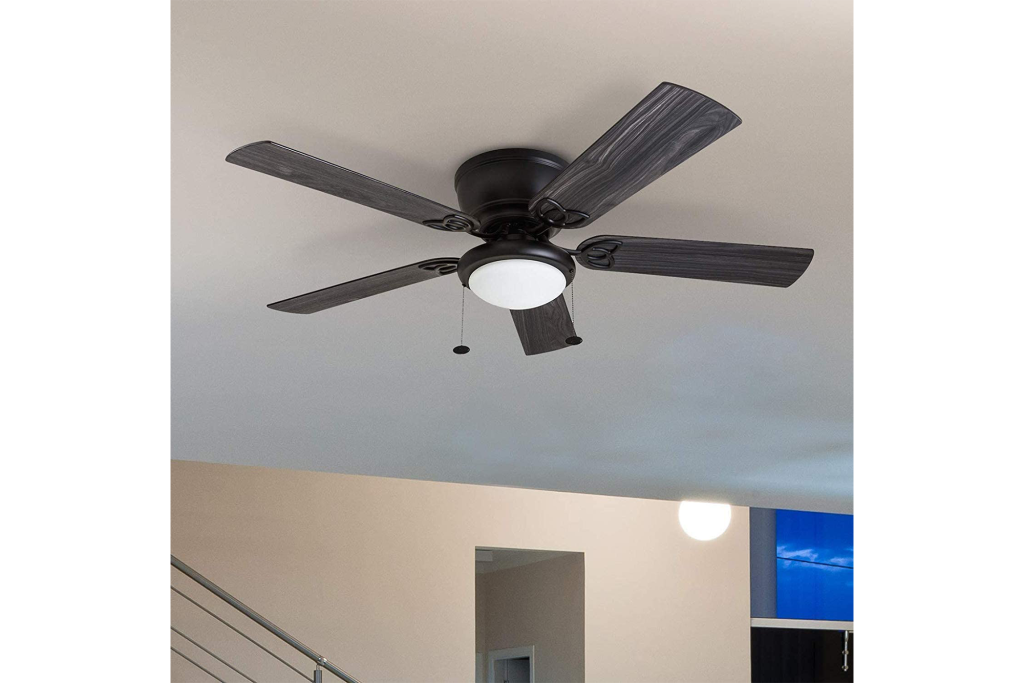
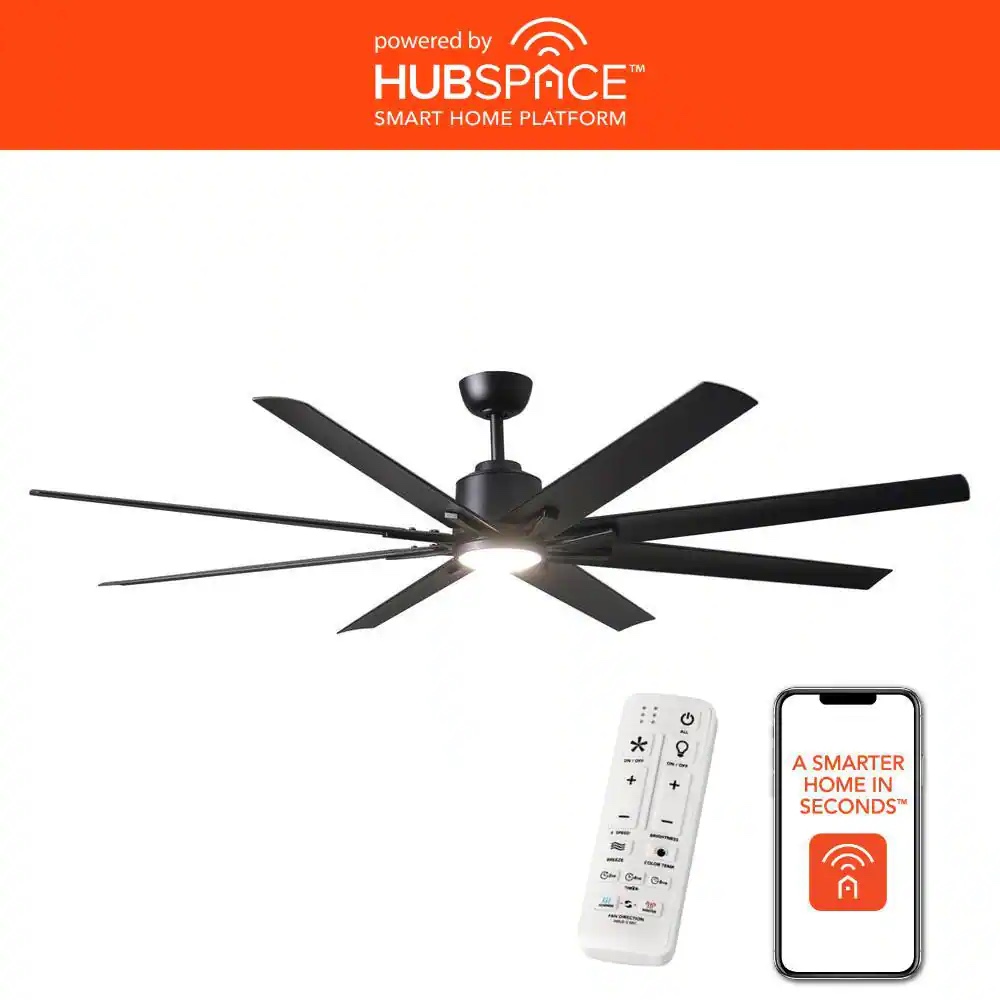
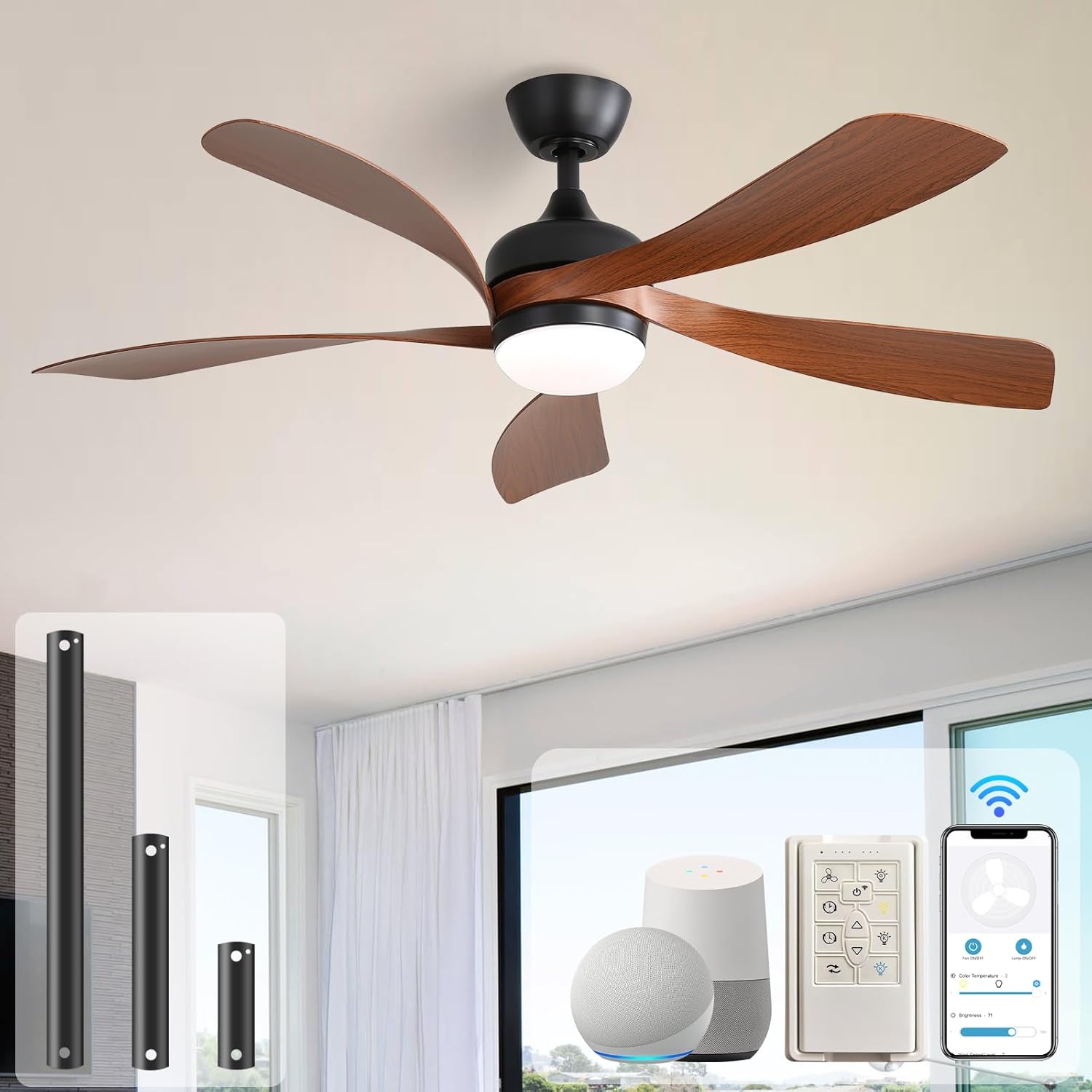
Changing the direction of a ceiling fan is a straightforward process. Most ceiling fans are equipped with a small switch located on the motor housing, near the base of the blades, that controls the direction of rotation. Users need to ensure the fan is turned off and completely stopped before accessing and flipping this switch. For smart fans, this adjustment might be possible via a remote control or a dedicated smart home application. The entire process for a single fan typically takes only a minute or two, with much of that time dedicated to safely reaching the switch, possibly with a step stool or ladder.
Before initiating the fan after a seasonal change, it is advisable to clean the blades. Accumulated dust can be dislodged and dispersed throughout the room when the fan is turned on, particularly after a period of dormancy or a change in direction. Regular cleaning maintains air quality and the fan’s efficiency. The Department of Energy supports the use of ceiling fans for energy savings, recommending their use at low speeds in winter and emphasizing that fans should be turned off when leaving a room to conserve energy, as they cool people, not rooms.
#CeilingFan #HomeImprovement #EnergyEfficiency #WinterTips #SummerTips #DIYProjects #TemperatureRegulation #ProblemSolved #CeilingFan #HomeImprovement #EnergyEfficiency #WinterTips #SummerTips #DIYProjects #TemperatureRegulation #ProblemSolved
0 comment in total
 No comments yet
You may also like
Stylish ceiling fans for modern spaces

The Best Ceiling Fans to Keep You Cool All Year Round

Our Editor Recommendations for Ceiling Fans Can Supplement or Even Replace an A/C
Which Way Should A Ceiling Fan Turn In The Winter? Experts Explain
The Best Ceiling Fans For Each Room Of Your Home
We Spent 1,200 Hours Testing Which Ceiling Fans Are the Most Cooling — These Are Our Winners
Changing This Ceiling Fan Setting Will Make Your Room Feel Instantly Cooler

Ceiling fans 101: a guide to choosing the right one

The 16 best ceiling fans for extra airflow in 2023, plus expert tips
You Should Replace Your Dumb Ceiling Fan With This Smart One


16 Best Ceiling Fans You Can Buy Online Right Now

Spin Smarter, Not Harder: Our Favorite Smart Ceiling Fans
It's Time to Reverse Your Ceiling Fans
The Best Ceiling Fans for a Breezy, Comfortable Home

Ceiling Fans—A Stylish Way to (Literally) Beat the Heat

Not a Fan? Seven Ceiling Fan Options For All You Haters

The 16 best ceiling fans for extra airflow, plus expert tips
There's a Cool Ceiling Fan for Every Vibe and Budget


Ceiling fans: A new spin on cooling your home | Home and Garden | Life
Why You Should Set Your Ceiling Fan’s Direction Clockwise This Winter? Appliance Experts Weigh In