
Guidance on flues and ventilation
This article, featured in the July-August 2024 issue of Registered Gas Engineer magazine, reviews the significant changes and updates introduced in 2023 to BS 5440 Parts 1 and 2, which govern chimneys/flues and ventilation for domestic gas appliances. The Gas Safe Register’s Technical Team provides an overview of these revisions, which impact design, installation, commissioning, and maintenance practices within the industry.
BS 5440 Part 1, focusing on chimney/flue systems, has undergone substantial revisions. A primary change involves the removal of outdated information, such as extensive guidance on the construction of SE ducts and U ducts. While construction details have been largely removed, maintenance guidance for these systems remains, acknowledging their continued presence in existing installations. Crucially, the definitions section has been expanded, with a key addition being the broad term ‘openings into a building’ to encompass all pathways into a property, including windows, vents, and doorways. A significant clarification addresses common queries regarding weep vents; they are now explicitly excluded from being considered openings into a property, which impacts the termination distances for boiler chimney/flues.
Updated guidance for chimney/flue outlets terminating into lightwells or courtyards is also detailed. For room-sealed or fan-assisted open-flued appliances, chimney/flues can still terminate up to 1 meter below the uppermost level of an enclosed space. However, new developments or complete building refurbishments now mandate connection to a communal flue system for any gas appliance. In existing buildings, a chimney/flue can terminate in an inner courtyard if the narrowest dimension of the courtyard's open area is at least equal to the height of the tallest structure forming the courtyard. If this condition is not met, the installation is treated as a new development. Existing appliances in courtyards that do not meet these new criteria can remain operational provided they pass satisfactory combustion analysis and operate safely. Regarding chimney/flue routing, the standard now explicitly prohibits routing through a fire compartment or a property other than the one served by the appliance. Figure C.8 in Annex C, illustrating termination distances from openings, has been updated to include more scenarios, such as vertical terminals from walls, terminals facing openings, and terminals perpendicular to openings on different walls. It is important to note that appliance manufacturer's instructions (MIs) always take precedence over these standard distances. An Annex D checklist has been added to aid in confirming suitable chimney/flue locations.
BS 5440 Part 2 addresses ventilation. This part features updates to numerous tables and figures, including a renumbering system, though the content of some key tables, such as minimum permanent ventilation requirements for flueless appliances, remains unchanged. Significant updates pertain to ventilation provision: air vents passing through a fire-rated compartment are only permitted if they lead directly to the outside, and no vent should penetrate a protected area. New air vents must not communicate with a roof space, although existing ones may be acceptable if their total free area is satisfactory and obstructions are absent. A notable change involves ventilation outlets connected to cooker extracts or gas tumble dryers. Previously, these were not considered openings into a building, but this provision has been removed, making them now classified as openings, provided the terminal is fitted with non-return flaps. These updates are further elaborated in Industry Standard Updates 121 and 122, which are accessible to Gas Safe Register account holders.
#BS5440 #GasSafety #FlueSystems #VentilationRequirements #BuildingStandards #GasAppliances #IndustryUpdates #TechnicalGuidance #RegisteredGasEngineer #BS5440 #GasSafety #FlueSystems #VentilationRequirements #BuildingStandards #GasAppliances #IndustryUpdates #TechnicalGuidance #RegisteredGasEngineer
0 comment in total
 No comments yet
You may also like

Back to Basics: Natural Ventilation and its Use in Different Contexts


6 types of attic insulation and how to pick one for your home


Avoid insulating these spots as it can cause damp and mould
Breathing Easier: Kitchen Ventilation Products

How to ventilate a basement – expert tips to reduce damp and mold

5 mistakes you're making that are compromising your home's air quality – and how to fix it like a HVAC pro
Best Bathroom Exhaust Fans of 2025
7 things people with nice-smelling basements never do
Understanding Types of Roof Vents
Recommendations for internal bathroom ceiling ventilation fan?


'If you can smell it, there's a problem in progress' – 5 expert-approved ways to get rid of musty smells in an attic

Attic conversions' lofty potential: Exploring costs and grants
Bathroom Fan Venting Code Basics

8 Best Bathroom Exhaust Fans of 2025

6 areas of your home you should never insulate – and why it's a hazard that can do more harm than good
HVAC pros reveal if you should close vents in unused rooms – the answer feels counter-intuitive but it's true
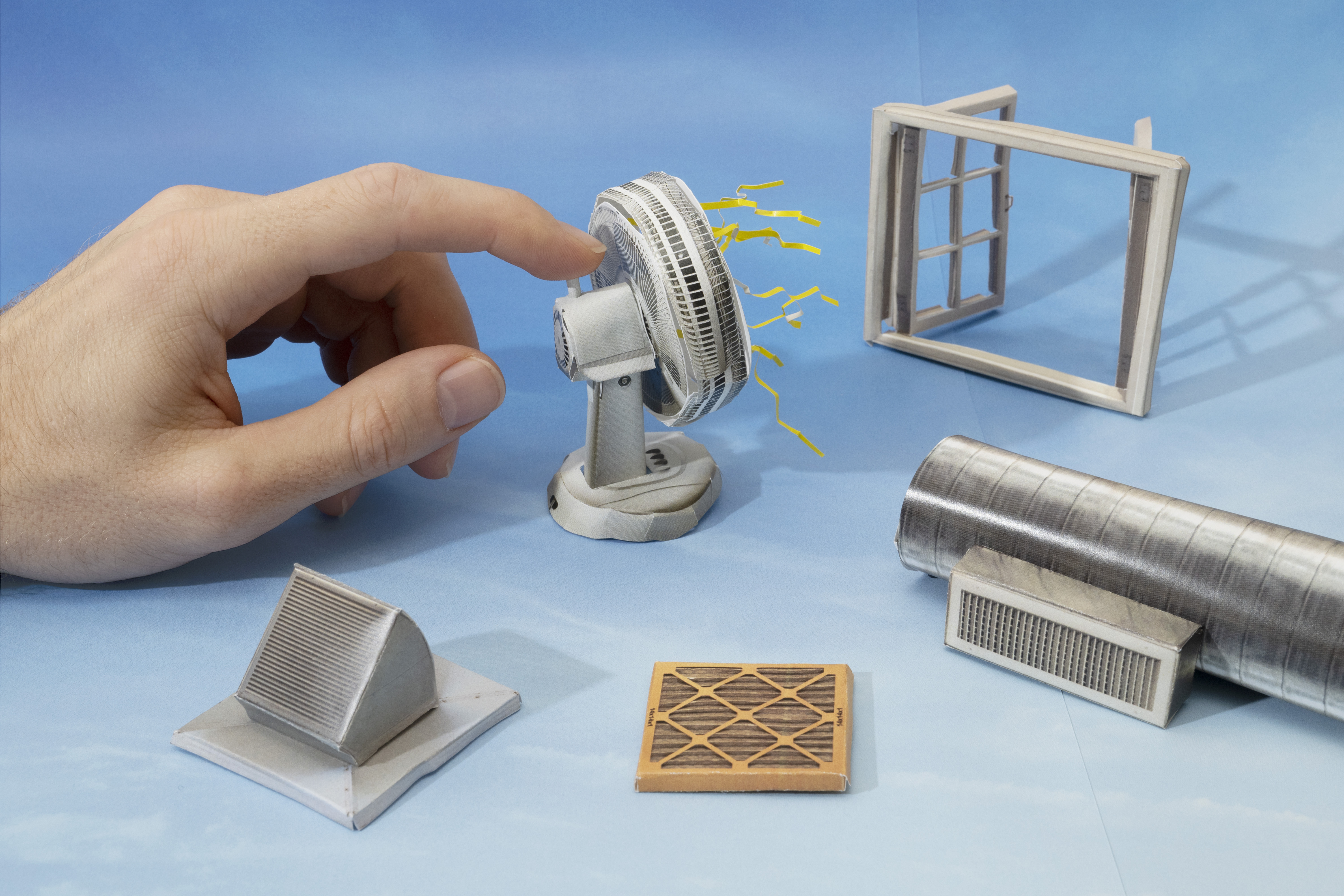
Our buildings are making us sick
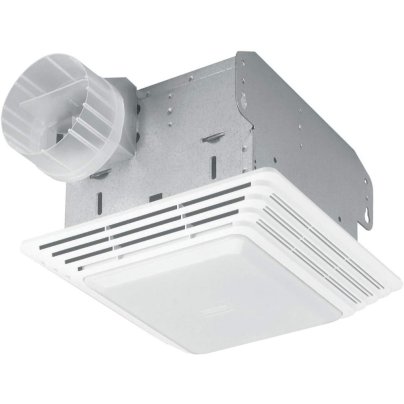
Vetted: The Best Bathroom Fans for Moisture and Humidity Control


5 Easy Ways to Improve Kitchen Ventilation
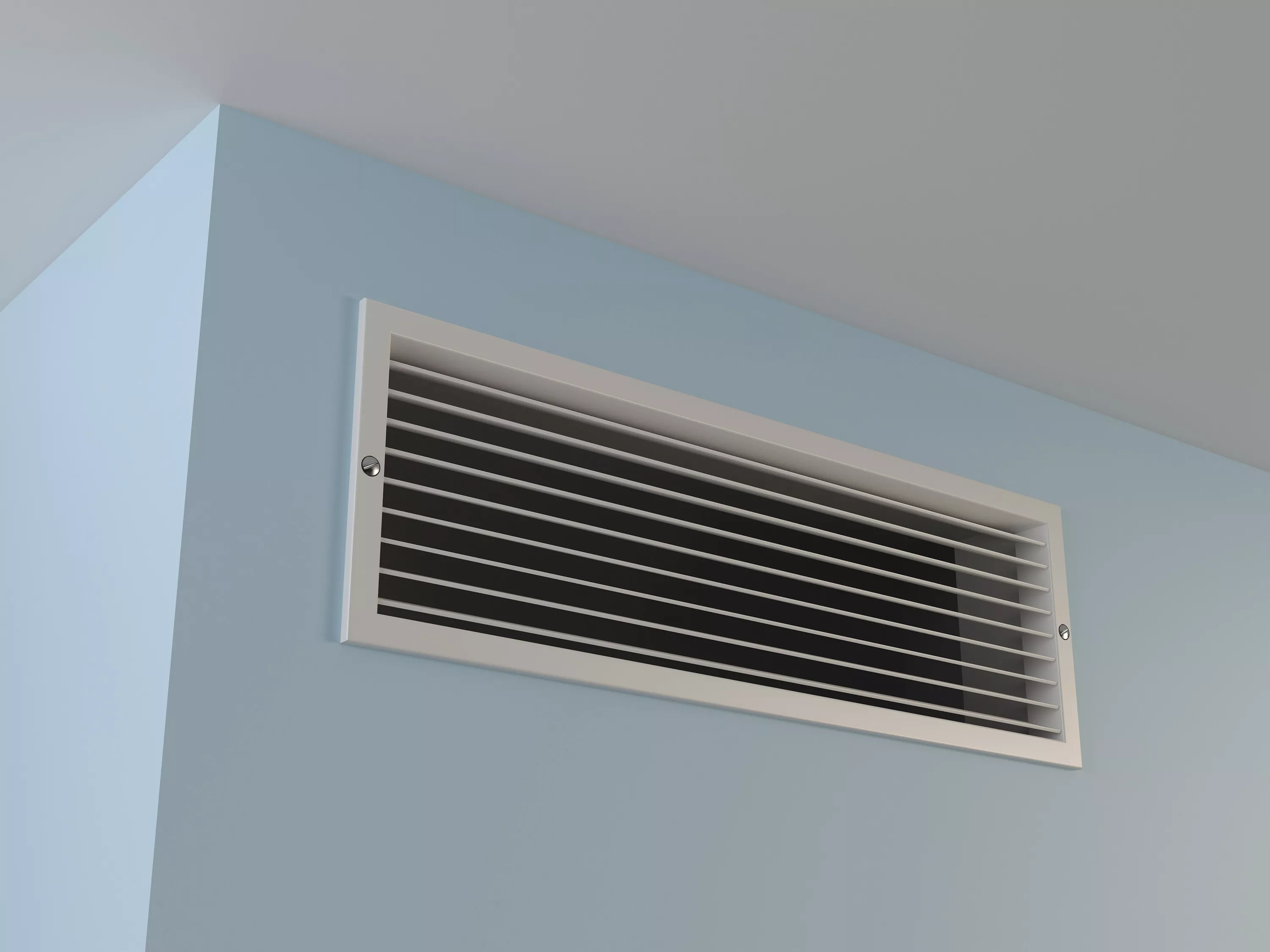
Are Your Return Air Vents Facing the Wrong Way? They Could Be Making Your Home Hotter