1/15
Understanding Types of Roof Vents
The article explores the long-standing debate and evolution surrounding roof ventilation practices, focusing on the various types of roof vents, their purported benefits, and the complexities involved in their implementation. Traditionally, building codes have mandated roof vents, particularly soffit and ridge vents, based on the belief that they mitigate moisture and heat buildup, thereby preventing mold, rot, and enhancing energy efficiency. However, building scientists continue to debate the actual efficacy and necessity of these systems.
Historically, the shift towards widespread roof ventilation began in the 1930s and '40s, driven by changes in building materials like impermeable bituminous roofing, plywood, and increased insulation. Early research, notably by Frank Rowley, suggested ventilation could reduce condensation. This led to the adoption of the 1/300 ratio standard (ventilated area to total attic area) in the 1942 National Housing Agency document, which was further solidified by Ralph Britton's work in 1947 and subsequently codified in the International Residential Code (IRC).
The benefits of roof venting are not universally agreed upon. William Rose, a senior research architect, points out that while the code requires vents, their impact on shingle life or their ability to substantially lower shingle temperatures in summer or prevent ice dams in winter is minimal. Rose also notes that vents can incur added expense, time for installation, and an energy penalty, especially in extreme weather conditions like wildfires and hurricanes due to compromised resilience. Conversely, Andre Desjarlais, Building Envelopes Program Manager at Oak Ridge National Laboratory, acknowledges that while the energy impact of ventilation might be negligible, its role in moisture control remains significant.
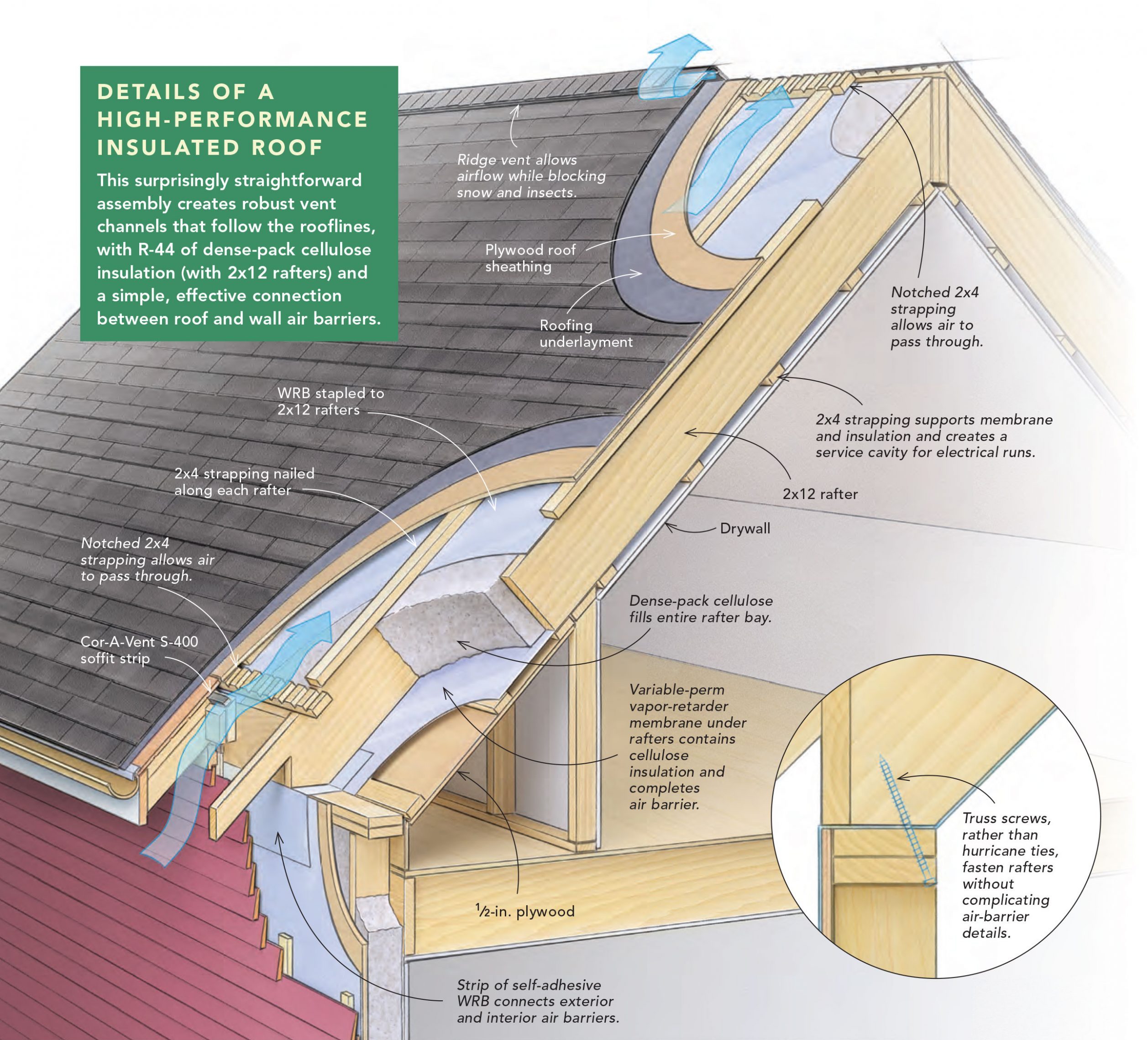
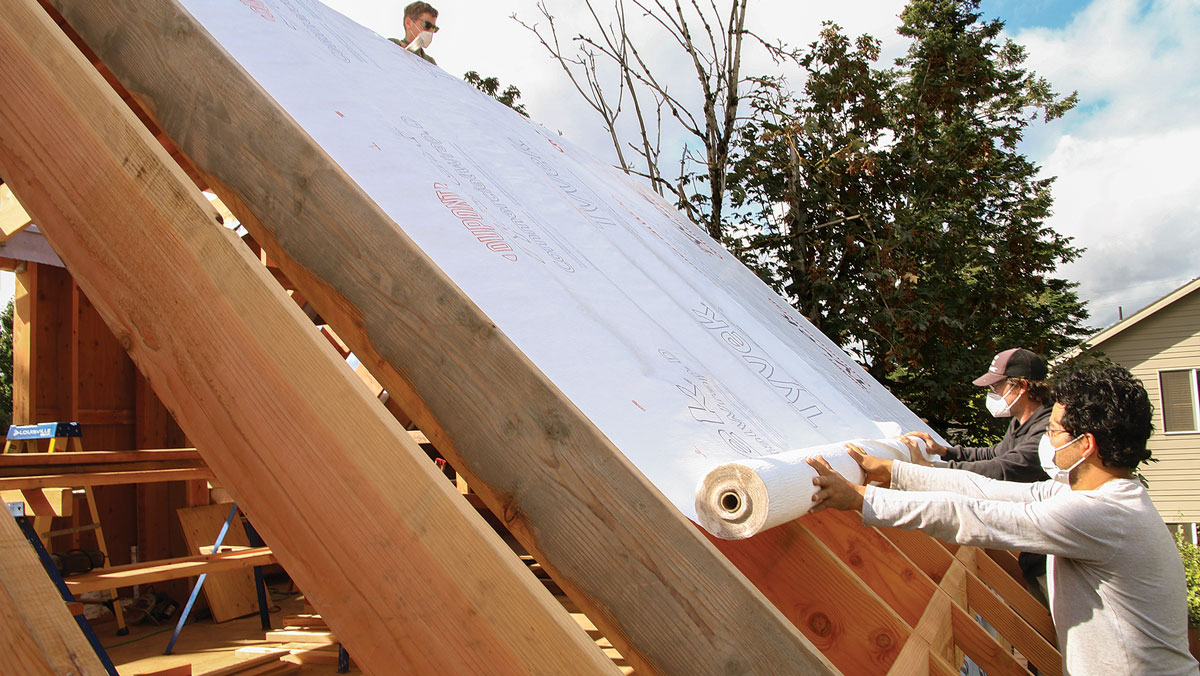
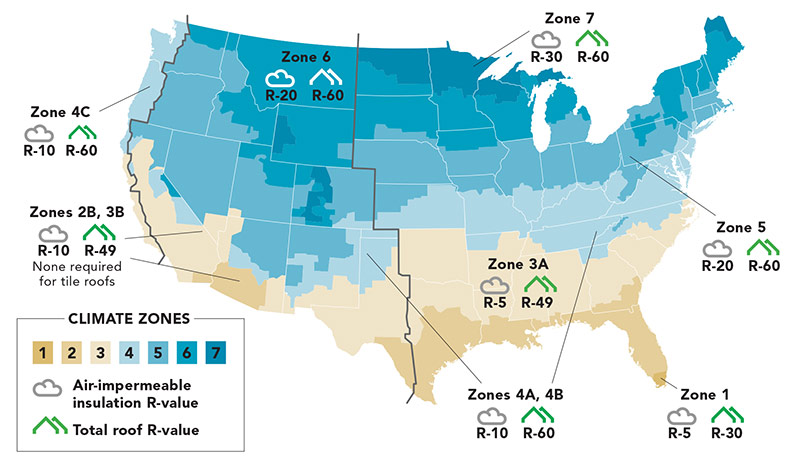
One of the primary challenges discussed is the appropriate application of venting based on the type of attic. For unconditioned attics, where insulation and the air barrier are above the living space, venting is generally straightforward. However, for conditioned attics or vaulted ceilings, where the insulation and air barrier are at the roof plane, ventilation becomes more complex. Increased insulation requirements in recent IRC iterations, such as R-60 in colder climate zones, push builders to consider unvented roof assemblies, which require specific insulation types and amounts to prevent condensation without traditional venting.
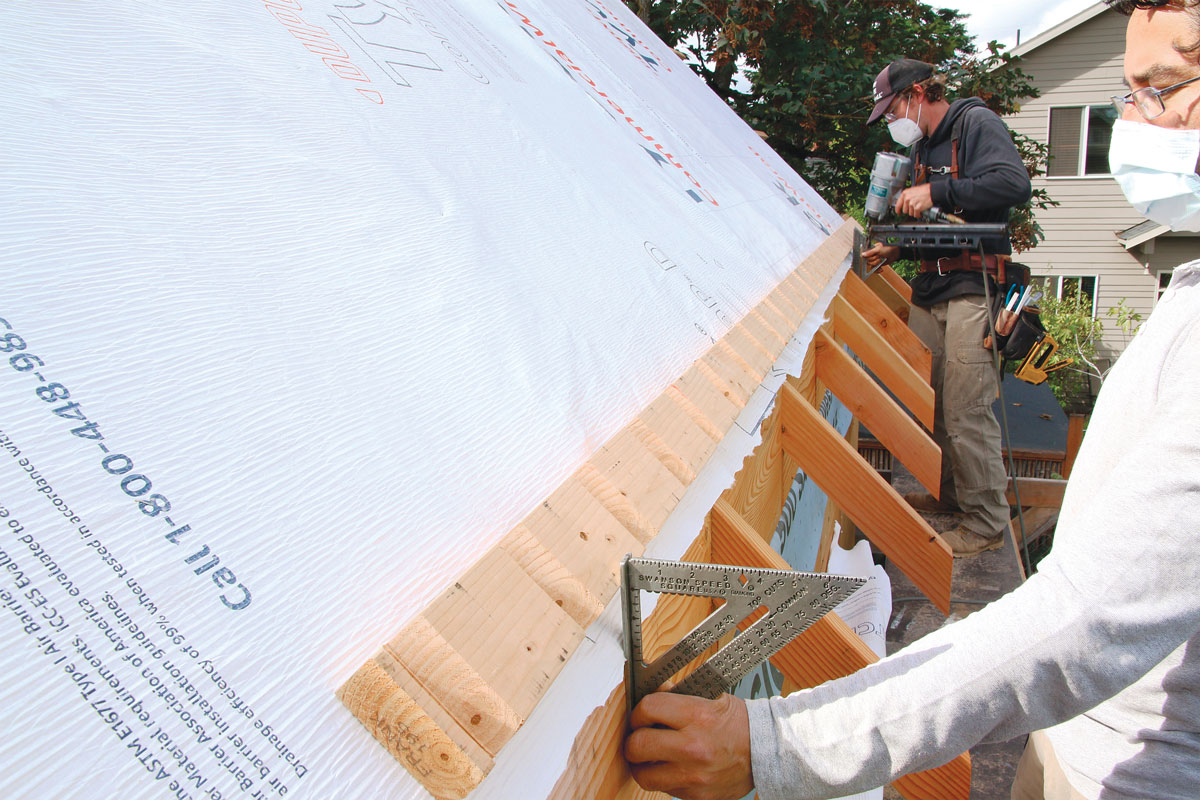
The article details the calculation for determining the required Net-Free Vent Area (NFVA) using the 1/300 rule, emphasizing a balanced approach with half of the NFVA at the ridge and the other half at the soffit. For conditioned attics or vaulted ceilings, even though the total ventilated area calculation remains based on the attic floor area, every rafter bay needs individual venting, often achieved through continuous venting products and baffles to maintain a minimum 1-inch air channel above insulation. The article also touches upon the consideration of roof pitch, with some experts recommending increased ventilation for steeper roofs.
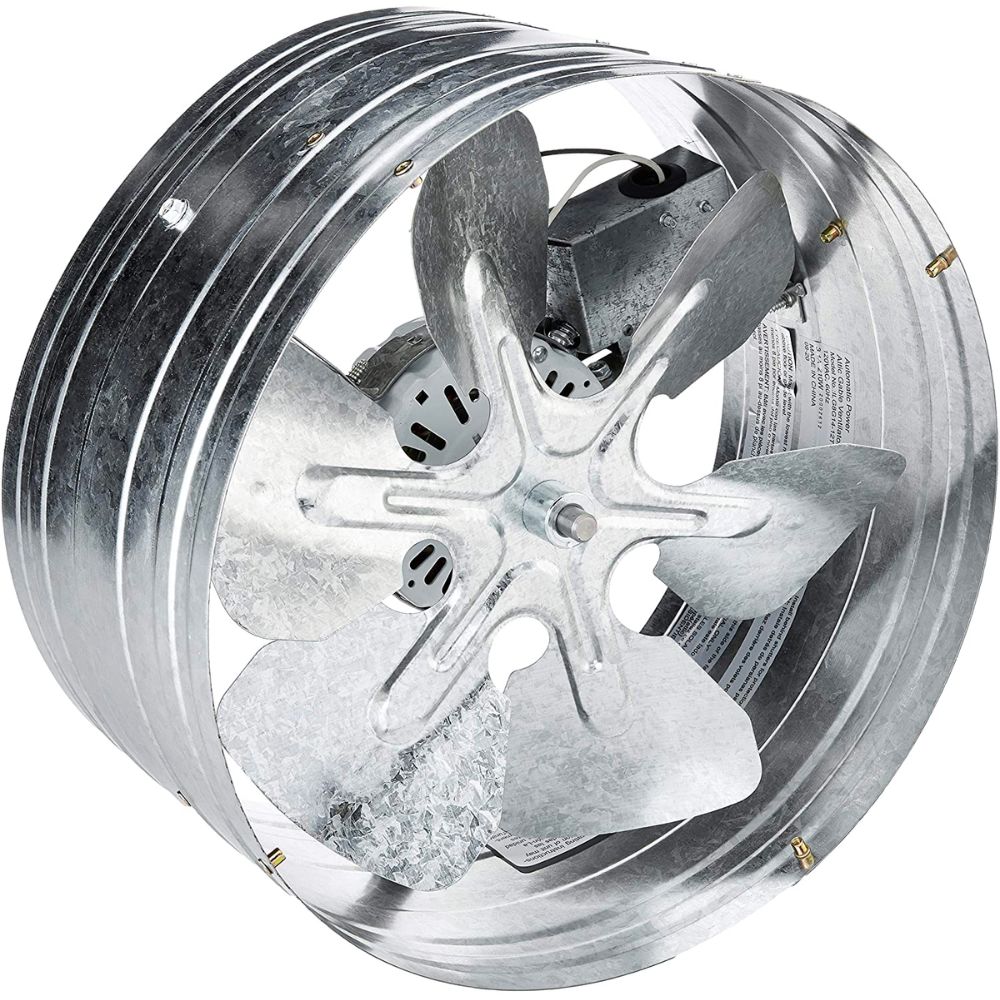
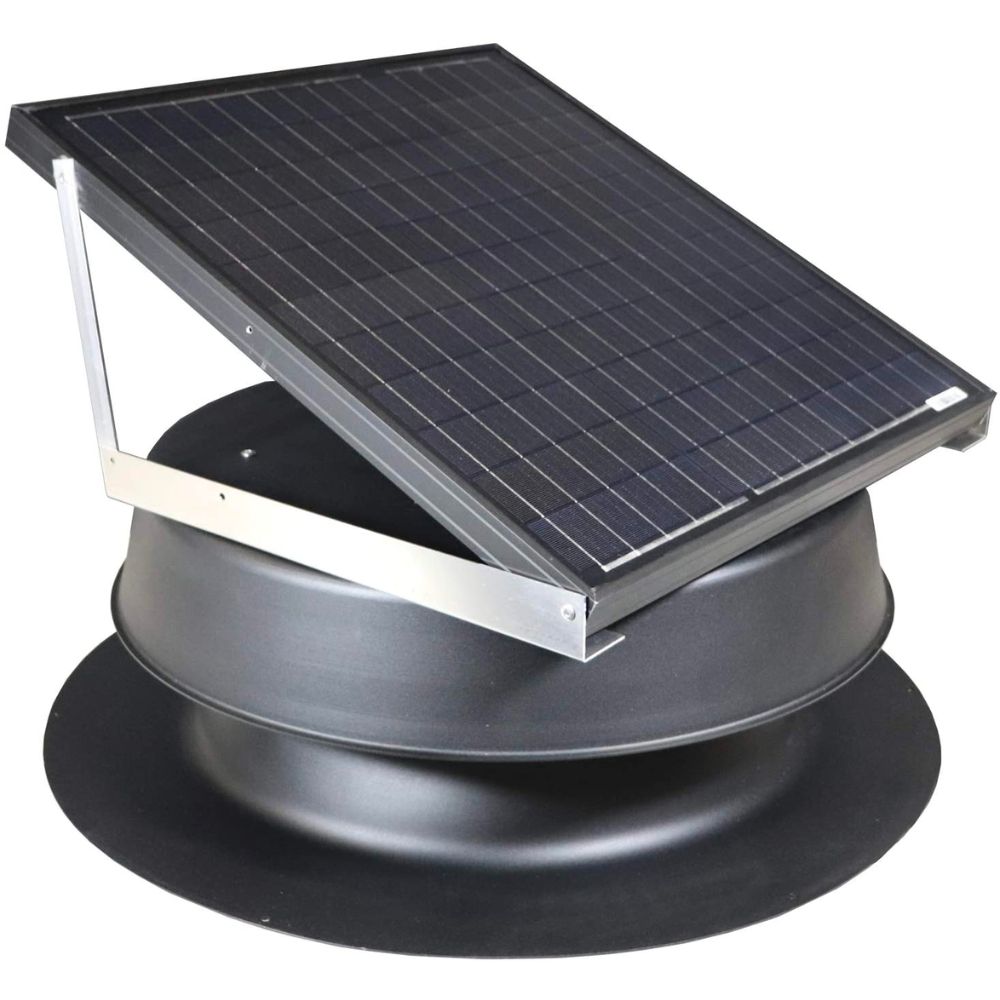
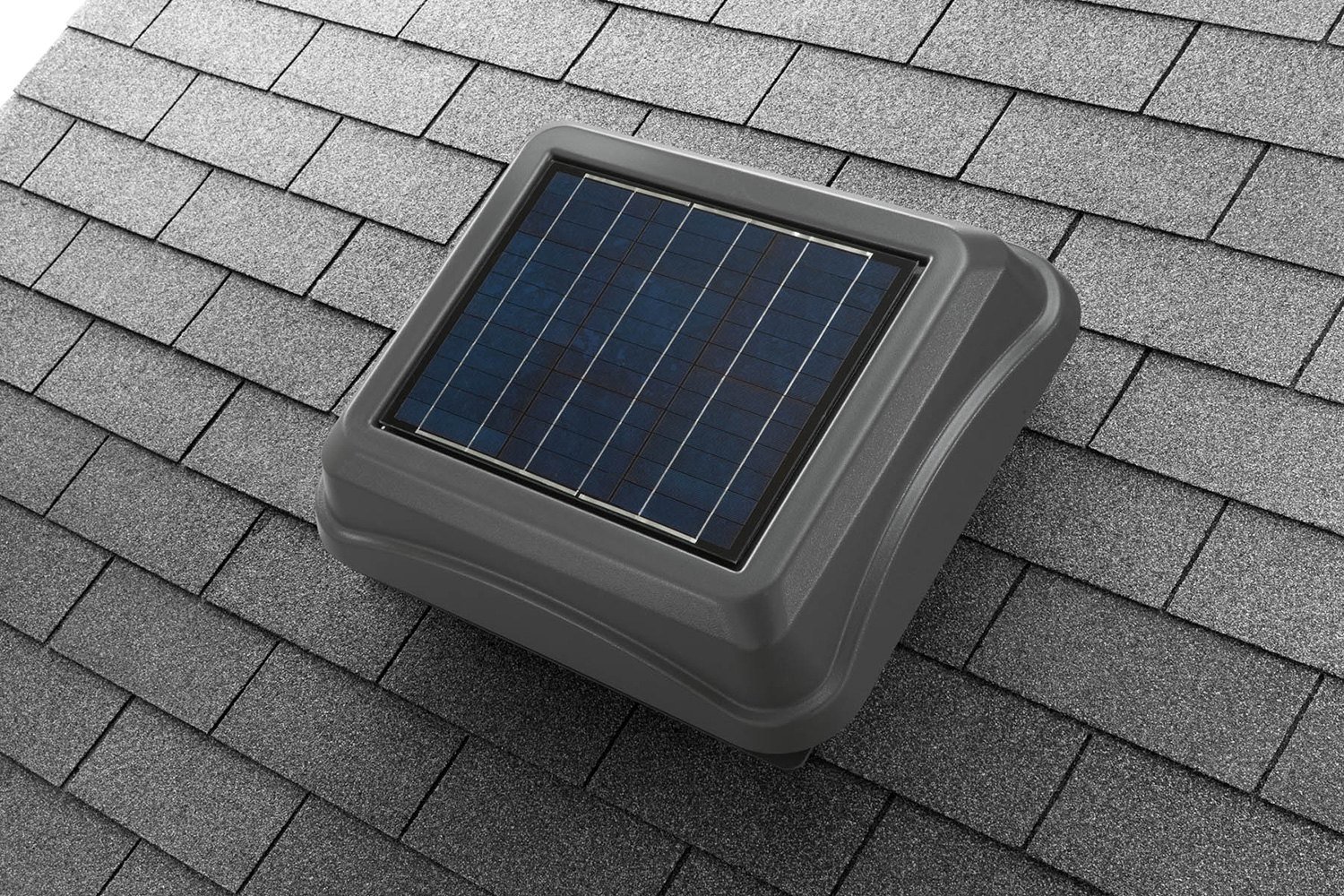
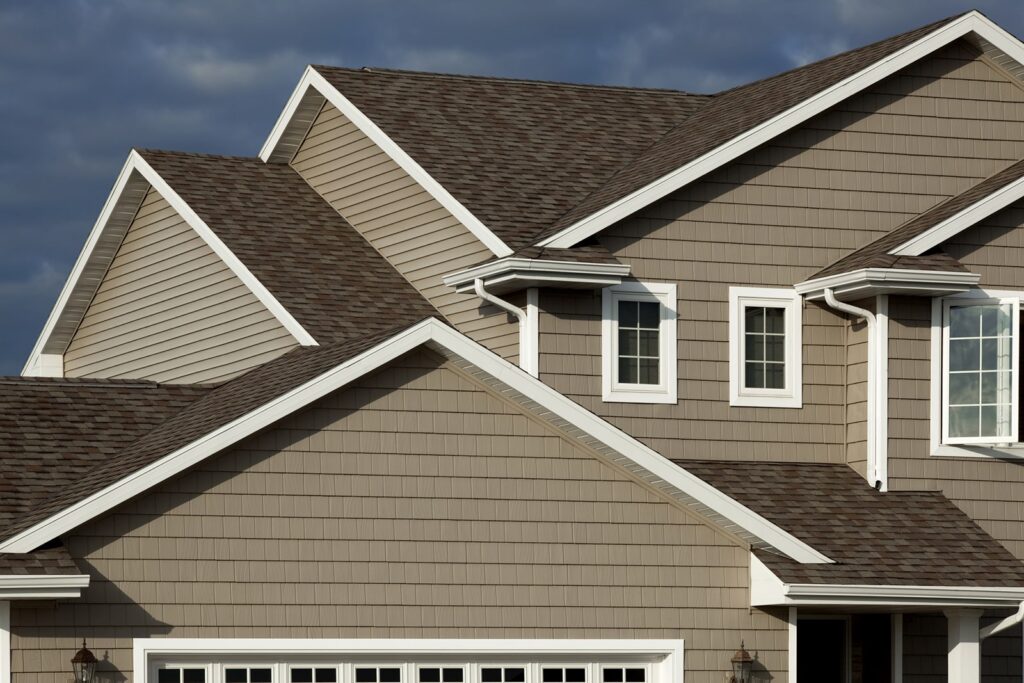
Various types of roof vents are explored. Soffit and ridge vents are highlighted as the standard combination, balancing air intake and exhaust. Specialty vents are designed for challenging roof configurations like hip roofs or where roofs meet walls. Power vents, while capable of moving significant air, carry risks such as depressurizing the attic and drawing conditioned air from the house or flue gases, leading to potential increases in cooling costs and other problems. Gable vents, common in older homes, provide spot ventilation and are considered less effective than continuous soffit-to-ridge systems. Turbine vents and louvers offer high NFVA but also provide single-point ventilation and are generally better suited for unvented attics or as replacements in older homes, with their effectiveness being debated due to a lack of comprehensive testing data on the added benefit of their spinning mechanisms.
Overall, the article concludes that while the science behind roof ventilation remains a topic of ongoing discussion and evolving understanding, builders are still tasked with meeting code requirements and employing appropriate ventilation strategies. The array of products from manufacturers like Cor-A-Vent, Owens Corning, GAF, CertainTeed, Benjamin Obdyke, and Air Vent provides diverse options to address various roof types and ventilation needs.
#RoofVentilation #BuildingCodes #SoffitVents #RidgeVents #AtticVentilation #BuildingScience #MoistureControl #EnergyEfficiency #UnventedRoofs #RoofVentilation #BuildingCodes #SoffitVents #RidgeVents #AtticVentilation #BuildingScience #MoistureControl #EnergyEfficiency #UnventedRoofs
0 comment in total
 No comments yet
You may also like
Roof and ceiling systems with versatile application

The 10 Very Best Outdoor Ceiling Fans
Our Favorite Attic Fan Offers Both Set-It-and-Forget-It and Remote Operation

Are Your Return Air Vents Facing the Wrong Way? They Could Be Making Your Home Hotter


Roofing | Roofing Sheets | Roofing Supplies


Best plants for a green roof – 9 popular options for a living roof

Upgrading a foam-insulated roof

20 Beautiful Rooftop Design Ideas For Home 2024
Replacing a roof – everything you need to know
Installing roof battens

A New Take on Insulating a Roof
The Best Range Hoods, Reviewed

The Most Popular Types of Window Treatments—and How to Tell the Difference Between Each

Cool Your Patio Off With the Best Outdoor Ceiling Fans


Complete list of roof sheeting prices in South Africa in 2024


Best Roof Financing Options in 2025


A field guide to Denton’s historic roof designs

The Unsung Hero of Keeping Bugs Away from Your Porch or Patio? An Outdoor Ceiling Fan
7 Best Roofing Materials For Durability & Longevity (2025 Review)

Venting a Traditional Eave