Upgrading a foam-insulated roof
The article addresses common issues found in foam-insulated roofs, particularly in coastal areas like Cape Cod Bay, where homes often feature inadequate roof systems. These roofs, typically insulated with only 1-inch foam over 1-1/2 inch matched pine, are covered directly with asphalt strip shingles without felt paper, leading to persistent leaks and poor insulation value. A weatherization contractor from Vermont explains that these problems stem from a combination of a weak thermal envelope and a deficient weather shell in a cold, wet climate. The article suggests that what appears to be leaks might actually be condensation, a common issue when there's a significant source of water vapor, a cold surface, and passages connecting them. Factors like forced-air heating systems, wet cellars, or central humidifiers can create a high-moisture environment, which, coupled with air leaks through the roof structure, results in condensation in cold areas under the shingles.
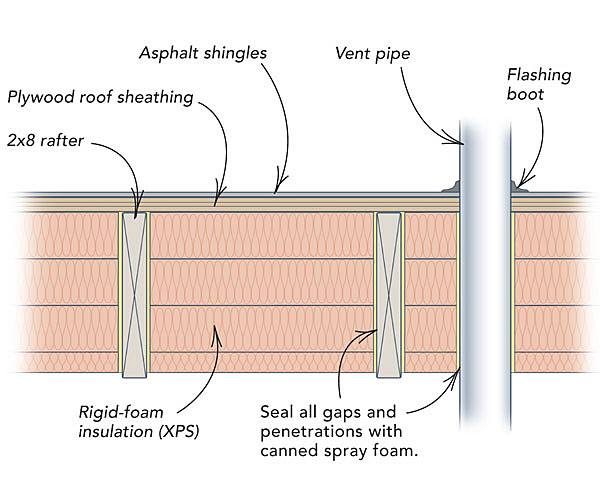
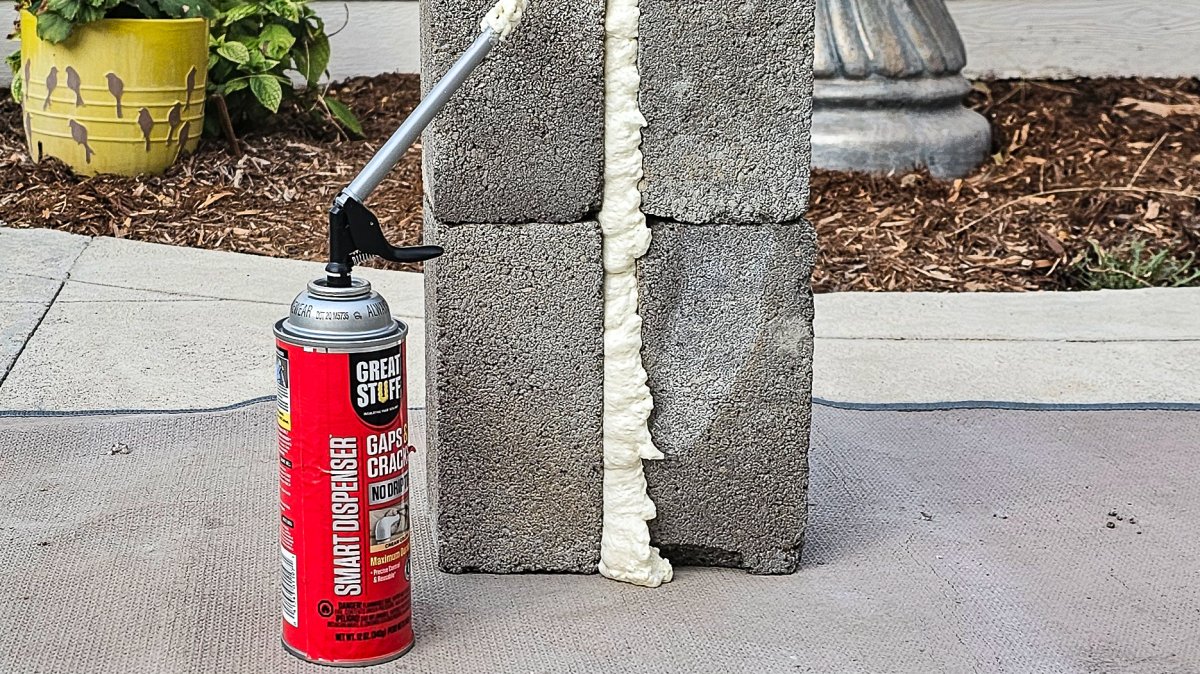
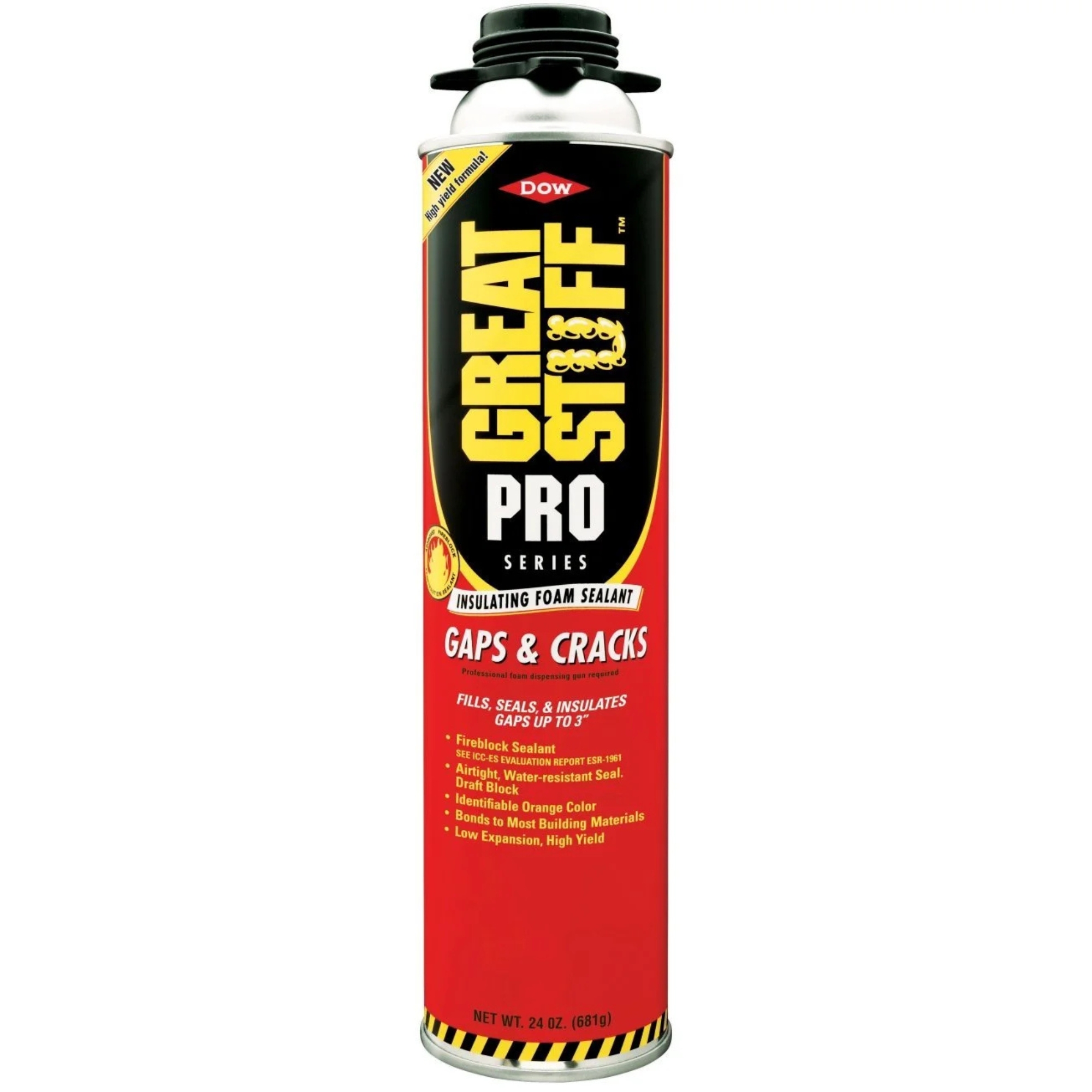
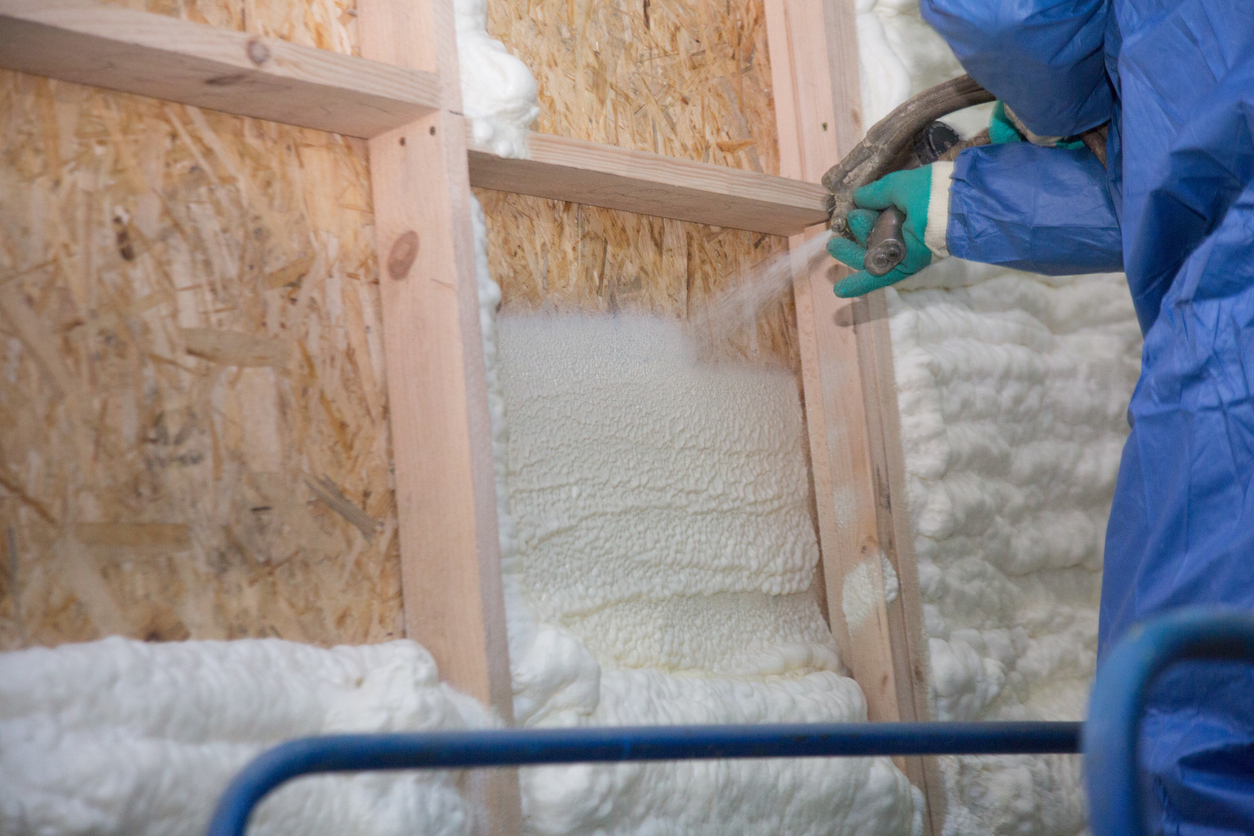
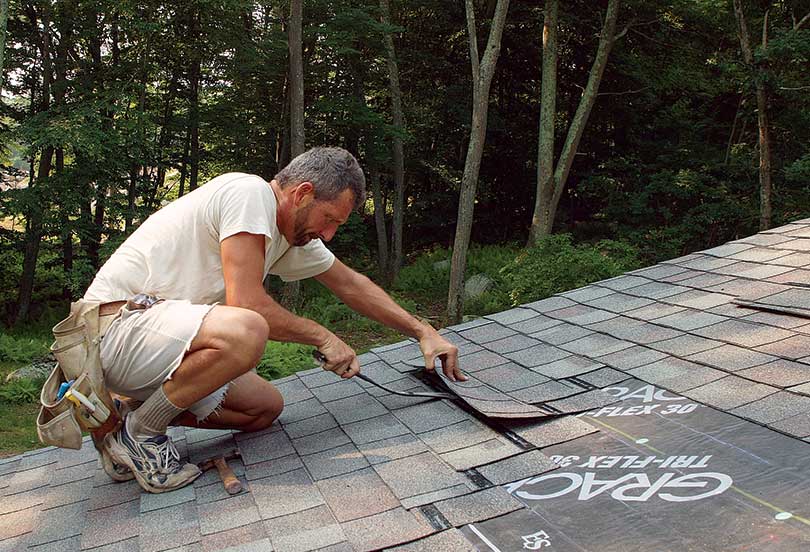
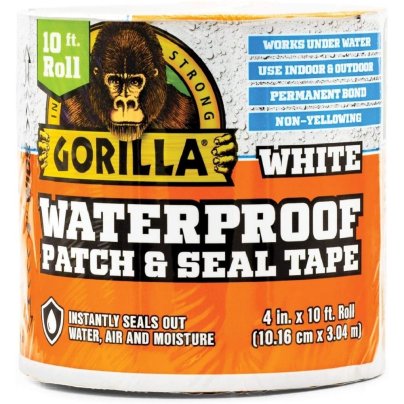
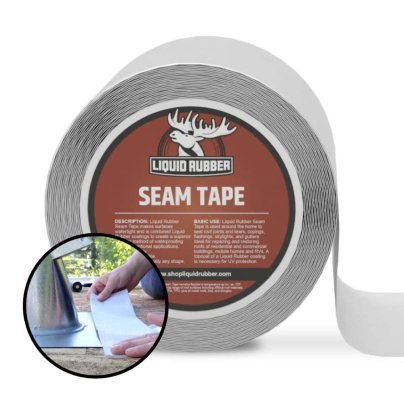
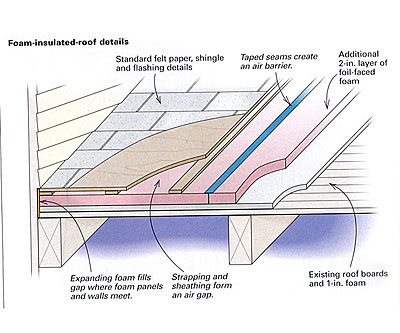
The existing 1-inch foam insulation, providing only an R-value of 5 to 7, is deemed insufficient for New England climates. Gaps in this insulation layer, or around discontinuities like roof windows, allow warm, moist air to penetrate cold zones where it condenses. To upgrade such a roof, a multi-step process is recommended. The first step involves removing the old roofing down to the existing foam. The seams of the initial foam layer should be air-sealed with tape, followed by the addition of a new 2-inch layer of foam, with its seams also taped. Any gaps where the foam panels meet an adjoining wall must be sealed using expanding foam.
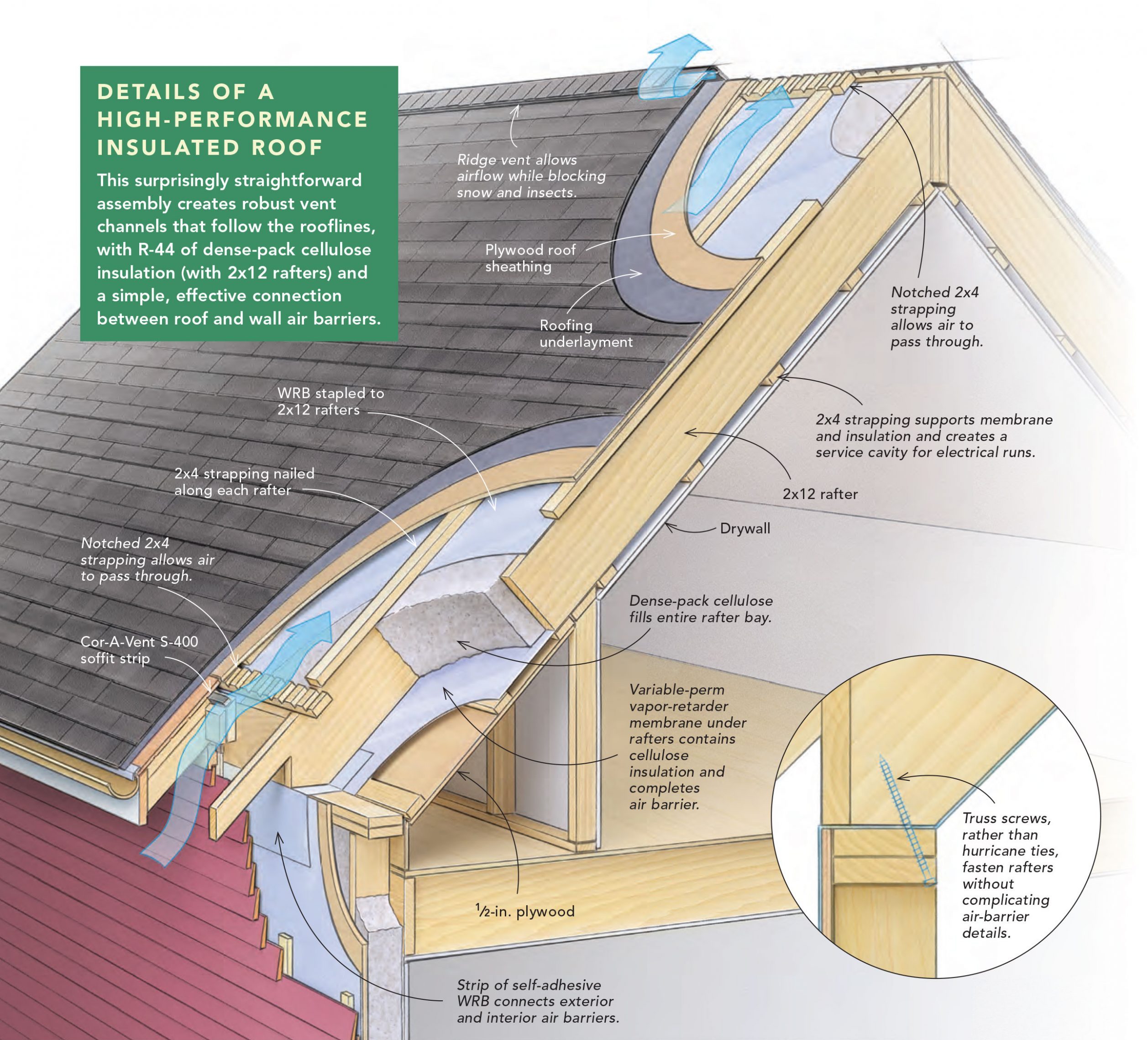
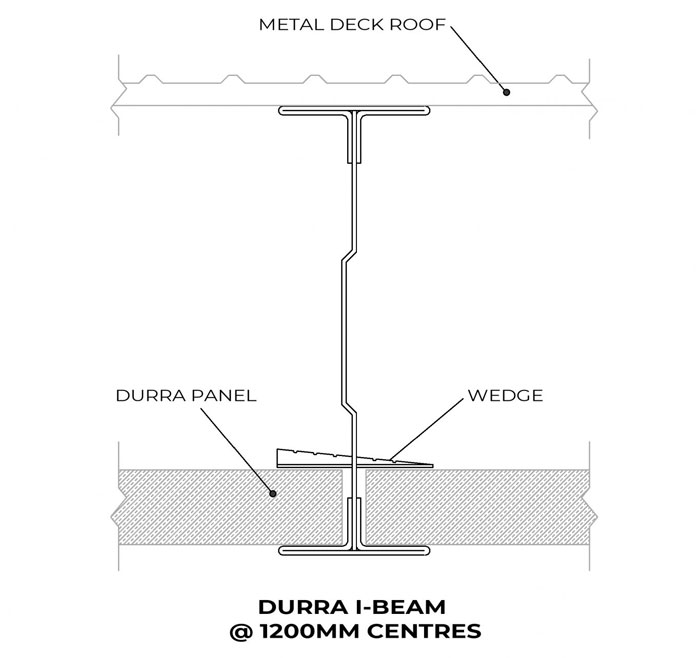
Following the foam insulation, an air gap is created by installing 1x3 strapping covered with a layer of CDX plywood. This air gap is not necessarily for venting if the roof plane is completely air-sealed, but rather serves as a temporary reservoir for small amounts of moisture that might bypass the roof structure, allowing it to diffuse through the plywood nail base. Crucially, a properly installed layer of felt paper is required under the new shingles, and the roof-to-wall connection needs correct step-flashing. The article emphasizes that merely addressing the roof structure is not enough; internal moisture control and air pressure management are equally vital.
Inside the house, it is recommended to seal all possible roof penetrations, such as triangular spaces where V-jointed boards meet walls or gaps between drywall and beams. Sealing and balancing return-air ductwork will decrease internal air pressure, reducing unintended moisture flow towards the roof. Additionally, disabling humidifiers and damp-proofing the foundation, if necessary, are important steps. These measures aim to maintain comfortable indoor humidity with less moisture input, thereby improving energy efficiency and overall home performance. The article highlights the importance of a comprehensive approach to address both external weather protection and internal moisture management for effective roof upgrading and condensation prevention.
#RoofUpgrade #FoamInsulation #CondensationPrevention #MoistureControl #EnergyEfficiency #HomeImprovement #BuildingEnvelope #CoastalHomes #Weatherization #RoofUpgrade #FoamInsulation #CondensationPrevention #MoistureControl #EnergyEfficiency #HomeImprovement #BuildingEnvelope #CoastalHomes #Weatherization
0 comment in total
 No comments yet
You may also like

A New Take on Insulating a Roof

Loft Insulation

Beautiful Gaco Roof Coating

Home improvement: Remodeling trends and roof care


Replacing a roof – everything you need to know
The Best Expanding Foams for Sealing Gaps, Tested

Framing a Cold Roof

Roof & Gutter Sealants
How to insulate a loft or roof
Raising the roof!
Leak-Free Skylights
We Tested 7 Top-Rated Roof Sealants for 2 Weeks to Find the Best Products for Your DIY Roof Repair

When Insulation in the Roof Isn’t There
9 basement insulation ideas

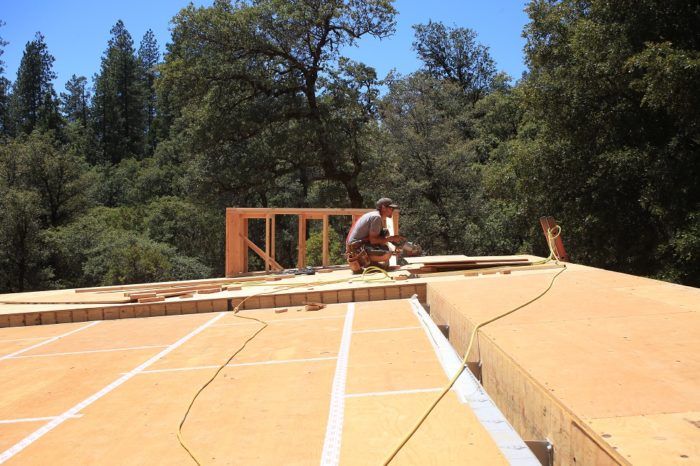
Thermally Broken Roof Framing
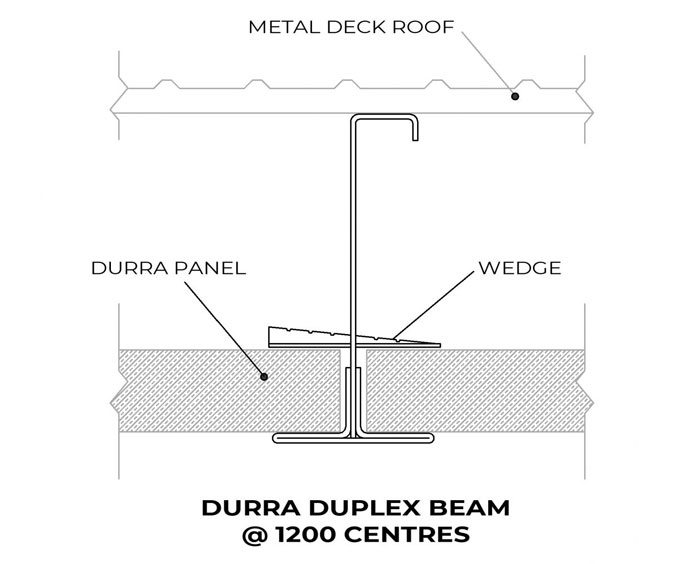
Roof and ceiling systems with versatile application
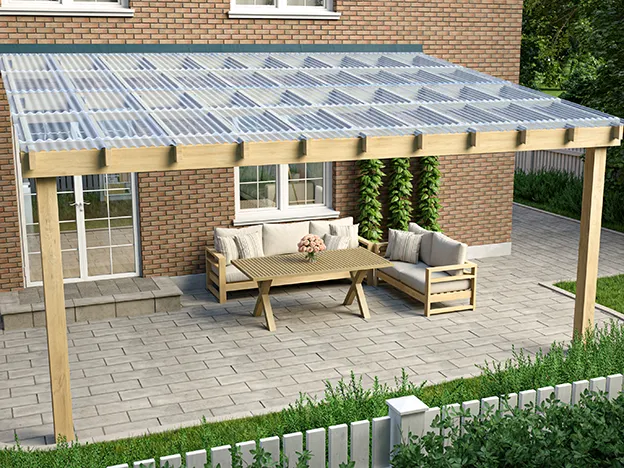
Roofing | Roofing Sheets | Roofing Supplies

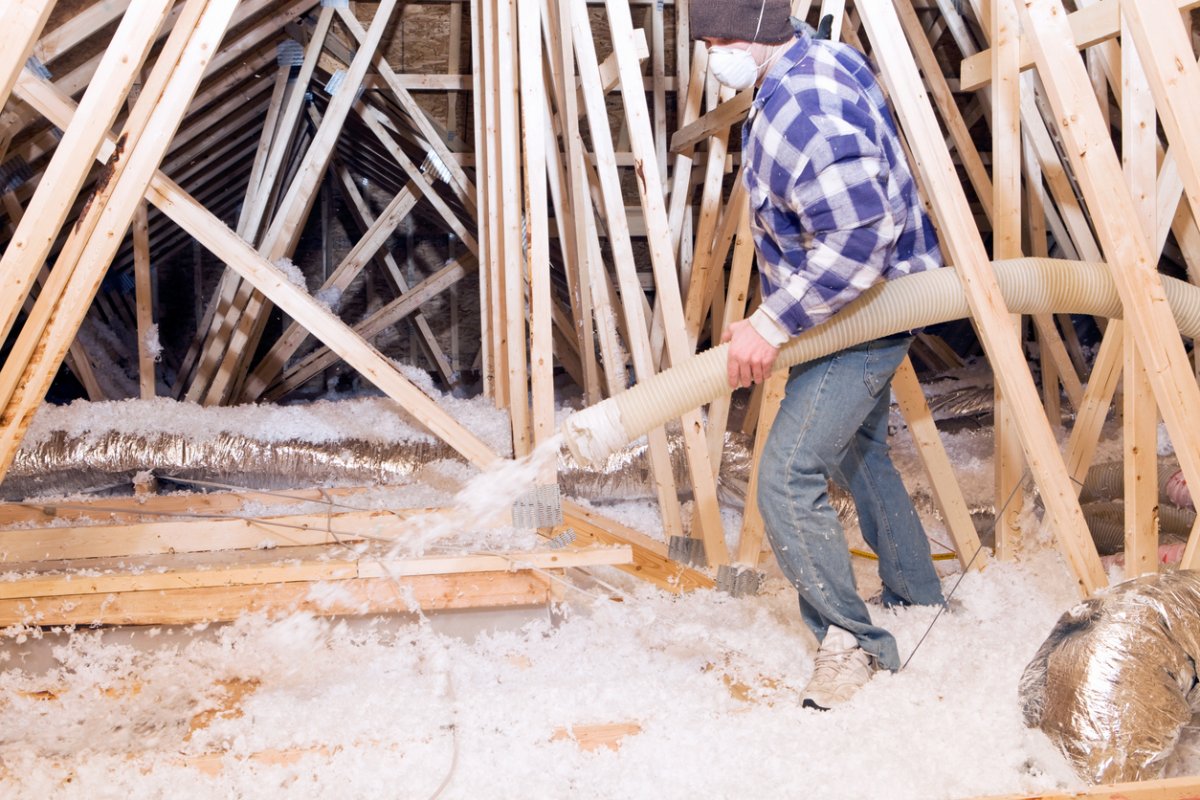
Old Drafty House Owners: The Pros and Cons of Retrofit Insulation
Home Repair Experts Reveal the Surprising Dangers of Having Moss on Your Roof

Ice Dams, Can Lights, Wet Walls, and Water Damage