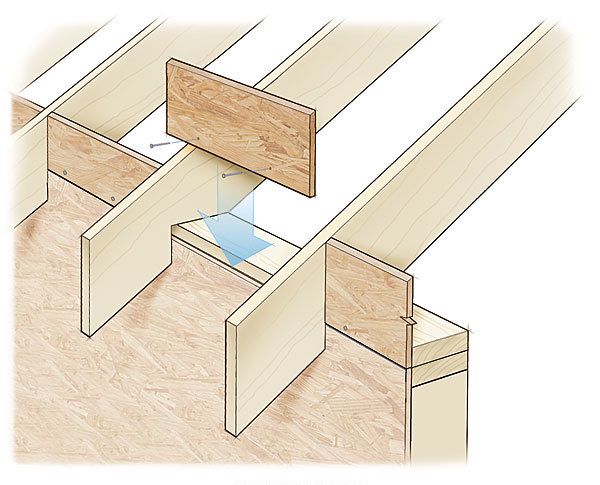

1/2
When Insulation in the Roof Isn’t There
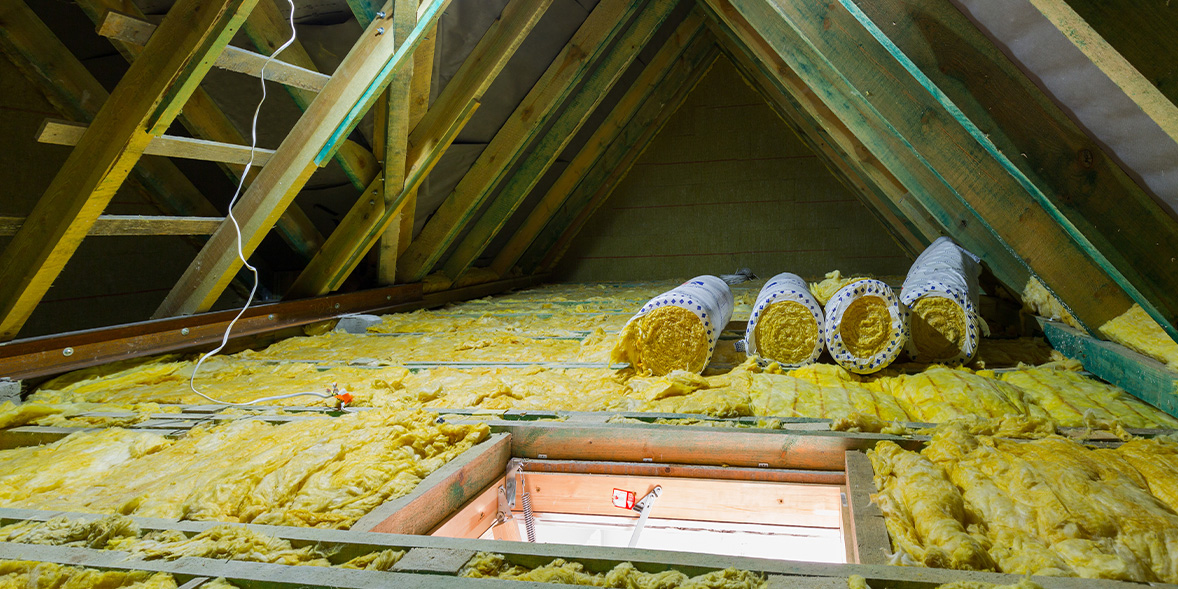
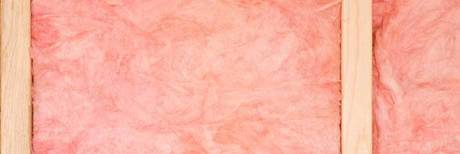
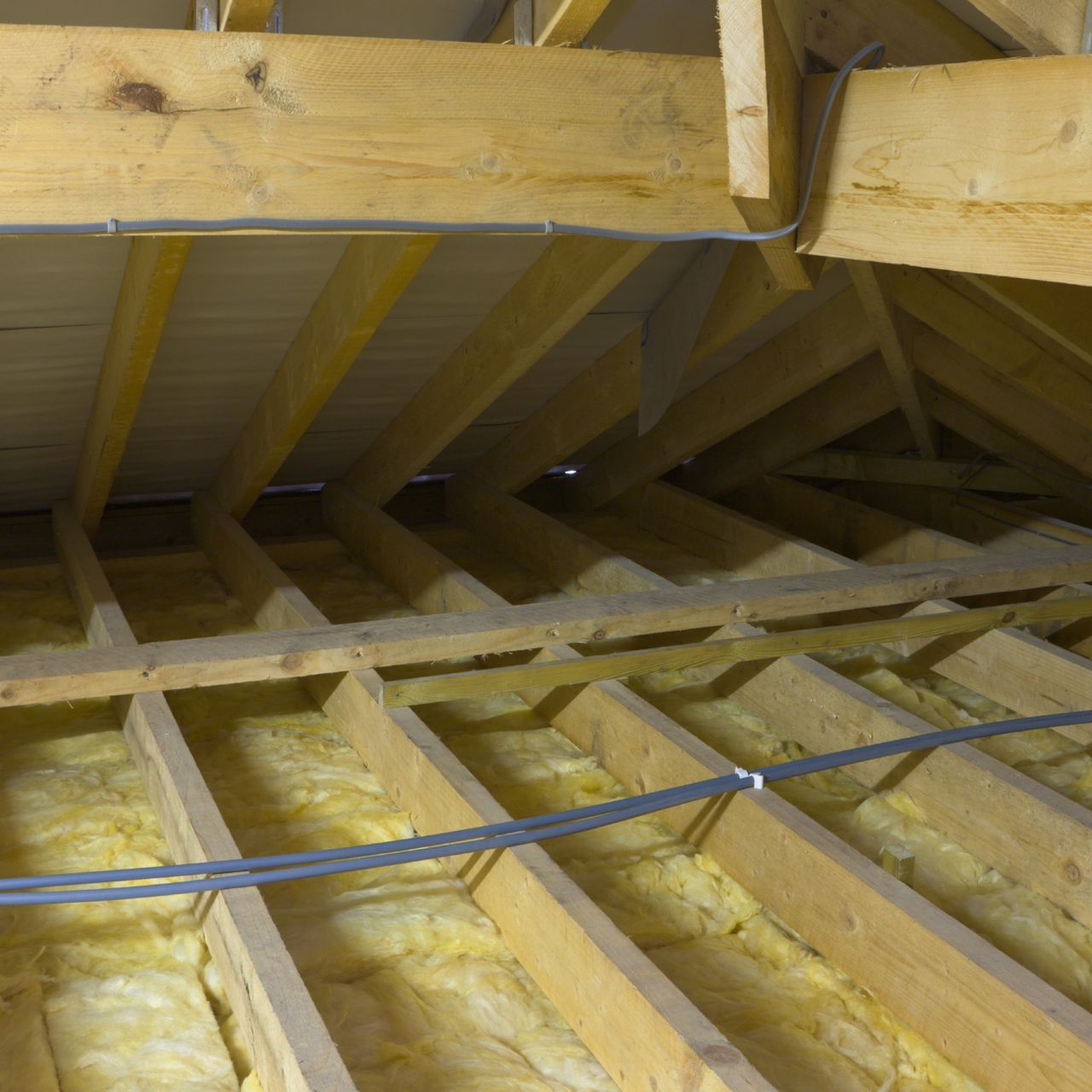
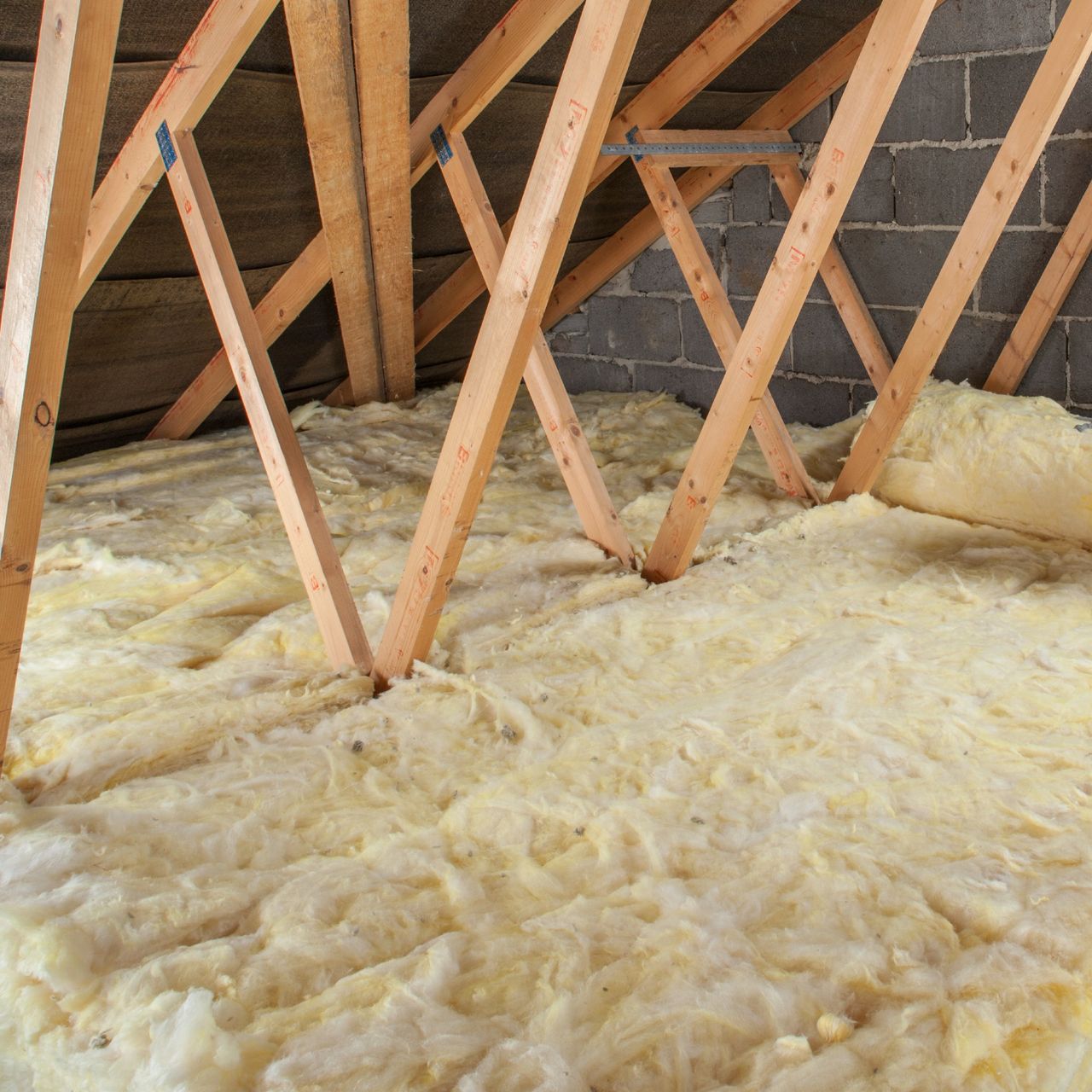
The article discusses the challenge of insulating a roof that currently lacks proper insulation, focusing on a specific scenario involving a New Hampshire beach house. This house, despite having a great ocean view, has no insulation in its roof, which is problematic given the climate zone's recommendation for at least R-38 insulation. The homeowner, Michael Buckley, is operating on a tight budget but recognizes the necessity of addressing this issue. He is considering options, including installing rigid sheets of polyisocyanurate foam between the roof trusses and incorporating an aluminum/foam radiant barrier. He raises a question about the efficacy of radiant barriers, citing claims that they can add over R-15 to the insulation with a thickness of just over 5 mm.
The article immediately refutes the notion that such a thin radiant barrier can provide R-15 insulation, labeling such claims as a scam. However, it acknowledges the potential of using rigid foam insulation as a viable solution. A core question that arises is whether the insulation should be installed on the interior side of the ceiling or on top of the existing roof deck, especially considering the roof is only five years old. This insulation dilemma faced by Michael Buckley resonates with other readers who have encountered similar problems of poorly insulated roofs in various locations, indicating that this issue is not isolated to New Hampshire.
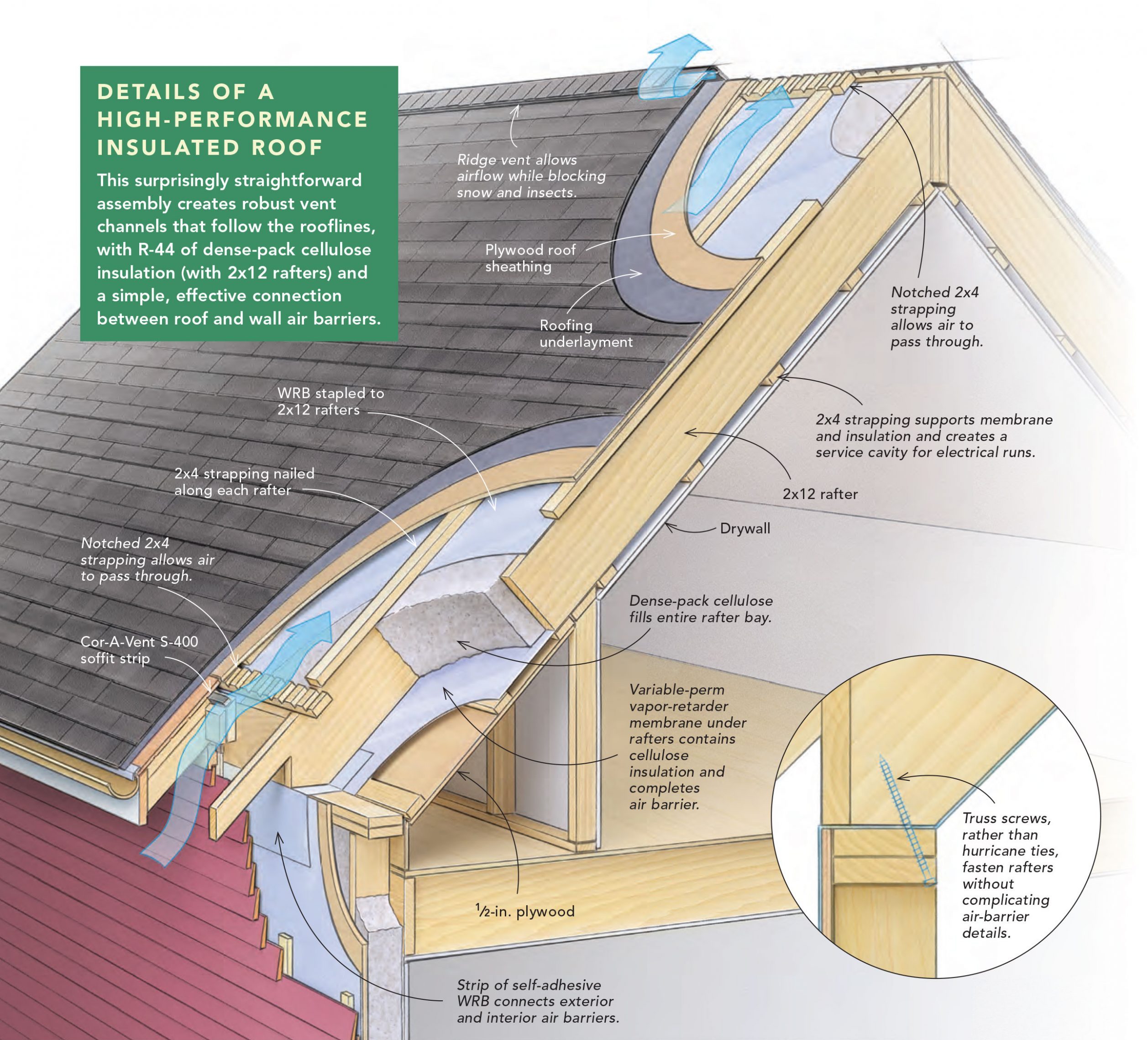
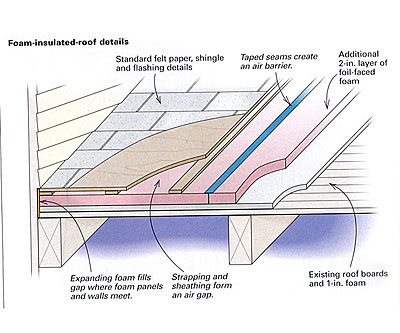
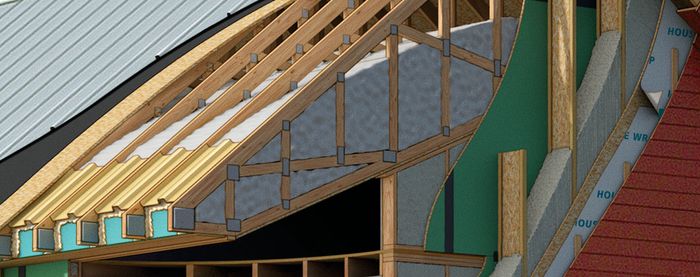
The discussion then delves into practical considerations and potential pitfalls of retrofitting roof insulation. One reader points out that a common method of adding insulation, such as foam between rafters, often omits an air gap between the underside of the sheathing and the insulation. This omission can prevent proper roof ventilation, potentially leading to issues like shingle damage and premature wear of the roofing materials in the long term. Proper ventilation is crucial for managing moisture and temperature within the roof assembly, preventing condensation and extending the lifespan of the roof.
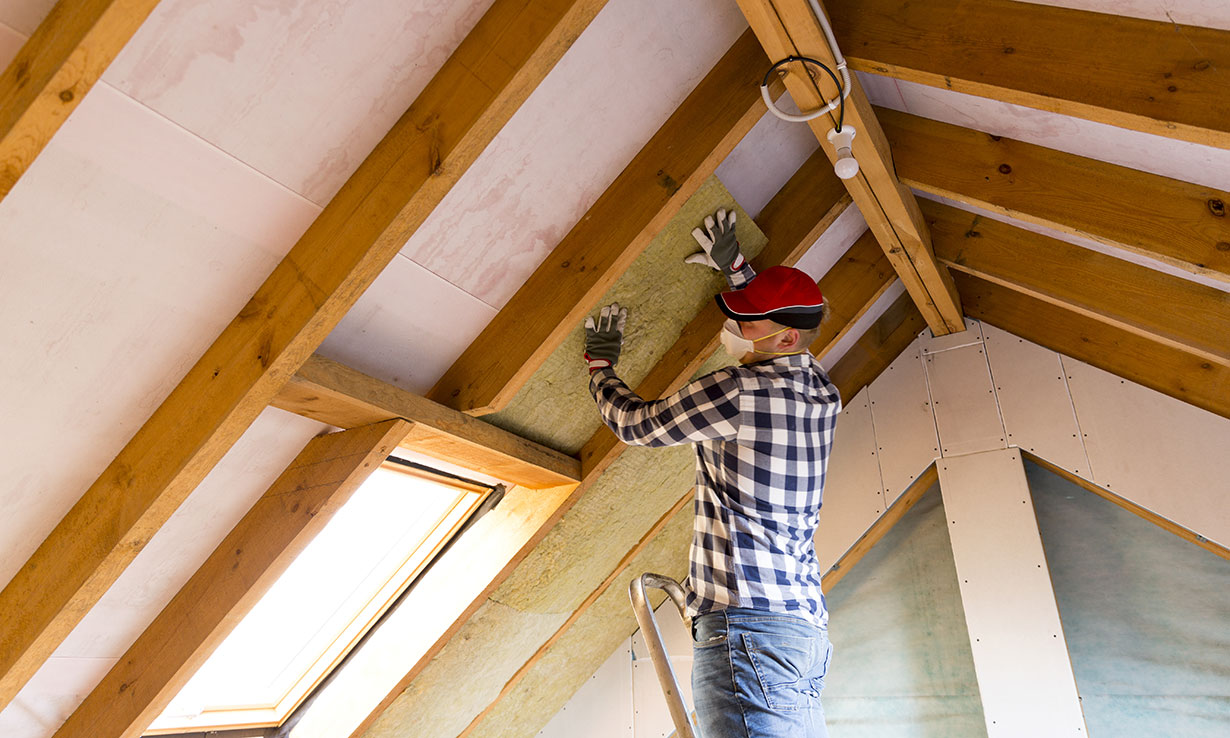
Another reader comments on the cost-effectiveness and labor intensity of different insulation methods. While considering the option of rigid foam insulation, they found that it was not necessarily cheaper than spray foam insulation, particularly when accounting for labor. They suggest that rigid foam installation might only be a more budget-friendly choice if the homeowner is able to contribute their own labor to the project, thereby reducing professional installation costs. This highlights the trade-off between material costs, labor expenses, and the overall budget constraints for homeowners looking to improve their roof's insulation.
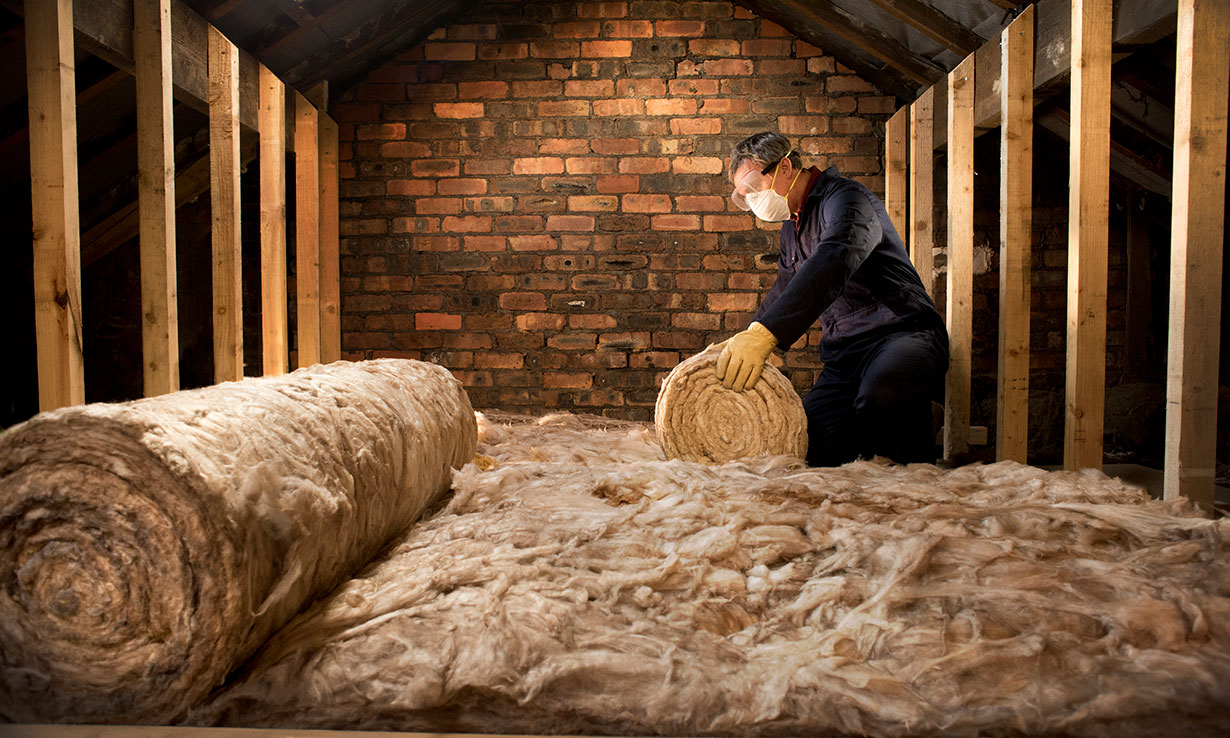
The article, while brief, underscores the importance of adequate roof insulation for energy efficiency and structural longevity, especially in colder climates. It advises caution against exaggerated claims of radiant barrier performance and emphasizes the need for careful planning, considering both the technical aspects of insulation installation (like ventilation) and the practical implications of cost and labor. The piece serves as a cautionary tale and a guide for homeowners grappling with uninsulated or under-insulated roofs, directing them towards more reliable resources for further information on energy-efficient home improvements and common construction mistakes.
#RoofInsulation #EnergyEfficiency #HomeRenovation #RigidFoam #RadiantBarrier #ConstructionMistakes #GreenBuilding #HomeImprovement #BuildingScience #RoofInsulation #EnergyEfficiency #HomeRenovation #RigidFoam #RadiantBarrier #ConstructionMistakes #GreenBuilding #HomeImprovement #BuildingScience
0 comment in total
 No comments yet
You may also like
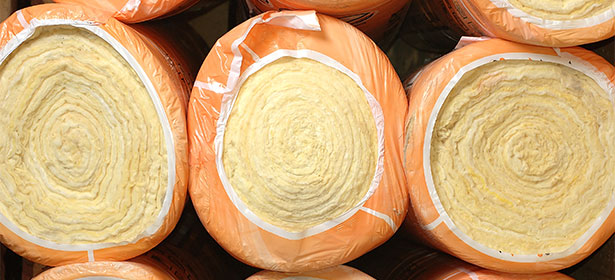
How to insulate a loft or roof
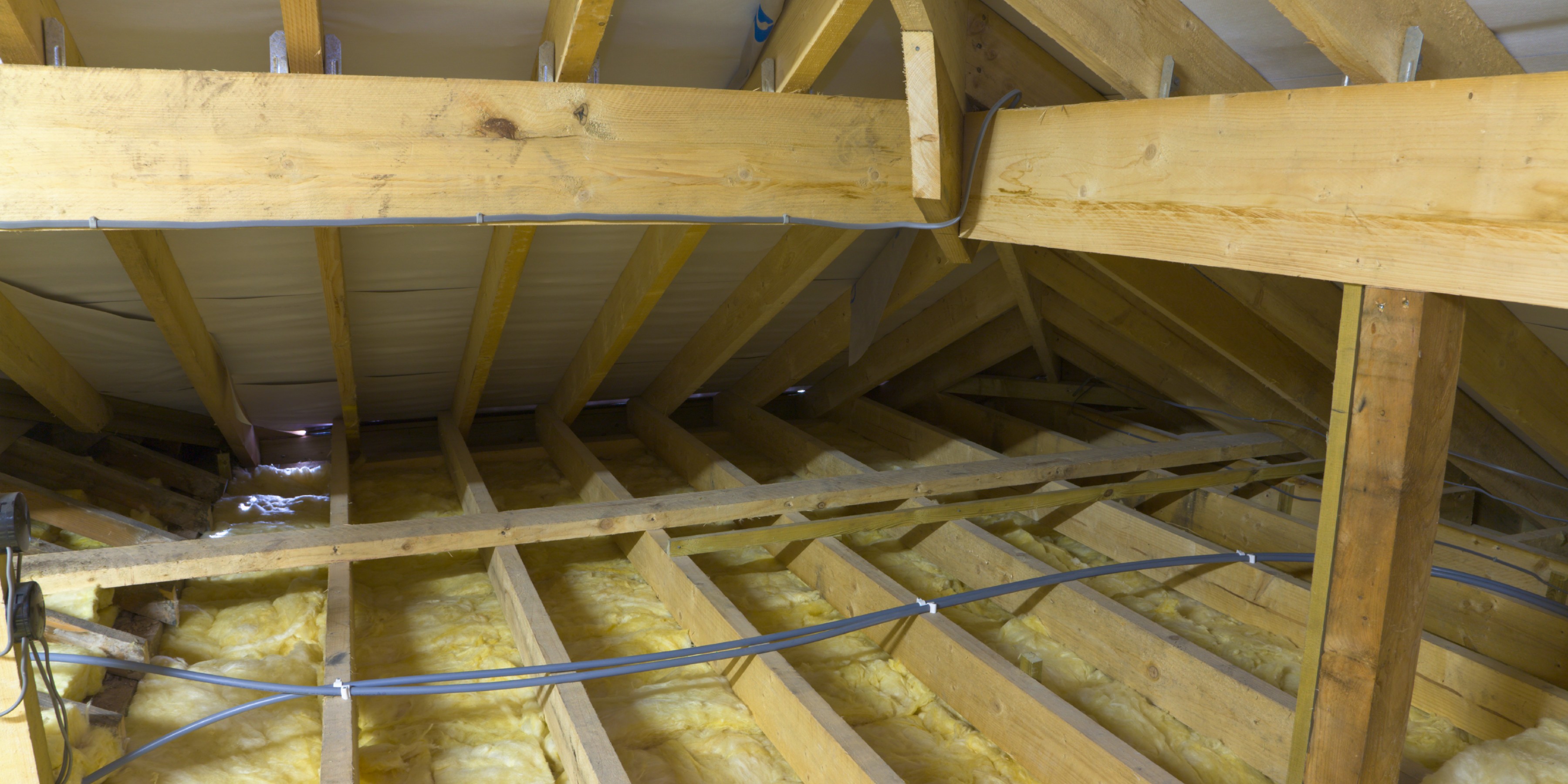
This is how to get your roof and loft insulation right so that your home stays warm and energy efficient all winter long

Avoid insulating these spots as it can cause damp and mould
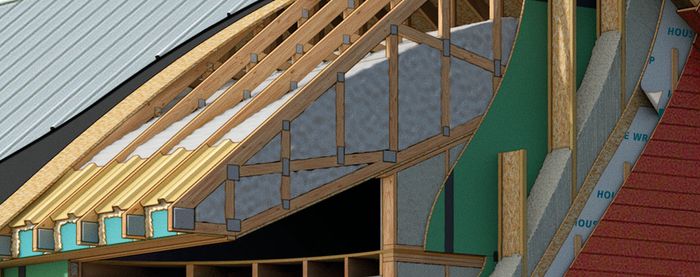
Insulate Your Basement, Part 2
A New Take on Insulating a Roof

How to insulate a loft

Upgrading a foam-insulated roof
We Tested 7 Top-Rated Roof Sealants for 2 Weeks to Find the Best Products for Your DIY Roof Repair


Loft Insulation
Framing a Cold Roof
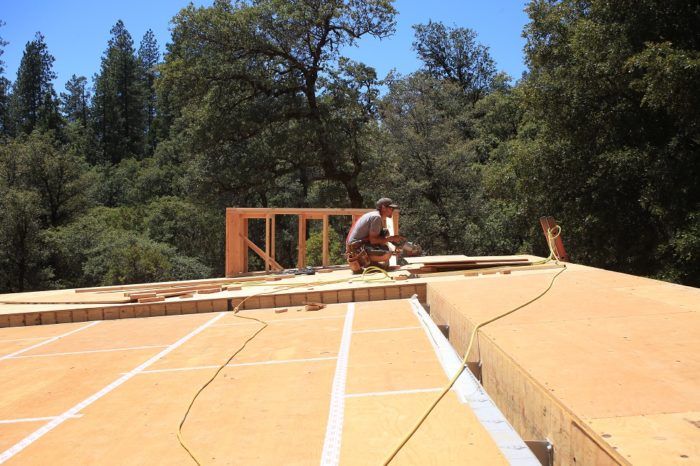
Thermally Broken Roof Framing

Roof & Gutter Sealants
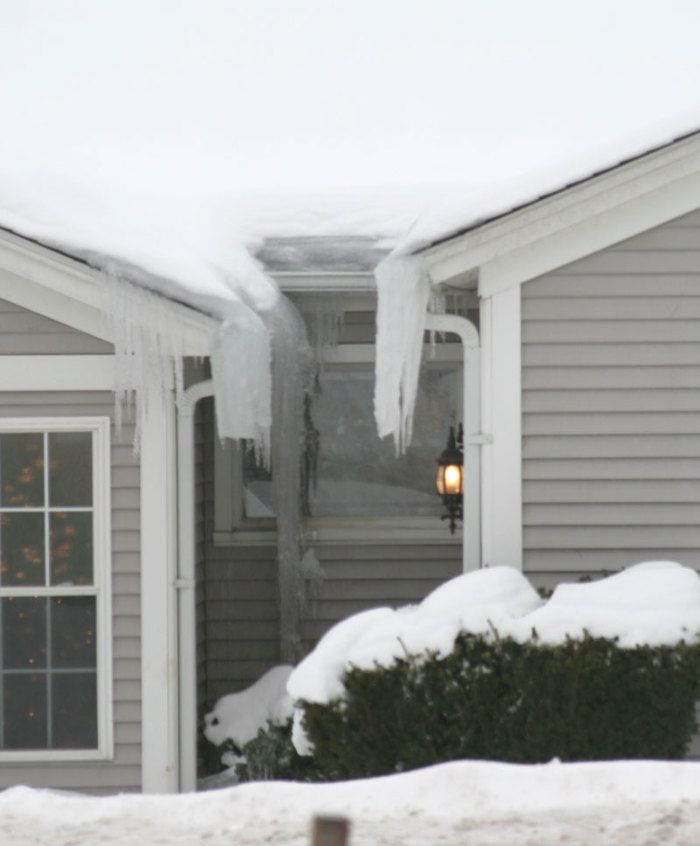
Ice Dams, Can Lights, Wet Walls, and Water Damage

Should you insulate a basement ceiling? Expert advice for a comfortable home

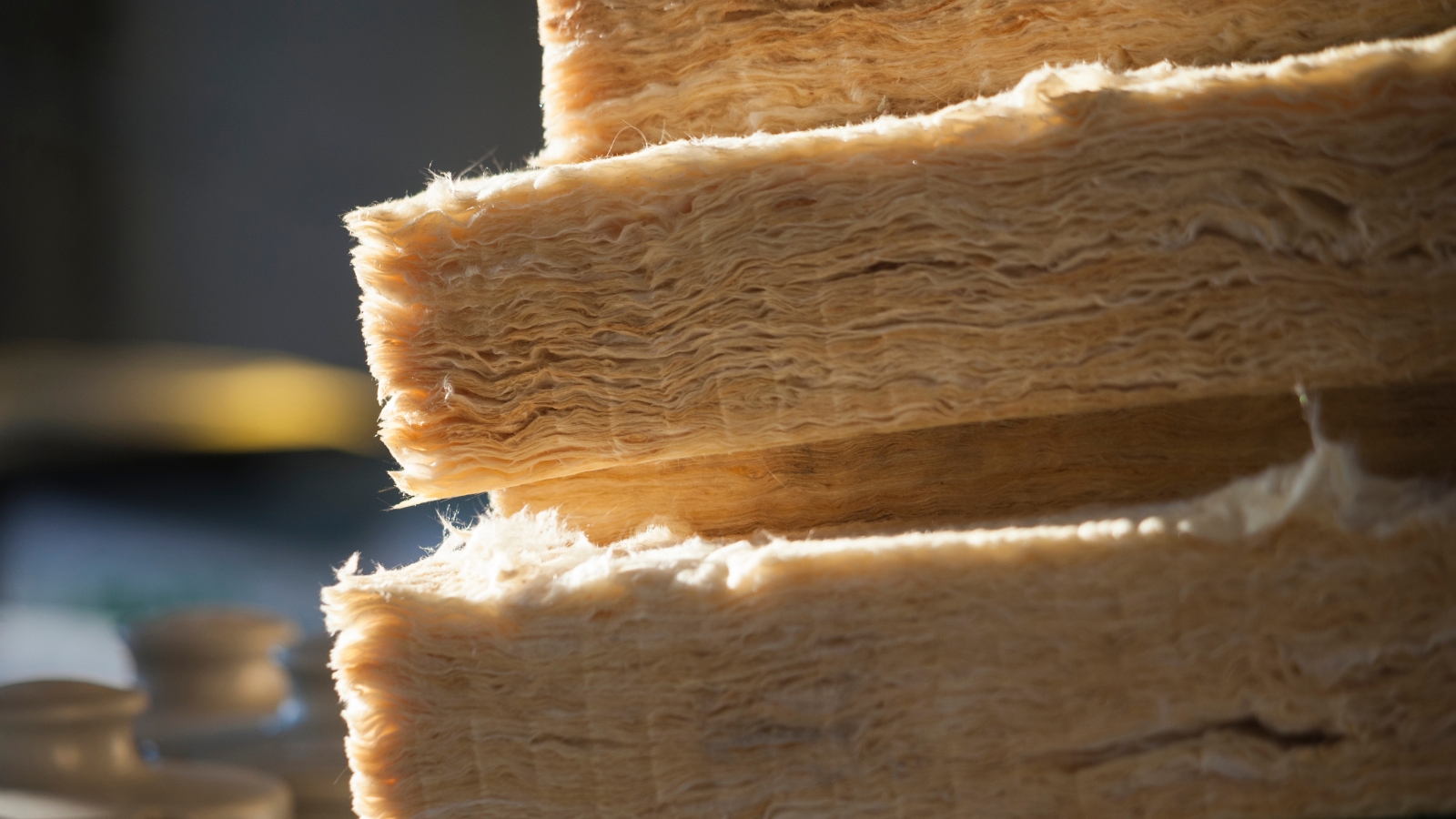
9 basement insulation ideas

The best floor insulation options for your home, explained
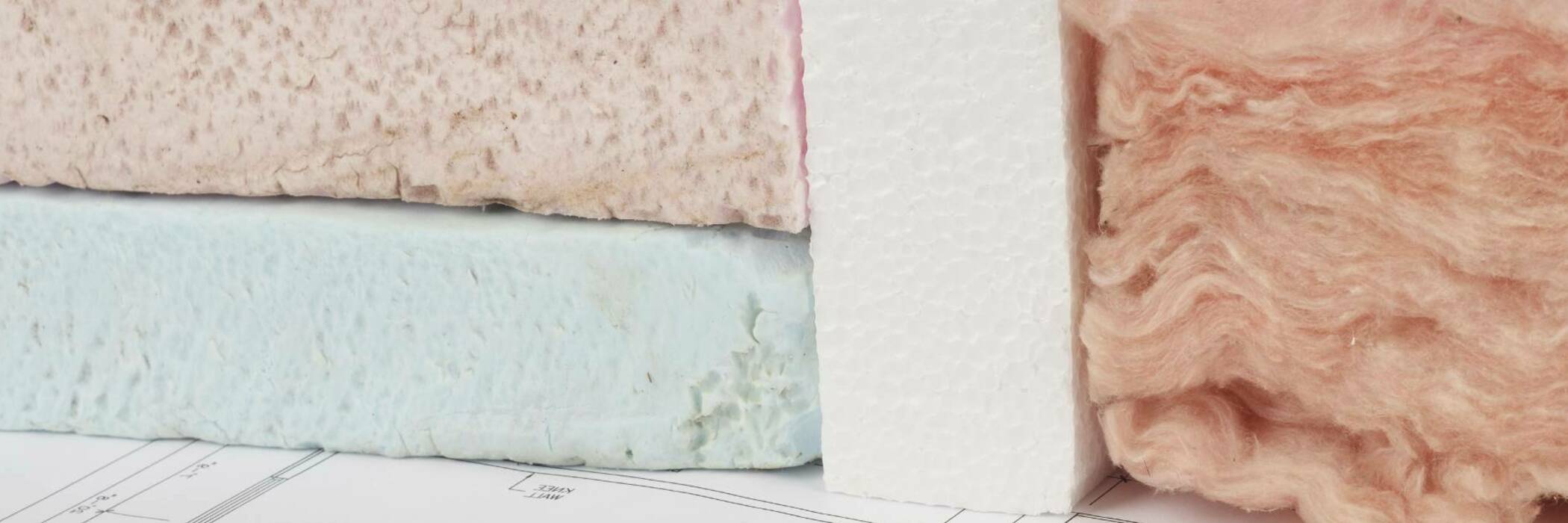
Home insulation materials

The 4 areas of your home pros say to always insulate to keep it toasty in colder weather – plus, where to never insulate
What to Consider When Choosing Insulation
Should I Vent a Roof Insulated With Spray Foam?