1/4
The Best Expanding Foams for Sealing Gaps, Tested
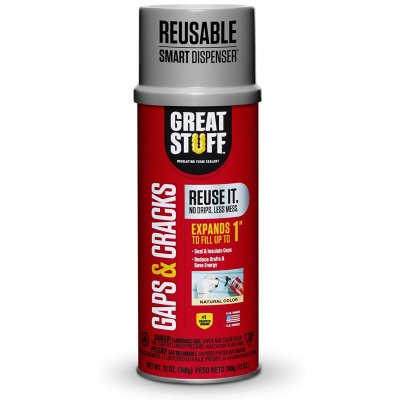
Expanding foam is a versatile product used in DIY and construction for various purposes such as insulating against drafts, preventing noisy pipes, and meeting fire codes. This article evaluates six leading brands of expanding foam sprays, identifying Great Stuff Gaps and Cracks Foam as the top performer. This product was favored for its easy, drip-free flow, uniform expansion, moderate aggressiveness, and ease of trimming with a serrated knife. It adhered strongly to materials and dried completely within a few hours, leaving a smooth surface essential for subsequent installations like drywall or siding. The tapered, rigid dispensing tube of Great Stuff Gaps and Cracks made it simple to direct the foam accurately, unlike some competitors with thin, flexible tubes. It also avoided excessive pressure on surrounding materials, which is crucial for applications around windows and doors to prevent misalignment.
The testing process involved shaking cans for one minute as recommended by manufacturers, attaching dispensing tubes, and applying the foam to gaps in test boards and masonry. The evaluation focused on the amount of expansion, ease of trimming, adhesion to materials, and ability to seal voids effectively. While Great Stuff Gaps and Cracks excelled, other brands like DAP Max Fill Large Gap Triple Expanding Foam Sealant, Great Stuff Big Gap Filler With Original Dispenser, Red Devil Foam & Fill Large Gaps & Cracks Sealant, Tomcat Rodent Block Expanding Foam Barrier, and Great Stuff Fireblock Foam Sealant also performed well and are suitable for specific needs.
Key considerations when choosing an expanding foam include the gap size, differentiating between high-expansion and low-expansion foams. High-expansion foams, expanding 200 to 300 times their liquid size, are typically used in commercial or industrial settings for large gaps and are often applied by professionals. Low-expansion foams, expanding up to 20 to 30 times their liquid size, are better suited for home repairs, especially around windows and doors, where minimal expansion is necessary to prevent structural issues. Functionality is another crucial factor, with foams designed for waterproofing, fireproofing, acoustic insulating, and thermal insulating. Waterproofing foams prevent leaks and can be used for water features, while fireproofing foams create fire barriers in specific wall types. Acoustic foams reduce noise transfer, and thermal insulating foams, particularly high-expansion types, are applied by professionals for comprehensive insulation.
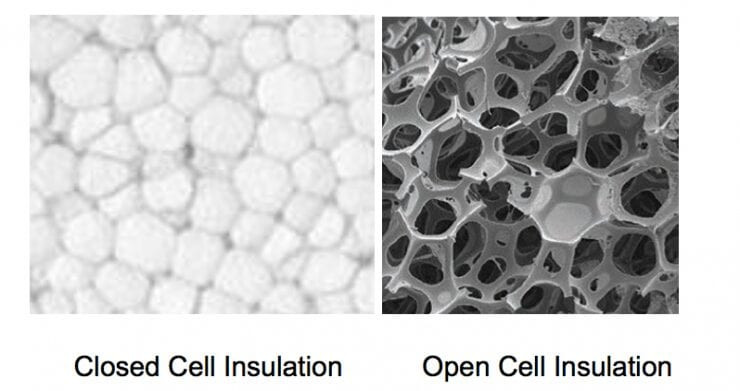
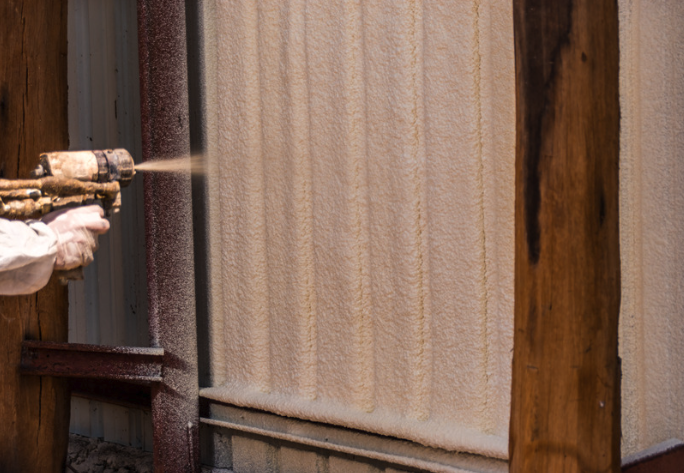
Application methods vary, with spray cans offering convenience for DIY users due to premixed solutions and narrow dispensers for accuracy, requiring the can to be held upside down during use. Handheld guns, used with two-component systems in pressurized tanks, are preferred for professional projects like attic insulation due to their precision and greater control. The article also addresses common questions, clarifying that 'expanding foam' and 'spray foam' are often used interchangeably, though spray foam encompasses both DIY and industrial applications. It emphasizes that high-expansion insulation foams, like Icynene, offer the greatest expansion. Waterproof expanding foams are available, some designed specifically for outdoor water features. Areas to avoid include too close to electrical boxes (unless fire-rated) and using open-cell spray foam on roofs, which can lead to moisture accumulation and rotting. Finally, safety precautions like proper ventilation and personal protective equipment are highlighted to prevent asthma, eye irritation, and allergic reactions from chemical vapors.
#ExpandingFoam #HomeImprovement #DIYProjects #Insulation #Sealant #GapFilling #BuildingMaterials #ProductReview #HomeMaintenance #ExpandingFoam #HomeImprovement #DIYProjects #Insulation #Sealant #GapFilling #BuildingMaterials #ProductReview #HomeMaintenance
0 comment in total
 No comments yet
You may also like
The Very Best Foam Mattresses
We Tested 7 Top-Rated Roof Sealants for 2 Weeks to Find the Best Products for Your DIY Roof Repair
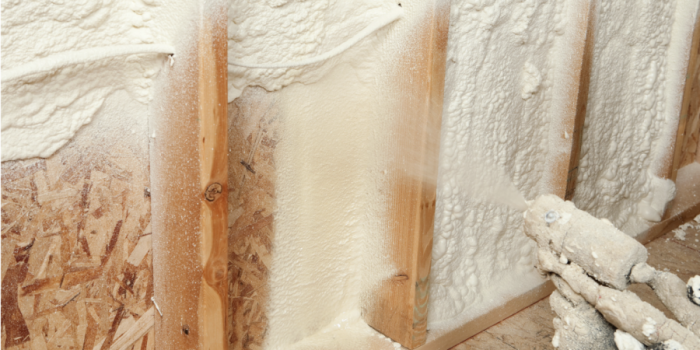
Closed-Cell Foam Vs. Open-Cell Foam
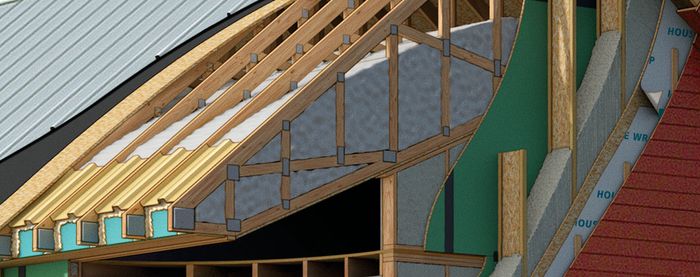
Insulate Your Basement, Part 3

Sealants

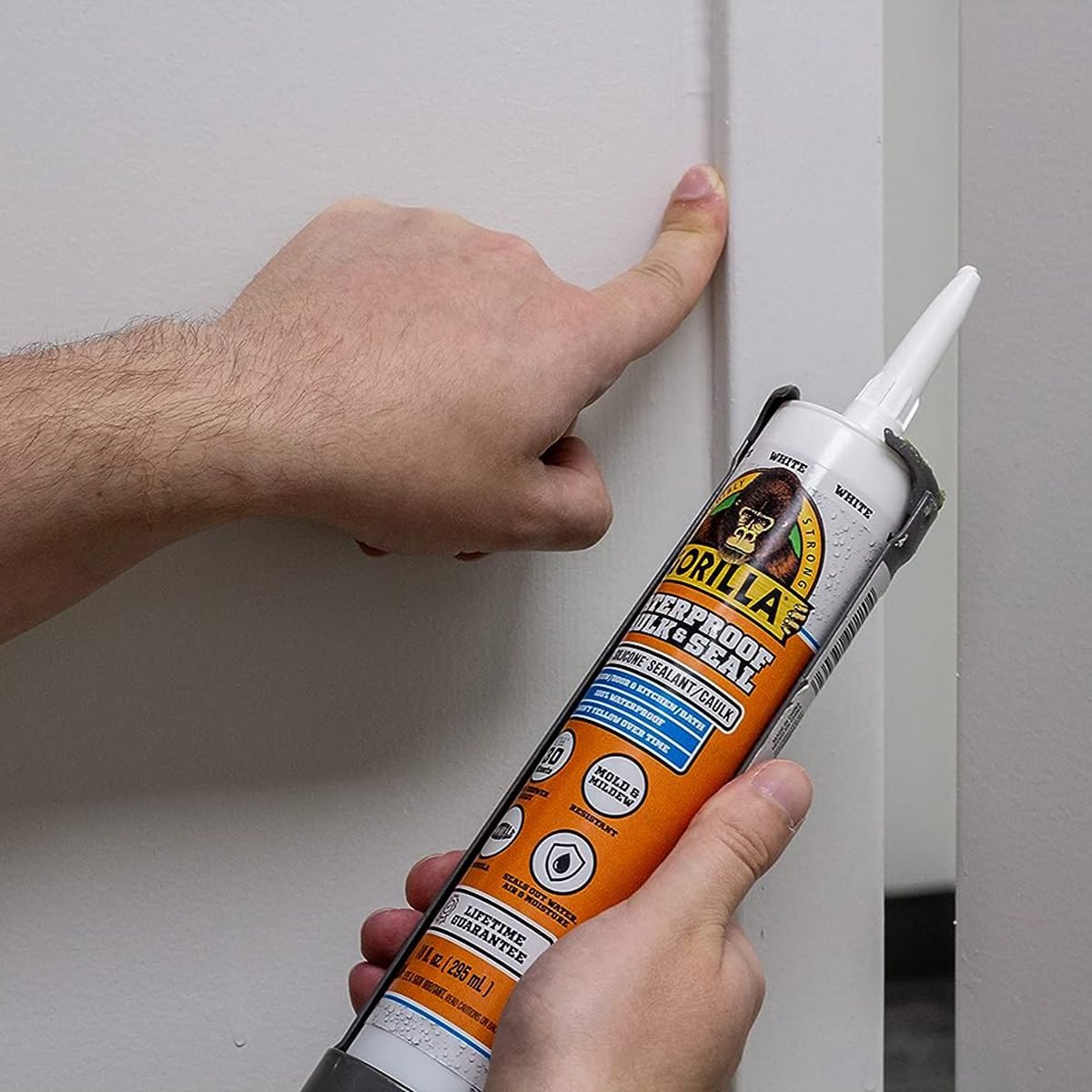
Best Caulk & Sealant Guide: Popular Types of Caulk and How To Choose

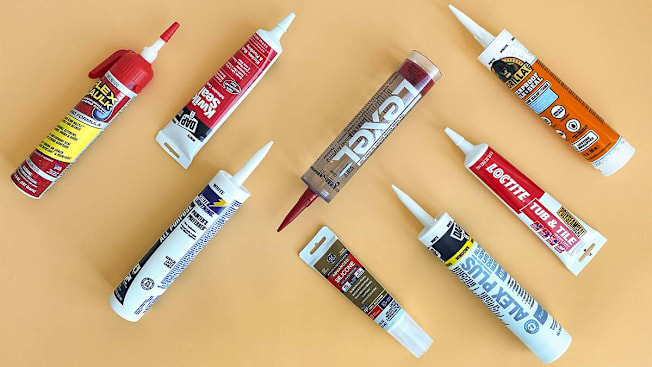
The Two Best Caulks for Small Home Projects
These Are the Best Caulk Options for Baseboards According to Our Tests
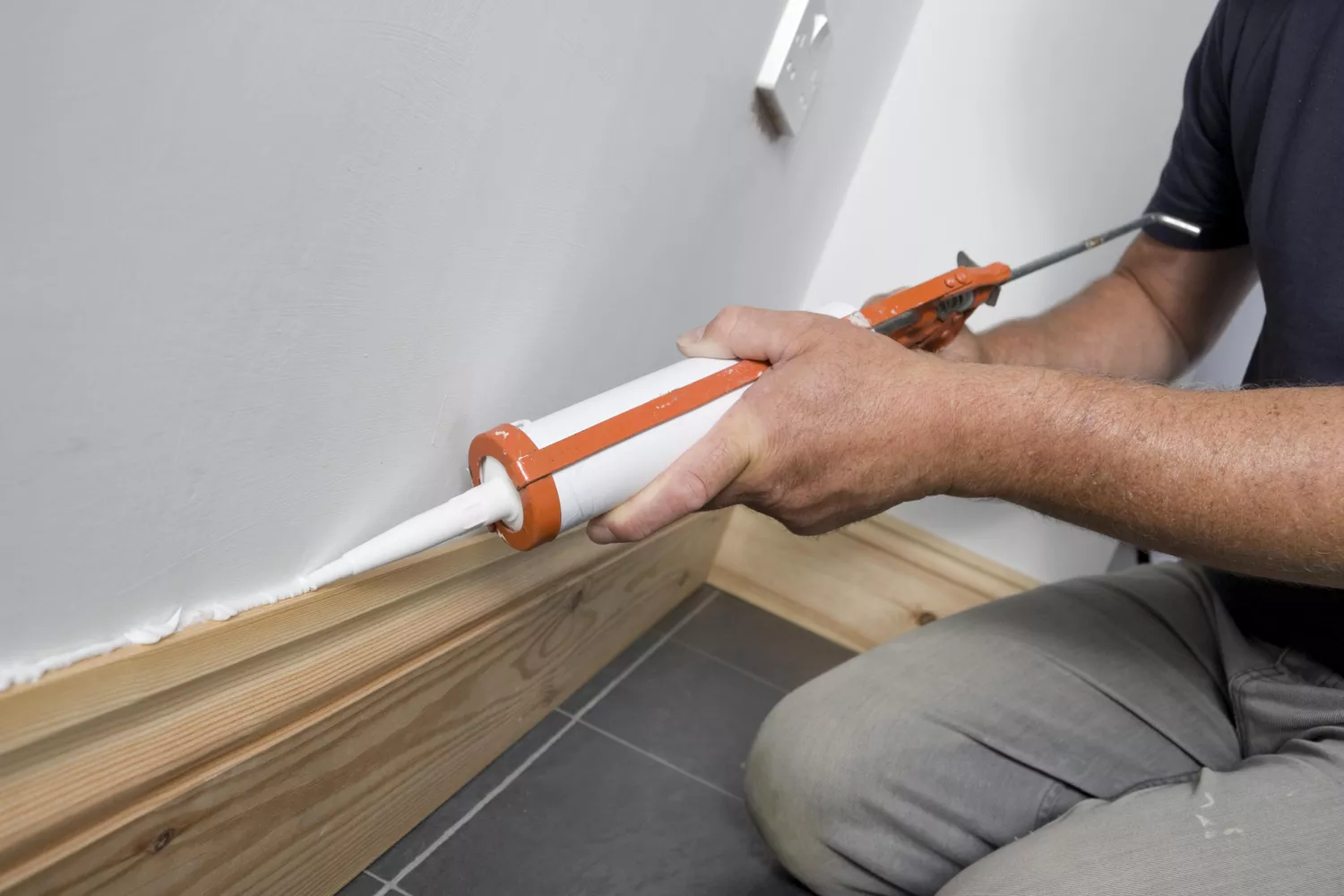
How to Caulk Baseboard Gaps


Spray Foam Insulation Contractor Expands to Serve More Homeowners and Businesses


Foam, Sealant & Caulking Guns
Best high density foam for outdoor cushions Free Shipping Dryfast Foam 24x72 Outdoor Furniture Boat Patio Upholstery Foam

Upgrading a foam-insulated roof
An Easy Way To Build a Well-Insulated House

Spray Foam Insulation Expansion Reaches More Homes and Businesses

What Is Spray Foam Insulation?