1/12
The 10 Very Best Outdoor Ceiling Fans
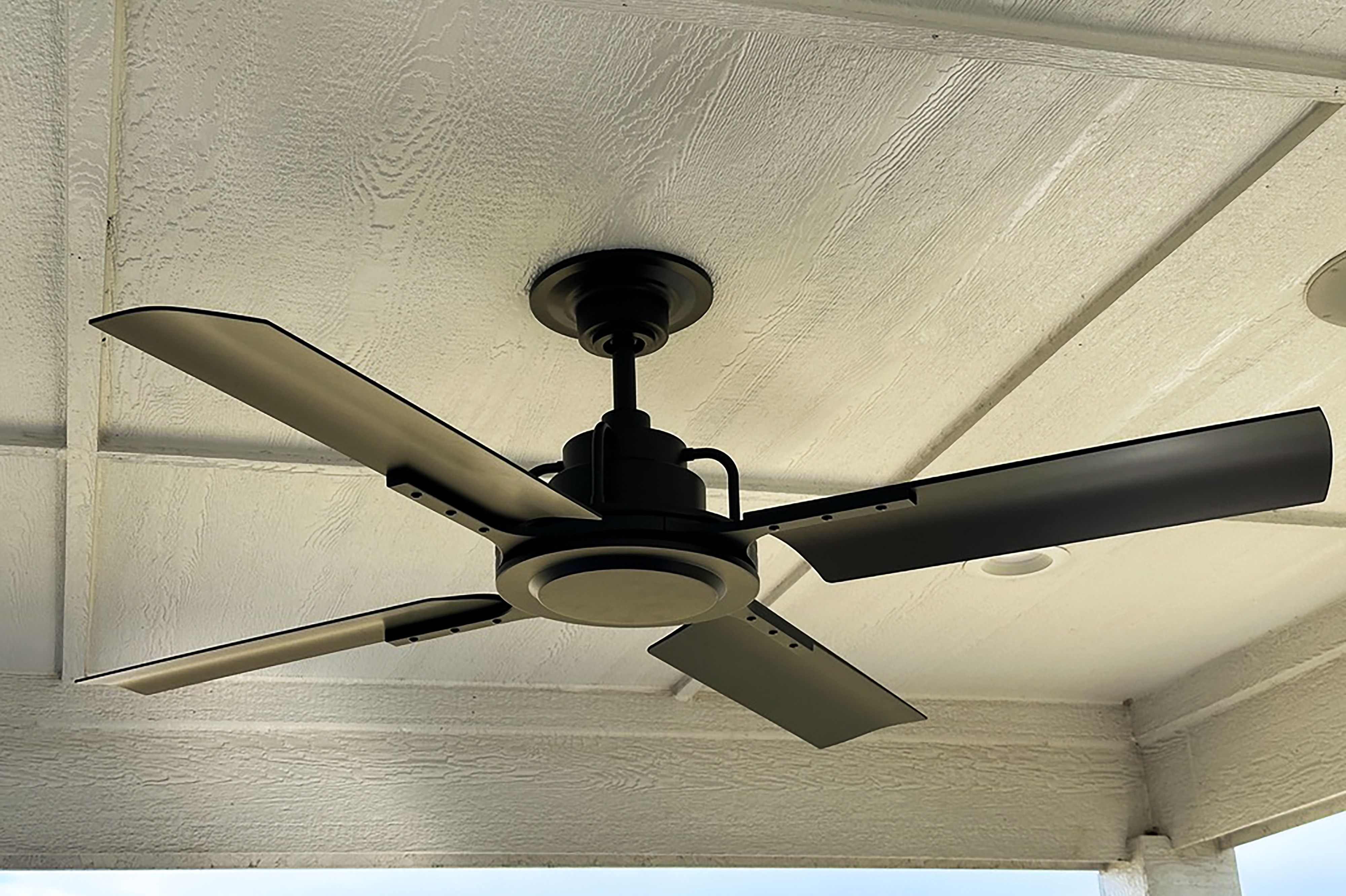
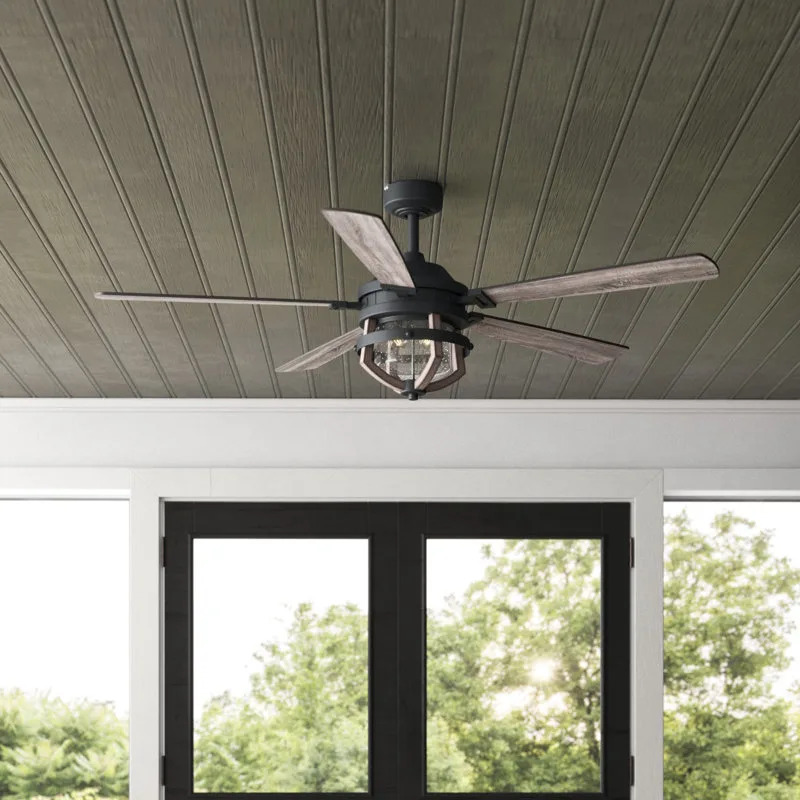
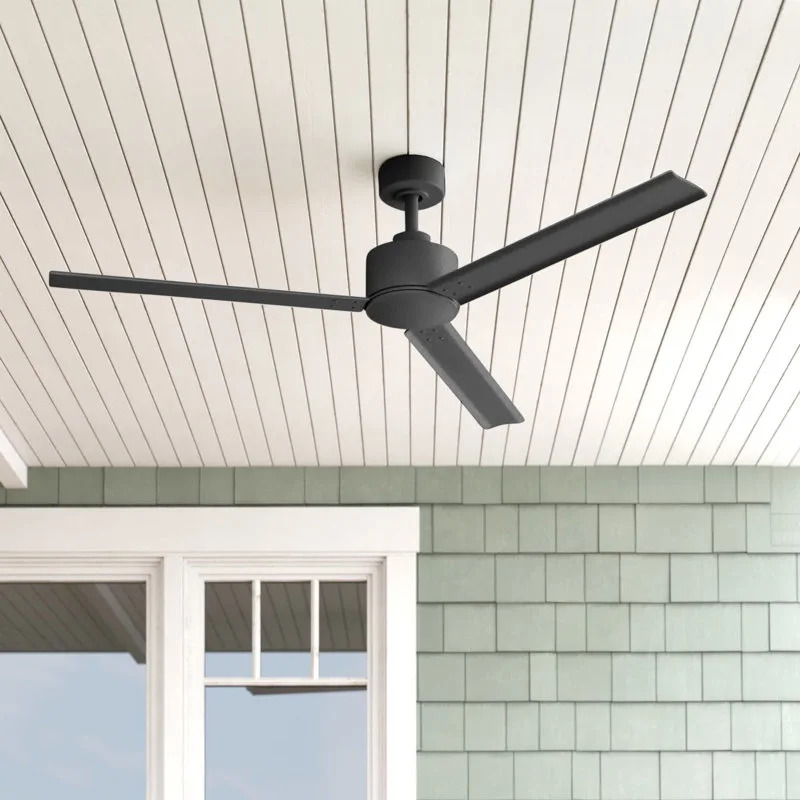
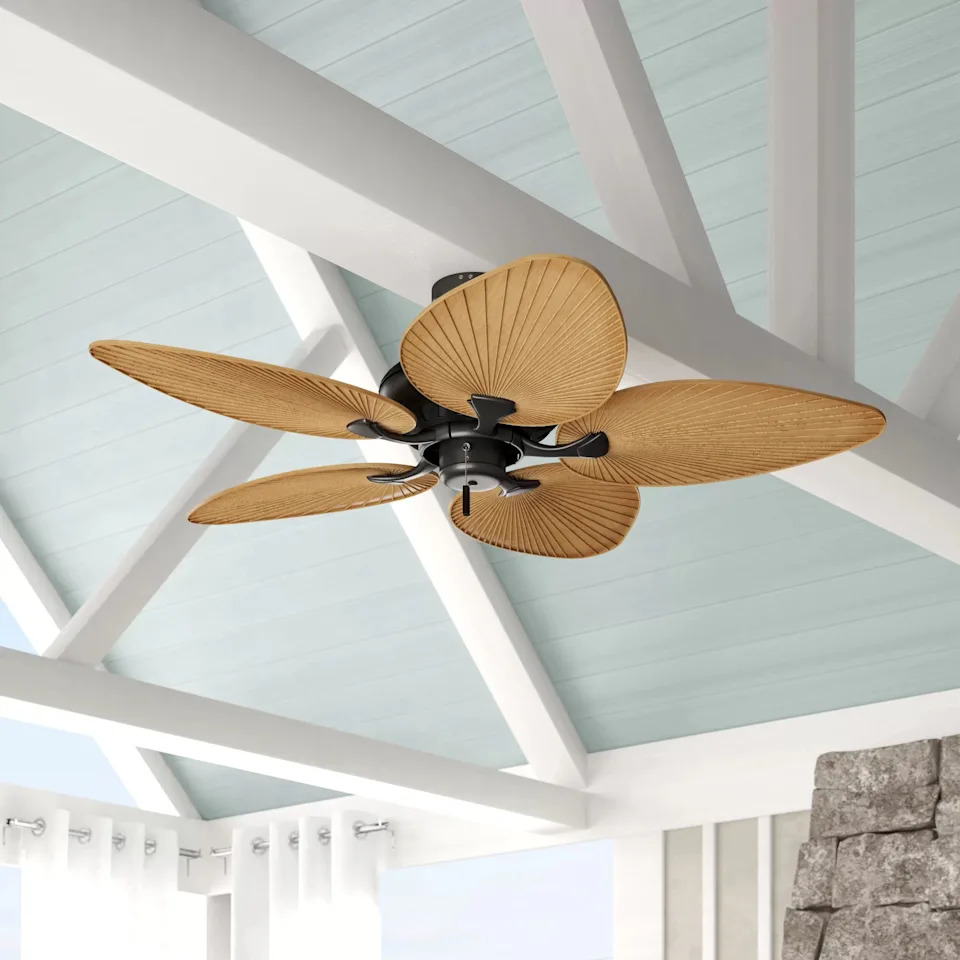
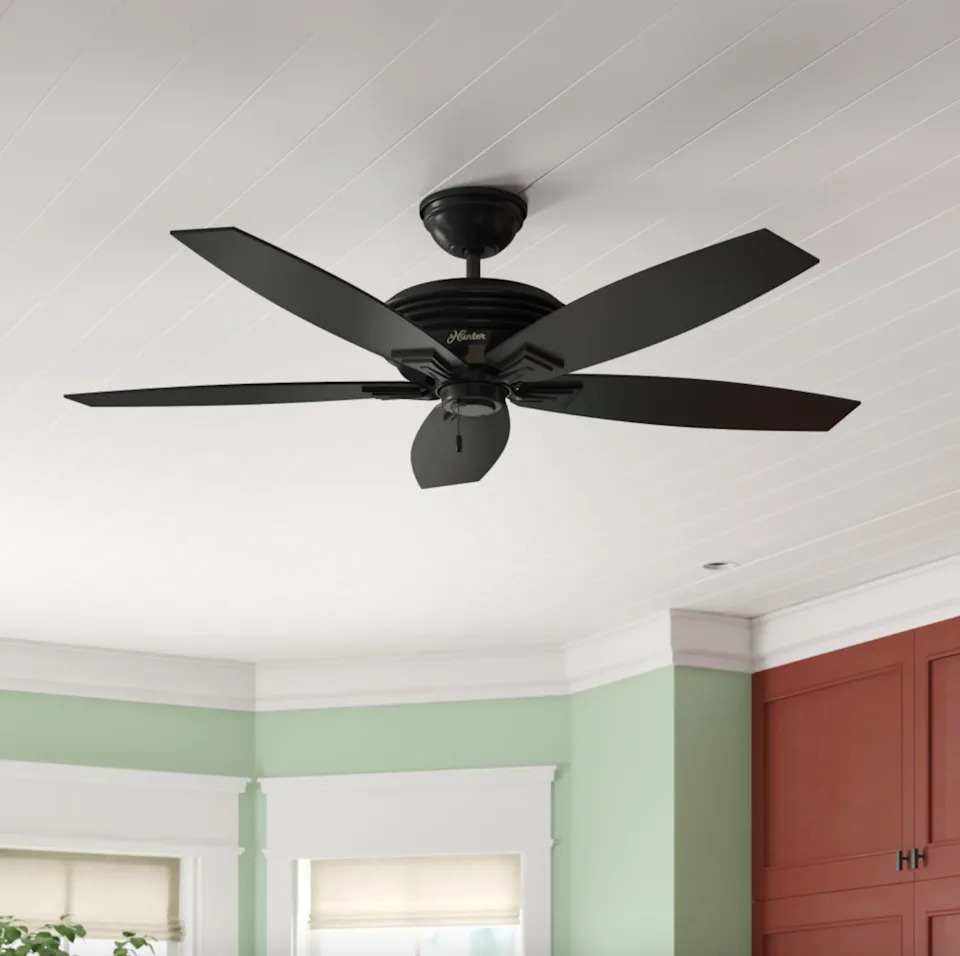
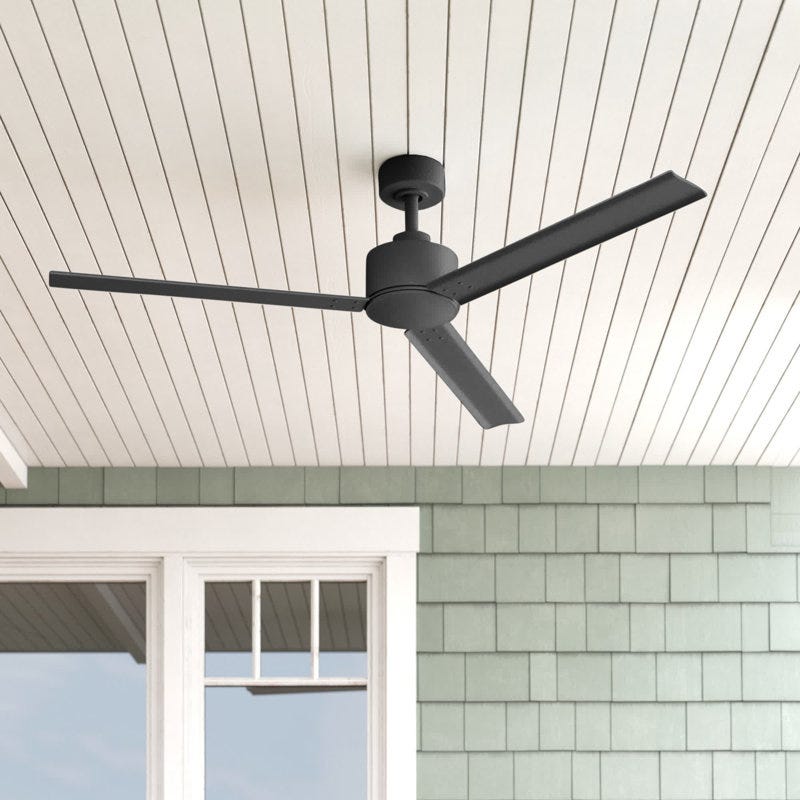
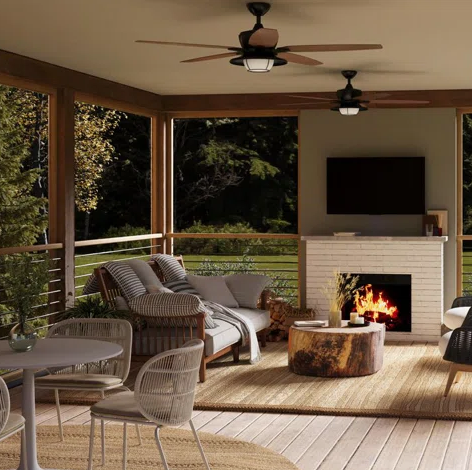
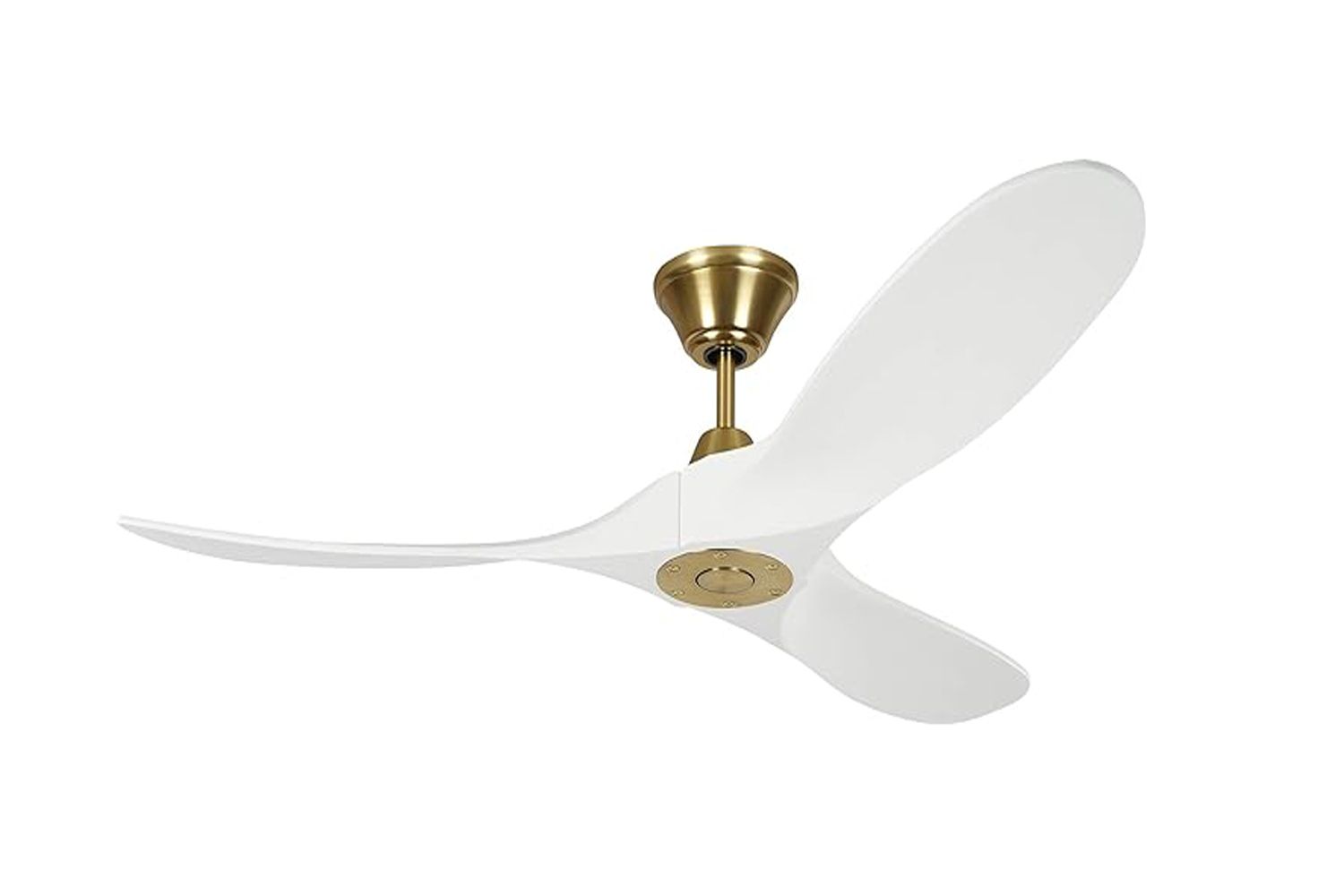
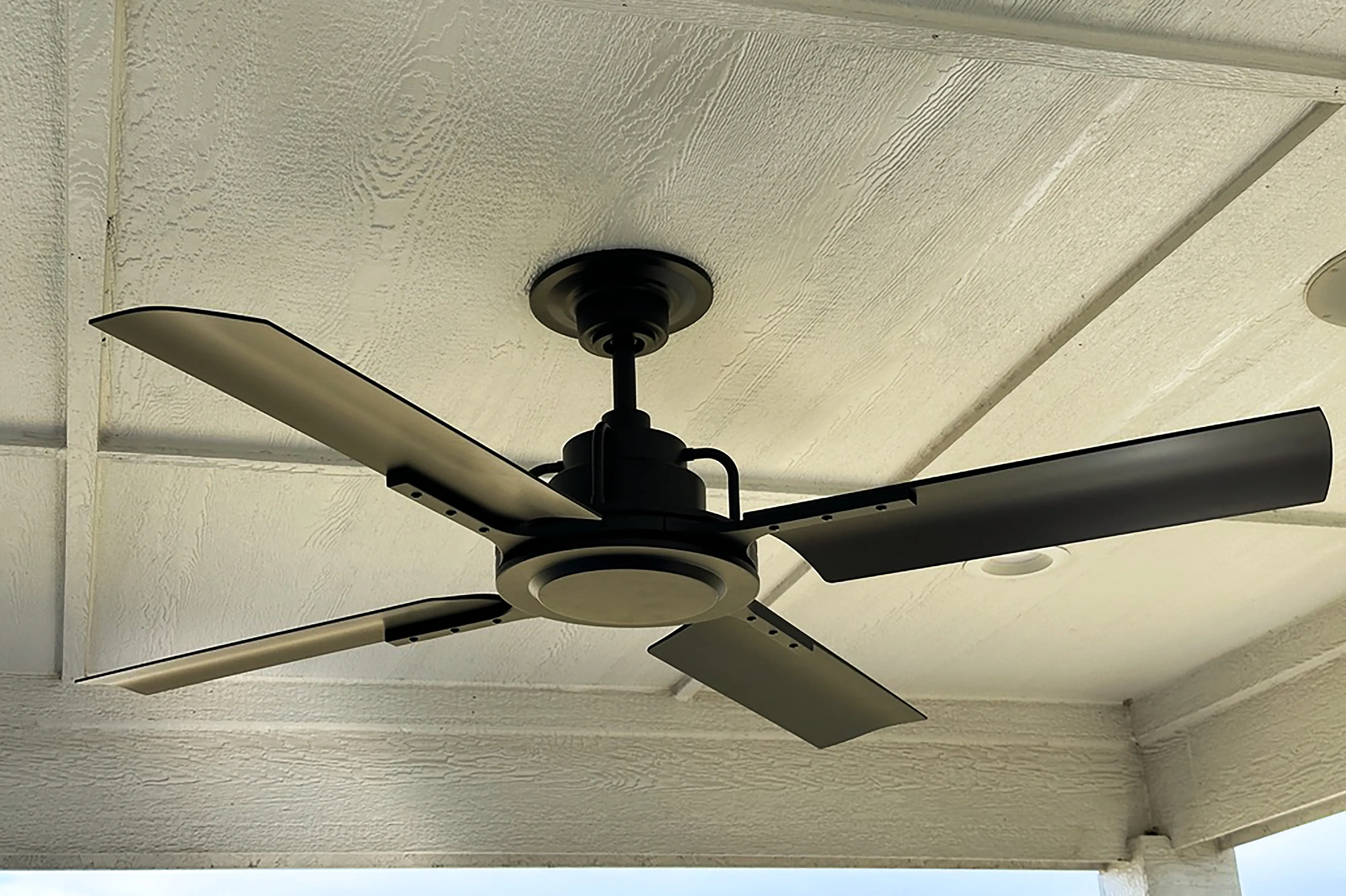
This article explores the best outdoor ceiling fans, emphasizing their role in providing comfort in outdoor and semi-outdoor living spaces like porches, patios, or verandas, especially where air conditioning is not an option. The selection of an outdoor fan involves considering both functional aspects, such as quiet operation and effective air movement, and aesthetic considerations, like whether the fan should be a subtle fixture or a prominent design element. Experts recommend evaluating the overall design of the outdoor space to determine the most suitable fan style; for instance, a low-profile fan might be preferred for areas with expansive views, while a more stylized option can enhance intimacy in spaces meant to feel like an extension of the interior.
Key criteria for selecting outdoor ceiling fans are detailed, including weather ratings, control mechanisms, lighting options, and dimensions. Three weather ratings exist: dry, damp, and wet. Dry-rated fans are strictly for indoor use. Damp-rated fans are suitable for semi-outdoor locations with overhead cover, such as screened porches, protecting them from direct moisture. Wet-rated fans are designed to withstand direct exposure to rain and snow, offering the greatest versatility for placement in fully exposed outdoor areas. While wet and damp-rated fans can be used indoors, they are typically more expensive than dry-rated alternatives, making dry-rated fans a more economical choice when moisture exposure is not a concern.
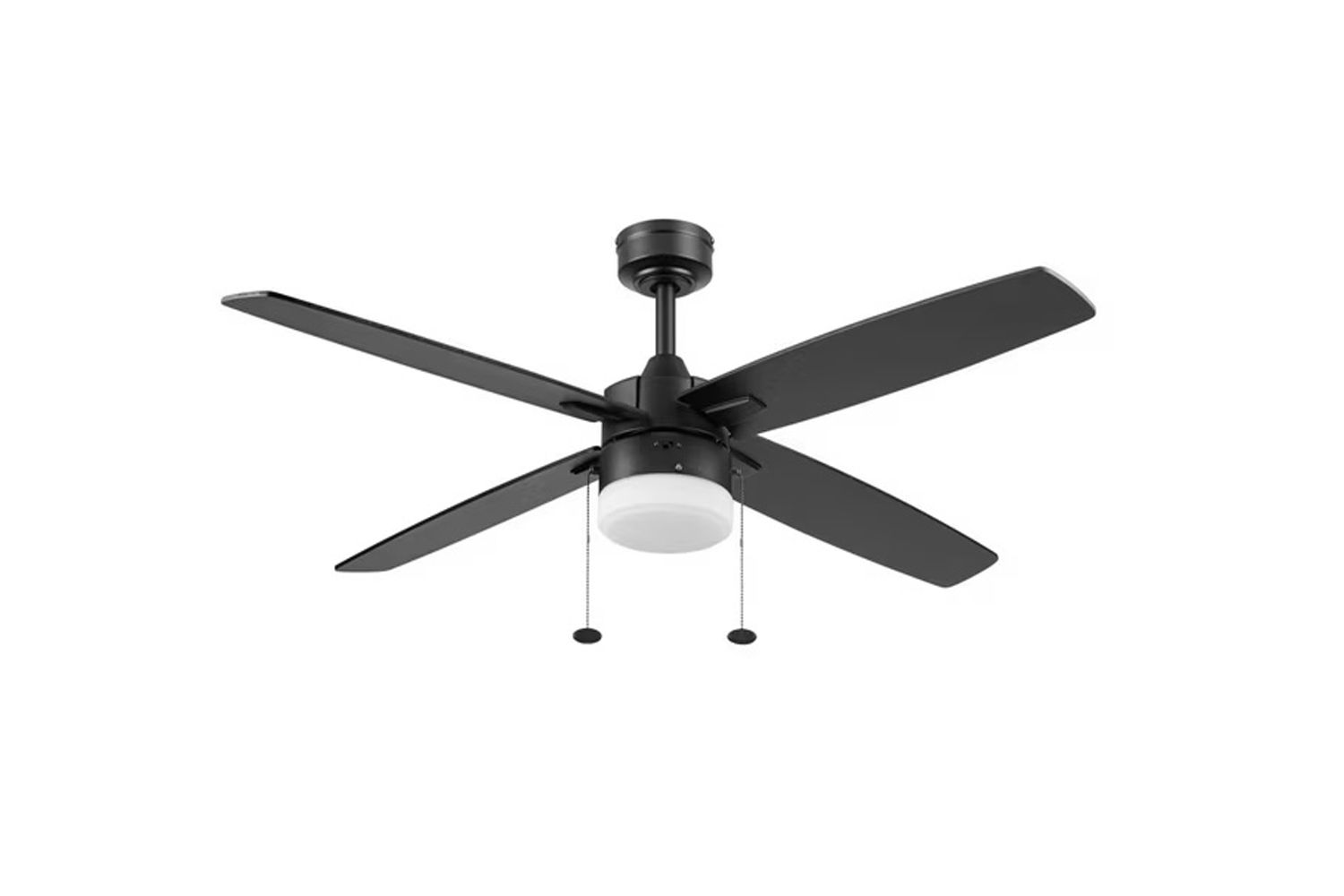
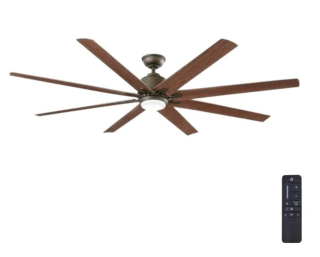
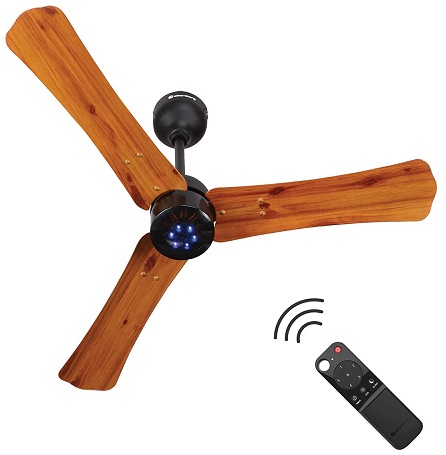
Most recommended fans offer remote controls for convenience, eliminating the need for pull cords. Many models also feature Bluetooth connectivity and compatibility with smart-home systems, though some may require additional accessories for full integration. The inclusion of lights in ceiling fans is a point of divergence among designers. Some suggest that ceiling fans should not be the sole light source, advocating for supplementary floor and table lamps to create balanced illumination. Others contend that if an outdoor space requires lighting, integrating it into the fan is a practical solution. The majority of fans discussed come with provisions for light installation or caps to conceal unused light sockets.
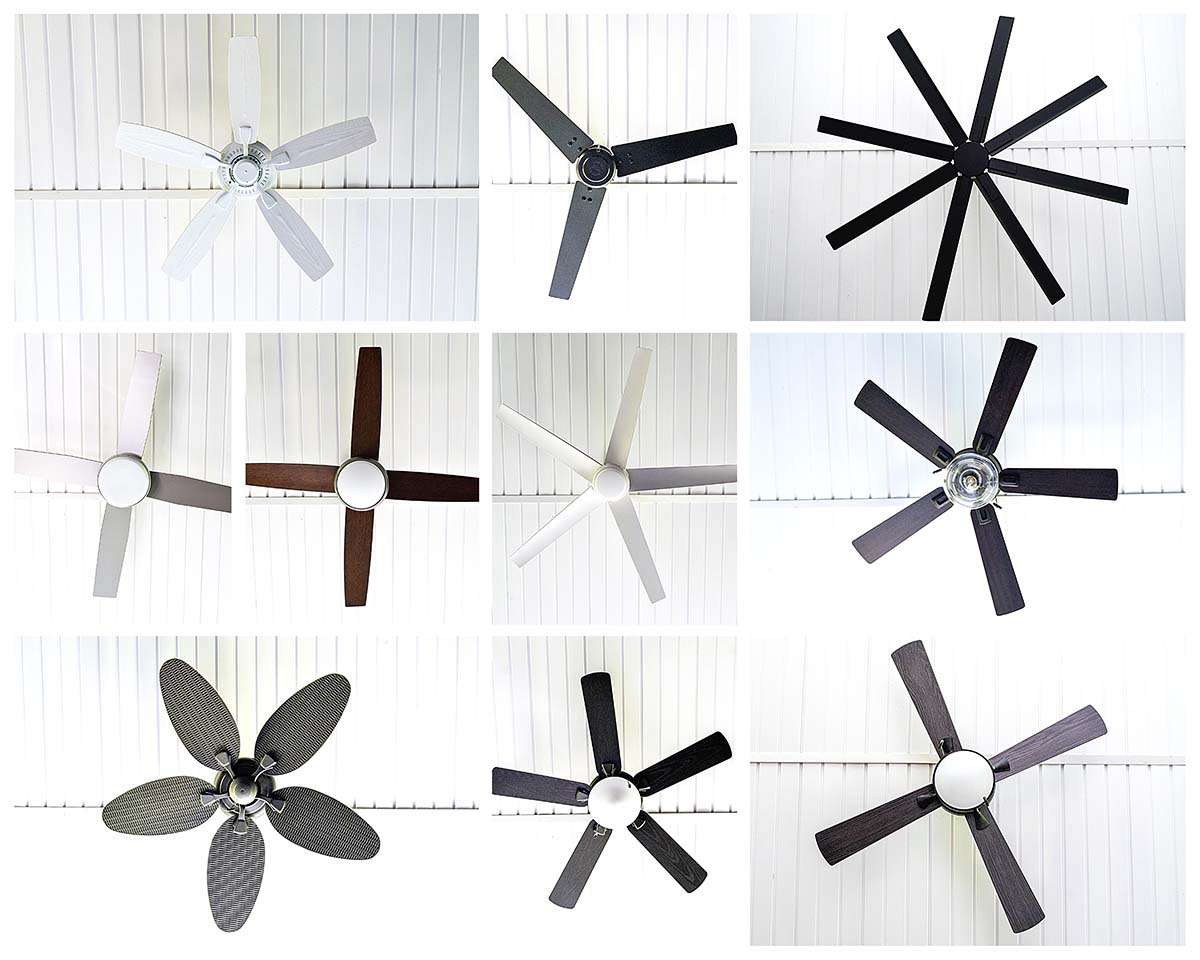
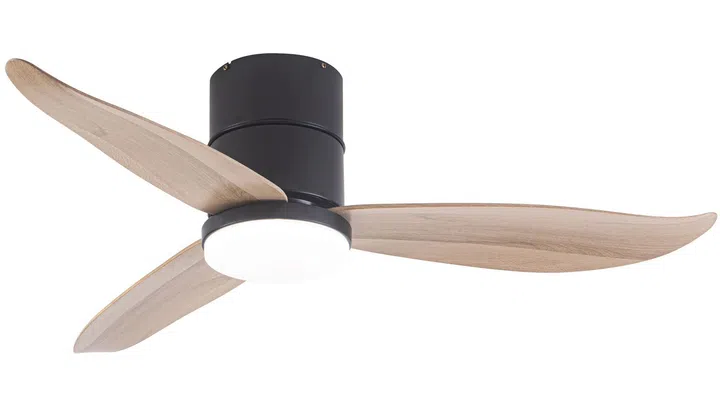
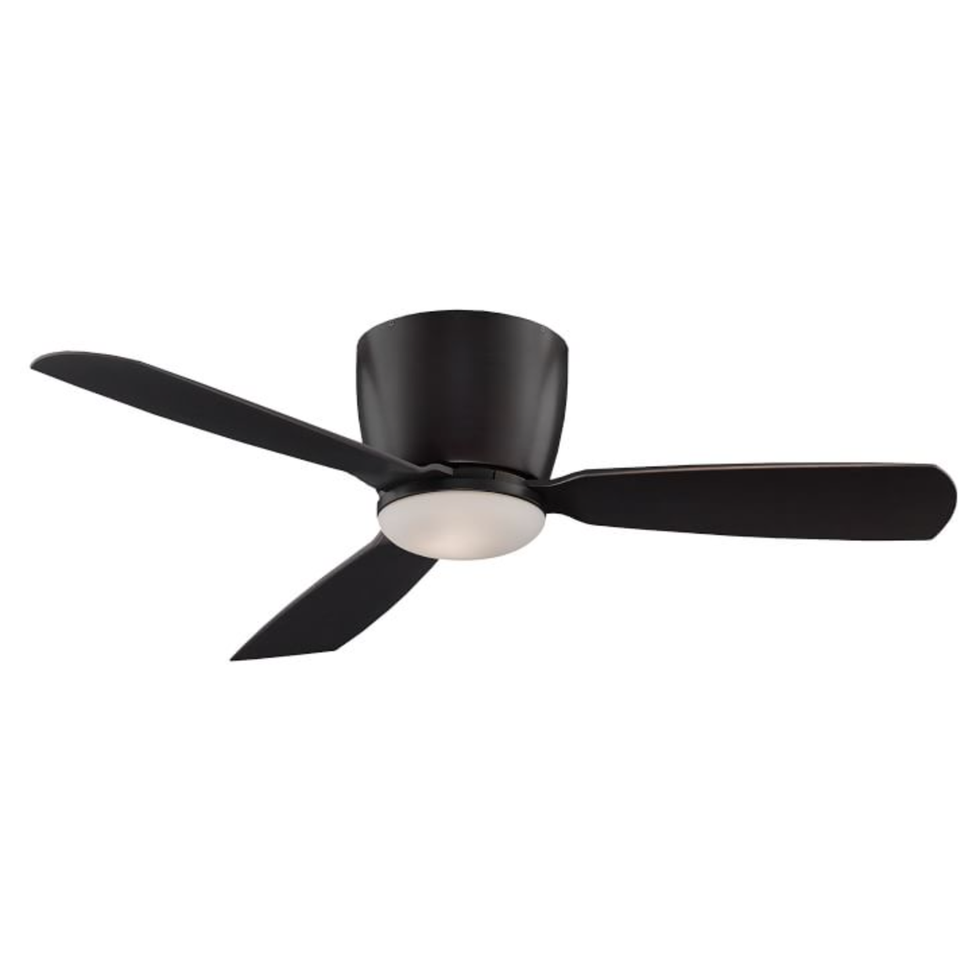
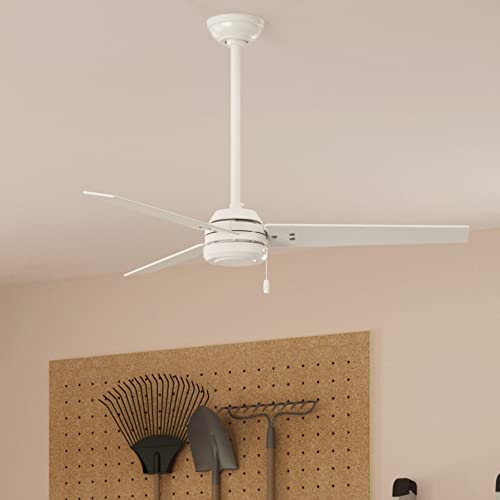
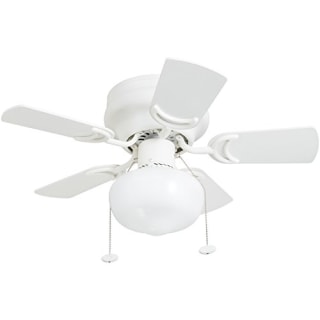
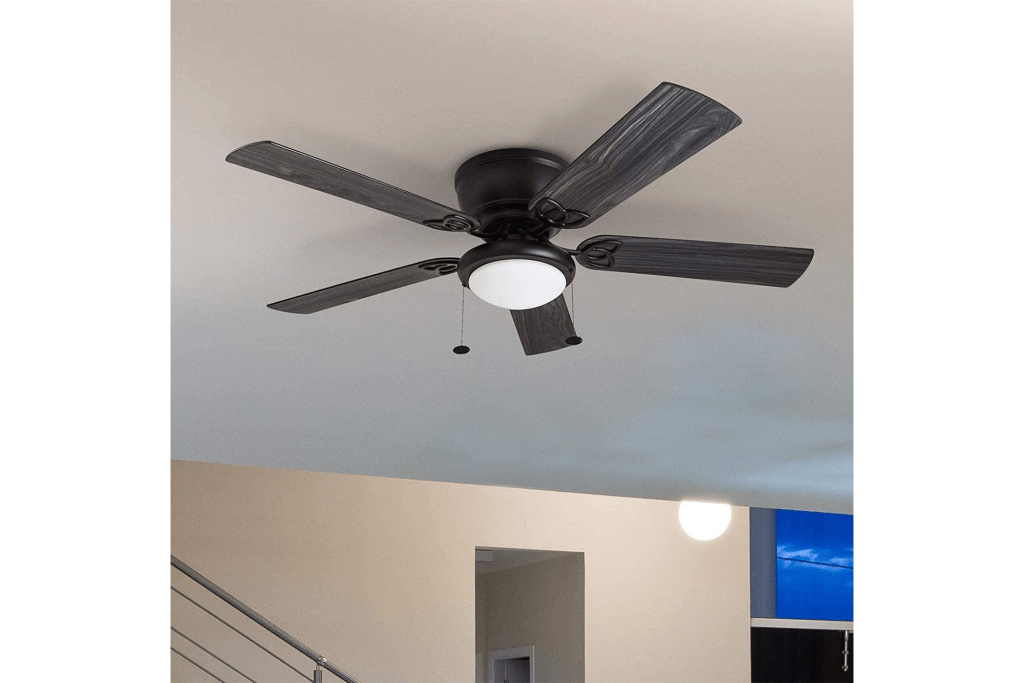
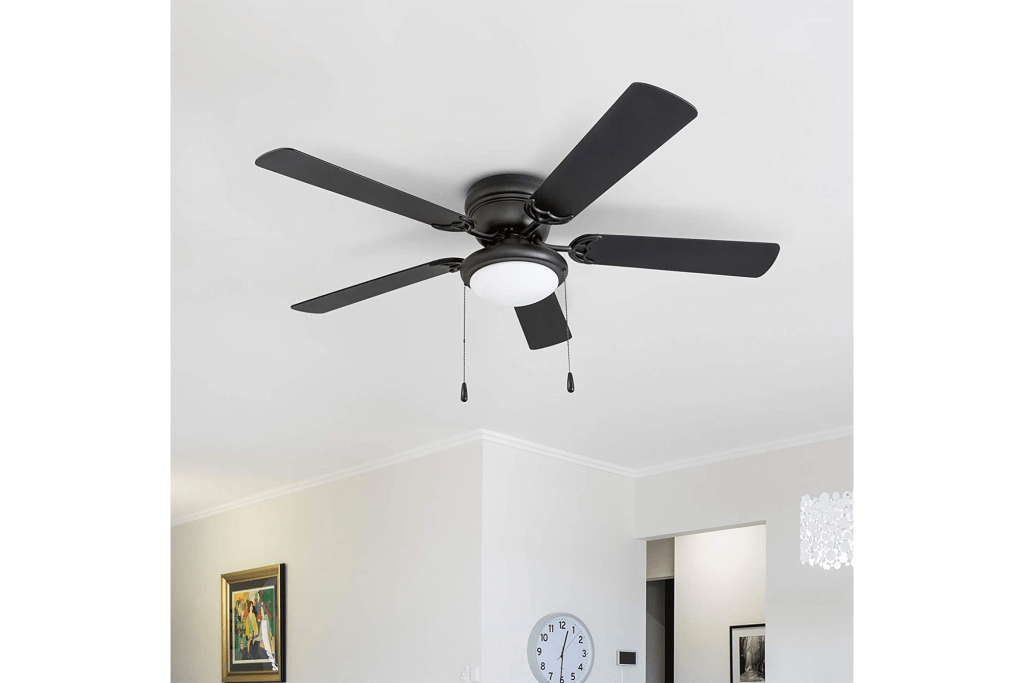
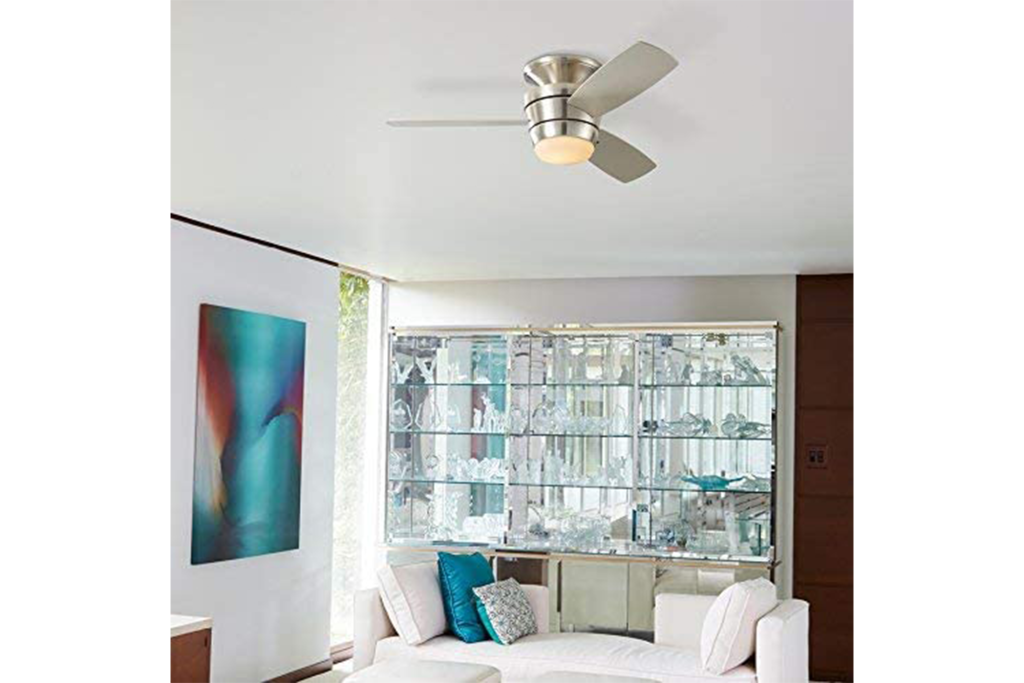
Dimension is another crucial factor, dependent on the size and height of the outdoor space. For effective airflow, fans should be installed no higher than nine feet from the floor and no lower than seven feet for safety. For spaces with lower ceilings or limited area, a “hugger-style” fan, mounted flush against the ceiling, is recommended. The diameter of the fan's blades, known as “sweep,” also dictates performance; a 50-inch diameter fan is generally appropriate for medium-sized rooms (100 to 200 square feet). Larger areas, such as expansive patios, might benefit from wider blades or multiple fans to ensure adequate air circulation.
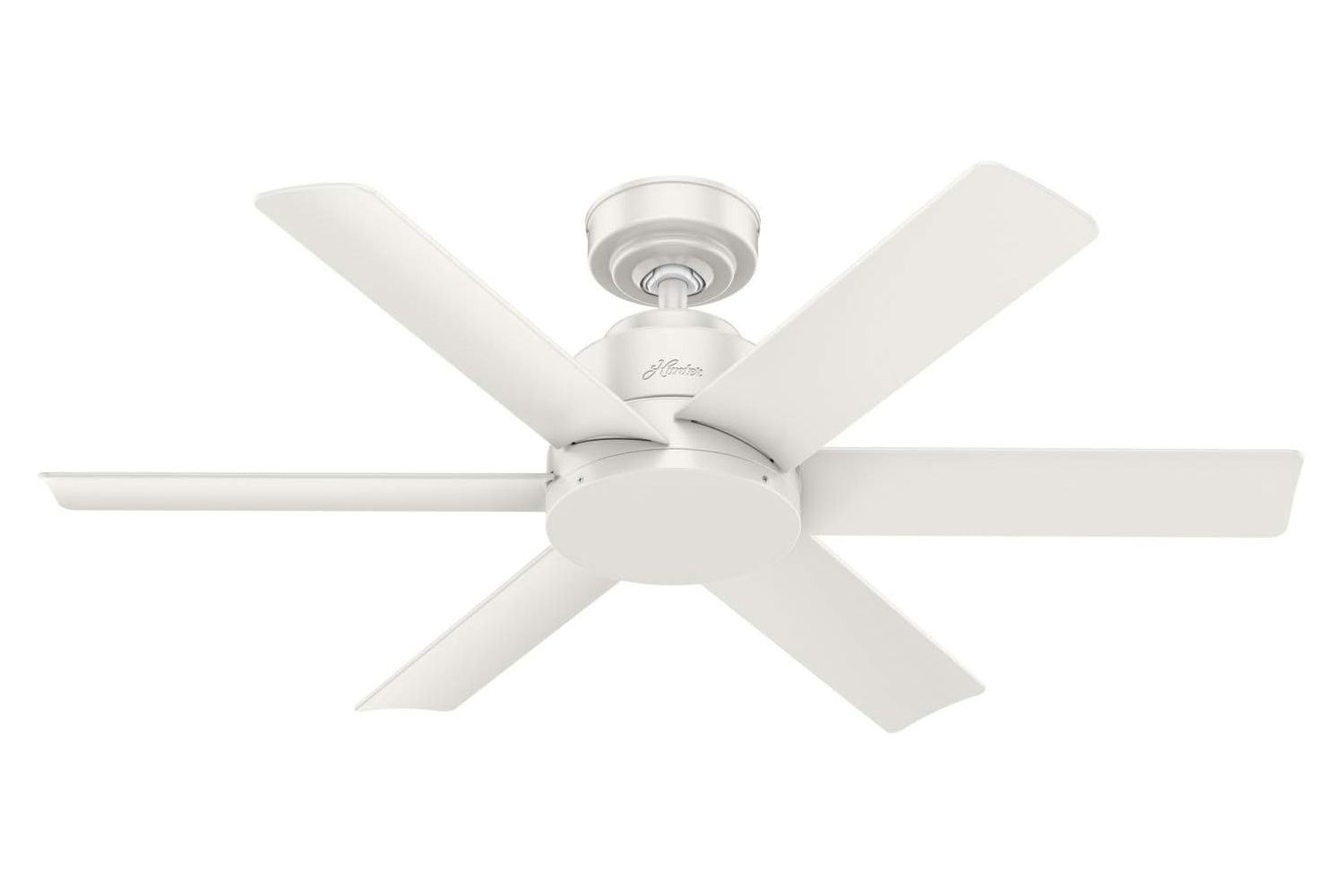
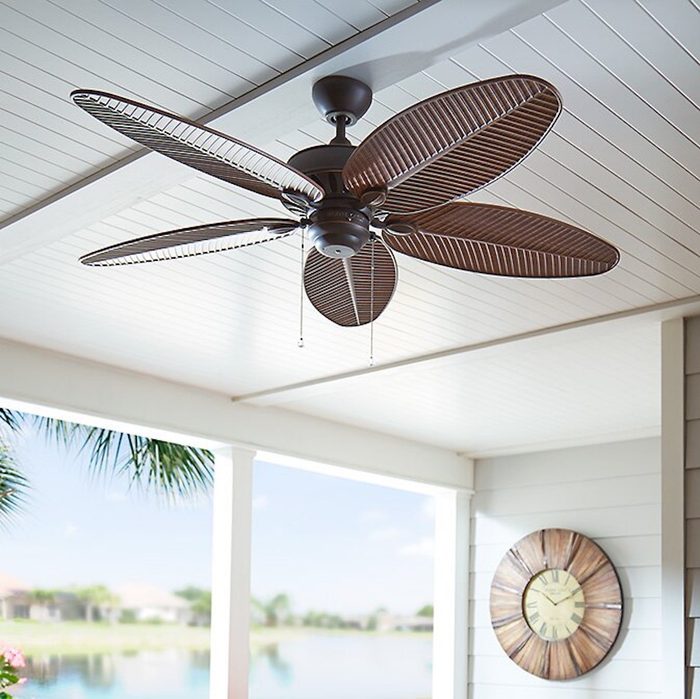
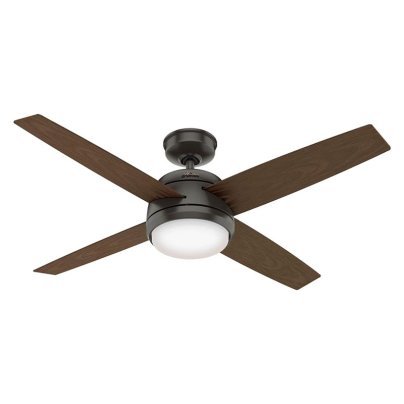
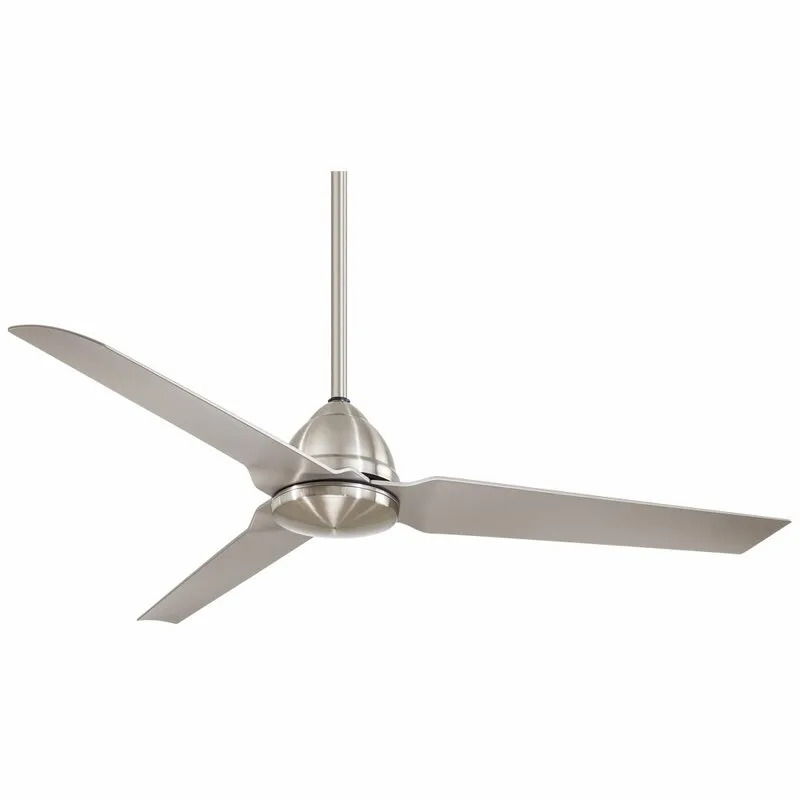
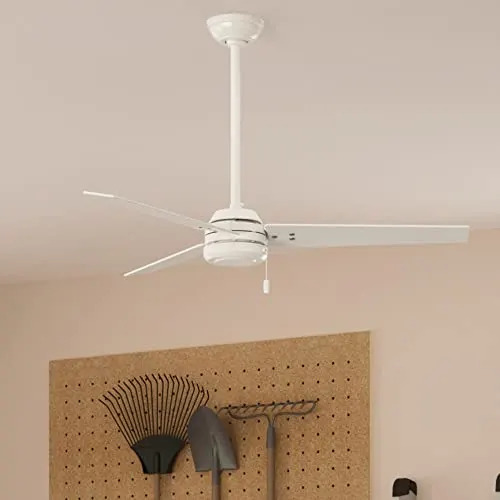
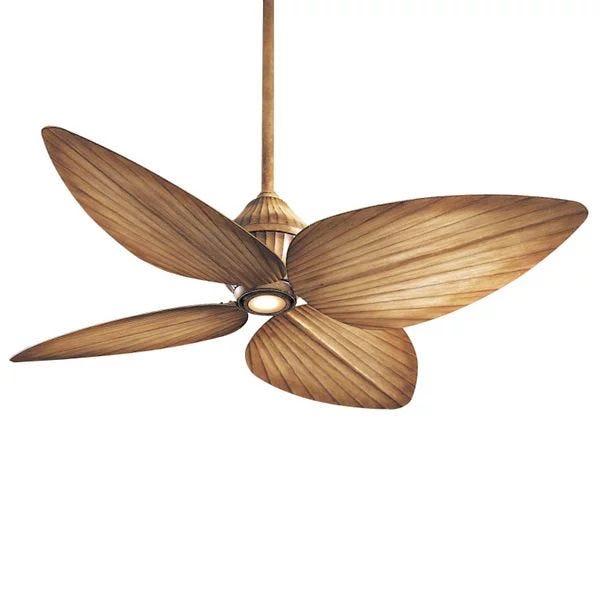
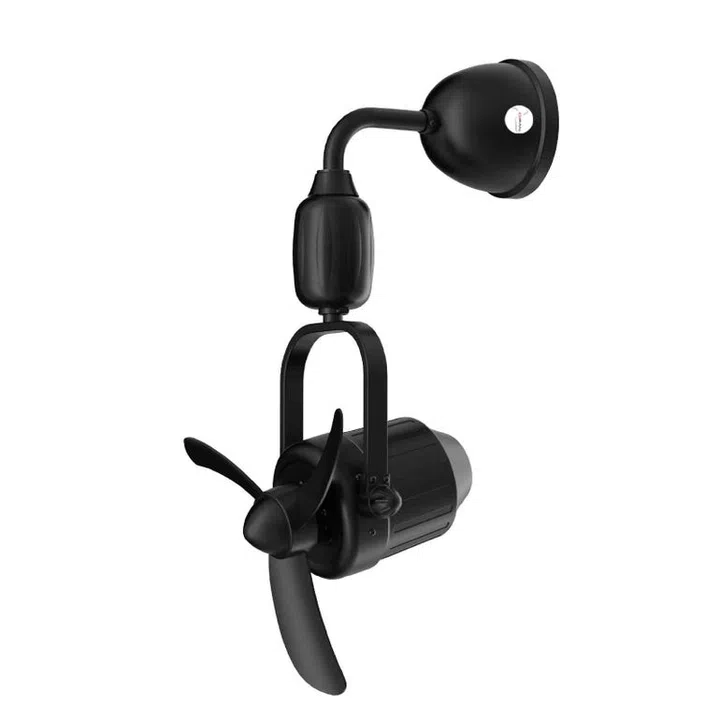
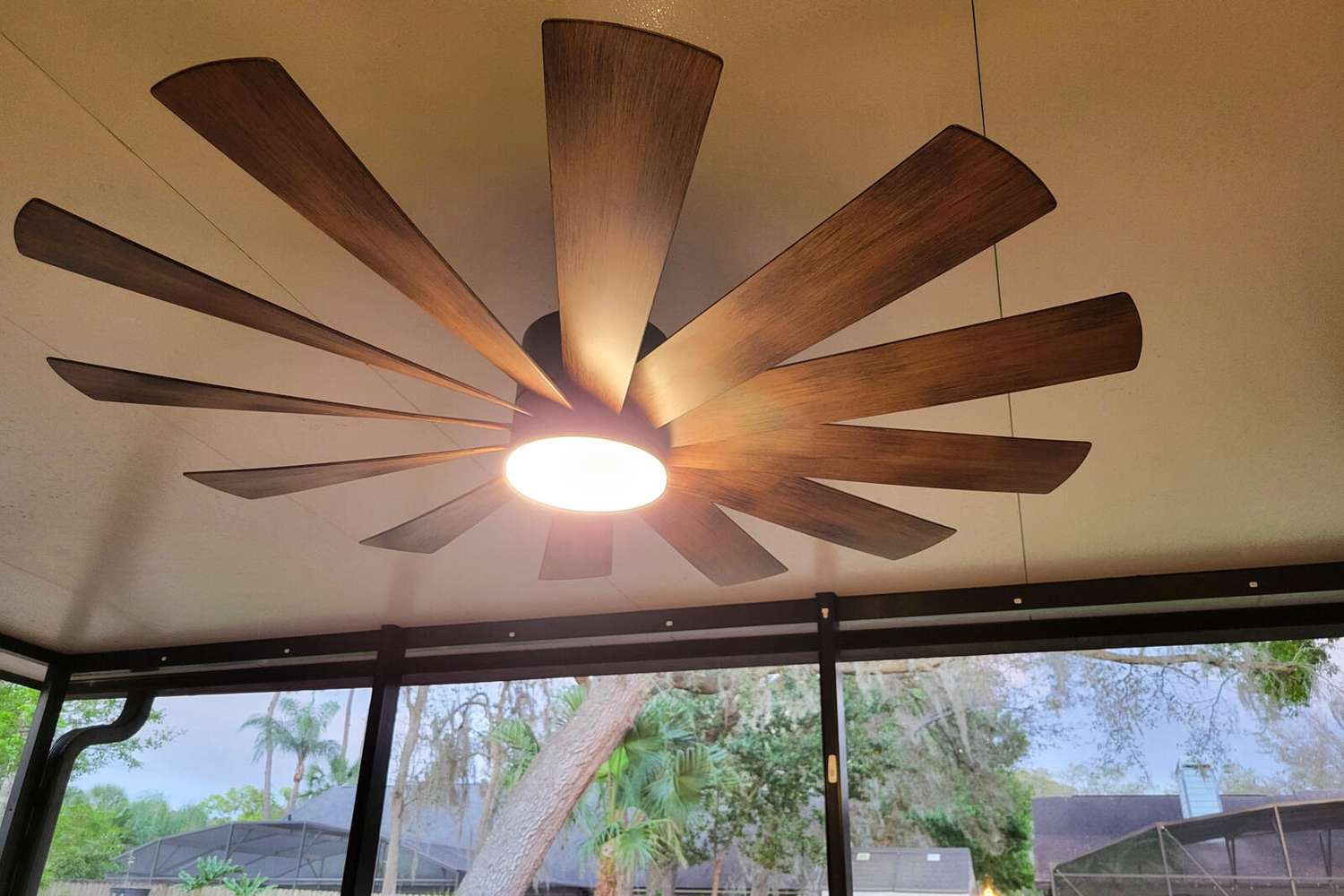
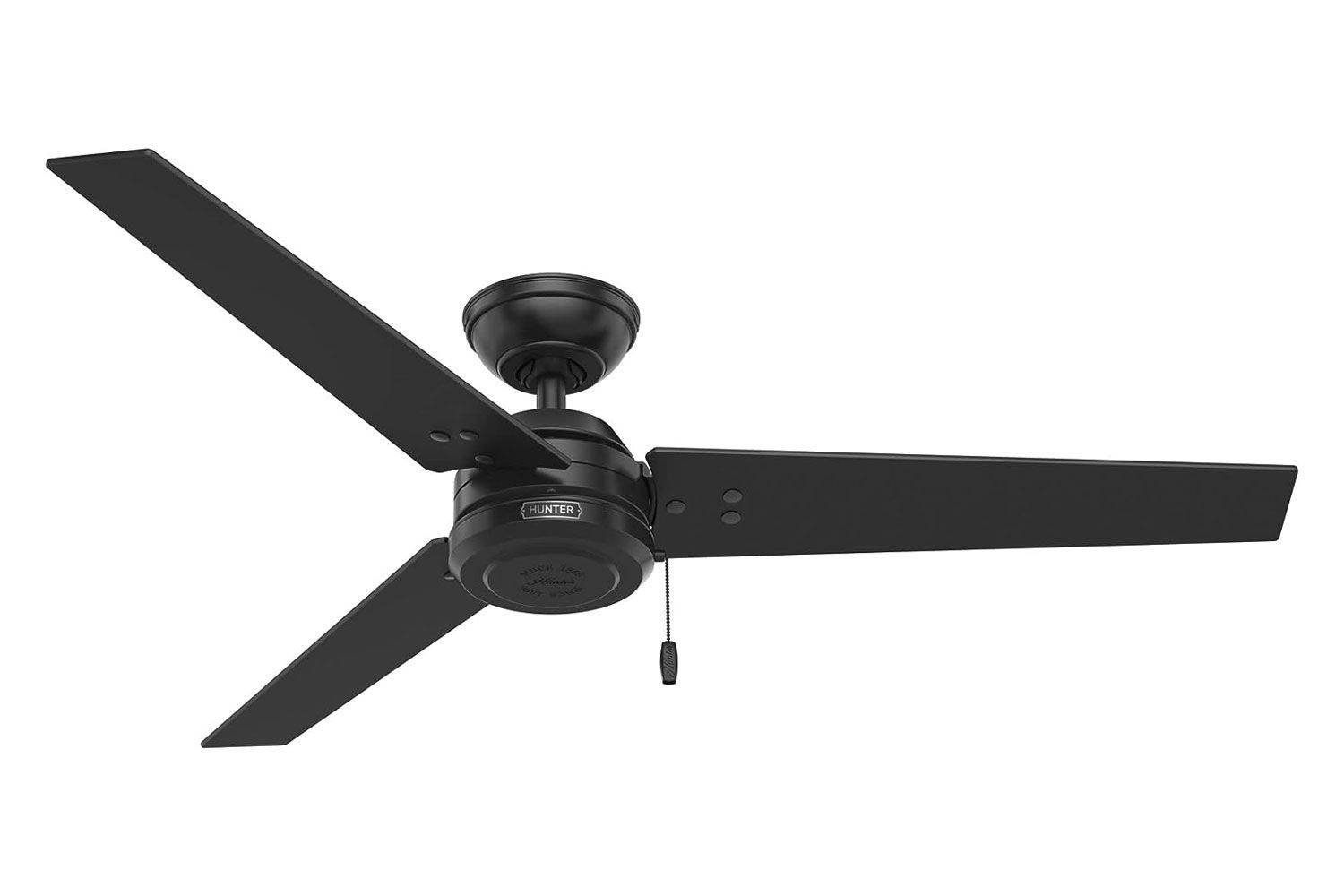
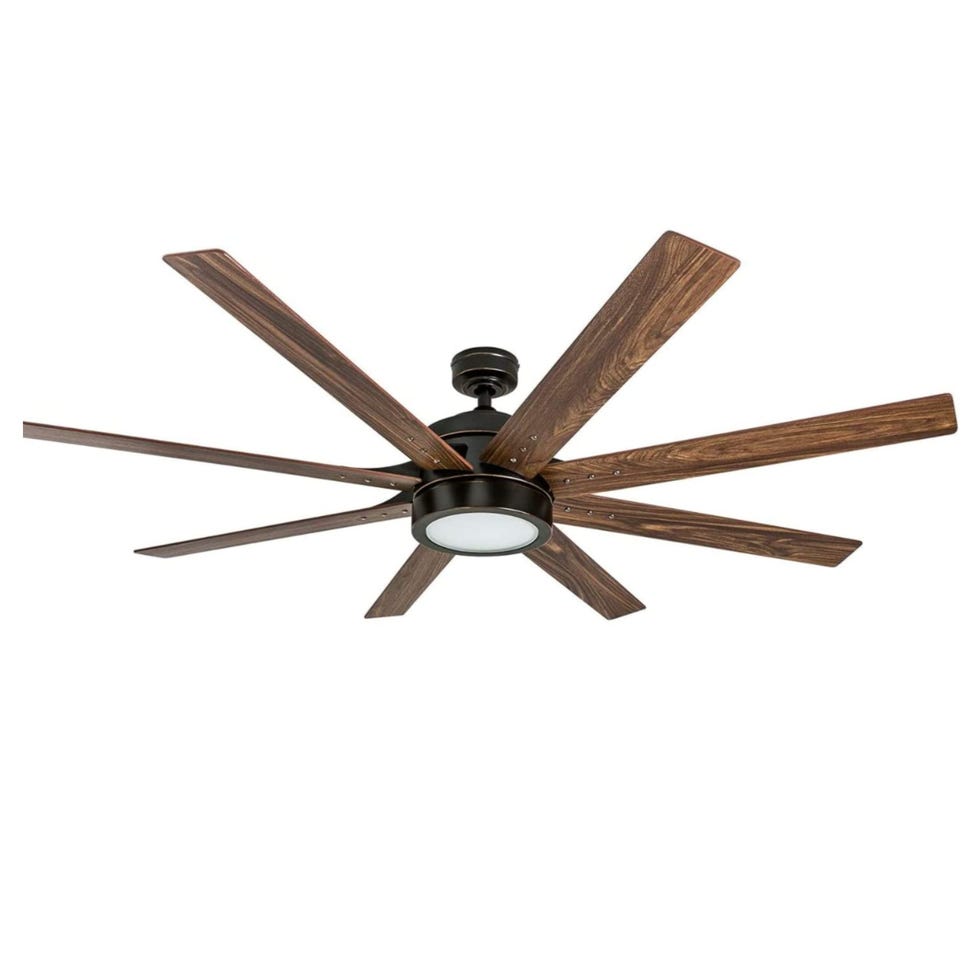
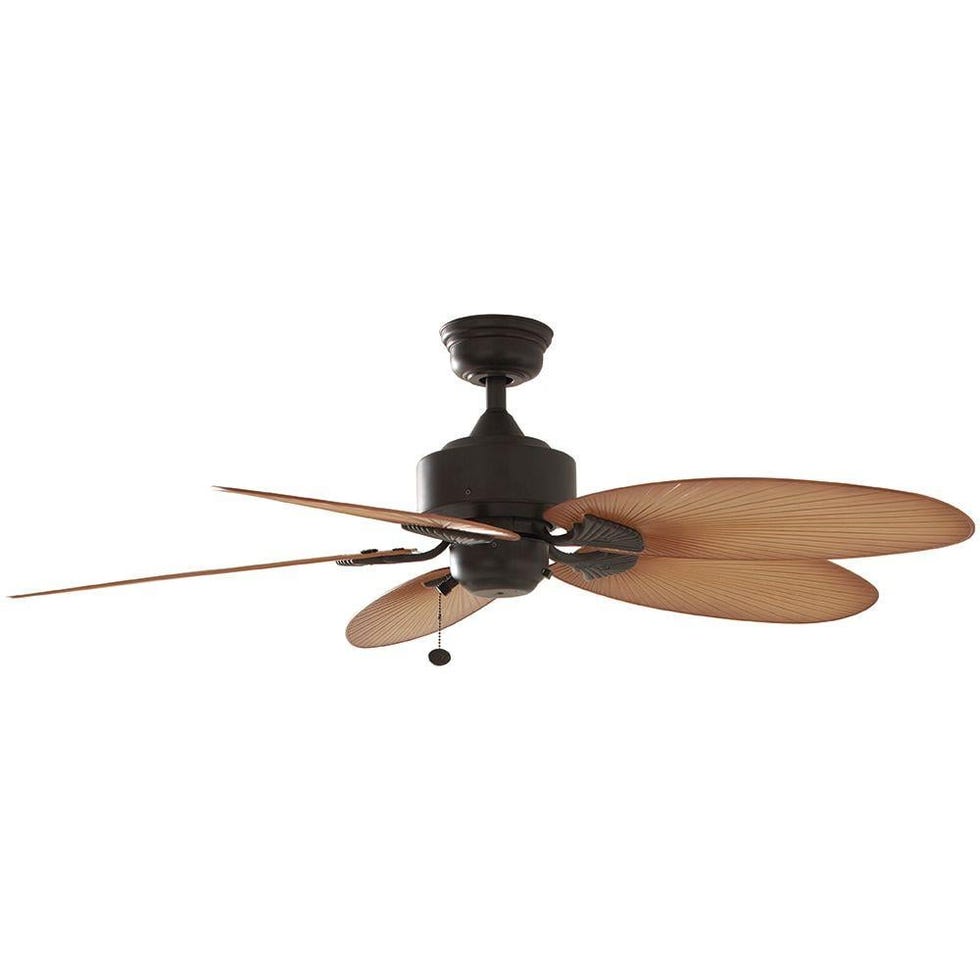
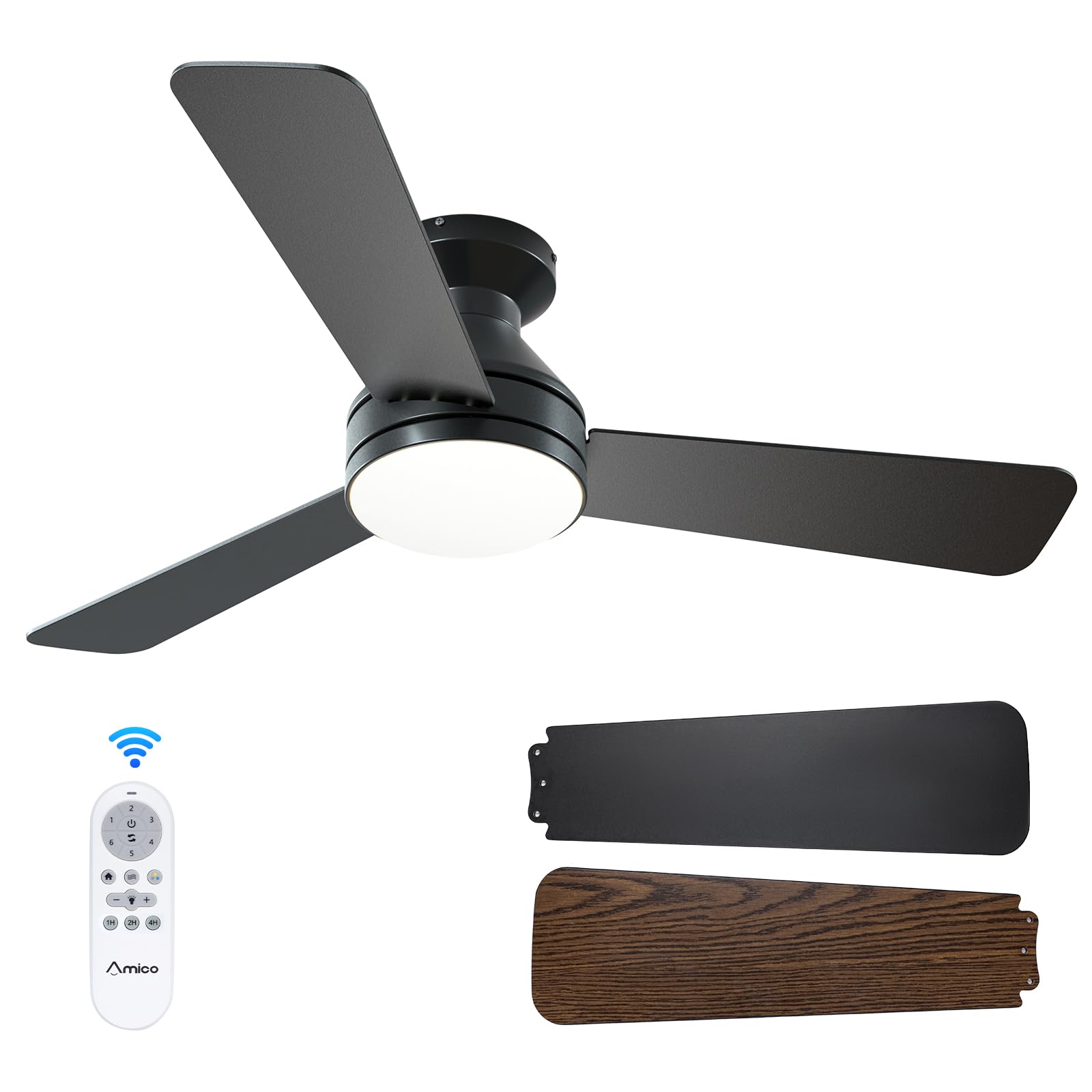
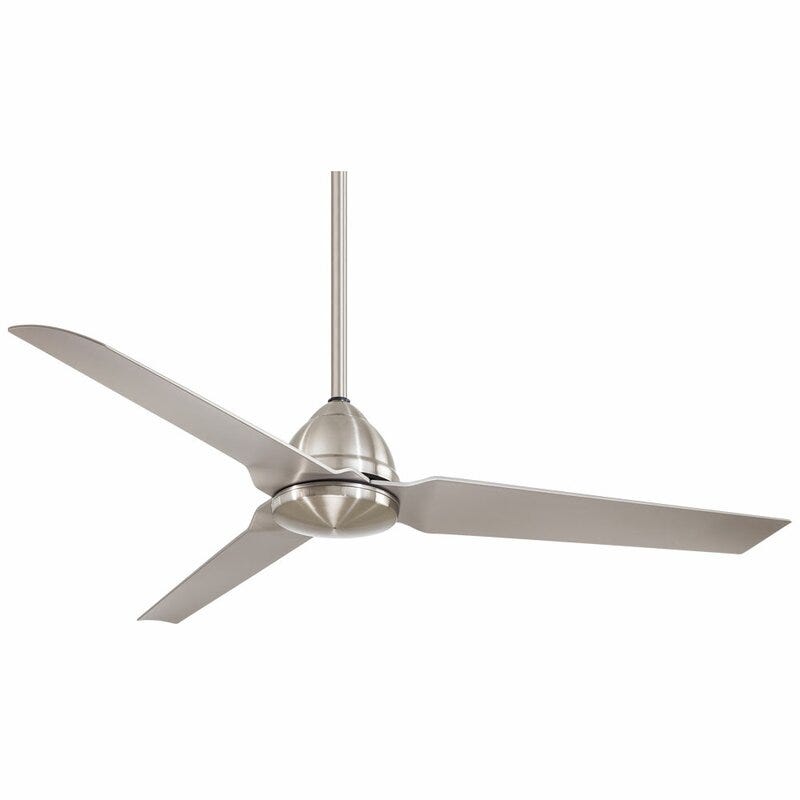
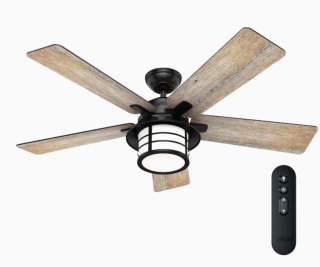
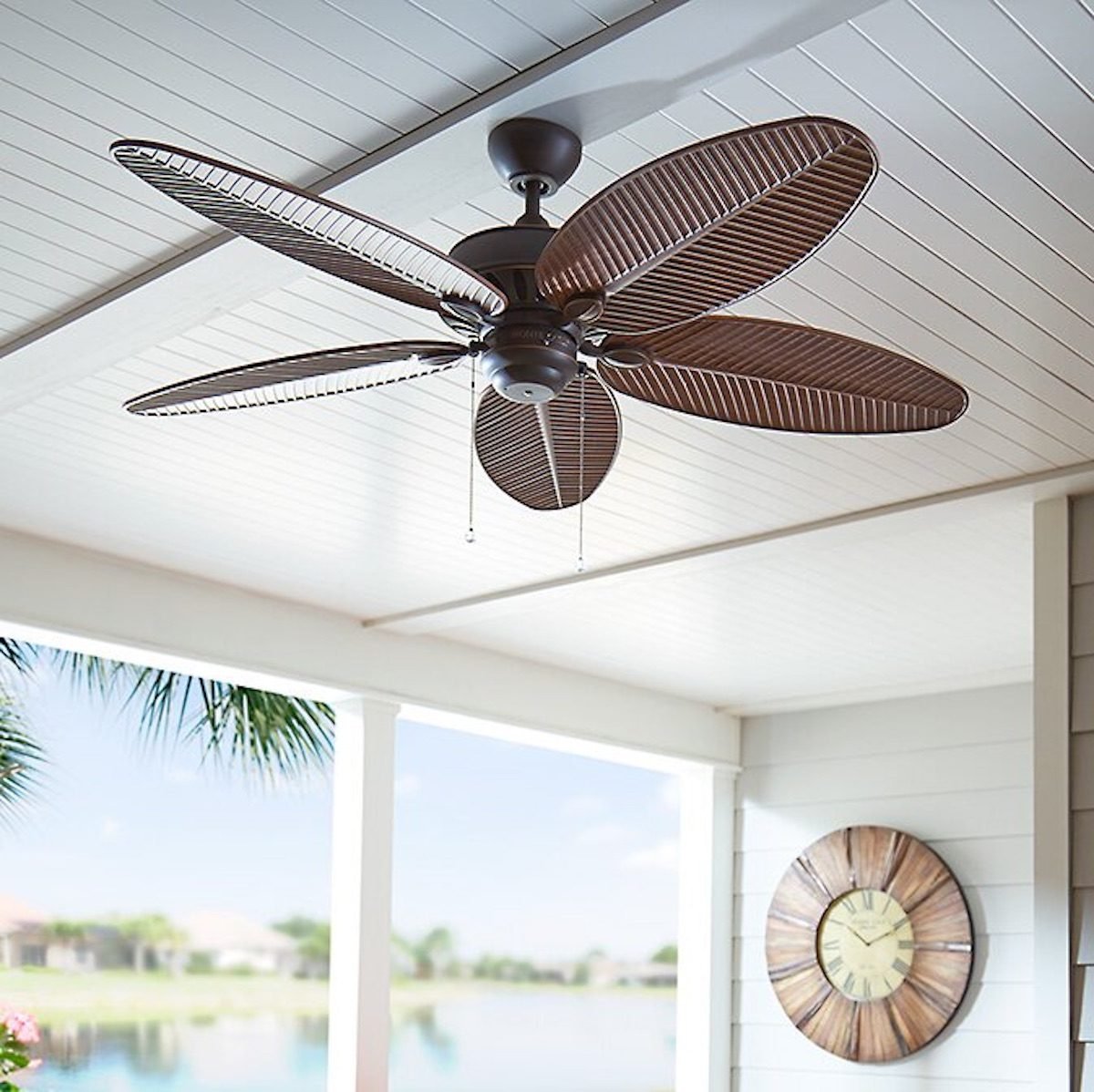
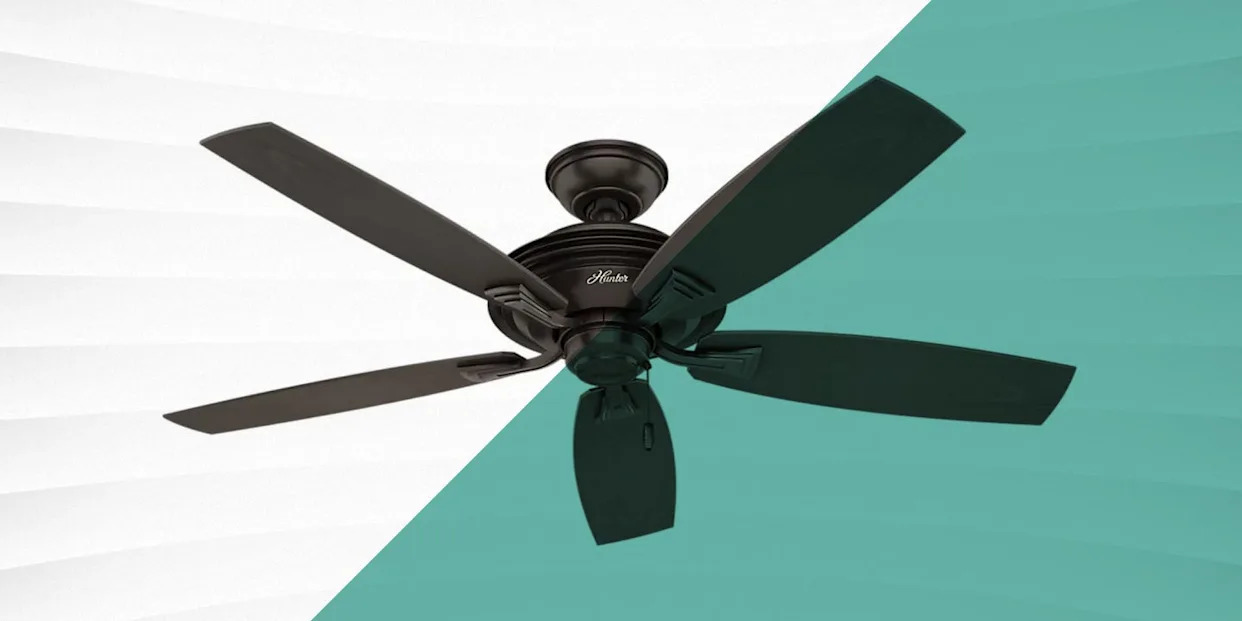
The article provides specific recommendations for various categories of outdoor ceiling fans, including an overall best option, a less expensive damp-rated model, neutral, vintage-inspired, minimalist, and wood-finish designs. It also features modern fans, those with unique leaf-shaped blades, energy-efficient choices, and high-end splurge options, as well as a specialized hugger fan for compact spaces. Each recommendation details the fan's wet rating, control type, lighting features, and dimensions, alongside insights from design experts on their preferred applications and benefits.
#OutdoorLiving #CeilingFans #HomeDecor #PatioDesign #SmartHome #EnergyEfficiency #HomeImprovement #OutdoorComfort #ProductRecommendations #OutdoorLiving #CeilingFans #HomeDecor #PatioDesign #SmartHome #EnergyEfficiency #HomeImprovement #OutdoorComfort #ProductRecommendations
0 comment in total
 No comments yet
You may also like
Here Are the Best Outdoor Ceiling Fans, According to Our Testing

The Best Outdoor Ceiling Fans to Keep You Comfortable

10 Best Ceiling Fans in Singapore
The ultimate guide to choosing the perfect ceiling fan: Top 10 picks in November 2023 - Hindustan Times

The 9 Best Outdoor Ceiling Fans of 2025

Cool Your Patio Off With the Best Outdoor Ceiling Fans

Opinion: At Home: Ceiling fans: To see or not to see is the question

7 top-rated ceiling fans to consider this year

10 Outdoor Ceiling Fans That Aren't Total Eyesores

The ultimate guide to choosing the perfect ceiling fan: Top 10 picks in November 2023 | Hindustan Times
We Tested 17 Outdoor Ceiling Fans, and These Made Warm Fall Nights Cool as Can Be

The 16 best ceiling fans for extra airflow, plus expert tips
We Tested Outdoor Ceiling Fans In The Southern Heat—These 5 Create A Breeze Where There Isn’t One
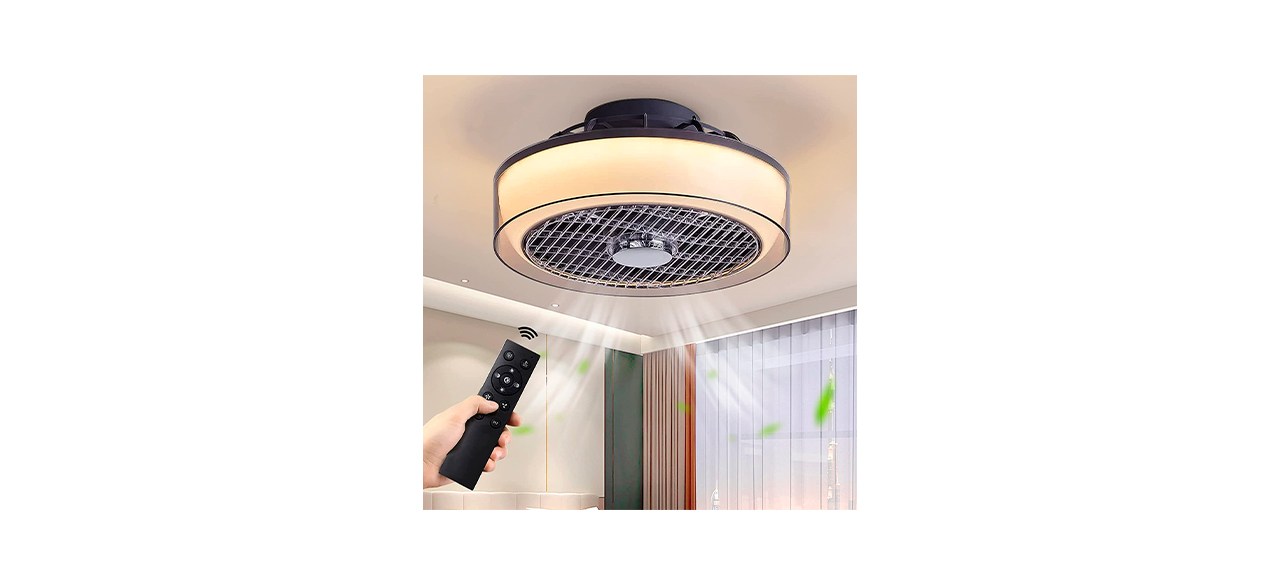
8 best bladeless ceiling fans

16 Best Ceiling Fans You Can Buy Online Right Now


10 Modern and Best Ceiling Fans For Home In India 2024

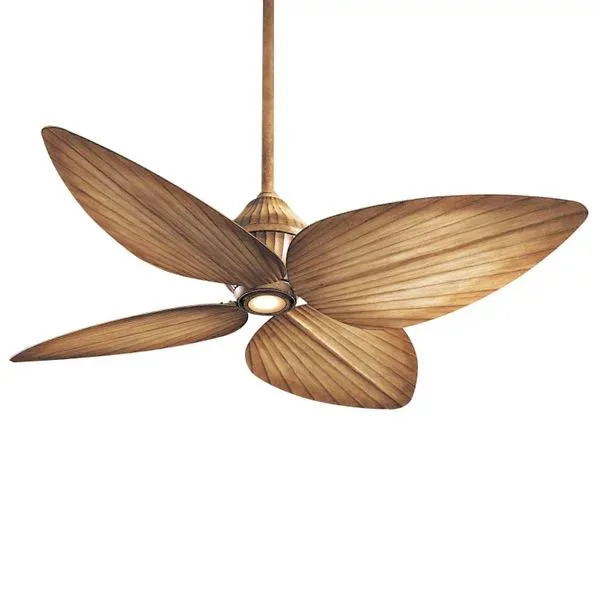
10 Outdoor Ceiling Fans That Aren't Total Eyesores
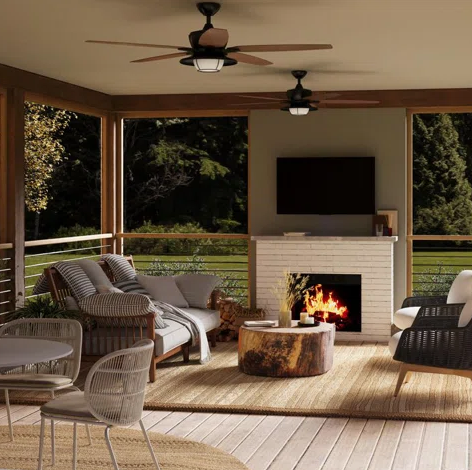
12 Stylish Outdoor Ceiling Fans That Will Keep You Cool All Summer Long

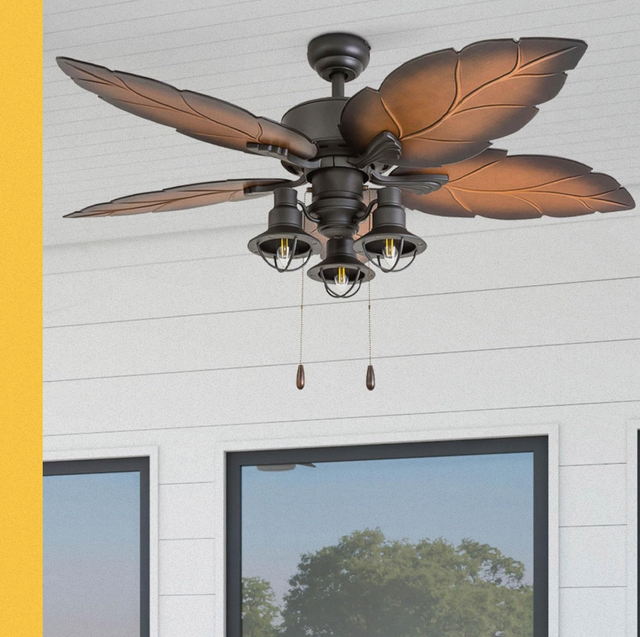
The Unsung Hero of Keeping Bugs Away from Your Porch or Patio? An Outdoor Ceiling Fan

The 10 Best Ceiling Fans We’ve Tested Firsthand—And Actually Recommend—for Cooler Rooms Year-Round