8 Simple Ways to Improve Indoor Air Quality This Winter
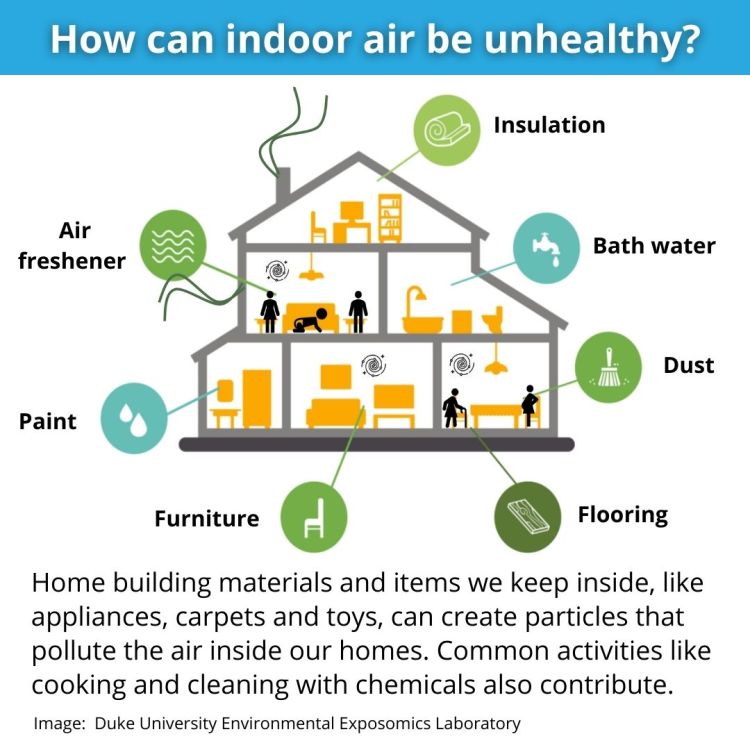
Spending more time indoors during the winter months, due to colder temperatures and inclement weather, increases exposure to the air quality within one's home. Maintaining good indoor air quality is crucial as poor air quality can lead to various issues, including respiratory irritation and mold growth. However, improving indoor air quality can be achieved through several straightforward practices.
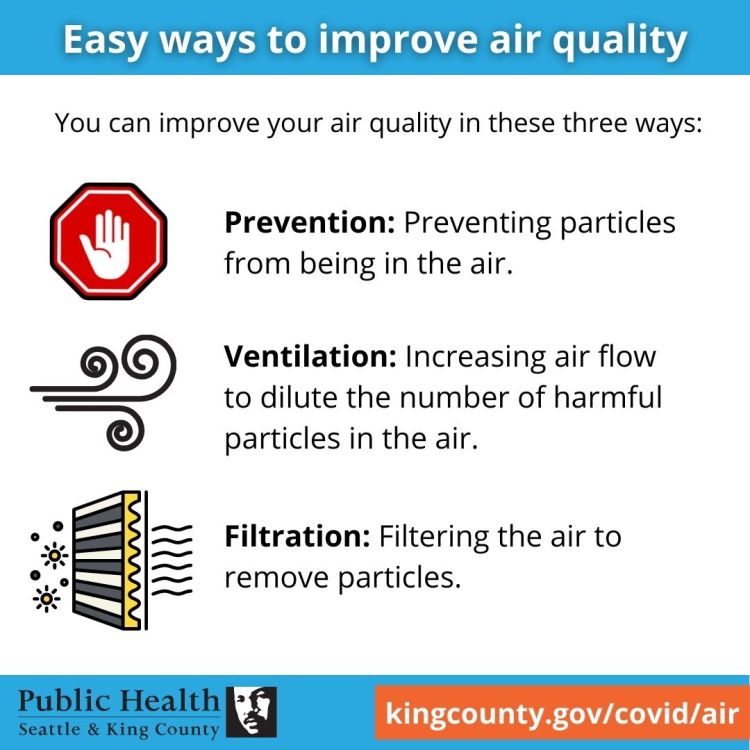
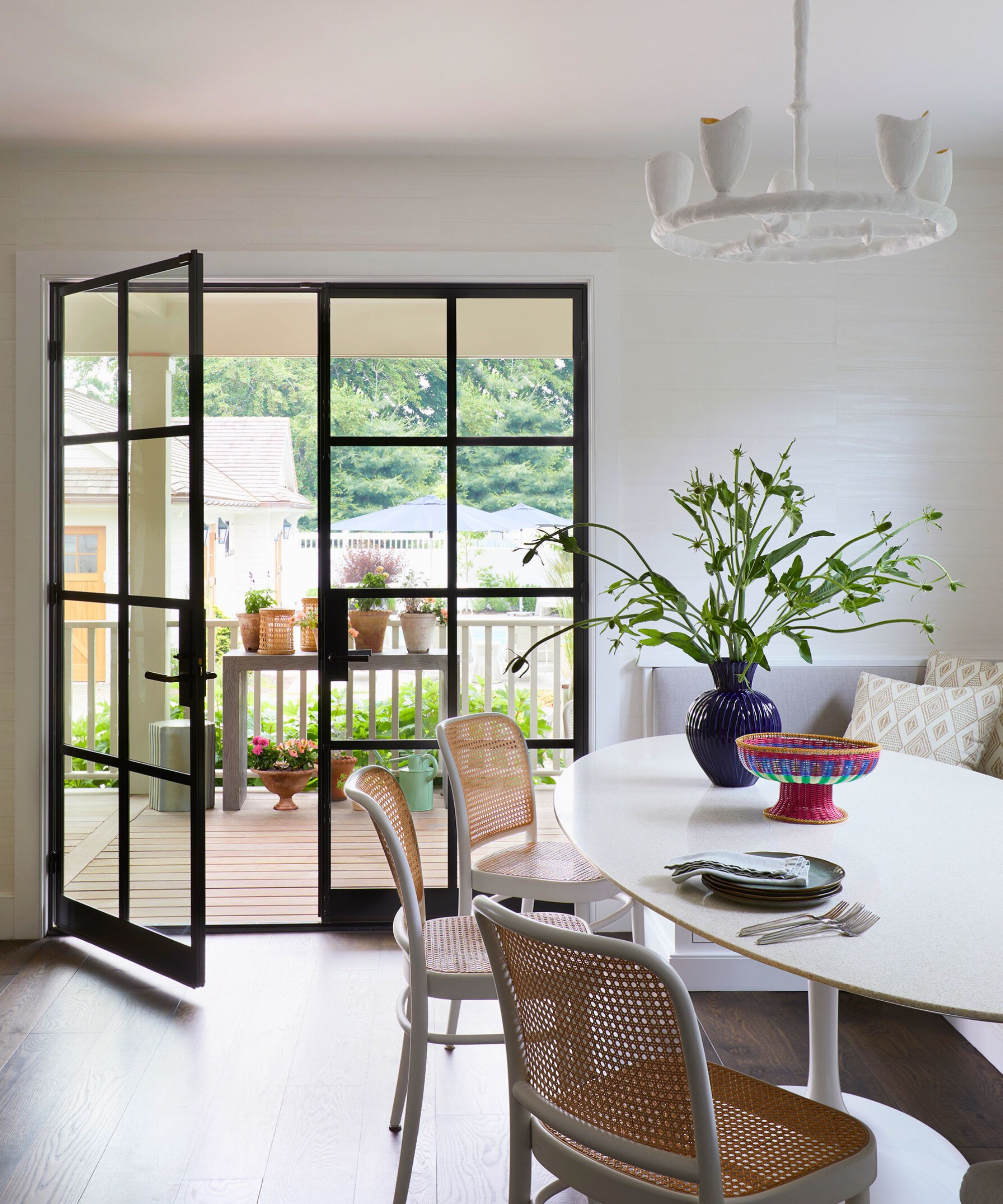
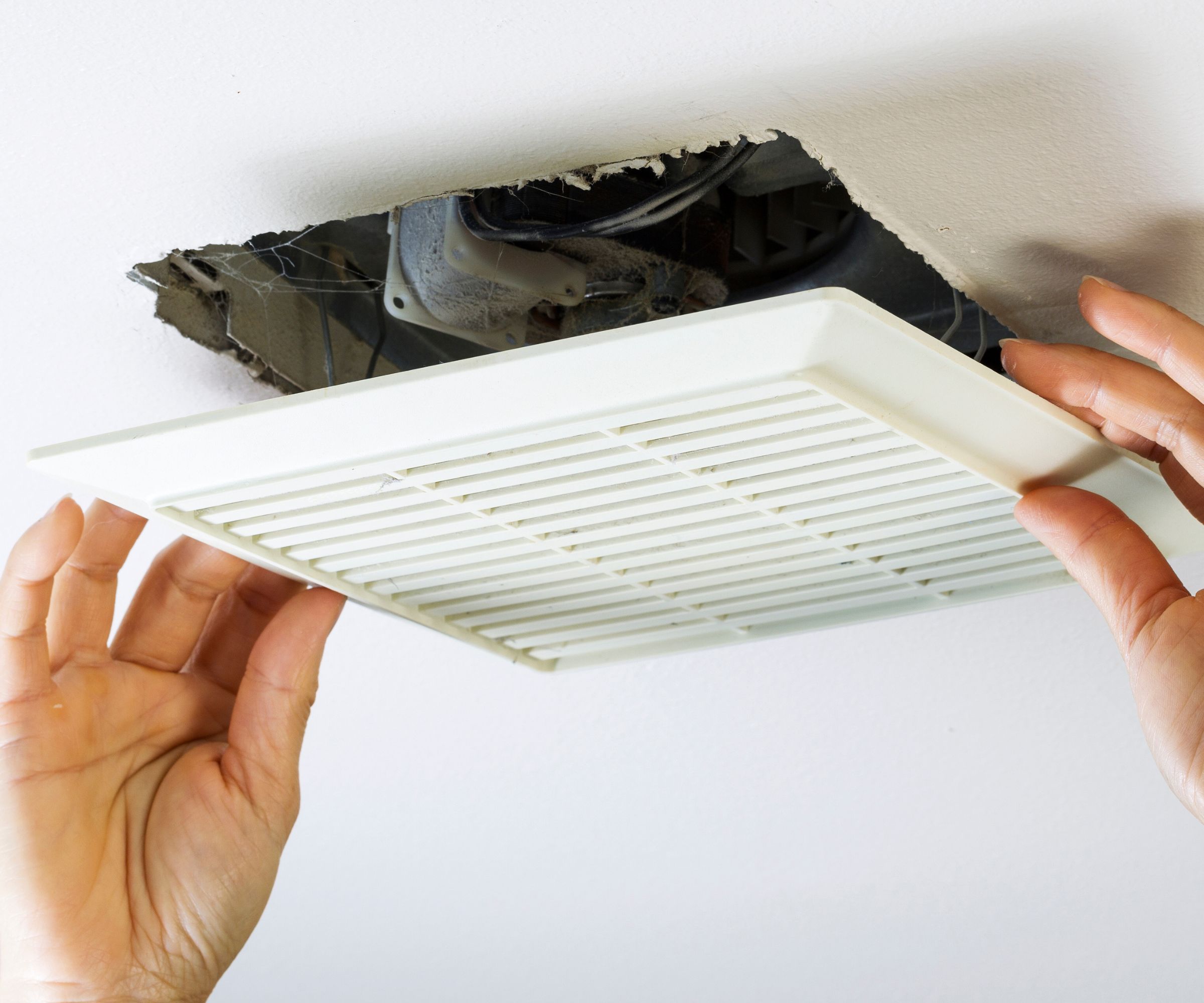
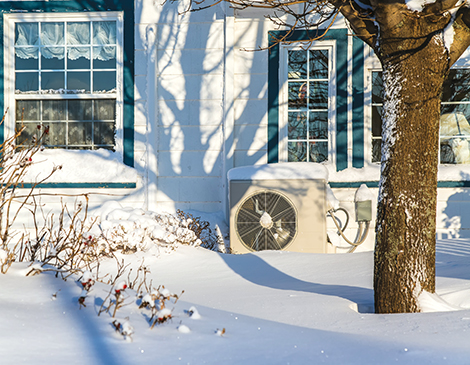
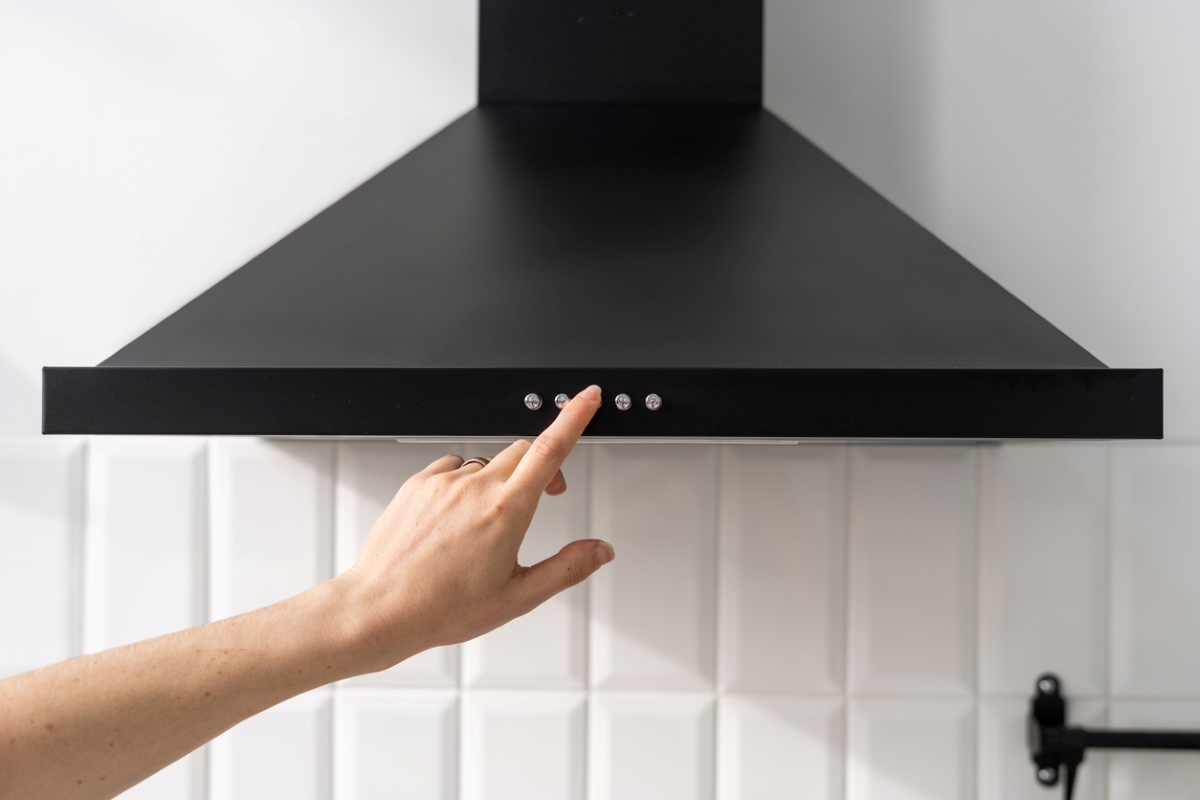
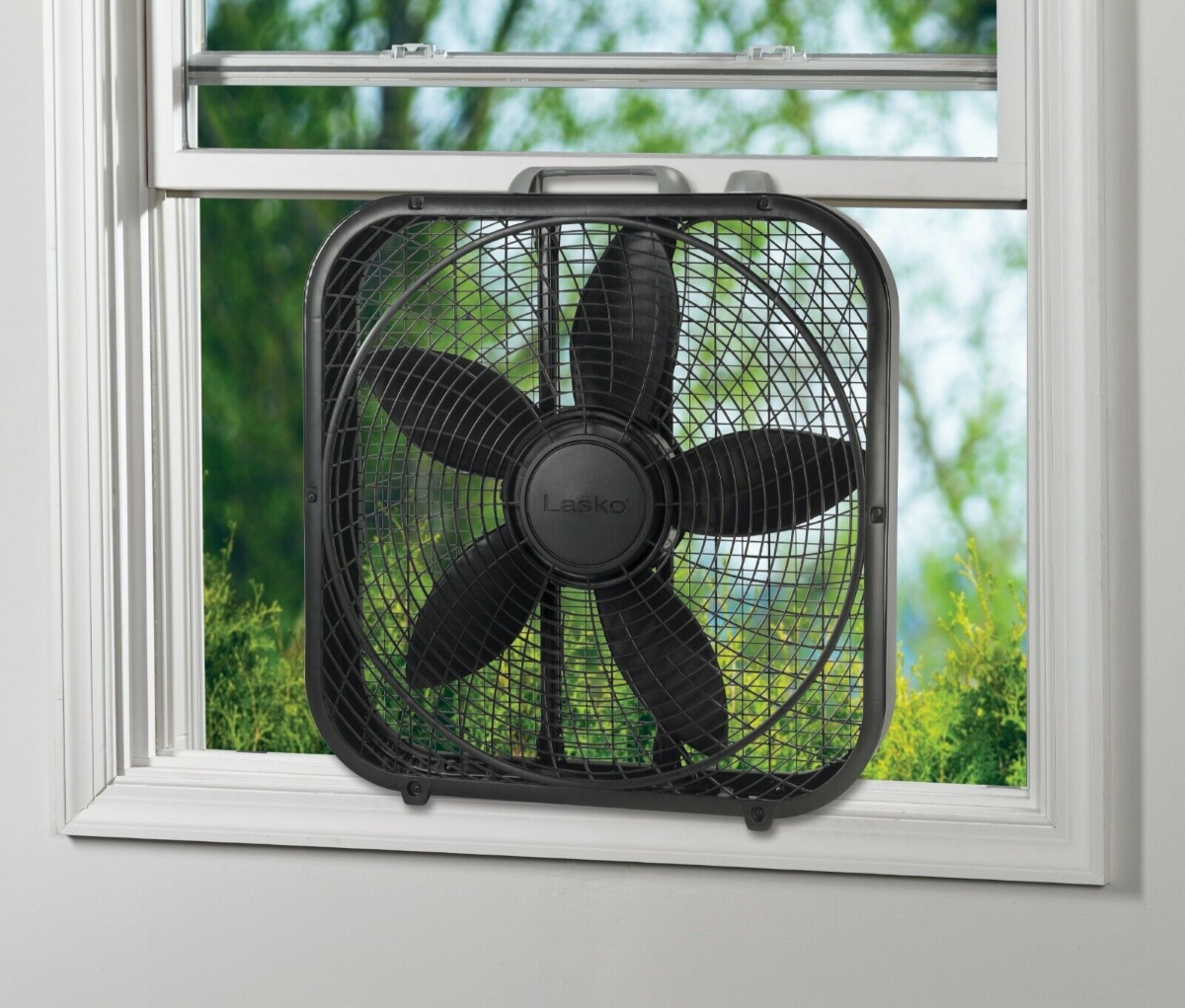
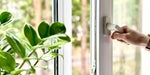
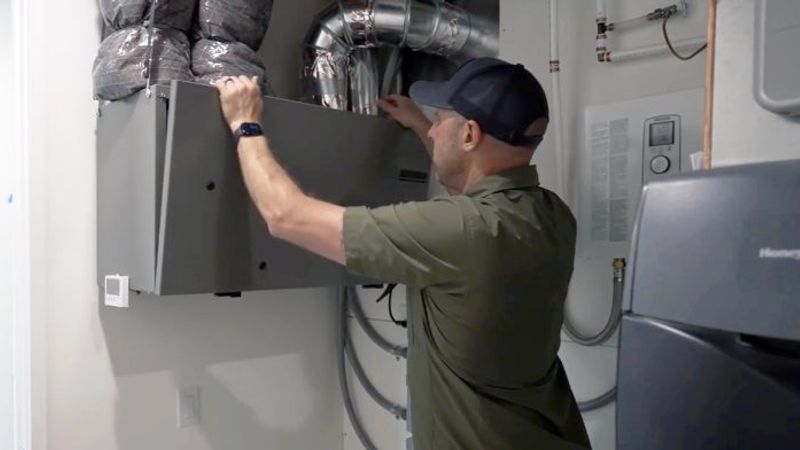
One of the most effective strategies is to introduce fresh air and enhance circulation. Opening windows for even a few minutes daily can create cross-ventilation, pushing out pollutants and bringing in fresh air, which is particularly beneficial in living areas, kitchens, and bathrooms. For a more permanent and year-round solution, especially when window ventilation is not feasible due to weather, installing a whole-house ventilation system can continuously replace stale indoor air with fresh outdoor air, preventing the buildup of pollutants. Additionally, utilizing exhaust fans in specific areas like bathrooms during showers, kitchens while cooking, and laundry rooms during drying cycles helps eliminate pollutants directly at their source.
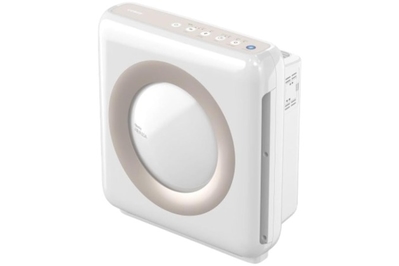
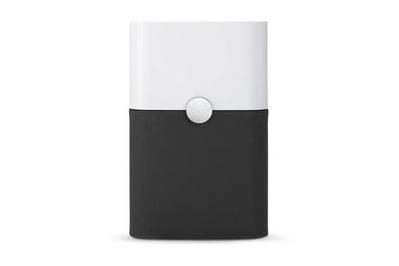
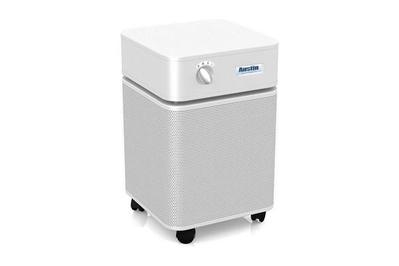
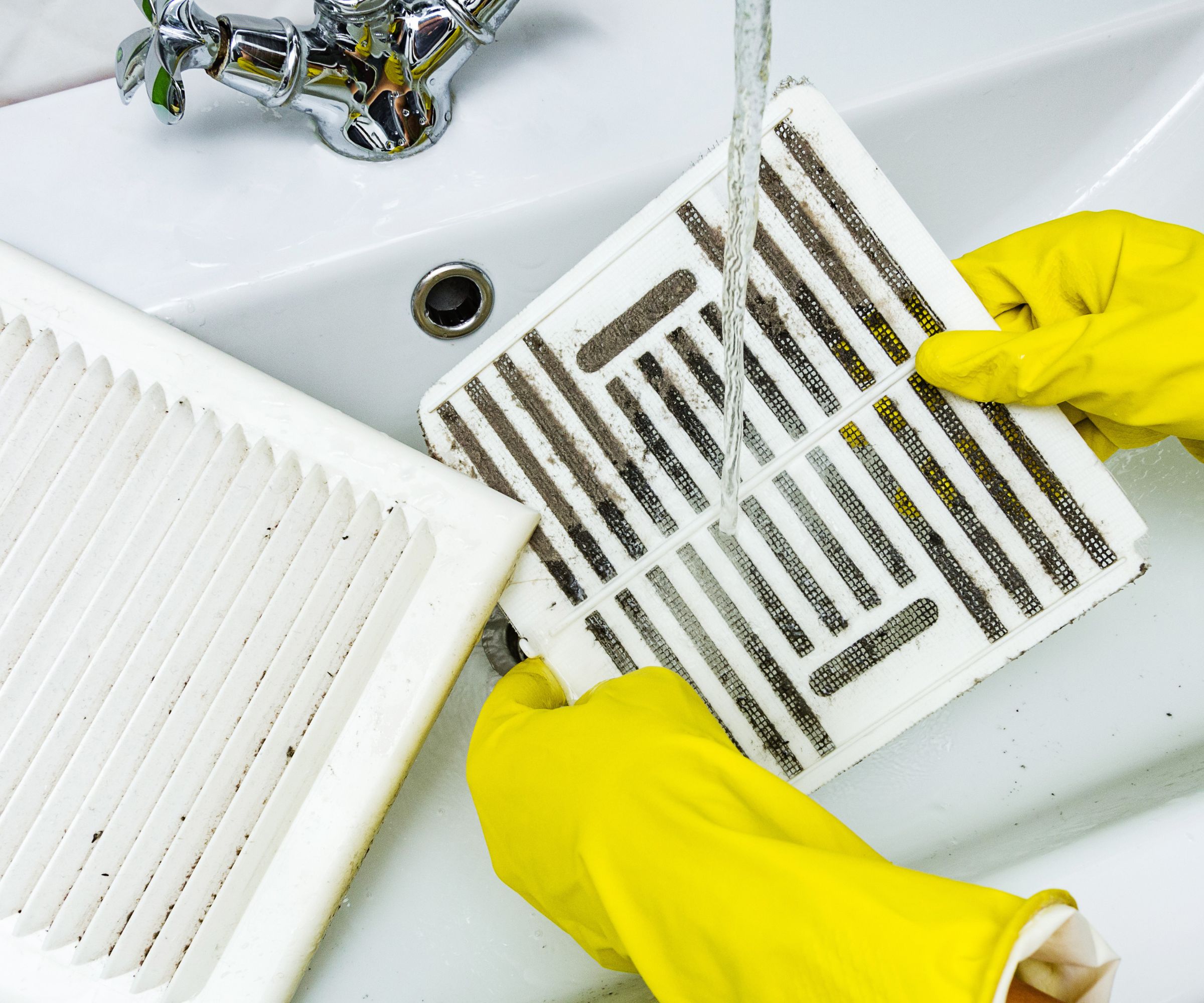
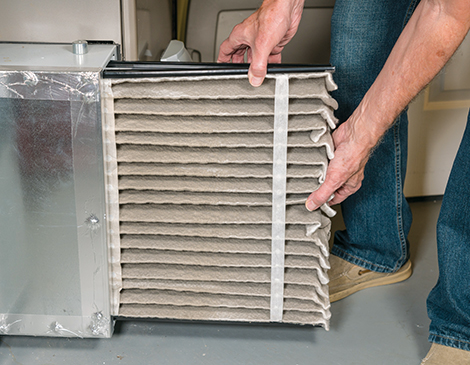
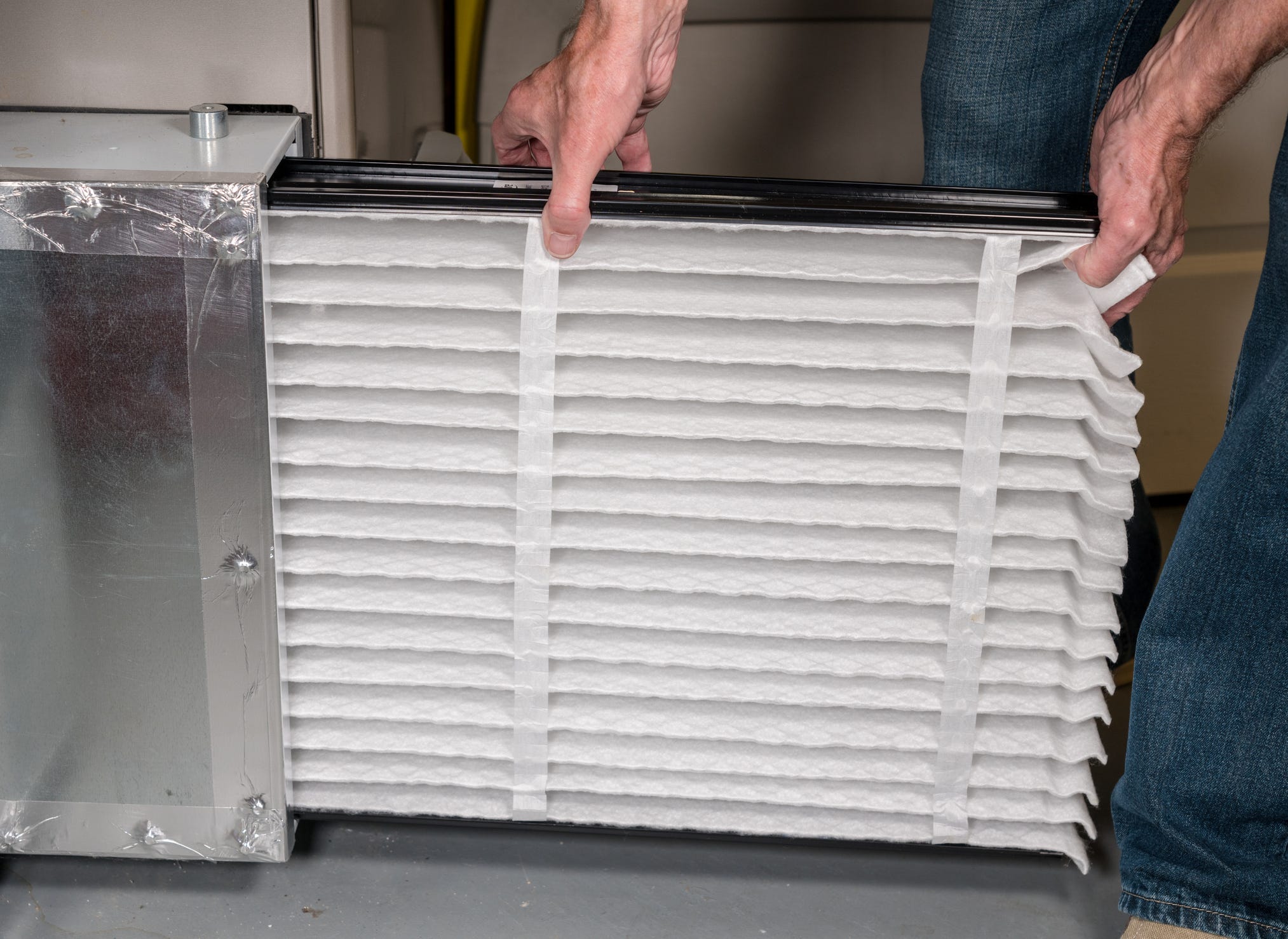
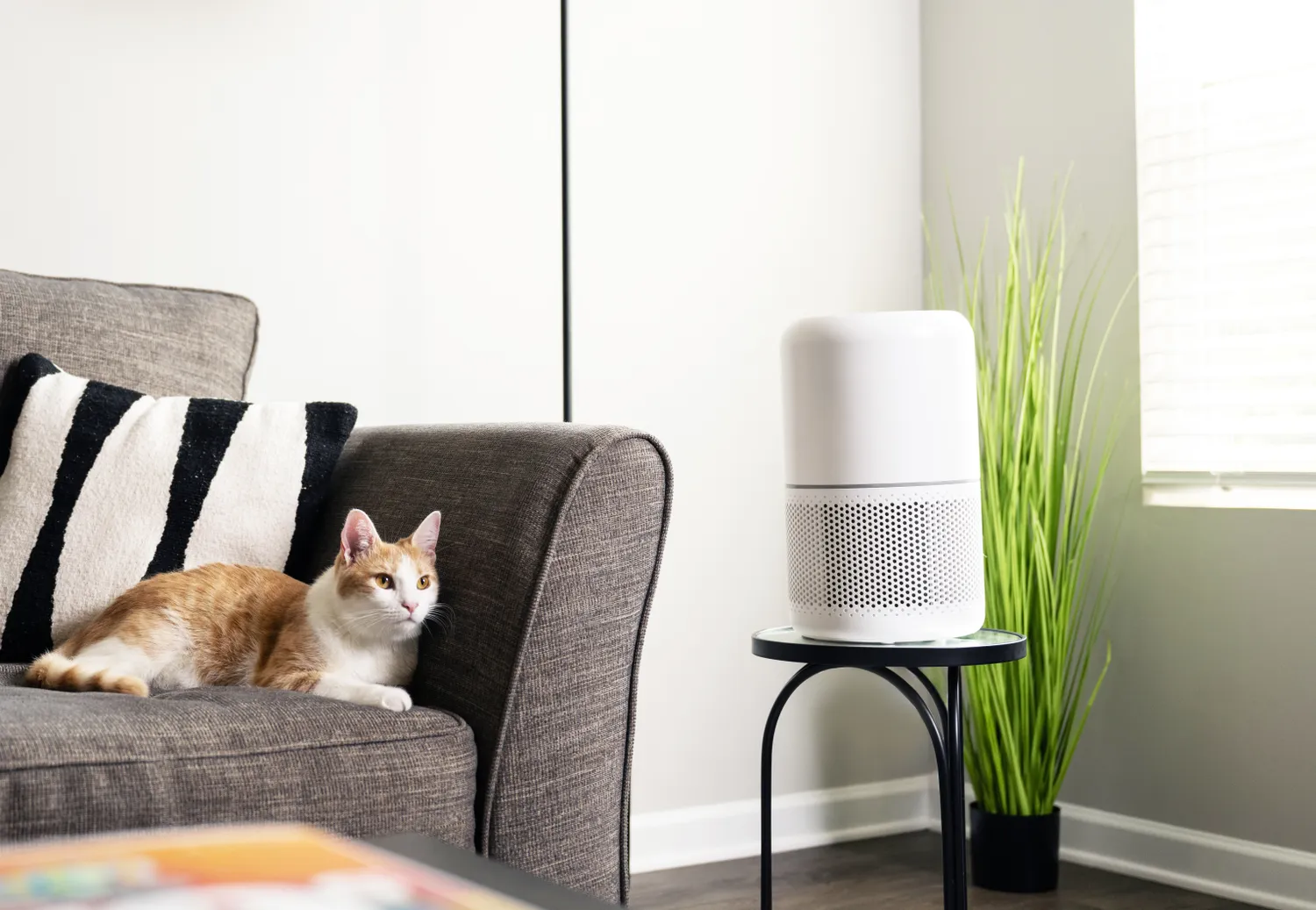
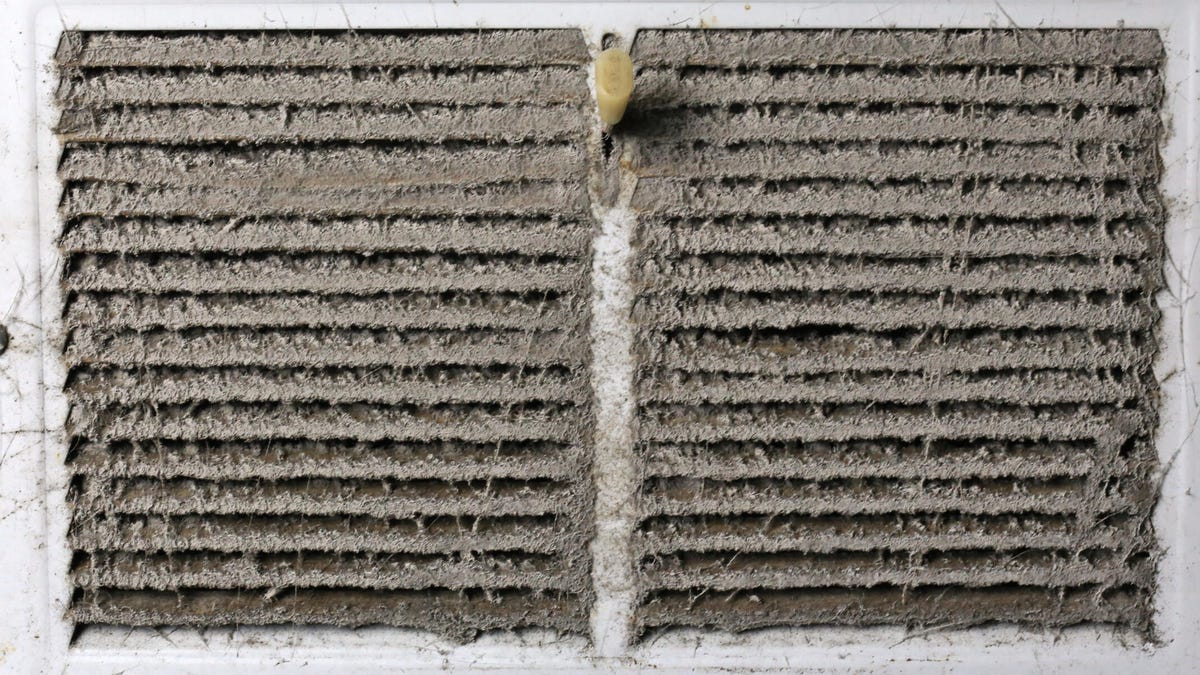
Regular maintenance of air filtration systems is also vital. HVAC systems, humidifiers, and air purifiers rely on clean filters to effectively trap dust, allergens, and other particles. These filters should be replaced every one to three months to ensure optimal performance and cleaner air throughout the home. Similarly, air ducts, which can accumulate dust, mold, and debris over time, require regular cleaning to prevent the circulation of allergens and pollutants and to maintain the efficiency of the HVAC system.
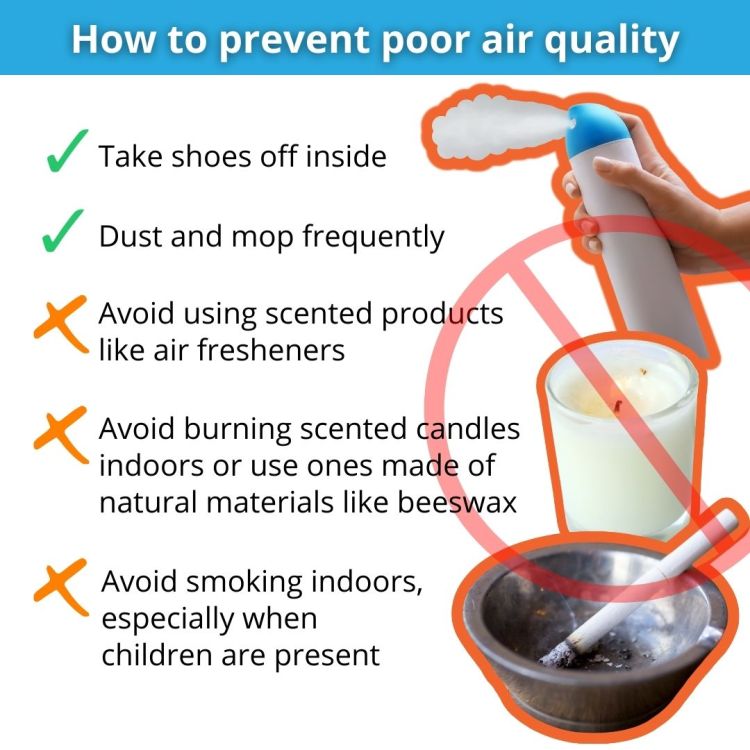
Beyond mechanical solutions, certain lifestyle adjustments can significantly contribute to better air quality. Limiting the use of synthetic fragrances from candles, room sprays, and plug-ins is important, as these products introduce airborne chemicals that can worsen air quality, especially in poorly ventilated spaces. Adopting a consistent cleaning schedule that includes regular vacuuming is also beneficial. Vacuuming, particularly with a HEPA-filtered vacuum, effectively removes dust, pet hair, and allergens before they can become airborne, making it especially useful in high-traffic areas, homes with pets, and carpeted rooms.
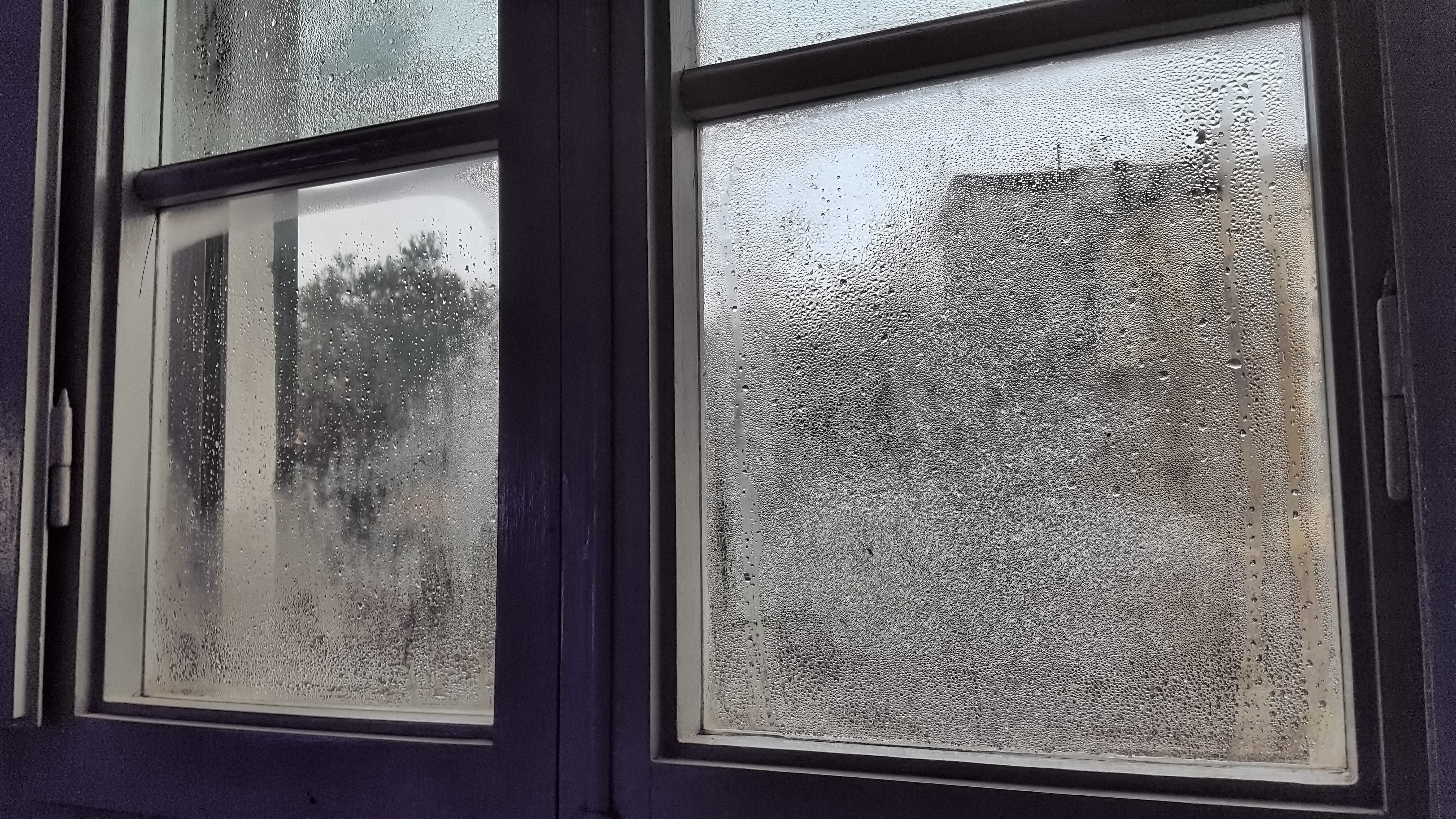
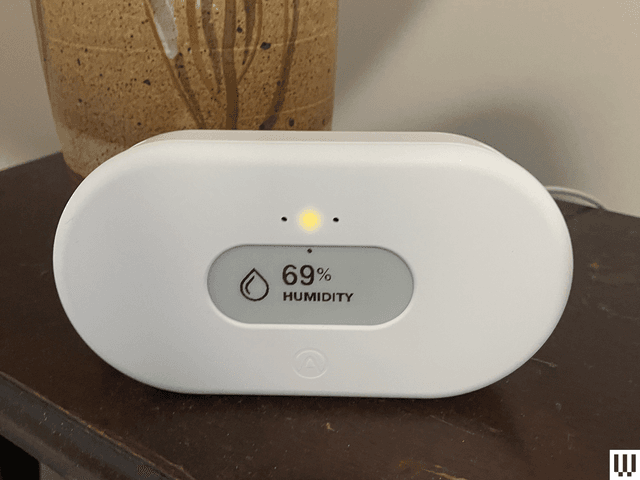
Controlling indoor humidity levels is another critical aspect. The ideal humidity range is between 30 to 50 percent. Humidifiers can add moisture to dry winter air, alleviating issues like dry skin and colds, while dehumidifiers can remove excess moisture in areas prone to mold or mildew, preventing their growth and reducing dust mites. This balance is key to maintaining comfort and healthy air. Finally, upgrading an HVAC system with UV lights provides an additional layer of protection by killing bacteria, viruses, and mold circulating through the ducts, ensuring the air is free from harmful microorganisms.
#IndoorAirQuality #WinterHomeCare #HomeMaintenance #AirPurification #VentilationSystems #CleaningTips #HumidityControl #HVACMaintenance #HealthyLiving #IndoorAirQuality #WinterHomeCare #HomeMaintenance #AirPurification #VentilationSystems #CleaningTips #HumidityControl #HVACMaintenance #HealthyLiving
0 comment in total
 No comments yet
You may also like
How to Get Better Indoor Air Quality | Wirecutter

How to improve air quality at home - it’s the big health issue nobody’s talking about
12 air purifying plants to help clean the air in your home

6 Expert-Backed Ways to Keep Cold Air—and High Energy Bills—Out of Your House This Winter

How to improve indoor air quality at home

The 8 Must-Have Products to Winterize Your Home

How to Improve Indoor Air Quality | Wirecutter

The Best Air Quality Monitors for Testing Your Air Indoors and Out
15 Design Products for Improving Indoor Air Quality at Home

How to improve indoor air quality

13 Of The Best Home Renovation Projects To Tackle During Winter


Winter Deep-Clean: 5 Things Pros Never Forget in December


Simple Ways to Improve the Indoor Air Quality of Your Home

Is Your Home Ready for Another Cleveland Winter? How to Winterize in Northeast Ohio

Eight top tips to banish condensation this winter - starting with sleeping with your curtains open


5 Easy Ways to Improve Kitchen Ventilation

5 mistakes you're making that are compromising your home's air quality – and how to fix it like a HVAC pro

It's Time to Prepare Your Home for Winter With These 10 Quick, Easy Ways
Is your air purifier in the best spot? Follow these rules

HVAC and Indoor-Air Quality