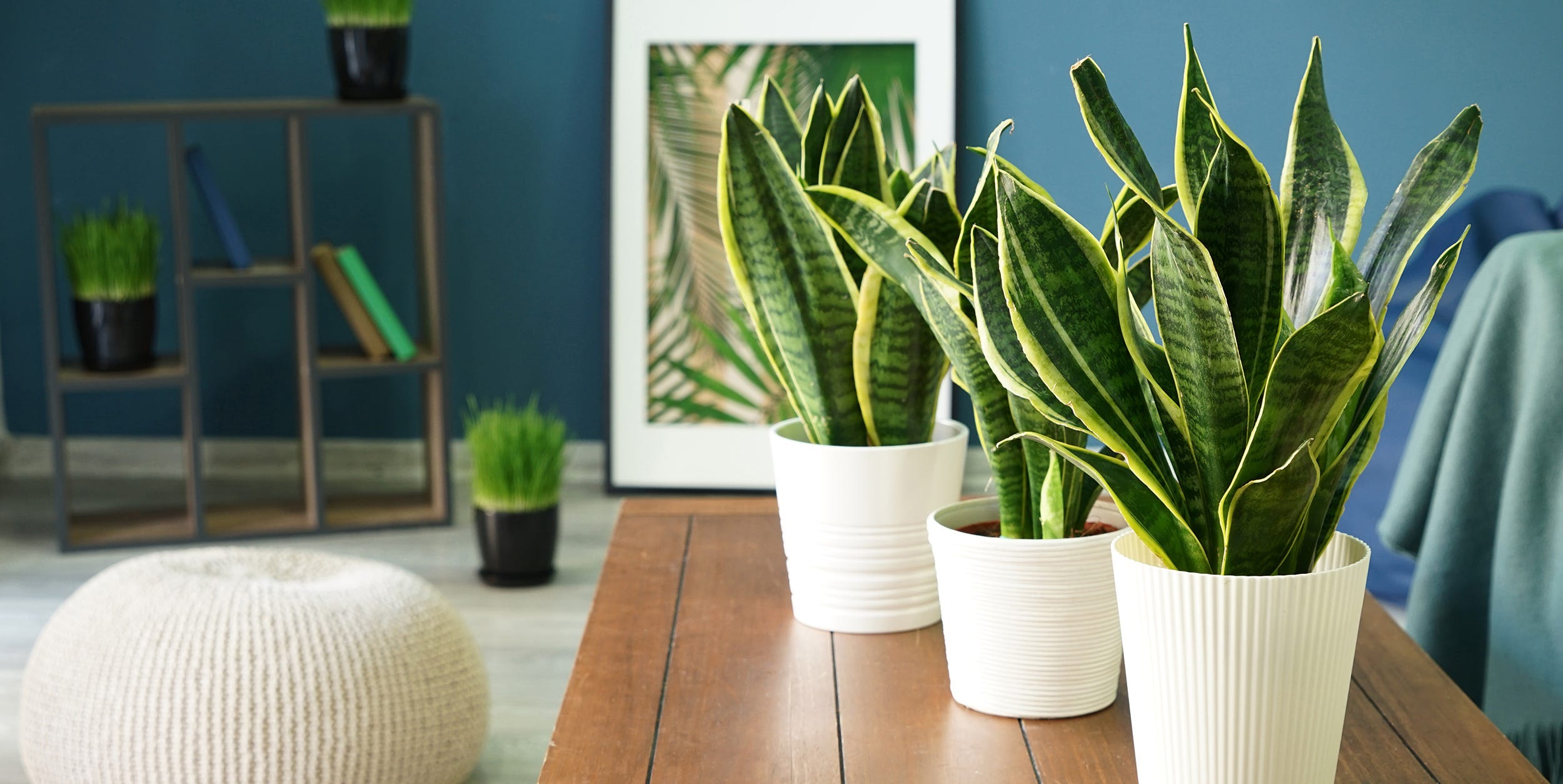
1/13
12 air purifying plants to help clean the air in your home
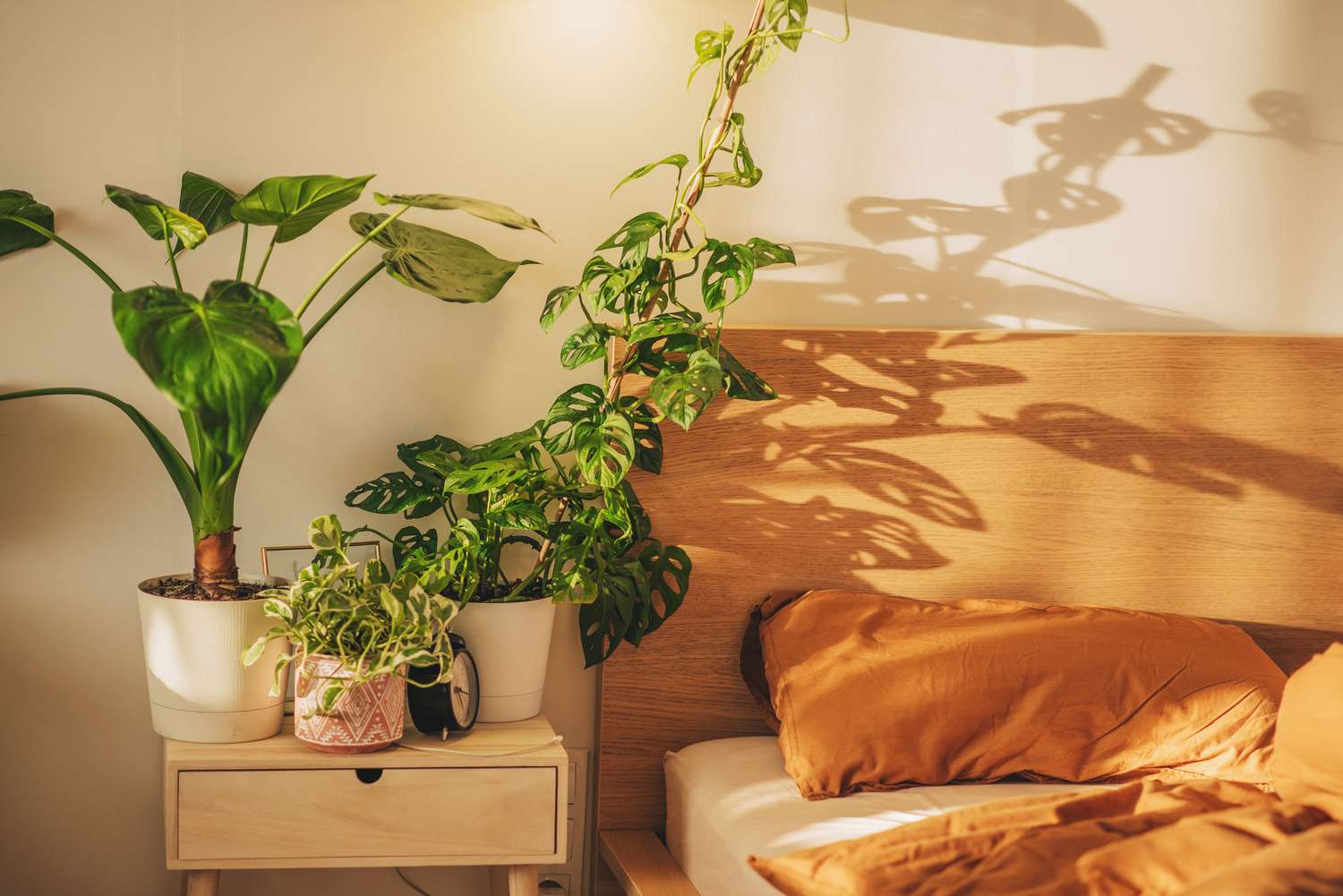
The increasing recognition of the positive impact of air purifying plants on indoor air quality and mental well-being has led to a growing interest in incorporating them into homes. This article explores a selection of air purifying indoor plants, providing details on their benefits, care requirements, and suitability for different environments. While NASA's early research suggested significant air purification capabilities, further scientific investigation, as highlighted by Dr. Tijana Blanusa from the RHS, indicates that the effectiveness of individual plants in removing CO2 and volatile organic compounds (VOCs) indoors is relatively low due to typical low light levels. Achieving a noticeable effect often requires higher light levels or a greater number of plants. However, houseplants offer other significant advantages, including improved productivity and overall well-being, as supported by scientific evidence from studies in office environments where desk plants positively influenced focus, creativity, and productivity. Additionally, plants offer a more cost-effective alternative to electrical air purifiers.
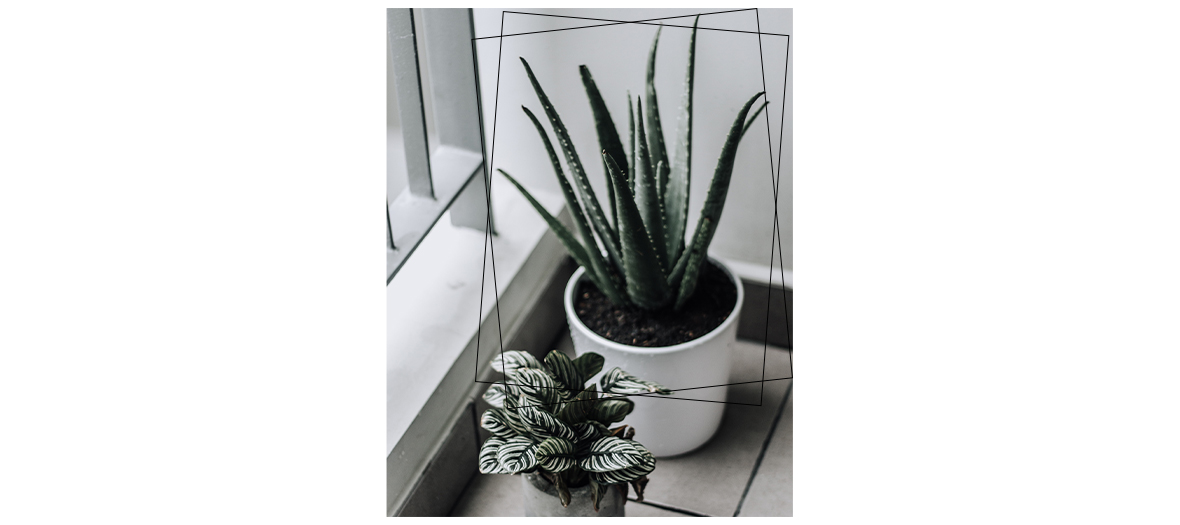
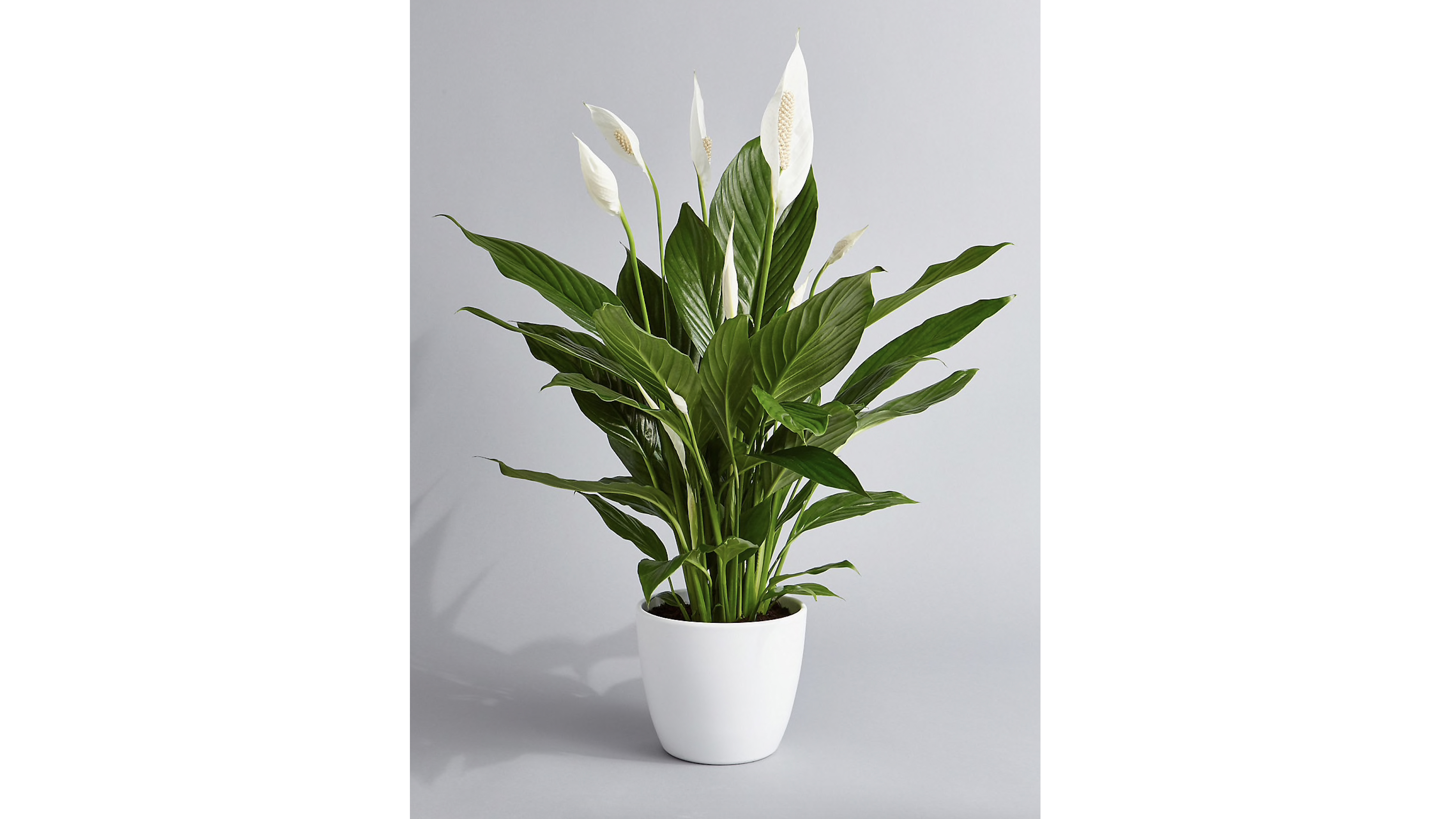
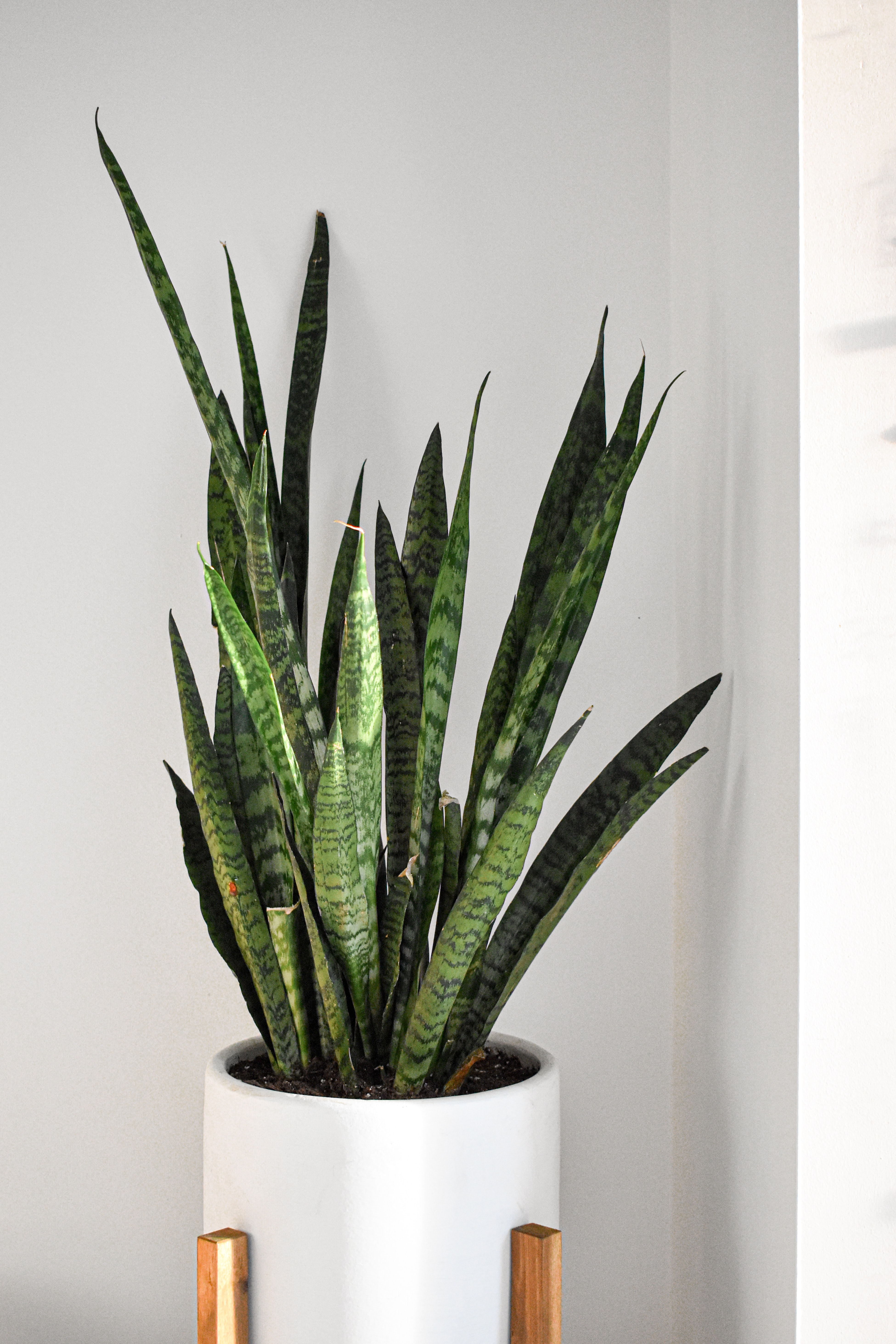
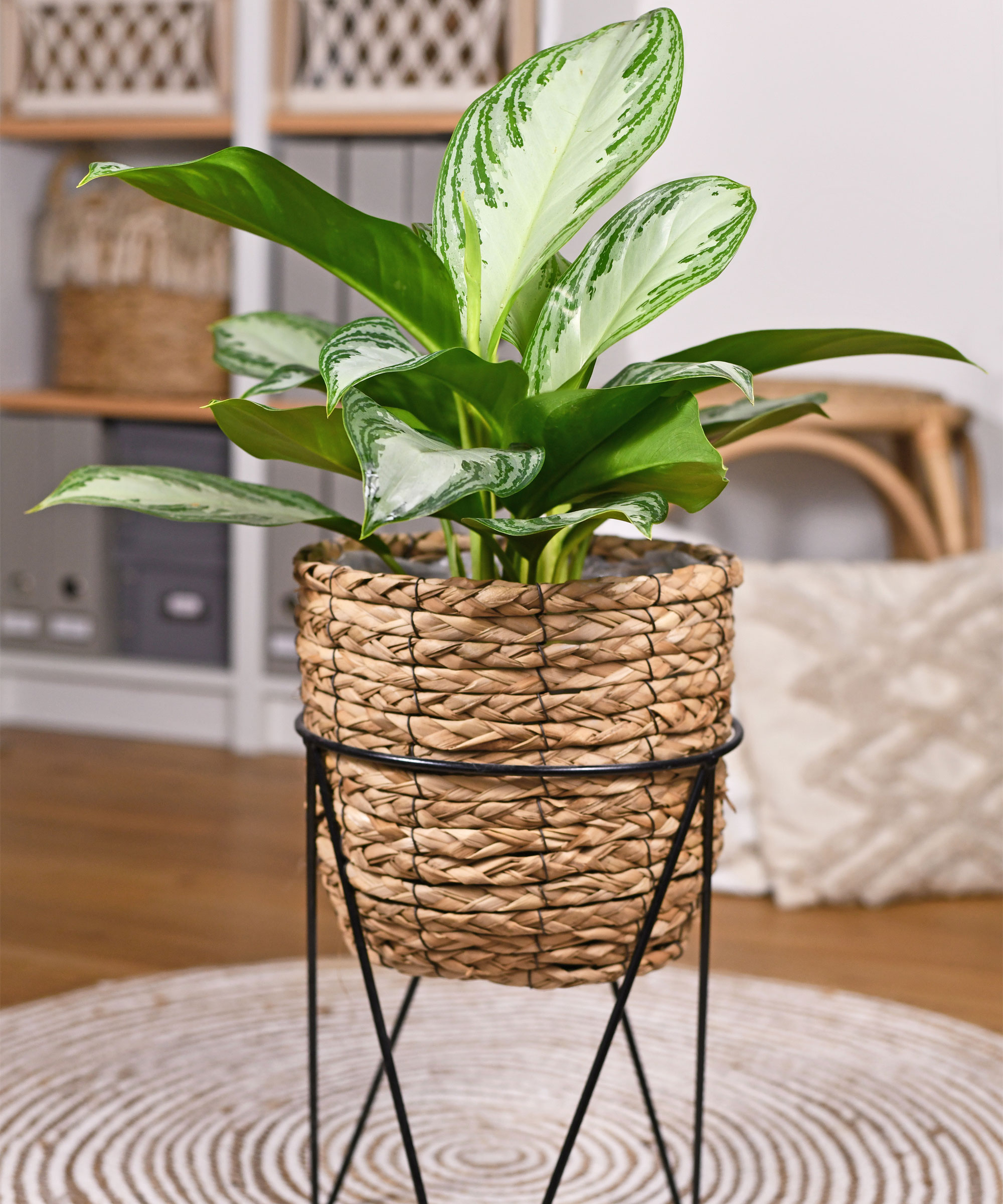
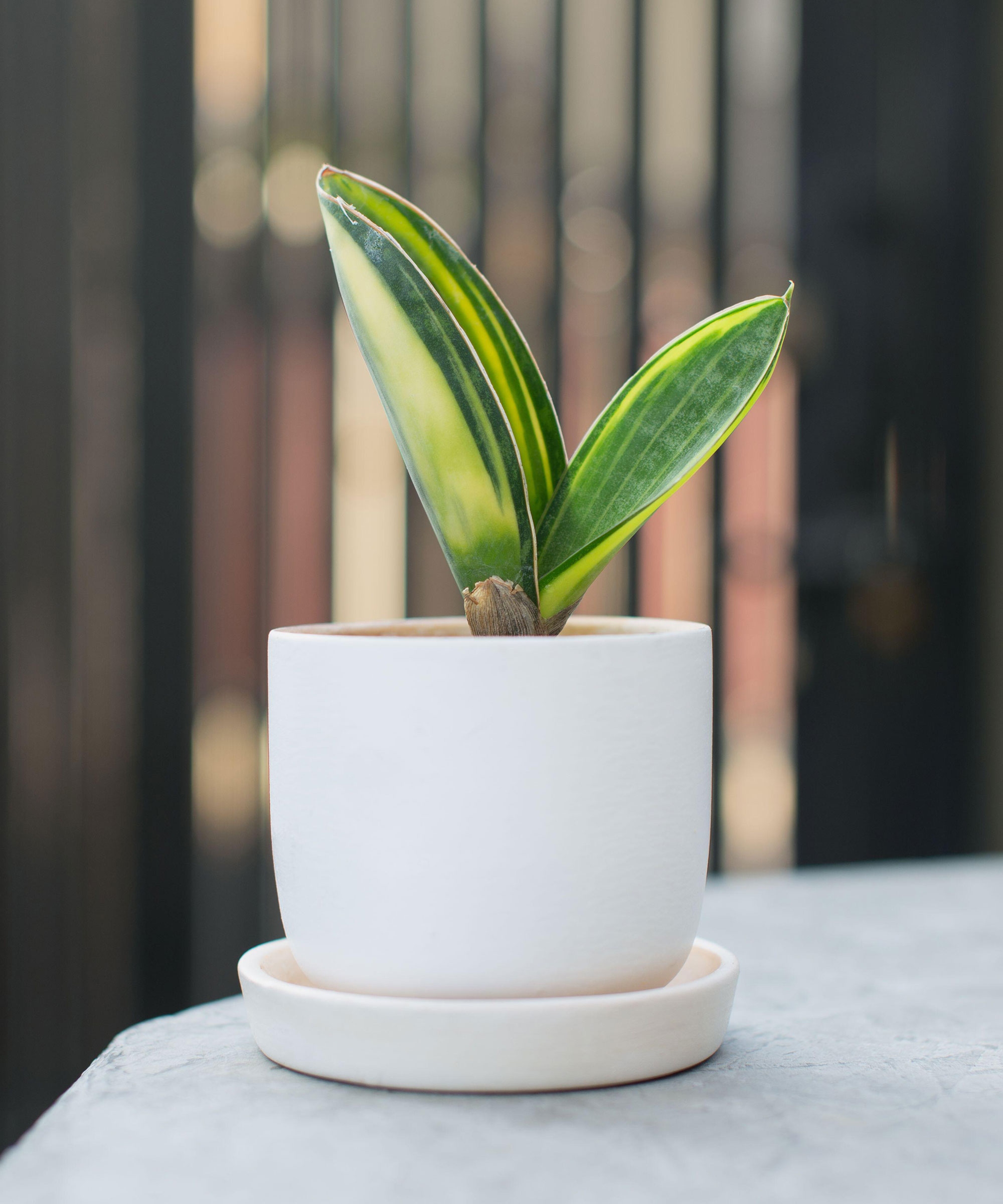
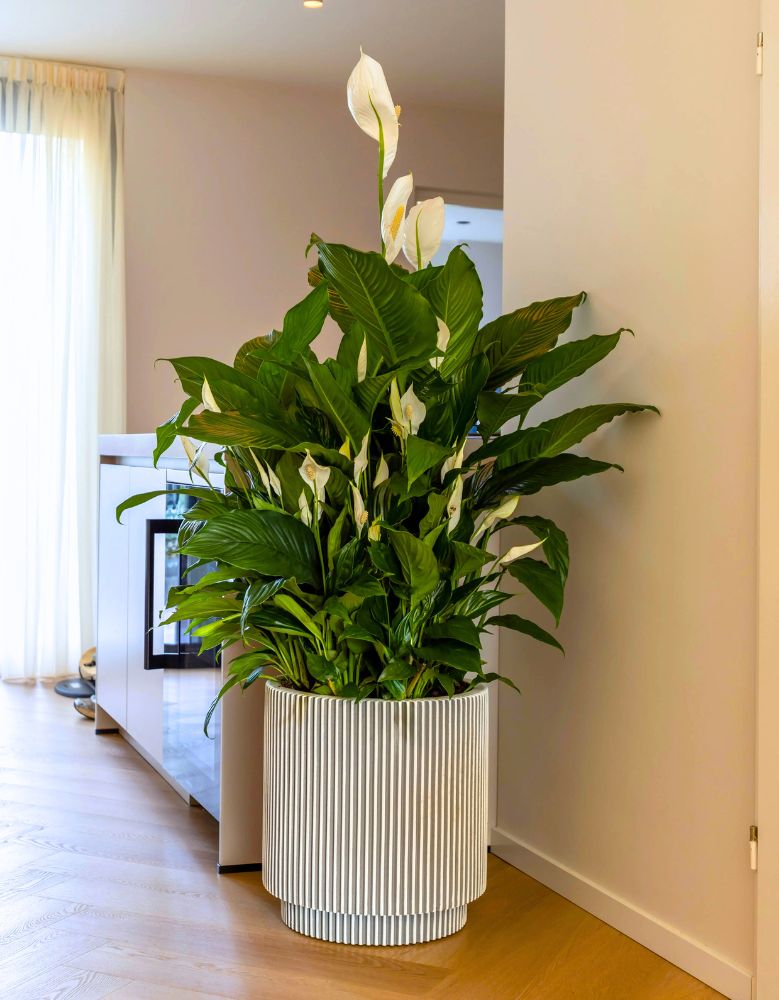
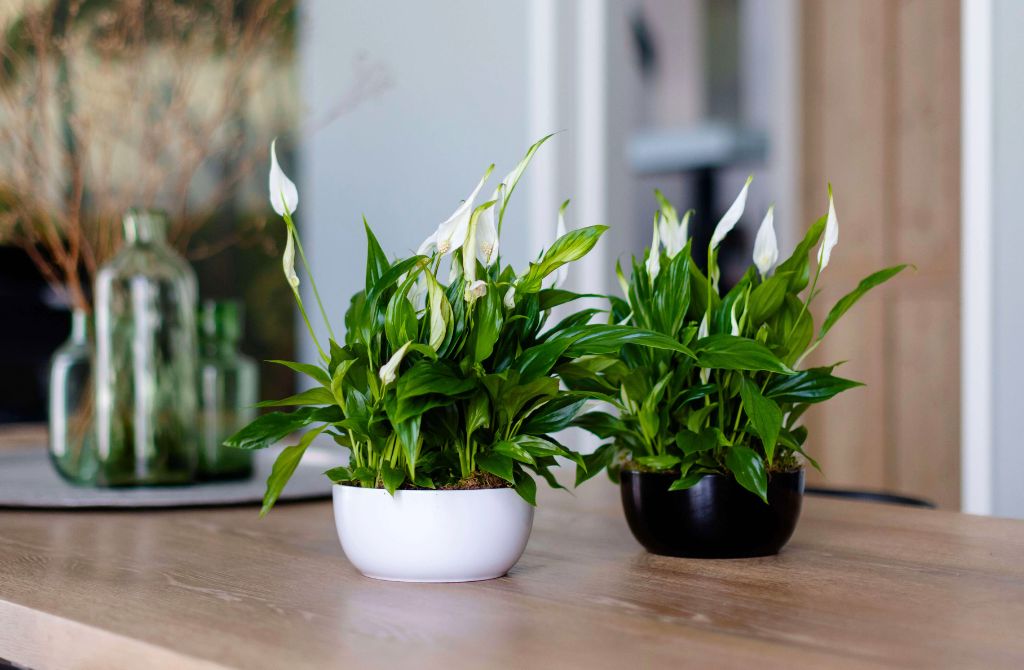
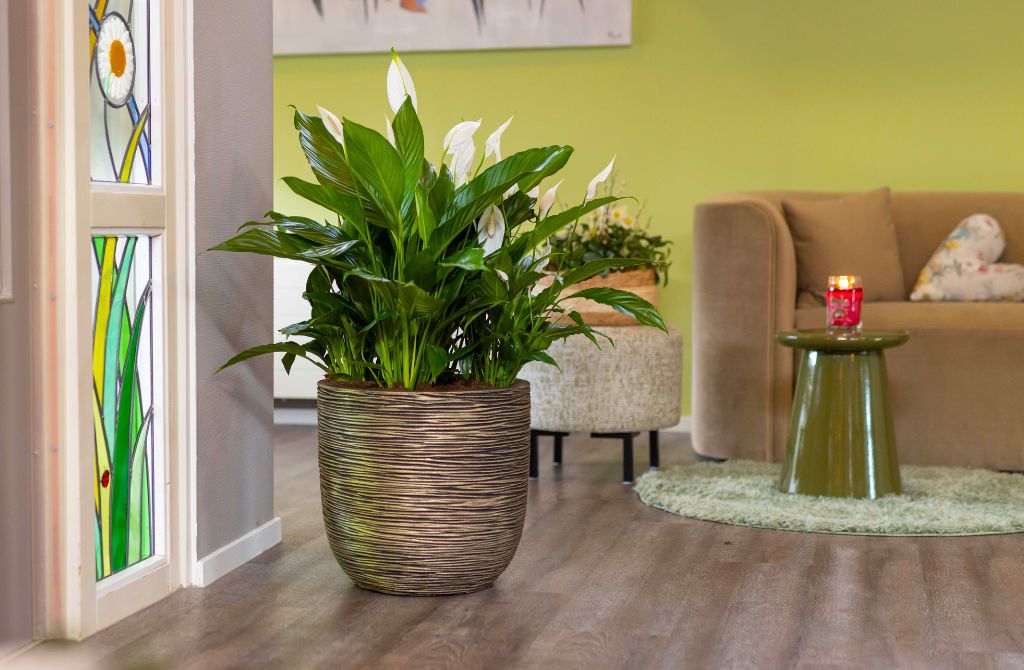
The selection of air purifying plants depends on specific room conditions such as light levels, temperature, and humidity. Some versatile and easy-to-grow options include peace lilies, zamioculcas zamiifolia, and devil's ivy. The article details twelve specific plants: Aloe Vera, known for filtering formaldehyde and continuous oxygen release; Dypsis lutescens (areca palm), effective at removing formaldehyde and adding humidity; Snake plant (mother-in-law's tongue), ideal for bedrooms due to its nighttime oxygen production and ability to filter various toxins; Boston fern, highly effective at removing formaldehyde and car exhaust pollutants but requires regular care; and Peace lily, which clears formaldehyde, trichloroethylene, and benzene, and can reduce mold spores.
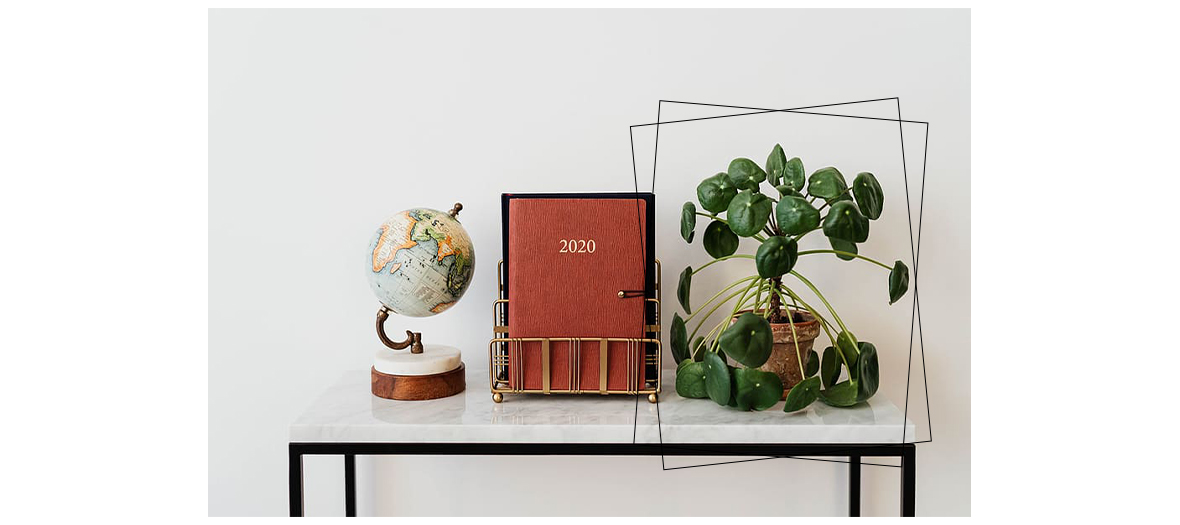
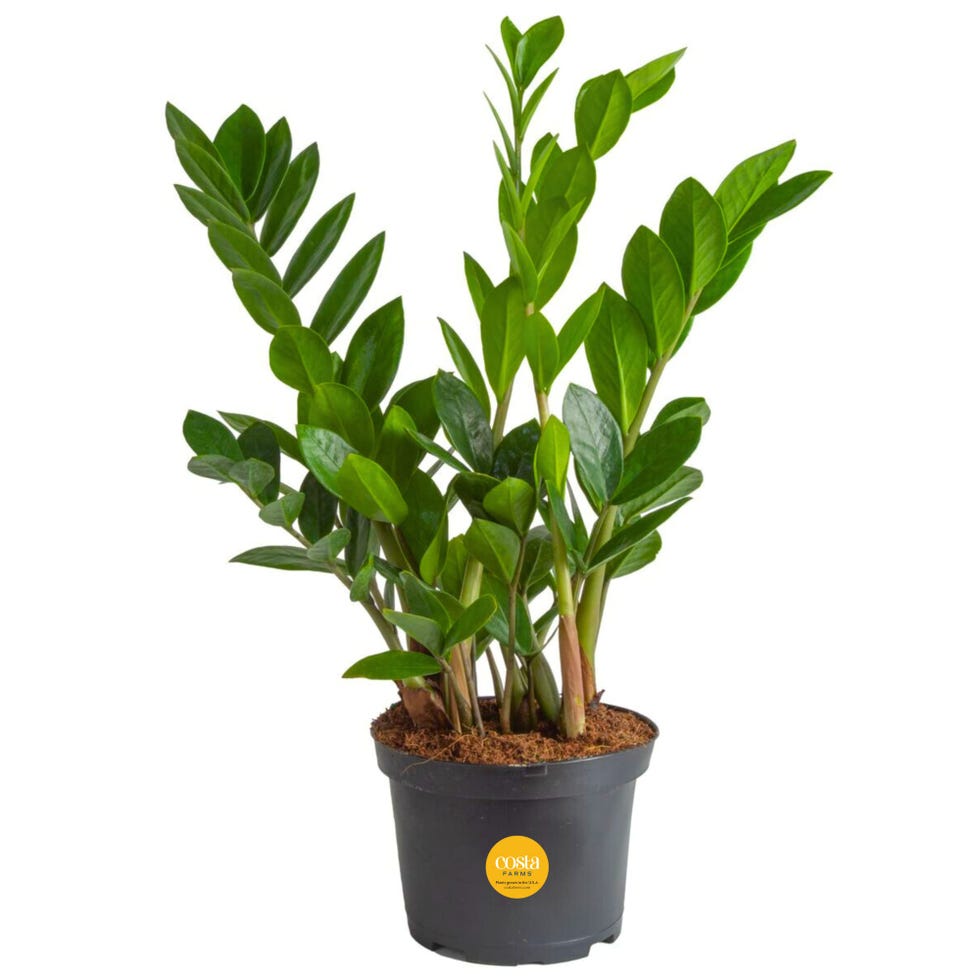
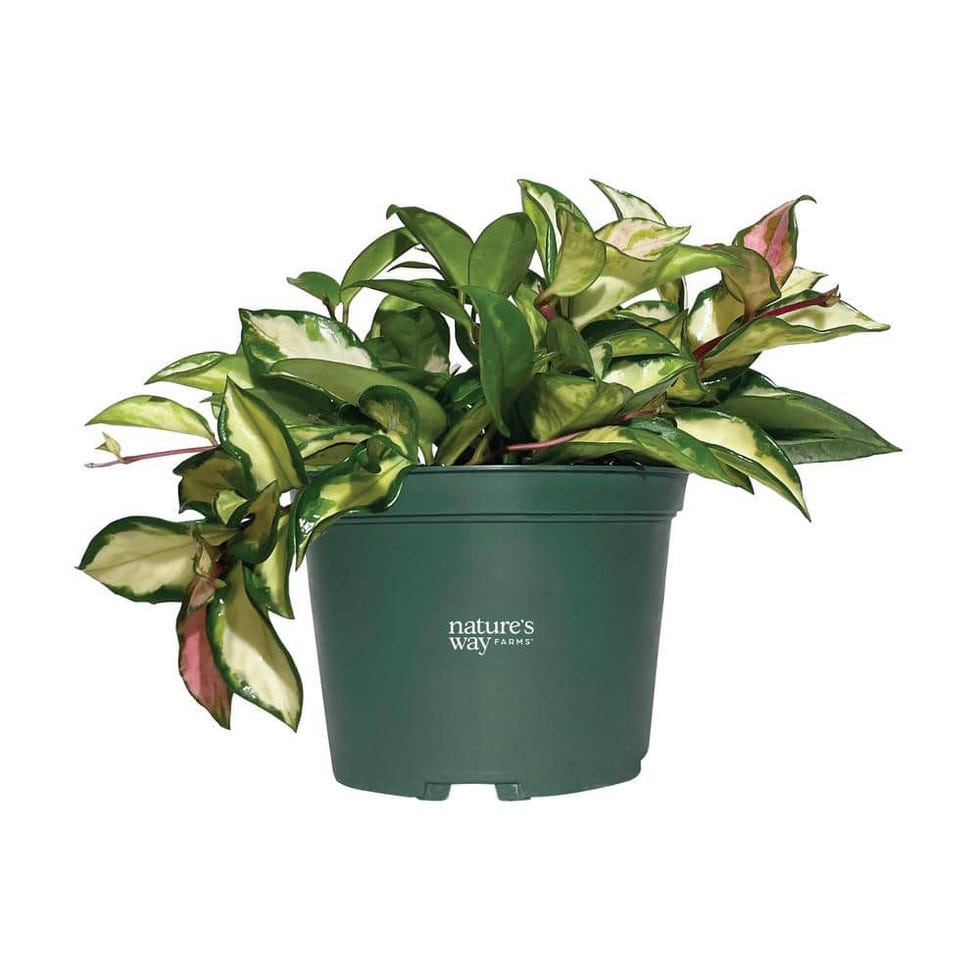
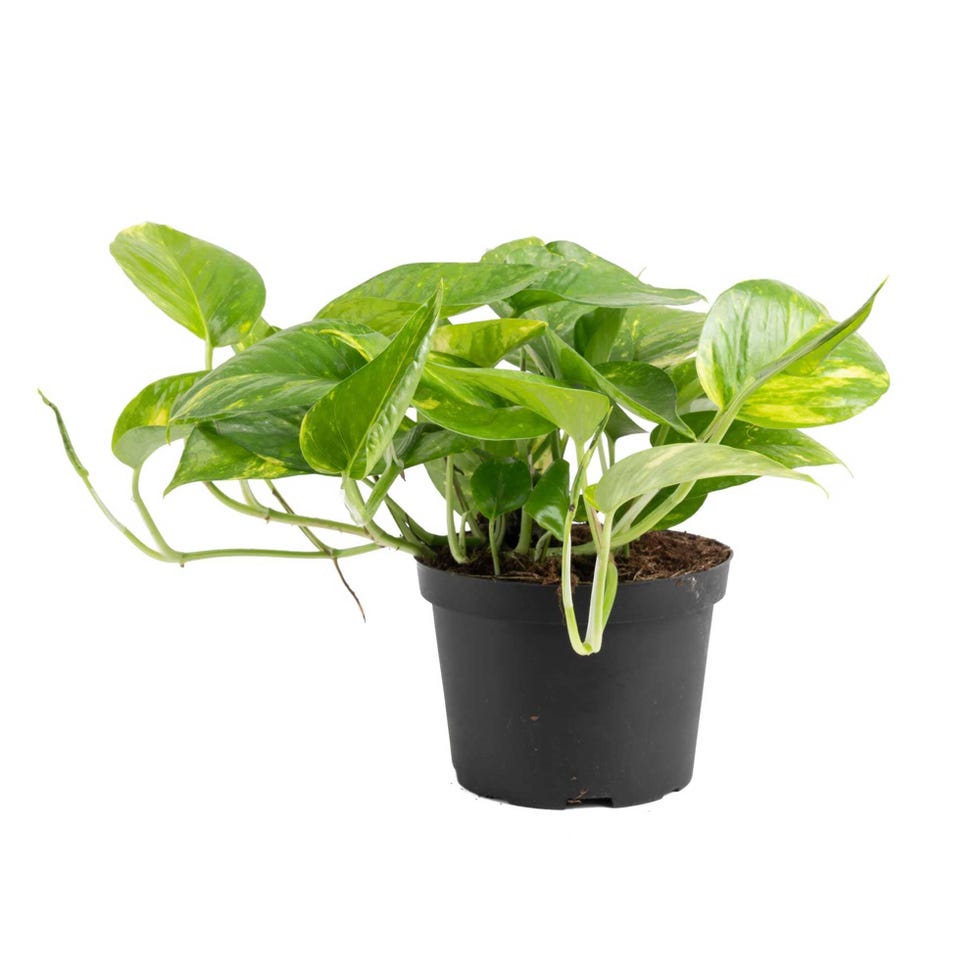
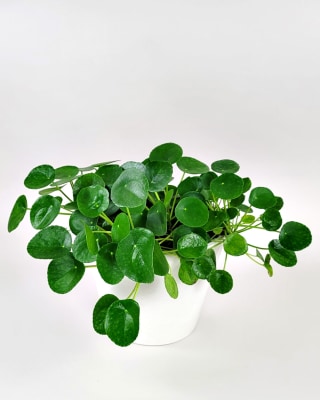
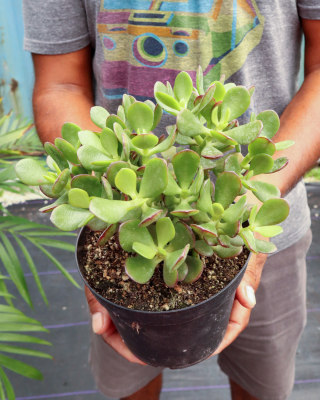
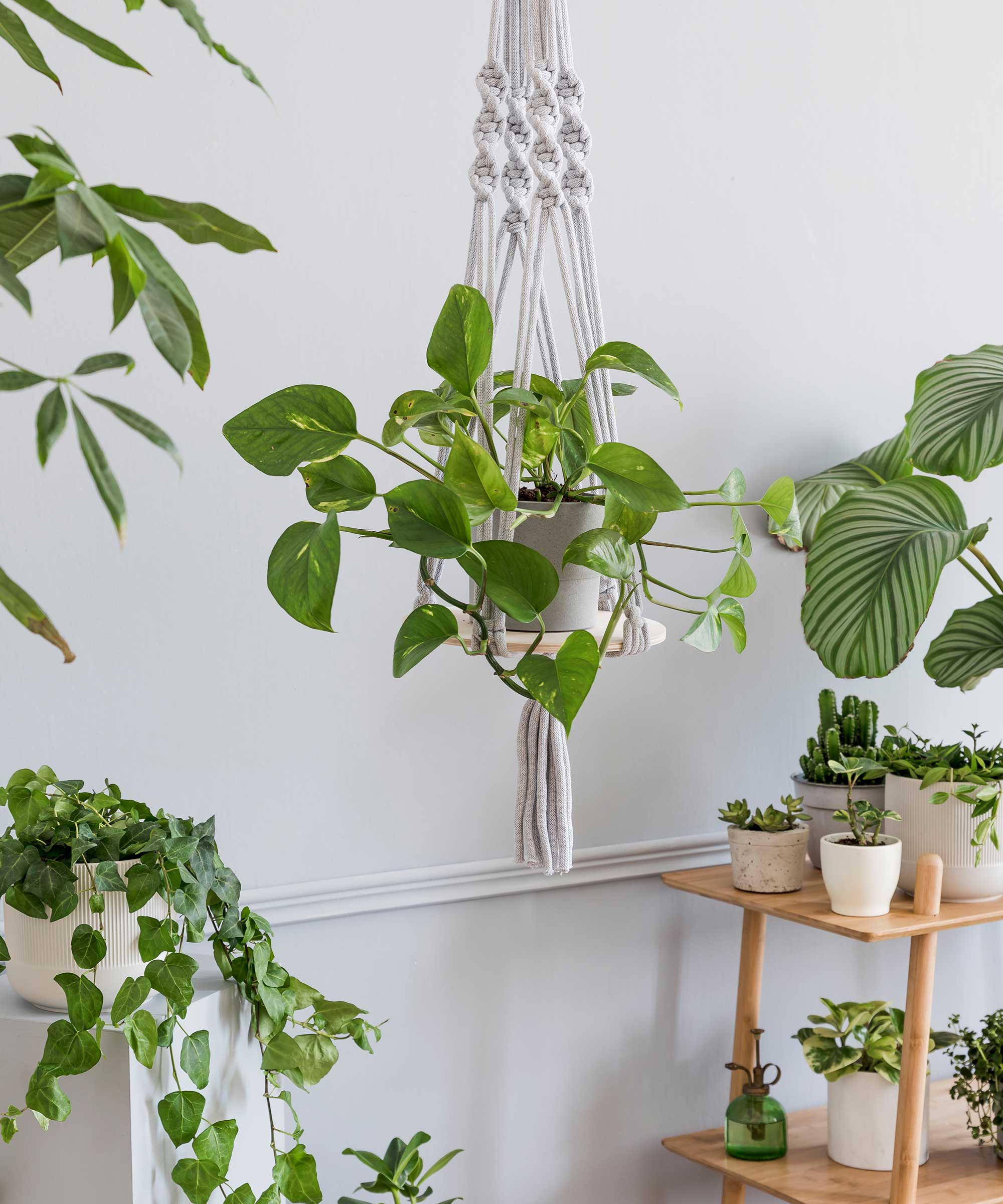
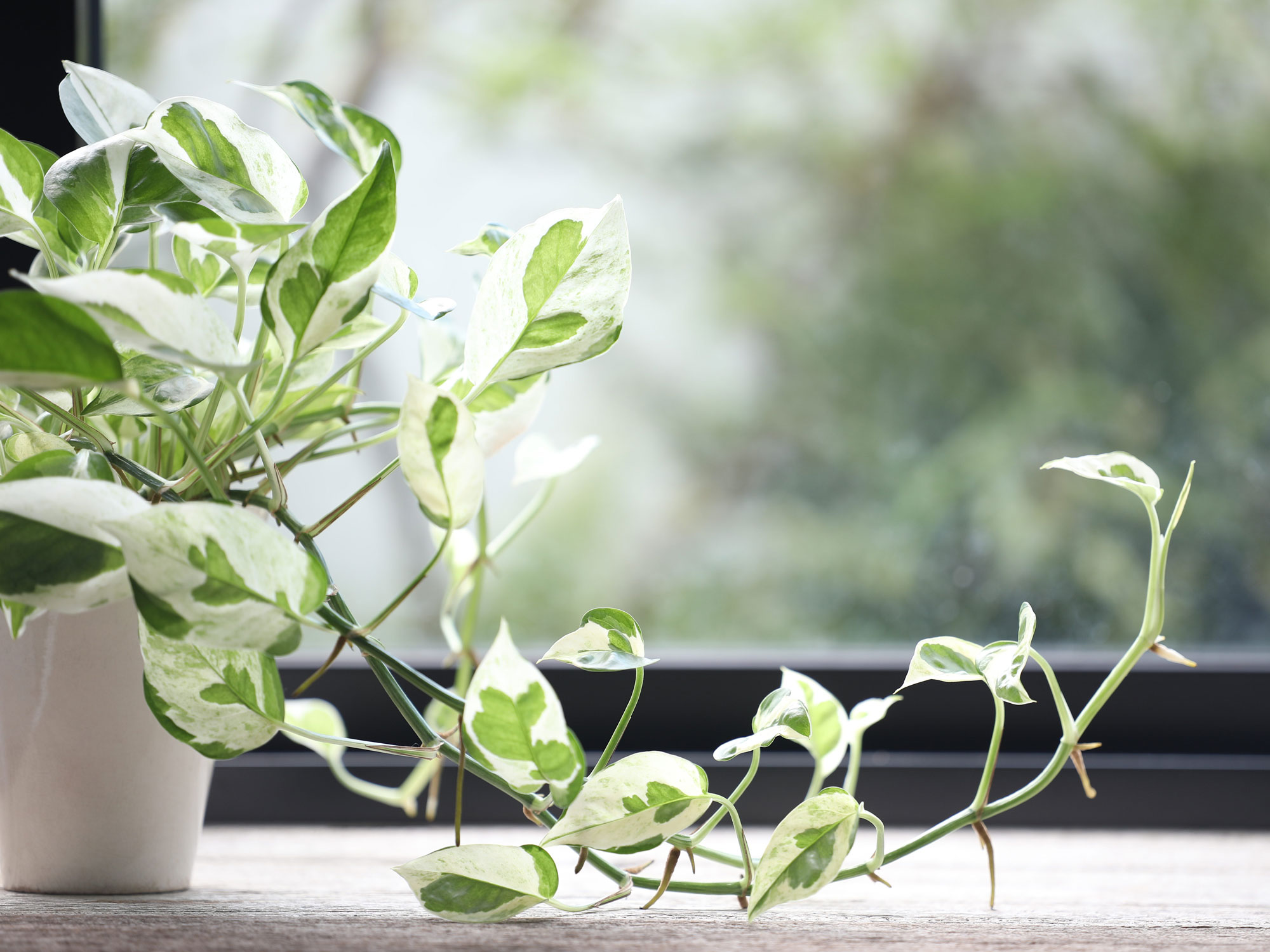
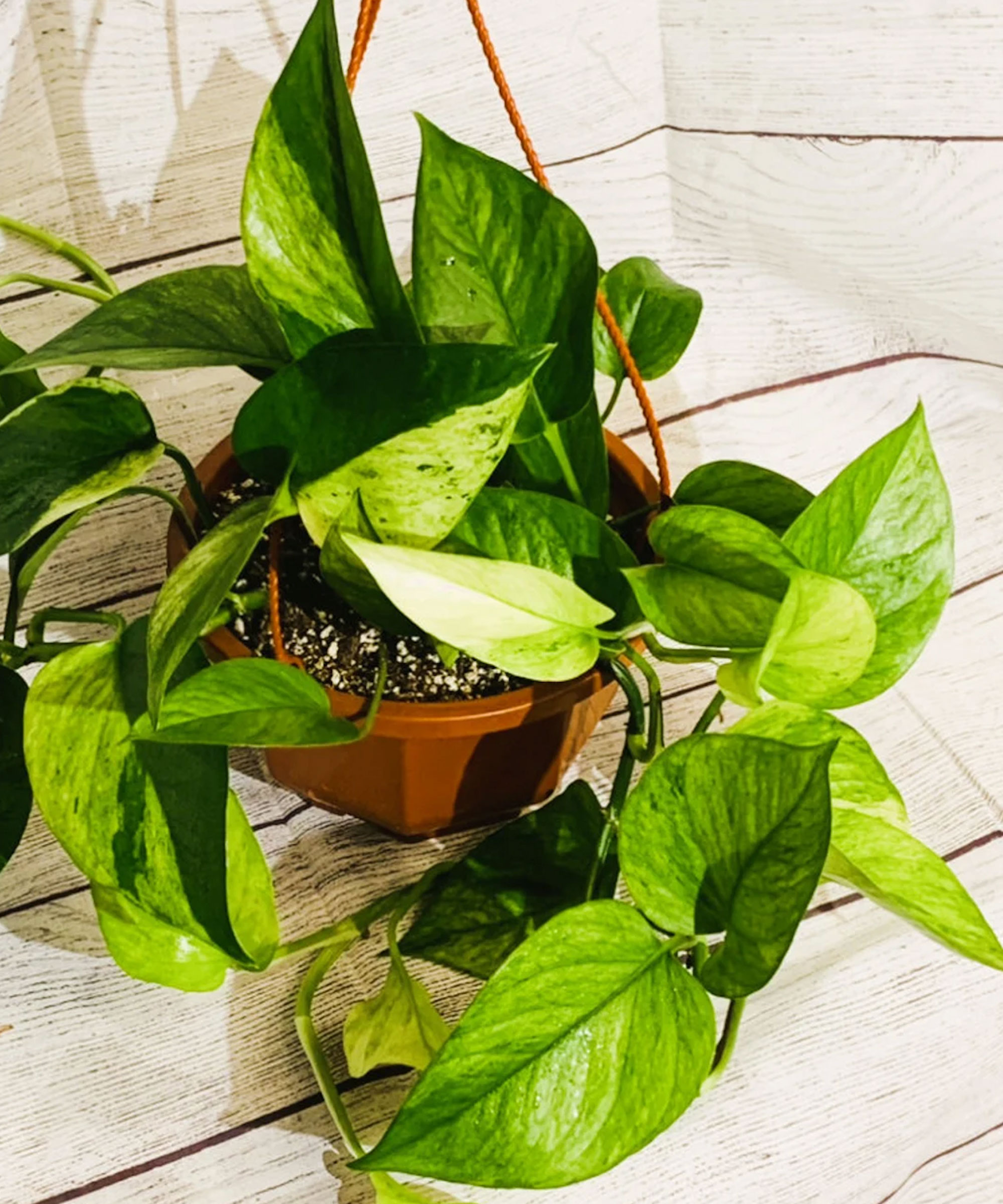
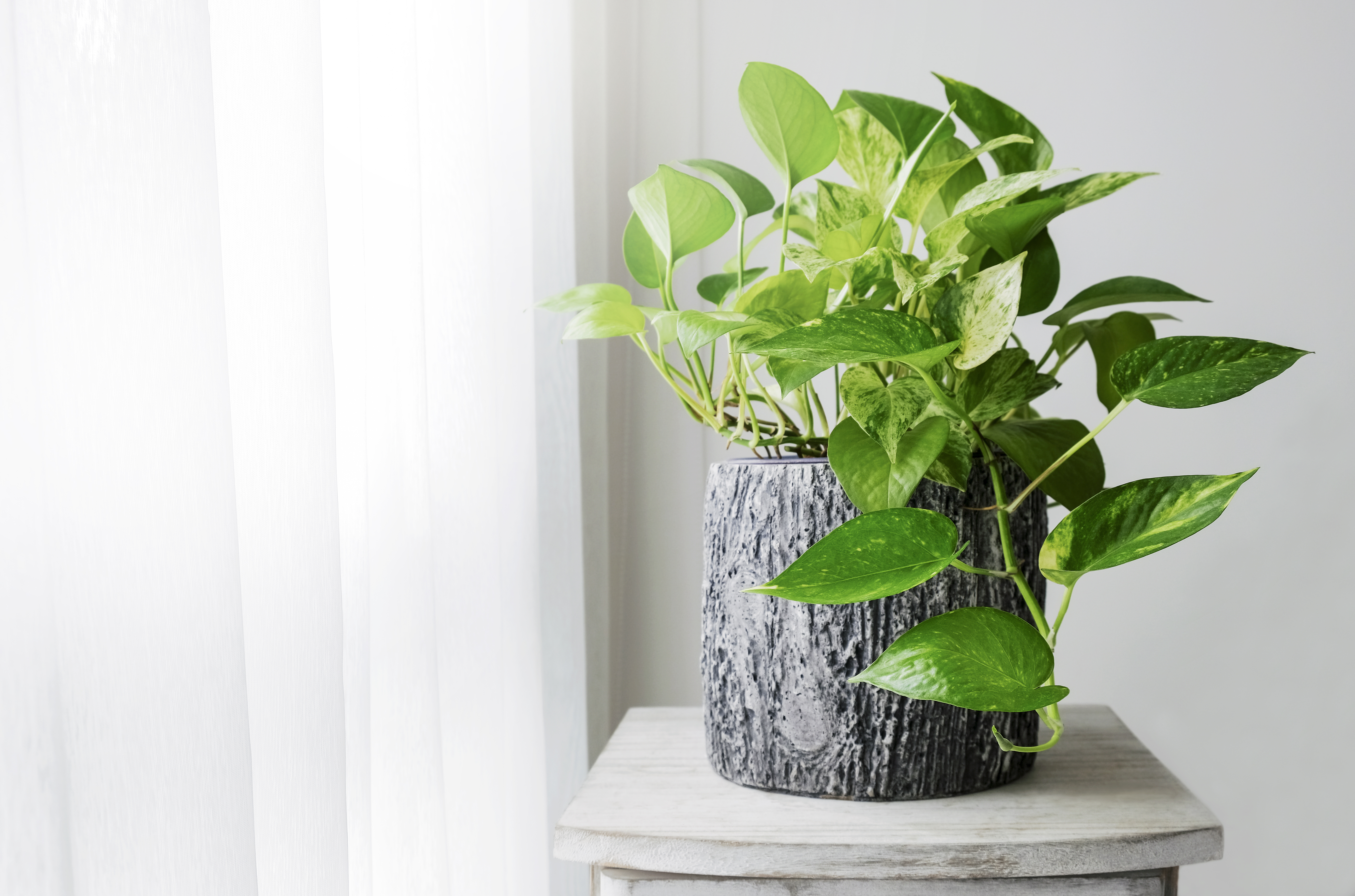
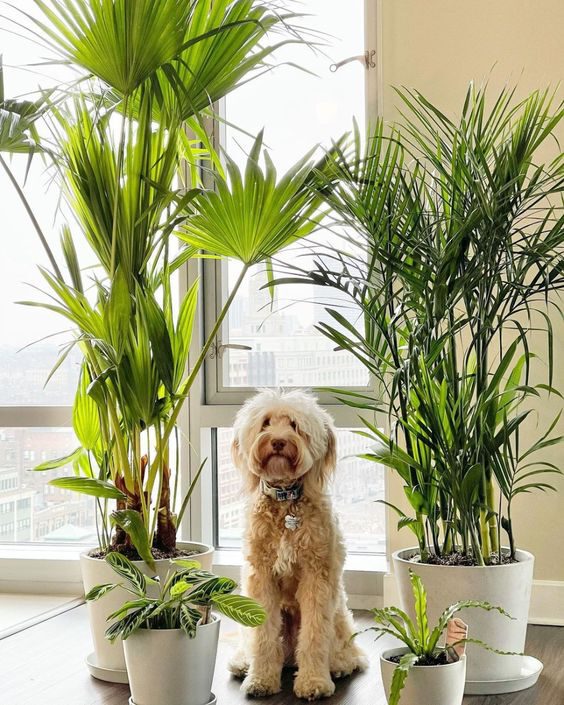
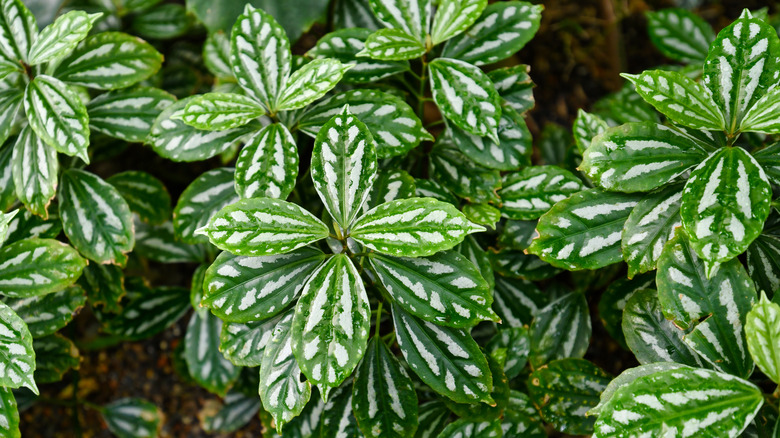
Further recommendations include the Money plant (UFO plant or pancake plant), an easy-to-grow option suitable for houseplant beginners, though less potent in air purification; Dragon tree (dracaena marginata), a tall, slim plant that clears trichloroethylene and xylene, and is low maintenance; Weeping fig, popular for its dense foliage and effectiveness against formaldehyde, xylene, and toluene; Rubber plant (ficus elastica), a statement plant that removes formaldehyde and other chemicals; Zamioculcas zamiifolia (ZZ plant), an easygoing plant that tolerates extreme conditions and removes xylene, toluene, and benzene; Lady palm (rhapis excelsa), a large plant that thrives in low light and reduces ammonia, formaldehyde, xylene, and toluene; and Devil's ivy, a robust indoor climber that efficiently removes benzene, formaldehyde, trichloroethene, toluene, and xylene.
Each plant description includes its specific air purifying capabilities, optimal position (light conditions), care instructions (watering, humidity), and toxicity information for cats and dogs, making it a comprehensive guide for those looking to enhance their home environment with greenery.
#AirPurifyingPlants #IndoorPlants #HomeGardening #HouseplantCare #MentalWellbeing #ToxinRemoval #HomeDecor #NASAStudy #RHSAdvice #AirPurifyingPlants #IndoorPlants #HomeGardening #HouseplantCare #MentalWellbeing #ToxinRemoval #HomeDecor #NASAStudy #RHSAdvice
0 comment in total
 No comments yet
You may also like
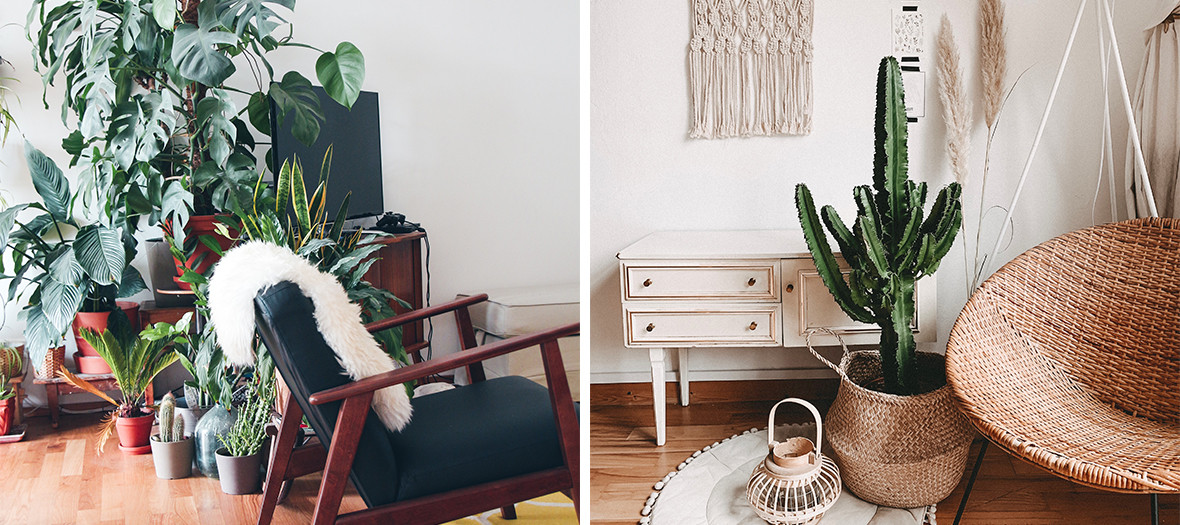
7 plants to detoxify your apartment

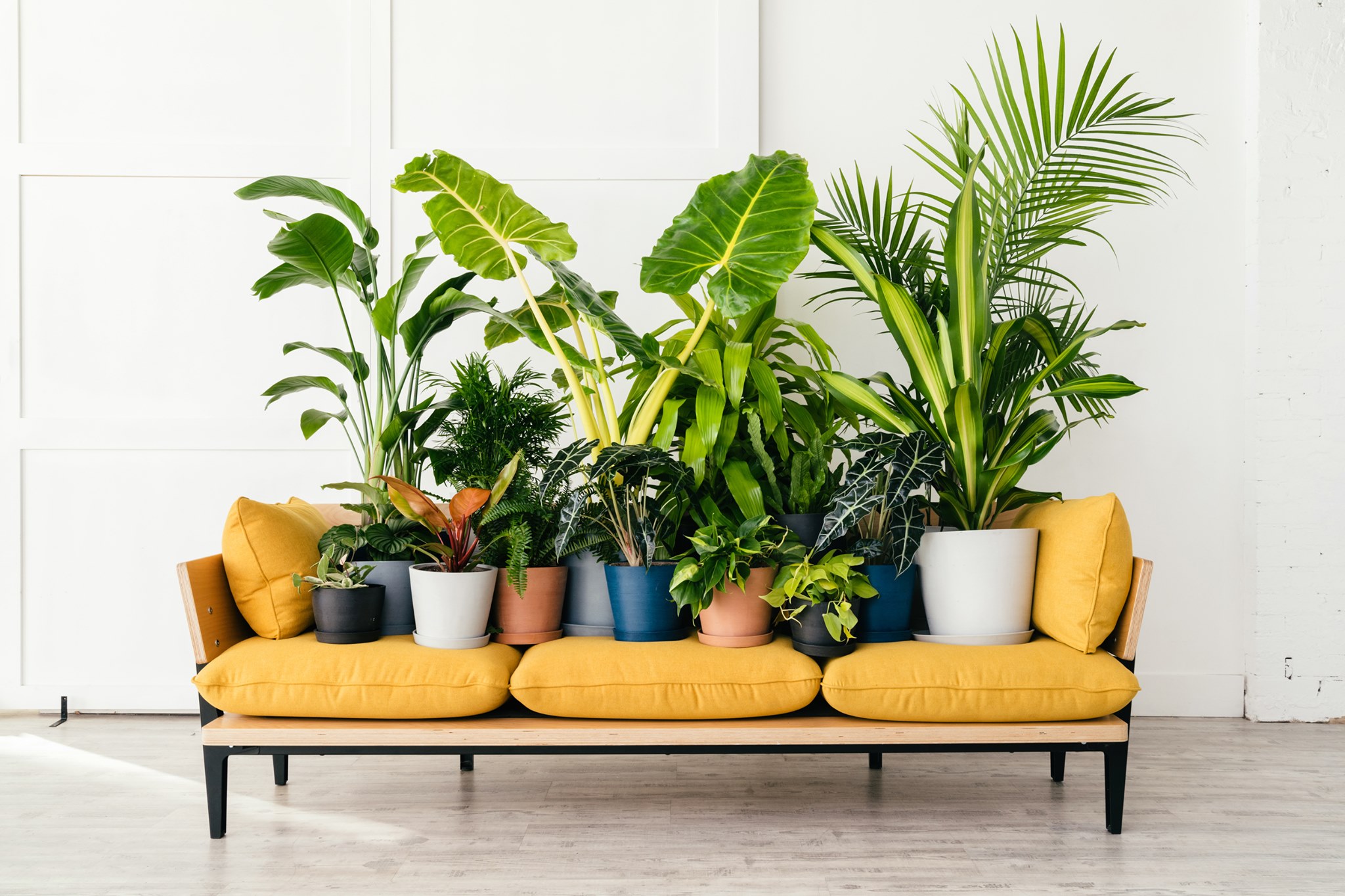
Best indoor plants: the best house plants for stylish greenery


10 Low Maintenance Houseplants That Are Safe for Your Furry Friends

We’ve Been Testing Air Purifiers for Years — These Are the Ones We Keep in Our Kitchens


These 30 Low-Light Houseplants Refuse to Die in Dim Conditions

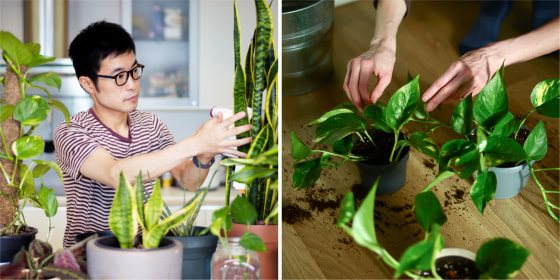
11 best low-maintenance indoor plants

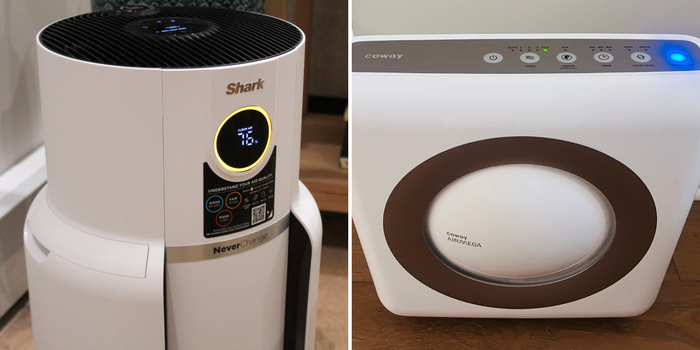
Breathe right — we tested 40 air purifiers to find the best to combat allergens, pet dander, and pollution
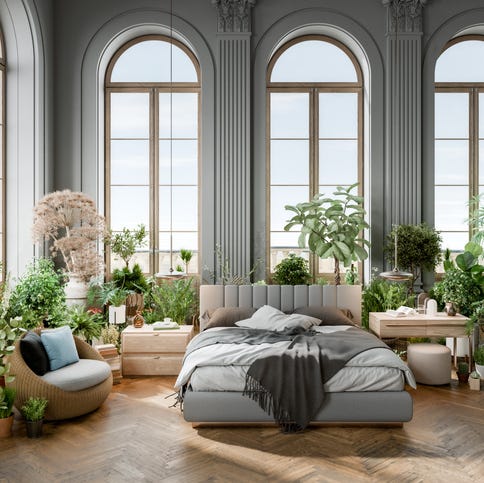
An Expert Guide on the Top Bedroom Plants

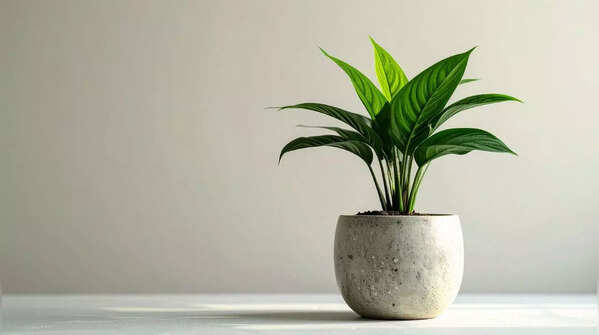
8 indoor plants that thrive in indirect or low sunlight


Simple Ways to Improve the Indoor Air Quality of Your Home

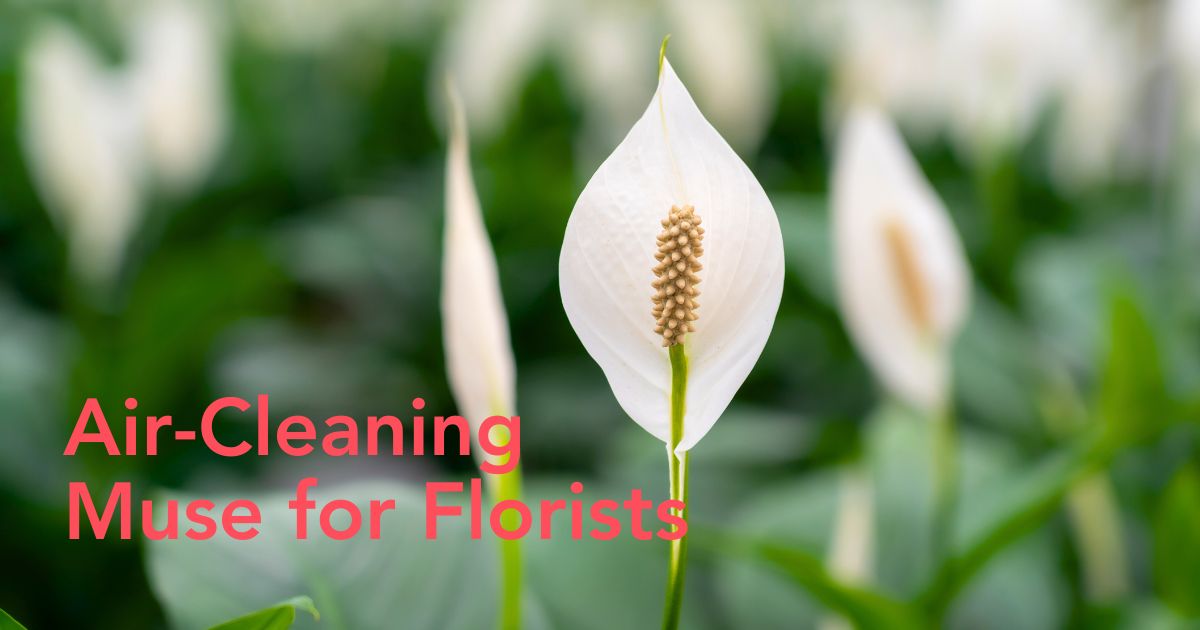
Spathiphyllum Is October’s Air-Purifying Plant of the Month
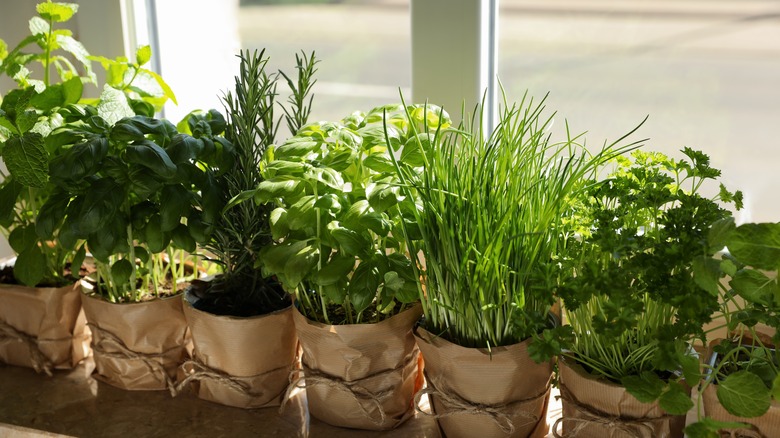
25 Houseplants Perfect For Your Kitchen Window
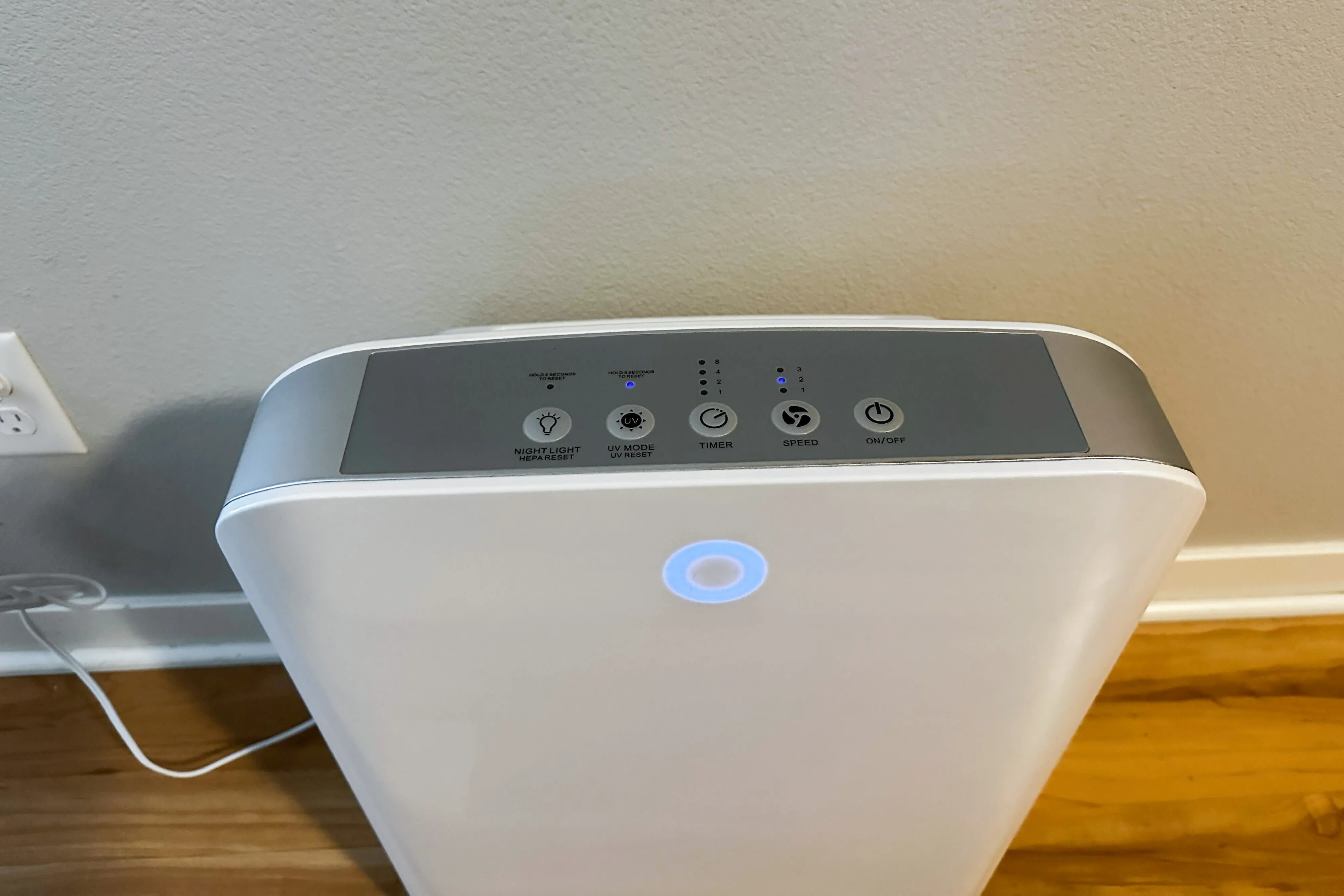
The Best Air Purifiers that Remove Smoke & Other Pollutants from Your Home
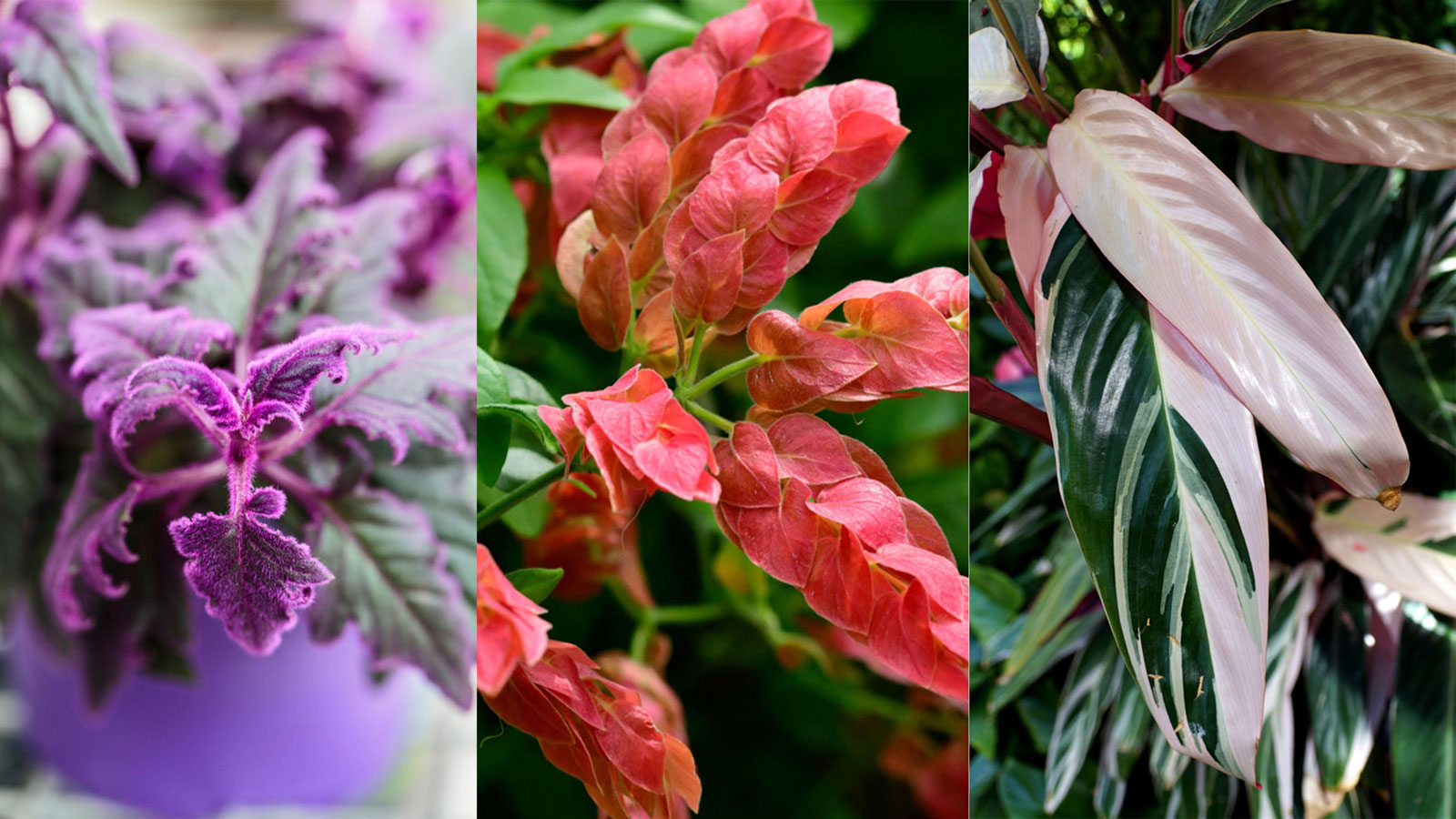
10 underrated houseplants – you won't regret adding these lesser-known beauties to your plant collection


15 Design Products for Improving Indoor Air Quality at Home

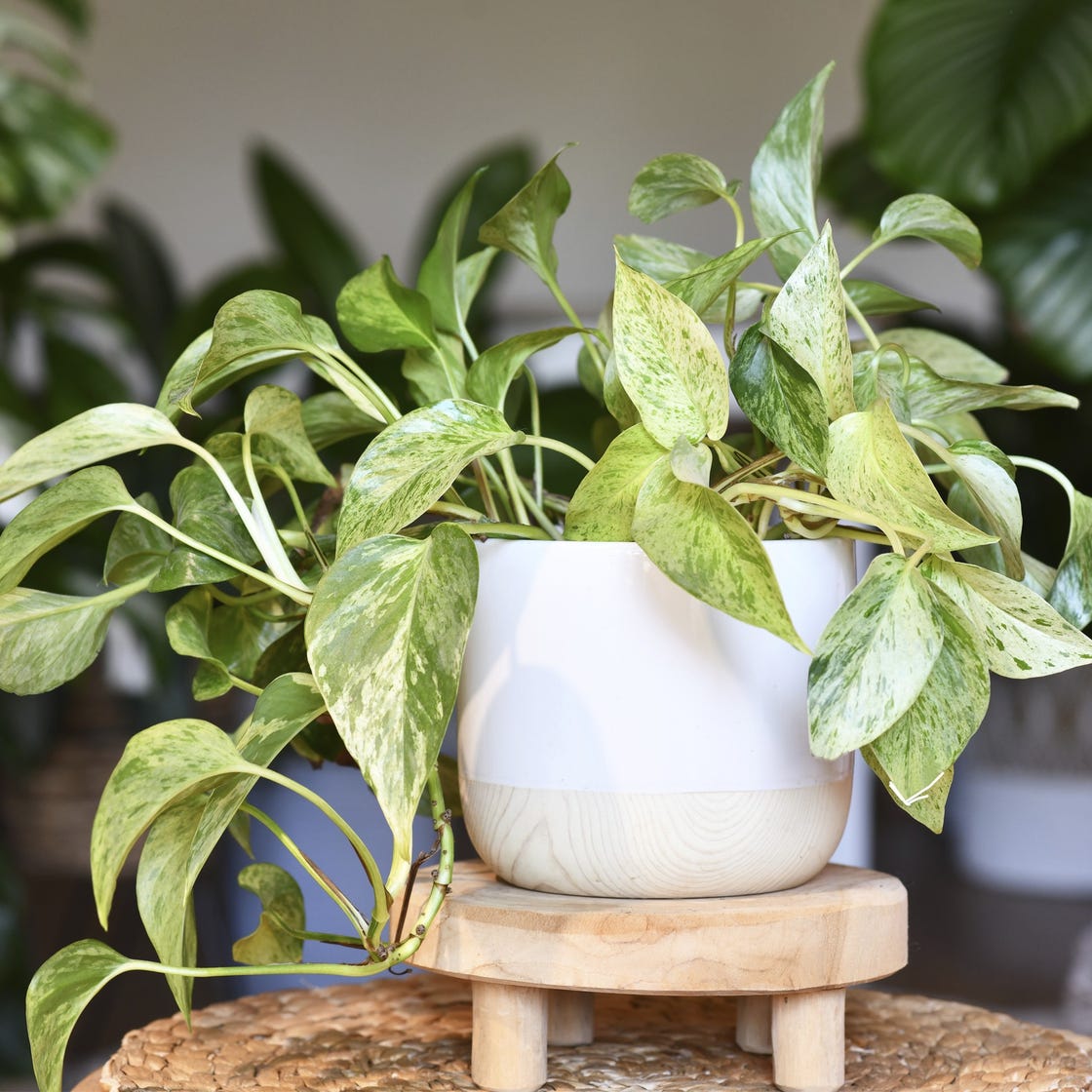
The Ultimate Pothos Plant Guide, According to Experts
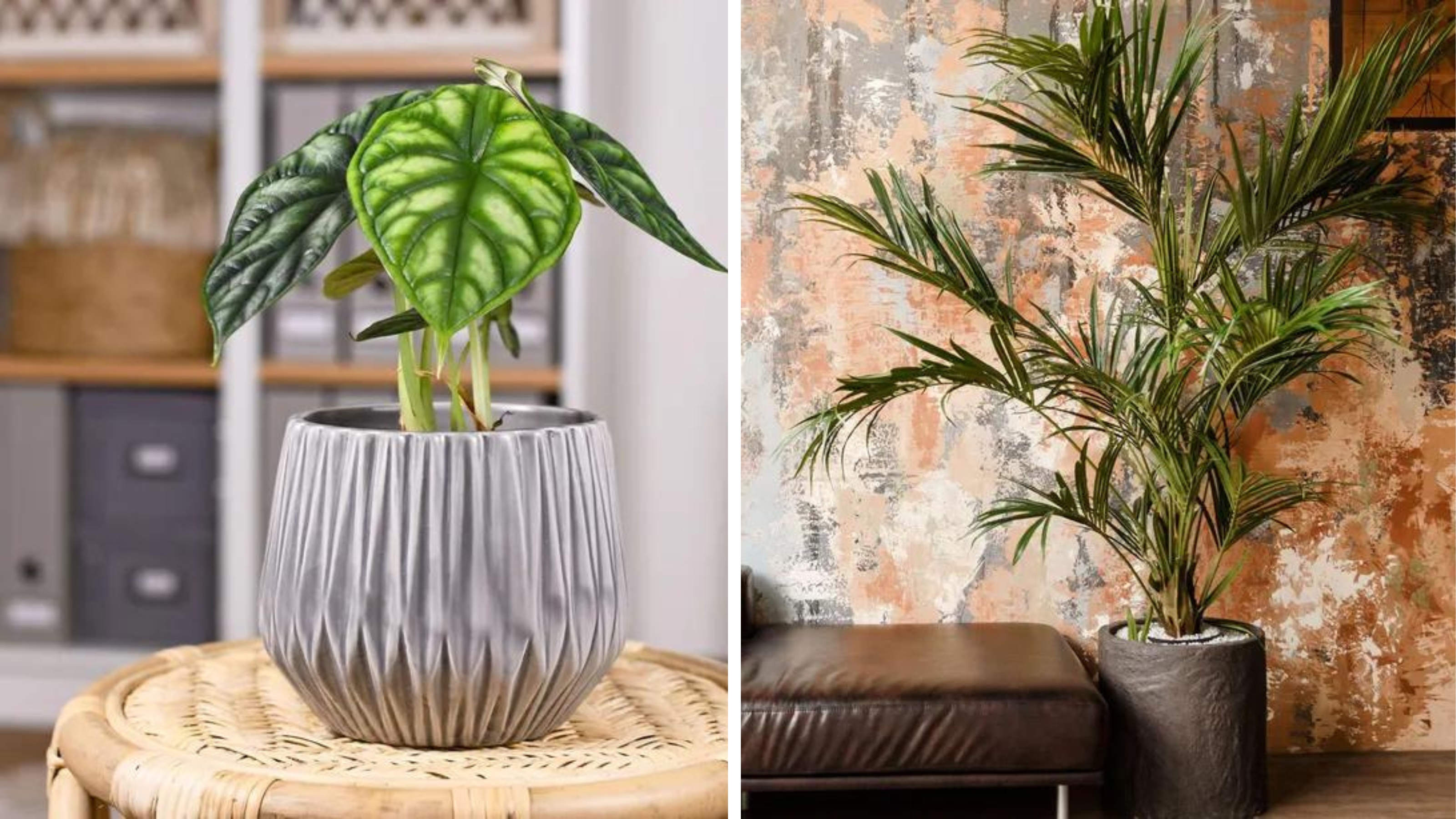
Best tropical indoor plants — 8 easy-to-grow exotic beauties
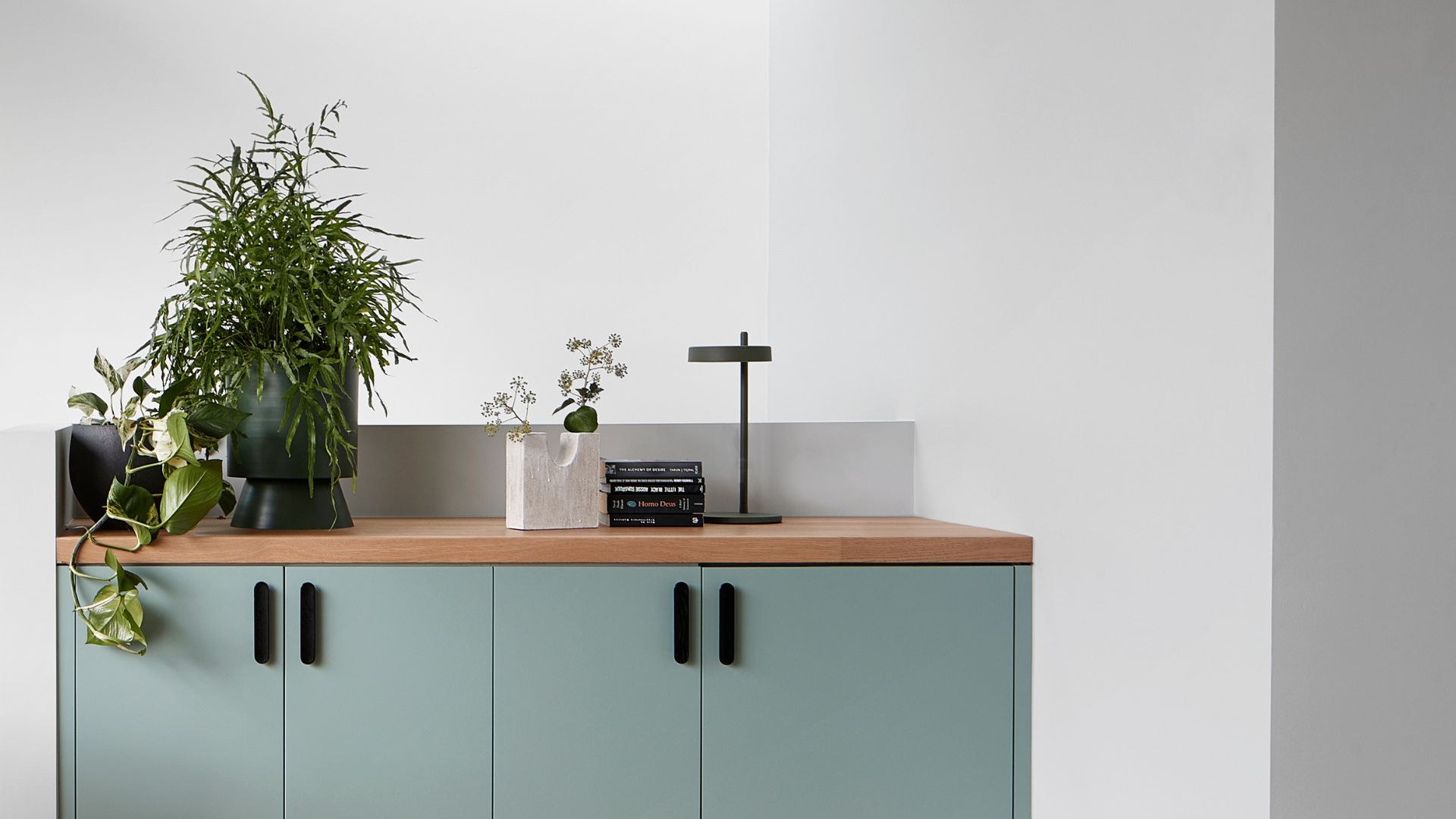
7 Pothos Varieties — Devilishly Design-Friendly Houseplants And How You Can Display Them

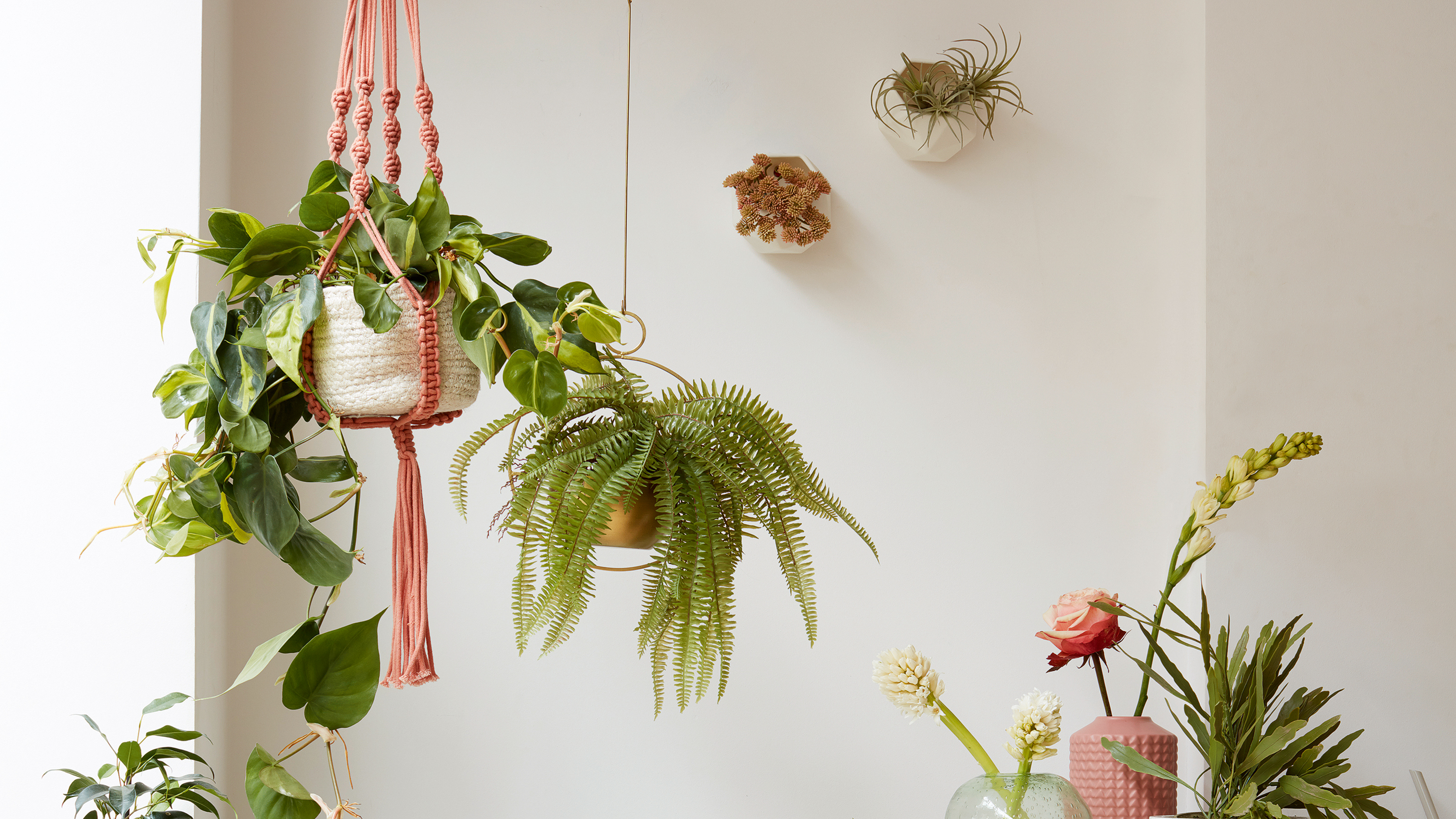
Bedroom plant ideas – 10 ways to use plants to give your boudoir an instant lift
These Are the Best Plants to Keep in Your Bedroom