1/8
7 plants to detoxify your apartment
The increasing popularity of plants in home decor for 2020 is attributed to their aesthetic appeal and their significant detoxifying properties. Following winter festivities, integrating specific plants into living spaces can contribute to a healthier indoor environment. This approach to interior design combines visual enhancement with practical benefits for well-being.
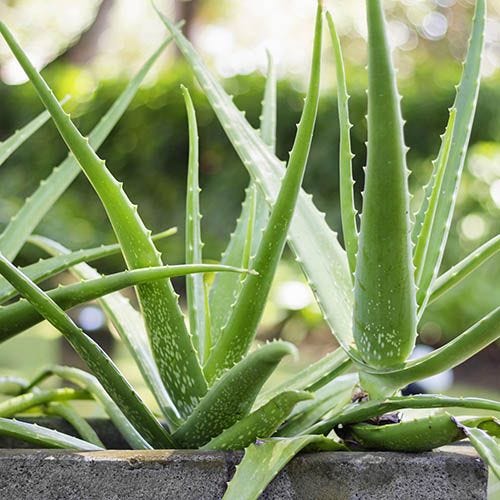
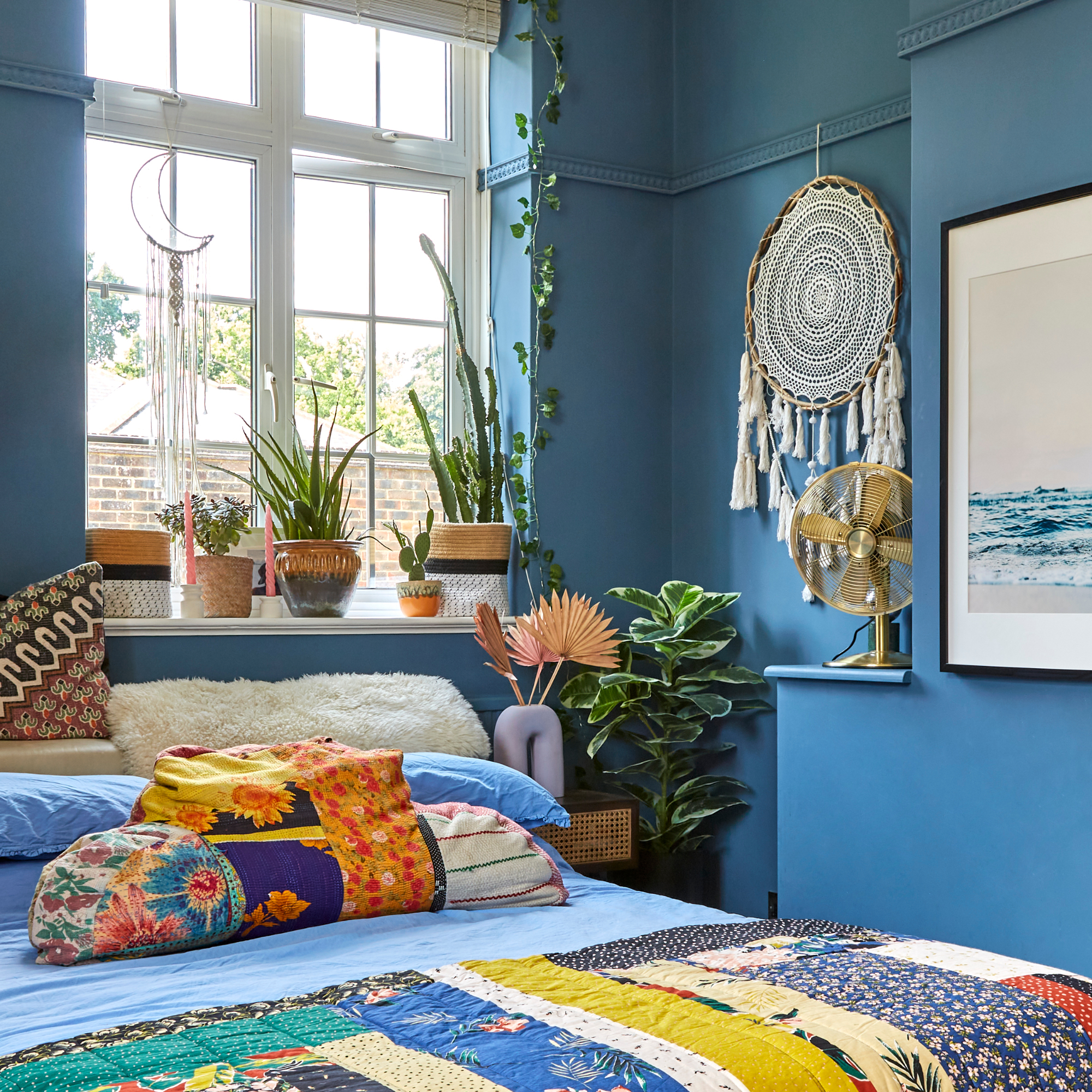
Aloe vera is noted for its ability to cleanse indoor air, effectively combating electromagnetic waves from electronic devices, dust mites, and carbon monoxide. This succulent plant thrives in well-lit areas and requires watering when its soil is dry, along with biennial repotting. However, once placed indoors for air purification, its gel should not be used for personal care due to potential absorption of pollutants.
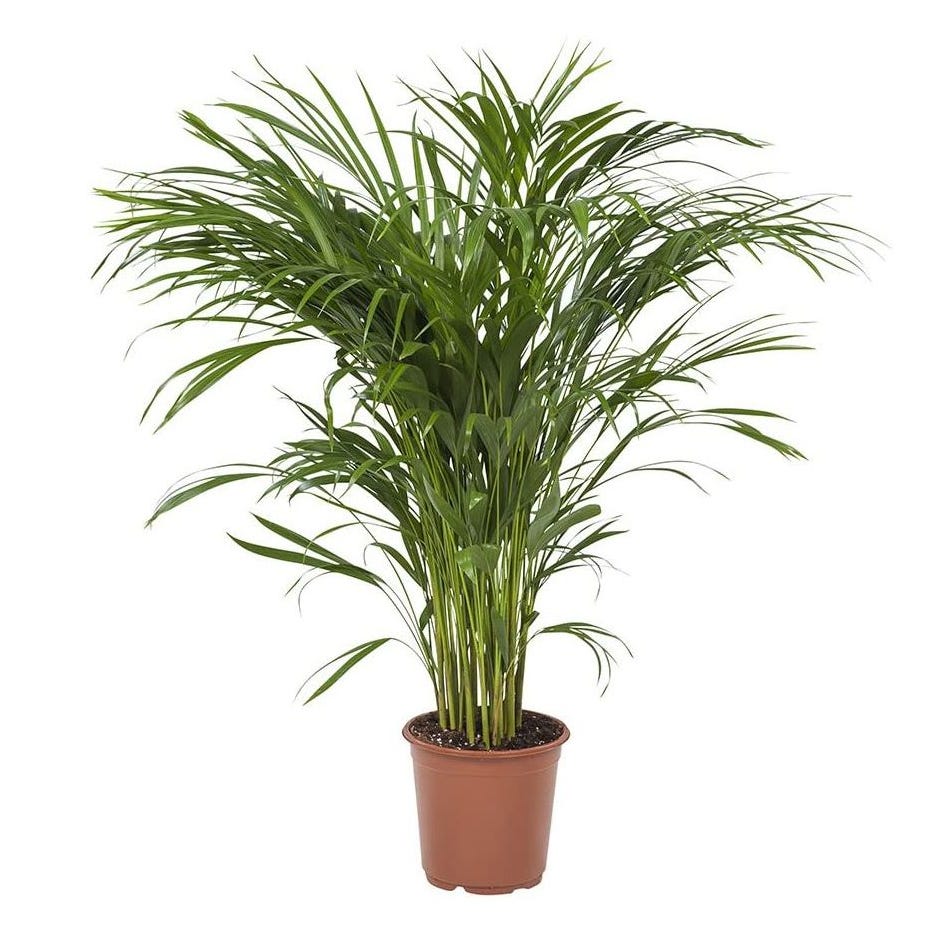
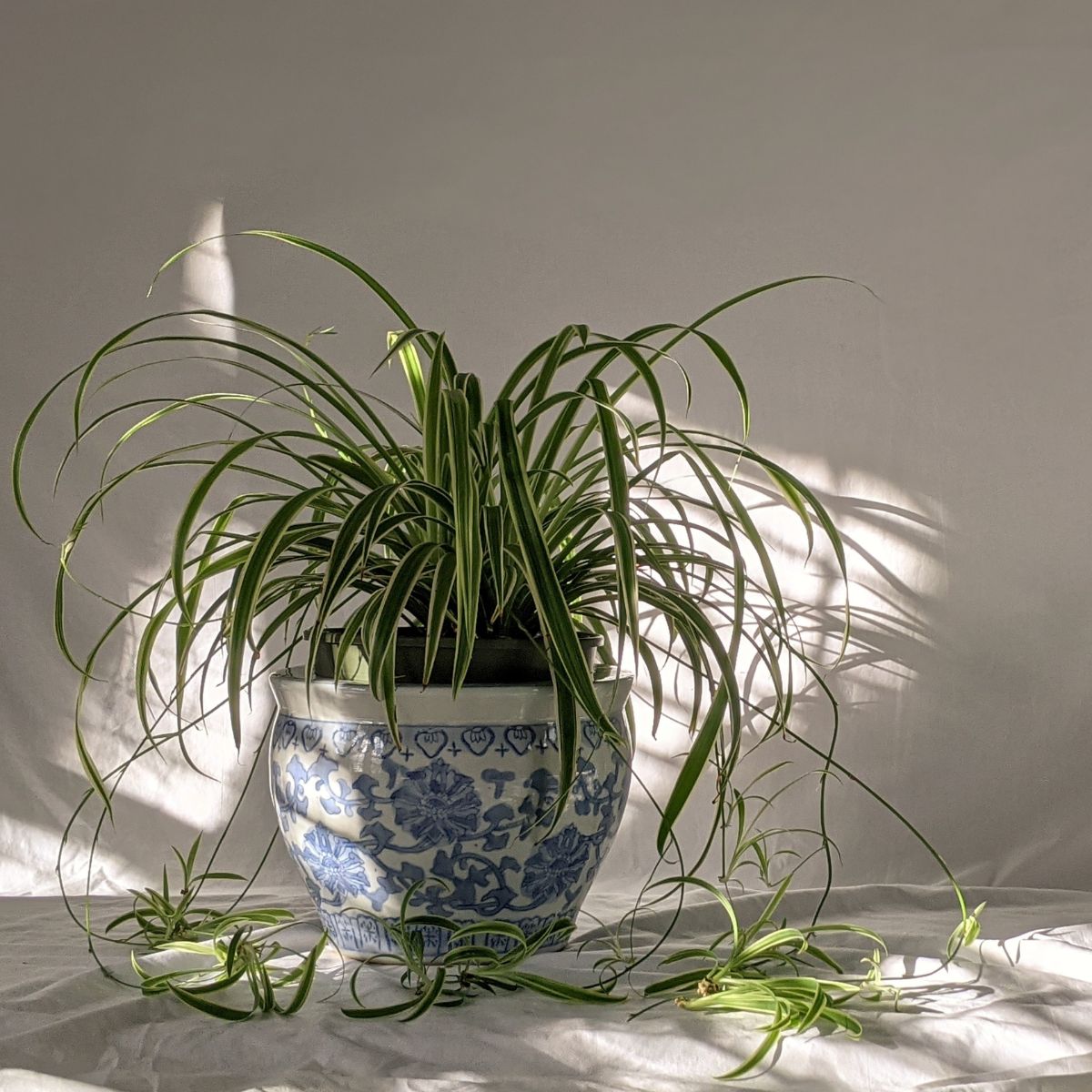
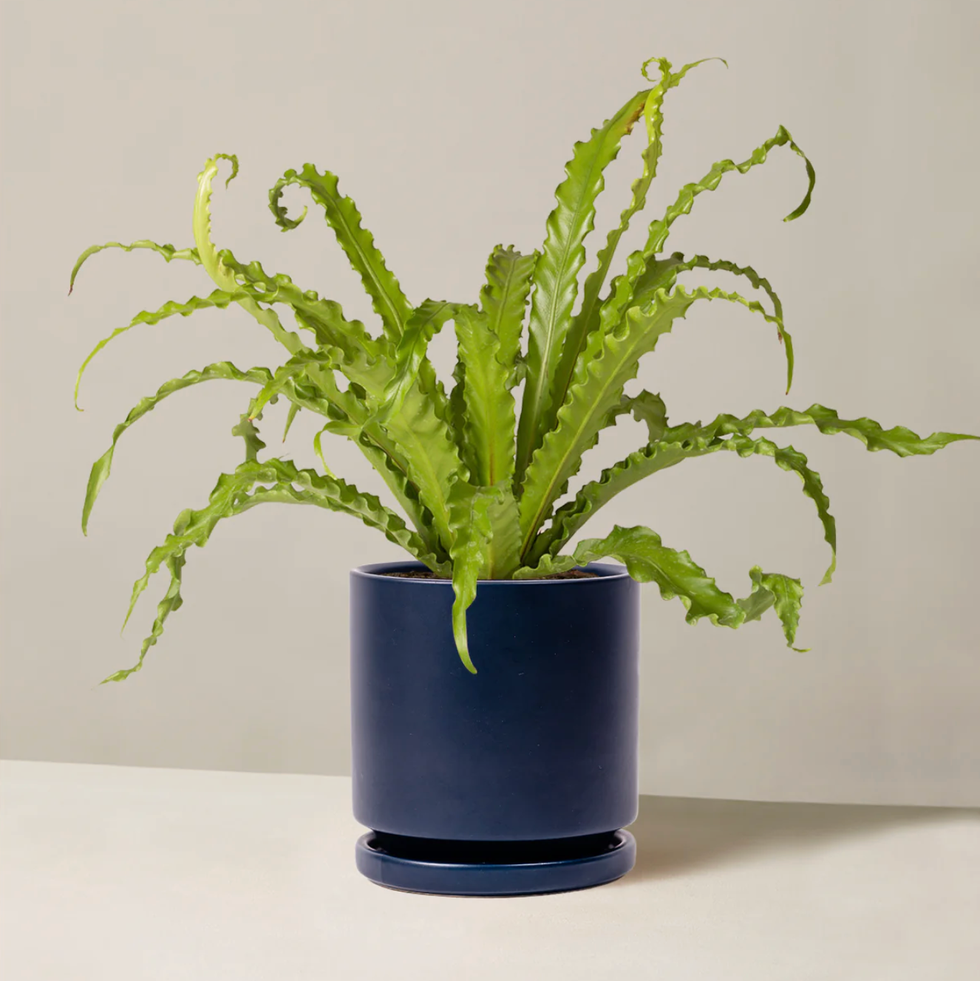
The fern is highlighted for its role in regulating ambient humidity and absorbing harmful substances such as xylene and formaldehyde, common in cigarette smoke and household cleaning products. It is recommended for bedrooms, bathrooms, or living rooms, ideally near a window with indirect sunlight and protected from drafts. Regular watering and spring repotting are essential for its maintenance.
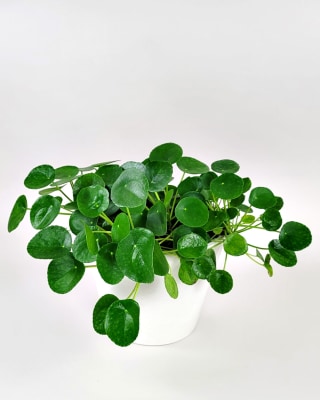
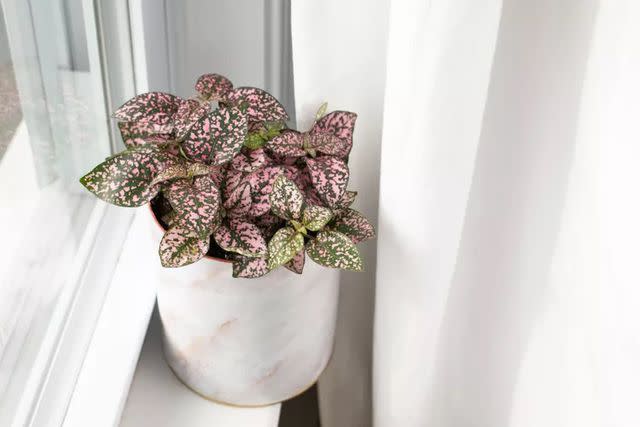
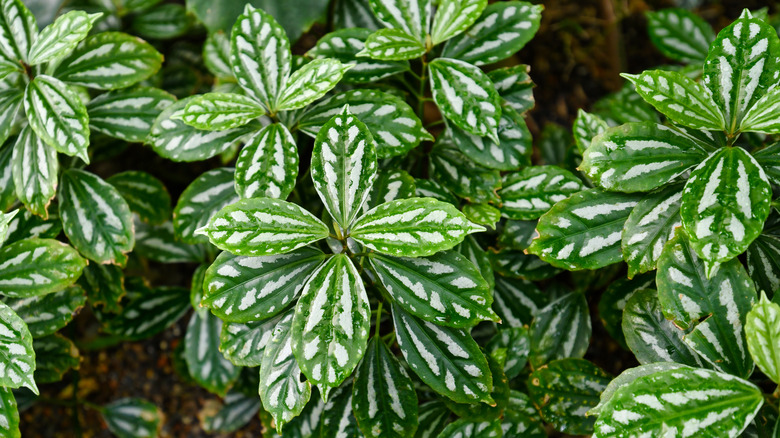
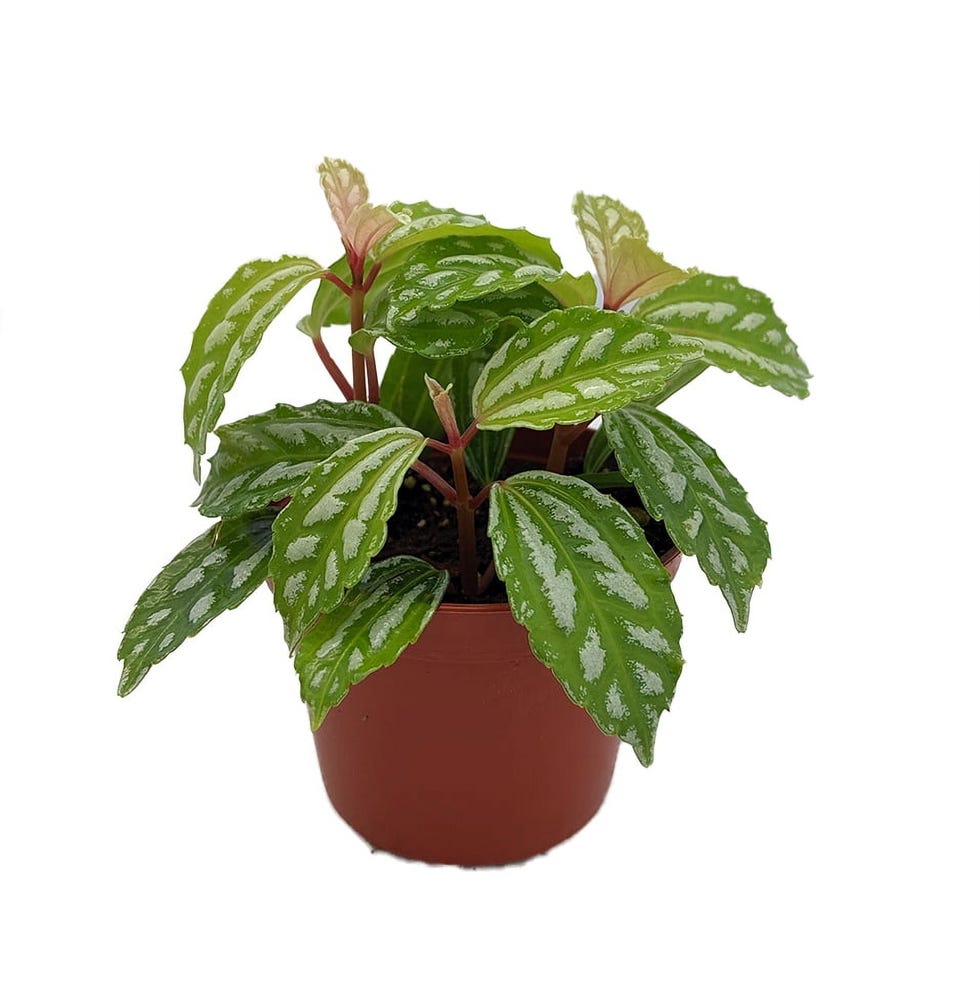
Pilea, often referred to as the “lucky tree,” is recognized for its decorative rounded leaves and its capacity to improve air quality over small areas, typically up to 10 square meters. It is effective against toxins from cigarette smoke and cleaning products, making it suitable for compact living spaces. This plant thrives on marble or light wood furniture in well-lit conditions, embodying a minimalist yet bohemian aesthetic. Watering should occur when the soil is dry, and repotting every two years in the spring.
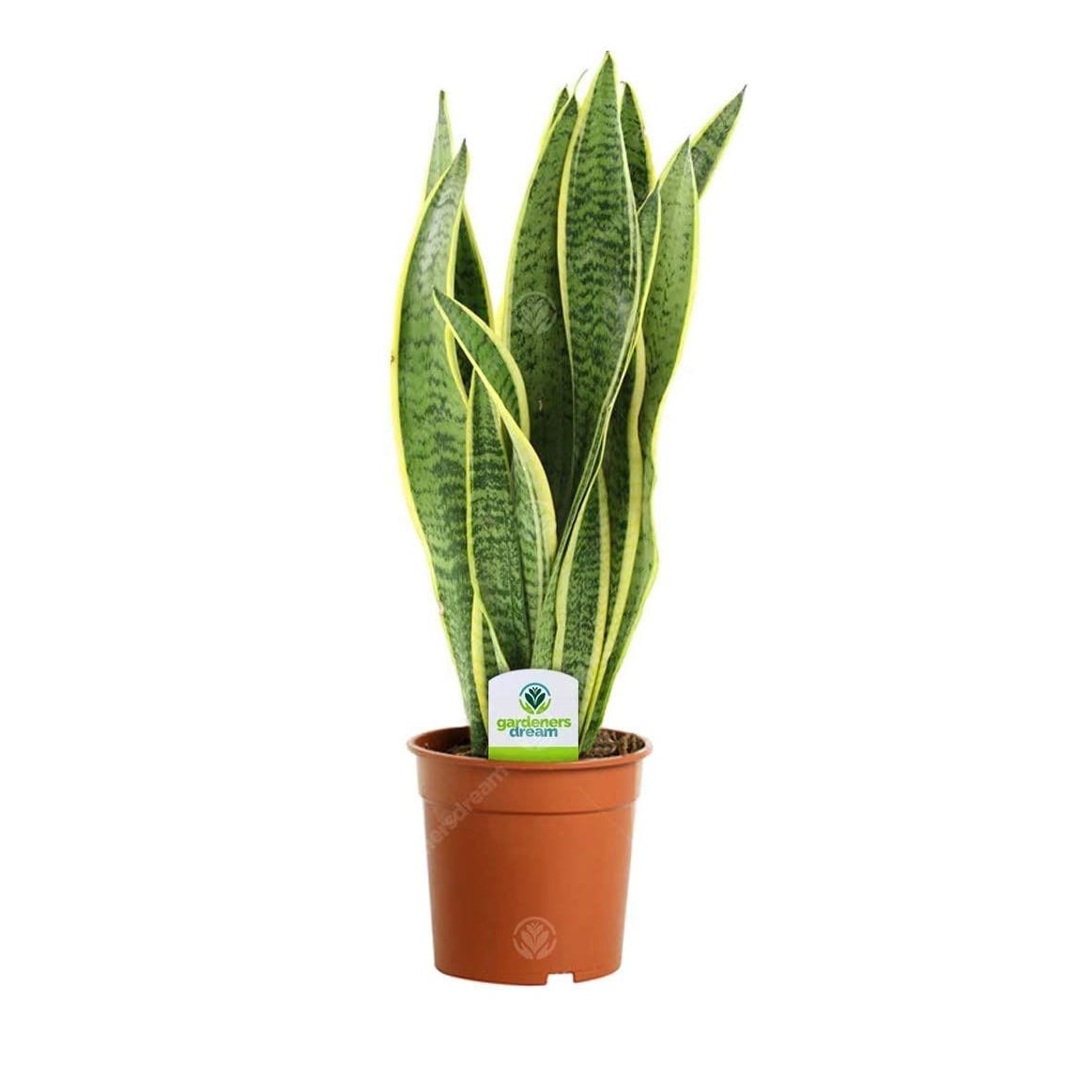
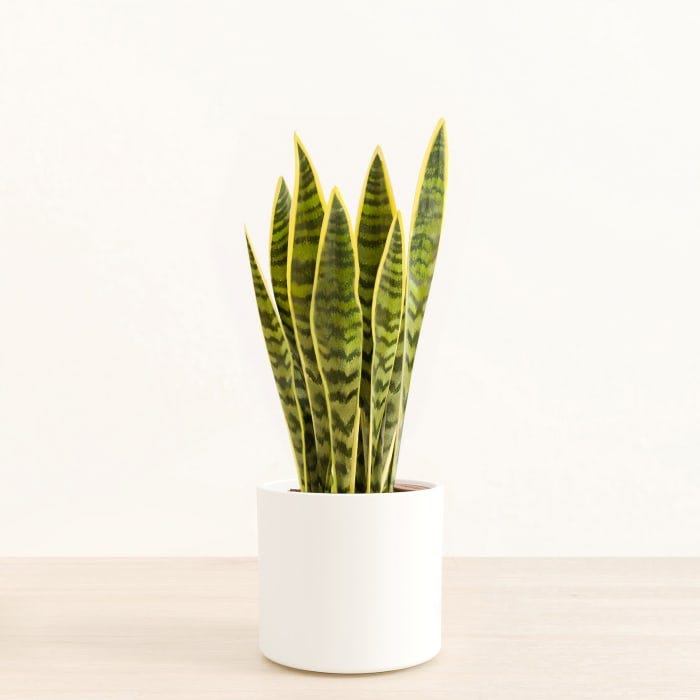
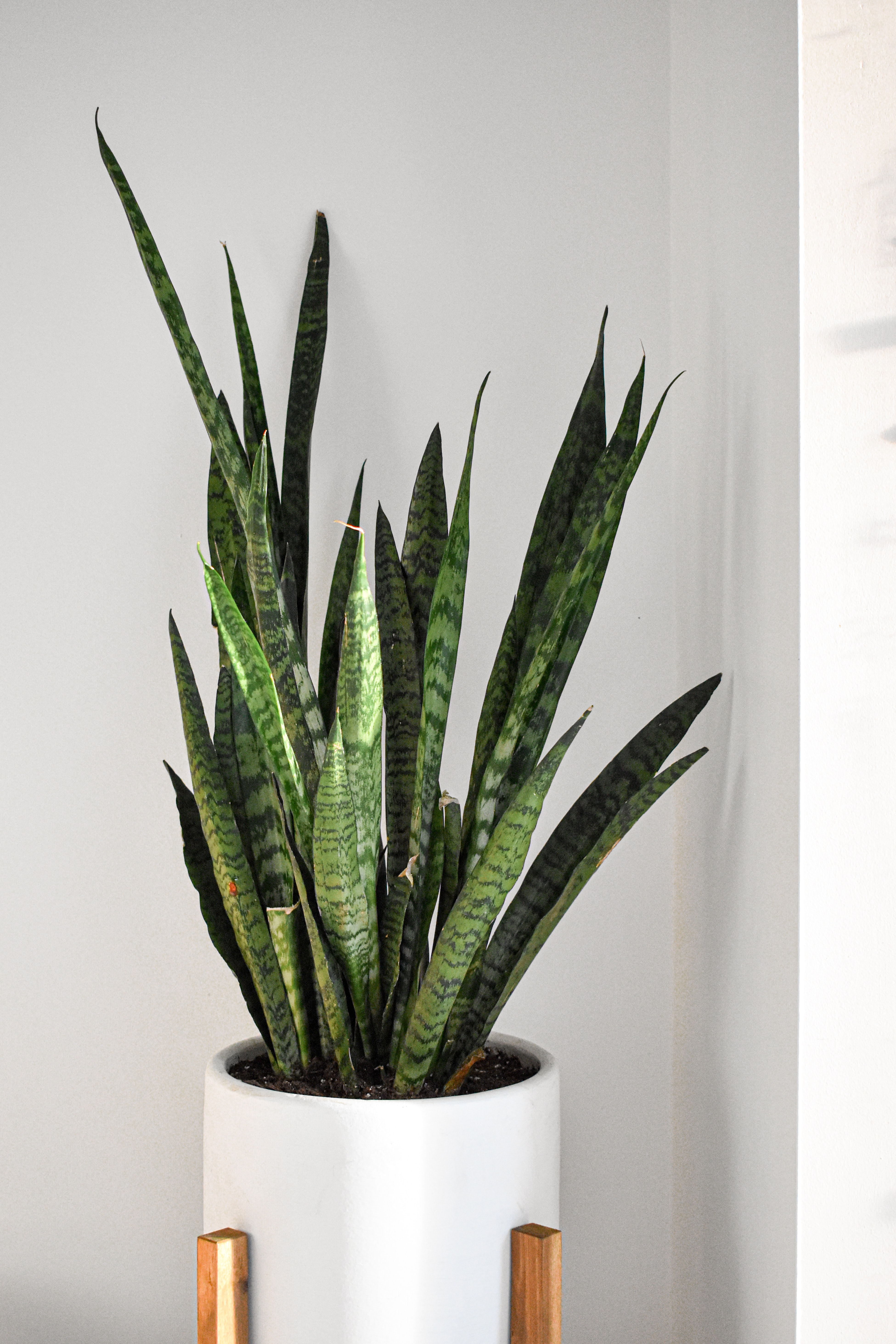
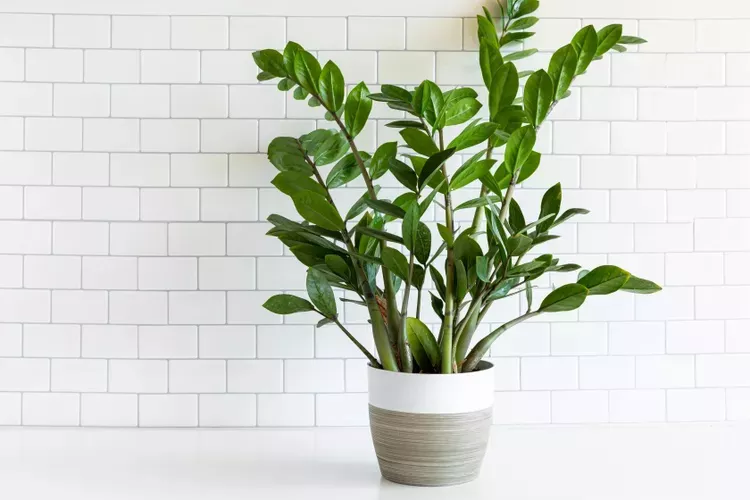
Yucca, with its elongated leaves, is presented as an air purifier that targets ammonia, benzene, and various pollutants emanating from candles, incense, tobacco, cosmetics, and cleaning products. Its sanitizing properties are best utilized in kitchens or bathrooms, provided it receives ample light. This plant requires watering every ten days and repotting every two to three years.
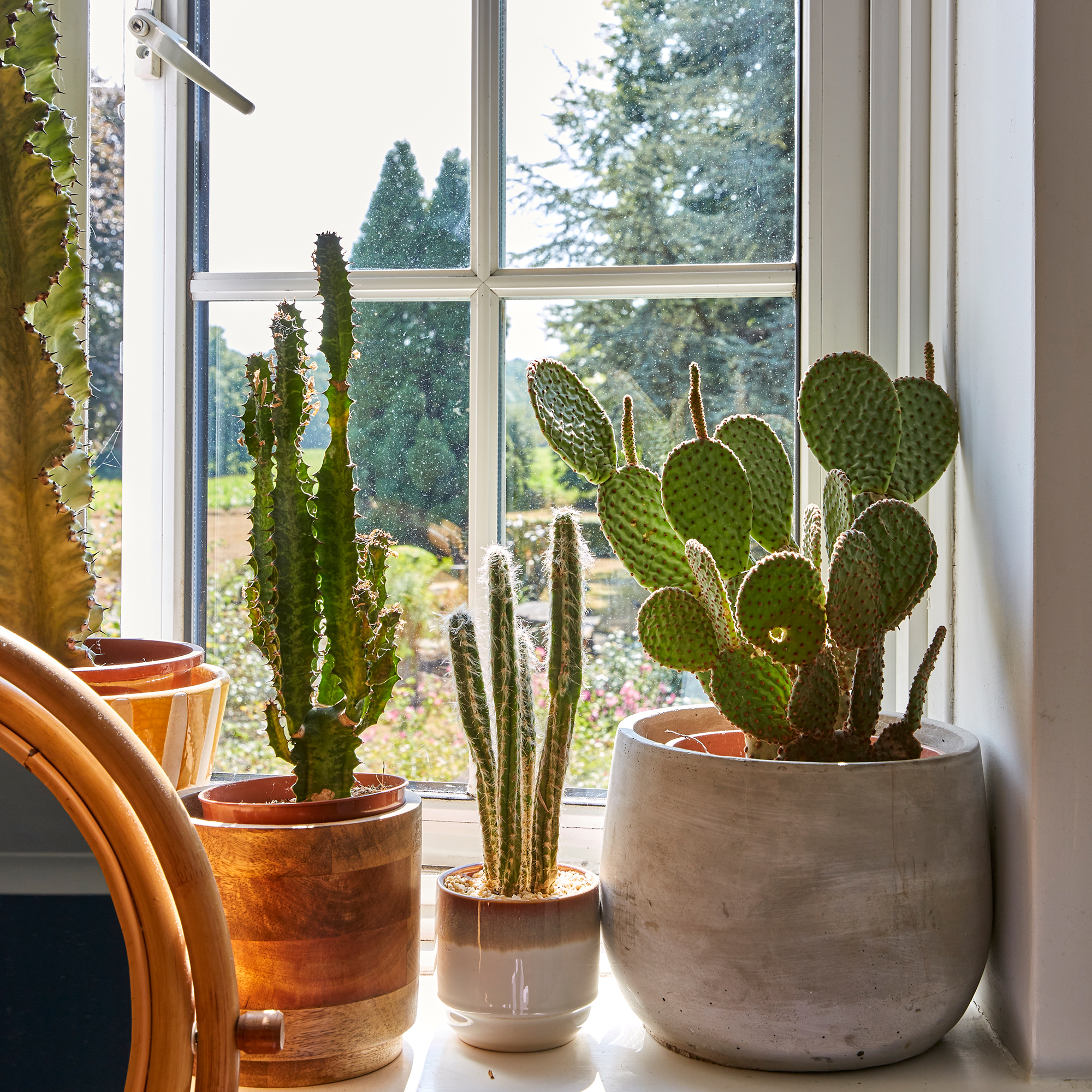
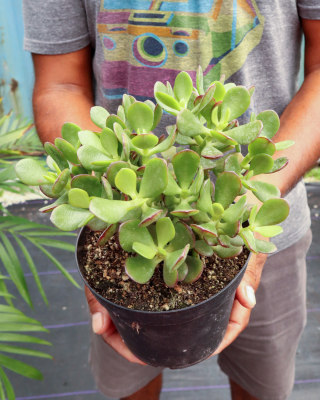
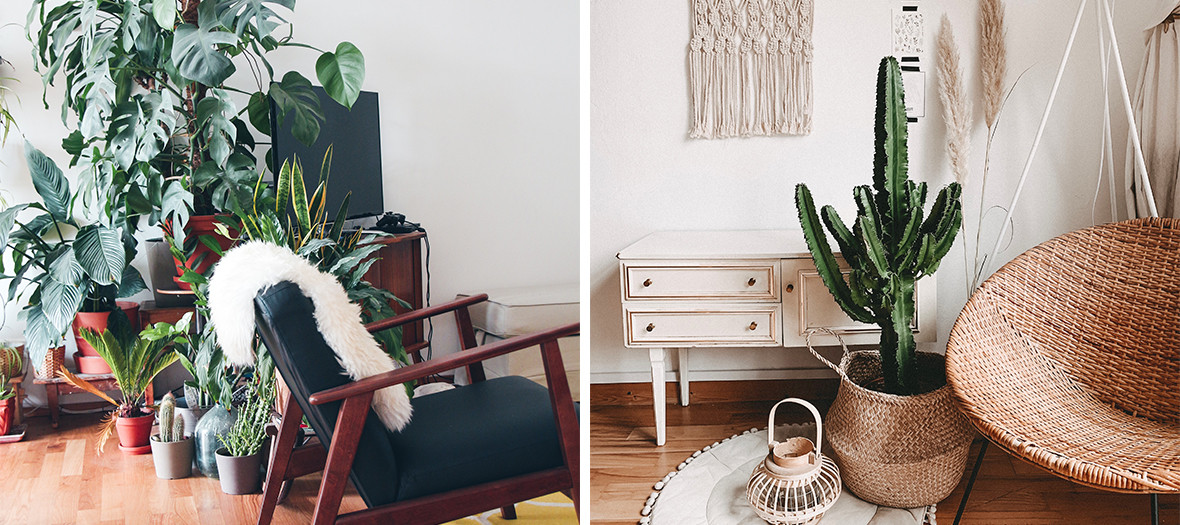
Cactus varieties are valued for their effectiveness in counteracting electromagnetic waves, similar to aloe vera, particularly around televisions, computers, and household appliances. Their low-maintenance nature makes them an ideal choice for individuals without extensive gardening experience. Cacti are best positioned in kitchens or near computer workstations, requiring watering only once a week in summer and repotting every two to three years.
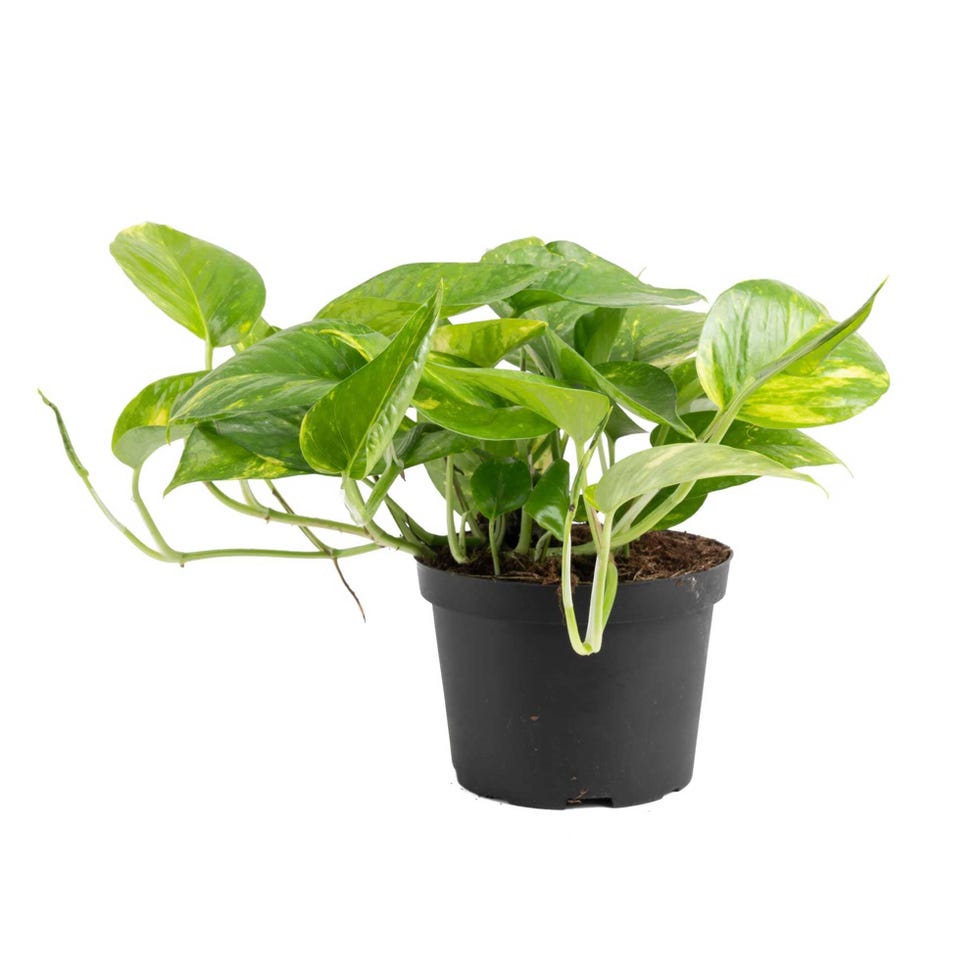
The scindapsus, characterized by its golden-reflective leaves, is a lush plant that absorbs carbon monoxide, toluene, benzene, hexane, and formaldehyde from the air. This plant is a stylish addition to living room corners, enhancing decor while purifying the environment, though it should be kept away from radiators. It needs watering when the soil dries and repotting in the fall.
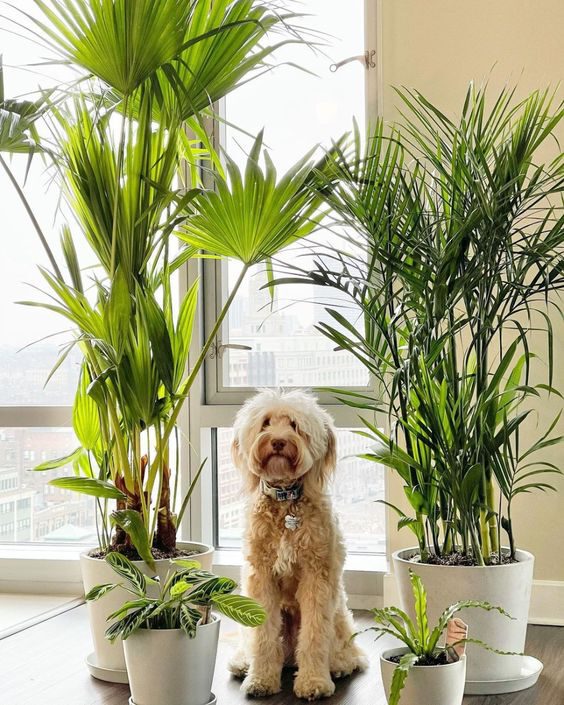
Finally, the ficus, a large plant often found in contemporary interiors, is effective in removing benzene, trichlorethylene, and formalin from indoor air. It is best placed in a room corner, such as a living room, complementing wooden or metal furniture. The ficus requires weekly watering and repotting as it grows. These seven plants collectively offer a diverse range of options for enhancing indoor air quality and contributing to a healthier, more aesthetically pleasing home environment.
#IndoorPlants #AirPurification #HomeDetox #EcoFriendlyDecor #PlantCare #HealthyLiving #InteriorDesign #HomeDecoration #Wellness #IndoorPlants #AirPurification #HomeDetox #EcoFriendlyDecor #PlantCare #HealthyLiving #InteriorDesign #HomeDecoration #Wellness
0 comment in total
 No comments yet
You may also like
12 air purifying plants to help clean the air in your home

Bedroom plant ideas – 10 ways to use plants to give your boudoir an instant lift
Create a Calming Space with These Bedroom Plants
14 Easy-Care Indoor Plants for Bedrooms to Add Natural Greenery

These 15 Bedroom Plants Deliver Some Stylish Shut-Eye

11 best low-maintenance indoor plants

These Are the Best Plants to Keep in Your Bedroom

Best tropical indoor plants — 8 easy-to-grow exotic beauties

An Expert Guide on the Top Bedroom Plants

We Found the Best Apartment Plants That You Can Actually Grow, We Promise

Designers Share 6 Ways to Rid Your Home of Hidden Toxins
These 30 Low-Light Houseplants Refuse to Die in Dim Conditions

13 Ways To Have Plants In A Small Apartment Or Other Living Space


10 Low Maintenance Houseplants That Are Safe for Your Furry Friends

25 Houseplants Perfect For Your Kitchen Window
8 indoor plants that thrive in indirect or low sunlight

Best indoor plants: the best house plants for stylish greenery
7 Houseplants Minimalists Never Grow—They Just Get Too Unruly, Pros Say

The Designer-Approved Way to INSTANTLY Bring Spa Vibes Into Your Bathroom

The 24 Best Plants To Grow In Your Living Room