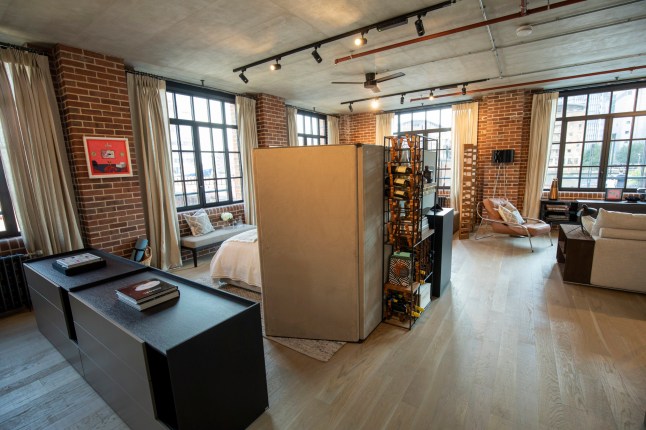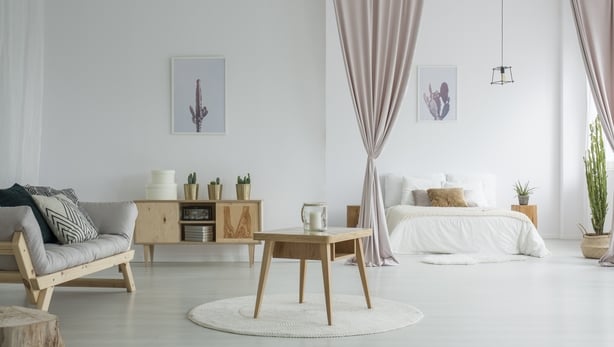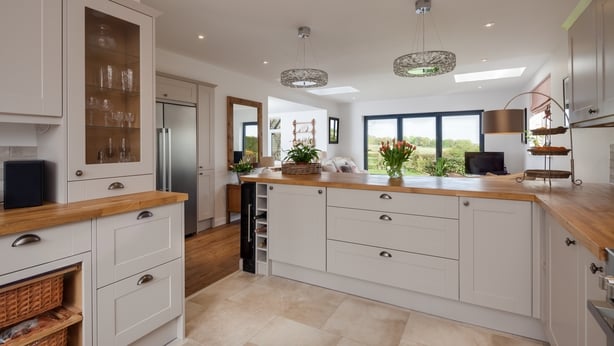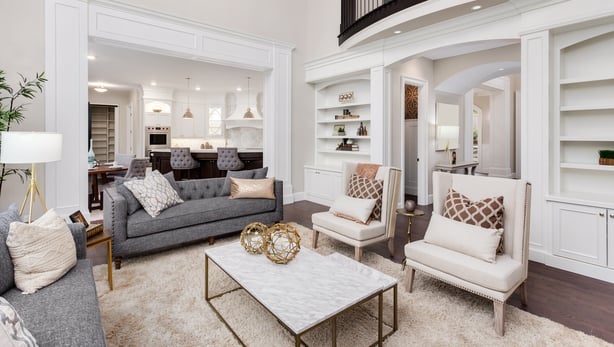

The End of Open-Plan Everything
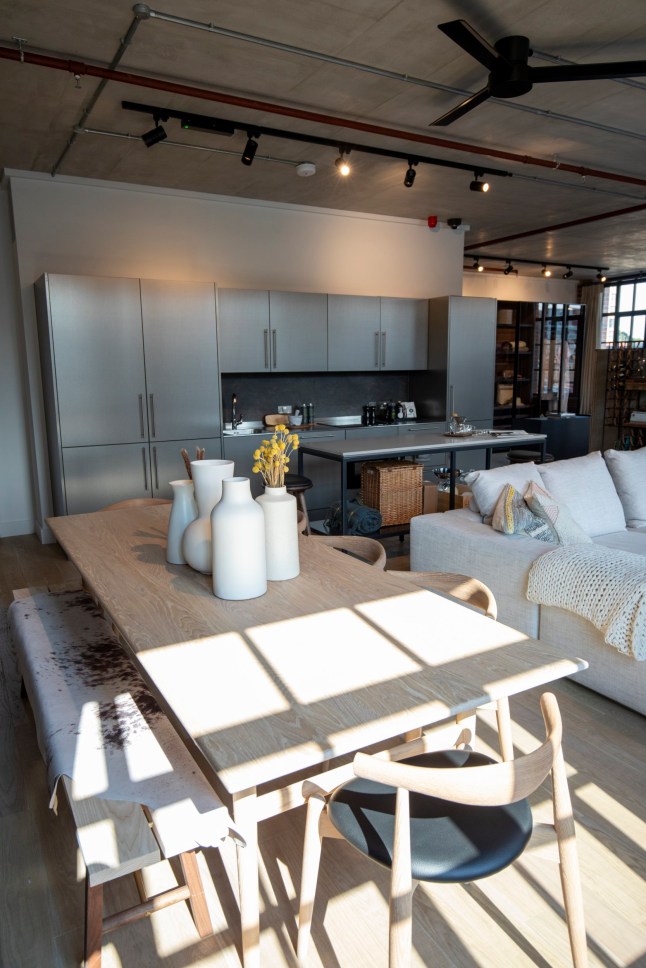
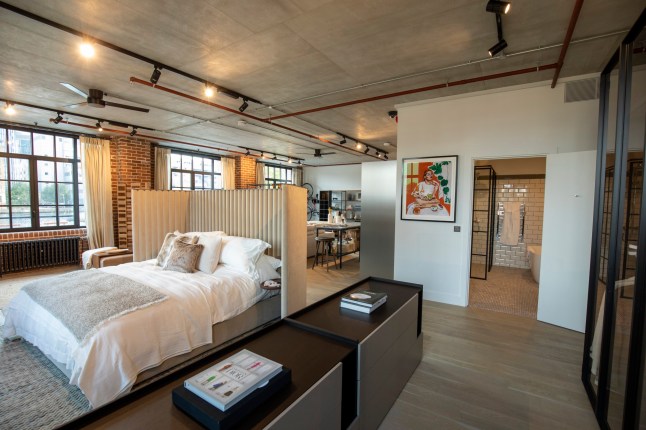
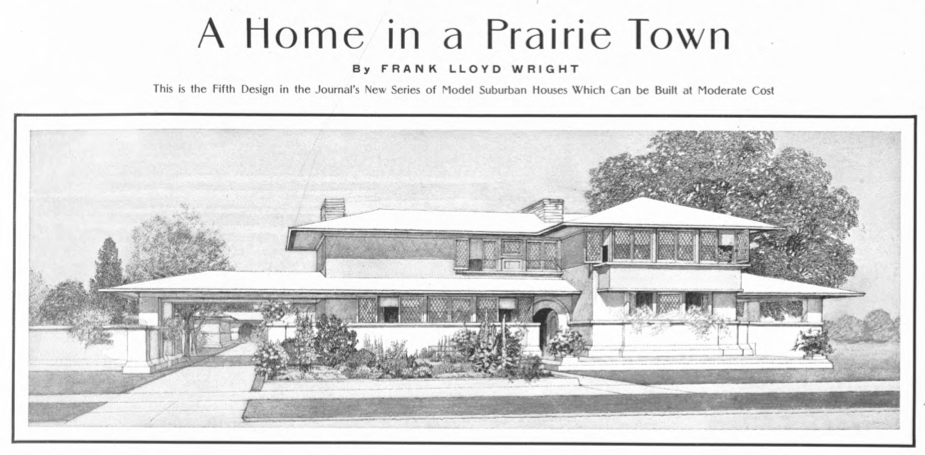
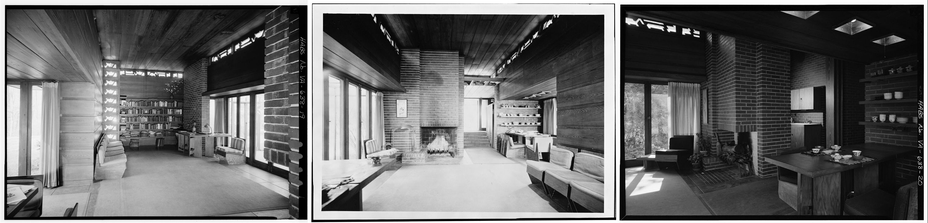
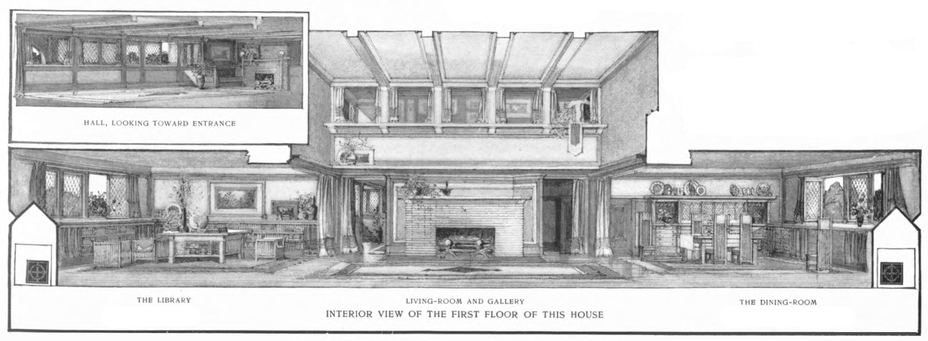
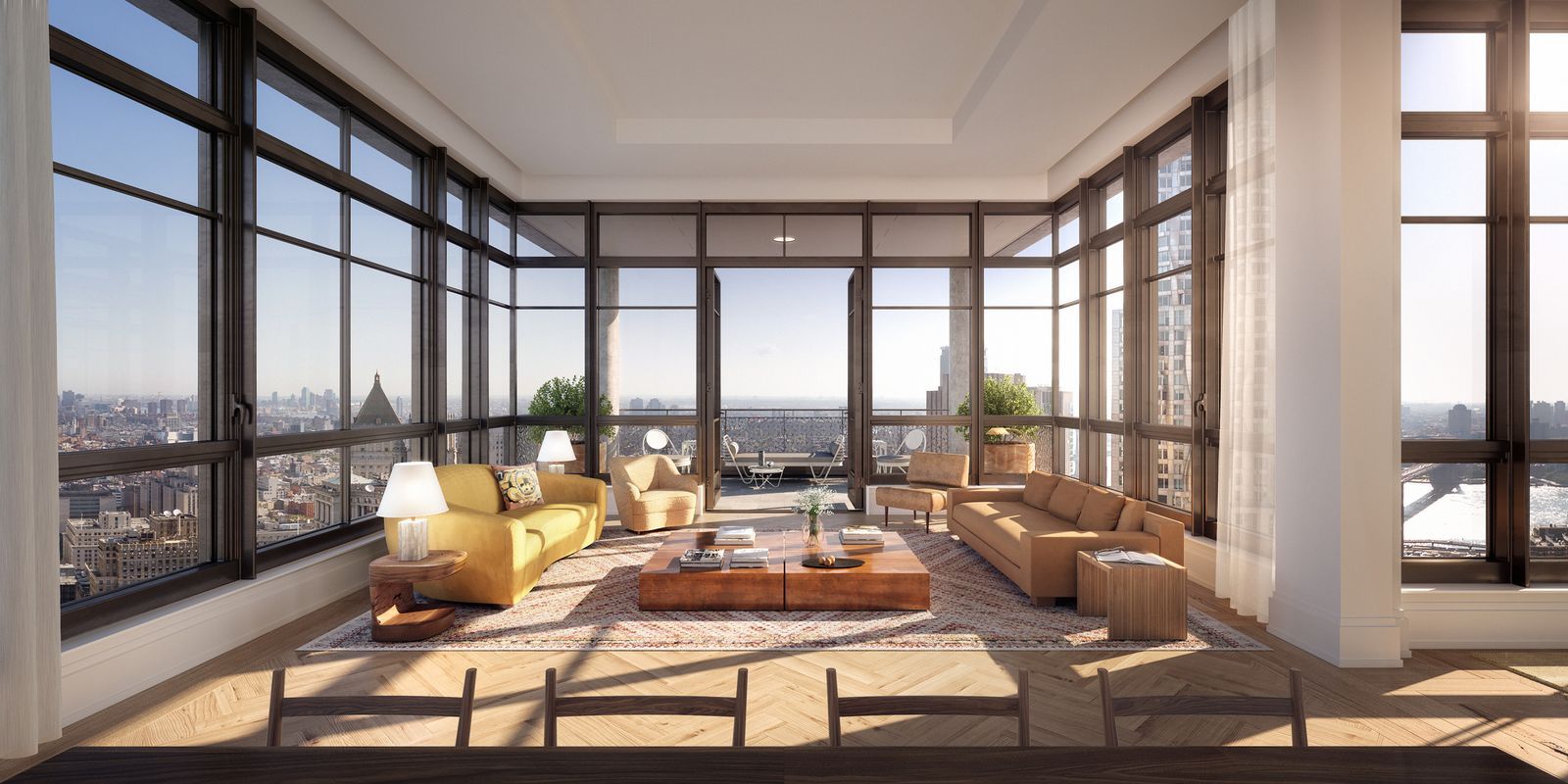
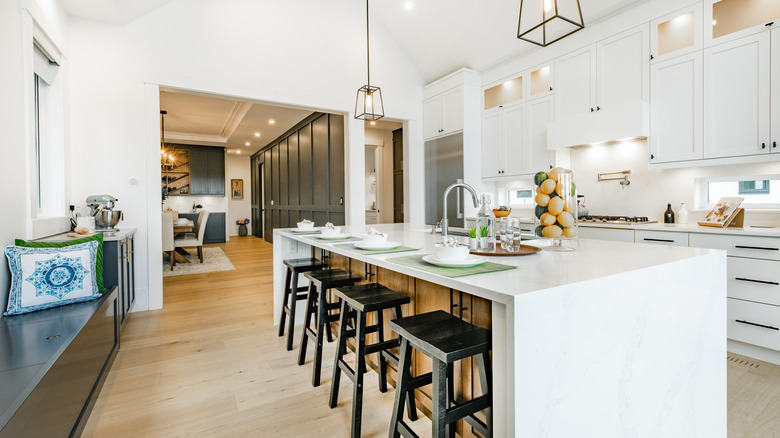
For several decades, the concept of open-plan living and working spaces has dominated design trends, driven by various factors ranging from cost-effectiveness to a perceived increase in collaboration and connection. In offices, this trend saw the decline of private offices and cubicles in favor of clustered, partitionless seating, initially influenced by Silicon Valley tech giants and their super-casual workplaces. At home, the open-concept living space became a highly sought-after ideal, championed by popular home renovation shows and designers who advocated for tearing down interior walls to create expansive, unified areas. This shift was partly fueled by historical architectural movements, such as Frank Lloyd Wright’s “Prairie” style in the early 1900s, and practical considerations, like the decreasing affordability of domestic help, which necessitated mothers having a view of their children from the kitchen.
However, the global pandemic that emerged in early 2020 abruptly challenged the desirability and practicality of open-plan designs. The need for social distancing and the heightened awareness of respiratory droplets transformed previously celebrated features like collaboration and togetherness into potential health risks. Companies that had recently invested in open office layouts, like True Manufacturing, found themselves rapidly reversing course, installing plexiglass partitions to re-establish barriers between employees. This immediate need for separation also prompted other businesses, including Stylex, an office-furniture company, to pivot their production towards manufacturing partitions and desk dividers, addressing a sudden surge in demand for these materials nationwide.
Beyond the immediate health concerns, the pandemic highlighted long-standing issues with open-plan environments. The lack of privacy, excessive noise, and difficulty in conducting virtual meetings without disruption were problems that had already begun to influence design preferences before the pandemic. Surveys conducted by firms like Gensler indicated a growing desire for semi-private or on-demand private workspaces, and the American Institute of Architects reported a decline in interest in open layouts among residential architects in the years leading up to 2020. This shift suggests that the appeal of open plans was already waning as people recognized the functional limitations and discomfort they often created.
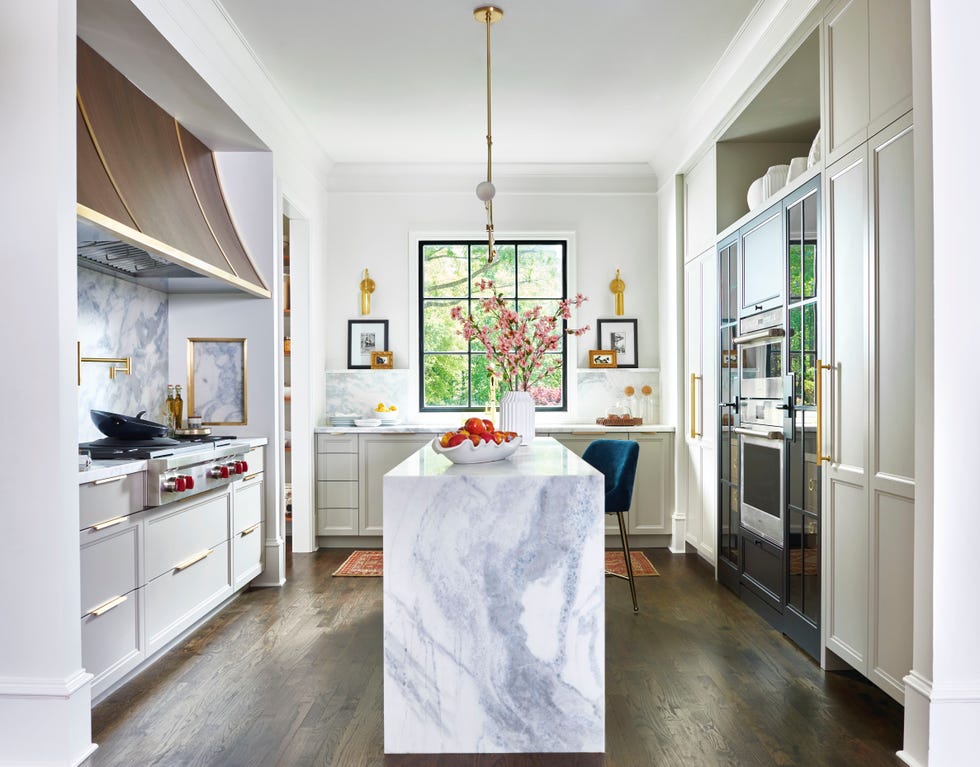
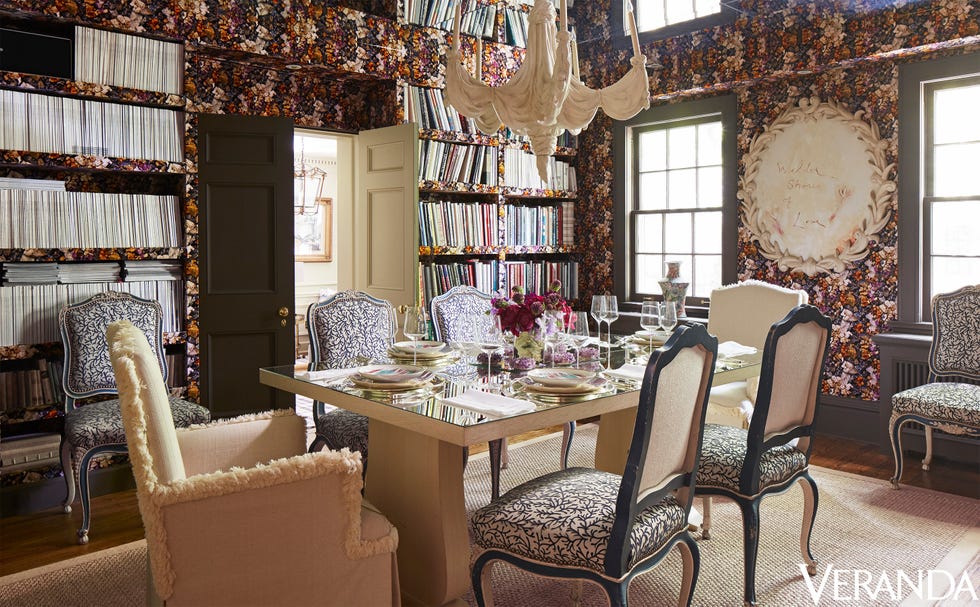
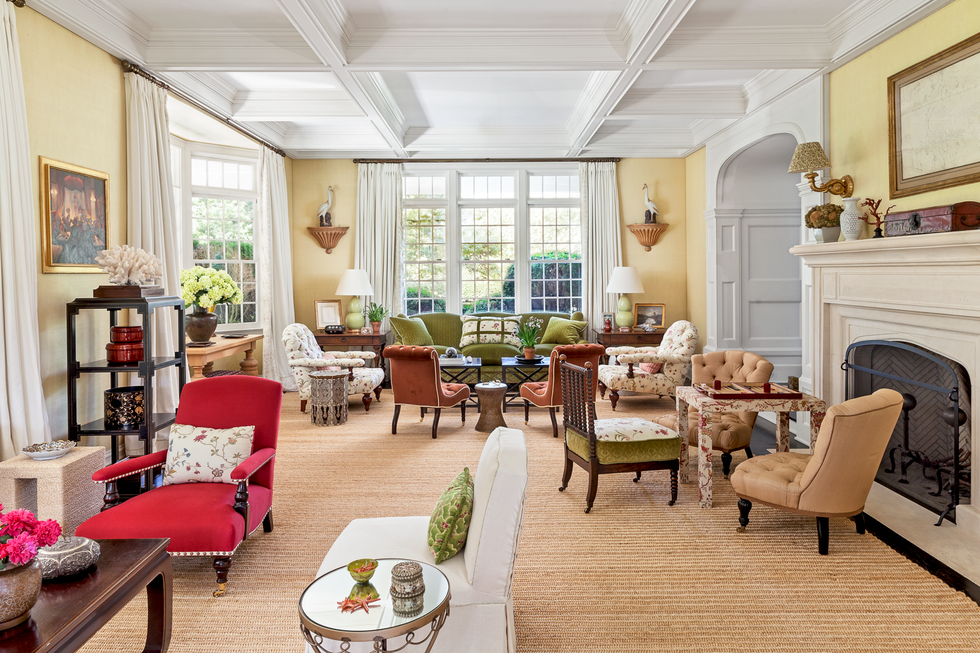
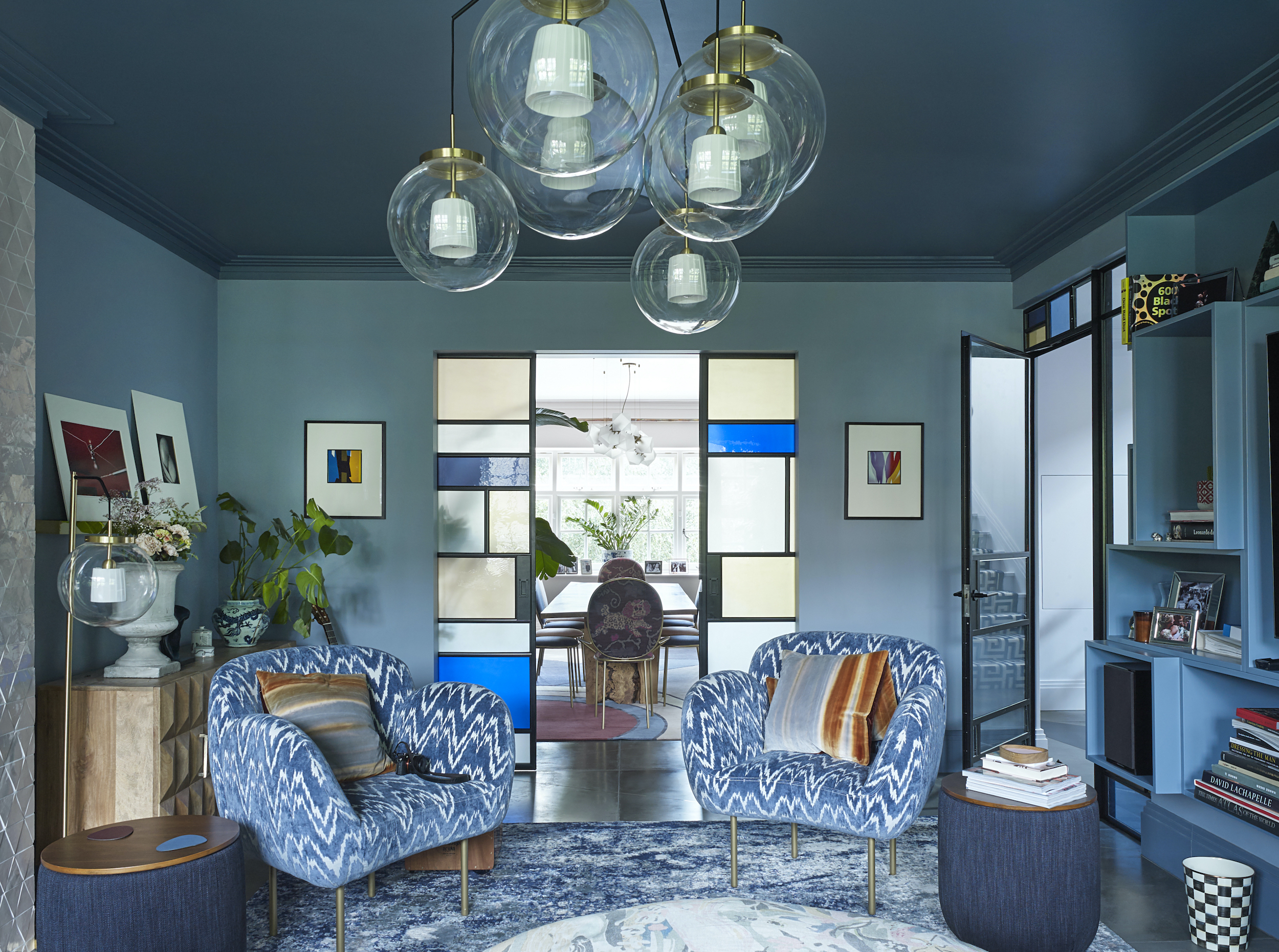
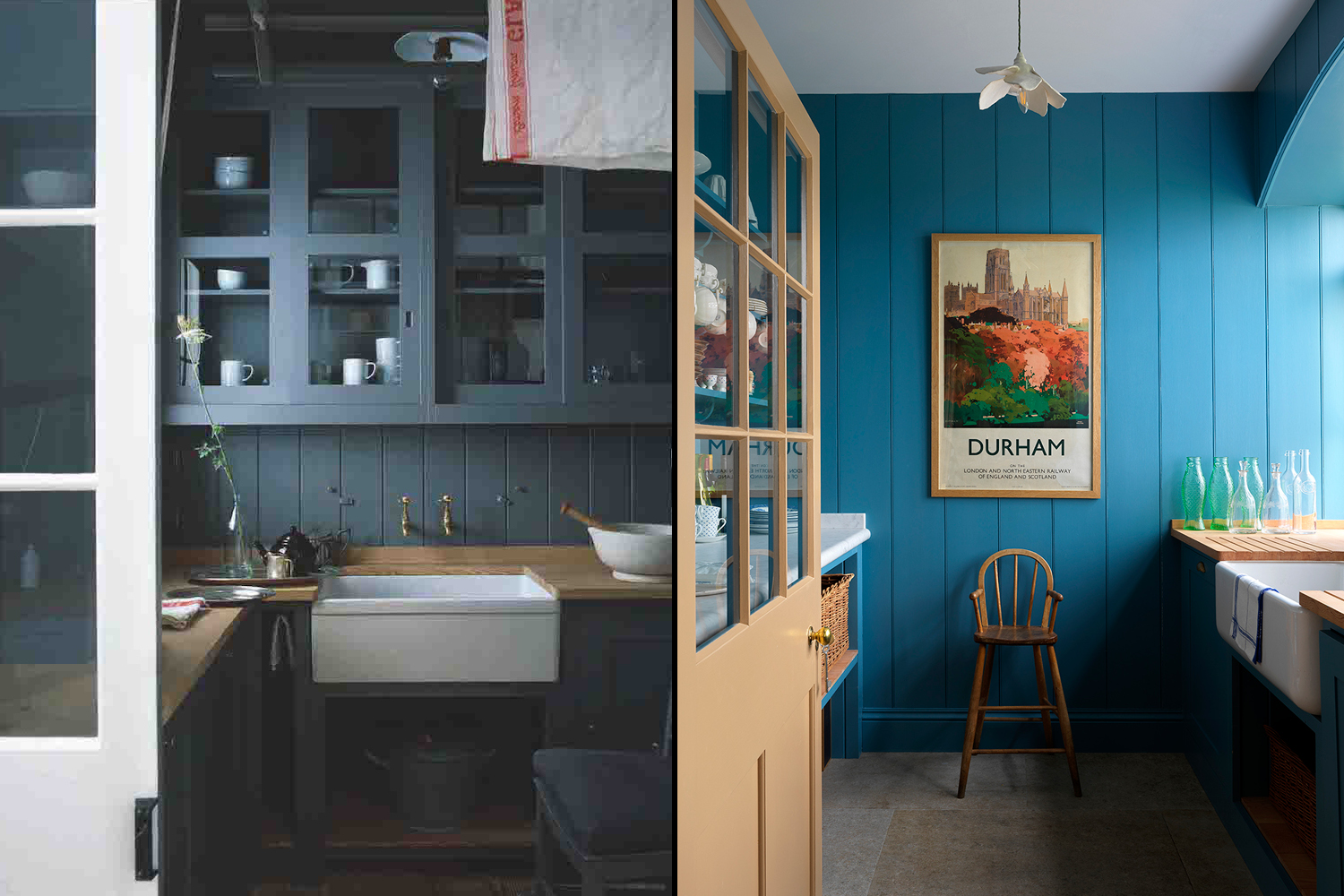
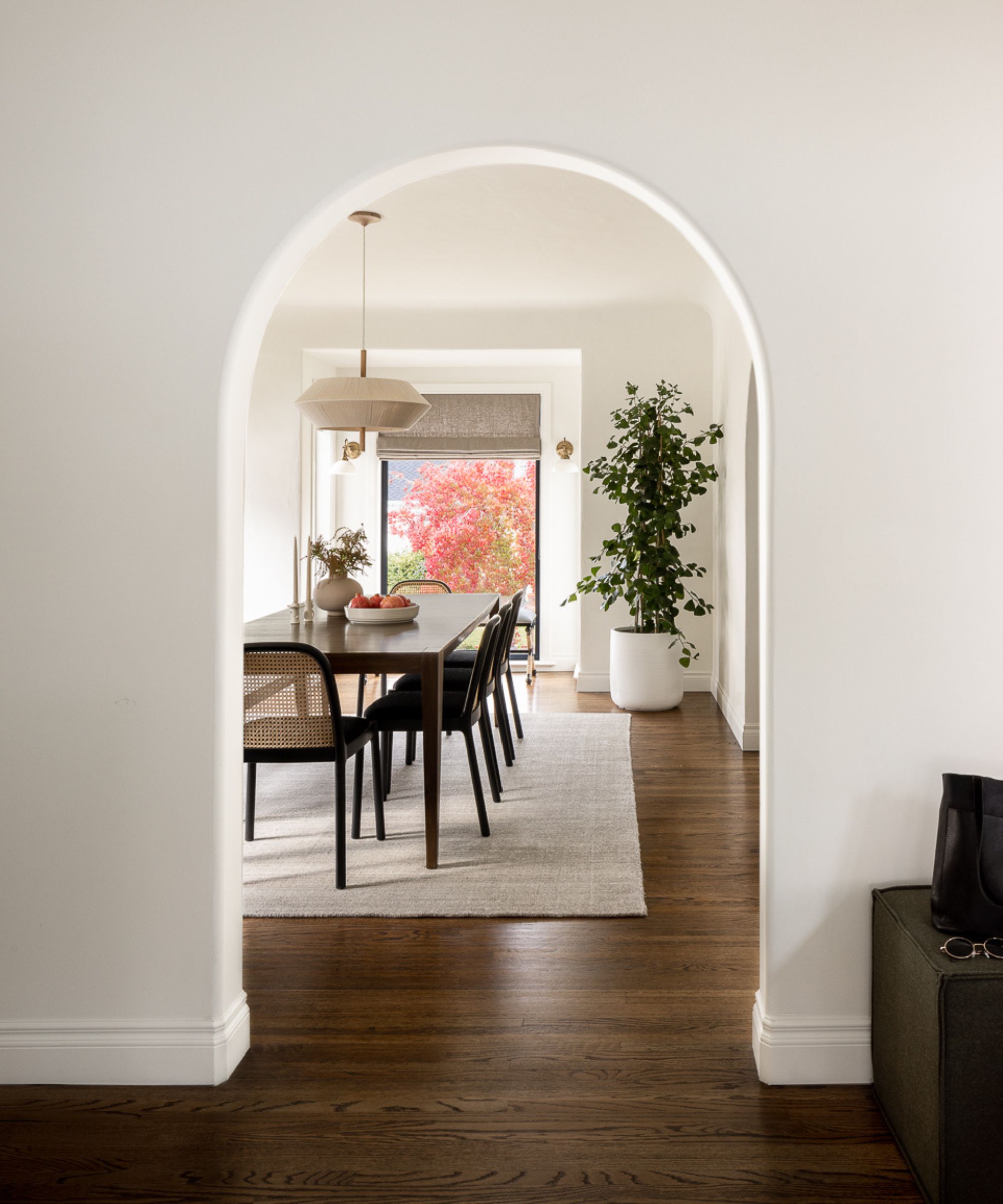
The reintroduction of walls and defined spaces presents its own set of challenges. Reconfiguring existing open offices to accommodate partitions is costly and complex, and homeowners who spent significant time and money removing walls may be reluctant to reverse those changes. Nevertheless, residential architects are observing a renewed interest in more structured home layouts, particularly in areas like mudrooms, laundry rooms, and pantries, which are now being designed as distinct, dedicated spaces. There is also a growing demand for separate areas within homes for activities such as yoga, reading, or meditation, reflecting a desire for seclusion and personal space. This trend suggests a long-term return to more compartmentalized living and working environments, where the benefits of privacy and functional separation are prioritized over the aesthetics of an expansive, undifferentiated space. The transition, however, will involve careful consideration of design, materials, and safety, especially as manufacturers address the high demand for new partitioning solutions while ensuring their quality and stability.
#OpenPlan #OfficeDesign #HomeDesign #InteriorWalls #PandemicImpact #SocialDistancing #ArchitecturalTrends #WorkplaceCulture #ResidentialArchitecture #OpenPlan #OfficeDesign #HomeDesign #InteriorWalls #PandemicImpact #SocialDistancing #ArchitecturalTrends #WorkplaceCulture #ResidentialArchitecture
कुल 0 टिप्पणियाँ
 कोई टिप्पणी नहीं
आपको यह भी पसंद आ सकता है
Is It Time to Shut the Door on Open-Concept Living?

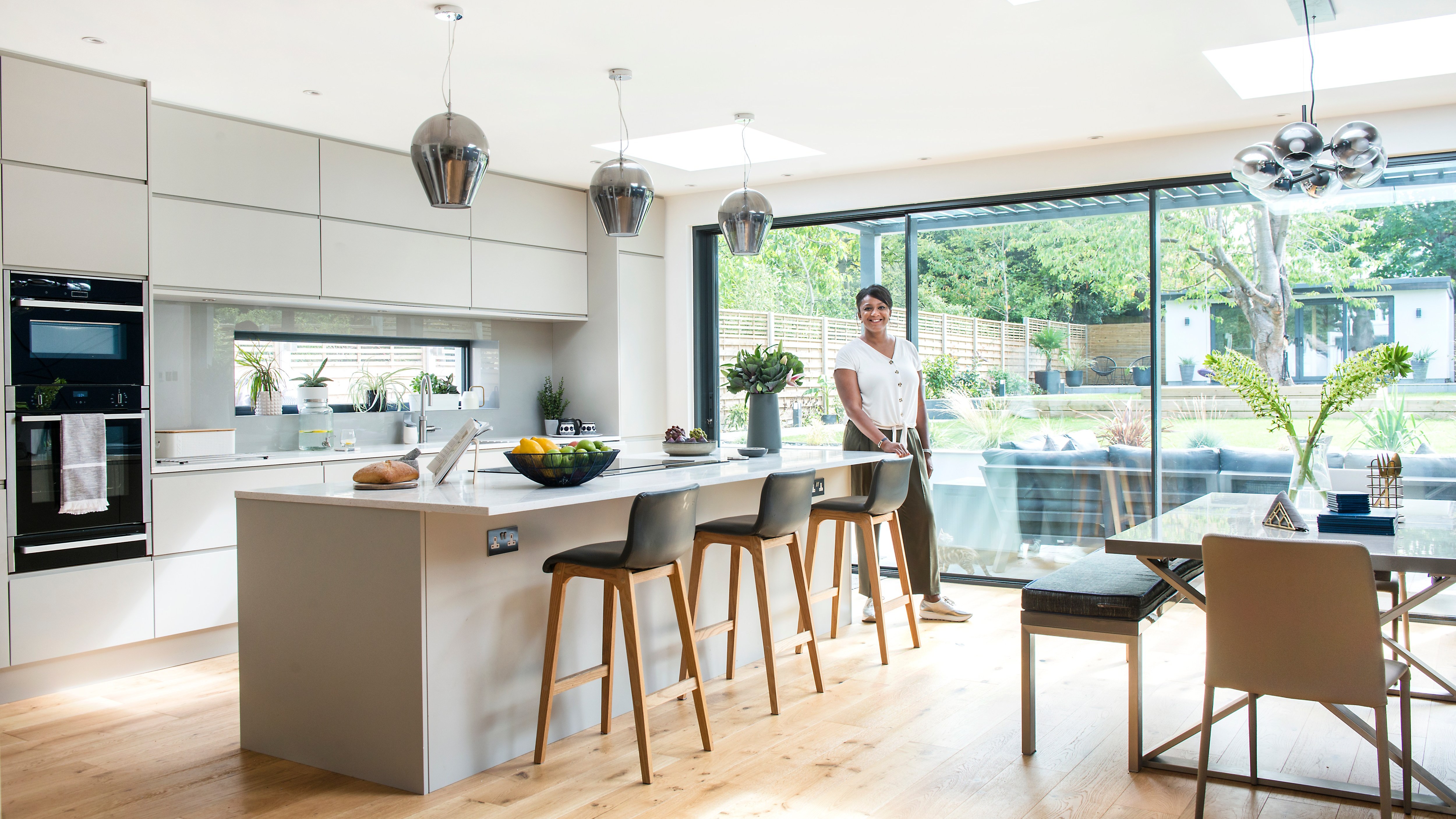
Open plan living is over. Here’s why we all want walls again
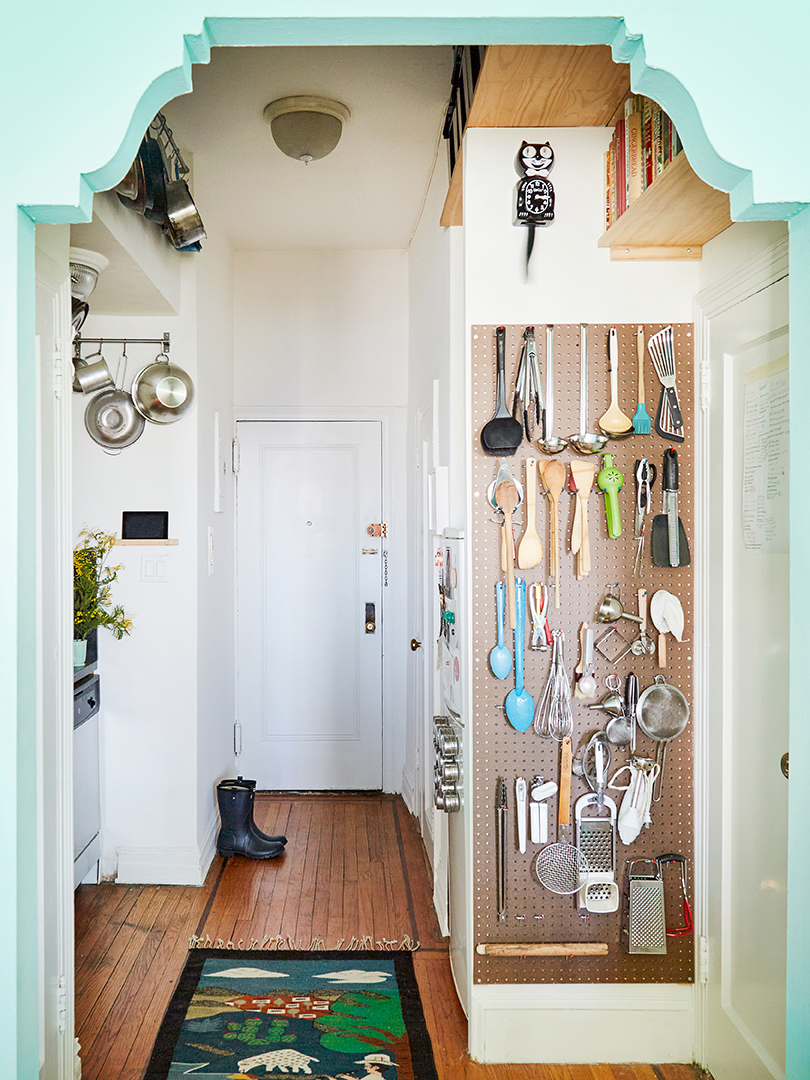
This Organization Solution Is on the Way Out (And It’s Not Open Shelving)


Open floor plans should be killed with fire — or sound

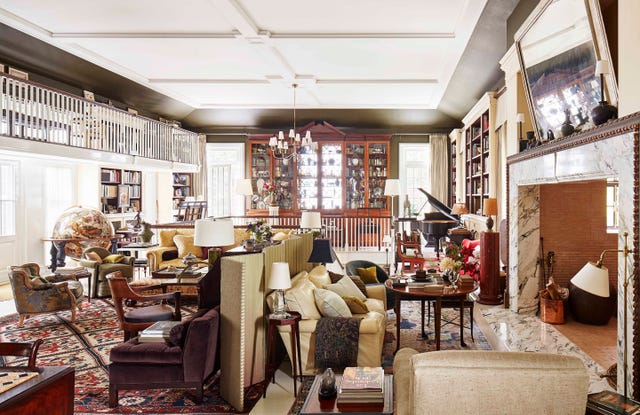
Will The Pandemic Be The Death Of The Open Floor Plan?
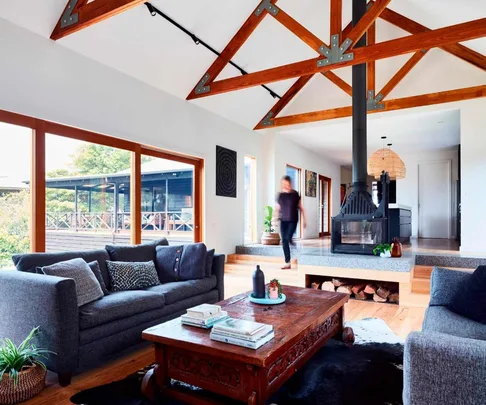
Is open-plan living dead? Here's what the design experts say

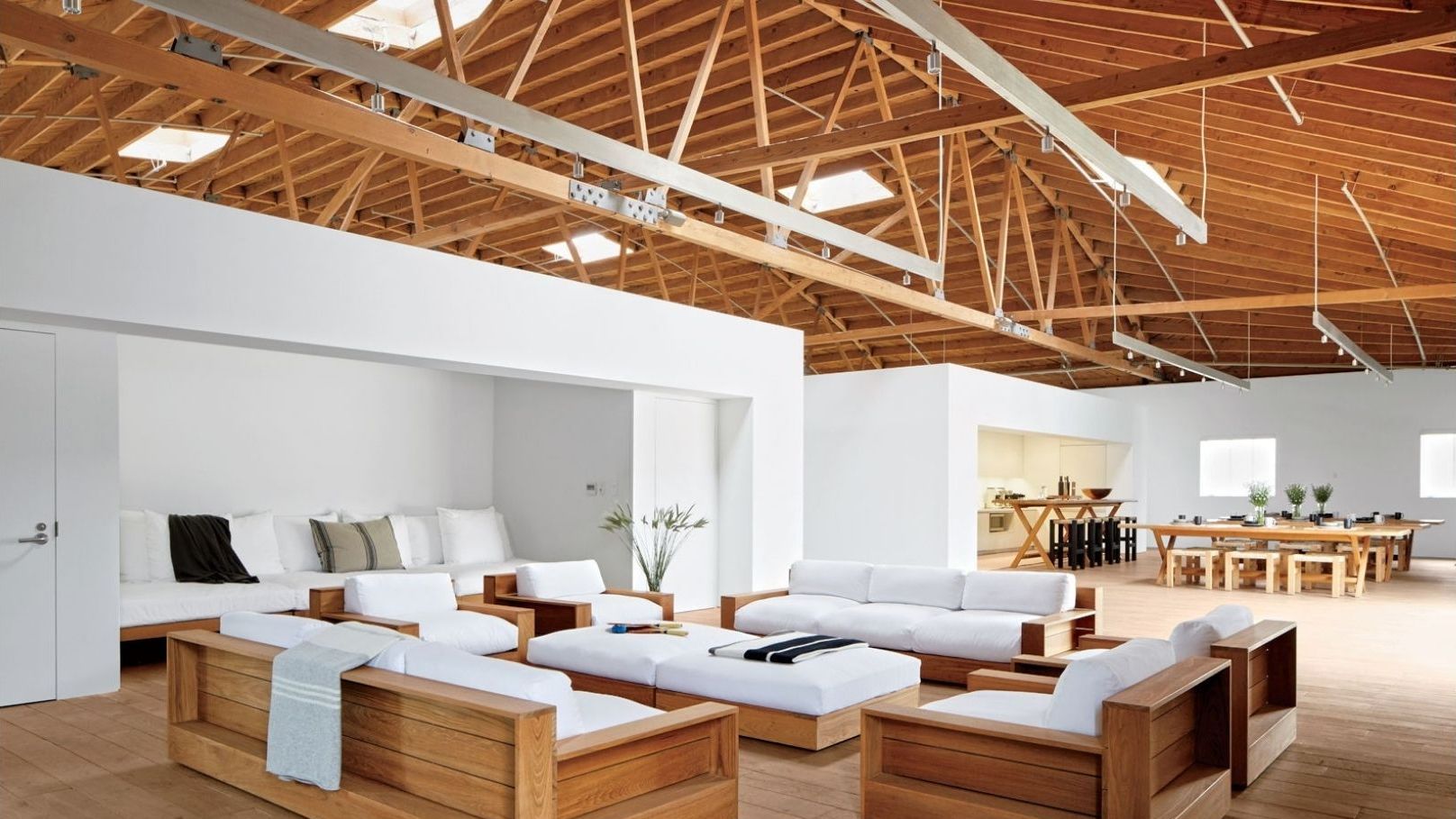
Is the open floor plan really dead?

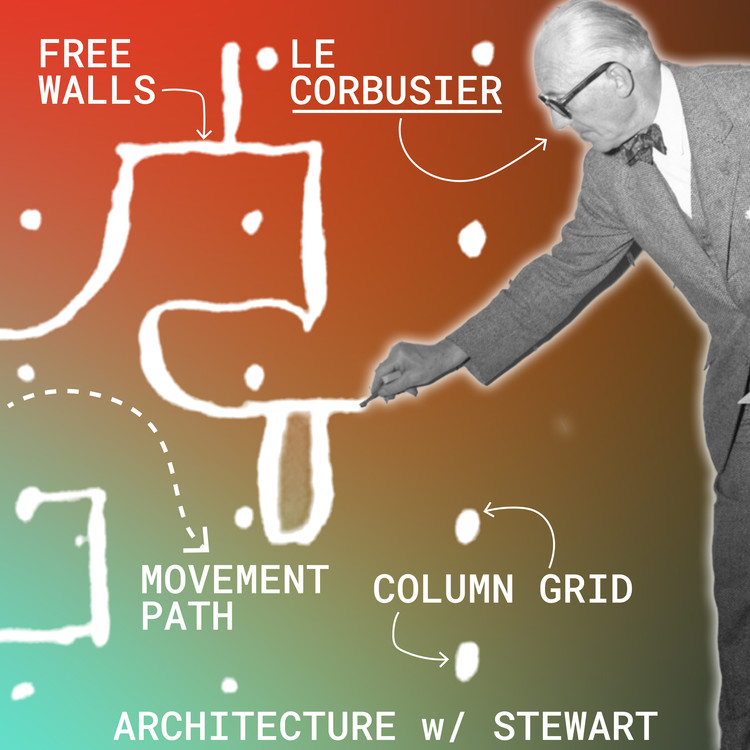
Open Concepts: Le Corbusier's Free Plan

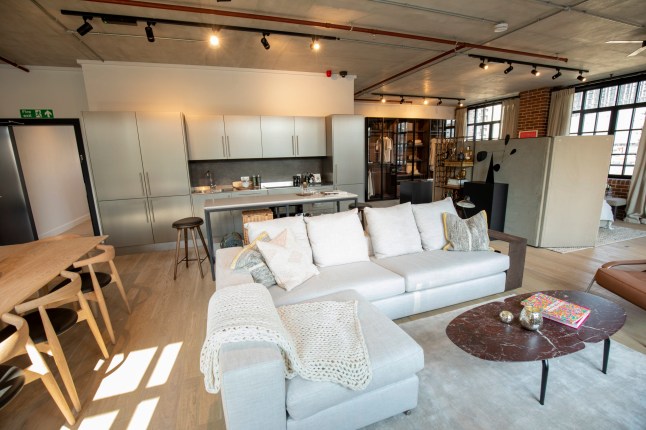
Say goodbye walls, open-plan living is the trend that's here to stay

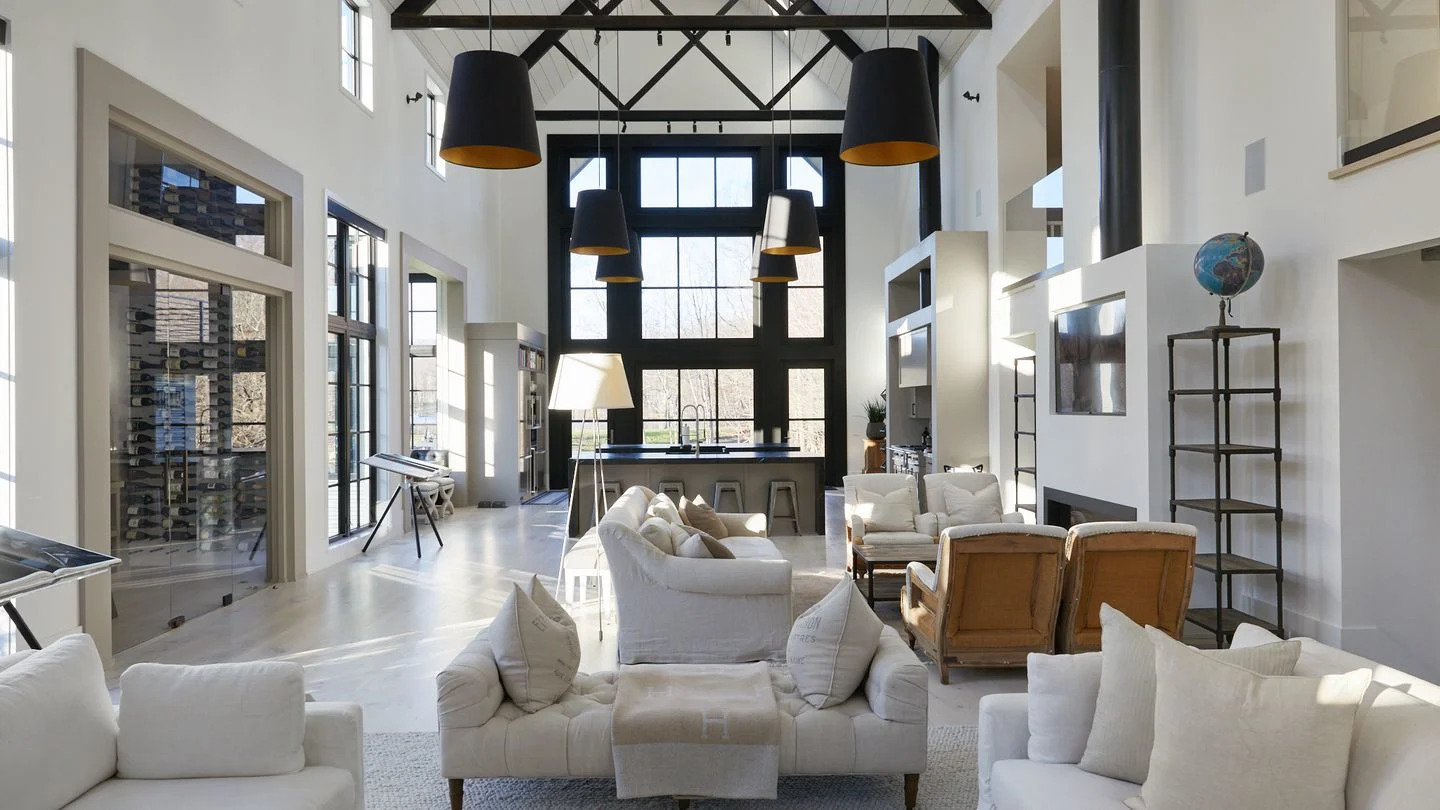
Is It Time to Shut the Door on Open-Concept Living?

Are open floor plans on the way out?

Is the open floor plan going out of style in 2022?
Is This the End of the Open-Plan Layout?
Is open plan going out of style? Experts weigh on whether this once-loved layout is starting to date

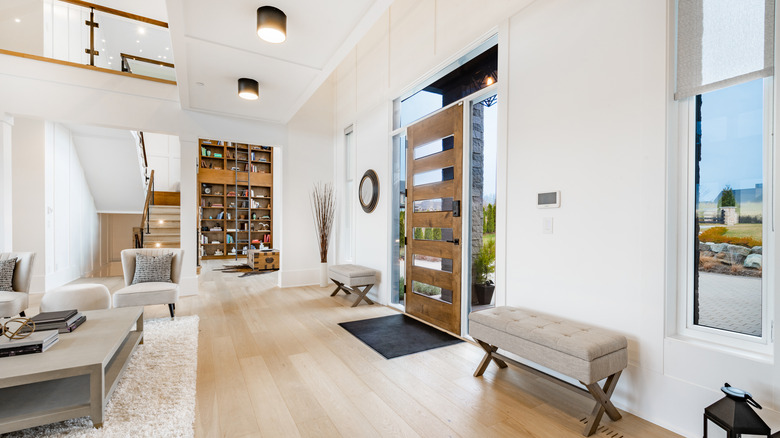
Are Open-Concept Floor Plans Going Out Of Style?
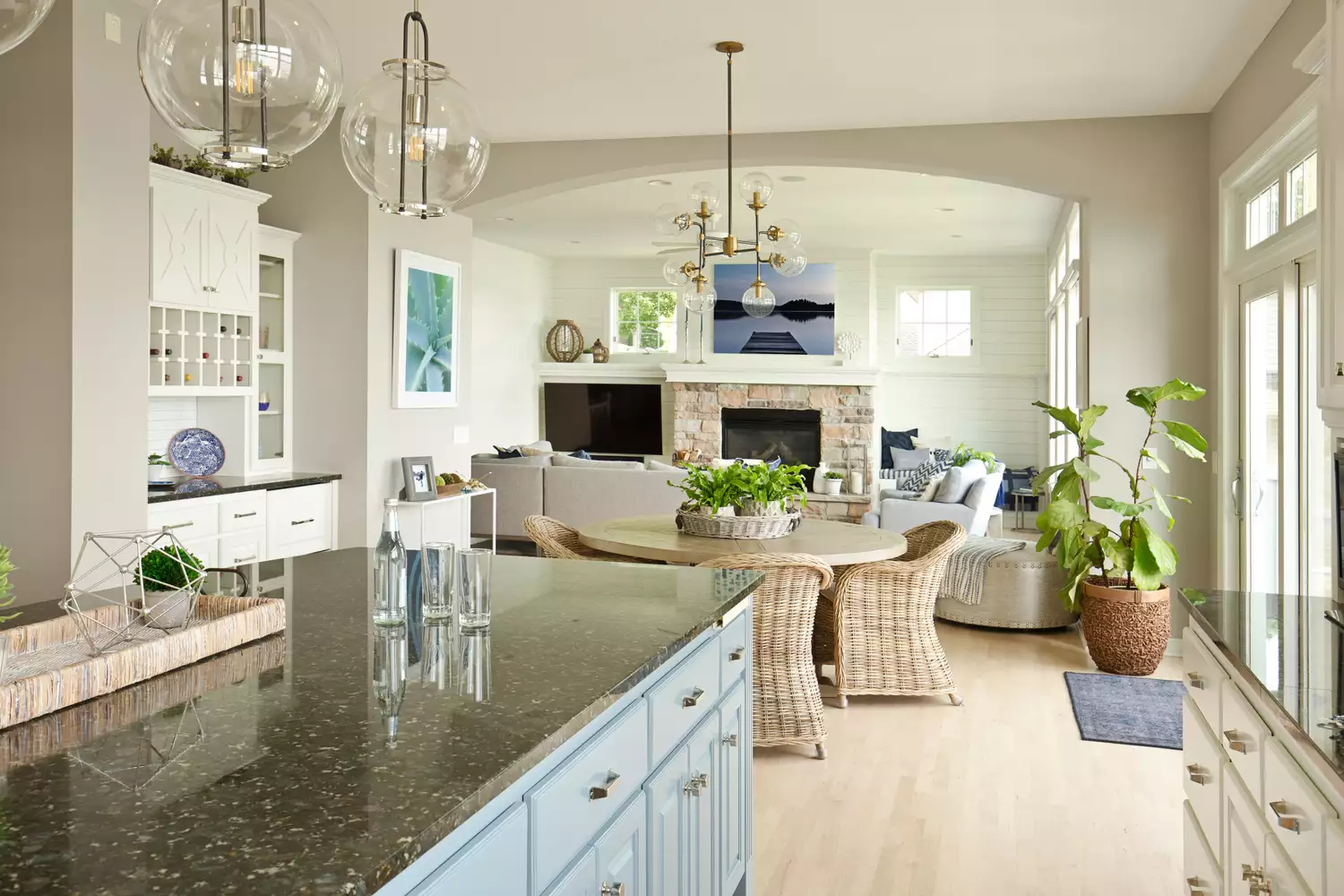
Are Open Concept Floor Plans Going Out of Style? We Asked Designers and They All Agreed

Open plan living: The new normal or passing trend?

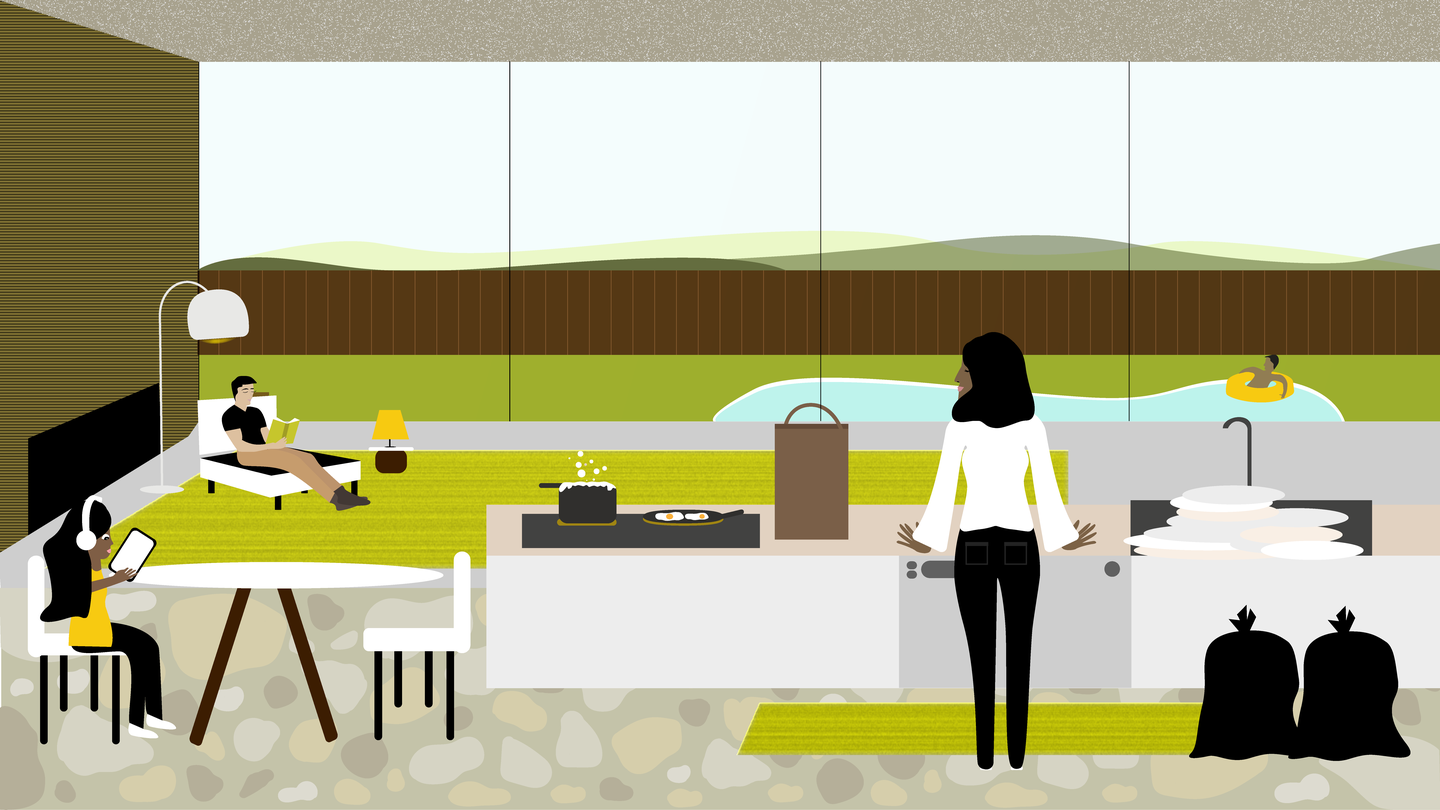
The Curse of an Open Floor Plan
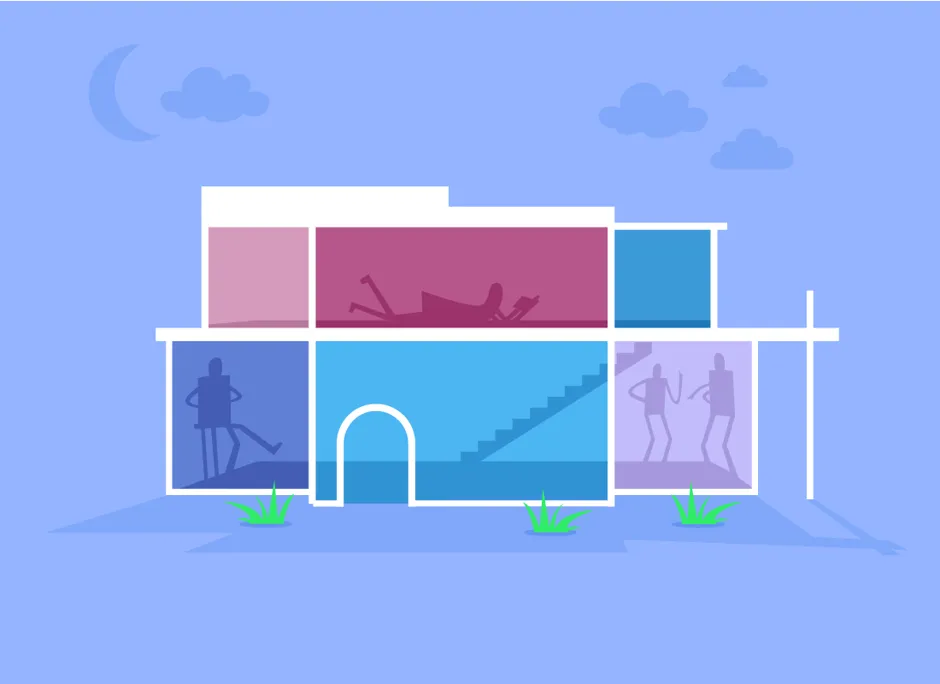
Forget the Open Concept: It's Time to Bring Back Rooms

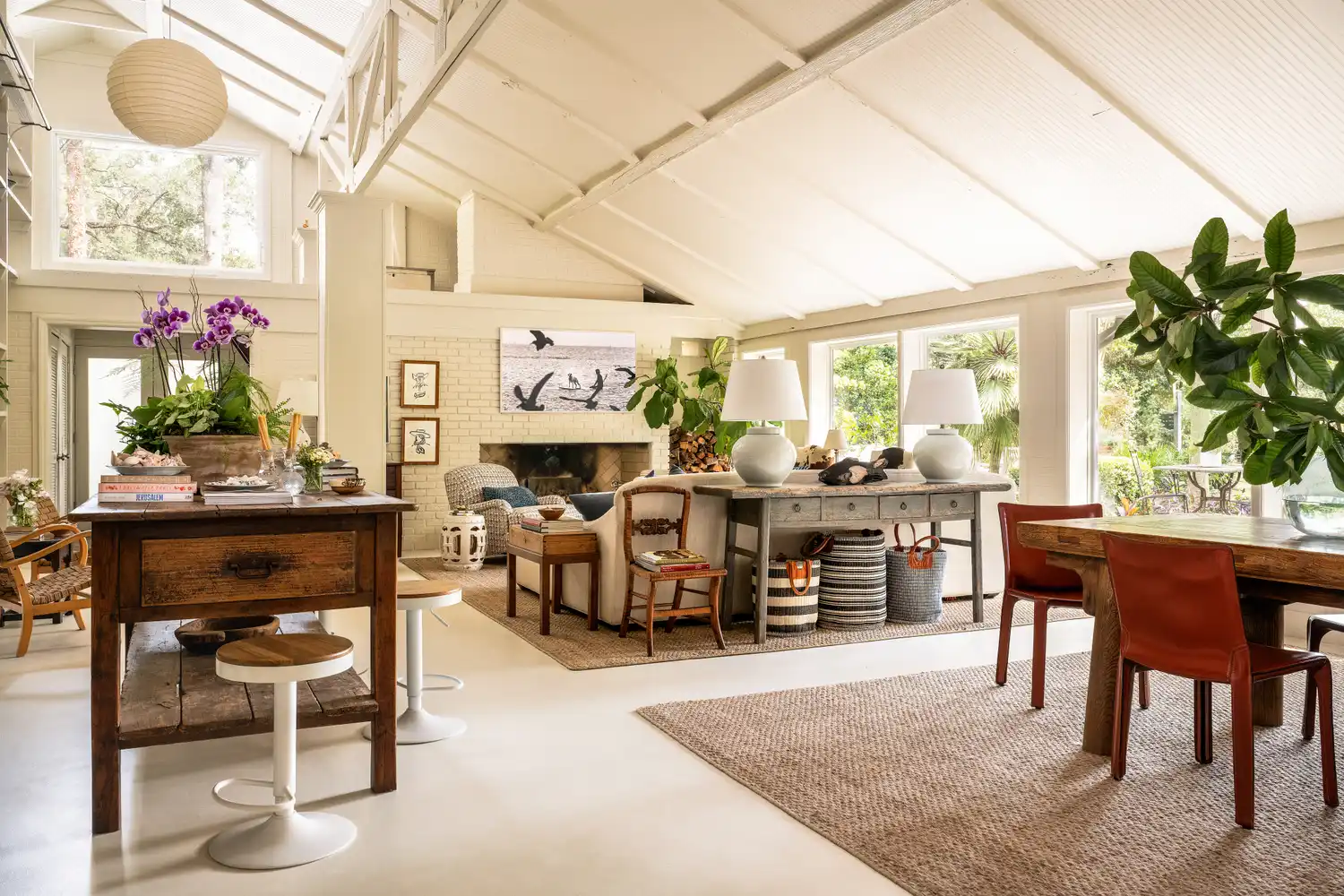
Are Open Floor Plans Going Out Of Style? Designers Share Their Take