Is It Time to Shut the Door on Open-Concept Living?
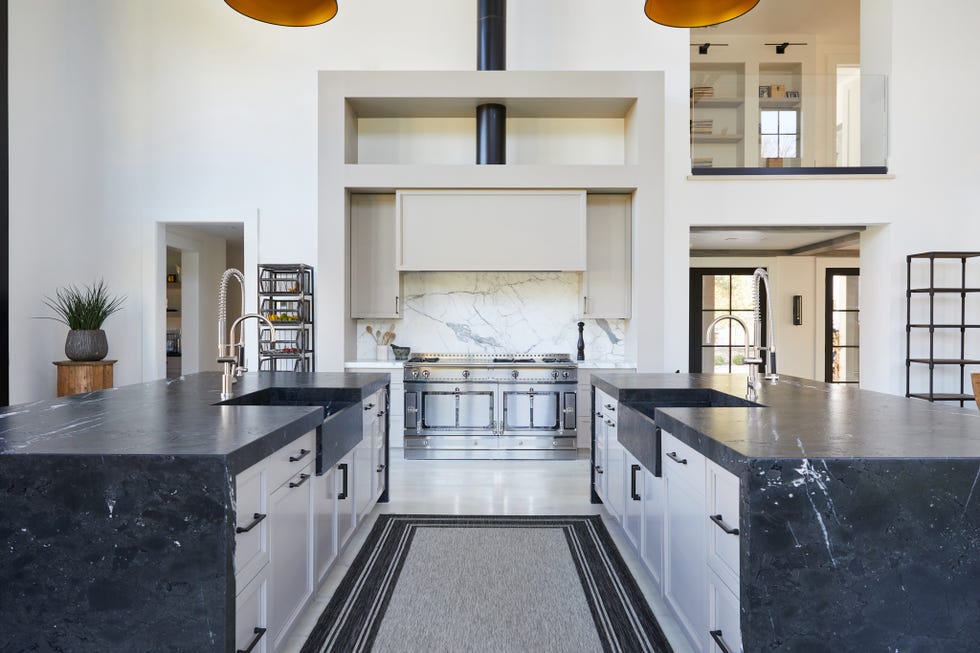
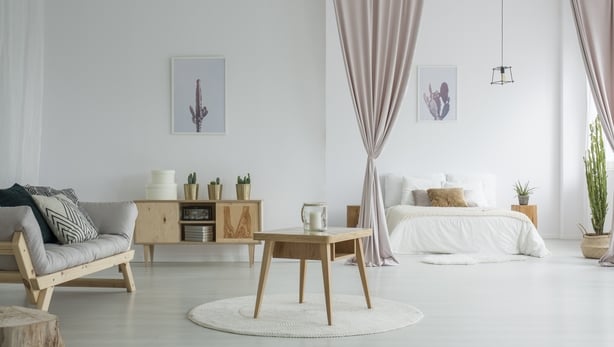
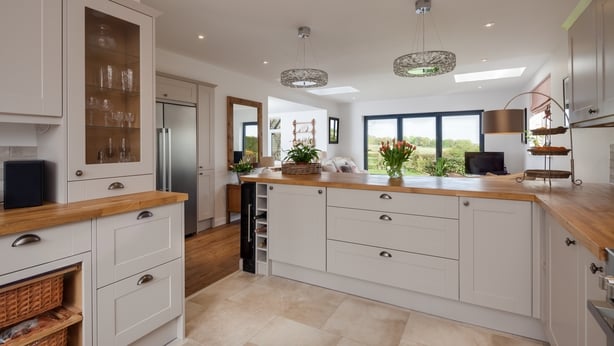
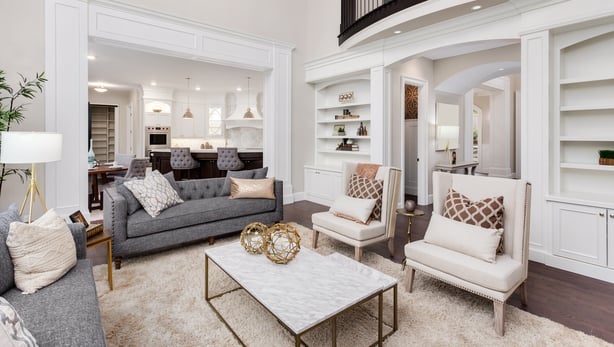
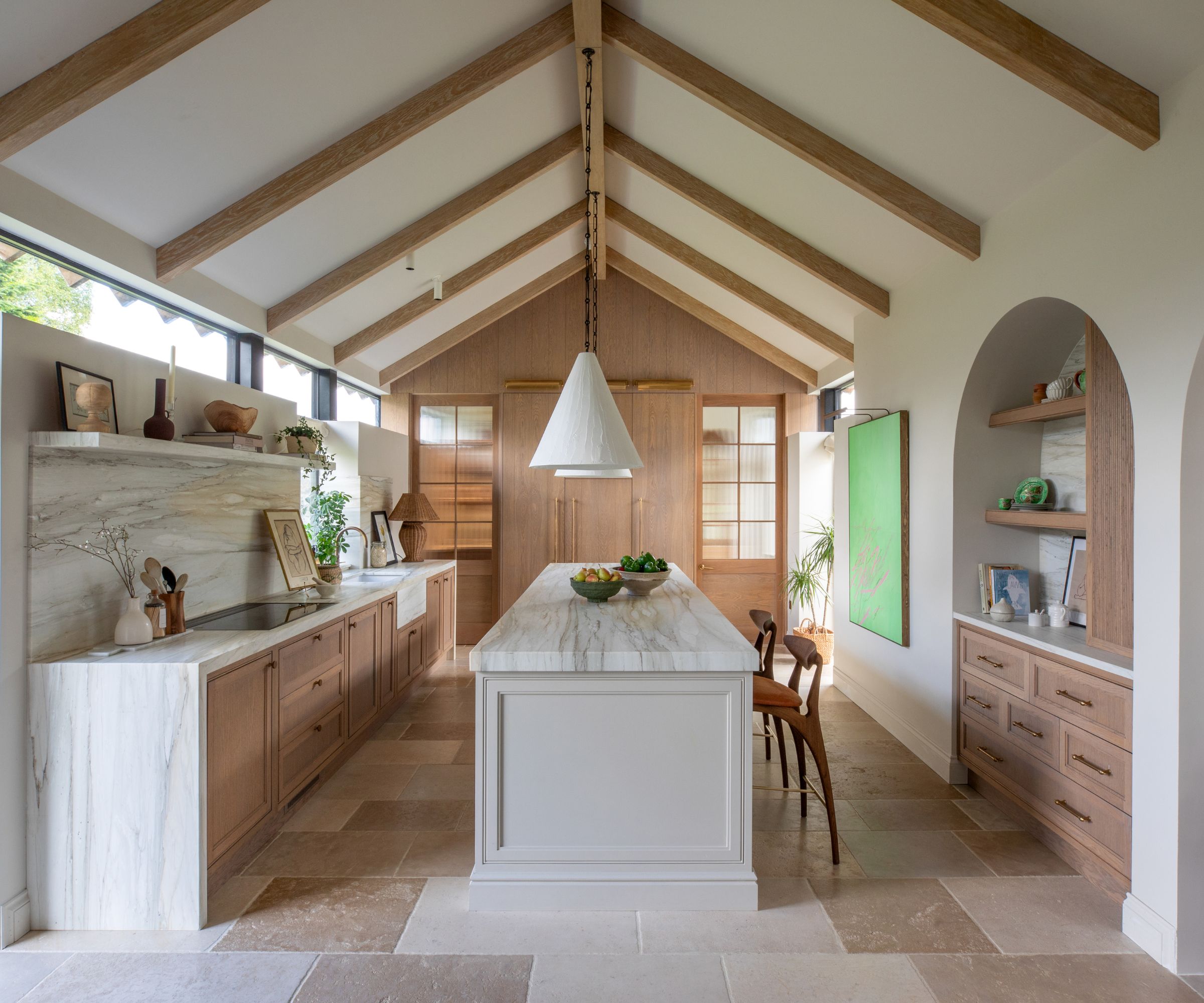
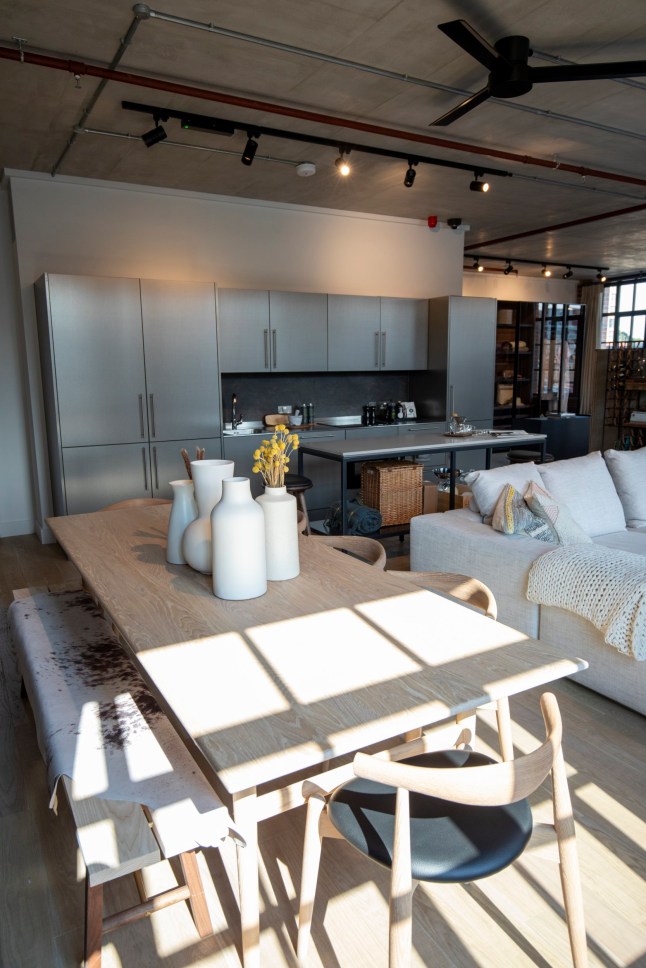
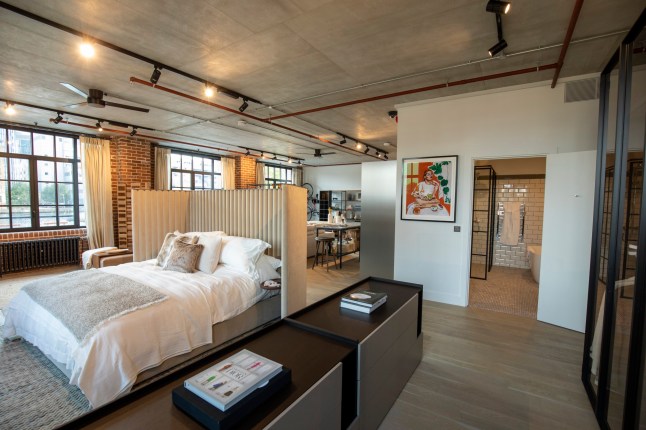
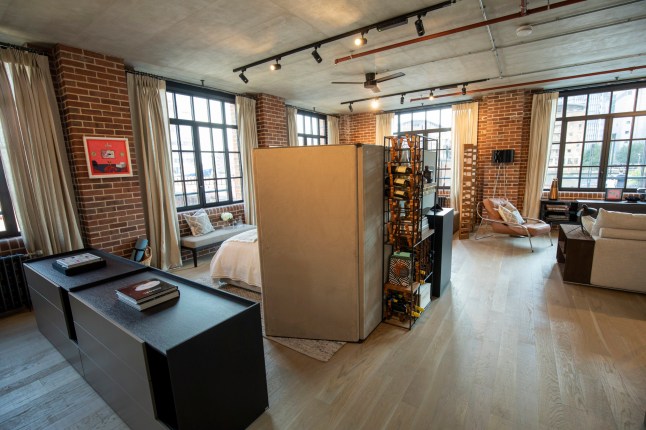
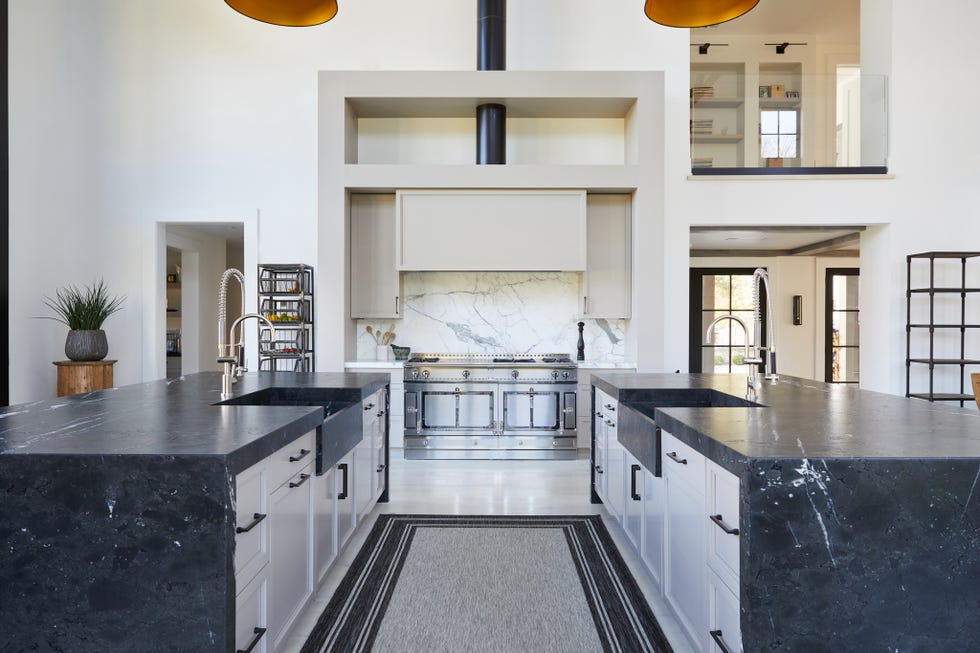
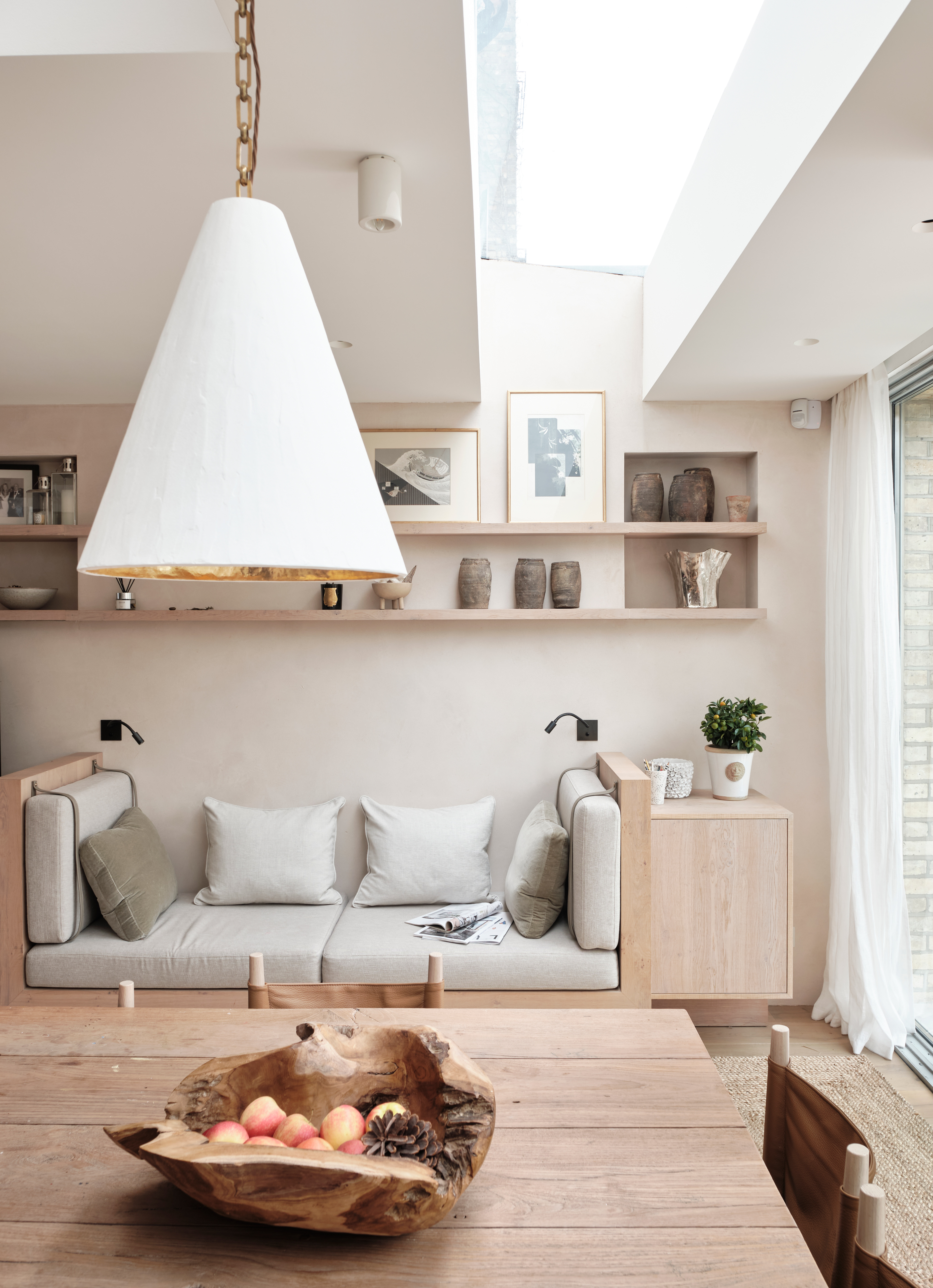
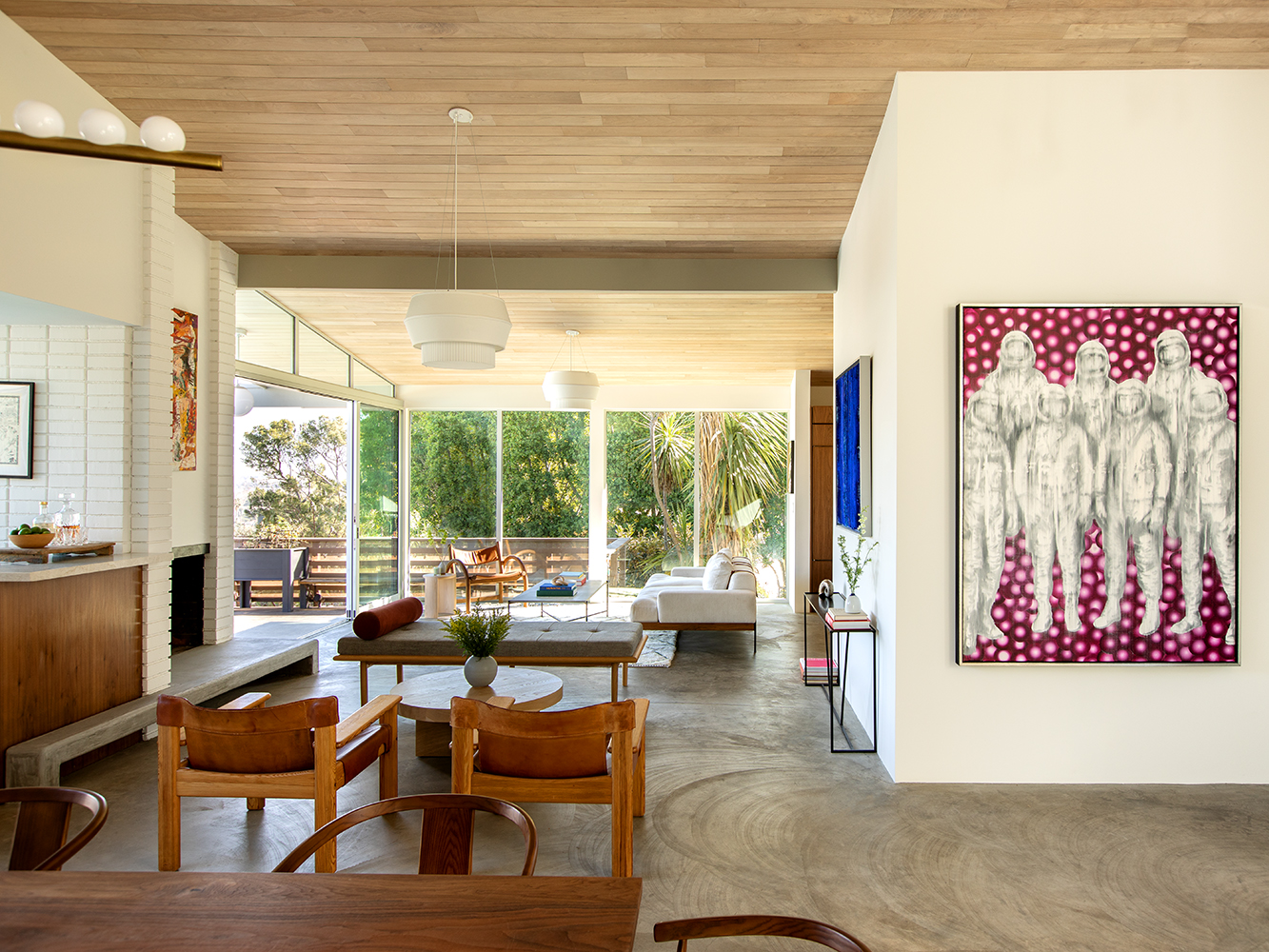
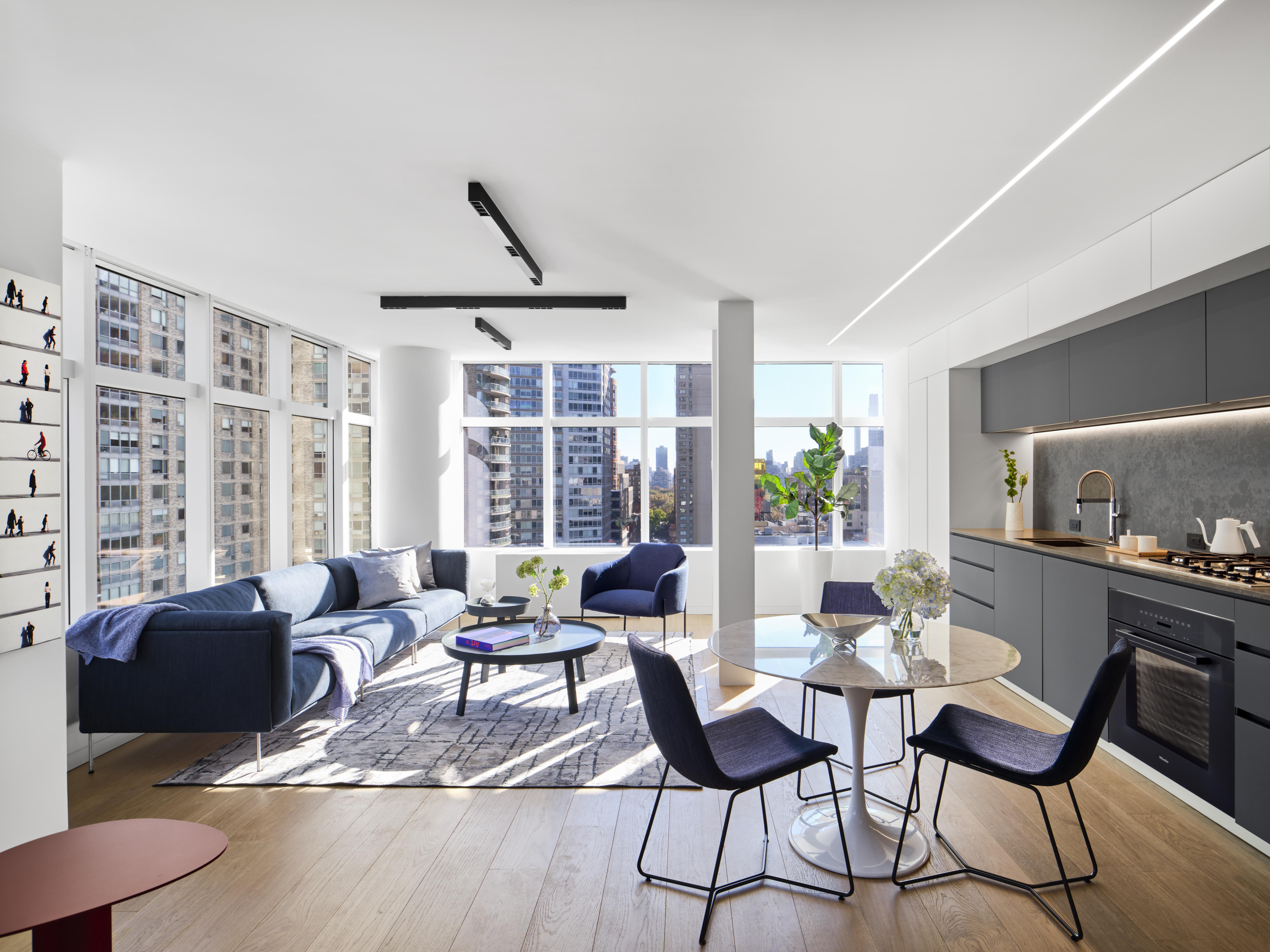
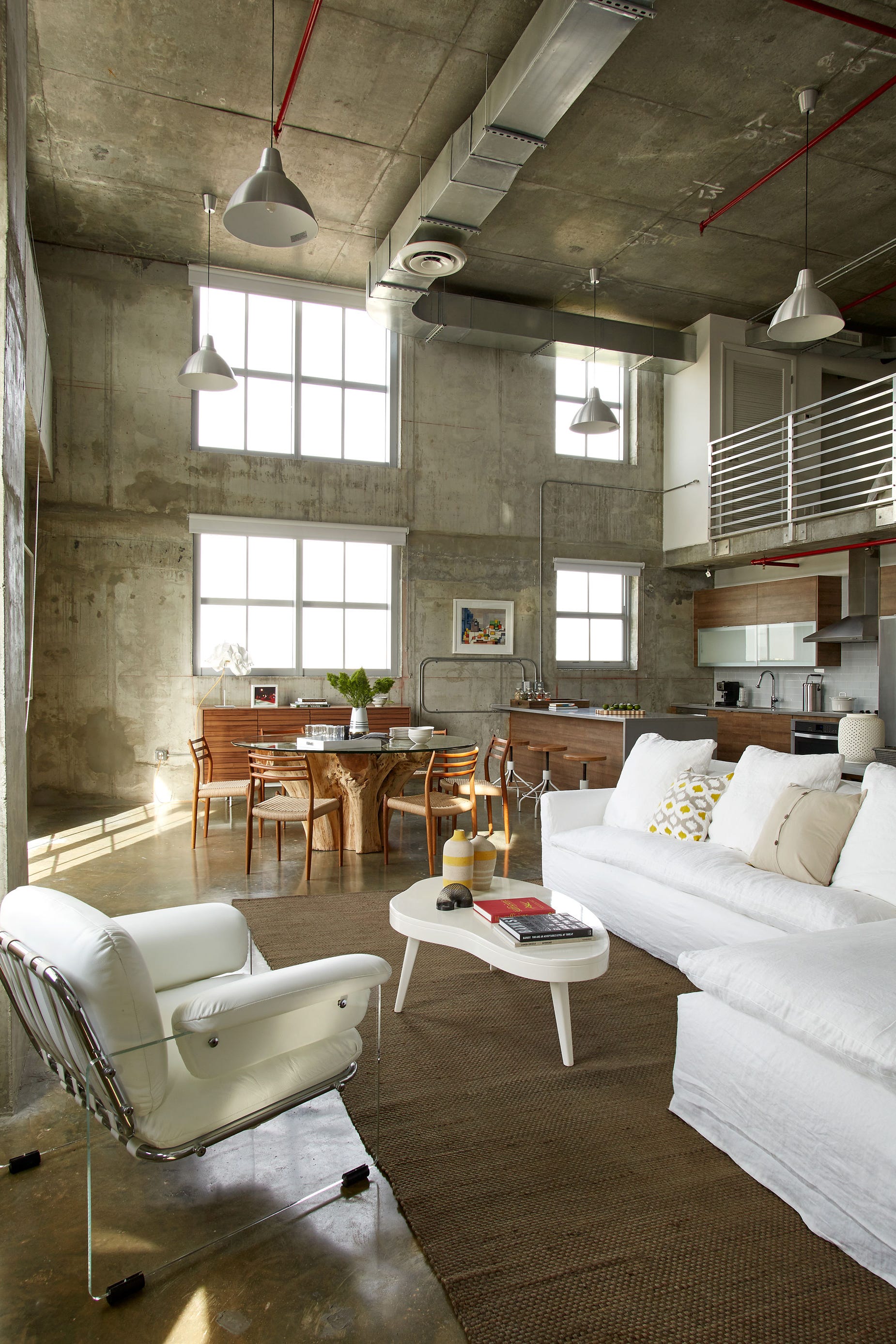
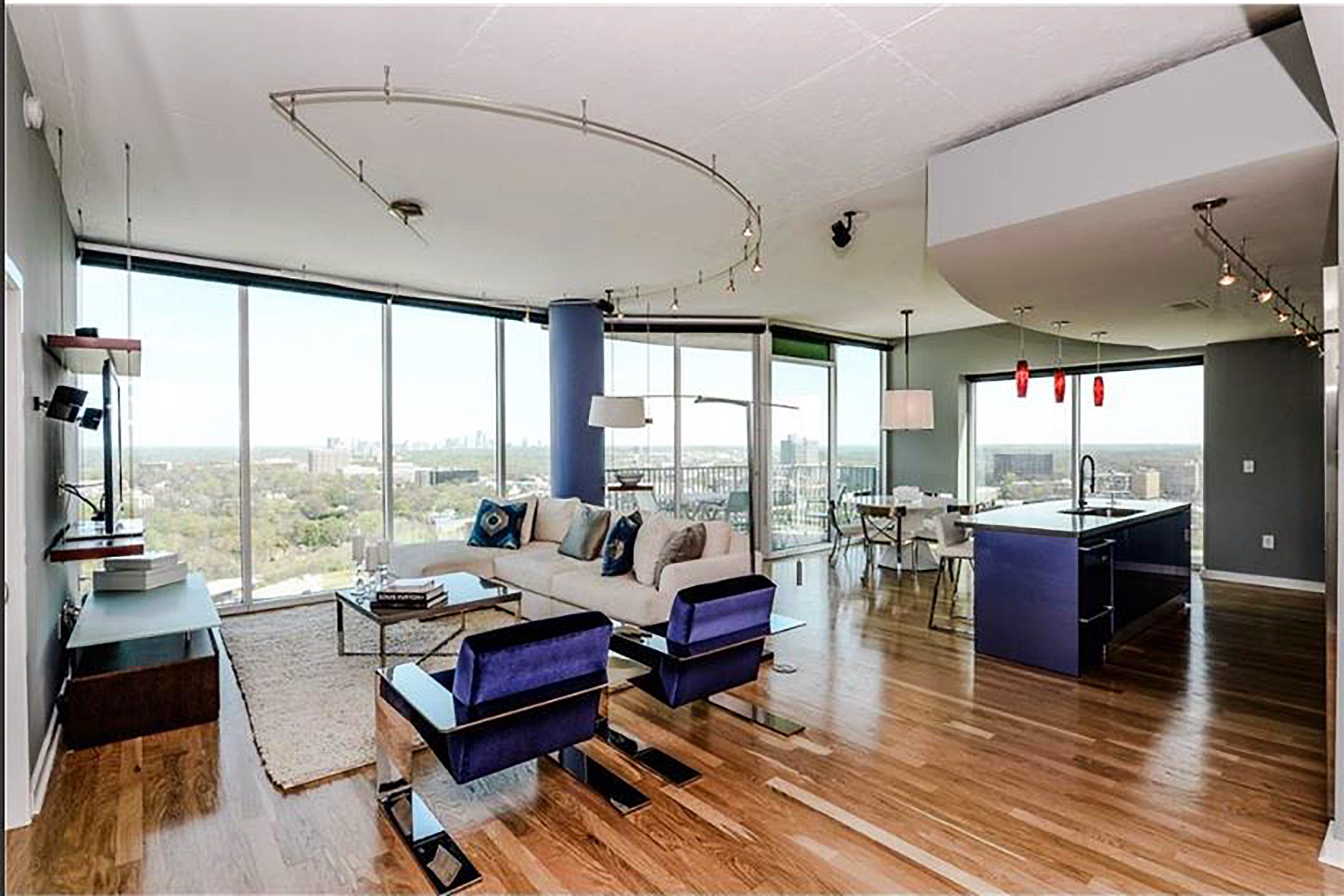
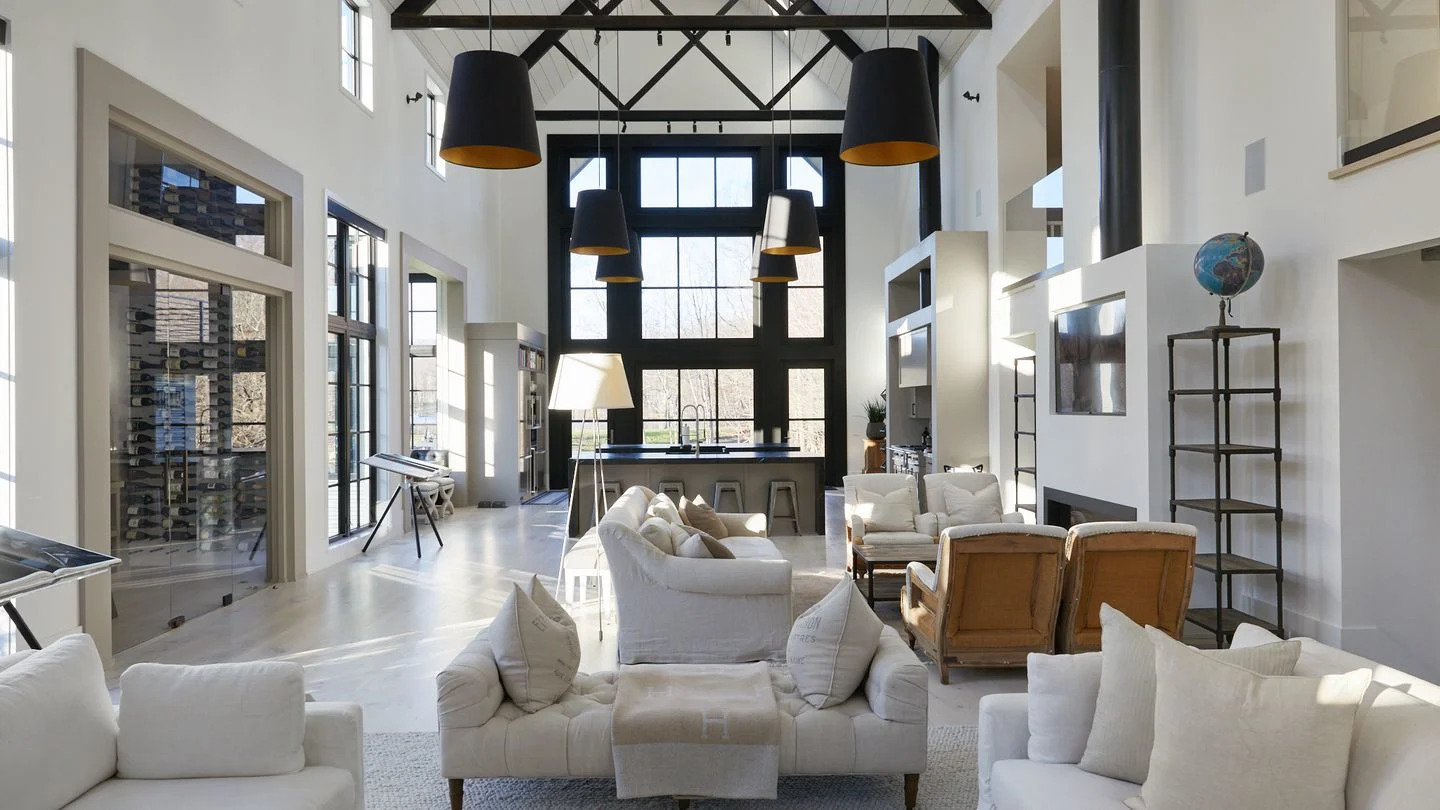
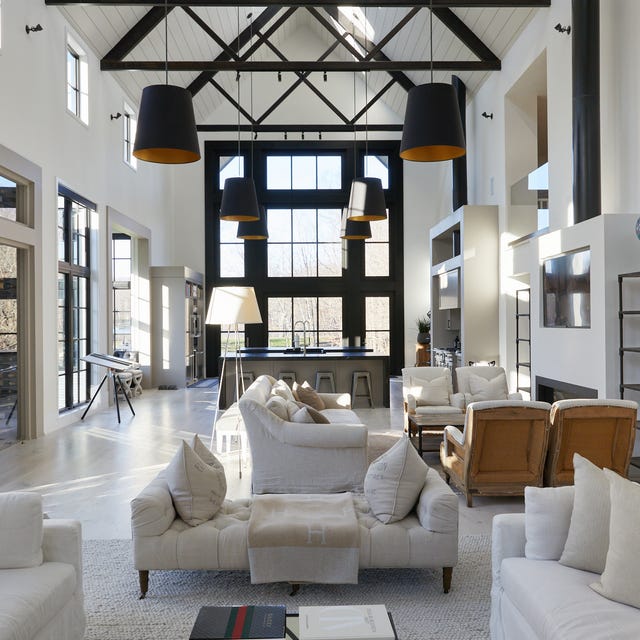
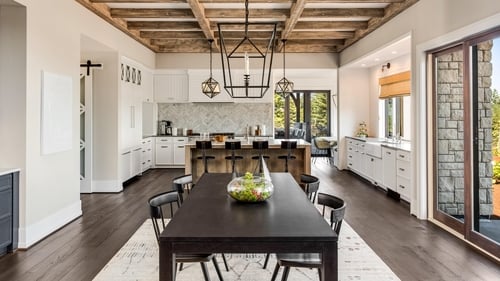
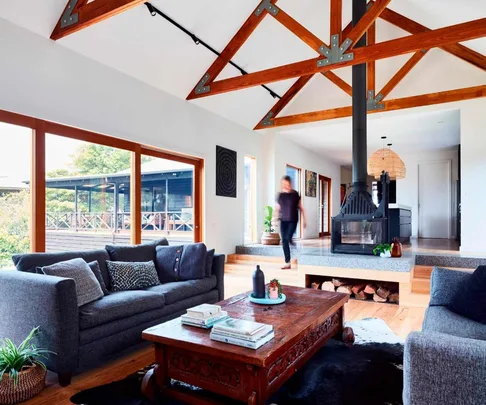
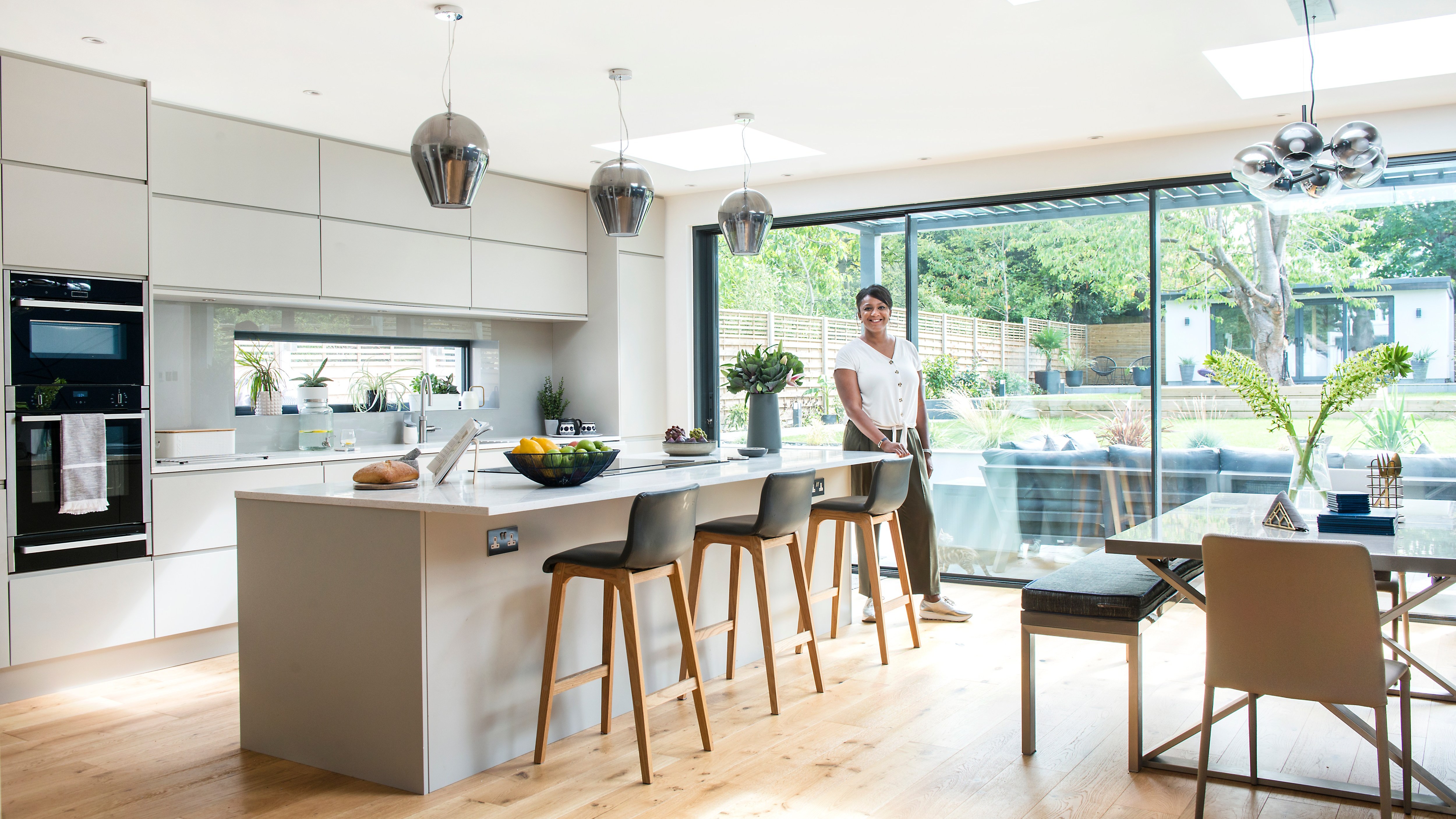
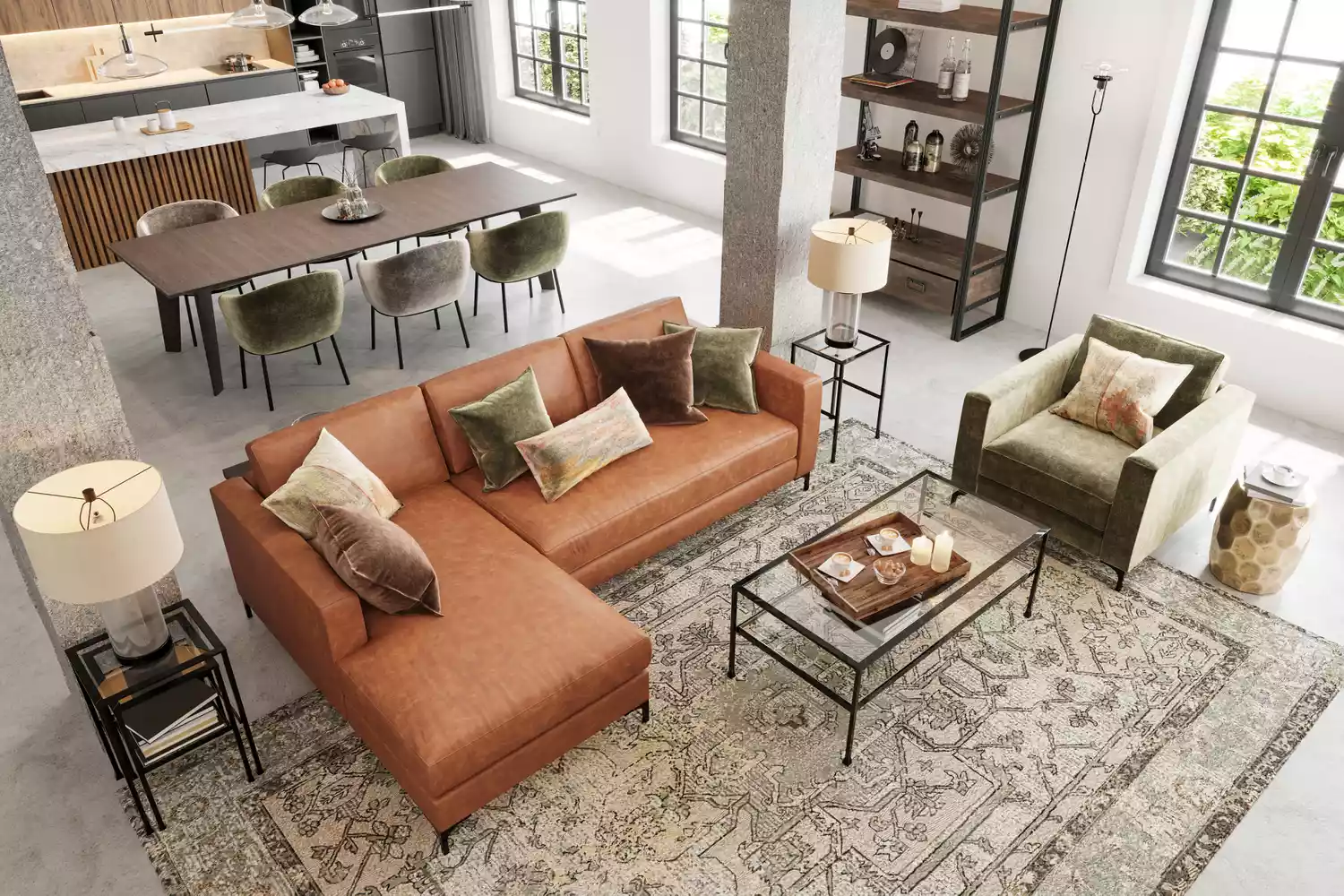
For several years, open-concept living has been a prominent and highly sought-after design trend, particularly favored in new constructions and home renovations. This design philosophy emphasizes large, flowing spaces where traditional barriers like walls separating the kitchen, living room, and dining area are removed. The appeal of open-concept layouts stems from a desire for enhanced connectivity among family members, a perception of greater spaciousness, and the ability to host gatherings where guests can interact freely across different functional zones.
However, the perpetual popularity of open-concept living is now being questioned, with some interior designers suggesting that the trend may be reaching its saturation point. A recent survey conducted by *House Beautiful* among its "Next Wave" designers, a group of talented and emerging professionals in the interior design field, revealed unexpected sentiments regarding this pervasive trend. When asked to identify a design trend they were ready to see less of, a notable number of designers pointed to open-concept spaces.
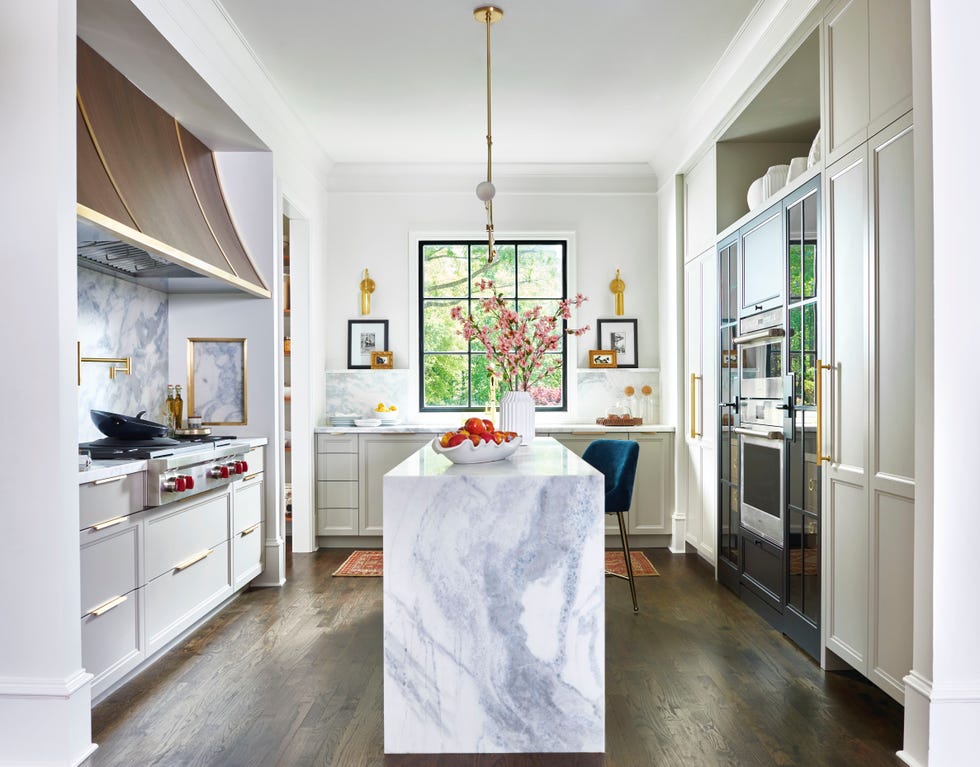
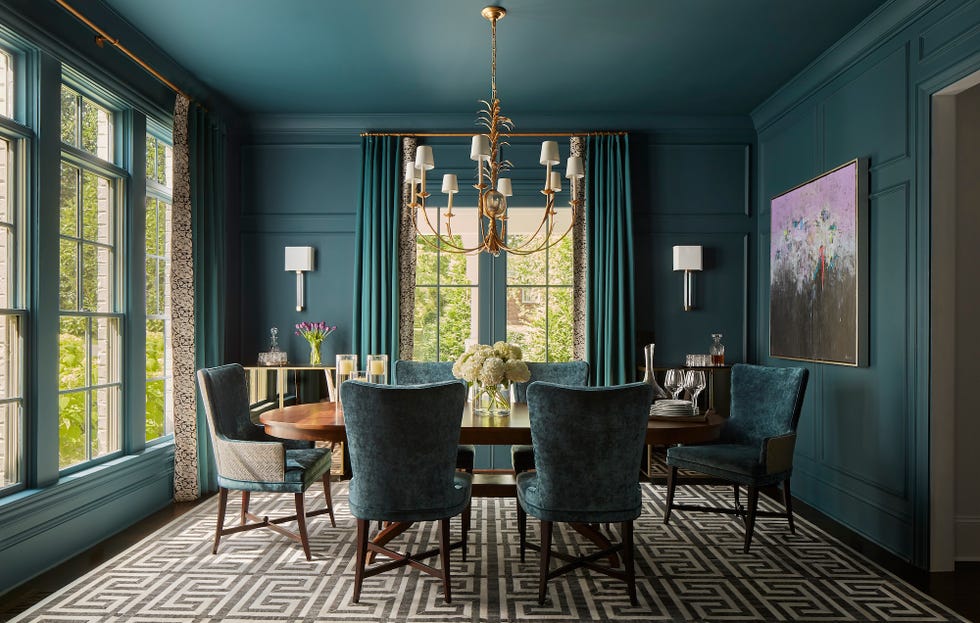
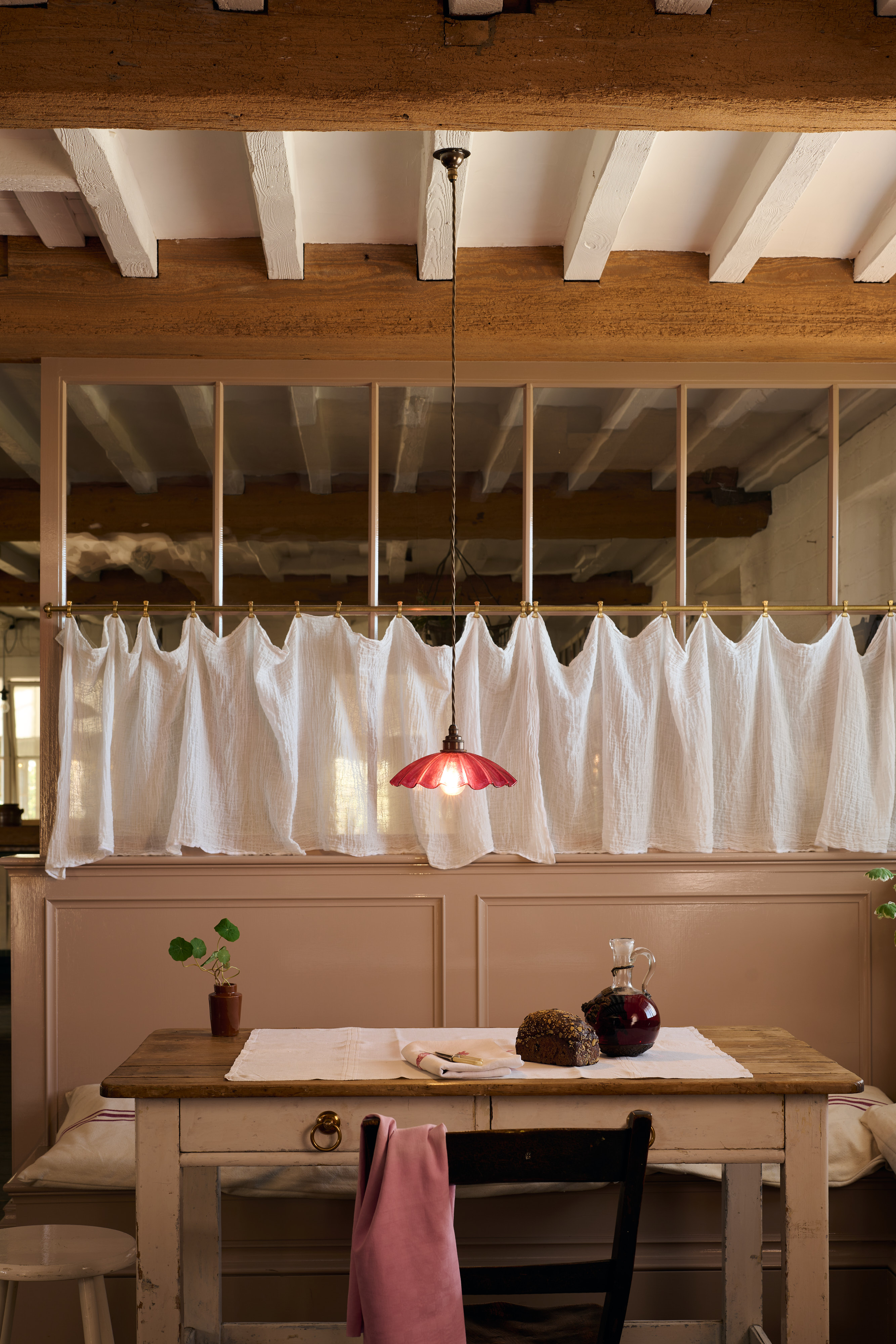
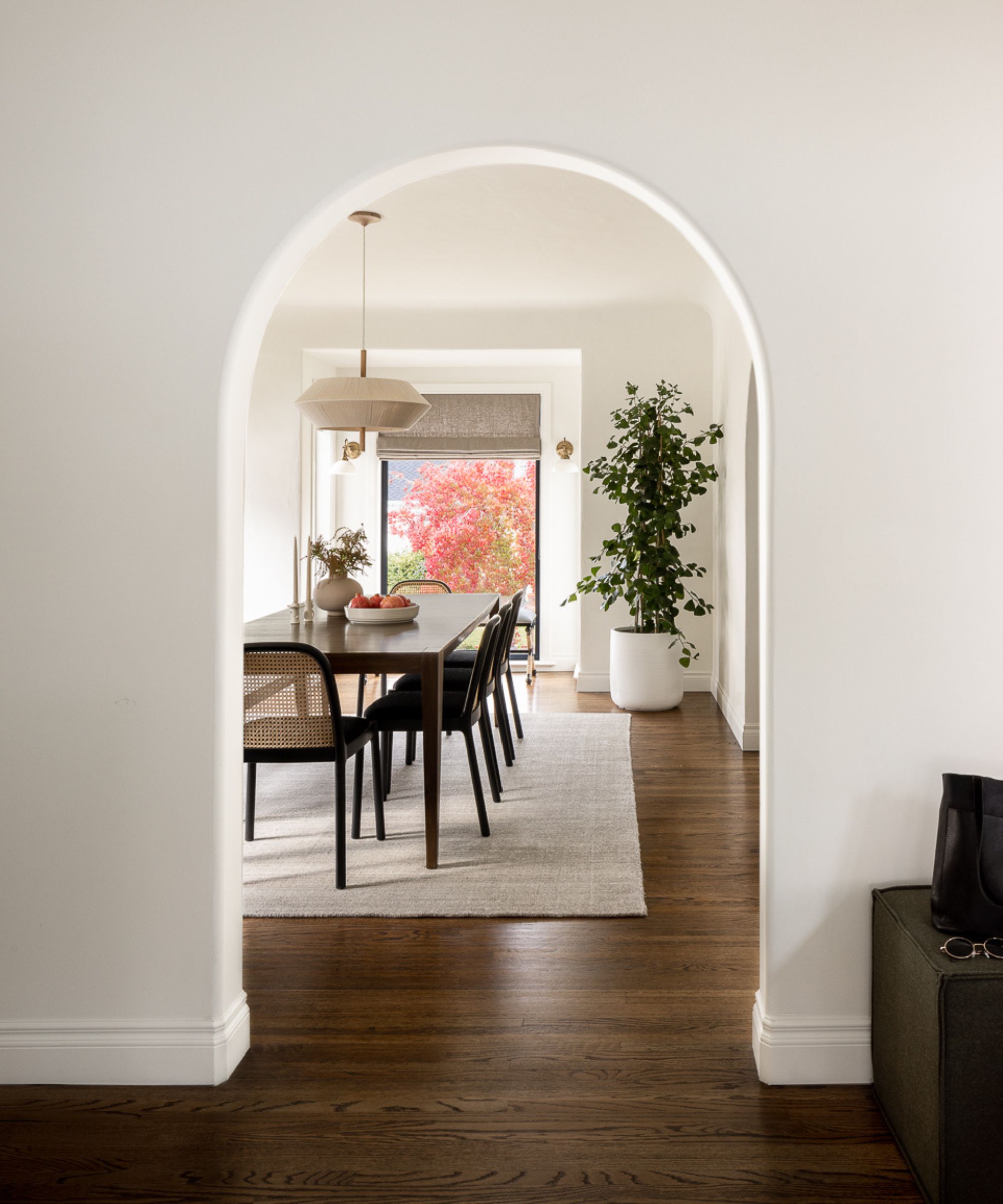
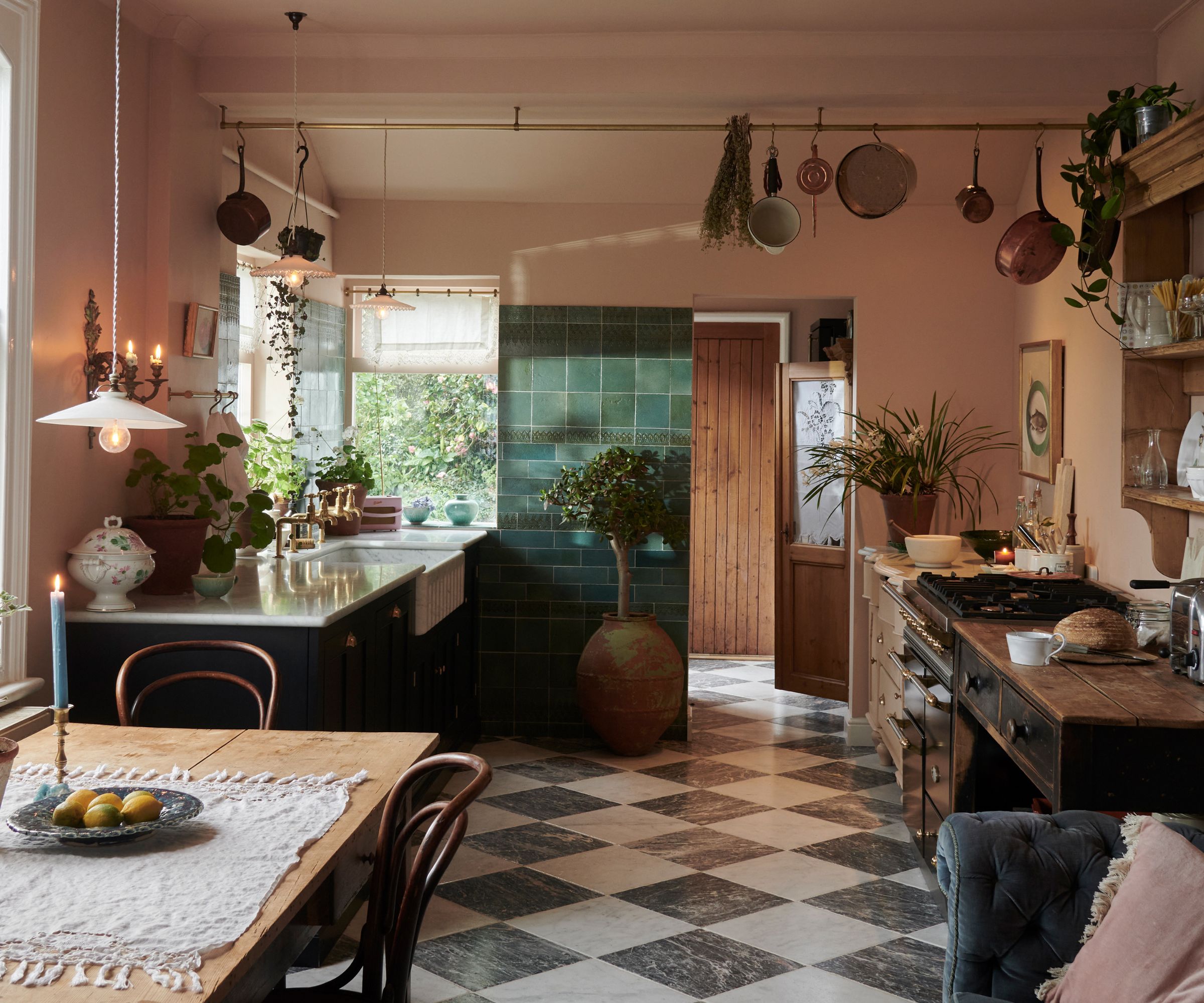
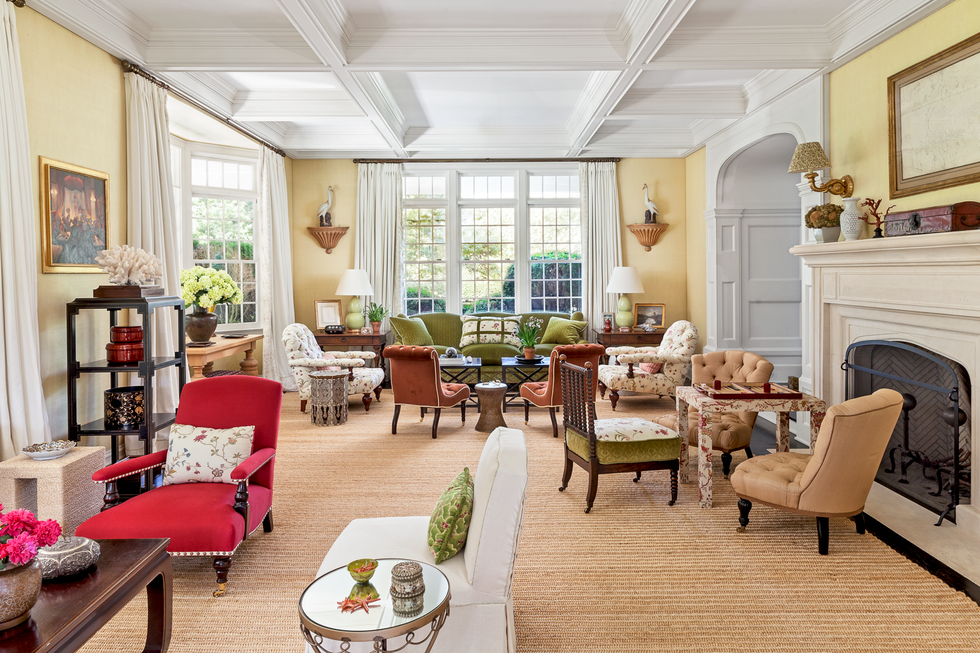
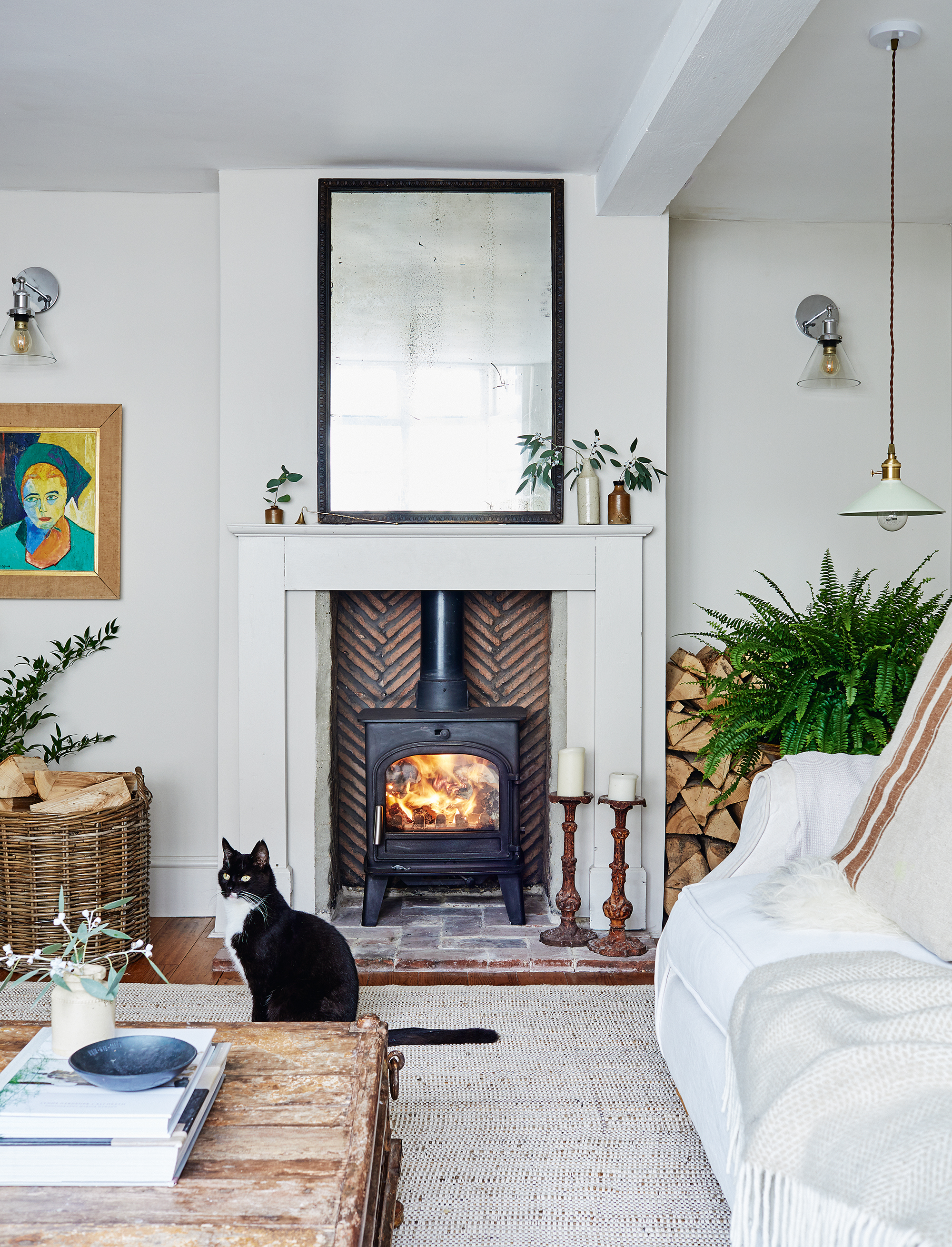
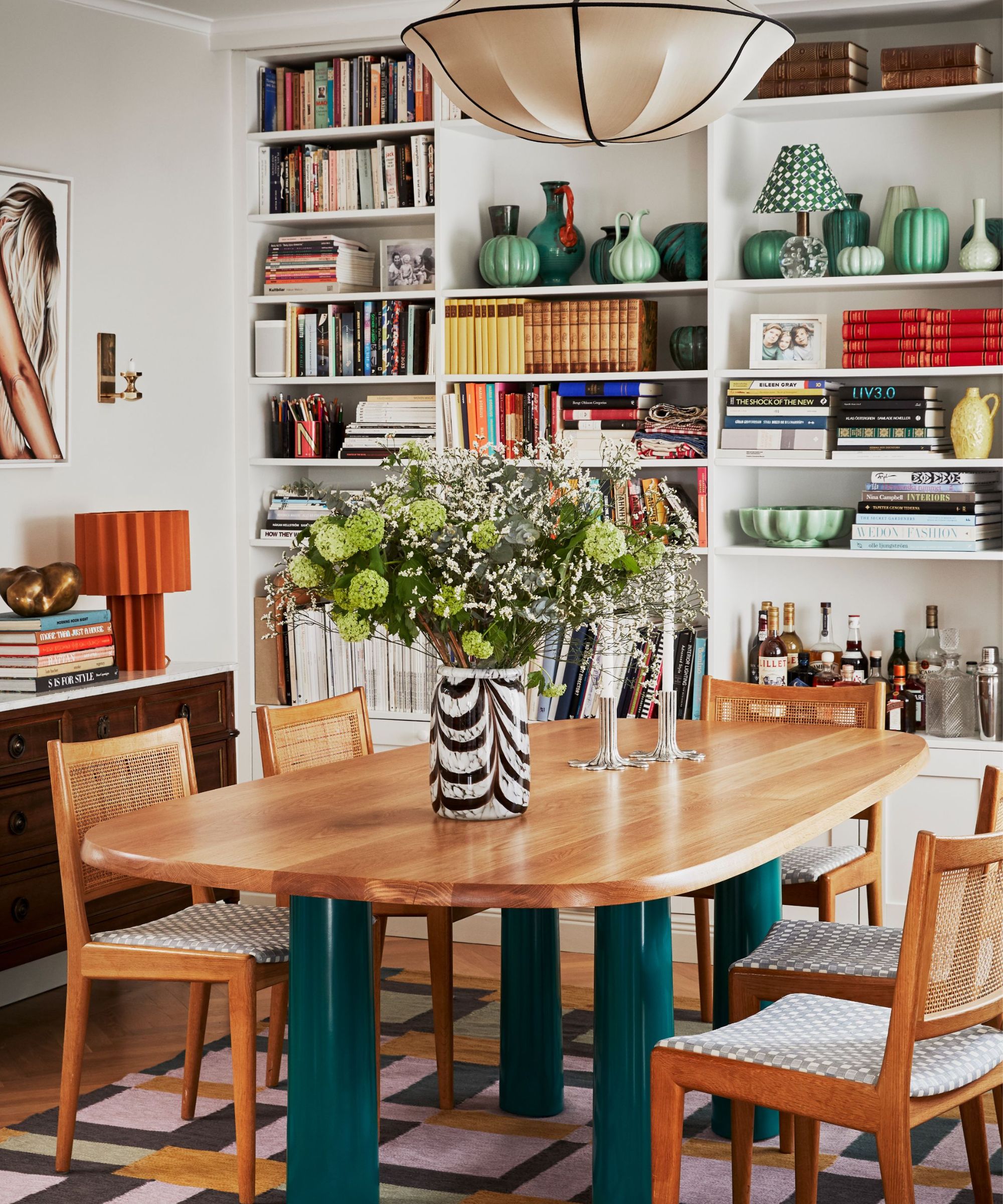
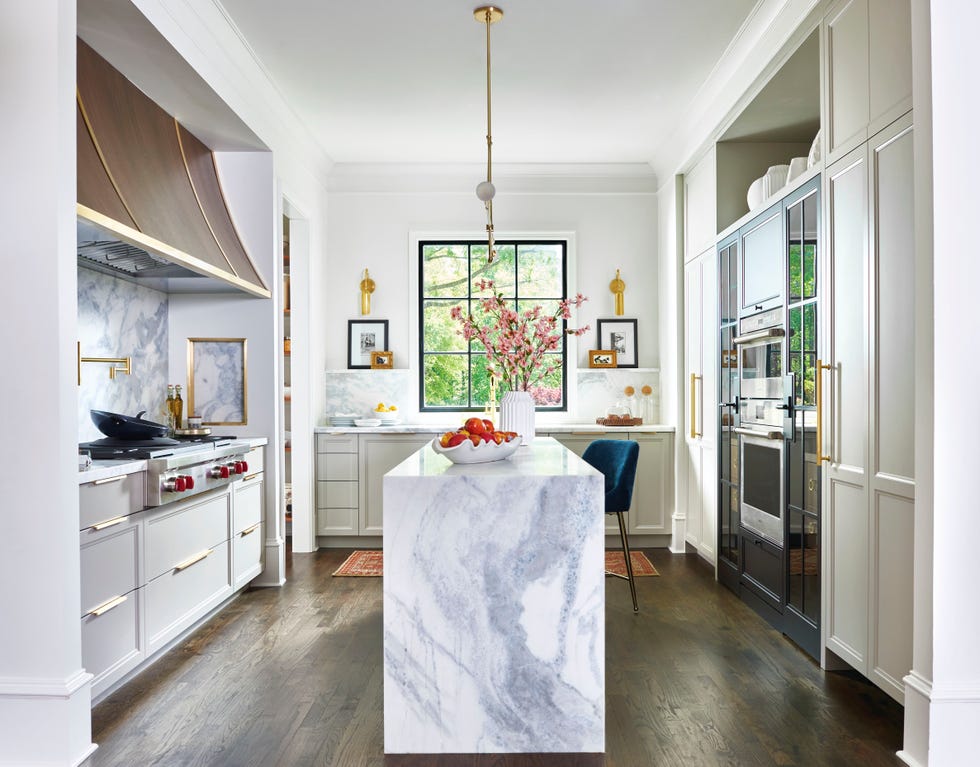
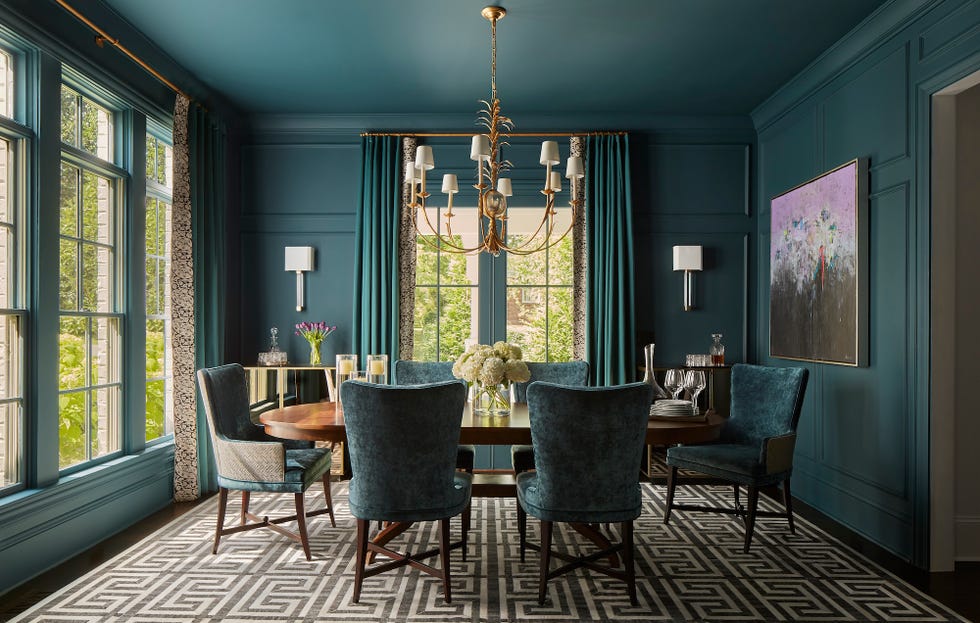
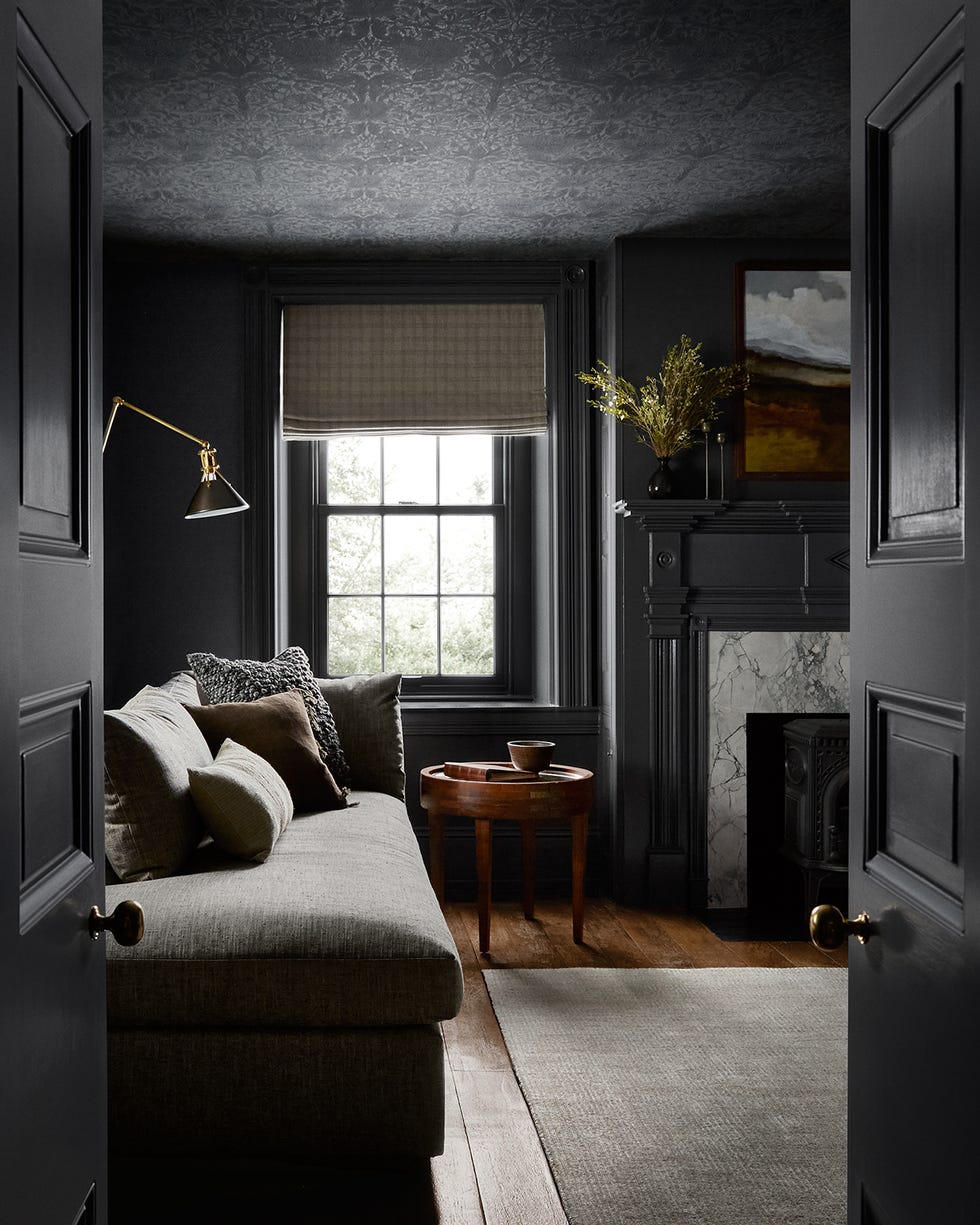
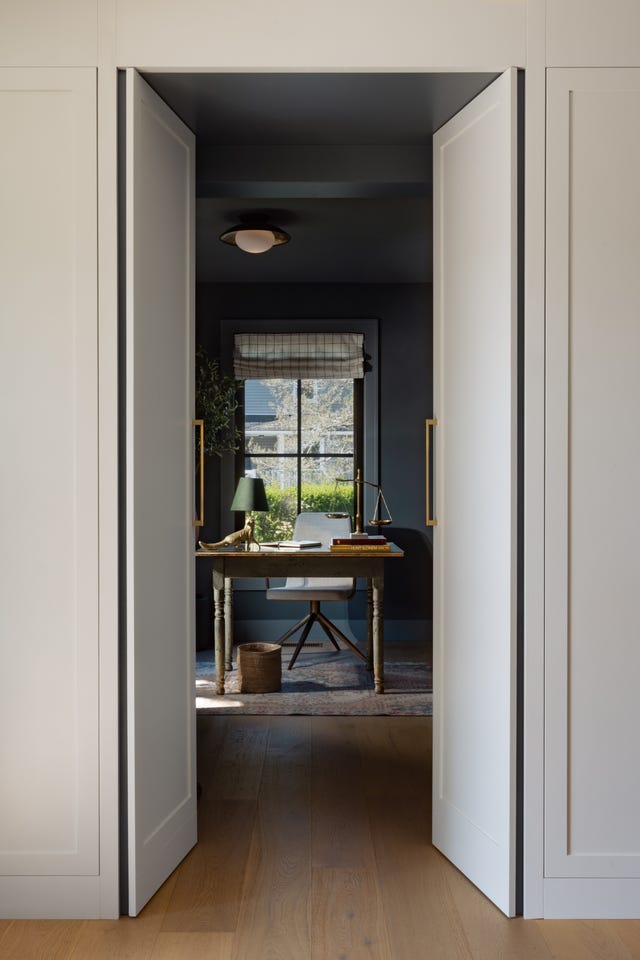
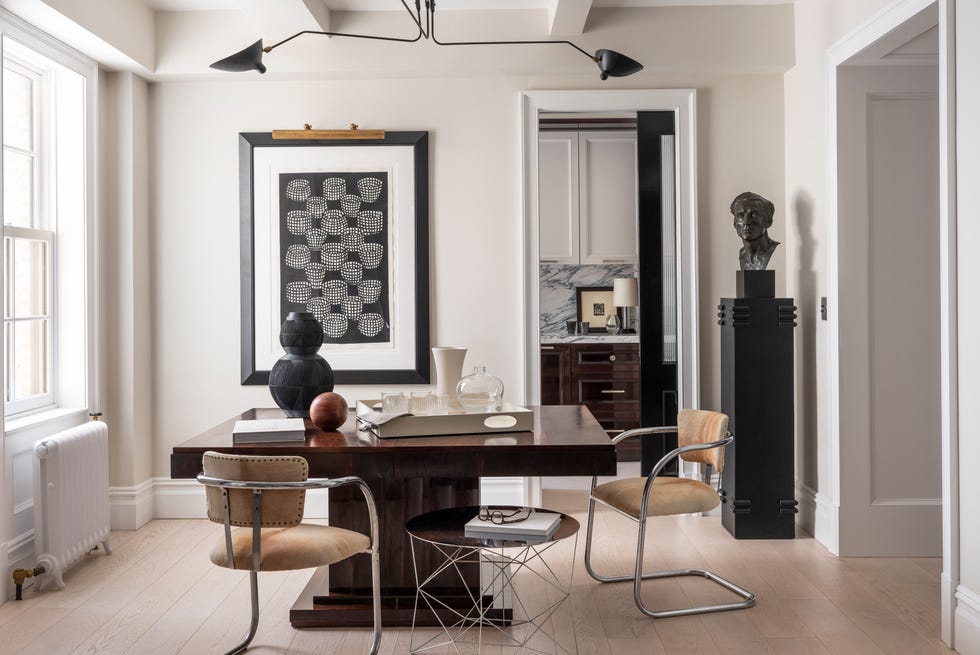
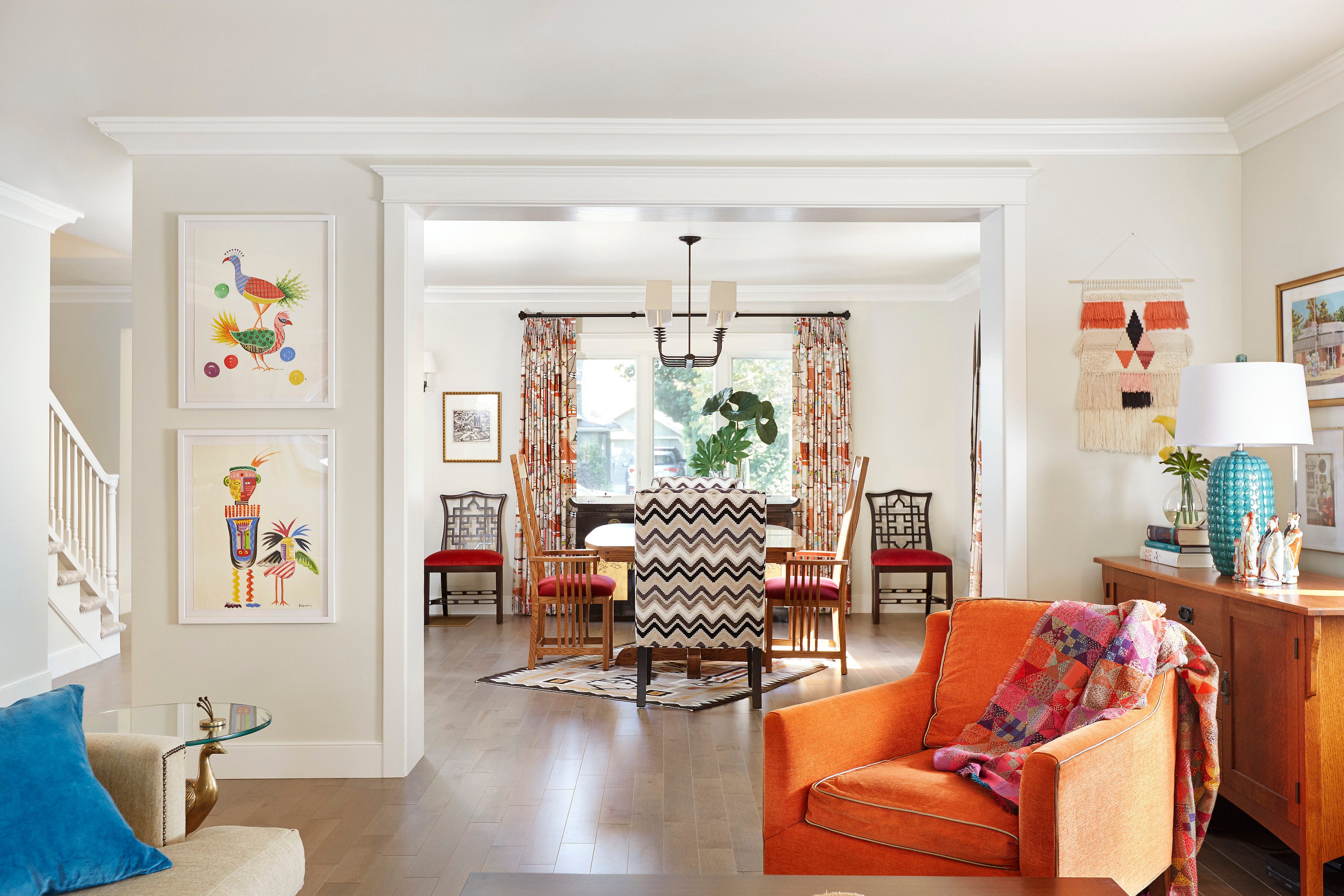
Brad Ramsey, a Nashville, Tennessee-based interior designer and a member of the "Next Wave," articulated a common sentiment. He expressed a desire for a departure from homes featuring a single, large, undifferentiated room that serves multiple functions simultaneously—such as a combined living, dining, and sitting area, often integrated with the kitchen and even a breakfast nook. While acknowledging the inherent desire for togetherness and shared experiences within a home, Ramsey advocates for the return of more segmented, closed-concept spaces. He argues that these distinct rooms offer a greater degree of design freedom and versatility, enabling homeowners to infuse each area with a unique character and purpose.
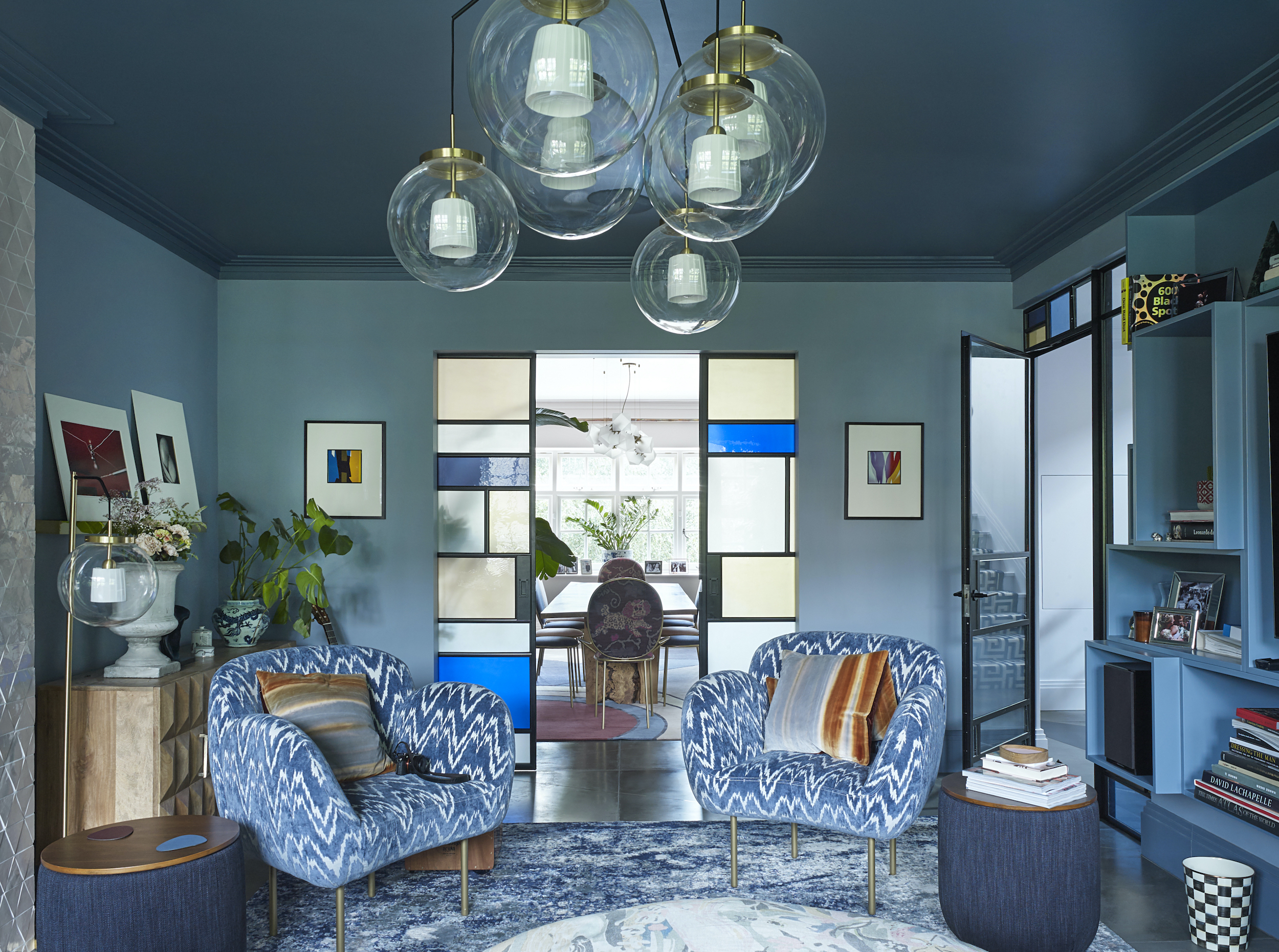
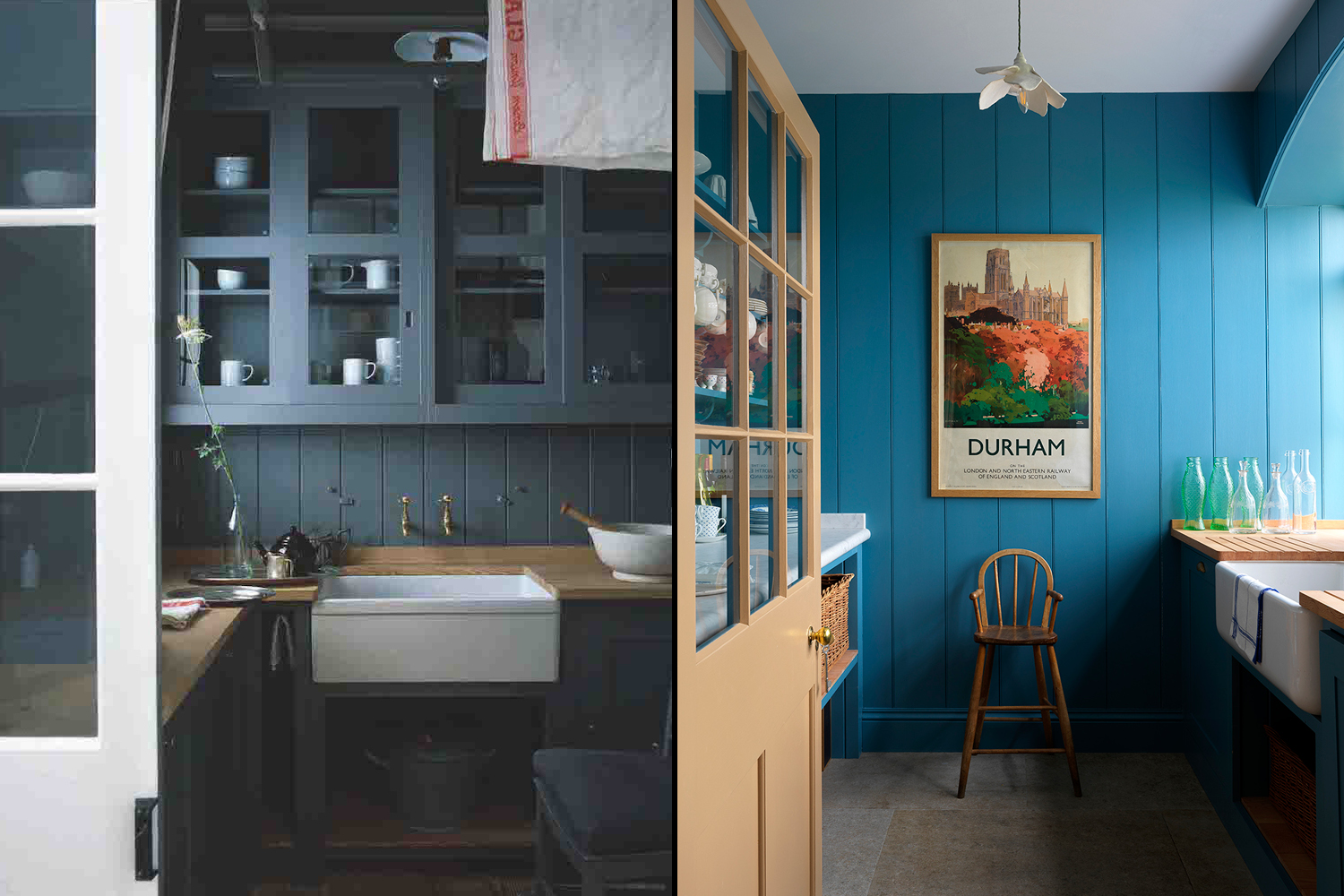
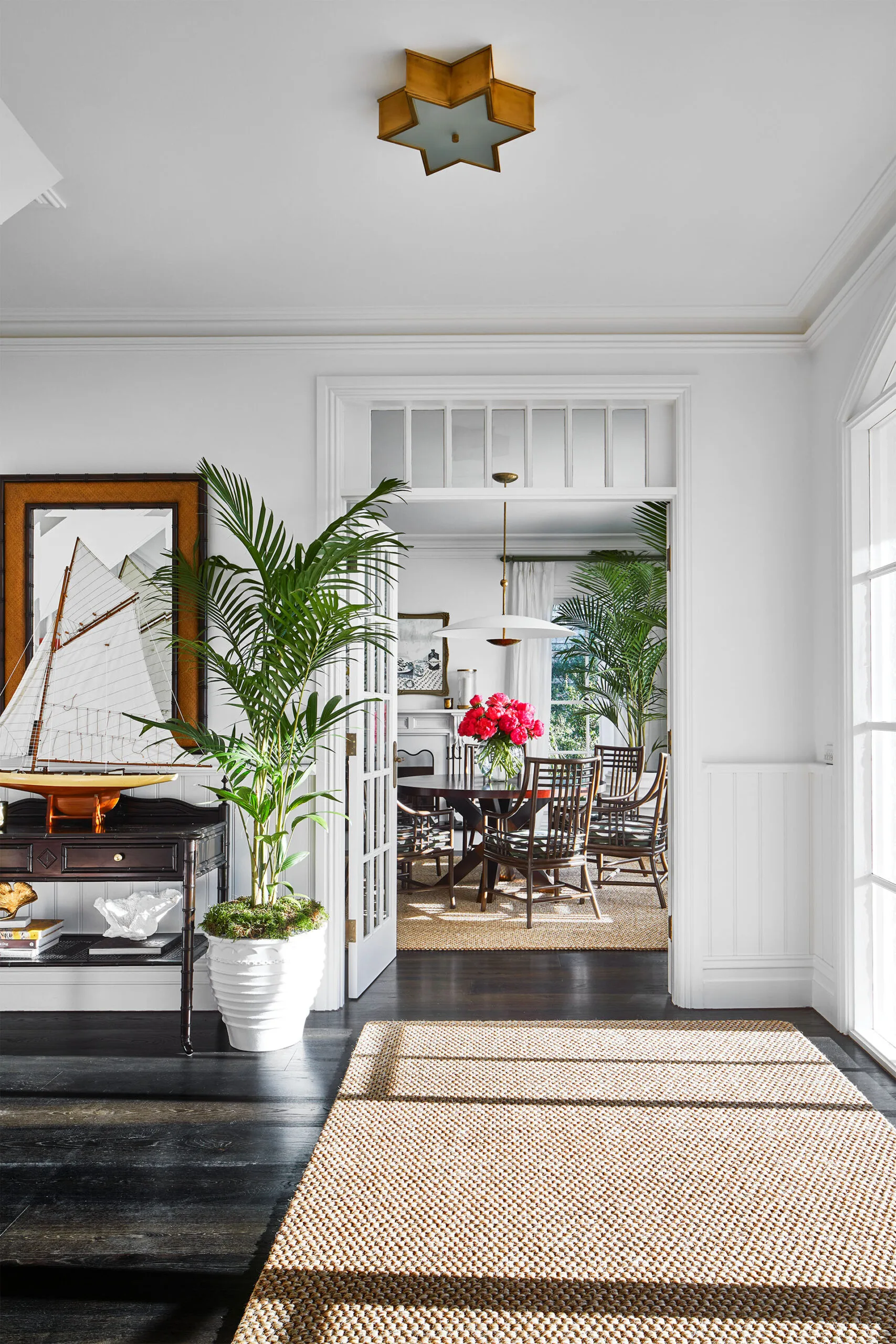
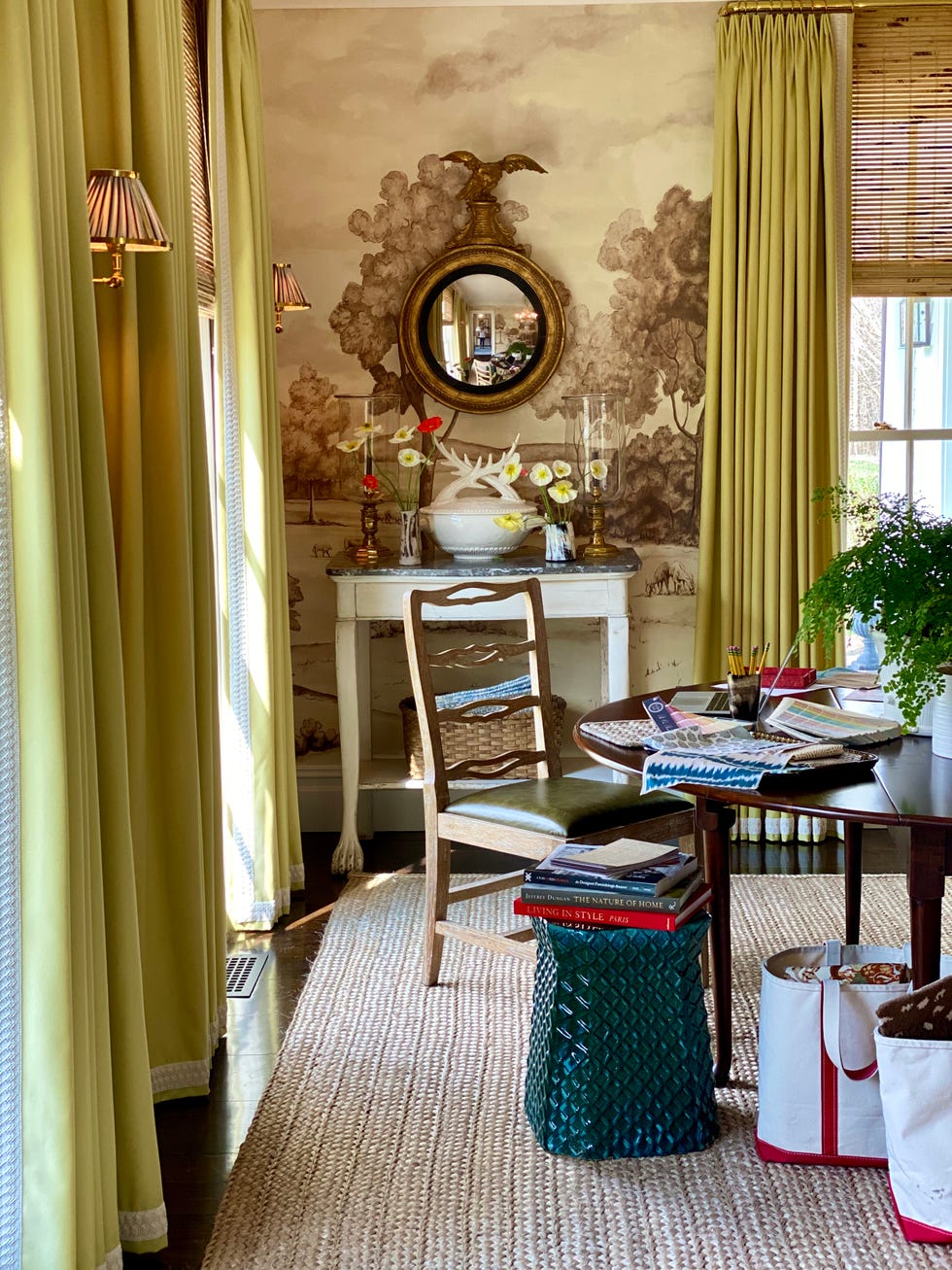
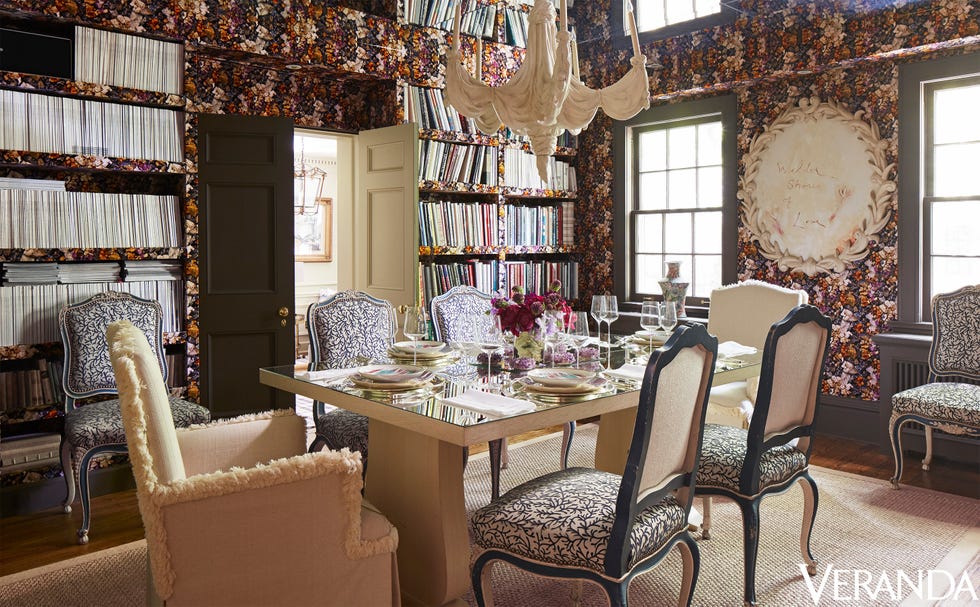
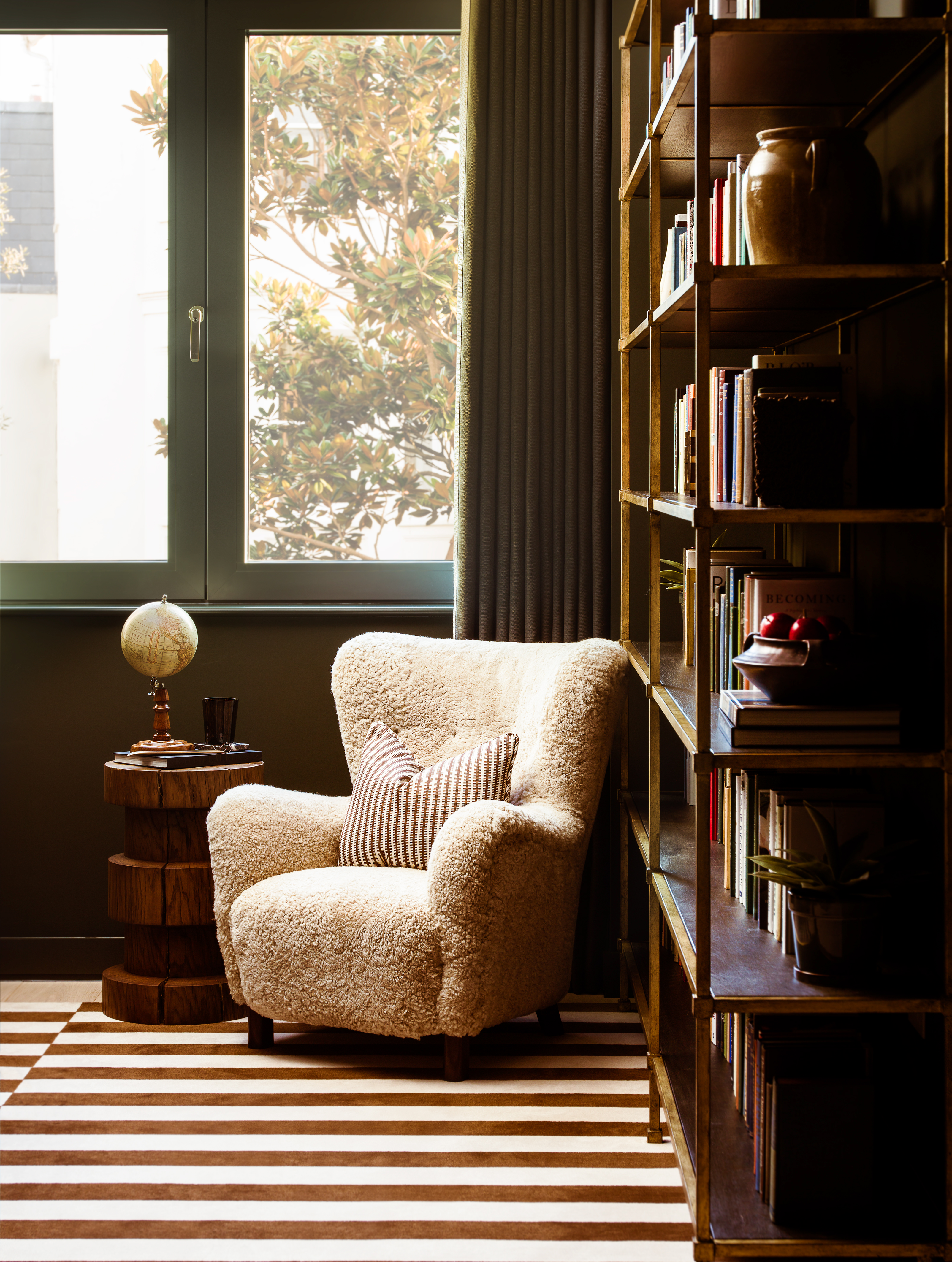
Ramsey likens the potential of closed-concept living to a personal wardrobe, where individual pieces, though coordinated, allow for diverse expressions and moods. He suggests that just as one wouldn't wear the same outfit every day, a home doesn't need to present a monolithic aesthetic. Instead, segmented rooms can cater to different emotional and functional needs: a cozy family room for relaxation, a more formal front sitting room for entertaining, and a powder room that serves as a vibrant "jewel box" of color and design. This approach allows for a thoughtful, cohesive design language to permeate the entire home, while still celebrating the distinct identity and function of each space. This perspective highlights a shift towards a more intentional and varied domestic environment, moving beyond the uniform appeal of open layouts to embrace privacy, specialized functions, and diverse aesthetic experiences within the home.
#OpenConceptLiving #ClosedConceptLiving #InteriorDesignTrends #HomeLayouts #BradRamsey #HouseBeautiful #DesignFreedom #RoomDividers #FunctionalSpaces #OpenConceptLiving #ClosedConceptLiving #InteriorDesignTrends #HomeLayouts #BradRamsey #HouseBeautiful #DesignFreedom #RoomDividers #FunctionalSpaces
0 comment in total
 No comments yet
You may also like
Is It Time to Shut the Door on Open-Concept Living?

Say goodbye walls, open-plan living is the trend that's here to stay

We need more flexible housing for 21st-century lives

Are Open Concept Floor Plans Going Out of Style? We Asked Designers and They All Agreed

Open plan living: The new normal or passing trend?

Is open-plan living dead? Here's what the design experts say


Forget the Open Concept: It's Time to Bring Back Rooms

Designers Agree: Open Concept Is Out, Tradition Is In

Open plan living is over. Here’s why we all want walls again

The End of Open-Plan Everything

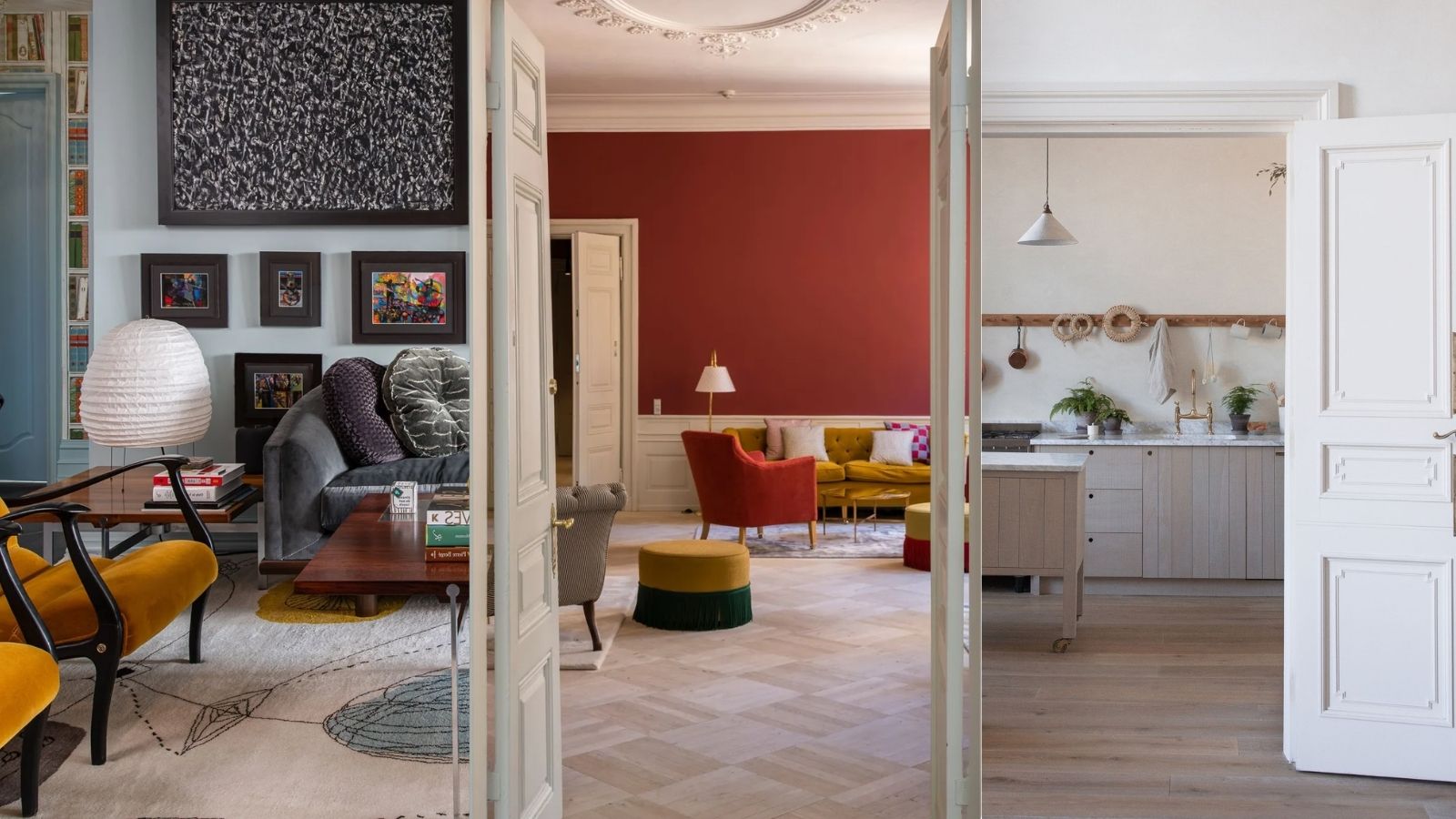
Are closed layouts back on trend? Designers weigh in on why we are over open plan

Sarah Beeny urges people to ditch open-plan living amid need for 'space' away from husband
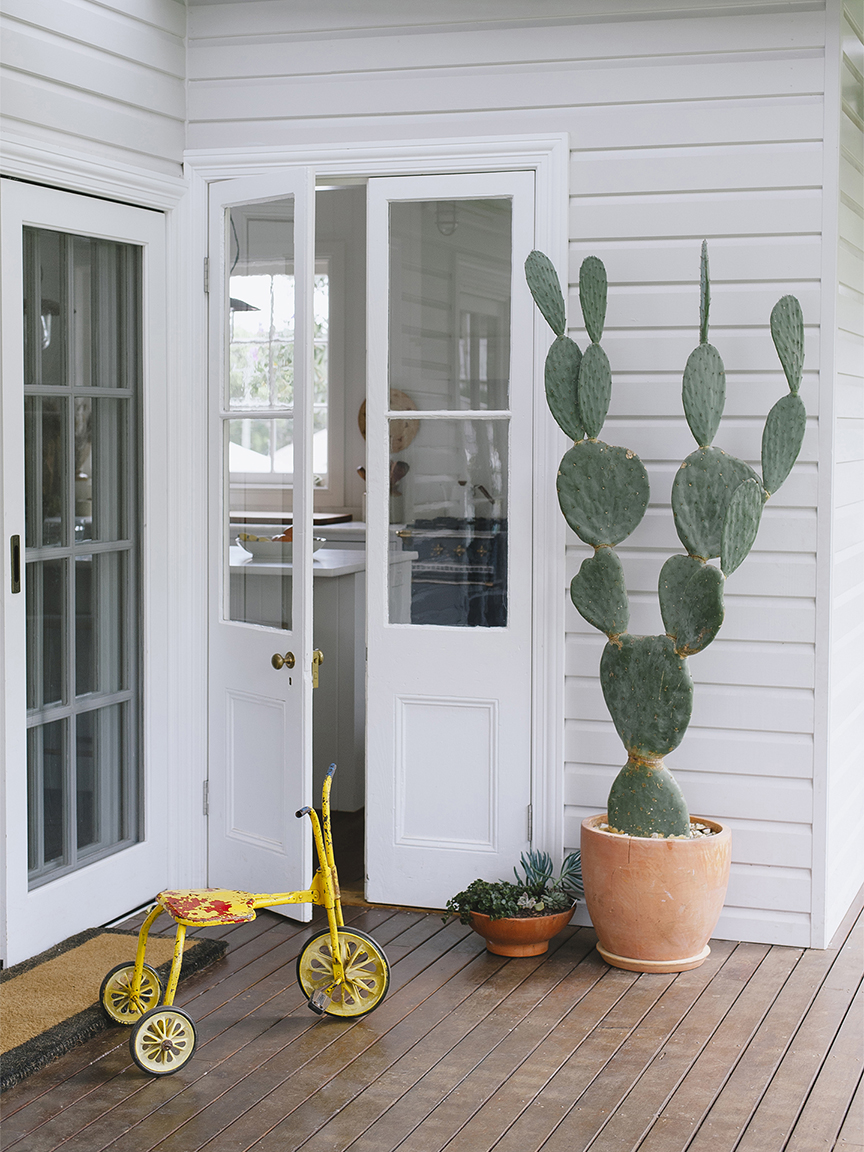
Is This the End of the Open-Plan Layout?

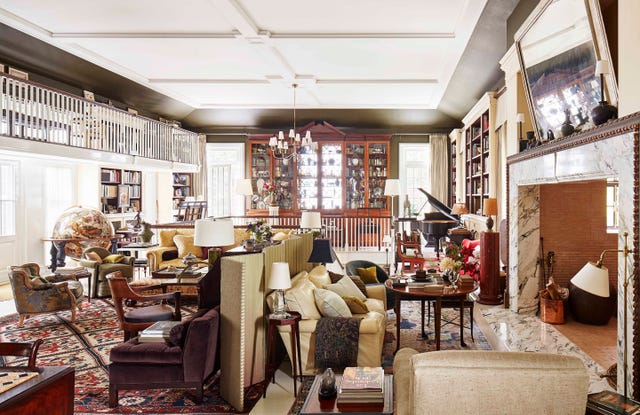
Will The Pandemic Be The Death Of The Open Floor Plan?
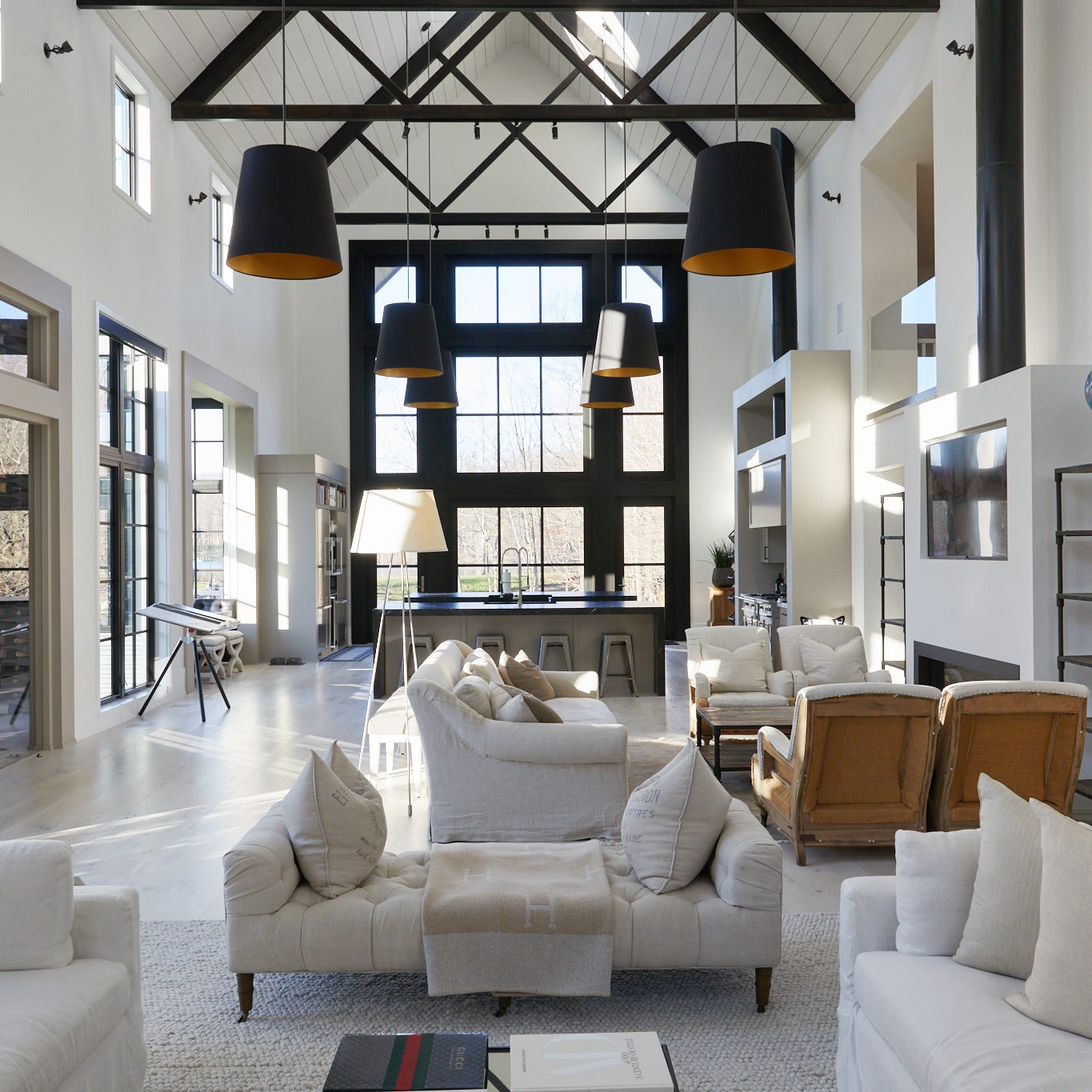
This Controversial Home Layout Has DIVIDED the Design World
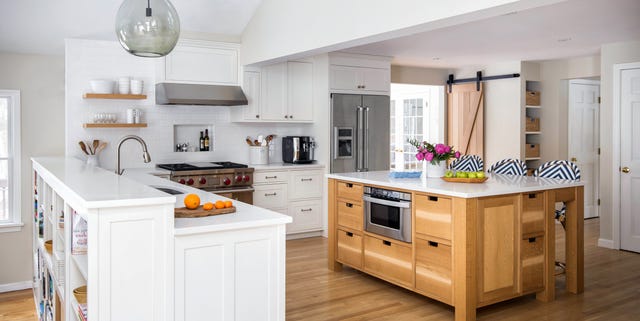
The Challenges and Opportunities of Open-Concept Floor Plans

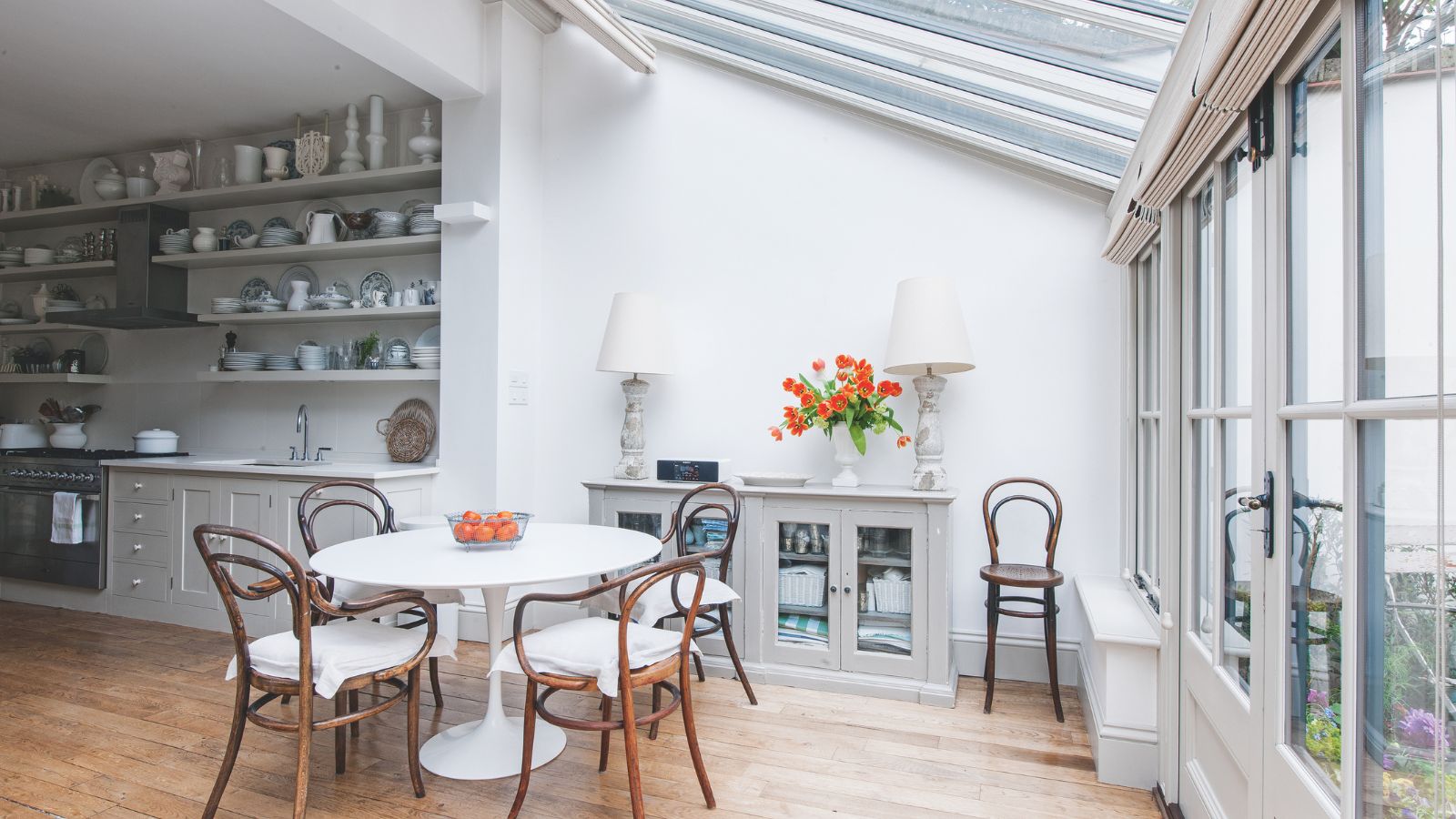
Is open plan going out of style? Experts weigh on whether this once-loved layout is starting to date

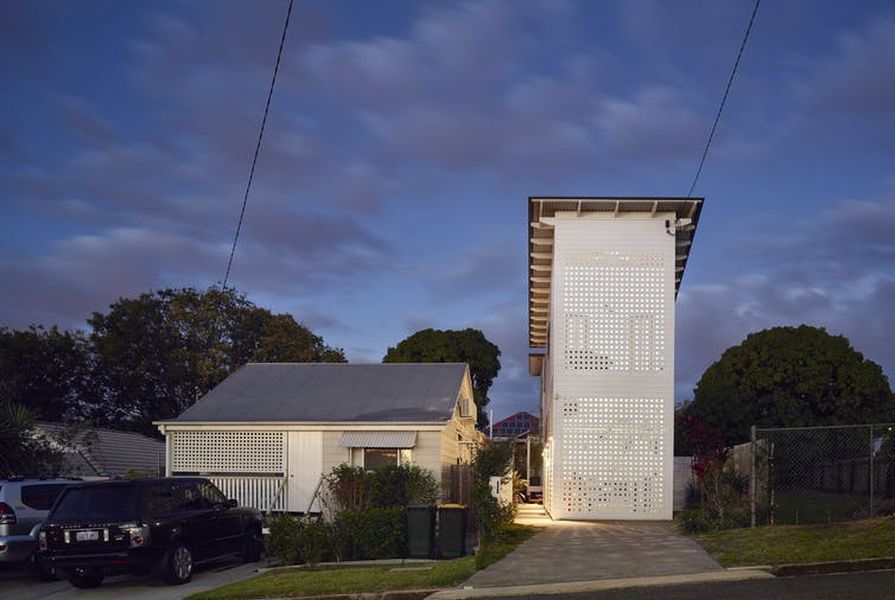
We need more flexible housing for 21st-century lives
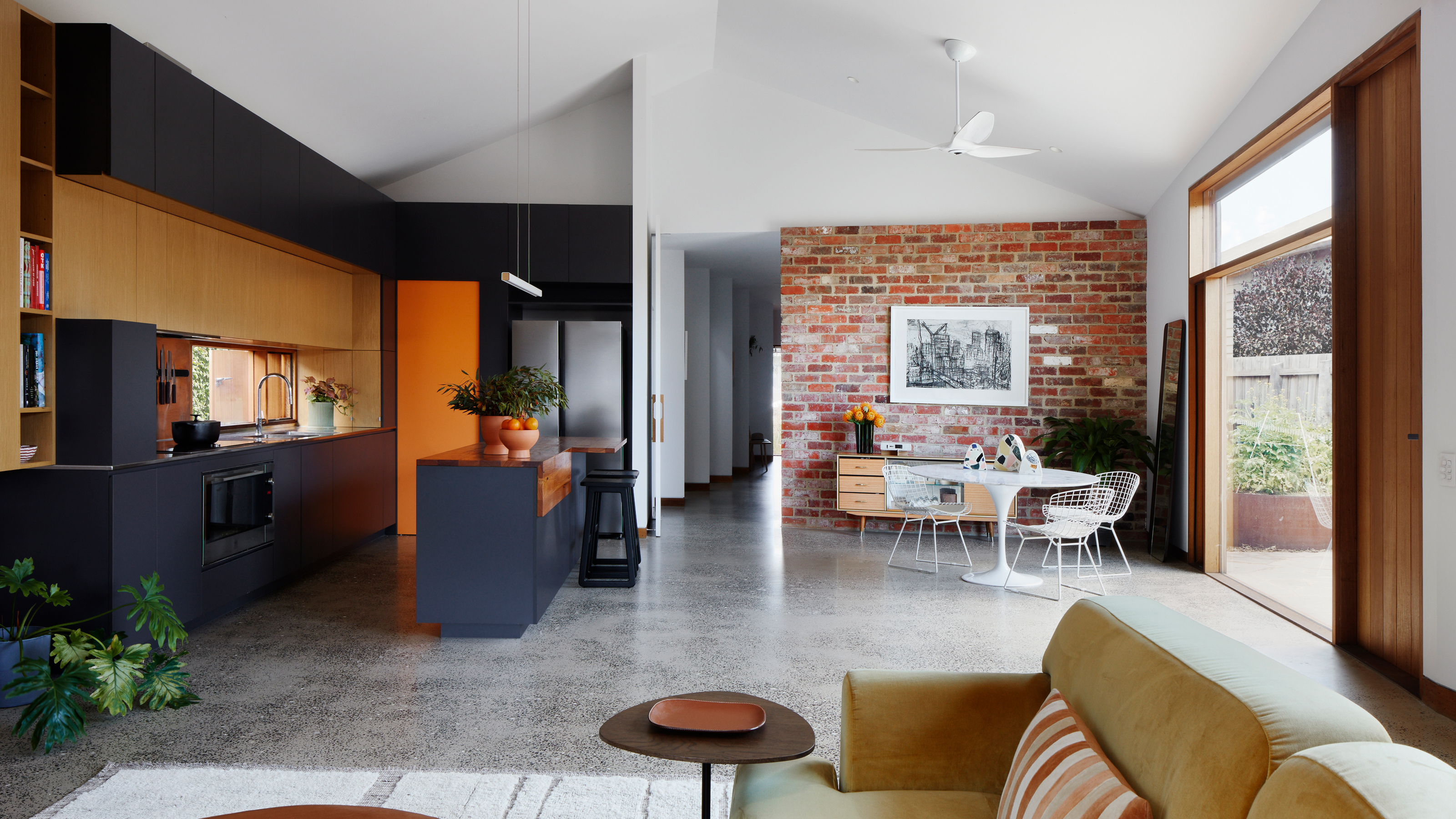
Are Open Concept Floor Plans Still in Style? Here's Why Designers are Opting Against This Once-Loved Layout

Are Open Concept Floor Plans Going Out of Style? Here's What Interior Designers Say