
1/2
Open floor plans should be killed with fire — or sound
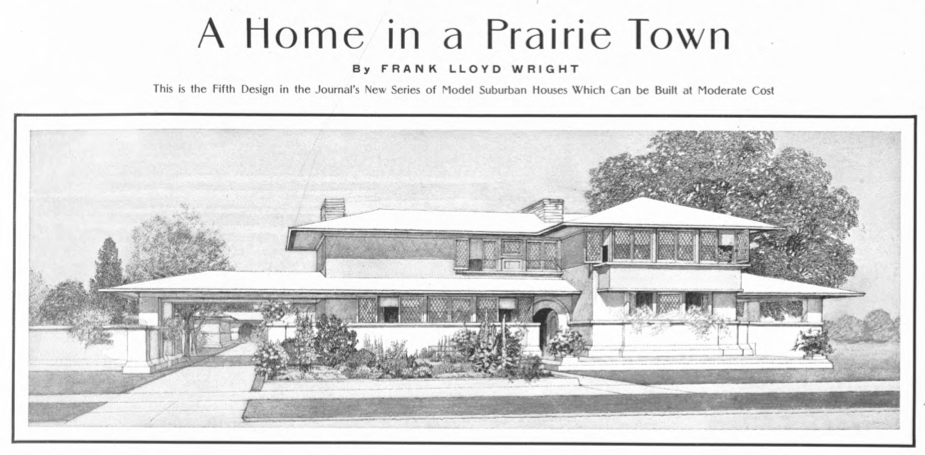
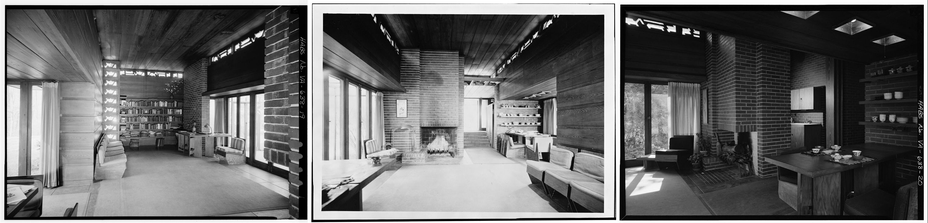
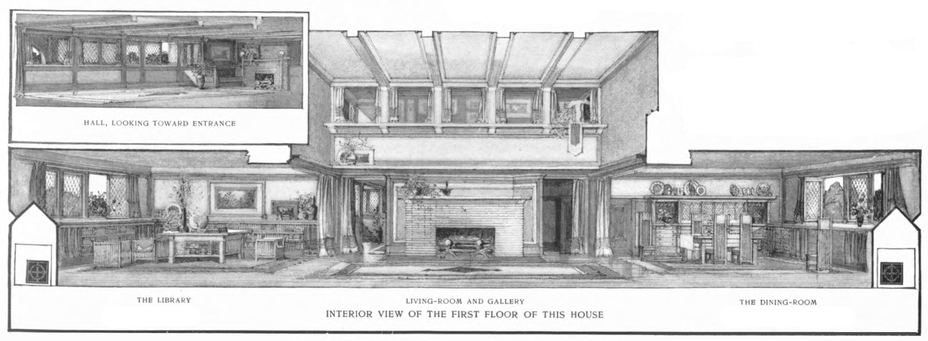
The open office floor plan, often compared to socialism in its utopian theory versus problematic practice, has been a dominant workplace design since the early 20th century. Visionaries like Frank Lloyd Wright, who implemented open designs in the Larkin Administration Building in 1906, and later Eberhard and Wolfgang Schnelle with their "office landscape" in 1950s Germany, aimed to foster communication and a sense of openness. However, these ideals were often distorted by companies seeking to maximize worker density, leading to crowded spaces with significant noise pollution and a lack of privacy.
Robert Propst, in response to these issues, created the cubicle to introduce a degree of privacy, yet it failed to address the persistent problem of noise, which he ironically deemed "monolithic insanity" as it became widespread. Despite advancements in workplace design, such as incorporating natural daylight, improved air quality, and varied functional spaces (e.g., NVIDIA's platforms, Microsoft's treehouses, Google's slides), the open office remains prevalent, with an estimated 70% of the American workforce occupying such spaces. Decades of research consistently indicate that open offices negatively impact productivity, employee well-being, and trust, and can even increase costs.
Some advocates, like Jan Hein Tiedema from EDGE Technologies, argue that open floor plans can succeed if noise is managed effectively through careful spatial planning and biophilic soundscaping. EDGE Olympic, their flagship building, features adaptable, multi-functional spaces and communal areas, along with dedicated quiet zones.
Plantronics, a company with a history in critical audio technologies, independently discovered the open office's noise problem after investing in a new open-plan headquarters. They found that despite the visual appeal, extreme noise pollution rendered the space unusable for work, causing employees to abandon it. This experience led Plantronics to focus on noise, specifically the intelligibility of speech, which research shows significantly reduces productivity. They identified that unintelligible speech is less distracting, similar to the background chatter in coffee shops.
Their journey to mitigate noise involved exploring various solutions, including sound absorption materials and traditional sound masking, both of which proved ineffective or even detrimental to employee well-being. Plantronics then turned to the concept of biophilia, a scientific hypothesis suggesting humans' innate connection to nature. Inspired by research from the Finish Center of Occupational Health, which found natural sounds, particularly water, to be highly effective in masking intelligible language without causing fatigue, Plantronics developed an innovative audio system.
This system integrates natural sounds into the workplace through an intelligent grid of speakers and distraction sensors that adjust sound levels based on ambient noise. Additionally, physical natural elements like waterfalls and digital skylights are incorporated to enhance the biophilic environment. This approach has shown promising results; Plantronics' Soundscape product has reduced the radius of distracting speech by 60%, decreasing the distance at which intelligible speech could be discerned from nine meters to four meters. Internally, their Dutch headquarters achieved a top-five global ranking for employee satisfaction and workplace effectiveness, with a 15% increase in productivity and creativity. While it's too early to declare the open office dream fully saved, these soundscapes offer a viable solution to mitigate its primary drawback: noise pollution.
#OpenOffice #WorkplaceDesign #NoisePollution #Soundscapes #Biophilia #Productivity #OfficeInnovation #Plantronics #EDGE Technologies #OpenOffice #WorkplaceDesign #NoisePollution #Soundscapes #Biophilia #Productivity #OfficeInnovation #Plantronics #EDGE Technologies
0 comment in total
 No comments yet
You may also like
Will The Pandemic Be The Death Of The Open Floor Plan?
Is open-plan living dead? Here's what the design experts say

Open plan living is over. Here’s why we all want walls again

Forget the Open Concept: It's Time to Bring Back Rooms

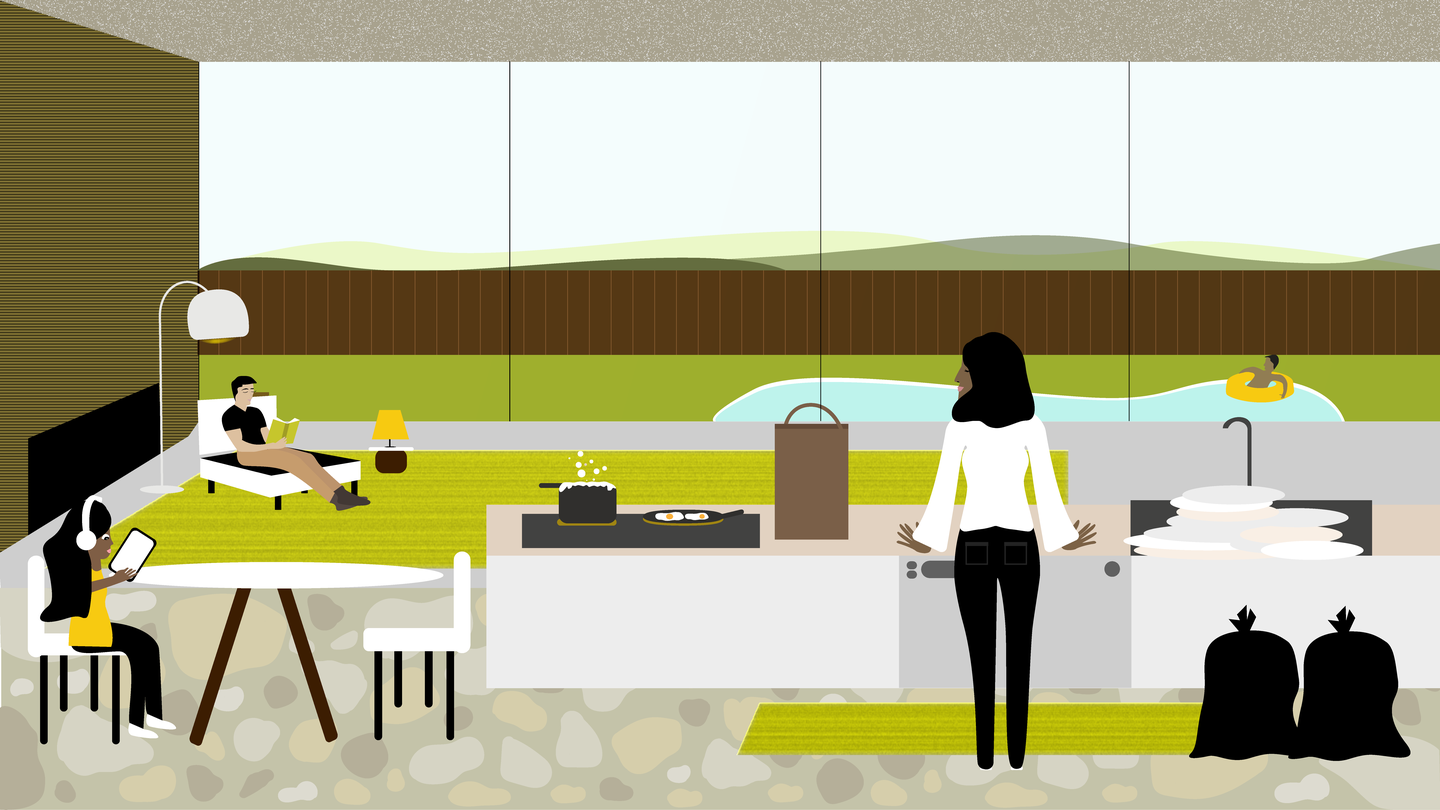
The Curse of an Open Floor Plan

Statement flooring is set to replace the ceiling as the fifth wall

Open Floor Plans Can't Compete With Broken Floor Plans—Designers Share Why

How to divide open-concept spaces without adding walls
The One Wall Most People Want to Rip Out: Ideas for Open and Semi-Open Floor Plans

Closed Floor Plans Are Making a Comeback—but Designers Say They’re Not for Everyone

Ten home interiors with inventive broken-plan layouts
5 New Ways With An Open Floor Plan

Is the open floor plan really dead?

The "Death Of Open Floor Plans" And 9 Other 2022 Home Trends (That Pros Are Surprisingly Torn Over)

Stomping grounds: Local designers talk choosing the right flooring

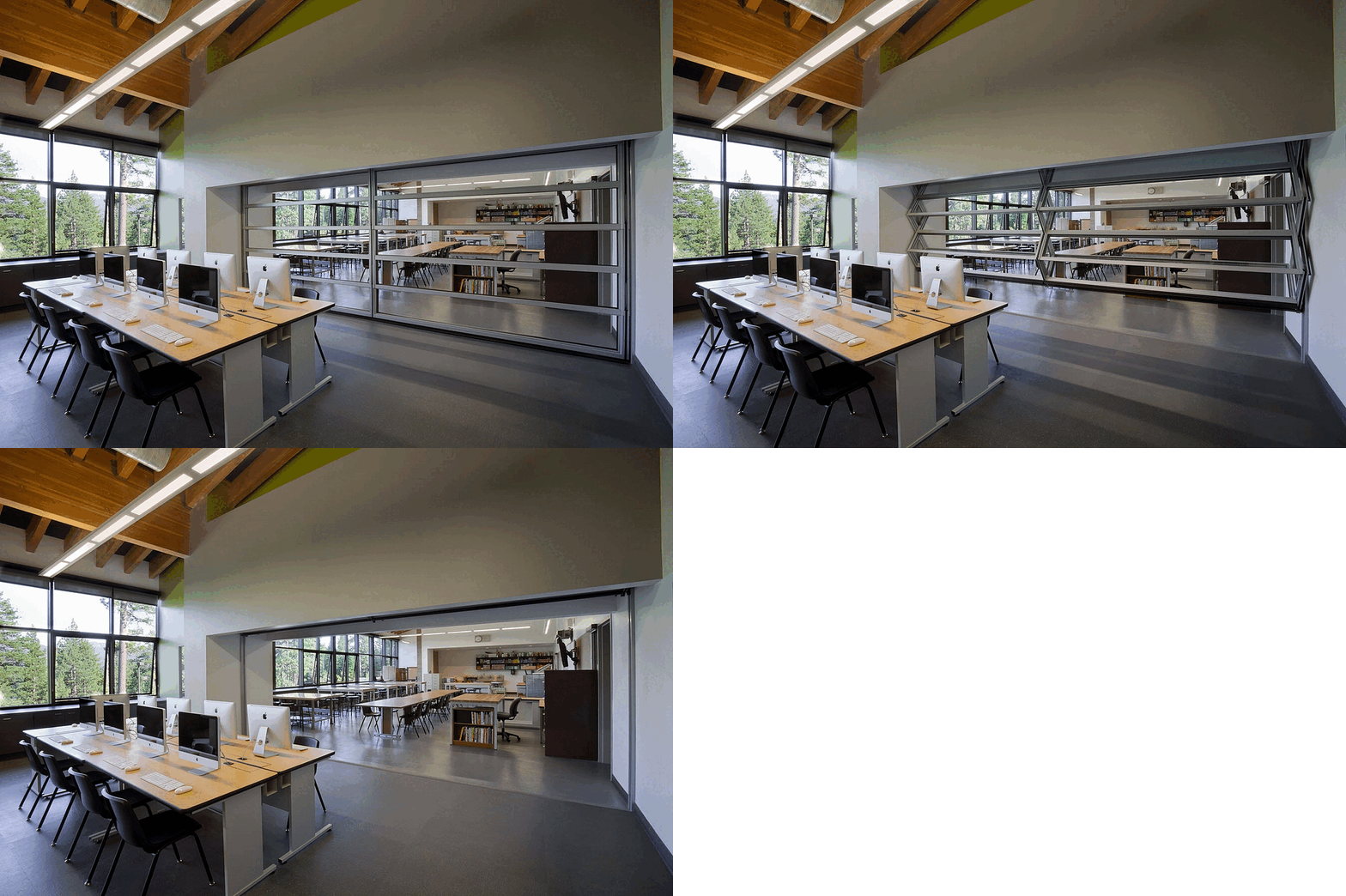
Movable Walls: The Transformative Effect of Retractable and Folding Partitions

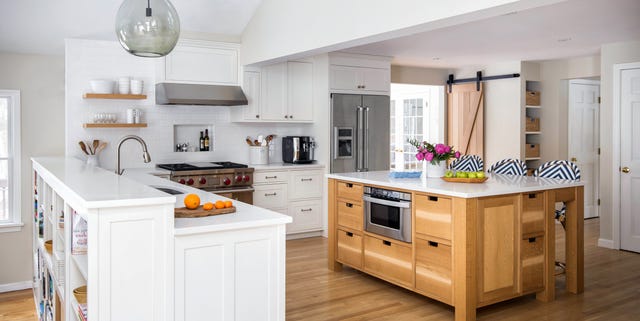
The Challenges and Opportunities of Open-Concept Floor Plans

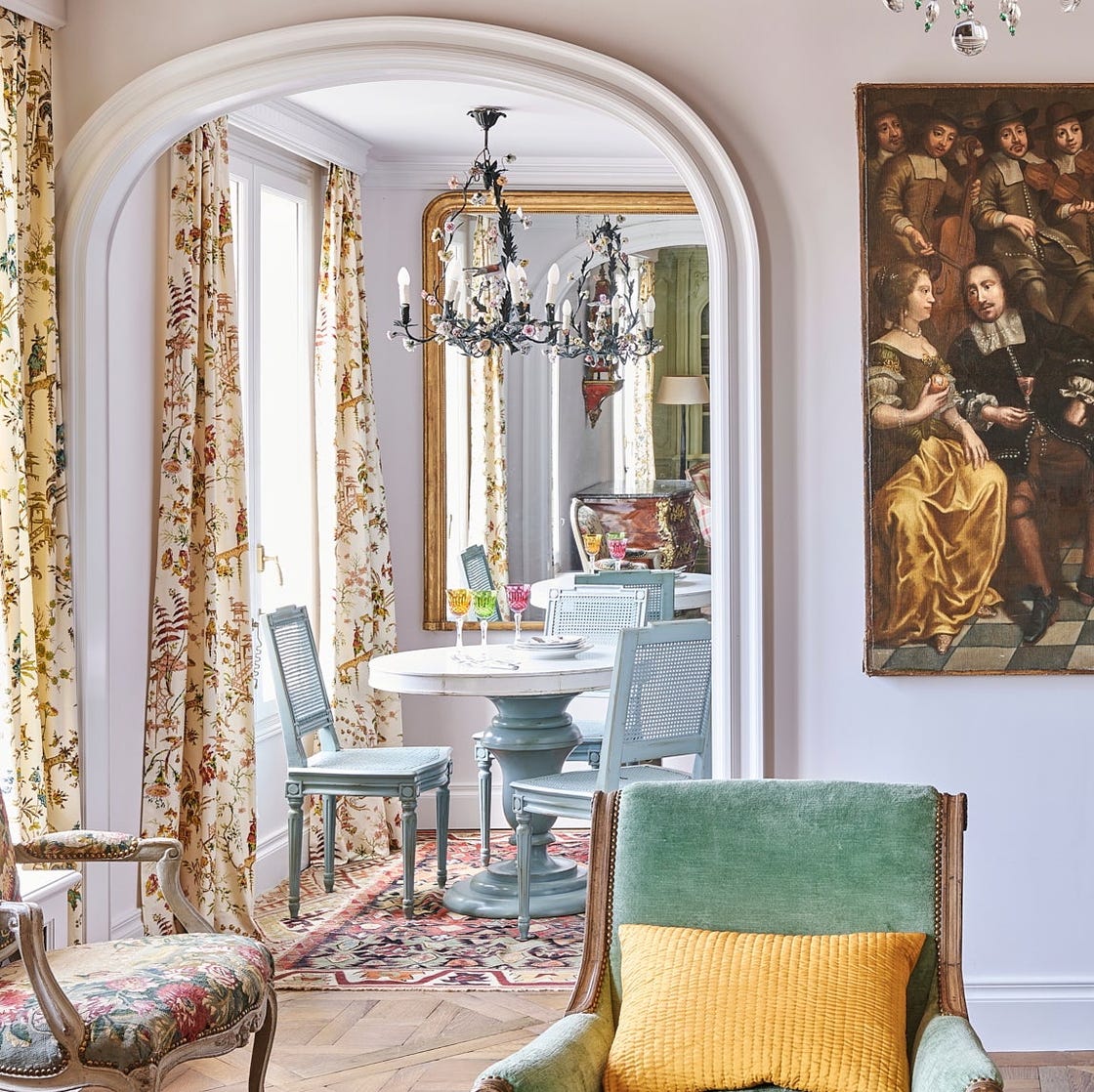
Why Designers Are Ditching Traditional Layouts for "Broken Floor Plans"

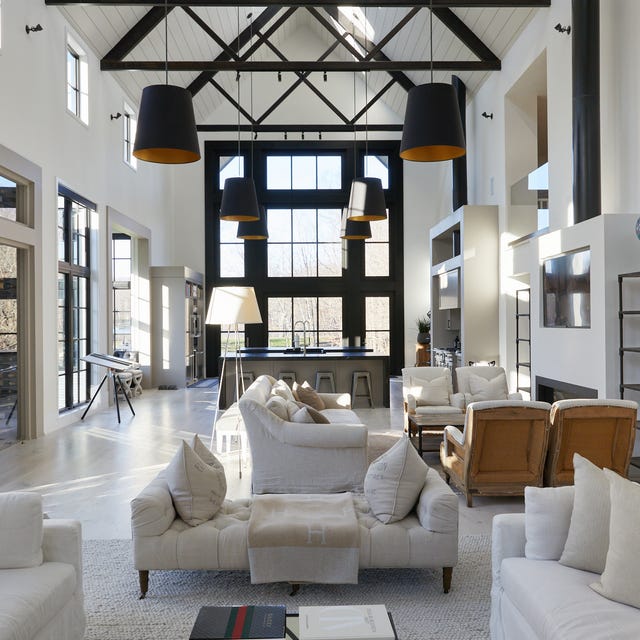
Is It Time to Shut the Door on Open-Concept Living?
Open Floor Plans Are Trendy Because HGTV Execs Think Men Crave Destruction