1/5
Profile of Home Staging
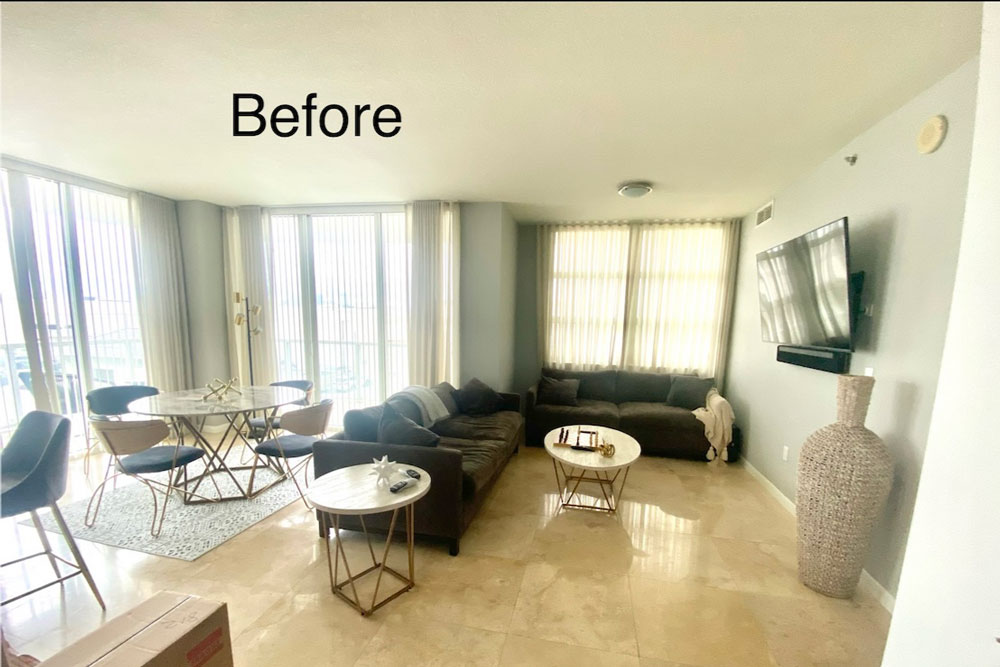
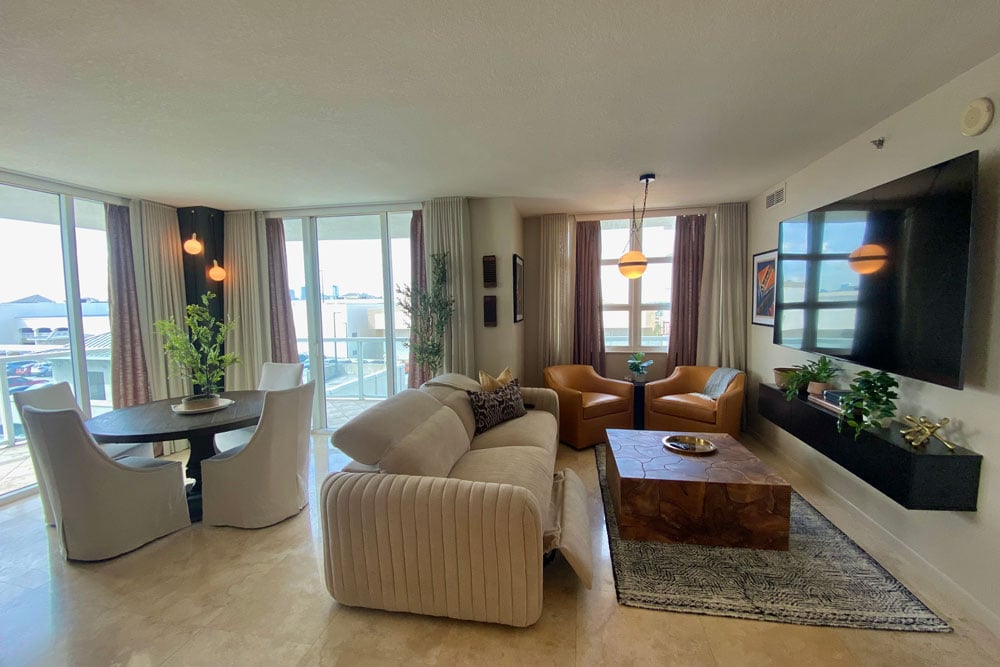
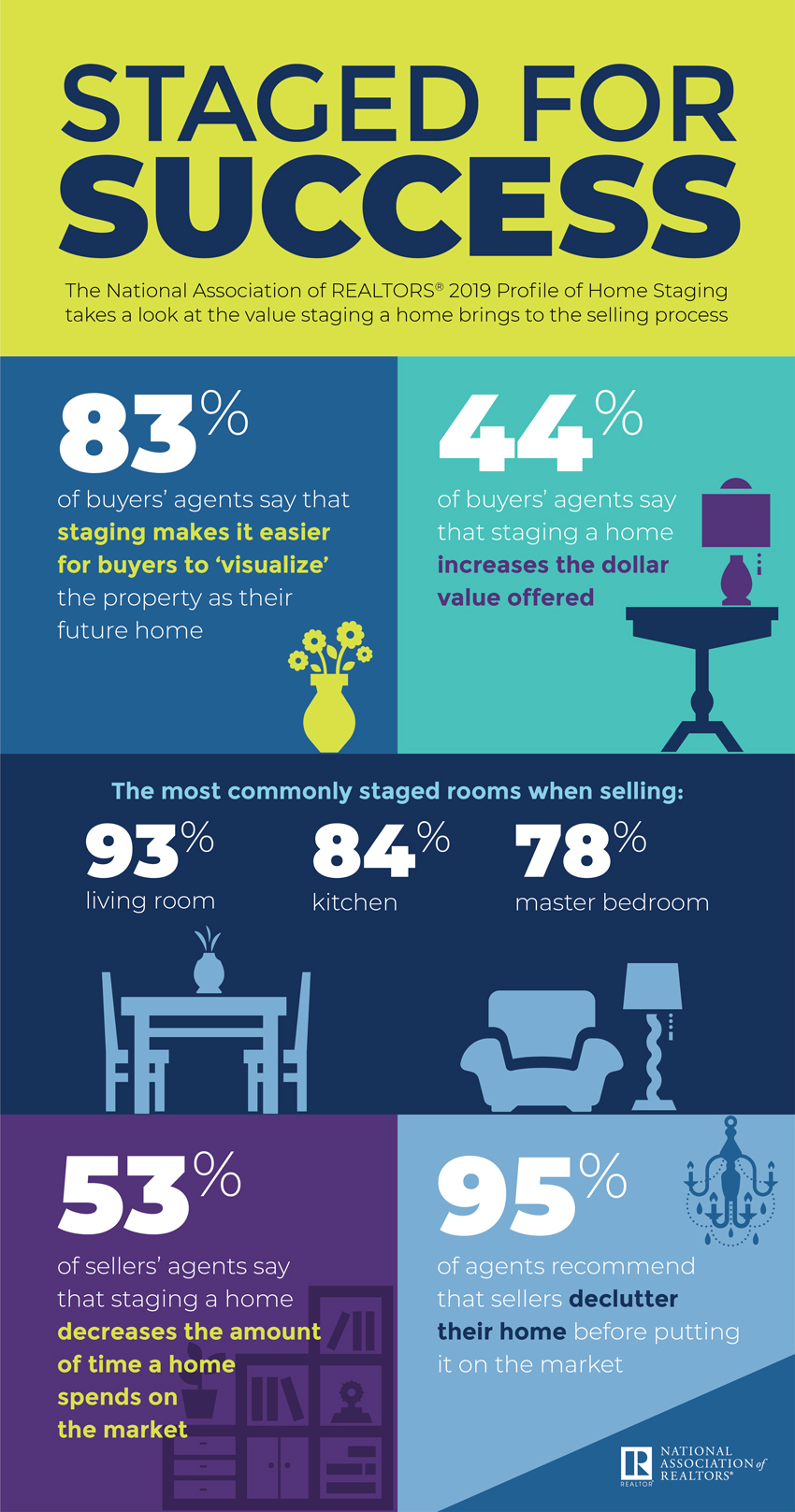
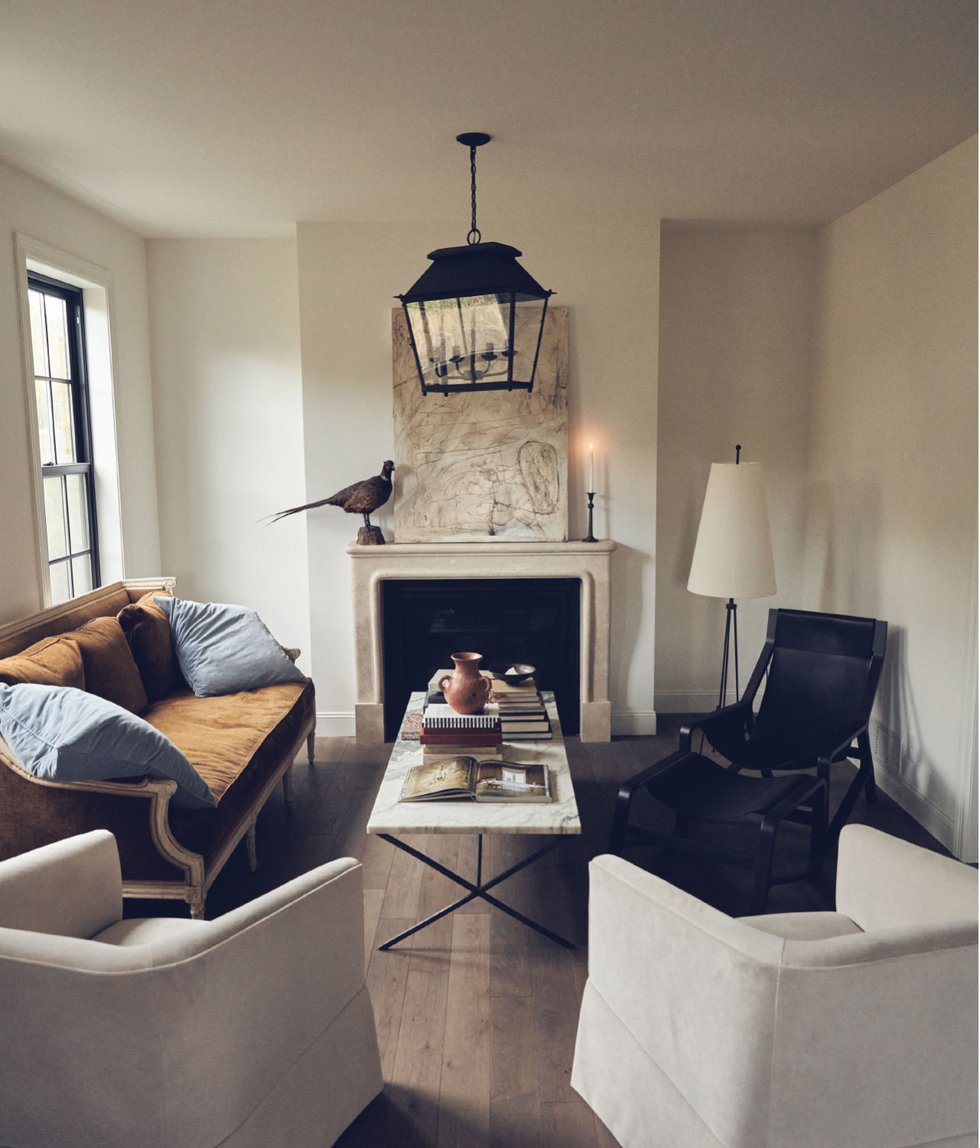
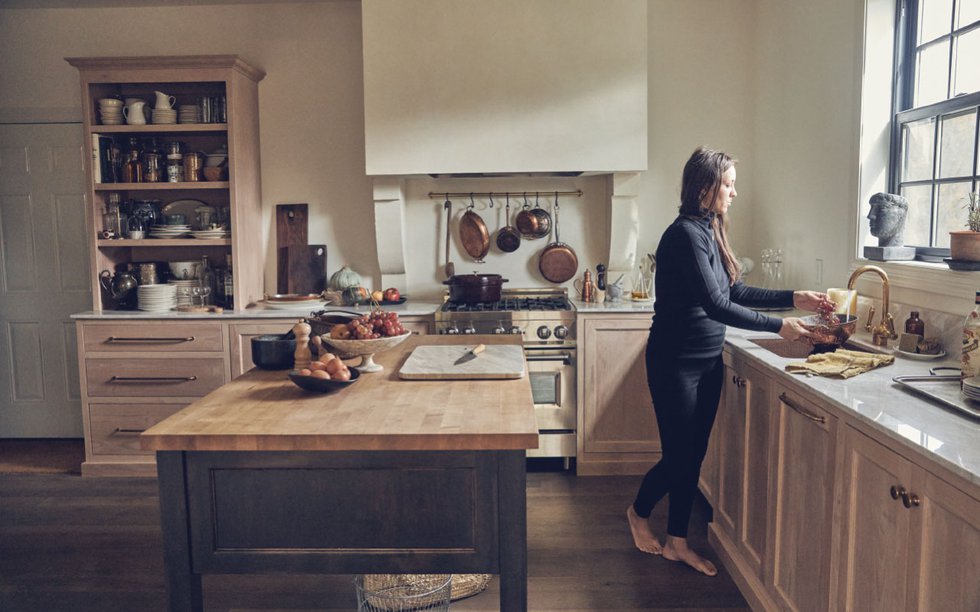
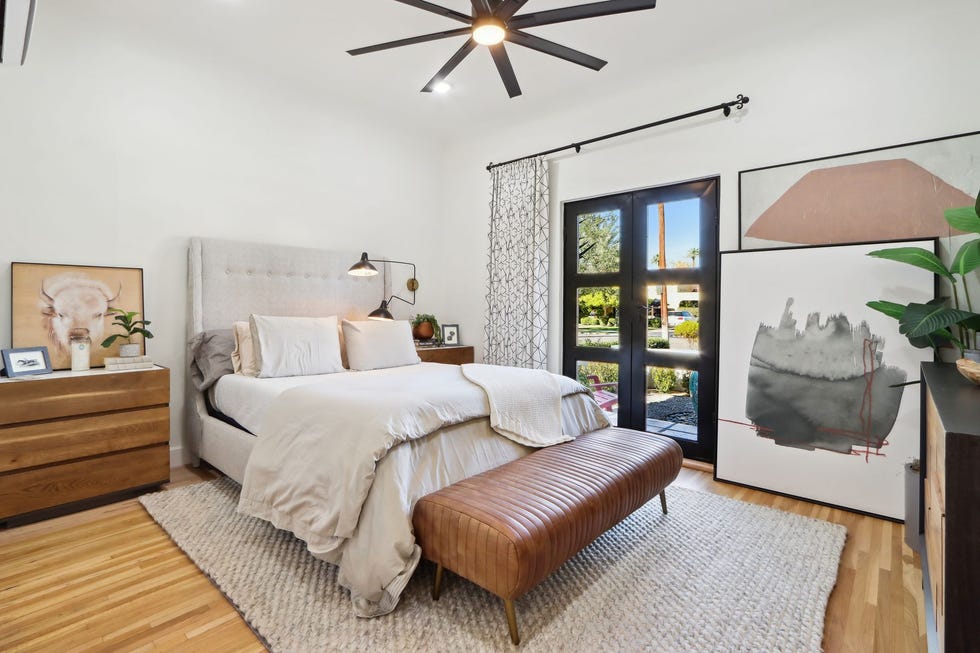
This report provides an in-depth analysis of home staging from the perspectives of both buyers' and sellers' agents, exploring its impact on buyer perception, sales value, and market time. The findings indicate that home staging significantly influences buyers' ability to envision a property as their future home. A substantial majority (83%) of buyers' agents affirmed that staging simplifies this visualization process. While 60% of buyers' agents noted that staging had an effect on some buyers, 26% reported it influenced most buyers' views. Key rooms for staging, according to buyers' agents, are the living room (37%), primary bedroom (34%), and kitchen (23%). Visual presentation, including photos (73%), traditional physical staging (57%), videos (48%), and virtual tours (43%), were considered much more or more important for listings by buyers' agents.
From the sellers' agents' viewpoint, 21% consistently staged all homes before listing, while an additional 10% staged only homes that were challenging to sell. Common areas for staging by sellers' agents mirrored those important to buyers: living room (91%), primary bedroom (83%), and dining room (69%). Regarding compensation for staging services, 26% of sellers' agents indicated it varied by situation, 23% personally undertook staging, and 17% noted that sellers covered the cost prior to listing. The median expenditure for professional staging services was $1,500, contrasting with $500 when agents performed the staging themselves. Staging contributed to a 1% to 5% increase in the dollar value offered by buyers for 19% of staged homes compared to similar unstaged properties. Furthermore, 30% of sellers' agents observed a slight reduction in the time homes spent on the market when staged. High-quality visuals such as photos (88%), videos (47%), and traditional physical staging (43%) were also deemed crucial by sellers' agents.
The report also examines the influence of television shows on buyer expectations. Nearly half (48%) of respondents stated that buyers expected homes to resemble staged properties seen on TV. A larger proportion (58%) reported that buyers were often disappointed by the actual appearance of homes compared to their TV-influenced expectations. While 21% of respondents felt TV shows about the buying process impacted their business, 73% noted this impact primarily involved setting or increasing unrealistic buyer expectations. Interestingly, 77% of respondents were not personally influenced by TV shows to stage homes in a particular manner.
Buyer expectations regarding the home search process were also detailed. A significant 79% of respondents indicated that buyers had pre-conceived ideas about desired living locations, and 76% had specific requirements for an ideal home before commencing their search. A considerable number (42%) of respondents perceived the home-buying process as inherently difficult, and 38% reported that buyers found it more challenging than anticipated. Approximately 23% of buyers brought non-purchasing family members to view properties. Buyers with expectations typically anticipated viewing a median of 8 homes in person and 20 virtually. For 55% of respondents, buyers' expectations regarding the number of homes viewed aligned with market realities.
#HomeStaging #RealEstate #BuyerBehavior #SellerStrategy #MarketTrends #RealEstateAgents #PropertyValue #HousingMarket #TVInfluence #HomeStaging #RealEstate #BuyerBehavior #SellerStrategy #MarketTrends #RealEstateAgents #PropertyValue #HousingMarket #TVInfluence
Hay 0 comentarios en total
 Aún no hay comentarios
También te puede gustar

This Is How L.A.’s Top Home Stager Worked Her Magic on a Post and Beam Home in the Topanga Mountains
Home & Design | The Art of Domesticity

Home Staging Tips: 12 Ways to Prep Your Property for Fast Sale
Everything You Need to Know About Staging Your Home on a Budget


Threshold House / Studio McW

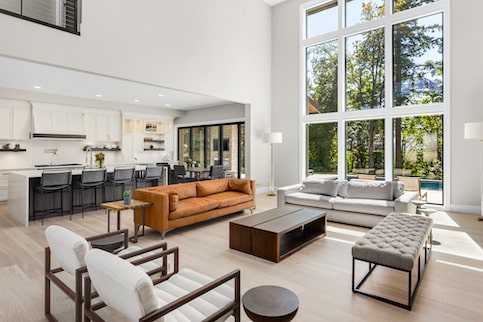
Virtual Staging: The Top 10 Apps That Can Help You And Your Home


Take A Tour Inside The Stars Of HGTV's Married To Real Estate's Own Home
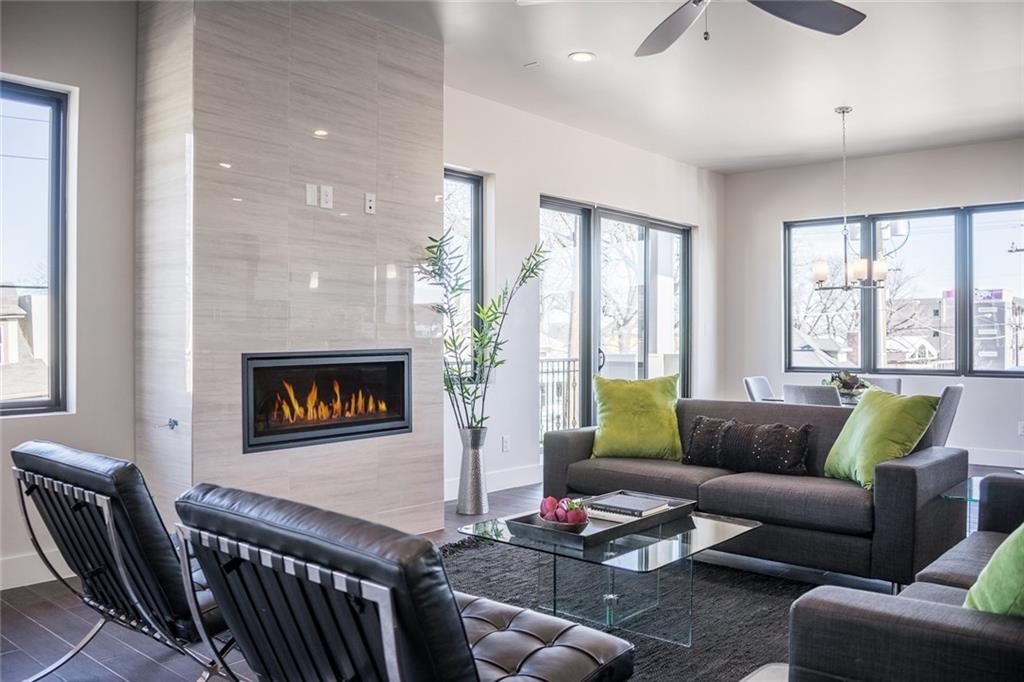
More Realtors Are Using Staging Than Ever Before, According to NAR


How home staging can help you sell your house faster & for more


17 Cozy Home Theater Ideas for Your Next Netflix Marathon

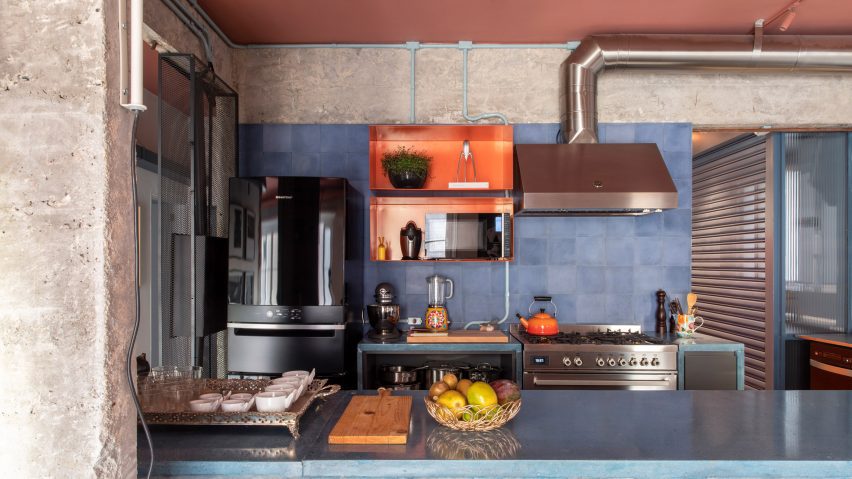
Eight home interiors that make a feature of exposed services
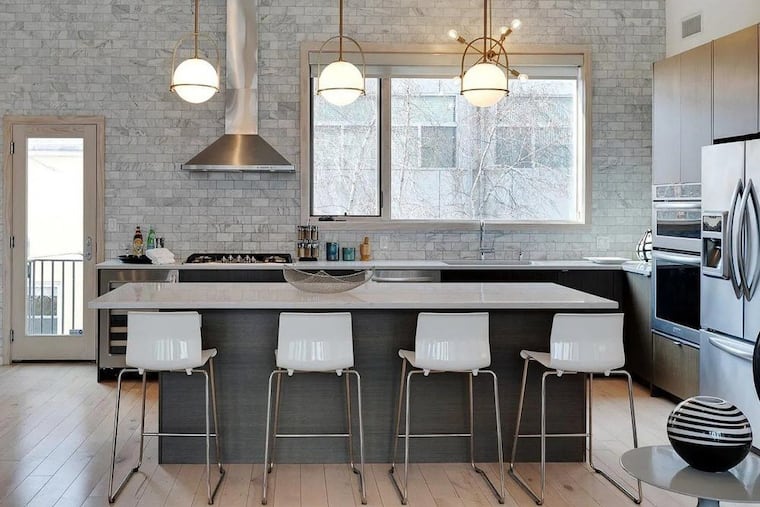
Home staging tips from someone who’s been getting homes sold for two decades

These Easy Home Updates Could Add $6,000+ to Your Selling Price

Staging a hallway – top tips from real estate professionals


Where to Plan a Standout Holiday Party in North Jersey: Strat House Social in Montclair

5 home updates to increase your property's value by 20%

7 Home Specialty Rooms for Hobbyists


Realtors Say "Screen Appeal" Is One the BIGGEST Reasons Homes Fly Off the Market

Home staging: Yes, it’s worth it