1/4
Realtors Say "Screen Appeal" Is One the BIGGEST Reasons Homes Fly Off the Market
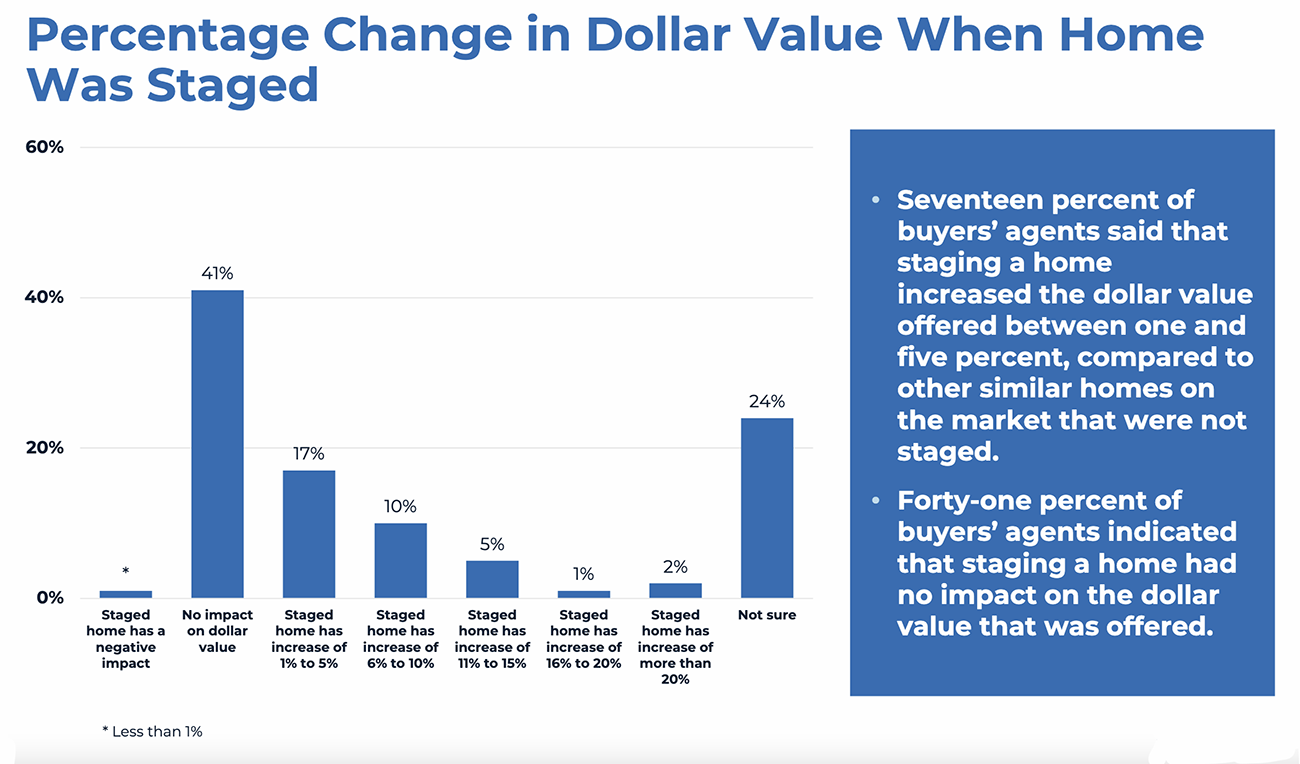
In today's real estate market, the initial impression a home makes online, termed "screen appeal," is as crucial, if not more so, than its physical curb appeal. With a vast number of listings readily available at buyers' fingertips, a home must capture attention digitally before potential buyers commit to an in-person viewing. Zillow's home trends expert, Amanda Pendleton, highlights that effective online presentations are vital for drawing in prospective buyers. Zillow's research indicates that listings featuring a comprehensive media package, such as those utilizing Zillow Showcase, tend to sell for approximately 2% more than comparable homes with standard listings, translating to an average premium of $9,000.
Zillow Showcase enhances the online viewing experience through high-quality 3D home tours and interactive floor plans, allowing buyers to understand a home's layout and flow without a physical visit. These immersive listings generate significantly more engagement, including 81% more page views, 80% more saves, and 96% more shares on Zillow compared to non-Showcase listings. Even without opting for Zillow Showcase, homeowners can implement several strategies to boost their home's screen appeal and potentially increase its selling price.
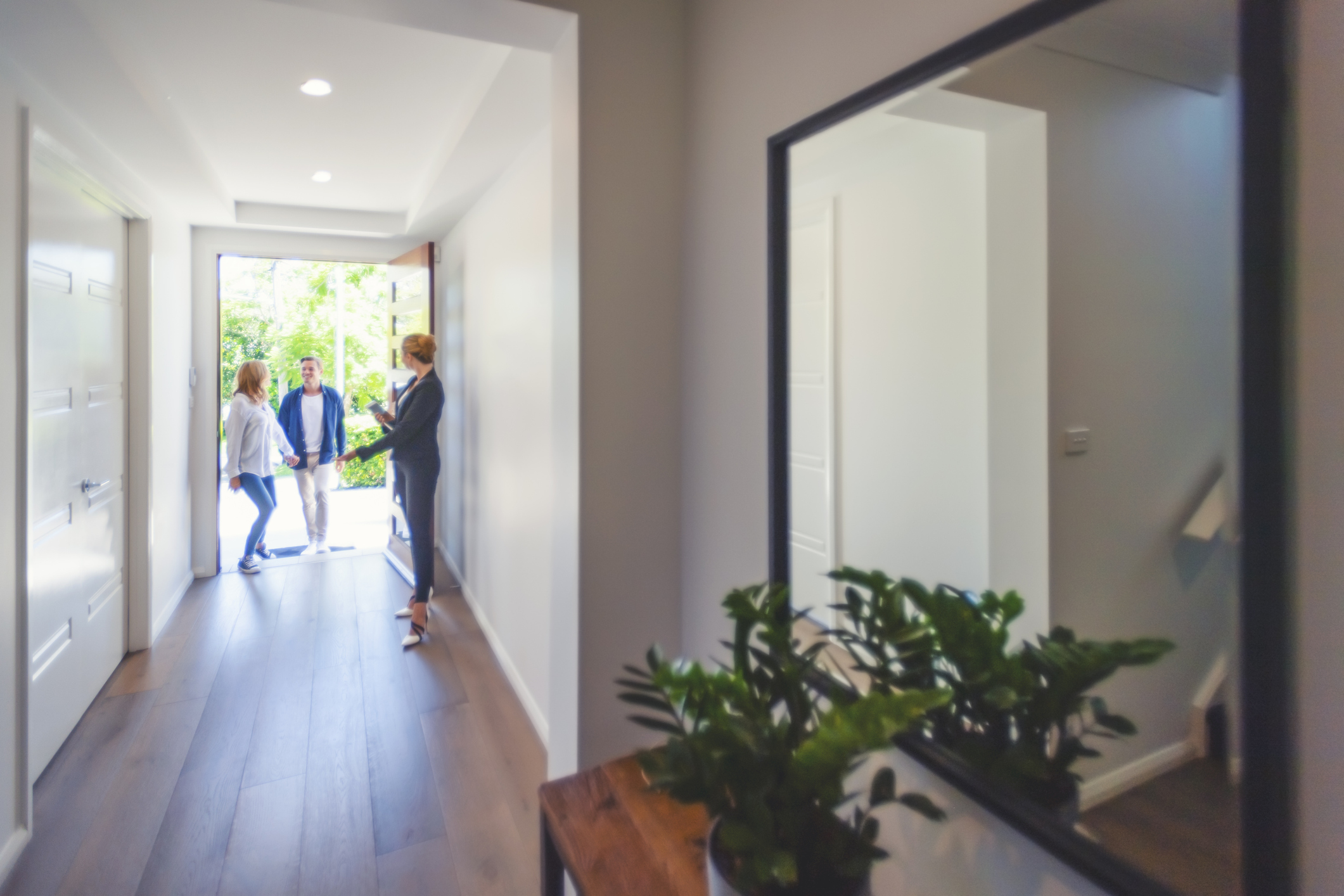
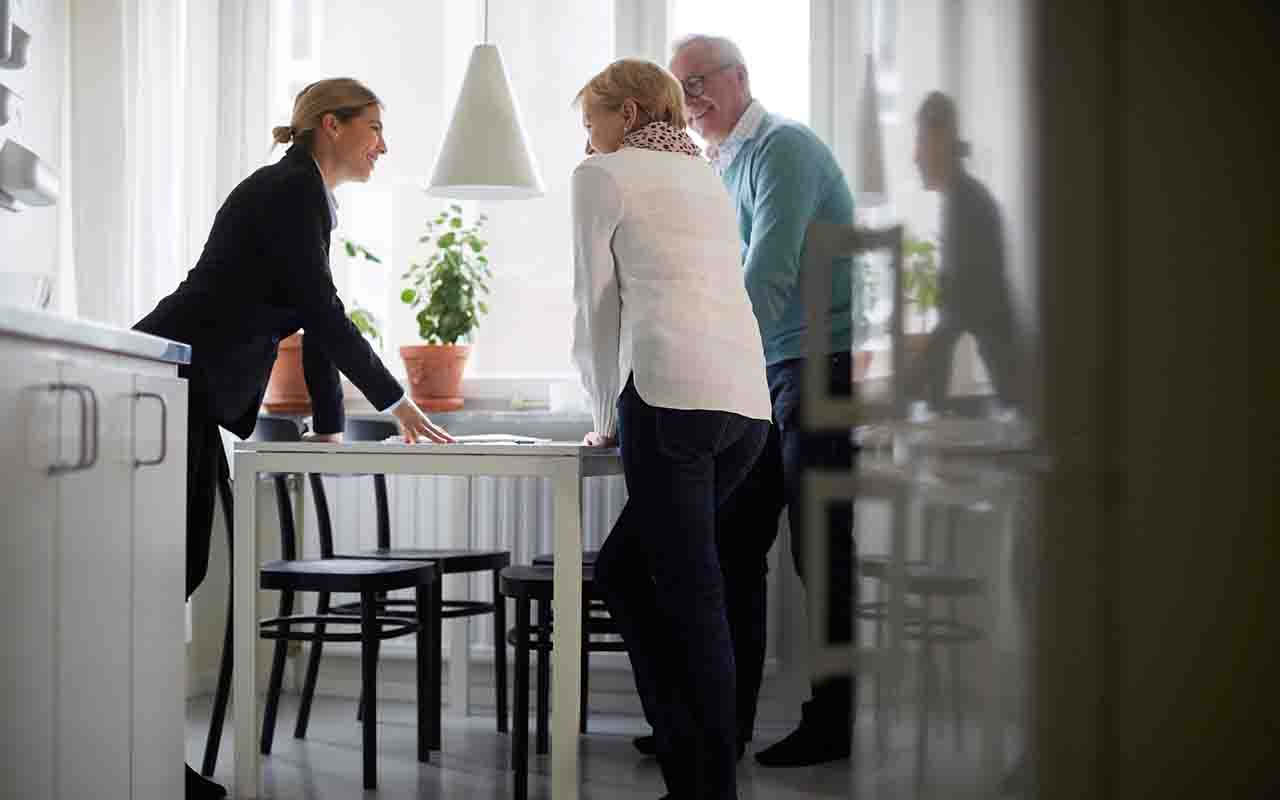
One of the primary recommendations is to hire a professional photographer. When selecting a real estate agent, it is important to review their portfolio for evidence of professional photography, as amateur photos can detract from a listing's appeal. A professional photographer can capture the best angles and lighting, showcasing desirable features and creating content for 3D home tours. The initial photos in a listing are critical for grabbing buyers' attention, so these should highlight the home's most appealing features. While an exterior shot might be a starting point, it should quickly be followed by strong interior shots to give buyers a comprehensive view of the living spaces. Presenting a variety of rooms early on, such as the kitchen, living room, and primary bedroom, allows buyers to quickly assess the home's overall appeal before delving into more detailed views of individual spaces.
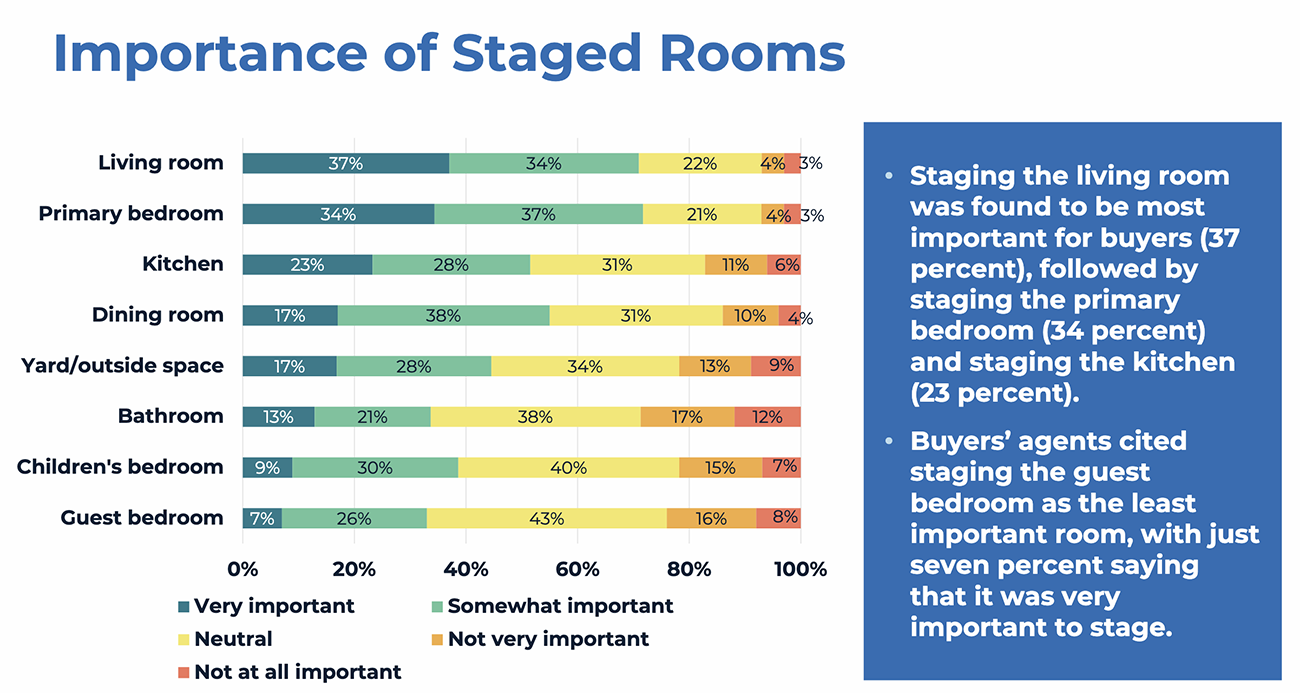
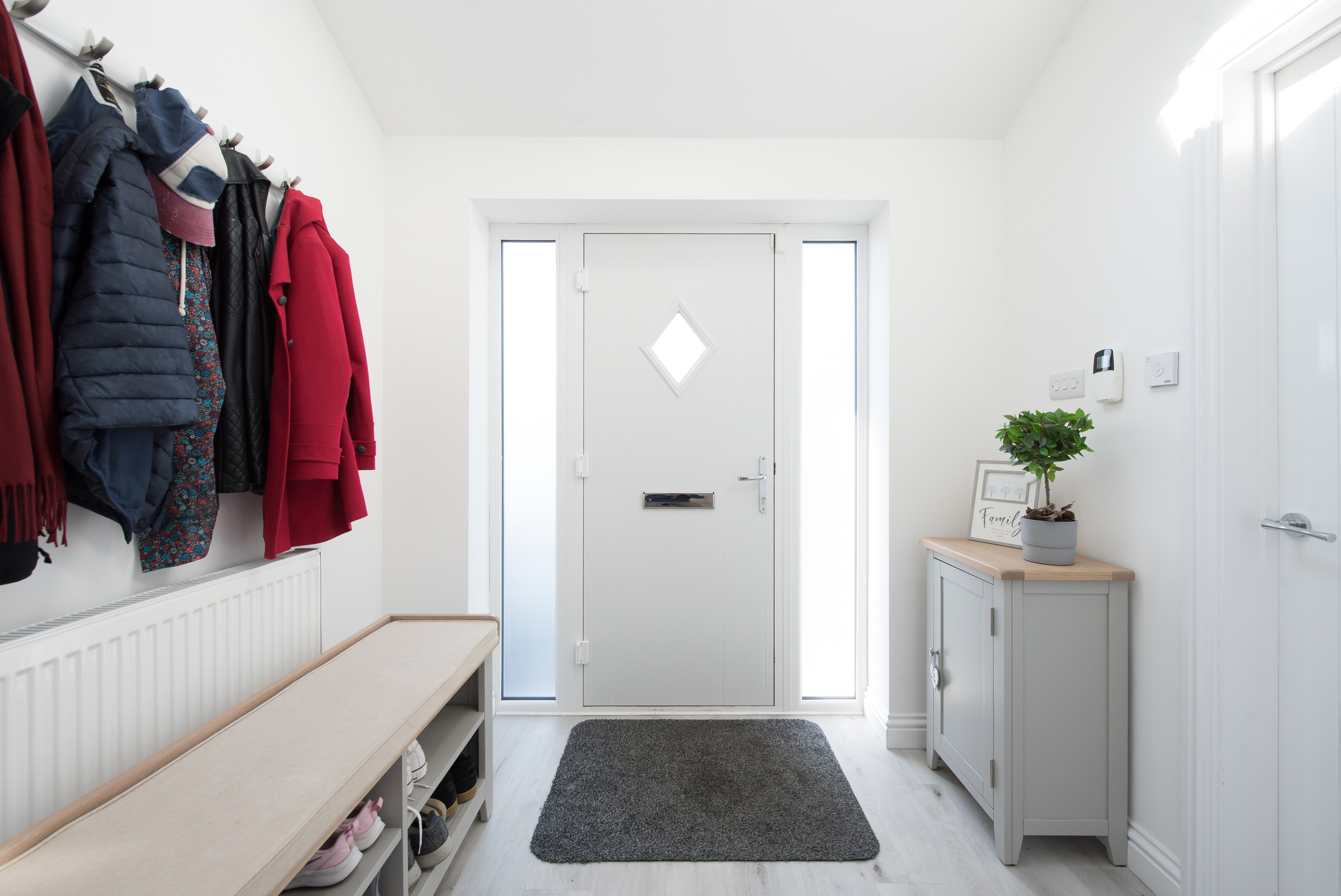
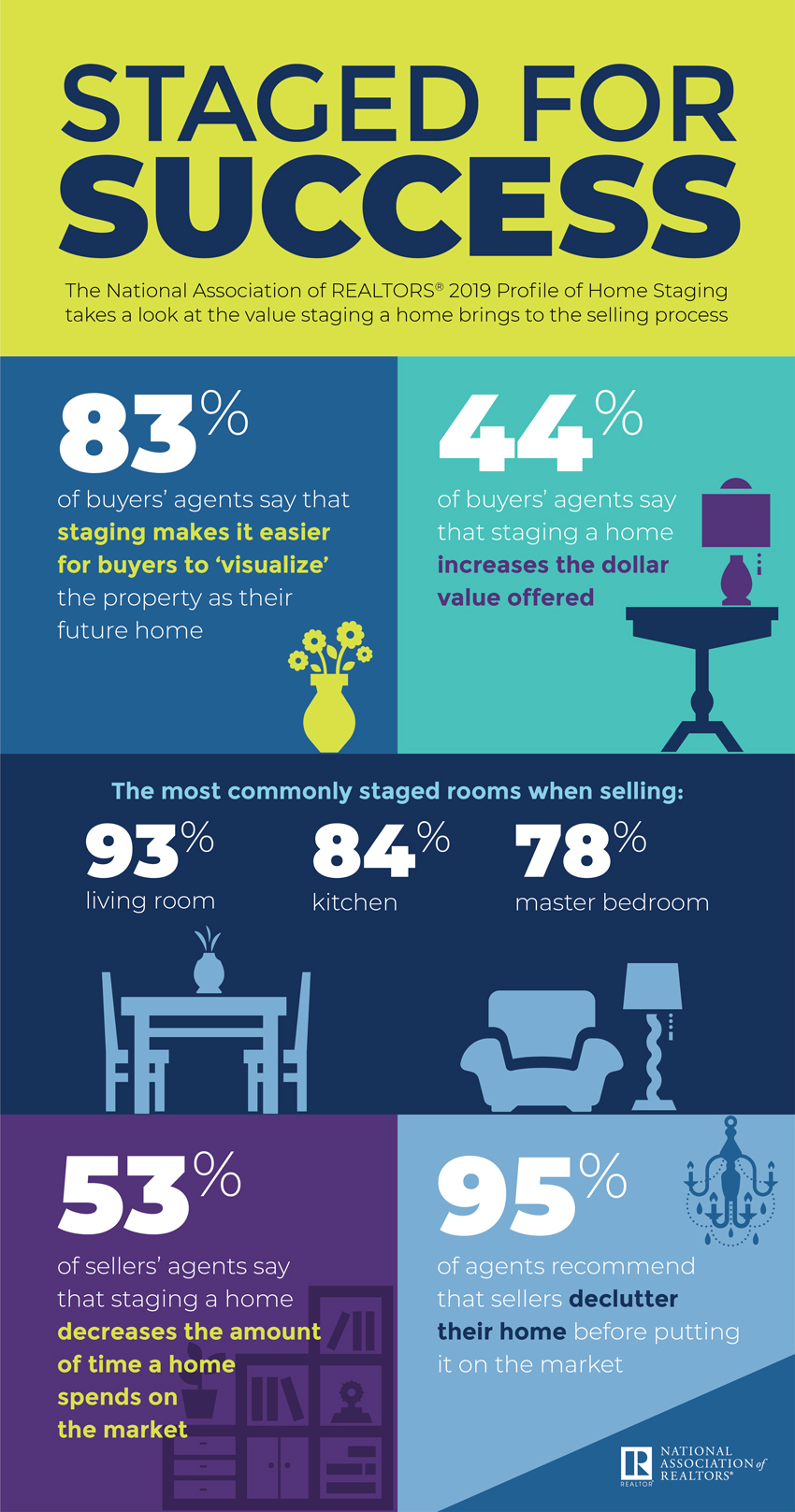
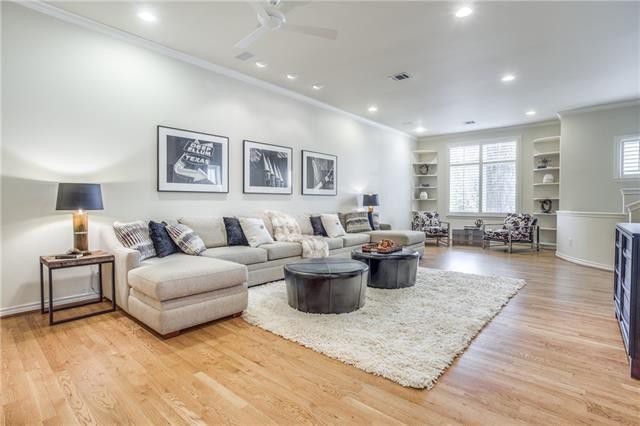
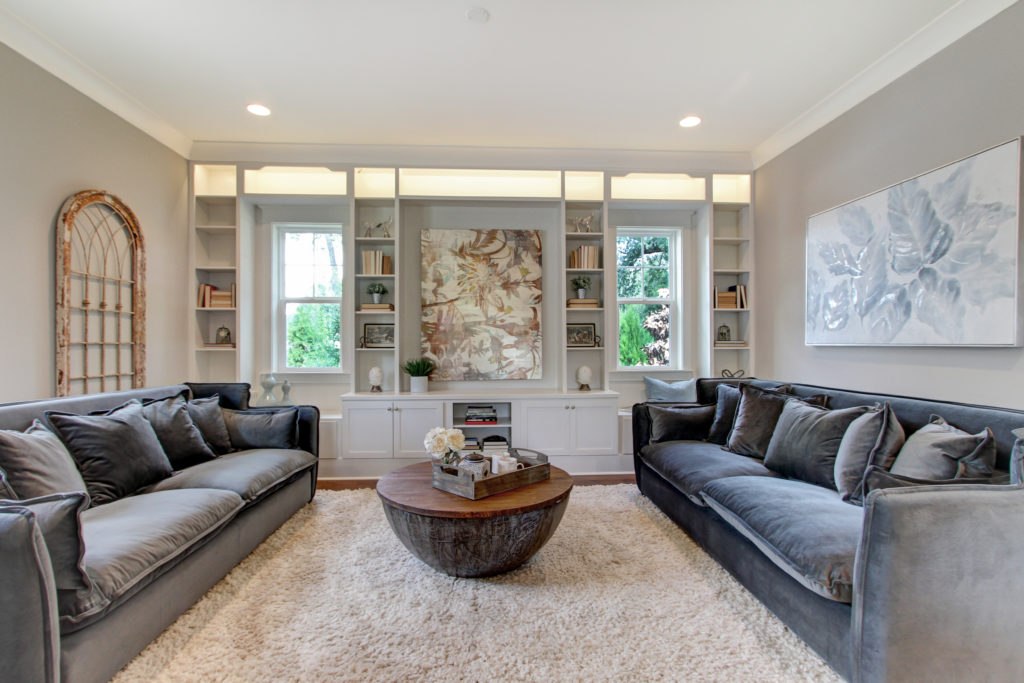
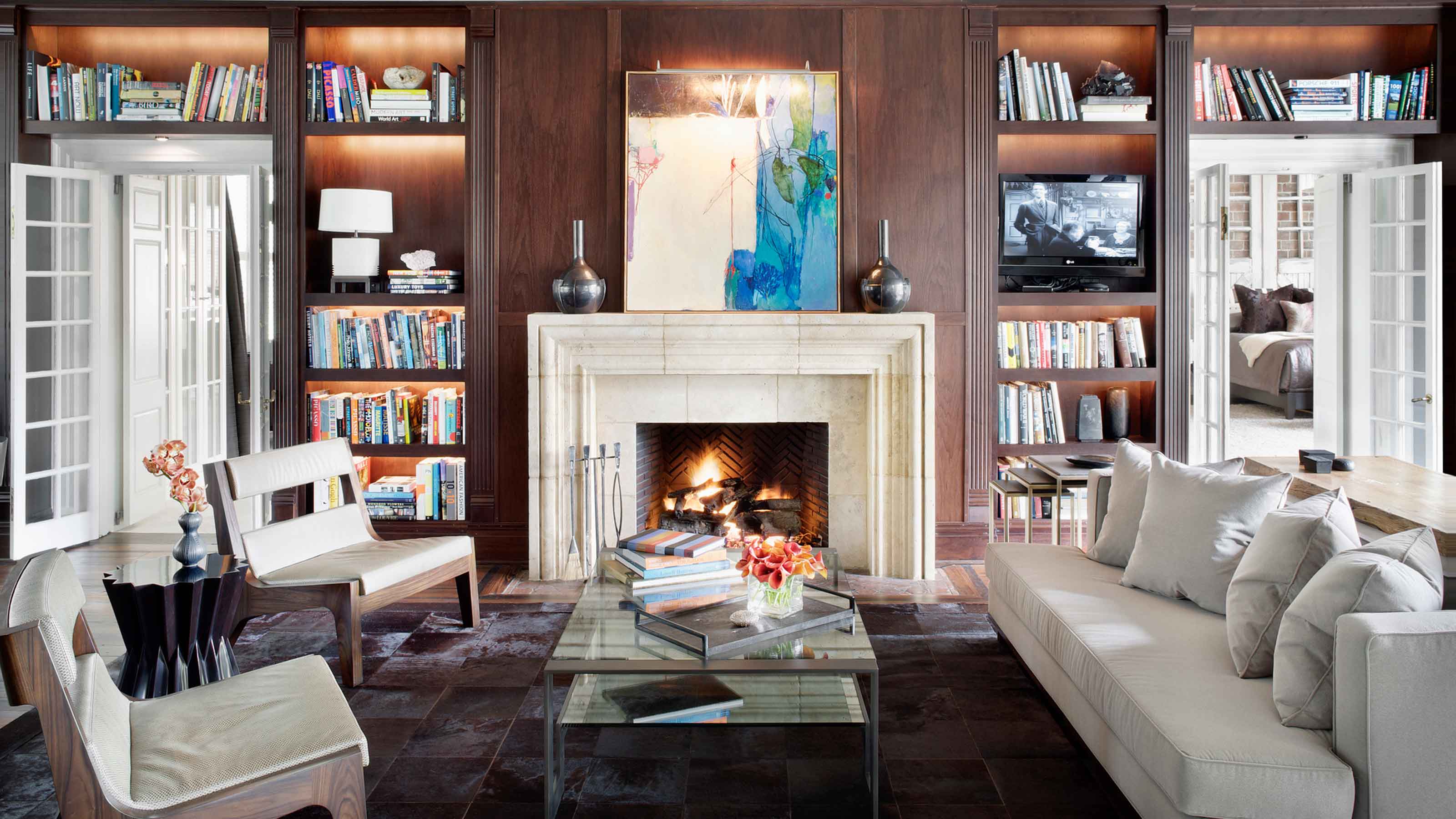
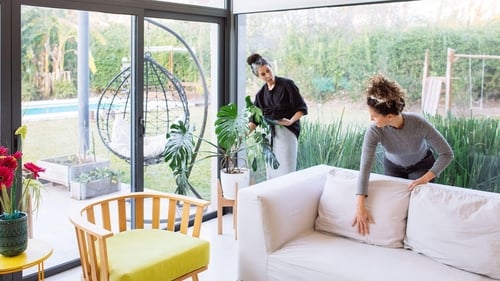
Staging is another key element. Homeowners have the option of traditional staging, where professional stagers furnish the home, or virtual staging, which digitally adds furniture to empty rooms. Virtual staging is often a more cost-effective solution, helping buyers visualize room proportions. Decluttering and depersonalizing the home are also essential. While buyers appreciate homes with character, excessive personal items can make it difficult for them to envision themselves living in the space. Open and uncluttered spaces are generally more appealing in photographs. However, a complete absence of personal touches can make a home feel sterile; strategically placed artwork or subtle decor can add personality without being overwhelming.
Adjusting the home's layout for photographs can also make a significant difference. If the current furniture arrangement makes a room appear cramped or awkward, temporarily reconfiguring the layout or removing unnecessary pieces can create a more open and spacious impression. Incorporating a virtual tour is deemed a necessity, as it allows prospective buyers to virtually walk through the home and understand its spatial relationships. Finally, leveraging social media to share the listing can expand its reach and generate additional interest, potentially catching the eye of a broader audience of prospective buyers.
#RealEstate #HomeSelling #ScreenAppeal #VirtualTours #HomeStaging #ProfessionalPhotography #OnlineListings #ZillowShowcase #HomeMarketing #RealEstate #HomeSelling #ScreenAppeal #VirtualTours #HomeStaging #ProfessionalPhotography #OnlineListings #ZillowShowcase #HomeMarketing
0 comment in total
 No comments yet
You may also like
Profile of Home Staging
Rising Home Equity Keeps People In Place, Exploding Remodeling Tech


Outdated Trends That HGTV's Property Brothers Swear Are Ruining Your Home's Vibe
How home staging can help you sell your house faster & for more

This Once-Popular Home Feature Is Falling Out of Favor

7 "Stylish" Decor Trends That Are Secretly Hurting Your Home’s Value, Real Estate Pros Say

Bathroom Design Choices That Make It Harder To Sell A Home, According To Experts
More Realtors Are Using Staging Than Ever Before, According to NAR


Flipped Homes Flop when Mortgage Rates Rise
'Potential buyers may see it as a DIY job gone wrong' – this popular interior trend may be devaluing your home
Trulia Keeps Tabs on What Home Buyers Really Want

This Once-Popular Feature Is Dating Your Bathroom and Making Your Home Harder to Sell, Designers Say

This SURPRISING Feature May Make Your Home Harder to Sell, According to Designers


10 retro design trends that could be devaluing your property by thousands

People Are Exposing The Home Decor Trends That'll "Completely Fade Out" Sooner Than You'd Think


20 Things Home Buyers Will Hate About Your House
Escaping the 'fear-based decorating' spawned by the housing crisis
7 Trending Features That EVERY Homebuyer Wants Right Now

More Than a Decade Later, the Property Brothers Say This Home Trend Always Leads to “Regret”